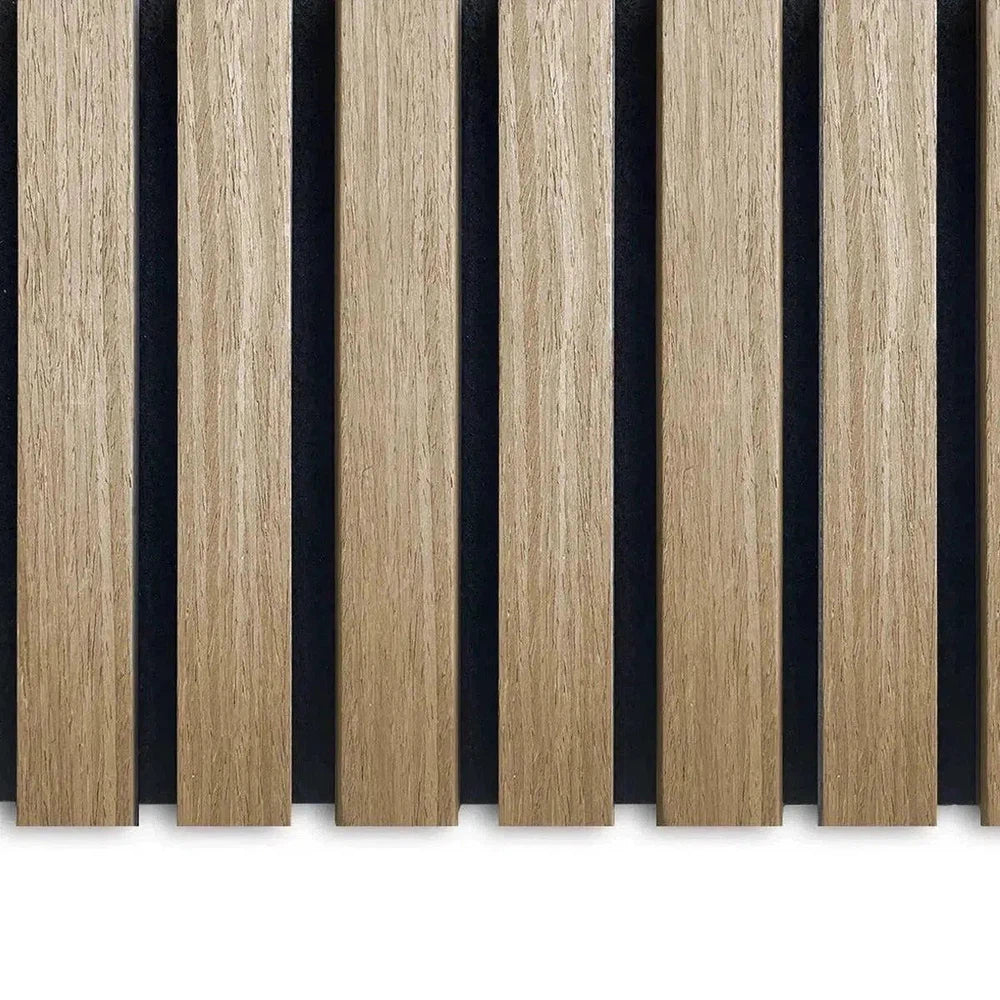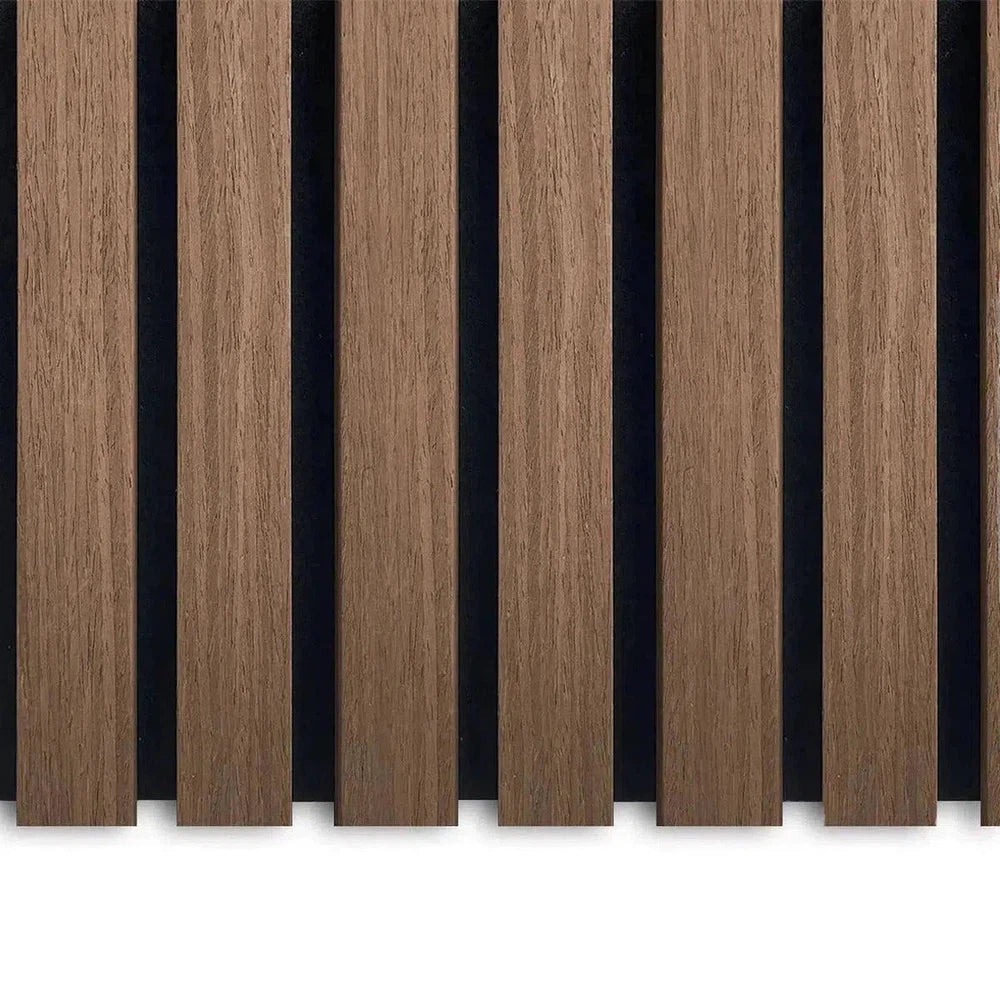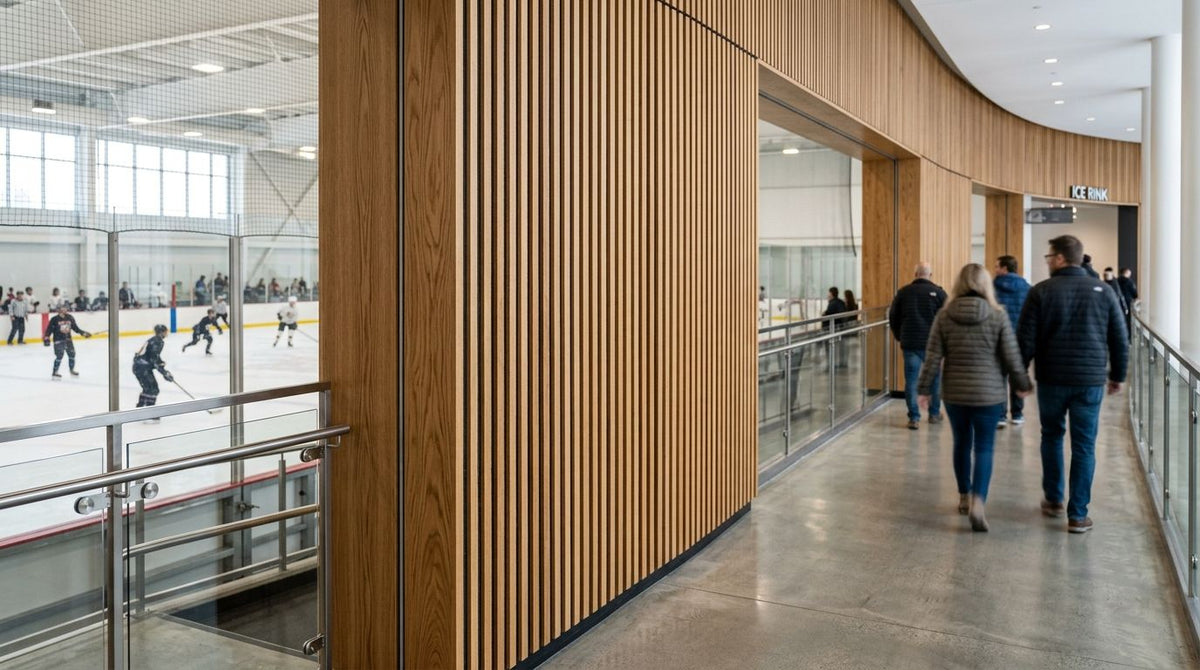
Ice rink acoustic wall panels solve a specific problem: concrete, glass and ice reflect sound instead of absorbing it, so tannoy announcements, skate blades and crowd noise bounce around the concourse until nobody can hear the person next to them. A concourse serving a rink is louder and harder to treat than a standard leisure building because the ice sheet itself acts as a giant flat reflector, and most rinks run high ceilings and glazed viewing walls that add even more hard, reflective surface area.
- Ice rink acoustic wall panels cut concourse echo fastest when felt-backed wood panels replace bare concrete or glass.
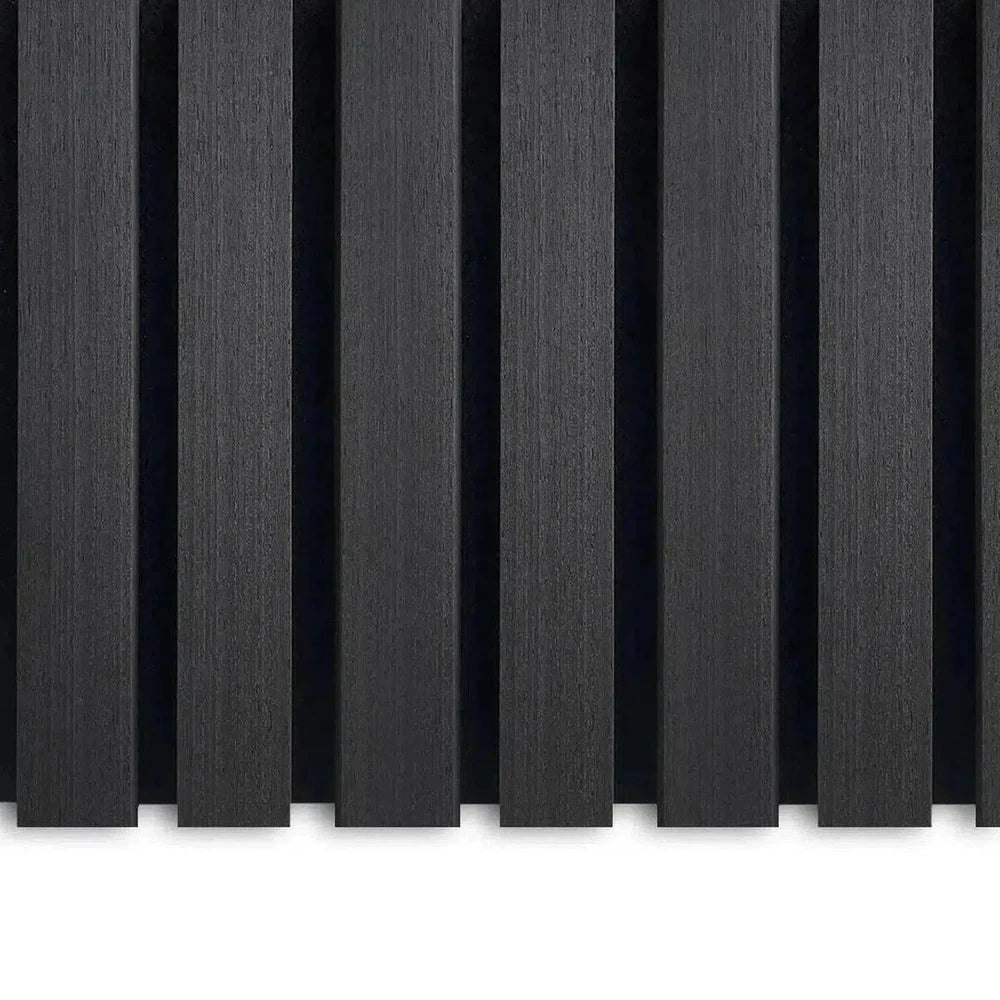
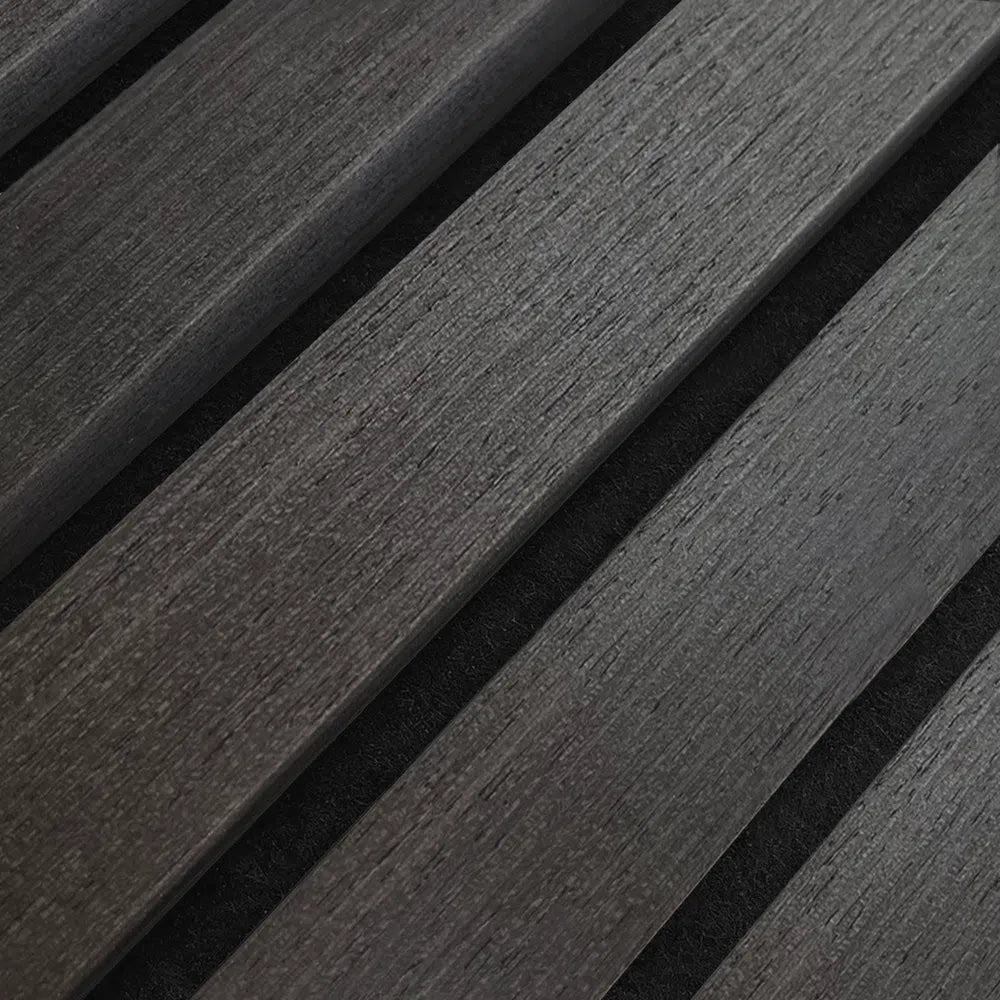
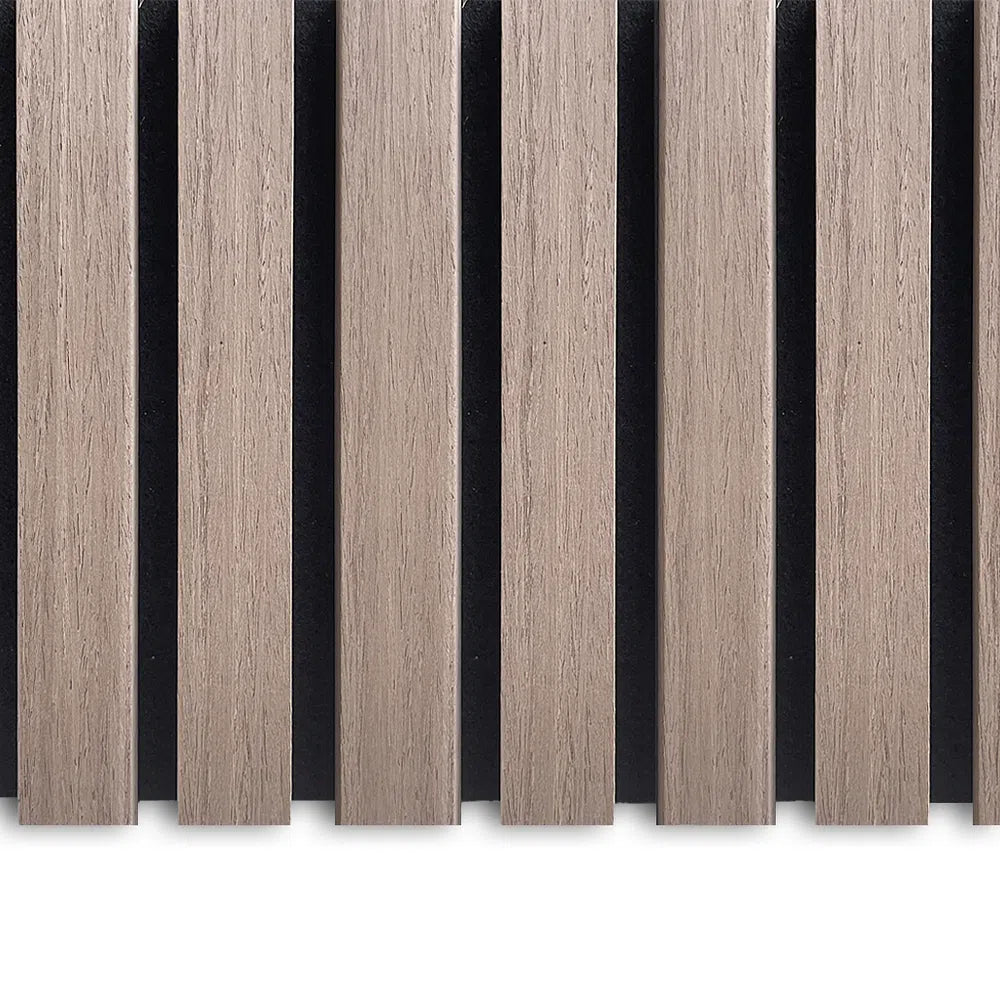
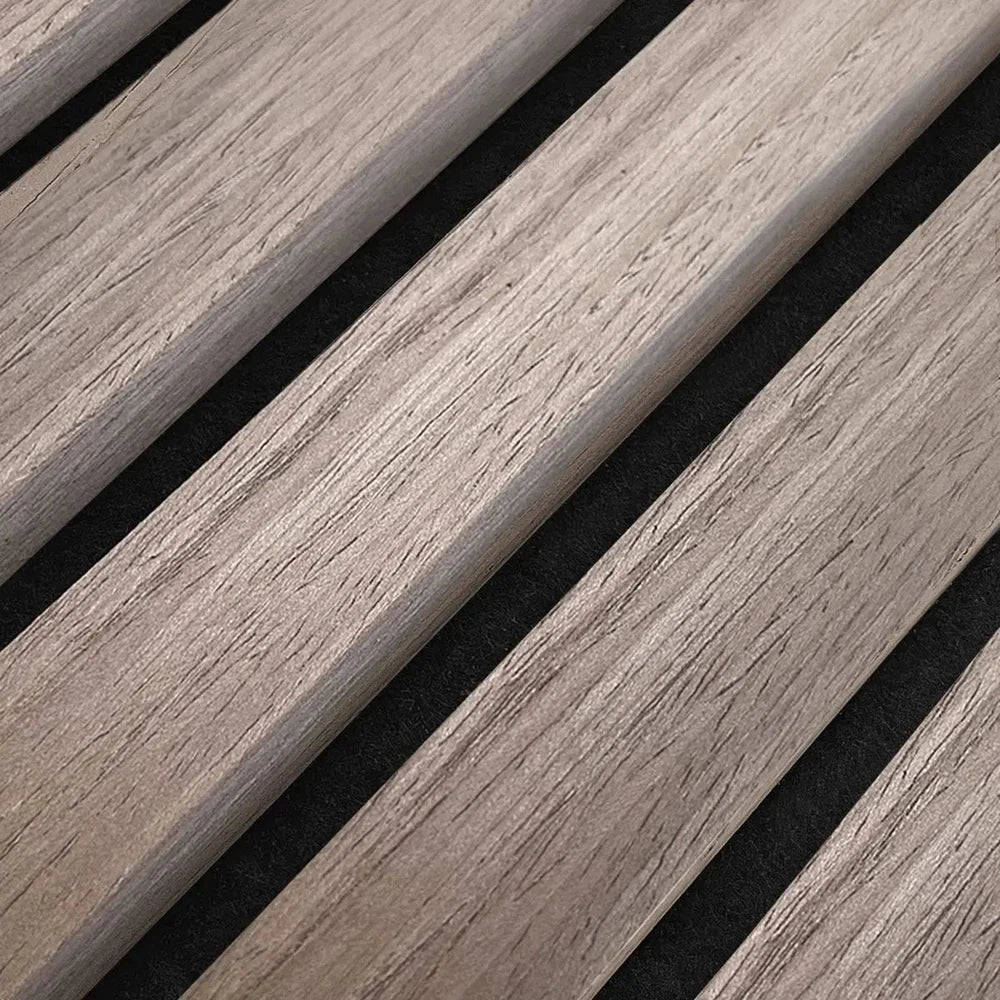
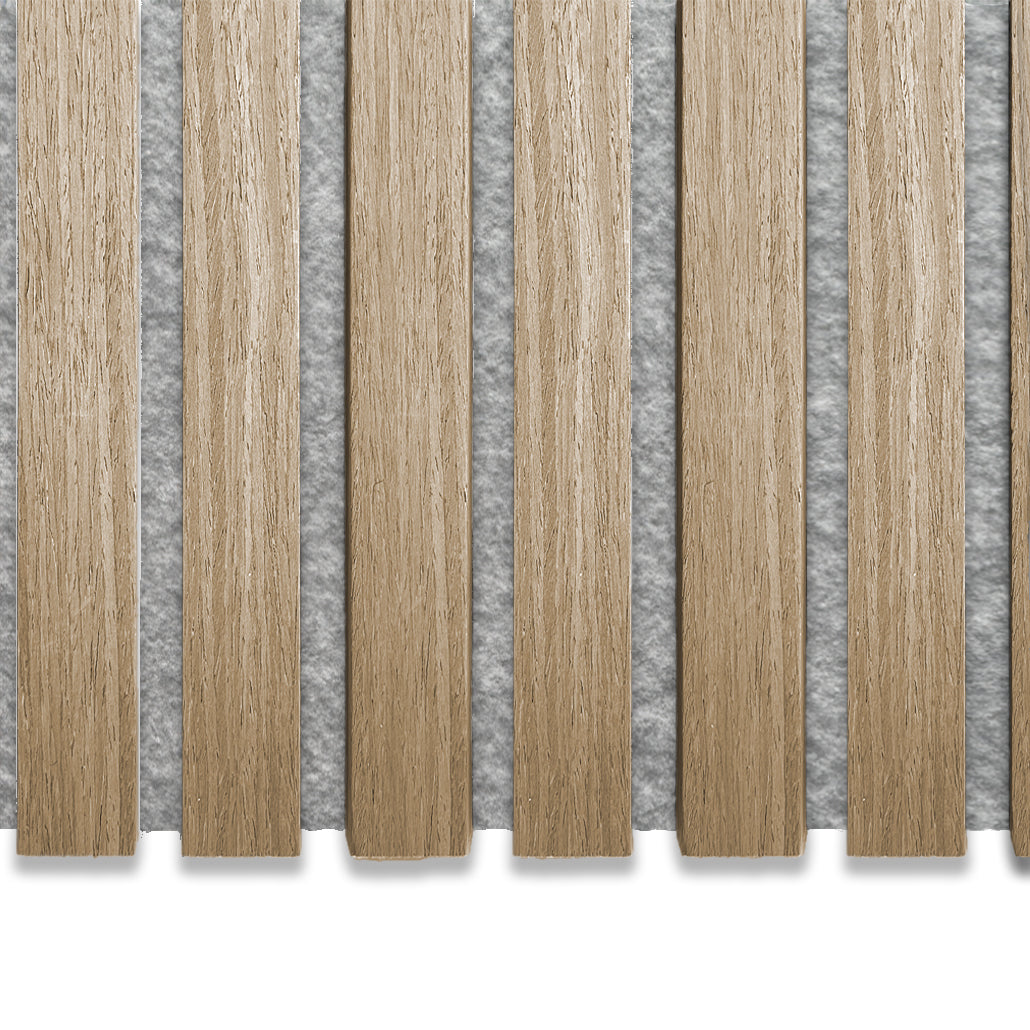
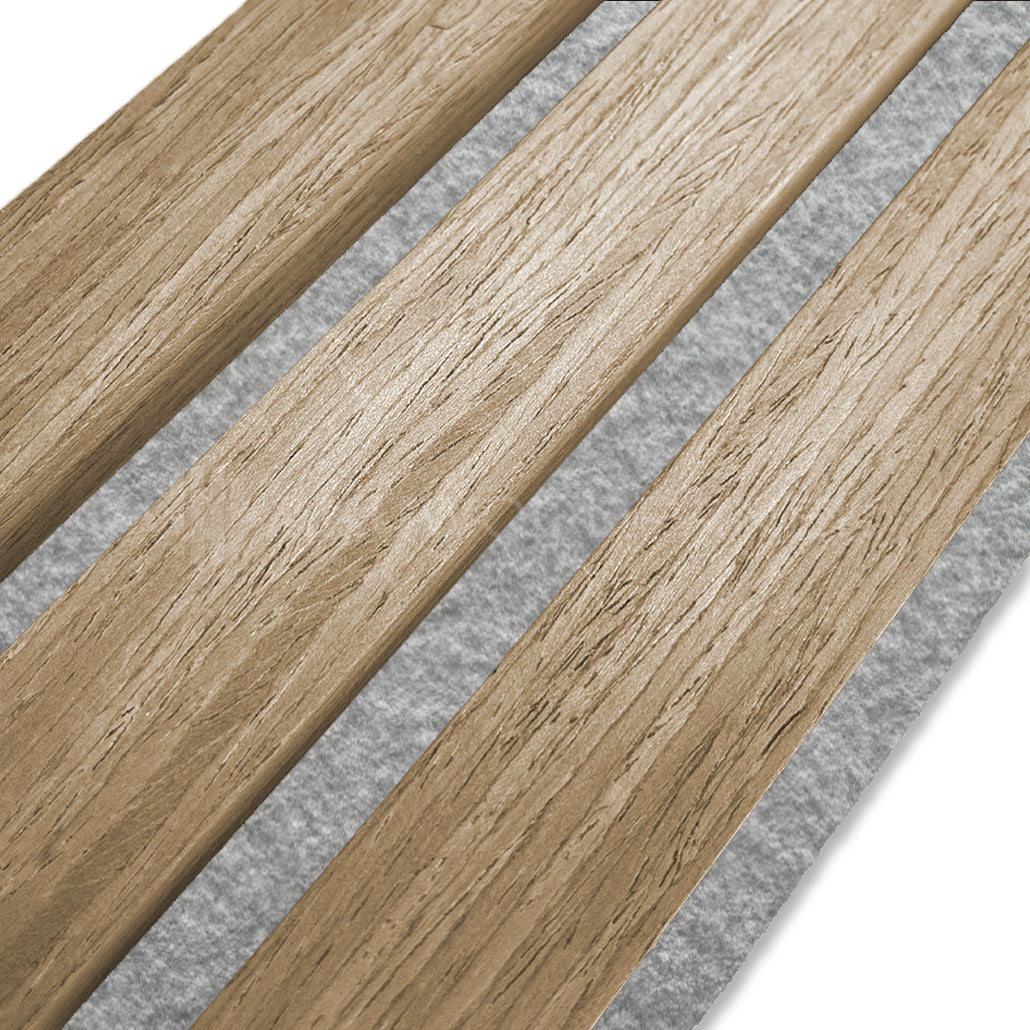
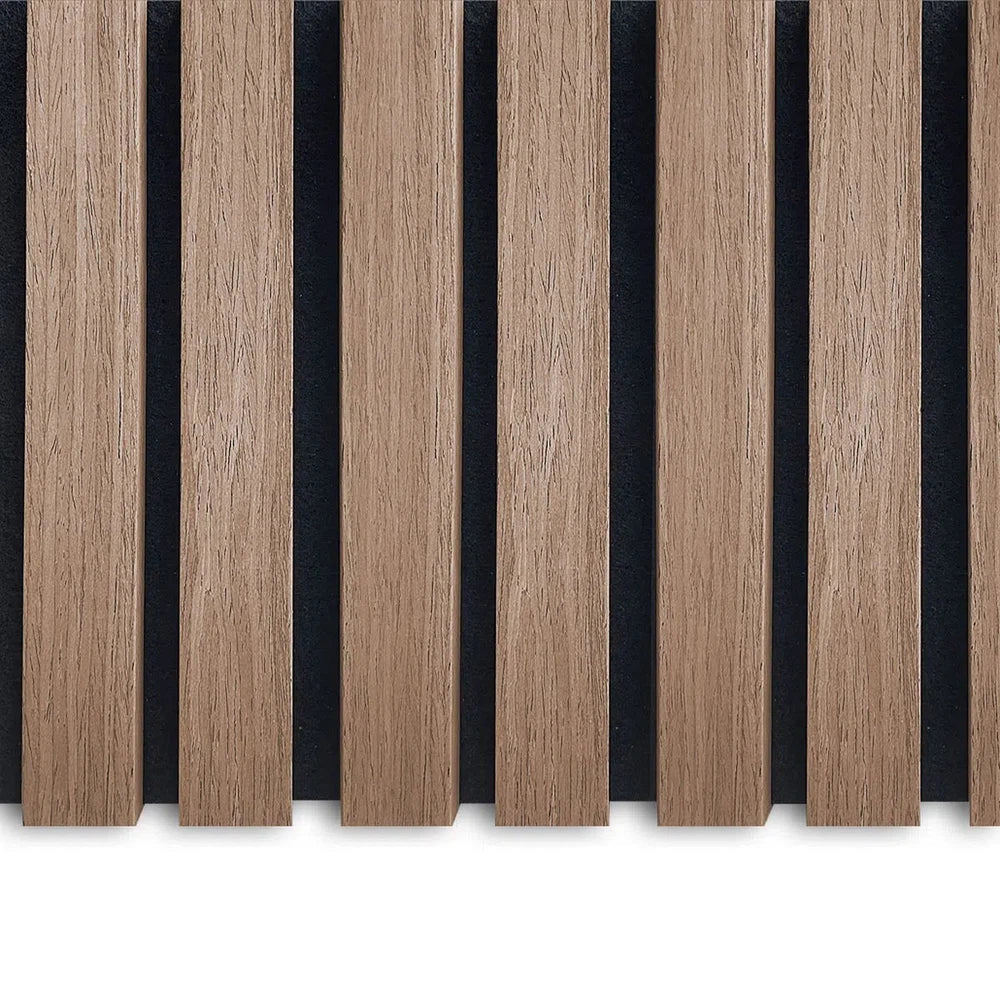
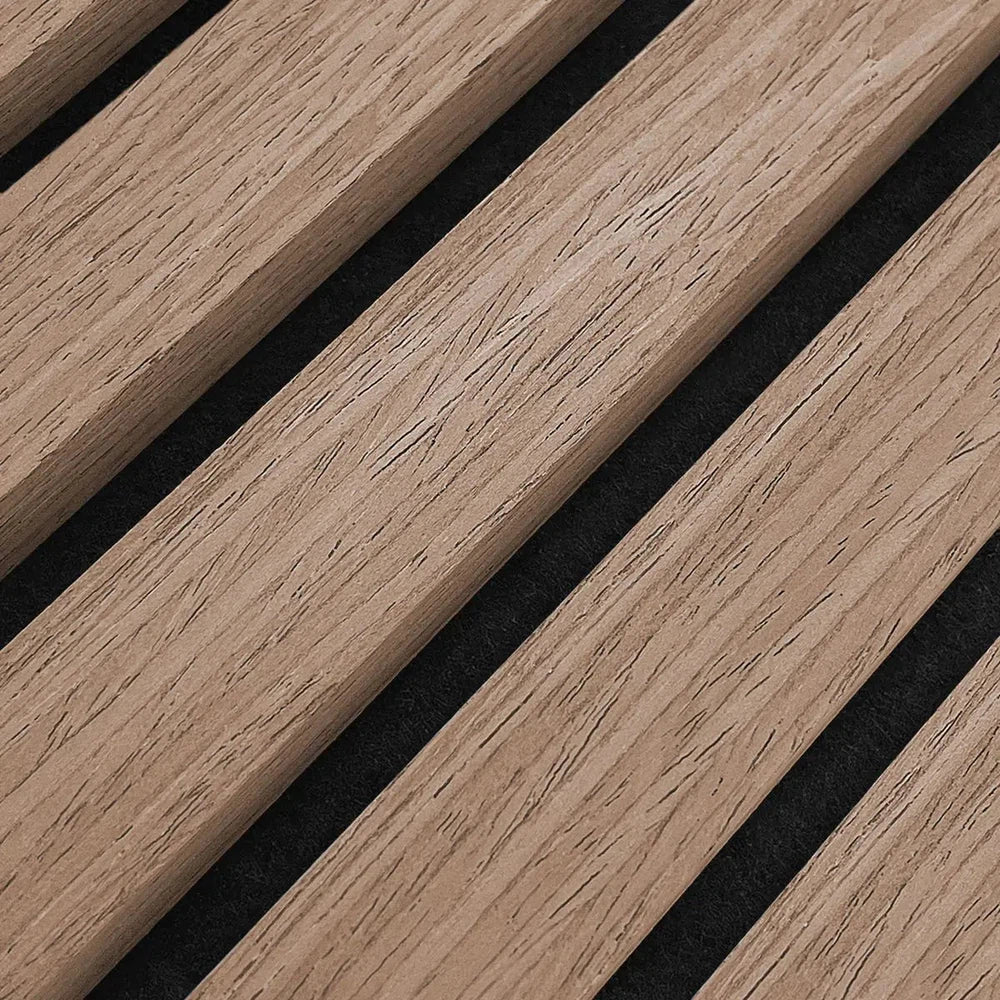
- Akuwood Panel's natural oak and black oak finishes carry acoustic felt backing built for high-footfall public buildings.
- Target an NRC of 0.3 to 0.5 for a rink concourse before ordering any panel.
- Foam absorbs sound cheaply but degrades faster in the damp air around an ice sheet.
- Order samples before committing to a full spec — finish and panel thickness both change how a concourse sounds.
Why this matters for ice rink concourses
A rink concourse is a worse acoustic environment than almost any other leisure space in 2026 building stock. The ice sheet reflects sound back up into the room instead of absorbing it the way carpet or soft flooring would elsewhere, and most concourses pair that with concrete block walls, glazed viewing screens and a raised roof for spectator sightlines. Put those three together and reverberation time stretches out until safety announcements, fire alarm messages and staff instructions all blur into noise.
That's not a comfort issue on its own — it's a compliance and safety issue, because public address intelligibility in an assembly building is something building control and insurers both ask about. Akuwood Panel supplies felt-backed acoustic wood panels built for exactly this kind of high-footfall public space, and the leisure centre acoustic panel guide covers the same reverberation problem in sports halls, which share the concrete-and-glazing profile of a rink concourse.
Audit the concourse for echo hotspots
Start with a walk-through, not a spec sheet. Facilities teams that jump straight to ordering panels usually treat the wrong wall.
- Clap once at the centre of the concourse and count the tail — anything past a second of ringing is a hotspot
- Stand at the PA speaker location and have a colleague read a safety announcement from the far end
- Mark every hard, parallel surface pair (glazed viewing wall opposite a concrete block wall is the worst combination)
- Note ceiling height at each zone — double-height entrance lobbies behave differently to the low-ceiling corridor to the changing rooms
- Check where crowds queue and cluster, since that's where speech intelligibility matters most
Set a target NRC rating before you spec anything
NRC (Noise Reduction Coefficient) runs from 0, meaning a surface reflects almost everything, to 1, meaning it absorbs almost everything. A bare concrete or glass wall sits near 0.02–0.05. Most rink concourses need a blended NRC across the treated wall area of roughly 0.3 to 0.5 to bring reverberation time down to something a PA system can cut through.
- Ask any supplier for the NRC test data sheet, not a marketing claim
- Don't assume a thicker-looking panel absorbs more — the felt backing does the work, not the wood face
- Calculate treated wall area as a percentage of total hard surface, not total floor area
- Cross-check against the how to measure acoustic panel NRC ratings guide before you sign off a spec
Choose a finish that survives condensation and salt air
Once the target NRC is set, the manual next step is choosing what actually goes on the wall. A rink concourse sits next to an ice sheet running well below room temperature, which means condensation forms on cold surfaces near the barrier glass and on any wall close to plant room ducting.
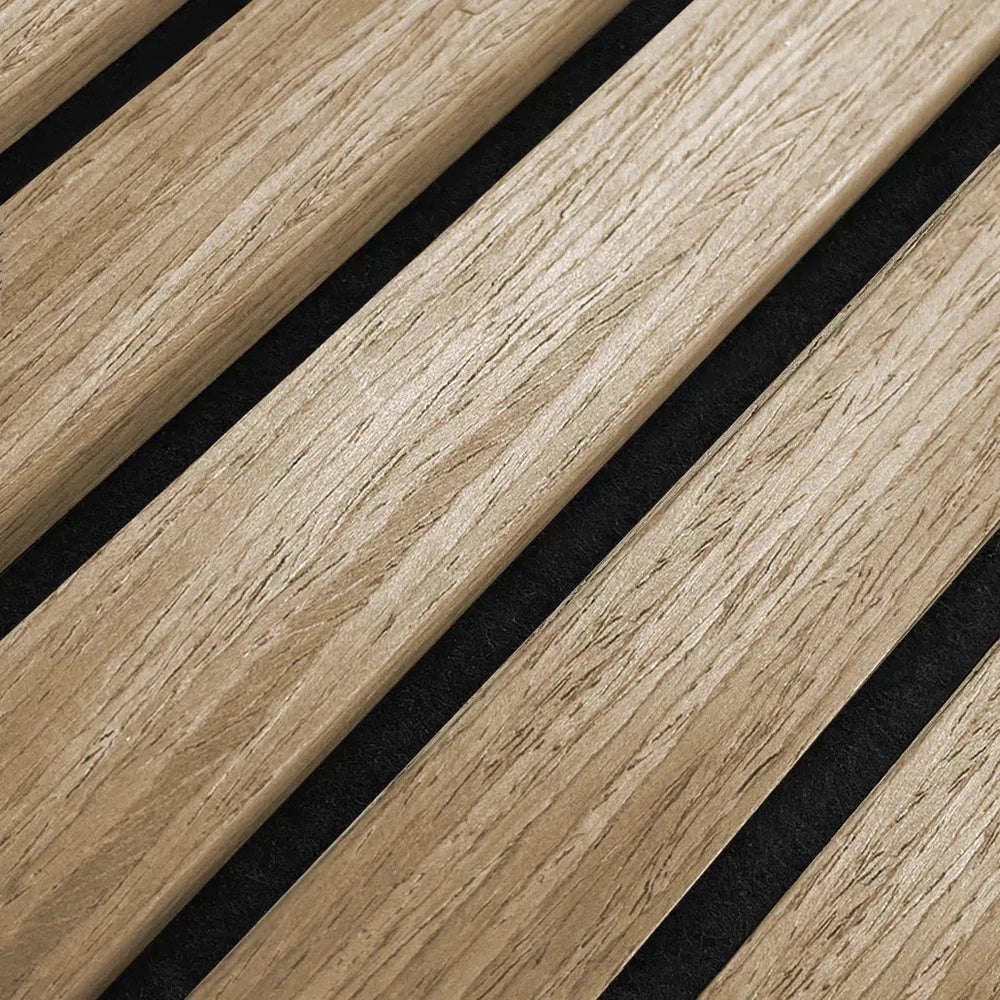
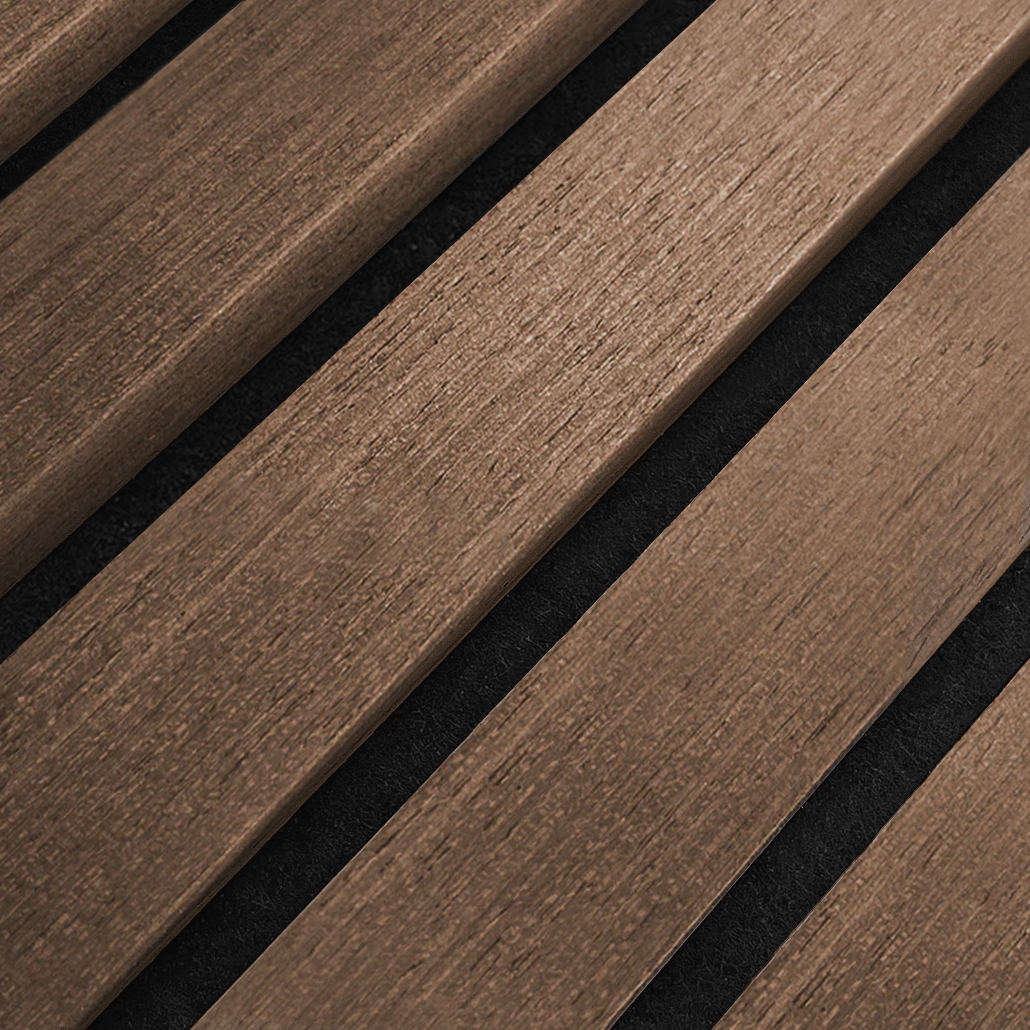
This is where a felt-backed wood panel earns its place over foam or fabric. Akuwood Panel's natural oak acoustic panel carries a 3-sided real wood veneer over acoustic felt, built to hold its finish in a public building rather than a quiet home office. A black oak finish reads darker for concourses that want a moodier entrance zone, and both come in the same felt-backed construction — the choice is aesthetic, not acoustic.
- Confirm the panel's backing material is a bonded acoustic felt, not a thin foam sheet glued on
- Ask whether the veneer is sealed against moisture pickup near barrier glass and plant rooms
- Avoid raw MDF slat panels with no felt layer — they look similar but do almost nothing acoustically
- Match finish to zone: darker finishes near entrances hide scuff marks better than pale oak
Match panel placement to circulation patterns
Panels do the most work where sound actually needs to travel — along the PA speaker line and at ear height in queuing zones, not scattered evenly across every wall.
- Treat the wall directly opposite the barrier glass first — it's the worst reflector in most rinks
- Prioritise walls behind the PA speakers and the reception or turnstile area
- Treat corridor walls between the concourse and changing rooms, where echo carries staff instructions badly
- Leave lower-priority storage and plant corridors for a later phase if budget is tight
Confirm fire rating and building compliance before ordering
A rink concourse is an assembly building under UK building regulations, so wall linings need to meet the relevant fire classification for the space and occupancy type. This step happens before ordering, not after.
- Get written fire classification data for the exact panel and backing combination, not the wood species alone
- Check the classification covers the specific wall build-up (stud wall, block wall, or over existing lining)
- Flag any egress corridor or fire escape route separately — these often carry a stricter class than the open concourse
Order samples before committing to a full spec
A sample in hand settles arguments a data sheet can't — colour under the rink's lighting rig, felt thickness, and how the veneer grain reads at a distance across a wide concourse.
- Request samples in at least two finishes if the concourse mixes zones (entrance vs. corridor)
- Hold the sample against existing signage and barrier frame colours before ordering
- Check panel size format (240 cm or 300 cm) against your actual wall height before ordering full runs
Fix panels with maintenance access in mind
A concourse gets knocked, mopped and pressure-cleaned more often than a domestic wall ever will. Fixing method affects how easily a damaged panel gets swapped later.
- Specify a batten or track fixing system that allows single-panel replacement without disturbing the whole run
- Avoid full-surface adhesive on high-traffic lower walls — a single scuffed panel becomes a full-wall repair
- Leave expansion gaps per manufacturer instruction, since temperature swings near an ice sheet are more extreme than in a normal room
Budget quantities against wall area, not panel count
Quoting by "number of panels" without checking wall area first is the most common budgeting mistake facilities teams make.
- Measure treated wall area in square metres, not linear panel counts
- Add 5–10% wastage for cuts around doors, glazing frames and corners
- Separate quantity estimates by finish if you're mixing oak and black oak across zones
“If announcements over the PA get lost in echo, the problem is reverberation time, not speaker volume.”
Comparison: wall treatment options for a rink concourse
| Option | Best for | Key limitation |
|---|---|---|
| Felt-backed acoustic wood panels | Concourses that need a durable public-building finish with real absorption | Higher unit cost than foam, needs batten fixing |
| Acoustic foam panels | Low-visibility plant rooms and back-of-house corridors | Looks industrial, degrades faster in damp air near the ice sheet |
| Fabric-wrapped acoustic panels | Softening reverberant seating or waiting areas | Fabric traps dirt and moisture, harder to pressure-clean |
| Suspended acoustic baffles | High-ceiling zones above 4m where wall space is limited | Doesn't treat echo at head height where speech clarity matters most |
Verdict: for a rink concourse that gets pressure-washed, knocked by hockey bags and needs to look presentable for 2026 and beyond, felt-backed acoustic wood panels are the only option on this table built to survive daily public-building use while still doing the acoustic job.
Common mistakes facilities teams make with rink concourse acoustics
- Treating the whole concourse evenly instead of prioritising the PA line and queuing zones, which wastes budget on low-impact walls
- Choosing foam because it's cheaper up front, then replacing it within a couple of years once damp and UV near the entrance degrade it
- Skipping the fire classification check for the panel-and-backing combination, which delays sign-off after installation has already started
- Ordering a full run before requesting a sample, then discovering the finish reads differently under the rink's overhead lighting rig
- Measuring in panel counts instead of wall area, which under-orders material once corners and glazing cutouts are accounted for
FAQ
What's the best acoustic wall panel for an ice rink concourse?
A felt-backed acoustic wood panel is the best option for a rink concourse because it combines real sound absorption with a wood finish that survives pressure-washing and daily foot traffic. Foam and fabric alternatives absorb sound too but degrade faster in the damp air around an ice sheet.
Is wood better than foam for rink concourse acoustics?
Felt-backed wood panels last longer in a public building because the wood veneer resists scuffs and cleaning chemicals that break down foam within a couple of years. Foam can match wood on raw NRC numbers but rarely survives the maintenance cycle of a busy concourse.
What NRC rating should a rink concourse target?
Most rink concourses need a blended NRC of roughly 0.3 to 0.5 across the treated wall area to bring PA announcements back to intelligible levels. Bare concrete or glass sits near 0.02 to 0.05, so almost any wall treatment improves on doing nothing.
Do acoustic wood panels handle the humidity around an ice sheet?
A sealed veneer over an acoustic felt backing resists the condensation that forms on cold surfaces near barrier glass and plant rooms. Confirm moisture sealing with the supplier before specifying panels for zones directly adjacent to the ice sheet.
How do you order acoustic panel samples before a full spec?
Request a physical sample in each finish you're considering and check it under the rink's actual lighting rig before ordering full runs. Colour and grain can read differently under arena lighting than they do in a supplier's product photo.
Can acoustic wood panels be fire-rated for public buildings?
Fire classification depends on the specific panel-and-backing combination and the wall build-up it's fixed to, not the wood species alone. Get written fire classification data for your exact spec before ordering, since a rink concourse counts as an assembly building under UK regulations.
How do you calculate how many panels a concourse needs?
Measure the treated wall area in square metres rather than counting panels, then add 5 to 10 percent for wastage around doors, glazing frames and corners. Separate the calculation by finish if different zones use different colours.
What panel sizes are available for a rink concourse project?
Wood acoustic panels typically come in 240 cm and 300 cm formats, so measure your actual wall height before ordering to minimise cutting and offcuts. Mixed ceiling heights across a concourse may need both formats on the same project.
One last thing
The zone facilities teams treat last — the corridor between the concourse and the changing rooms — is usually the one where echo does the most damage to staff communication, because it's narrow, parallel-walled and used constantly for quick instructions during busy sessions. Treat that corridor in the same phase as the main concourse, not as a future add-on.