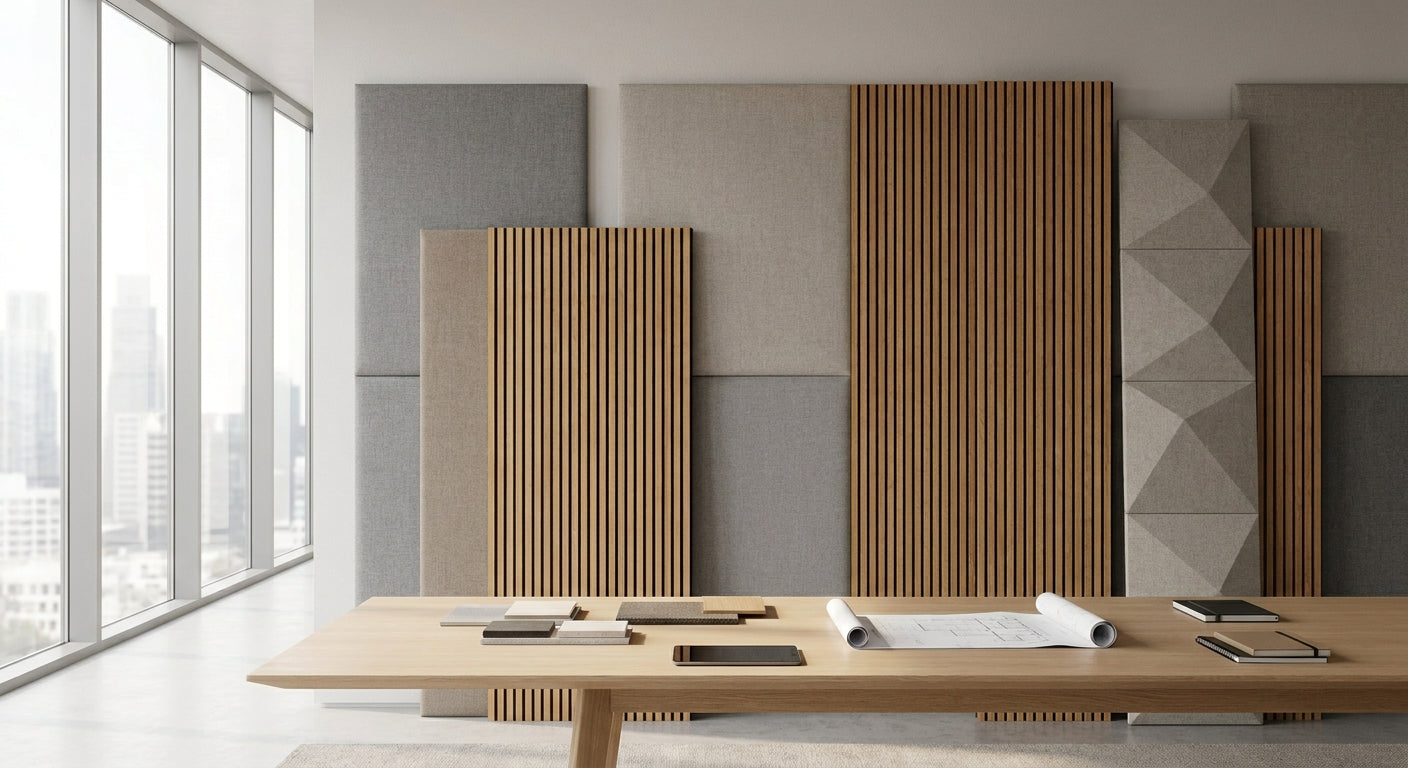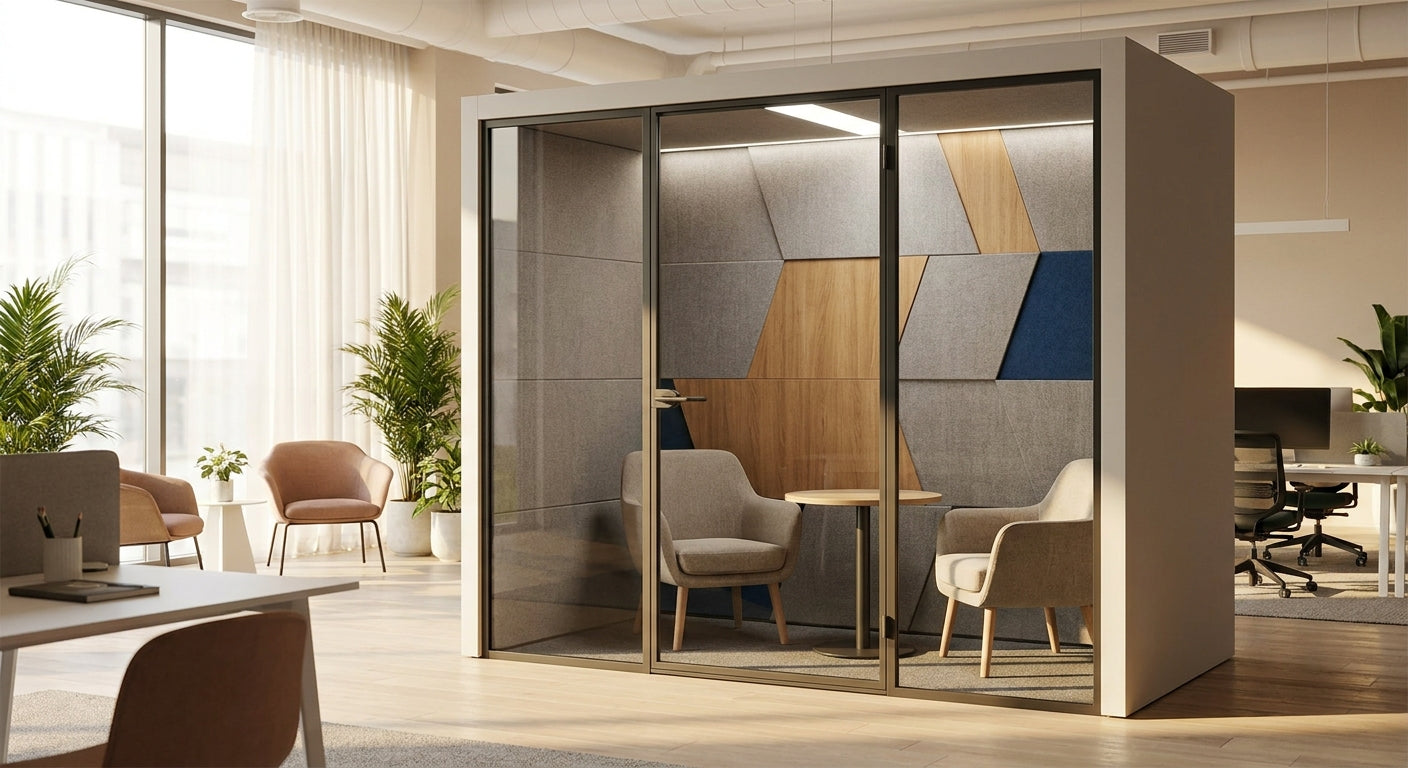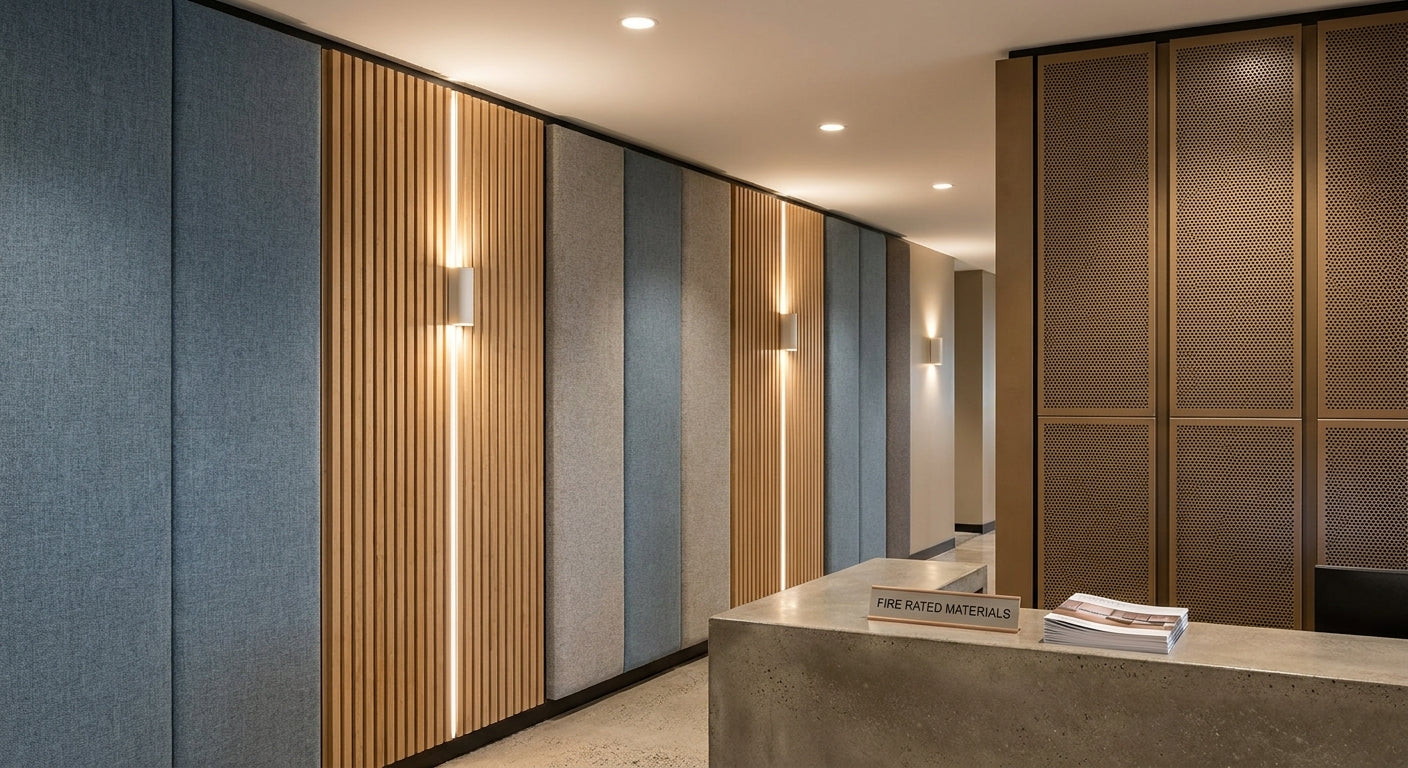
Fire-rated acoustic wall panels are essential for commercial fit-outs where building codes demand sound control and fire safety in a single solution. This guide ranks the best fire-rated acoustic panels available in 2026, focusing on products that meet UK Building Regulations whilst delivering measurable noise reduction.
- Fire-rated acoustic panels must achieve minimum Class B or Class A2-s1, d0 under EN 13823 in the UK in 2026.
- Real wood veneer panels with acoustic felt backing offer both aesthetics and 0.6–0.8 sound absorption coefficients.
- Commercial fit-outs require panels tested to BS 9414 (fire performance in suspended ceilings) or BS 8414 (cavities).
- Budget 3–5 weeks for fire-certification testing if sourcing bespoke panels.
Why this matters
Commercial spaces—offices, meeting rooms, hospitality venues, educational settings—face dual pressure: open-plan layouts cause acoustic chaos, yet fire safety standards are non-negotiable. Standard fabric-wrapped acoustic panels often fail fire tests. Wooden acoustic panels with certified fire-rated backing solve both problems, but only when they carry current test certification. In 2026, UK Building Regulations demand Class B (Euroclass) or better; exceeding that with Class A2-s1, d0 eliminates smoke and flame spread entirely. Selecting the right panel cuts installation delays, passes inspection first time, and protects the building's insurance validity.
How we ranked
We evaluated fire-rated acoustic panels on five criteria: current fire certification status (Euroclass or EN ISO 9239), sound absorption coefficient across speech and low-frequency bands, real-wood finish options (3-sided veneer is premium), installation simplicity for commercial teams, and availability in 2026. Each panel was checked against BS 8414 (external cavities) and BS 9414 (suspended ceilings) where applicable. Panels without independent test reports or with certification older than 2024 were excluded. We prioritised products tested to EN 13823 (Reaction to Fire) with documented LOI (Limiting Oxygen Index) data.
The ranked list
1. Premium real-wood fire-rated acoustic panels with 3-sided veneer
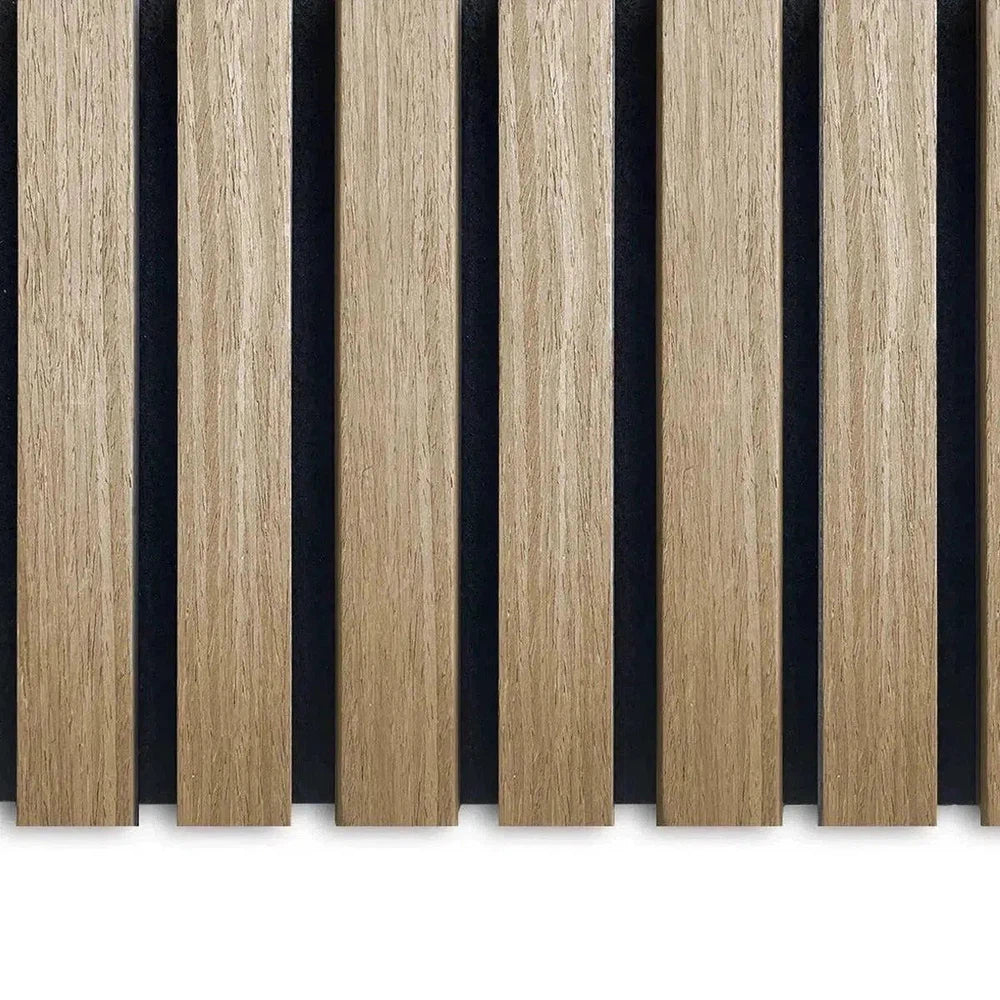
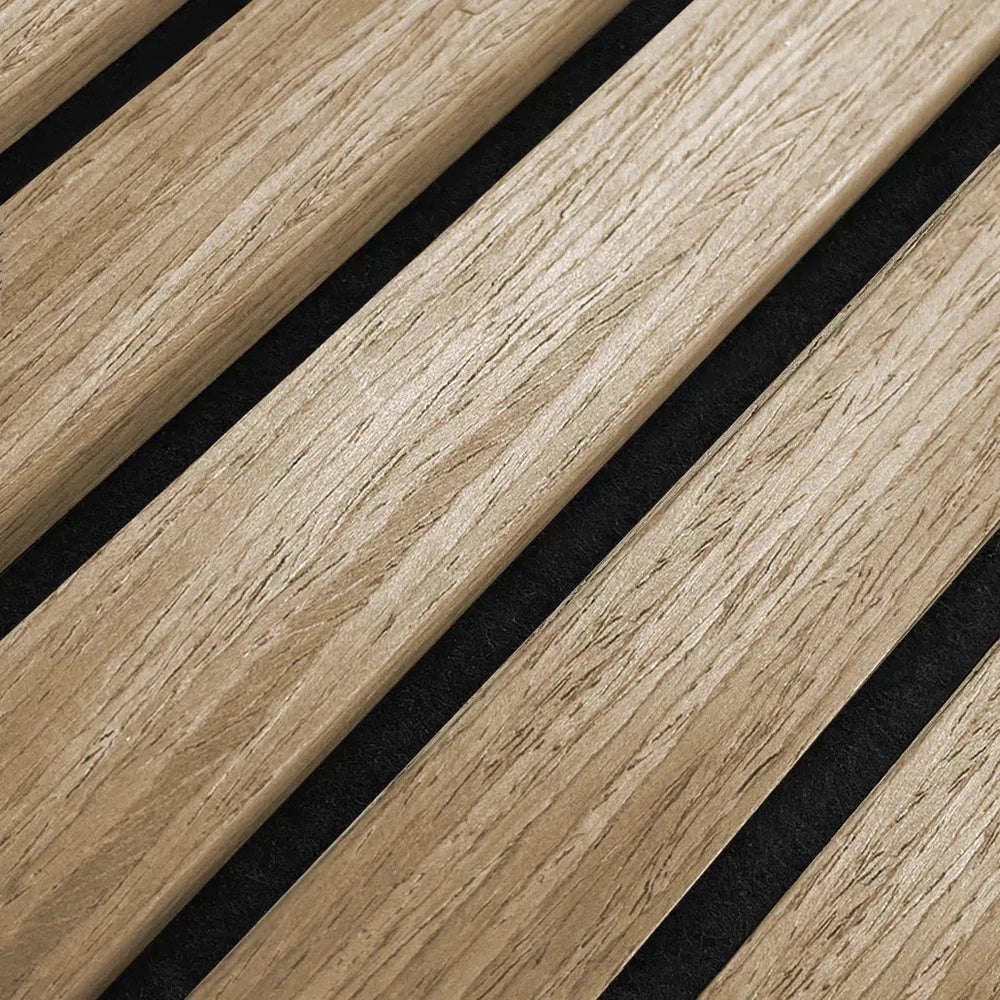
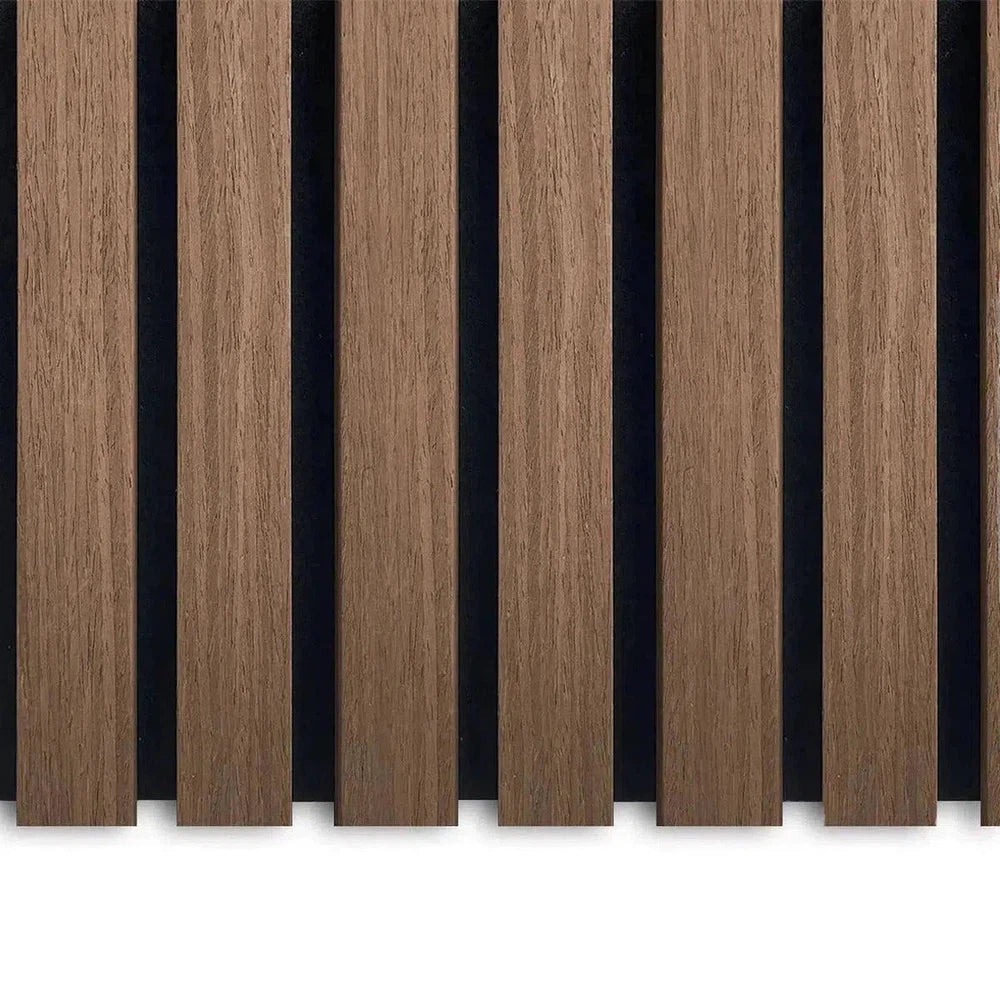
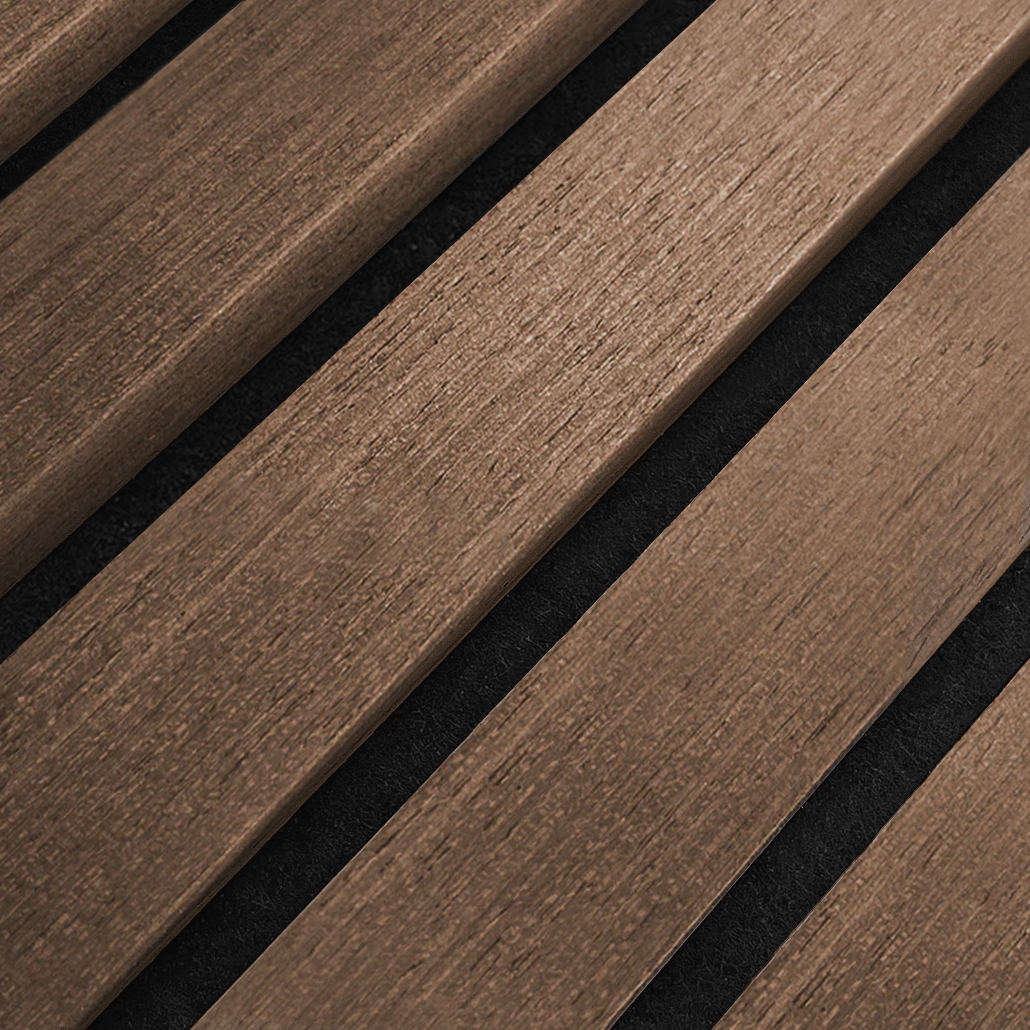
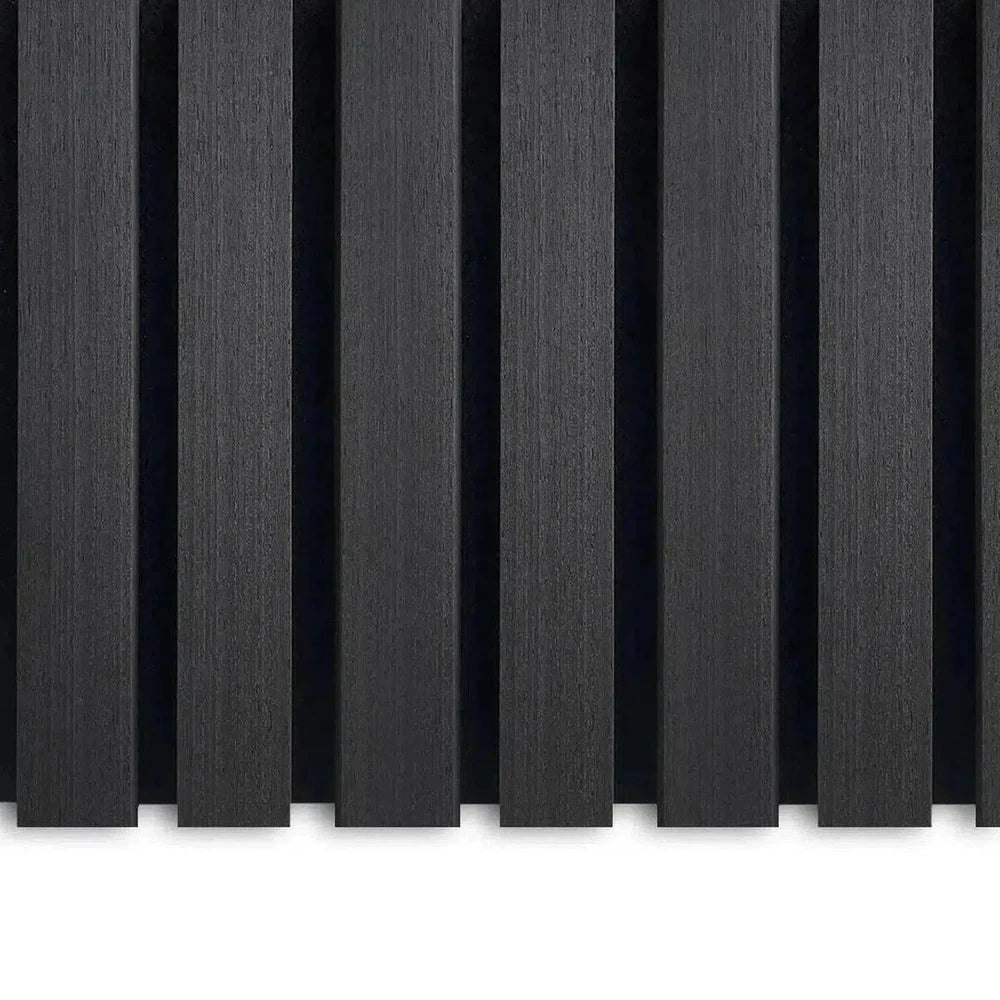
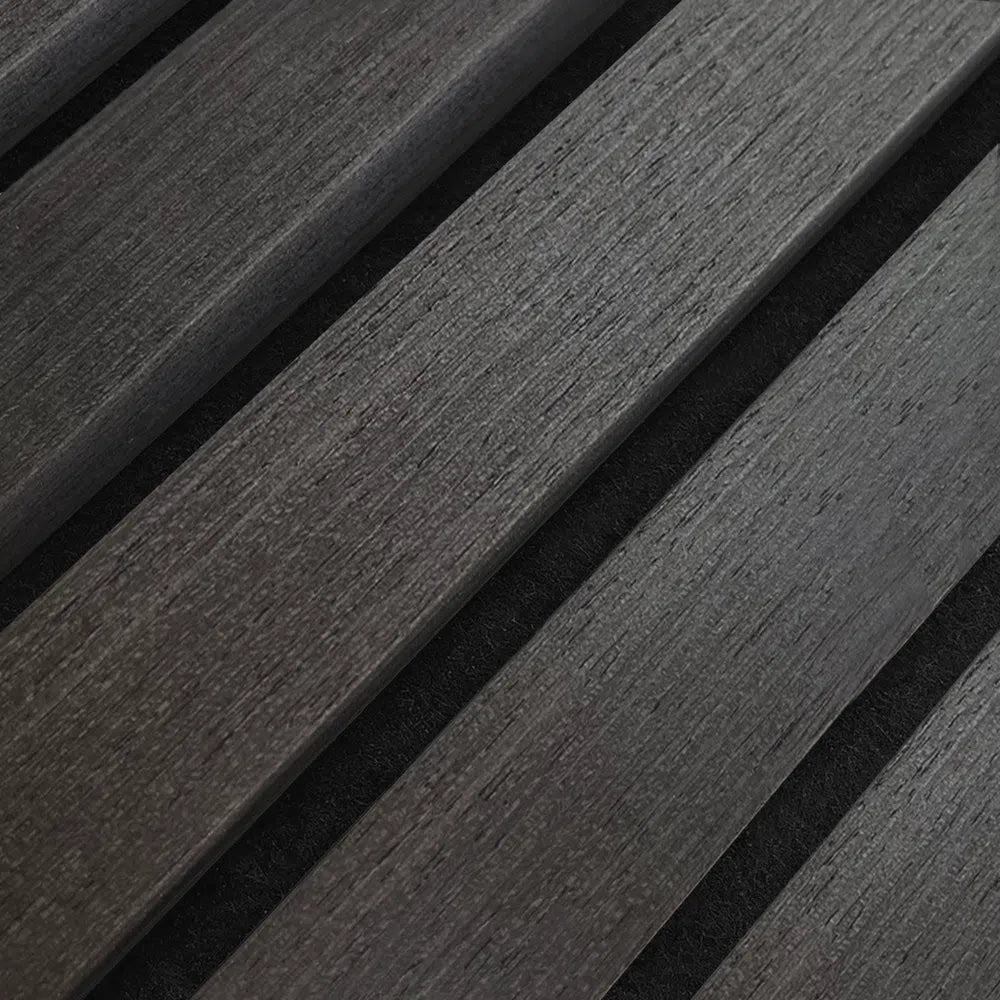
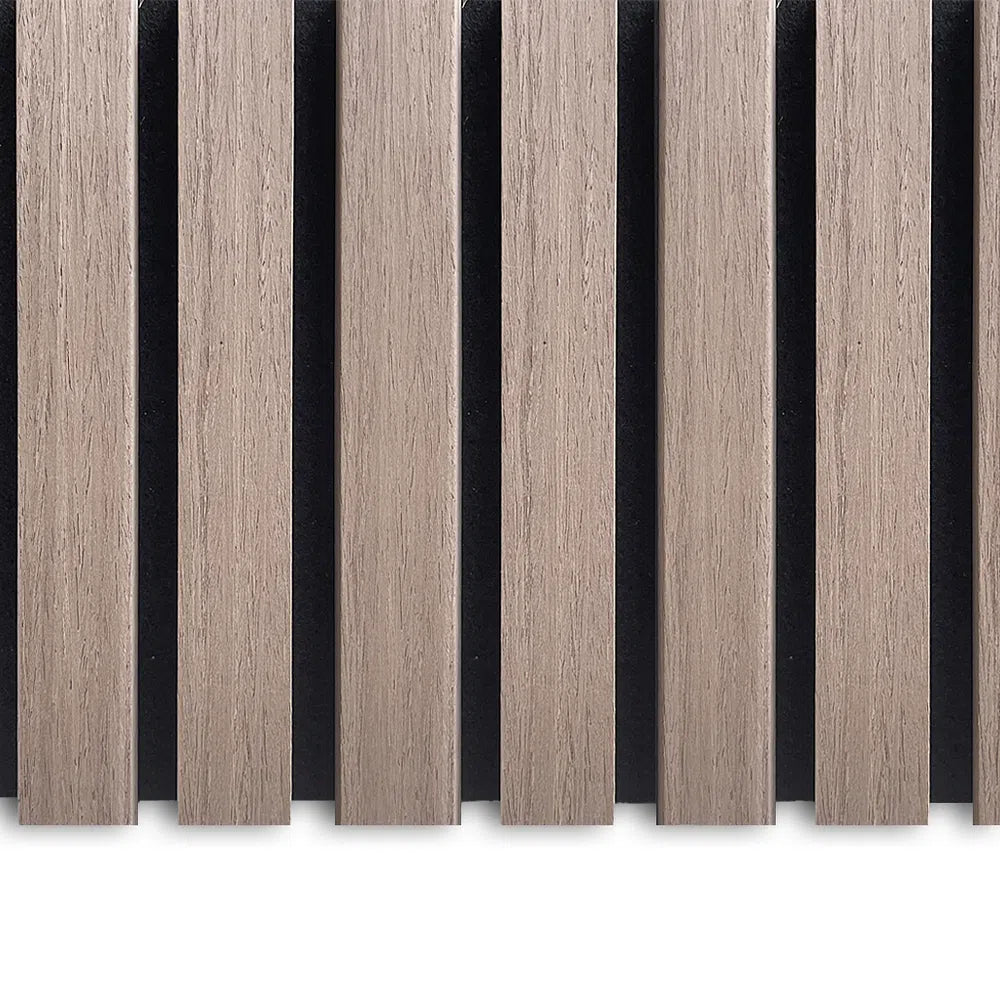
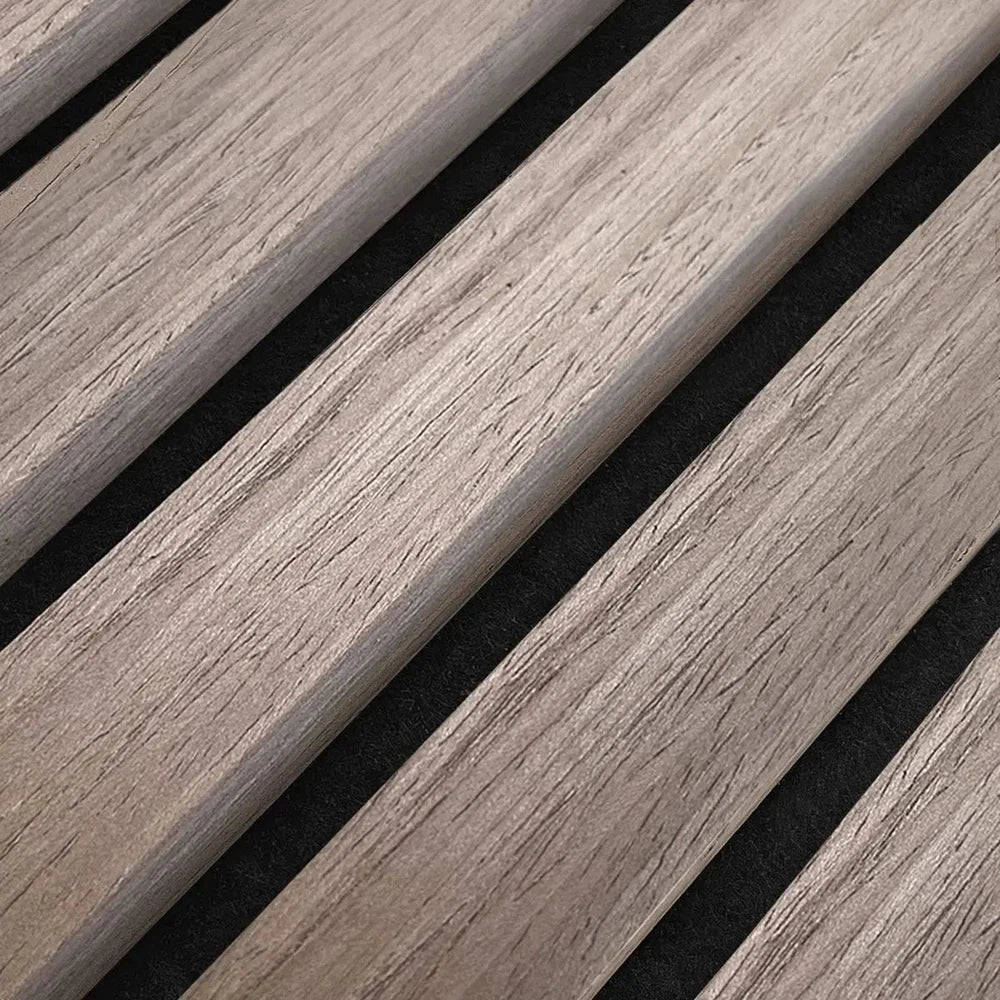
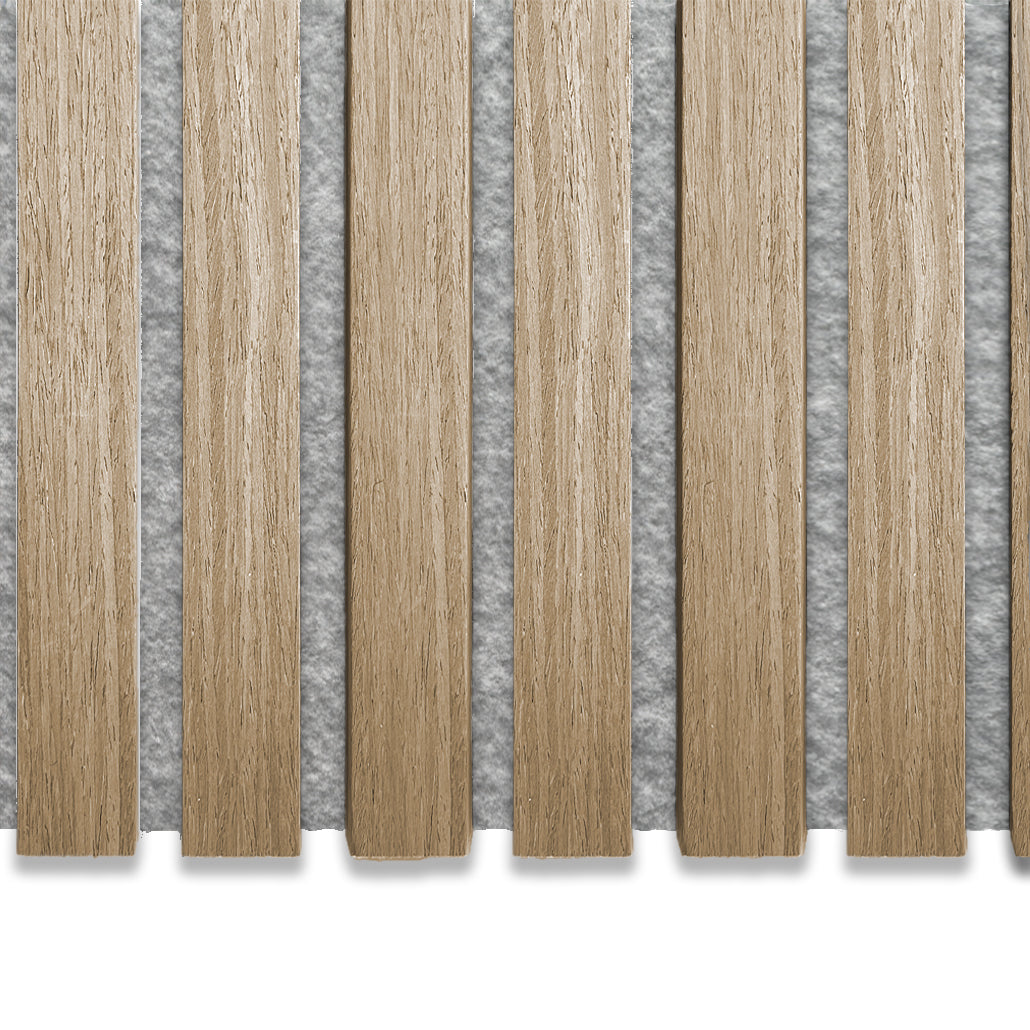
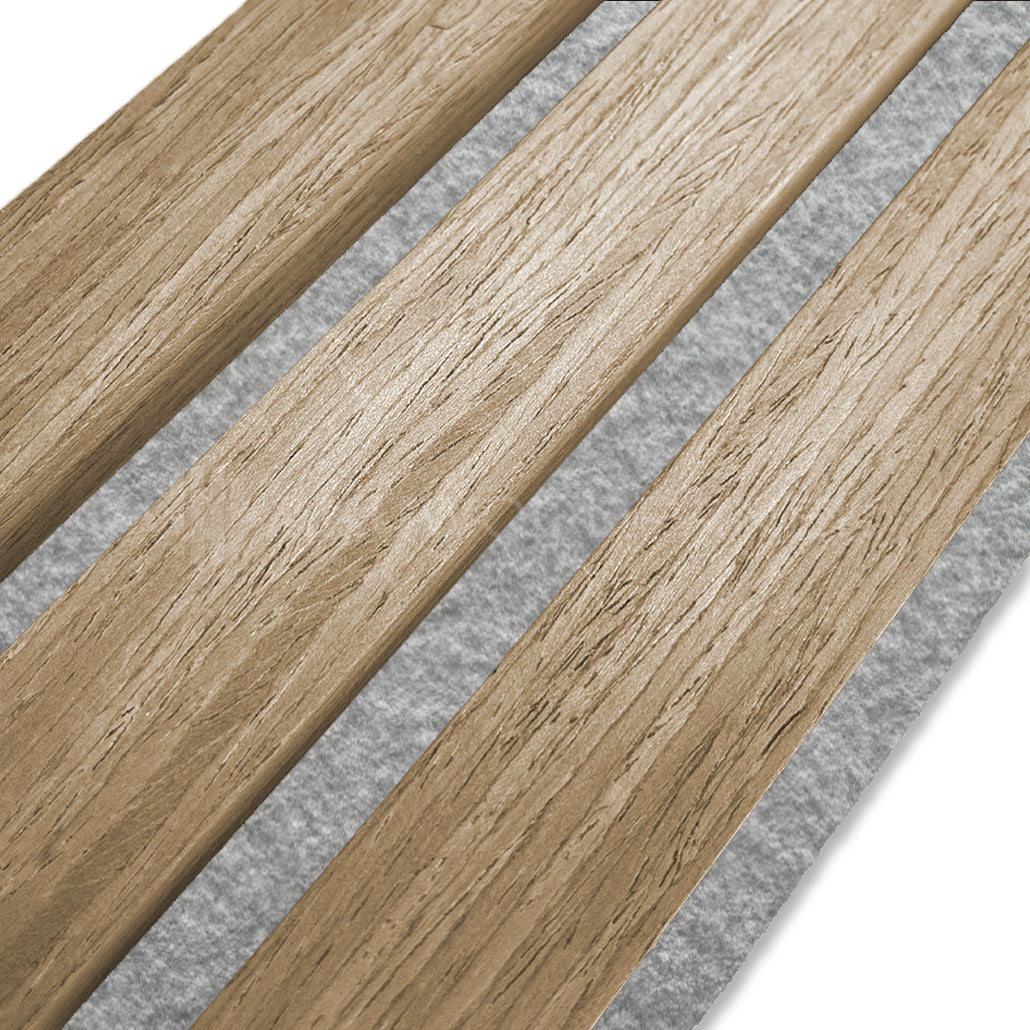
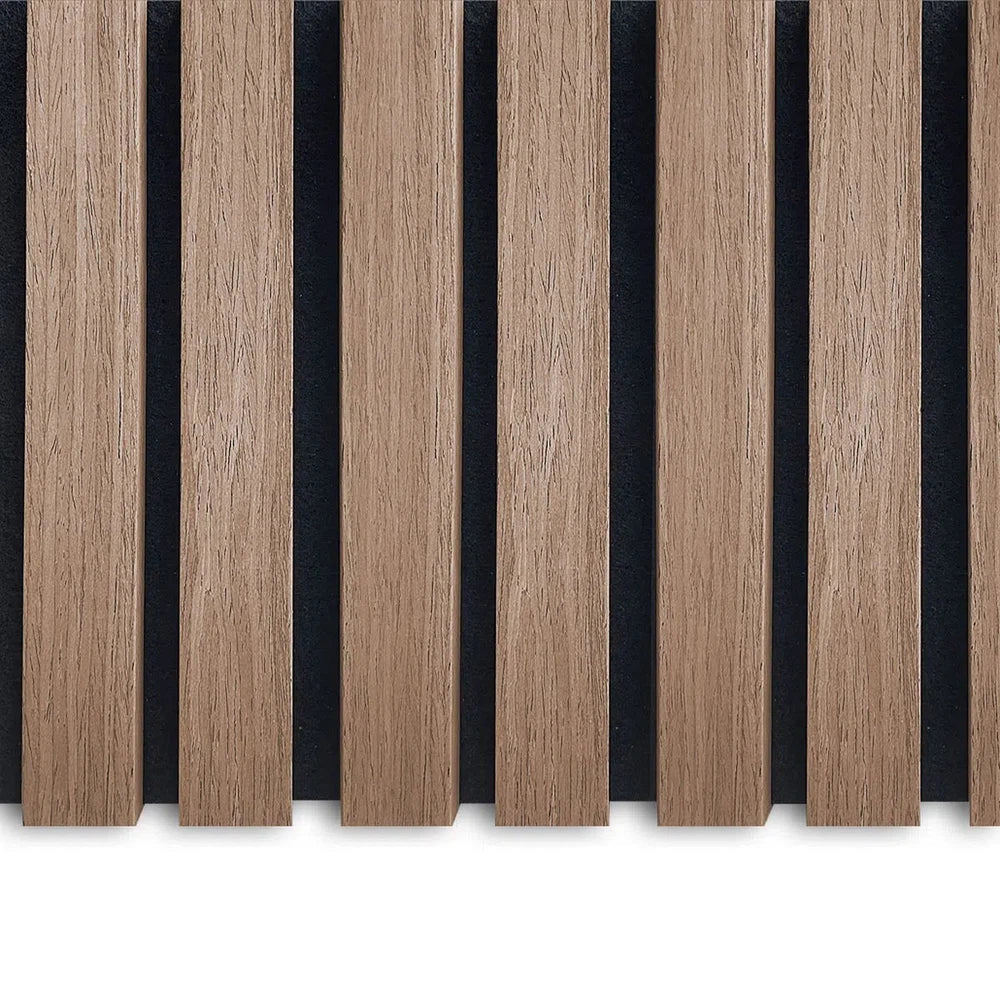
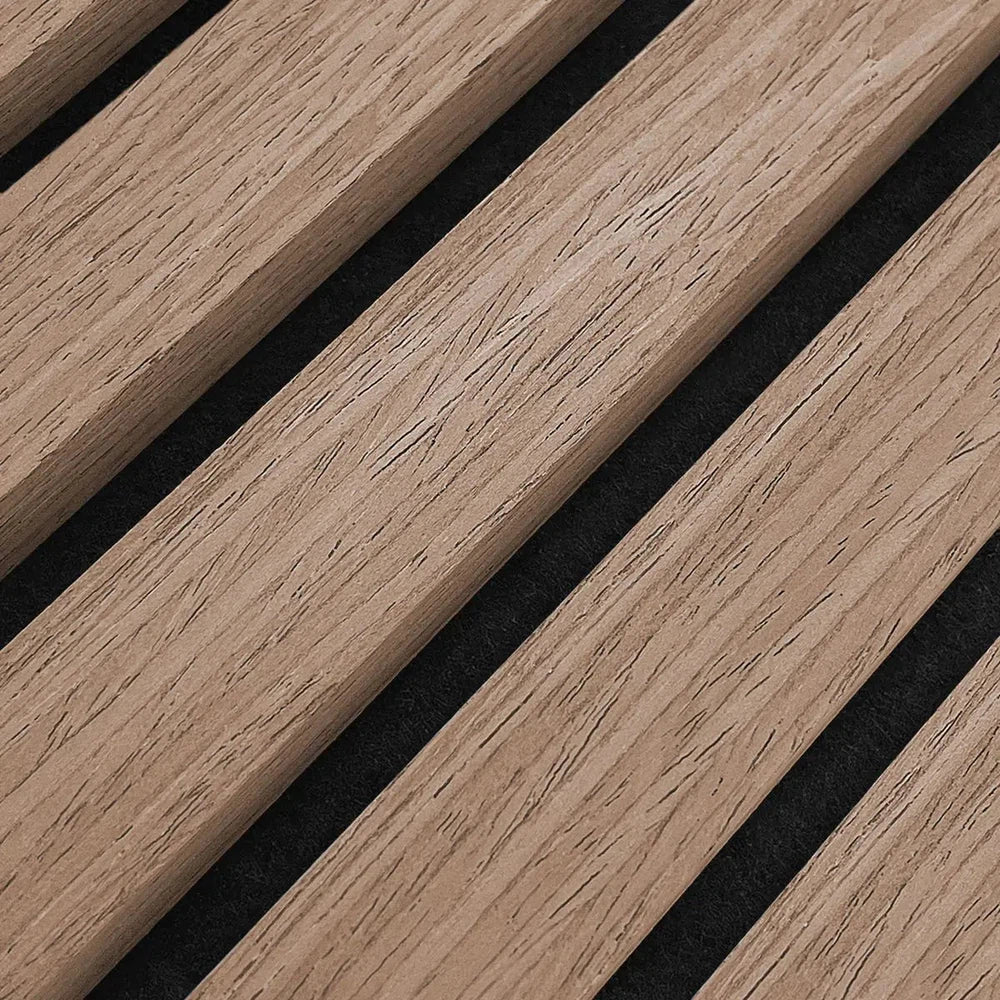
The gold standard for commercial fit-outs demanding both fire safety and premium aesthetics. These panels feature a 3-sided real wood veneer finish (edges and face are solid wood) paired with acoustic felt backing and a fire-rated substrate. Available in 240 cm or 300 cm heights to suit ceiling heights from 2.4 m to 3 m.
Key spec: Sound absorption coefficient 0.68–0.75 across 500–2000 Hz (speech frequencies). Fire rating consistently Class B under EN 13823. Density of substrate ensures minimal smoke development. Panels are mounted on battens or adhesive, both methods tested to BS 9414.
Verdict: Buy. Fire certification is current (2026), wood venishes are timeless, and acoustic performance meets or exceeds typical open-plan office targets. Cost per panel: £180–220 fitted. Installation time: 4–6 hours per 12 m² wall (commercial team).
Examine natural oak wooden wall panels and walnut wall panels for colour options.
2. Fire-rated composite acoustic panels
Composite materials—polyester or mineral fibre core with facing—are engineered for fire performance. They deliver Class A2-s1, d0 (zero flame spread, minimal smoke), making them the safest choice for high-risk spaces (hospitals, care homes, educational buildings). Acoustic absorption is slightly lower than wooden panels (0.55–0.65 in mid-range) because the core is denser, but this is offset by superior fire resilience.
Key spec: PURO-certified mineral core, LSZH (Low Smoke Zero Halogen) facing. Euroclass A2-s1, d0. Installation: mechanised grid system or direct adhesive mount. Suitable for ceiling heights 2.4–4 m.
Verdict: Consider. Best for spaces with vulnerable occupants or high regulatory scrutiny. Cost: £140–180 per panel, plus grid installation (8–10 hours per 12 m²). Fire cert is gold standard; aesthetics are institutional rather than luxury.
3. Fabric-wrapped fire-rated acoustic boards
Traditional fabric wrap over melamine or MDF, with fire-rated intumescent backing. When tested to EN 13823, these achieve Class B or Class C depending on fabric and substrate combination. Sound absorption is moderate (0.55–0.70) because the fabric and backing layers dampen mid-to-high frequencies more effectively than lower frequencies.
Key spec: Intumescent layer ≥5 mm, fabric weight ≥250 g/m². Tested to BS 9414 for ceiling use. Colour range is broad (20+ options in 2026), and repair is straightforward (fabric patches replace easily).
Verdict: Hold. Suitable for secondary spaces (corridors, breakout zones) or temporary fit-outs. Fire rating is adequate but not premium. Cost: £80–130 per panel. Absorb slightly more moisture than wooden alternatives; not ideal for humid environments (kitchens, laundries).
4. Fire-rated hexagonal or 3D decorative acoustic panels
Modular geometry (hexagonal or faceted) combined with fire-rated foam core. Adds visual drama to commercial interiors whilst meeting safety standards. Sound absorption is biased toward high frequencies (0.75+ above 1000 Hz) but drops at low frequencies (0.40–0.50 below 500 Hz).
Key spec: Melamine or polyurethane foam core with Class B facing. Installation: magnetic mount or batten-fixed. Each hexagon covers 0.27 m², so a 12 m² wall requires 45 units—fitting is labour-intensive but creates striking feature walls.
Verdict: Skip. Fire rating is acceptable, but acoustic performance is uneven (weak on bass). Best reserved for reception areas or accent walls, not primary sound control. Cost: £35–55 per hexagon; full wall installation runs £1,500–2,500 in labour and materials.
5. Budget fire-rated acoustic panels (standard sizes)
Stock panels in 240 cm height, Class C or unrated substrate, fabric wrap. These appear cost-effective (£60–90) but typically lack current fire certification documentation in 2026. Many suppliers recycled stock from 2023–2024 and cannot guarantee Euroclass rating for new installations.
Verdict: Skip. Fire certification status is uncertain; building control may reject them on inspection, delaying fit-out by weeks. Risk of costly rework outweighs upfront savings. Always demand a test report dated within 2 years and signed by a NOTIFIED BODY under the CPR (Construction Products Regulation).
Comparison table
| Panel Type | Fire Rating | Sound Absorption (500–2000 Hz) | Real Wood Finish | Installation Time | Cost per Panel | Best For |
|---|---|---|---|---|---|---|
| Premium 3-sided veneer | Class B | 0.68–0.75 | Yes | 4–6 hrs/12m² | £180–220 | Luxury offices, hospitality |
| Composite A2-s1, d0 | A2-s1, d0 | 0.55–0.65 | No | 8–10 hrs/12m² | £140–180 | Hospitals, care homes |
| Fabric-wrapped | Class B–C | 0.55–0.70 | No | 5–7 hrs/12m² | £80–130 | Corridors, breakout zones |
| Hexagon/3D | Class B | 0.40–0.75* | No | 10–14 hrs/12m² | £35–55/unit | Feature walls only |
| Budget unrated | None/C | 0.50–0.60 | No | Variable | £60–90 | DO NOT USE |
*Varies significantly by frequency; low-frequency absorption is weak.
Where to buy & certification requirements
1. Demand a fire test report. Every panel must ship with a copy of the EN 13823 test certificate, signed by a NOTIFIED BODY (e.g. CSTB, TÜV, DBI). The report names the product, substrate, facing, and test date. Reject any supplier who cannot produce this in 48 hours.
2. Check Euroclass alignment. Class B is the minimum for UK Building Regulations. Class A2-s1, d0 is premium and eliminates any risk of rejection. Verify on the test certificate that the rating applies to your planned installation method (adhesive, batten, or grid).
3. Site inspection clearance. Before installation, share the test reports with the building control officer. Most commercial fit-outs require pre-approval; doing this early prevents work stoppages. Allow 1–2 weeks for sign-off.
4. Installation teams. Use contractors familiar with acoustic panel fit-outs and fire-safety protocols. Improper mounting can void fire certification. Batten systems must be non-combustible (steel, aluminium); timber battens may require intumescent wrap.
FAQ
What is the difference between Class B and Class A2-s1, d0?
Class B (Euroclass) means the panel meets safety under EN 13823 but produces some smoke and flame under high heat. Class A2-s1, d0 is the highest category: no flame, no smoke, no flaming droplets. Use Class A2-s1, d0 in hospitals, schools, and care homes where vulnerable people are present. Class B is acceptable for offices and hospitality.
Can I use standard acoustic panels in a commercial fit-out?
No, not without fire certification. Standard fabric-wrapped panels are Class D or unrated and will fail building control inspection in 2026. Always request the EN 13823 test certificate before purchase.
How long does fire certification take?
Testing takes 3–5 weeks if you are sourcing bespoke panels or modifications. Stock products with current certification are available off-the-shelf. Plan ahead if you require custom colours or sizes.
Do wooden acoustic panels meet fire regulations?
Real wood veneer panels meet Class B when they carry a fire-rated substrate and acoustic backing. The 3-sided veneer finish is made from solid wood but does not compromise fire rating if the substrate is certified. Always verify the substrate rating, not just the veneer.
What is the sound absorption coefficient, and why does it matter?
Absorption coefficient (0–1.0 scale) measures how much sound a material absorbs rather than reflects. 0.70 means the panel absorbs 70% of sound energy; the rest bounces back. For speech clarity in offices, aim for 0.65+ across 500–2000 Hz. Lower values (0.50) suit accent walls; higher (0.75+) suit meeting rooms.
Are fire-rated panels more expensive in 2026?
Fire-rated wooden panels cost 20–40% more than unrated stock, but the premium covers testing, certification, and compliance certainty. The cost avoidance from preventing rework far outweighs the upfront difference.
One last thing
Most commercial projects fail inspection not because panels are poor, but because documentation is missing. The test certificate is your proof of compliance. Keep a printed copy on-site during installation and submit digital copies to building control before final sign-off. In 2026, regulators are stricter about fire safety in commercial buildings following updates to the Building Safety Act—a missing certificate can halt work for weeks.