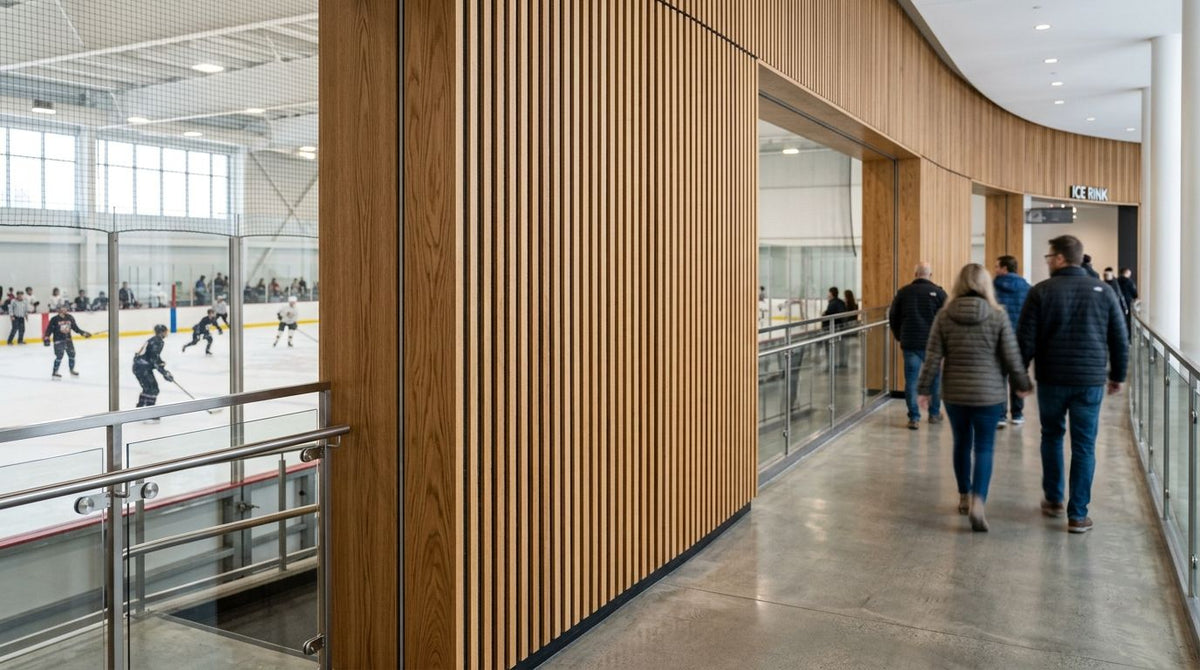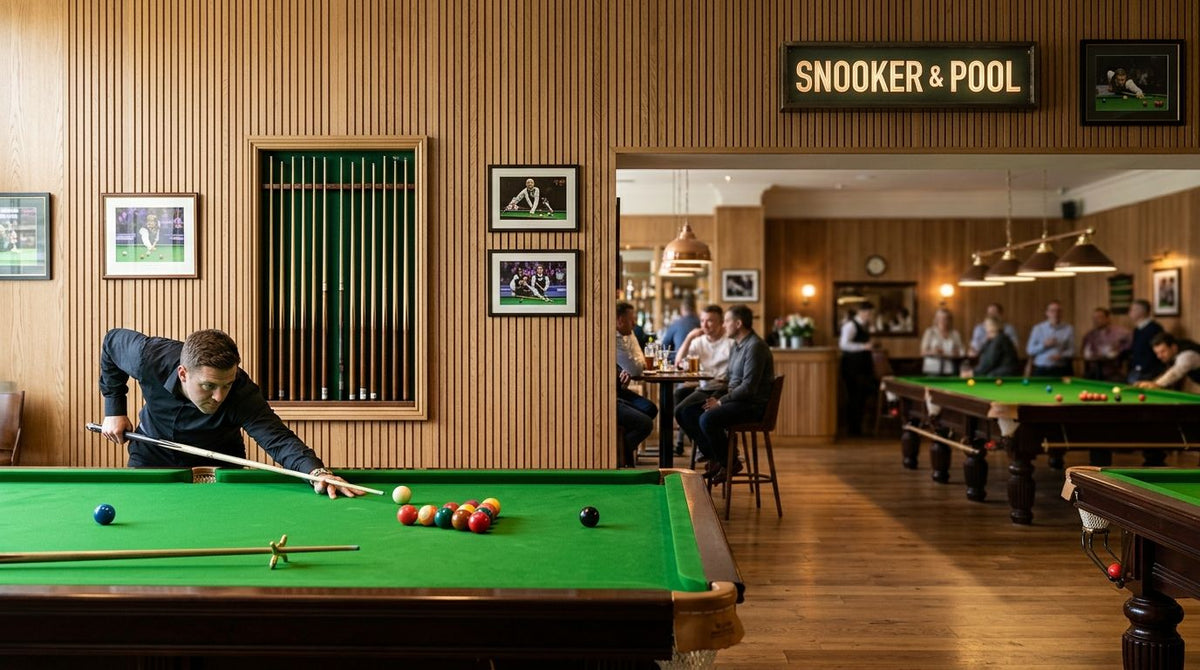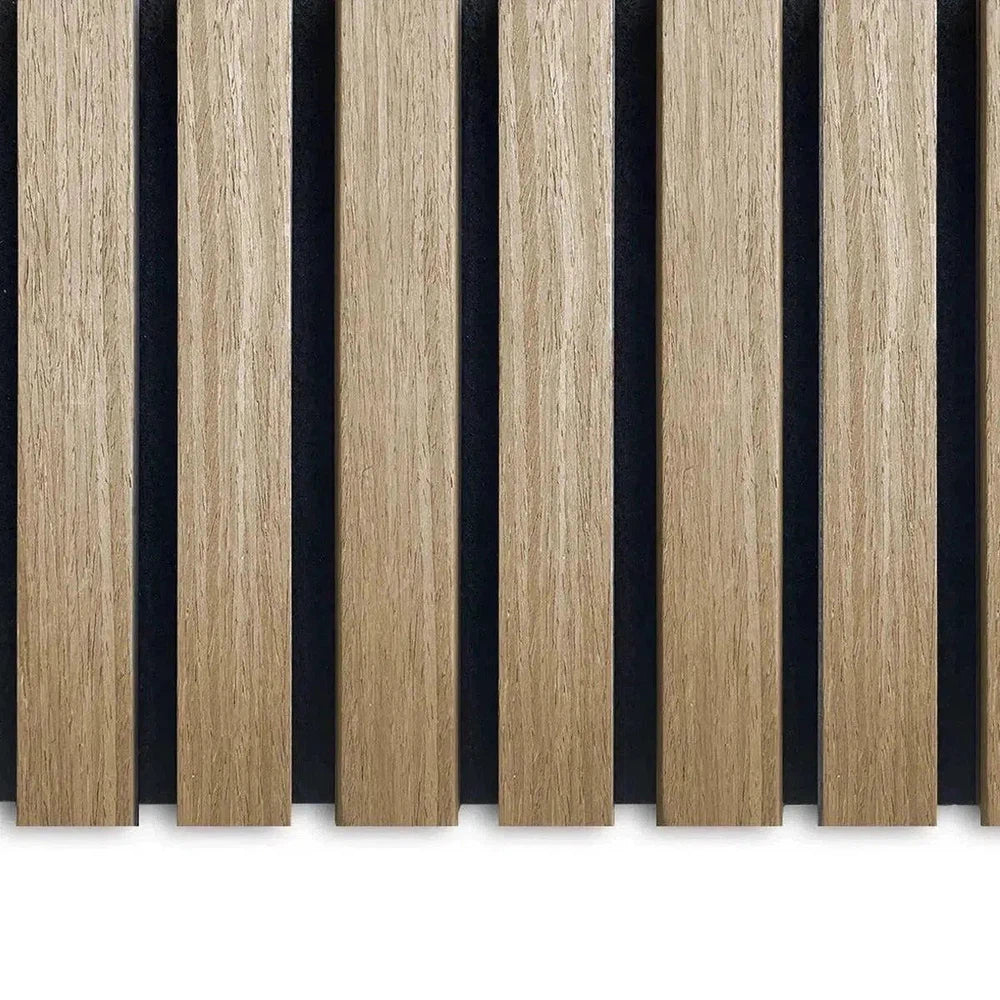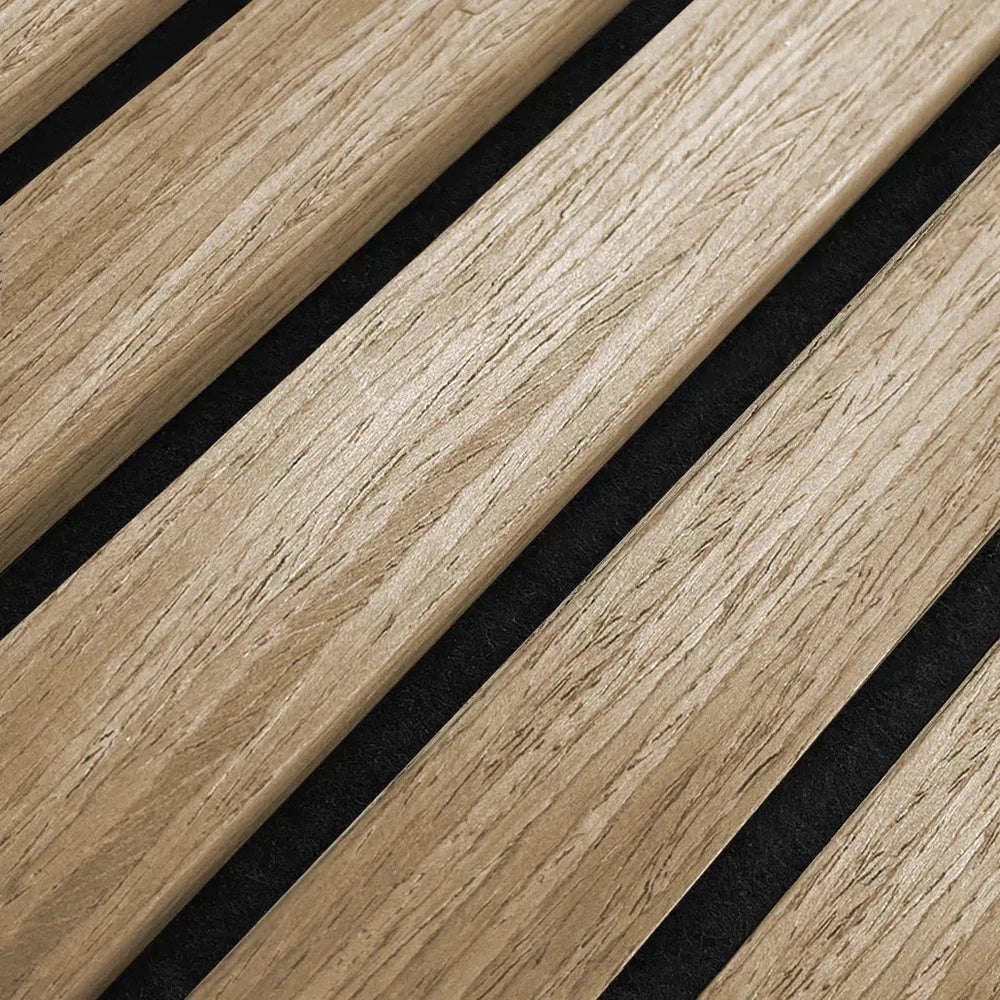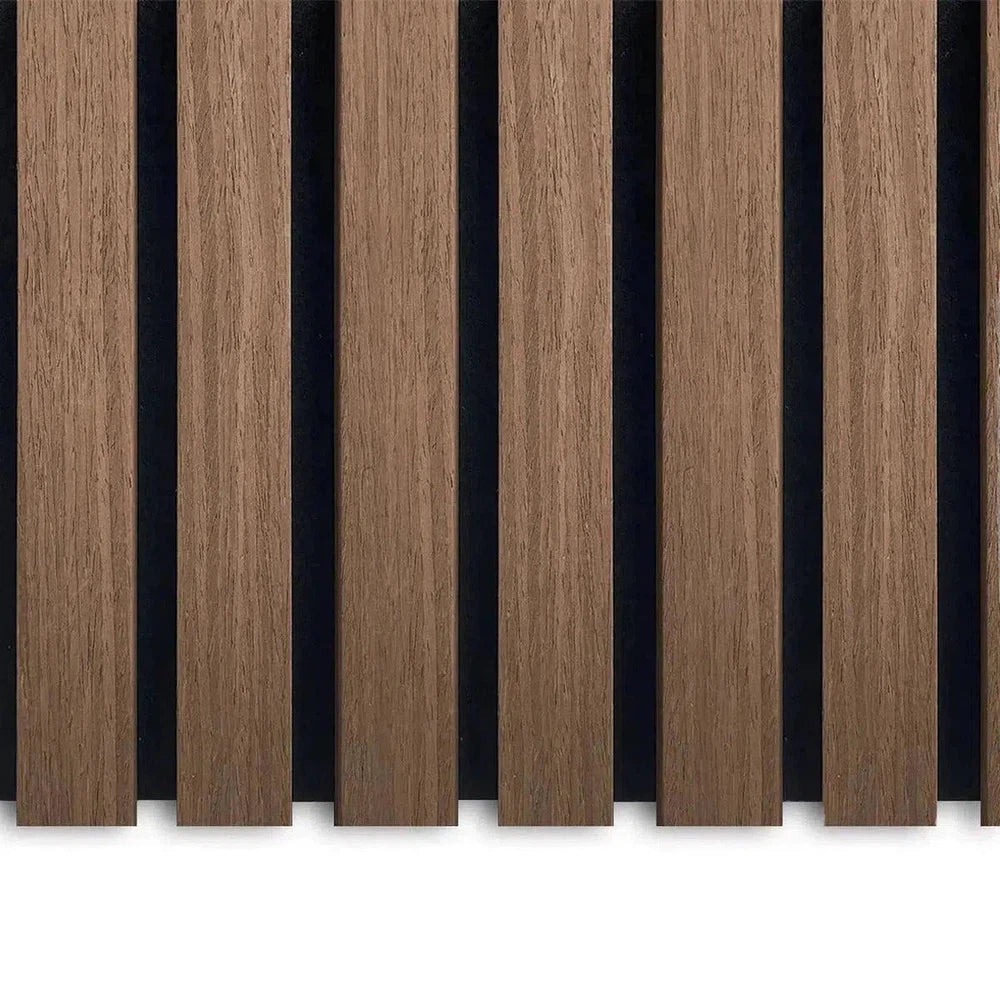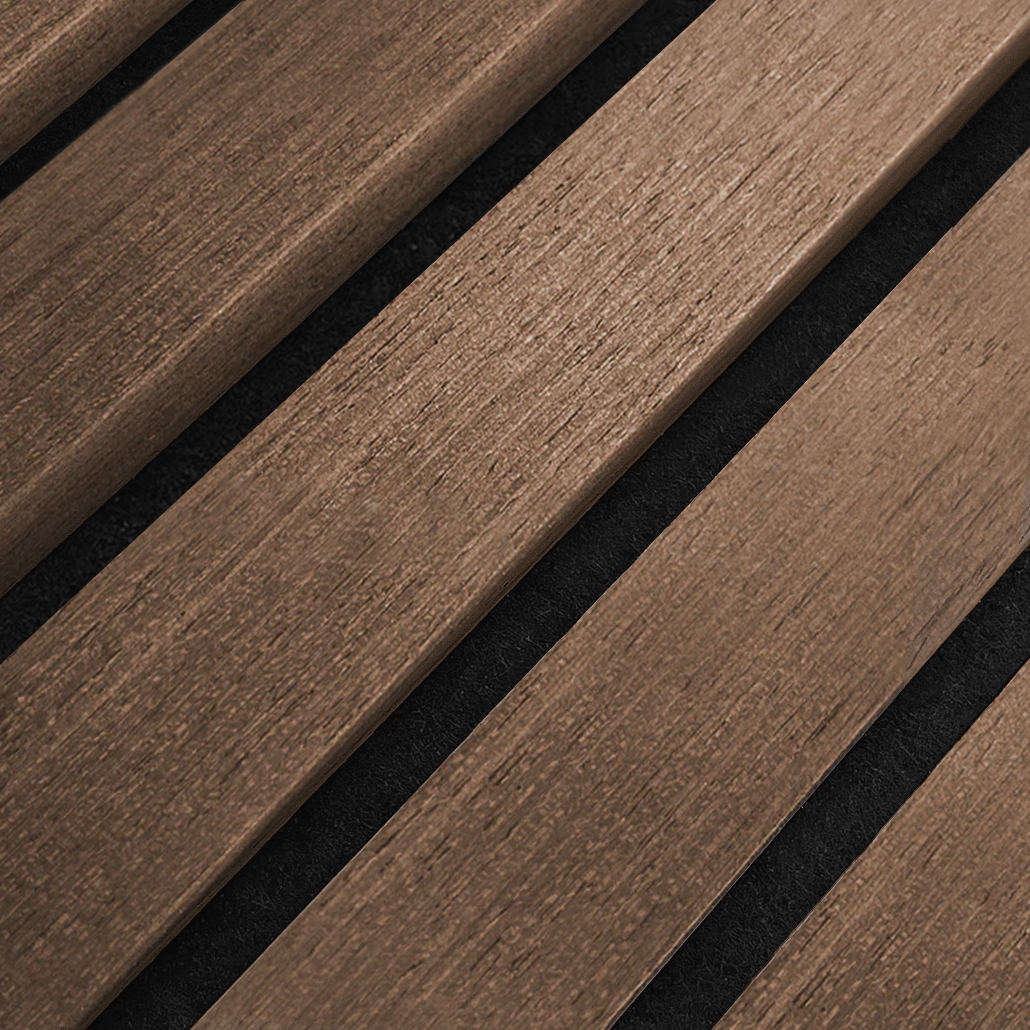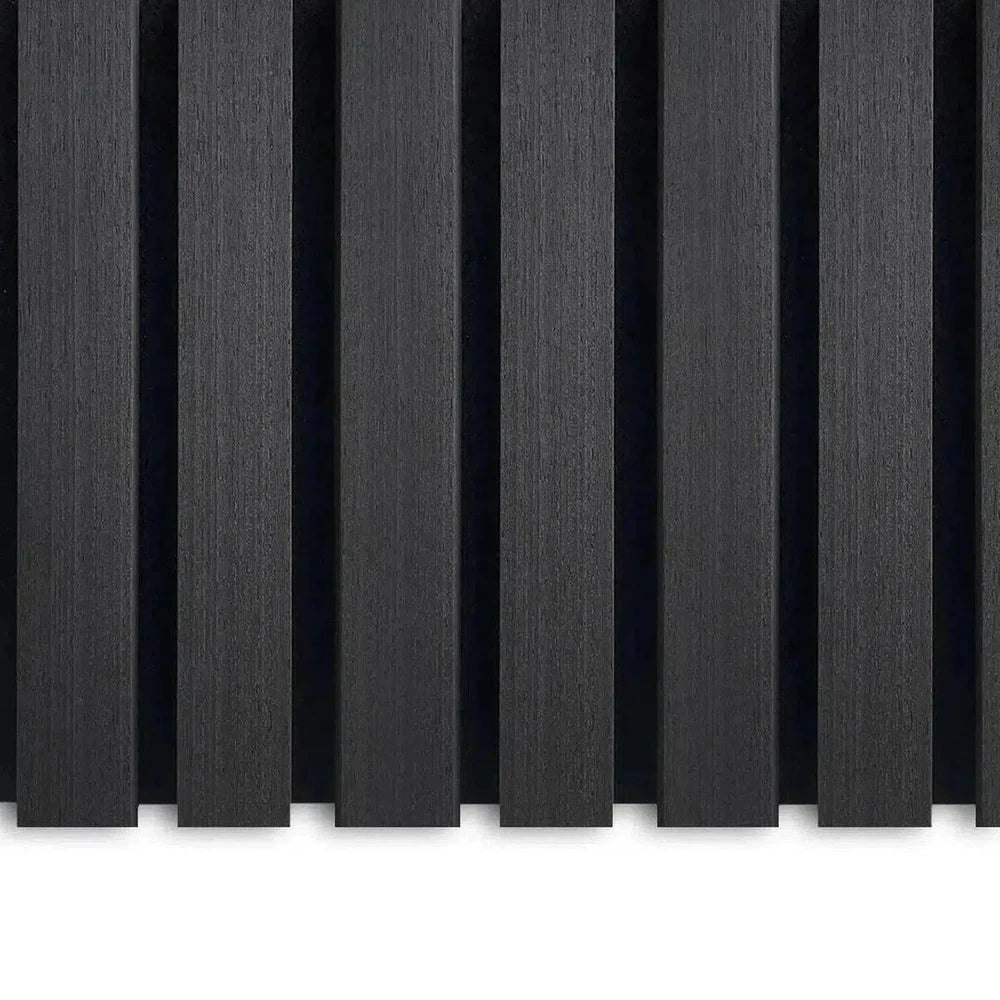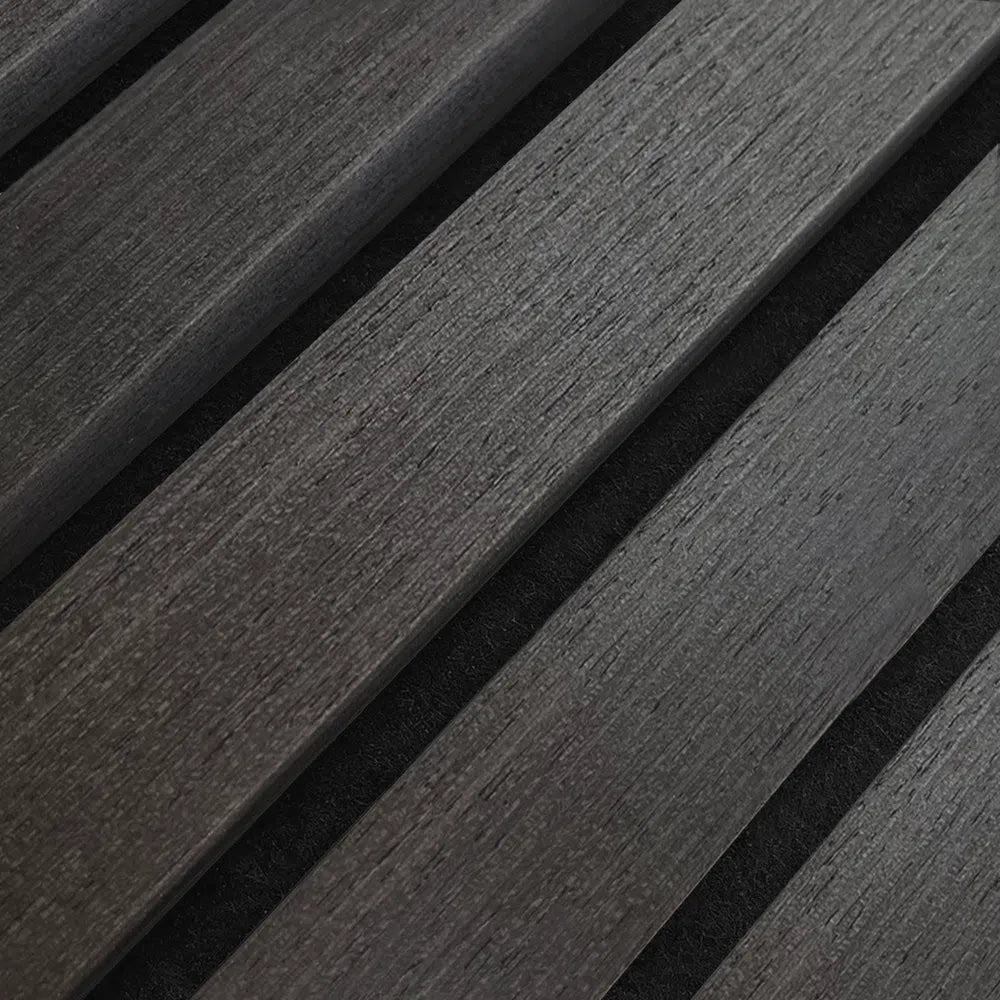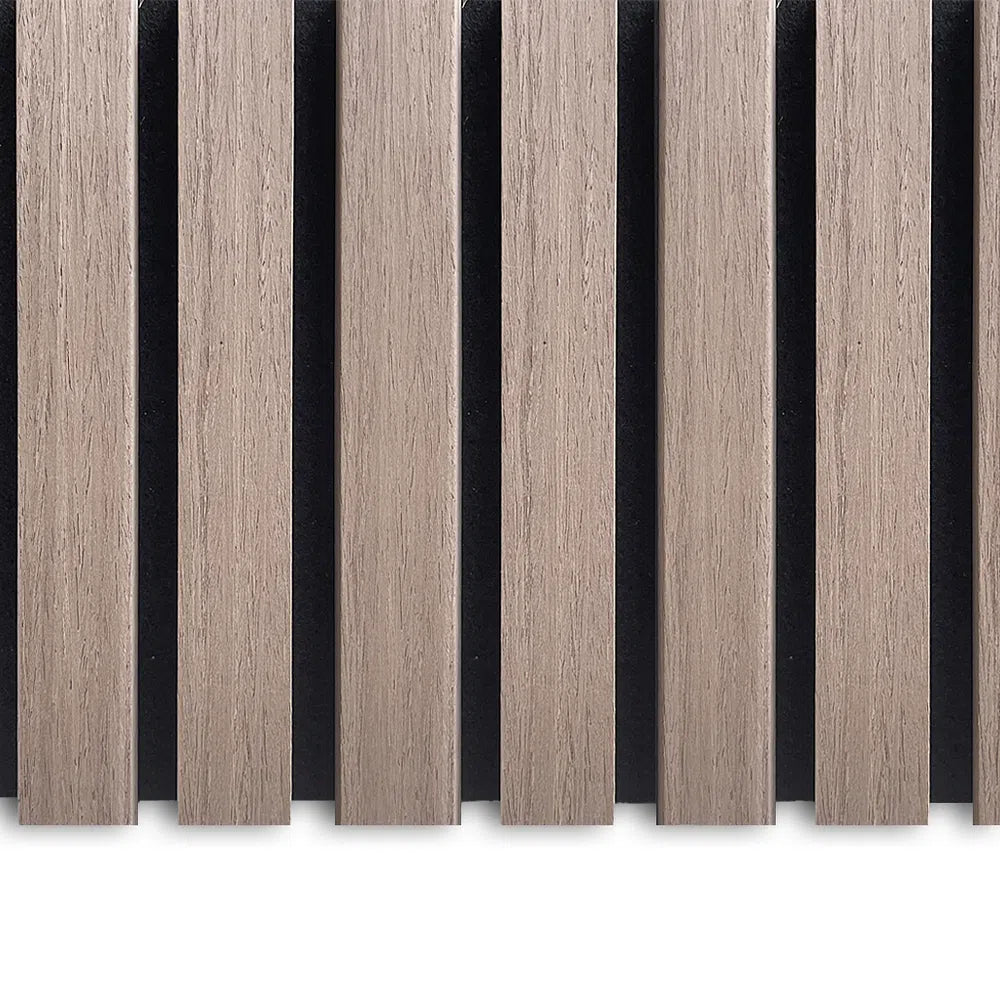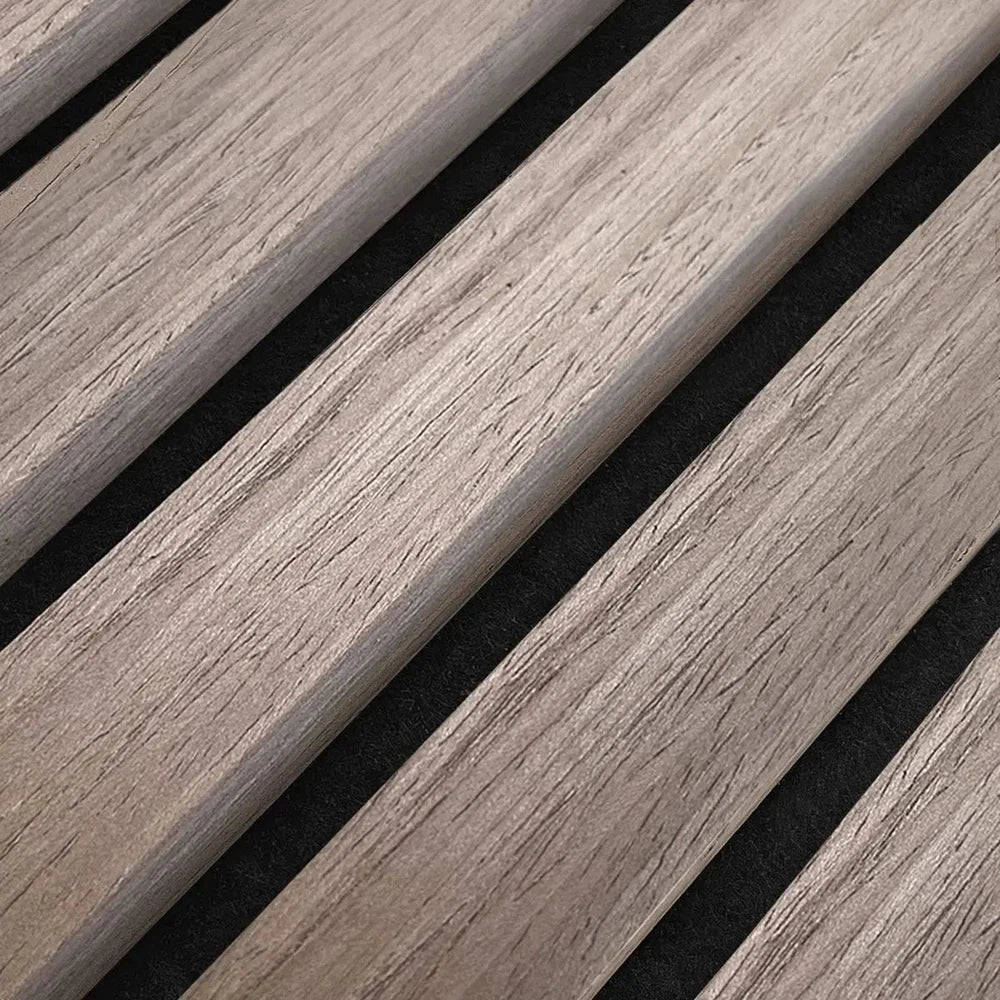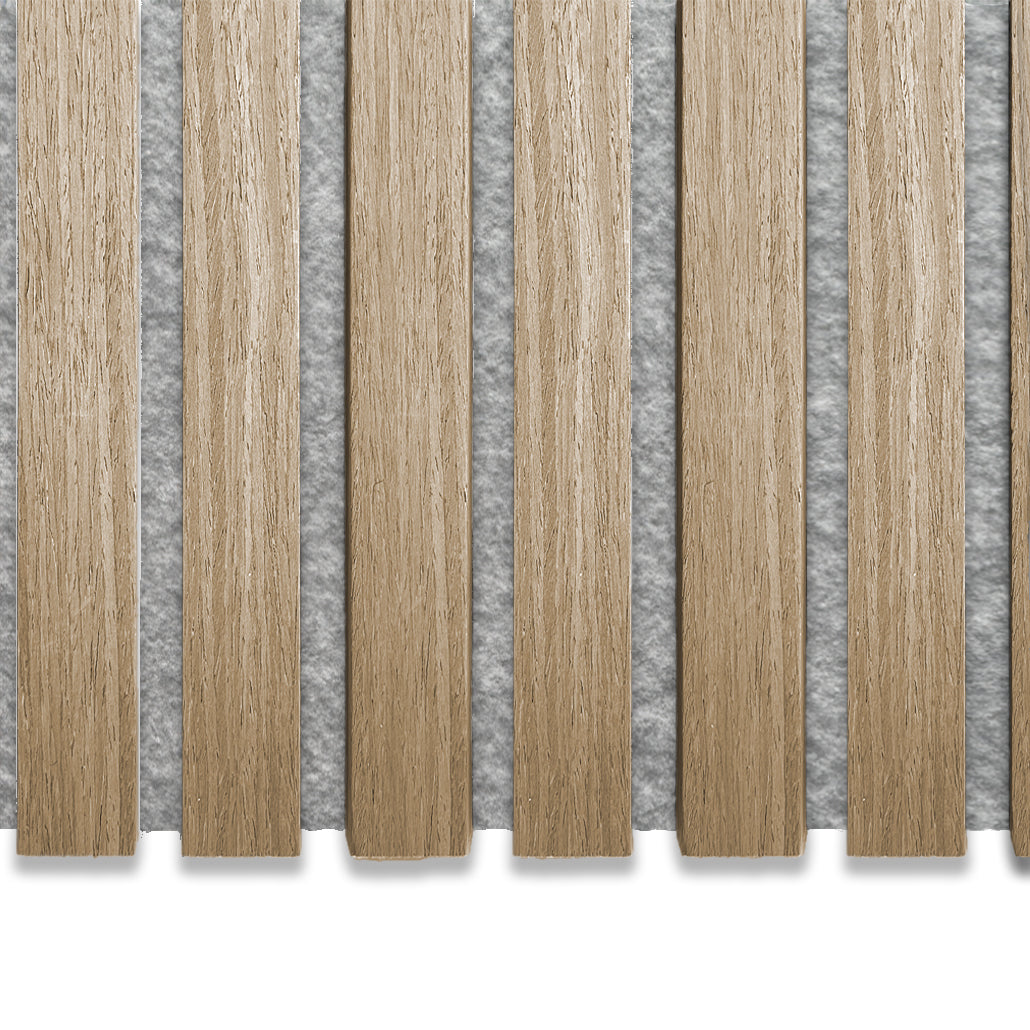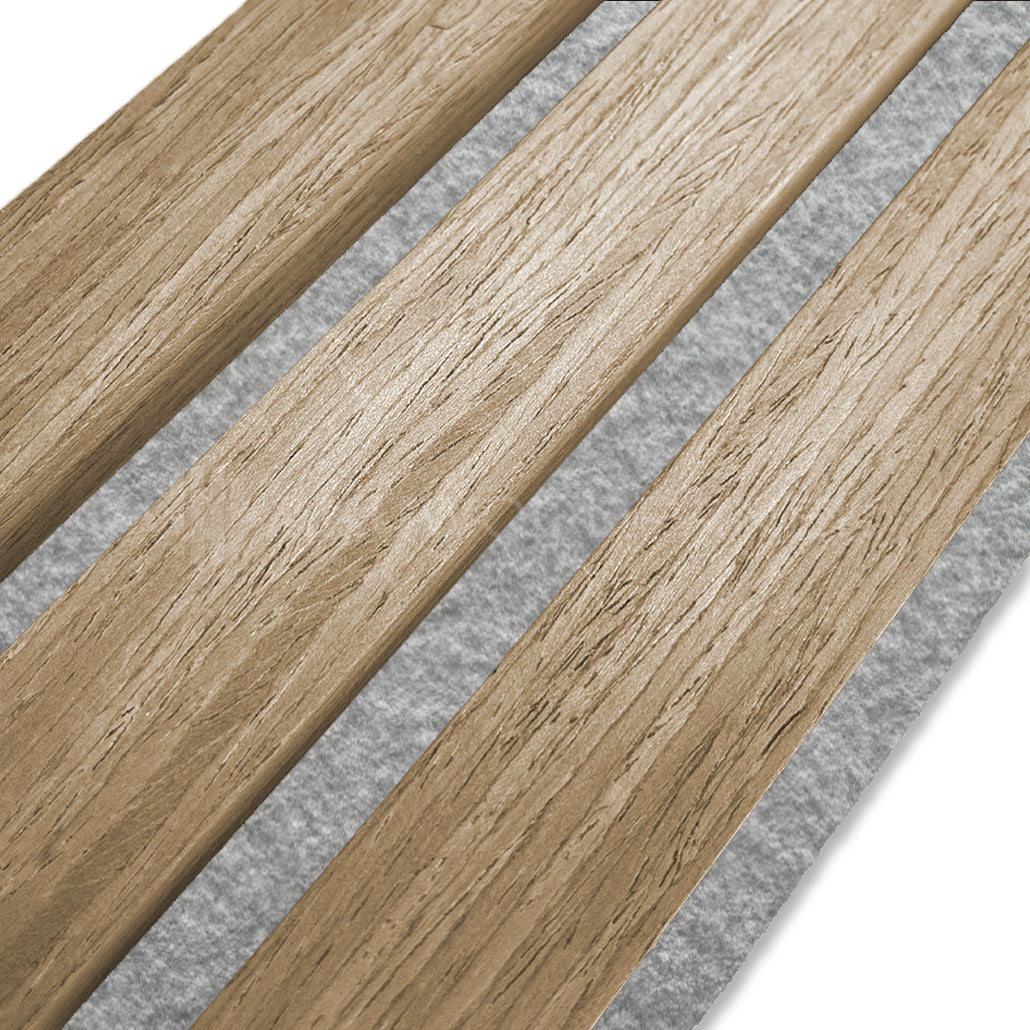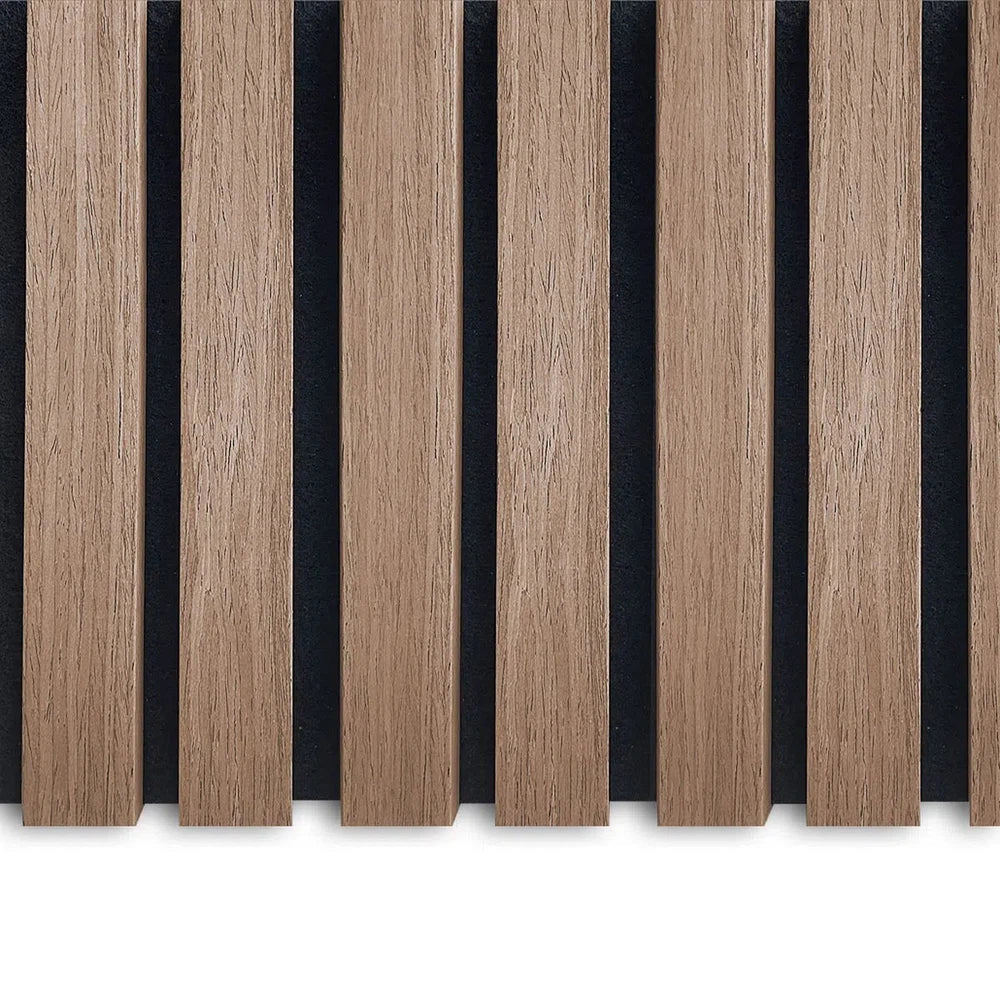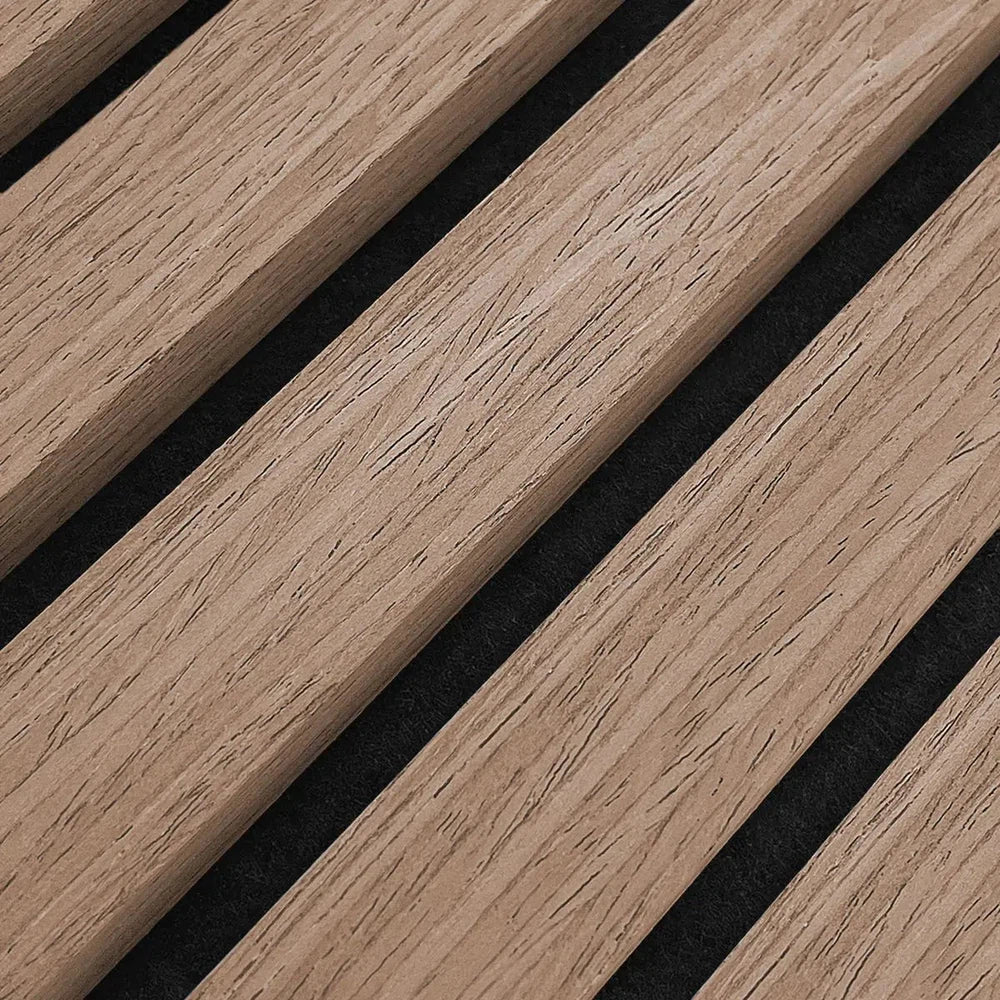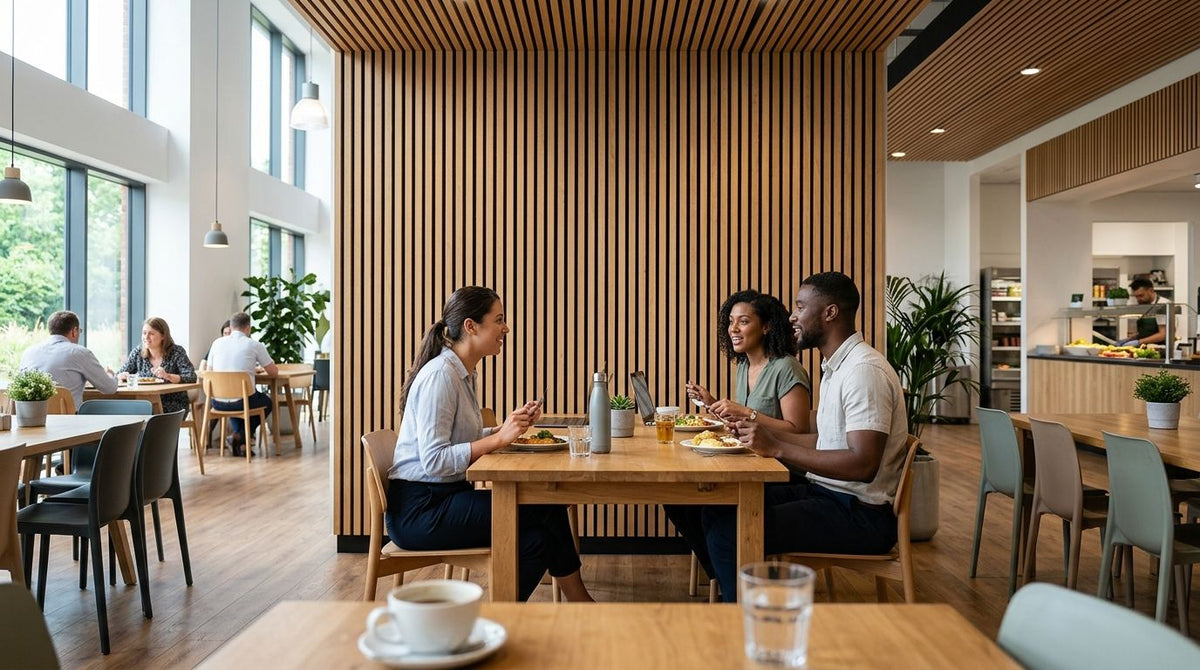
Staff canteen acoustic panels are wood-veneer wall panels with an acoustic felt backing, fitted to canteen and cafeteria walls to cut reverberation and stop lunchtime noise turning into a wall of sound. Canteens run on hard vinyl floors, tiled splashbacks, stainless steel servery equipment and high ceilings — the same surfaces that bounce sound around a swimming pool — so the acoustic fix has to work harder than it would in a carpeted office.
- Staff canteen acoustic panels with felt backing and a 0.75 NRC rating cut reverberation fastest on hard-floored canteen walls.
- Akuwood Panel's hexagon acoustic panels suit feature walls behind servery counters in 2026 canteen refits.
- Full wall coverage in natural oak or walnut beats spot-treating only the ceiling above the tables.
- Budget fabric acoustic panels skip the real wood veneer finish most canteen refurbishments want.
- Panels come in 240 cm and 300 cm formats, so measure wall height before ordering.
Why acoustic panels matter for staff canteens and cafeterias
A canteen is one of the worst rooms in a building for noise. Vinyl or tiled flooring for hygiene, laminate tables, glass servery screens and stainless steel equipment all reflect sound instead of absorbing it. Add the lunch rush — dozens of staff talking, chairs scraping, trays clattering — and the room fills with reflected noise fast.
Offices treat this with carpet and soft furniture. Canteens can't, because those surfaces need to be wipeable and durable, not soft. That's why the wall is the only realistic place to add absorption in most canteens, and why Akuwood Panel built its acoustic wood panel range around a felt backing that does the sound-absorbing work while the front face stays a real wood veneer that wipes clean and looks like a finished interior, not a padded cell.
The segment-specific problem is scale: canteens are bigger than meeting rooms and busier than reception areas, so half-measures — one small panel behind the till, a single acoustic tile over the servery — don't move the needle. The fix has to cover meaningful wall area.
How to fit acoustic panels into a staff canteen or cafeteria
Measure your canteen's hardest surfaces first
Walk the room and list every surface that reflects sound rather than absorbs it. This tells you where reverberation is coming from before you spend anything.
- Tiled or vinyl flooring runs
- Glass servery screens and windows
- Stainless steel counters and pass units
- Bare plaster or painted block walls
- High or vaulted ceilings with no acoustic tile
Target the walls with the most echo first
Don't spread treatment evenly across every wall. Prioritise the surfaces directly opposite hard reflectors, because that's where sound bounces back into the seating area.
- The wall facing the servery counter
- Long walls that run parallel to rows of tables
- End walls opposite large windows
- Corridor walls leading into the seating area
Choose an NRC rating suited to canteen noise levels
NRC (Noise Reduction Coefficient) measures how much sound a panel absorbs versus reflects, on a scale from 0 to 1. A felt-backed wood panel rated at 0.75 NRC absorbs roughly three-quarters of the sound hitting it — enough to noticeably calm a busy canteen without needing full wall-to-wall foam.
- 0.75 NRC felt-backed panels for main seating walls
- Lower-NRC decorative panels for accent areas only, not primary noise control
- Combine wall panels with an acoustic ceiling treatment in double-height canteens
- Avoid painted MDF slat panels with no felt backing — they look similar but do almost nothing acoustically
Keep panels clear of spill and splash zones
Real wood veneer handles wipe-downs fine, but it isn't designed to sit directly behind a dishwashing station or under a drinks fountain. Position the acoustic coverage where staff sit and talk, not where liquids land.
- Mount panels above dado height near serving counters
- Leave a hard, easy-clean surface at the point of food contact
- Route panels around, not behind, hot equipment
- Check ventilation clearances before fixing near kitchen extraction
Match the finish to existing canteen furniture
Canteen refits usually keep the tables and chairs and just refresh the walls. Pick a panel tone that sits with what's already there rather than fighting it.
- Natural oak or natural oak hexagon acoustic panel finishes for light, canteen-standard furniture
- Walnut or smoked oak for darker, more premium staff spaces
- Grey oak or mocca for neutral corporate canteens
- Black oak as a feature wall accent behind the servery only
A hexagon panel format works well as a single feature wall behind the till or servery, where the smaller module size lets you cover an awkward shape without cutting full-size boards. The felt backing on these panels does the acoustic work; the veneer face does the visual work — you don't have to trade one for the other.


Calculate quantities before you order
Under-ordering means a delayed second delivery and a canteen half-finished over a working week. Measure twice.
- Total the square metreage of every wall you're treating
- Add 5-10% for cuts and wastage around doors and corners
- Decide between 240 cm and 300 cm panel formats based on your wall height
- Order end pieces and trims for a clean finish at corners
Plan installation around canteen operating hours
Canteens can't close for a week. Sequence the work so staff still get fed.
- Fit one wall section at a time, out of service hours where possible
- Screen off the work area rather than closing the whole room
- Confirm adhesive or fixing cure times against next-day opening
- Brief catering staff on temporary seating changes during install
Comparing acoustic options for canteens and cafeterias
| Option | Best for | Key limitation |
|---|---|---|
| Felt-backed wood veneer panels | Full-wall canteen coverage where echo is worst | Costs more upfront than paint-only treatments |
| Hexagon acoustic panels | Feature walls behind servery or till points | Smaller module size means more joints to fit |
| Standard fabric acoustic panels | Budget back-of-house or storage areas | No real wood veneer look, less durable surface |
| No acoustic treatment | Low-occupancy rooms or short-dwell spaces | Reverberation stays; conversations don't get easier |
Verdict: felt-backed wood veneer panels are the only option here that fix both the noise problem and the finish in one product — fabric panels and paint-only walls solve just one or neither.
Common mistakes canteens make with acoustic panels
- Treating the ceiling and ignoring the walls. A suspended acoustic ceiling helps, but in a room with tiled floors and a glass servery, the walls are doing most of the reflecting.
- Covering only the seating area, not the servery corridor. Staff queue and talk in that corridor every lunch service — it needs treatment as much as the tables do.
- Choosing decorative slat panels with no felt backing. They look right in a photo and do almost nothing for reverberation.
- Ignoring fire clearance near kitchen pass areas. Wall panels near cooking equipment need clearance from heat sources, not just from splash zones.
- Mounting panels at floor level in high-traffic canteens. Trolley and chair contact damages low-mounted panels fast; keep the lowest edge above regular knock height.
FAQ
What's the best acoustic panel for a staff canteen?
Felt-backed wood veneer panels rated around 0.75 NRC are the best fit for staff canteens because they absorb sound while keeping a wipeable, durable finish. Akuwood Panel's natural oak, walnut and smoked oak ranges cover full walls; the hexagon format suits smaller feature walls.
Is hexagon acoustic panelling better than full-size panels for canteens?
Hexagon panels aren't better overall — they're better suited to feature walls and awkward shapes, while full-size 240 cm or 300 cm panels cover large seating walls faster with fewer joints. Use hexagon panels behind a servery counter and full-size panels on the main dining wall.
Do acoustic wall panels work in a canteen with tiled floors?
Yes, wall panels are the main practical fix in a tiled canteen because the floor can't be carpeted for hygiene reasons. Treating the walls with 0.75 NRC felt-backed panels compensates for the hard flooring by absorbing sound before it bounces back.
How much wall coverage does a canteen need for noticeable noise reduction?
Cover the walls facing the servery and the long walls running parallel to the tables first, since those reflect the most sound back into the seating area. Partial coverage on one small wall rarely produces a noticeable change in a room this size.
Can acoustic wood panels go near a canteen servery or kitchen pass?
Wood veneer panels can go near a servery if they're kept clear of direct splash zones and heat sources from cooking equipment. Mount them above dado height and route around, rather than behind, hot units.
What panel sizes are available for canteen walls?
Akuwood Panel's wooden wall panels come in 240 cm and 300 cm formats, so measure your wall height before ordering to minimise cutting. Taller canteen walls typically suit the 300 cm format with fewer horizontal joints.
Do acoustic panels need maintenance in a busy canteen?
Real wood veneer panels wipe clean with a damp cloth and don't need special treatment beyond keeping them away from direct water contact. Avoid positioning them where trolleys or chairs regularly knock the lower edge.
One last thing
The detail canteen refits get wrong most often isn't the panel choice — it's sequencing. Fitting the servery feature wall first, before the main seating walls, gives staff a visible change in week one while the rest of the coverage goes in around service. A canteen refurbished in stages in 2026 still functions every lunchtime; one closed for a full week doesn't.