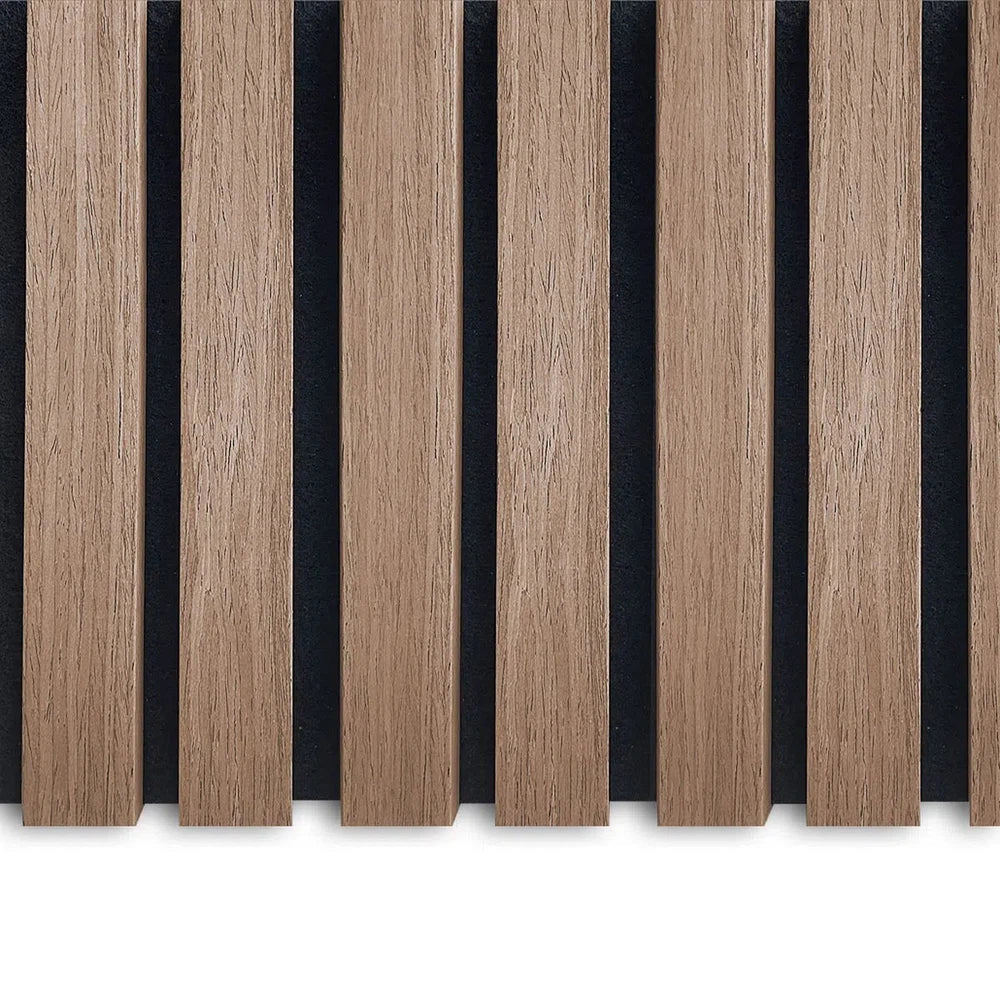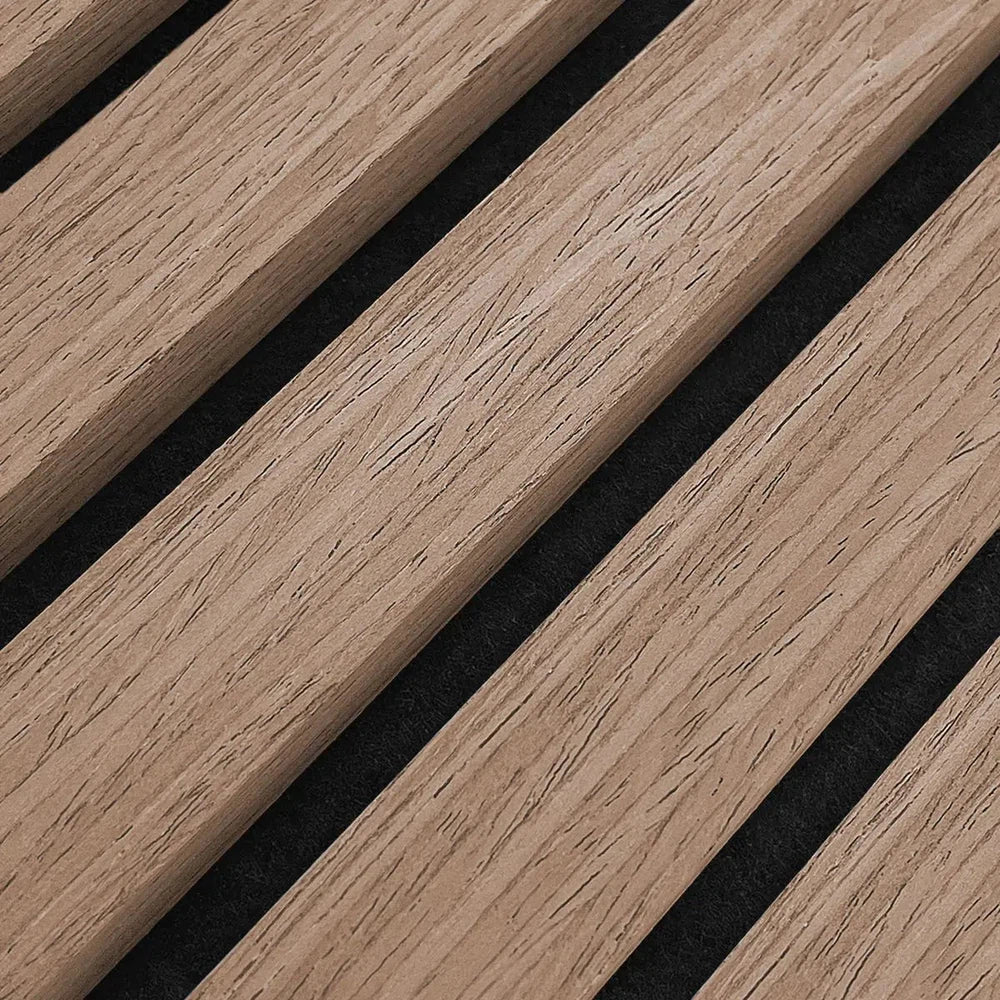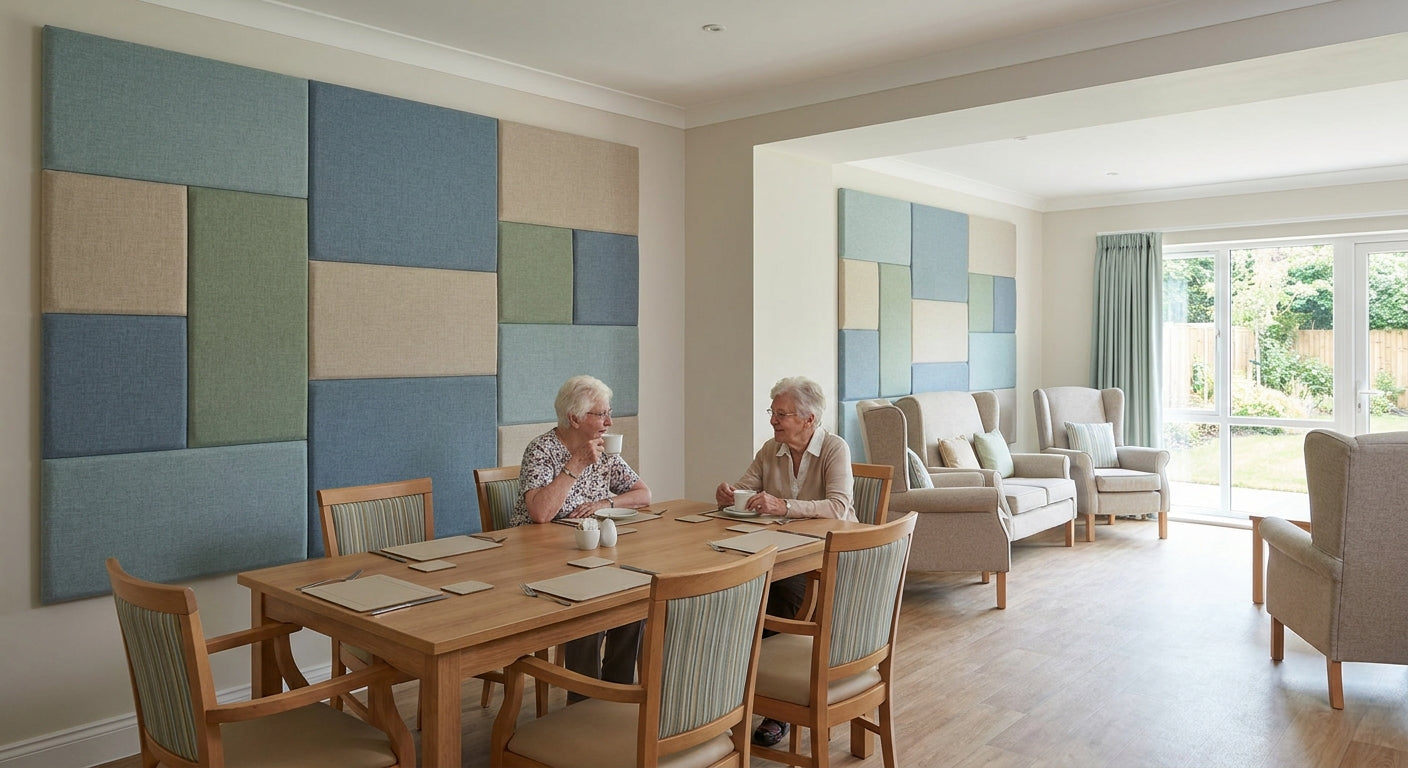
Care home lounges and dining rooms take a beating on acoustics: hard floors for wheelchairs, bare plaster walls, high ceilings, and residents who rely on hearing aids that amplify every clatter. Acoustic wood panels cut that reverberation while giving the room a finish that doesn't look institutional.
TL;DR: For care home lounges and dining walls in 2026, Natural Oak Grey Felt panels are the safe, dementia-friendly buy for most facilities, Smoked Oak works where you want contrast on a feature wall without going dark, and the Hexagon Natural Oak with Grey Felt panel is the wildcard for reception or activity areas. All three carry the same 3-sided real wood veneer and acoustic felt backing, available in 240 cm and 300 cm formats. Skip anything marketed purely as "decorative" with no felt backing — it won't touch the echo problem.
Why this matters
Care Quality Commission inspectors and family visitors both notice noise. A dining room where cutlery on plates competes with three conversations and a TV isn't just unpleasant — for residents with dementia or hearing loss, it's disorientating and can drive agitation. Acoustic panels for care home settings solve a physical problem (sound reflecting off hard surfaces) rather than a cosmetic one.
Wood slat panels with acoustic felt backing absorb mid and high frequencies — the range where speech and cutlery clatter live — while still reading as warm, residential, non-clinical. That distinction matters in 2026 as more operators move away from foam-tile acoustic treatments that look like a call centre. A lounge or dining wall treated properly should let staff hold a conversation with a resident at 2 metres without raising their voice.
Who this is for
This guide is for facilities managers, care home owners, and refurbishment contractors specifying wall finishes for lounges, dining rooms, and communal corridors in residential and nursing care settings. It assumes you're weighing acoustic performance against hygiene, dementia-friendly design, and a budget that has to cover multiple rooms, not just one feature wall.
What to look for in acoustic panels for a care home
Genuine acoustic backing, not just texture
A slatted surface alone does very little for echo — the felt layer behind it is what absorbs sound. Confirm the panel has an acoustic felt backing rather than a solid MDF core dressed up with grooves; the felt is what separates a functional acoustic treatment from a decorative one.
Colour contrast for dementia-friendly design
Dementia-friendly guidance generally favours warm, muted tones with enough tonal contrast against flooring and furniture so residents can read the edges of a room. Natural Oak and Grey Oak read calm and neutral; very dark finishes like Black Oak work better in smaller feature areas than across an entire dining wall.
Cleanability near dining and serving areas
Dining walls take splashes, hand contact, and trolley knocks daily. Panels installed away from direct splash zones (behind seating rather than behind the serving hatch) last longer and need less maintenance — plan the layout before you plan the finish.
Installation that doesn't disrupt residents
Care homes can't shut a lounge for two weeks. Panel systems that click or glue onto existing plasterboard with panel adhesive install in a day or two per room, versus a full re-boarding job that displaces residents and furniture for far longer.
Panel size versus room proportions
A 240 cm panel suits standard 2.4-metre ceiling heights common in older care home buildings; a 300 cm option suits newer builds or double-height lounges. Matching panel length to ceiling height avoids awkward cuts and visible seams at eye level, which matters more in a room residents sit in for hours.
Top picks for care home lounges and dining walls
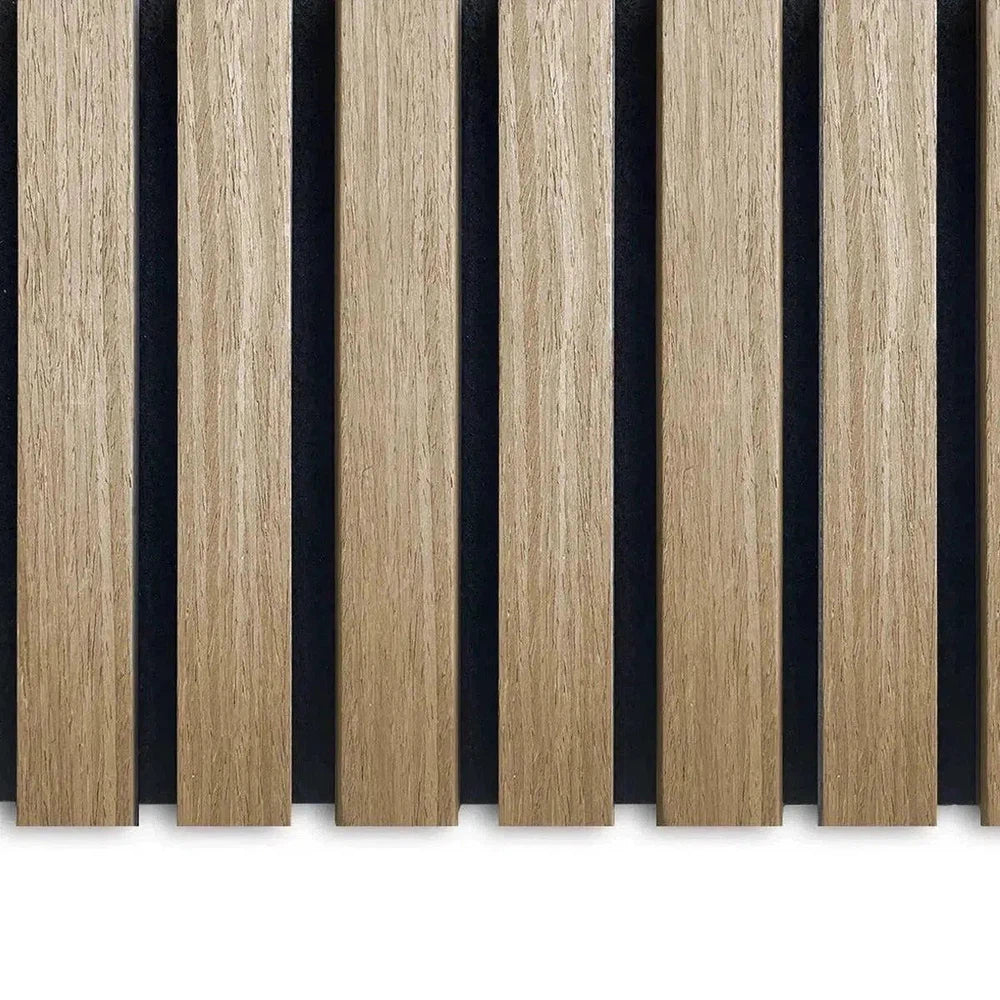
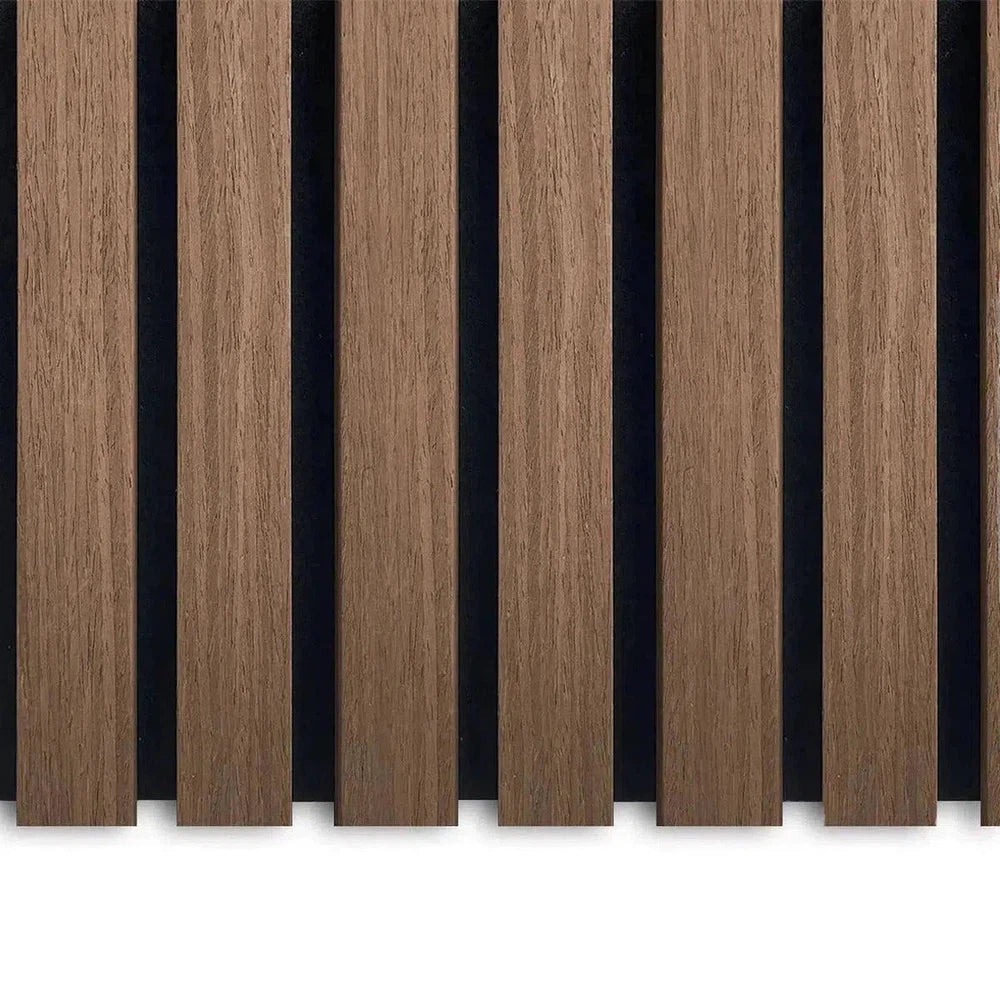
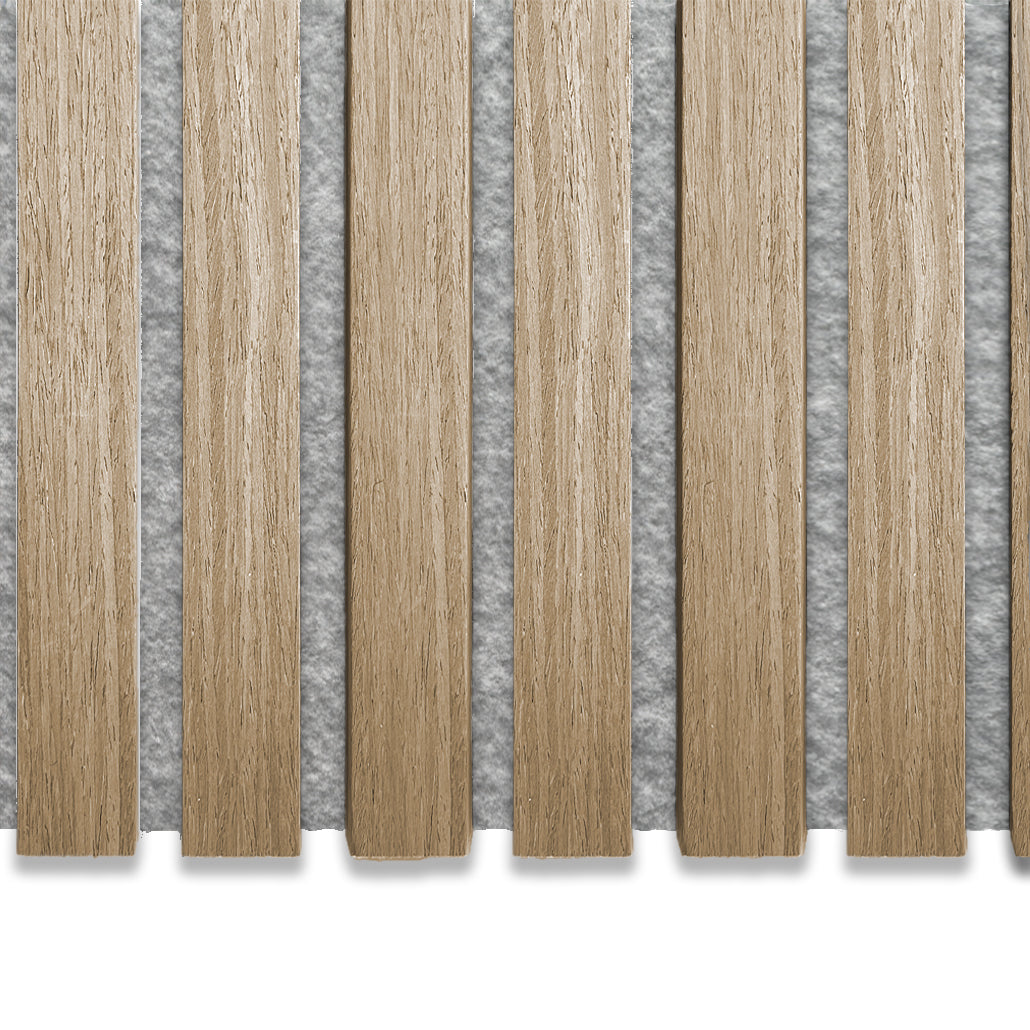
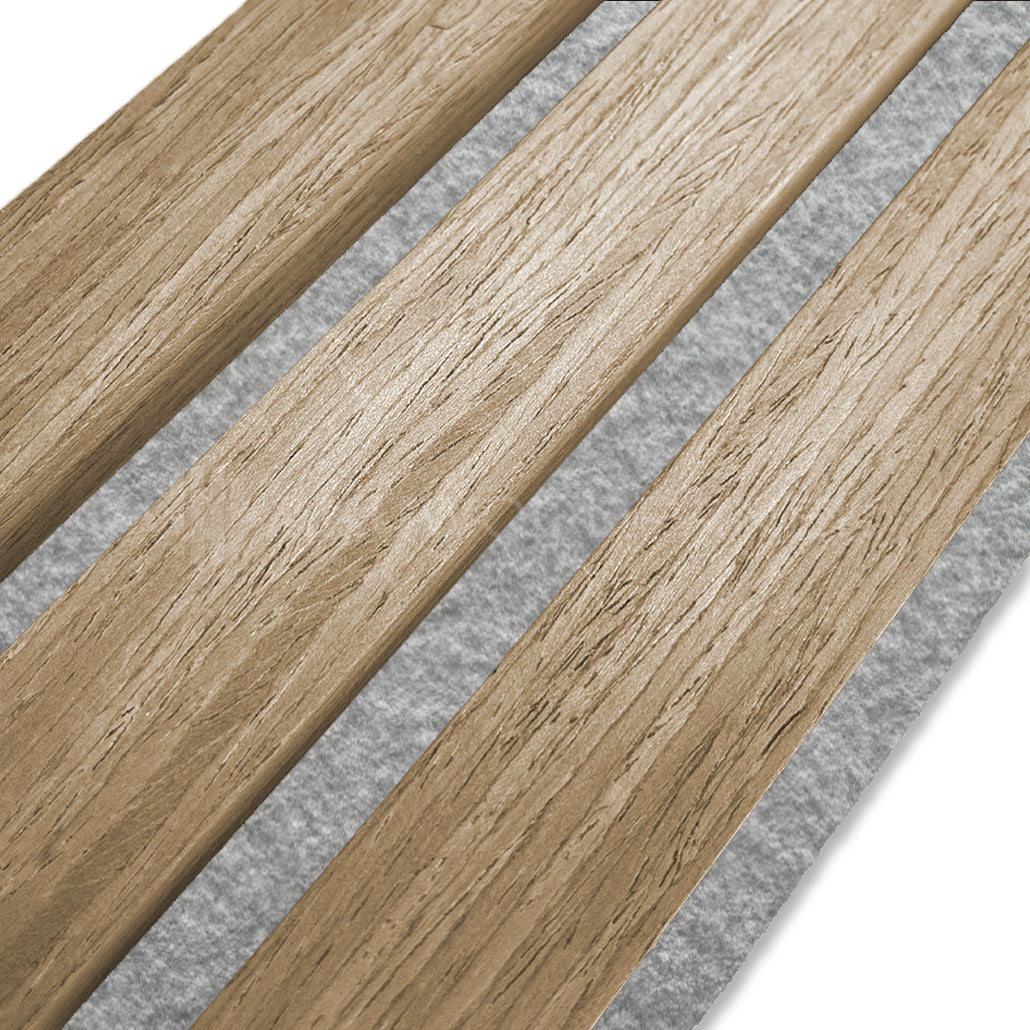
The safe pick: Natural Oak Grey Felt panels This finish pairs a light, warm oak veneer with a grey acoustic felt backing that reads calm rather than clinical. It's available in both 240 cm and 300 cm lengths, so it fits standard and taller lounge walls without special ordering. For a dementia-friendly lounge where you want acoustic control without a bold design statement, this is the default choice. Verdict: Buy. Natural Oak Grey Felt panel
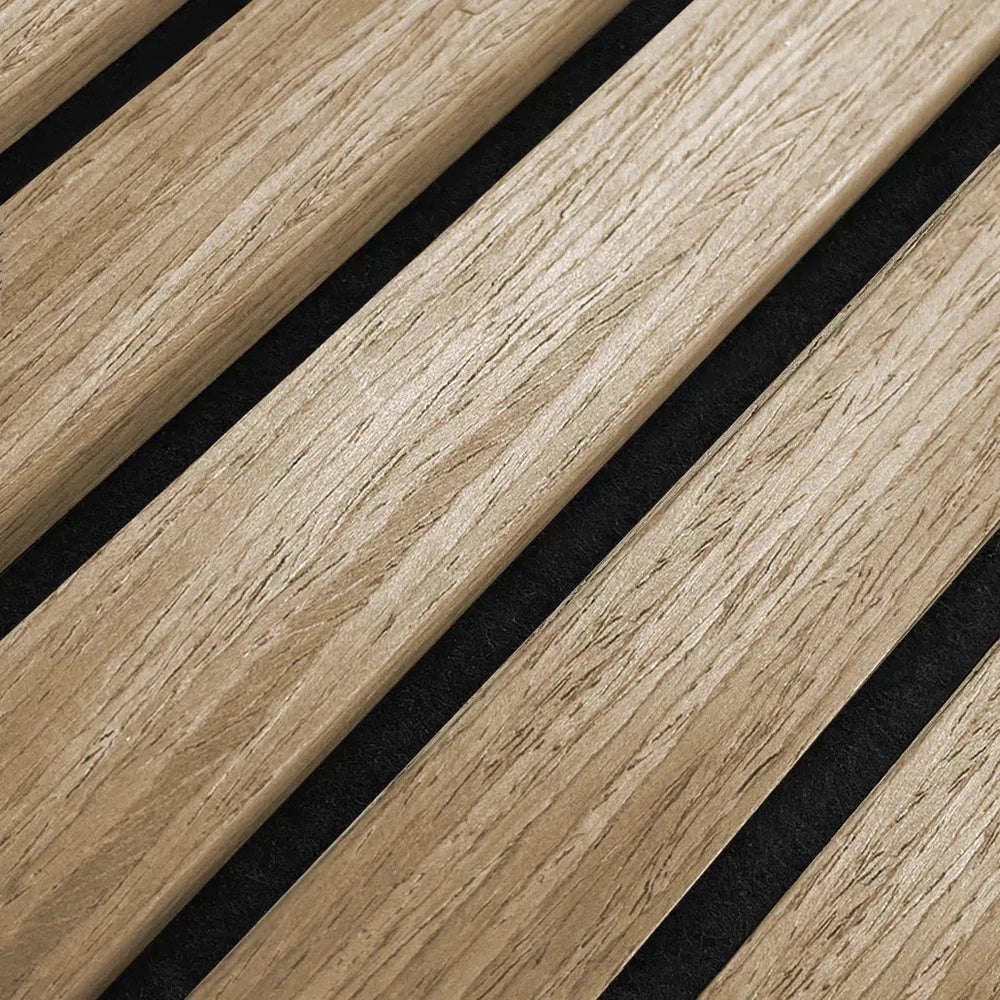
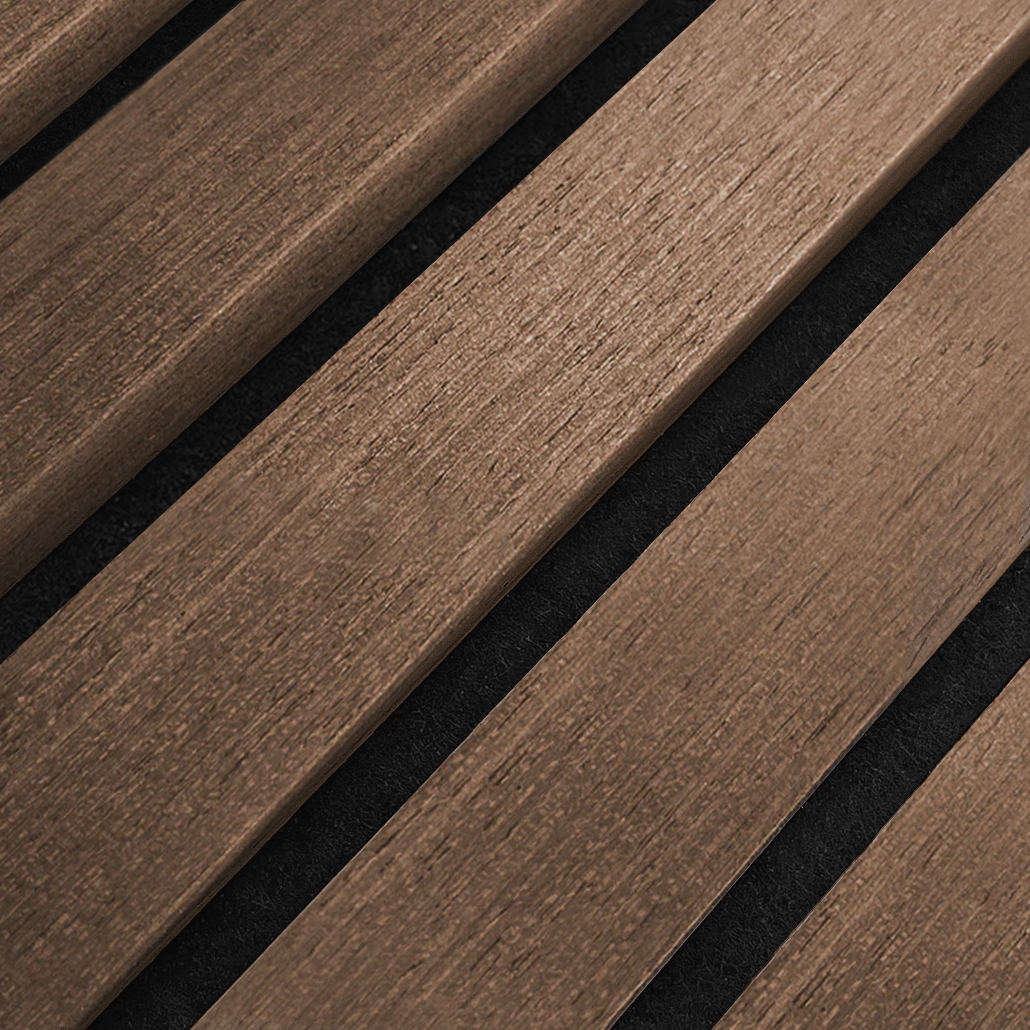
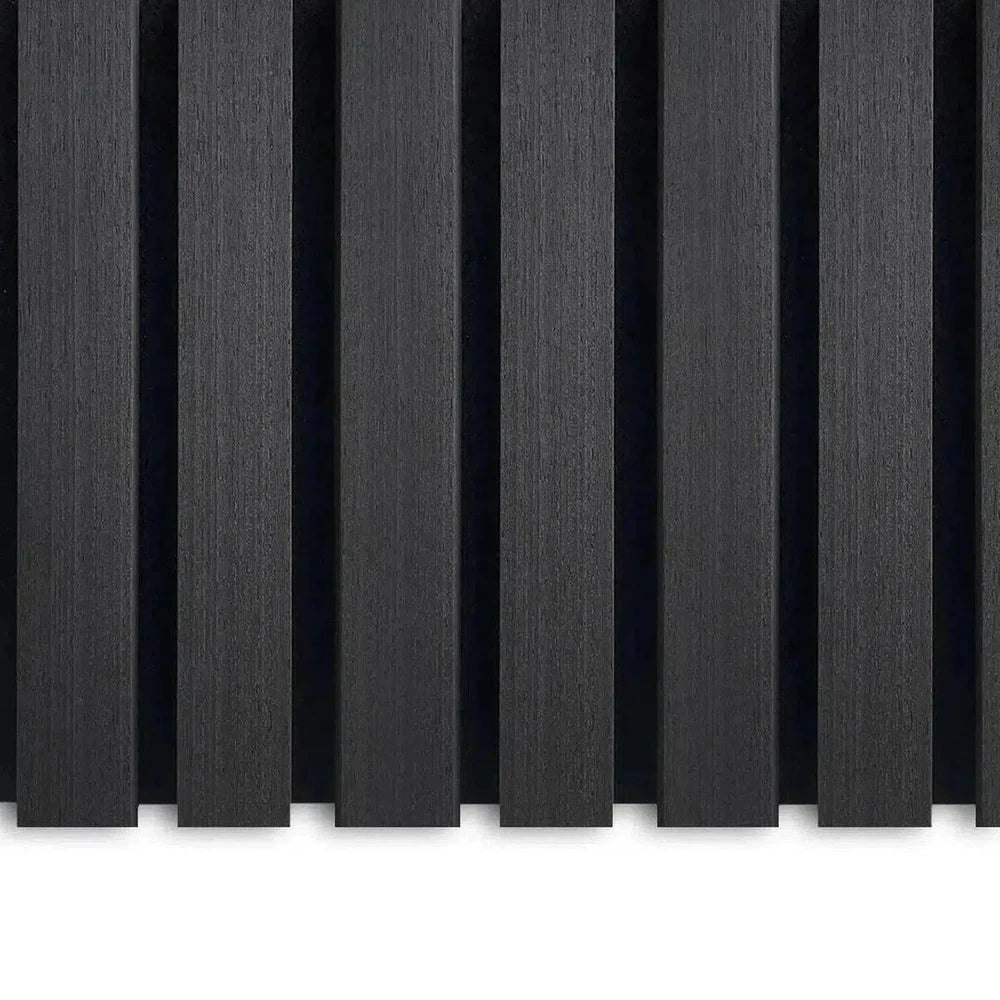
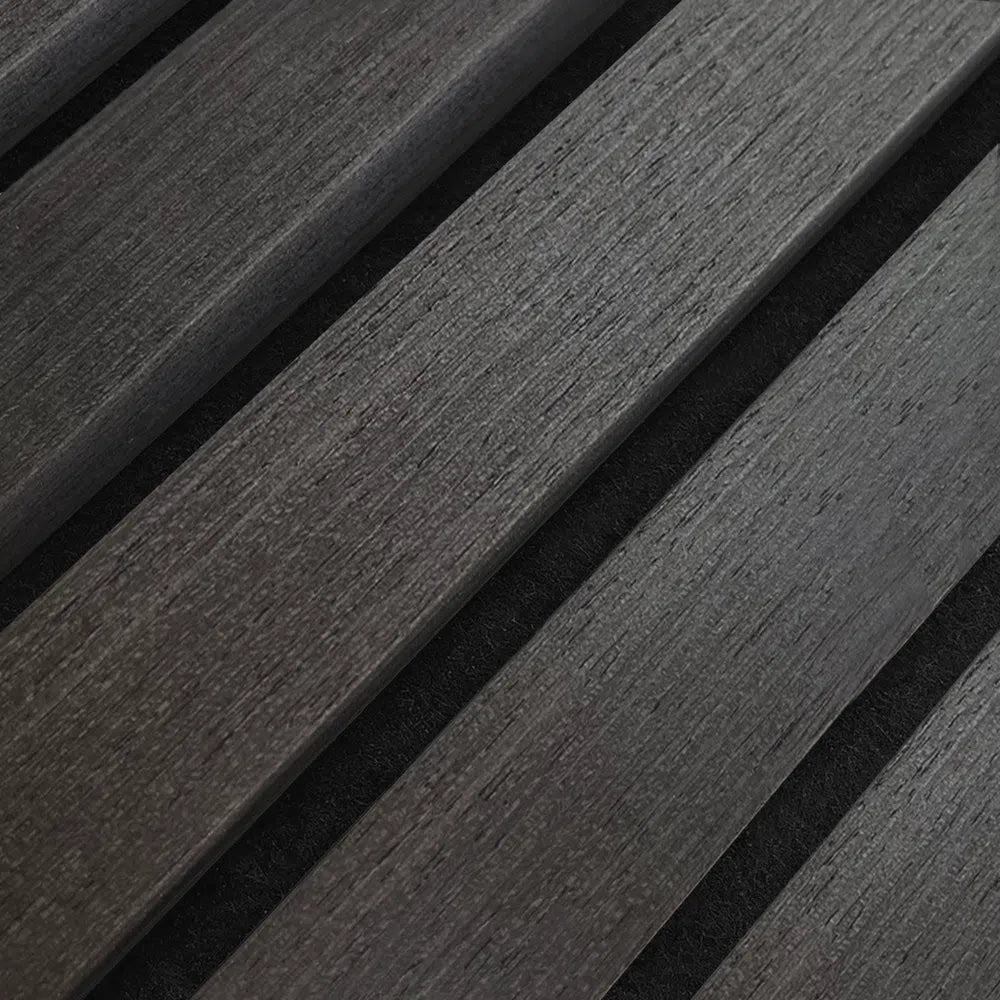
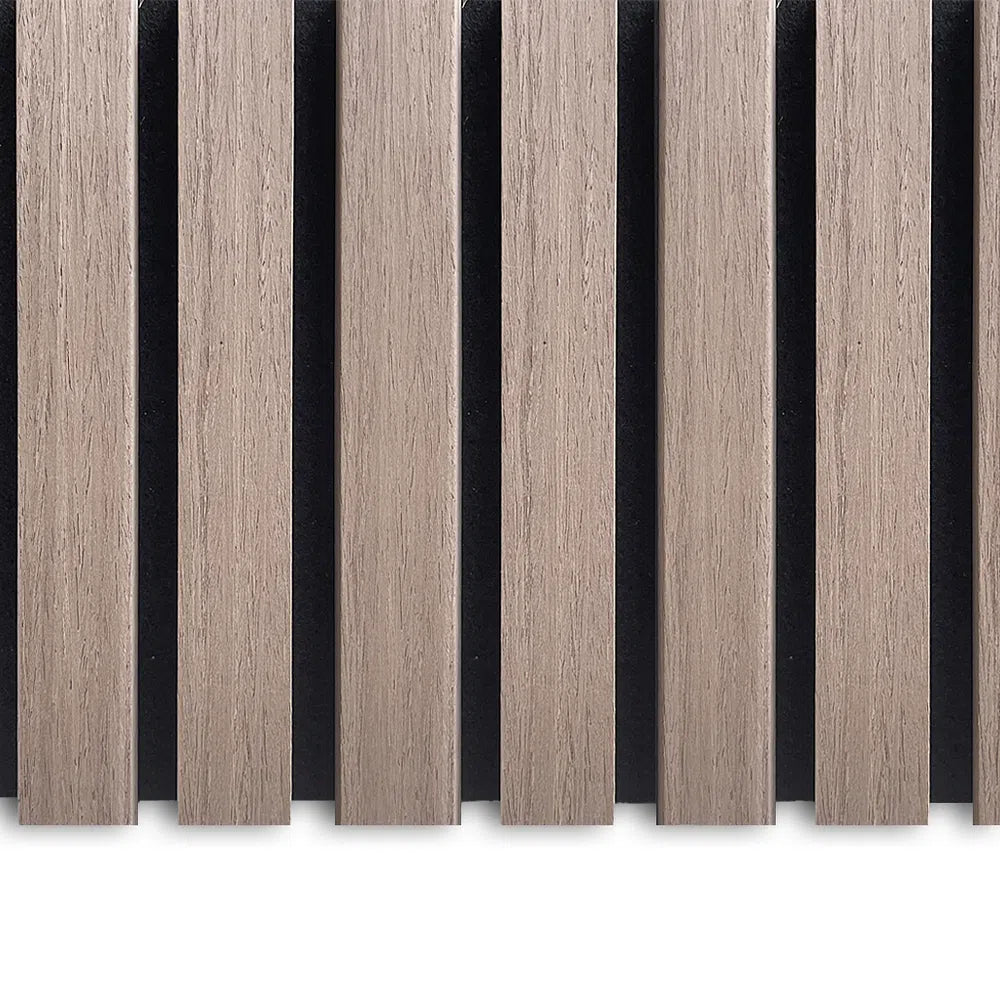
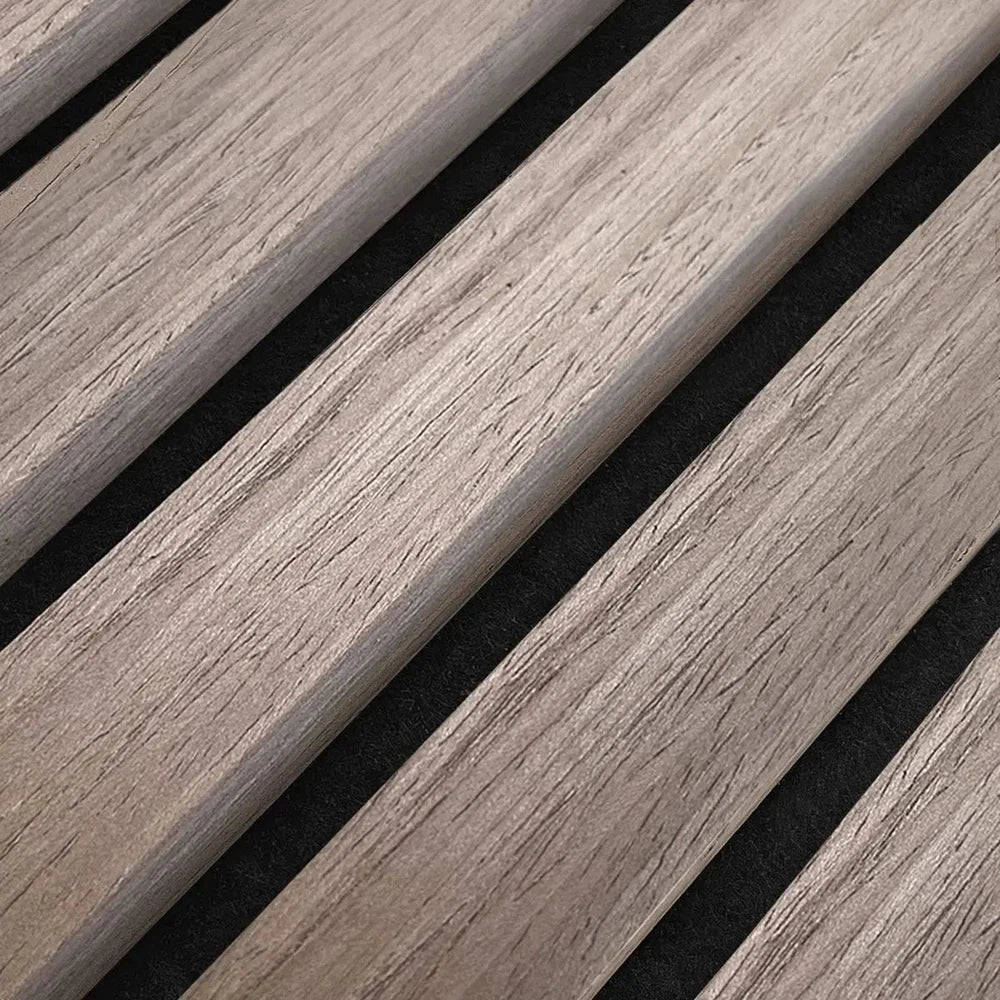
The contrast pick: Smoked Oak panels Smoked Oak gives you a deeper tone without going full black, useful for a dining feature wall that needs to anchor a lighter colour scheme around it. The 3-sided veneer finish holds up visually in rooms with strong overhead lighting, which most dining halls have. Use it on one wall rather than wrapping a whole room — a full-room dark finish works against dementia-friendly contrast guidance. Verdict: Buy, on a single feature wall only. Smoked Oak wall panel
The wildcard: Hexagon Natural Oak with Grey Felt Hexagon-format acoustic panels break up a long corridor or reception wall visually while still delivering the same felt-backed absorption as the standard slat panels. They read as a design feature rather than a functional treatment, which helps in areas family members see first. Order a sample before committing a whole reception wall — hexagon layouts need more planning around cuts than straight slat panels. Verdict: Consider, for reception and activity areas rather than dining halls. Hexagon Natural Oak with Grey Felt panel
What to avoid
- Panels with no felt backing. They look identical in a photo but do almost nothing for echo — always confirm the acoustic layer is included before you order for a room, not just a sample piece.
- All-dark schemes across an entire dining hall. One feature wall in a darker finish reads intentional; four dark walls reduce contrast and can make navigation harder for residents with visual impairment.
- Unbacked decorative panels sold as "acoustic". Some decorative wall panels are marketed loosely — check the product description for the acoustic felt backing specifically rather than assuming every slatted panel qualifies.
Verdict comparison
| Panel | Best for | Panel lengths | Verdict |
|---|---|---|---|
| Natural Oak Grey Felt | Whole-room lounge treatment | 240 cm / 300 cm | Buy |
| Smoked Oak | Single dining feature wall | 240 cm / 300 cm | Buy (feature wall only) |
| Hexagon Natural Oak with Grey Felt | Reception/activity wall | 240 cm / 300 cm | Consider |
FAQ
What's the best acoustic panel for a care home lounge? Natural Oak Grey Felt panels are the best general-purpose choice for care home lounges in 2026 because the light tone supports dementia-friendly contrast guidance while the felt backing handles echo control across a full room.
Do acoustic wood panels actually reduce noise in a dining room? Yes — the acoustic felt backing behind the wood veneer absorbs sound reflecting off hard walls, which is the main source of clatter and speech echo in a dining hall with hard floors and high ceilings.
Is dark wood panelling suitable for dementia-friendly rooms? Dark finishes like Smoked Oak or Black Oak work better as a single feature wall than a full-room treatment, since dementia-friendly design generally favours enough tonal contrast against flooring rather than uniform darkness across a room.
How long does it take to fit acoustic panels in a care home lounge? A single-room installation using panel adhesive typically fits in a day or two per room, which is far less disruptive than a full re-boarding job that would displace residents for weeks.
What panel size fits standard care home ceiling heights? 240 cm panels suit the roughly 2.4-metre ceiling heights common in older care home buildings, while 300 cm panels suit newer or double-height lounges without extra cutting.
Can hexagon panels be used in a care home dining room? Hexagon acoustic panels work better in reception areas or activity rooms than dining halls, where a simpler slat layout is easier to keep visually calm for residents during meals.
Should every wall in a lounge be panelled for acoustic control? No — one or two walls treated with felt-backed panels usually cuts noticeable echo; panelling every wall adds cost without a proportional acoustic gain in most standard-sized lounges.
How do I check if a panel is genuinely acoustic and not just decorative? Check the product listing for an acoustic felt backing behind the wood veneer specifically — decorative slat panels without that layer look similar but don't meaningfully reduce echo.
One last thing
Most care home refurbishment briefs treat acoustics and dementia-friendly design as separate line items, specified by different consultants who never compare notes. A panel that solves one and undermines the other — a beautiful dark wood finish that erases contrast, or a pale acoustic tile that does nothing for reverberation — is a common outcome of that split. Specify both requirements against the same product line before ordering samples, not after.
For context on the same acoustic problem in a different communal setting, see how village halls handle wall acoustics.