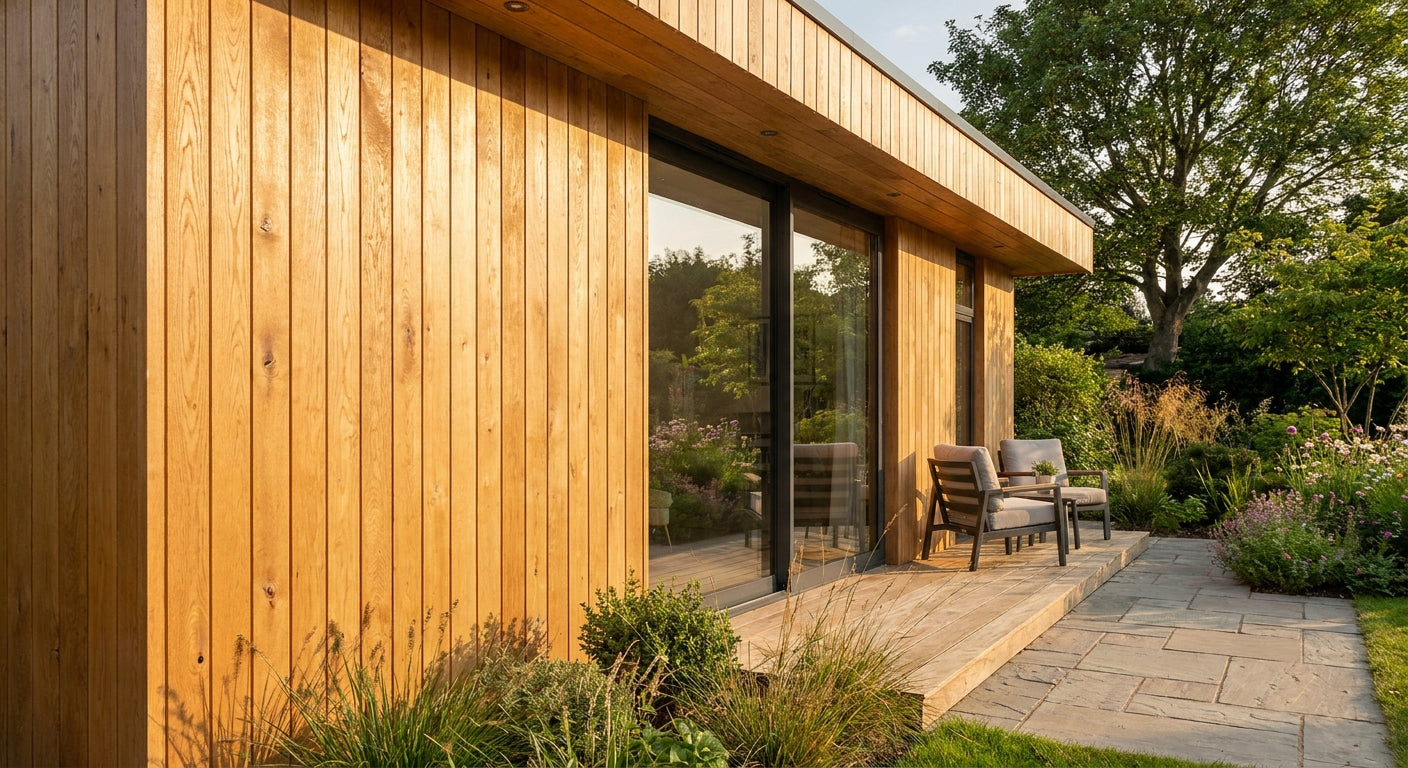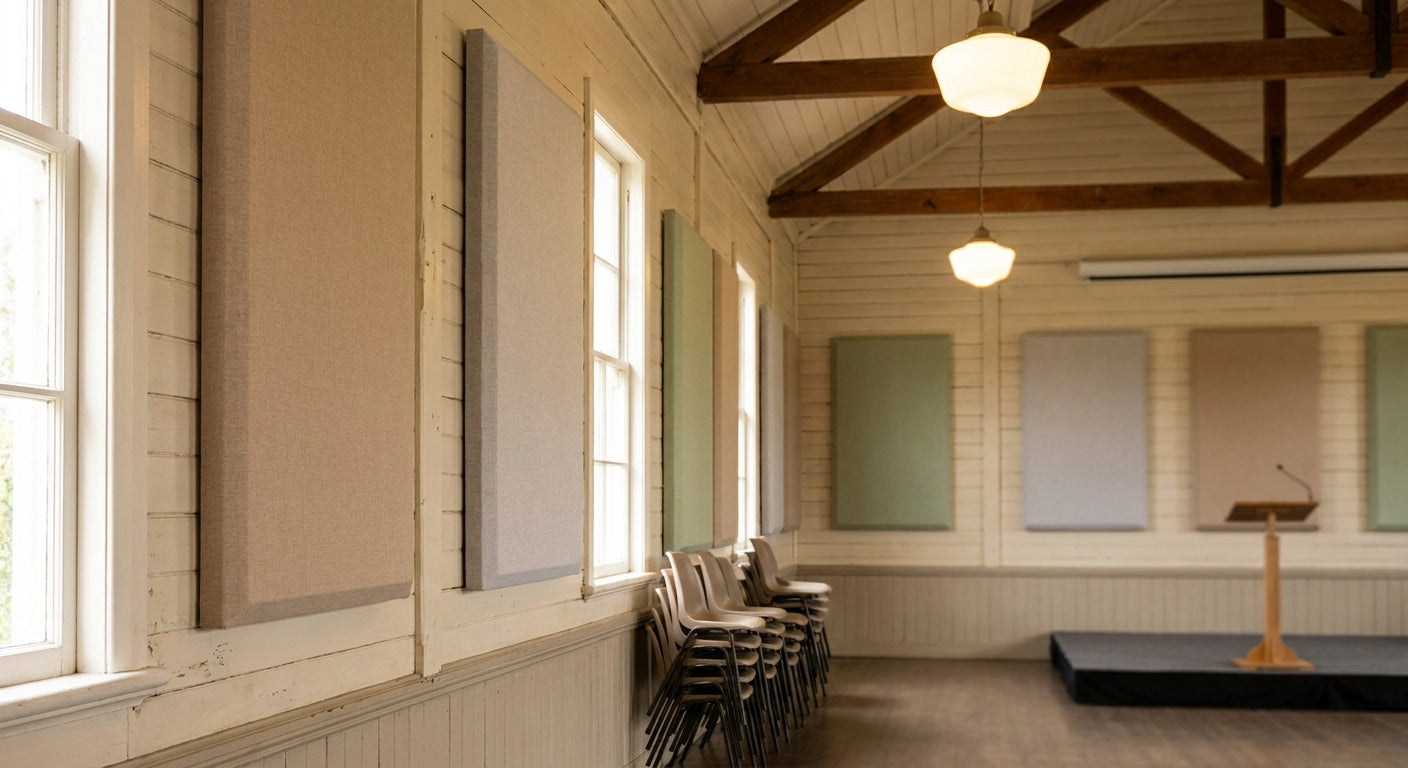
Village hall committees fight the same battle every winter: hard plaster walls, a solid floor, and a room that turns every bingo caller, toddler group, or wedding disco into a wall of noise. Acoustic panels for village hall spaces fix that without a full refit, and this guide tells you which finish, size, and fixing method actually holds up under community use in 2026.
TL;DR
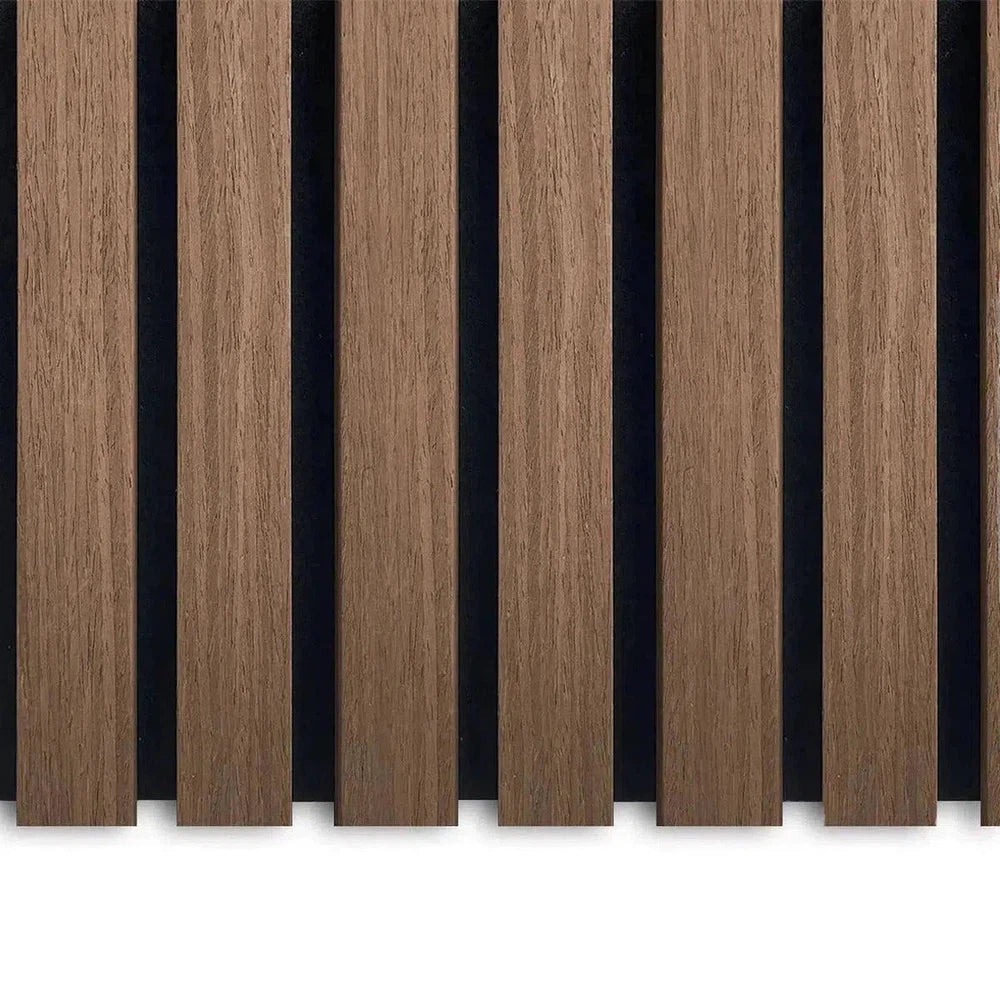
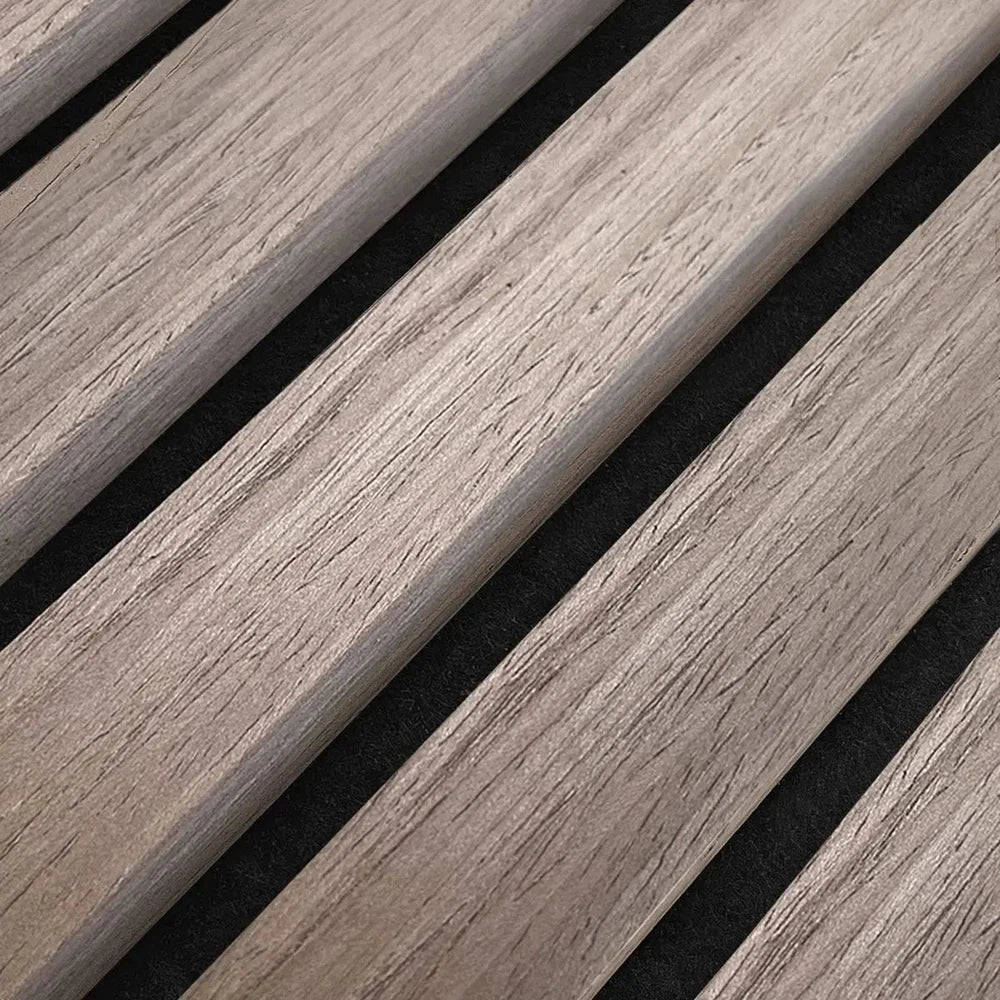
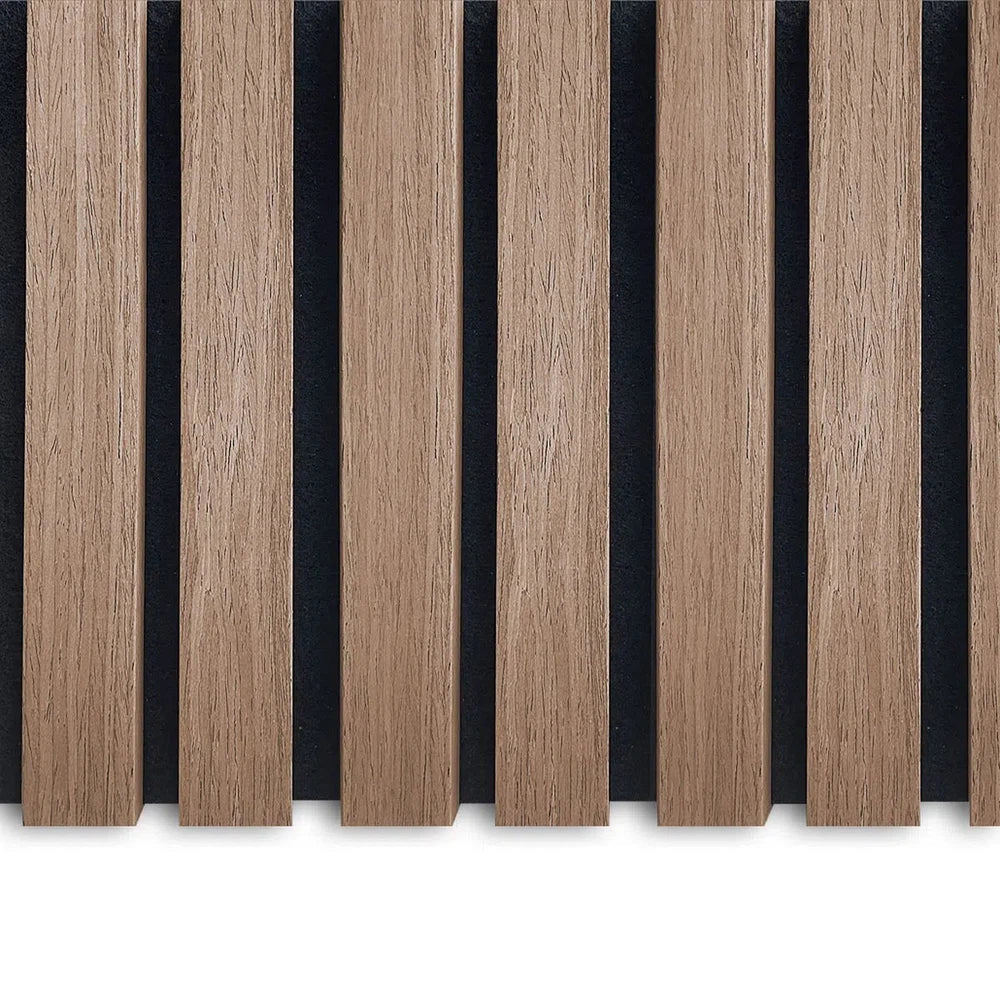
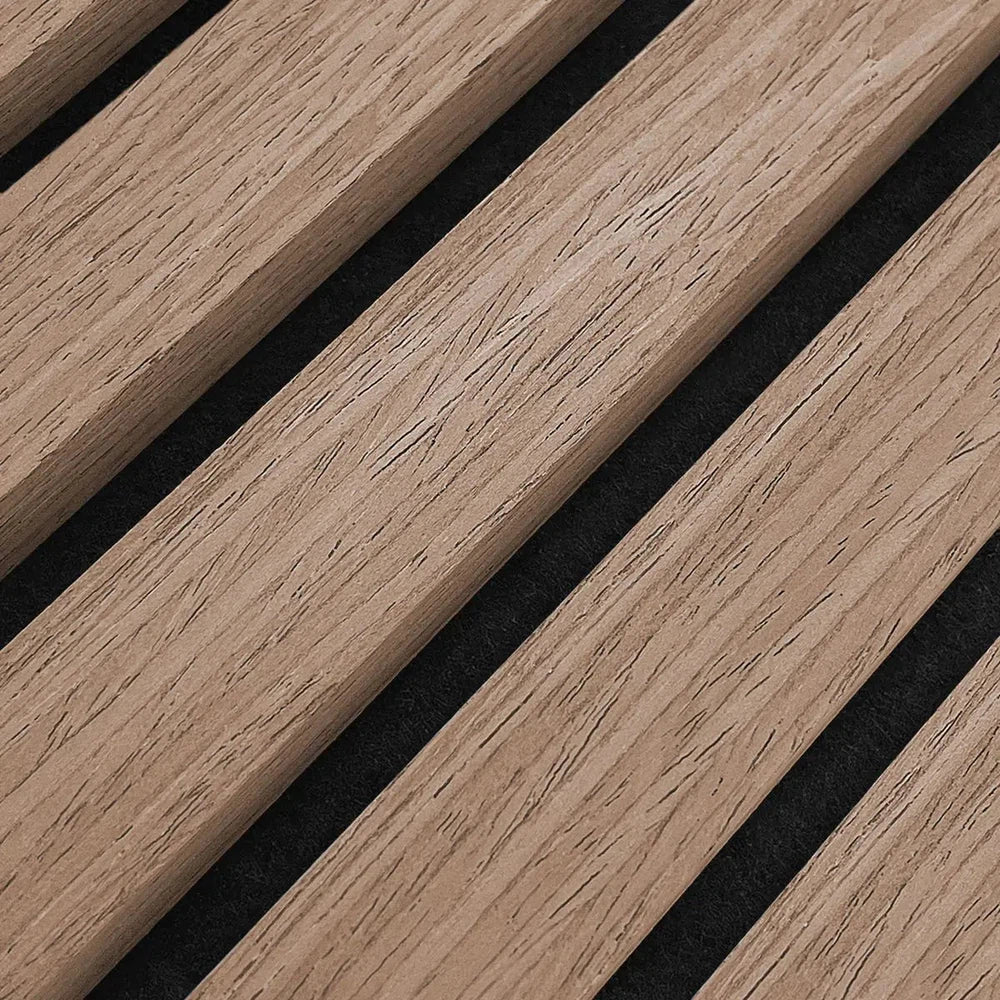
For a village hall or community centre, Akustiq UK's Smoked Oak wall panel is the safe buy for 2026 refurbishments because its dark tone hides scuff marks from stacked chairs and trestle tables. The Natural Oak panel is the budget-friendly consider pick for halls doing a partial re-fit rather than a full wall. Acoustic panels for village hall walls work by combining a real wood veneer face with a felt backing that absorbs sound rather than bouncing it, which is exactly what a bare-plaster hall needs. Skip printed-foam tiles for anything with public footfall — they don't survive contact from tables, prams, or toddler groups.
Why this matters
A village hall is rented out for parish council meetings, kids' parties, keep-fit classes, and wedding receptions, often in the same week. Every one of those events behaves differently in a room with hard walls and a hard floor: speech gets muddy, music overloads, and volunteers running the hall end up shouting over their own PA system. Committees usually notice the problem after a wedding DJ complaint or a hearing-impaired attendee struggling at a parish meeting — by which point the fix has become urgent rather than optional.
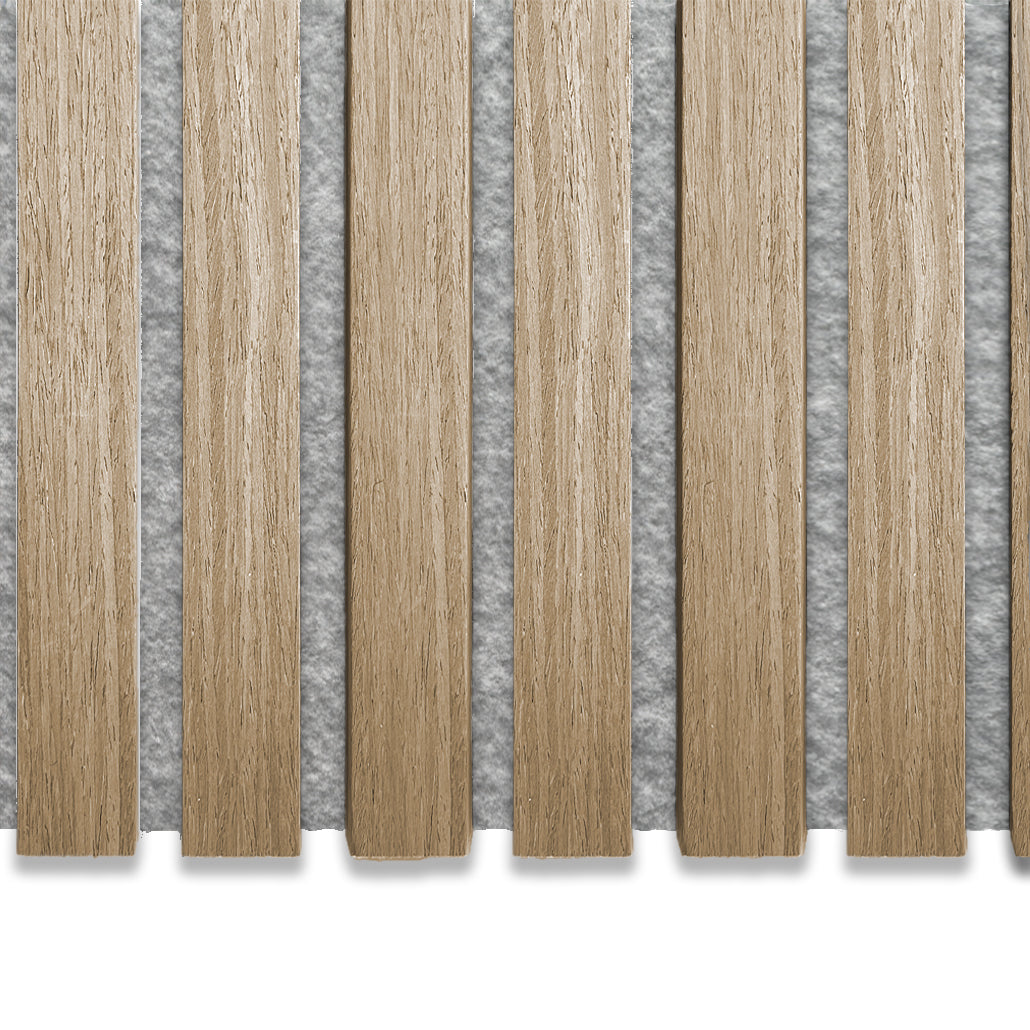
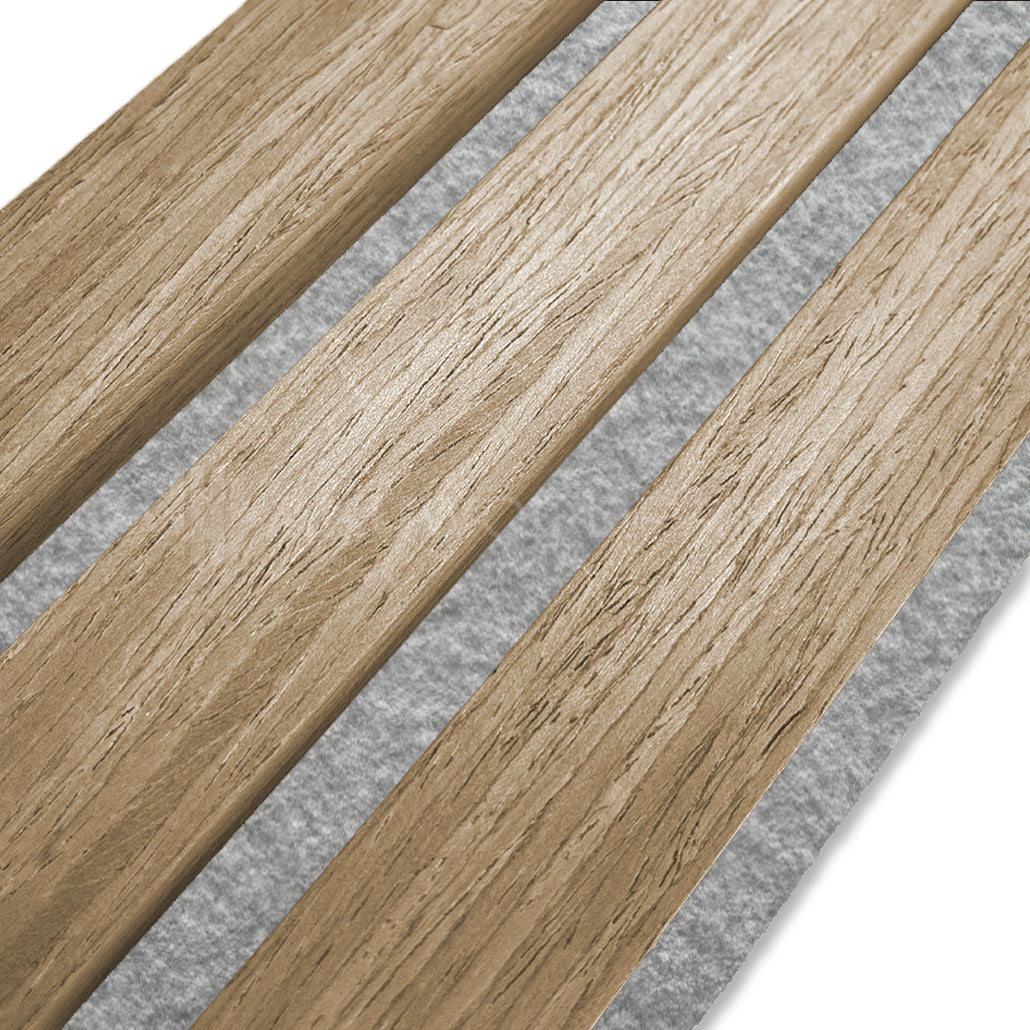
The wall build in most village halls hasn't changed in decades: brick or block, painted plaster, sometimes exposed breeze block behind a stage curtain. None of that absorbs sound. Akustiq UK supplies acoustic wood panels built for exactly this kind of retrofit — a real wood veneer face bonded to a sound-absorbing felt backing, fixed straight onto the existing wall.
Who this is for
This guide is for parish councillors, village hall trustees, and community centre managers planning a 2026 refurbishment on a fixed budget, usually funded through grants, hire income, or a one-off fundraiser. You're not buying for a recording studio — you're buying for a room that gets used by six different groups a week and needs to look presentable without a specialist install crew.
What to look for in acoustic panels for a village hall
Genuine sound absorption, not just a wood look
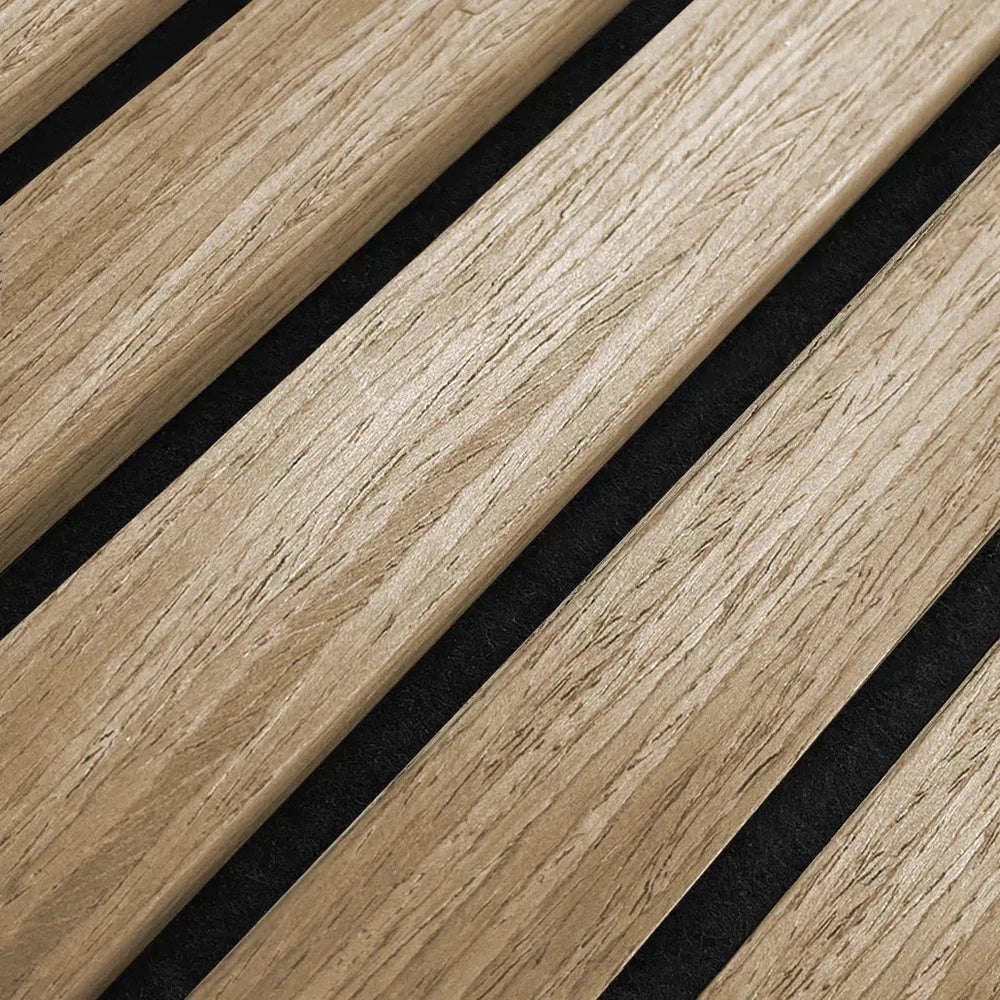
A lot of decorative wood cladding is sold as "acoustic" when it's really just a veneer glued to MDF with no absorptive backing. For a hall with a hard floor and high ceiling, the felt backing behind the wood veneer is doing the actual acoustic work, not the timber face. Confirm the panel has a felt or foam layer behind the veneer before you order, because that's what cuts reverberation, not the finish colour.
Durability against knocks and stacking damage
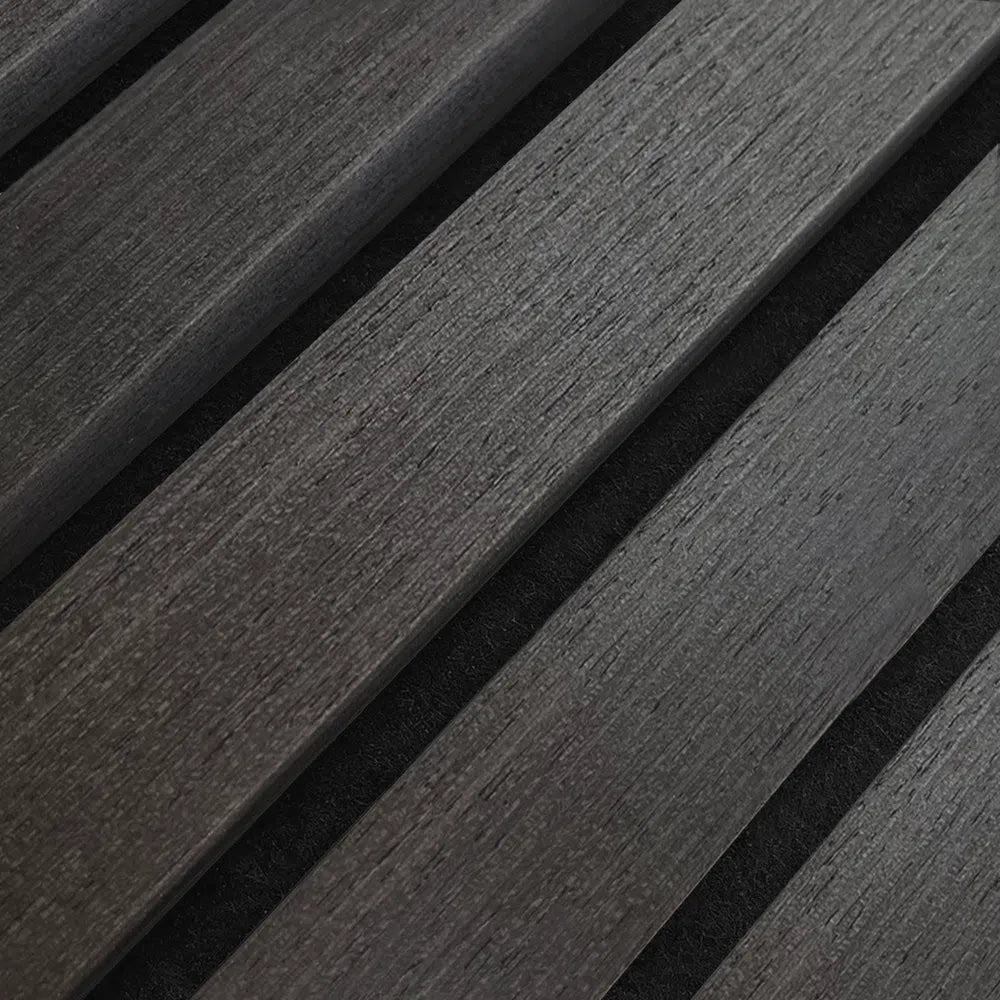
Village halls get chairs stacked against walls, tables wheeled past skirting boards, and toddlers running hands along every surface at knee height. A panel finish that shows every scuff will look tired within a year of weekly hire use. Darker finishes such as smoked oak or black oak hide marks far better than pale natural oak in a heavily used room.
Size format matching your wall height
Akustiq UK's panels come in two length formats — 240 cm and 300 cm — and picking the wrong one means extra cutting, extra waste, and visible joins at odd heights. Most village halls run a stud or masonry wall between 2.4 m and 3 m depending on the roof pitch, so measure the actual wall height before ordering rather than assuming a standard ceiling.
Installation that a volunteer team can manage
Hall committees rarely have a budget for a specialist fitter, so panels need to go up with basic tools and a weekend of volunteer labour. Batten-and-clip systems are more forgiving of an uneven wall than adhesive-only fixing, and for smaller sections or infill pieces a high-tack panel glue gets a secure bond without battens at all.
Finish options that suit a multi-use room
A hall used for everything from toddler groups to funeral wakes benefits from a neutral, warm finish rather than anything too dark or too pale. Natural oak, walnut, and grey oak felt options all sit well against magnolia walls and standard hall lighting, which is why they show up repeatedly in community centre refits logged through 2026.
Top picks for village hall walls
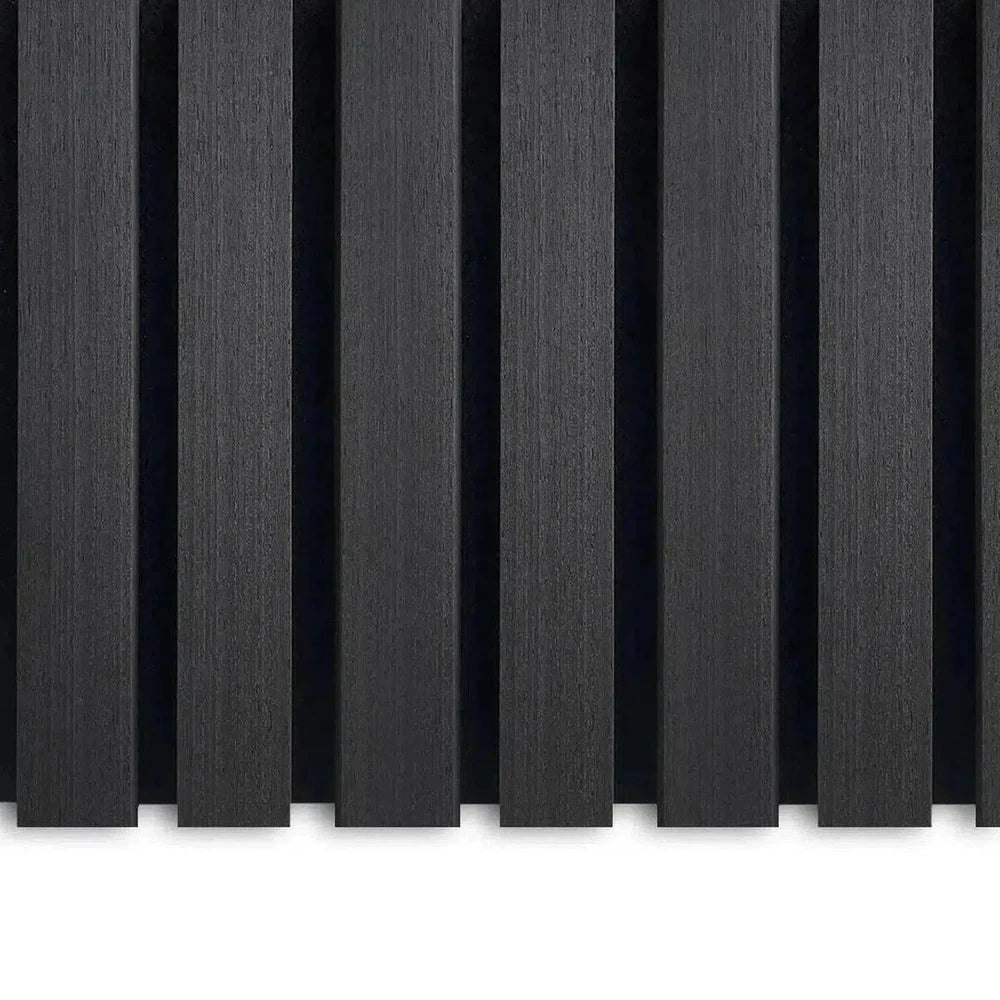
Smoked Oak — the safe pick. The dark tone hides scuffs from stacked furniture better than any lighter finish in the range, and it's available in both 240 cm and 300 cm lengths to match most hall wall heights. Verdict: Buy for main hall walls that take daily knocks — check the Smoked Oak wall panel for current sizing.
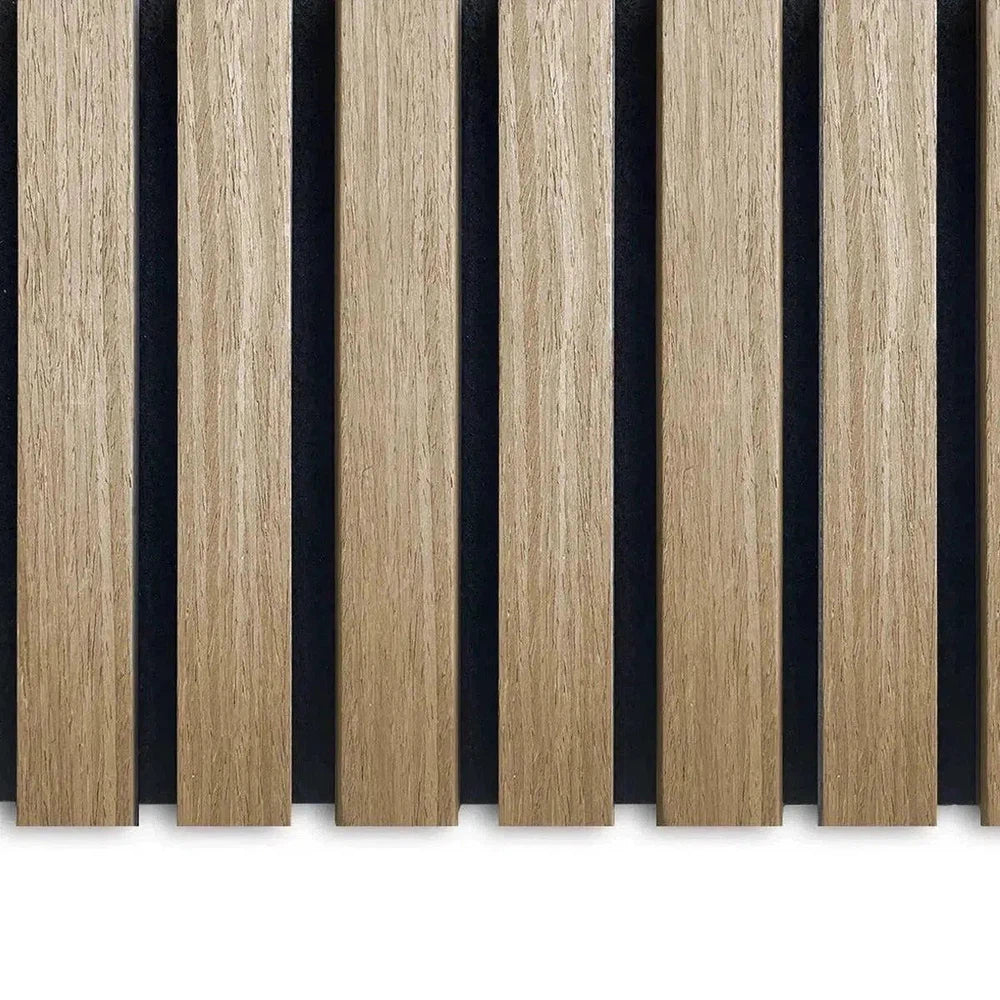
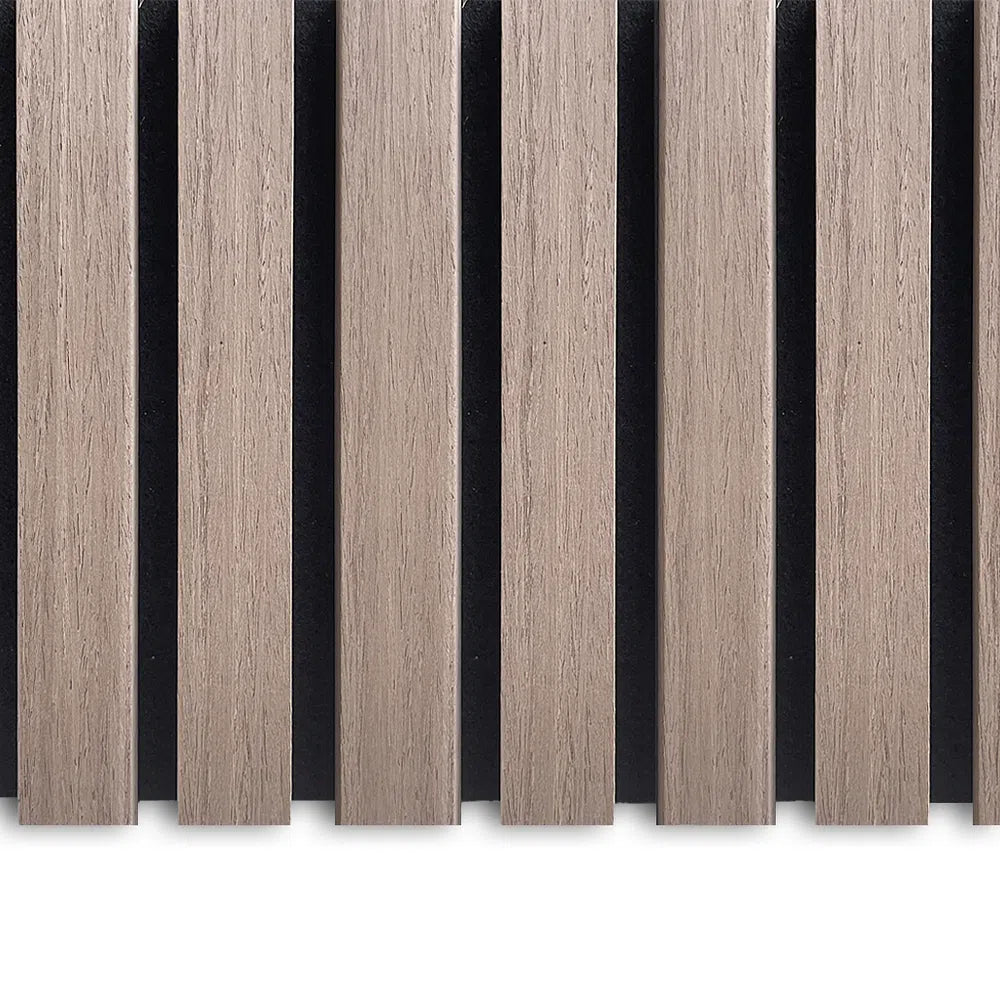
Natural Oak — the budget-friendly consider. If the committee is only treating one feature wall behind the stage or serving hatch rather than the whole hall, natural oak covers the acoustic basics without committing the full refurbishment budget in one go. Verdict: Consider for partial coverage or a phased 2026/2027 rollout — see the Natural Oak wall panel.
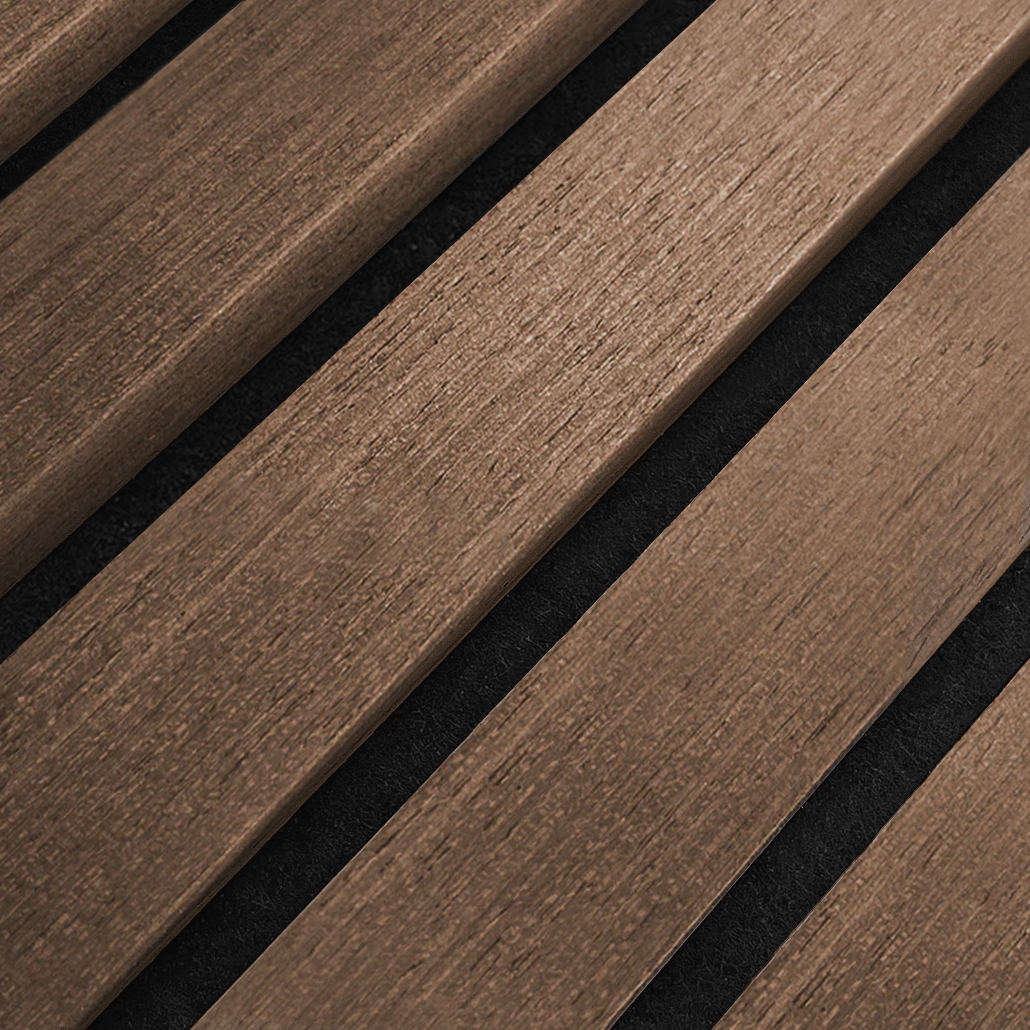
Walnut — the statement pick. A richer, warmer tone that works well on a feature wall behind a committee table or stage backdrop where the panel is meant to be noticed, not just functional. Verdict: Consider for feature-wall applications rather than full-room coverage.
Black Oak — the wildcard. Strong contrast against magnolia walls, but a very dark finish on every wall of a small hall can make the room feel smaller under standard strip lighting. Verdict: Skip for full-room coverage in halls under 40 square metres; fine as a single accent wall.
What to avoid
- Printed-foam "acoustic" tiles marketed for offices. They look similar in photos but tear and dent under the contact a village hall gets from stacked chairs and hired equipment.
- Adhesive-only fixing on an unlevel masonry wall. Older village halls rarely have a perfectly flat wall, and glue alone on an uneven surface fails at the edges within a season. A batten system, or a proper high-tack panel glue applied correctly, holds far better — see the high-tack panel glue for smaller infill sections.
- Ordering by guesswork on ceiling height. Committees that skip measuring the actual wall and order based on a "standard" assumption end up with visible cut lines at odd heights, which looks worse than bare plaster.
Verdict comparison
| Panel | Finish tone | Best for | Verdict |
|---|---|---|---|
| Smoked Oak | Dark | Full hall, heavy daily use | Buy |
| Natural Oak | Light | Feature wall, phased budget | Consider |
| Walnut | Warm/rich | Stage or committee-table backdrop | Consider |
| Black Oak | Very dark | Single accent wall only | Skip (full room) |
FAQ
What are the best acoustic panels for a village hall? A felt-backed wood veneer panel in a darker finish, such as smoked oak, is the strongest all-round choice for 2026 refits because it absorbs sound and hides the scuffs that come with weekly hall hire.
Do acoustic wood panels work as well as foam panels in a large hall? For speech clarity and echo reduction in a multi-use hall, a felt-backed wood panel performs comparably to foam while surviving contact from furniture and equipment far better than foam alone.
Can volunteers install acoustic wall panels themselves? Yes, with a batten system or a high-tack panel glue and a weekend of labour, a volunteer team can fit panels without hiring a specialist contractor.
What size acoustic panels suit a village hall's ceiling height? Most village halls sit between 2.4 m and 3 m, so measure the wall before choosing between the 240 cm and 300 cm panel lengths to avoid awkward cut joins.
Do wooden acoustic panels need much maintenance in a hired-out hall? A real wood veneer finish needs an occasional wipe-down and no special treatment beyond that, which suits a hall run by volunteers rather than paid maintenance staff.
Is real wood veneer necessary, or is a printed finish good enough? Real veneer holds its finish and colour under years of hall lighting and use, while printed finishes tend to fade or scuff through faster in a high-traffic community space.
How many panels does a typical village hall need? Coverage depends on the wall area you're treating; halls doing a single feature wall need far fewer panels than those treating the full room, so measure the wall and work from square metres rather than a generic panel count.
Can these panels go over an existing painted plaster wall? Yes, both batten systems and panel glue are designed to fix over standard painted plaster or masonry, which is the most common wall type in older village halls.
One last thing
General acoustic treatment guidance puts the point of noticeable echo reduction at roughly 15-25% wall coverage in a hard-floored room, which means most village halls don't need floor-to-ceiling panelling to solve the speech-clarity problem — a well-placed feature wall behind the stage or serving hatch, done properly, does more for a 2026 hall refit budget than spreading thinner coverage across every wall.