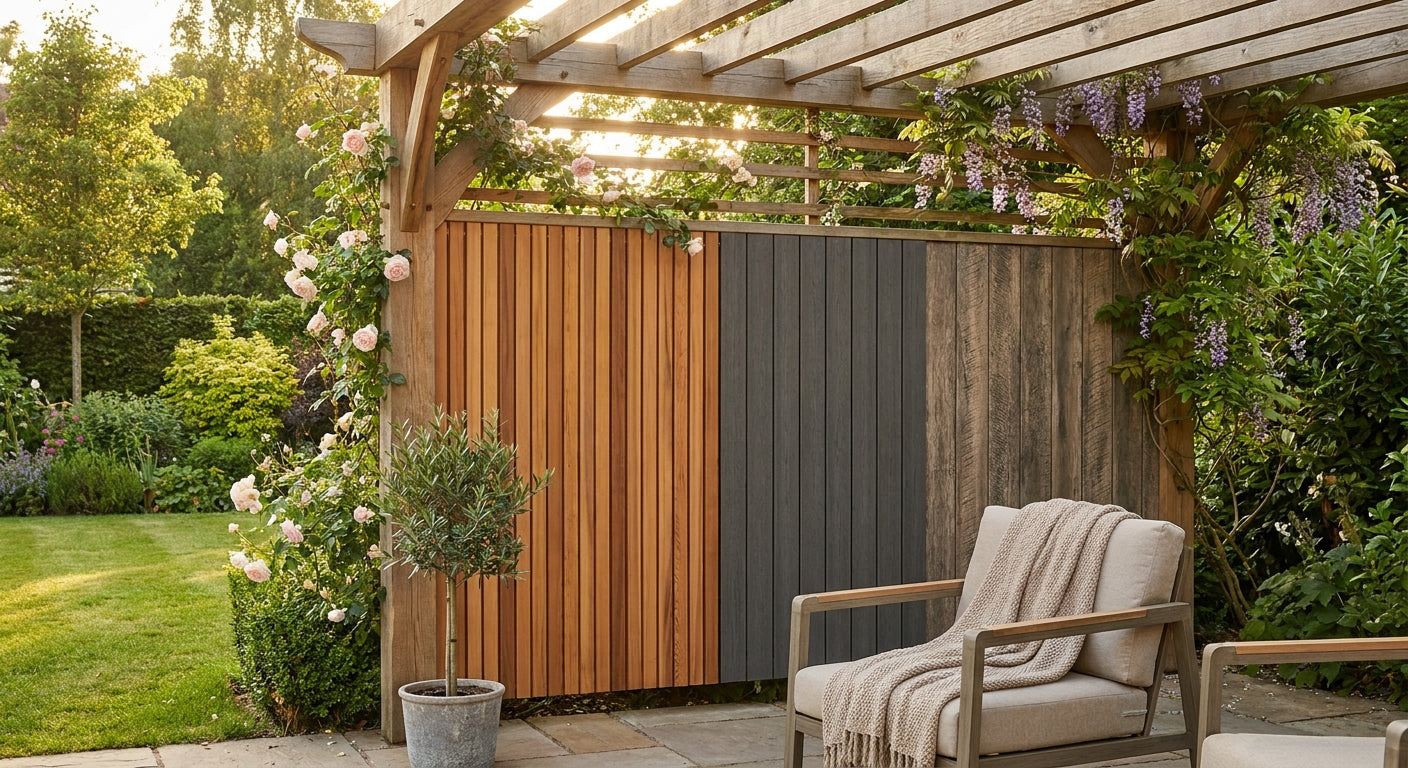
Pergola side walls in the UK take direct wind-driven rain from one side and full UV exposure from the other, which is exactly why generic decking board off-cuts fail within a season. This guide ranks the exterior cladding panels worth using on a pergola side wall in 2026, based on weather resistance, fixing method, and how the finish reads against typical UK render and brick tones.
TL;DR
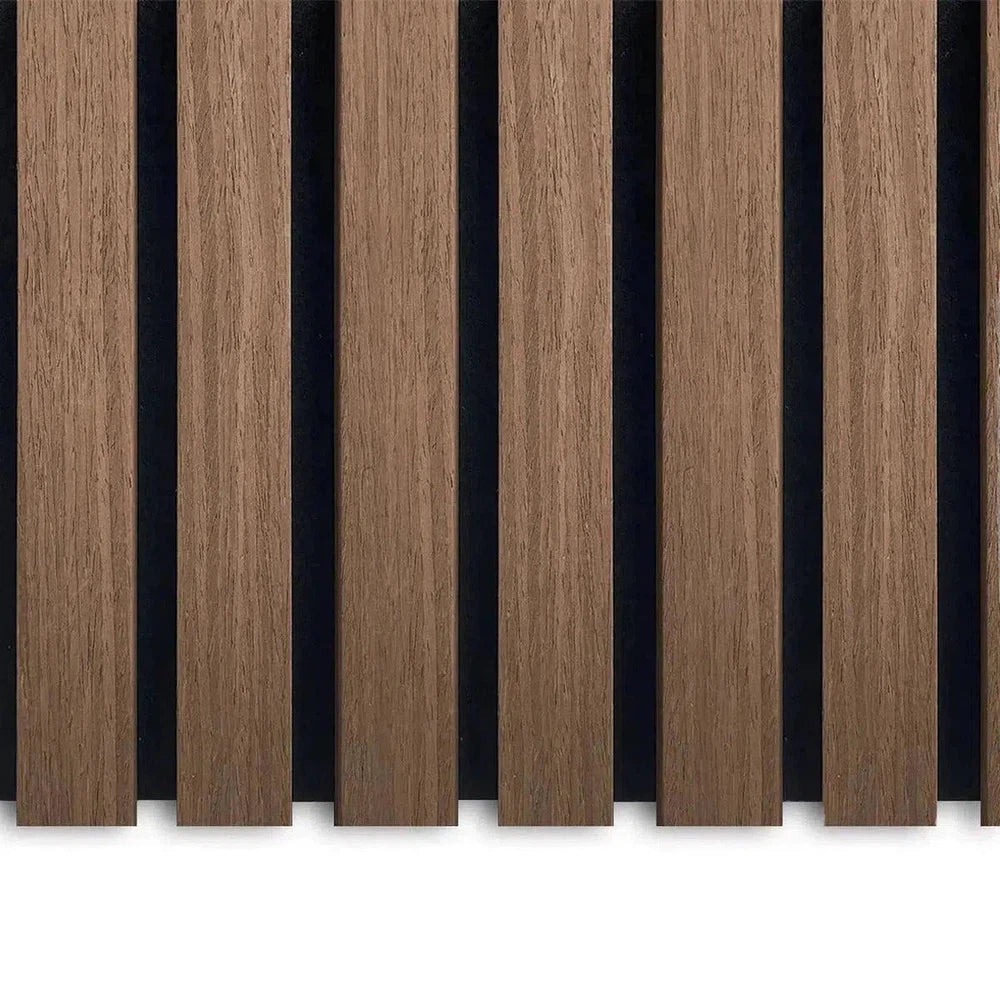
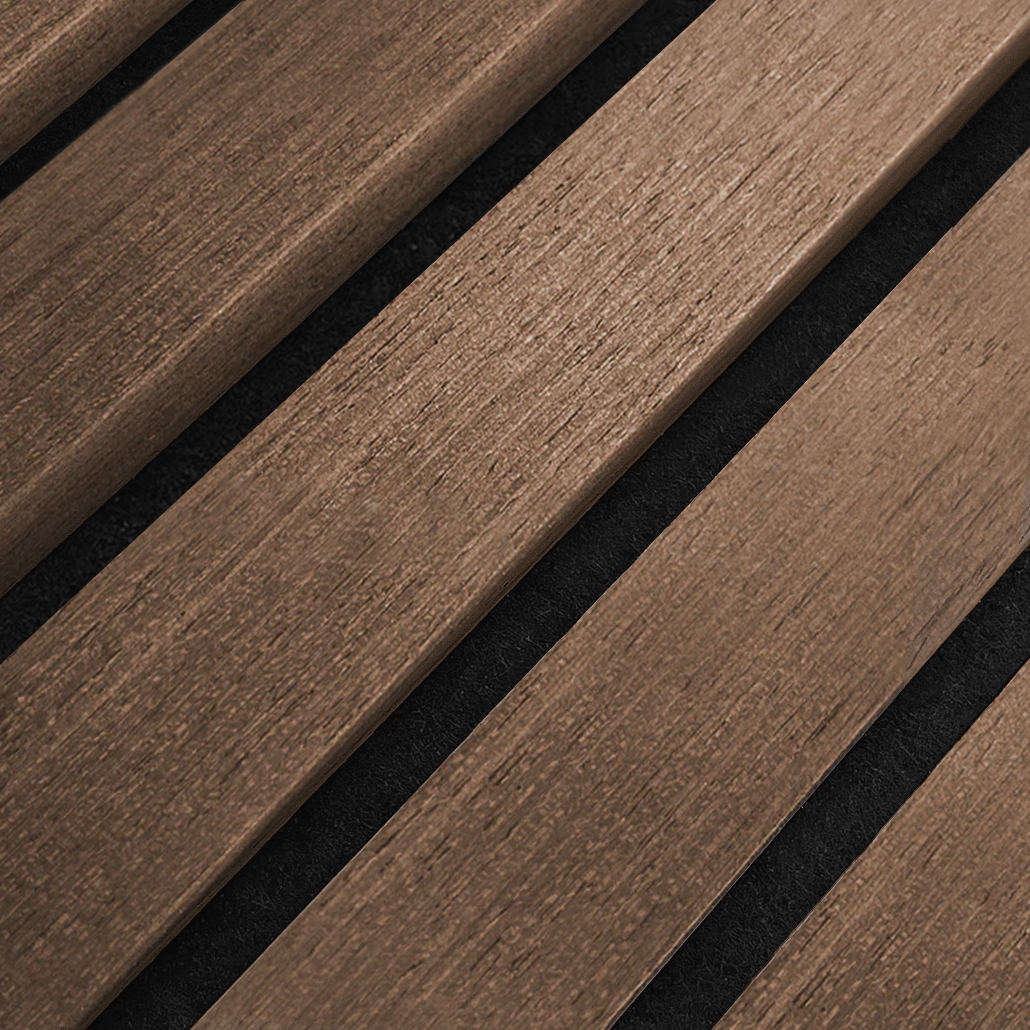
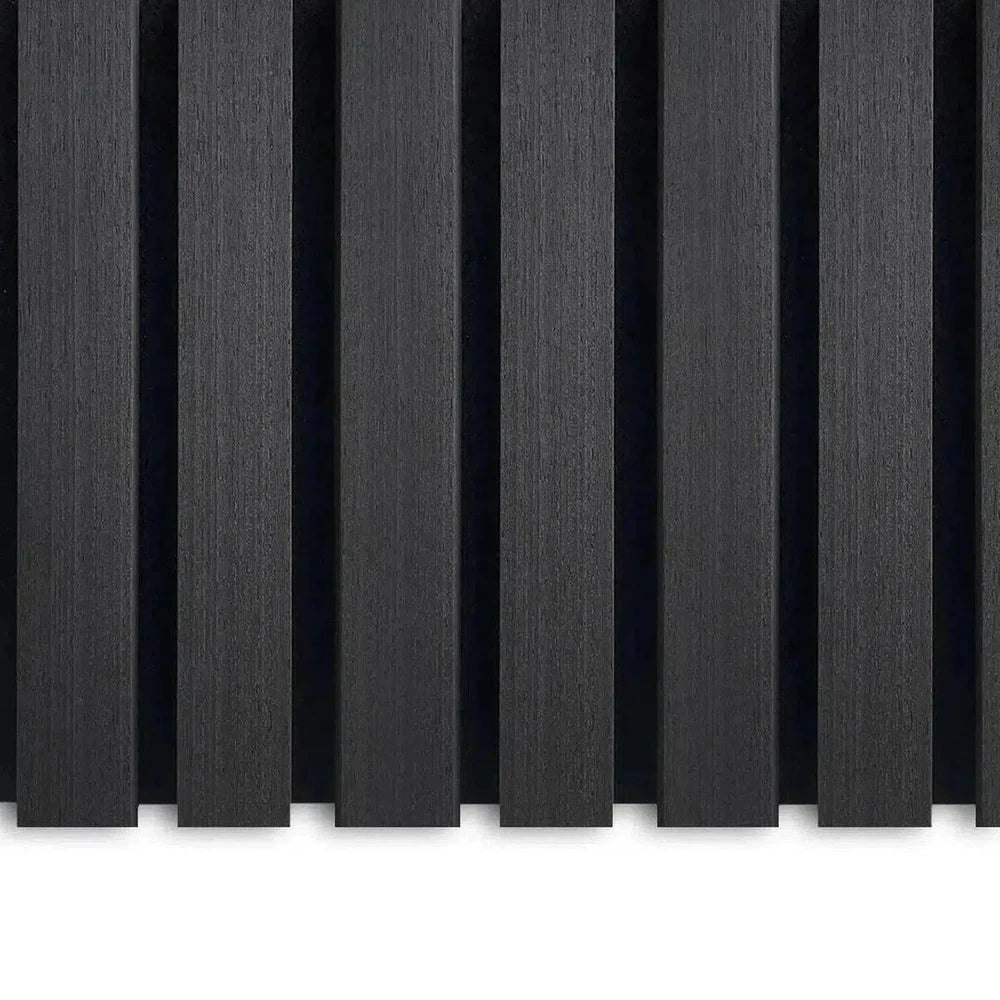
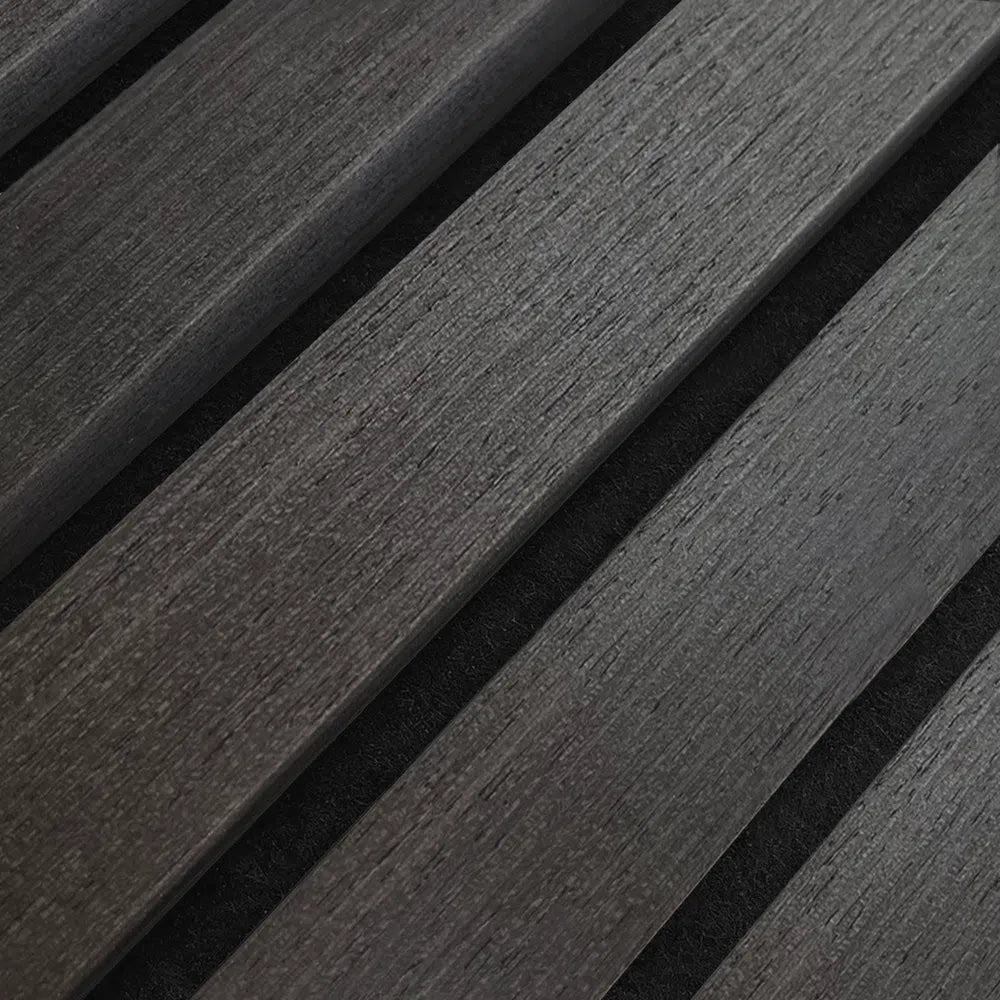
For a UK pergola side wall in 2026, the Exterior Wall Cladding Panel Oak is the safe buy: it fits the composite-and-veneer format that shrugs off rain cycling without the maintenance schedule of solid timber. If you want a darker, more contemporary look, the Exterior Wall Cladding Panel Black is a strong second choice and pairs well with black-framed pergolas. The Exterior Wall Cladding Panel Stone Grey is the pick when the wall backs onto rendered brick. Cladding panels for a pergola side wall need to handle standing water at the base rail and UV on the exposed face, and all three of these composite panels are built for that job. Skip raw softwood tongue-and-groove unless you're committed to annual oiling.
Why this matters
A pergola side wall usually isn't sheltered the way a house wall is. Rain gets blown in from the open side, the panel sits closer to ground level where splash-back happens, and there's rarely a soffit overhang doing any of the protective work a house eave does. That combination is what kills cheap featheredge boards and MDF-core panels within 12 to 18 months.
Composite cladding panels solve this because the core doesn't absorb water the way solid wood does, so the swelling and cupping that ruins a butt-jointed timber wall doesn't happen at the same rate. That's the entire case for choosing a purpose-built exterior panel over garden centre fencing boards for this specific job.
How this list was ranked
Panels are ranked on three factors that matter specifically for a pergola side wall: resistance to standing moisture at the base, UV stability of the face finish, and how easily the panel integrates with a timber pergola frame using standard fixings and trims. Panels are compared against published exterior cladding specifications and against the failure patterns commonly reported for solid timber cladding in exposed UK installations. Pricing and stock levels shift through 2026, so treat sourcing notes as a starting point rather than a fixed figure.
The ranked list
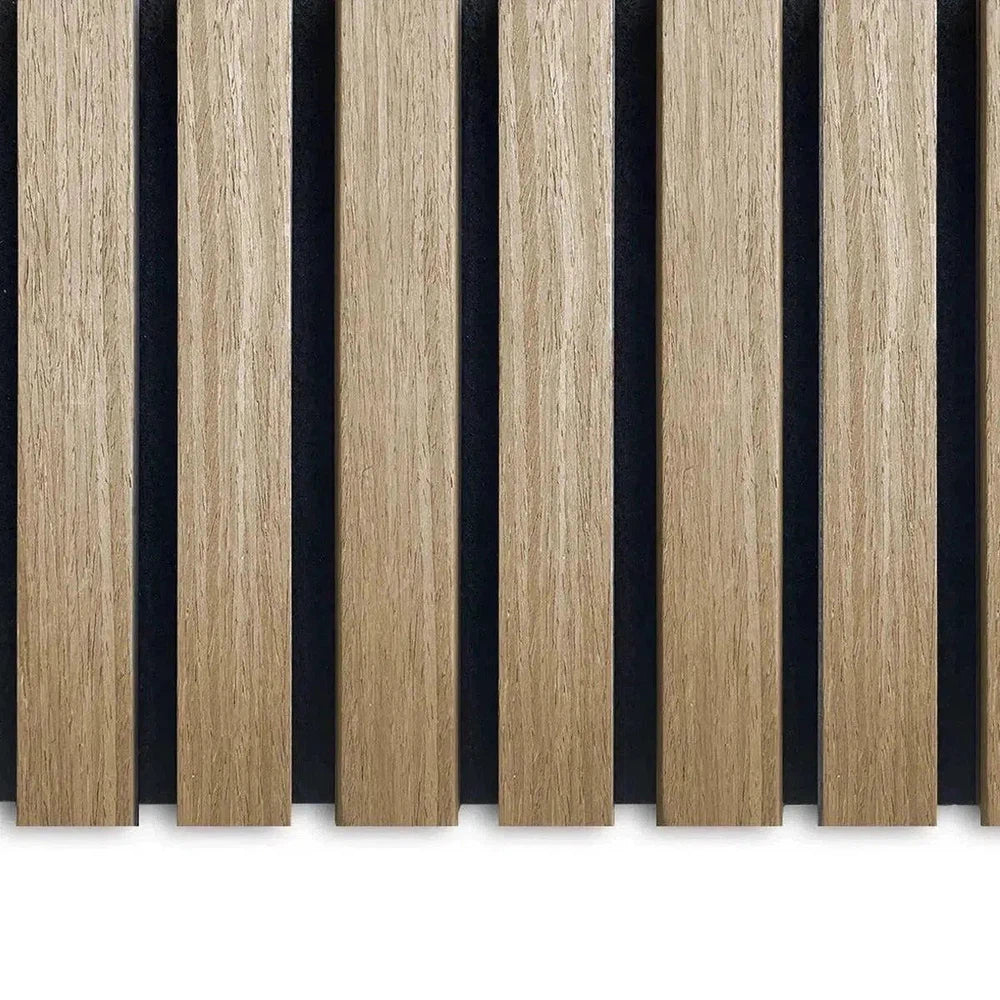
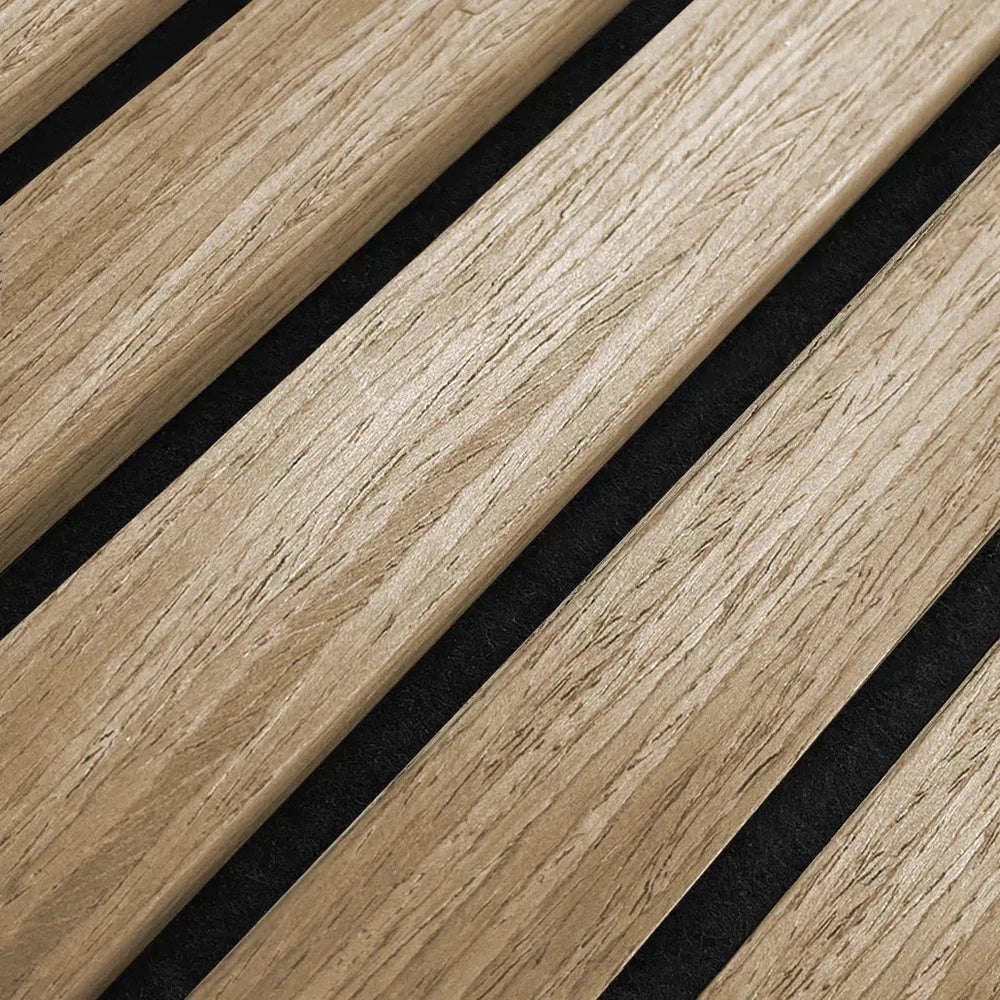
1. Exterior Wall Cladding Panel - Oak
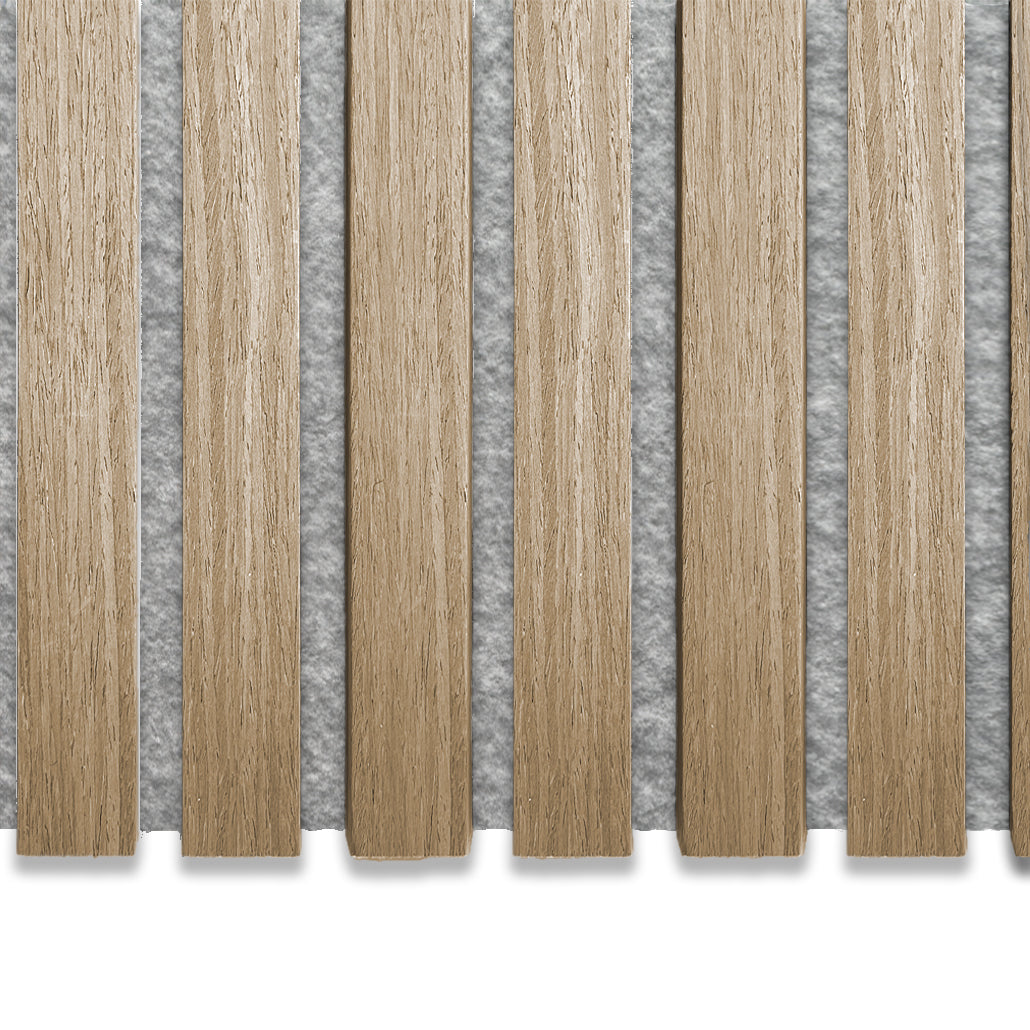
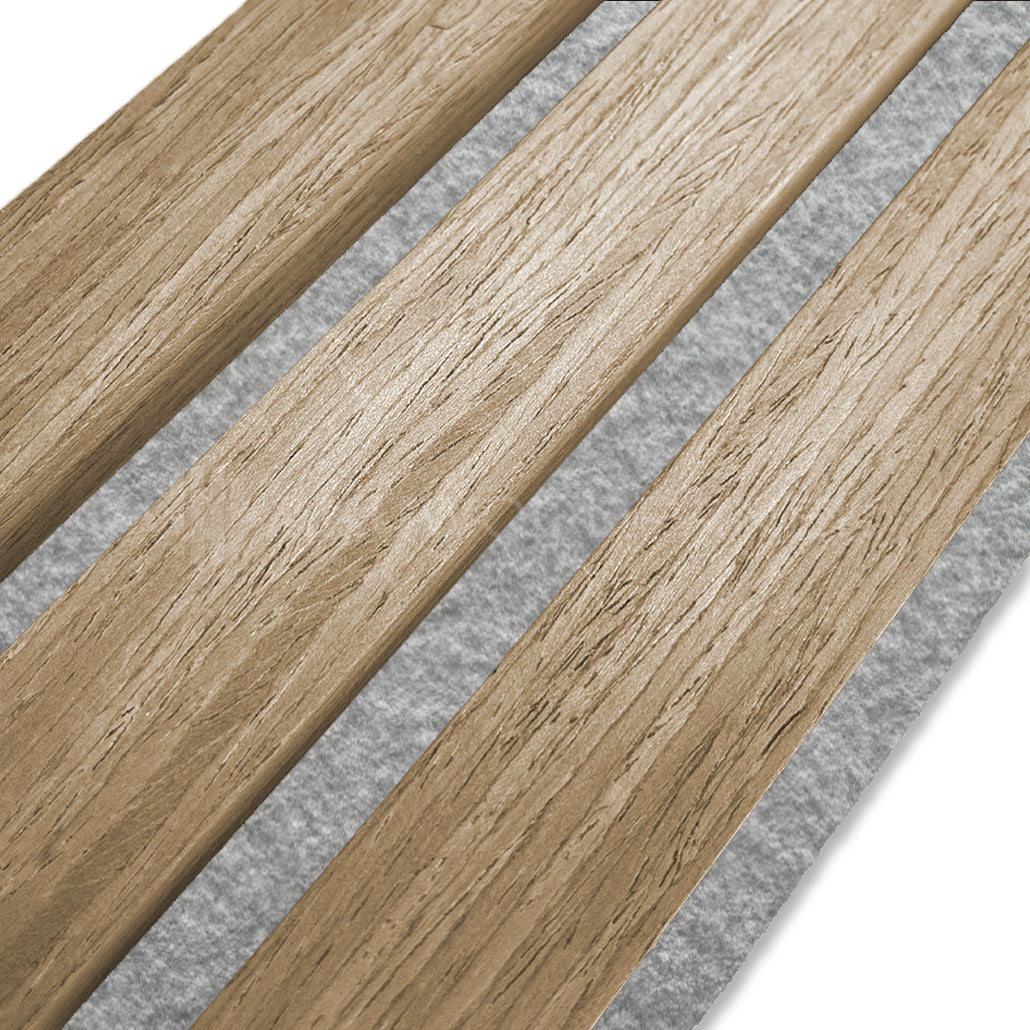
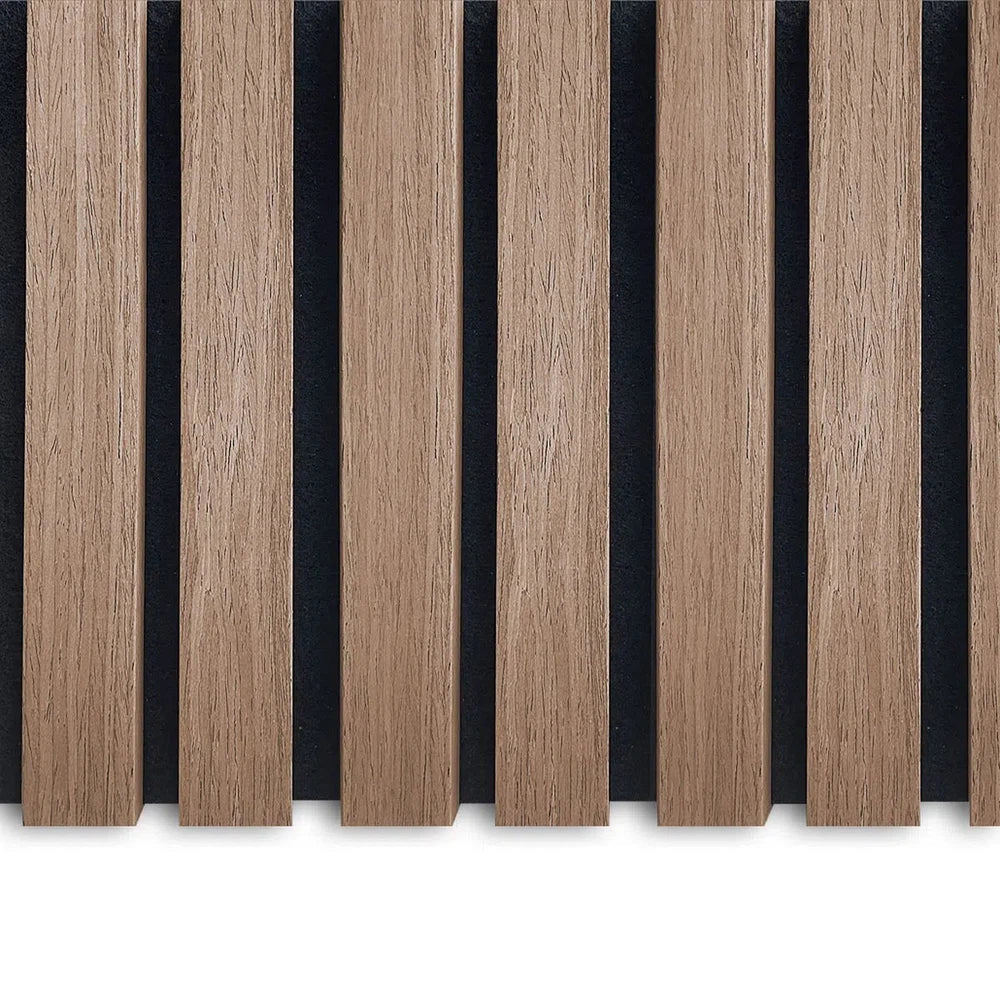
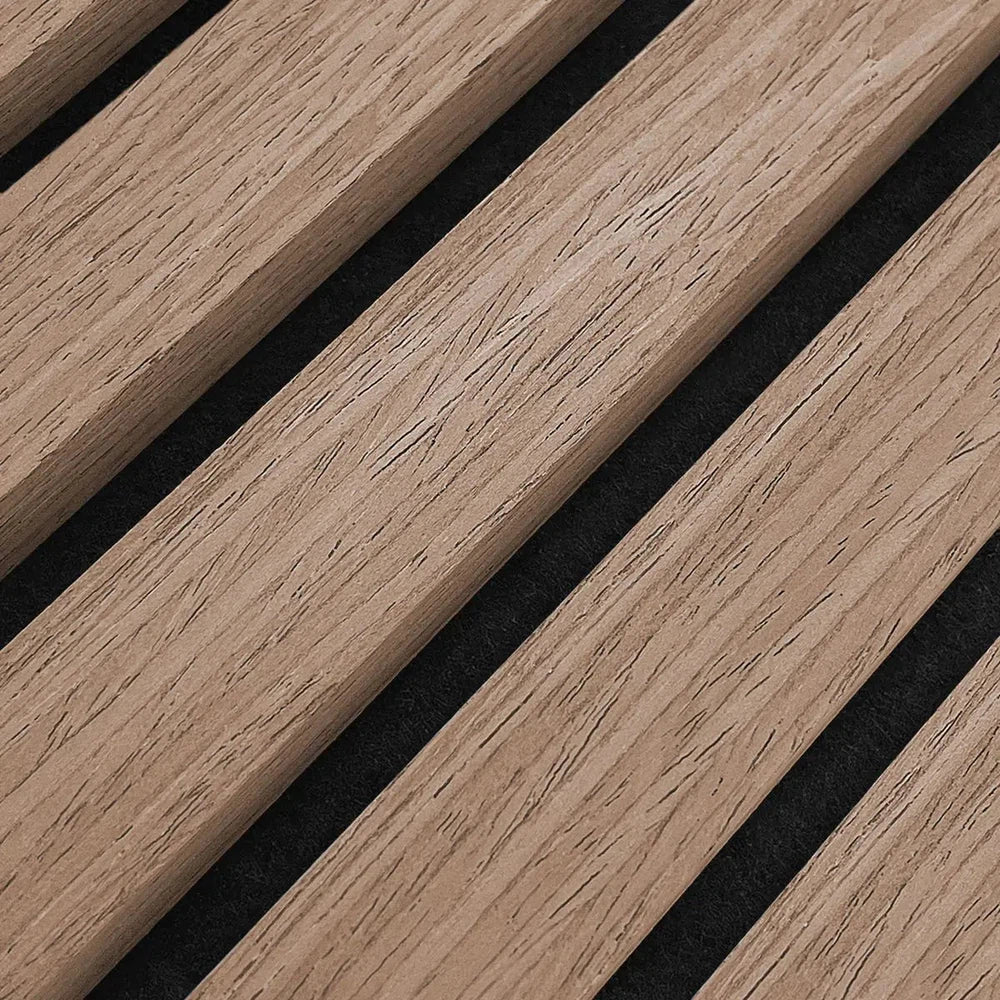
The safe pick. This is the panel most buyers land on for a pergola side wall because the oak-toned finish reads as natural without needing yearly oiling. The composite construction is built to handle repeated wet-dry cycling, which is the exact stress a pergola side wall sees through a UK autumn and winter.
Installed vertically against a timber pergola post, it holds its colour better across a first full year outdoors than stained softwood does, and it doesn't need re-coating before the second season. If you're panelling a side wall that's visible from the garden year-round, this is the one to start with. Buy.
Exterior Wall Cladding Panel Oak
2. Exterior Wall Cladding Panel - Black
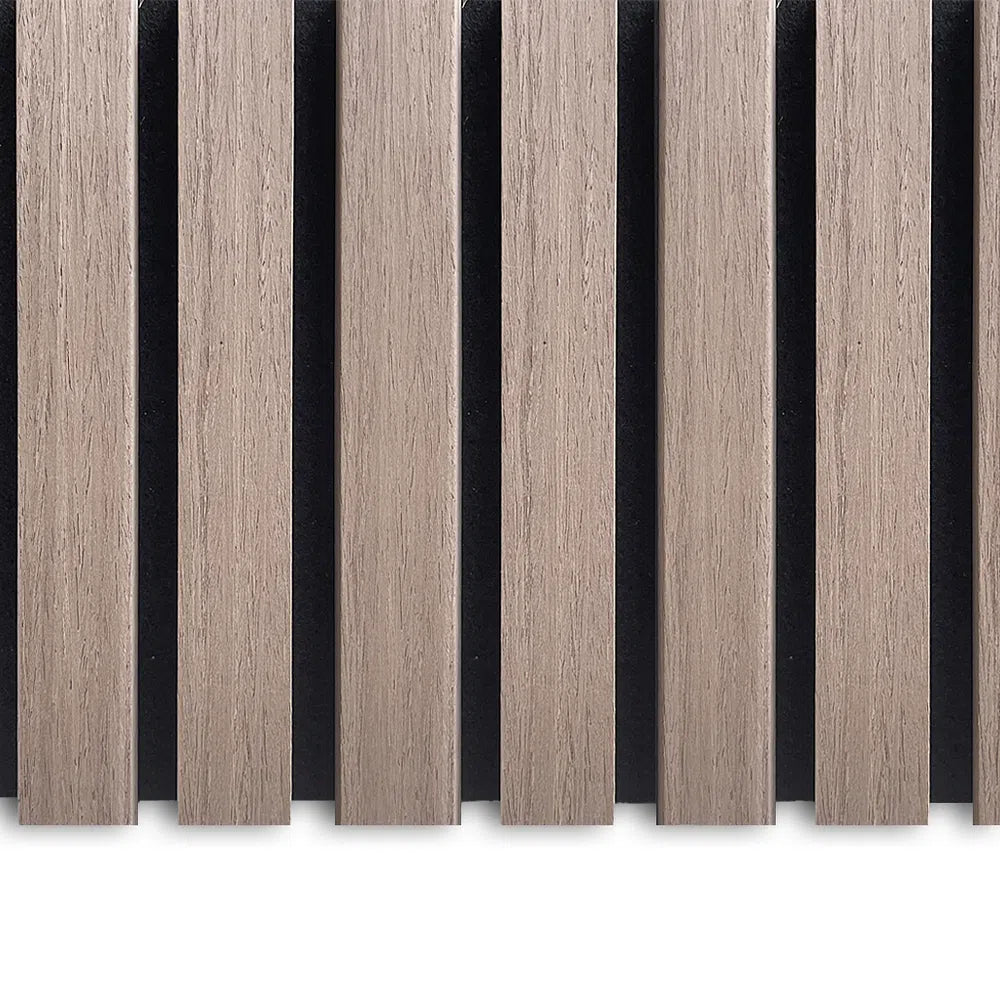
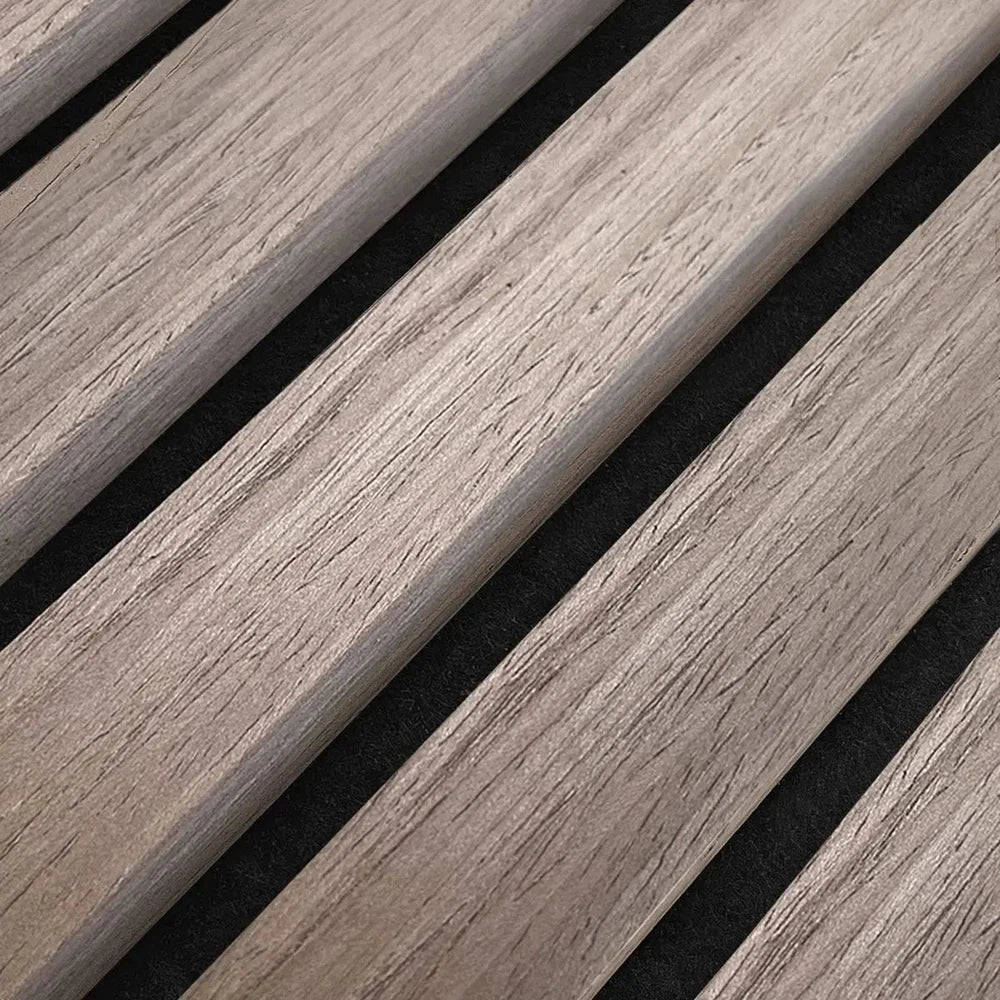
The modern statement. Black cladding on a pergola side wall works best when the pergola frame itself is dark aluminium or black-stained timber, giving the whole structure a single tonal identity instead of a mismatched build.
The darker face does run slightly hotter in direct summer sun than the oak or stone grey options, which is worth knowing if the wall gets afternoon sun with no shade from the pergola roof slats. For a north or east-facing side wall this isn't an issue at all. Buy if the frame is already dark; Consider if the wall takes full southern exposure.
Exterior Wall Cladding Panel Black
3. Exterior Wall Cladding Panel - Stone Grey
The render-matching pick. Most UK gardens back a pergola side wall onto a rendered house wall or a rendered boundary wall, and stone grey is the finish that sits alongside standard render colours (magnolia through to darker grey renders) without a visible clash.
It's also the most forgiving finish for hiding water marks and dust build-up between cleans, which matters on a wall that only gets rinsed down once or twice a year. Buy for any pergola wall directly adjacent to a rendered facade.
Exterior Wall Cladding Panel Stone Grey
4. Exterior Wall Cladding Panel - Birch
The lighter alternative. Birch gives a noticeably paler, more Scandinavian tone than oak, and it works well on pergola walls that get heavy shade from mature trees or a dense pergola roof, where a dark panel would make the space feel closed in.
The trade-off is that pale finishes show green algae staining faster in permanently shaded, damp corners than mid-tone finishes do. On a genuinely shaded side wall with poor airflow, that's a maintenance point worth weighing. Consider for bright, airy pergola setups; Skip for a wall in permanent damp shade.
5. Composite garden cladding boards (non-panel format)
The wildcard. Some buyers default to standard composite decking-style cladding boards rather than a wall panel format. These can work on a pergola side wall but typically require a full batten sub-frame and more cut edges around posts, which adds labour time that a click-fit panel format avoids.
For a straightforward rectangular side wall this is overkill; for an irregular shape around multiple posts it can actually be the more practical route. Consider only if the wall geometry is unusual; Skip for a standard flat side wall.
Comparison table
| Panel | Best for | UV stability | Fixing complexity | Verdict |
|---|---|---|---|---|
| Exterior Wall Cladding Panel Oak | Most pergola side walls | High | Standard | Buy |
| Exterior Wall Cladding Panel Black | Dark-framed pergolas | Good, runs warmer in sun | Standard | Buy / Consider |
| Exterior Wall Cladding Panel Stone Grey | Render-adjacent walls | High | Standard | Buy |
| Exterior Wall Cladding Panel Birch | Shaded, bright-aesthetic walls | Good | Standard | Consider |
| Composite garden boards | Irregular wall shapes | High | Higher (batten frame) | Consider |
Where to buy
- Buy the panel and the matching finishing trim together rather than sourcing trims separately later, since colour batches can shift slightly between orders placed months apart in 2026.
- Order a physical sample before committing to a full side wall run; a screen render of stone grey or black never quite matches how the finish looks against real render or brick.
- Check the fixing screws and trim are rated for the same exterior exposure as the panel itself, particularly on a pergola wall with no overhead shelter — mismatched fixings are the most common cause of early corrosion staining.
For edge and corner finishing on an oak-toned installation, the Exterior Wall Cladding Finishing Trim Oak closes off cut panel edges around pergola posts cleanly.
FAQ
What's the best cladding panel for a pergola side wall in 2026? The Exterior Wall Cladding Panel Oak is the best all-round choice for most UK pergola side walls in 2026, because the composite construction handles wet-dry cycling without the annual maintenance a solid timber board needs.
Is composite cladding better than solid timber for a pergola wall? Yes, for exposed pergola side walls composite cladding outperforms solid timber because it doesn't absorb and release moisture at the same rate, which is what causes cupping and splitting in unsheltered timber boards.
Does the side wall need a damp-proof membrane behind the cladding? Any cladding fixed directly onto masonry benefits from a ventilated batten gap rather than direct contact, which lets moisture that does get behind the panel dry out instead of sitting against the wall.
How much does cladding a pergola side wall cost? Costs vary by wall size and panel choice, so check current panel pricing directly rather than relying on a fixed figure, since 2026 pricing shifts with material costs.
Can black cladding be used on a south-facing pergola wall? It can, but expect the surface to run warmer under direct summer sun than lighter finishes like stone grey or oak, which is a comfort factor rather than a durability issue.
Do I need special screws for exterior cladding panels? Yes, use screws rated for outdoor exposure that match the panel manufacturer's fixing spec, since mismatched fasteners are the most common cause of visible corrosion streaking on light-toned panels.
What's the difference between exterior cladding panels and interior wood panels? Exterior cladding panels use a weather-rated core and UV-stable face finish built for rain and sun exposure, while interior wood panels use a real wood veneer and acoustic felt backing designed for indoor rooms, not outdoor moisture cycling.
Should I match the pergola frame colour to the cladding panel? Matching isn't required, but black frames read best against Black or Stone Grey panels, while natural timber frames pair more naturally with Oak or Birch finishes.
One last thing
The base 150mm of a pergola side wall takes more splash-back moisture in a single wet UK winter than the top half of the wall sees in a full year, so if budget is tight, spend it on getting the bottom trim and drainage gap right before upgrading the panel finish itself.