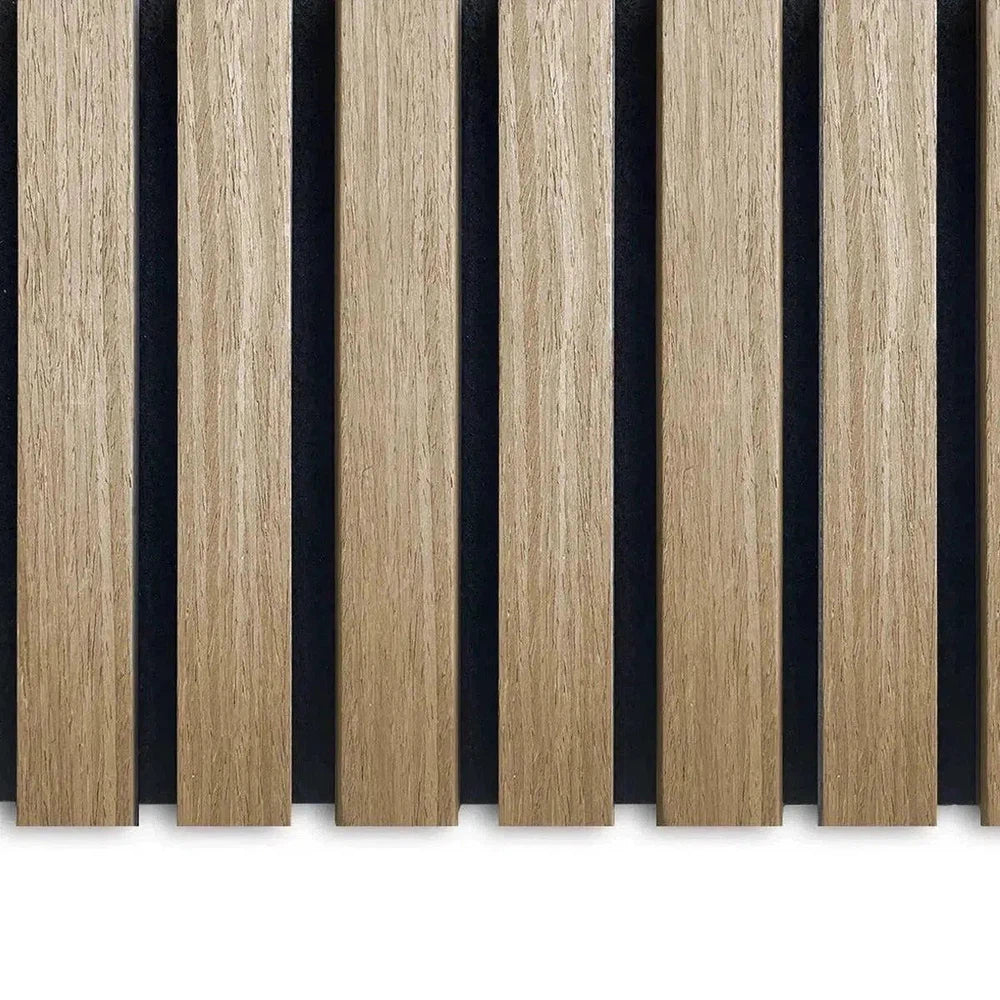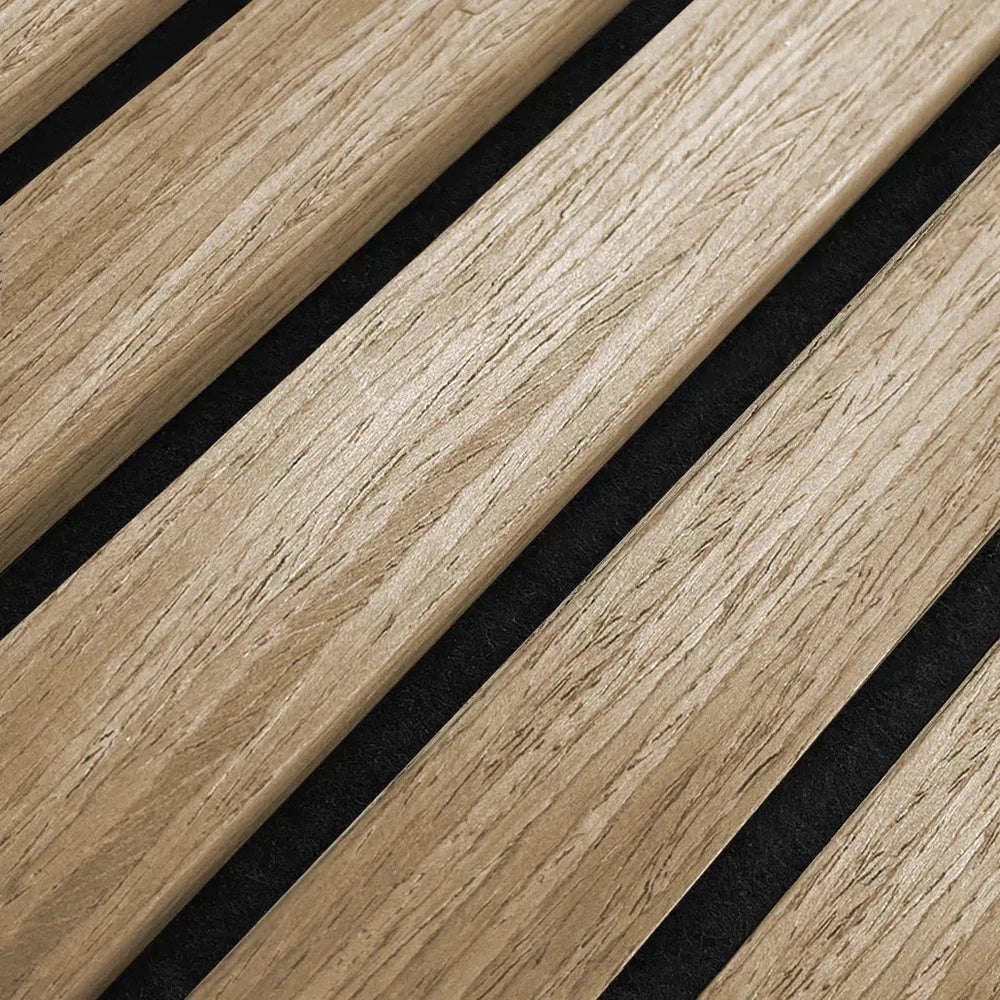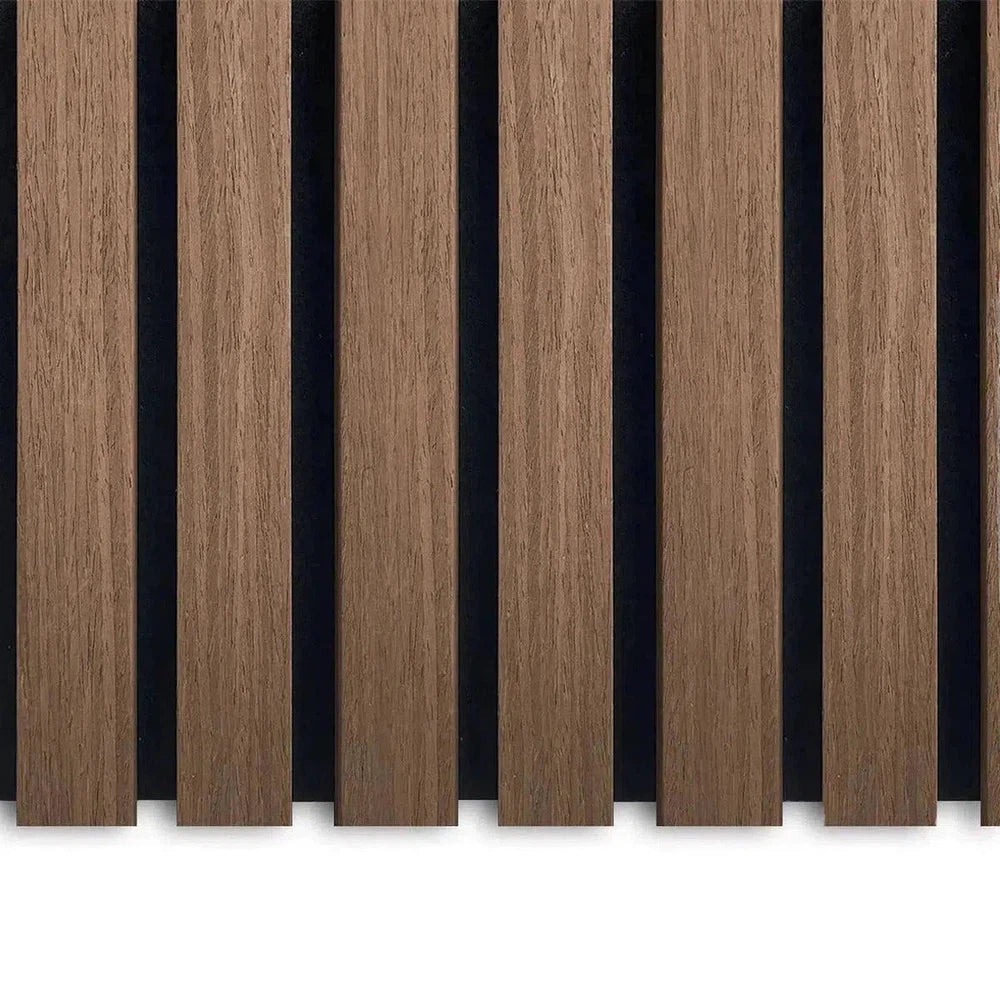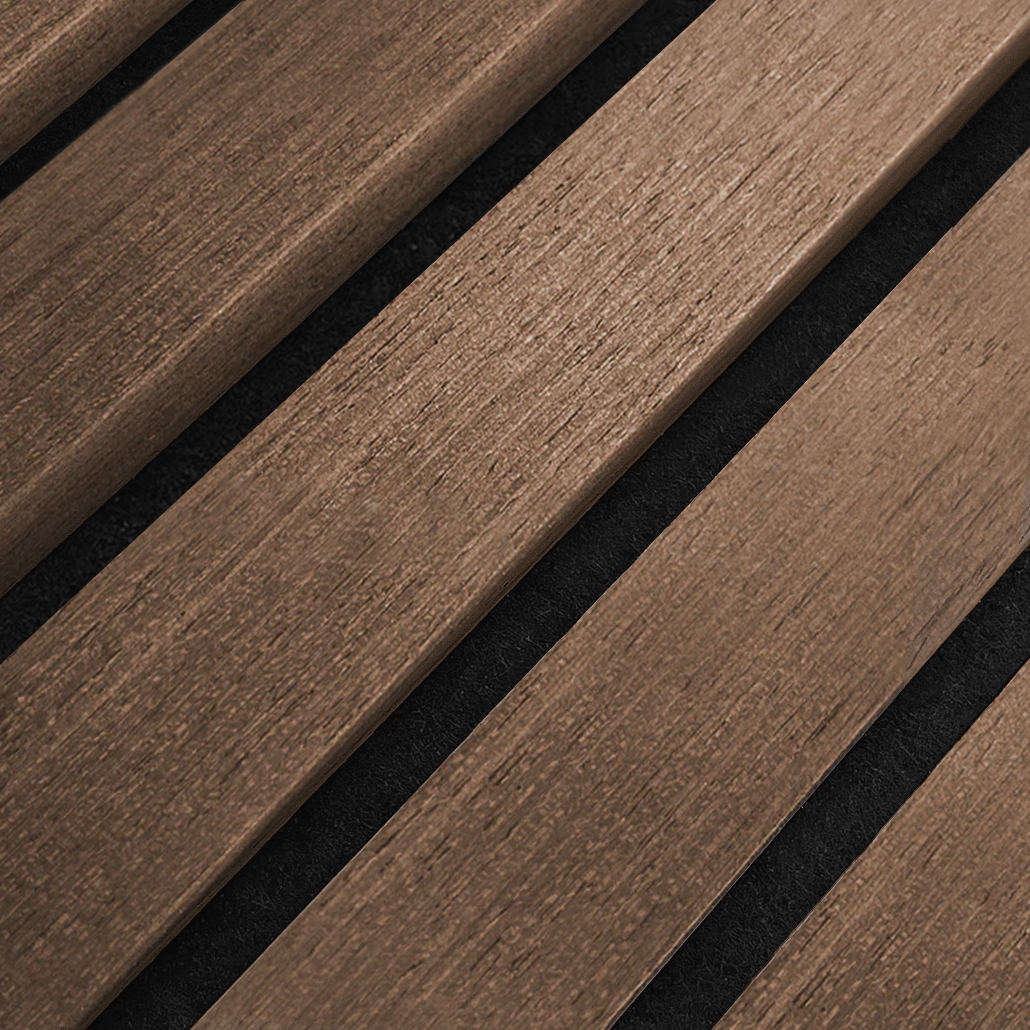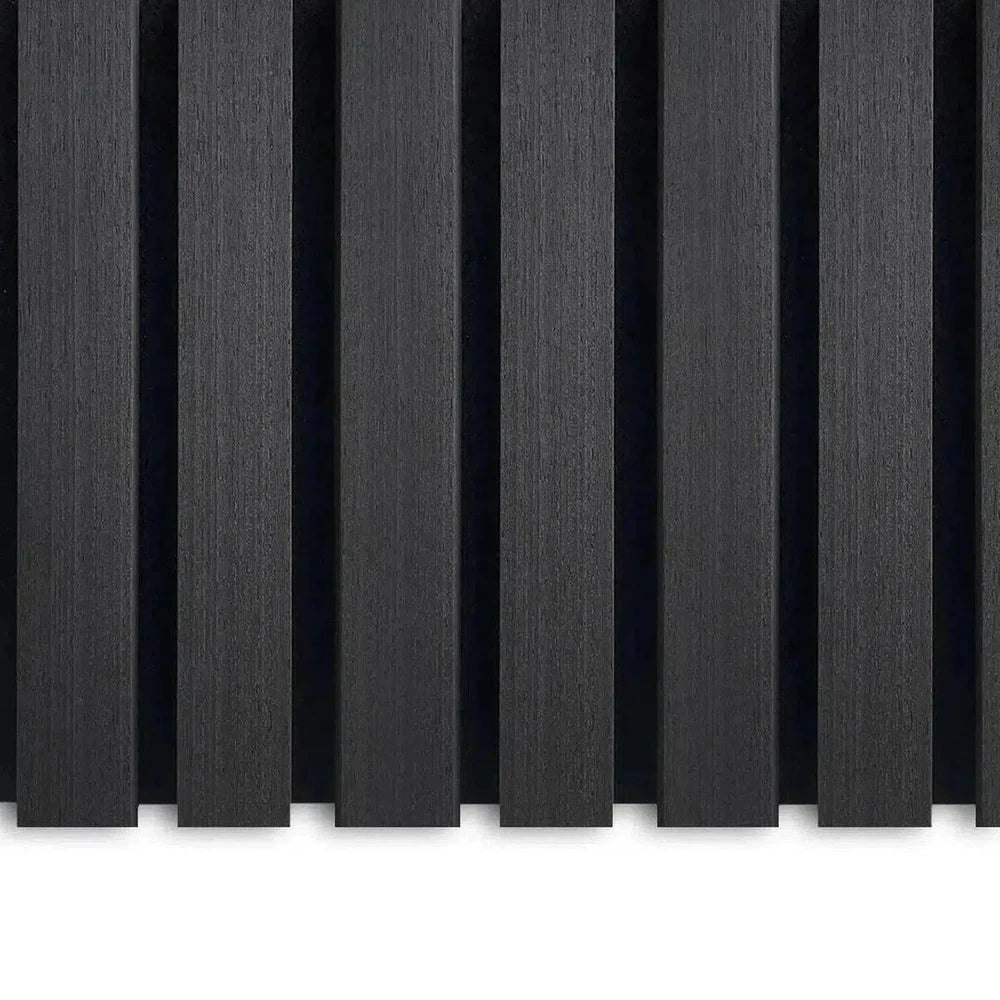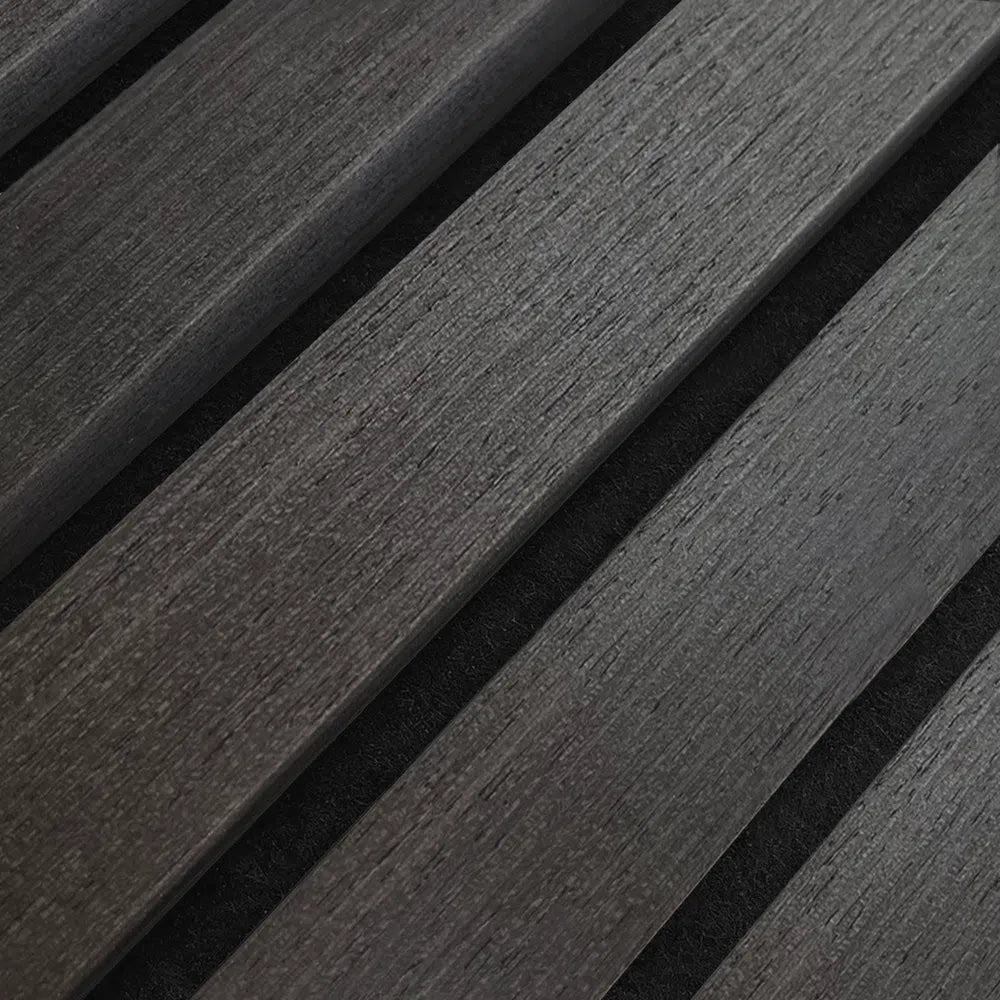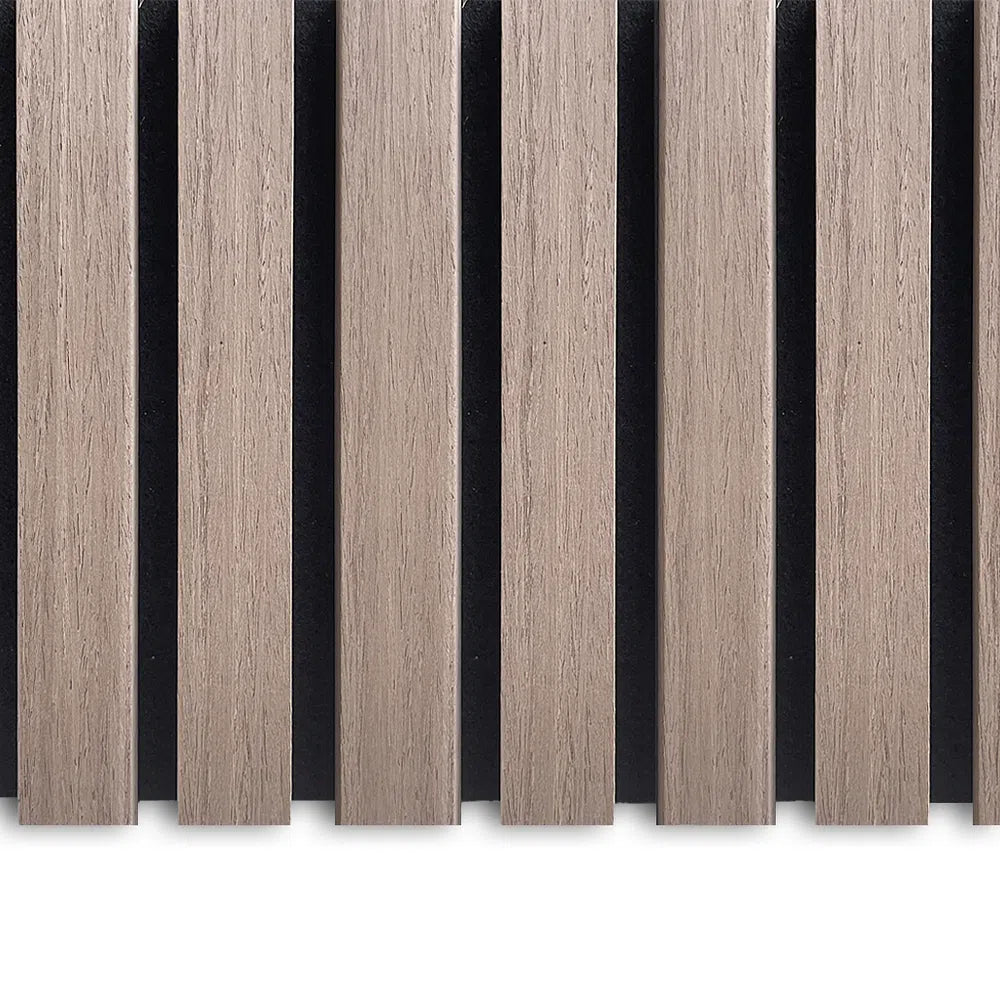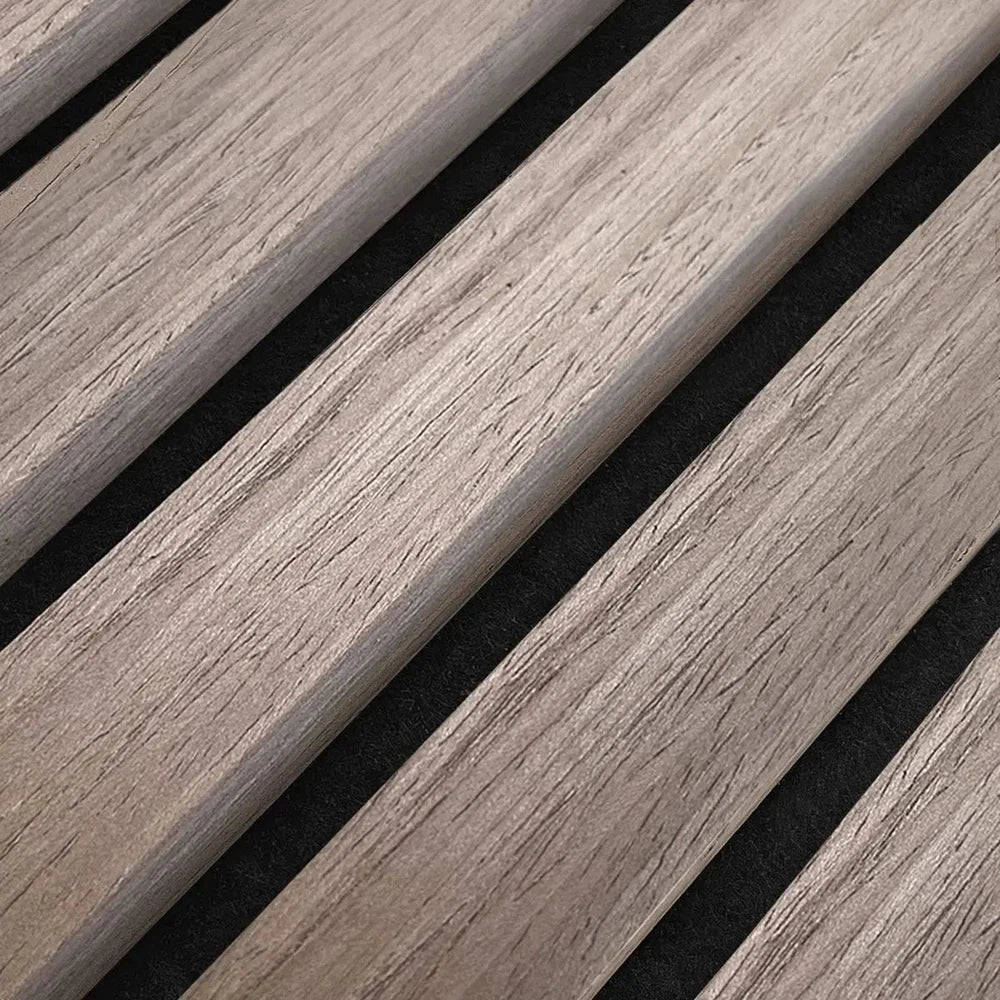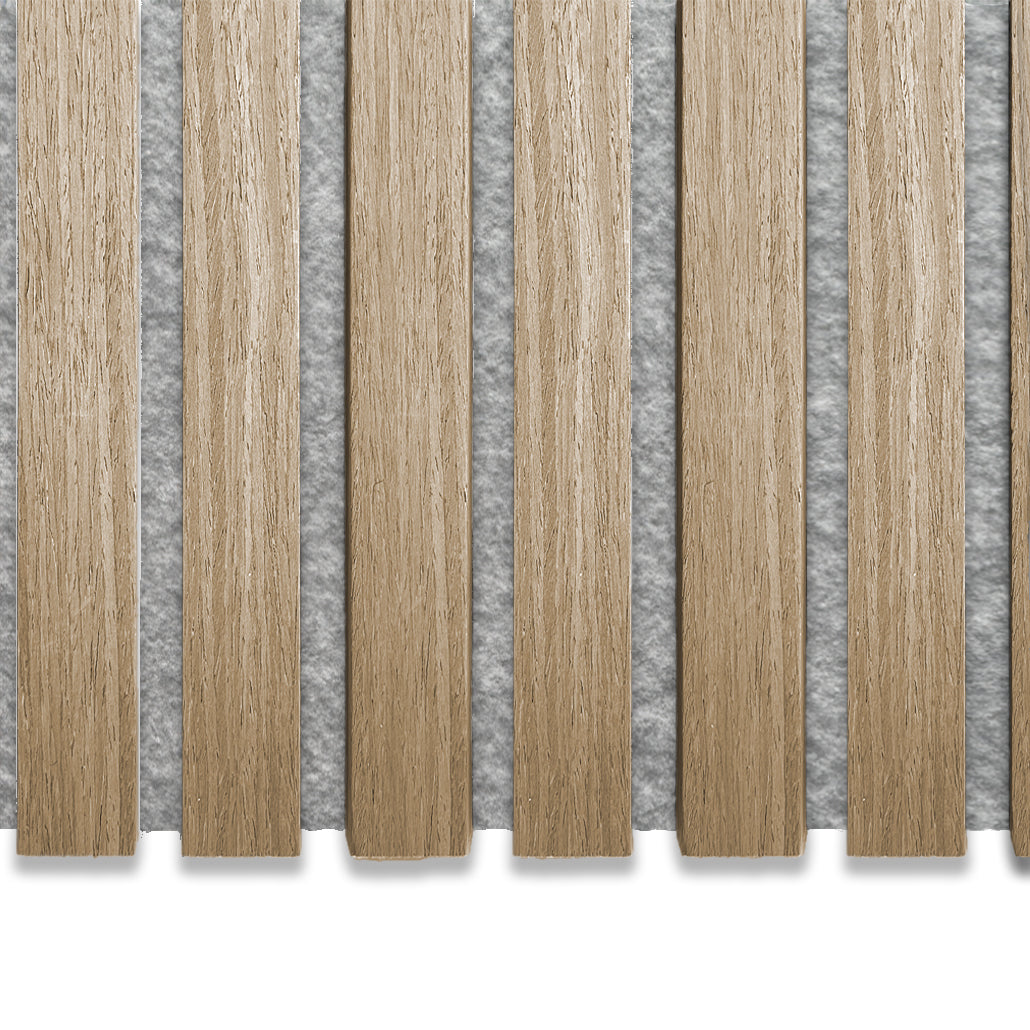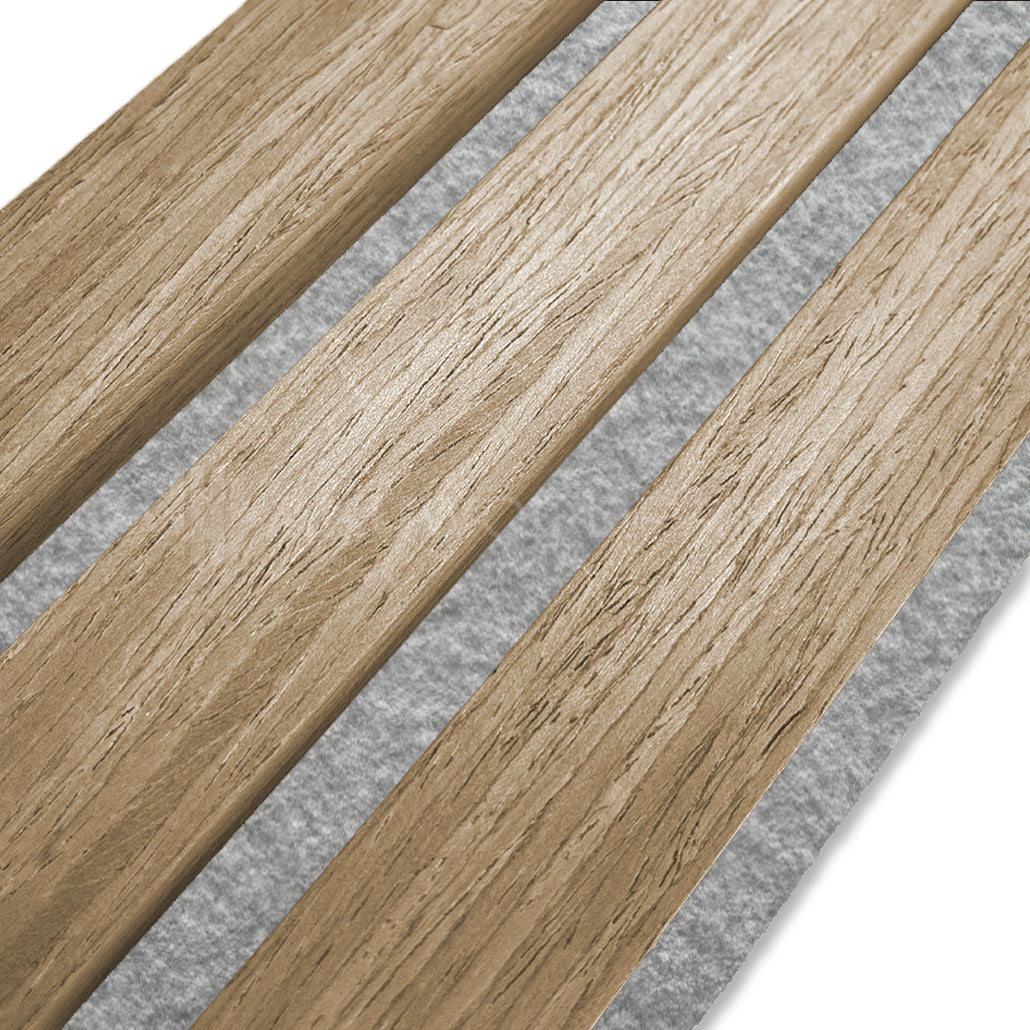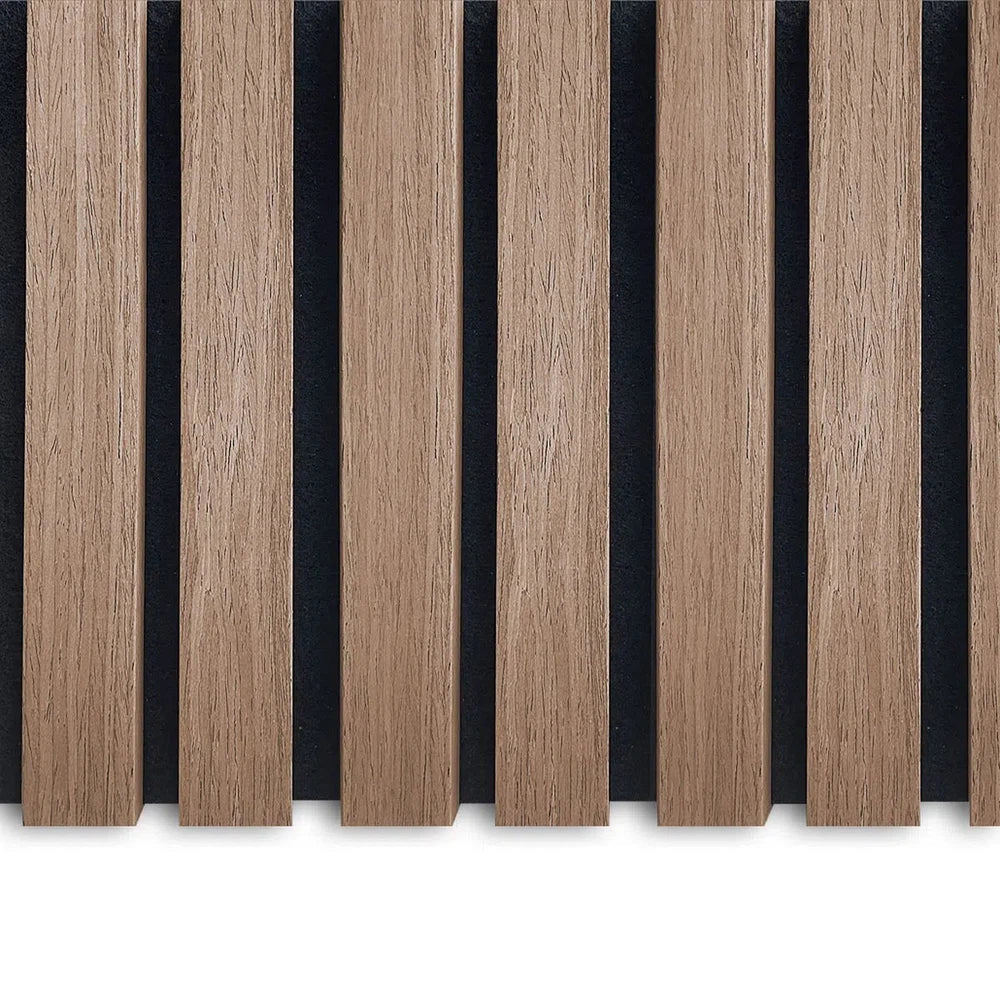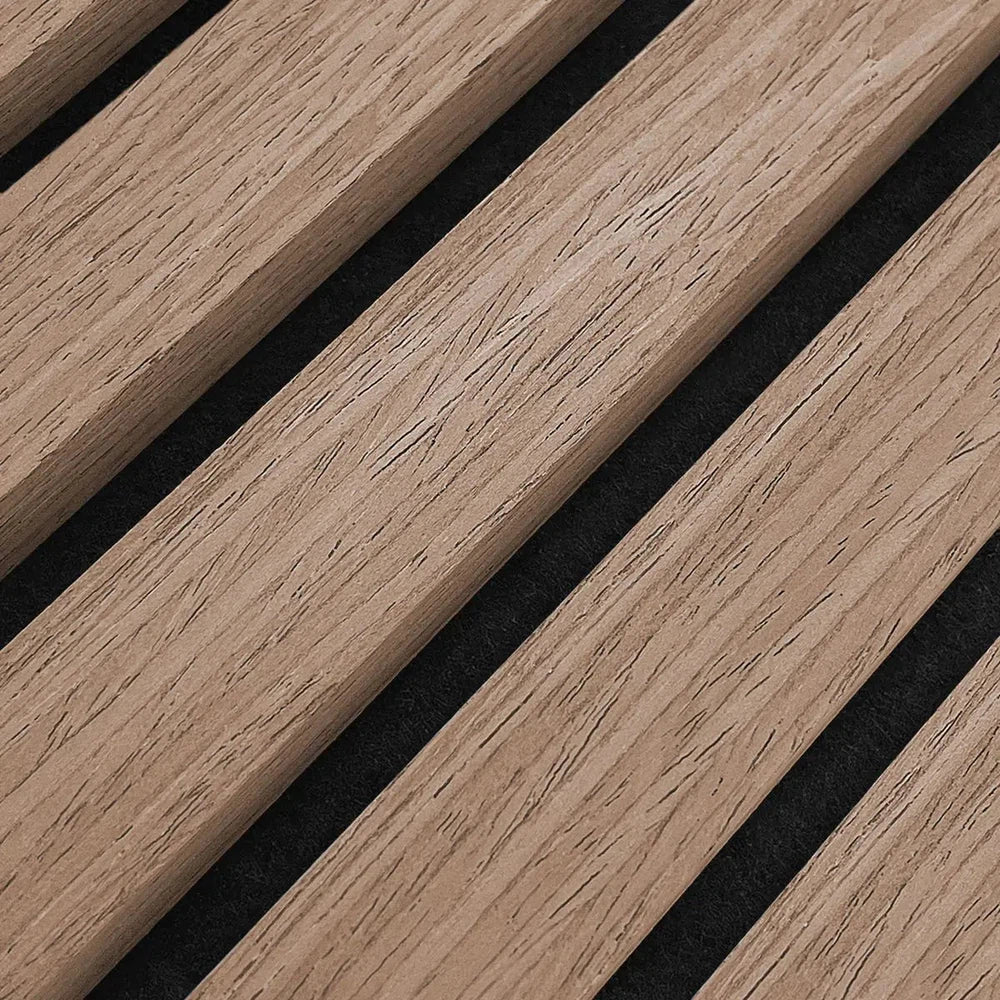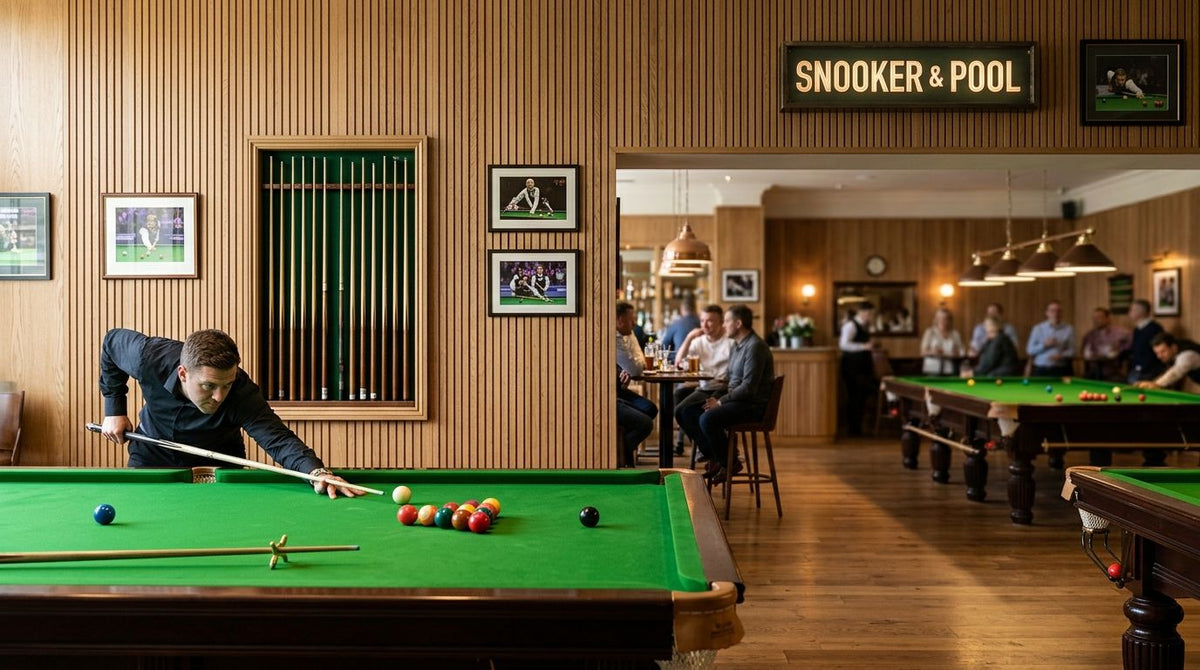
Snooker and pool hall acoustic panels are felt-backed wood veneer wall panels fitted to cut the flutter echo and chatter that build up across hard floors, high ceilings and long open spans, with the aim of keeping table calls audible and members comfortable through a full session. A snooker hall's acoustic problem is different from a living room's: several tables running at once, spectators standing rather than seated on soft furniture, and ceiling heights built for a raised cue rather than comfort, all push reverberation higher than a typical commercial interior.
- Felt-backed hexagon and full-length panels with a 0.75 NRC rating cut flutter echo around snooker and pool tables.
- Target the walls flanking the tables first, not the entrance or bar, for the fastest audible change.
- Akustiq UK's hexagon acoustic panels run in 81 cm segments, easy to lay in patterns around fixed tables and cue swings.
- Mixing panel finishes across a long hall breaks up the corridor look that one unbroken run creates.
- Confirm exact quantities before ordering; halls waste more panel on cue-swing clearance gaps than most commercial spaces.
Why acoustic wood panels matter for snooker and pool halls
A snooker hall's fixed features work against you acoustically. Hard floors built to take cue chalk and foot traffic don't absorb anything. Ceilings run higher than a standard commercial fit-out to clear a raised cue. Long side walls between tables are usually plaster or brick, both close to fully reflective surfaces.
Untreated, those walls bounce almost all the sound that hits them back into the room, which is why a busy hall with six tables in play sounds louder and more confused than the ball count alone would suggest. A felt-backed veneer panel from Akustiq UK rated at 0.75 NRC absorbs roughly three-quarters of that same sound energy instead of reflecting it. Over a 2026 refit or new hall build, that's the gap between a room where a referee's score call gets lost and one where it settles within a second.
How to fit acoustic panels in a snooker or pool hall
Fitting out or refreshing a hall in 2026 starts with an audit, not a product catalogue. Work through these steps in order rather than jumping straight to ordering panels for the first wall you see.
Run a clap test before you buy a single panel
This costs nothing and takes twenty minutes. Walk the hall and listen for the difference between a clean, single decay and a fluttering, metallic ring.
- Clap sharply at ear height next to each table, not just near the entrance
- Note which walls produce a ringing flutter versus a dull, absorbed thud
- Flag hard, parallel reflective surfaces such as glass, tile or painted brick as priority
- Repeat the test with tables in play, since cue-strike frequency differs from a hand clap
- Sketch the results on a rough floor plan before spending anything
Target the walls flanking the tables first
Not every wall in the hall needs treatment on day one. The walls that run parallel to the table rows do the most damage acoustically, so start there.
- Prioritise the long side walls that sit closest to active tables
- Treat the wall behind the head table if it's used for exhibition matches
- Leave short end walls near doorways for a later phase
- Skip purely decorative walls until flutter echo near the tables is under control
Choose felt-backed veneer panels over plain wood for playing areas
A plain wood veneer panel looks similar to a felt-backed one but performs very differently on a wall next to a table. Akustiq UK's felt-backed hexagon acoustic panels carry a 0.75 NRC rating, well above a plain board that mostly reflects sound straight back into the room.
- Confirm the NRC rating before ordering, not just the wood finish
- Choose the felt-backed hexagon panel format for accent walls where a full run isn't practical
- Reserve plain, non-felt veneer for corridors and bar fronts where acoustics matter less
- Match the finish to your existing baize and cushion rail colours rather than picking on price alone
- Order a sample panel before committing to a full wall run


Match panel height to your ceiling, not just the tabletop line
- Run panels full height to the cornice rather than stopping at a half-height dado strip
- Choose the 300cm format for halls with higher ceilings; the 240cm format suits standard commercial heights
- Leave clearance above panels for sprinklers and cabling rather than boxing services in
- Check door and window returns before ordering end pieces
Break up long runs so the hall doesn't read like a corridor
- Alternate two finishes, for example natural oak next to smoked oak, every third or fourth panel
- Use hexagon panels as an accent band instead of running one veneer top to bottom across every wall
- Keep scoreboards and sponsor boards clear of panelled sections so they stay visible
- Avoid a single unbroken finish across a hall longer than four or five tables
Confirm layout and quantities before you order
- Measure wall by wall rather than estimating from a floor plan
- Account for cue-swing clearance and cue rack recesses when working out usable wall area
- Order 5-10% extra for offcuts around doors, sockets and skirting
- Use a panel quantity guide rather than guessing off a total square metre figure
Comparison: panel options for snooker and pool halls
For 2026 hall fit-outs, felt-backed formats are the default for main coverage, with plain veneer reserved for low-priority zones.
| Option | Best for | Key limitation |
|---|---|---|
| Felt-backed hexagon panel | Accent walls and tight budgets around fixed tables | Smaller format needs more joins across a long wall |
| Felt-backed full-length veneer panel | Full-height runs on side walls flanking tables | Needs a flat, level wall before fitting |
| Plain veneer panel, no felt | Corridors, bar fronts, low-priority acoustic zones | Minimal sound absorption compared with felt-backed options |
| Acoustic ceiling treatment | Halls with persistent flutter echo after wall treatment | Doesn't solve chatter and ball noise at wall level on its own |
Verdict: felt-backed hexagon and full-length veneer panels are the buy for any wall within earshot of a table; plain veneer is fine for zones players don't linger in.
Common mistakes snooker and pool hall owners make
- Treating only the table walls and ignoring the corridor to the bar, where chatter carries straight back in
- Buying plain veneer because the grain looks the same as felt-backed stock, then wondering why the echo hasn't shifted
- Running one finish floor to ceiling across a hall with six or more tables, which reads flat under hall lighting
- Skipping the clap test and guessing at wall priority, which spends budget on low-impact areas first
- Ignoring ceiling height when choosing between 240cm and 300cm panels, leaving a visible gap of bare plaster above the run
FAQ
What's the best acoustic panel for a snooker hall?
Felt-backed hexagon or full-length veneer panels with a 0.75 NRC rating are the best acoustic panel for a snooker hall wall that sits close to a table. Plain veneer panels look similar but absorb far less sound, so they suit corridors and bar fronts rather than playing areas.
Do wood panels actually reduce echo in a pool hall?
Yes, felt-backed wood veneer panels reduce echo by absorbing sound at the wall instead of reflecting it back across the room. A panel rated 0.75 NRC absorbs roughly three-quarters of the sound energy that hits it, compared with close to zero absorption from bare plaster or brick.
How many acoustic panels does a typical snooker hall need?
Quantity depends on wall length and ceiling height rather than table count alone, so measure each wall before ordering. A hall with four to six tables typically needs full coverage on the two long side walls flanking the tables, with the bar and corridors treated separately or left untreated.
Is hexagon panel or full-length panel better for a pool hall?
Full-length panels cover more wall area per fixing and suit long, uninterrupted side walls, while hexagon panels work better as an accent band or to break up a run. Most halls use full-length panels for main coverage and hexagon panels around entrances, bar fronts or feature walls.
How much wall coverage do you need to notice a difference?
Covering the two walls closest to the tables, floor to cornice, produces an audible change before you treat every wall in the hall. Full coverage across every surface is rarely necessary once the primary reflective walls are dealt with.
Can acoustic panels go behind the bar area too?
Yes, acoustic panels can go behind a bar, though plain veneer without felt backing is usually enough since the bar isn't within earshot of table play. Reserve felt-backed panels for walls close to active tables.
What NRC rating should I look for in a snooker hall panel?
Look for a panel rated at least 0.75 NRC for any wall near a table, since lower-rated or non-felt panels absorb noticeably less sound. Akustiq UK's felt-backed hexagon and veneer panels carry this rating across their range.
One last thing
The detail most snooker hall owners miss in 2026 is ceiling height, not wall area. A 300cm panel run to a 12-foot ceiling closes the vertical gap that causes flutter echo to bounce back down onto the baize; a 240cm panel on the same wall leaves close to a metre of bare, reflective plaster above the run, which undoes half the acoustic work done below it.