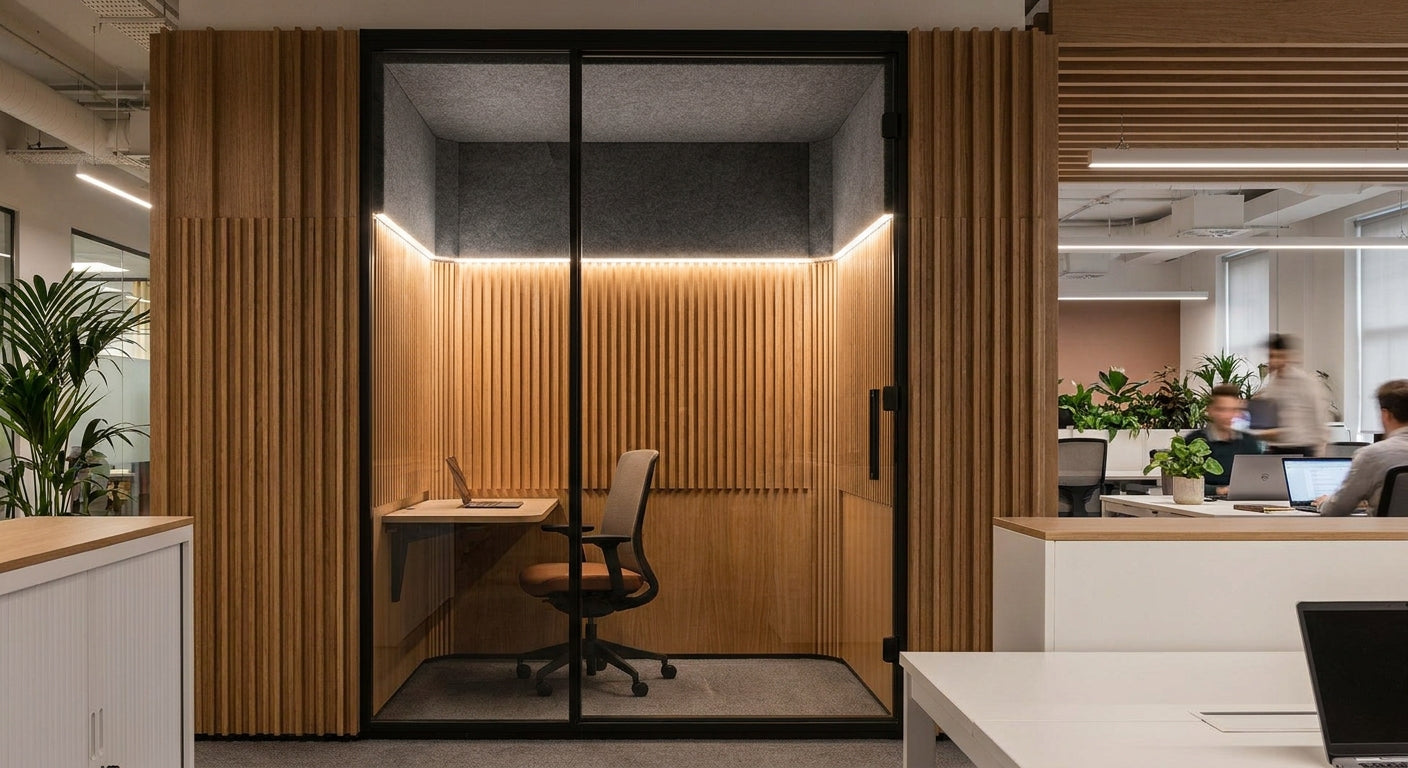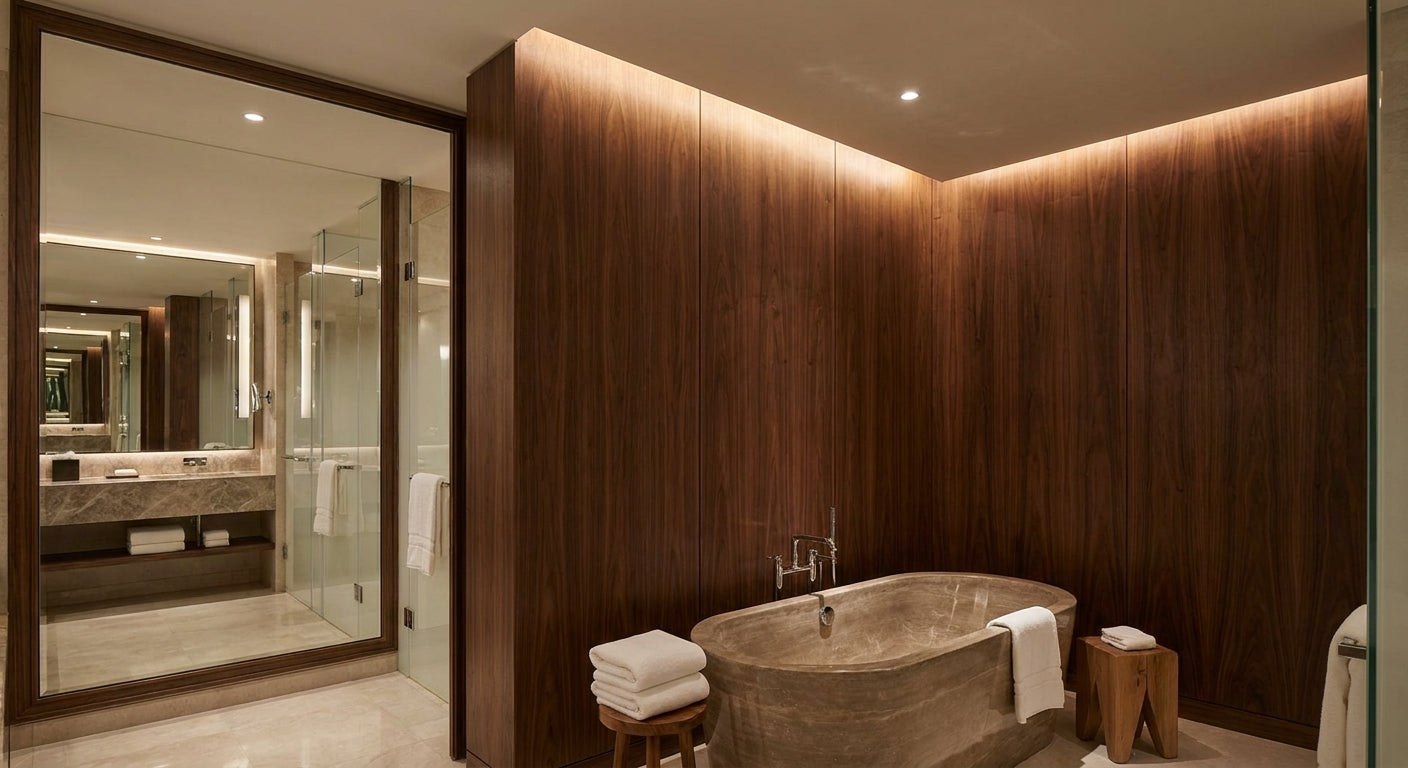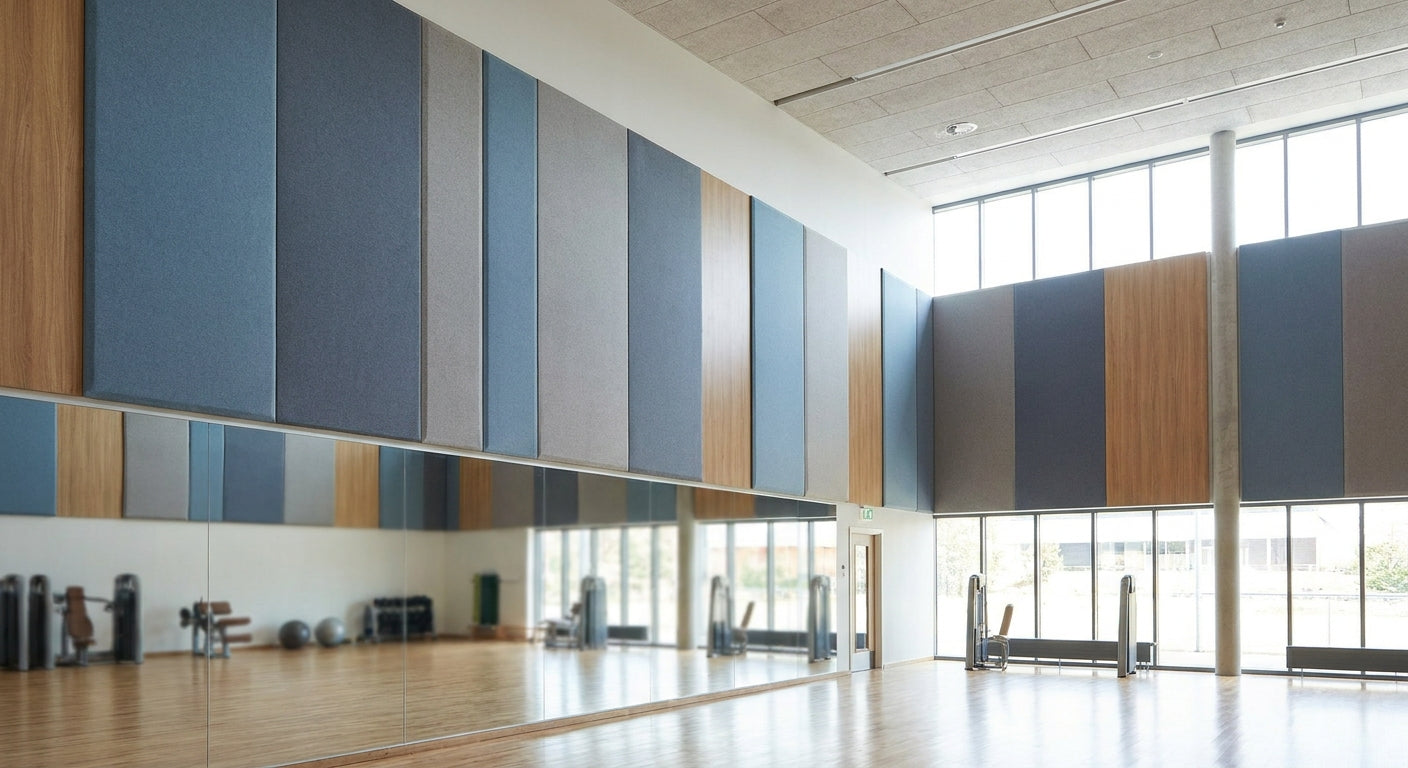
Sports halls and leisure centres are echo chambers by design: hard floors, high ceilings, glass viewing walls, and bare block walls that bounce every whistle, ball bounce and PA announcement straight back at the room. Acoustic wooden slat panels cut that reverberation while adding a finish that survives a five-a-side session, not just a boardroom.
TL;DR
For acoustic panels for sports hall and leisure centre walls, the Black Oak acoustic wood panel is the Buy for main court walls because its darker veneer hides scuffs and ball marks better than lighter finishes. The Natural Oak panel is the Consider for reception, corridor and studio walls where light matters more than impact-hiding. Avoid decorative hexagon or 3D panels on any wall within ball-strike range in 2026 — they look sharp in a lobby and get damaged fast on a court perimeter.
Why this matters
A leisure centre sports hall running badminton, five-a-side and PE classes back-to-back every 45 minutes has near-constant noise generation and almost no soft surfaces to absorb it. Bare concrete or painted block walls reflect roughly 95-98% of the sound that hits them, which is why shouted instructions turn into mush by the far end of the court. Acoustic wood panels with a felt backing absorb energy on impact instead of bouncing it, which is the entire point of specifying them here rather than in a quiet home office.
The difference in a sports hall is scale and durability, not the acoustic principle. You're covering more wall, the wall takes more abuse, and the panel has to survive mop buckets, ball strikes and daily foot traffic through 2026 and well beyond. That changes which finish and which fixing method actually make sense.
Who this is for
This guide is for facilities managers, leisure centre operators and gym fit-out contractors specifying acoustic wall panels for multi-use sports halls, studio spaces, changing corridors or reception areas — anywhere echo is a complaint from staff or members, not just an aesthetic preference.
What to look for in acoustic panels for a sports hall
Impact resistance
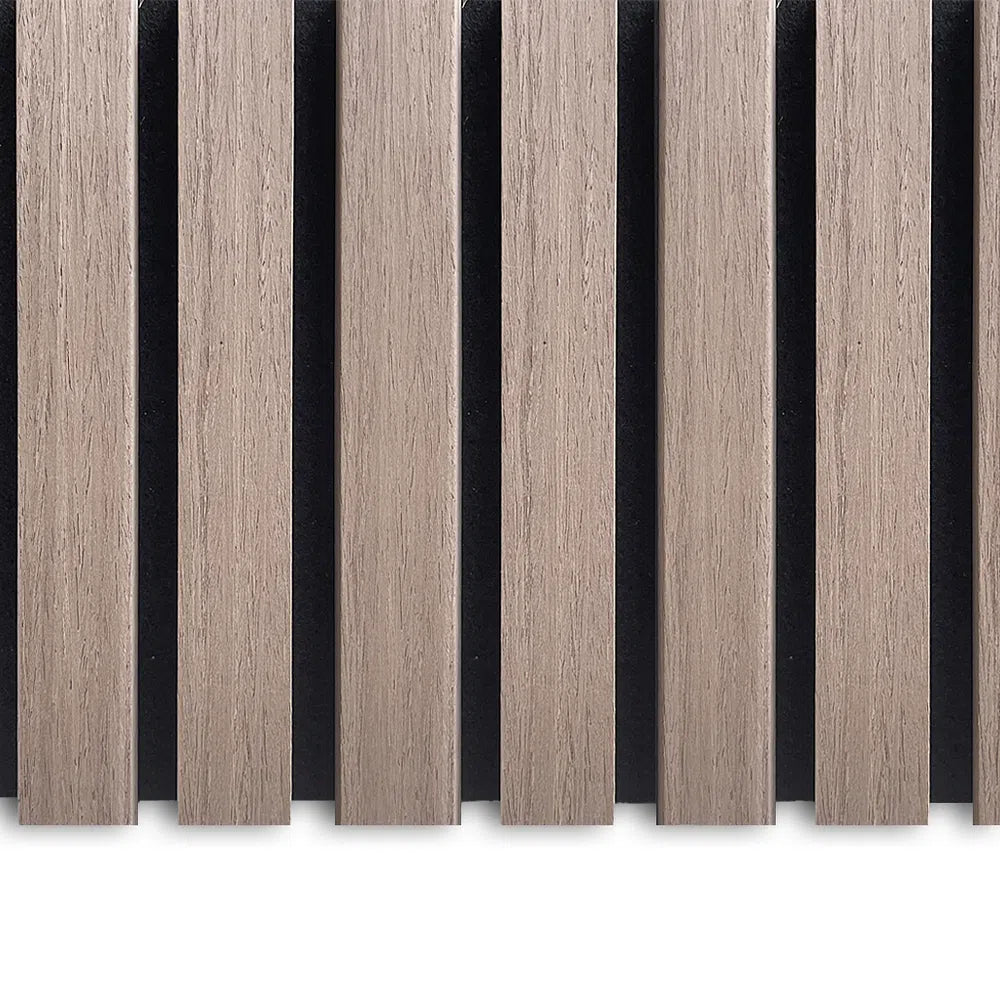
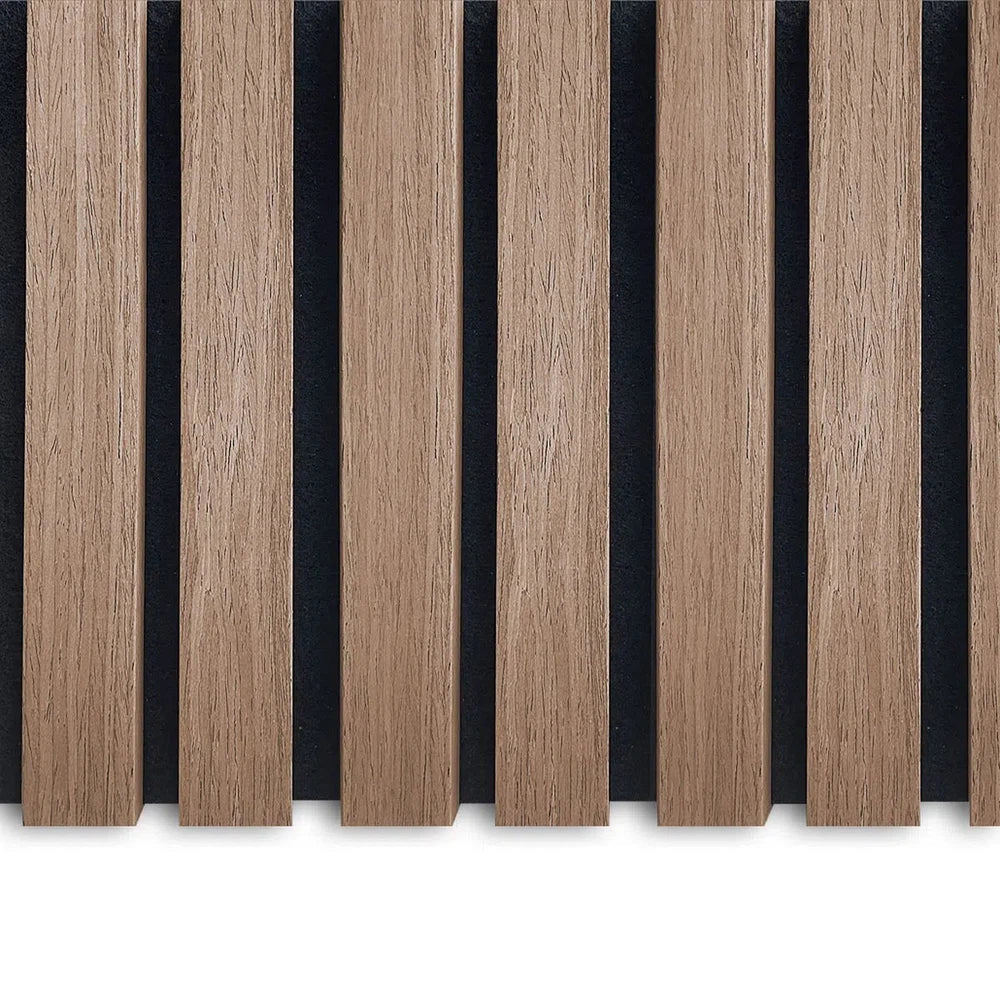
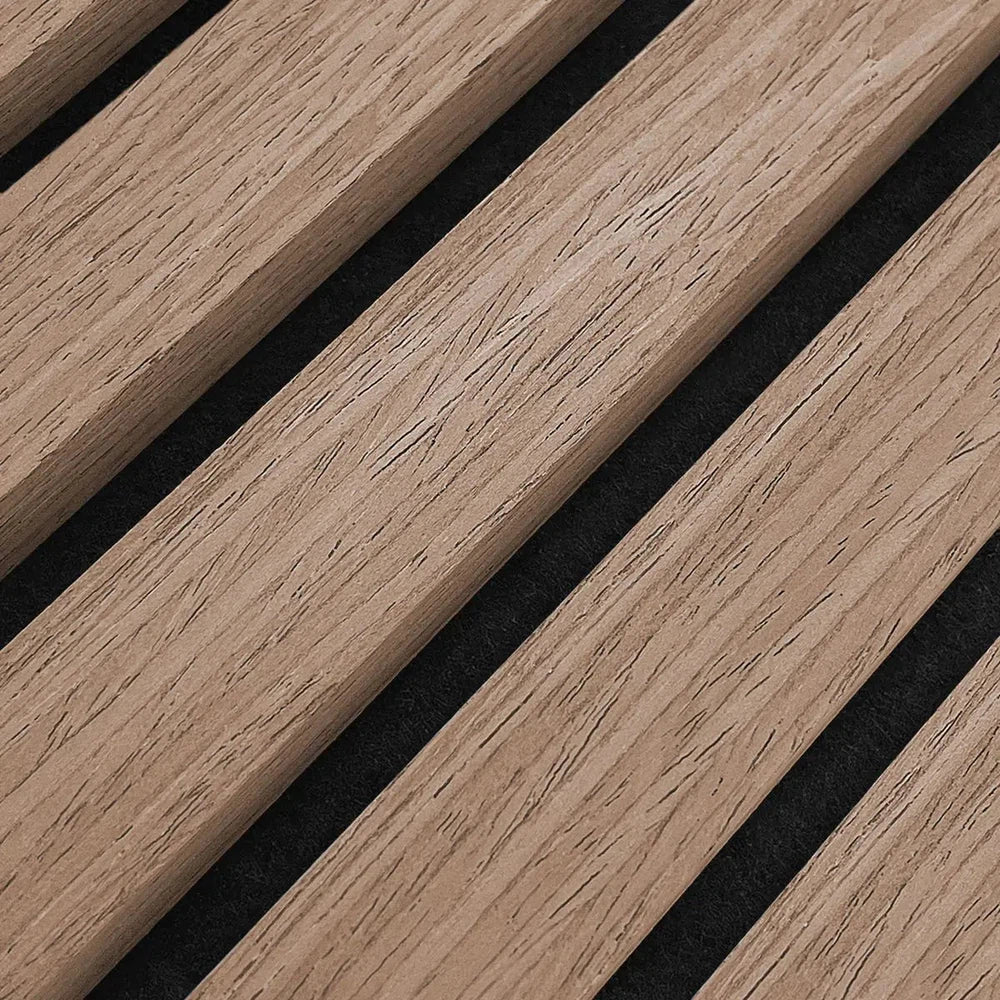
A panel that looks premium in a showroom but dents on first contact with a stray football is the wrong spec. Darker, denser veneer finishes like black oak or smoked oak disguise scuffs far better than pale natural oak, which matters on any wall inside playing zones.
Moisture and humidity tolerance
Leisure centres run high humidity from pool areas, showers and heavy body-heat rooms. Panels need a finish that won't lift or warp when the changing corridor runs warm and damp for hours at a stretch.
Size format and coverage speed
A 400 square metre sports hall wall takes a long time to cover panel by panel if the format is small. The 240 cm and 300 cm size options matter here — the 300 cm format covers more wall per fixing run, which cuts install time on large expanses.
Acoustic felt backing quality
The felt backing is what actually absorbs sound, not the wood face. A thin or patchy backing looks the same on a spec sheet but performs worse in a room with a 6-8 metre ceiling height, which is standard for a multi-use hall.
Maintenance and cleaning
Sports halls get mopped, wiped and occasionally hosed down around changing areas. A panel finish that needs delicate care is the wrong choice for a facility with a cleaning rota, not a household dusting schedule.
Fixing method for high-traffic walls
High-tack panel adhesive suits solid block or plasterboard runs where you want a flush, low-profile fit that won't snag kit bags or hockey sticks along a corridor wall.
Top picks for sports hall and leisure centre walls
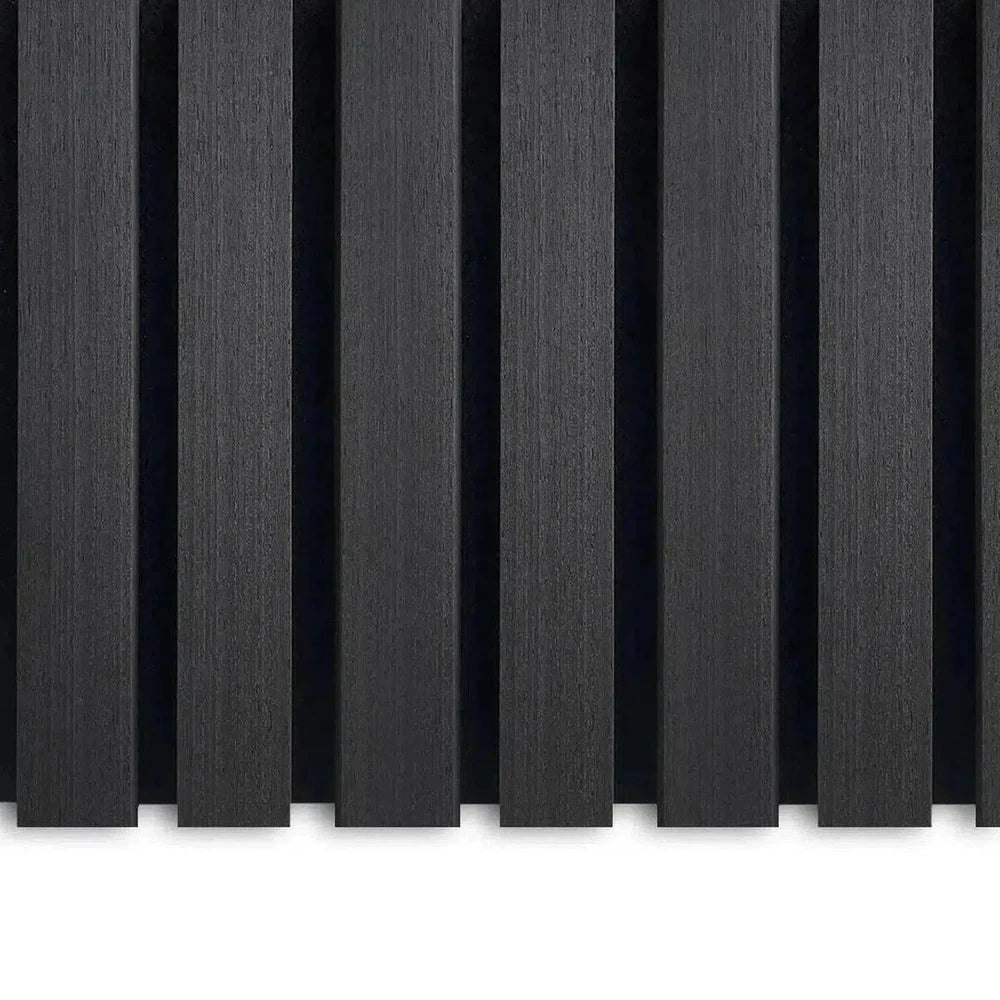
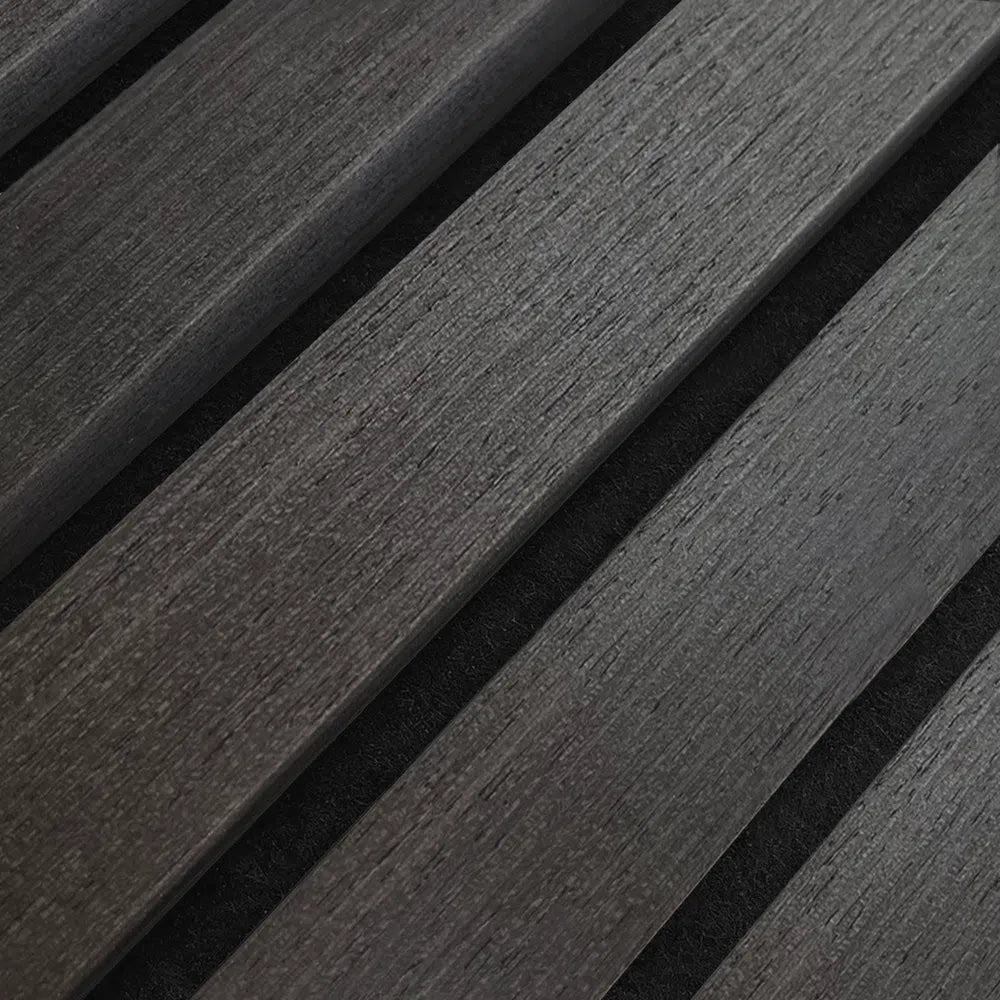
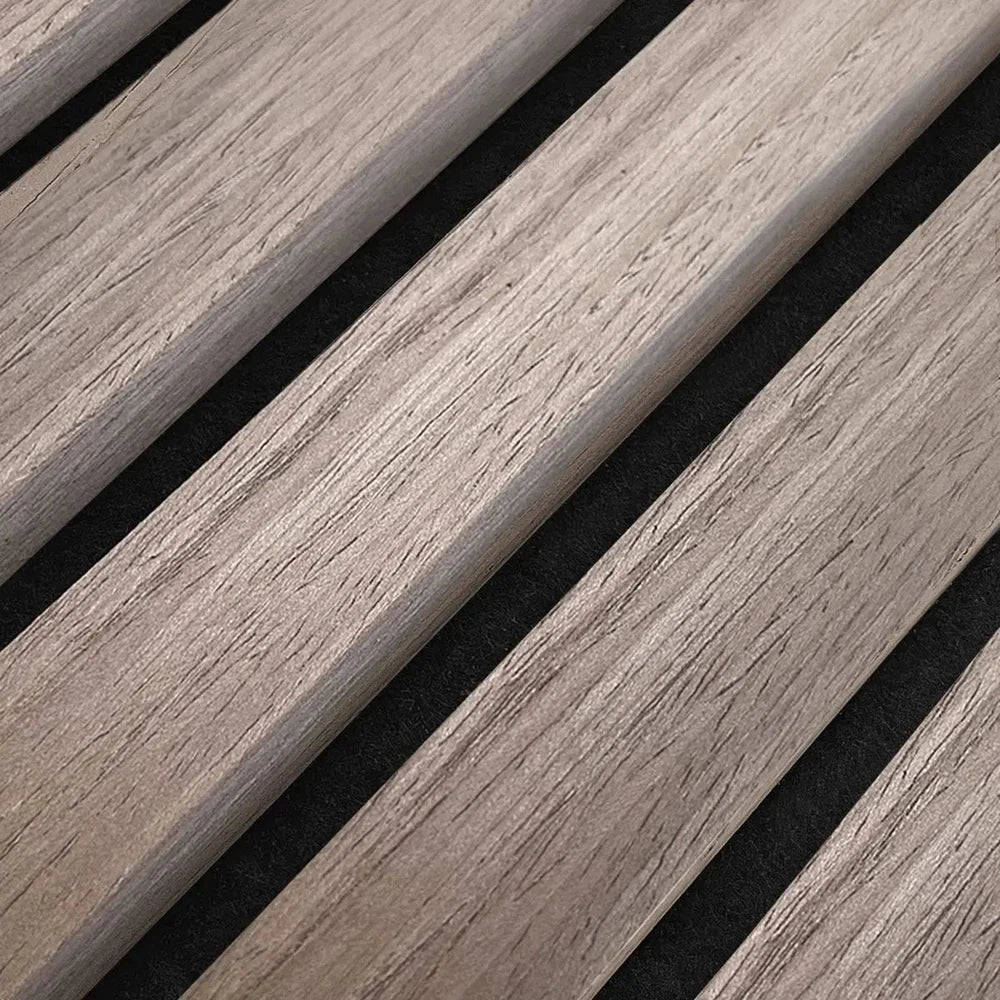
Black Oak acoustic wood panel — the low-maintenance pick Darker three-sided veneer that hides scuffs, ball marks and general wear far better than lighter finishes. Available in the 240 cm and 300 cm formats, so a full court-height wall run needs fewer joins. Buy for main hall walls, sports court perimeters and any surface within regular ball-strike range. Black Oak acoustic panel
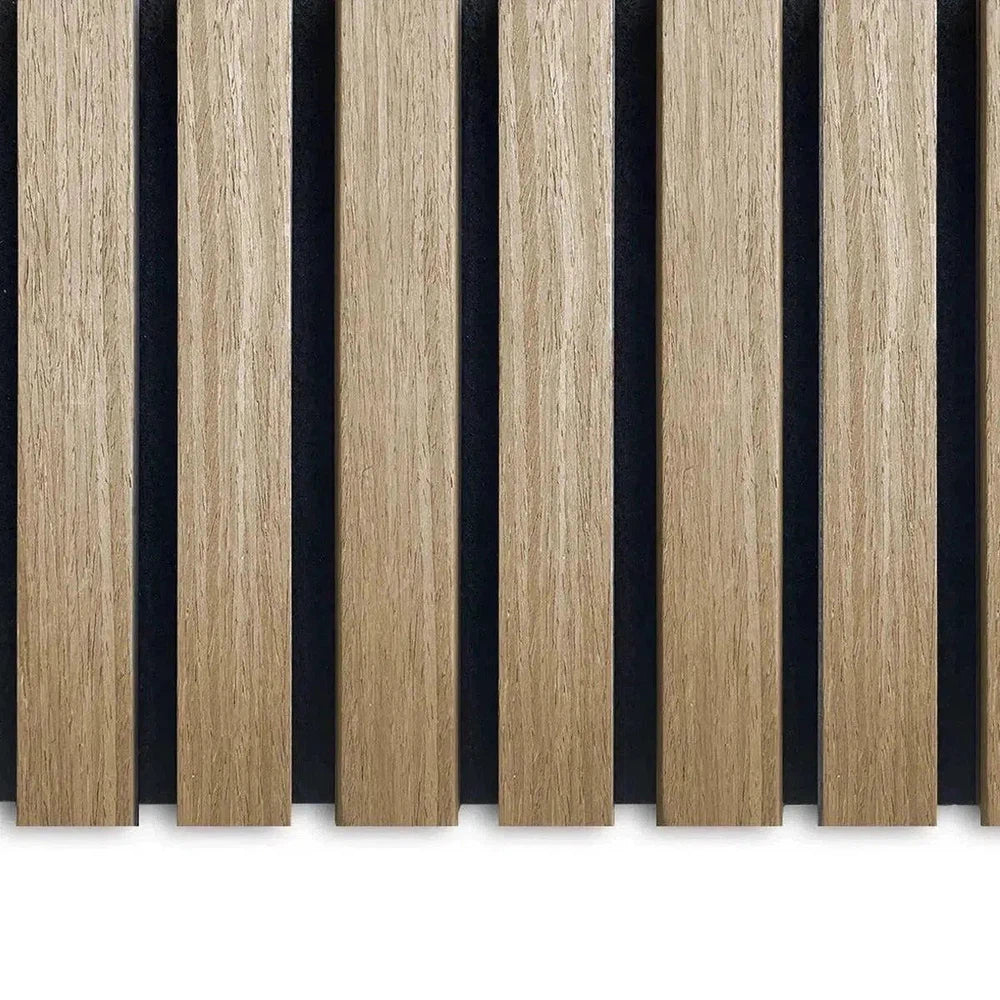
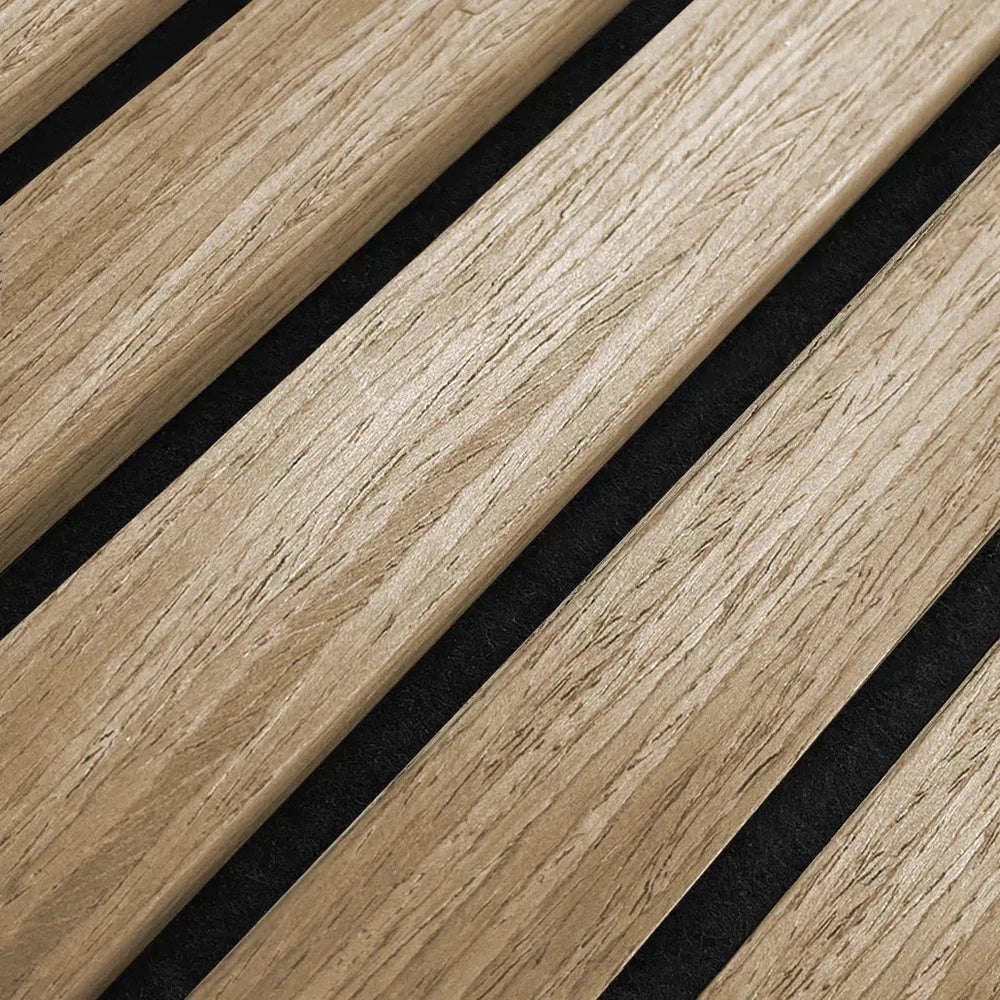
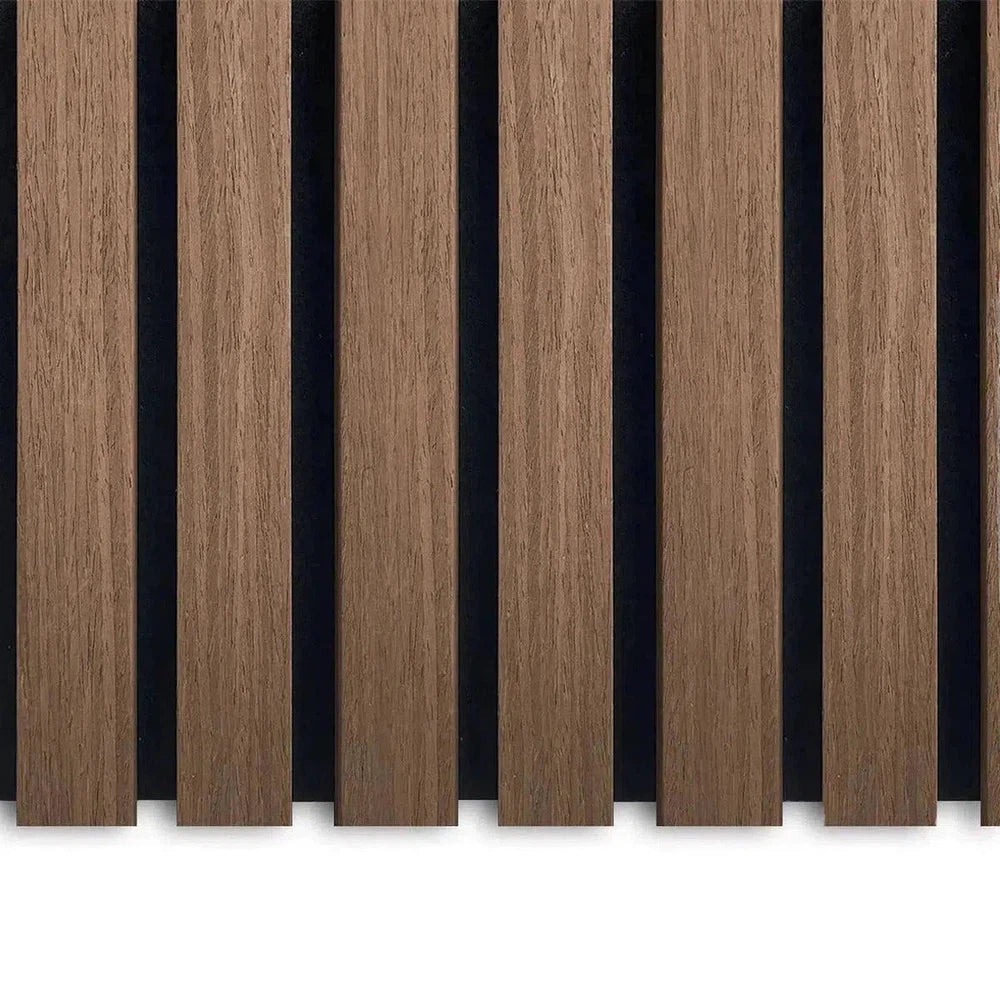
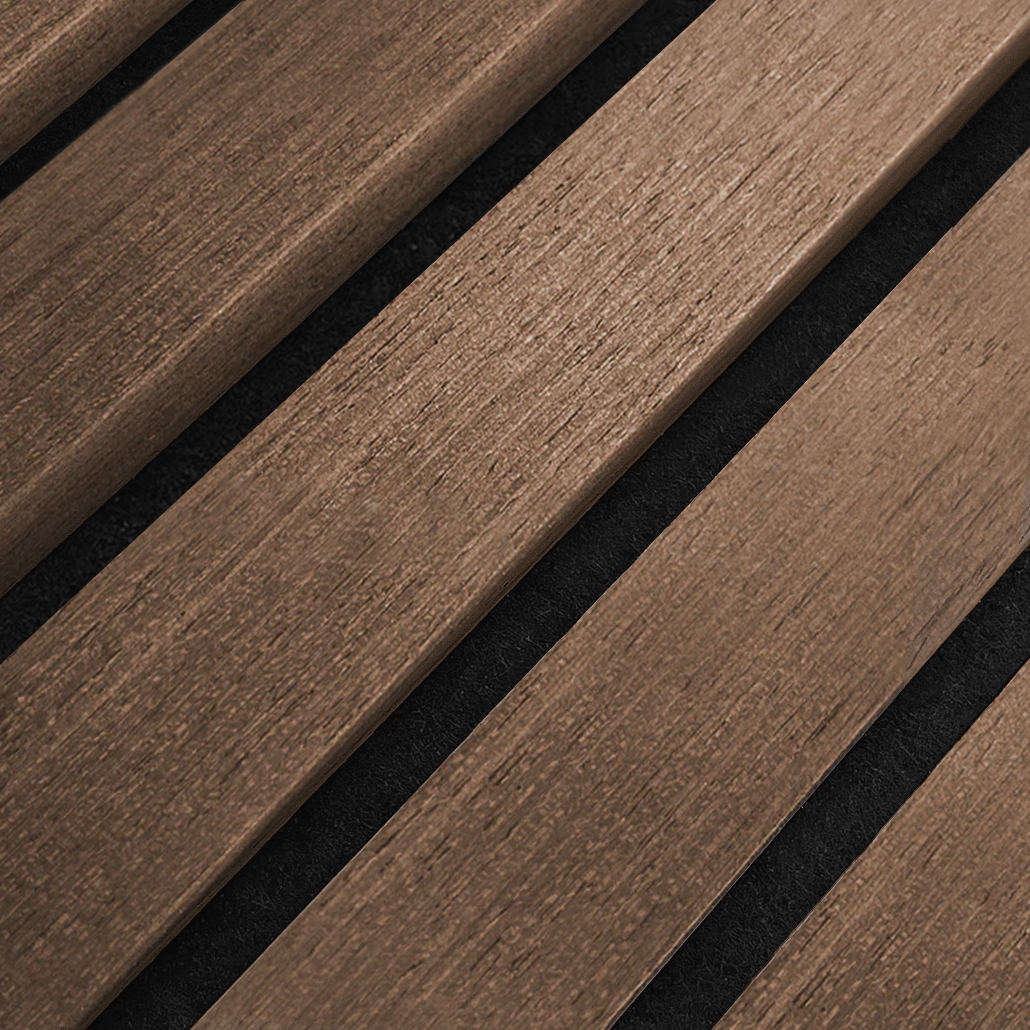
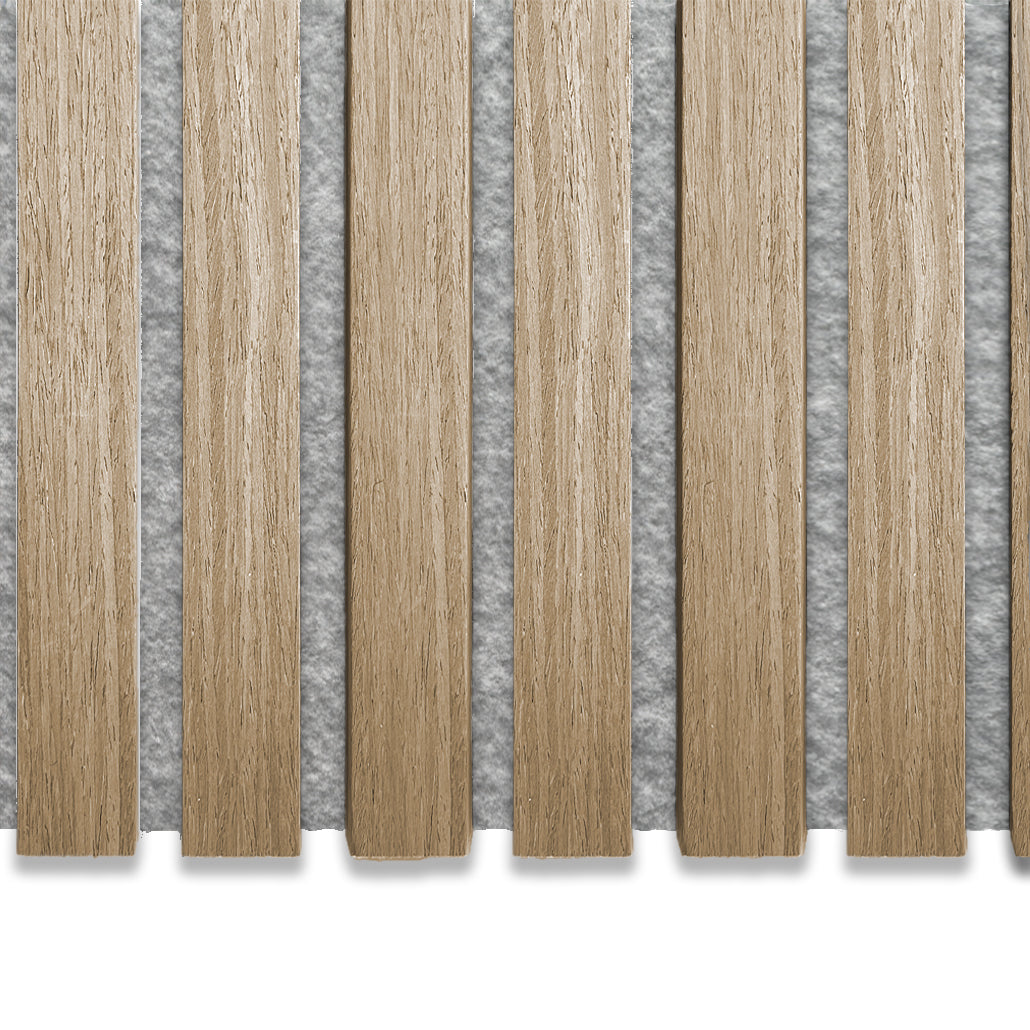
Natural Oak acoustic wood panel — the safe pick for reception and corridors Lighter finish that brightens entrance areas, reception desks and studio corridors where impact risk is lower than on court walls. Same felt-backed acoustic construction, just a paler face. Consider for front-of-house zones; Skip for anything inside a five-a-side pitch perimeter where marks show up fast.
Smoked Oak acoustic wood panel — the mid-tone compromise Sits between natural and black oak on both looks and mark-hiding, a reasonable middle ground for studio rooms used for yoga, spin or dance classes rather than contact sport. Consider for fitness studios; not the first choice for a badminton or futsal hall.
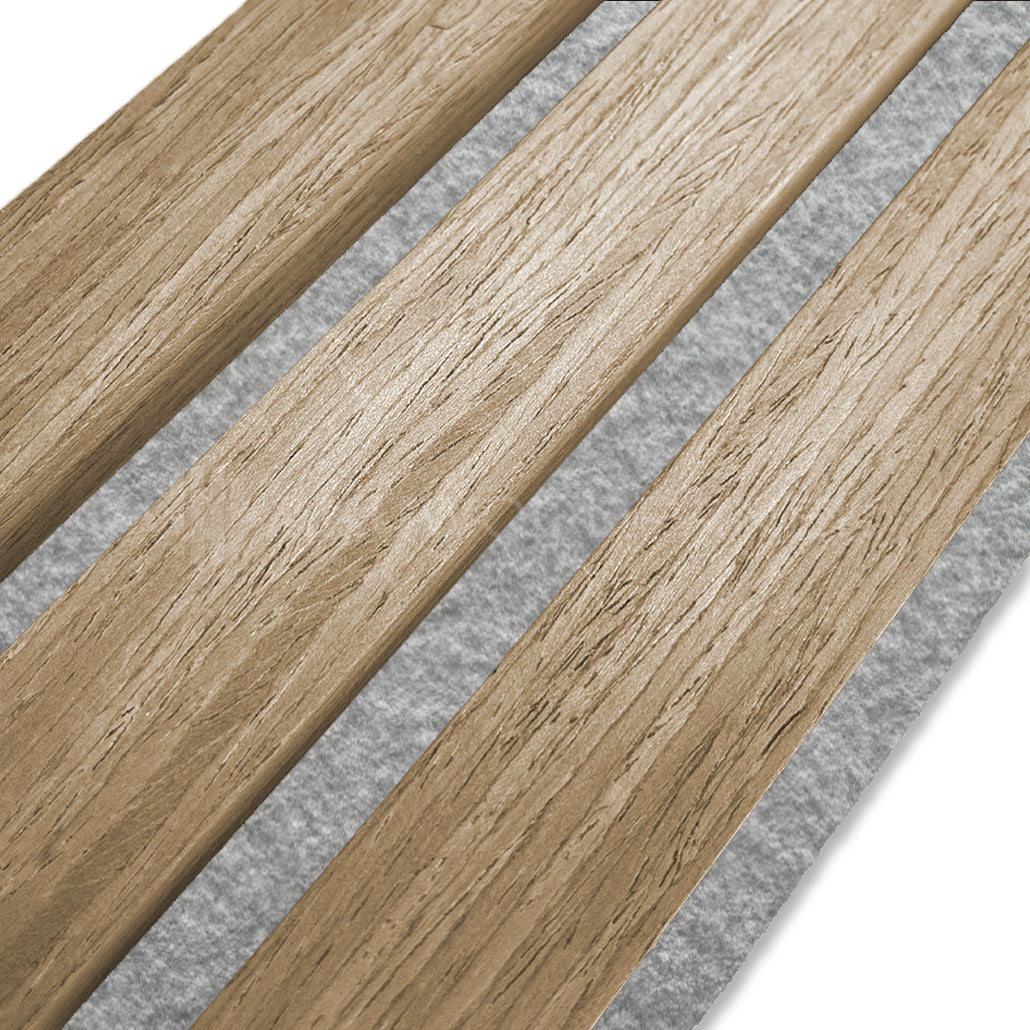
Hexagon acoustic panel in natural oak with grey felt — the reception feature wall A geometric, decorative acoustic panel better suited to a lobby feature wall than a functional court perimeter — it absorbs sound the same way but the pattern reads as decorative, not utilitarian. Consider for a leisure centre entrance; Skip for gym floors and sports courts.
What to avoid
- Purely decorative 3D or textured panels on court walls. They absorb sound fine but the raised profile catches balls, kit bags and cleaning equipment, and repairs are visible.
- Pale finishes on low walls inside playing zones. Natural oak looks sharp on day one and shows every scuff mark by month three of a busy 2026 term-time schedule.
- Skipping the felt-backing spec entirely. A wood-look panel with no acoustic backing is cladding, not acoustic treatment — it solves nothing for reverberation.
For a broader look at where wood panels work well in active-use spaces, the gym and fitness studio interior guide covers finish choices for lower-impact studio rooms rather than full court perimeters.
Verdict comparison
| Panel | Impact hiding | Best zone | Size formats | Verdict |
|---|---|---|---|---|
| Black Oak | Best | Court walls, main hall | 240cm / 300cm | Buy |
| Smoked Oak | Good | Studio rooms | 240cm / 300cm | Consider |
| Natural Oak | Fair | Reception, corridors | 240cm / 300cm | Consider |
| Hexagon Natural Oak (grey felt) | Weak | Lobby feature wall only | Fixed panel size | Skip for courts |
FAQ
What's the best acoustic panel for a sports hall wall? Black Oak acoustic wood panel is the strongest fit for main court walls in 2026 because its dark veneer hides ball marks and daily scuffs better than lighter finishes, while still delivering the same felt-backed sound absorption.
Do acoustic wood panels actually reduce echo in a large hall? Yes — bare block or concrete walls reflect nearly all the sound that hits them, while felt-backed wood panels absorb energy on impact instead of bouncing it back across the room.
Is Natural Oak durable enough for a sports hall? It's durable enough structurally, but its pale finish shows scuffs faster than black or smoked oak, so it's better suited to reception areas and corridors than active court perimeters.
What panel size covers a large wall fastest? The 300 cm format covers more wall per run than the 240 cm option, which cuts fixing time on a full-height sports hall wall.
Can these panels handle humidity from a changing room or pool area? The felt-backed wood construction is built for interior use across varying humidity, though direct water exposure like a pool splash zone calls for exterior-rated cladding instead of the interior acoustic range.
Should hexagon panels go on a gym or court wall? No — hexagon acoustic panels suit lobby or reception feature walls better than court perimeters, since the raised geometric profile is more exposed to impact.
How do you fix acoustic panels to a block or plasterboard wall? High-tack panel adhesive gives a flush, low-profile fixing suited to high-traffic corridor and hall walls where a mechanical fixing might snag kit bags or equipment.
Is Smoked Oak a good middle-ground option? Yes — Smoked Oak hides marks better than Natural Oak without going as dark as Black Oak, making it a reasonable choice for studio rooms used for lower-contact activities.
One last thing
Most sports hall echo complaints trace back to one wall, not the whole room — usually the flattest, hardest surface facing the loudest activity zone. Treating just that single wall with Black Oak acoustic panels in the 300 cm format often cuts perceived echo more than spreading a thinner treatment across every wall in the hall.