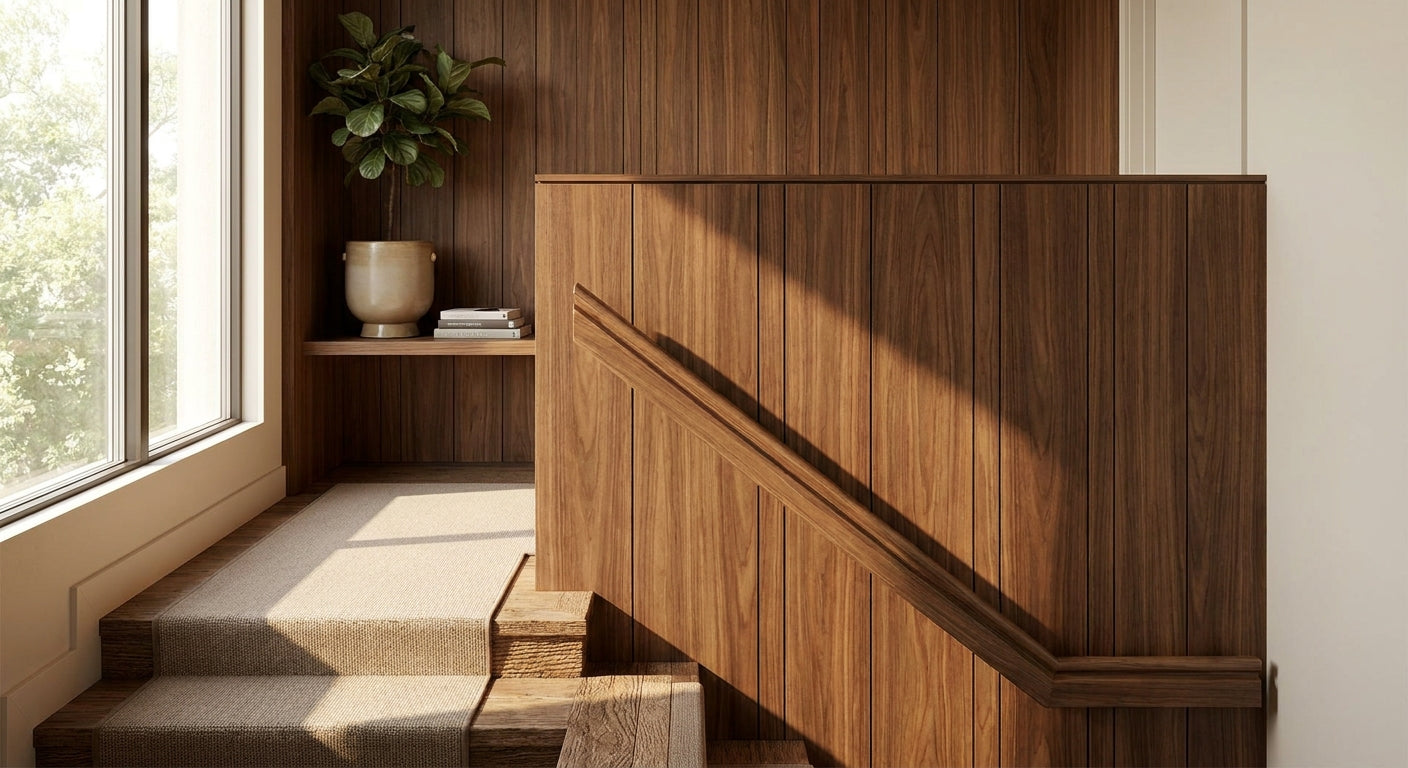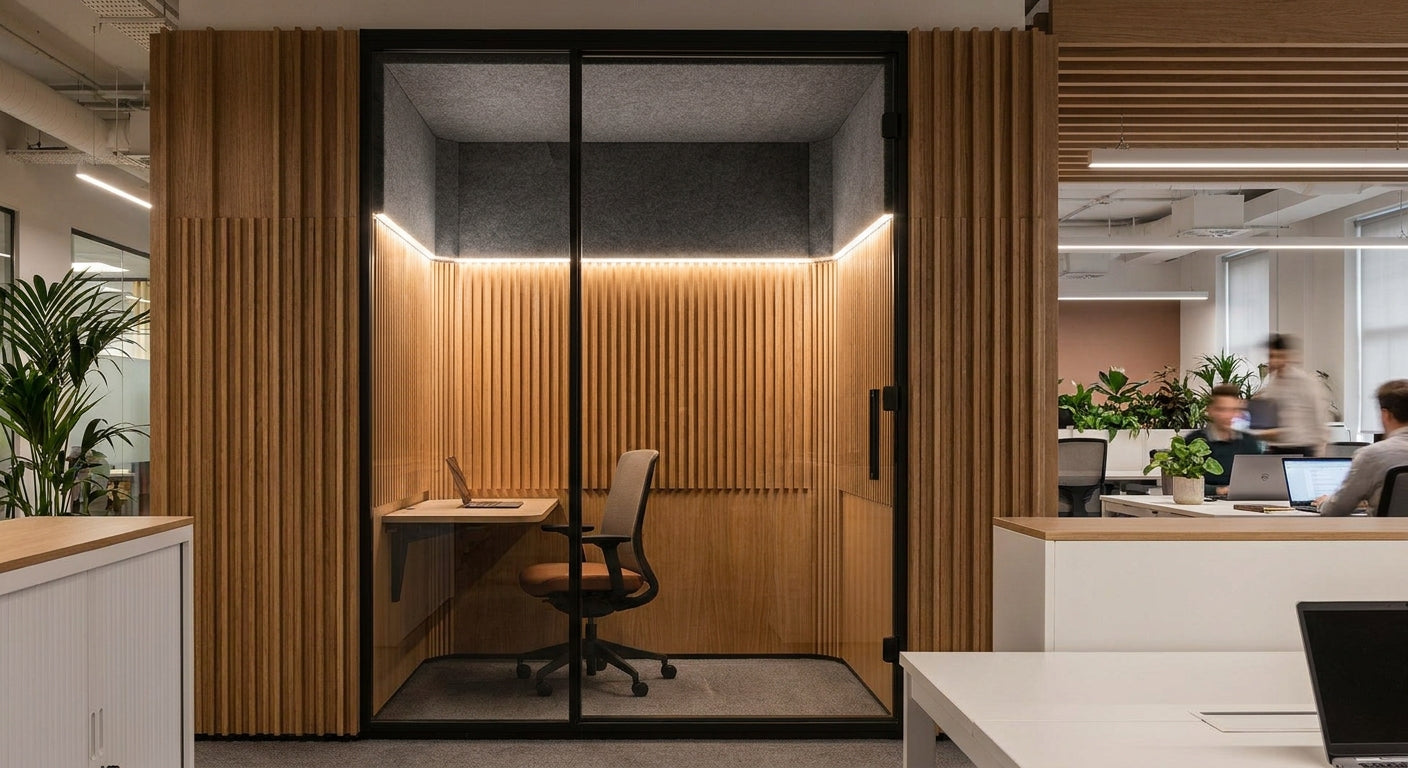
Phone booth pods in coworking spaces turn into tiny echo chambers the moment someone shuts the door — hard glass, hard floor, hard everything — and acoustic wood panels for phone booth pod interiors are the fastest fix operators are installing in 2026.
TL;DR
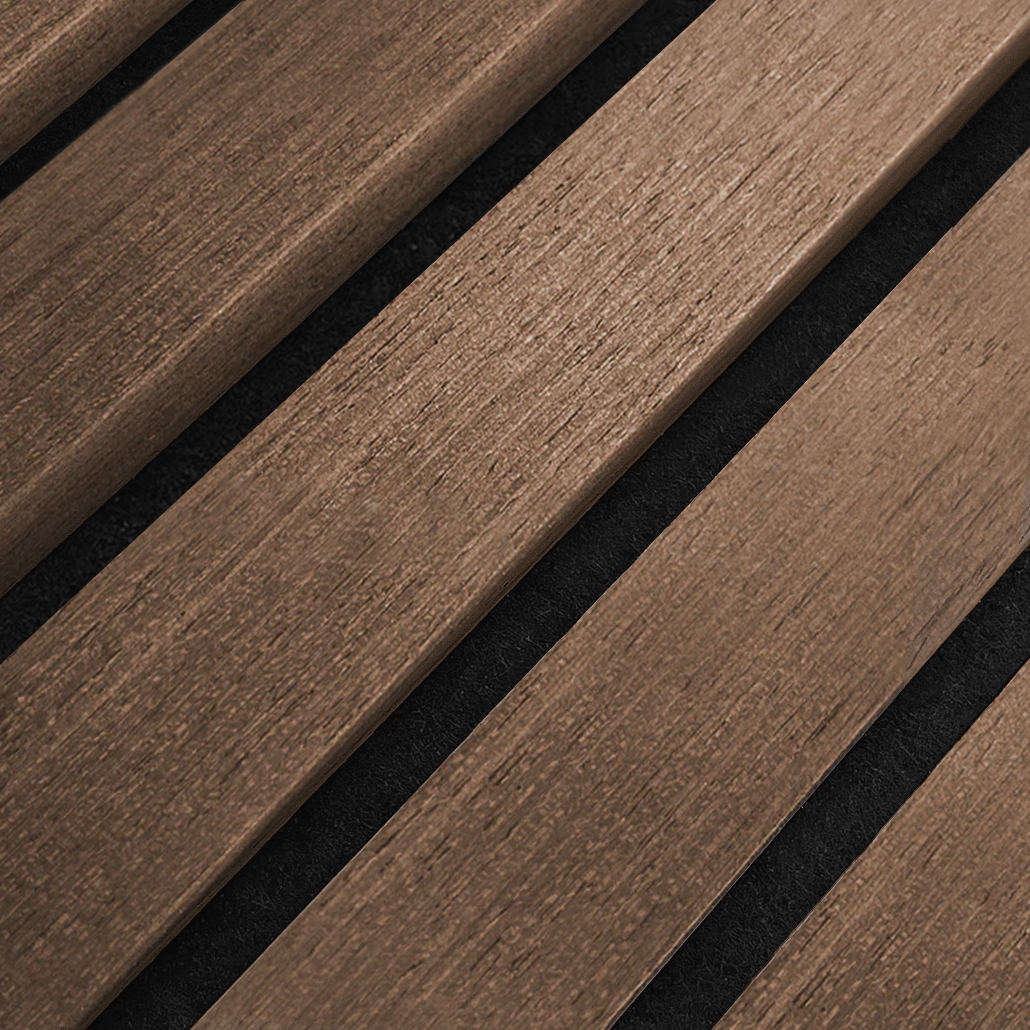
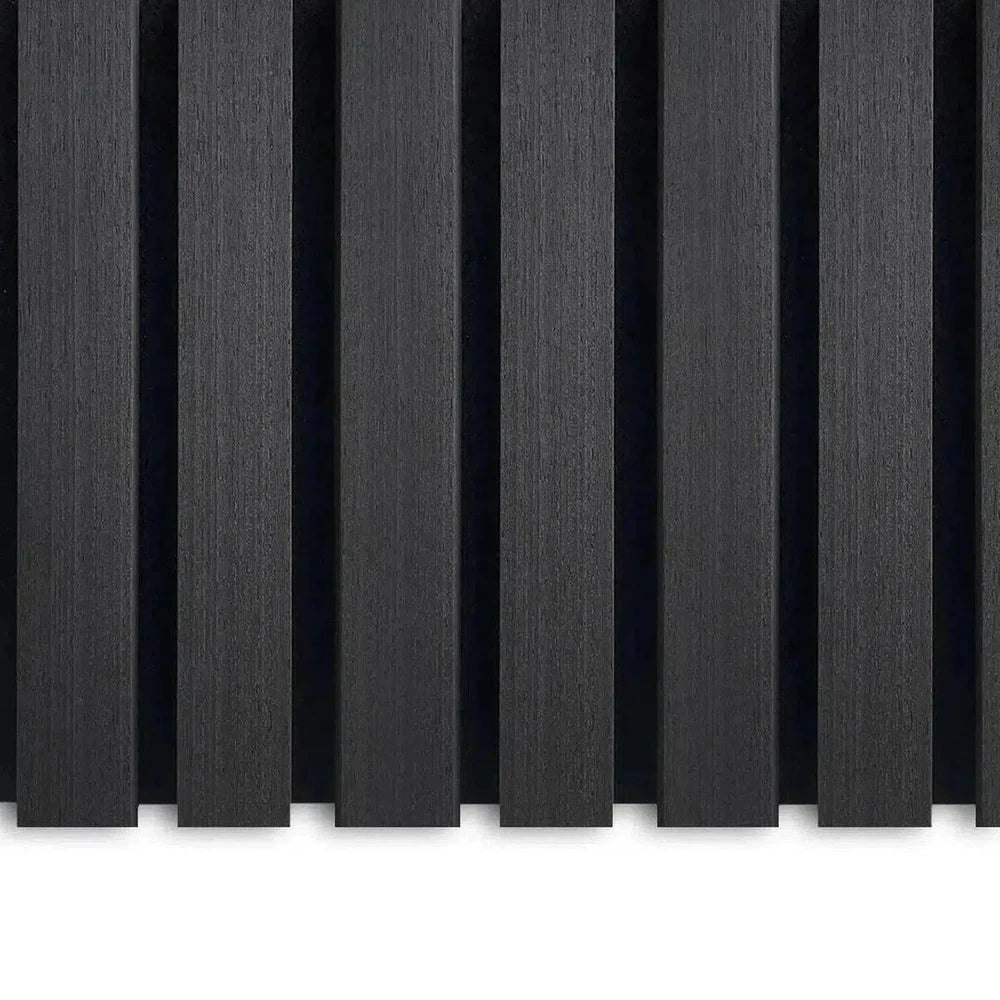
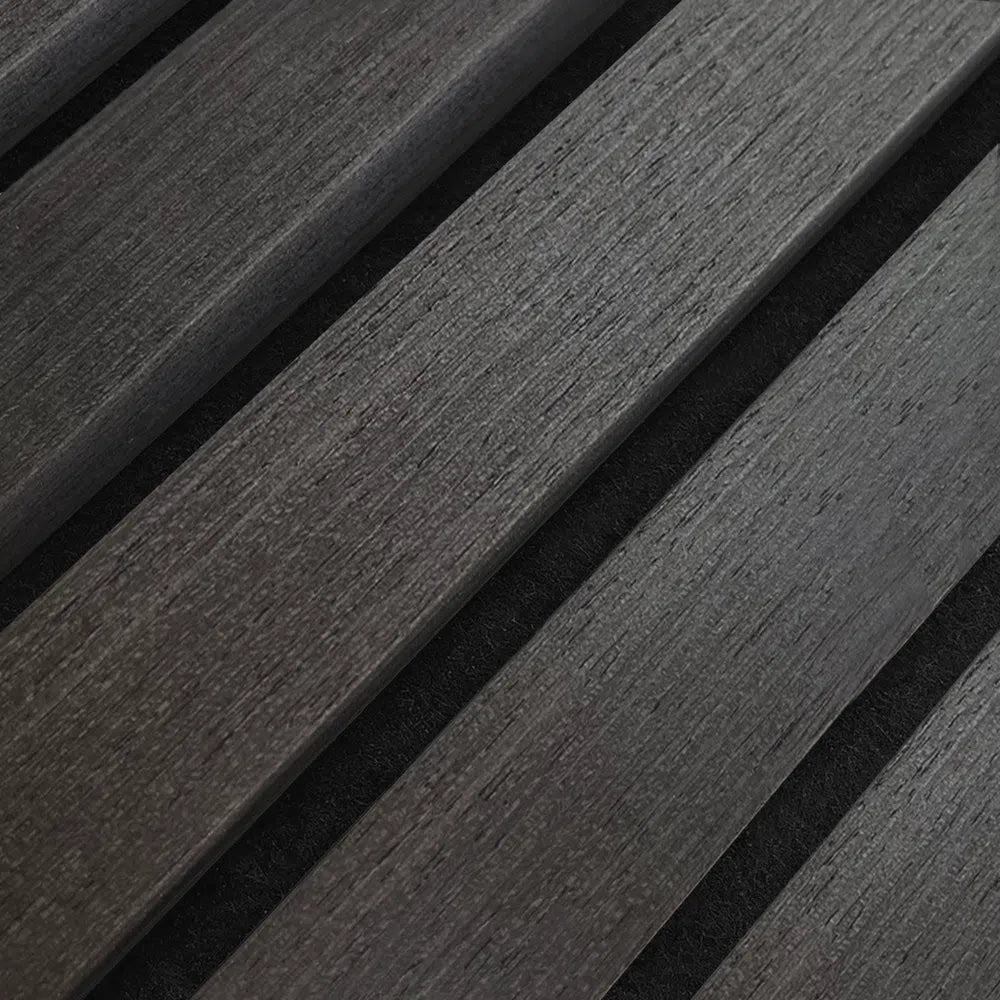
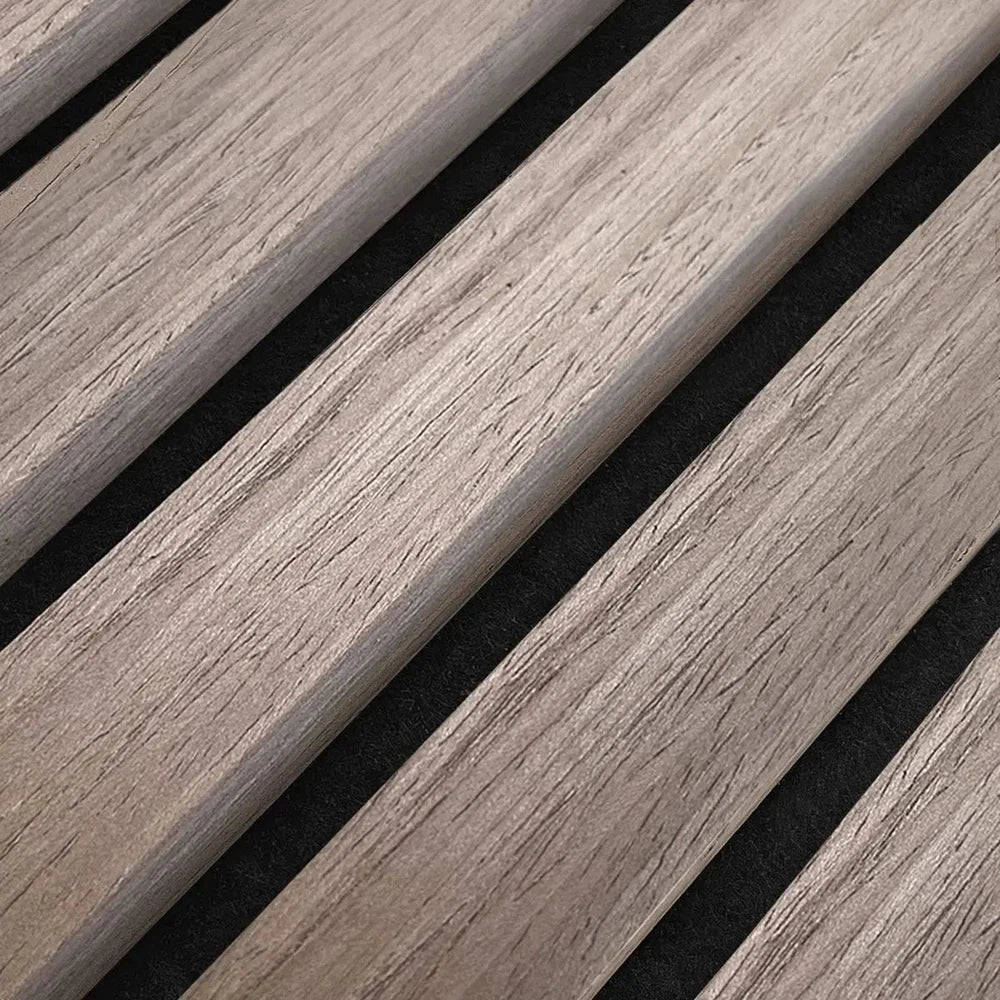
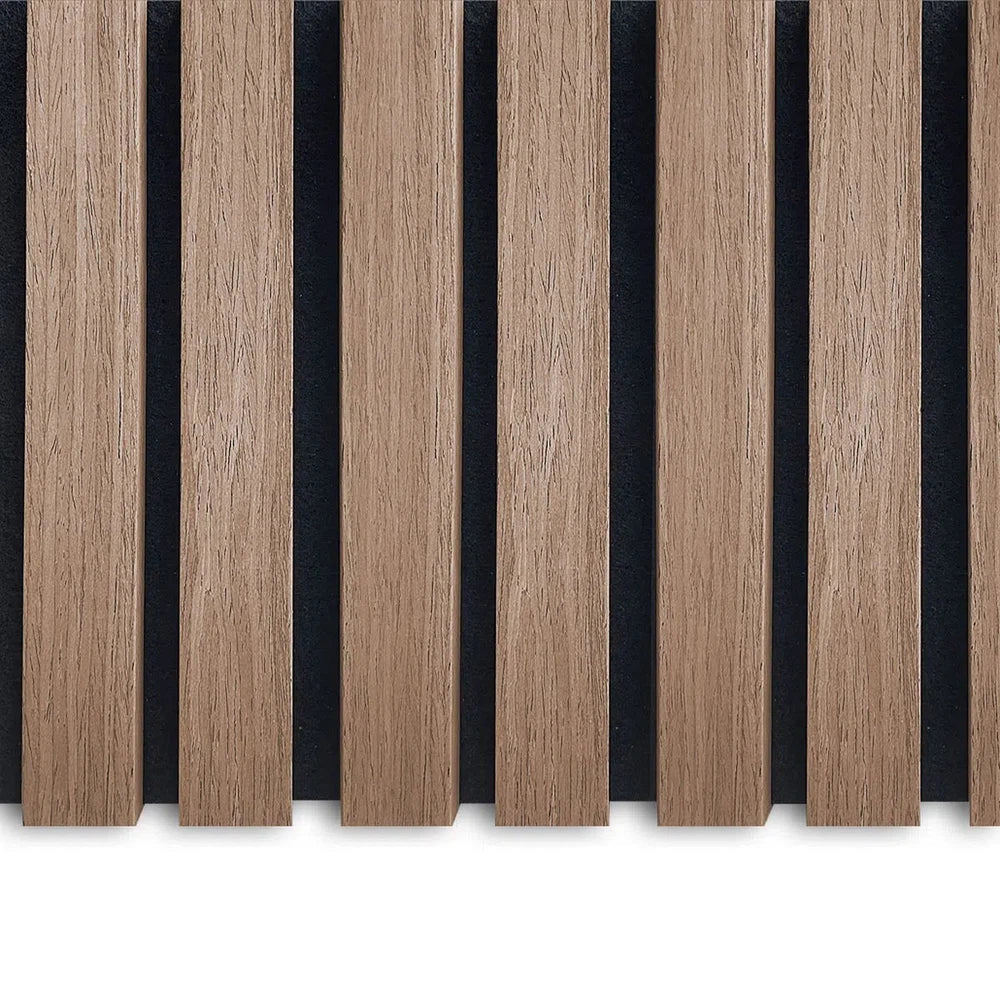
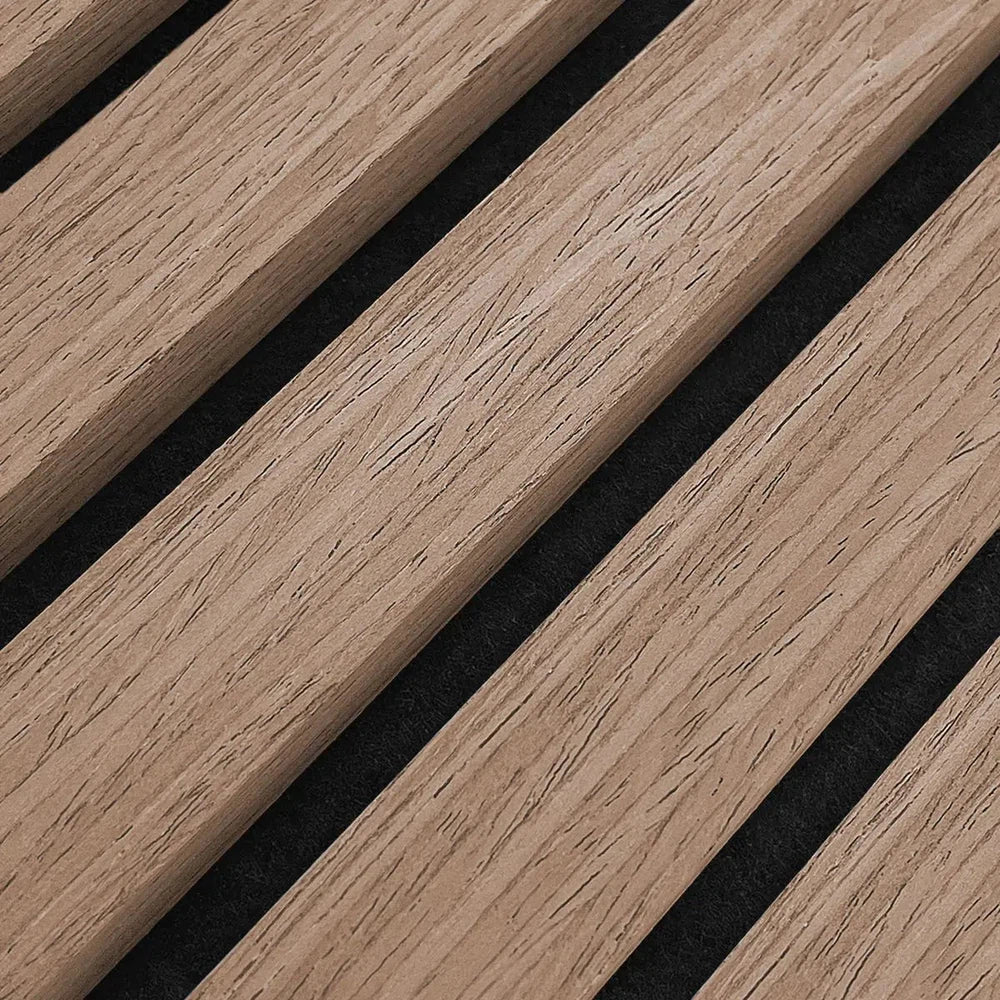
For a single-occupant coworking phone booth, Akuwood Panel's Black Oak wooden wall panel is the safe buy for 2026 fit-outs — 3-sided real wood veneer over acoustic felt backing, available in 240 cm and 300 cm lengths, cut to line the interior walls of most standard pods with minimal waste. If you want more texture on a feature wall inside the booth, the hexagon walnut panel with grey felt is worth considering. Skip plain decorative panels with no felt backing — they look the part but do nothing for the acoustic panels for phone booth pod problem you're actually solving.
Why this matters
A phone booth pod is a small sealed box, usually somewhere around 1 m x 1 m to 1.2 m x 1.2 m, with a glass door, a laminate floor, and bare interior walls. Sound has nowhere to go — it bounces off every hard surface and comes straight back at the person on the call, which is why so many pods sound worse than the open office they were meant to fix.
Acoustic wood panels solve this by pairing a real wood veneer face with a felt backing that absorbs reflected sound instead of bouncing it. That's a different job than exterior cladding or purely decorative panels, which is exactly where a lot of coworking fit-outs go wrong in 2026 — buying wall panels that look premium in photos but don't touch the echo.
Wooden wall panels for co-working space interiors covers the wider office picture; this guide narrows it down to the pod itself.
Who this is for
This is for coworking operators, workspace managers, and office fit-out teams speccing wall finishes for phone booth pods, huddle rooms, or single-person call cabins — anyone choosing between a felt-backed acoustic panel and a plain veneer panel for a small, enclosed space where echo is the entire brief.
What to look for in acoustic panels for phone booth pods
Felt backing that actually absorbs, not just decorates
A slatted wood panel without a felt layer behind it looks the same in a product photo but does almost nothing for reverberation. For a pod this small, the felt backing is doing the real work — check that it's specified, not assumed.
Panel size matching the pod's small footprint
Most coworking phone booths are shorter and narrower than a normal office wall, so a panel cut in the wrong length format means offcuts and wasted material. Akuwood Panel's range comes in 240 cm and 300 cm sizes, which gives you a size option that lines up with typical pod wall heights without excessive trimming.
Wood veneer finish that reads premium through glass
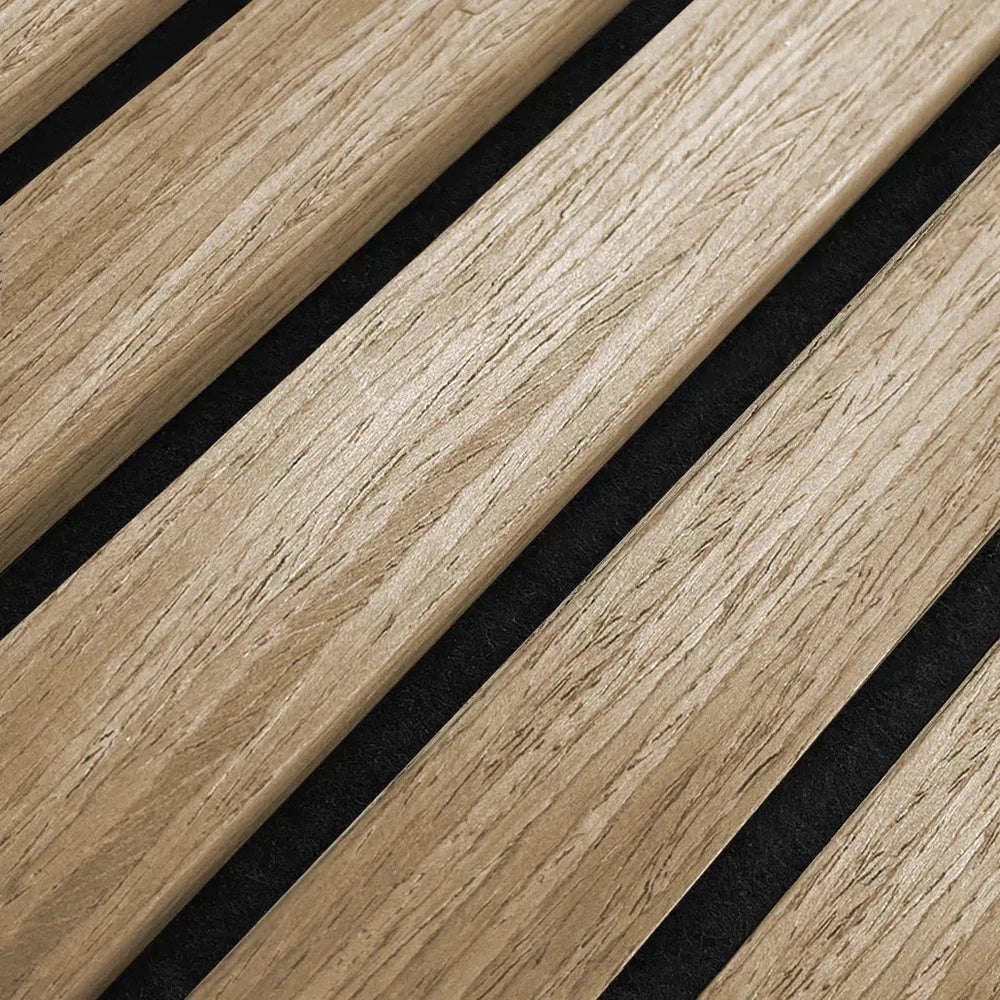
A phone booth pod is usually glass-fronted, so the interior finish is on display to the whole floor all day. A 3-sided real wood veneer finish holds up to that kind of constant visibility better than a printed or laminate wood-effect surface.
Adhesive install that skips structural fixings
Pod walls are often thin composite or MDF panels supplied by the pod manufacturer, and you don't always want to screw into them. An adhesive-fit panel avoids drilling into a structure that may be part of a leased or modular unit.
Consistent finish between the pod and the surrounding office
If the open-plan office already uses a wood panel finish, matching the pod interior to it keeps the space looking designed rather than bolted-together — a mismatch is one of the fastest ways a pod looks like an afterthought.
Top picks for phone booth pod interiors
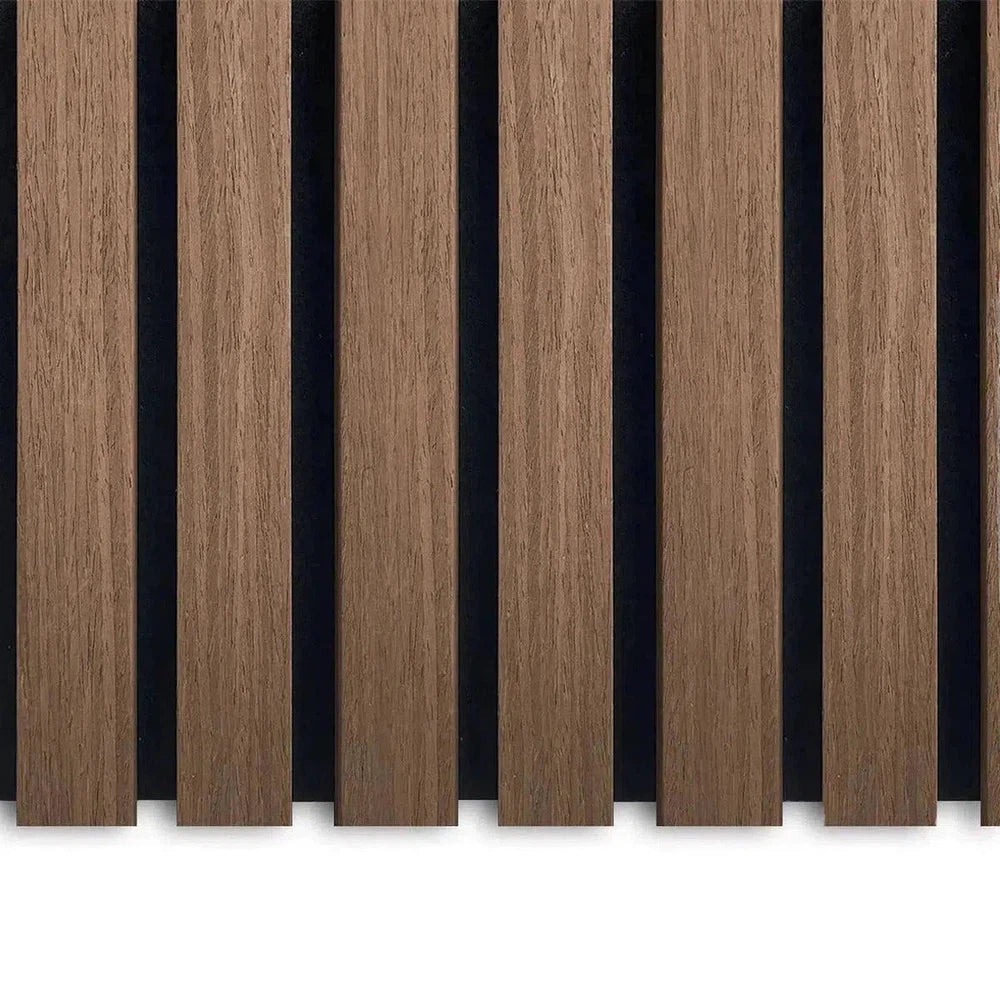
1. Black Oak wooden wall panel — the boardroom look This is the pick for pods near reception or client-facing meeting areas. It's a 3-sided real wood veneer over acoustic felt backing, sold in 240 cm and 300 cm formats, and the dark tone hides scuffs better than lighter finishes over years of use. Verdict: Buy. Black Oak wooden wall panel
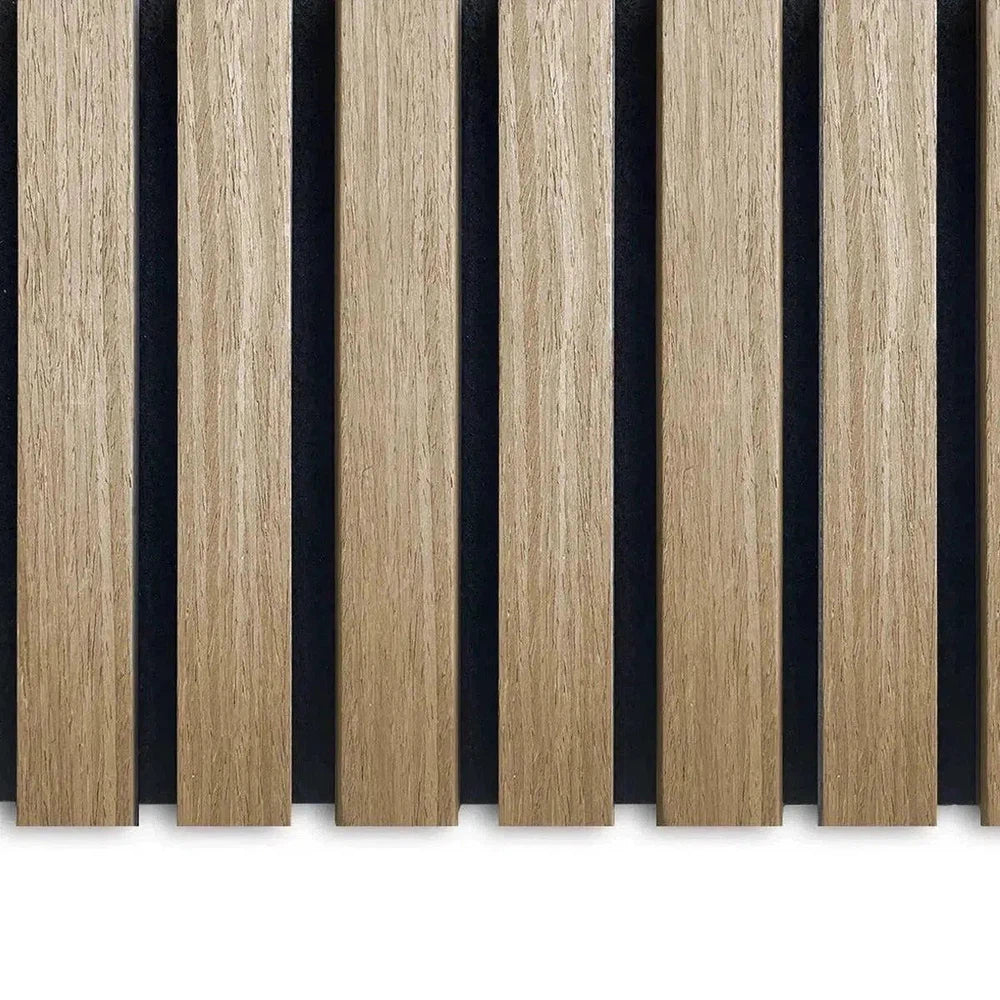
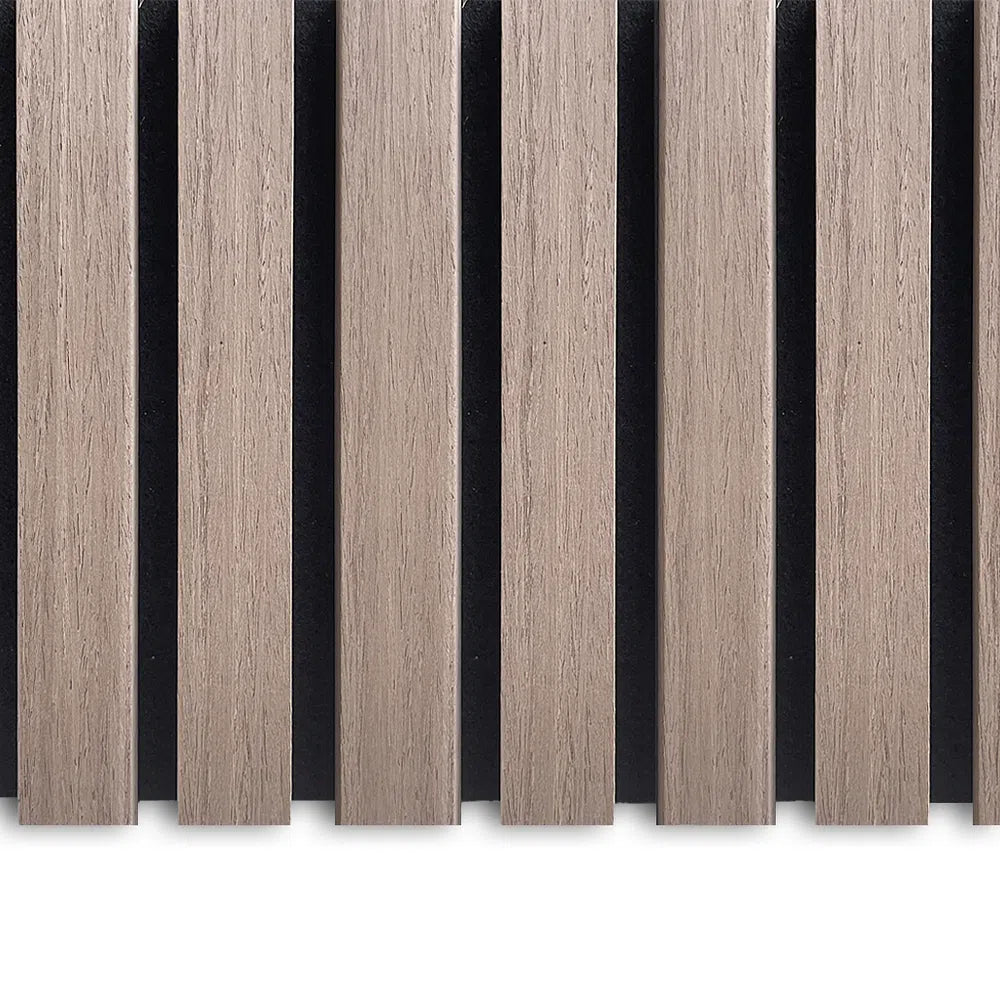
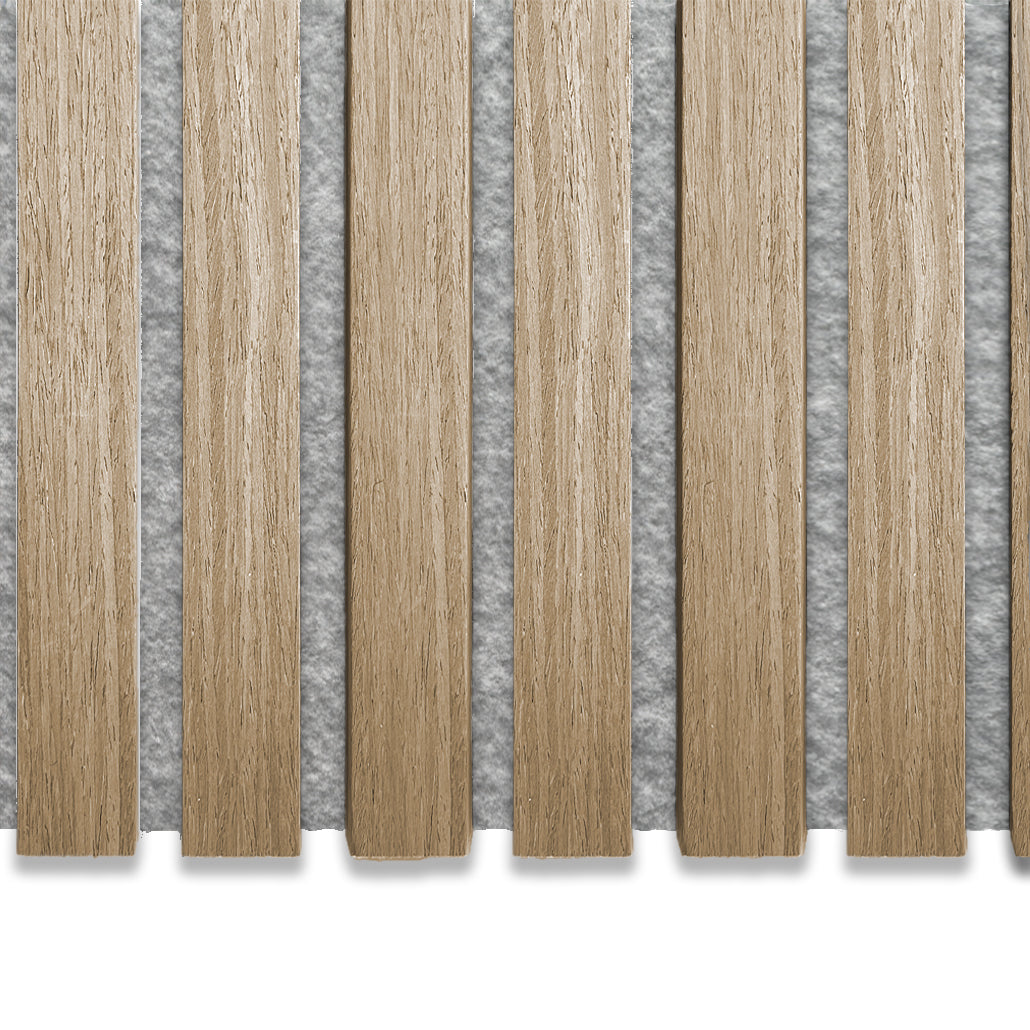
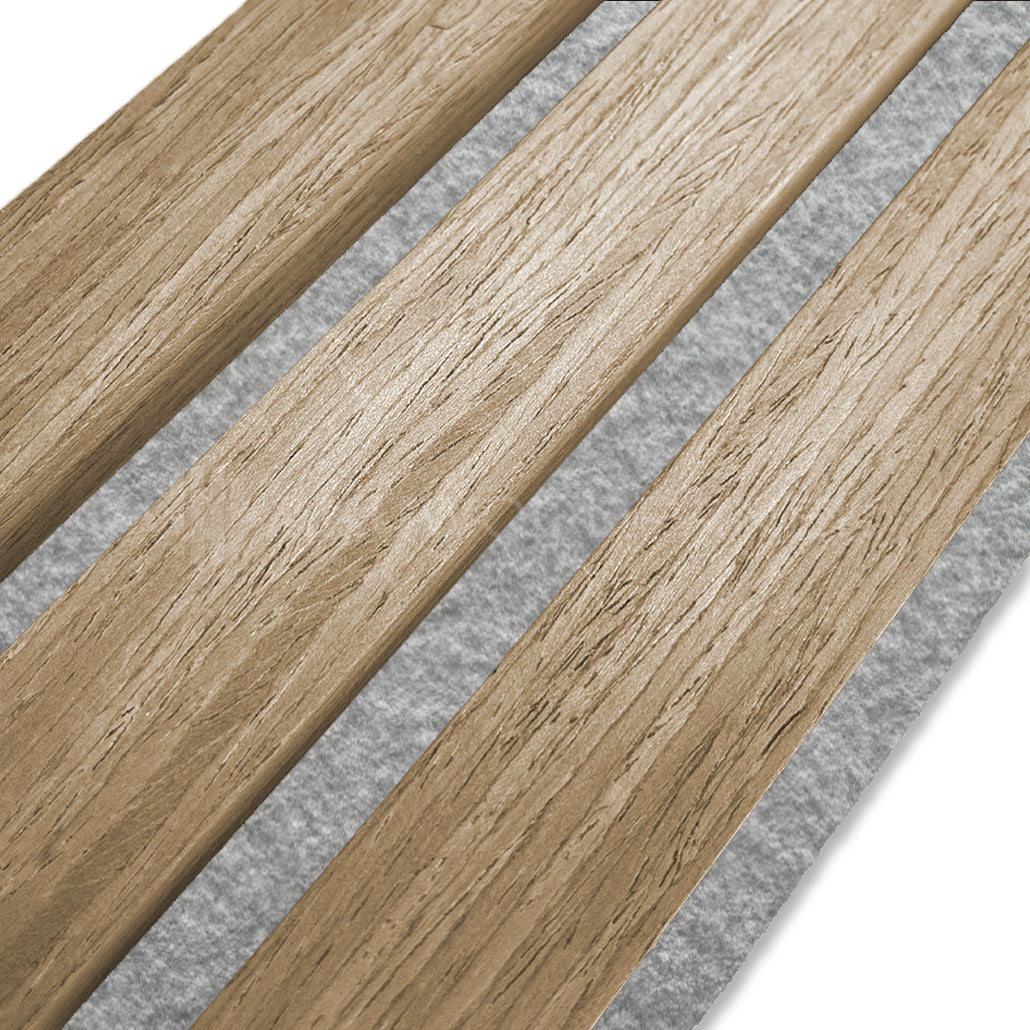
2. Natural Oak with grey felt — the light-and-quiet balance For pods in bright, open-plan floors where a dark panel would feel heavy, the natural oak finish paired with grey felt backing keeps the interior light while still doing the acoustic job. It comes in the same 240 cm / 300 cm size range as the rest of the range. Verdict: Buy. Natural Oak wooden wall panel with grey felt
3. Hexagon acoustic panel, walnut with grey felt — the feature-wall pick If one wall of the pod is going to be the backdrop for video calls, the hexagon shape gives it visual texture the standard slat panel doesn't. It's still felt-backed, so it isn't purely decorative, but it works best as an accent on a single wall rather than covering all four sides. Verdict: Consider. Hexagon acoustic panel, walnut with grey felt
What to avoid
- Purely decorative wall panels with no felt layer. They match the aesthetic brief but leave the echo problem exactly where it was — fine for a hallway, wrong for a phone booth.
- Exterior cladding panels used indoors. These are built for weather resistance, not sound absorption, and they're the wrong product family for a sealed interior cabin.
- Oversized panel formats for a booth this small. A 300 cm panel cut down repeatedly for a 1 m wide wall wastes material and adds cost you don't need to carry into a 2026 fit-out budget.
Verdict comparison
| Panel | Felt backing | Size formats | Best for | Verdict |
|---|---|---|---|---|
| Black Oak | Yes | 240 cm / 300 cm | Client-facing pods | Buy |
| Natural Oak, grey felt | Yes | 240 cm / 300 cm | Bright open-plan pods | Buy |
| Hexagon walnut, grey felt | Yes | Modular hex tiles | Single feature wall | Consider |
| Plain decorative panel (no felt) | No | Varies | Non-acoustic areas only | Skip |
FAQ
What's the best acoustic panel for a phone booth pod? A felt-backed wood veneer panel, such as Akuwood Panel's Black Oak or Natural Oak with grey felt, is the standard 2026 choice because the felt layer absorbs sound rather than just covering the wall.
How much wall coverage does a single phone booth need? Most single-occupant pods run around 1 m to 1.2 m per side, so lining the two or three interior walls facing the occupant covers the bulk of the reflective surface without panelling the entire cabin.
Is wood panel better than foam for phone booth interiors? Wood veneer panels with felt backing give you the acoustic benefit of foam plus a finish that holds up visually behind glass — foam alone is cheaper but looks and wears worse in a client-visible pod.
Do acoustic wood panels stop sound leaking out of a booth? Felt-backed panels reduce reverberation and echo inside the pod, which improves call clarity for the person inside; sound leakage between the pod and the open office depends more on the pod's own door seal and wall construction.
What size wood panel fits a standard coworking phone booth? The 240 cm format generally suits shorter pod walls with less trimming, while 300 cm suits taller floor-to-ceiling pod installations — match the format to your pod height before ordering.
Can you fit acoustic panels to a phone booth without professional installation? Adhesive-fit panels are designed for direct application to a flat interior surface, which makes a DIY or in-house facilities team install realistic for most pods.
How much do acoustic wood panels cost for a phone booth pod? Pricing depends on finish, size format, and how many walls you're covering — check current panel pricing on the site before budgeting a fit-out.
Should every wall in the pod use the same finish? Not necessarily — a common approach in 2026 fit-outs is three matching walls plus one feature wall in a different finish, like the hexagon walnut panel, to break up the box shape.
One last thing
The detail most coworking fit-out teams miss: the felt backing color shows through the slat gaps, so a dark panel like Black Oak with a light grey felt behind it will read differently in photos than it does under warm pod lighting — check the felt colour against your actual pod lighting before committing to a full order.