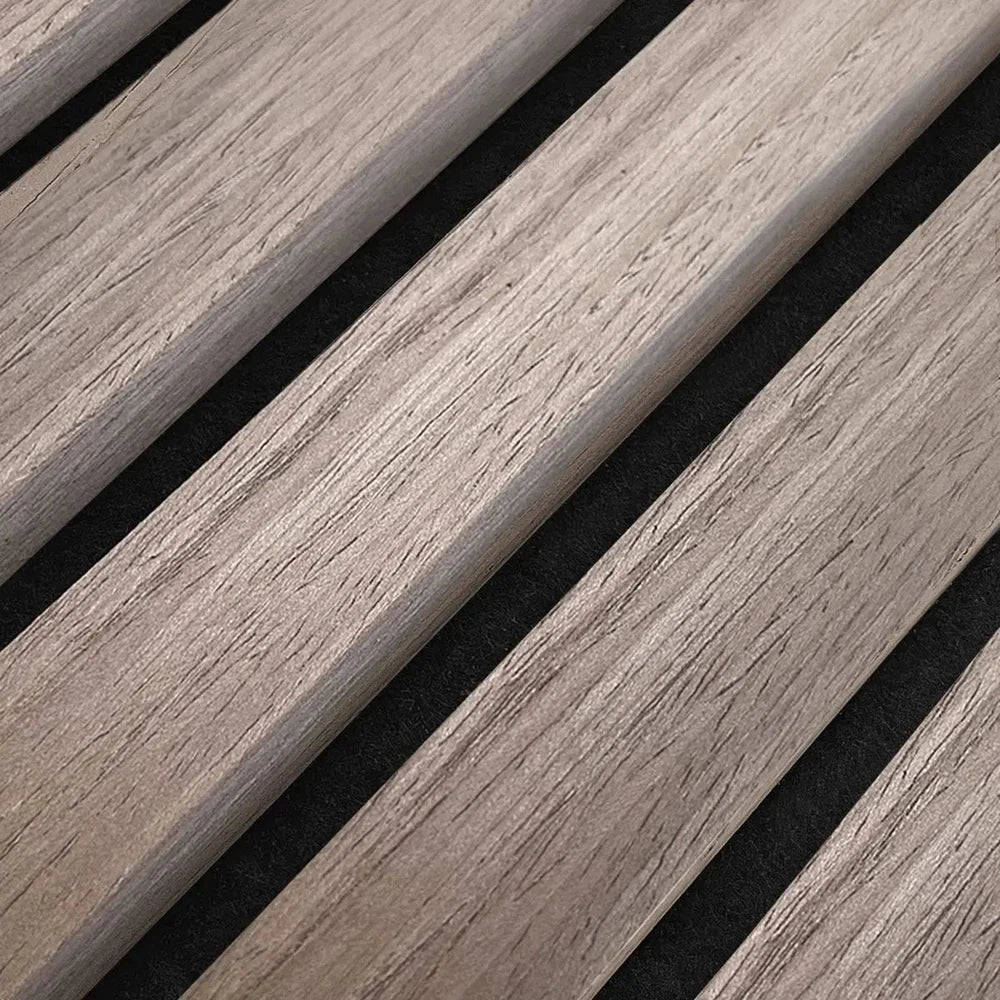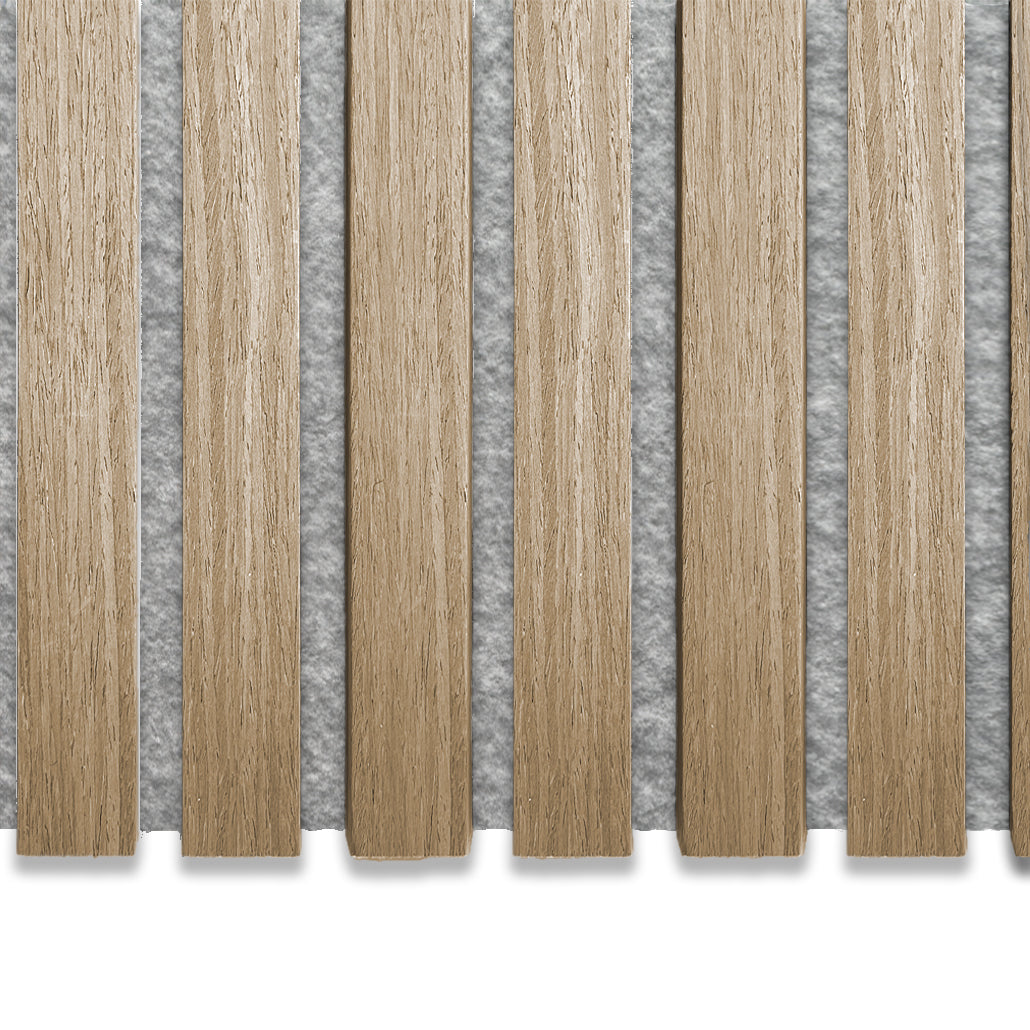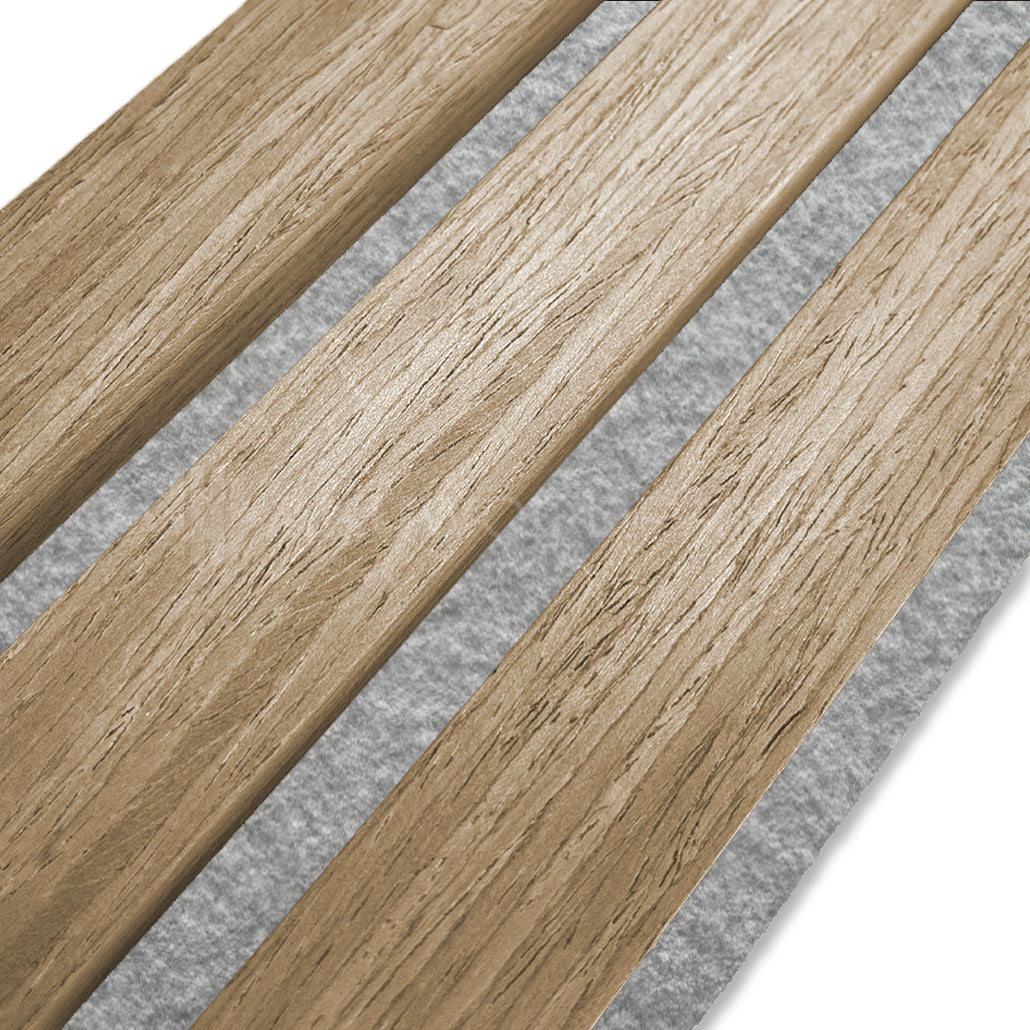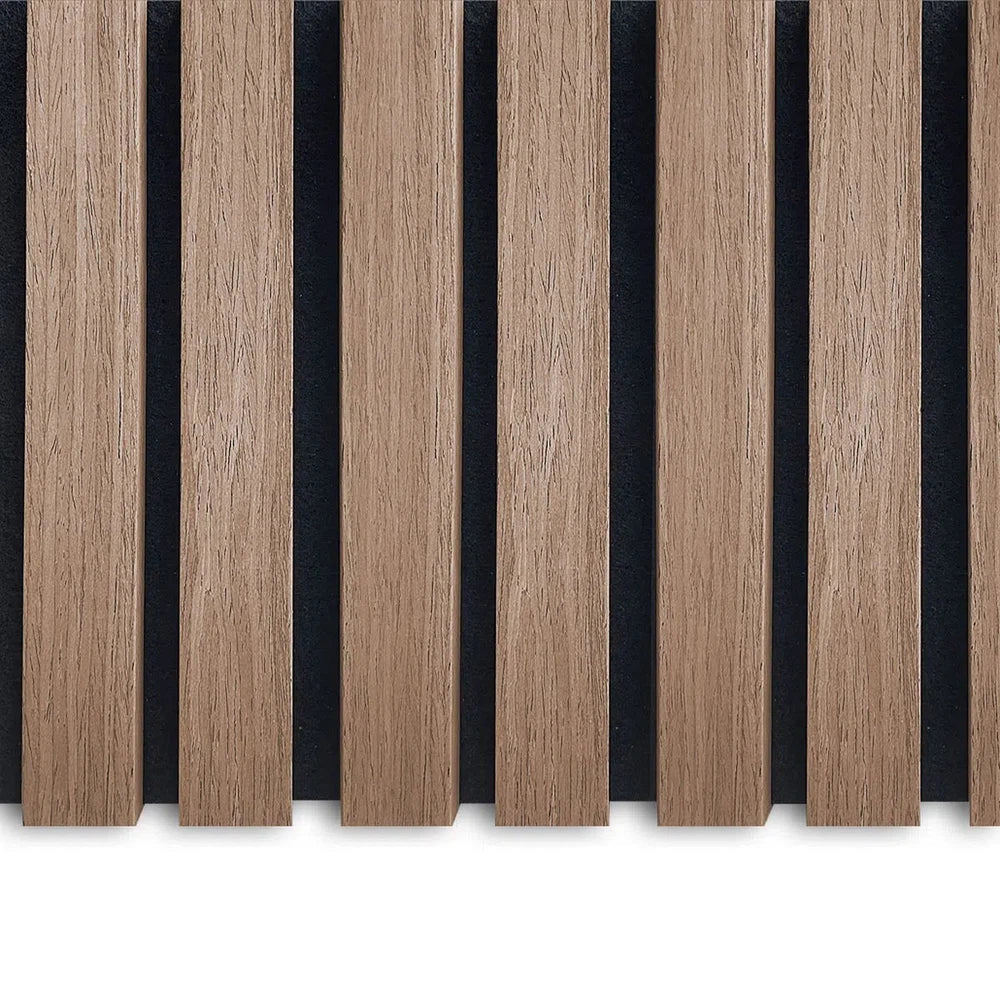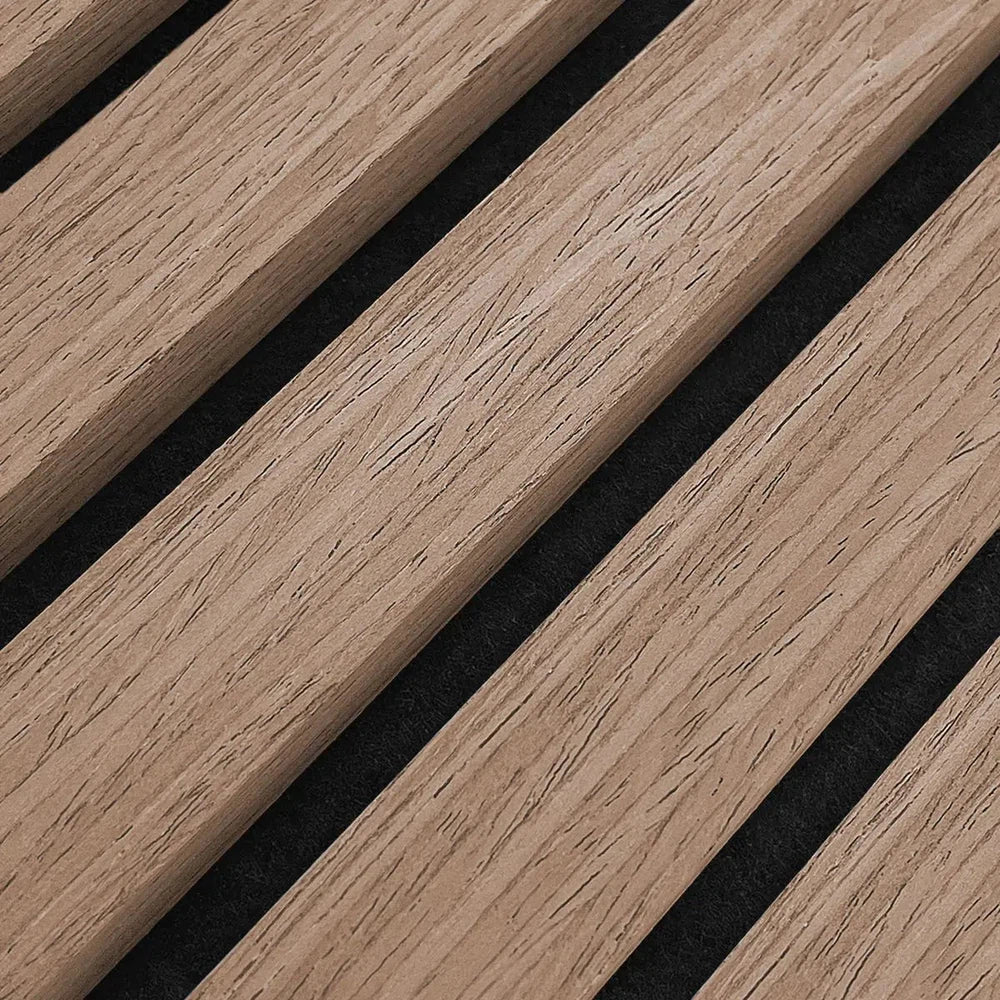
Bookshop wall panels are acoustic wood-veneer panels fixed to bookstore walls to soak up noise bouncing off hard shelving, tiled floors and glass shopfronts, while giving the space a warmer, retail-ready finish. A bookshop loses the carpet, curtains and soft furniture that normally absorb sound in a home, so the walls end up doing all the acoustic work instead.
- Bookshop wall panels use a real wood veneer over acoustic felt to cut noise bouncing off hard shelving and tiled floors.
- Natural Oak and Smoked Oak finishes suit most independent bookshops; Grey Oak with felt backing adds extra absorption near tills and reading corners.
- Akustiq UK panels ship in 240cm and 300cm formats in 2026, so measure floor-to-ceiling height before ordering.
- Order samples first - grain and tone shift under shop lighting, and a sample avoids a mismatched full order.
Why acoustic wall panels matter for bookshop interiors
Rows of shelving are flat, hard, and packed close together - they reflect sound rather than absorb it, which is the opposite of what a home living room does with rugs and sofas. Add a tiled or laminate floor and a glass shopfront, and a bookshop can end up harder-sounding than a warehouse of the same size.
That matters for two groups: staff trying to hear customers over till chatter, and browsers who linger longest in quiet corners - reading nooks, window seats, poetry sections. A shop that sounds clattery pushes people toward the door faster than a shop that sounds hushed. Wooden wall panels fitted with an acoustic felt backing address that directly, without touching the shelving layout or the stock.
Diagnose the noise problem before you buy anything
Don't order panels for the whole shop on a guess. Walk the floor first and note where the echo actually lives.
- Clap once in each aisle and listen for a sharp, ringing flutter echo off facing shelving units
- Stand near the till during a quiet hour and note if voices bounce rather than land
- Check which walls are bare plaster, brick, or glass versus already dampened by book stock
- Mark the reading nook or window seat separately - that's where hush matters most to a lingering browser
Choose a finish that fits your shop's shelving and stock
Finish choice is partly acoustic, partly about matching the shop's existing wood tones and signage.
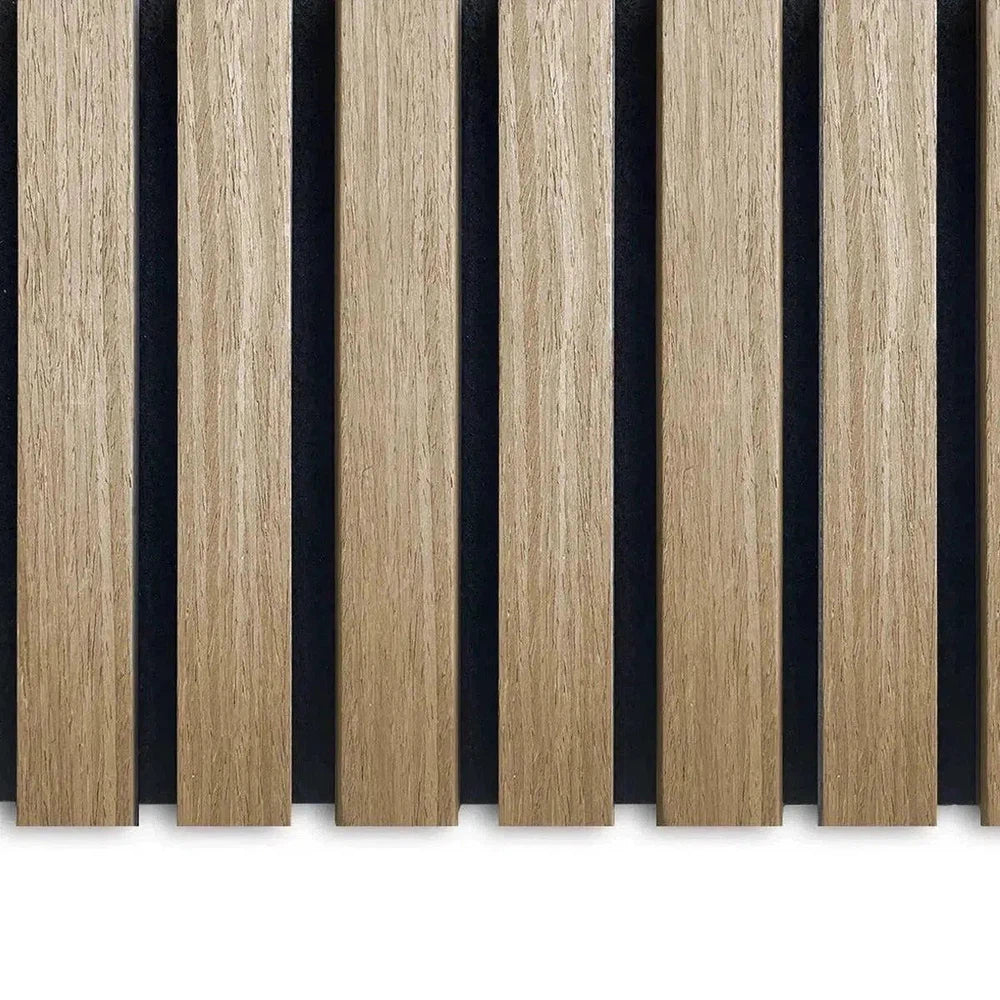
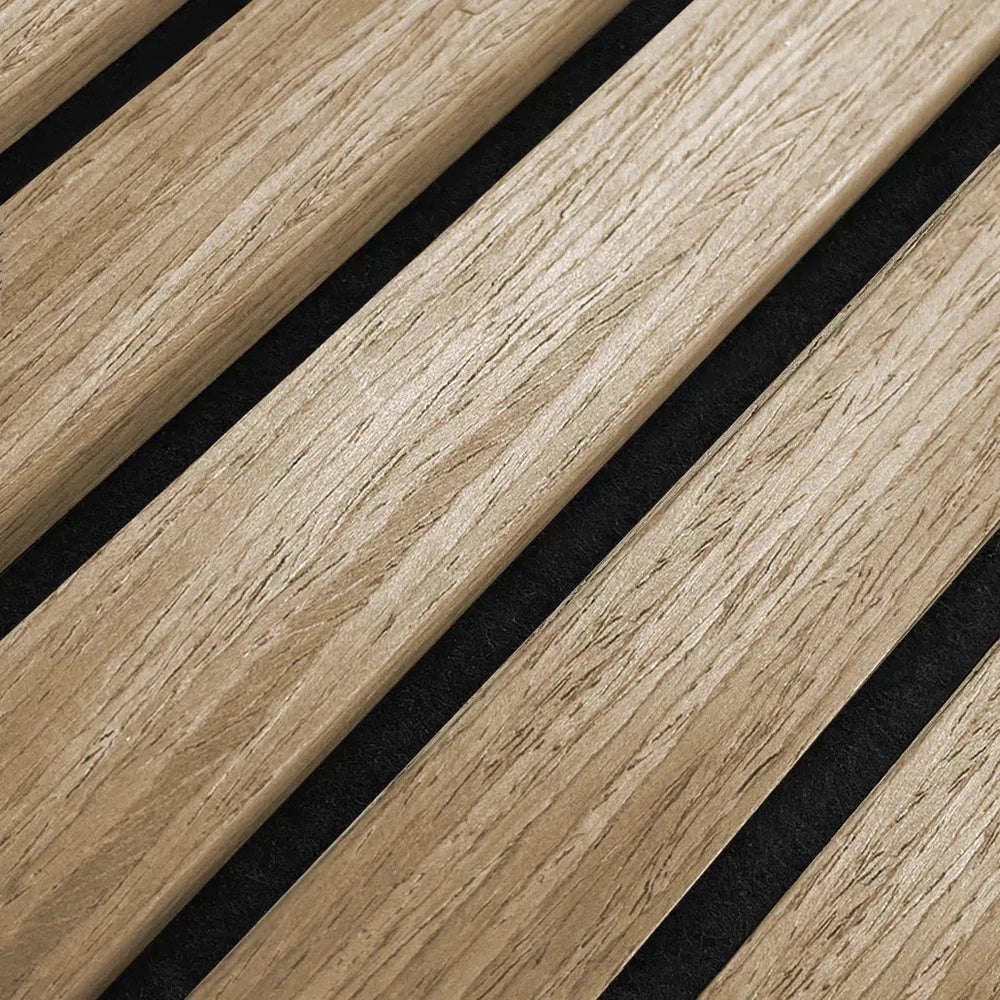
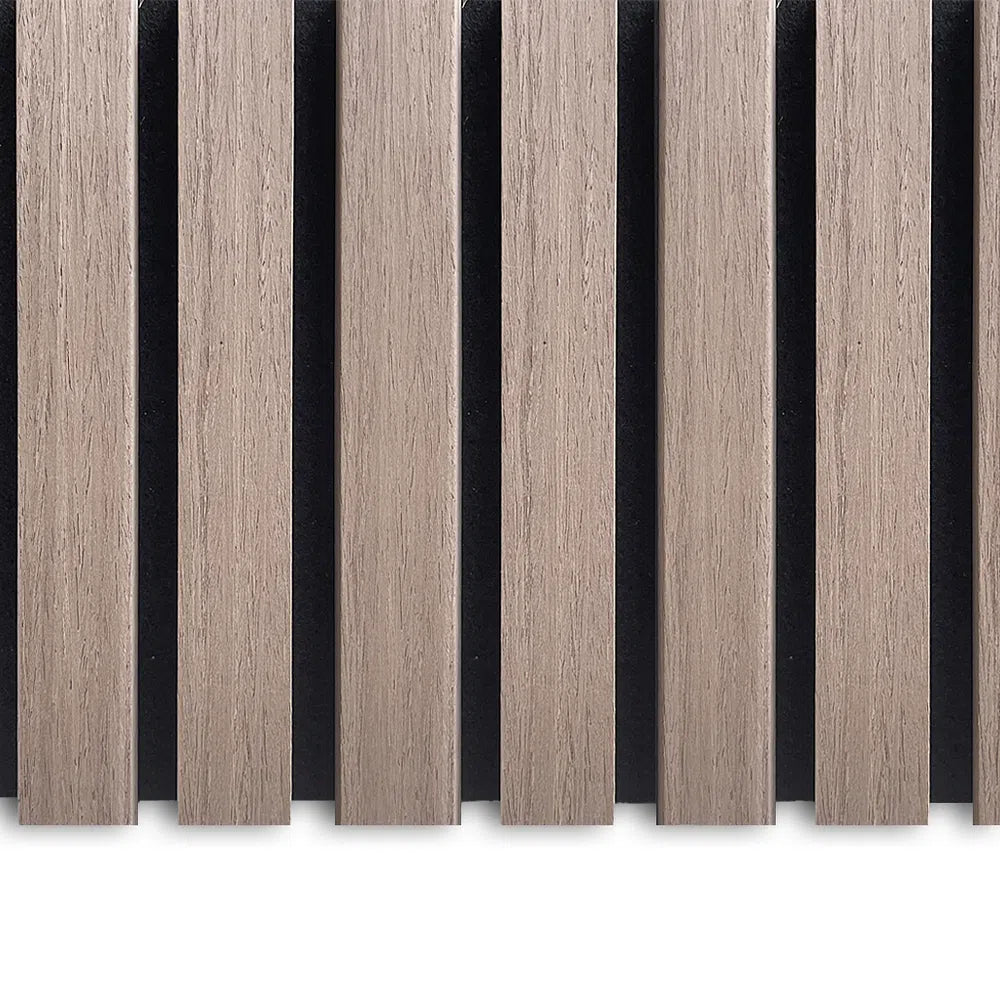
- Natural Oak wall panel - pairs with light oak shelving and keeps a small shop feeling bright rather than boxed in
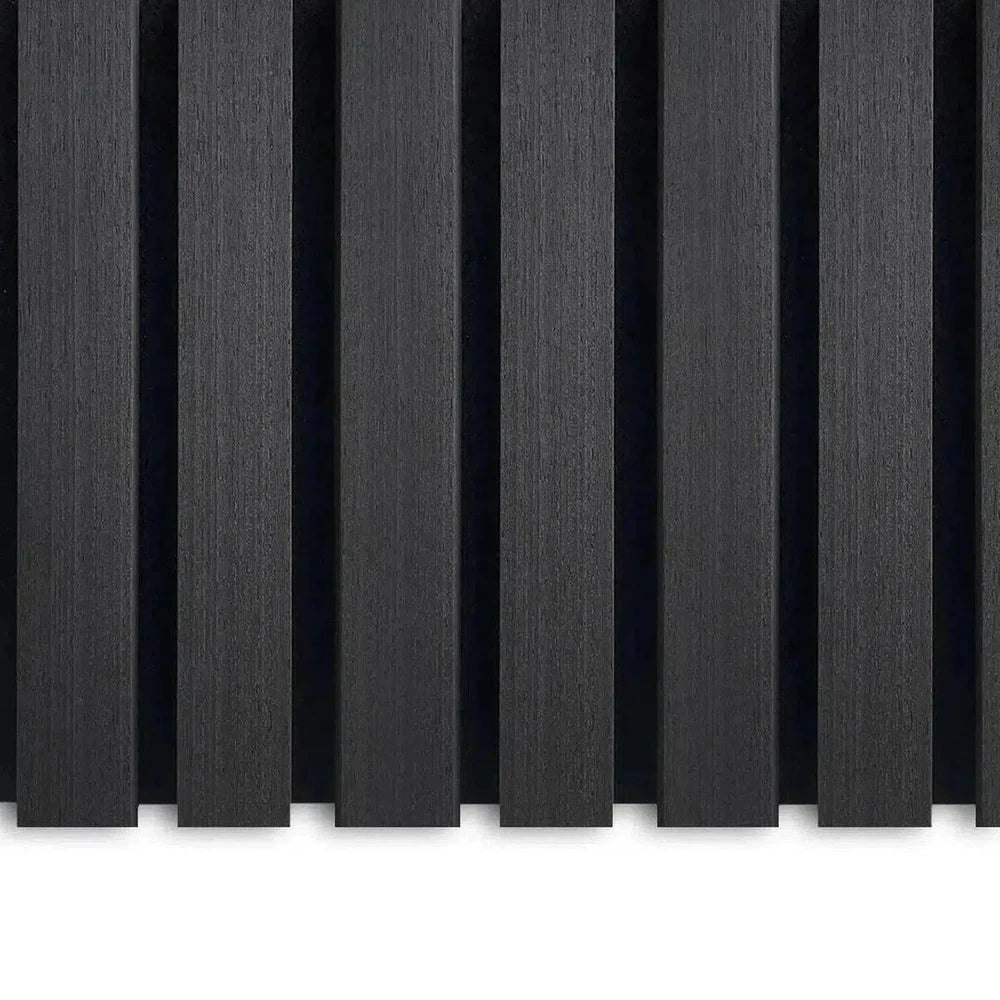
- Smoked Oak wall panel - hides scuffs and fingerprints near high-traffic till areas and dark signage
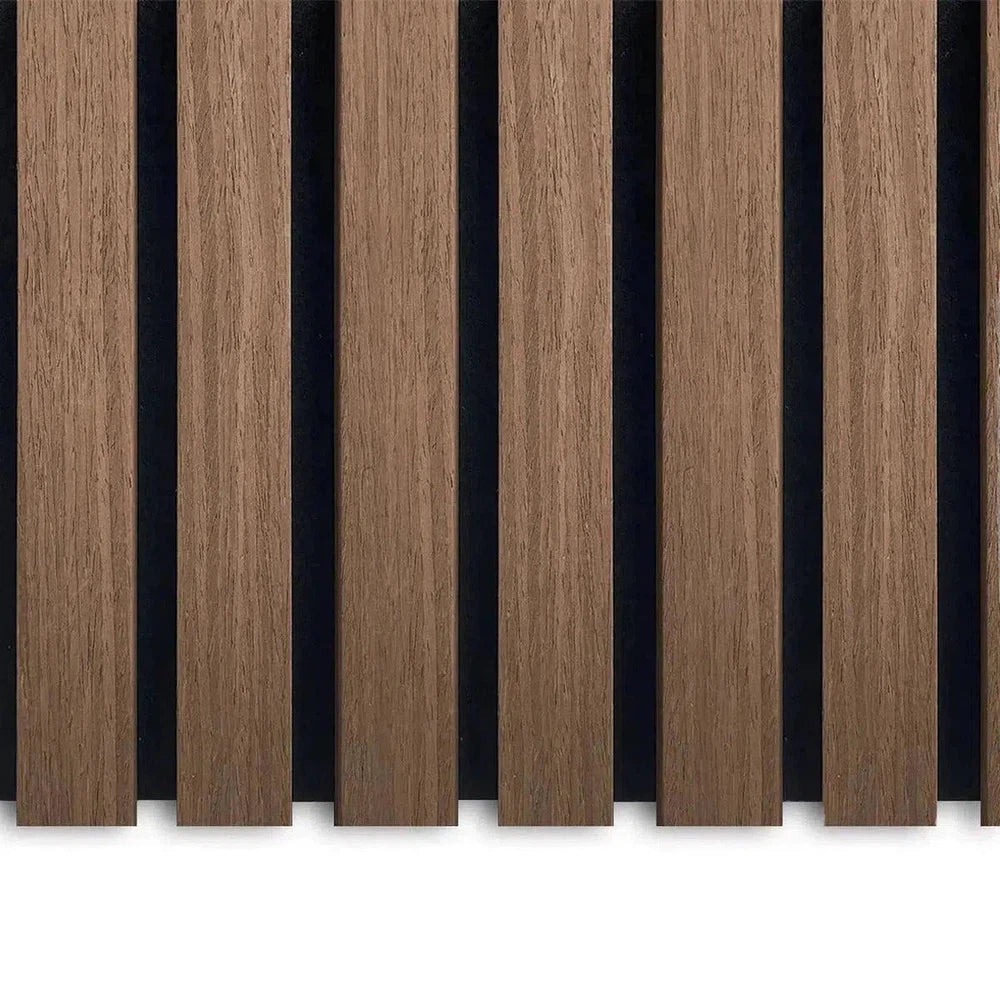
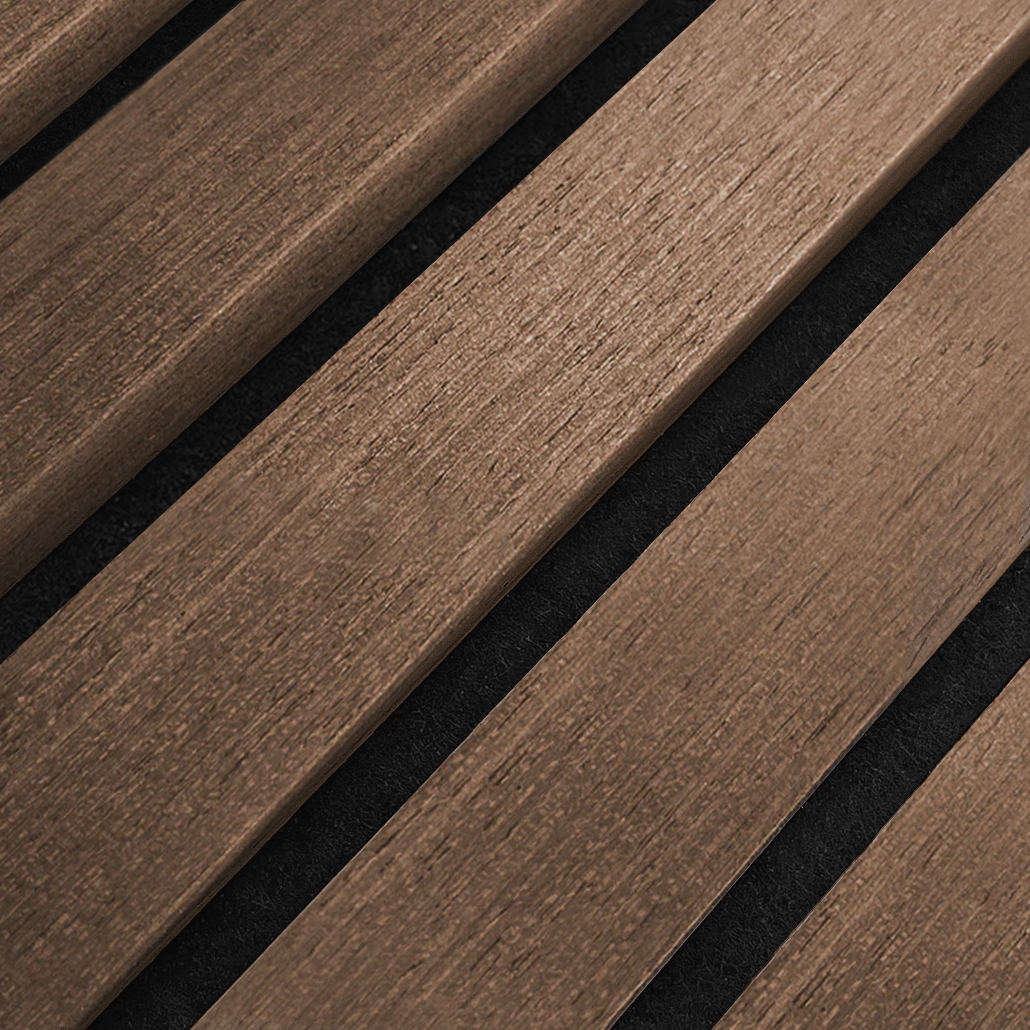
- Walnut finish - suits an independent bookshop going for a moody, curated look
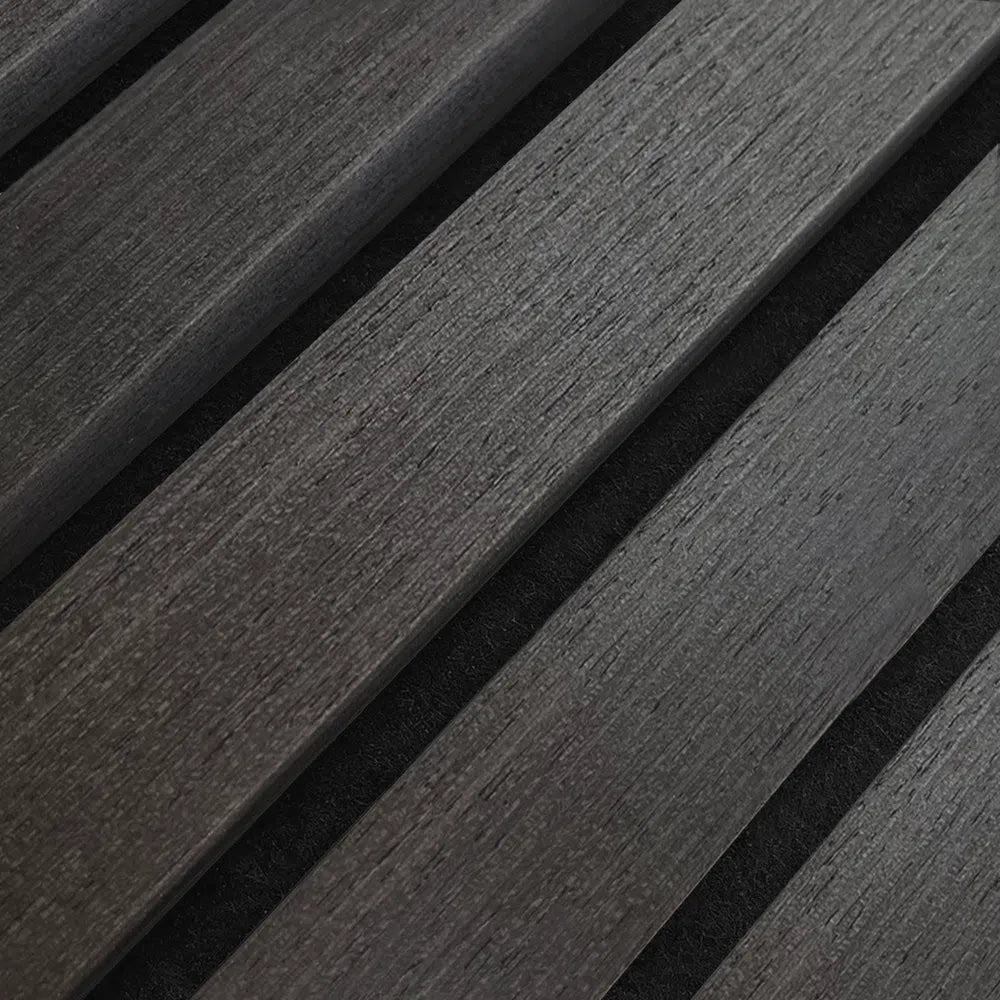
- Grey Oak with grey felt - a calmer, more neutral option behind a reading nook or window seat
The Natural Oak wall panel is the most requested finish for shopfronts that already run light oak shelving, since it keeps the veneer grain close to the existing wood tone. Where the till area takes more knocks, the Smoked Oak wall panel hides marks better over a busy season.
Pick where the panels go first
Don't clad every wall on a first order. Start with the surfaces doing the most damage to the acoustics.
- Feature wall behind the till or counter, where staff and customer conversation happens most
- The reading nook or window seat wall, where browsers linger longest
- End-of-aisle bulkheads, which catch and re-throw noise down the length of a row
- Leave full-room cladding for a second phase once you've tested one wall's effect
Order samples before committing to a full run
Finish tone shifts more than people expect once it's under shop lighting instead of a screen. A blog on ordering acoustic wall panel samples before buying walks through the process, but the short version: request two or three finishes side by side, check the grain against your actual shelving and signage colours, and confirm the felt backing colour at the cut edge before you order a full wall's worth.


Calculate quantities and install
Akustiq UK panels come in two size formats - 240cm and 300cm - so measure floor-to-ceiling height before you order to avoid off-cuts on a tall Victorian shopfront or a low modern unit.
- Measure wall width and height in both metres and check against the 240cm/300cm formats
- Allow extra for end pieces and trims at every internal or external corner
- Decide between a DIY batten-and-glue fit during closed hours or a fitter for a same-day turnaround
- Use panel glue rated for the wall type - plasterboard, brick, or painted plaster all need different prep
Maintain the panels after installation
- Dust weekly with a dry cloth or soft brush - avoid wet wiping the veneer
- Keep panels clear of direct radiator heat, which dries out the wood surface over time
- Touch up scuffs near the till with a matching finish rather than replacing the whole panel
Comparing finishes for a bookshop
| Finish | Best for | Key limitation |
|---|---|---|
| Natural Oak | Bright shopfronts wanting a light, neutral backdrop | Shows dust and marks more visibly than darker finishes |
| Smoked Oak | High-traffic till areas and dark signage | Reads heavy in a narrow, low-light unit |
| Walnut | Independent shops going for a moody, curated feel | Less grain contrast against pale shelving |
| Grey Oak with grey felt | Reading nooks needing extra sound absorption | Fewer matching trim colours available |
Verdict: for most independent bookshops in 2026, Natural Oak on the till wall and a felt-backed Grey Oak in the reading nook covers both the acoustic and aesthetic brief without cladding the whole shop.
Common mistakes bookshops make
- Panelling every wall on the first order instead of testing one feature wall - echo usually comes from two or three specific surfaces, not the whole room
- Skipping the sample stage - fluorescent till lighting and window daylight shift oak tones more than a screen photo shows
- Ignoring floor-to-ceiling height and ordering the wrong format, leaving an awkward gap or unnecessary off-cuts
- Fitting panels behind the till but skipping the reading nook, where lingering customers notice the quiet most
- Treating panels as decoration only and forgetting the felt backing does the acoustic work - placement over a glass shopfront achieves little
FAQ
What are the best wall panels for a bookshop in 2026?
Natural Oak and Smoked Oak wood veneer panels with an acoustic felt backing are the best starting point for a bookshop in 2026, since they cut shelf-echo without changing the shop layout. Grey Oak with grey felt suits reading nooks that need extra absorption.
Do acoustic wall panels actually reduce noise in a shop with hard shelving?
Yes - the felt backing behind the wood veneer absorbs sound that would otherwise bounce off hard shelving and tiled floors. The effect is strongest on the walls closest to the till and reading areas, not on glass shopfronts.
Is smoked oak or natural oak better for a bookshop interior?
Smoked Oak hides scuffs and fingerprints better in high-traffic till areas, while Natural Oak keeps a small shop feeling brighter and pairs with light oak shelving. Pick based on your existing shelving tone and foot traffic pattern.
How many wall panels does a small bookshop need?
Start with one feature wall - typically the till wall or reading nook - rather than cladding the whole shop. Measure the wall's width and height against the 240cm and 300cm formats to work out panel count.
Can I fit acoustic wall panels myself in an occupied shop?
Yes, a batten-and-glue installation can be done during closed hours by most competent DIYers. A professional fitter is faster if you need the shop panelled and reopened the same day.
What size do wall panels come in?
Akustiq UK wood wall panels come in two formats, 240cm and 300cm, in 2026. Measure your wall height first to pick the format that avoids awkward off-cuts.
Should panels go behind the till or in the reading area first?
The till wall usually has the most reflective hard surface and the most conversation to protect, so it's the common first pick. Reading nooks matter just as much if browsers linger there longest.
How much wall coverage do I need to notice a difference?
One full feature wall - typically 3 to 5 metres wide - is usually enough to notice a drop in flutter echo near a till or reading corner. Full-room cladding is rarely needed for a single shop unit.
One last thing
The felt backing, not the veneer thickness, is what actually absorbs sound - a panel over a glass shopfront does almost nothing acoustically, so spend the budget on the hard, reflective walls first and treat the glass front as a lost cause for noise control.