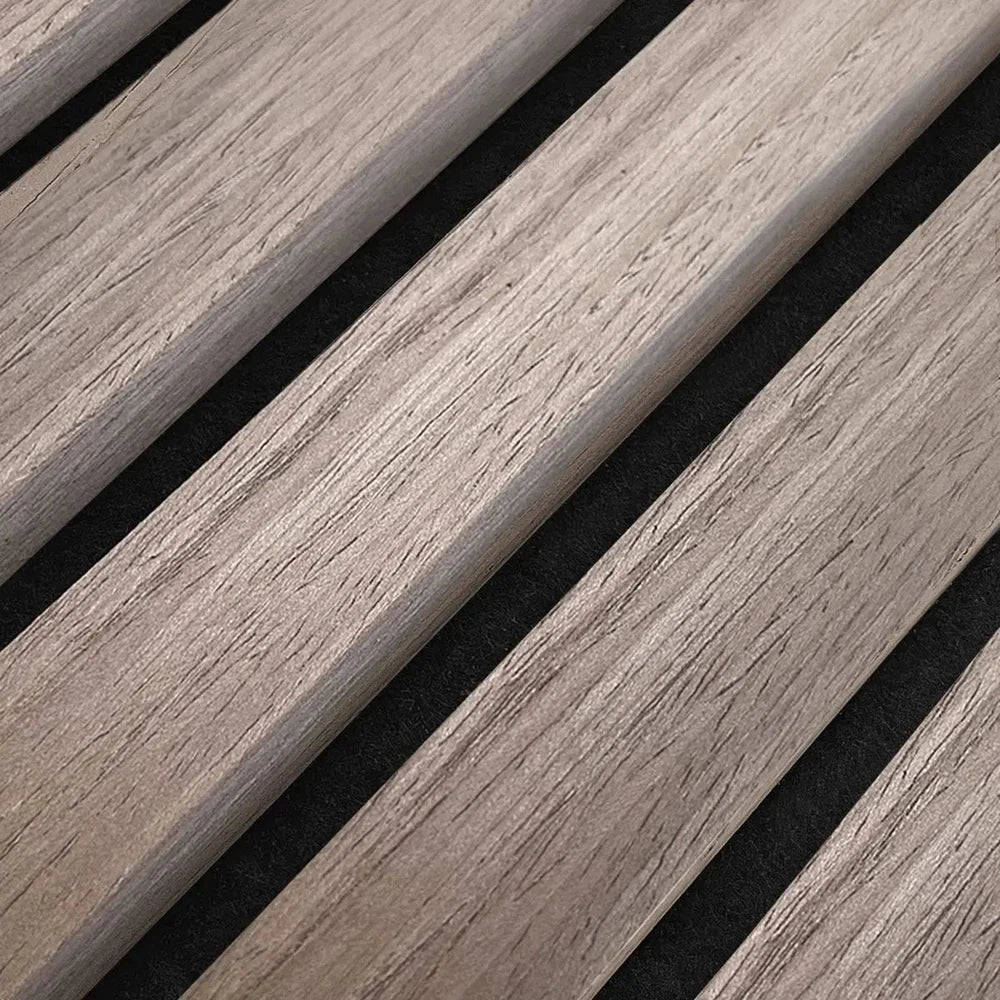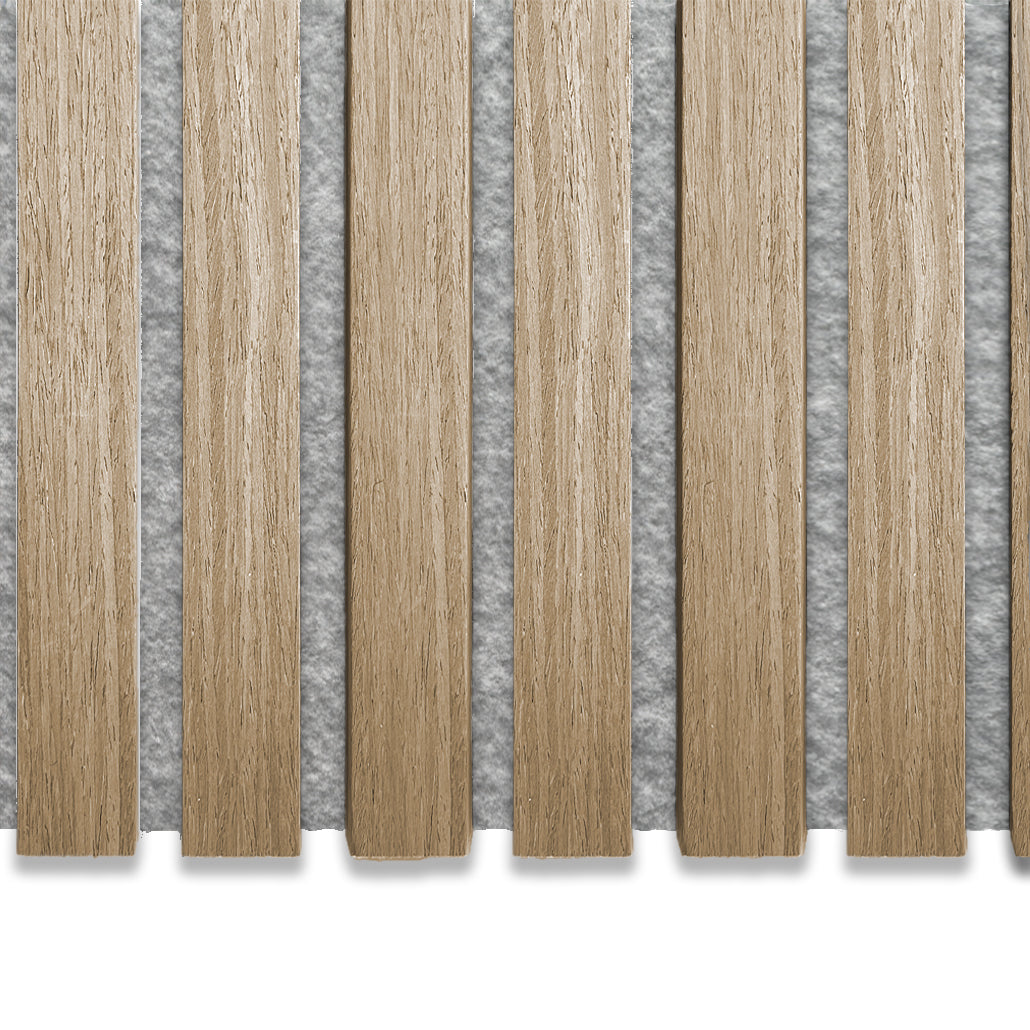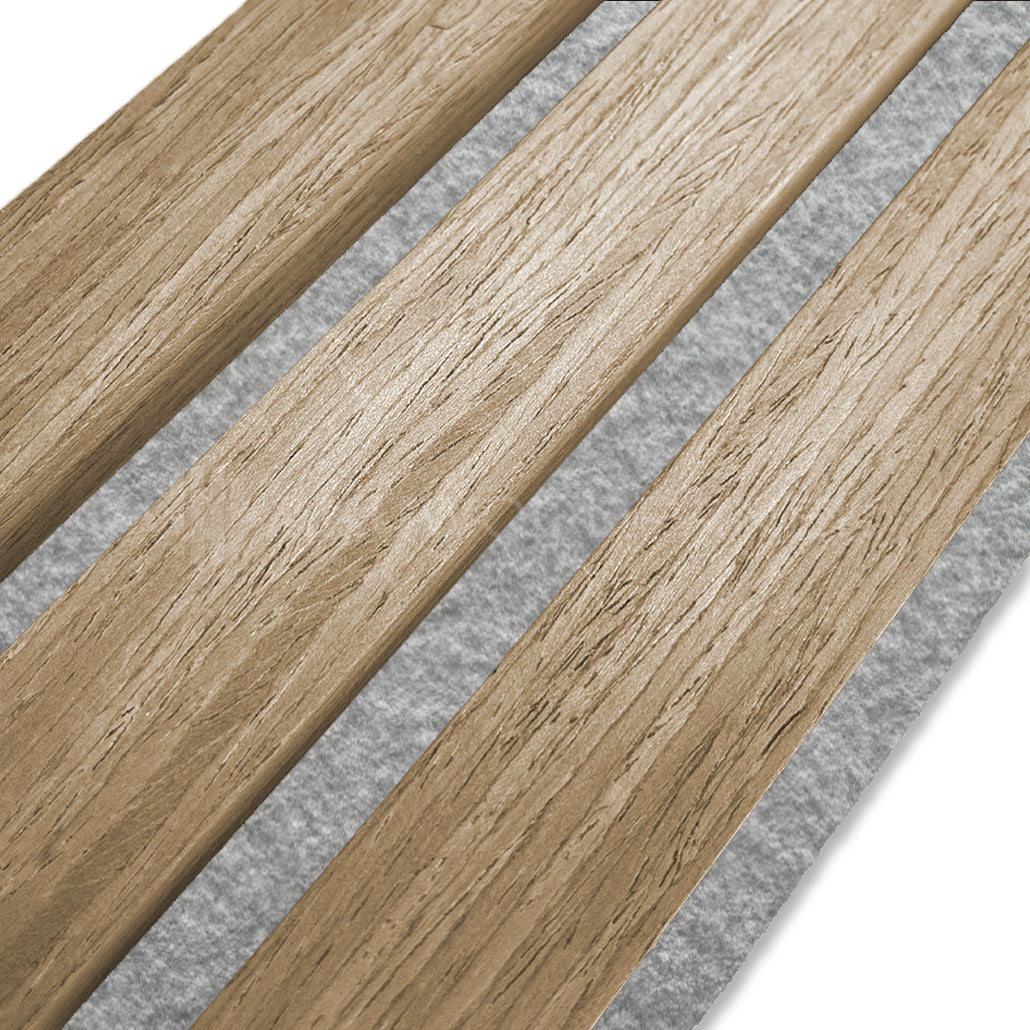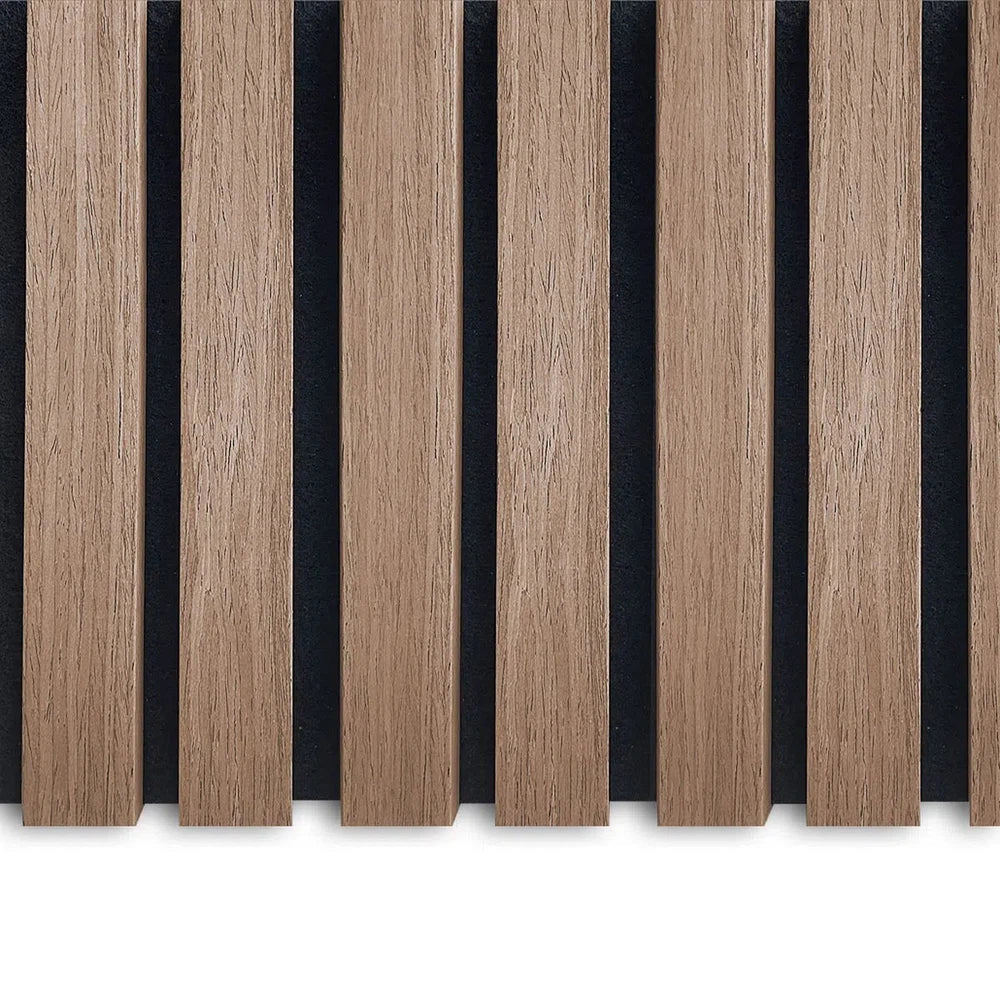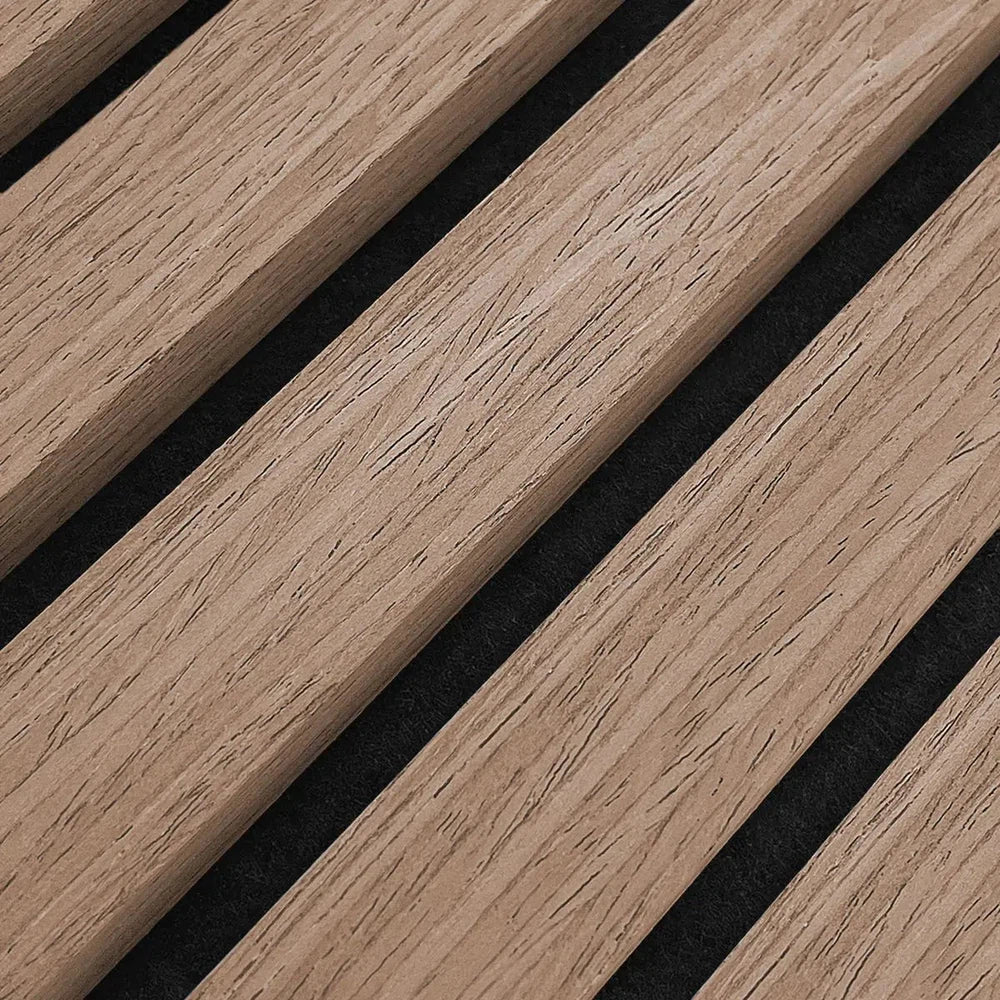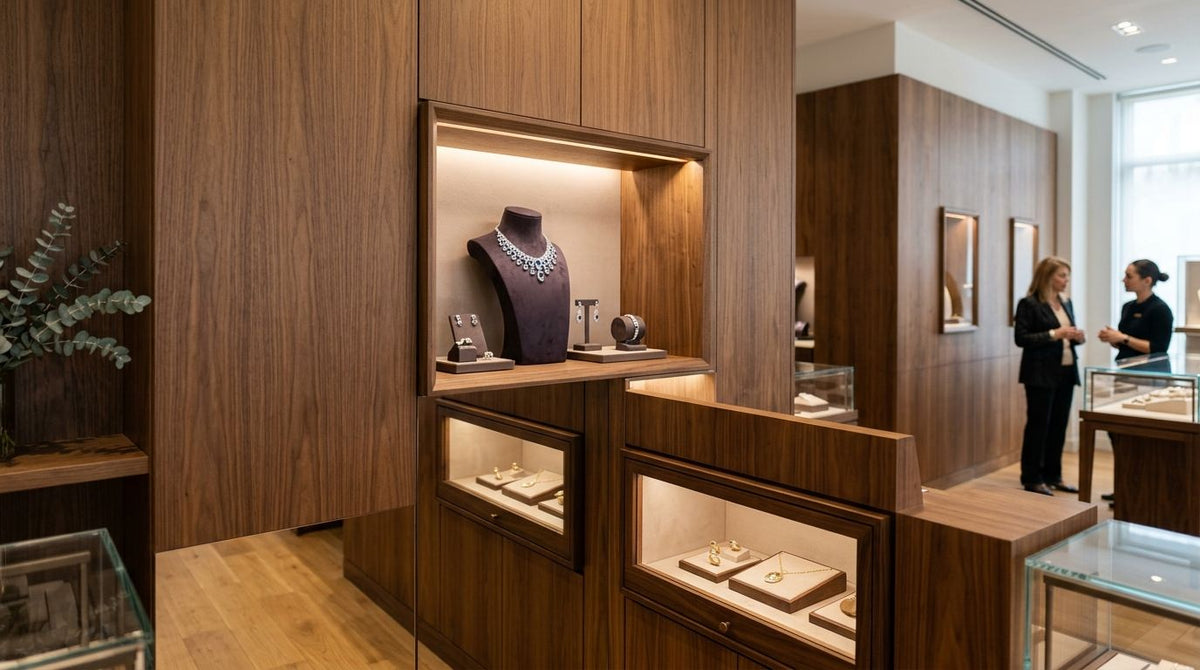
Jewellery store wall panels are acoustic wood-veneer panels fitted behind display cases and counters to soften glass-and-tile showrooms and give cabinets a backdrop that photographs like a boutique, not a bank vault. A jewellery showroom carries tighter constraints than a general retail unit: spotlights that run warm near real wood, alarm sensors that need a clear sightline, and customers standing close enough to notice grain, joins and glare. Get the finish or the fixing wrong and the wall either bounces light into the cases or reads as an afterthought next to the merchandise it's meant to frame.
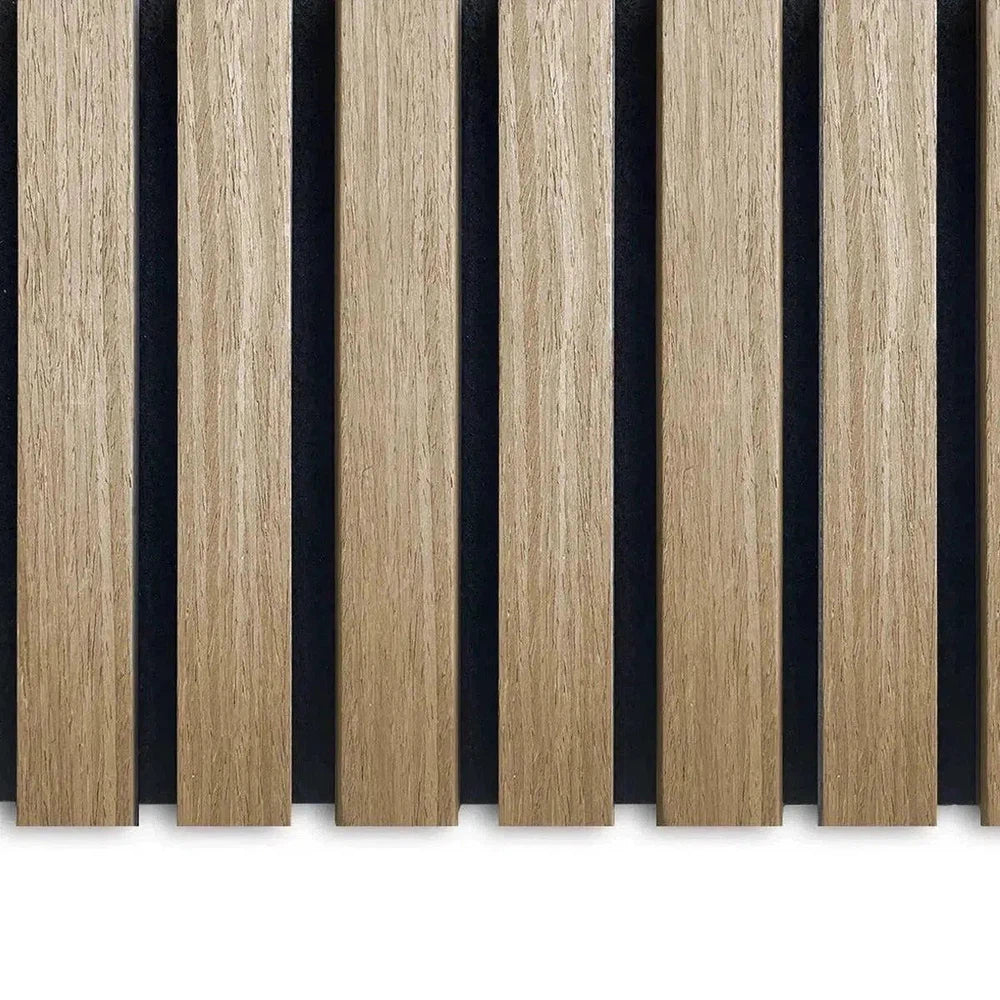
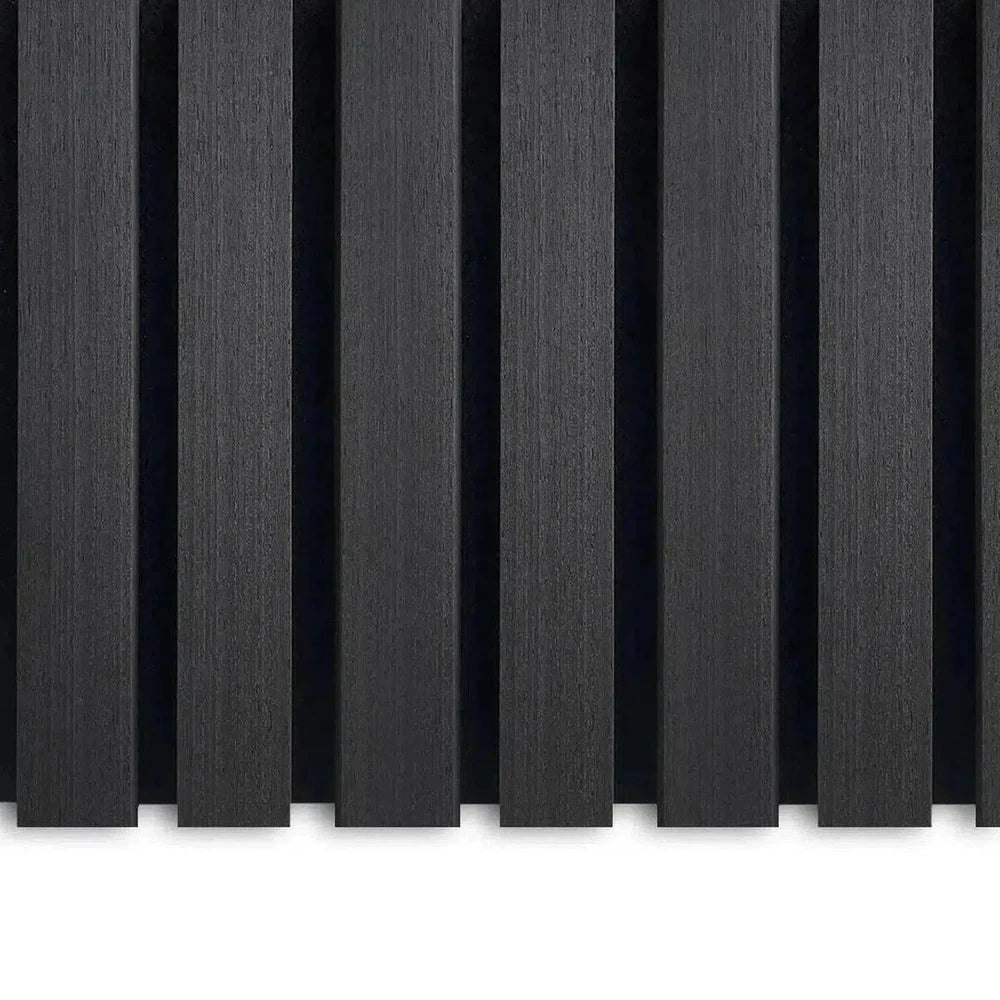
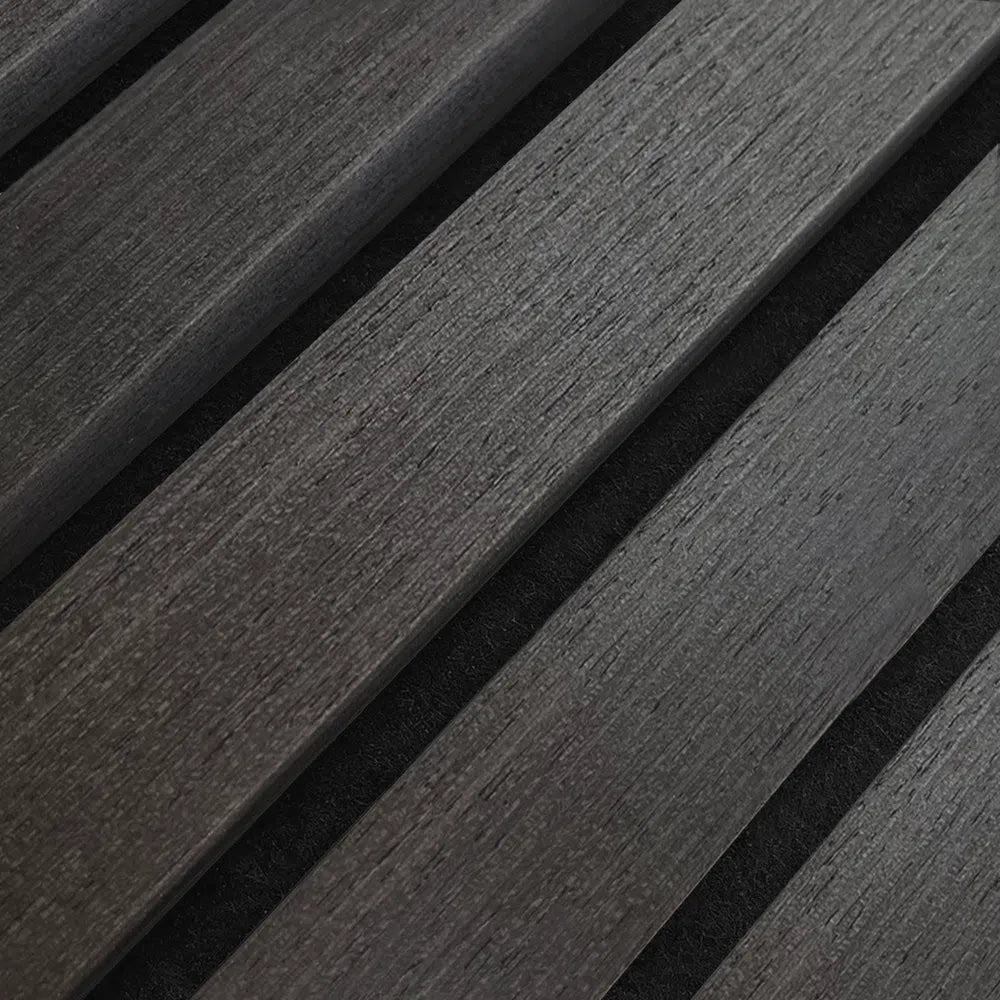
- Jewellery store wall panels need a matte, low-glare wood veneer - smoked oak and black oak read best under spotlights.
- Acoustic felt backing cuts echo bouncing off glass cases and hard floors without adding extra fixtures.
- Measure sightlines around alarm sensors and till points before ordering panel counts for 2026 fit-outs.
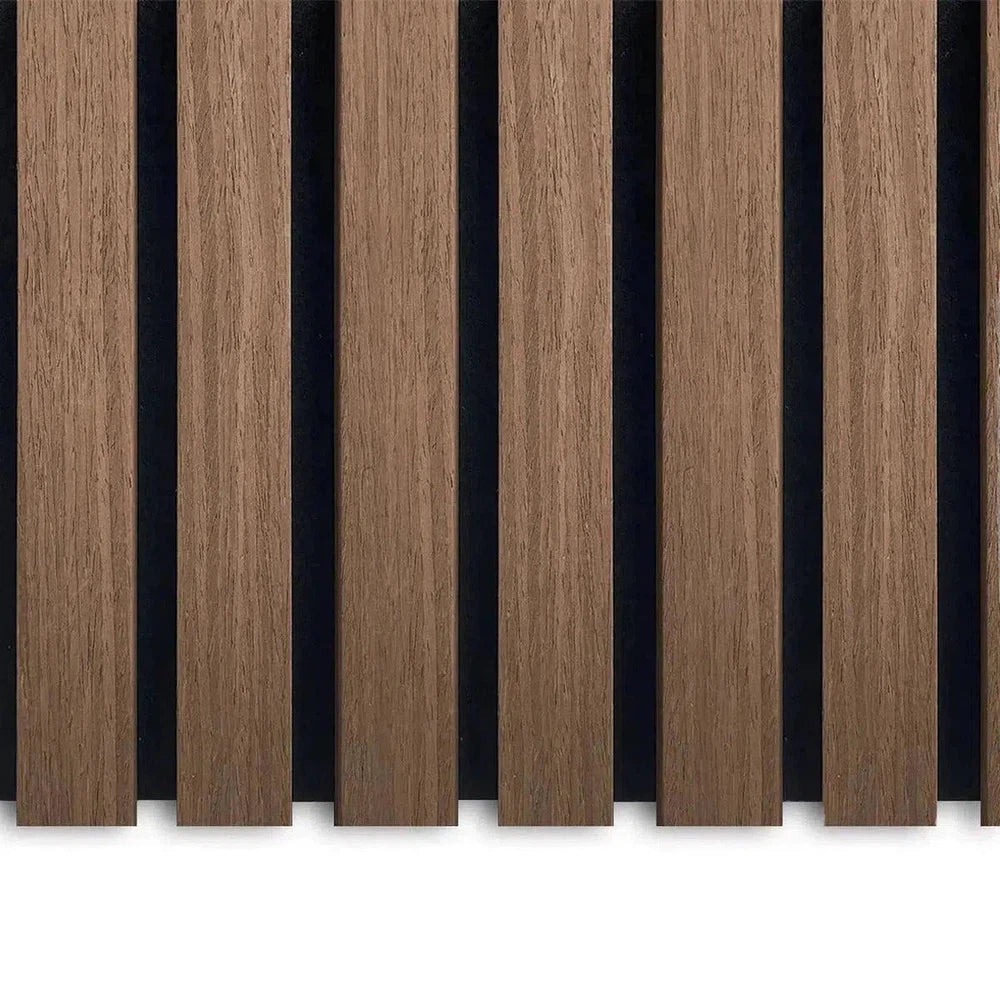
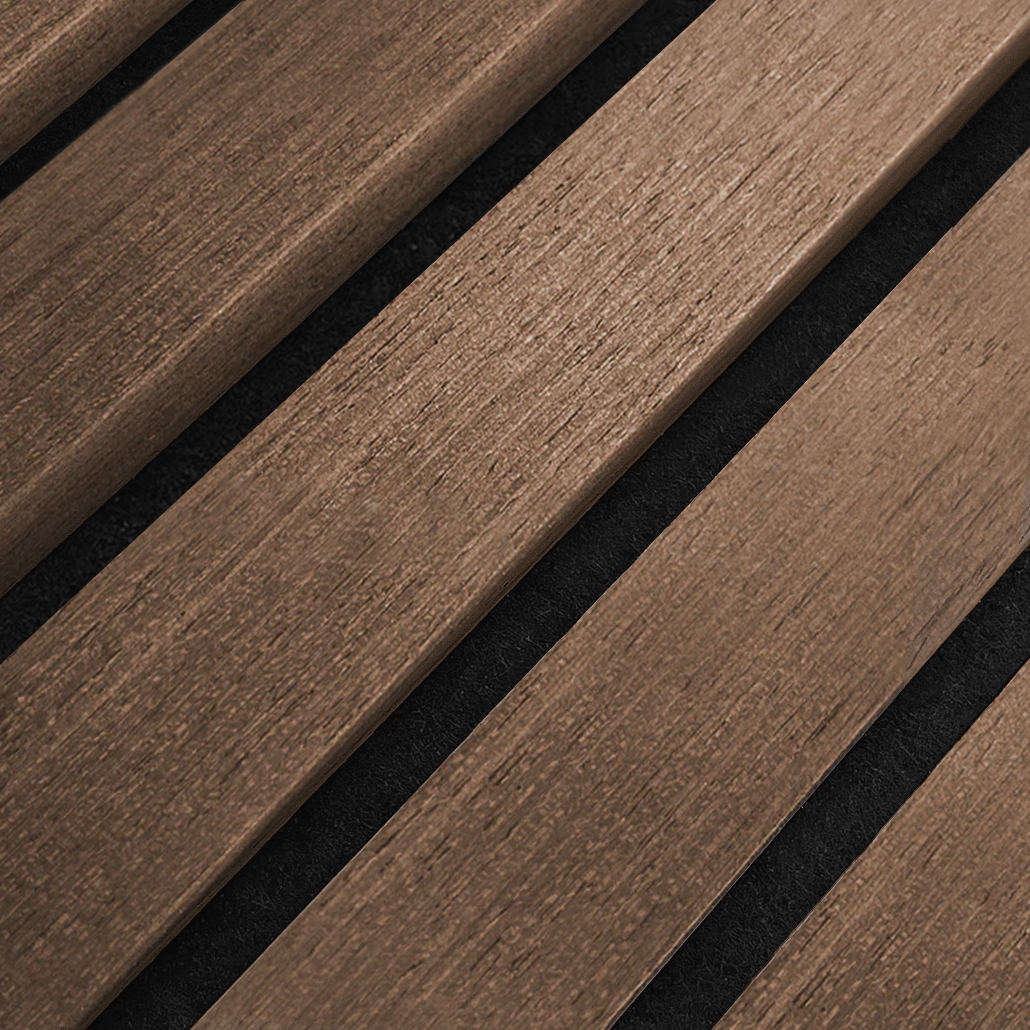
- Aku Woodpanel's black oak and walnut finishes suit dark, jewellery-style feature walls behind main counters.
- Order a sample under your actual case lighting first - tone shifts more than most fit-outs expect.
Why wall panels matter for jewellery stores
A jewellery showroom sells detail work - clasps, settings, engraving - under bright, close-range lighting, and every hard surface in the room competes with that detail. Glass cases, tile floors and mirrored displays throw sound and light back at the customer instead of absorbing it, which is exactly the opposite of the calm, unhurried feeling a jewellery sale needs.
Aku Woodpanel panels solve two problems at once: the real wood veneer face gives the room warmth that plain paint or laminate can't match, and the acoustic felt backing on the indoor range absorbs some of the reflected noise that builds up in a small, hard-surfaced retail unit. That combination matters more in a jewellery store than in most retail formats, because the room is usually small, the floor is usually hard, and the conversation at the counter is usually quiet and detail-heavy.
Get a feel for how other retailers have approached the same brief in the retail shop interior panelling guide before you commit to a finish.
Match the finish to your case lighting
Warm LED spotlights amplify red and orange tones in wood veneer, which changes how a finish reads compared with daylight or a supplier showroom. Test before you order, not after.
- Hold a sample of black oak wall panel or smoked oak against the case glass under your actual spotlights, not the shop floor's general lighting.
- Avoid gloss or heavily lacquered finishes near halogen or narrow-beam LED fixtures - they bounce glare straight back at browsing customers.
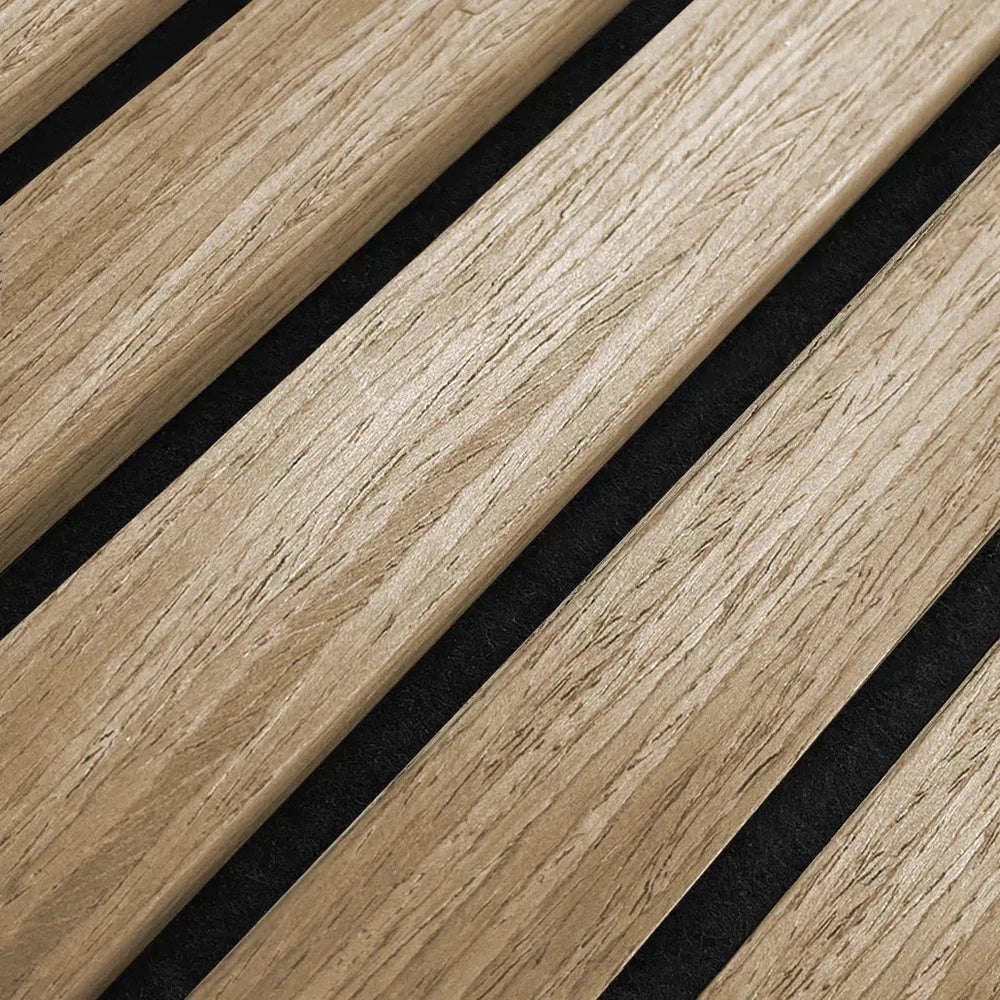
- Check grain direction on a 3-sided veneer sample rather than a printed swatch, since real wood reflects light differently depending on orientation.
- Pair darker finishes like black oak or walnut with cooler-temperature bulbs to avoid the wall looking muddier than the display cases in front of it.
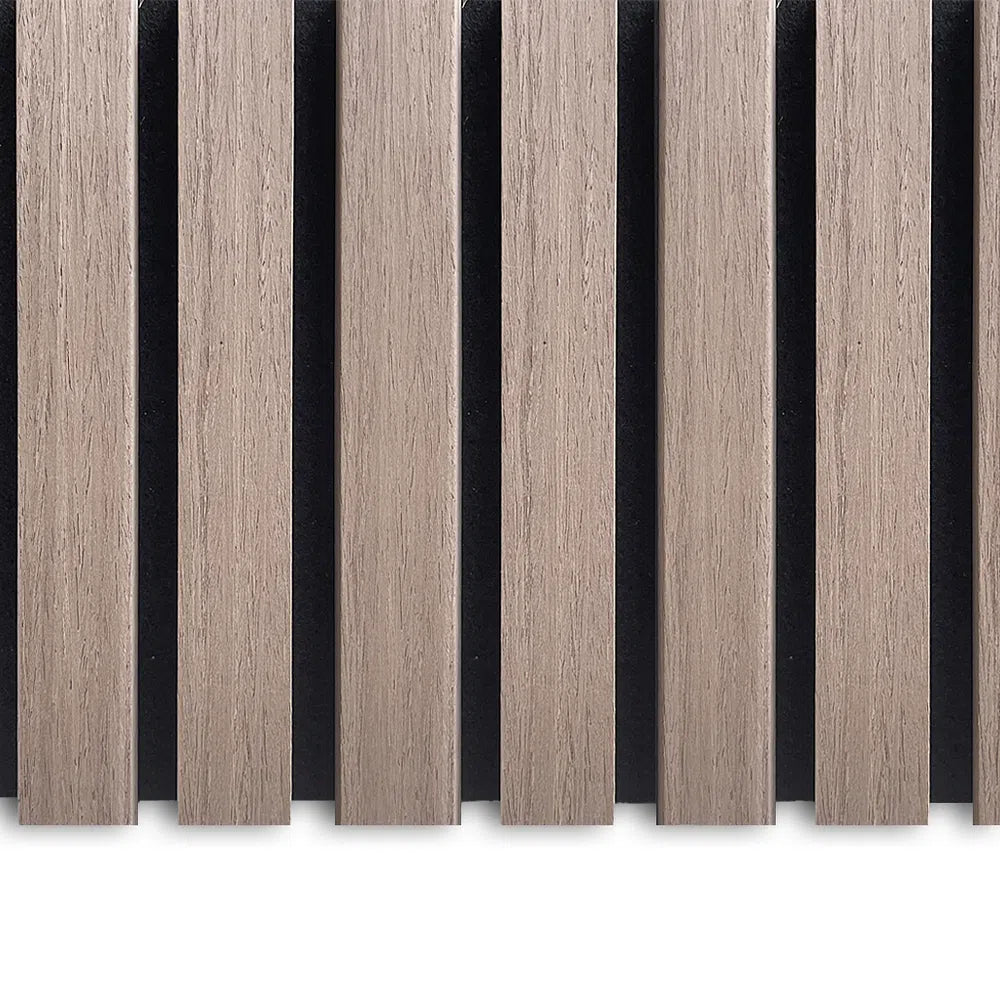
- Keep one lighter option (natural oak or grey oak) on hand as a contrast test if the room already runs warm.
Fix panels clear of alarm sensors and sightlines
Jewellery stores run more security hardware per square metre than almost any other retail format, and panelling has to work around it, not over it.
- Mark every PIR sensor, door contact and tag-reader gate on the wall plan before you calculate panel counts.
- Leave a clear sightline for any wall-mounted camera - a panel edge sitting mid-frame is a common fitting mistake.
- Route cabling for under-case lighting and alarm loops before the panel batten goes up, not after.
- Confirm sensor sightlines with your alarm installer at the same site visit as the panel measure-up, not as two separate trades.
- Use end pieces to finish panel returns cleanly around door frames and sensor housings instead of cutting a full panel to fit.
Cut echo around glass cases and hard floors first
Most jewellery showrooms have parallel hard surfaces - glass-to-glass, floor-to-ceiling - that create the flutter echo customers notice without knowing why.
- Start behind the till, where staff and customers hold the quietest, most detail-heavy conversations in the store.
- Treat return walls and side walls, not only the front feature wall customers see from the street.
- Prioritise the wall opposite the largest run of glass cases - that's the surface doing the most reflecting.
- Don't rely on ceiling treatment alone if the floor is stone, tile or polished concrete; wall panels address the reflection ceiling baffles miss.
- Combine a panelled wall with a soft rug or runner at the counter for a small showroom under roughly 20 square metres.
Protect the finish from daily handling
A jewellery counter gets more hand contact per hour than most retail fixtures - bags, boxes, elbows, coats.
- Keep full-height panel runs clear of coat hooks and bag drop points where fingerprints and scuffs concentrate.
- Choose an oiled finish over a heavily lacquered one - it's easier to spot-clean without leaving a visible sheen mismatch.
- Add a kick plate or low-level toe board at floor level in front of a panelled return wall to absorb trolley and stool knocks.
- Avoid panelling directly behind a till drawer or safe door swing, where daily contact is heaviest.
- Walnut and mocca finishes hide handling marks better than pale natural oak in a high-touch counter zone.
Order samples before you commit to a full wall
A panel sample under shop lighting is the single cheapest way to avoid re-ordering a whole wall run in 2026.
- Order at least two finishes side by side - most jewellers narrow the choice to one dark and one mid-tone option.
- Test the sample against the case glass and the floor finish together, not against a blank wall.
- Check the sample at both daytime and evening lighting if the store trades into the evening.
- Confirm felt-backing colour on the acoustic range if any panel edge will be visible from the shop floor.
- Hold the sample for at least a full trading day before ordering the full run - tone perception shifts with the light cycle.
Calculate panel count against real wall area
Panel formats run in 240cm and 300cm lengths, so measuring the actual wall run first avoids over- or under-ordering.
- Measure floor-to-ceiling height on the panelled wall, then divide by panel width to get a straight count.
- Add end pieces for any return, reveal or corner rather than cutting a full panel down.
- Deduct for door and window openings before ordering, not after the batten is fixed.
- Order roughly 5-10% extra for offcuts, waste and future repair stock, since finishes can vary slightly between production runs.
- Confirm your final quantity against the wall plan once alarm and lighting positions are marked, not before.


Compare your jewellery store wall panel options
| Option | Best for | Key limitation |
|---|---|---|
| Real wood veneer slat panel (Aku Woodpanel oak/walnut range) | Full feature wall behind the main display counter | Needs a case-lighting sample check before ordering |
| 3D decorative accent panel | Small accent wall or window bay | Repeating pattern can look busy in a tight showroom |
| Hexagon acoustic panel | Curved or angled showroom corners | More offcuts and waste on straight wall runs |
| MDF slatwall merchandising panel | Product display racks near a panelled wall | Reads as a retail fixture, not a finish, on a feature wall |
| Painted plasterboard (baseline) | Budget fit-outs with no acoustic issue | Does nothing for echo, glare or texture |
“Panel the wall behind the till first, not the window - that's the surface every customer faces during checkout, the moment glare and echo matter most for the sale.”
Common mistakes jewellery stores make
- Choosing a gloss or high-shine finish that mirrors spotlight glare straight across the glass cases - the exact problem the panelling was meant to fix.
- Fixing panels over PIR sensors or alarm contacts without checking sightlines with the installer first, forcing a rework after fitting.
- Panelling floor-to-ceiling in a small unit under roughly 15-20 square metres, which shrinks the perceived space instead of opening it up.
- Skipping the sample stage and ordering a full wooden wall panel run sight-unseen, then finding the tone shifts under warm case lighting.
- Treating panels as decoration only and ignoring the acoustic felt backing, missing the noise-reduction benefit a small hard-floored showroom actually needs.
FAQ
What's the best wood finish for jewellery store wall panels?
Black oak and smoked oak read best under jewellery-store spotlights because they don't amplify glare the way pale or glossy finishes do. Walnut and mocca work well too if the counter sees heavy daily handling, since darker tones hide marks better.
Do acoustic wall panels help with echo in a small jewellery showroom?
Yes - the felt backing on Aku Woodpanel's indoor range absorbs sound that would otherwise bounce between glass cases and hard floors. Start with the wall behind the till, where the quietest conversations happen.
Can wall panels be fitted around security sensors and alarm points?
Panels can be cut and fitted around PIR sensors, door contacts and camera sightlines, but mark every device on the wall plan before ordering. Confirm sightlines with your alarm installer at the same site visit as the panel measure-up.
How many wall panels does a typical jewellery store need?
It depends on the wall run, not the shop's floor area - measure floor-to-ceiling height and divide by the panel width (240cm or 300cm formats). Add end pieces for returns and 5-10% extra for offcuts and future repairs.
Is real wood veneer paneling durable enough for retail counters?
Real wood veneer panels hold up well in retail use, but an oiled finish is easier to spot-clean than a heavily lacquered one in a high-touch counter zone. Keep panel runs clear of coat hooks and bag drop points where handling marks concentrate.
Should jewellery stores order panel samples before buying?
Yes - test at least two finishes against the case glass under your actual spotlights before ordering a full run. Tone perception shifts between daytime and evening lighting, so hold the sample for a full trading day if possible.
What size wall panels work best for a jewellery showroom - 240cm or 300cm?
Match the format to your floor-to-ceiling height rather than picking one by default; 240cm suits standard ceiling heights and 300cm suits taller showroom walls with fewer joins. Fewer joins matter more in a jewellery store, where customers stand close enough to notice them.
Can wall panels be combined with a slatwall display rack?
Yes, but treat them as separate elements - slatwall merchandising panels are built for hanging fixtures, while a wood veneer feature wall is built for finish and acoustics. Mixing the two on the same wall usually looks better with a clear break, like a dado line, between them.
One last thing
If a jewellery store only panels one wall in 2026, it should be the one directly behind the till, not the front window feature wall most fit-outs default to. That's the surface every customer faces during the actual sale, the moment when glare, echo and finish quality matter most to the conversation happening across the counter.