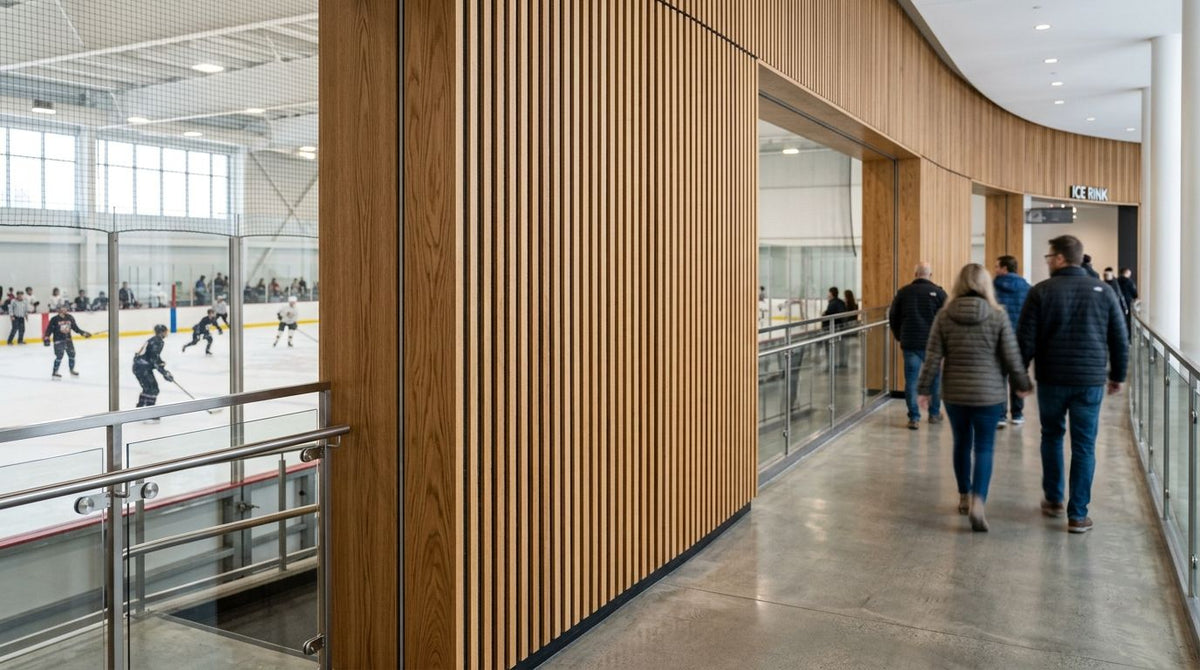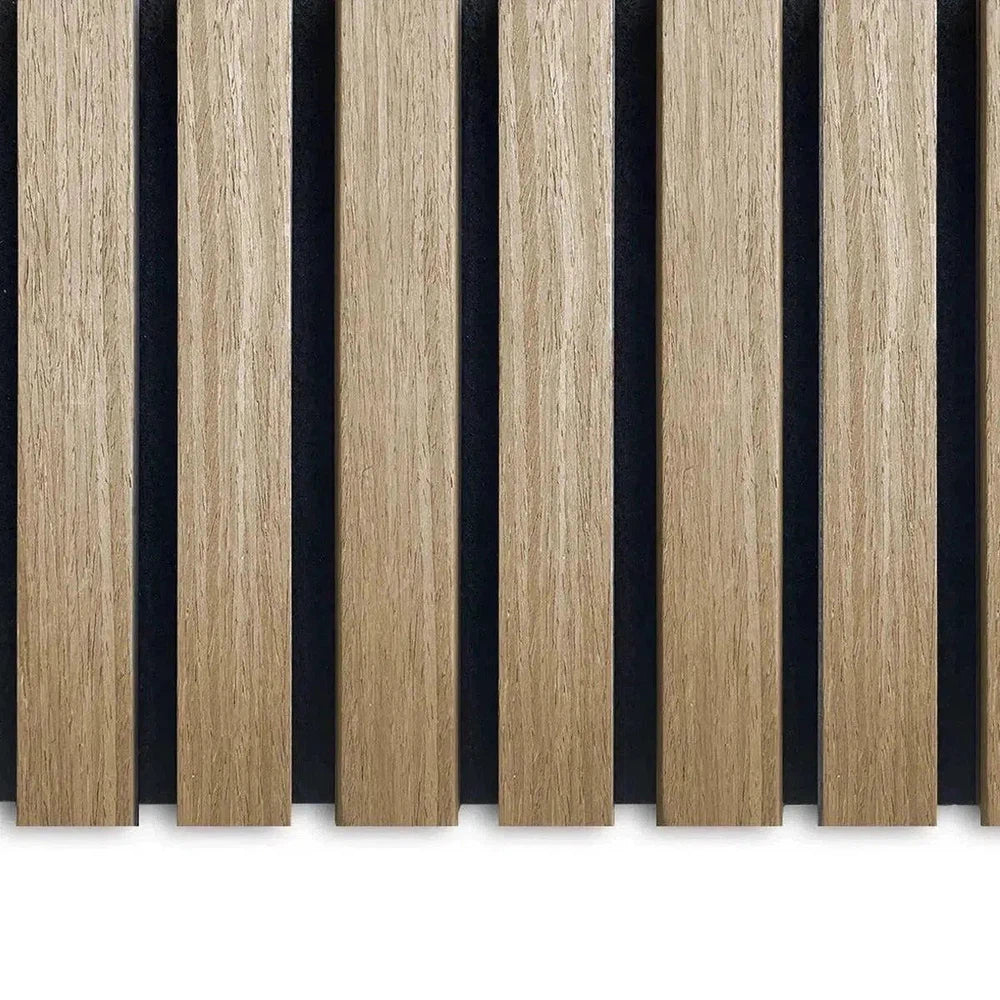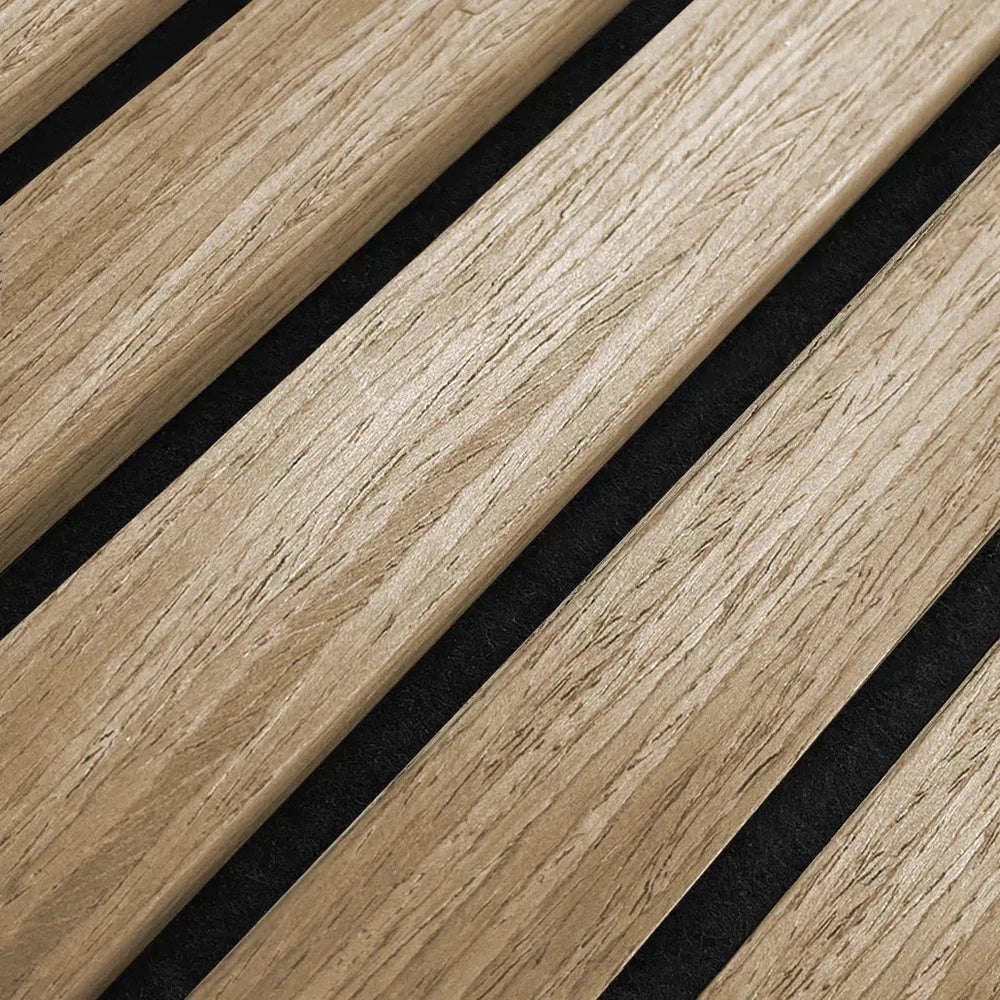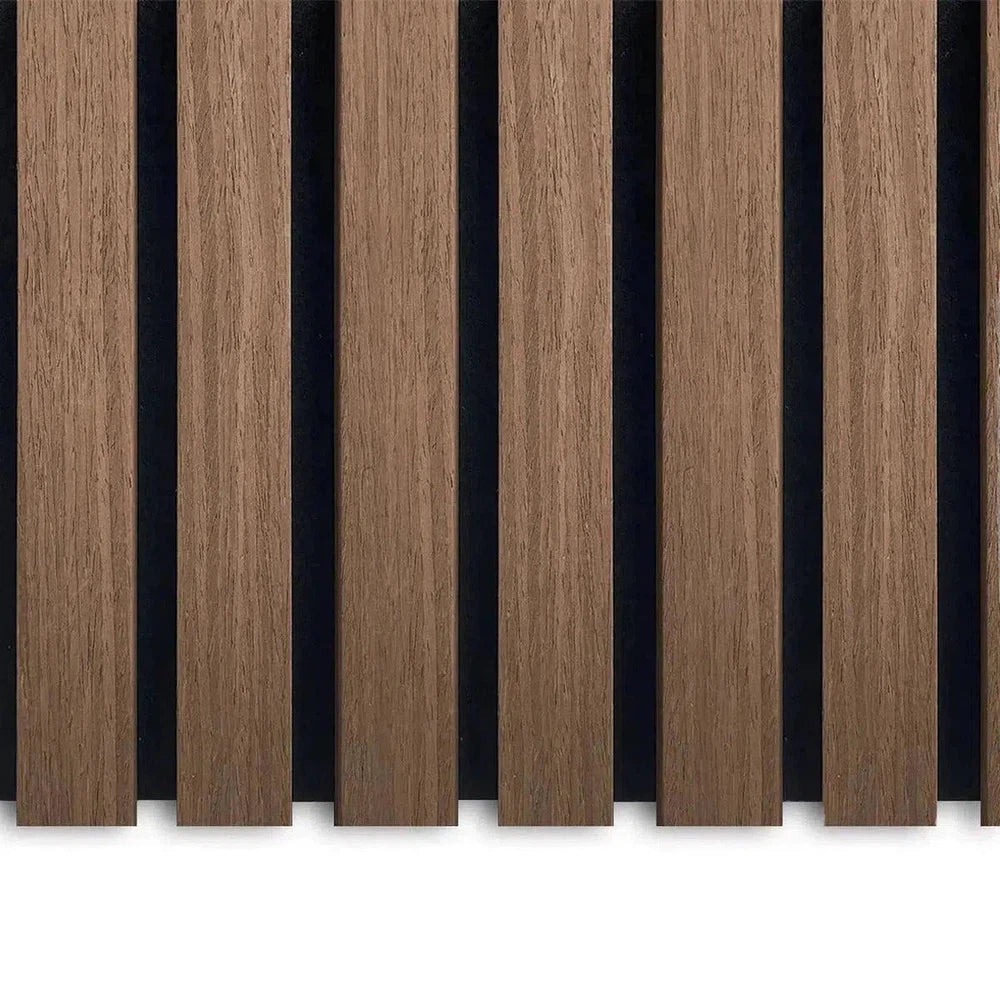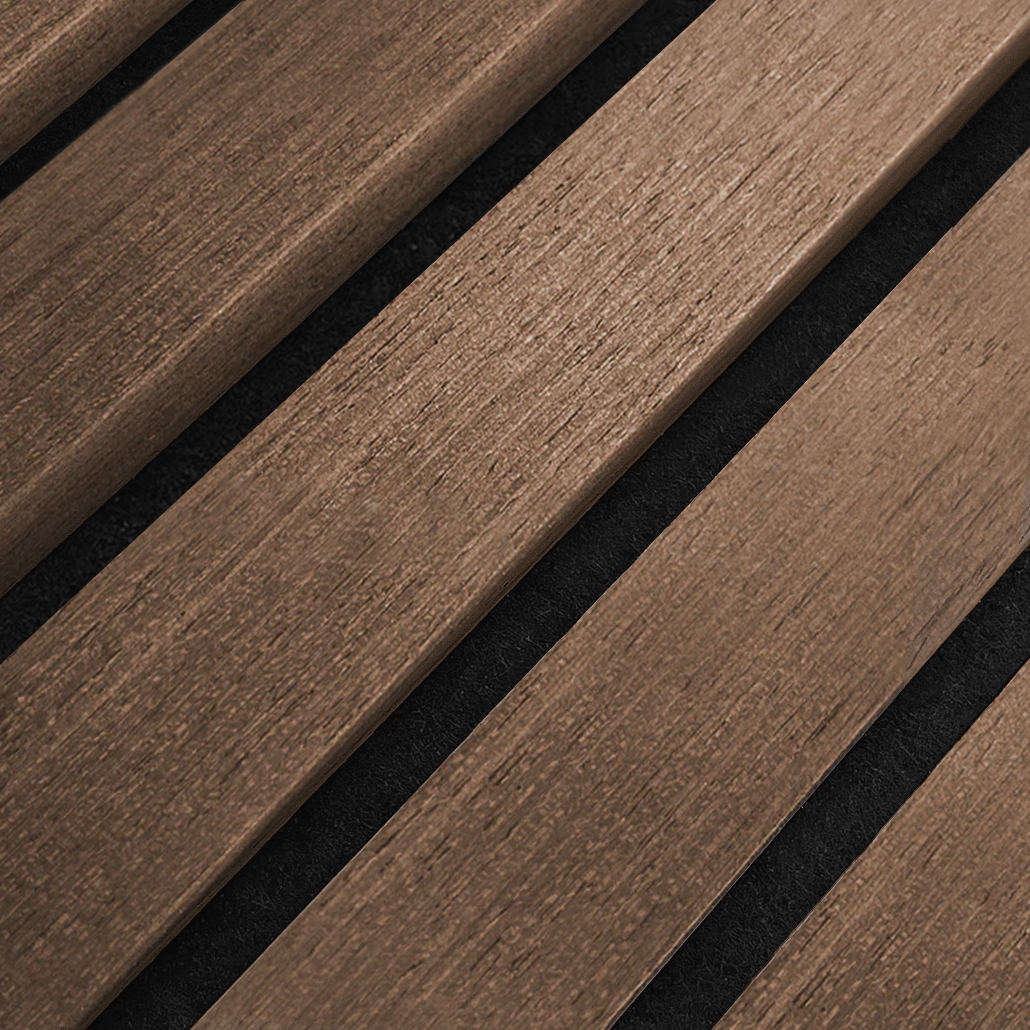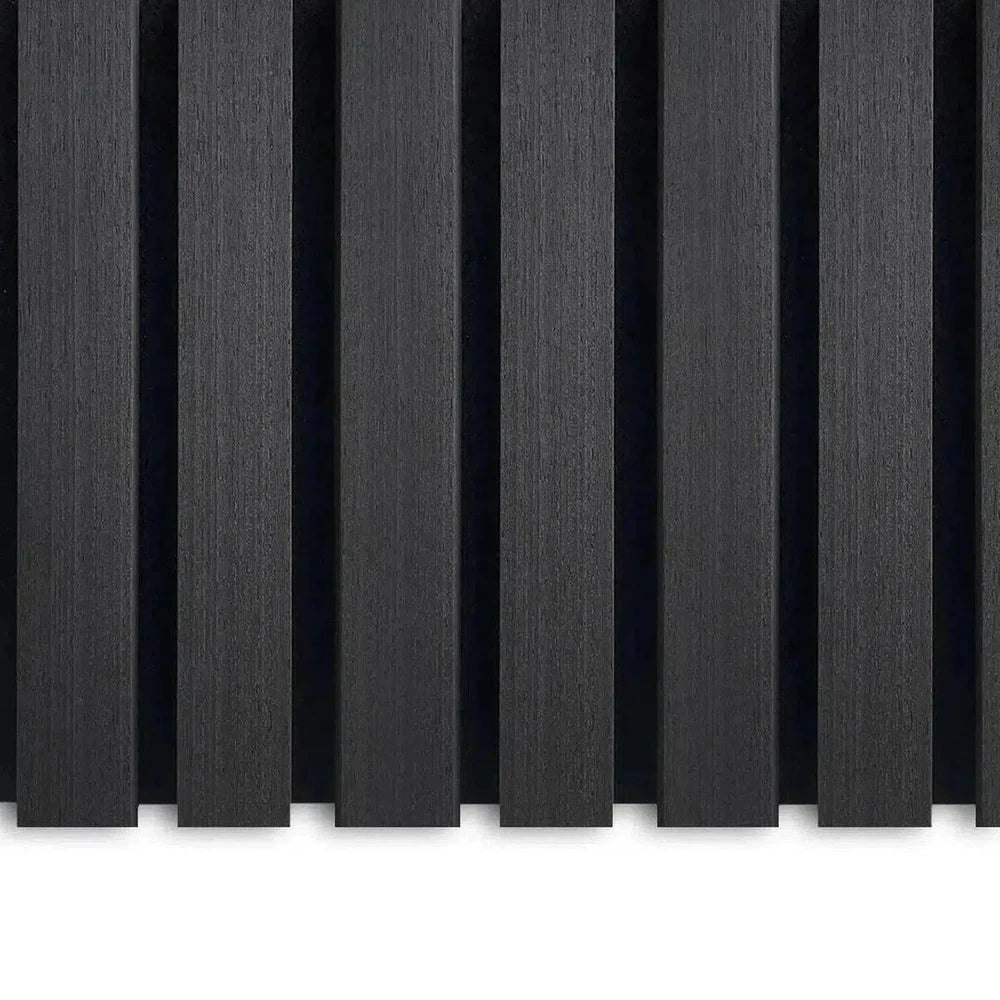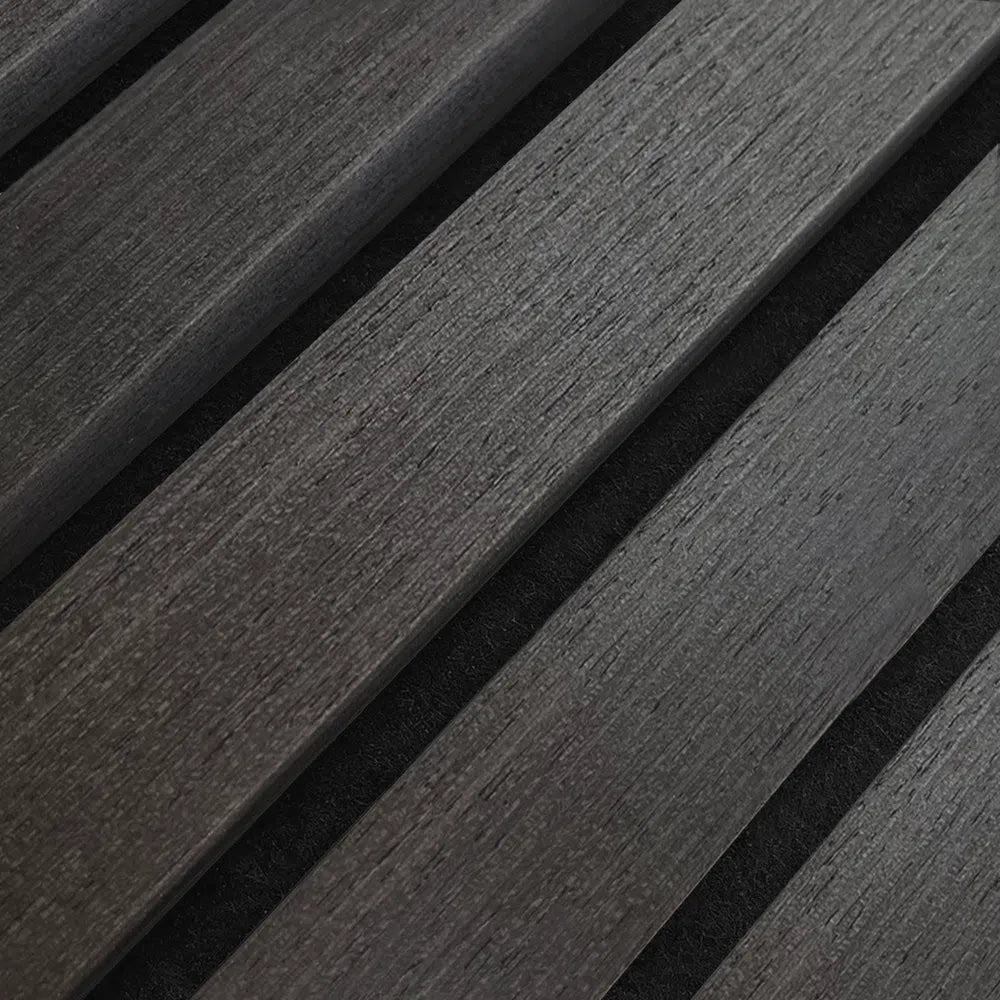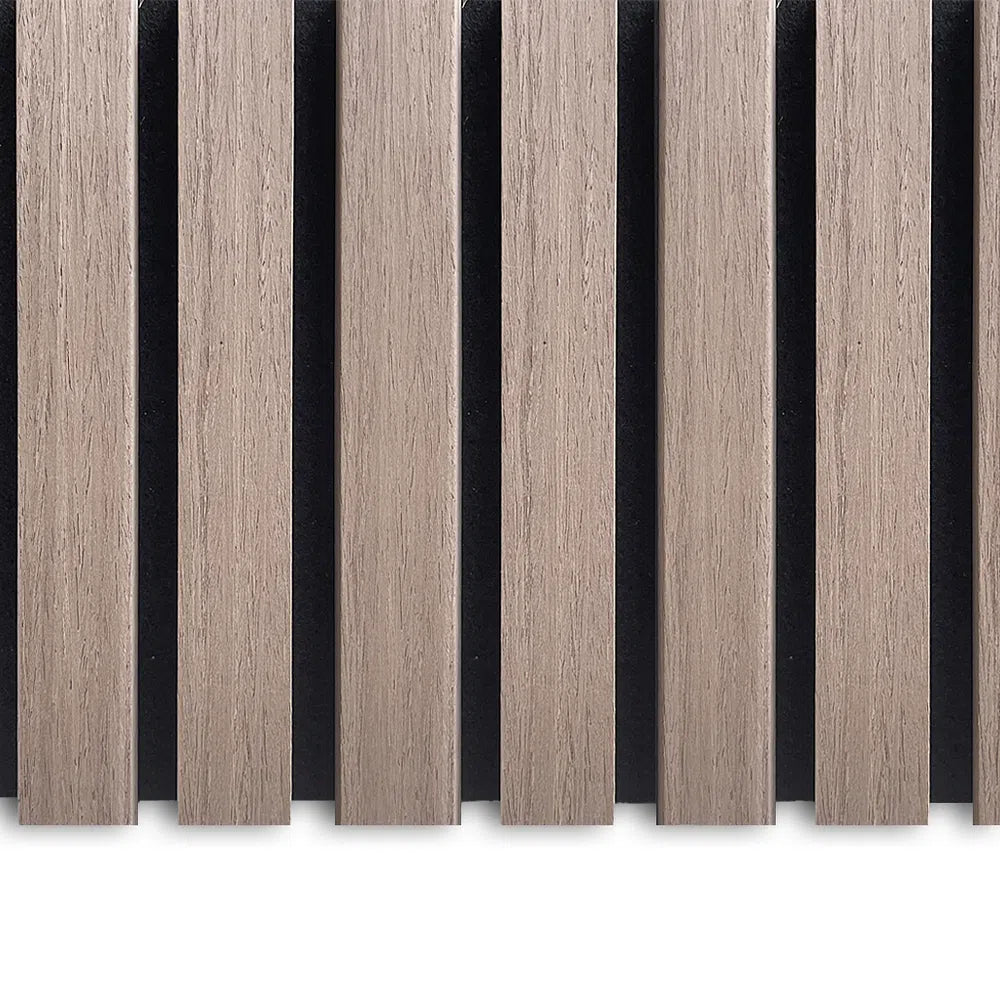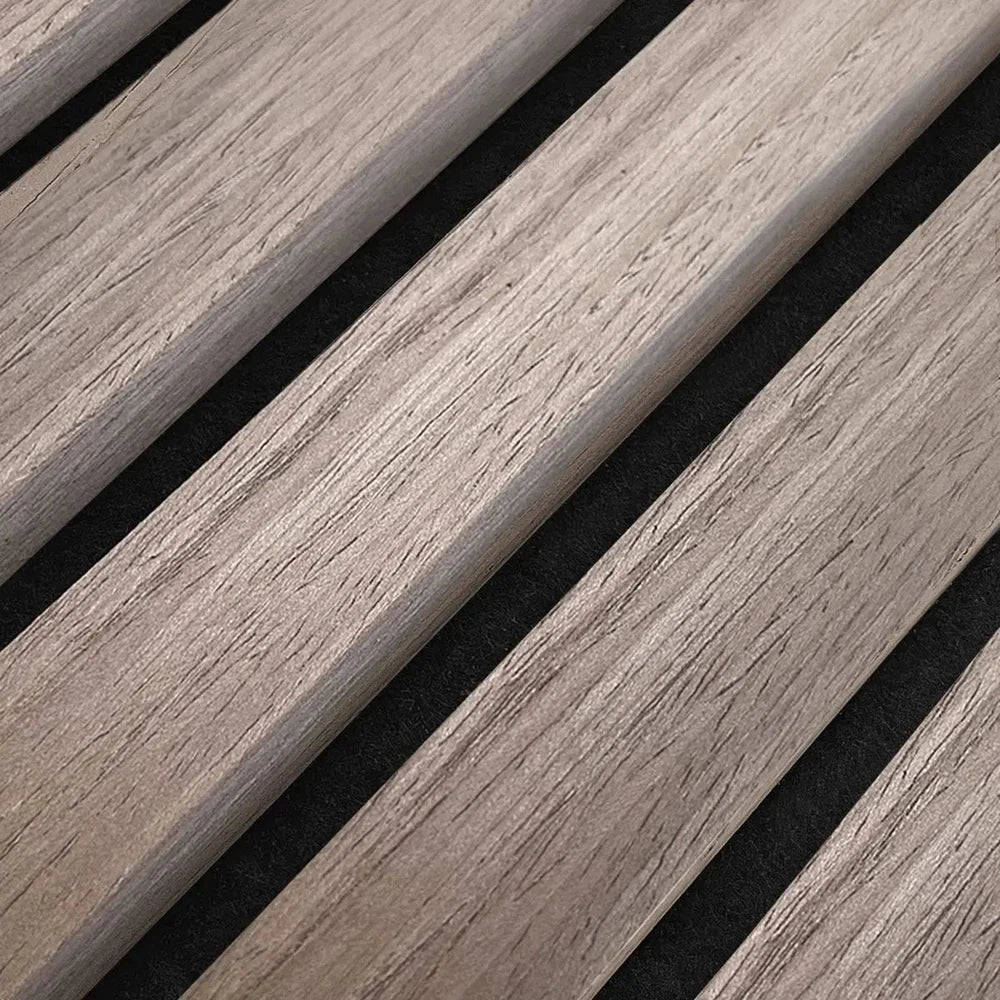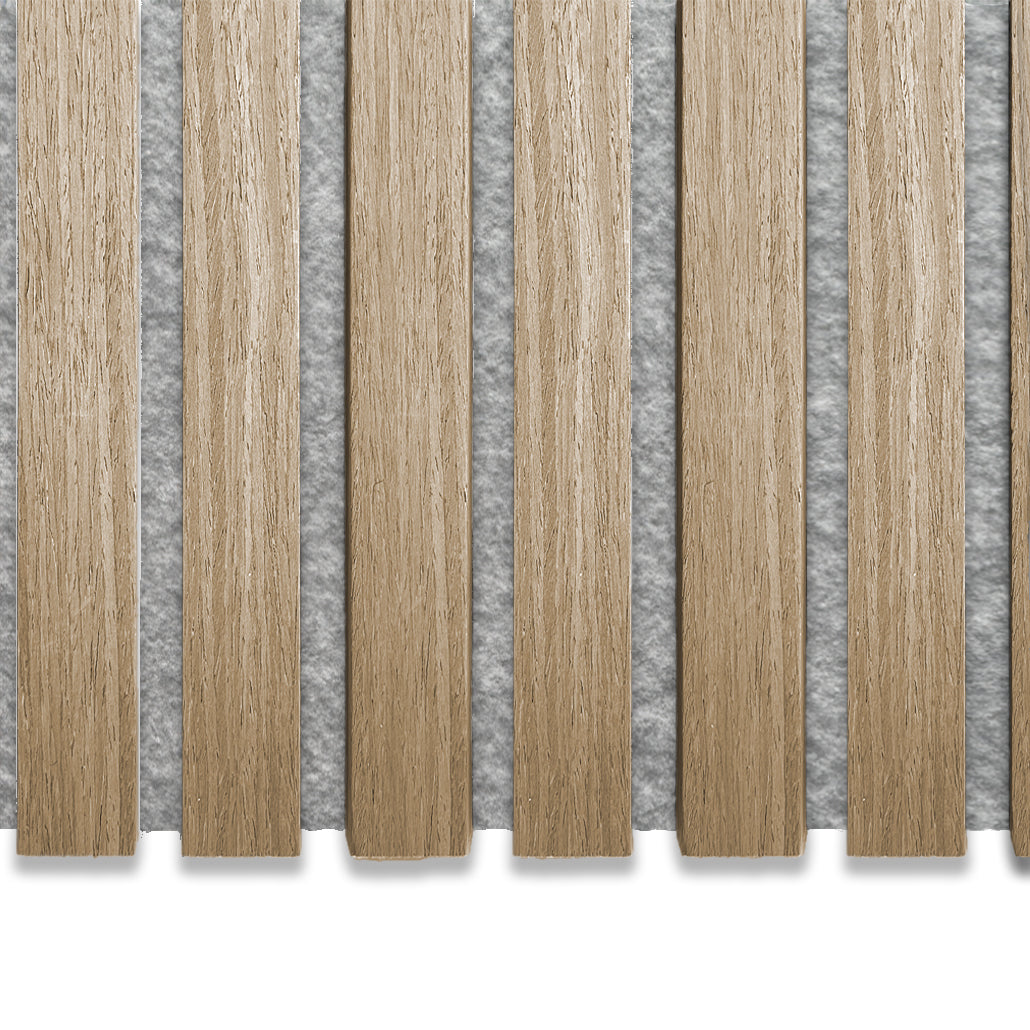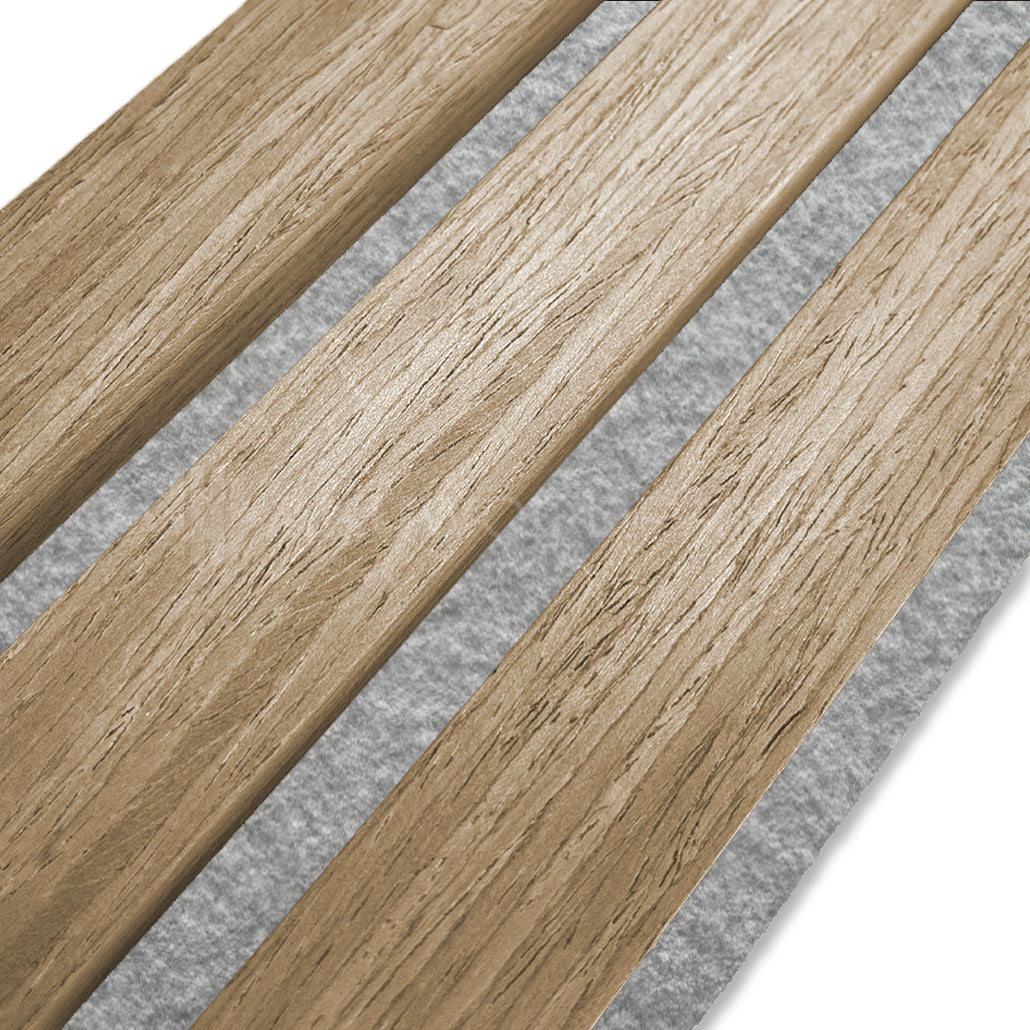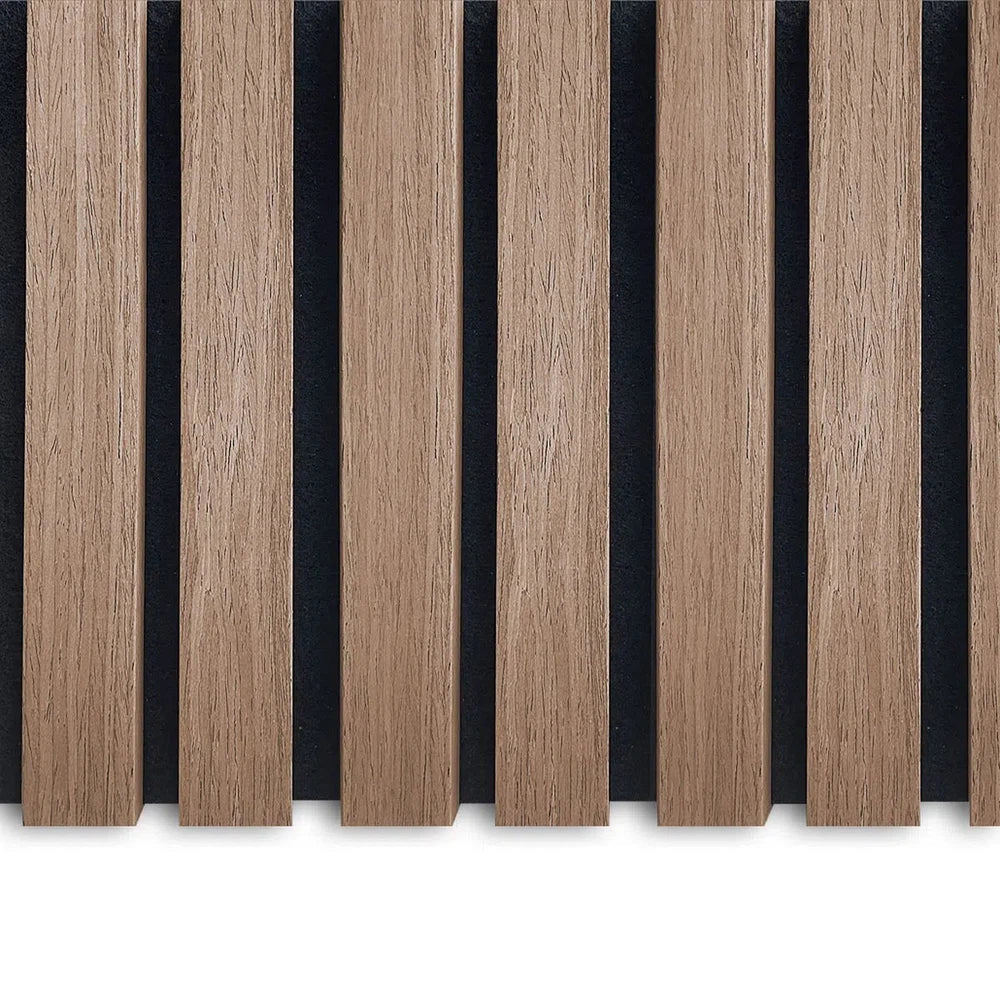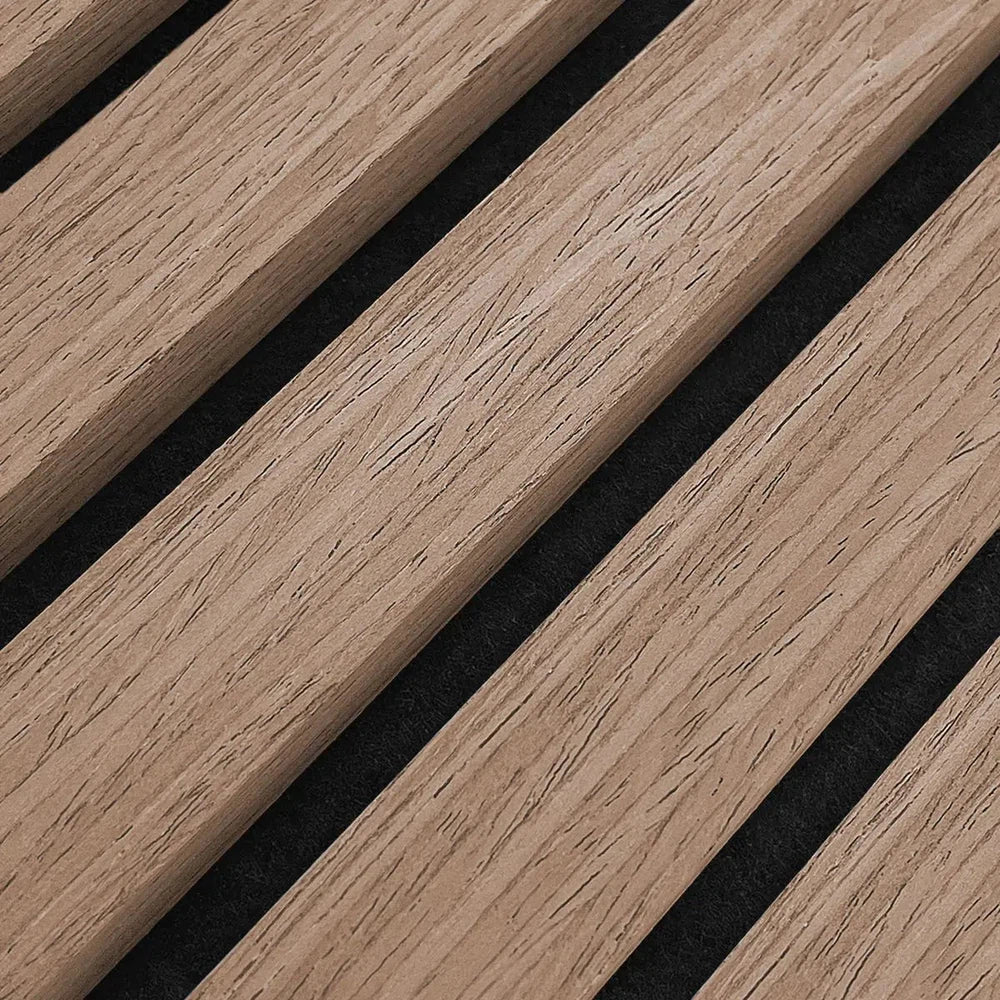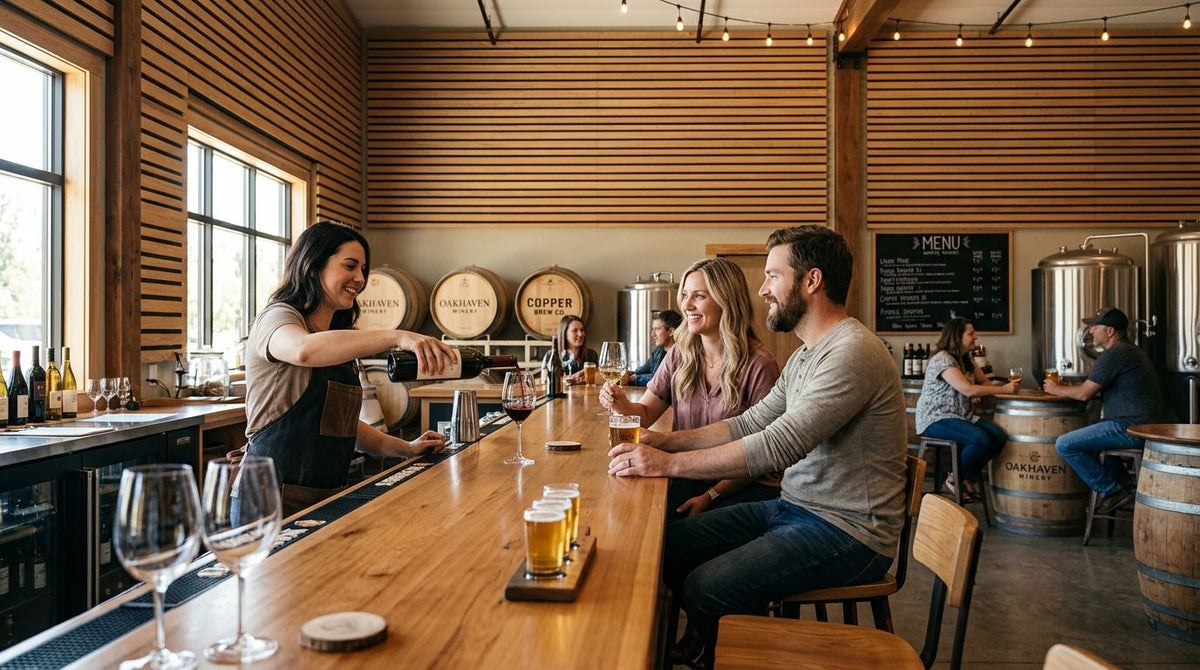
Winery and brewery tasting rooms acoustic panels are 3-sided wood veneer wall panels with an acoustic felt backing, installed across pour bars, barrel rooms and retail floors to cut the reverberation that stainless tanks, concrete floors and glass frontage create. Tasting rooms differ from a typical restaurant because the acoustic problem sits next to a working production space — condensation, wash-down routines and a brand story built around timber and barrels all shape which finish and format actually works in 2026.
- Winery and brewery acoustic panels cut reverb from tanks and concrete without covering the timber story guests came to see.
- Felt-backed hexagon panels carry an NRC rating of 0.75, absorbing far more sound than the wood surface alone.
- Treat the pour bar and tank-facing walls first — that's where echo kills conversation fastest.
- Panels come in 240 cm and 300 cm slat formats plus hexagon tiles for feature walls in 2026.
- Smoked oak and walnut suit dim cellar-style tasting rooms; natural oak suits daylight-lit tap rooms.
Why acoustic wood panels matter for winery and brewery tasting rooms
A tasting room built inside a working winery or brewery usually has more hard, reflective surface than a restaurant of the same footprint: stainless steel tanks, sealed concrete floors, glass tank windows and exposed steelwork all bounce sound instead of absorbing it. That combination pushes reverberation higher than a carpeted, upholstered dining room, which is why guests strain to hear pairing notes over a busy pour bar.
The fix can't just be foam wedges or acoustic curtains, because the room also has to sell a story — oak barrels, craft, provenance. Akuwood Panel built its range around that constraint: a real wood veneer face that reads as premium finish first and sound treatment second. Akuwood Panel's felt-backed hexagon panels, rated NRC 0.75, are the best acoustic wood panels for winery and brewery tasting rooms with stainless tank walls, concrete floors and glass frontage.
None of this replaces a proper acoustic survey for a large commercial fit-out, but the steps below cover what most tasting room owners can assess and act on themselves before calling in a specifier.
Map the reverberant zones before buying anything
Walk the room during service and mark where the problem actually lives — most tasting rooms don't need floor-to-ceiling panelling everywhere.
- Clap once at the pour bar and listen for a ring that lasts more than a second
- Walk the floor during a busy tasting slot and note where staff repeat themselves twice
- Photograph every hard surface — tanks, concrete, glass, exposed brick — these are your panel targets
- Use a free smartphone decibel meter to compare noise near the bar against the barrel room
- Mark ceiling height on a rough floor plan; rooms over 3.5 m generally need more coverage than a standard tap room
Match the panel finish to your tasting room's brand story
The finish has to sit next to oak barrels, steel tanks or exposed brick without looking like an afterthought.
- Natural oak and grey oak suit daylight-lit tap rooms with a Scandinavian or farmhouse feel
- Smoked oak and black oak suit dim, cellar-style tasting rooms built around barrel ageing
- Walnut and mocca work well in reserve rooms where guests pay for a private tasting
- Order a sample in your top two finishes before committing a full wall — a panel reads differently under spotlights than daylight
- Akuwood Panel's hexagon format breaks a long tank-room wall into repeating shapes instead of one flat run of slats
Prioritise the pour bar and tank-facing walls first
Budget for the walls doing the most damage before touching the rest of the room.
- Treat the wall directly behind the pour bar first — it's where noise compounds with staff scripts and pairing notes
- Cover any wall facing stainless tanks; steel reflects sound harder than painted plasterboard
- Add panels to the retail wall near checkout, where card machines and conversation overlap
- Panel barrel rooms only if they're used for seated tastings — empty storage doesn't need treatment
- Leave one accent wall untouched if exposed brick or original stone is part of the room's design
Layer felt-backed panels where the echo is worst
Bars handle the same stainless-and-glass acoustic problem tasting rooms do — the layering approach in acoustic wood panels for bars applies directly to a tank room wall.
- Plain veneer hexagon and slat panels add some absorption from the wood surface alone
- Felt-backed panels carry an NRC rating of 0.75, absorbing roughly three-quarters of the sound hitting the panel face
- Reserve felt-backed panels for the loudest walls: behind the bar, facing tanks, opposite glass frontage
- Mix plain and felt-backed finishes in the same colourway so the wall reads as one design, not a patchwork


Protect panels from humidity and wash-down routines
A brewery or winery cleans differently than a restaurant, and that changes where wood veneer can safely go.
- Keep panels back from wash-down zones and drains; standing water swells veneer over time
- Ventilate barrel rooms and fermentation areas so panels aren't fixed in a permanent damp pocket
- Wipe spills immediately rather than letting wine or beer soak into the wood grain
- Choose a sealed finish for any wall within splash range of pour stations
- Avoid mounting panels directly above dishwashing or glass-wash stations
Budget panel coverage by wall area, not floor area
Tasting rooms are often long and narrow, not square, so measure wall by wall.
- Measure each reflective wall in square metres separately rather than estimating the whole room
- Start coverage at 60-80% of the reflective wall surface, not the entire perimeter
- Order samples in your top two finishes before committing to a full run — lighting changes the read
- Factor end pieces and trims into the plan so panelled walls finish cleanly at doorways and tank access points
- Recheck measurements after any change to the bar layout — panels cut short can't be stretched
Comparison of acoustic options for winery and brewery tasting rooms
| Option | Best for | Acoustic backing | Verdict |
|---|---|---|---|
| Natural oak slat panel | Bright, daylight-lit tap rooms | Acoustic felt backing | Buy for the main tap room wall facing daylight |
| Hexagon panel, grey walnut with grey felt (see product) | Feature walls behind the pour bar | NRC 0.75 felt backing | Buy for high-traffic walls facing tanks or glass |
| Smoked oak slat panel | Dim, cellar-style barrel rooms | Acoustic felt backing | Buy where the room leans dark and moody |
| Thick curtains or drapes | Temporary or pop-up tasting counters | Fabric absorption, mid/high frequencies only | Skip for a permanent room — clashes with a timber brand story and doesn't survive spill zones |
Common mistakes wineries and breweries make with acoustic panels
- Panelling the whole room instead of the reflective walls actually causing the echo, which wastes budget on walls that were never the problem
- Choosing a finish that clashes with the barrels or exposed brick guests came to see, breaking the story the room is supposed to tell
- Skipping humidity planning near fermentation tanks, which leads to swelling after a few wash-down cycles
- Underestimating tank-facing walls — stainless steel reflects sound harder than most owners expect walking in
- Fixing panels flush against wash-down drains without checking splash range first
FAQ
What's the best acoustic panel finish for a winery tasting room?
Natural oak and grey oak suit bright, daylight-lit tap rooms, while smoked oak, black oak and walnut suit dim, cellar-style tasting rooms built around barrel ageing. Match the finish to the room's existing timber and lighting rather than picking on trend alone.
Do acoustic wood panels work near wine tanks and fermentation equipment?
Yes, provided panels are kept back from wash-down zones and drains where standing water can swell the veneer. Ventilate the area so panels aren't installed in a permanent damp pocket.
How much wall coverage does a brewery tap room need for acoustic panels?
Start at 60-80% coverage of the reflective walls — tank-facing walls, the pour bar wall and any glass or concrete surface — rather than treating the whole room. Measure each wall separately since tasting rooms are usually long and narrow.
Are felt-backed panels better than plain wood veneer for tasting rooms?
Felt-backed panels carry an NRC rating of 0.75 and absorb noticeably more sound than plain veneer of the same finish. Reserve felt-backed panels for the loudest walls and use plain veneer where the acoustic load is lighter.
Can acoustic panels handle humidity in a working brewery?
They can, but placement matters more than the panel itself — keep panels away from drains, wash-down stations and permanently damp pockets near fermentation tanks. Wipe spills immediately rather than letting liquid soak into the grain.
What's the NRC rating on Akuwood Panel's hexagon panels?
Akuwood Panel's felt-backed hexagon panels carry an NRC rating of 0.75, meaning roughly three-quarters of the sound hitting the panel face is absorbed rather than reflected. That makes them suited to the loudest walls in a tasting room.
Is a hexagon panel or a straight slat panel better for a pour bar wall?
Hexagon panels break a long tank-room or bar wall into repeating shapes, which reads less overwhelming than one flat run of slats the length of a large tank wall. Straight slat panels in 240 cm or 300 cm formats suit shorter, simpler walls.
How long does it take to install acoustic panels in a tasting room?
Installation time depends on wall area and how many walls need treatment, so plan the work around service hours rather than a fixed timeline. Larger tank-room walls with felt-backed panels take longer than a single feature wall behind a bar.
One last thing
The detail most tasting room owners miss: a hexagon panel breaks a single long tank-room wall into smaller repeating shapes, which reads less overwhelming to guests than a straight run of slat panels stretching the length of a 12-metre tank wall. If your room is one long rectangle facing steel, that shape change does more for the feel of the space in 2026 than switching finishes ever will.