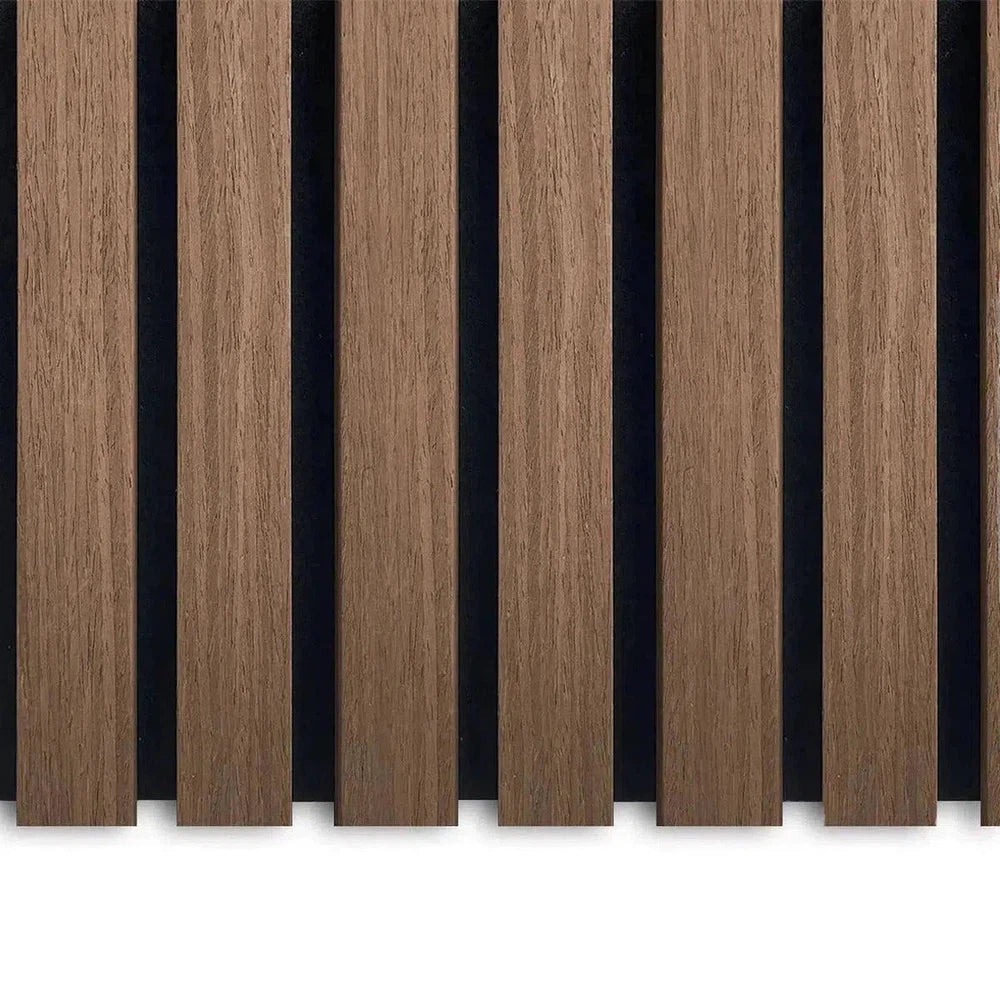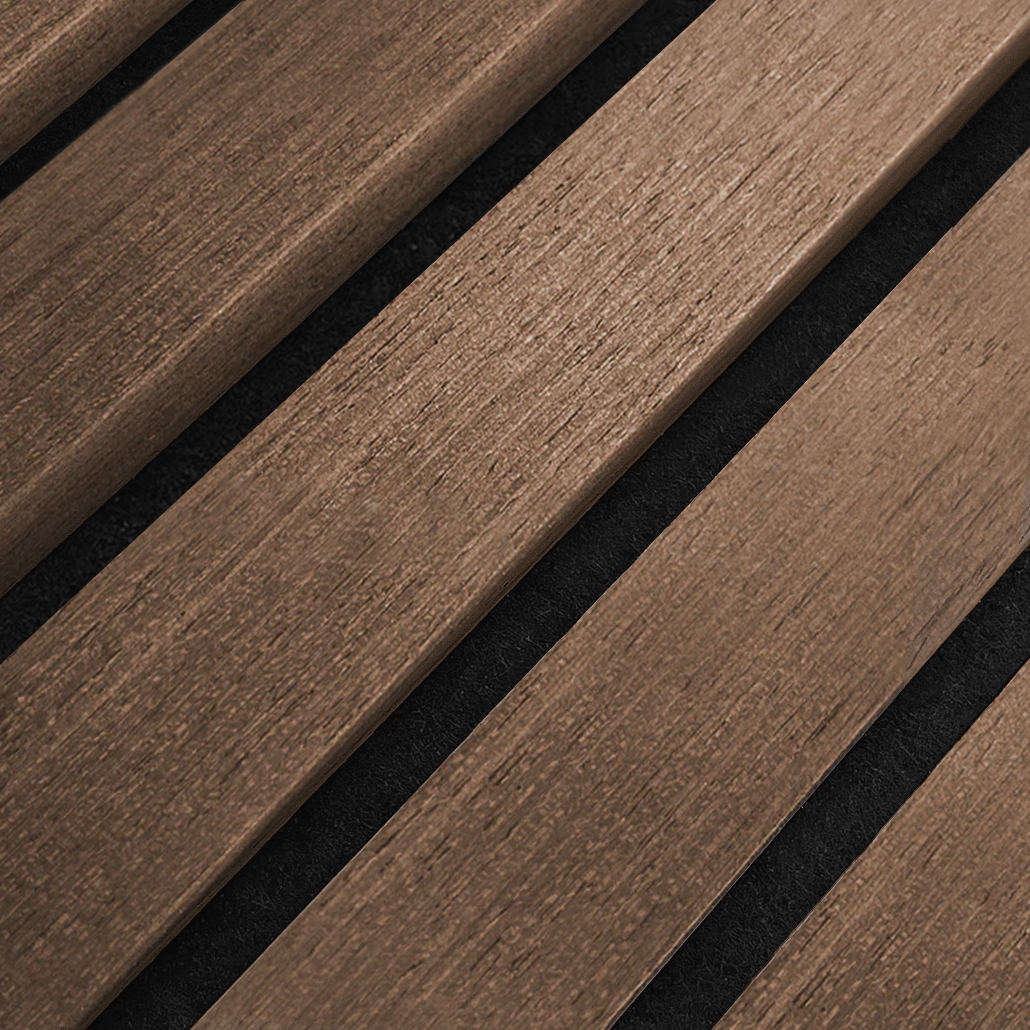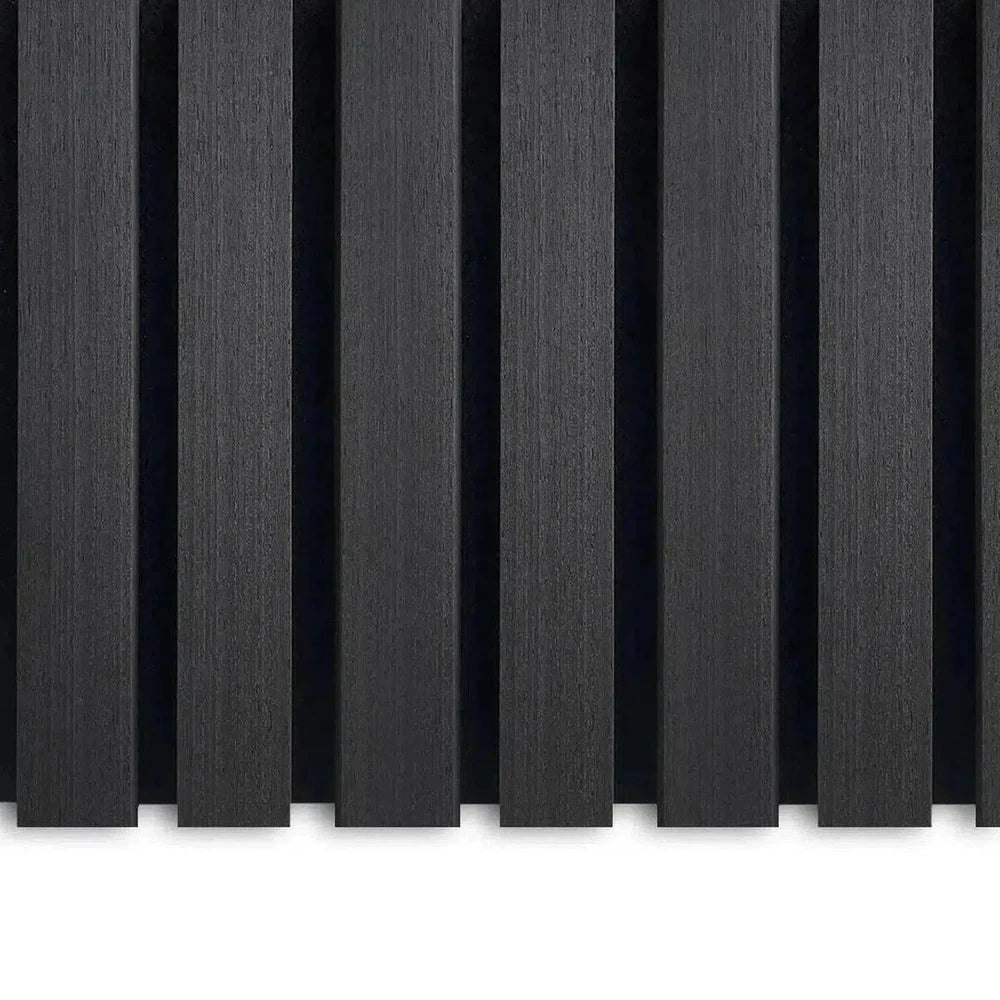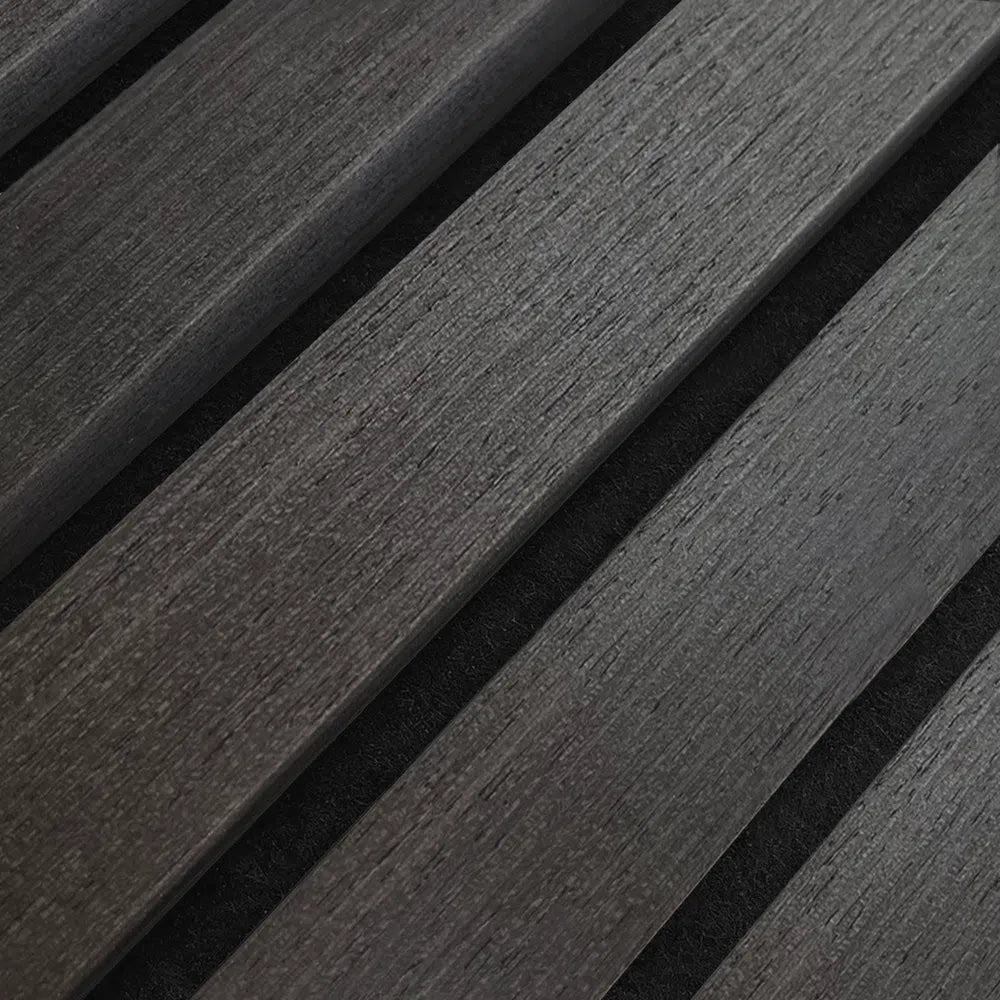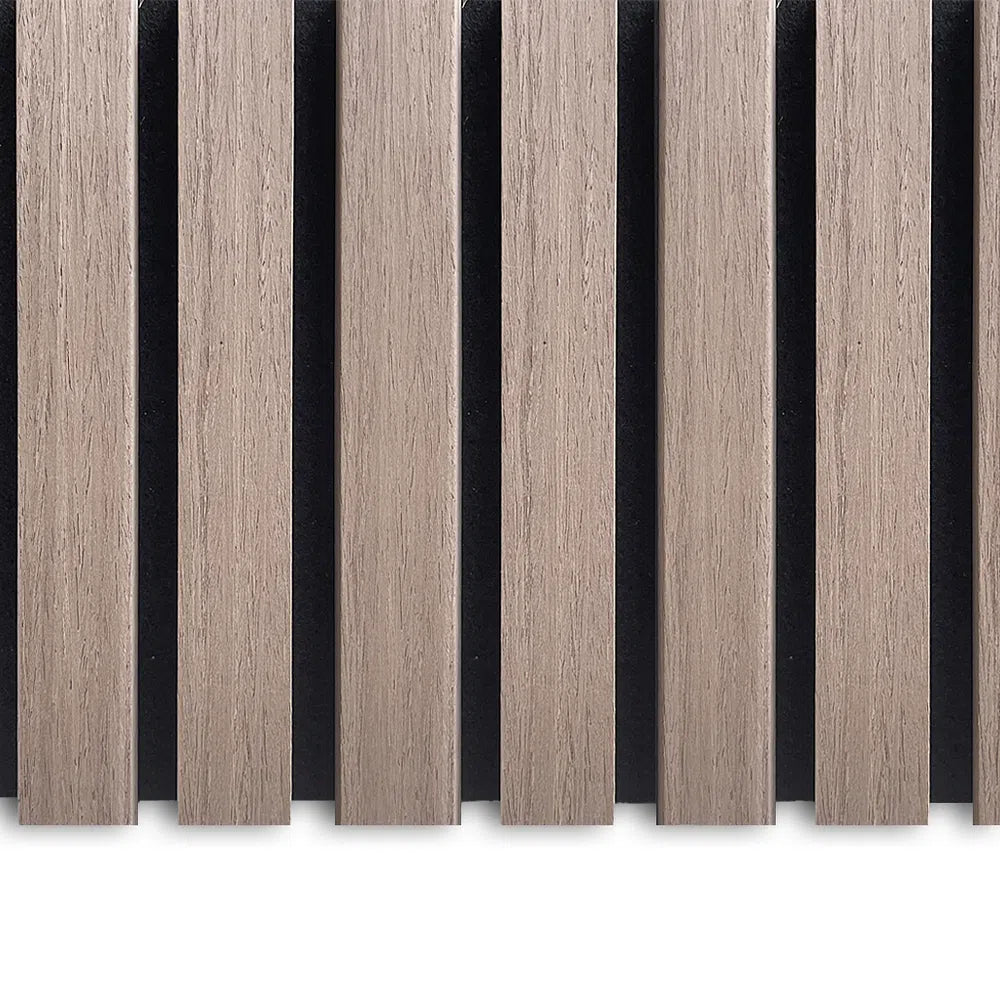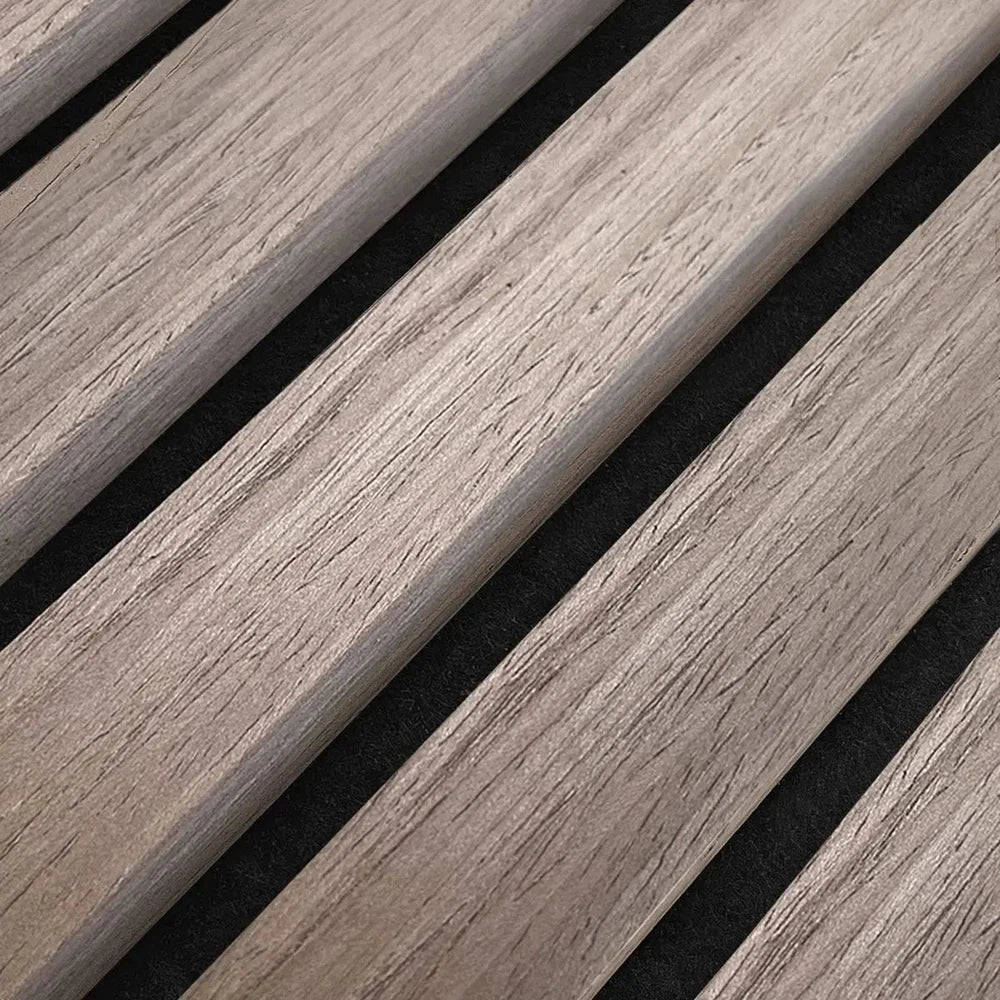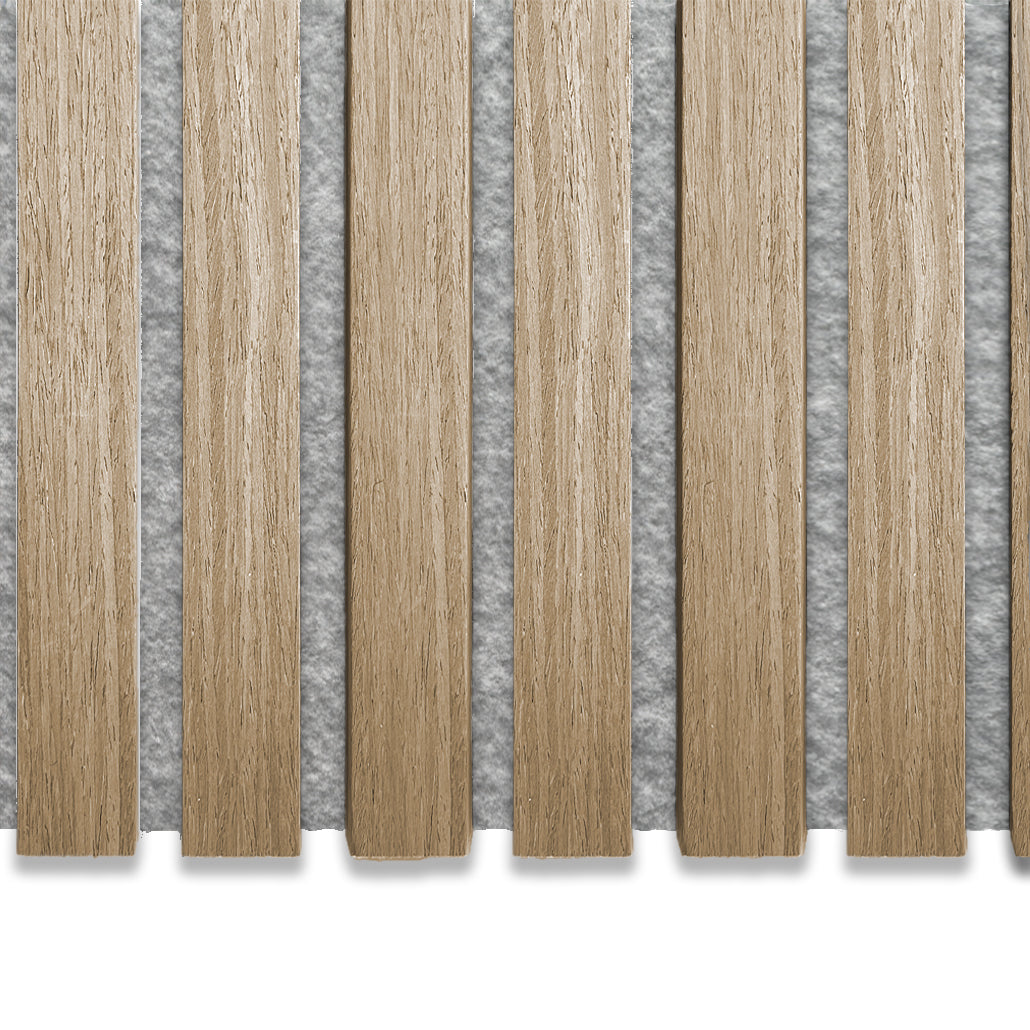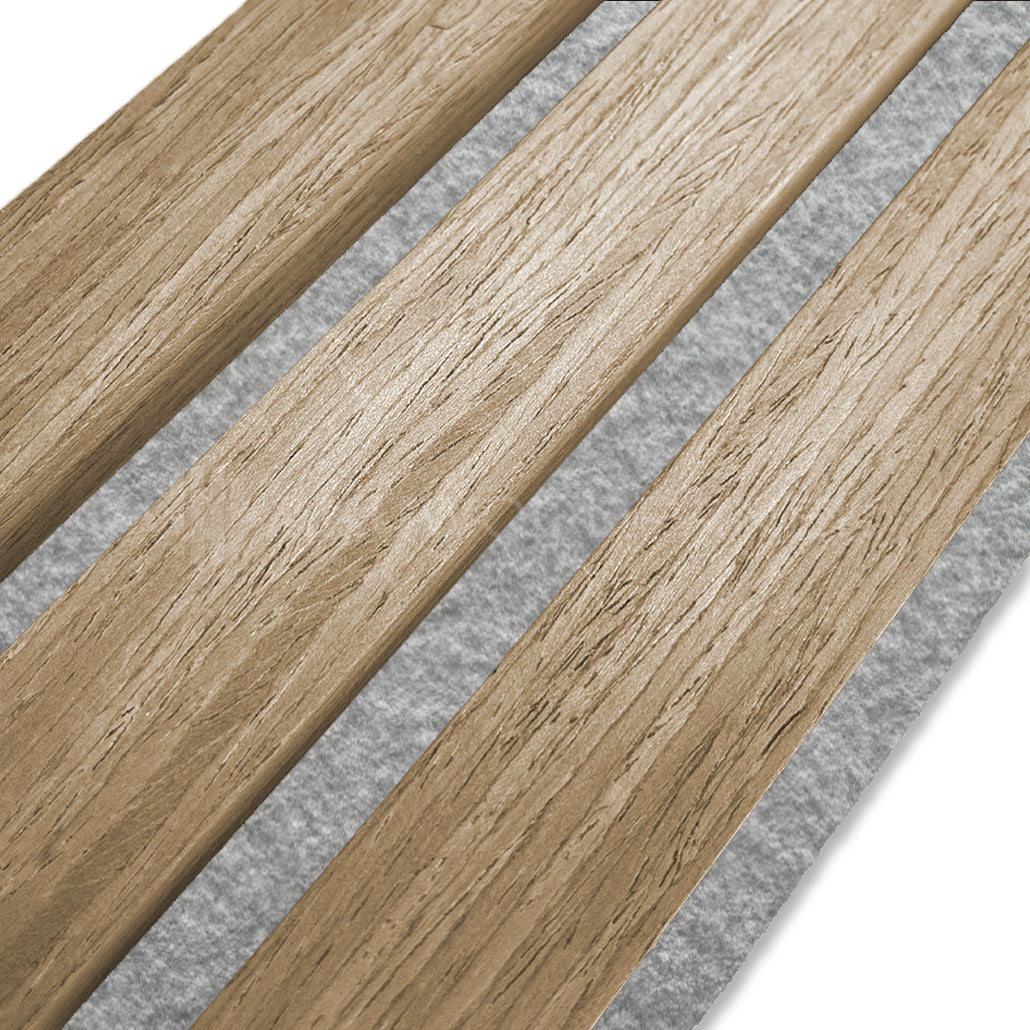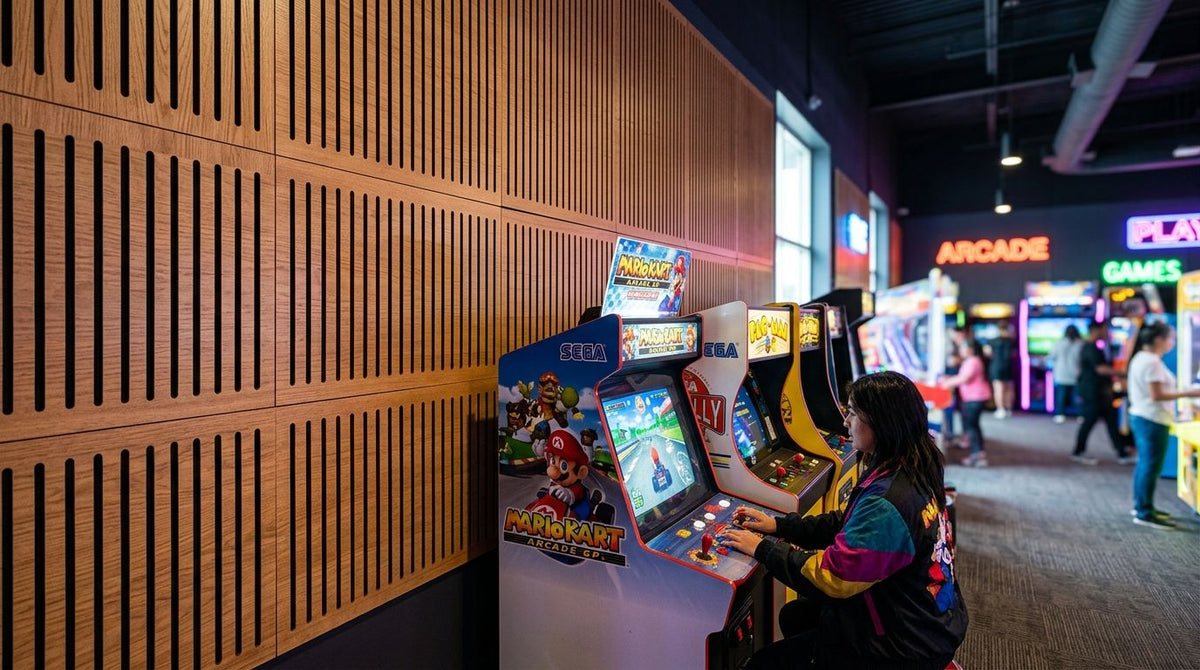
Amusement arcade acoustic panels are wood-veneer wall panels fitted across cabinet rows, prize counters, and entrance walls to cut the reverberation that builds up when dozens of game speakers run at once. An arcade doesn't have the same acoustic problem as a living room or office: constant footfall, coin and token vibration, and glossy cabinet surfaces that bounce sound around all shorten the working life of the wrong panel choice, so the material and fixing method matter as much as the sound rating.
- Amusement arcade acoustic panels need impact-resistant veneer, not soft foam, near high-traffic cabinet rows in 2026.
- Hexagon acoustic wood panels from Akuwood Panel carry an NRC 0.75 rating for game-noise absorption.
- Standard slat panels suit long runs behind machines; hexagon shapes suit entrance walls and photo-spot zones.
- Order samples in 240 cm or 300 cm formats before committing to a full arcade floor run.
Why acoustic wall panels matter for amusement arcades
Arcade floors combine hard tile, glass display cases, and metal cabinets — surfaces that reflect sound instead of absorbing it. Layer in a dozen machines each playing separate audio tracks and the noise compounds fast, which is why arcades feel louder than the sum of their speakers. Bowling alleys and casino gaming floors face the same compounding-noise problem, and the fix is identical: absorb sound at the wall instead of trying to turn machines down.
A well-placed acoustic panel run also does double duty as a design feature. Operators running an arcade refresh in 2026 increasingly want walls that photograph well for social posts, not bare painted plasterboard behind the change machine. Akuwood Panel wood-veneer panels solve both problems on the same wall.
“If the arcade floor echoes across multiple cabinet rows, foam tiles alone won't fix it — you need veneer panels rated for constant foot traffic.”
Map your loudest zones first
Walk the floor during peak hours, not during setup, and mark where sound actually piles up.
- Cabinet banks with speaker grilles facing each other across a narrow aisle
- Prize counters and redemption desks where queues form and voices have to compete with machine audio
- Corners and pillars where hard surfaces meet at 90 degrees and echo doubles back
- Entrances and photo-spot walls where first impressions form
- Change machine banks, which add mechanical rattle on top of game audio
Choose panels rated for constant footfall and knocks
Arcades take more physical abuse than a home cinema or an office — trolleys, elbows, prize-claw carts, and the odd dropped drink all hit the wall.
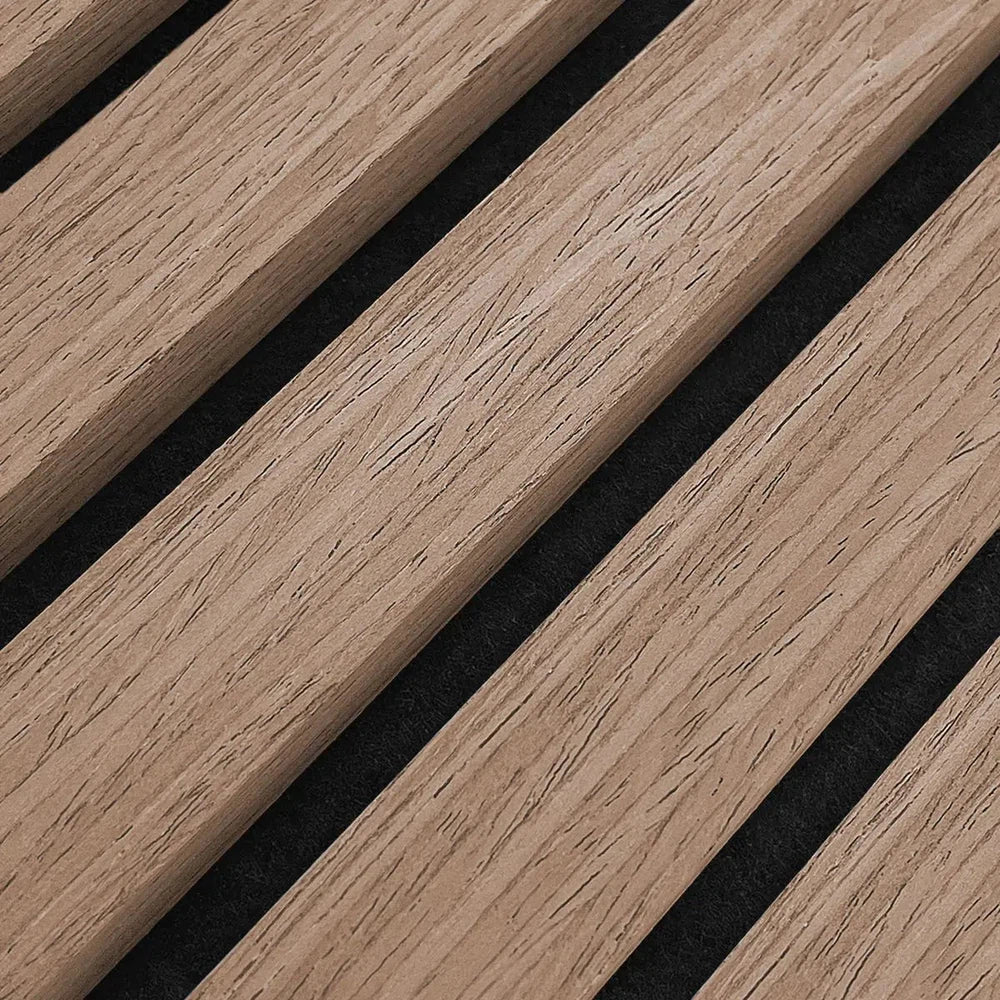
- Solid wood veneer over MDF core resists dents better than laminate wraps
- A 3-sided veneer finish holds up on exposed panel edges near doorways
- Avoid high-gloss laminate finishes that catch arcade lighting and create glare on screens nearby
- Fixing systems should allow individual panel replacement if one section gets damaged
- Confirm the panel's fire rating suits a public entertainment venue before ordering a full run
Match the NRC rating to your noise problem
NRC (Noise Reduction Coefficient) measures how much sound a panel absorbs versus reflects, scored from 0 to 1. Akuwood Panel's hexagon acoustic range carries an NRC 0.75 rating, which is a strong absorption figure for a decorative wood-finish panel rather than a raw acoustic foam block.
- Use higher-NRC panels on the walls directly behind the loudest cabinet clusters
- Lower-priority walls (corridors, staff areas) can run lighter coverage
- Don't rely on ceiling treatment alone — arcades need wall coverage because sound travels horizontally between machines
- Combine panelled walls with soft flooring zones near seating areas for compounding effect
- Check the manufacturer's NRC figure before buying, not just the word "acoustic" on the listing
Cover walls near machine banks and prize counters
This is where the wrong material shows fastest — grease from hands, spilled drinks, and constant contact.
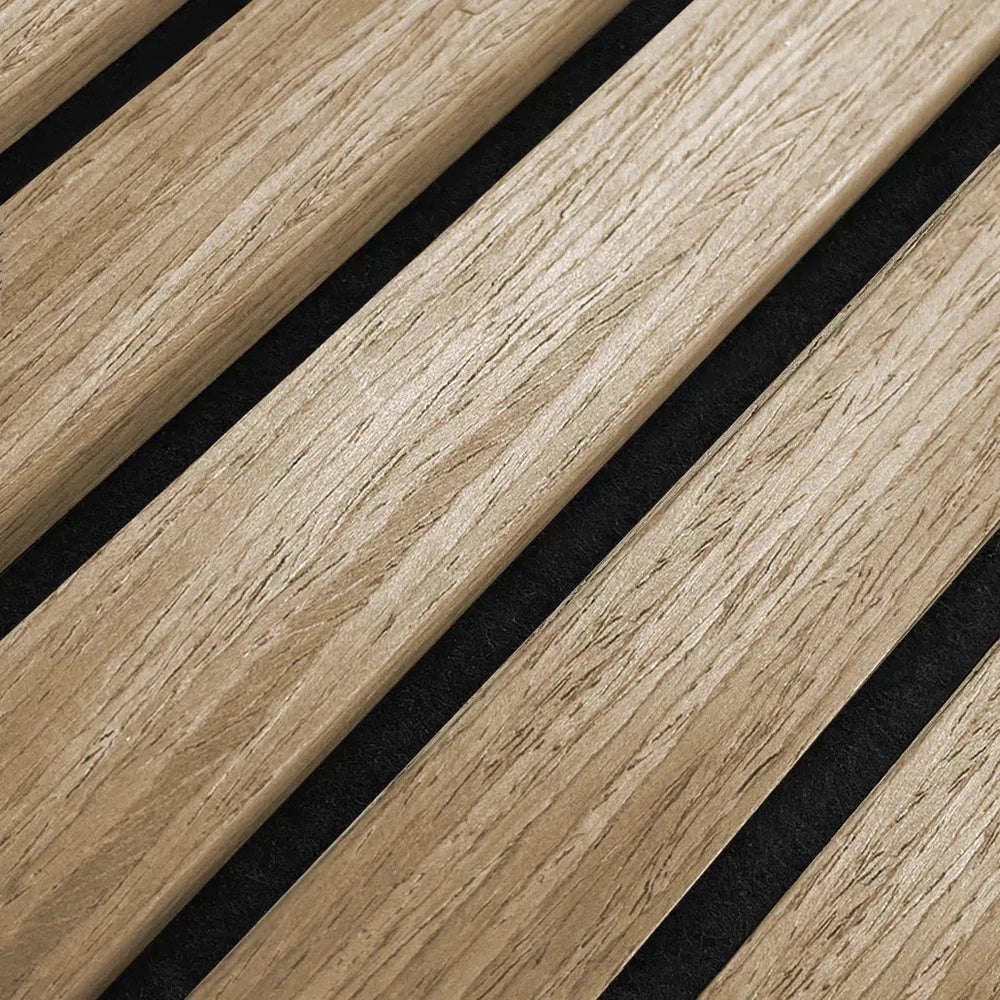
- The hexagon acoustic panel natural oak finish works well behind lighter-toned cabinet rows without competing visually with screen glow
- Panels should sit flush with minimal seams to reduce grime traps
- Plan cutouts around wall-mounted change machines and card readers before ordering, not after
- Keep a small stock of spare panels on hand for quick swaps if one section gets damaged
- A faster route than custom millwork: order pre-finished panels sized to your run and cut on site
Add panels above head height too, not just eye level
Most operators panel only the lower third of a wall because that's where scuffs happen, but sound doesn't stop at shoulder height.
- Extend coverage to at least 2 metres up on walls facing dense cabinet clusters
- Use the 300 cm panel format for floor-to-ceiling runs on tall arcade walls
- Switch to the 240 cm format on standard-height partition walls to cut waste
- Leave the top few centimetres for cable runs or lighting track if the ceiling isn't panelled
Get samples before ordering a full run
Arcade lighting — often coloured LED, often dim — changes how a wood finish reads compared to a bright showroom photo.
- Order sample swatches in your top 2-3 finish choices before committing
- Hold samples up under the arcade's actual lighting rig, not daylight
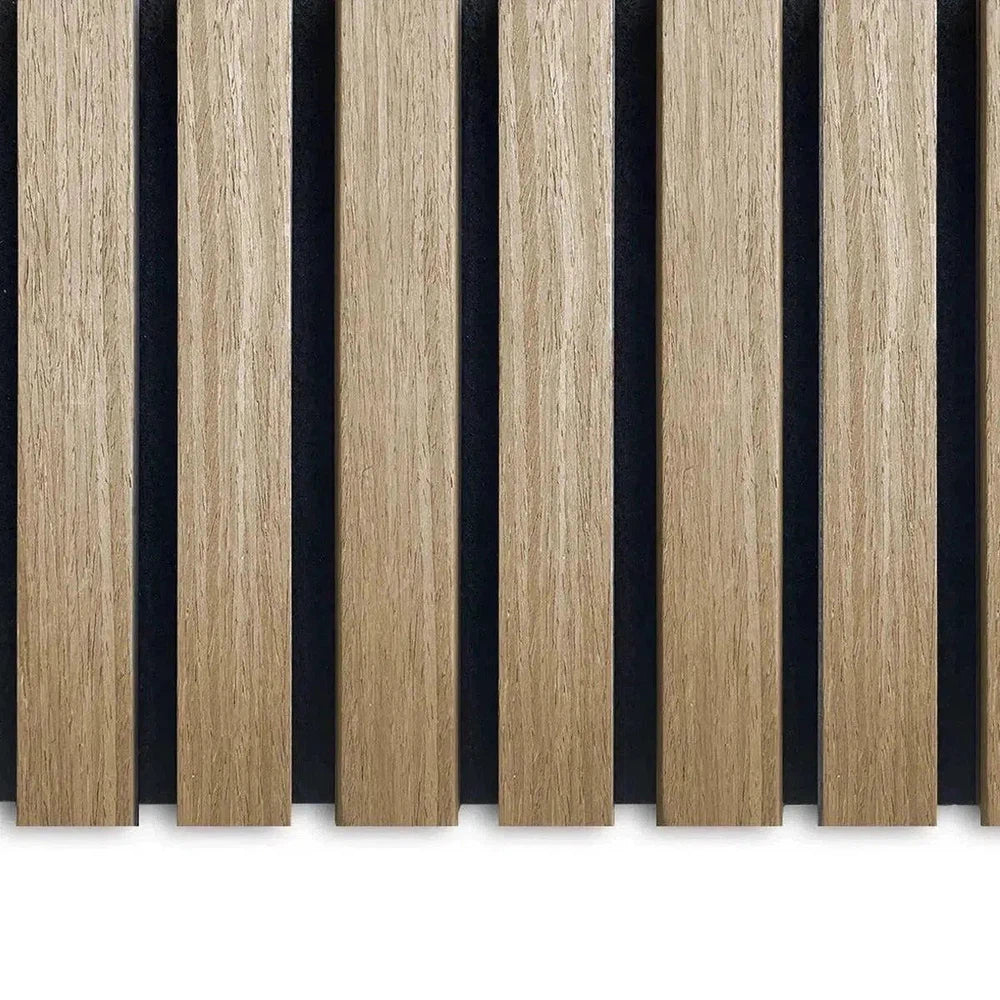
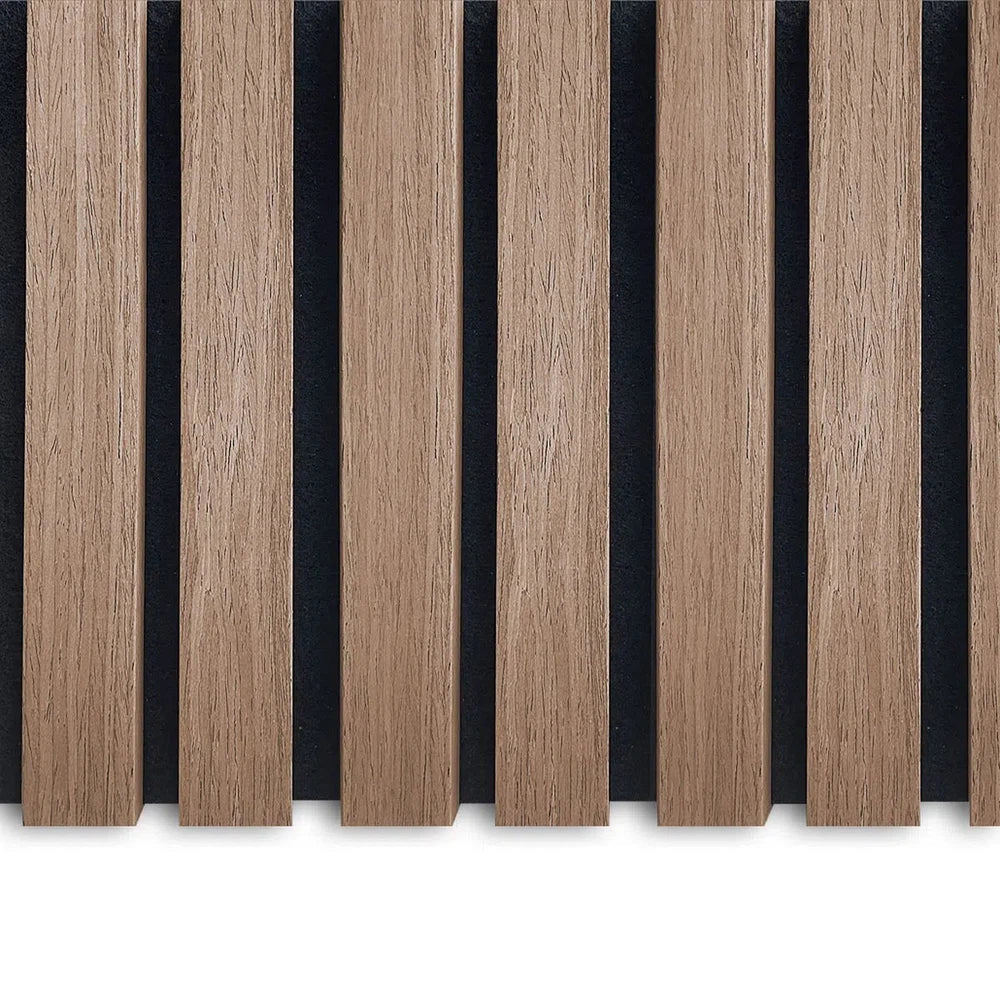
- Check how the felt backing colour shows through any gaps between panels
- Confirm panel weight against your wall type — stud, plasterboard, or masonry all need different fixings


Comparing panel options for amusement arcades
| Option | Best for | Key limitation |
|---|---|---|
| Hexagon acoustic wood panels (Akuwood Panel) | Entrance walls, photo-spot zones, feature walls behind cabinet rows | Needs a flat, dry wall backing for a clean fit |
| Standard rectangular wood-veneer panels | Long straight runs behind machine banks | Less visual texture than hexagon shapes on a feature wall |
| Foam acoustic tiles | Budget partition walls or back-of-house staff rooms | Degrades faster under heat, humidity, and constant knocks |
| Fabric-wrapped acoustic panels | Low-traffic lounge or VIP seating zones | Fabric traps dust and stains near food and drink counters |
Verdict: hexagon acoustic wood panels win for any arcade wall that's both a noise problem and a design opportunity; foam and fabric options make sense only in lower-traffic zones where durability matters less than cost.
The black oak wall panel finish is worth a look for arcades running a darker, moody colour scheme with neon or LED accent lighting — it holds up against fingerprints and grease better than lighter oak tones under low light.
Common mistakes amusement arcades make with acoustic panels
- Panelling only the lower half of the wall. Sound travels above shoulder height too, and half-coverage leaves the reverberation problem half-solved.
- Choosing gloss laminate over real veneer. Gloss surfaces reflect arcade lighting and add glare that competes with game screens.
- Skipping the fire rating check. Public entertainment venues have different fire-safety requirements than a home installation, and this gets missed when panels are ordered like a domestic product.
- Measuring wall area without accounting for cutouts. Change machines, card readers, and wall-mounted signage all eat into panel counts, and under-ordering means a mismatched finish batch on the reorder.
- Treating the ceiling as optional. In arcades with tall ceilings, an untreated ceiling plane bounces as much sound as an untreated wall.
FAQ
What is the best acoustic panel for an amusement arcade?
Wood-veneer hexagon or slat acoustic panels with a solid core and an NRC rating around 0.75 work best for arcades. Foam tiles absorb sound but wear out faster under constant foot traffic and grease contact.
How many acoustic panels does an arcade need to reduce noise?
Coverage depends on wall area and how loud the cabinet clusters are, but the walls directly behind and facing the densest machine banks should get priority coverage. Lower-traffic corridors and staff areas can carry lighter treatment.
Are wood veneer panels better than foam for arcade noise?
Wood veneer panels with an acoustic felt backing handle grease, knocks, and cleaning better than open-cell foam tiles. Foam still absorbs sound effectively but degrades faster in a high-traffic public venue.
Can acoustic panels handle high humidity in seaside arcades?
Solid wood-veneer panels with a proper felt backing tolerate normal indoor humidity swings, but any panel near direct moisture exposure — entrance doors, outdoor-facing walls — needs a moisture-resistant fixing method. Check the product spec before installing near an unheated entrance.
Do acoustic wall panels reduce game machine noise complaints?
Yes — panels absorb reflected sound rather than lowering the machine's actual output, which reduces the compounding echo that makes an arcade feel louder than any single cabinet. Complaints tied to overall floor noise typically drop once wall coverage increases.
What NRC rating should arcade acoustic panels have?
An NRC of 0.7 or higher is a reasonable target for walls facing dense cabinet clusters. Akuwood Panel's hexagon acoustic range carries an NRC 0.75 rating.
Can acoustic panels go straight onto a plasterboard arcade wall?
Most wood-veneer acoustic panels fix directly to plasterboard with the right adhesive or batten system, provided the wall is flat and dry. Uneven or damp walls need levelling or a batten frame first.
How do you clean acoustic wood panels in a busy arcade?
A dry or lightly damp cloth handles most dust and fingerprints on a veneer finish without damaging the surface. Avoid soaking the felt backing, since standing moisture is what shortens panel life fastest.
One last thing
The detail operators skip most often is lighting interaction — a panel finish that looks premium under warm showroom light can look flat or patchy under coloured LED arcade lighting. Order swatches in your top finishes and hold them against the actual game floor before locking in a full-wall order for 2026; it's the cheapest step in the whole project and the one most likely to save a costly reorder.