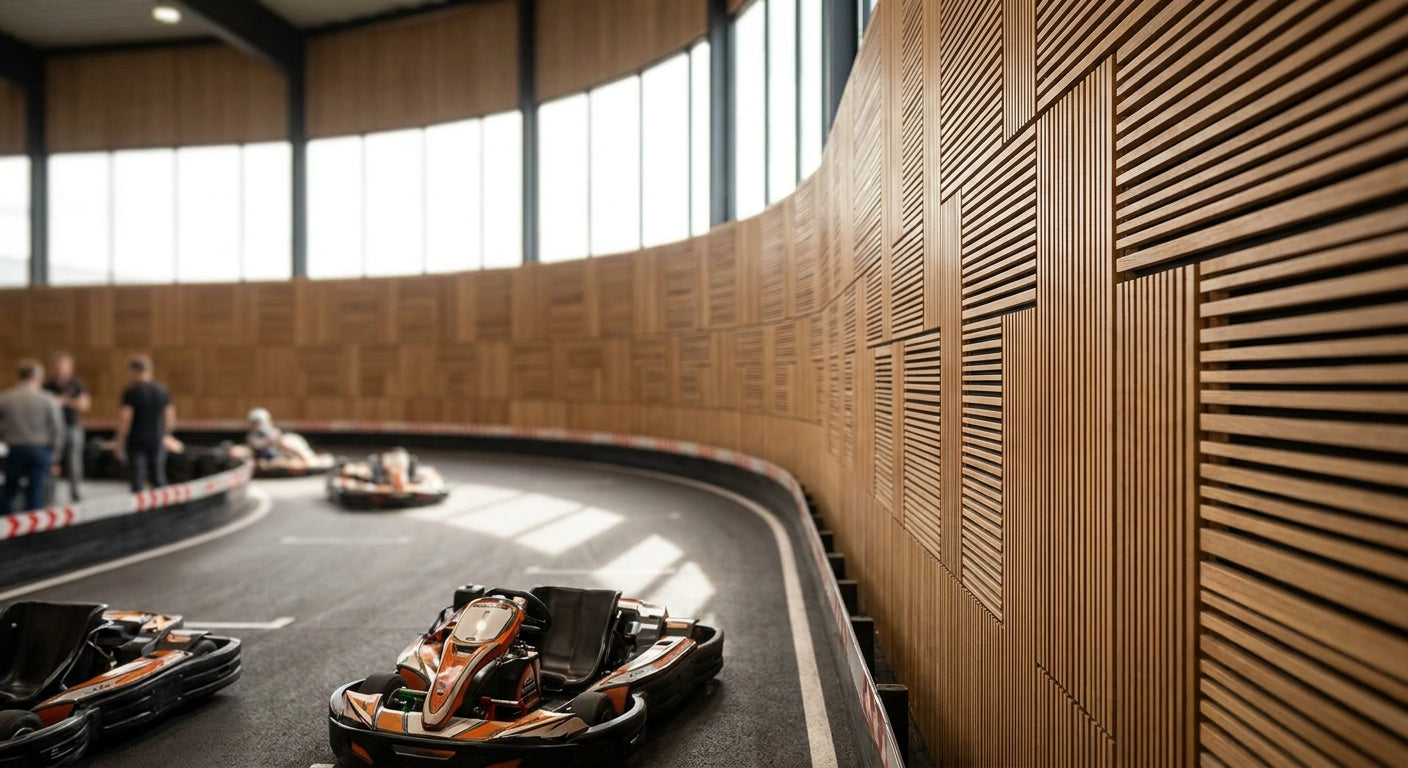
Indoor karting circuits are some of the loudest commercial spaces in the UK — bare concrete, steel decking, and two-stroke engines bouncing sound between walls all day. This guide breaks down which acoustic wood panels actually hold up in that environment and which ones to skip.
- Acoustic panels for karting circuits need NRC 0.75+ and a hard-wearing veneer face — fabric-wrapped foam tiles fail against exhaust heat and rubber dust.
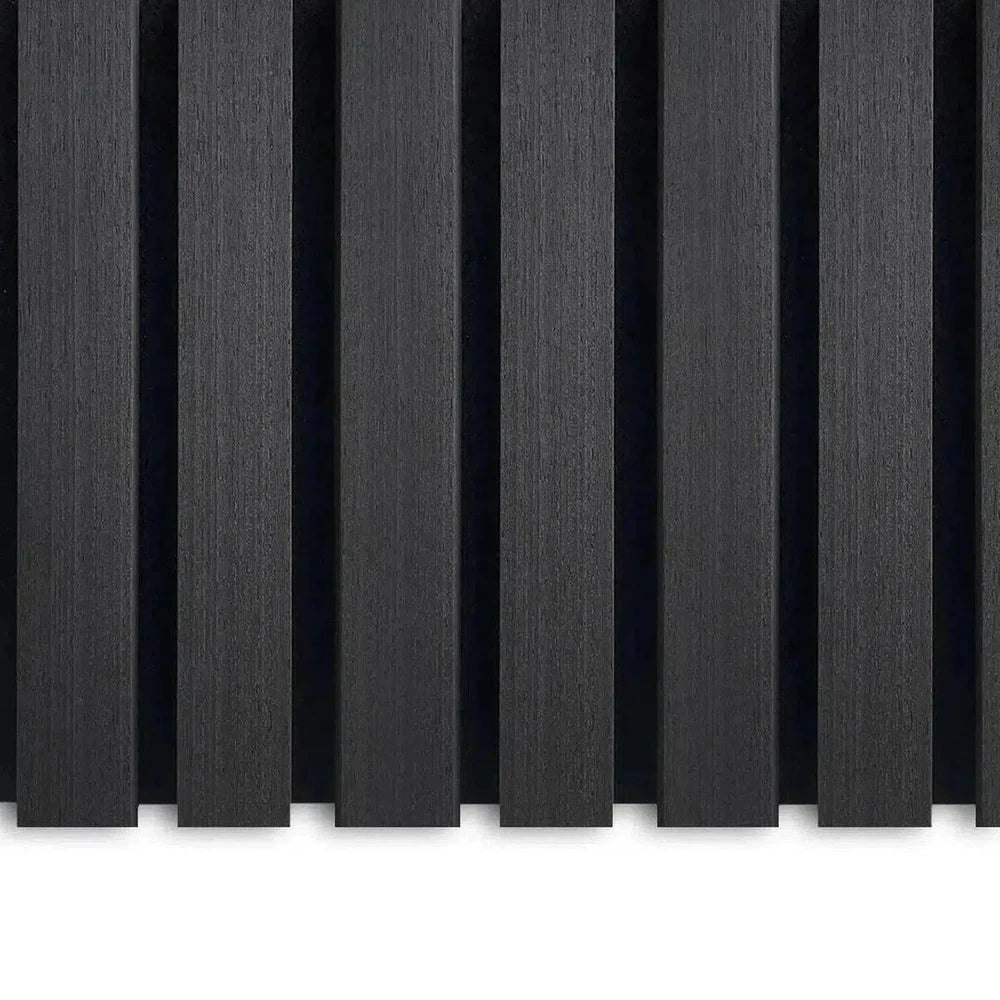
- Akustiq UK's Black Oak wall panel suits pit lane and spectator walls; 240 cm and 300 cm formats cover tall industrial bays without extra joins.
- Hexagon Acoustic Panel Natural Oak with Grey Felt carries an NRC of 0.75 and works as a modular accent for reception and briefing room walls.
- Skip plain foam acoustic tiles near the track — they discolour fast and carry a weaker fire performance than veneered wood panels.
- Budget roughly one panel per 0.72 m² of wall for the 240 cm x 60 cm format when scoping a 2026 refit.
Why this matters
A karting circuit isn't a boardroom. Engine noise sits in the 85-100 dB range at track level, and hard surfaces — concrete floors, steel roof decking, glazed viewing walls — reflect that sound straight back at staff and customers instead of absorbing it.
That reverberation is why briefing rooms feel like shouting matches and why reception desks struggle to hear phone calls over track noise bleeding through. Acoustic panels for karting circuits aren't a decorative upgrade — they're the only practical fix for a hard-surfaced venue that can't add carpet or curtains.
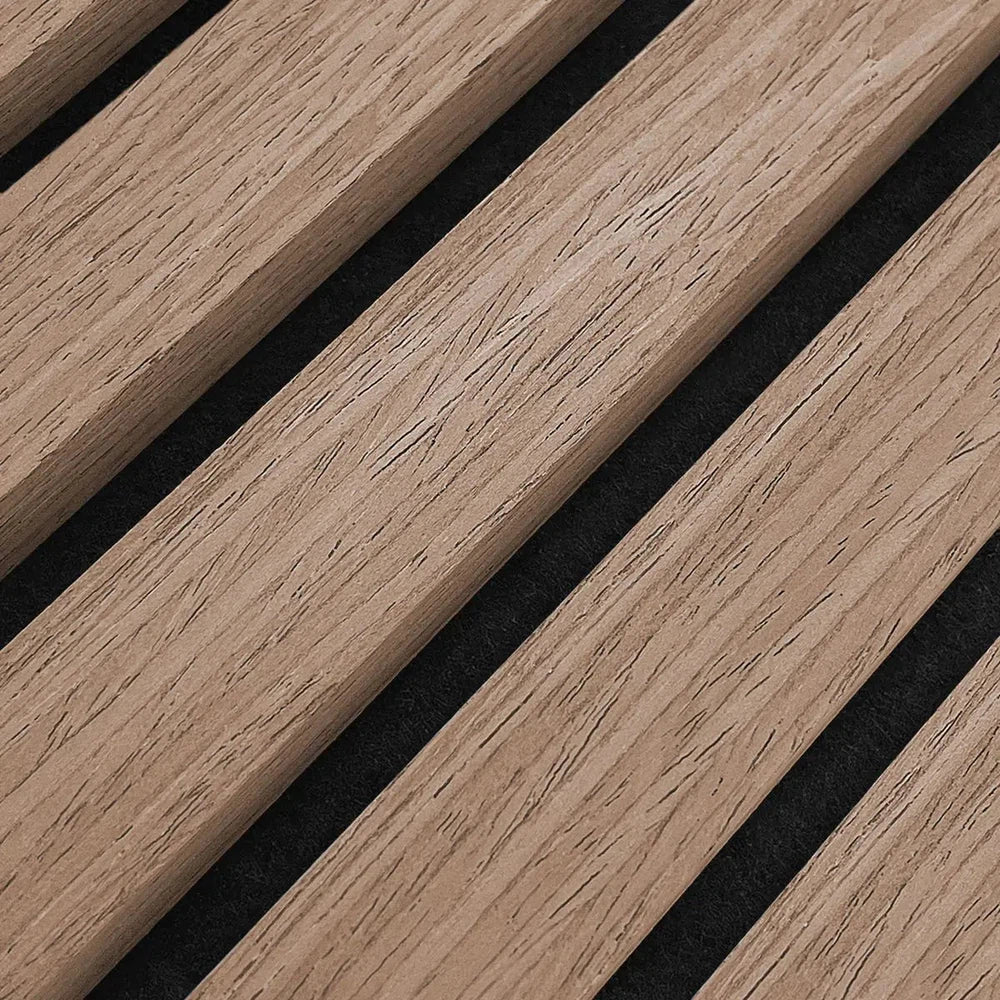
Akustiq UK builds its indoor range around a 3-sided real wood veneer finish over an acoustic felt backing, sold in 240 cm and 300 cm formats, which is the panel category that fits this brief: real absorption, real durability, without turning a track into a padded cell. You'll find the full range on the Akustiq UK site.
Who this is for
This guide is for karting circuit operators, facilities managers, and fit-out contractors specifying acoustic treatment for pit lanes, briefing rooms, reception areas, and spectator viewing galleries in 2026. If you're managing a venue where engine noise, hard flooring, and high footfall combine to make every room echo, the criteria below apply directly to your walls.
What to look for in acoustic panels for karting circuits
Sound absorption rating (NRC)
NRC — Noise Reduction Coefficient — tells you how much sound energy a panel absorbs versus reflects. A panel rated 0.75 absorbs 75% of the sound hitting it, which matters enormously in a room with concrete floors and steel walls reflecting the rest. Anything below 0.5 won't move the needle in a space this loud.
Surface durability against contact and tyre marks
Karts clip walls. Helmets get set down on ledges. Rubber dust settles on everything near the track. A real wood veneer face wipes clean and resists scuffing far better than fabric-wrapped foam, which stains permanently the first time a tyre brushes it.
Fire performance
Any venue open to the public needs wall treatment that meets commercial fire regulations, not a domestic-grade foam tile bought for a home studio. Confirm fire rating documentation before ordering panels for a public karting circuit — this is not the place to guess.
Panel format for tall industrial walls
Most karting circuits sit inside converted warehouses or industrial units with wall heights well above domestic ceiling heights. A 300 cm panel format covers more vertical run per piece than a 240 cm format, cutting the number of horizontal joins on a full-height wall.
Cleaning and maintenance under heavy footfall
Exhaust residue, rubber particles, and hand contact near reception desks and briefing rooms mean panels need to survive routine wiping, not just look good on day one. A sealed wood veneer face handles this; unsealed fabric does not.
Installation speed across large square footage
Karting venues run big floor plans — pit lanes, spectator corridors, briefing rooms — which means covering hundreds of square metres without shutting the track down for weeks. Glue-fix panels with pre-cut end pieces install faster than systems requiring full batten frameworks on every wall.
Top picks for karting circuit walls
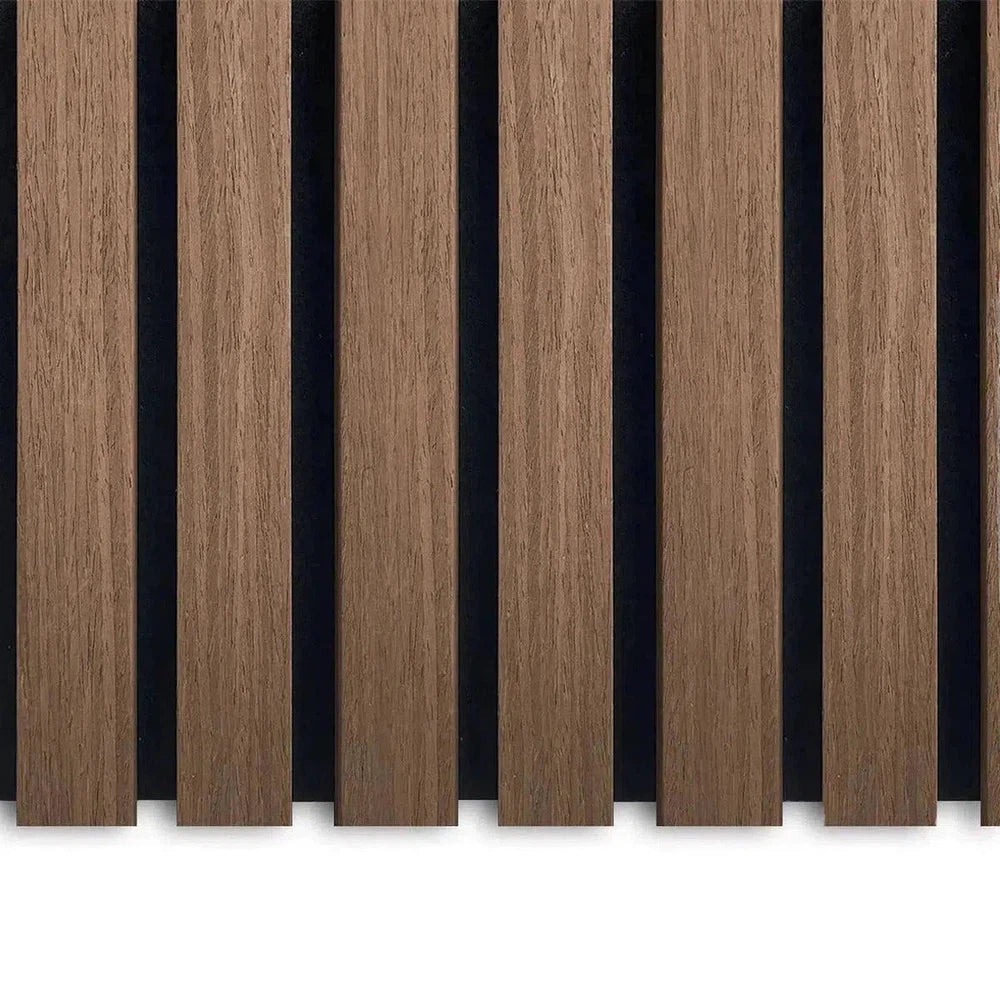
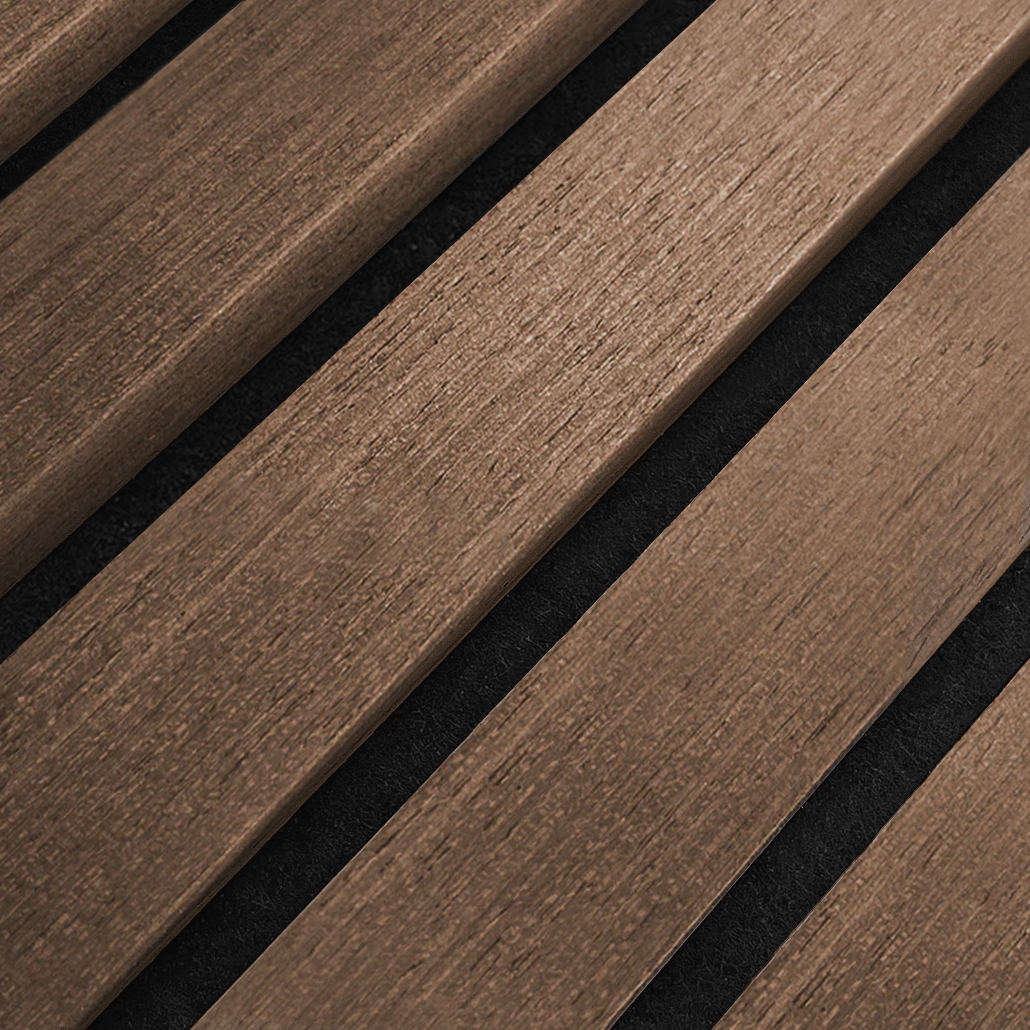
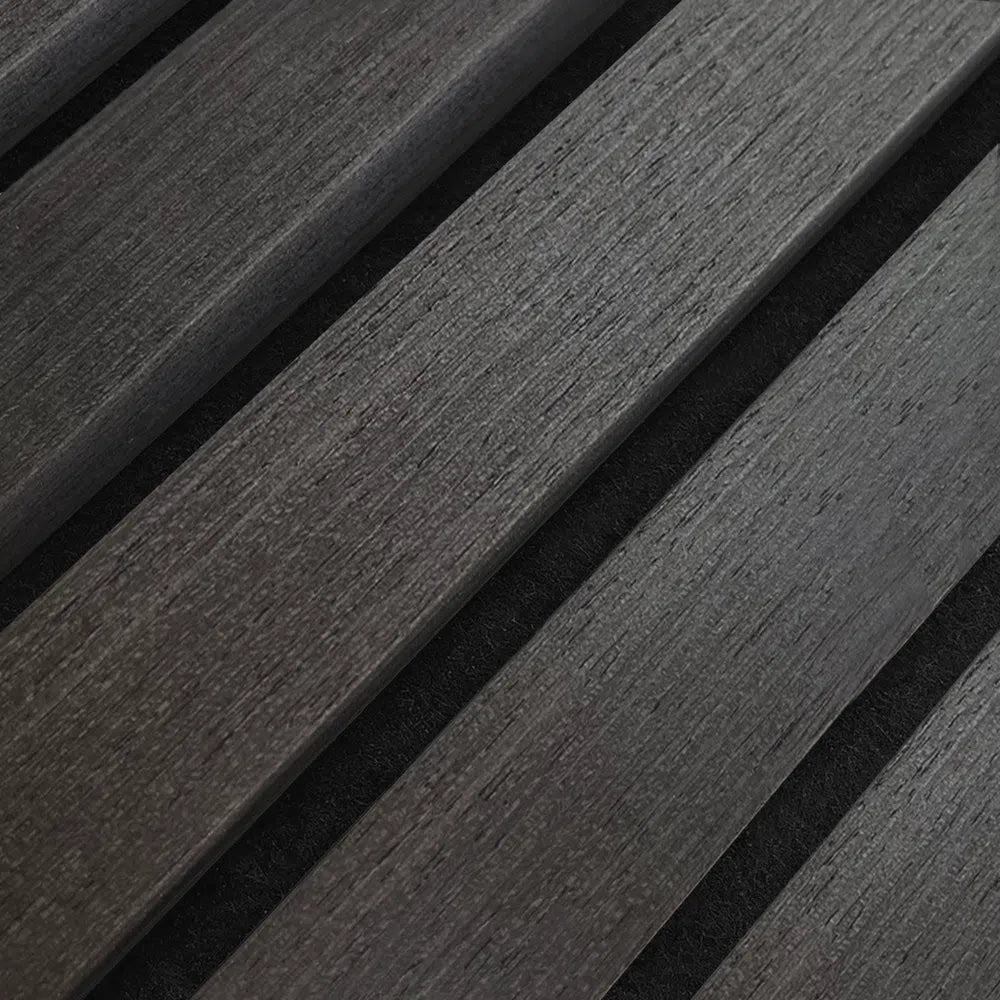
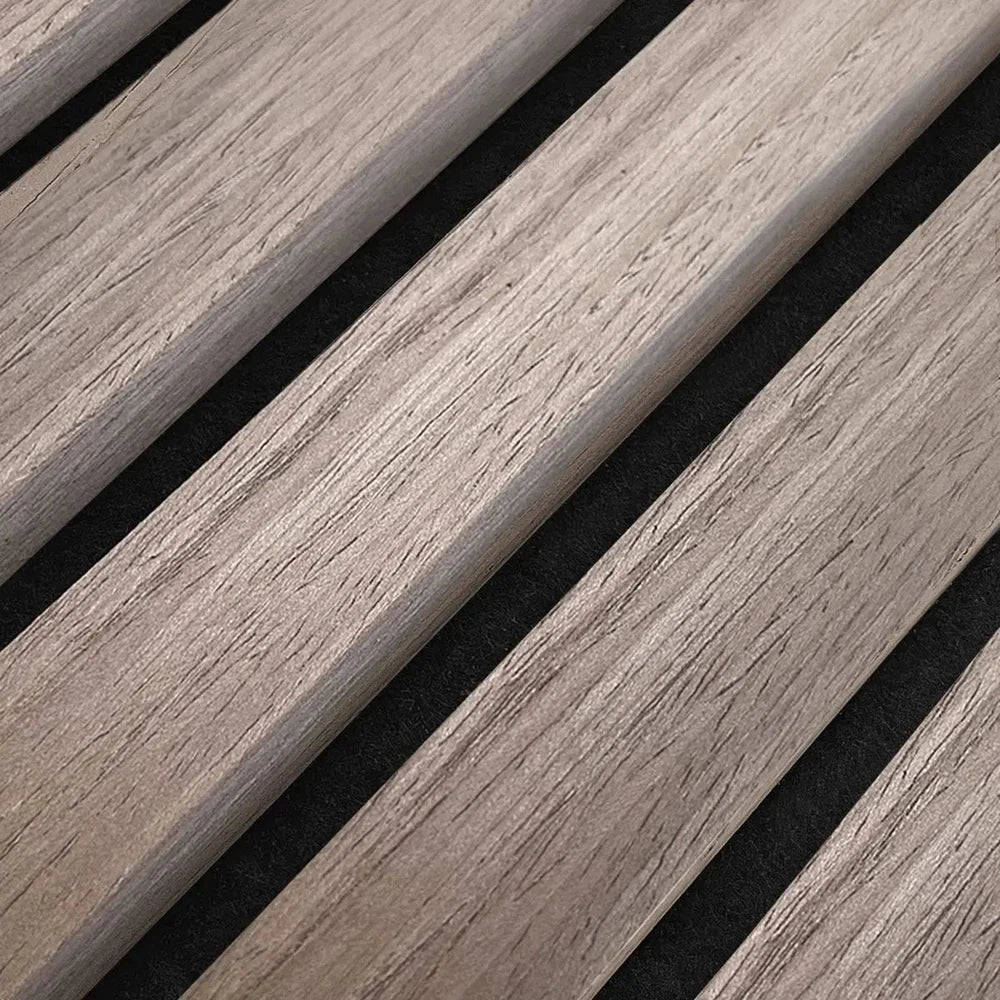
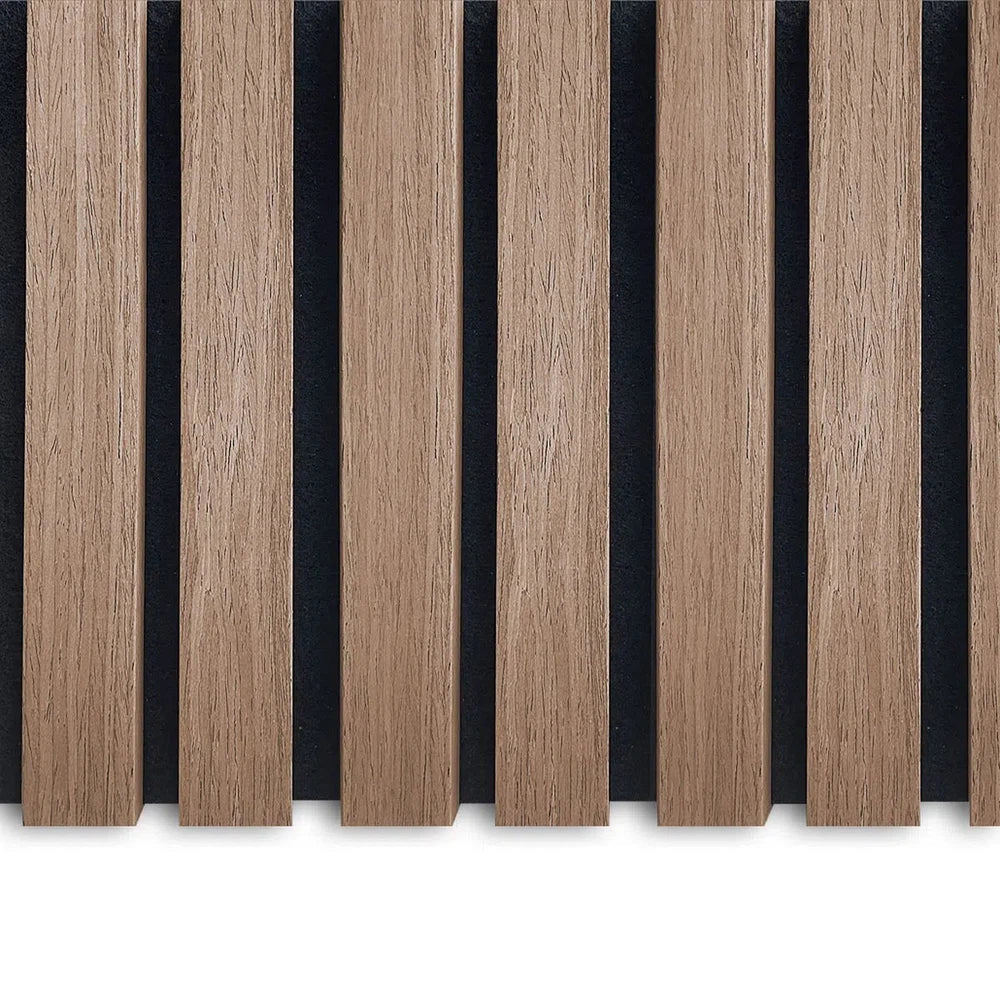
The full-wall workhorse — Wooden Wall Panel Black Oak. This 3-sided real wood veneer panel comes in both the 240 cm and 300 cm format with an acoustic felt backing built in. The dark finish hides scuff and rubber marks better than lighter tones, which is exactly what a pit lane wall needs in year-round use. Verdict: Buy for pit lanes and spectator corridors where marks accumulate fast.
The feature-wall accent — Hexagon Acoustic Panel Natural Oak with Grey Felt. This modular panel carries an NRC of 0.75 in an 81 cm hexagon format, sized for reception desks, briefing rooms, and any wall where the venue's branding matters as much as the absorption. Small format means it's practical to arrange in a pattern around signage or a service counter. Verdict: Buy for front-of-house zones.
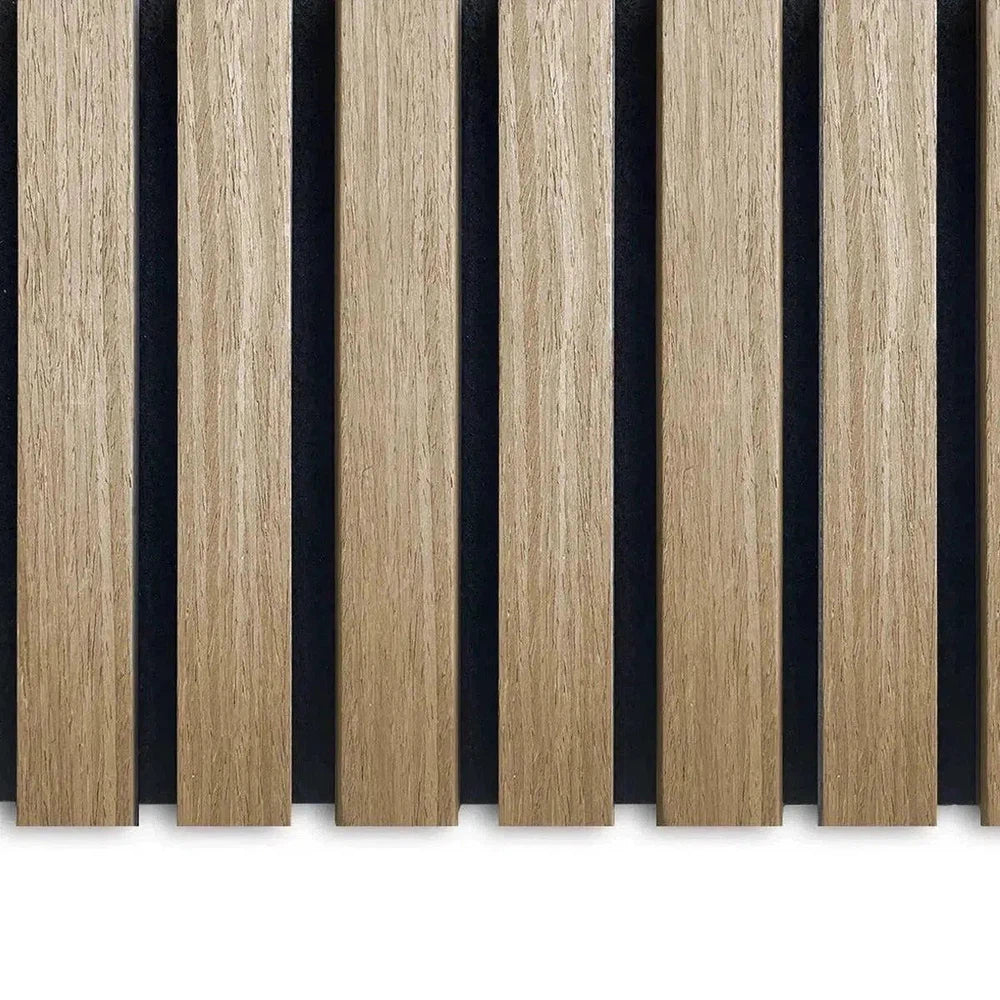
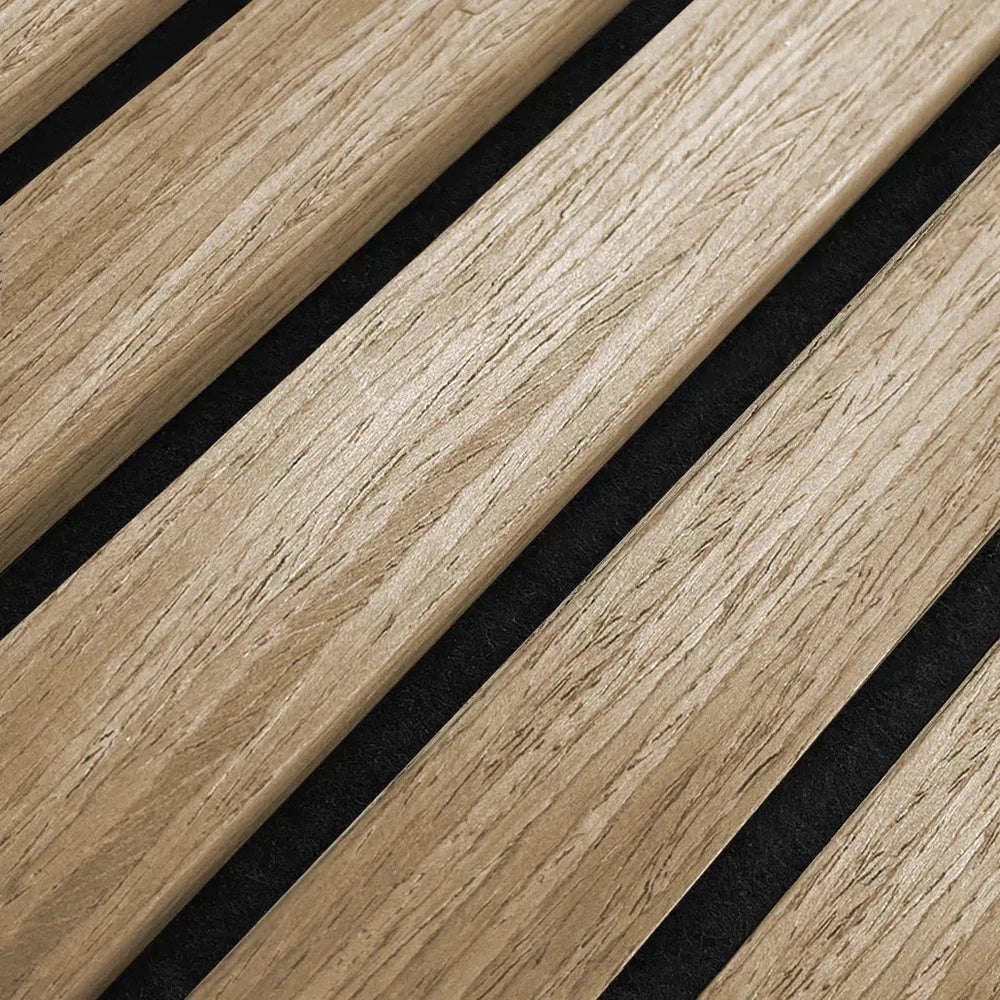
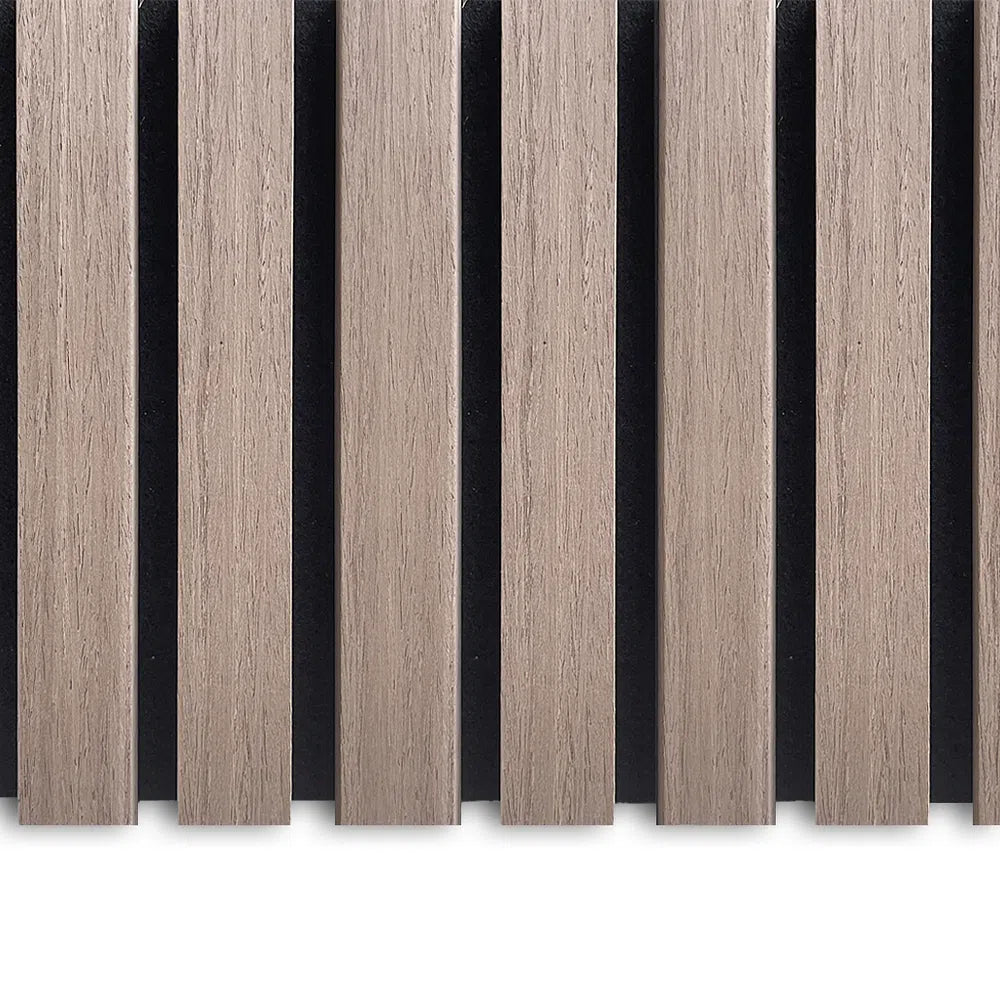
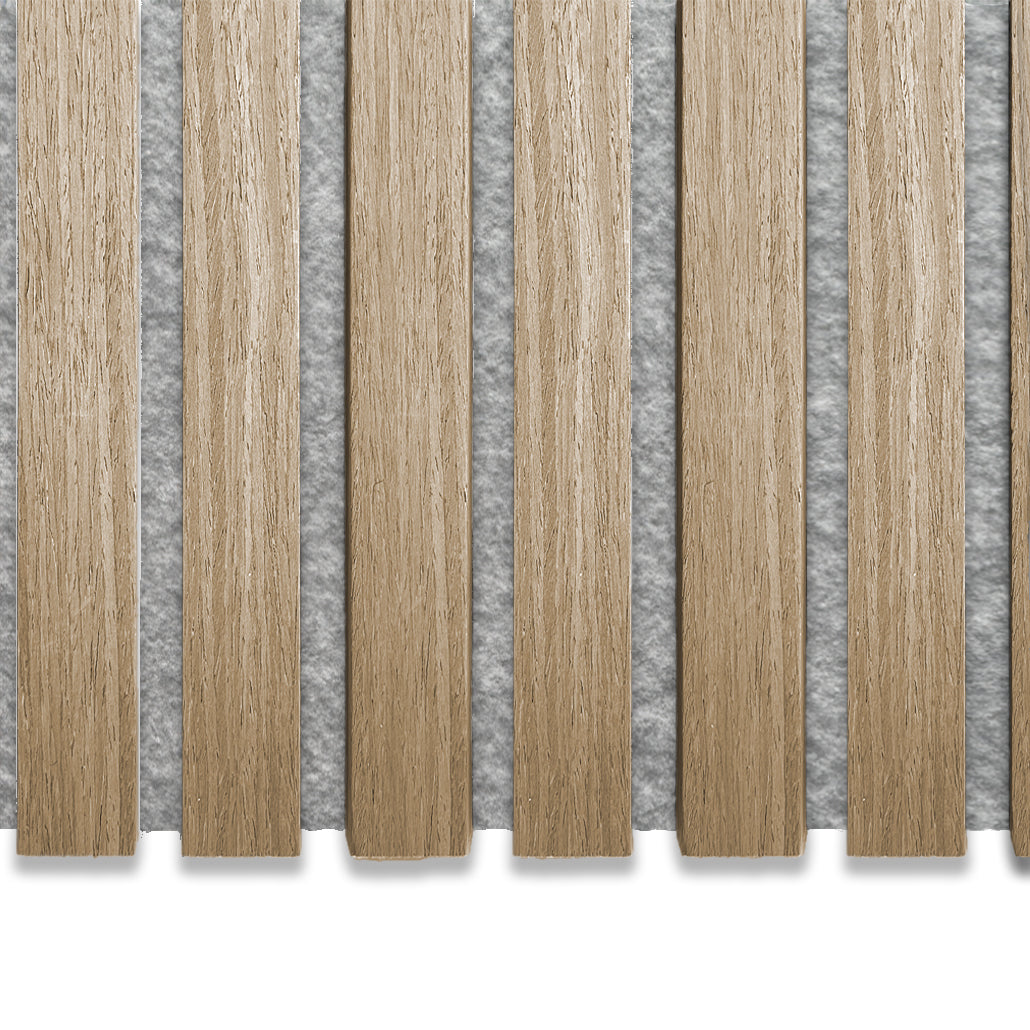
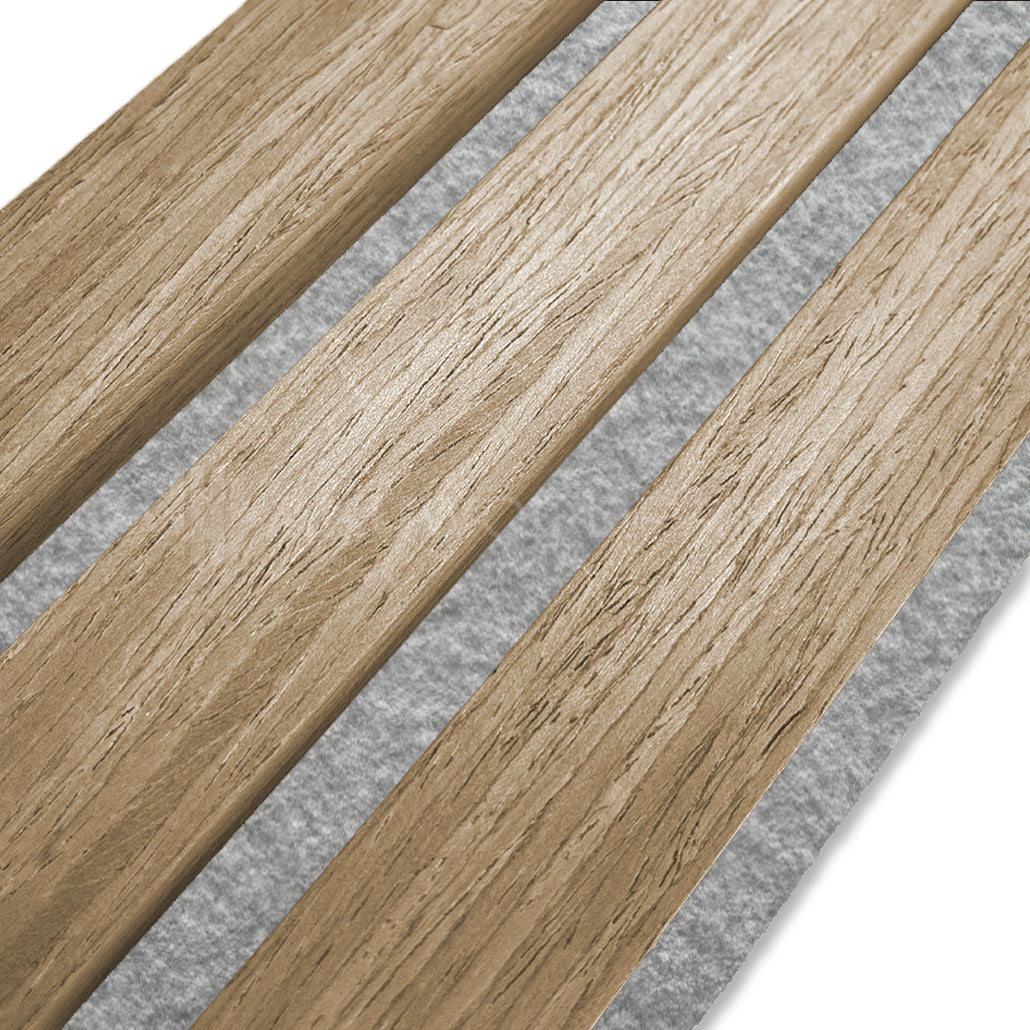
The lighter alternative — Wooden Wall Panel Natural Oak. Same 3-sided veneer construction as the Black Oak option, in a lighter finish that suits briefing rooms with more daylight. It won't hide scuff marks as well as the darker range, so it's better kept away from direct track-side contact. Verdict: Consider for admin offices and briefing rooms away from the track.
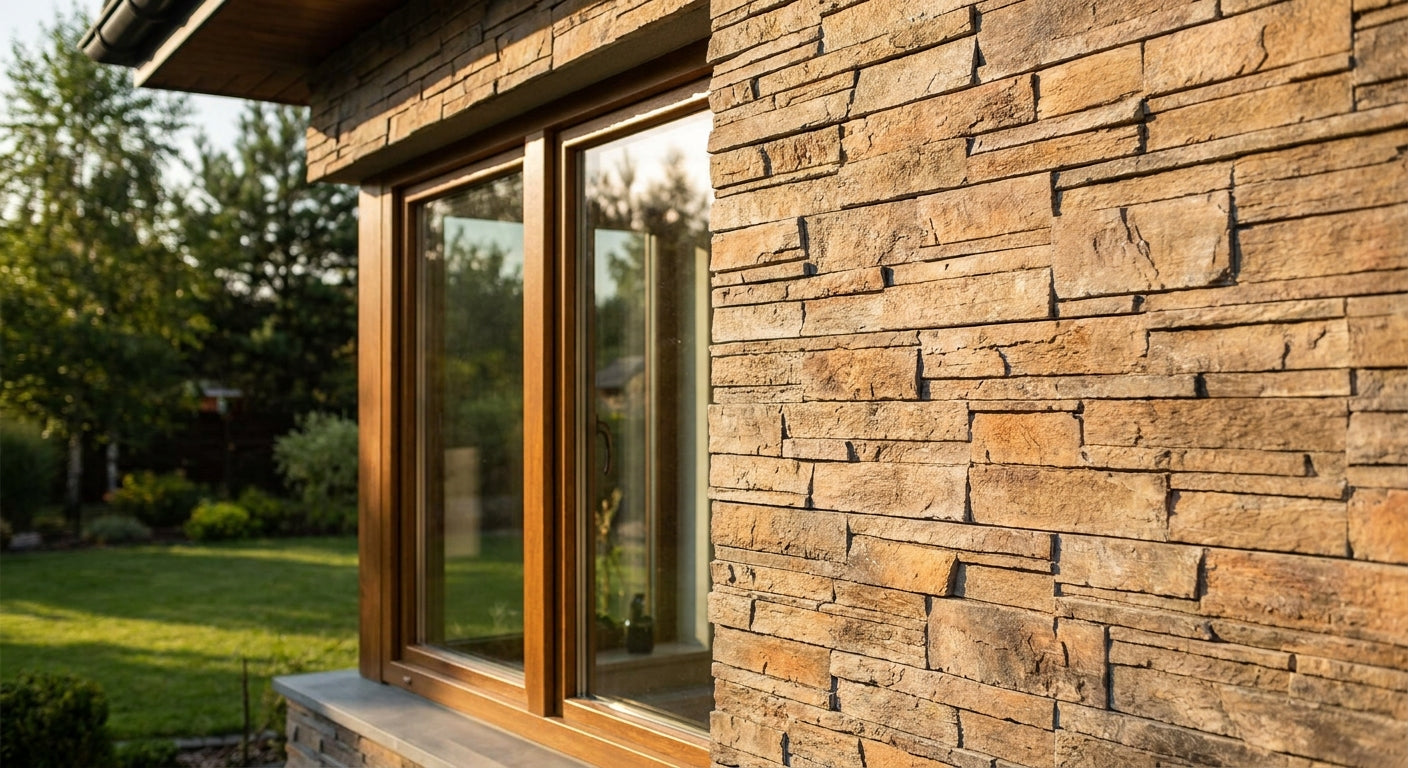
The exterior tie-in — Exterior Wall Cladding Panel Black. If the circuit's entrance or facade needs to match the interior black oak scheme, this exterior-rated cladding panel carries the same tone outdoors. It's not an acoustic product, so don't treat it as a substitute for interior sound absorption. Verdict: Consider only for signage and entrance branding, not for noise control.


What to avoid
- Fabric-wrapped acoustic tiles. They absorb well on paper but stain permanently from rubber dust and oil residue near the track — replacing a stained fabric tile is far costlier than wiping a veneer panel.
- Bare foam acoustic panels. Cheap and easy to install, but they carry weaker fire performance and look worn within months under heavy footfall and exhaust exposure.
- Panels sized for domestic ceiling heights. A 240 cm panel bought for a warehouse wall running 4-5 metres tall means extra horizontal joins, more labour, and more visible seams than the 300 cm format would need.
Verdict comparison table
| Panel | Veneer finish | NRC rating | Format | Best zone | Verdict |
|---|---|---|---|---|---|
| Wooden Wall Panel Black Oak | 3-sided real wood veneer | Not NRC-tested for this listing | 240 cm / 300 cm | Pit lane, spectator corridor | Buy |
| Hexagon Acoustic Panel Natural Oak with Grey Felt | 3-sided real wood veneer | 0.75 | 81 cm hexagon | Reception, briefing room | Buy |
| Wooden Wall Panel Natural Oak | 3-sided real wood veneer | Not NRC-tested for this listing | 240 cm / 300 cm | Admin office, briefing room | Consider |
| Exterior Wall Cladding Panel Black | Exterior-rated | Not an acoustic product | Standard cladding format | Entrance facade | Consider |
FAQ
What's the best acoustic panel for a karting circuit pit lane?
A 3-sided real wood veneer panel with an acoustic felt backing, like the Black Oak wall panel in the 240 cm or 300 cm format, holds up best against scuffs and rubber marks in a pit lane. Lighter finishes show contact marks faster and suit lower-traffic rooms instead.
Is NRC 0.75 good enough for a loud indoor karting venue?
NRC 0.75 means the panel absorbs 75% of the sound hitting it, which is a strong rating for wall treatment in a reflective, hard-surfaced space. Combine panelled walls with acoustic ceiling treatment for the biggest drop in overall reverberation.
How much does it cost to acoustically treat a karting circuit wall in 2026?
Cost depends on wall area and panel format, since 240 cm and 300 cm panels cover different square footage per unit. Check current per-panel pricing on the Akustiq UK site and calculate coverage from your wall dimensions before ordering.
Are wood veneer acoustic panels fire-rated for public venues?
Fire rating varies by product and finish, so confirm the specific fire performance documentation for any panel before specifying it in a public karting circuit. Never assume domestic-grade acoustic foam meets commercial venue fire regulations.
Can hexagon acoustic panels be used near a race track?
Hexagon panels work well in lower-contact zones like reception desks and briefing rooms where the modular shape supports branding and pattern layouts. They're less suited to pit lane walls that take direct contact from karts and equipment.
Do acoustic wood panels need cleaning differently near karting exhaust fumes?
Real wood veneer panels wipe clean with a damp cloth, which handles rubber dust and light exhaust residue far better than fabric-wrapped foam. Fabric surfaces absorb residue permanently and are difficult to restore once stained.
What panel size covers a tall warehouse-style karting circuit wall best?
The 300 cm format covers more vertical run per panel than the 240 cm format, reducing horizontal joins on walls above standard ceiling height. Warehouse conversions with 4-5 metre walls generally suit the taller format.
Should exterior cladding match interior acoustic panels at a karting venue?
Matching tones between exterior cladding and interior wall panels, such as black cladding paired with Black Oak interior panels, keeps branding consistent from entrance to pit lane. Exterior cladding itself doesn't provide interior sound absorption.
One last thing
Most karting circuit fit-outs treat the walls and forget the ceiling — but a hard steel roof deck reflects as much sound as a bare concrete wall. If reverberation is still bad after panelling the walls, the ceiling is the next place to look, not a second layer of wall panels.