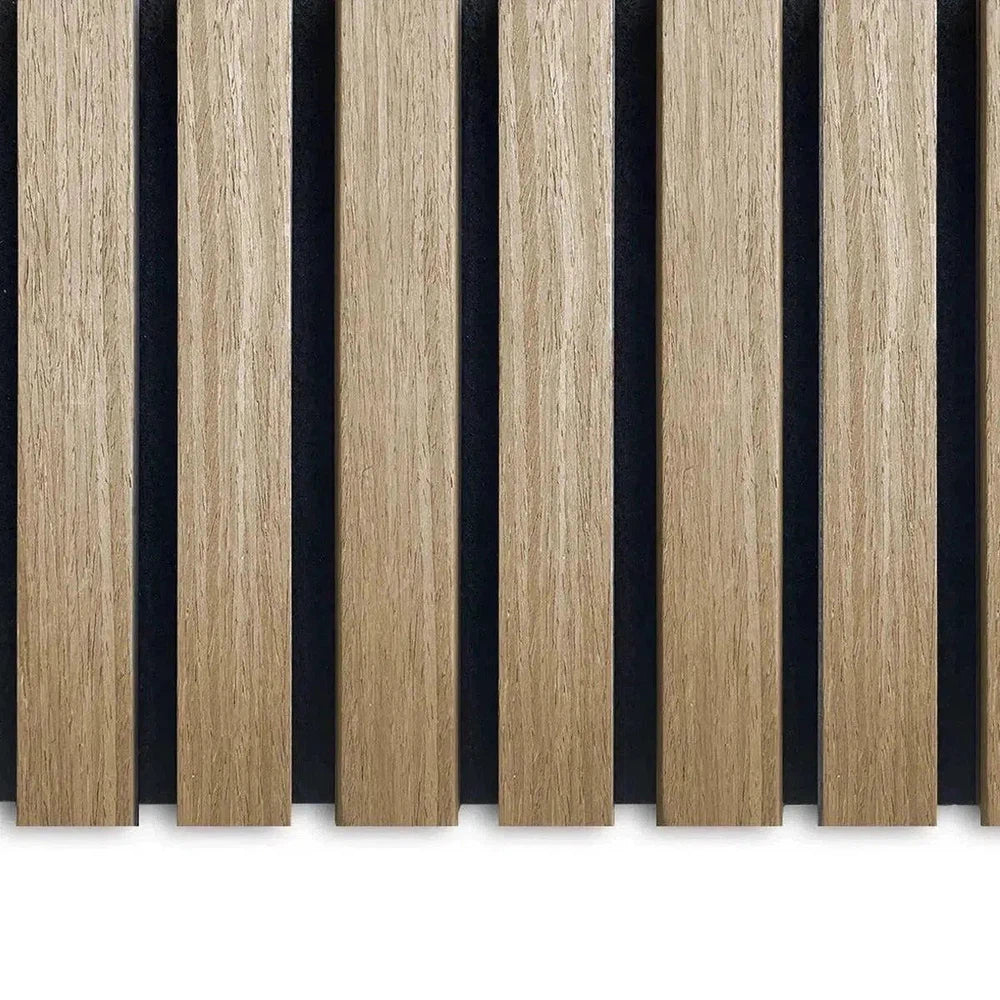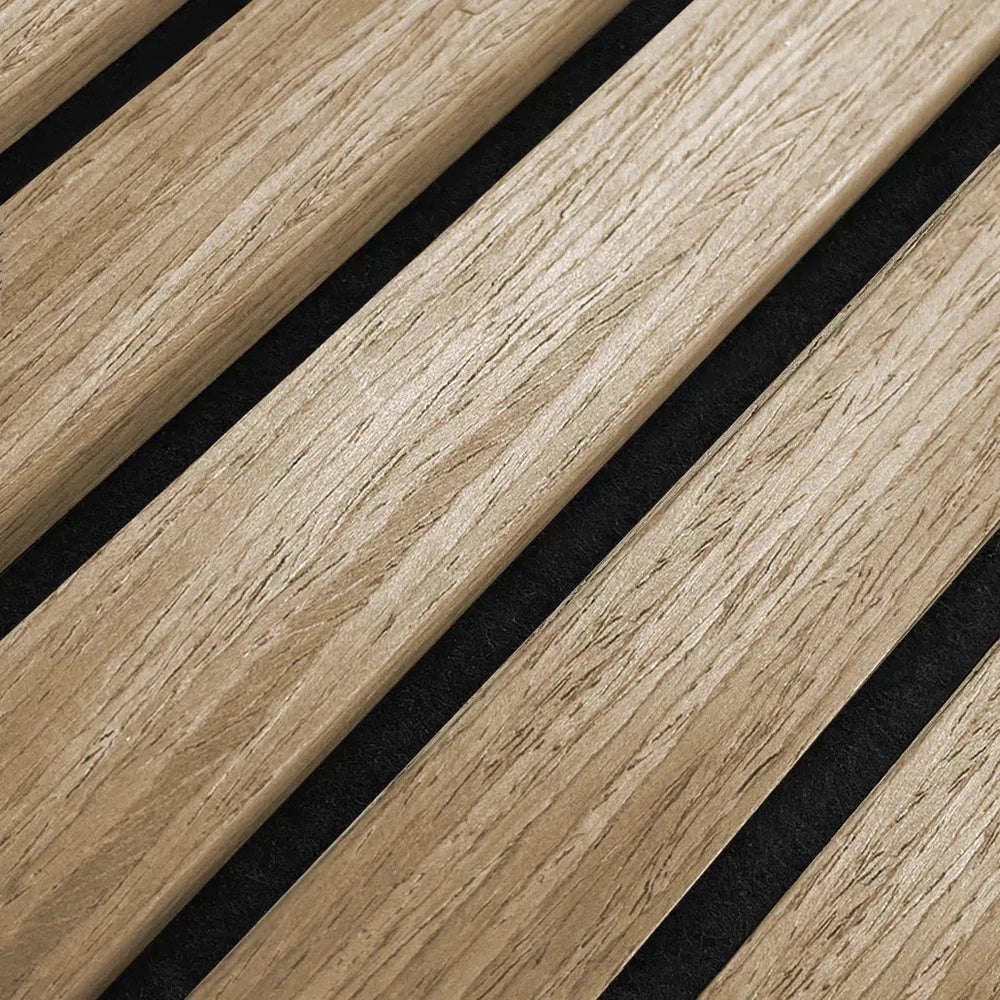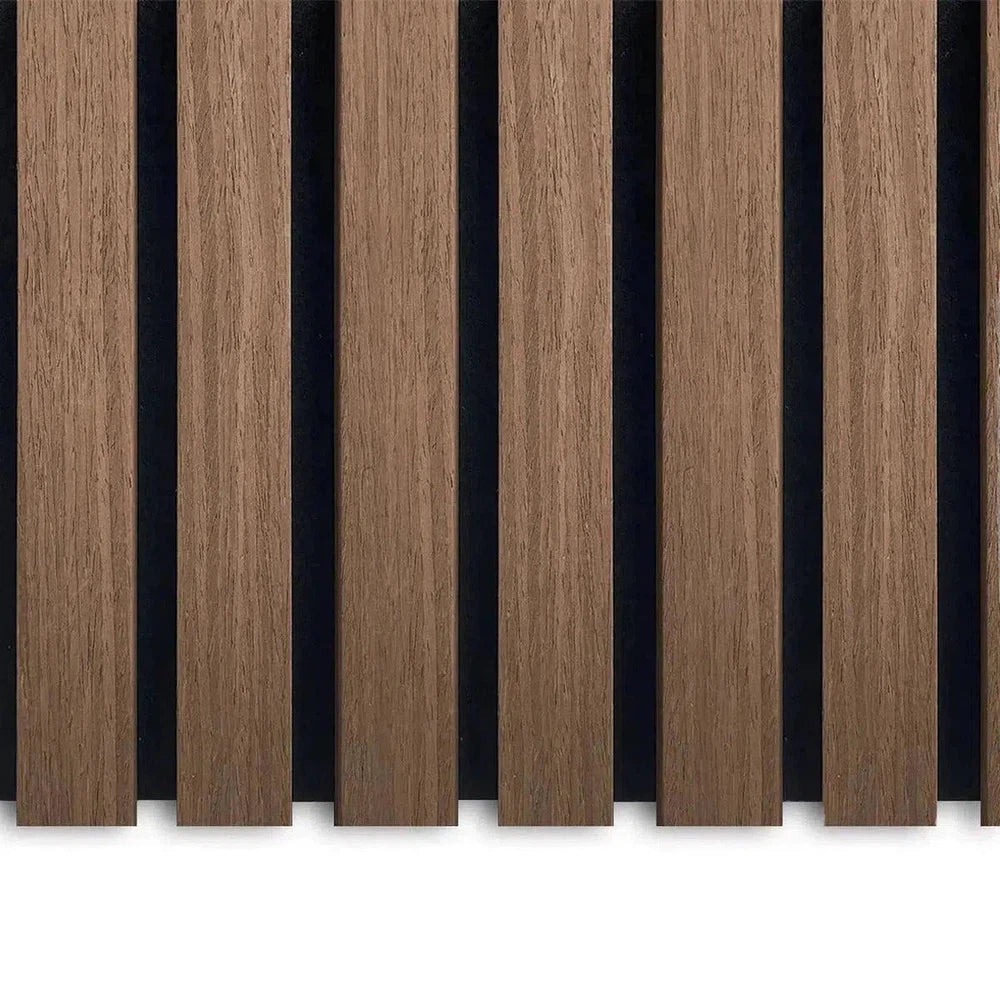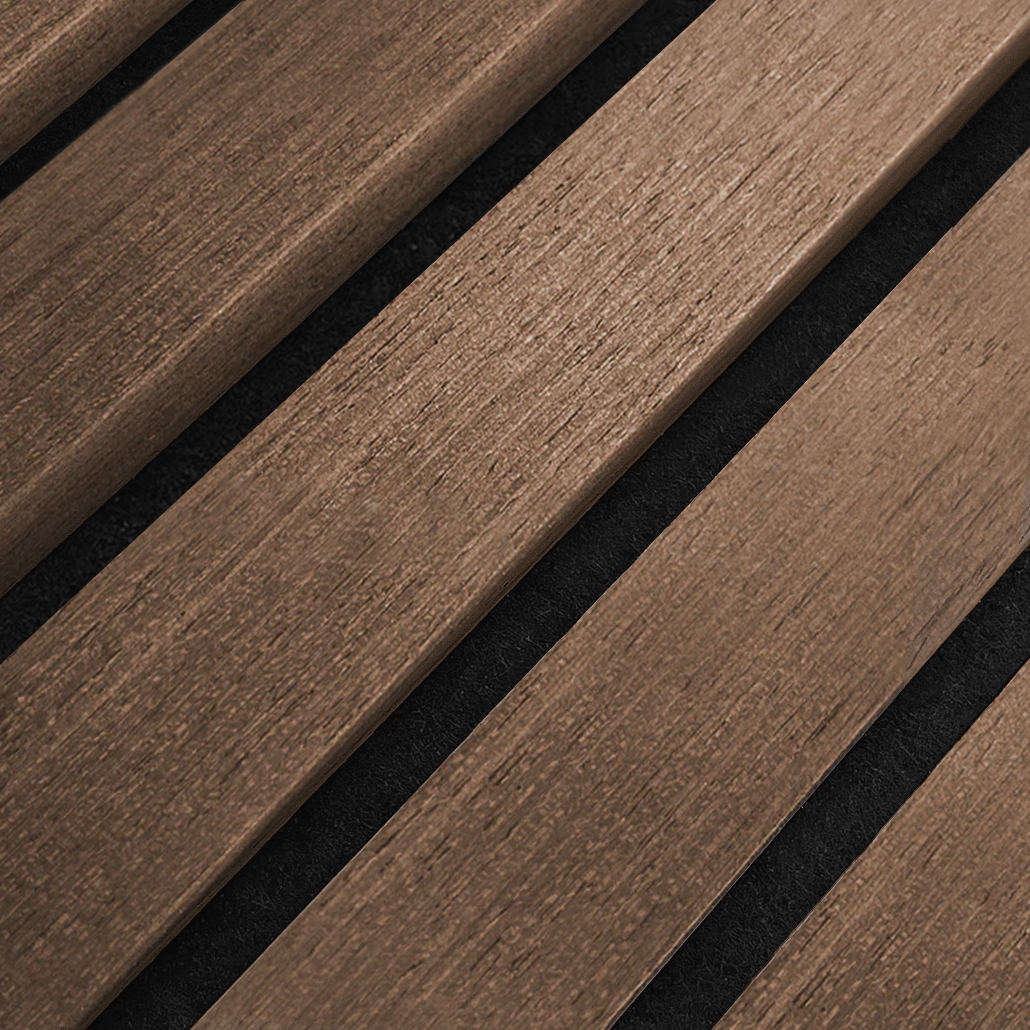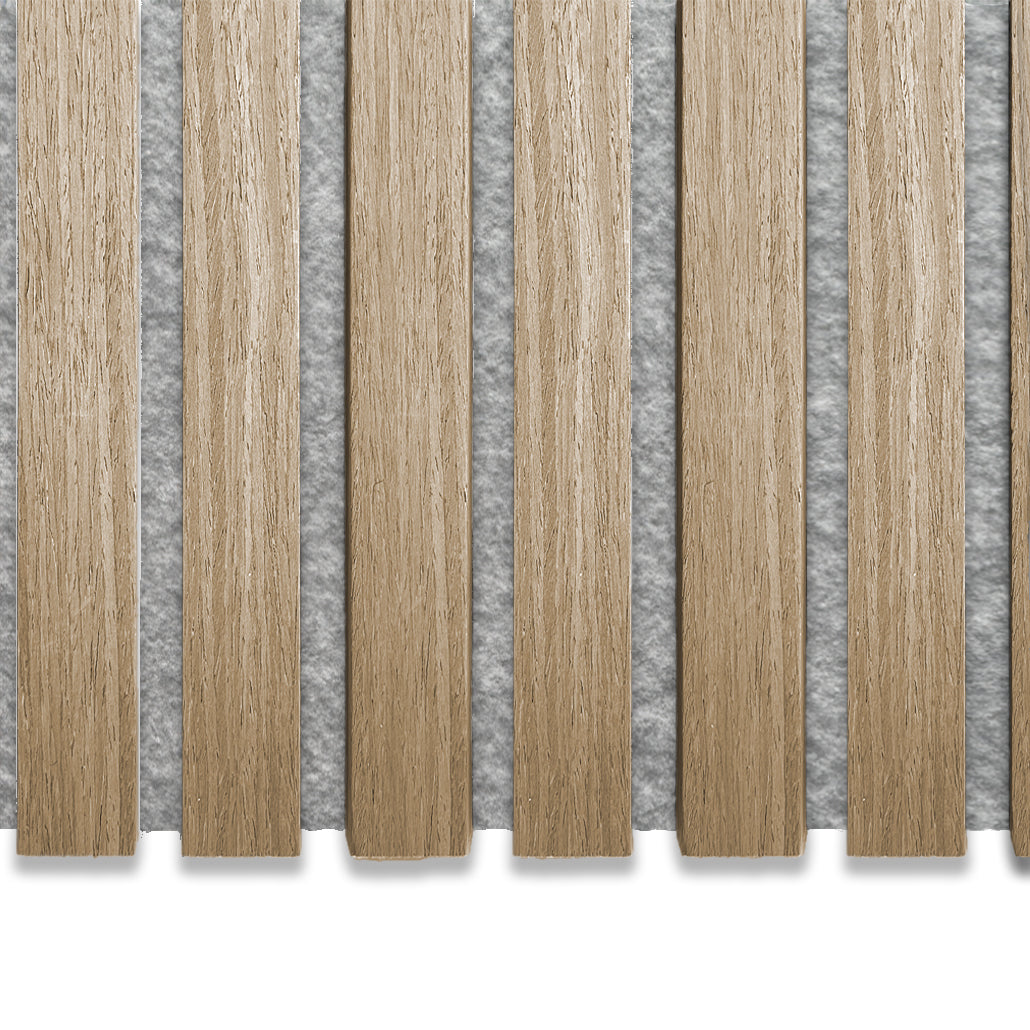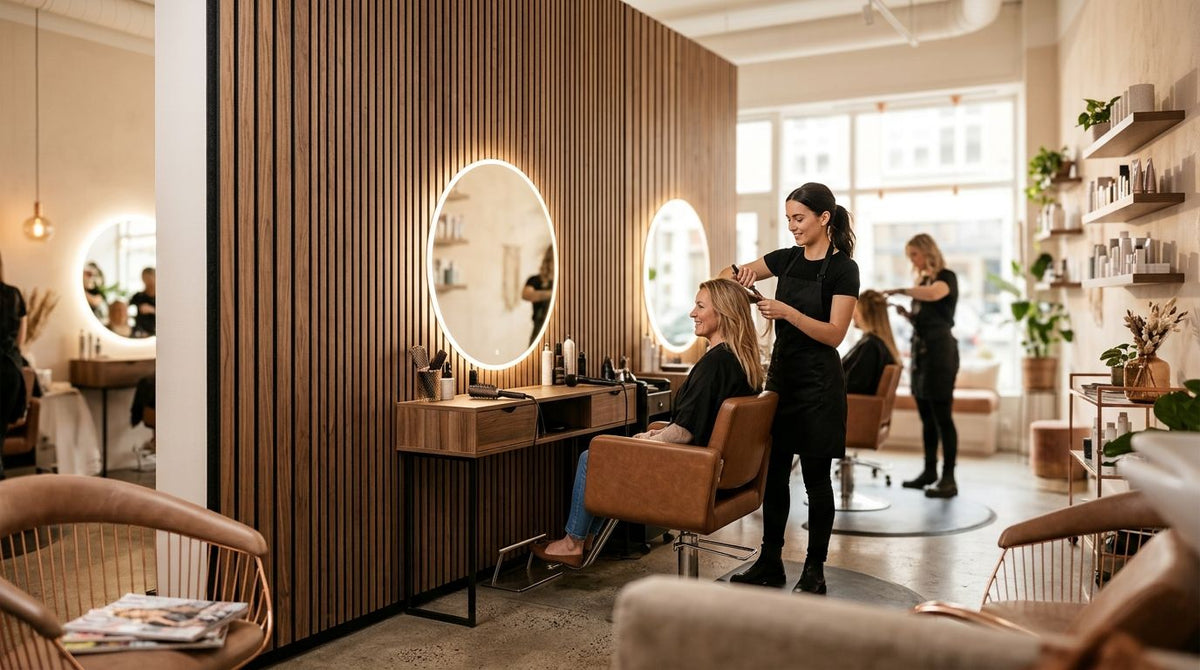
Beauty salon acoustic panels cut the echo bouncing between mirrors, tiled floors and hard plaster, with the aim of making treatment rooms feel calmer and client conversations easier to follow. Salons carry more reflective surface per square metre than most retail units — mirrors, tile, glass partitions, hard flooring — so reverberation builds faster here than in a carpeted office or a soft-furnished shop.
- Beauty salon acoustic panels with a documented NRC rating cut reverb better than decorative slat boards with no felt backing.
- Akustiq UK's hexagon acoustic panel range carries an NRC of 0.75, built for feature walls behind styling chairs in 2026 salon fit-outs.
- Cover at least one full wall per treatment room — partial coverage barely dents an echo problem.
- Target the wall opposite mirrored stations first: mirrors reflect sound the same way they reflect light.
Why acoustic panels matter for beauty salons
A typical salon floor has almost nothing soft in it. Mirrors, glass shelving, tiled or vinyl flooring and hard styling stations all bounce sound instead of soaking it up, so a hairdryer running two chairs away carries across the whole room. Clients notice this more than owners expect — a salon visit is meant to feel relaxing, and constant noise bleed undercuts that even when the service itself is good.
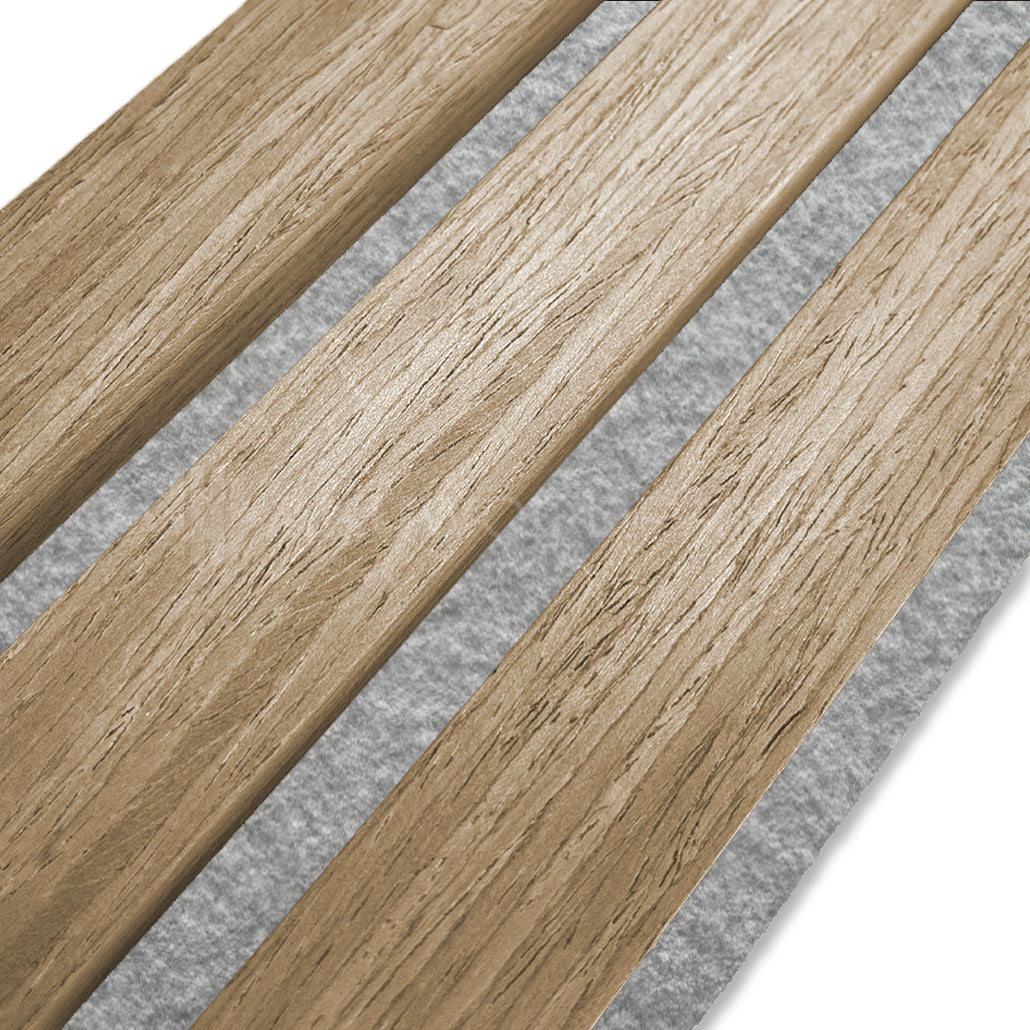
Staff feel it too. Stylists and therapists talk over dryers, extraction fans and background music for most of a shift, and untreated hard surfaces make that harder on the voice by the end of the day. Akustiq UK supplies acoustic wood panels built specifically to address this kind of hard-surface reverb without turning a salon into a padded box — the wood veneer finish keeps the visual brief intact while the felt backing does the absorption work.
Beauty salons booked into converted retail units or shopfronts often inherit double-height ceilings and bare block walls from the previous tenant, which makes the reverb problem worse than in a purpose-built space. That's a reason to treat wall coverage as a fit-out line item in 2026, not an afterthought once the mirrors are already up.
Audit your salon's noise sources
Before buying anything, walk the floor during a busy hour and note where sound actually piles up.
- Check reception and waiting areas first — this is where clients form their first impression of the space
- Note which treatment rooms sit closest to blow-dry or basin stations
- Ask two or three staff which walls make client conversations hardest to follow
- Measure ceiling height — anything above standard domestic height needs wider coverage to control reverberation
Target the walls with the most bounce
Not every wall needs treatment, and salons rarely have the budget or wall space to panel everything.
- Start with the wall directly opposite mirrored styling stations — mirrors reflect sound the same way they reflect light
- Treat the wall behind the reception desk next, since it carries the highest volume of conversation
- Leave window walls until last — glazing benefits less from wood panel treatment than solid plaster
- Prioritise one long, unbroken wall over several small alcoves; coverage works better concentrated than scattered
Choose acoustic panels with a proven NRC rating
This is where a decorative slat board and a genuine acoustic panel start to look identical but perform very differently.
- Look for a stated Noise Reduction Coefficient rather than a vague "sound-dampening" claim with no figure attached
- The hexagon acoustic panel range from Akustiq UK carries an NRC of 0.75, with acoustic felt sitting behind the wood veneer to do the absorption work
- Compare felt-backed panels against plain veneer boards before buying — the felt is doing the job, the wood is the finish layer on top
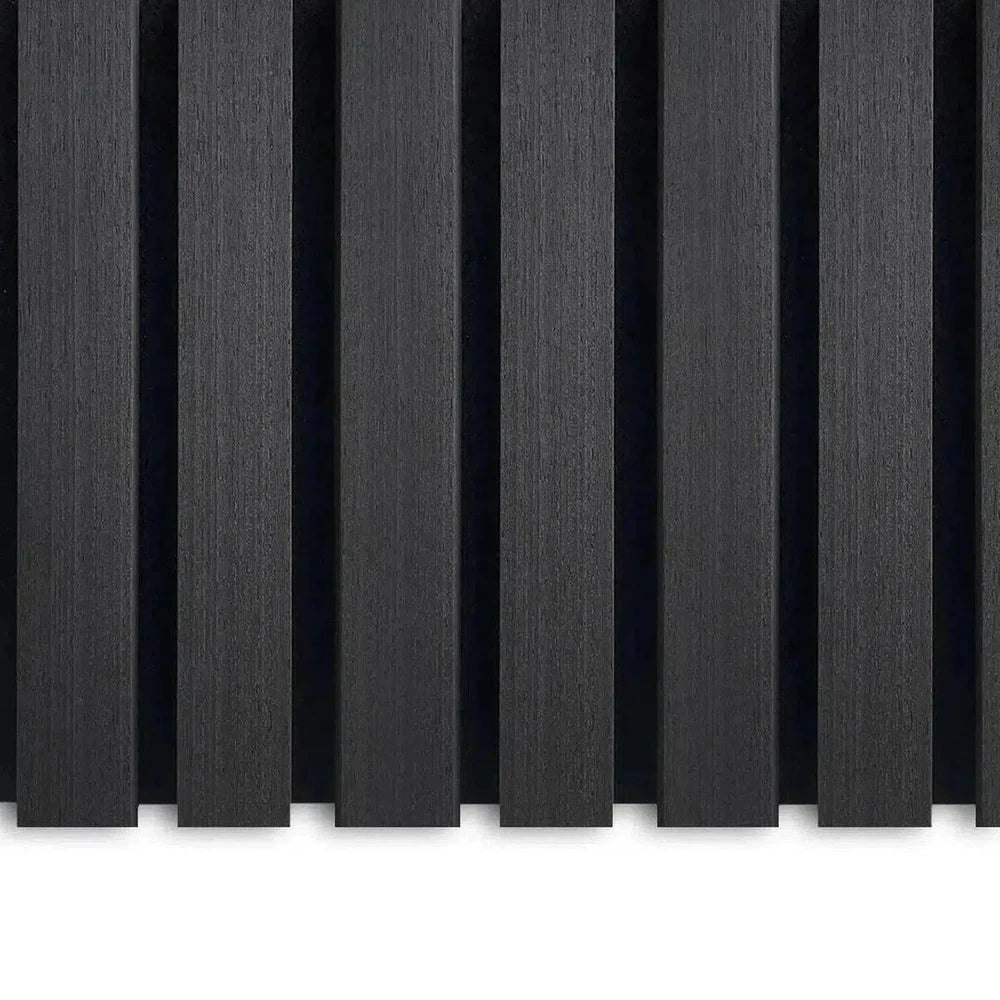
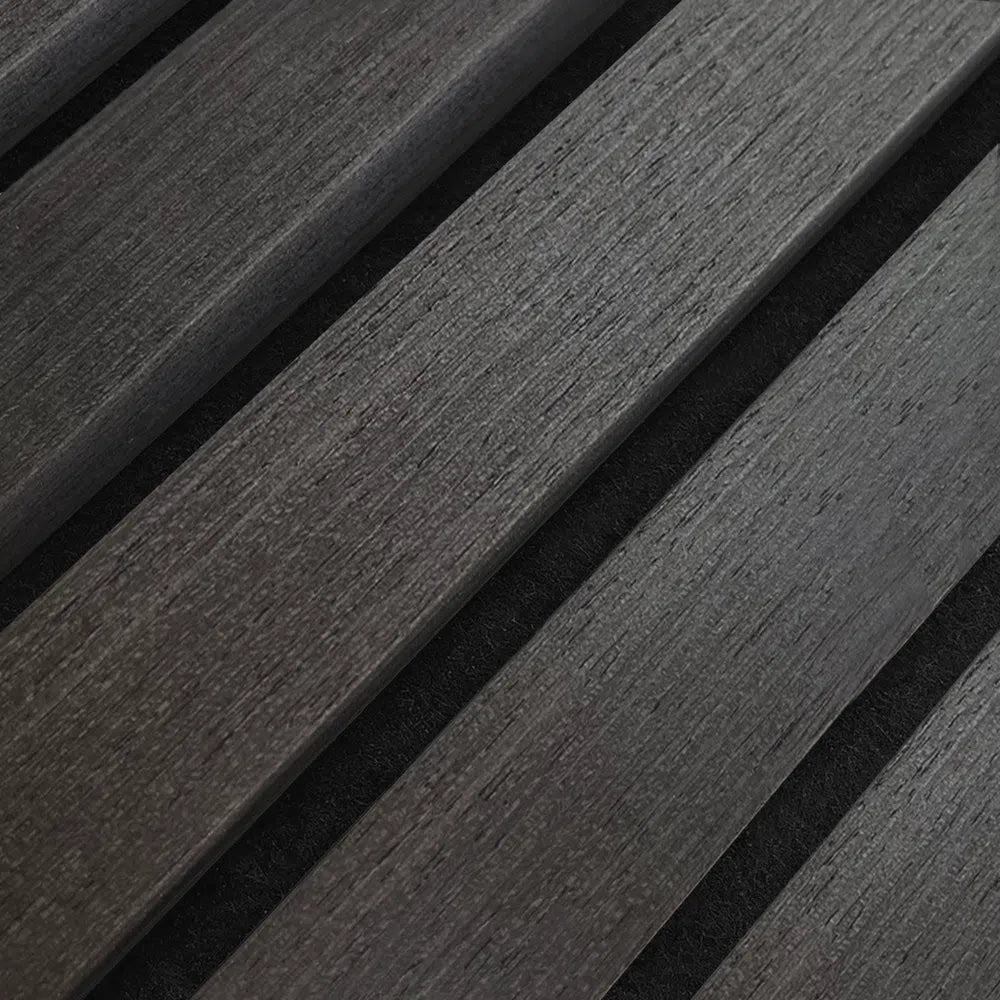
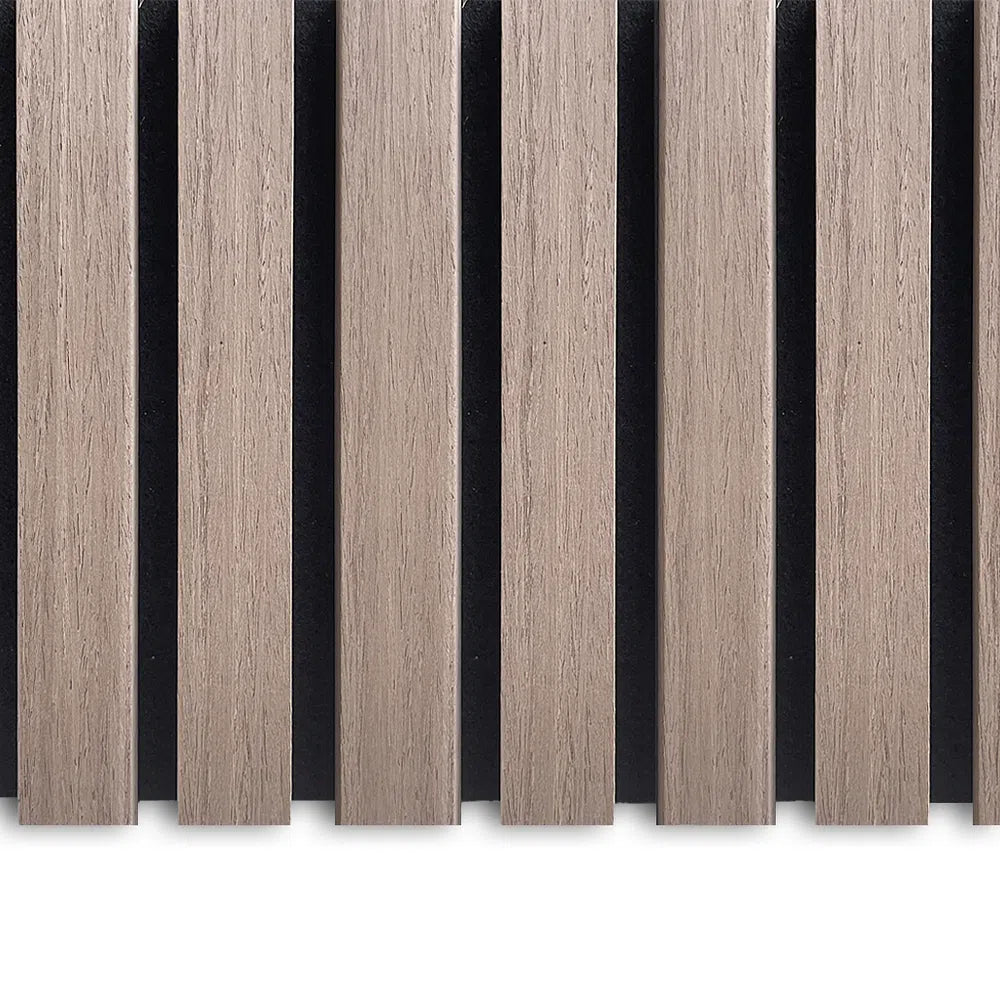
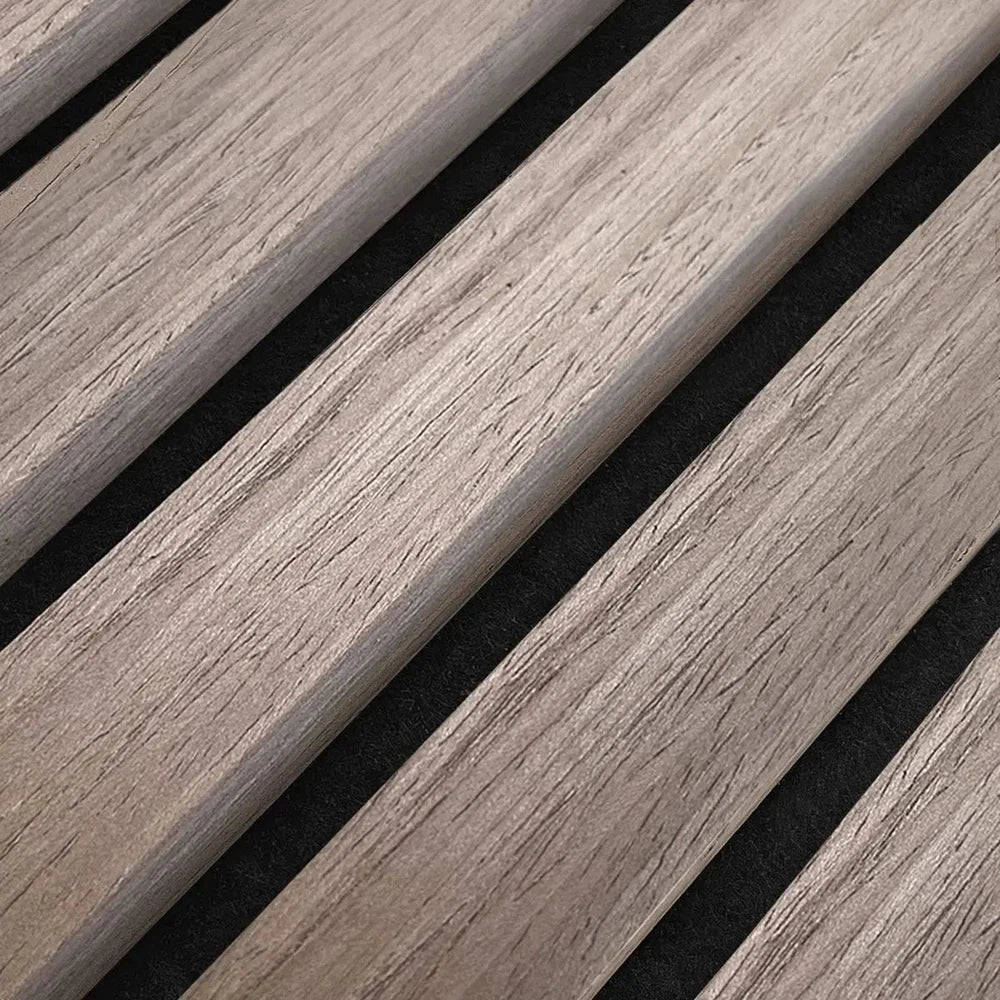
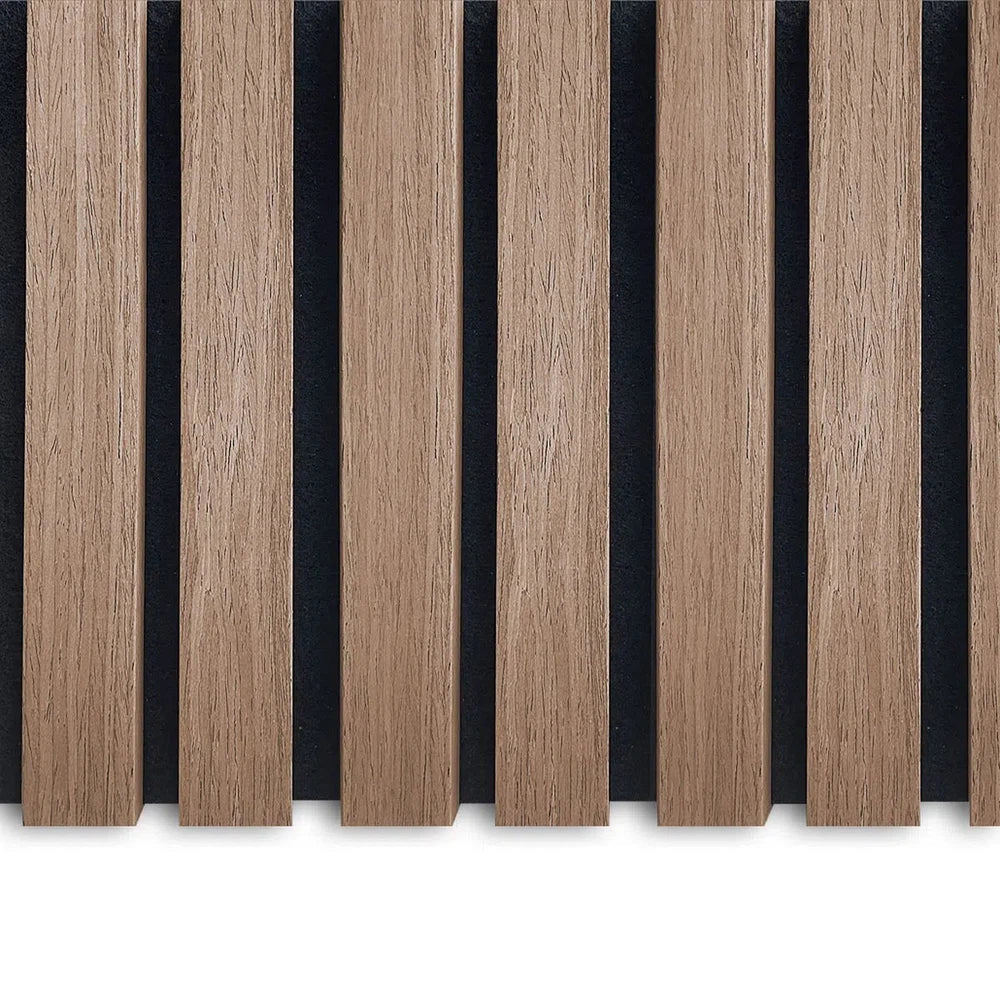
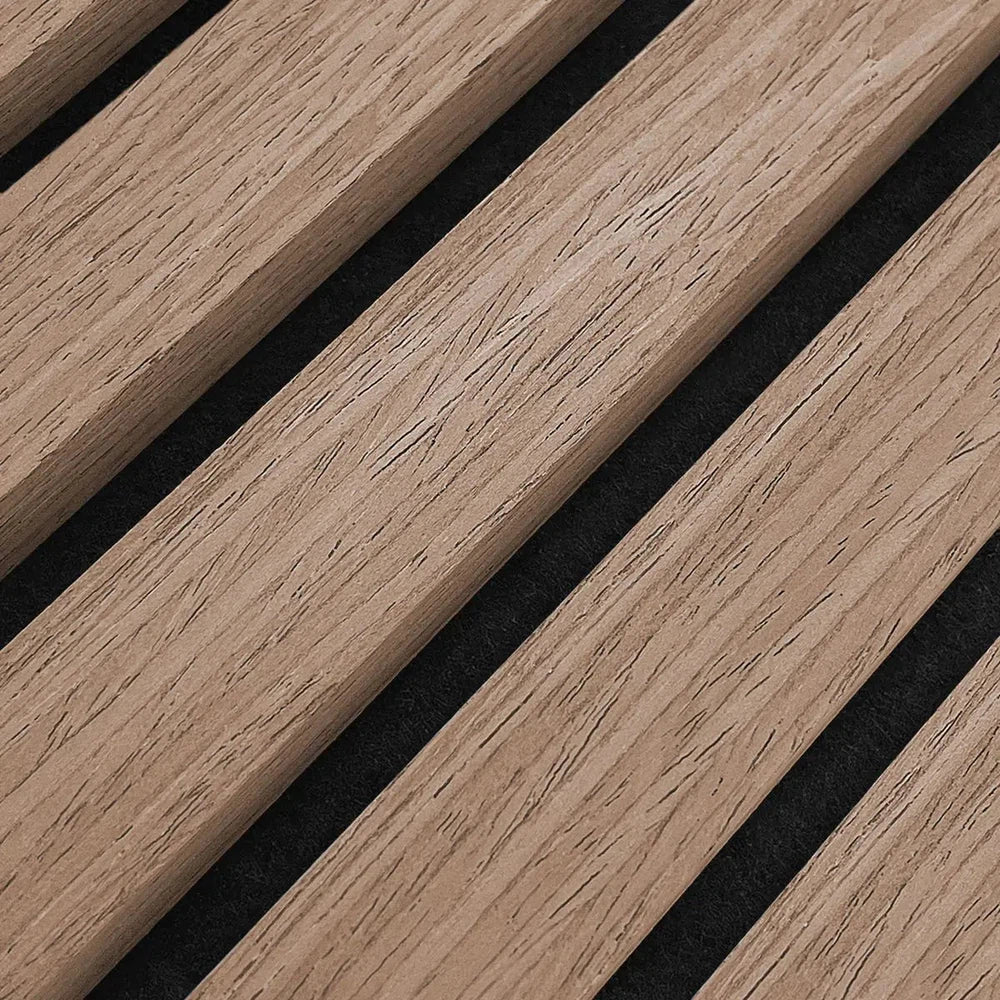
- Match finish to the salon's palette: natural oak and grey oak read bright and clean, while smoked oak or black oak suit a darker, boutique-style treatment room
Cover the right wall area for real noise reduction
A single accent panel behind reception looks good on Instagram and does almost nothing for reverb.
- Budget for at least one full wall per treatment room rather than a partial run
- Standard slat wall panels come in 240 cm and 300 cm lengths, so measure wall height first to cut down on wasted trims
- Use end pieces and edge trims to finish cleanly around doorways, mirrors and light switches
- Split coverage between the loudest wall and part of the ceiling if the room is too small to spare a full wall
Match panel finish to your salon's interior style
Acoustic treatment doesn't have to fight the brand. Wood veneer panels sit closer to interior finish than to industrial soundproofing.
- Natural oak and grey oak work in bright, minimalist salons leaning Scandinavian
- Black oak and smoked oak suit a moodier, boutique fit-out with darker fixtures
- A hexagon acoustic panel layout breaks up a plain slat wall and reads well behind a single feature chair
- Order a sample panel before committing to one finish across a multi-chair salon or a small chain
Install without disrupting bookings
Fit-out timing matters more in a salon than in an empty office, because every closed chair is lost revenue.
- Schedule fitting outside trading hours or during a planned refurbishment window
- Use panel glue for a flush finish on a level wall, or batten fixing where the wall isn't
- Check the wall for level and moisture first — converted retail units often have plaster that isn't as flat as it looks
- Fit room by room instead of closing the whole salon in one go
Combine panels with soft furnishings for extra dampening
Wall panels do most of the work, but a few cheap additions push the result further.
- Add a rug in the reception seating area — hard flooring undoes part of what wall panels achieve
- Choose fabric-backed chairs over vinyl seating where the service allows it
- Hang curtains or blinds on any window wall, since glazing is the one surface panels can't treat well
- Keep shelving low-profile and soft-fronted rather than glass-backed, which adds another reflective surface
Comparing acoustic panel options for salons
| Option | Best for | Key limitation |
|---|---|---|
| Standard slat wall panel (natural oak) | Reception and waiting areas | Needs a full-height run on one wall to work well |
| Hexagon acoustic panel (felt-backed) | Feature walls behind styling chairs | Patterned layout takes longer to fit than straight boards |
| Exterior-grade wall cladding | Shopfront or garden-room salon exteriors | Not built for indoor acoustic absorption |
| Generic fabric or foam acoustic panel | Budget-tightest fit-outs | No wood finish, doesn't double as decor |
Verdict: for a salon in 2026, a felt-backed hexagon acoustic panel behind the main styling wall, paired with a full slat panel run behind reception, covers the two loudest zones without turning the space into a recording booth.


Common mistakes salons make with acoustic panels
- Treating the till wall and ignoring treatment rooms — clients spend far longer in the treatment room than at reception, and that's usually the noisiest space
- Buying a decorative slat board with no felt backing because it looks similar to an acoustic panel — a board without acoustic backing does very little for echo
- Painting or heavily varnishing panels after install, which can affect the finish without improving absorption, since the felt layer underneath is doing the acoustic work, not the surface coating
- Ignoring double-height ceilings in converted shopfront units, leaving reverb bouncing overhead untouched by wall treatment alone
- Fixing panels flush to an uneven or damp wall, which risks the veneer lifting within months of install
FAQ
What's the best acoustic panel for a beauty salon?
A felt-backed hexagon or slat wall panel with a stated NRC rating, such as Akustiq UK's hexagon acoustic panel range at NRC 0.75, works best for salons because it combines sound absorption with a wood veneer finish that fits the interior brief.
How much wall coverage do I need to reduce echo in a salon?
Aim for at least one full wall per treatment room rather than a partial accent section. Partial coverage rarely makes a noticeable difference to reverberation in a room with hard flooring and mirrors.
Are wood acoustic panels better than foam panels for salons?
Wood veneer acoustic panels double as interior finish, which foam panels don't, making them the better fit for a client-facing space. Foam panels can absorb more per square metre but look industrial rather than salon-appropriate.
Can acoustic wood panels go behind a mirror wall?
Panels work best on the wall opposite mirrors rather than behind them, since mirrors themselves reflect sound and gain nothing from panel backing. Treating the facing wall reduces the bounce that mirrors would otherwise send back into the room.
Do hexagon acoustic panels work as well as flat slat panels?
Both carry the same NRC rating in Akustiq UK's range, so the acoustic performance is equivalent. The choice comes down to layout: hexagon suits a feature wall, slat suits a long, flat run behind reception.
How long do wood veneer acoustic panels last in a salon environment?
The real wood veneer finish is built to hold up under normal salon conditions, though panels near basins or steam sources should avoid direct water contact. Keep panels away from constant moisture exposure to protect the veneer long-term.
Can I fit acoustic panels myself or do I need an installer?
Panel glue allows a flush fit on a level wall without specialist tools, though an uneven or damp wall needs batten fixing and a bit more care. Most salon owners fit smaller runs themselves and bring in a fitter for a full multi-room refurbishment.
What NRC rating should I look for in a salon acoustic panel?
Look for a documented rating rather than a marketing claim with no number attached. Akustiq UK's hexagon acoustic panel range states an NRC of 0.75, which is the figure to compare against any alternative you're considering.
One last thing
Most salon owners treat the wall behind reception first because it's the wall clients see walking in — but the wall opposite the mirrored styling stations does more acoustic work, since mirrors reflect sound with almost none of it absorbed. Panel that wall before the reception wall if you can only afford one run in 2026, and add reception once the treatment room feels quieter.