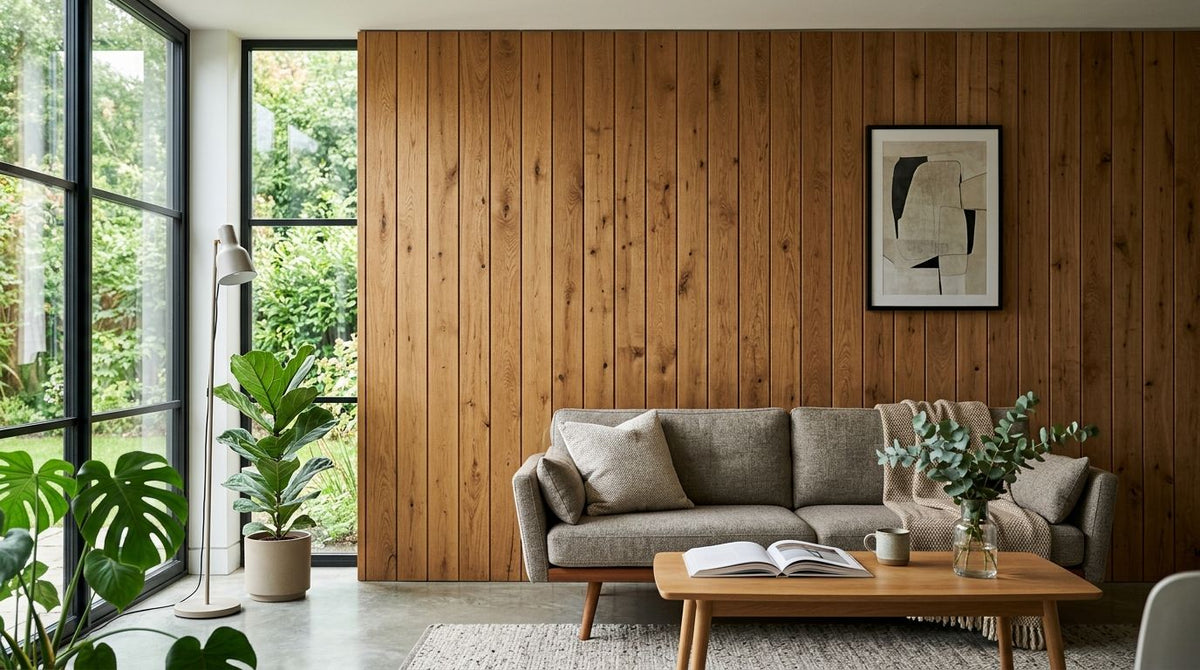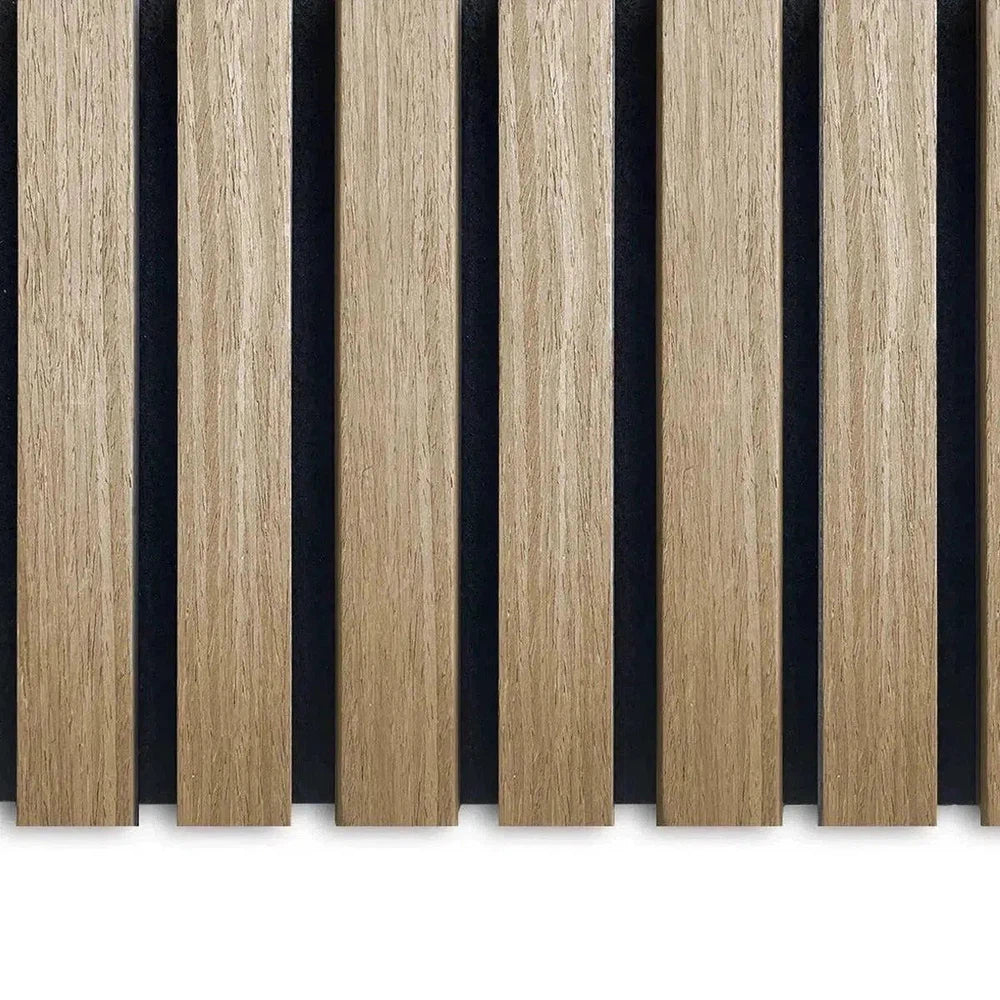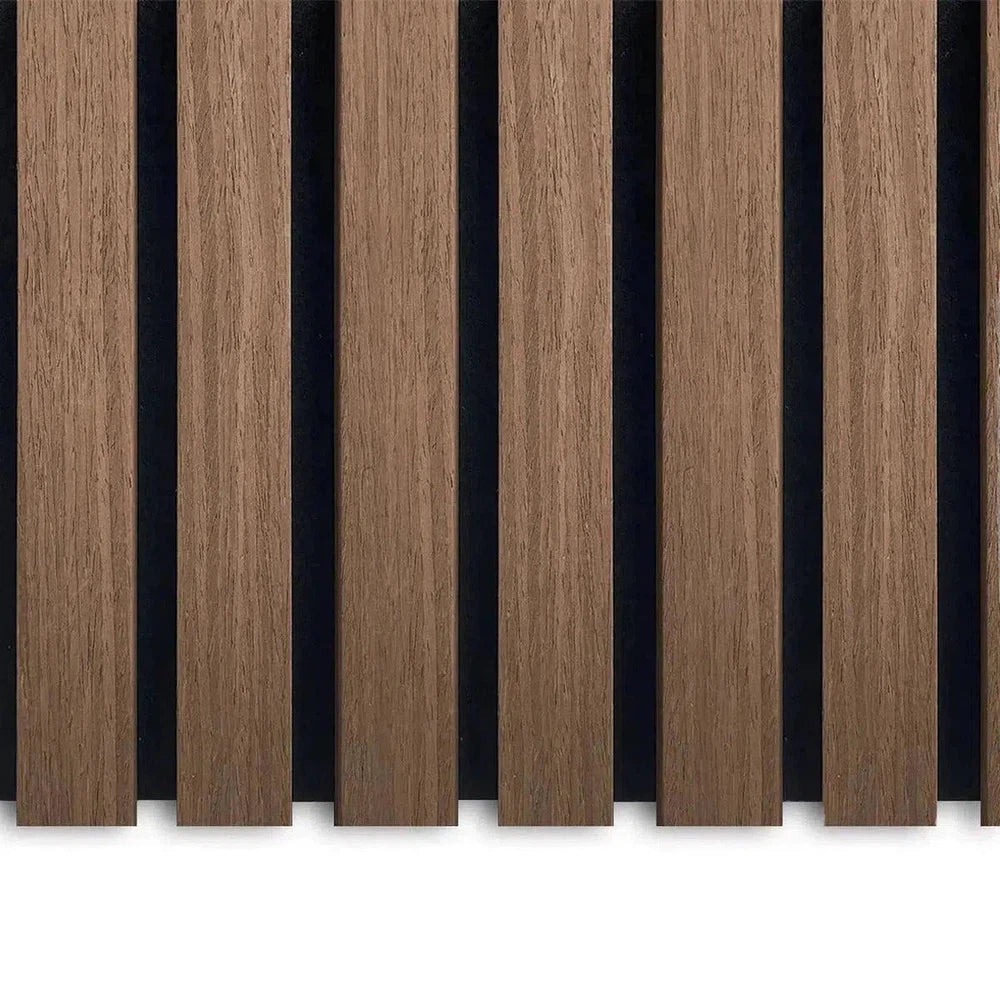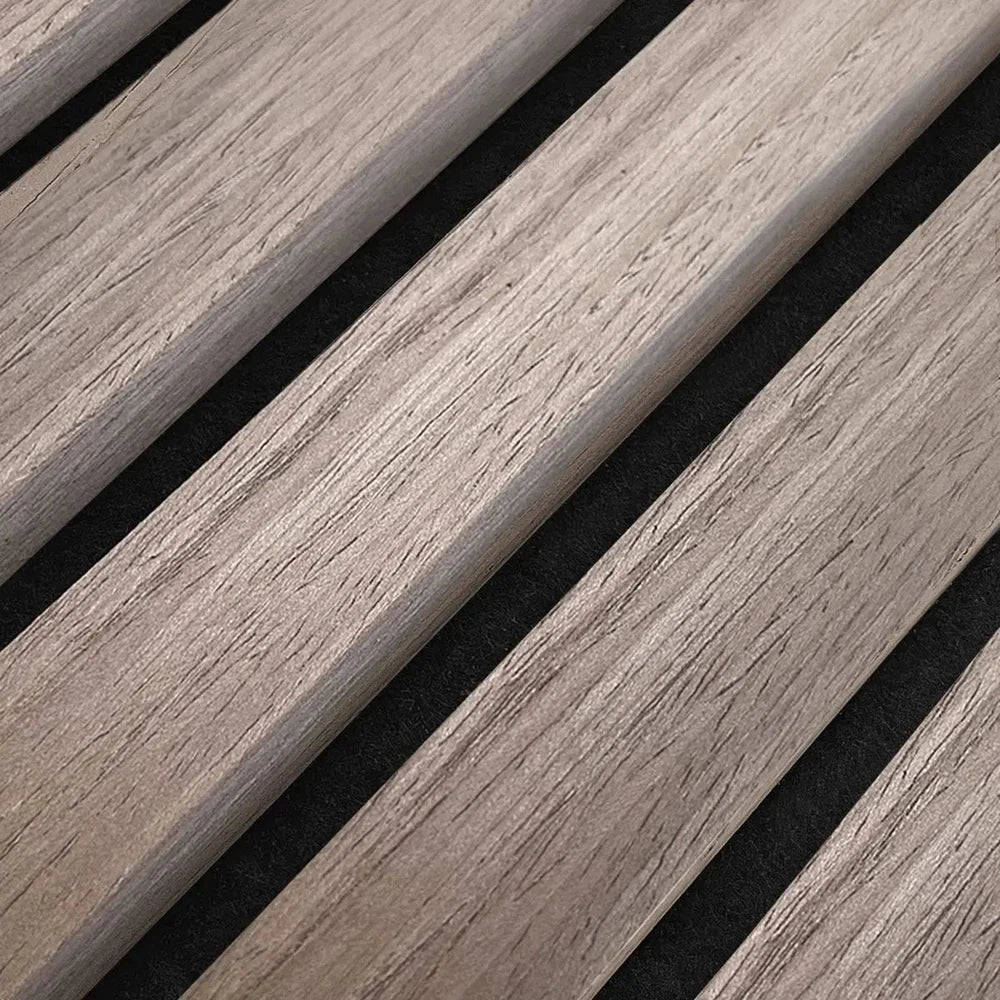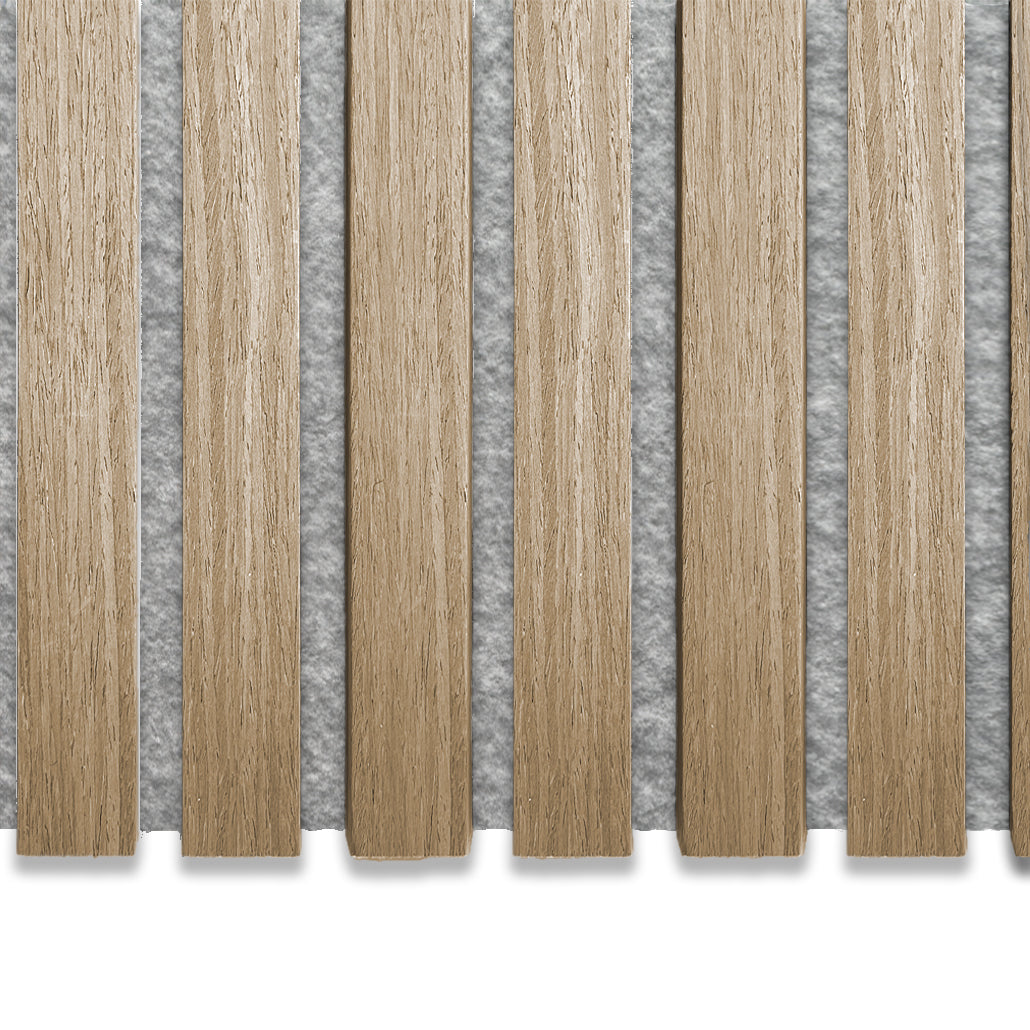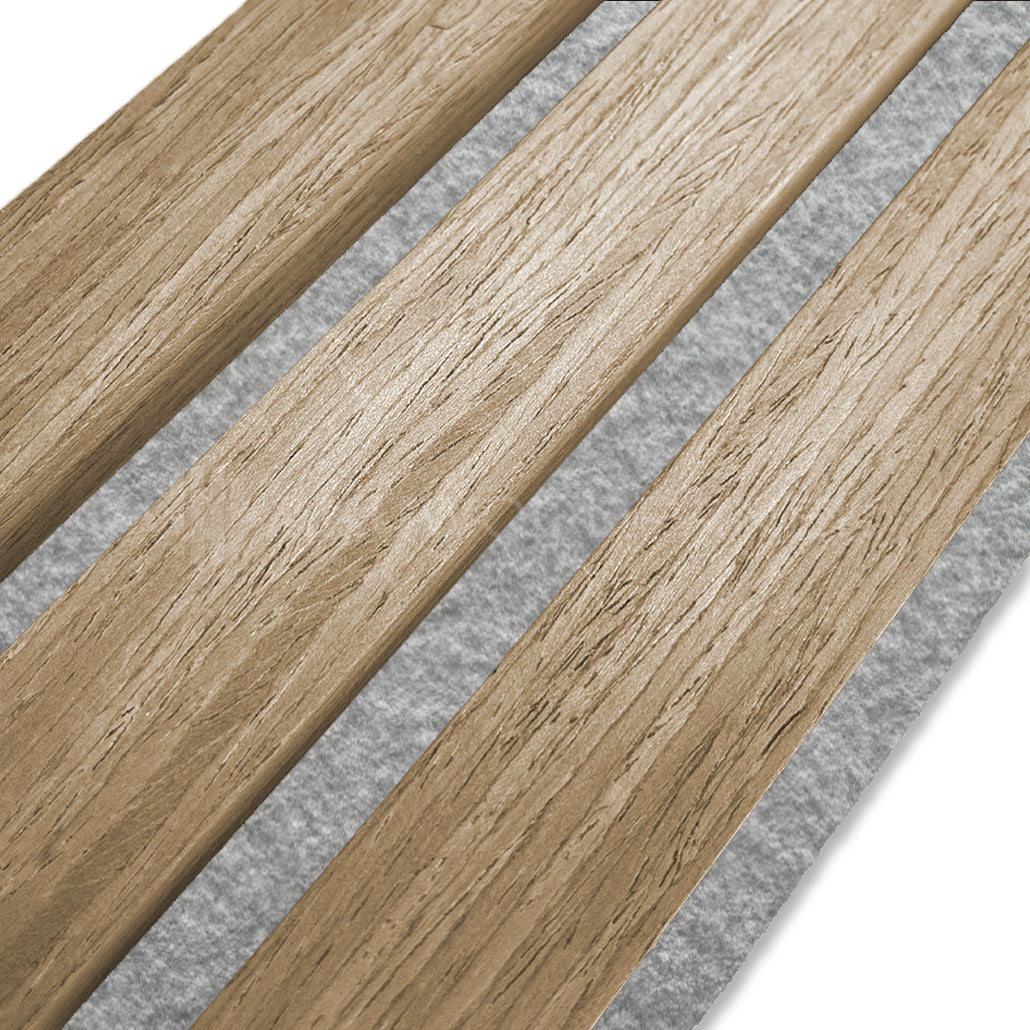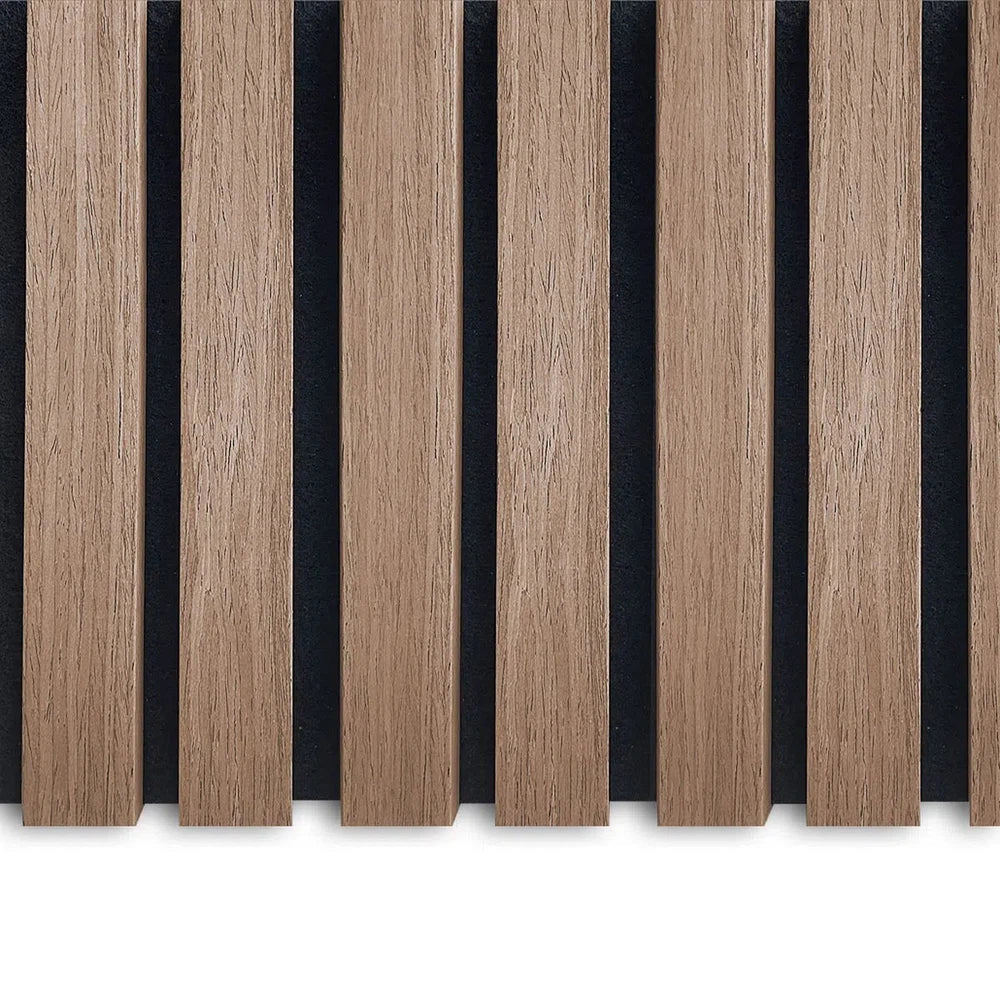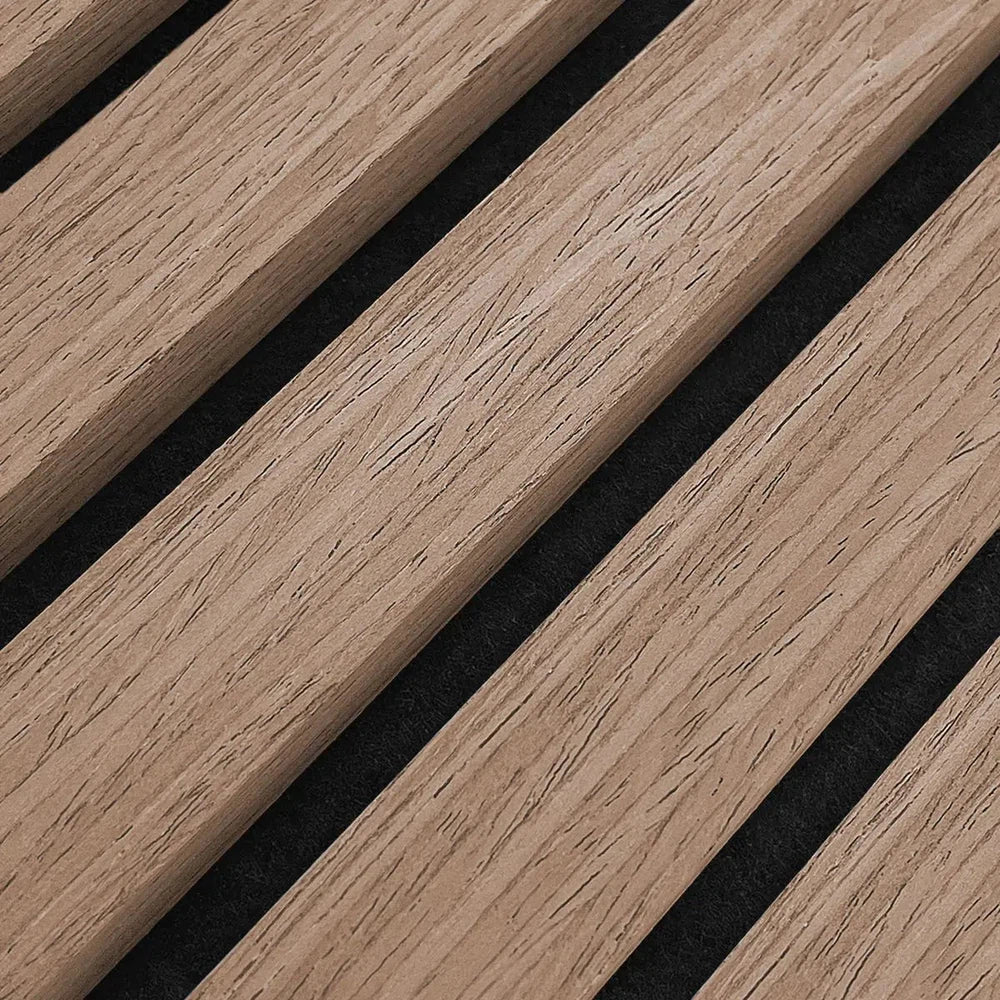
Acoustic panels for schools, universities and classrooms are wood-veneer wall panels with an acoustic felt backing, installed to cut reverberation time and protect speech intelligibility, with the aim of reducing teacher vocal strain and raising listening comprehension. Education buildings run panels harder than most commercial fit-outs: hard vinyl floors, painted block walls, high ceilings, 25-30+ occupants per room, and in the UK a reverberation target under Building Bulletin 93 that most offices never have to meet.
- Acoustic panels school university classroom fit-outs need panels with a published NRC rating, not decorative slats alone.
- Akustiq UK's hexagon acoustic panels carry an NRC rating of 0.75, suited to lecture theatres, corridors and dining halls.
- Building Bulletin 93 sets UK reverberation targets around 0.6-0.8 seconds for teaching spaces; check this before spec, not after.
- Full-height wood veneer panels in 240cm and 300cm formats suit classroom feature walls; hexagon panels in 81cm suit phased corridor rollouts.
Why acoustic panels matter for schools and universities
A bare classroom bounces sound off vinyl floor, plaster ceiling and painted block walls with almost nothing to absorb it. Add 30 pupils, a projector fan and a corridor door left open, and the room crosses the point where a teacher has to raise their voice to be heard at the back. That daily strain adds up over a school year in a way an open-plan office never sees, because the room never empties and the walls never change.
Universities face a different version of the same problem: 200-seat lecture theatres with hard, tiered surfaces where a lecturer's voice trails into echo before it reaches row 15. Acoustic panels for classroom walls address the small-room version of this; lecture halls and university seminar rooms need the same principle applied at a bigger scale, with panels rated for the square metreage involved.
UK guidance under Building Bulletin 93 sets reverberation time targets around 0.6 to 0.8 seconds for general teaching spaces. That's not a suggestion — it's the benchmark a facilities team gets measured against, and most untreated classrooms sit well above it before any acoustic work starts.
Update your room audit
Walk every teaching space at the noisiest point in the day, not during a quiet inspection slot.
- Note bare block, render or painted plasterboard with zero soft coverage
- Flag long rectangular rooms — they trap sound worse than square ones
- Record ceiling height; anything above 3m needs more coverage per square metre
- Check which rooms already have carpet, curtains or soft furniture (these help, but rarely enough on their own)
- List corridors, dining halls and assembly halls alongside classrooms — they carry more daily footfall noise than any single teaching room
Measure reverberation before you spec anything
A clap test or a free decibel/reverb app on a phone gives a rough baseline before committing budget to panels.
- Clap once in an empty room and time how long the sound trails off
- Compare that figure against the BB93 target of roughly 0.6-0.8 seconds for teaching spaces
- Test at three points in the room, not just the centre
- Repeat the test in corridors and halls, which are usually the worst offenders
- Prioritise rooms furthest above target for the first phase of work
Match panel type to room function
This is where the panel choice actually changes room by room — a classroom feature wall and a 40-metre corridor don't need the same product.
- Classrooms and small seminar rooms: full-height wood veneer panels in 240cm or 300cm formats, run as a feature wall behind the teaching position
- Lecture theatres and large open corridors: Akustiq UK's hexagon acoustic panels carry an NRC rating of 0.75, which suits large flat expanses where straight panels would look repetitive
- Dining halls and sports halls: mix wall panels with ceiling treatment where wall area alone won't hit the target
- Music and drama rooms: broadband absorption from full-height panels across two adjoining walls, not just one
Choose a finish that survives daily traffic
A finish that looks right in a showroom photo doesn't always survive a school corridor.
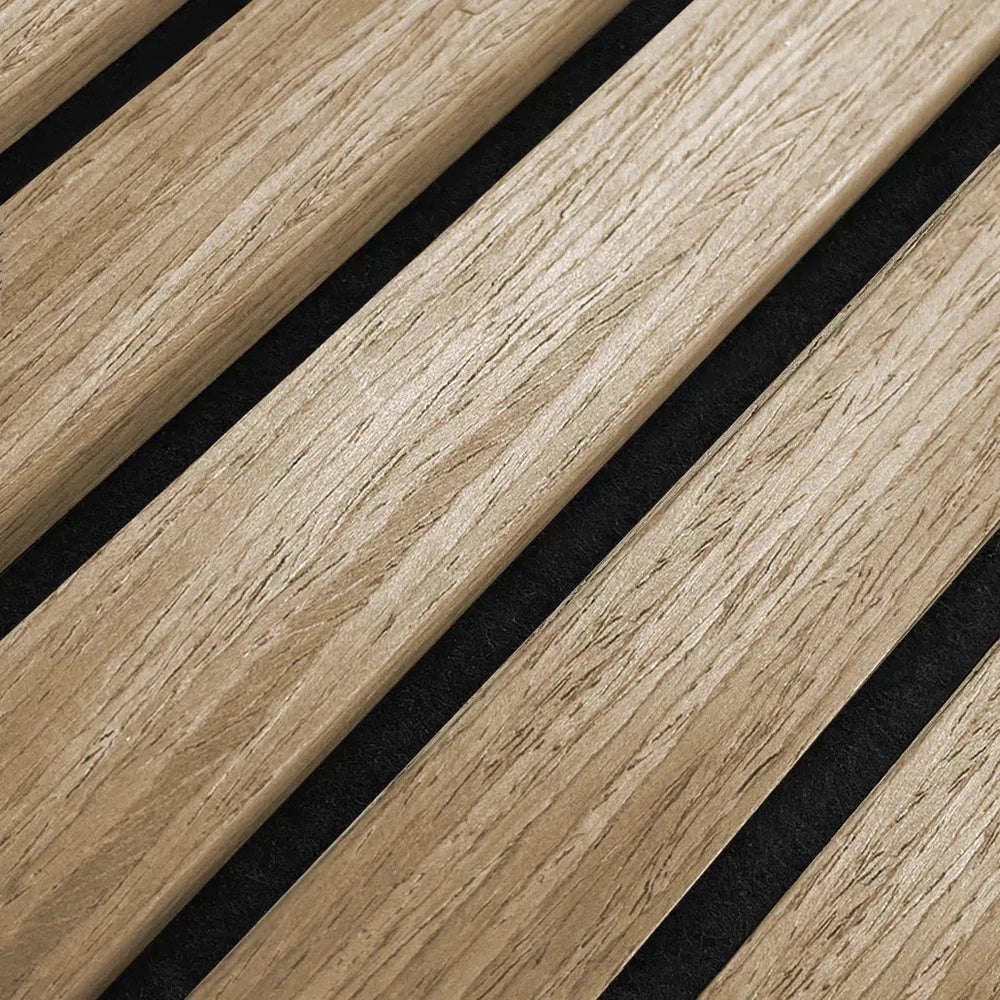
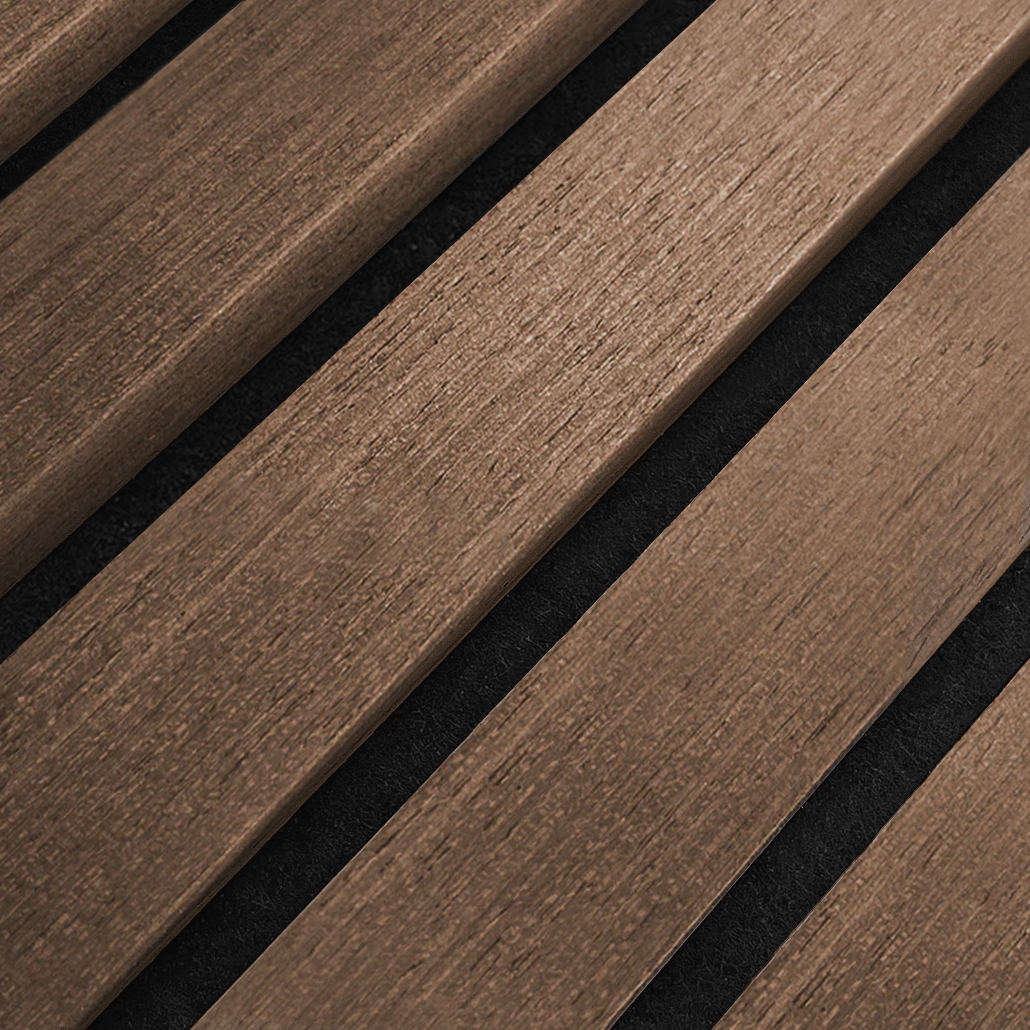
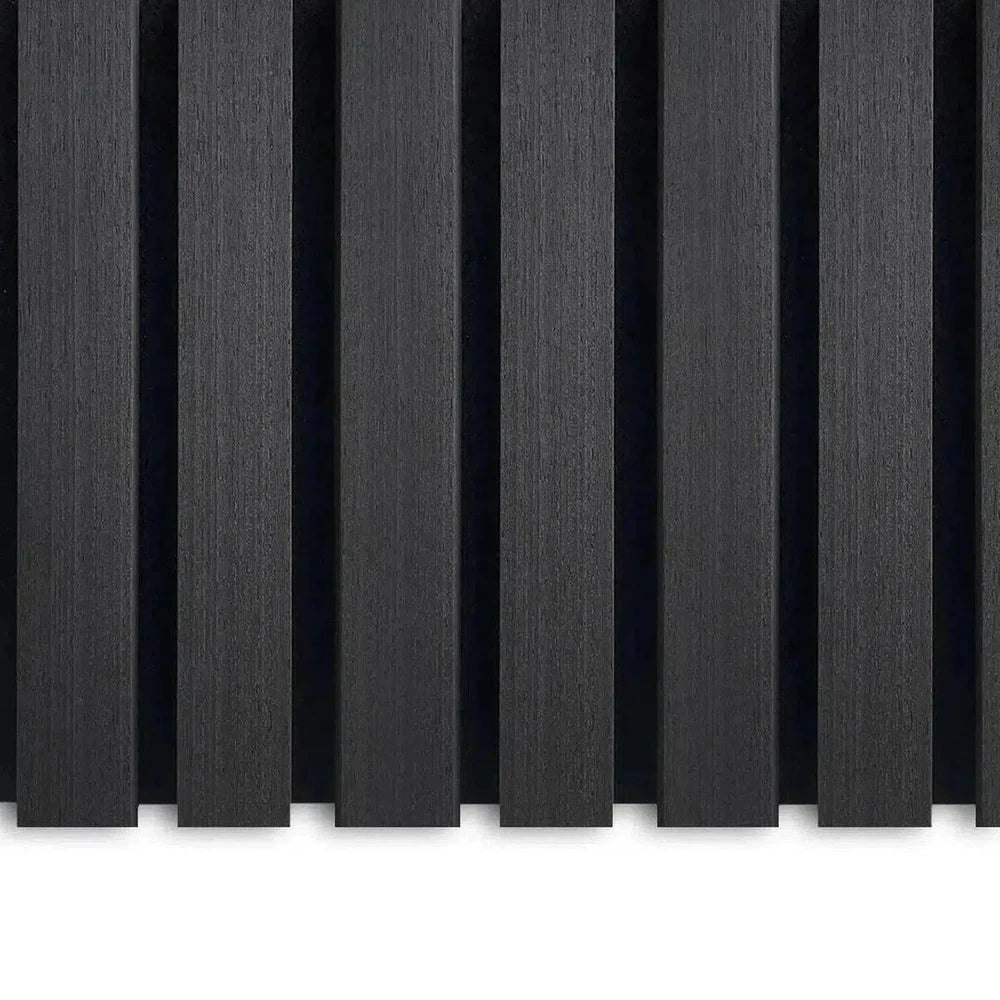
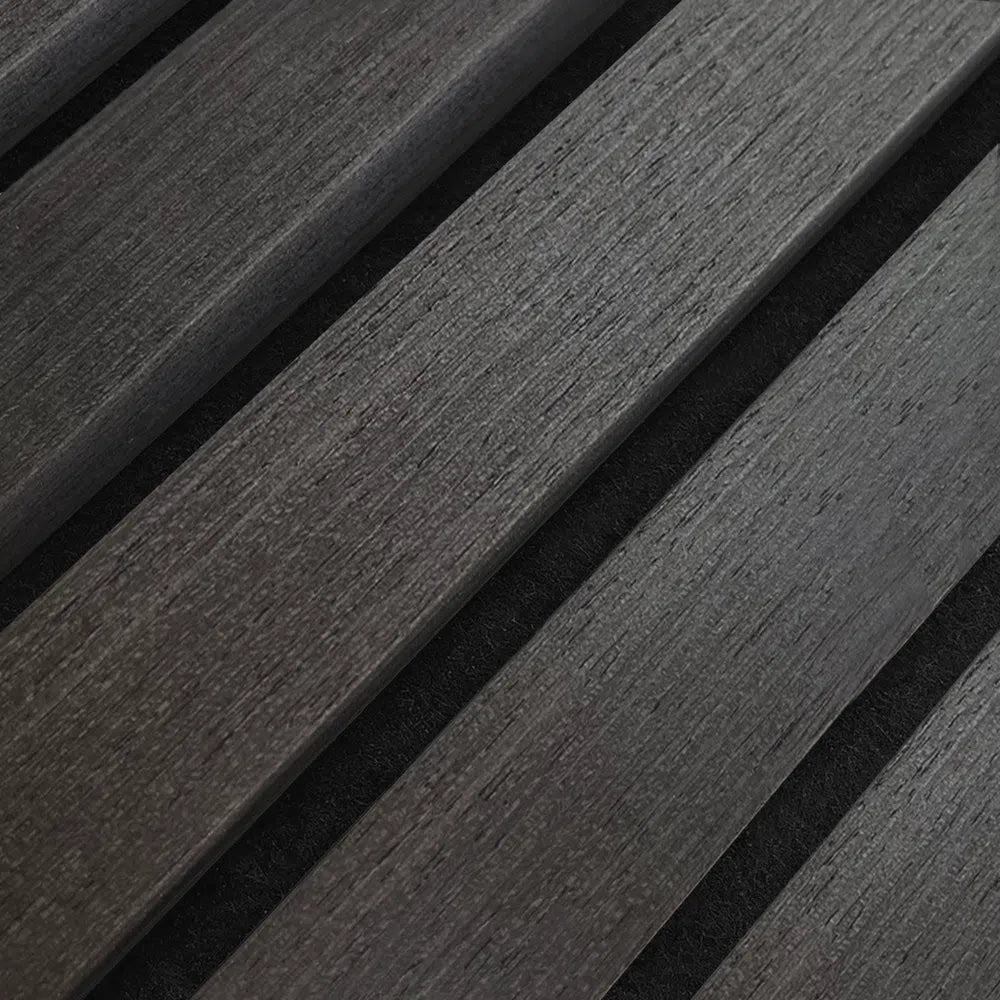
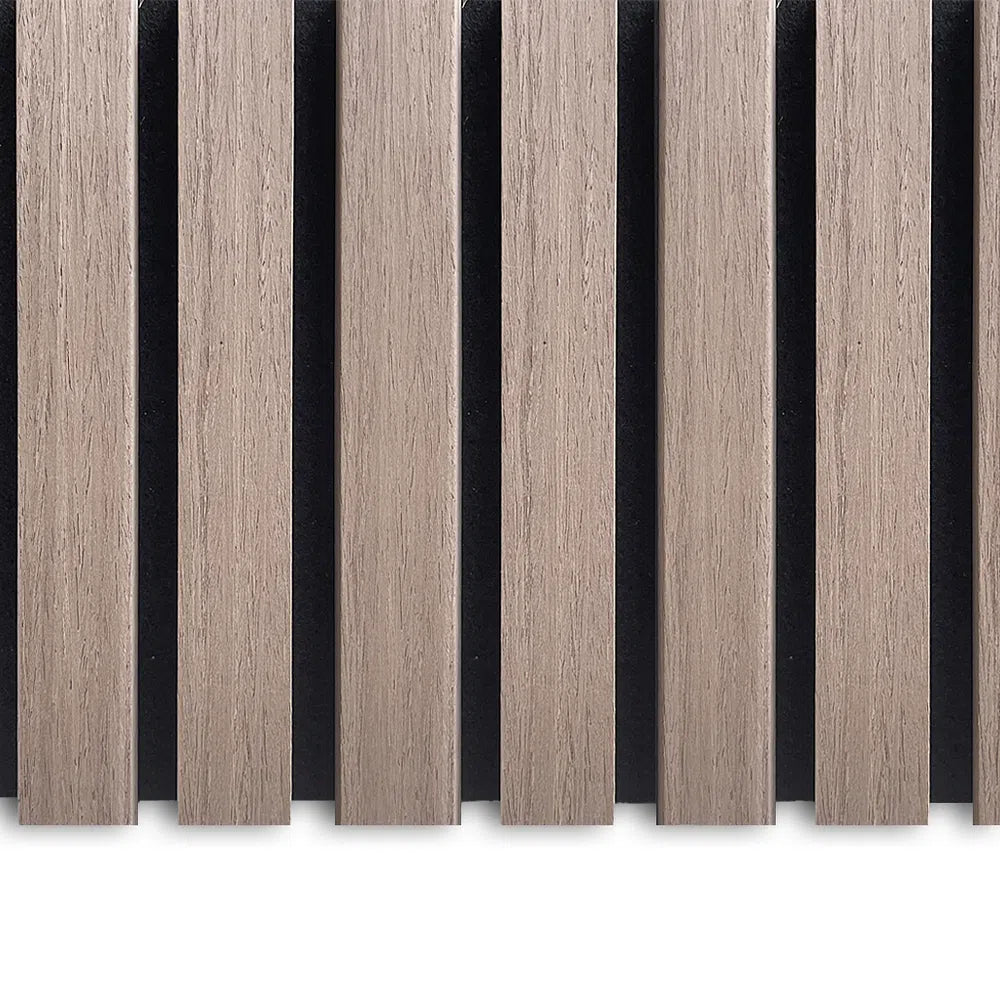
- Real wood veneer over laminate wraps for genuine grain and better long-term appearance
- Grey felt backing options work well where a room needs a calmer, muted palette
- Cleanable, wipeable surfaces matter more in corridors than in a quiet staff room
- Avoid delicate finishes anywhere pupils pass with bags, trolleys or sports equipment
- Order samples in the exact finish before specifying a whole floor — lighting under fluorescent strips reads wood tone differently than daylight through classroom windows
Calculate coverage and quantity
Undersizing coverage is the most common reason a school project doesn't hit its reverberation target.
- Measure total hard wall area per room before ordering anything
- Cover the busiest section of hard wall first — usually the wall facing the teaching position or the longest corridor run
- Account for door frames, windows and radiators when calculating panel counts
- Budget end pieces and trims for a clean edge finish, especially in corridors where edges take knocks
- Phase larger buildings room by room rather than ordering the whole estate at once
Fit panels without disrupting term time
Installation timing matters more in education buildings than almost anywhere else, because there's rarely a week when the building is fully empty.
- Schedule fitting across half-term or summer breaks where possible
- Confirm wall type (stud vs solid) before ordering fixings, since it changes the fitting method
- Fit corridors and halls outside teaching hours to avoid blocking circulation routes
- Protect finished panels with temporary covers during the rest of a phased fit-out
- Keep a record of exact finish and batch for future phases, so later rooms match
Maintain and plan the next phase
Once the first rooms are done, the project doesn't stop — it moves to the next block of the estate.
- Clean panels per the finish's guidance rather than generic surface cleaner
- Keep spare end pieces on hand for repairs after impact damage
- Re-test reverberation in treated rooms to confirm the target was actually hit
- Use the same finish reference when specifying the next building phase


Comparison: acoustic panel options for schools and universities
| Option | Best for | Key limitation |
|---|---|---|
| Hexagon acoustic wood panels (NRC 0.75) | Corridors, lecture theatres, large flat walls | Pattern layout takes longer to plan than straight runs |
| Full-height wood veneer panels (240/300cm) | Classroom feature walls, assembly halls | Needs a flat, dry wall — not suited to curved surfaces |
| Suspended acoustic ceiling rafts | Rooms with no spare wall space | Adds install cost and needs ceiling access |
| Freestanding acoustic screens | Rented rooms, temporary classrooms, exam halls | Absorbs less per square metre than fixed wall panels |
Verdict: for most secondary school corridors and university lecture theatres, hexagon acoustic panels rated NRC 0.75 are the buy — they cover large flat walls without the flat, repetitive look of a single straight run, and hold up to daily foot traffic better than a delicate decorative finish.
“If a corridor panel scuffs or dents within a term, the finish was wrong for that room, not the panel itself.”
Common mistakes schools and universities make
- Treating one feature wall as "done" while corridors and halls stay bare — corridors and dining halls carry more daily footfall noise than any single classroom.
- Skipping the reverberation test and buying decorative panels with no published NRC rating, then finding they don't move the number.
- Ignoring Building Bulletin 93 targets until a compliance review flags the room, instead of designing to the 0.6-0.8 second target from the start.
- Fitting panels only at eye level, leaving the upper wall untreated in tall halls where sound reflects most.
- Choosing a delicate finish for high-traffic corridors that scuffs or dents within a single term, then needing an early reorder.
For more detail on how to read NRC ratings before you spec a whole building, check the rating scale against your room's target, not just the highest number on a spec sheet.
FAQ
What's the best acoustic panel for a school classroom?
Full-height wood veneer panels in 240cm or 300cm formats work best on a classroom feature wall behind the teaching position. They give the largest single absorbing surface without cutting into circulation space.
Is NRC 0.75 good for classrooms and lecture theatres?
An NRC of 0.75 absorbs roughly three-quarters of the sound energy that hits the panel, which is a strong rating for a decorative wood-veneer product. It suits corridors, halls and lecture theatres where coverage area matters as much as absorption per panel.
How much wall coverage do you need to fix classroom echo?
Start with the busiest hard wall in the room, usually the one facing the teaching position or the longest corridor run, and expand from there based on a reverberation retest. There's no fixed percentage that works for every room shape.
Do university lecture theatres need different panels than classrooms?
Lecture theatres are larger and taller, so they need panels chosen for coverage across big flat expanses rather than a single feature wall. Hexagon acoustic panels suit this better than full-height panels sized for a standard classroom.
What does Building Bulletin 93 require for school acoustics?
Building Bulletin 93 sets UK reverberation time targets of roughly 0.6 to 0.8 seconds for general teaching spaces. Facilities teams use it as the benchmark when specifying acoustic treatment for classrooms and halls.
Can acoustic wood panels go in school corridors?
Yes, and corridors are often the priority room type because they carry more daily foot traffic noise than a single classroom. Hexagon panels with an NRC rating of 0.75 hold up better to that traffic than a delicate decorative finish.
How long does it take to install acoustic panels in a school?
Timing depends on room count and wall type, but most facilities teams phase installation across half-term or summer breaks to avoid disrupting term time. Corridors and halls are usually fitted outside teaching hours.
Are wood veneer panels durable enough for university common rooms?
Real wood veneer finishes hold their appearance for years under normal daily use, though corridors and high-traffic common rooms benefit from a finish chosen specifically for cleaning and impact resistance. Order a sample in the exact finish before specifying a whole floor.
One last thing
The 81cm hexagon format matters more than it looks on a spec sheet: it lets a facilities team retrofit a single corridor or lecture theatre during one half-term without waiting on a full-floor delivery schedule. That phased approach, paired with checking the room against Building Bulletin 93's 0.6-0.8 second target before ordering, is the difference between a 2026 acoustic project that actually cuts complaints and one that just adds decoration.