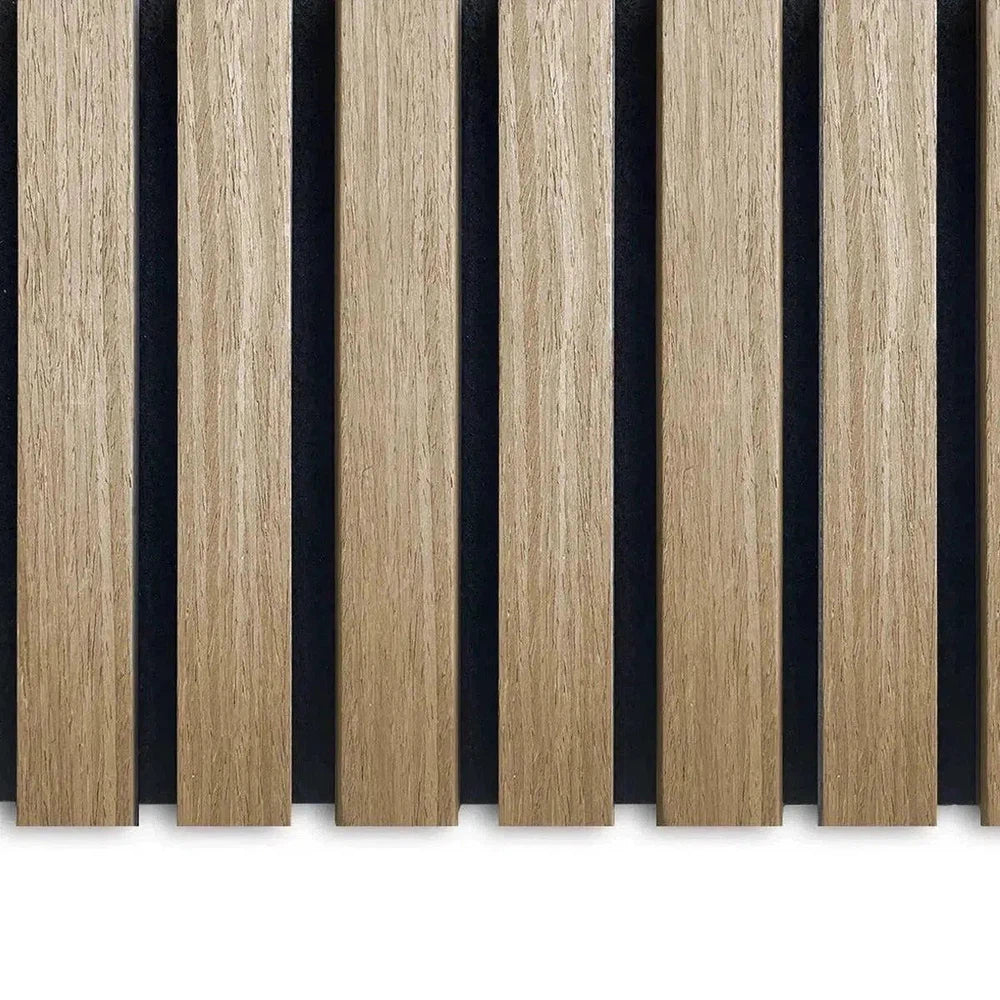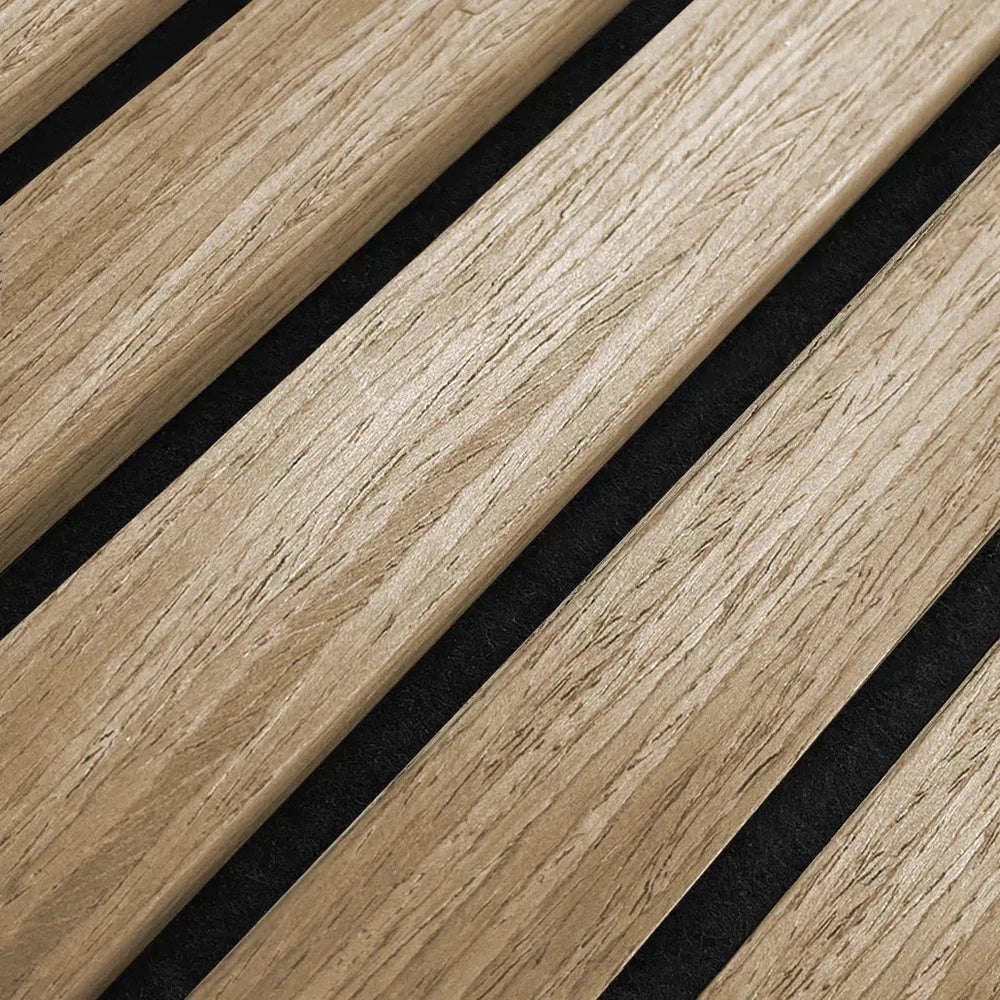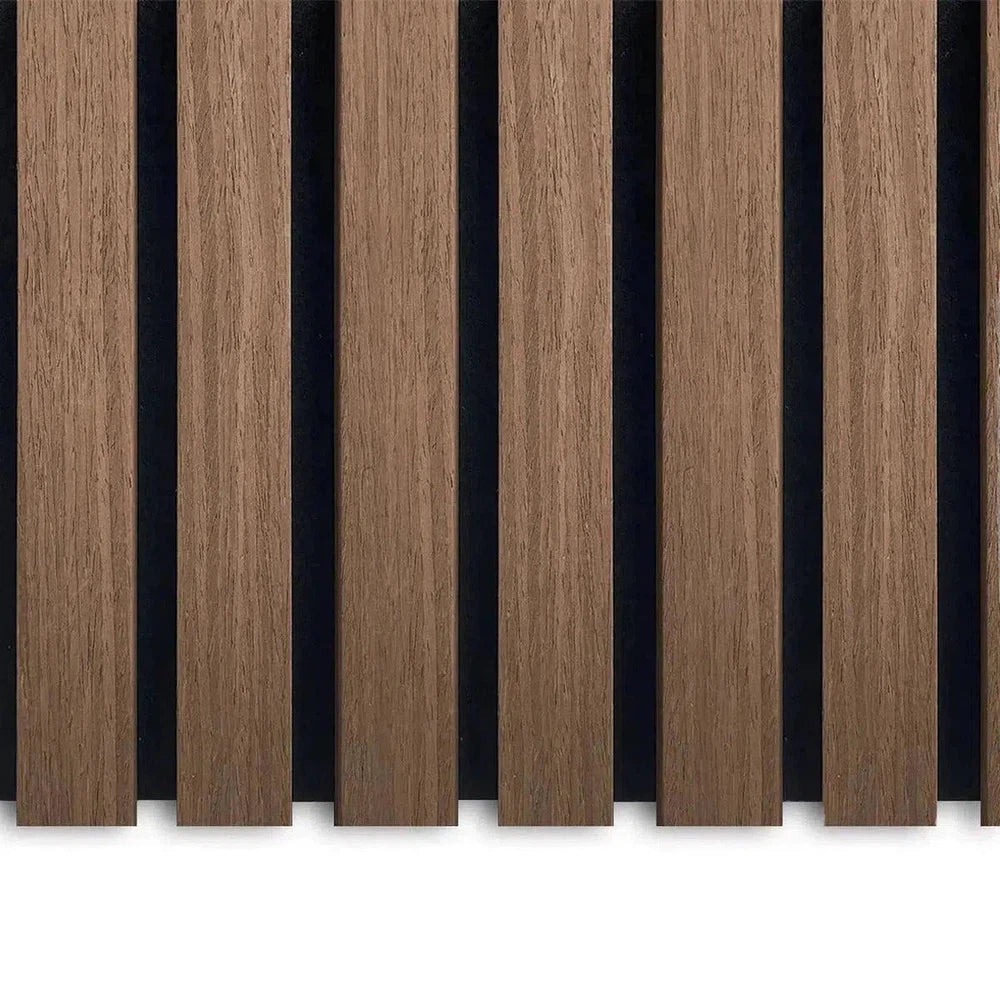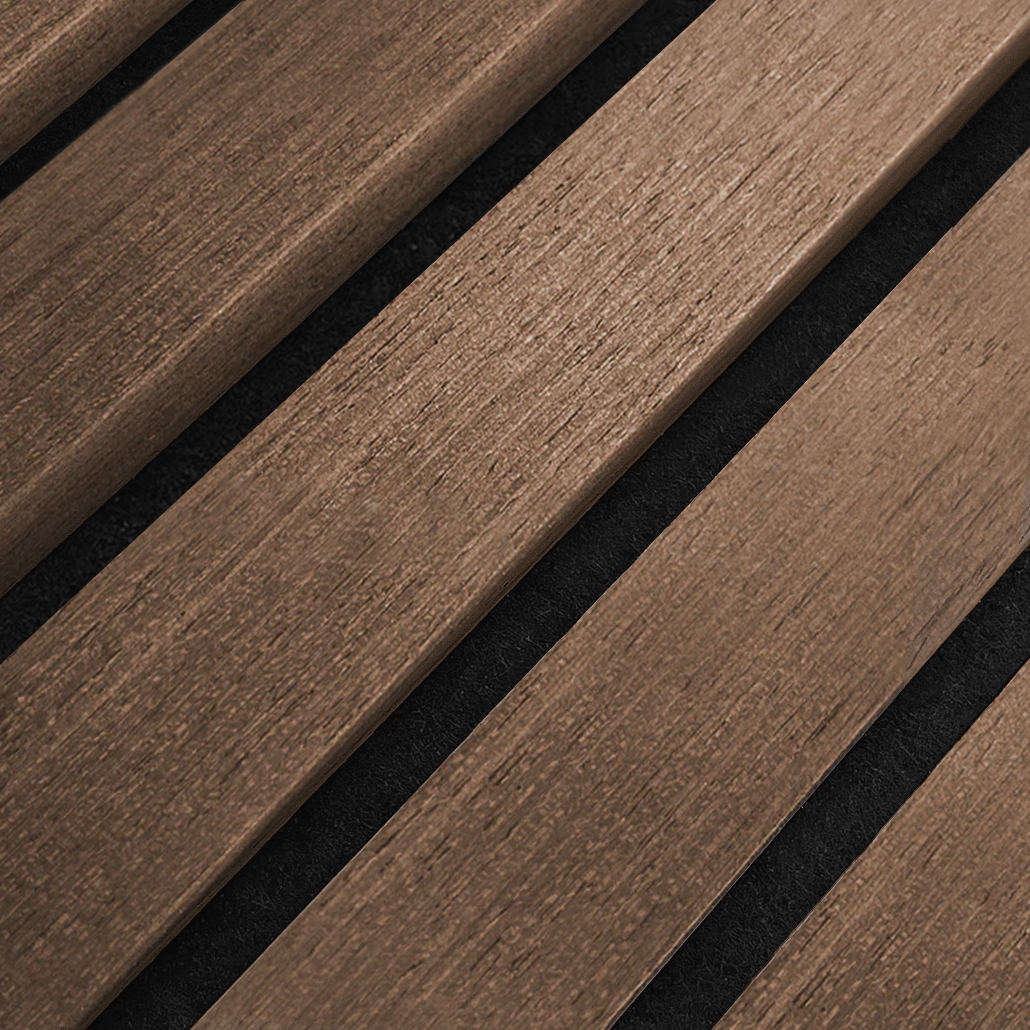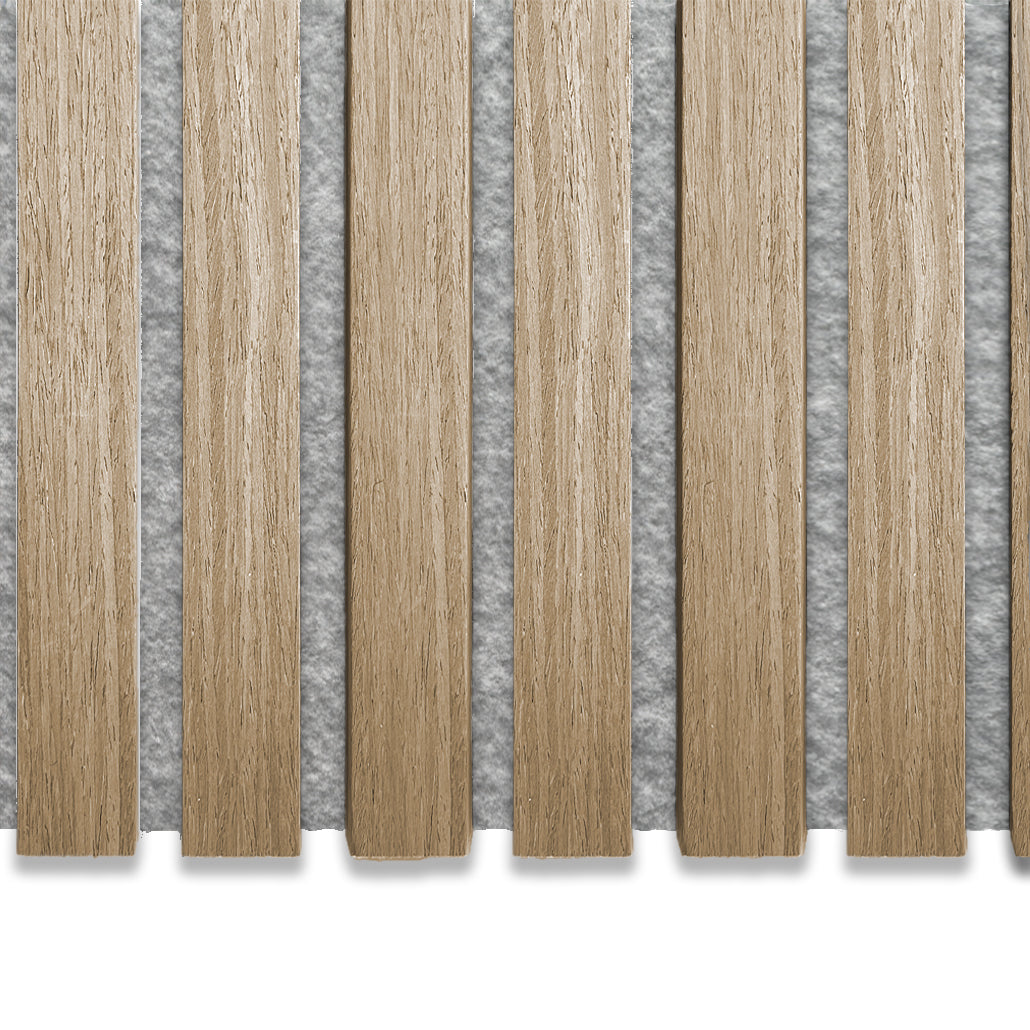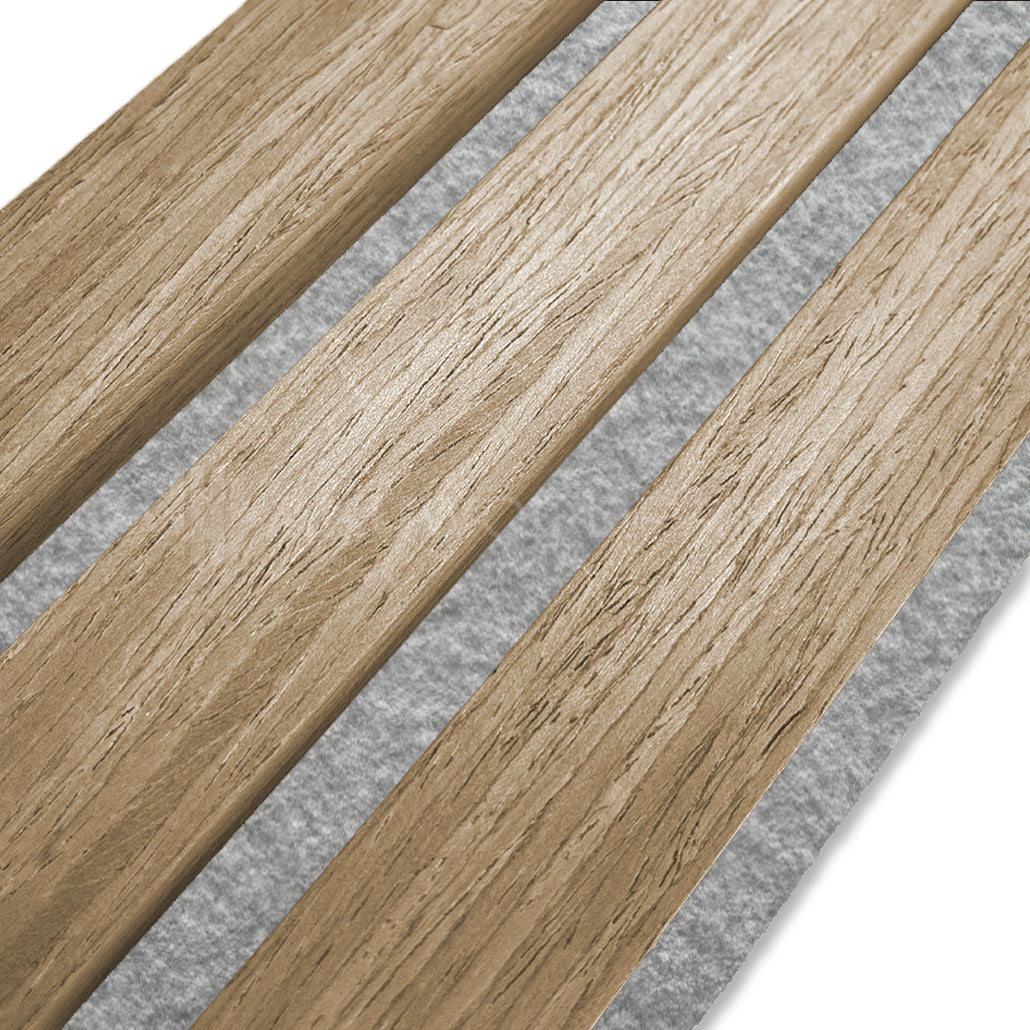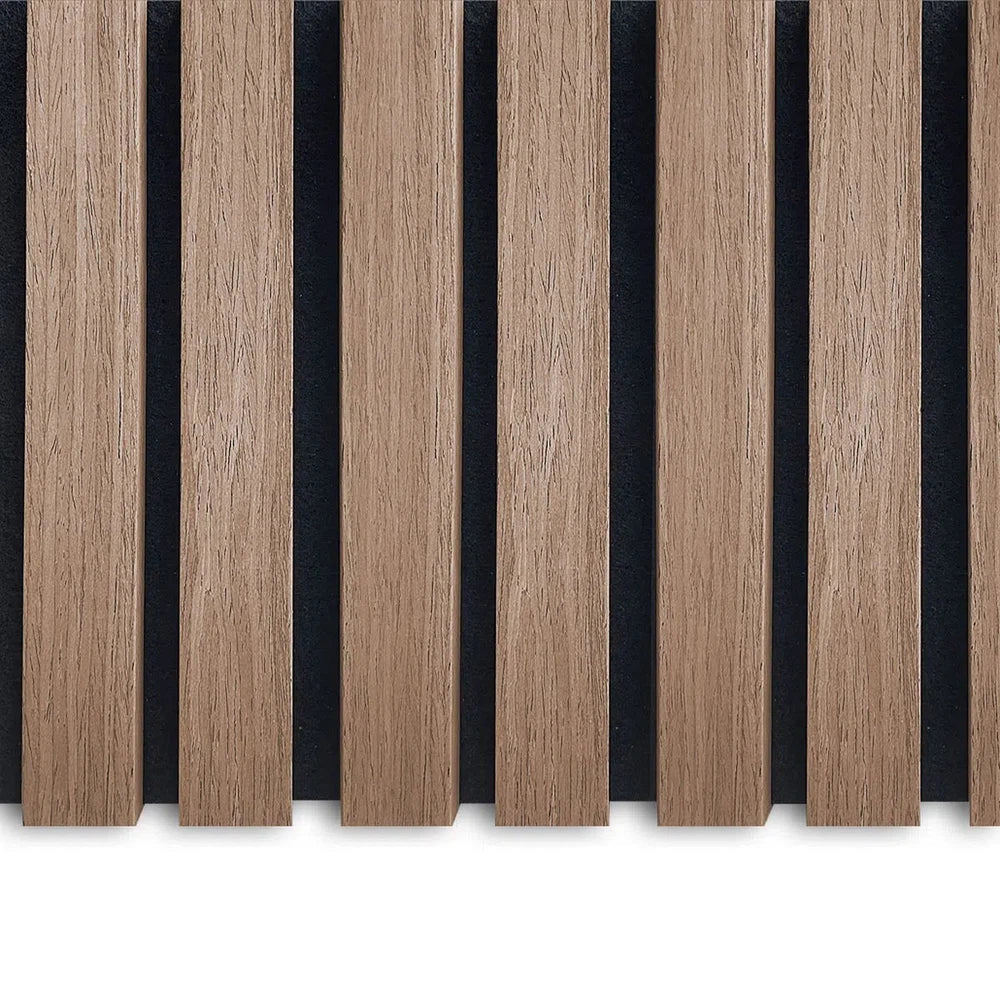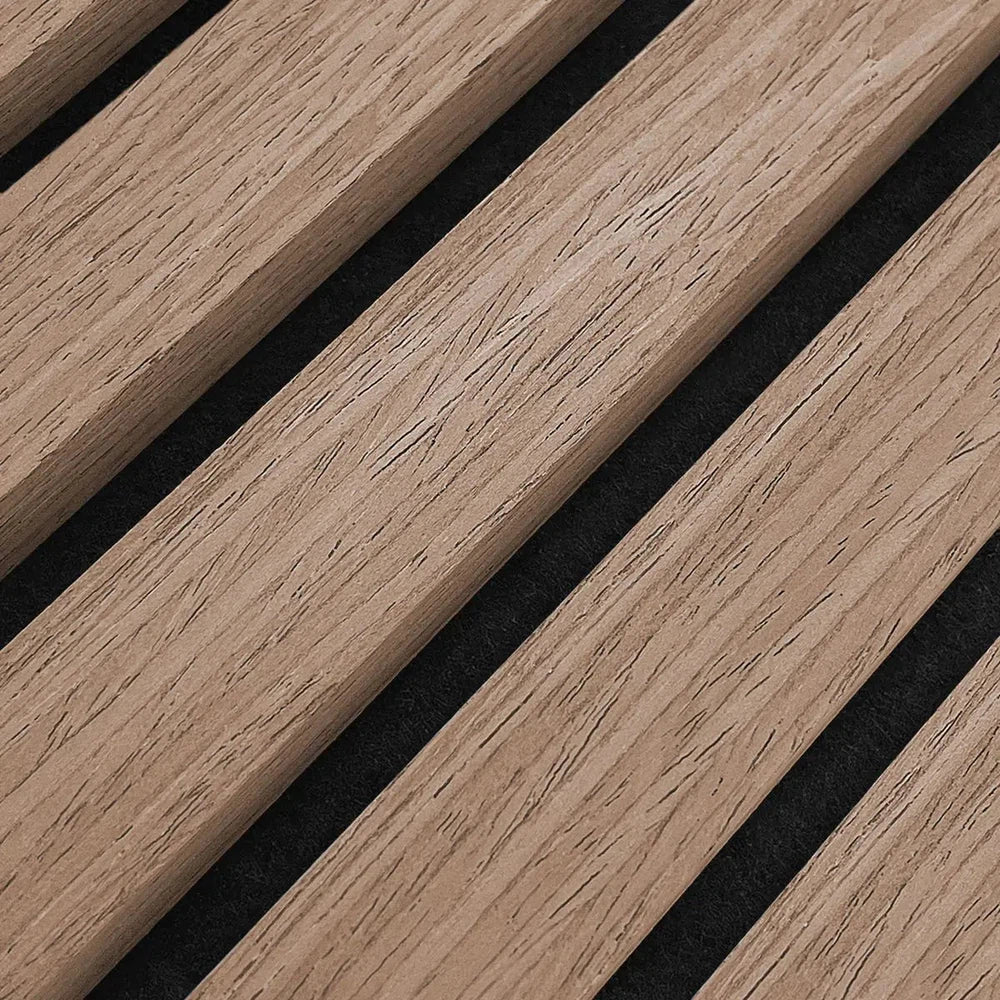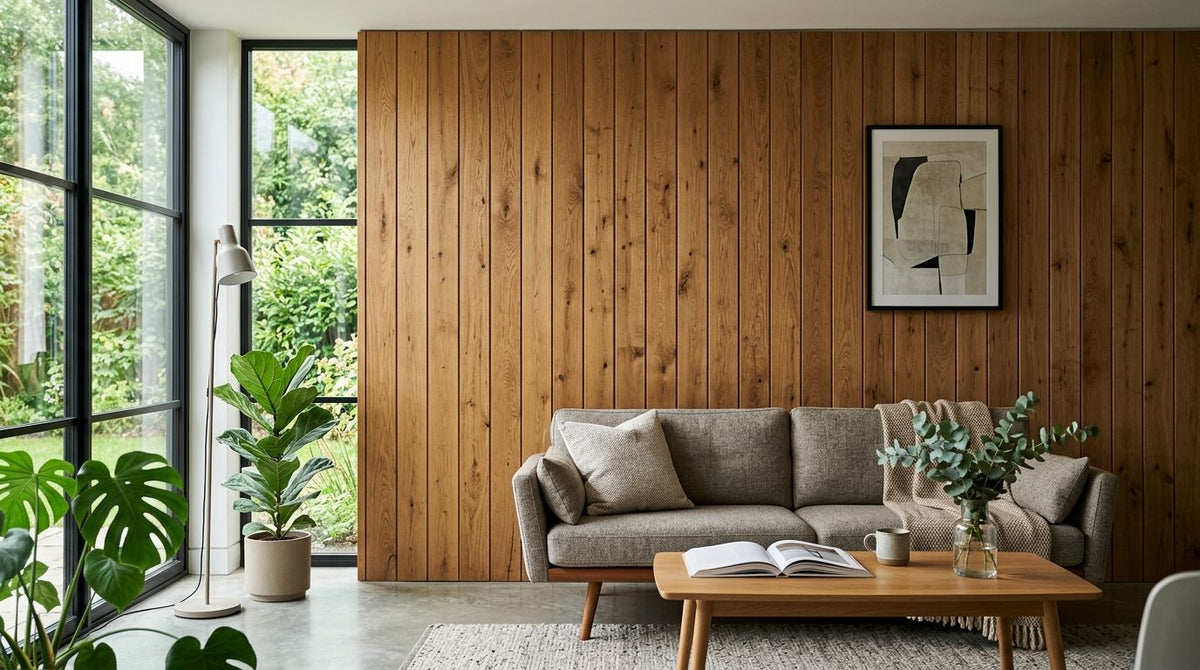
Choosing wooden wall panels for a contemporary modern home comes down to one question: what job does the wall need to do? Best overall: Natural Oak wall panels for bright, Scandinavian-leaning living rooms. Best for moody feature walls: Black Oak. Best for minimalist, Japandi-style interiors: Grey Oak. Walnut takes warm, luxury dining rooms; the Hexagon Acoustic Panel in Natural Oak owns geometric statement walls; Smoked Oak is the call for hallways and home cinema rooms in 2026.
- Natural Oak wins for wooden wall panels contemporary modern homes want in 2026 — buy it for most living rooms.
- Black Oak suits moody bedroom feature walls; Grey Oak fits minimalist Japandi interiors instead.
- Every AKU Woodpanel finish uses a 3-sided real oak veneer over acoustic felt, so sound absorption comes standard.
- Hexagon Acoustic Panel Natural Oak is the pick for a geometric statement wall in 2026.
- Panels ship in 240cm and 300cm lengths — measure ceiling height before you order.
Why this matters
A flat plasterboard wall does two things badly in a modern home: it bounces sound and it looks unfinished next to matte kitchens and exposed concrete. Printed wood-effect panels fix the second problem but not the first. Real wooden wall panels with an acoustic felt backing fix both at once, which is why the contemporary modern look and better room acoustics tend to arrive together in 2026 renovation projects.
The finish you pick changes the mood of the room more than almost any other single material choice. A pale natural oak reads Scandinavian; a black oak reads industrial-luxury; a smoked oak reads cinema-lounge. Get the tone wrong and the panel looks like an afterthought instead of a feature.
What makes the best wooden wall panels for modern homes
- Real wood veneer, not printed foil — a 3-sided wood veneer shows genuine grain from every visible angle, foil wrap shows a repeating pattern up close.
- Acoustic backing — a felt layer behind the veneer does the sound-absorbing work; decorative-only panels don't touch echo.
- Tone match to a contemporary palette — light natural, cool grey, or deep black/smoked tones suit modern interiors better than orange-toned rustic oak.
- Size format fit — panels running 240cm or 300cm need to match your ceiling height, or you're cutting and wasting slats.
- Installation method — tongue-and-groove or click-fit panels go up faster than panels needing full-surface adhesive.
- Versatility across rooms — the strongest finishes work in a living room, bedroom, and home office without looking out of place in any of them.
Wooden wall panels for modern homes: at a glance
| Panel | Best for | Standout feature | Key limitation |
|---|---|---|---|
| Natural Oak | Bright, Scandinavian-style living rooms | 3-sided oak veneer with acoustic felt backing | Light tone won't suit rooms wanting a dark contrast wall |
| Black Oak | Moody bedroom feature walls | Deep charcoal-black veneer reads contemporary, not rustic | Shows dust and fingerprints more than lighter finishes |
| Grey Oak | Minimalist, Japandi-style rooms | Neutral cool-grey tone pairs with concrete and matte surfaces | Can read cold without warm textiles nearby |
| Walnut | Warm, luxury dining and living spaces | Rich reddish-brown grain adds warmth without going rustic | Grain variation between planks is more pronounced, so batch-matching matters |
| Hexagon Acoustic Panel Natural Oak | Geometric statement walls | Interlocking hexagon shape breaks up a flat wall without paint | More cutting waste on irregular wall shapes |
| Smoked Oak | Hallways and home cinema rooms | Dark smoked finish absorbs stray light and sound | Not the pick for small, windowless rooms needing brightness |
1. Natural Oak: best wooden wall panel for bright modern living rooms
Natural Oak is AKU Woodpanel's most requested finish for a reason: it sits closest to raw wood without tipping into a rustic farmhouse look. The 3-sided real oak veneer runs over an acoustic felt backing, so the panel does double duty as a feature wall and a sound absorber.
Natural Oak pros:
- Reads contemporary rather than country-cottage
- Pairs with almost any other wood tone already in the room
- Acoustic felt backing cuts echo in open-plan living rooms
- Works across living rooms, hallways, and home offices
Natural Oak cons:
- Doesn't create strong contrast against pale walls
- Shows less drama than darker finishes on a large single wall
Best for: anyone panelling their first feature wall who wants a safe, contemporary modern result. Verdict: Buy.
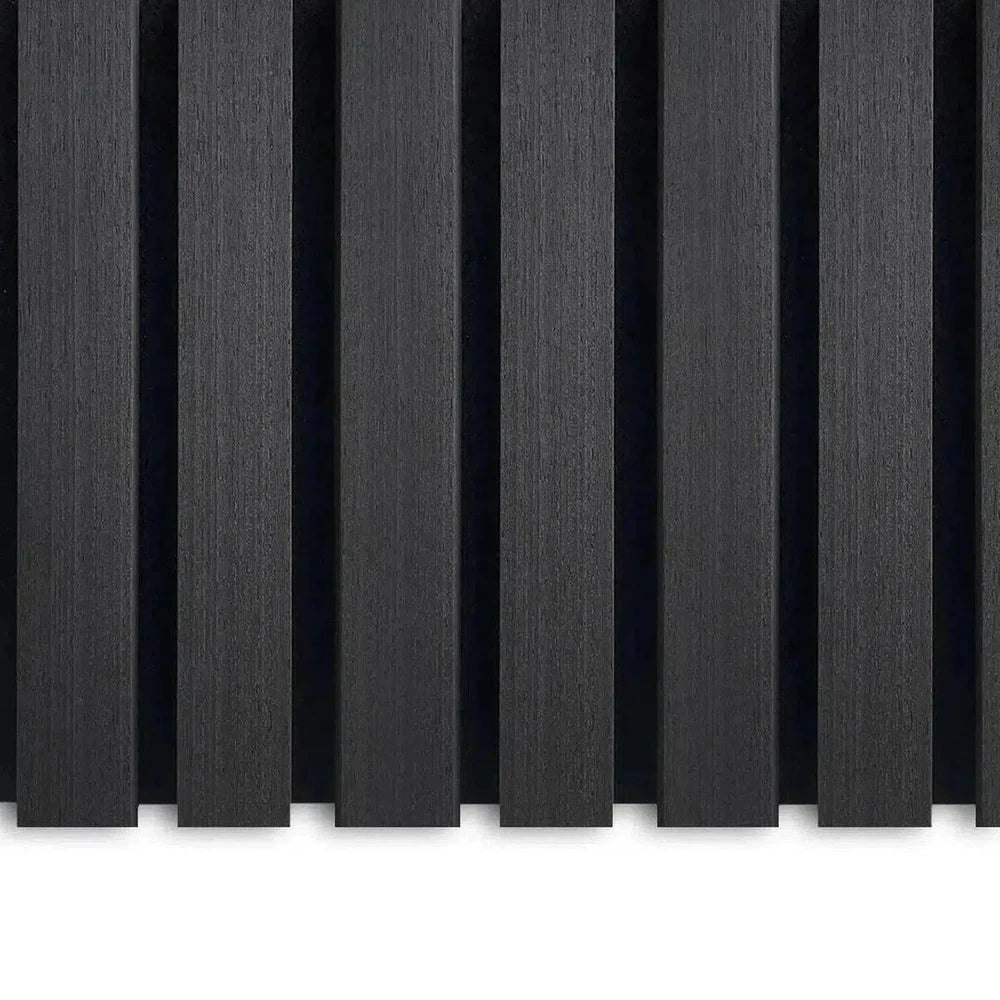
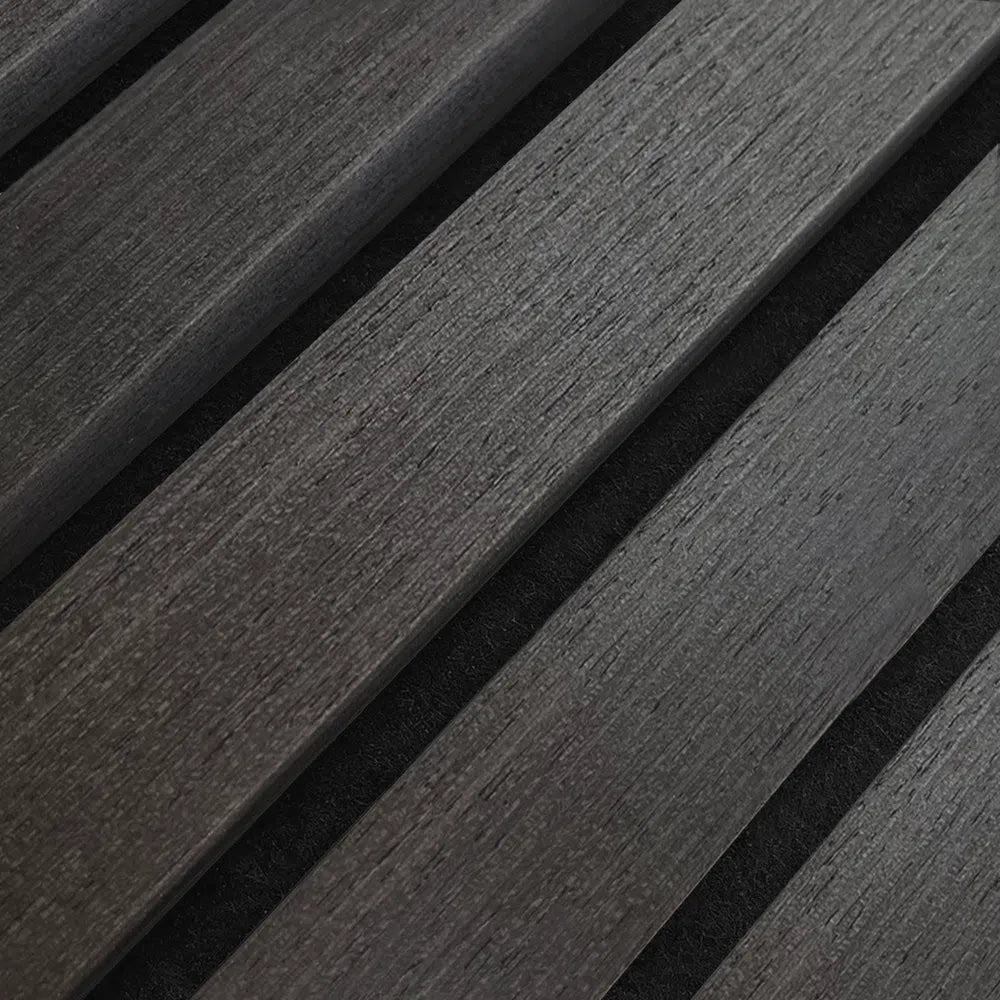
2. Black Oak: best wooden wall panel for moody bedroom feature walls
Black Oak takes the same 3-sided veneer construction and runs it in a deep charcoal-black finish. Against a headboard wall or behind a TV unit, it creates the kind of contrast a plain painted wall can't match.
Black Oak pros:
- Strong visual contrast for bedroom and media walls
- Still shows genuine wood grain instead of flat black paint
- Acoustic backing matters more in bedrooms where echo affects sleep quality
Black Oak cons:
- Fingerprints and dust show up faster than on lighter finishes
- Needs even lighting to avoid looking like a black void
Best for: bedrooms and media rooms wanting drama without losing the wood texture. Verdict: Buy.
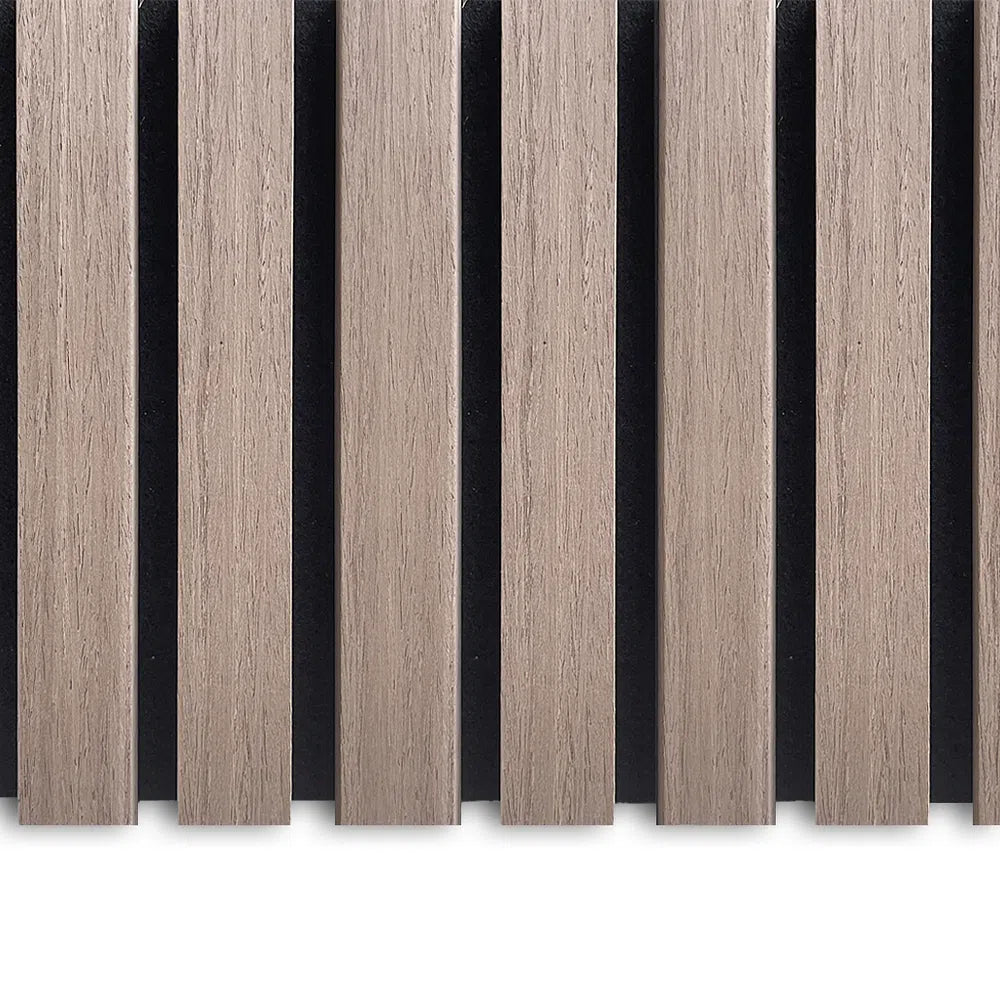
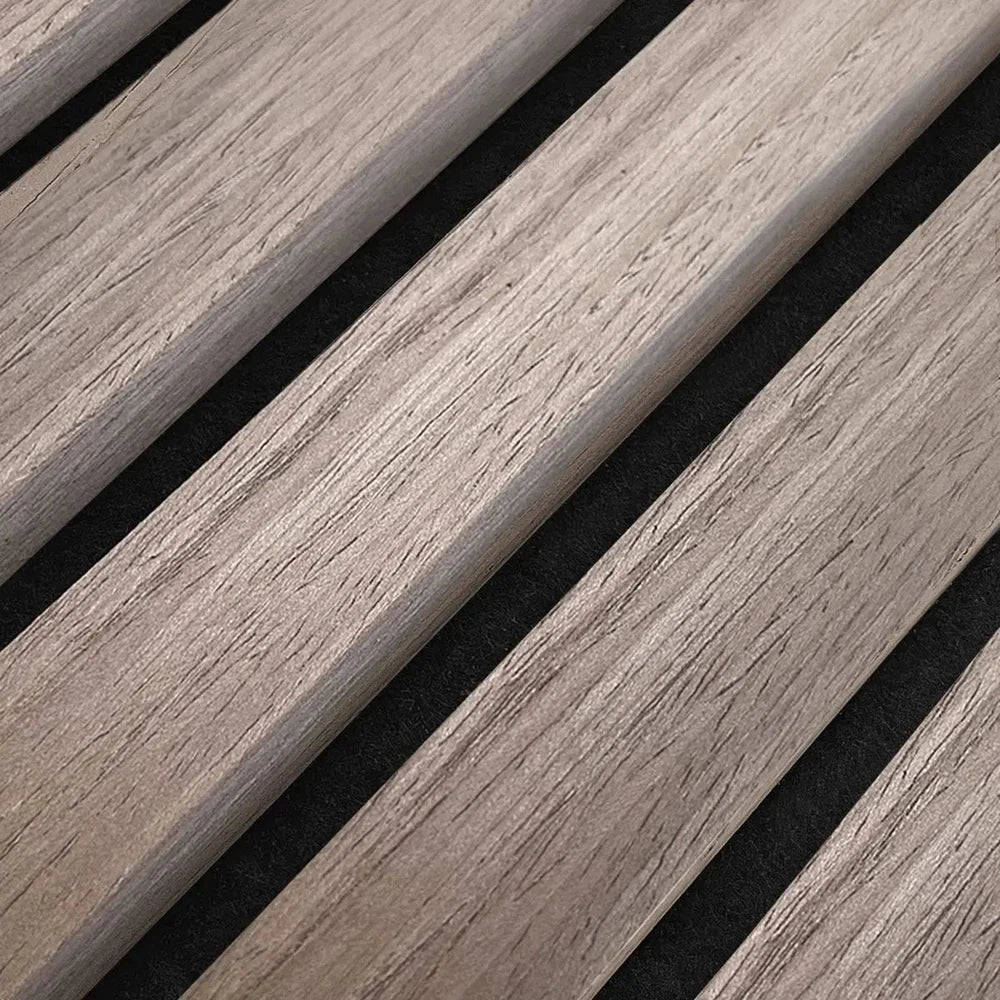
3. Grey Oak: best wooden wall panel for minimalist, Japandi-style rooms
Grey Oak sits in the middle of the tonal range — cooler than natural oak, softer than black oak. It's the finish that pairs most naturally with concrete floors, matte black hardware, and the neutral palettes common in Japandi and minimalist interiors in 2026.
Grey Oak pros:
- Neutral tone works with almost any accent colour
- Reads calm rather than busy on large walls
- Suits offices and living rooms equally well
Grey Oak cons:
- Can look flat or cold without warm textiles (rugs, throws) nearby
- Less striking as a single statement wall than black or smoked oak
Best for: minimalist and Japandi interiors that need texture without extra colour. Verdict: Buy.
4. Walnut: best wooden wall panel for warm, luxury interiors
Walnut brings a reddish-brown grain that reads warmer and more formal than any oak finish. It suits dining rooms and living rooms where the brief is "luxury" rather than "minimalist."
Walnut pros:
- Warmest tone in the AKU Woodpanel range
- Grain pattern reads premium next to darker furniture
- Acoustic felt backing still included, same as every other finish
Walnut cons:
- Grain variation between individual planks is more visible than on oak finishes
- Can clash with cool-toned modern palettes (concrete, chrome, grey stone)
Best for: dining rooms and living rooms going for warmth over minimalism. Verdict: Buy for warm interiors, skip for cool-toned rooms.
5. Hexagon Acoustic Panel Natural Oak: best for a geometric statement wall
Same acoustic construction as the standard oak panel, different shape. The hexagon format breaks a flat wall into a repeating geometric pattern, which reads distinctly more contemporary than a straight slat wall.
Hexagon Acoustic Panel pros:
- Geometric pattern reads as a design choice, not just paneling
- Same acoustic felt backing as the standard oak range
- Works well as a partial accent rather than covering a full wall
Hexagon Acoustic Panel cons:
- More cutting and waste on walls with awkward corners or angles
- Pattern can feel busy in a small room
Best for: a single accent wall that needs to look intentional, not just textured. Verdict: Buy for accent walls.
6. Smoked Oak: best wooden wall panel for hallways and home cinema rooms
Smoked Oak is the darkest, most saturated finish in the lineup — deeper than black oak in tone but with more visible grain movement. It's the finish that suits rooms designed around low light: hallways with limited natural light and dedicated home cinema rooms.
Smoked Oak pros:
- Absorbs stray reflected light, useful in home cinema setups
- Acoustic felt backing reduces reverberation in narrow hallways
- Reads dramatic without going fully black
Smoked Oak cons:
- Wrong choice for small, windowless rooms that need brightness
- Harder to photograph well in low-light listings
Best for: hallways and home cinema rooms built around controlled lighting. Verdict: Buy for the right room, skip for bright spaces.


How we ranked
Every entry above got measured against the same six criteria: veneer authenticity, acoustic backing, tonal fit for a contemporary modern palette, size-format practicality, install method, and cross-room versatility. Panels that only won on one criterion (like the hexagon's pattern) got a narrower "best for" label rather than a blanket recommendation — that's why Natural Oak, the most broadly versatile finish, takes the overall spot.
Which wooden wall panels should you choose?
If you're panelling one room and want the safest, most contemporary-modern result, Natural Oak is the default answer — it works in living rooms, hallways, and home offices without a strong style commitment. Go Black Oak or Smoked Oak if the room is built around drama and controlled lighting. Go Grey Oak if the rest of the interior is already neutral and minimalist. Walnut is the pick only when the brief is warmth, not minimalism, and the Hexagon Acoustic Panel is for one wall, not the whole room.
“A dark oak veneer panel behaves like a piece of furniture, not wallpaper — it needs even light and a matte surrounding to look intentional.”
FAQ
What's the best wooden wall panel for a contemporary modern living room?
Natural Oak is the best overall choice for a contemporary modern living room in 2026 because its light, even grain works with most existing furniture and colour schemes. Grey Oak is the next best option for a cooler, more minimalist result.
Are wooden wall panels better than paint for a feature wall?
Wooden wall panels with an acoustic felt backing add texture and sound absorption that paint cannot, which matters in open-plan rooms with hard flooring. Paint is faster and cheaper but does nothing for echo.
Is Black Oak better than Natural Oak for a modern bedroom?
Black Oak suits bedrooms wanting strong contrast and a moody, contemporary feel, while Natural Oak suits bedrooms wanting a lighter, calmer result. Neither is objectively better — the choice depends on the room's existing light levels.
Do wooden wall panels help with room acoustics?
Yes, when the panel has a felt or acoustic backing behind the wood veneer, not just a decorative front layer. AKU Woodpanel's finishes all pair a 3-sided oak veneer with an acoustic felt backing for this reason.
What size wooden wall panels should I buy for a standard ceiling height?
Panels come in 240cm and 300cm lengths; measure your wall height first so you're not cutting a plank mid-slat, which breaks the visual rhythm. A 240cm panel suits most standard UK ceiling heights.
Can wooden wall panels be used outside as well as inside?
Indoor acoustic wood panels and exterior wall cladding are different products built for different exposure levels; indoor panels are not rated for weather exposure. AKU Woodpanel sells a separate exterior cladding range for outdoor walls.
Which finish suits a Japandi or minimalist interior best?
Grey Oak is the closest match for Japandi and minimalist interiors because its neutral, cool tone pairs with concrete, matte black fittings, and pale textiles. Natural Oak is the second-best option for a slightly warmer minimalist look.
Do hexagon wall panels work in small rooms?
Hexagon panels can feel busy in a small room because the repeating geometric pattern draws the eye more than a flat slat panel. They work best as a single accent wall rather than covering an entire small space.
One last thing
Most buyers pick a finish first and only check panel length afterward — do it the other way round. AKU Woodpanel's panels run in 240cm and 300cm formats, and a room with a non-standard ceiling height will need a plan for the offcut before the delivery arrives, not after. Order a sample of your chosen finish and hold it against the wall in the room's actual lighting; a Grey Oak sample photographed under warm bulbs looks nothing like it does under daylight, and that mismatch is the single most common return reason for wooden wall panels in 2026.