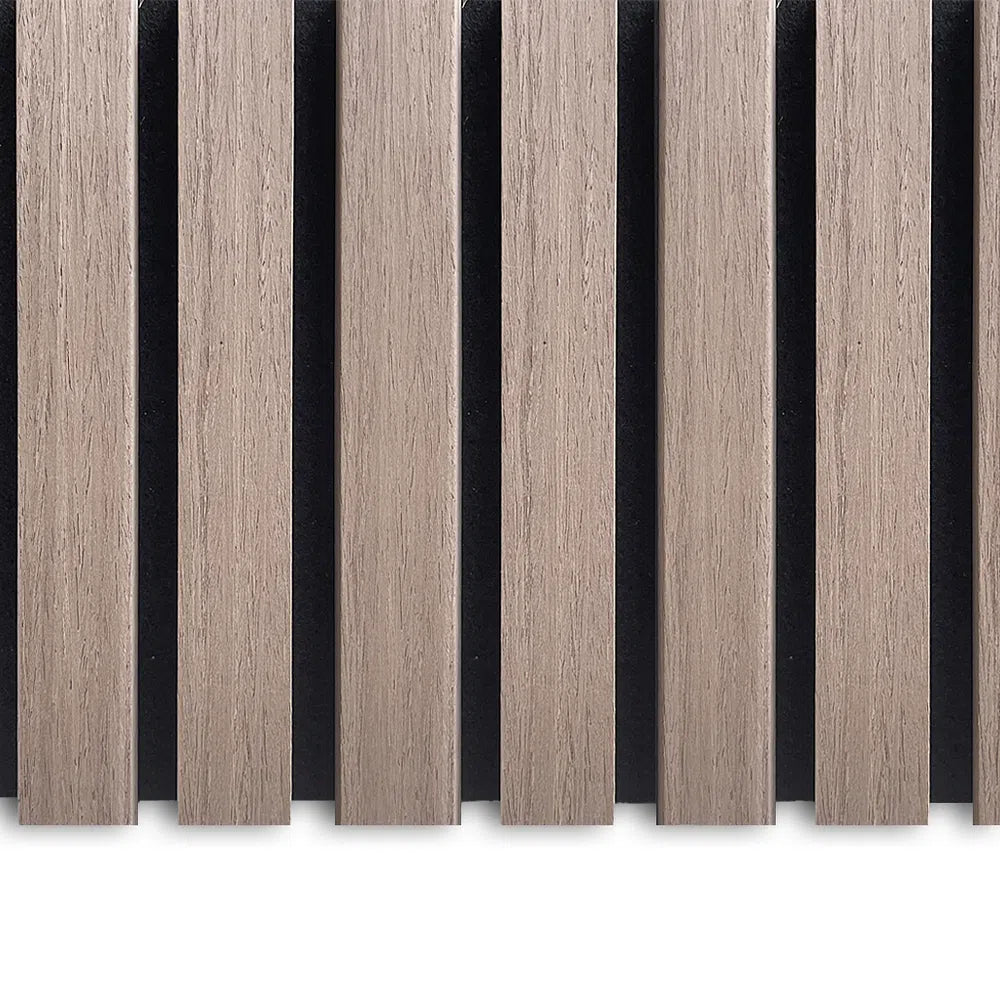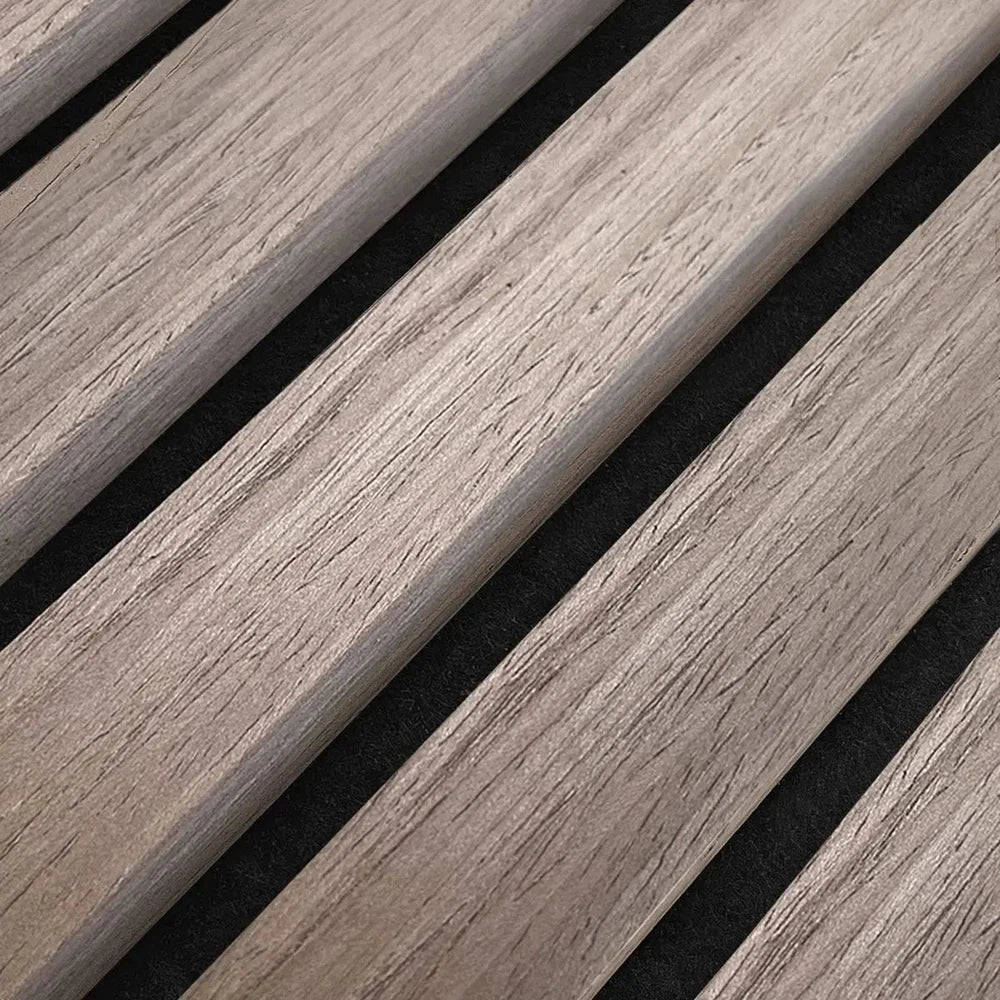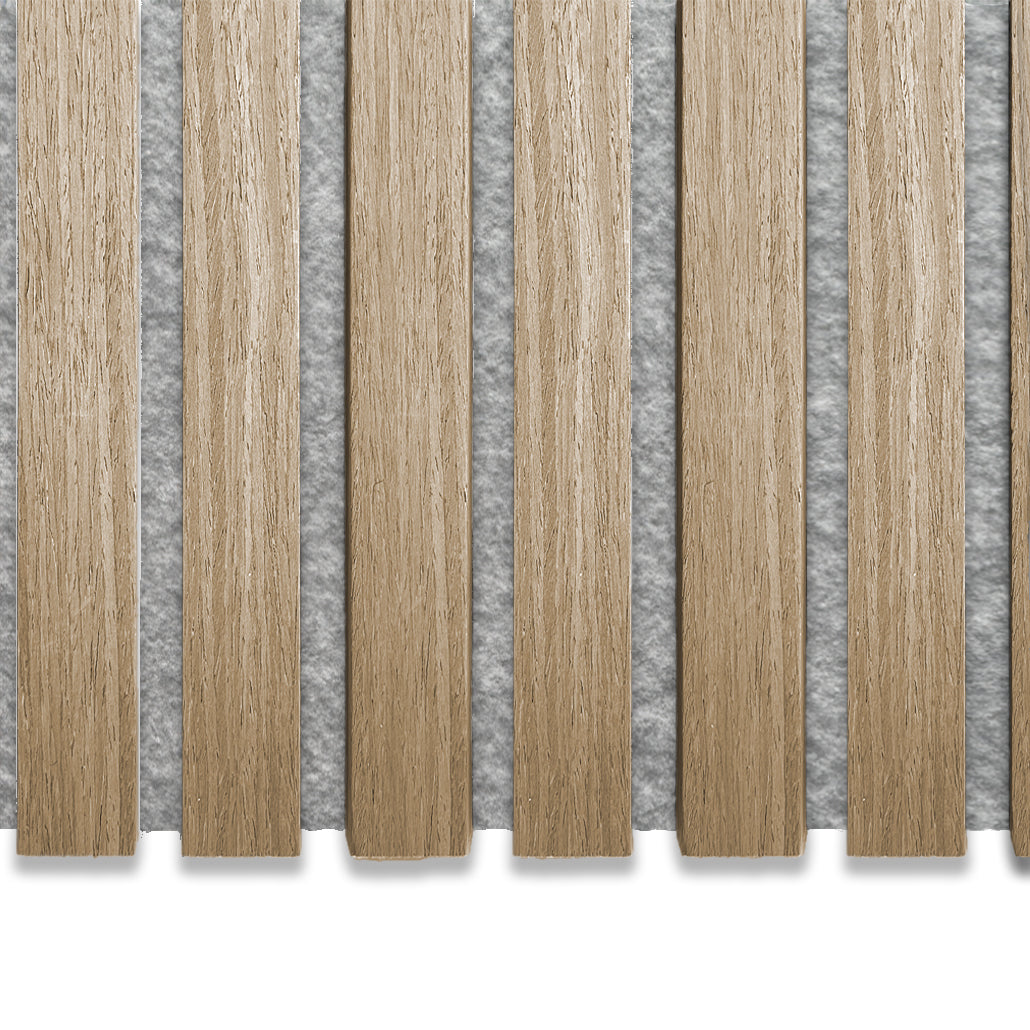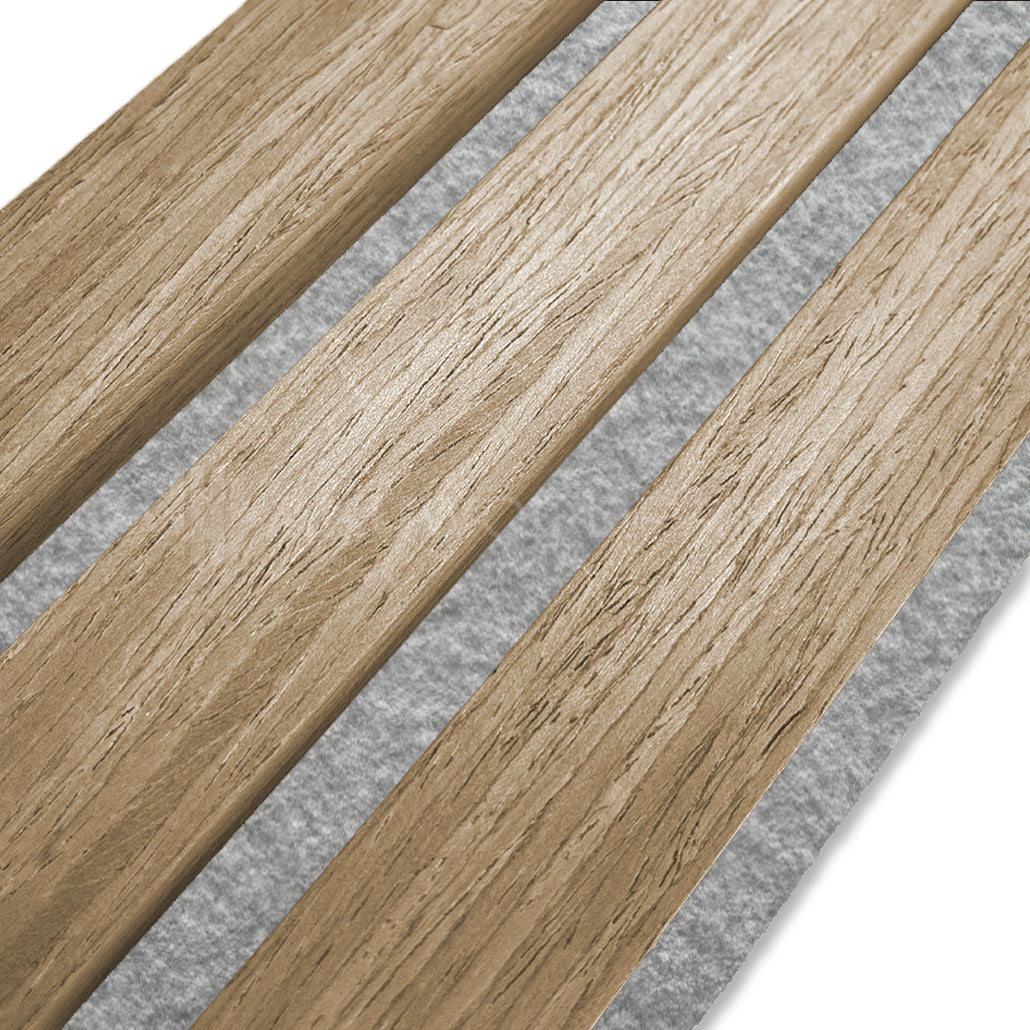
Bars and restaurants use acoustic wood panels to absorb sound bouncing off hard floors, glass frontages and bare plaster, with the goal of cutting the noise level enough that guests can talk without raising their voices and staff can hear drink orders over the till. A busy taproom with a concrete floor and a 4-metre ceiling behaves nothing like a quiet dining room, so the fix has to survive spilled pints, grease from the pass, and nightly wipe-downs, not just look good on opening night.
- Acoustic panels for bars and restaurants cut noise fastest when fitted at guest ear height, not the ceiling.
- Akustiq UK's hexagon and slat wood panels carry an NRC rating of 0.75, matched to noisy hospitality floors.
- Wood veneer panels survive wipe-downs near a bar; foam tiles mark and stain within weeks.
- Treat the wall facing the bar or open kitchen first, since it reflects sound straight back at guests.
Why acoustic panels matter for bars and restaurants
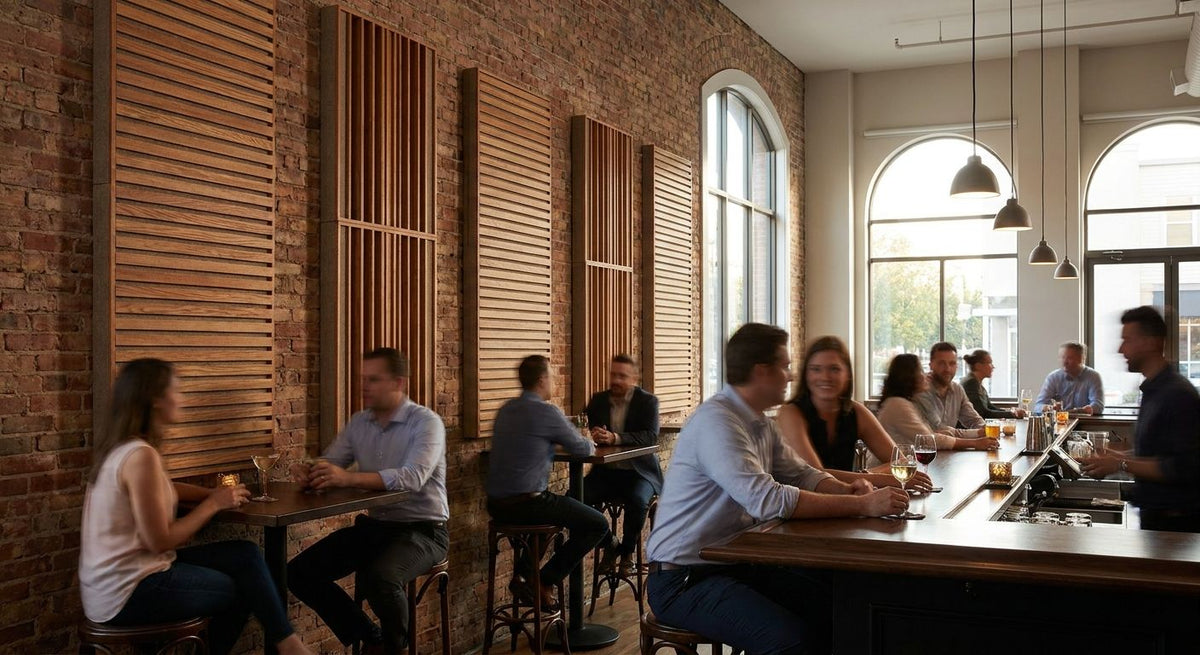
A dining room can score well on food and service and still lose repeat bookings if guests can't hold a conversation over the room. Exposed brick, polished concrete, glass frontages and high ceilings all look good in a fit-out photo, and all of them reflect sound instead of soaking it up.
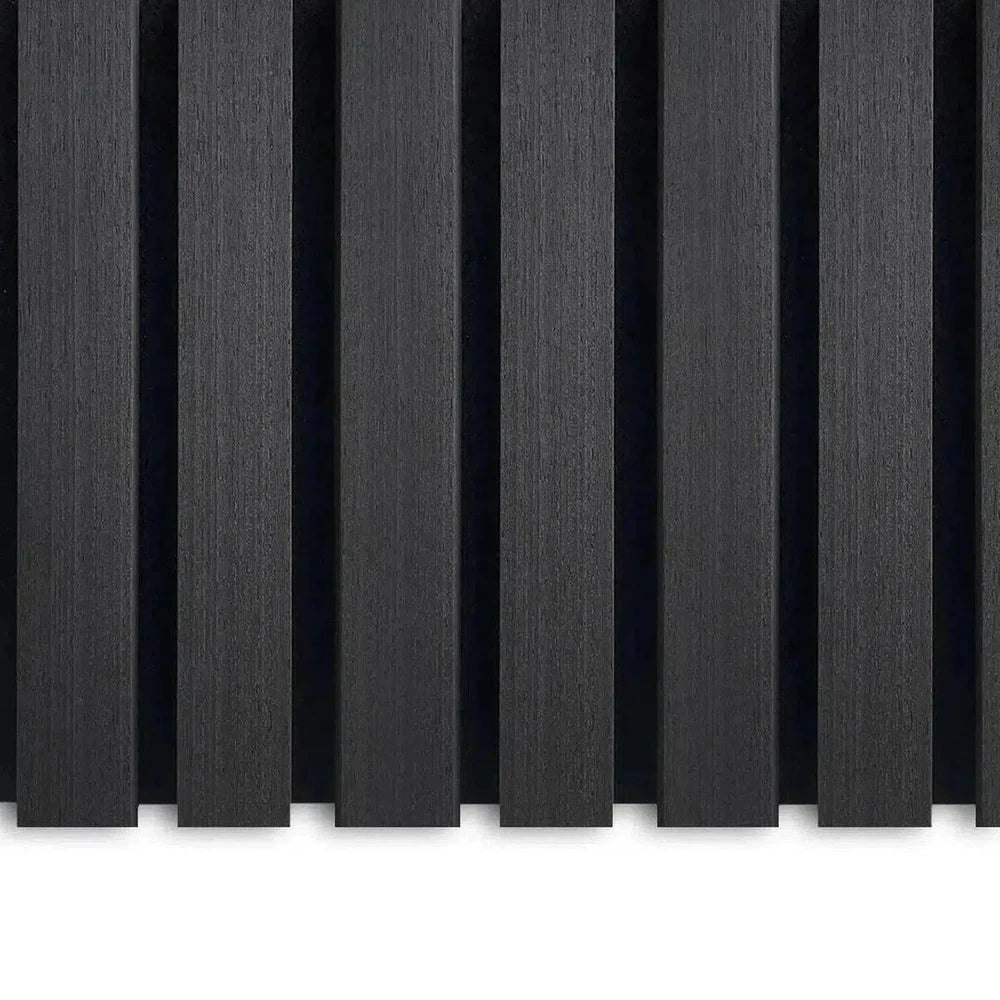
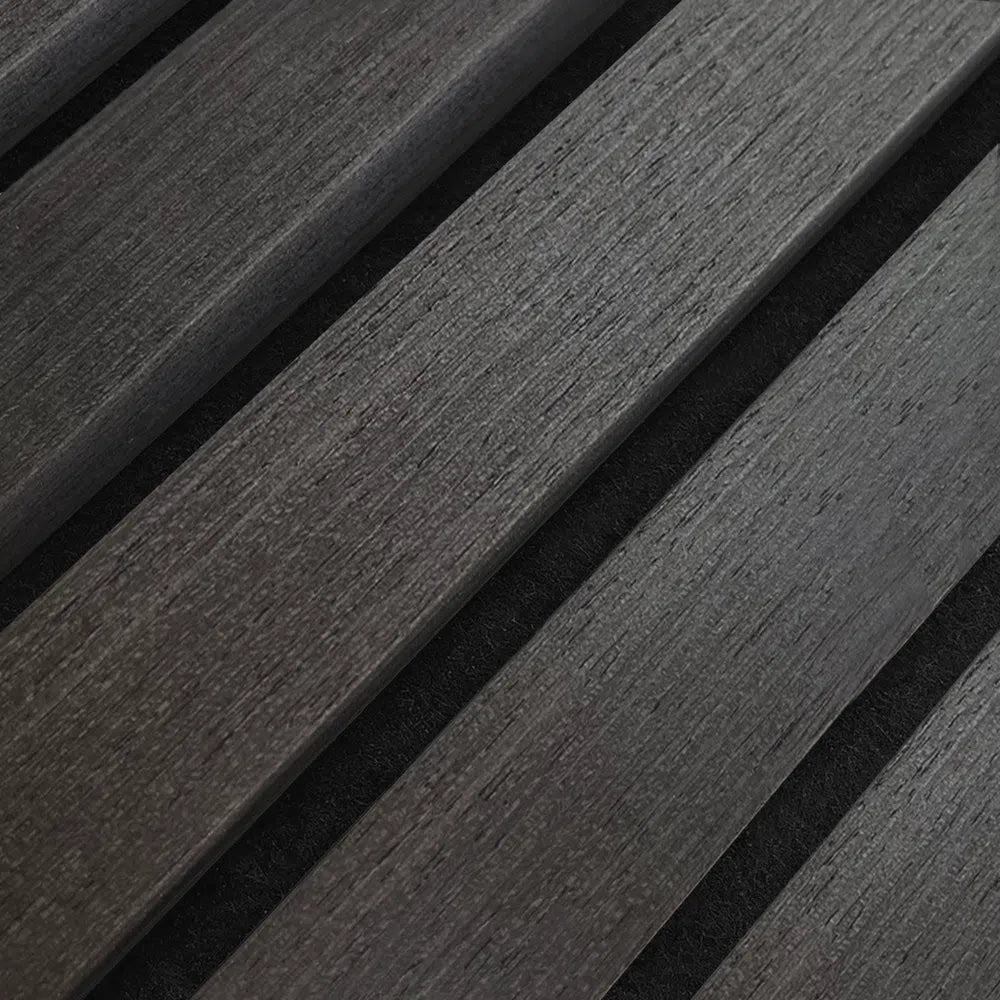
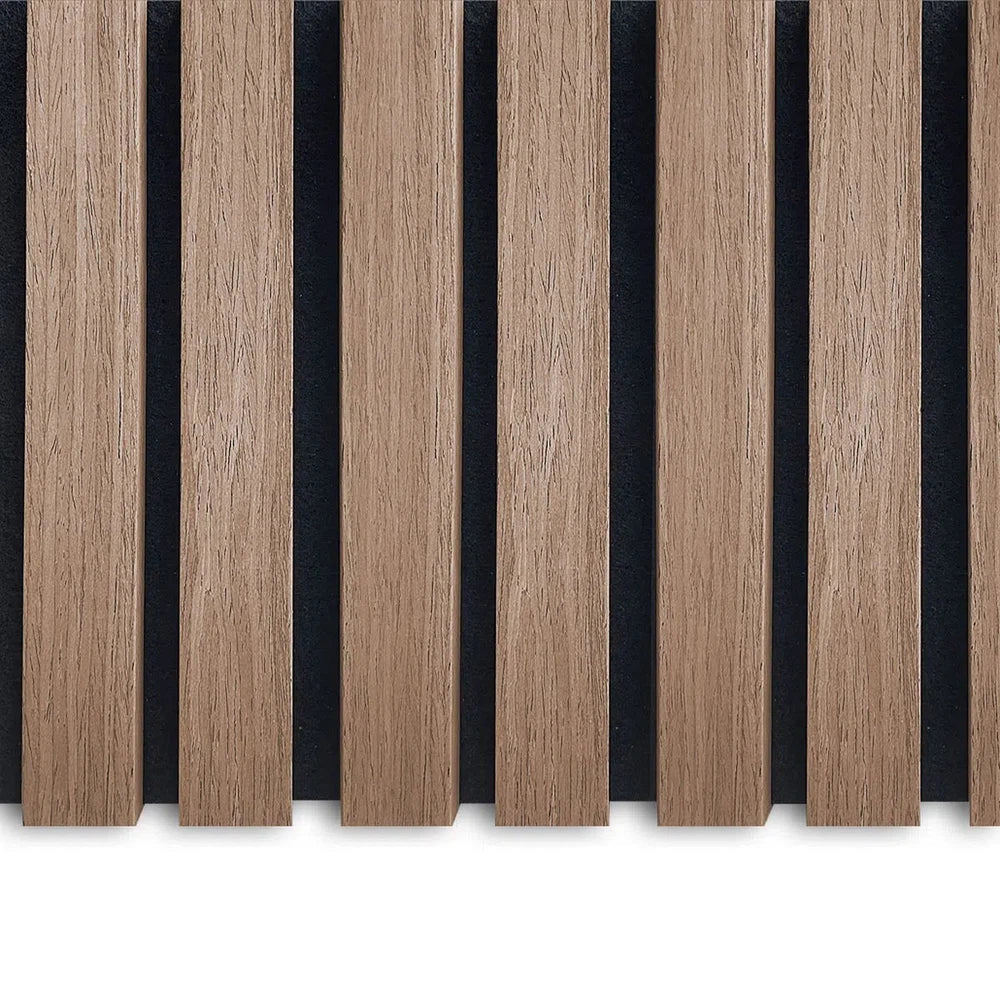
The result is a room where every table's conversation, every clattering plate and every burst from the espresso machine layers on top of the last one. Staff end up shouting orders across the pass, and guests end up leaning in to hear each other. Fitting black oak acoustic panels or a lighter finish on the walls that face the room directly breaks that cycle without ripping out the brick or concrete the venue was designed around.
“If guests raise their voices to be heard over the room, that's an acoustics problem, not a personality problem.”
How to plan acoustic panels for a bar or restaurant
Identify your worst noise zones
Walk the venue at peak service and note where conversations turn into shouting matches. In most bars and restaurants the problem clusters in a handful of predictable spots rather than spreading evenly across the room.
- Open kitchen pass and expo lines, where clattering plates bounce off tiled walls
- Bar backs with glass racks, ice machines and hard-surfaced shelving
- Dining rooms with hardwood or polished concrete floors and no soft furnishing
- Entrance lobbies and waiting areas with glazed frontages
- Private dining rooms doubling as event spaces, usually with bare walls
Test the echo before you buy anything
Clap once in the middle of an empty room and count how long the sound rings on. Anything beyond a quick, tight slap is reverberation you'll hear as a wall of noise once forty covers are seated and talking at once.
- Run the clap test in each zone above, at floor level and near the ceiling
- Note which walls reflect the loudest, often the ones facing the bar or open kitchen
- Check whether existing soft materials (drapes, banquettes, carpet) already absorb some of it
- Record when noise peaks, since coverage needs to handle the loudest sitting, not the quietest
Choose the right acoustic treatment for a hospitality space
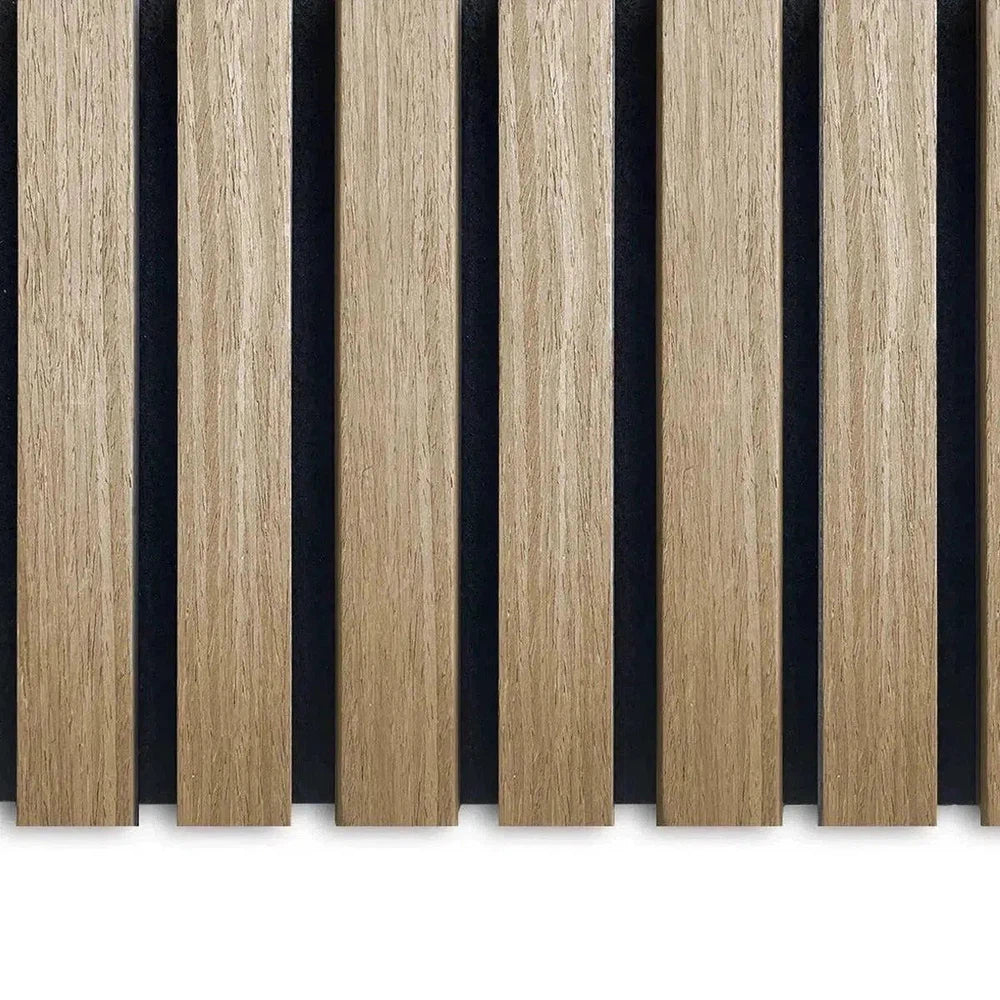
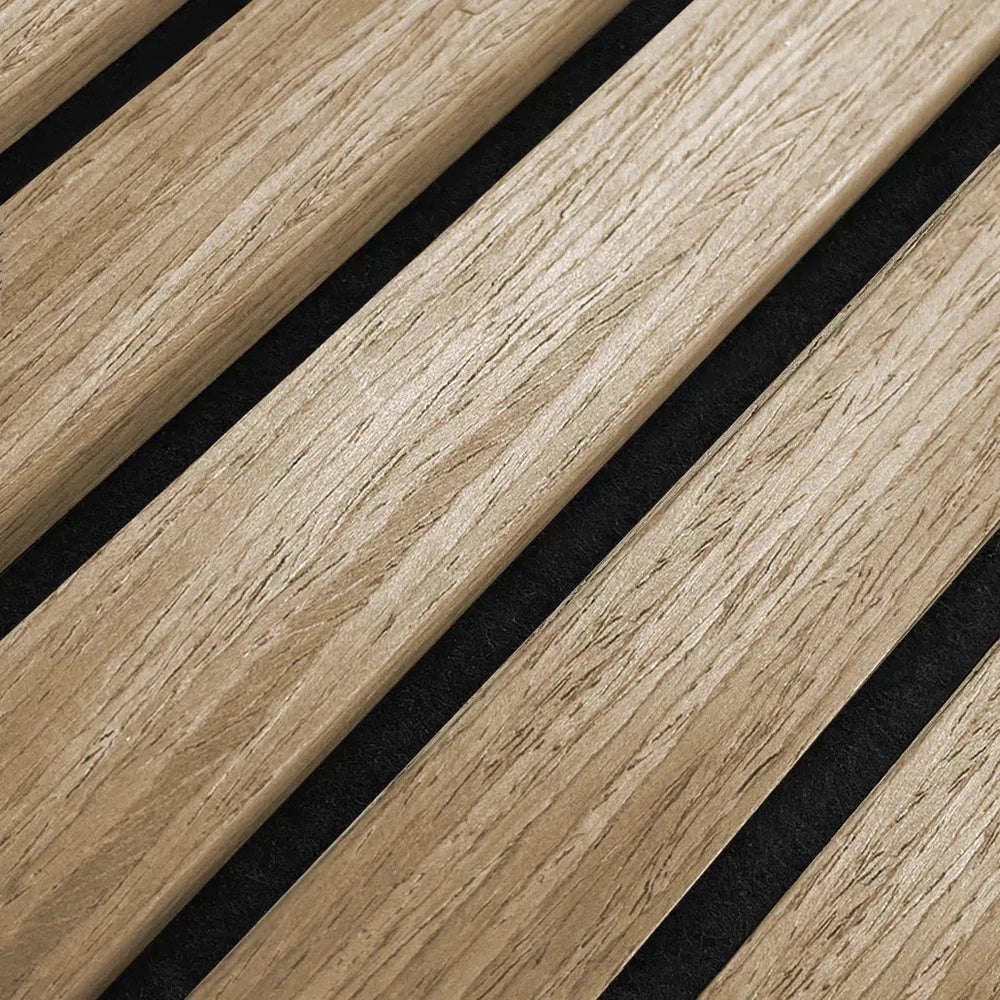
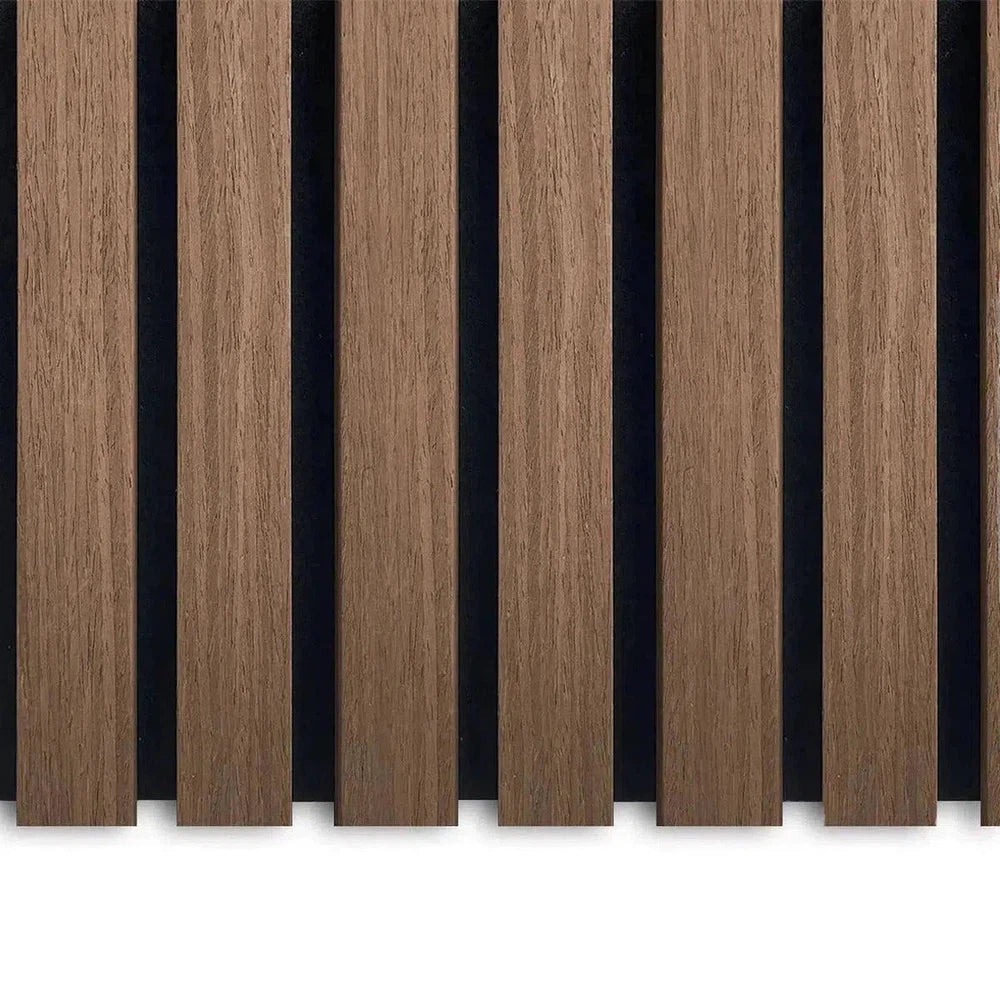
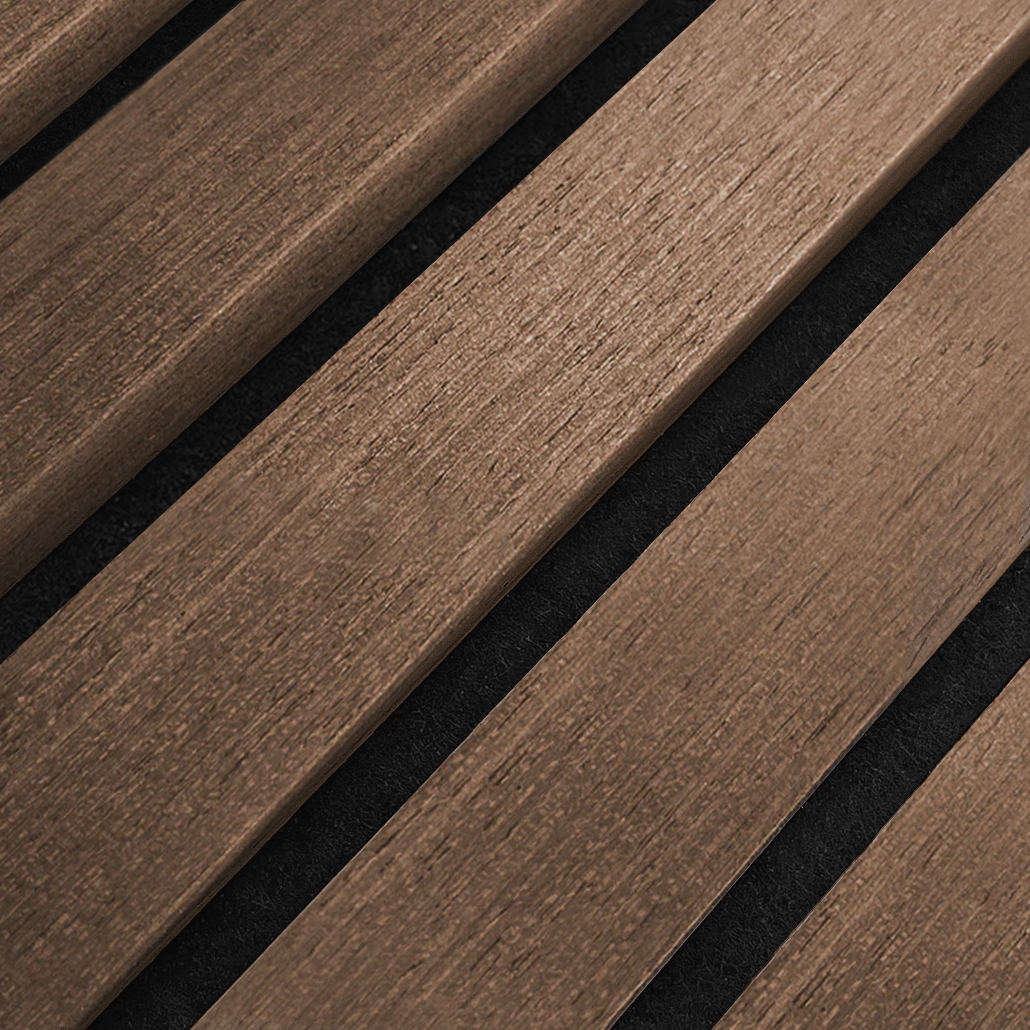
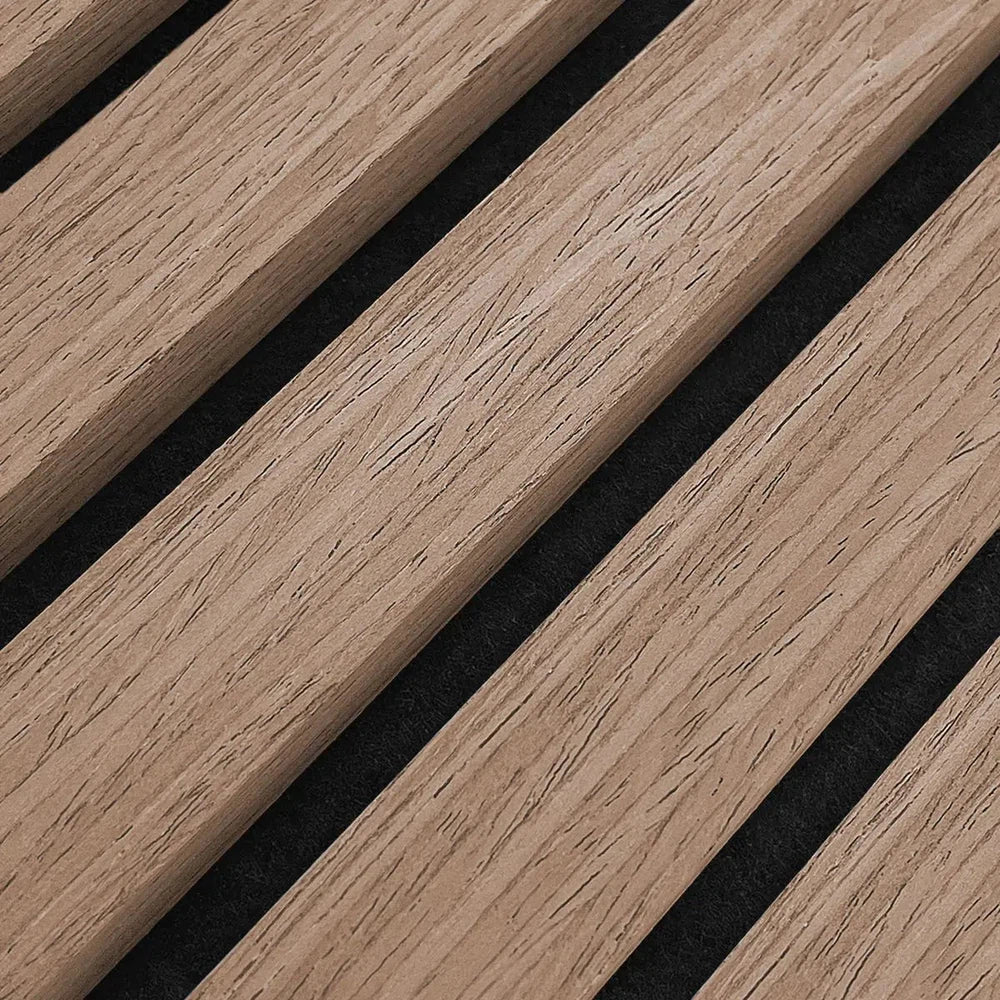
Foam tiles absorb sound cheaply but don't survive grease, alcohol spills or a wipe-down with a strong cleaner, and most guests don't want acoustic foam anywhere they can see it. Acoustic wood panels solve both problems at once: a real wood veneer face that reads as design rather than treatment, backed by a felt layer that does the absorbing. Akustiq UK's slat and hexagon panels carry an NRC rating of 0.75, putting them in the same performance bracket as dedicated acoustic foam without the institutional look.
- Acoustic wood panels: durable veneer face, wipe-clean, doubles as a design feature
- Foam acoustic tiles: cheapest per square metre, but industrial-looking and easily marked
- Fabric-wrapped acoustic panels: good absorption, harder to keep clean behind a bar
- Heavy curtains or drapes: useful on glazing, limited effect on hard walls
Match panel coverage to your reverberation problem
There's no universal percentage that works for every room. A private dining room with three hard walls needs more coverage than an already-carpeted lounge with soft seating, so start with the walls nearest where guests actually sit.
- Prioritise the wall behind or facing the bar first, since it reflects directly onto the room
- Treat at least one full wall in any function room with bare plaster
- Add coverage at guest ear height, roughly 1 to 2 metres up, before treating higher walls
- Revisit coverage after the first busy weekend; echo is easier to judge with a full room
Pick a finish that fits the bar's look
A finish that clashes with the existing bar top or floor makes a fitted refurbishment look like an afterthought. Akustiq UK's panels come in finishes built to sit alongside common hospitality materials: dark oak bar tops, brass fittings, exposed brick.
- Black oak: reads well against brass, marble and darker fit-outs
- Smoked oak: matches reclaimed timber and industrial-style venues
- Walnut: pairs with warmer, traditional pub interiors
- Natural oak or grey oak: suits lighter, Scandinavian-influenced dining rooms
- Hexagon-format panels: break up a long, flat wall in an entrance or waiting area


Plan installation around service hours
Panels go up faster than most fit-out work, but a bar can't close for a week to get it done. Akustiq UK panels are supplied in 240 cm and 300 cm lengths, sized to cover a wall in fewer pieces and cut down the number of joints an installer has to line up.
- Fit during a mid-week closure or an overnight shift rather than a weekend
- Pre-cut panels around fixed bar equipment before the night of install
- Use panel glue for a flush finish, or a batten system where the wall isn't flat
- Leave the finished wall untouched for the glue's full cure time before reopening
Protect panels from spills, grease and steam
Wall panels near a bar or pass take more abuse than a living room feature wall. The veneer and felt backing need to survive nightly cleaning, not just look good in a mood board photo.
- Keep panels a short distance back from direct spray zones: dishwashers, soda guns, ice wells
- Wipe with a damp cloth rather than soaking the felt backing
- Avoid mounting directly behind grill lines where grease settles on the finish
- Check the finish's cleaning guidance before fitting near a wet bar station
Acoustic treatment options compared
| Option | Best for | Key limitation |
|---|---|---|
| Acoustic wood slat or hexagon panels | Feature walls, bar backs and entrances needing a durable finish | Needs panel glue or a batten, not a standalone soundproofing fix |
| Foam acoustic tiles | Back-of-house, kitchen pass, storage areas | Marks easily, doesn't suit guest-facing rooms |
| Heavy curtains or drapes | Window walls and private dining rooms | Absorbs mid-to-high frequencies only, needs regular laundering |
| Acoustic ceiling rafts | High-ceiling rooms where wall space is limited | Doesn't address reflections at the height guests actually sit |
Acoustic wood panels win for bars and restaurants that want the noise fix and the design upgrade in one job. Best for: venues refitting a feature wall or bar back where foam or curtains would look out of place.
Common mistakes bars and restaurants make
- Treating the ceiling and skipping the walls guests sit next to. Ceiling rafts help in tall rooms, but most of the reflection guests hear comes from the walls at head height.
- Choosing a finish that clashes with the bar top. Black oak panels next to a light natural oak bar look unplanned rather than designed.
- Buying decorative slat cladding instead of an acoustic-rated panel. Not every wood wall panel absorbs sound; check for an NRC rating like the 0.75 figure on Akustiq UK's slat and hexagon range before assuming it will cut noise.
- Fitting panels directly behind a wet bar station without checking the finish. Constant alcohol and bleach wipe-downs will dull an unsuitable finish faster than normal wear.
- Under-covering an open-plan room with mixed hard floors and full-height glazing. A single feature wall won't fix a room that's hard-surfaced on every side.
FAQ
What's the best acoustic panel for a bar or restaurant?
Acoustic wood panels with a felt backing, such as Akustiq UK's slat and hexagon range at 0.75 NRC, work best because the veneer face survives spills and cleaning while the felt layer absorbs sound. Foam tiles absorb similarly well but don't hold up in guest-facing areas.
How many acoustic panels does a restaurant need?
There's no fixed number; coverage depends on how many hard walls face the seating area. Start with the wall closest to the bar or open kitchen and expand from there after judging the room at full capacity.
Do acoustic wood panels actually reduce restaurant noise?
Yes, when they're fitted at the height guests sit near and cover the walls doing most of the reflecting. Panels on a ceiling alone or a single decorative accent wall will have far less effect.
Is wood or foam better for restaurant acoustic treatment?
Wood panels are better for any wall guests can see or touch, since the veneer wipes clean and resists marking. Foam is cheaper and fine for back-of-house areas like a kitchen pass that guests never enter.
Can acoustic panels go behind a bar?
Yes, but keep them back from direct spray zones like soda guns and ice wells, and wipe rather than soak the felt backing. The wall behind a bar is often the highest-impact spot to treat since it faces the room directly.
How much of a restaurant wall needs panelling to cut echo?
Coverage varies by room, but treating at least one full hard wall facing the seating area, focused at guest ear height, is the usual starting point before adding more. Private dining rooms with three or four bare walls typically need broader coverage than an already-carpeted lounge.
Are hexagon acoustic panels good for bars?
Yes, hexagon-format panels work well on long, flat entrance and waiting-area walls because the shape breaks up the surface visually while still delivering the same 0.75 NRC absorption as the standard slat panels.
How long does it take to install acoustic panels in a restaurant?
Installation is faster than most refit work and can usually be scheduled around a mid-week closure or overnight shift rather than a full closure. Panel glue needs to fully cure before the wall is back in service.
One last thing
The wall owners treat last is usually the one doing the most damage: the wall directly behind or facing the bar. It sits closest to the loudest fixed noise sources in the building, ice machines, glass racks, the till, and reflects straight back into the seating area. Fix that wall in 2026 before touching the ceiling or the far corners, and most venues notice the difference within the first busy weekend.