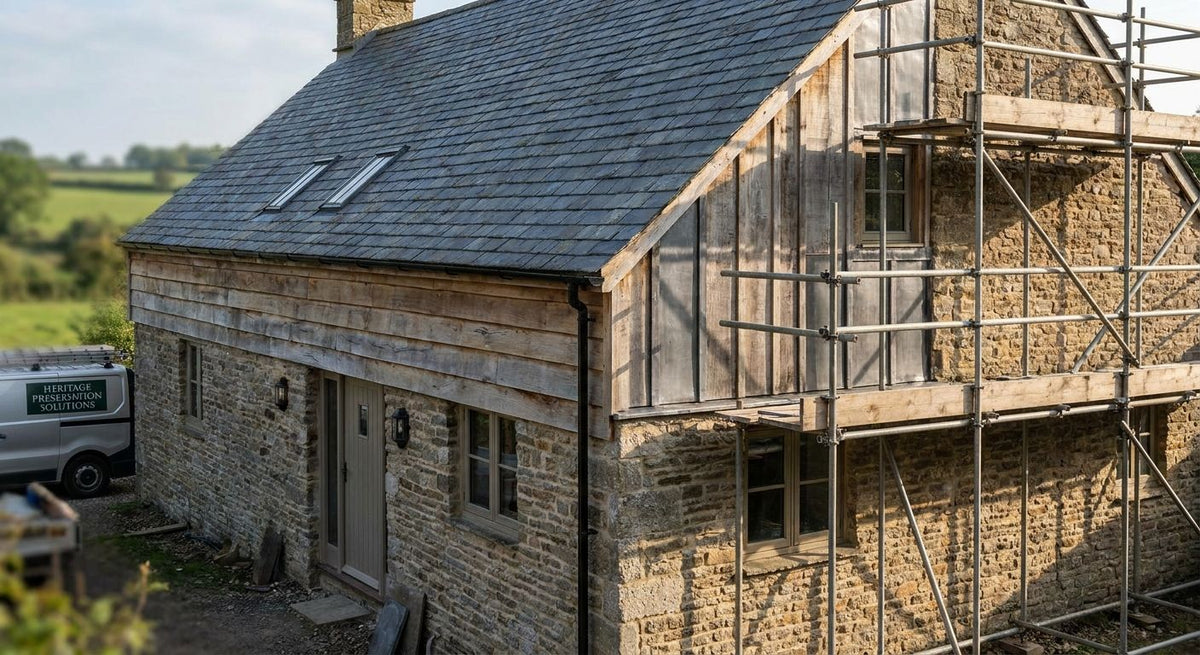
Cladding a listed or period building in 2026 almost never means cladding the protected elevation itself — it means choosing a finish for the extension, outbuilding, or garden room sitting inside the curtilage where planning rules give you more room to move.
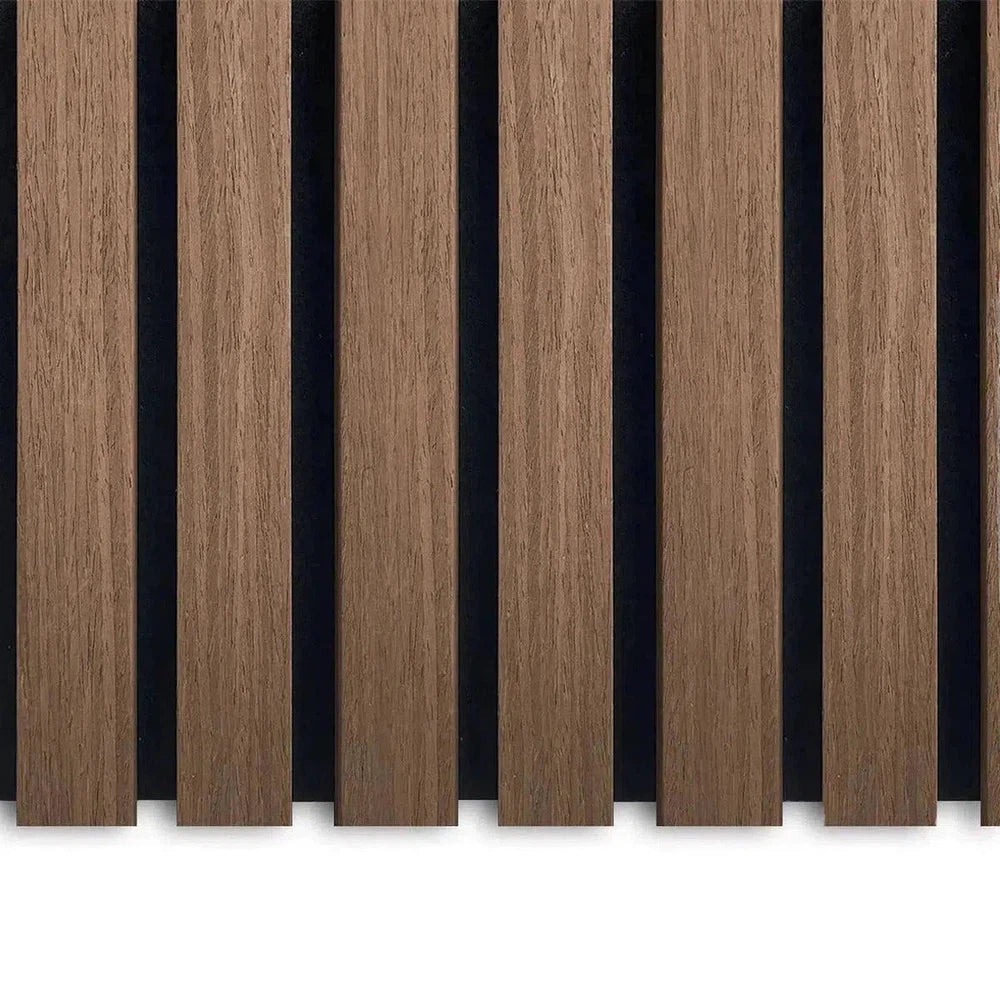
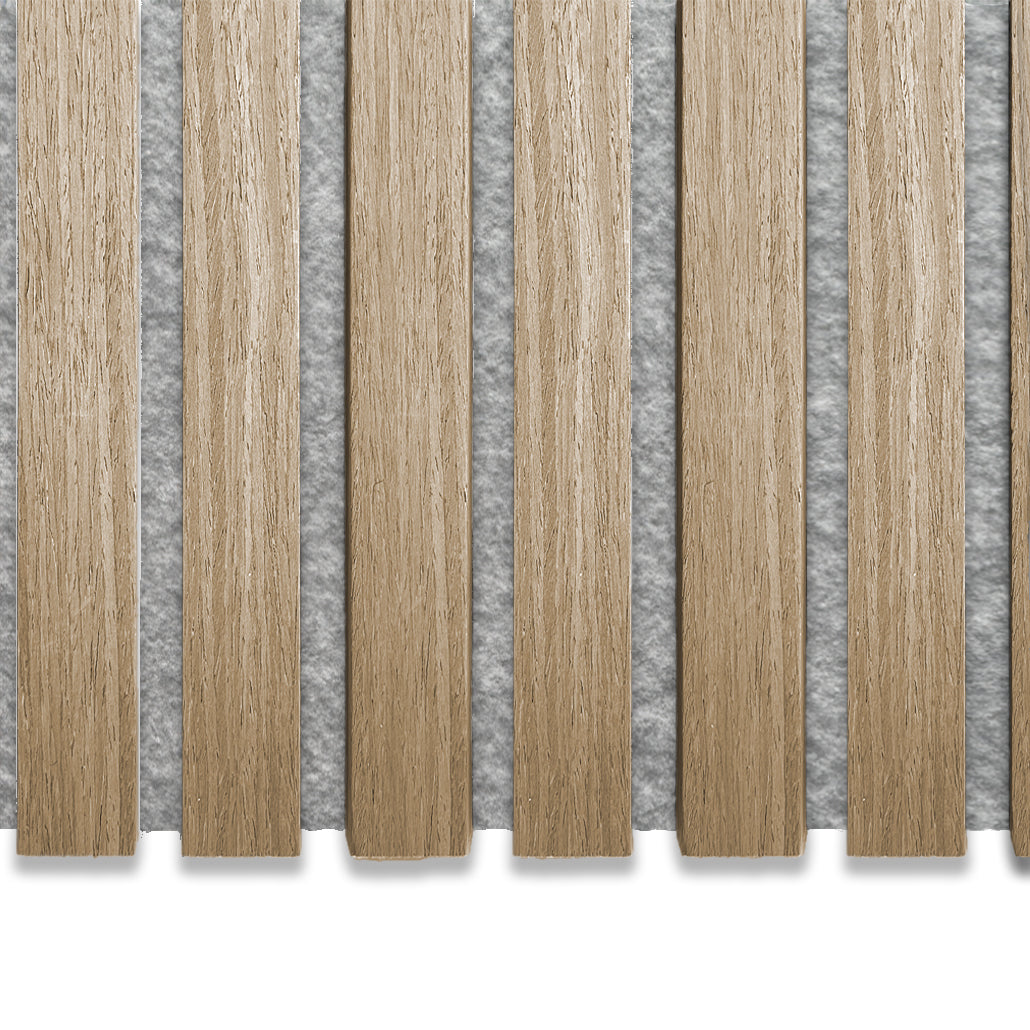
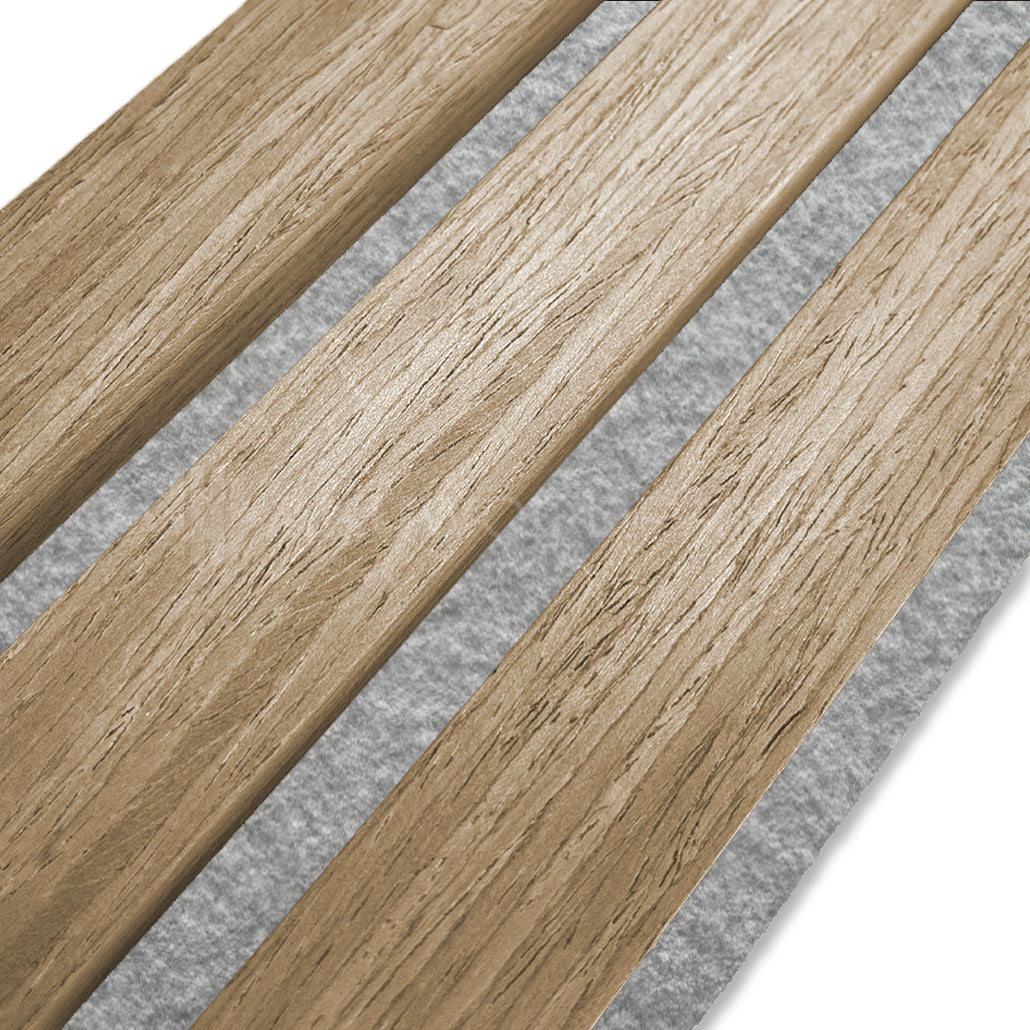
- Oak exterior cladding wins for extensions on brick or timber-framed period cottages in 2026.
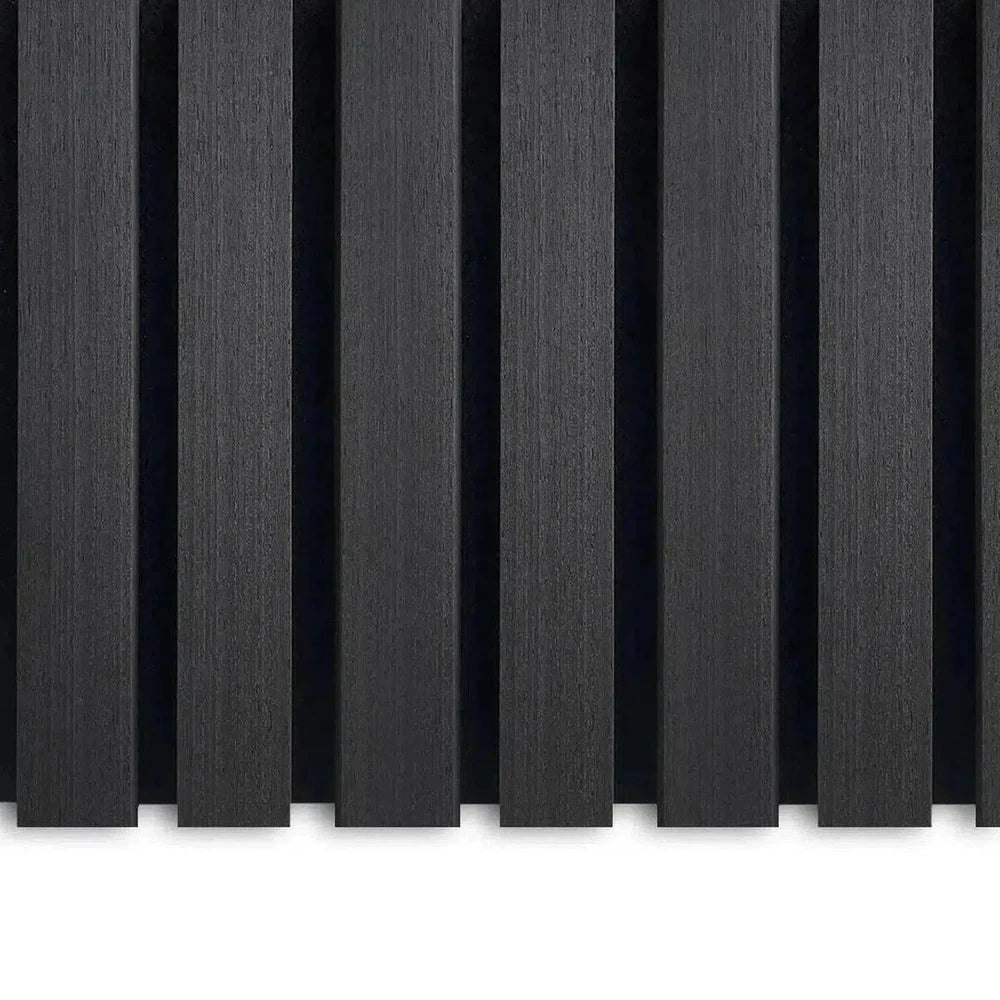
- Black exterior cladding panels suit contrast garden studios built inside a listed curtilage.
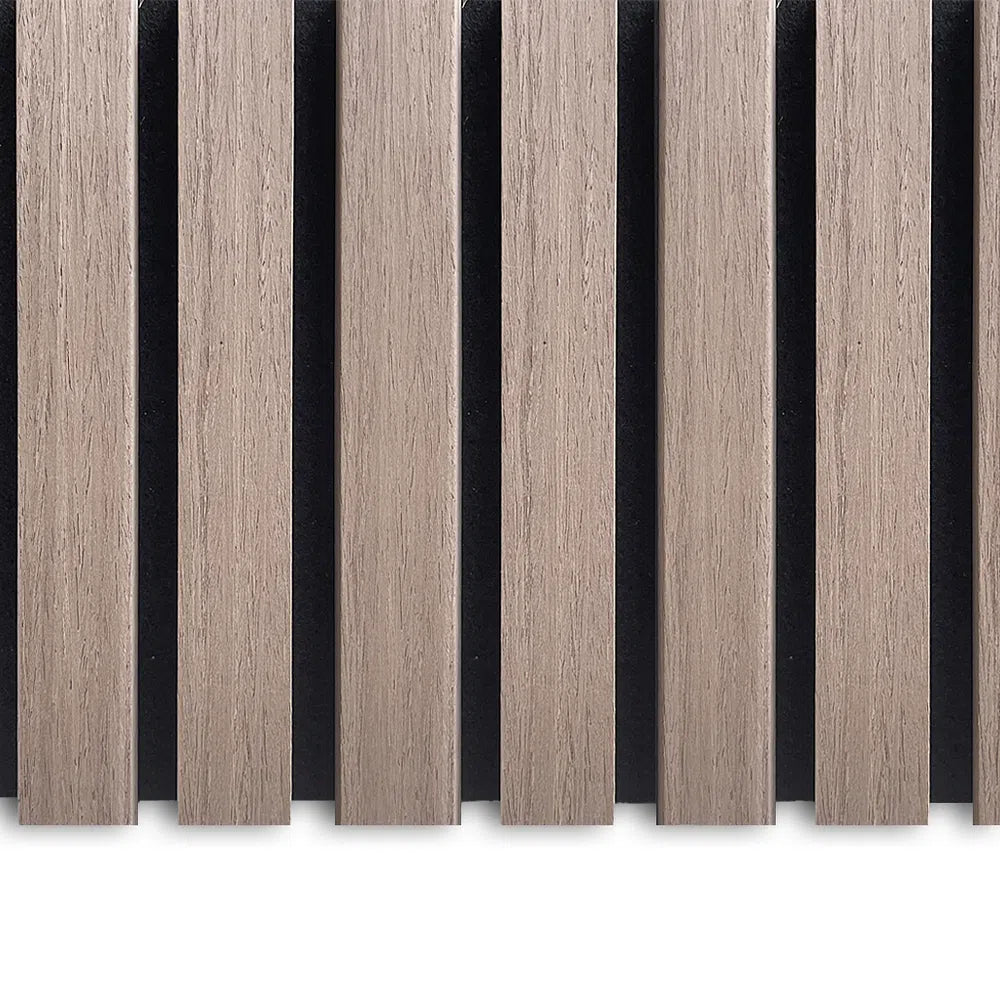
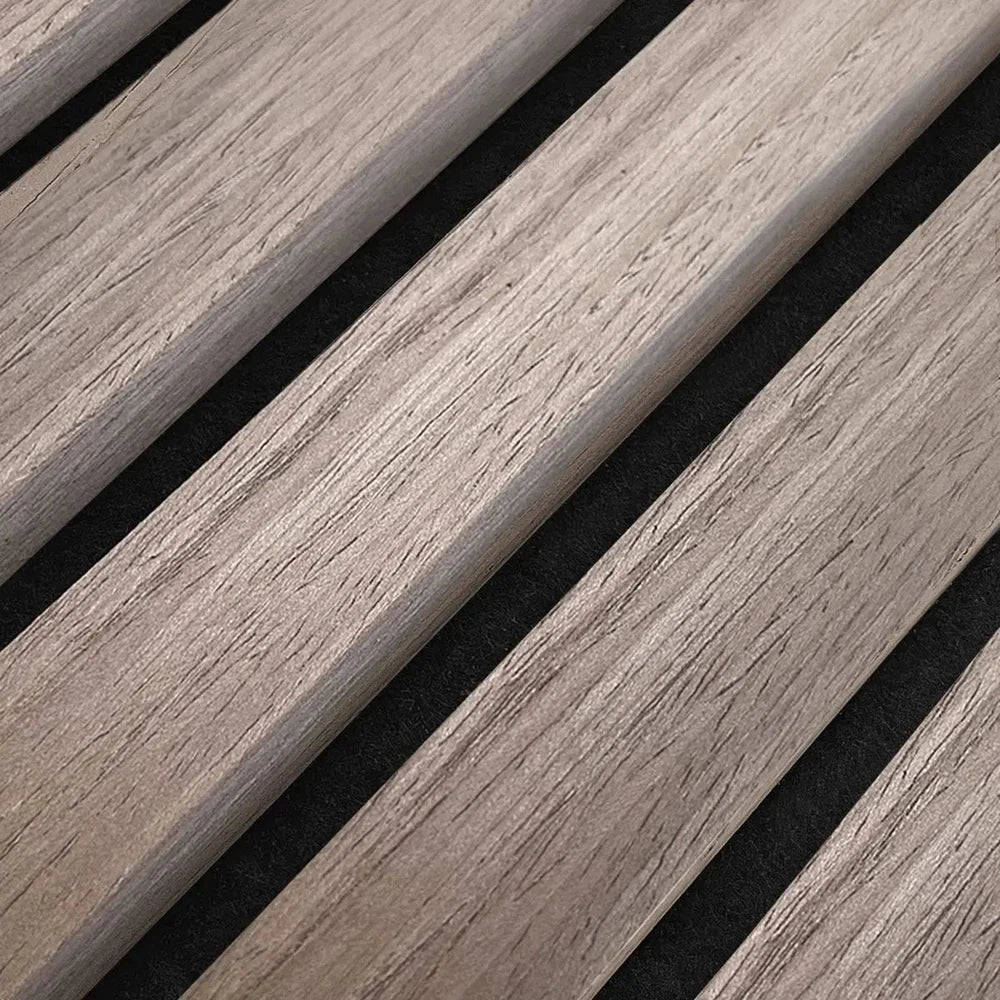
- Stone Grey cladding sits closest to slate and Cotswold-stone listed cottages without mimicking the masonry.
- Listed Building Consent covers any material change to a listed structure's exterior, including cladding.
- None of these composite panels are a like-for-like substitute for original stone, render or timber on a protected facade.
Why this matters
Under the Planning (Listed Buildings and Conservation Areas) Act 1990, altering the exterior of a listed building — including adding cladding — requires Listed Building Consent from the local planning authority, separate from standard planning permission. Conservation officers assess whether a material change harms the building's special character, and composite wood-grain panels rarely pass that test on a principal facade.
Where cladding genuinely gets used on period property projects in 2026 is on extensions, garden rooms, garages, and outbuildings sitting within the curtilage of a listed house — structures the conservation officer treats separately from the historic fabric itself. That's the category this guide ranks. The oak exterior wall cladding panel from AKU Woodpanel is a common starting point for that kind of extension work, but it isn't the only finish worth considering, and it isn't right for every period property.
What makes the best cladding for a listed or period property
- Tonal match to the existing material — stone, brick, render or timber already on site
- Fixing method that doesn't touch the protected structure — battens and screws into the new extension, not the old wall
- UK weather performance — rain, freeze-thaw cycles and coastal exposure without maintenance cycles
- Realistic planning fit — accepted for secondary structures, not marketed as a facade replacement
- Colour range wide enough to either blend in or deliberately contrast, since conservation officers often prefer an honest modern addition over a fake period one
At a glance
| Panel | Best for | Standout feature | Key limitation |
|---|---|---|---|
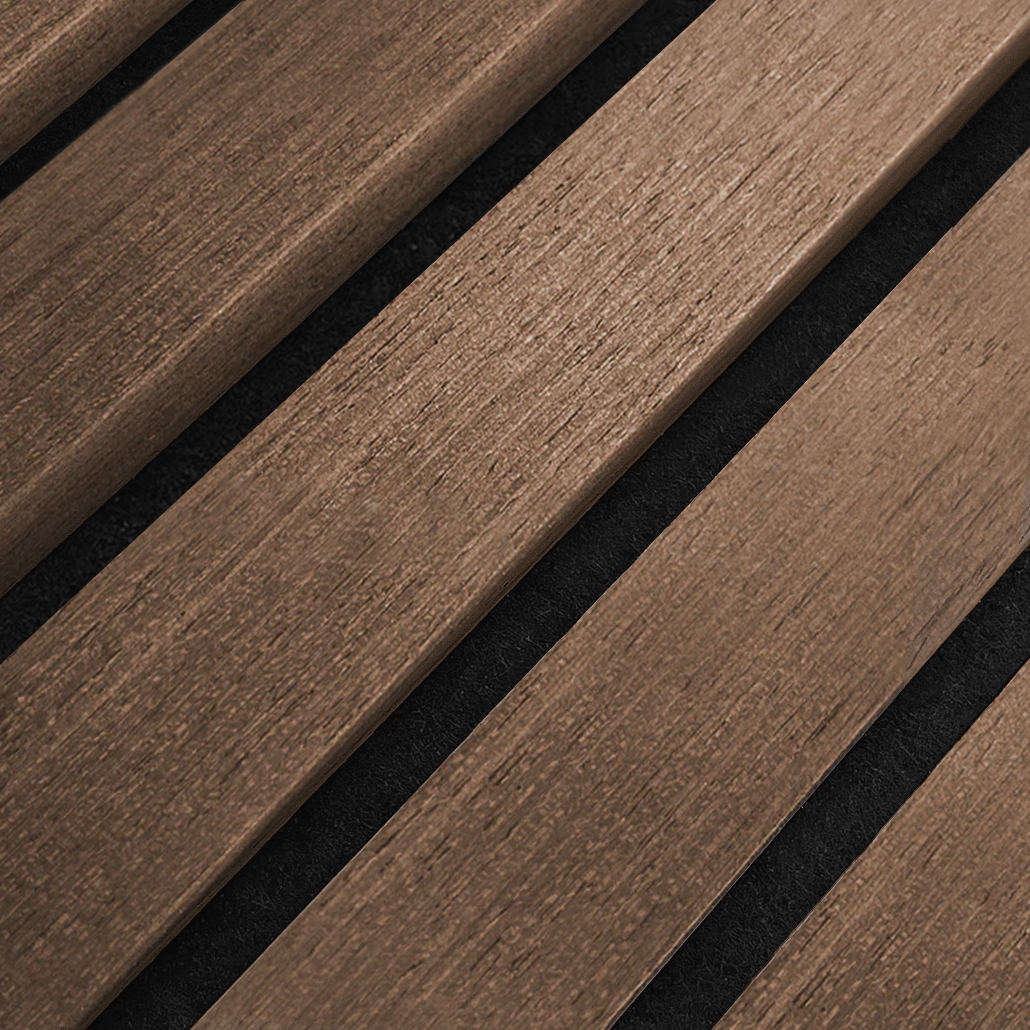
| Oak exterior cladding | Extensions on brick or timber-framed period cottages | Warm 3D wood-grain finish reads as timber from normal viewing distance | Composite, not genuine timber — unlikely to satisfy a conservation officer on a principal facade |
| Stone Grey exterior cladding | Extensions on stone-built or slate-roofed listed cottages | Grey tone sits close to natural stone without copying it exactly | Can look flat next to heavily textured natural stone up close |
| Birch exterior cladding | Render-matched extensions on lime-washed or painted period cottages | Pale tone lightens shaded or north-facing elevations | Limited to secondary structures, same consent restrictions apply |
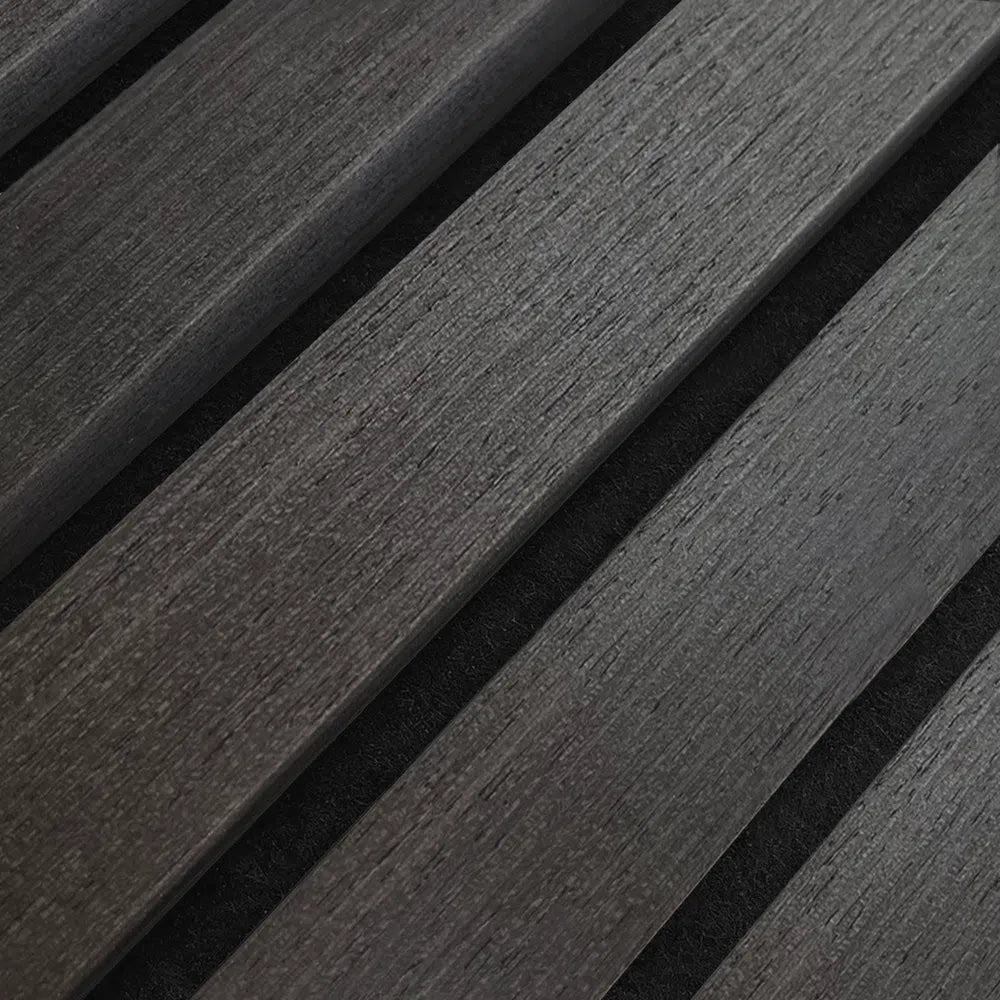
| Black exterior cladding | Contrast garden studios and outbuildings inside a listed curtilage | Strong graphic contrast conservation officers often accept on modern infill | Still needs sign-off before use, even on a small outbuilding |
1. Oak exterior cladding: best for extensions on brick or timber-framed cottages
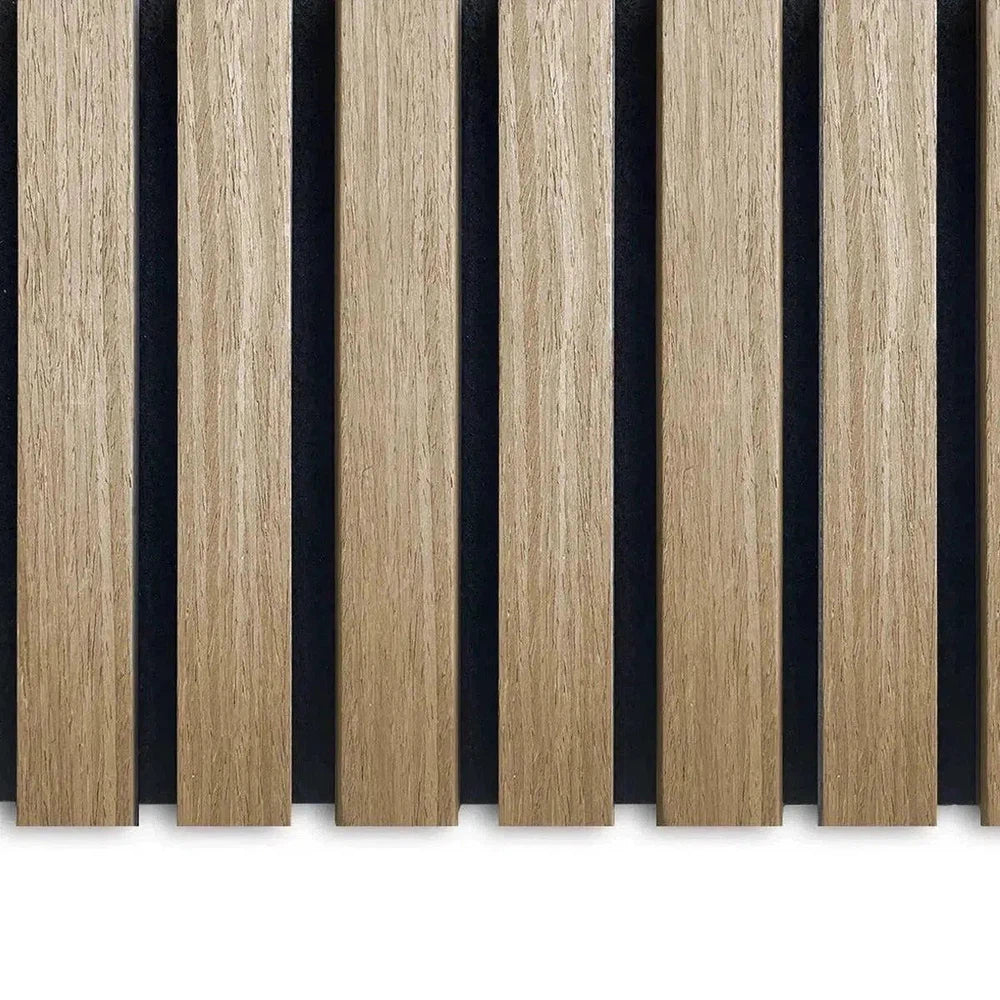
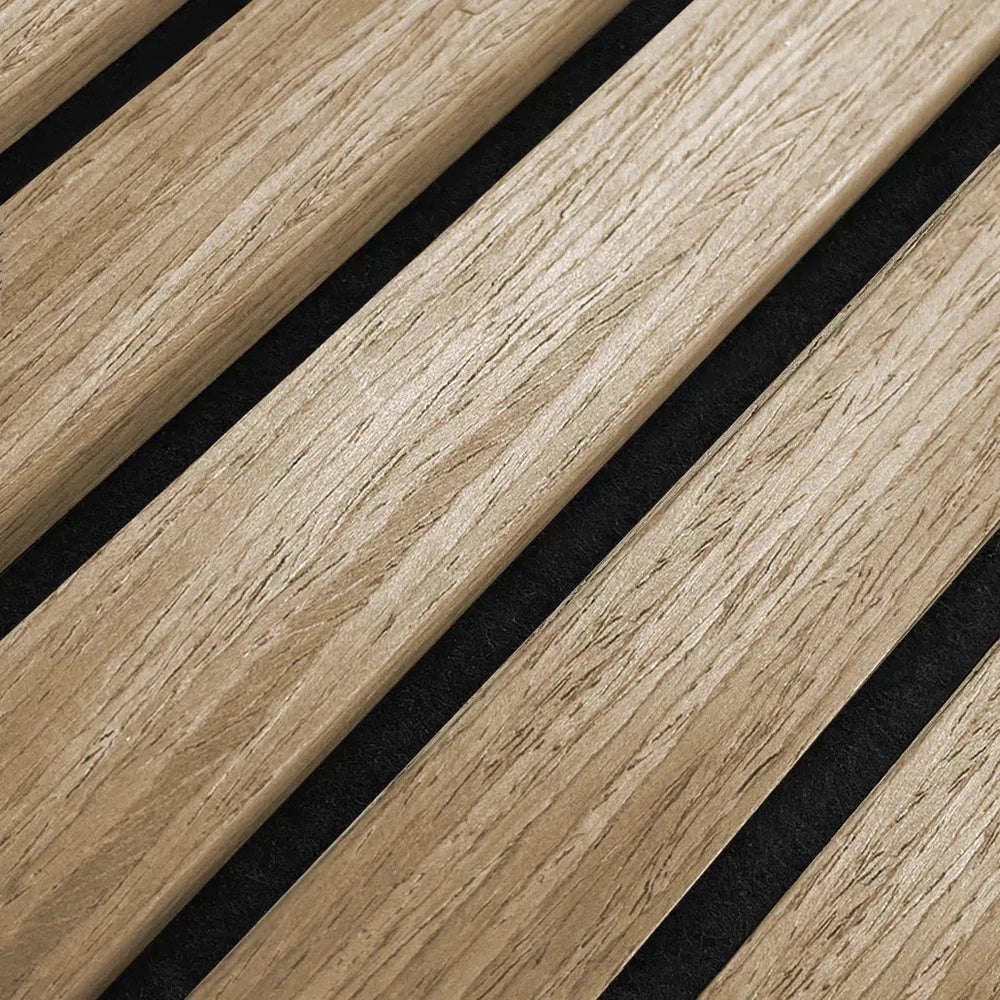
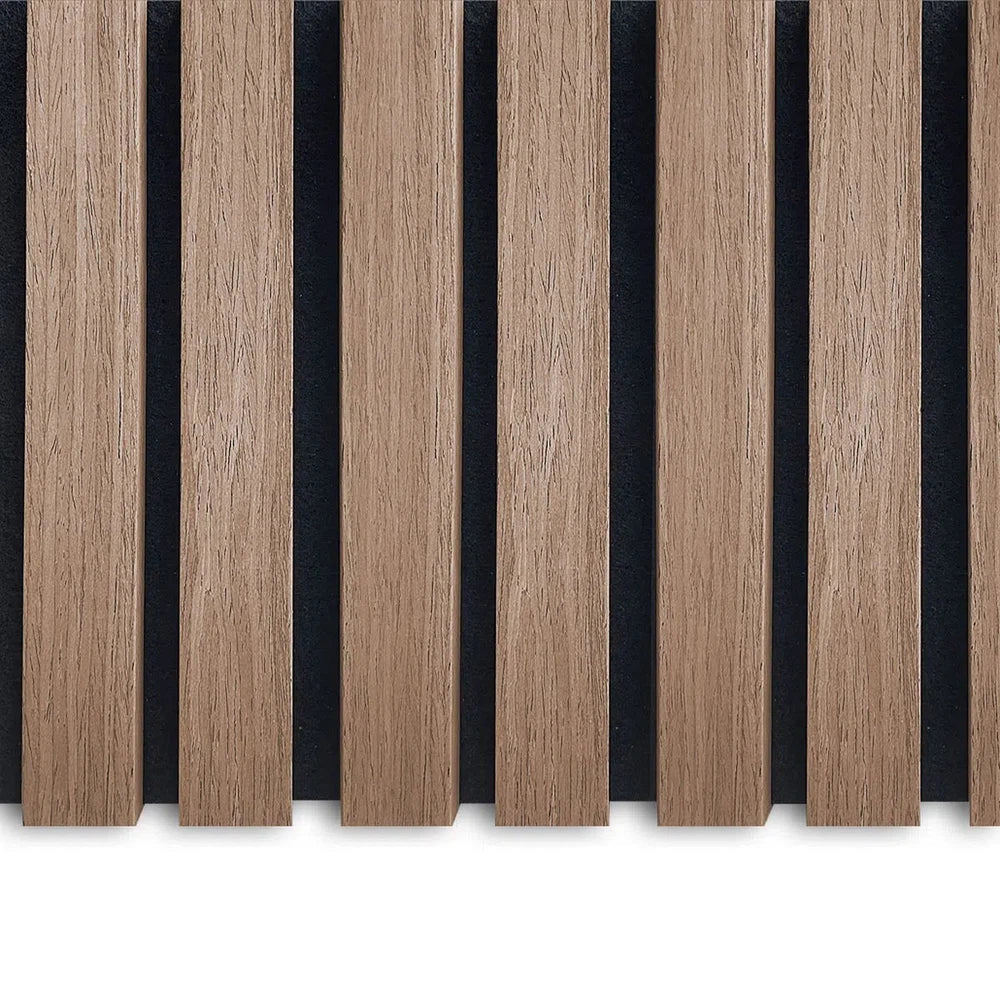
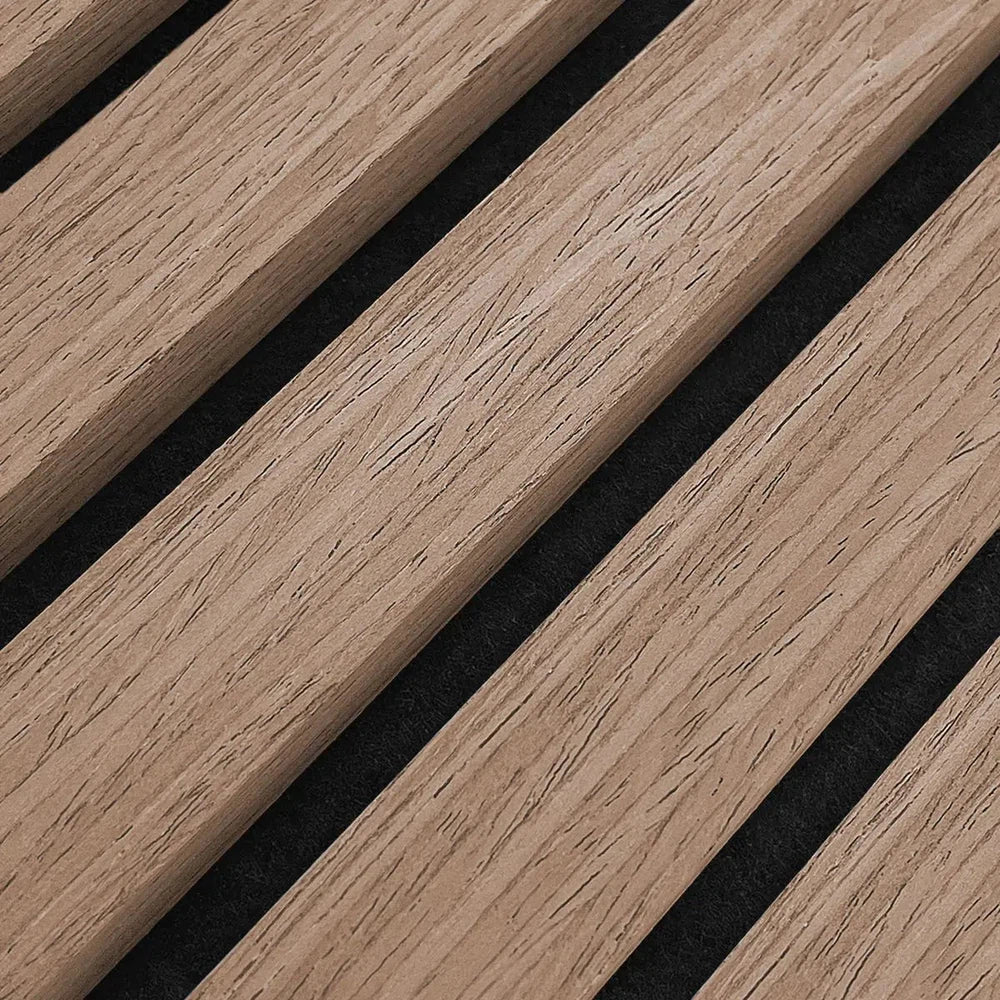
AKU Woodpanel's oak exterior wall cladding panel is a 3D wood-grain composite board designed for exterior use, sold in 290cm lengths with matching corner and finishing trims. On an extension built against a brick or timber-framed period cottage, the warm oak tone sits close enough to weathered timber that it reads as a natural continuation rather than a jarring modern add-on.
Oak cladding pros:
- Warm tone complements red brick, exposed timber frames, and aged render
- Rated for over 25 years of use with minimal fading according to the manufacturer's product data
- Matching corner and finishing trims available for a clean edge around windows and openings
Oak cladding cons:
- It's a composite panel, not solid oak — don't present it to a conservation officer as reclaimed or genuine timber
- Grain pattern repeats across panels, visible on close inspection on a large elevation
- Only appropriate for curtilage structures, not a listed building's own walls
Oak cladding pricing: Check the product page for current panel and trim pricing.
Best for: Extensions and garden rooms attached to brick or timber-framed listed cottages. Verdict: Buy for secondary structures once your conservation officer has confirmed the extension itself doesn't need to match original materials.
2. Stone Grey exterior cladding: best for extensions on stone-built listed cottages
Stone-built period properties — Cotswold limestone, Yorkshire gritstone, slate-roofed farmhouses — call for a cooler tone than oak or birch. The stone grey exterior wall cladding panel gives an extension a grey-toned wood-grain finish that sits alongside natural stone without trying to copy it.
Stone Grey cladding pros:
- Neutral grey tone works against limestone, gritstone, and slate
- Same 25-year weather resistance and UV rating as the oak and birch options
- Doesn't compete visually with textured stone, which conservation officers tend to favour over a fake-stone finish
Stone Grey cladding cons:
- Up close, the flat composite surface reads differently to hand-cut stone
- Still a secondary-structure material, not a facade substitute
- Limited to the manufacturer's standard panel length, so large elevations need multiple joins
Best for: Extensions on stone-built listed cottages where the goal is a quiet, non-competing companion material. Verdict: Buy for garden rooms and single-storey extensions; Hold if the conservation officer wants natural stone cladding for visual continuity.
3. Birch exterior cladding: best for render-matched extensions on painted cottages
A lot of period cottages in 2026 are lime-washed or painted white, cream, or pale grey rather than left as bare brick or stone. Birch exterior cladding gives an extension a lighter, paler wood-grain tone that doesn't fight with a pale rendered main house.
Birch cladding pros:
- Lightens shaded or north-facing extension walls
- Pairs well with white or cream lime-washed period exteriors
- Same fixing system and trims as the oak and stone grey ranges, so mixing finishes across one build stays straightforward
Birch cladding cons:
- Pale finishes show dirt and green algae streaking faster than darker tones in damp UK climates
- Weakest contrast option on this list — not the pick if you want the extension to read as clearly modern
- Same curtilage-only restriction applies
Best for: Render-matched extensions on lime-washed or painted period cottages. Verdict: Buy, with a maintenance wash-down planned into the yearly upkeep routine.
4. Black exterior cladding: best for contrast garden studios inside a listed curtilage
Conservation policy increasingly favours an honest contemporary addition over an addition dressed up to look old. Black exterior cladding leans into that: a garden studio, home office pod, or garage conversion clad in black composite panels reads as clearly new, which is often the easier planning conversation than trying to fake period materials.
Black cladding pros:
- Strong graphic contrast that conservation officers frequently accept on modern infill within a listed curtilage
- Hides weathering and staining better than pale finishes
- Works well against both brick and stone period main houses
Black cladding cons:
- The starkest option — not right if the brief calls for the outbuilding to disappear into the garden
- Still requires the same Listed Building Consent check before installation, contrast doesn't exempt it
- Absorbs more heat in direct summer sun than lighter finishes
Best for: Garden studios, garages, and outbuildings built as deliberately modern additions inside a listed curtilage. Verdict: Buy once the planning conversation has confirmed contrast is the accepted approach for that site.


How this ranking works
Each panel is ranked against the criteria above: tonal match to common period materials, fixing method, UK weather performance, and realistic planning fit. Oak, Stone Grey, Birch, and Black don't compete for the same job — they're sorted by which existing material and which planning approach they suit, which is why the order above reads as a decision tree rather than a leaderboard.
“If the conservation officer hasn't signed off the material, the cladding order doesn't matter.”
Which cladding should you choose?
For most extension and garden room projects attached to a period property in 2026, start with the oak exterior wall cladding panel if the main house is brick or timber-framed, or Stone Grey if it's stone-built. Reach for Black only once the conservation officer has confirmed contrast is the accepted route for that site, and treat Birch as the pale-render match for lime-washed cottages. None of these belong on the listed building's own protected walls — that conversation goes through Listed Building Consent, and it starts before any panel gets ordered.
FAQ
Can you put exterior cladding on a listed building?
Cladding the protected elevation of a listed building requires Listed Building Consent, and conservation officers rarely approve composite panels as a replacement for original stone, render, or timber. Cladding is far more commonly approved on extensions and outbuildings within the curtilage rather than the historic structure itself.
Do I need planning permission to clad an extension on a listed property?
Yes — extensions attached to a listed building typically need Listed Building Consent alongside standard planning permission, even when the cladding only covers the new build, not the original structure. Check with the local planning authority before ordering material.
What colour cladding matches a period brick cottage?
Oak-toned cladding is the closest match for red brick and timber-framed period cottages because the warm grain tone sits near weathered brick and exposed timber. Stone Grey works better against limestone or gritstone rather than brick.
Is composite cladding suitable for a listed building extension?
Composite wood-grain cladding is commonly used on extensions and garden rooms within a listed curtilage, but it is not a substitute for original materials on the protected structure itself. Get written confirmation from the conservation officer before specifying it for any part visible from a public viewpoint near the listed building.
What is Listed Building Consent and when is it needed?
Listed Building Consent is a separate permission from standard planning permission, required under the Planning (Listed Buildings and Conservation Areas) Act 1990 for any material alteration to a listed structure's exterior or interior. Adding cladding to a listed wall falls under this requirement even if the change looks minor.
Should a garden room extension match or contrast with a period house?
Both approaches get approved depending on the site — a tonal match like oak or Stone Grey blends the extension in, while black cladding creates a deliberate modern contrast that conservation policy increasingly favours over a fake period finish. The right choice depends on what the local conservation officer prefers for that specific property.
Can black cladding be used near a listed building?
Black cladding on a garden studio or outbuilding inside a listed curtilage is often accepted precisely because it reads as clearly modern rather than an imitation of period material. It still requires the same consent check as any other finish before installation.
One last thing
The finish that gets rejected most often on period property projects in 2026 isn't the wrong colour — it's cladding ordered before the Listed Building Consent conversation happens. Talk to the local conservation officer about the extension or outbuilding first, then pick between oak, stone grey, birch, or black based on what they're comfortable approving for that specific curtilage.