

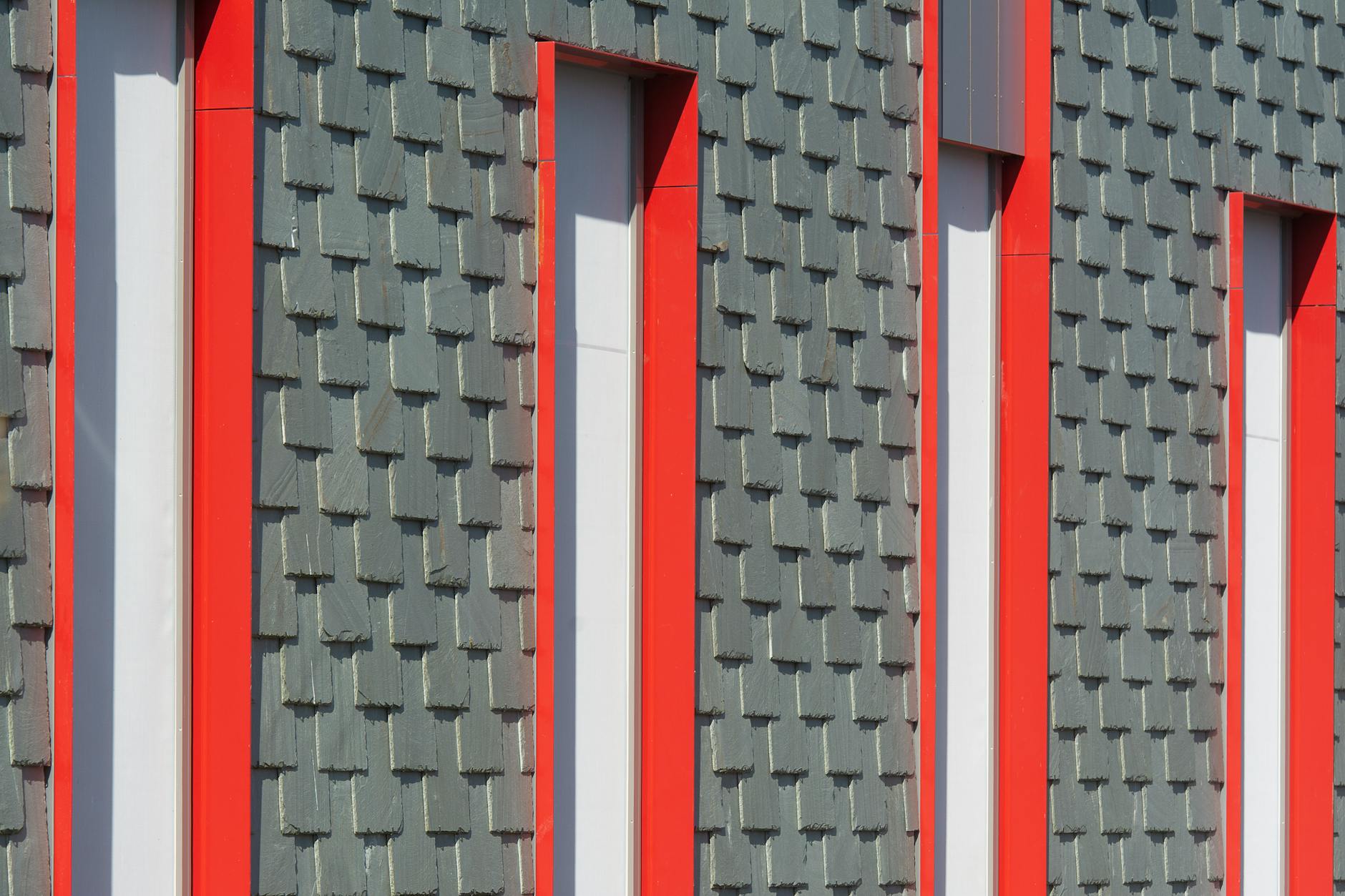
Choosing the best external wall cladding for a period property means balancing character preservation with materials that can handle a British winter. This guide covers the top cladding options suited to Victorian, Edwardian, and pre-war homes in 2026, with a clear verdict on each.
TL;DR: For period properties in 2026, timber-effect composite cladding wins on durability and authentic appearance. Natural or oak-finish boards suit Victorian and Edwardian brickwork without requiring planning consent in most cases. Fibre cement and render systems work on larger budgets but add weight and cost. The best external wall cladding for a period home combines weather resistance with a finish that reads as original from the street.
Why cladding choice matters more on period properties
Period homes — broadly anything built before 1945 — have solid or cavity walls, lime mortar, and often original timber or stone detailing. The wrong cladding traps moisture, accelerates decay, and can trigger enforcement action in conservation areas. In 2026, permitted development rules in England still require cladding on principal elevations in designated areas to obtain prior approval. Getting the material right is not just aesthetic; it determines whether the installation is reversible and whether it passes a building regulations check.
How we ranked
The ranking below assesses five factors specific to period properties: visual compatibility with pre-1945 architecture, moisture management, weight load on existing walls, ease of reversible fixing, and availability of matching trim and accessories. Materials are scored against UK building stock conditions — not modern timber-frame homes. No single material scores top on all five, so the verdict reflects the typical period-property owner's priorities in 2026.
The ranked list
1. Timber-effect composite boards — the safe pick
Timber-effect composite cladding uses a wood-polymer or fibre-reinforced core with a textured surface that reads as featheredge or shiplap boarding from street level. It is the closest match to the painted timber cladding found on Victorian bay windows and Edwardian additions.
Composite boards are dimensionally stable: they do not cup, split, or require annual re-oiling. Most 2026 products carry a 15–25 year manufacturer warranty against rot and colour fade. Weight is typically 4–7 kg per square metre, low enough for direct fixing to existing masonry with standard plugs and screws.
For period properties, the oak and birch colourways work especially well against red brick and painted render. Aku Wood Panel supplies exterior wall cladding panel oak and exterior wall cladding panel birch — both cut to 3-metre lengths and available with matching corner trim and finishing trim so the detailing around window reveals looks intentional rather than improvised.
The main limitation is that composite is not reclaimed timber, and on a Grade II listed building a conservation officer may still prefer a like-for-like repair.
Verdict: Buy — the default choice for most period properties in 2026 where planning consent is not required.
2. Natural timber featheredge or shiplap — the purist's choice
No material matches the original character of a Victorian outbuilding or Edwardian porch like real timber. Larch, western red cedar, and Scots pine are the three species most commonly specified for UK period homes. Larch is the hardiest; cedar is the lightest and most dimensionally stable; treated Scots pine is the cheapest entry point.
A properly installed and maintained timber board run will last 30–40 years. The trade-off is maintenance: untreated larch and cedar need oiling or staining every 3–5 years, and a neglected run will show visible checking within a decade. In a conservation area, however, natural timber may be the only material the planning authority will accept on a principal elevation.
Installation cost in 2026 runs roughly £80–£120 per square metre installed, depending on species and access complexity. That is 30–50% more than composite for equivalent coverage.
Verdict: Buy if you are in a conservation area or have a strong preference for authentic materials and are prepared for maintenance. Hold if budget or access is a constraint.
3. Fibre cement (e.g. Hardie Plank or Cedral) — the practical alternative
Fibre cement boards replicate the proportions of timber cladding at roughly half the maintenance commitment. They are non-combustible, Class A2 fire-rated in most configurations, and dimensionally stable in the wet UK climate. For period homes with render or stucco facades, fibre cement in a smooth finish can match the original substrate texture well.
The downside for period properties is weight: fibre cement typically runs 14–18 kg per square metre, which demands a properly engineered batten system and sometimes structural advice before installation on older masonry. It also chips on cut edges if not primed immediately, which matters in exposed renovations.
Installed cost sits at approximately £90–£140 per square metre in 2026, similar to premium timber but with lower long-term maintenance.
Verdict: Hold — strong on performance, but the weight and cutting requirements mean it suits confident builders more than DIY retrofits on old masonry.
4. Stone or brick slip cladding — the conservation-area play
Brick slips and thin stone panels replicate a masonry facade at a fraction of the load of full-depth brick. On a period property where the original facade has been damaged, pebble-dashed, or rendered over, brick slips can restore a visually authentic elevation without a full re-facing job.
In 2026, thin-set brick slip systems add only 25–40 kg per square metre to the wall — manageable on most solid brick walls. The visual result on a Victorian terrace is hard to beat. The cost is high: specialist installation runs £150–£250 per square metre, and matching historical brick colours requires a skilled supplier.
Brick slips are not reversible in the same way batten-fixed boards are, which matters if future owners want to return to original masonry.
Verdict: Consider — justified on high-value period properties or conservation-area restorations; overkill on a standard Victorian semi.
5. Mineral render systems (e.g. EWI with silicone render) — the energy-efficiency route
External Wall Insulation systems add 60–150mm of insulation board to the facade before a mineral or silicone render finish. For period homes with solid walls — common in pre-1920 stock — EWI is one of the few ways to hit modern thermal standards without losing internal floor area.
The problem is visual impact. EWI closes up window reveals, changes the plane of the facade, and almost always requires planning consent on a listed building or in a conservation area. Done well, a smooth silicone render in the right colour reads as original painted render. Done badly, it looks like a box wrapped in polystyrene.
Cost in 2026 is the highest of any option here: £150–£300 per square metre installed, plus planning fees.
Verdict: Wait — worth it for a solid-wall terrace facing an energy-efficiency retrofit, but not a first choice for period character preservation.
Comparison table
| Material | Visual match | Maintenance | Weight (kg/m²) | Installed cost (2026) | Verdict |
|---|---|---|---|---|---|
| Timber-effect composite | High | Very low | 4–7 | £50–£90 | Buy |
| Natural timber | Highest | High | 5–9 | £80–£120 | Buy / Hold |
| Fibre cement | High | Low | 14–18 | £90–£140 | Hold |
| Brick / stone slip | Very high | Very low | 25–40 | £150–£250 | Consider |
| Mineral EWI render | Medium | Very low | 30–60+ | £150–£300 | Wait |
Where to buy
- Composite boards with matching trim: Source as a complete system — boards, corner trim, finishing trim, and fixings from one supplier — to guarantee colour consistency across a 2026 installation. Mixing batches from different suppliers is the most common cause of mismatched facades on period homes.
- Natural timber: Buy from a UK-certified merchant (FSC or PEFC) and specify pre-treated stock. Larch from Scottish suppliers often has tighter grain than imported alternatives.
- Fibre cement and EWI: These require contractor supply in most cases. Get 3 quotes and confirm each contractor holds a manufacturer-approved installer status — both James Hardie and Cedral operate approved installer networks in the UK.
For composite exterior cladding with coordinated accessories, Aku Wood Panel's exterior wall cladding panel stone grey suits painted or rendered period elevations, and the matching stone-grey trim keeps corner details clean.
What to avoid
- UPVC cladding on principal elevations. It reads as modern at close range, expands visibly in summer heat, and most conservation officers will reject it on pre-1945 homes regardless of colour.
- Untreated OSB or ply as a substrate without a VCL. A common shortcut that traps interstitial moisture in old masonry. Period walls need to breathe; vapour-impermeable boards cause rapid decay behind the cladding within 3–5 years.
- Cladding over an undiagnosed damp problem. On solid-wall Victorian stock, cladding over rising or penetrating damp simply moves the damage point inward. Diagnose and treat first; clad second.
FAQ
What is the best external wall cladding for a Victorian house? Timber-effect composite or natural timber featheredge in an oak or birch finish. Both complement red brick and original masonry proportions without requiring structural modifications in 2026.
Do I need planning permission to clad a period property? In most cases, cladding a non-principal elevation is permitted development. Principal elevations and any property in a conservation area or listed building designation require prior approval or full planning consent. Check with your local planning authority before ordering materials.
Is composite cladding as good as real wood on a period home? For durability and maintenance, composite wins. For visual authenticity at close range and acceptability in conservation areas, natural timber wins. Most non-listed period homes see no meaningful difference in planning or visual terms.
How much does external wall cladding cost in 2026? Composite boards run £50–£90 per square metre installed. Natural timber runs £80–£120. Fibre cement is £90–£140. Brick slips and EWI systems start at £150 and can reach £300 per square metre.
Can you clad over existing render on a period property? Yes, provided the render is sound, not hollow, and not covering active damp. Batten-fixed composite or timber boards are the safest option on rendered masonry because the batten gap allows drainage and airflow.
What cladding is best for a conservation area? Natural timber or brick slips are most likely to achieve consent. Some conservation officers will accept fibre cement in a smooth finish. UPVC and most synthetic products are routinely refused.
How long does external wall cladding last on a UK home? Composite carries 15–25 year warranties. Well-maintained natural timber lasts 30–40 years. Fibre cement is rated 30+ years by most manufacturers. EWI systems are typically warranted for 25 years.
Is external wall cladding worth it on a period property? Where the original facade is damaged, weathered, or thermally inadequate, yes — the investment pays back in maintenance savings and thermal performance. On an intact original facade, cladding is an aesthetic and weatherproofing choice, not a structural necessity.
One last thing
The single most overlooked detail on a period cladding installation is the window reveal. Original Victorian and Edwardian windows sit flush with or proud of the wall plane. Adding 20–50mm of cladding changes that relationship visibly. Matching-depth finishing trim and reveal liners — not just corner trim — are what separates a professional result from one that looks retrofitted. Order reveal liners at the same time as the boards; trying to source matching trim six months later is the most common post-installation headache in 2026.
Share:
Best Composite Wall Panels for UK Homes 2026
Acoustic TV Wall Panels: Best Picks for 2026