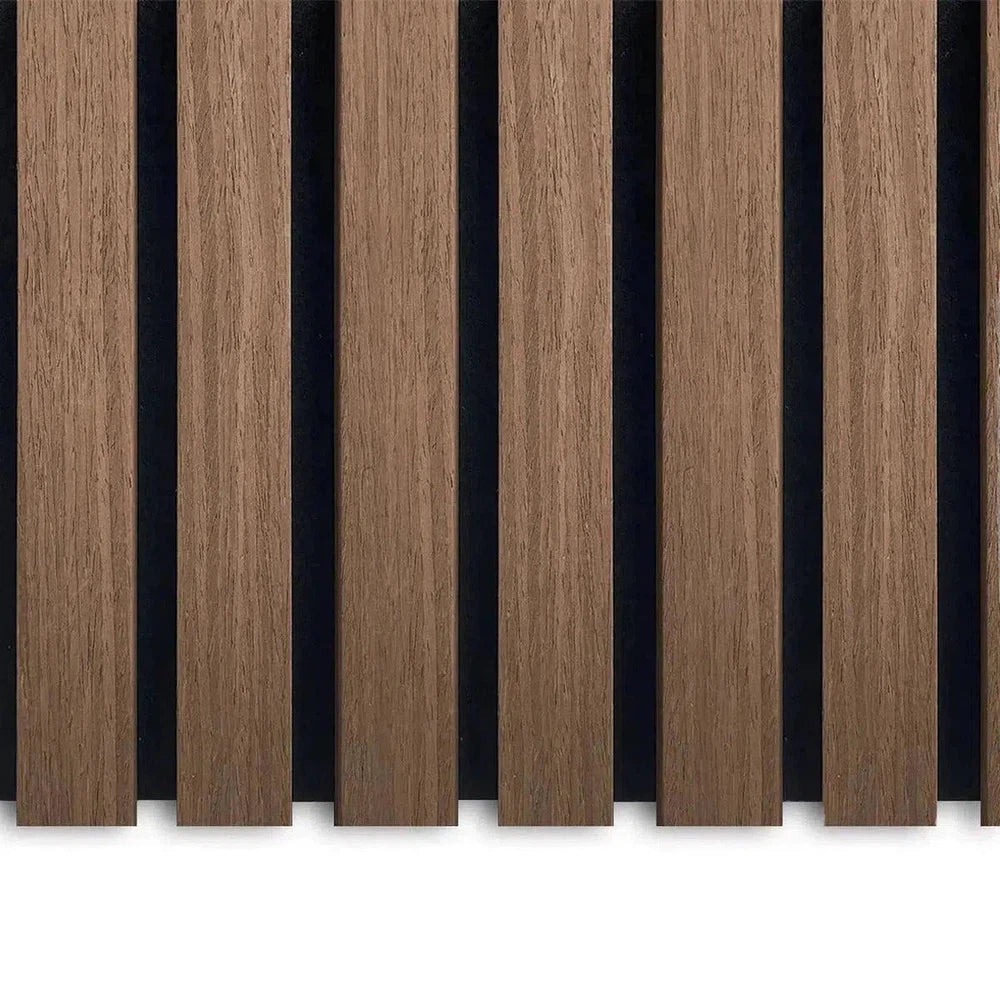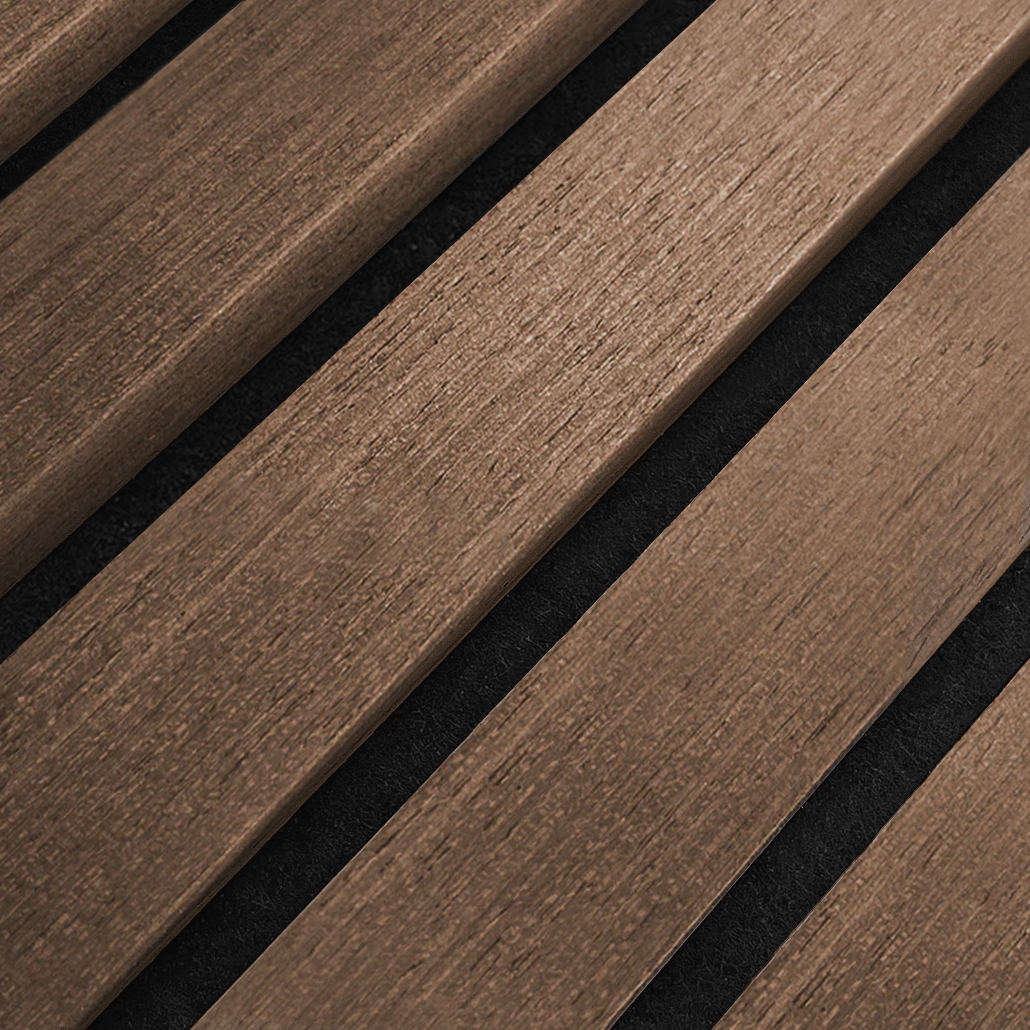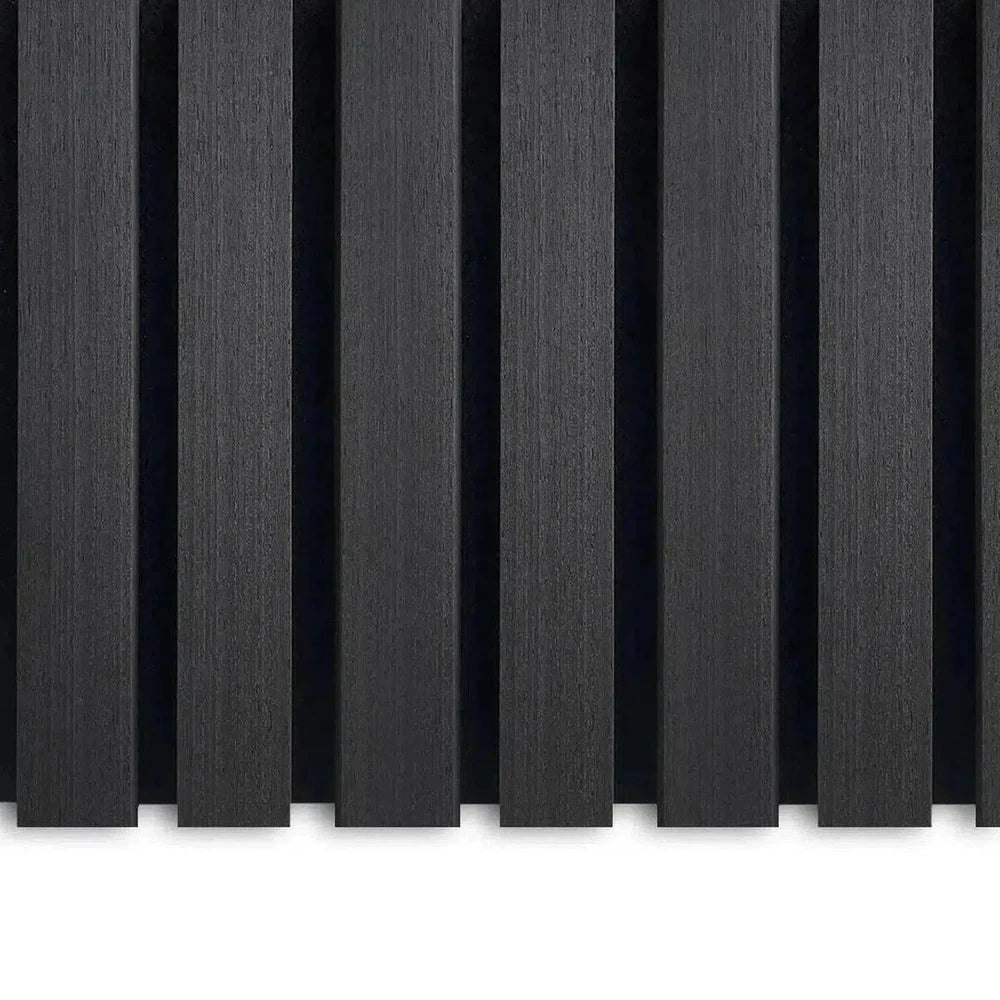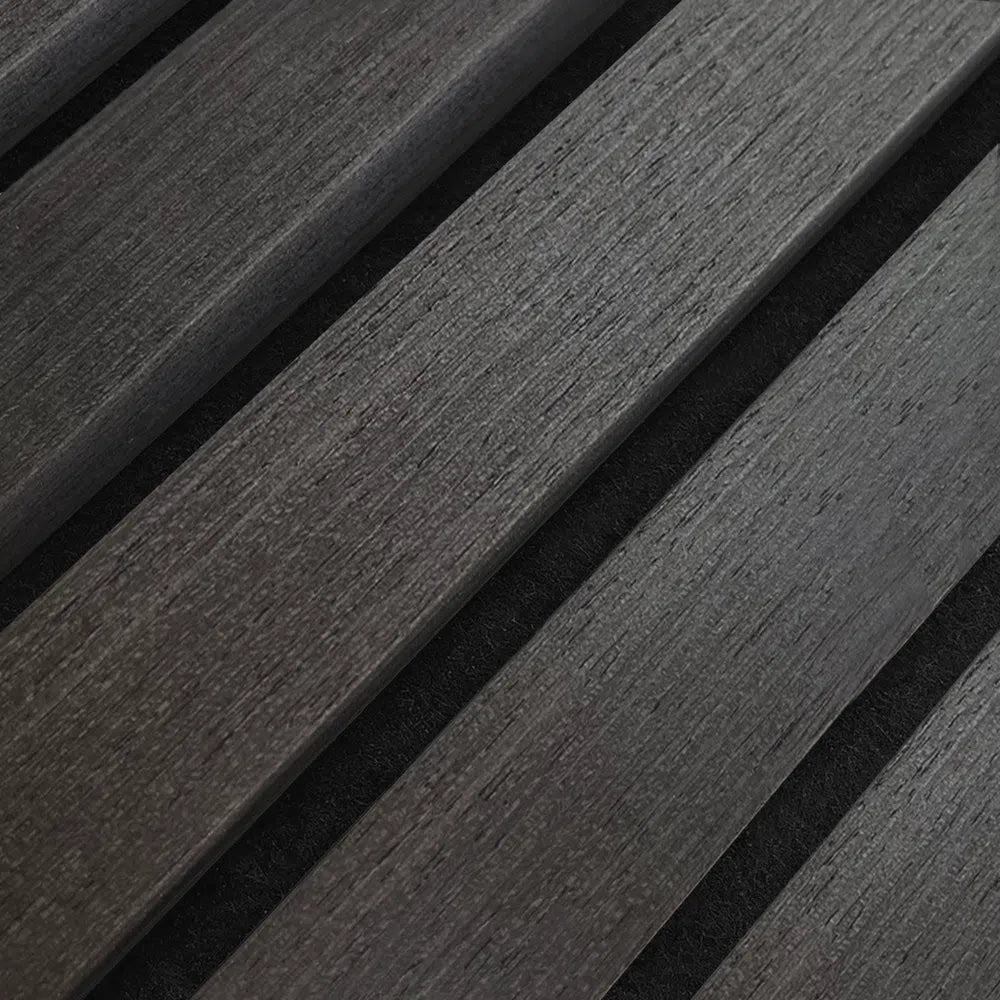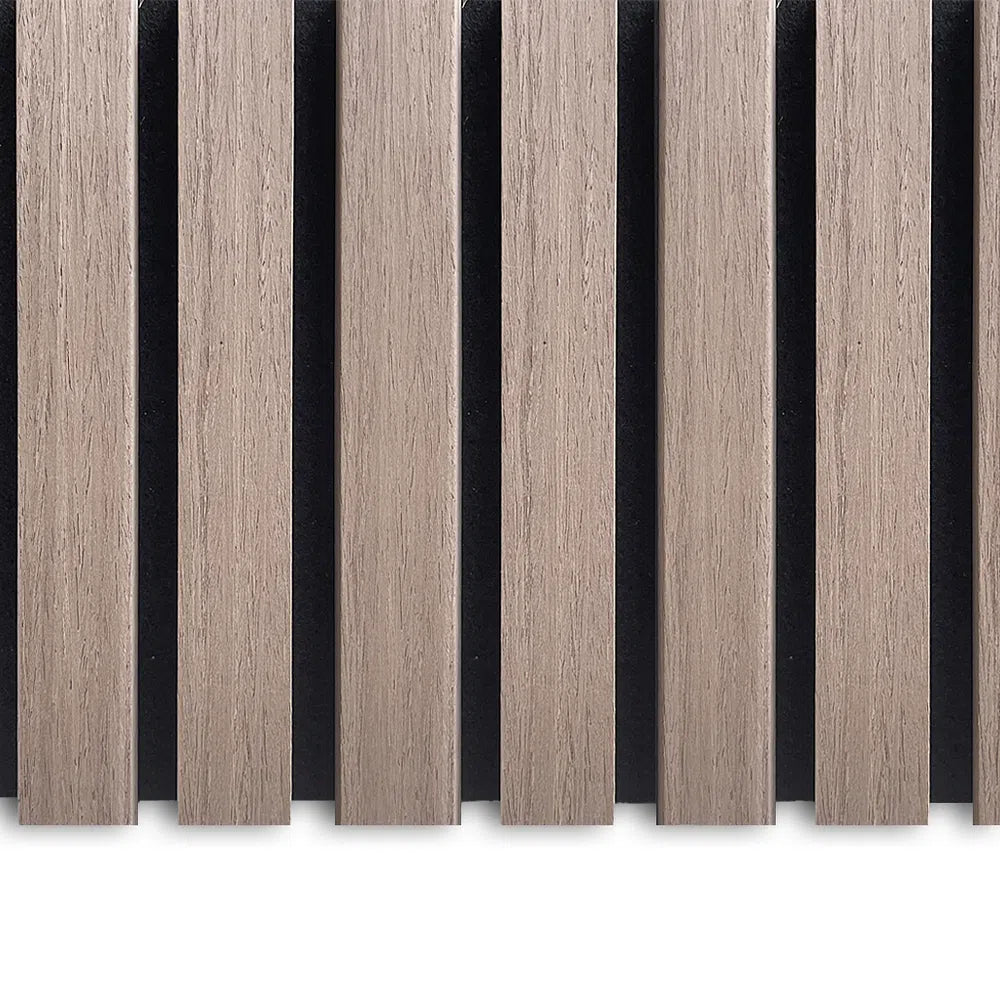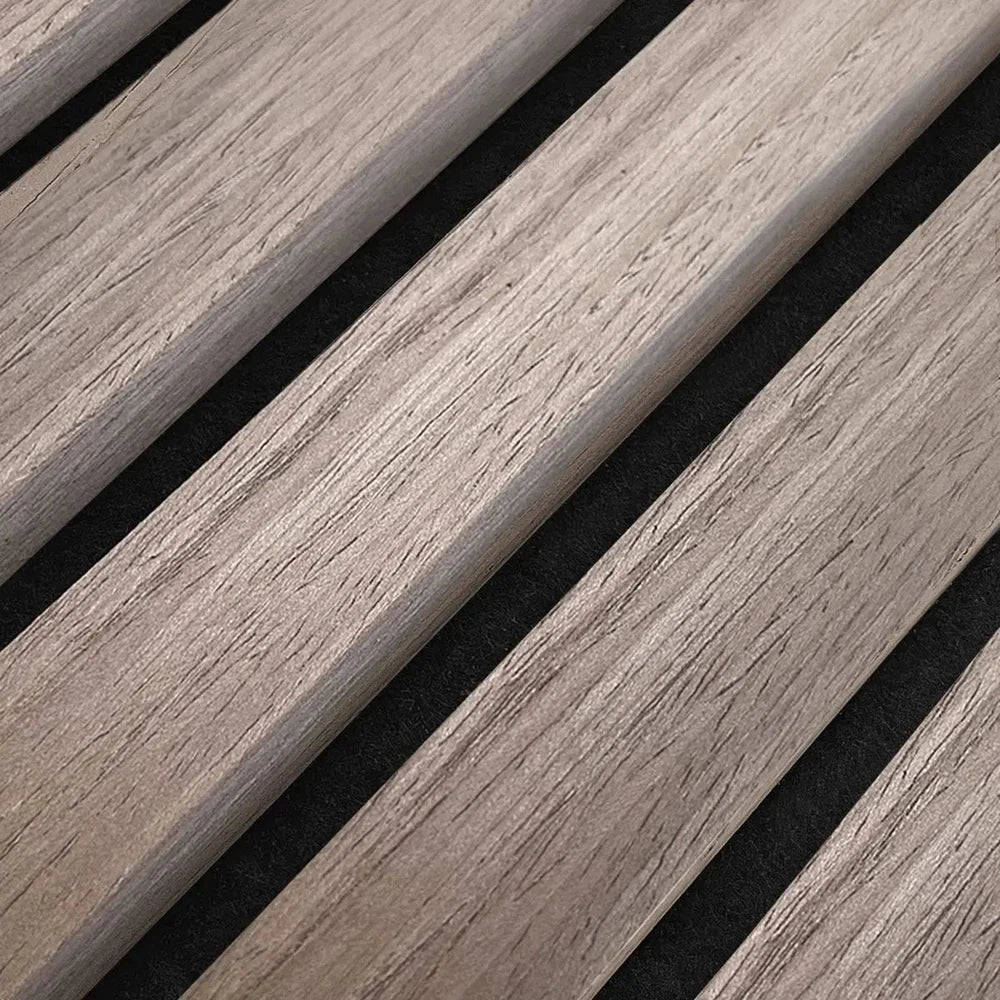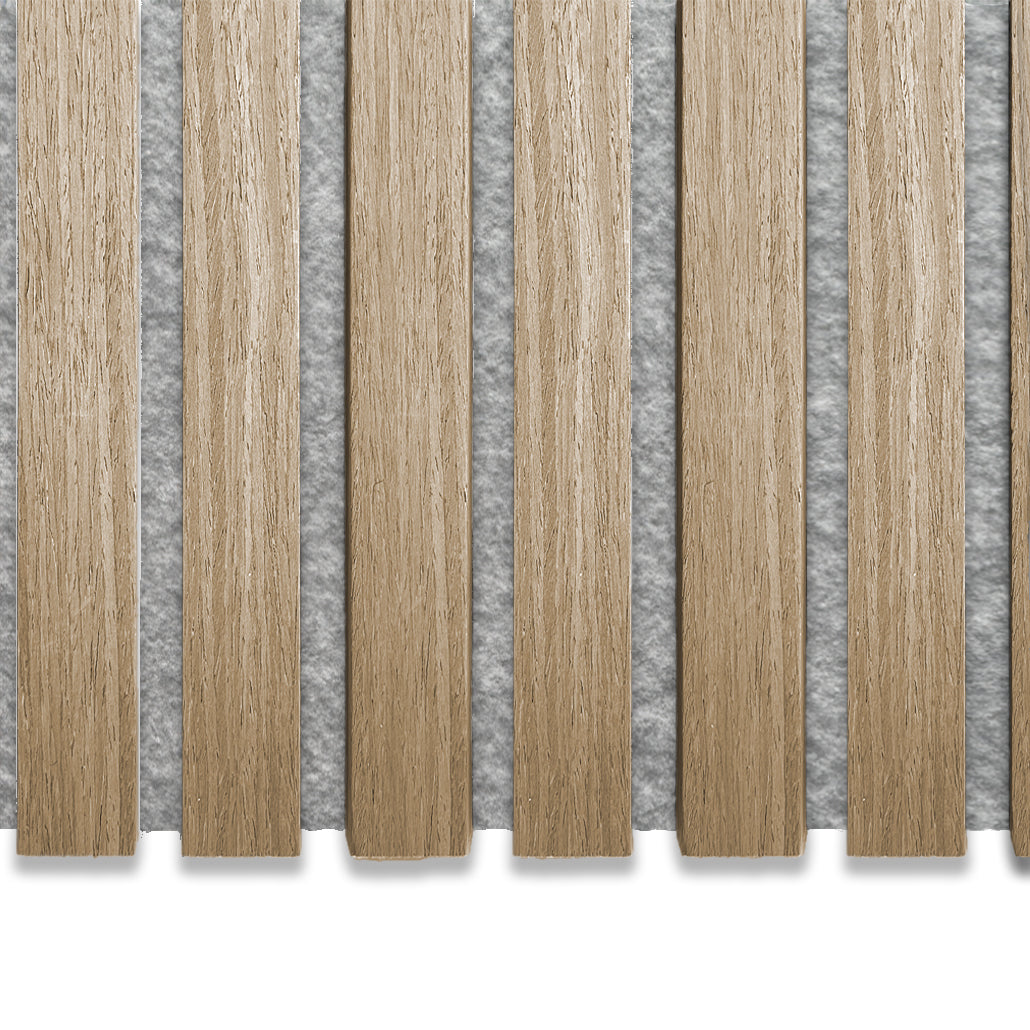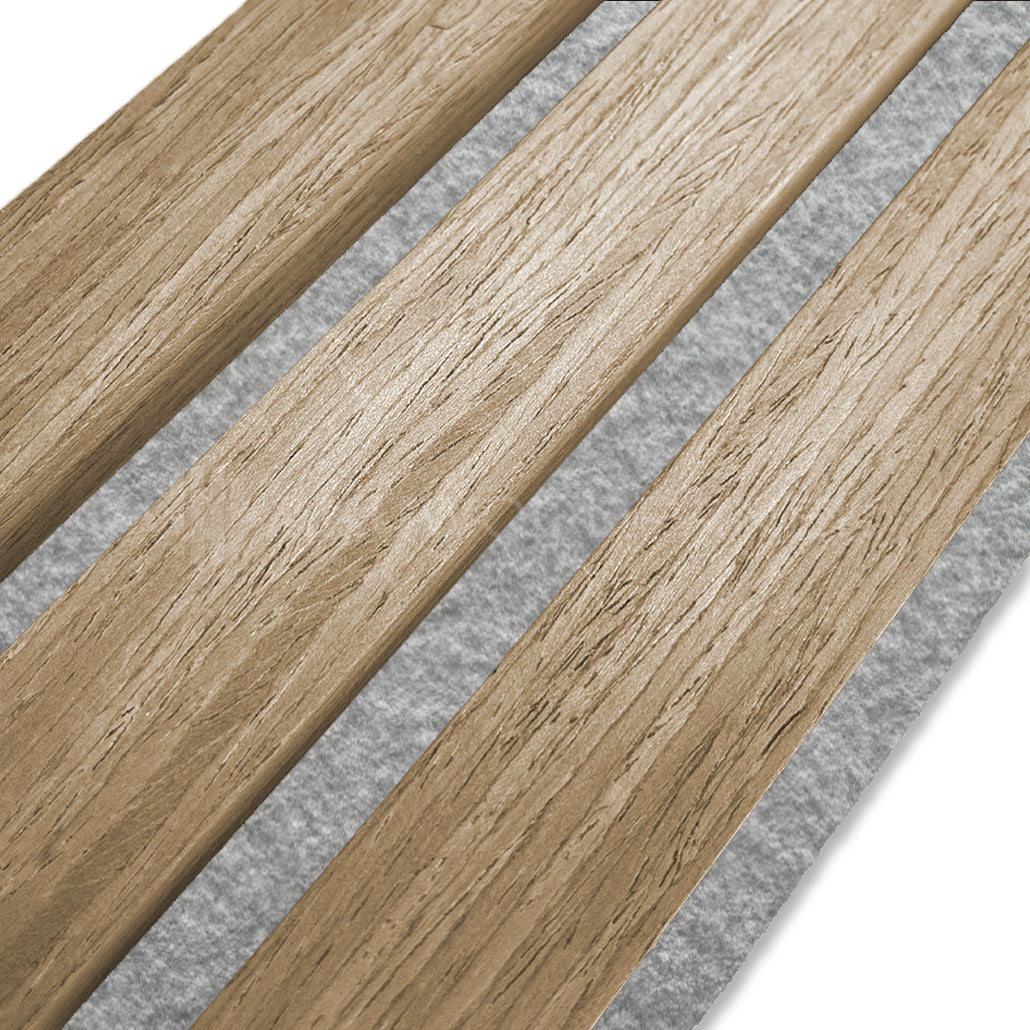
Before you order acoustic wall panels for a whole room in 2026, order the £5 samples first. Matching wood veneer tone and felt colour to your actual wall light prevents an expensive re-order once panels are already on the wall.
- Order acoustic wall panel samples UK-wide for £5 each before buying full 240cm or 300cm panels — buy the samples first.
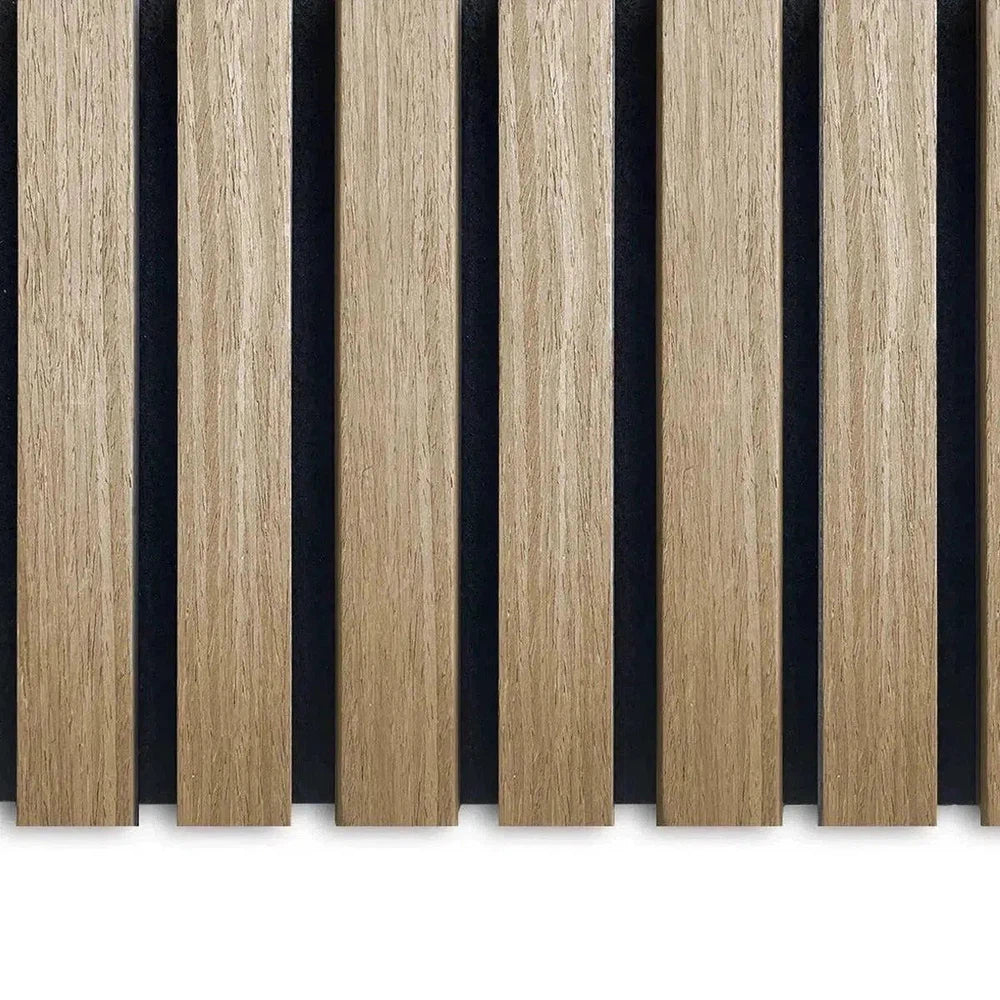
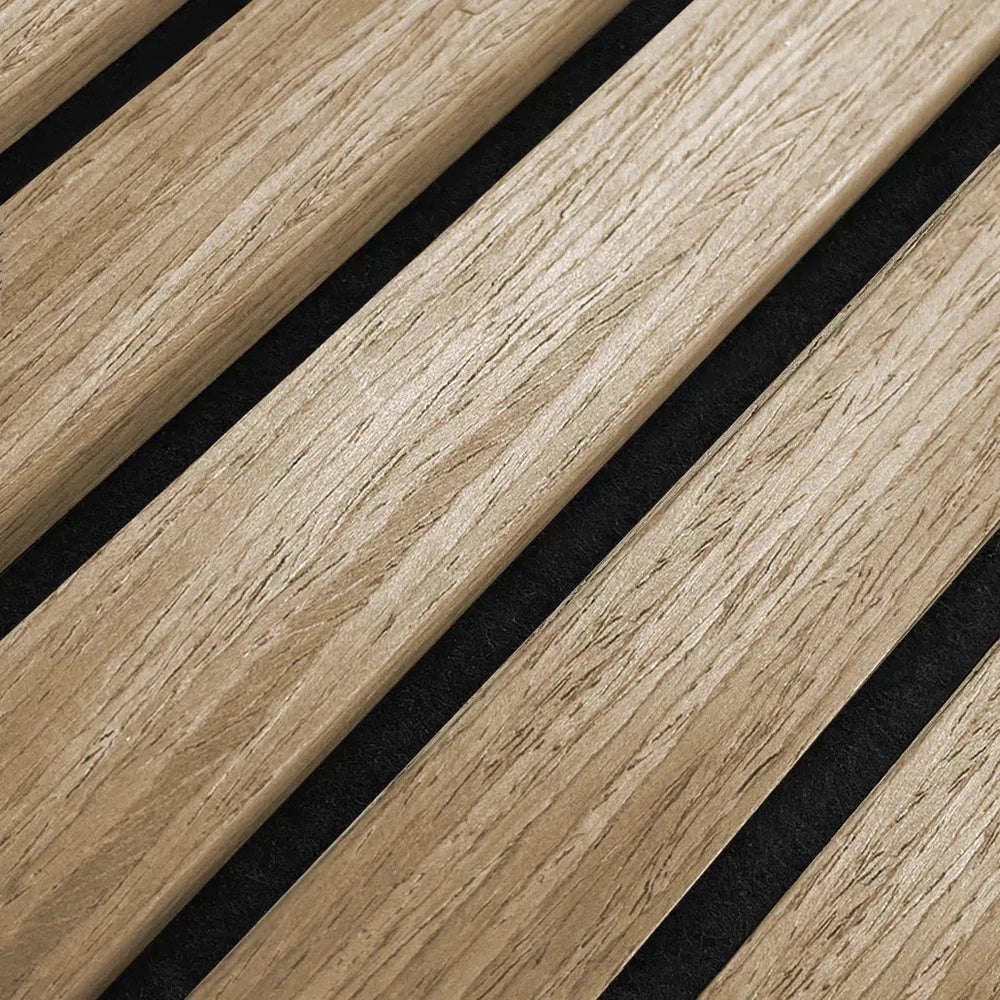
- Natural oak, walnut, black oak and smoked oak samples let you match wood veneer tone to your own wall light.
- Felt backing on Aku Woodpanel samples is rated NRC 0.75 for sound absorption — check its colour, not just the wood.
- Order 2-3 finishes together; a single swatch judged alone misses undertone differences a side-by-side comparison catches.
Why this matters
A photo on a product page never matches wood veneer under your own ceiling light. Natural oak reads warmer under a north-facing window than it does on a monitor calibrated for a showroom shot.
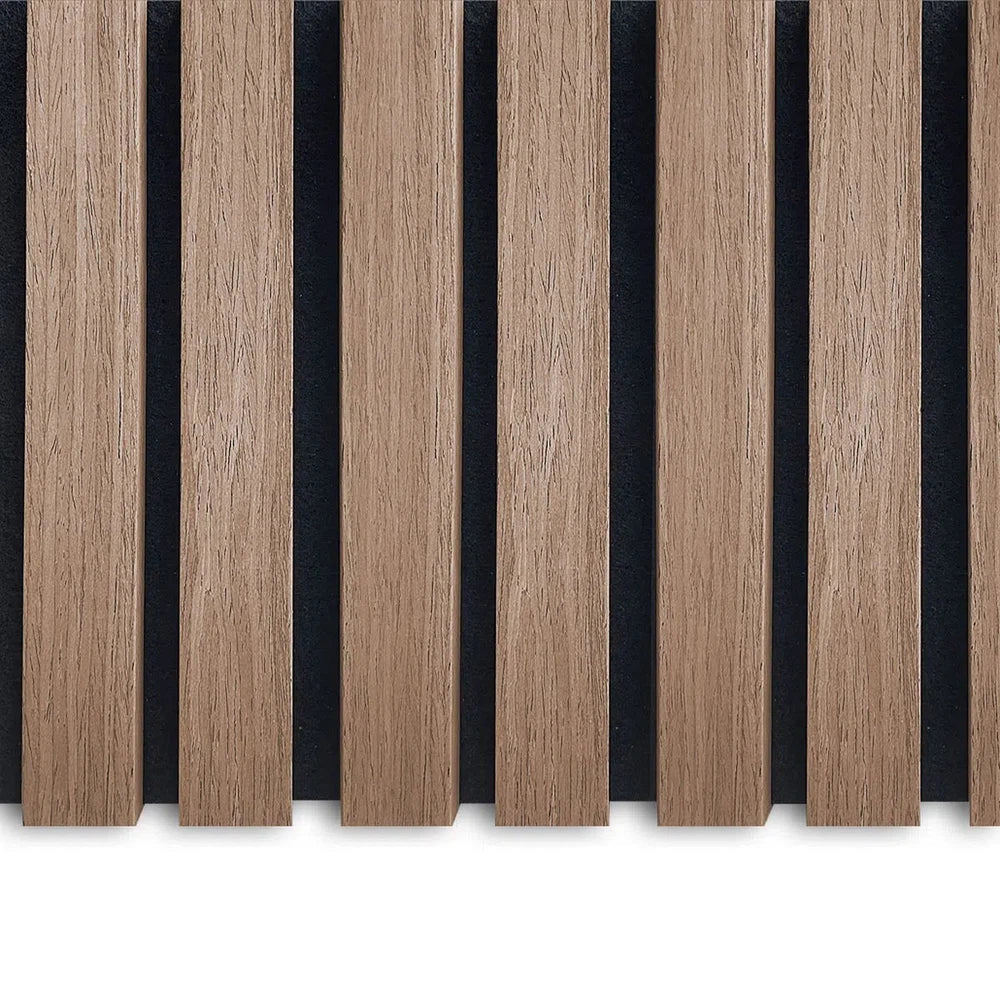
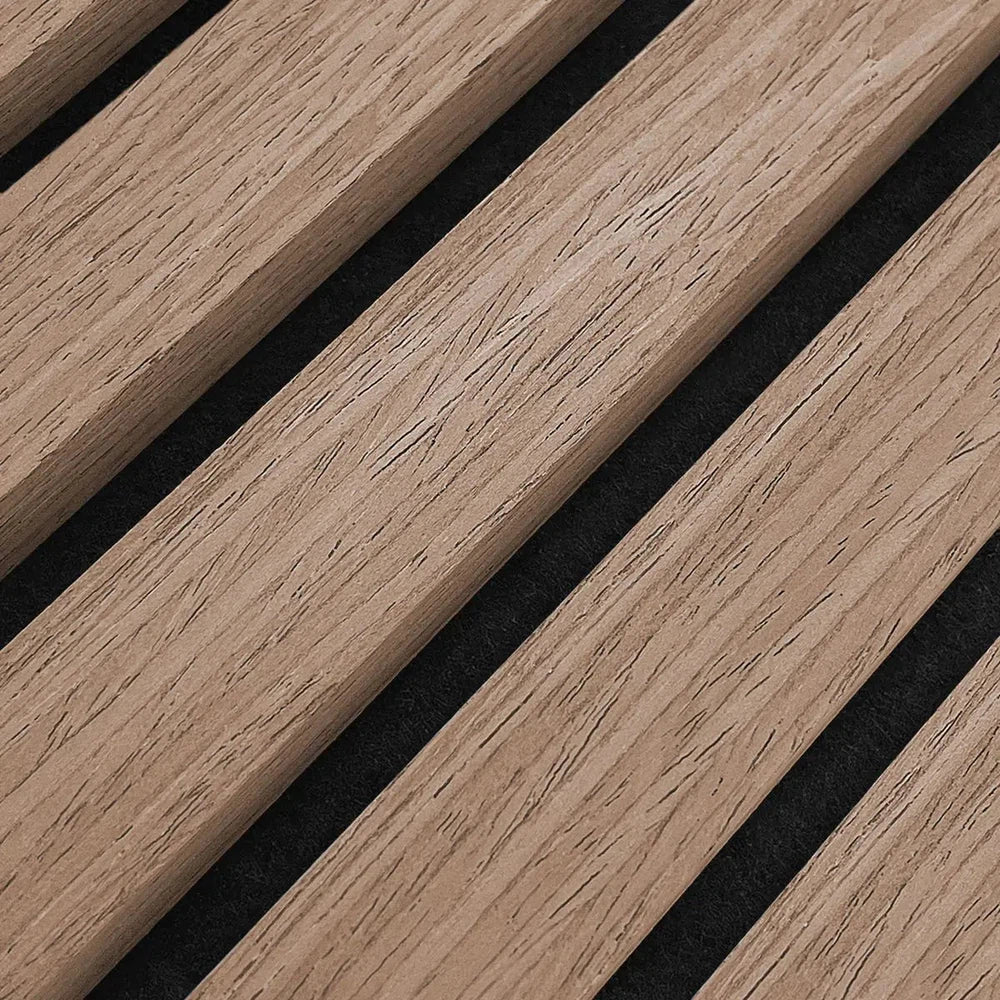
Aku Woodpanel ships acoustic wall panels in finishes from natural oak to black oak and walnut, each with a 3-sided real wood veneer face and a felt acoustic backing rated NRC 0.75 for sound absorption. That felt colour, not just the wood, is what most buyers get wrong when they skip the sample stage. Order a natural oak sample panel before committing to a full 240cm or 300cm run, and you catch undertone mismatches for £5 instead of after a wall is already fitted. That's the logic behind ordering acoustic wall panel samples UK-wide before you buy: cheap insurance against an expensive mistake.
What you'll need
- A shortlist of 2-3 finishes from the range (natural oak, mocca, black oak, smoked oak, rustic oak, grey oak or walnut)
- £5 per sample, ordered per finish
- Your wall checked in both daylight and evening artificial light
- A rough sense of whether you'll be panelling in the 240cm or 300cm format, since that decision comes after the finish is picked
- 10 minutes to hold each sample flat against the wall at eye height
The steps
1. Shortlist finishes before you spend anything
Look at the full range online and cut it to 2-3 real contenders — natural oak, walnut, black oak, whatever suits the room's existing tone. Ordering every finish as a sample gets expensive and makes comparison harder, not easier.
2. Order samples across your shortlist, not just one
Order at least two samples in the same batch so you're comparing wood tones side by side rather than judging one swatch against memory. A single natural oak sample tells you little on its own; natural oak next to smoked oak tells you which one actually dominates the room.
3. Check the sample against the wall in daylight first
Hold the sample flat against the actual wall you're panelling, in daylight, away from lamps. Daylight is the most honest light source and the one your wall sits in for most of the day. Note whether the veneer reads warmer or cooler than it did on screen.
4. Repeat the check under your evening lighting
Switch to the room's normal evening lighting and hold the sample up again. Warm LED bulbs push oak tones further amber; cool white bulbs flatten them. A finish that looked perfect at 2pm can look wrong at 8pm, and this step catches that before a full wall is fitted.
5. Match the felt backing colour, not just the wood face
Flip the sample and look at the felt. It shows at panel edges and gaps, and its colour needs to work with your skirting or flooring, not just the wood face. Grey felt against natural oak reads differently to grey felt against black oak.
6. Decide on 240cm or 300cm once the finish is locked
Once a finish wins, work out which size format suits the wall. Picking between the two depends on ceiling height and how many joins you're prepared to live with. The guide to choosing between 240cm and 300cm panels walks through the maths for standard UK ceiling heights.
7. Order the full panels in the confirmed finish
With the finish and size settled, order the full panels — for example the natural oak wall panel if that's what won the sample test. A mismatched finish ordered in bulk costs far more to replace than a £5 sample ever will, and that's the entire point of testing first.
8. Prep your fixings and glue before panels arrive
Order panel glue and any end pieces or trims while panels are in transit, so installation isn't held up waiting for a second delivery. Getting fixings sorted before the panels land keeps a weekend install a weekend install.
Common mistake: ordering one sample, deciding on the spot, and skipping the evening-light check — the single biggest reason for a colour complaint after installation.
“A mismatched finish ordered in bulk costs far more to replace than a £5 sample ever will.”
Troubleshooting
- Sample looks different in hand than on screen. Expected — monitors and phones shift wood tones warmer or cooler depending on calibration. Trust the physical sample over the product photo every time.
- Colour looks fine in daylight, wrong under lamps. This is exactly why step 4 exists — always check both light sources before ordering the full run.
- Felt colour clashes with skirting or flooring. Order a second sample in a different felt pairing rather than committing on the first result.
- Grain pattern on the sample differs from a friend's panel. Real wood veneer varies piece to piece — that's the trade-off for a genuine 3-sided veneer finish rather than a printed laminate.
- Can't decide between two finishes after testing both. Order both in hexagon sample format too; the angled facets sometimes make tone differences clearer than a flat rectangular swatch.


Tools and resources
- High Tack Panel Glue 290ml for fitting once the finish is confirmed
- A tape measure and pencil for marking sample placement on the wall
- Natural daylight and your normal evening lighting — no extra kit needed
- The panel visualiser tool on the Aku Woodpanel site, for a rough preview before the physical sample arrives
What to do next
Once you've picked a finish and size, work out how many panels the room actually needs before placing the full order. A wall that looks straightforward on paper often needs more panels than expected once windows, doors and sockets are accounted for, and that sum is worth doing before the bulk order, not after.
FAQ
How much does an acoustic wall panel sample cost in the UK?
A sample panel from Aku Woodpanel costs £5 per finish in 2026. That covers natural oak, walnut, black oak, smoked oak and the hexagon panel format with grey felt backing.
Can I order multiple wood finishes as samples at once?
Yes, ordering 2-3 finishes together is the better approach. Comparing natural oak against walnut or smoked oak side by side shows undertone differences a single sample judged alone will miss.
Do acoustic wall panel samples include the felt backing?
Yes, Aku Woodpanel samples show the same felt backing as the full panels, rated NRC 0.75 for sound absorption. Check the felt colour against your skirting or flooring, not just the wood veneer face.
What's the difference between 240cm and 300cm wall panels?
They're the two length formats Aku Woodpanel stocks for indoor acoustic panels, and the choice depends on ceiling height and how many joins you want on the wall. Decide on size after you've settled on a finish, not before.
How many samples should I order before buying full panels?
Two to three samples across your shortlisted finishes is enough for a confident decision. Ordering a single sample and deciding on the spot is the most common reason for a colour mismatch after installation.
Can I order hexagon panel samples separately from the rectangular range?
Yes, hexagon acoustic panel samples are sold as their own products in finishes like natural oak, walnut and smoked oak with grey felt. Worth ordering if you're considering the hexagon layout rather than standard slat panels.
What's the best way to check a sample against my wall?
Hold the sample flat against the actual wall in daylight, then repeat the check under your normal evening lighting. Wood tones shift noticeably between the two, and checking both light sources before ordering the full run is the single best safeguard against a mismatch.
One last thing
The hexagon sample format isn't just a shape option. Its angled facets catch daylight from two directions at once, which shows undertone differences that a flat rectangular sample sometimes hides — worth ordering alongside your standard shortlist if two finishes are still close after the wall test.