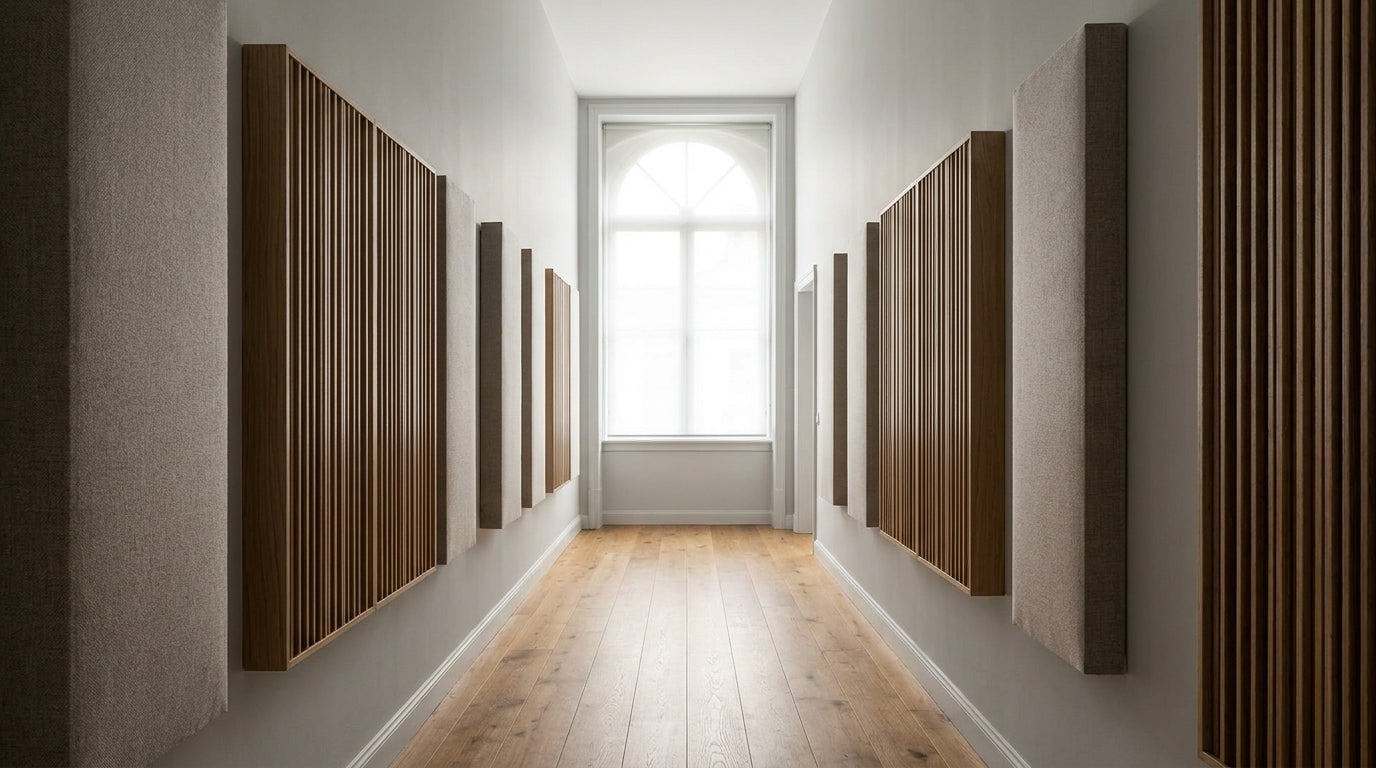
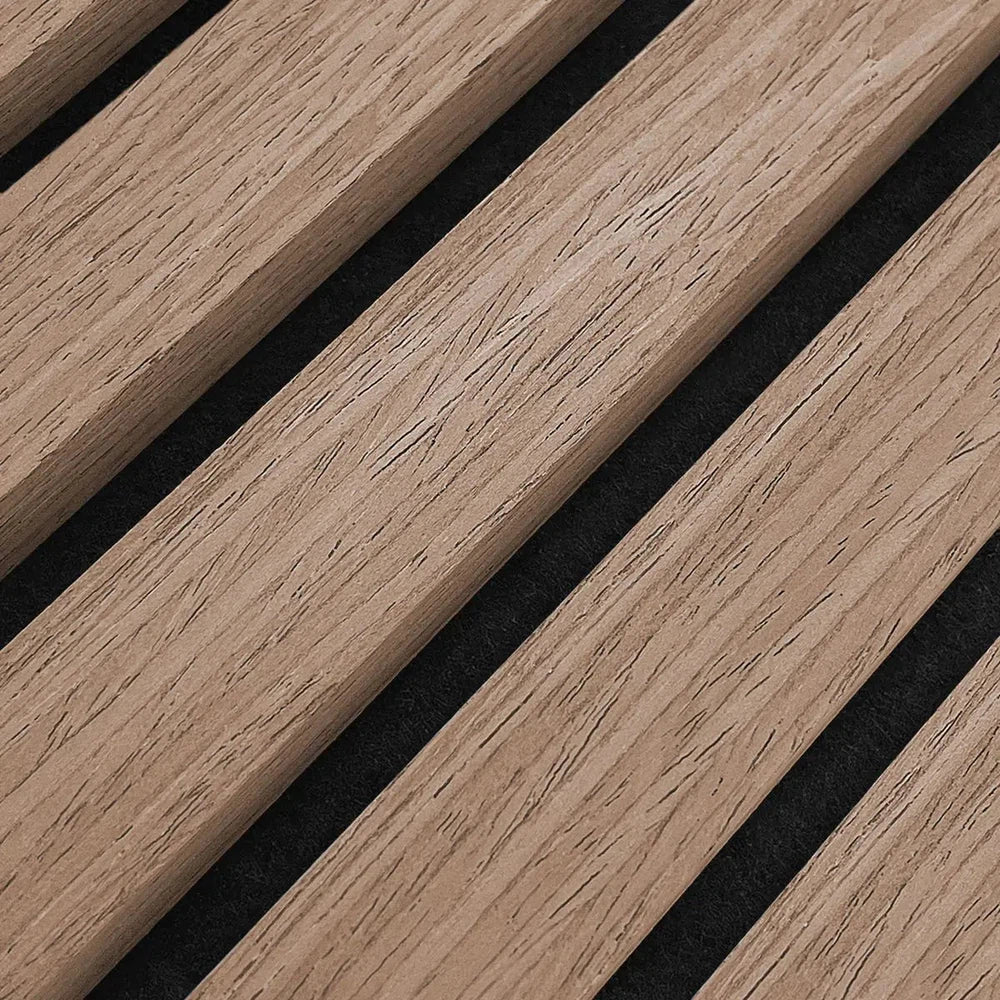
Boutique hotels live or die on the corridor experience — the sixty seconds between lift and room door where guests form their real opinion of the property. Walnut veneer panels solve two problems at once on that stretch: they cut the echo of hard floors and painted plasterboard, and they read as premium the moment a guest steps out of the lift.
- Wooden Wall Panel Walnut is the safe buy for corridor runs in 2026 at 240cm and 300cm formats — Buy.
- Hexagon Acoustic Panel Walnut with Grey Felt works as a feature bay around room numbers or art niches — Consider.
- Skip laminate wood-look panels in corridors with trolley and luggage traffic; the veneer wears through inside 18-24 months.
- End Piece Wooden Wall Panel Walnut is the detail that separates a finished corridor from an unfinished one — Buy.
Why this matters
A hotel corridor is a hostile environment for finishes. Housekeeping trolleys clip the walls, luggage scuffs the skirting, and the surface has to survive years of daily contact cleaning without looking tired. Standard decorative laminate handles none of that well over a 20-30 metre run, which is why more boutique operators are speccing real wood veneer with an acoustic backing instead of paint-and-picture-rail schemes.
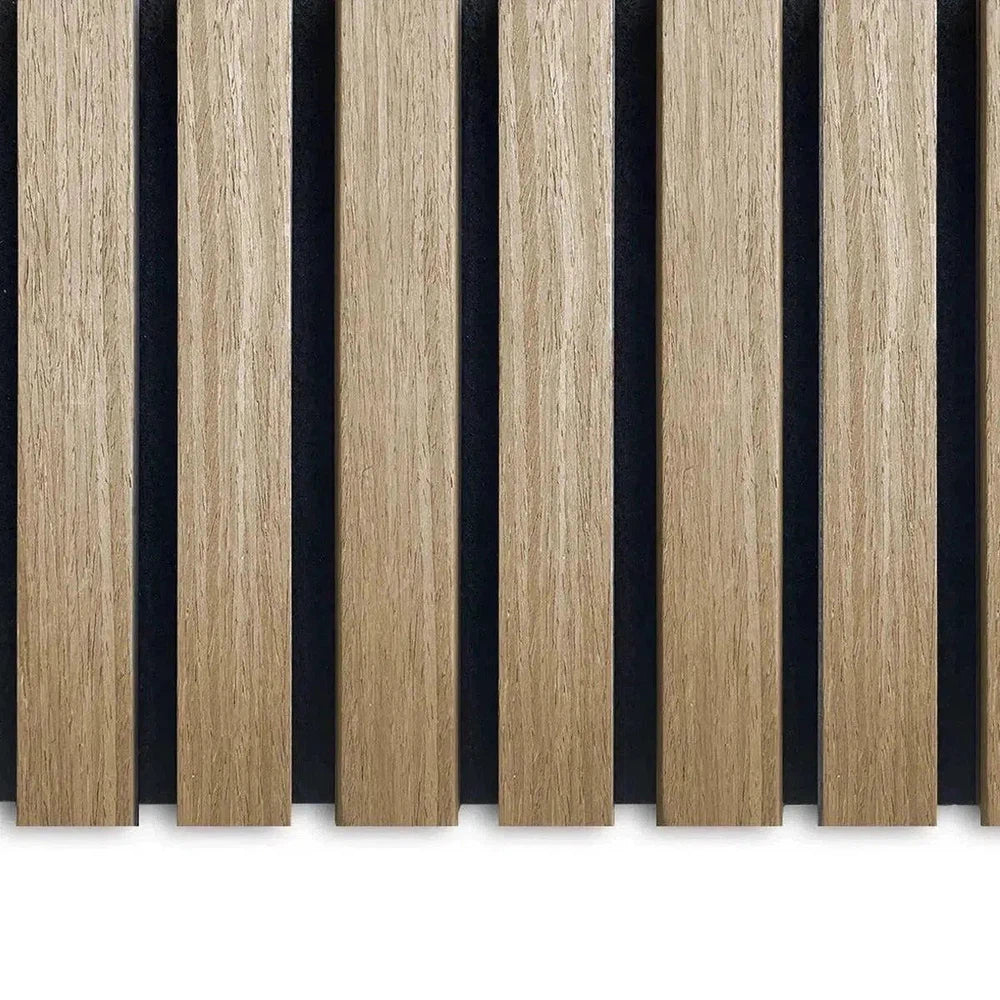
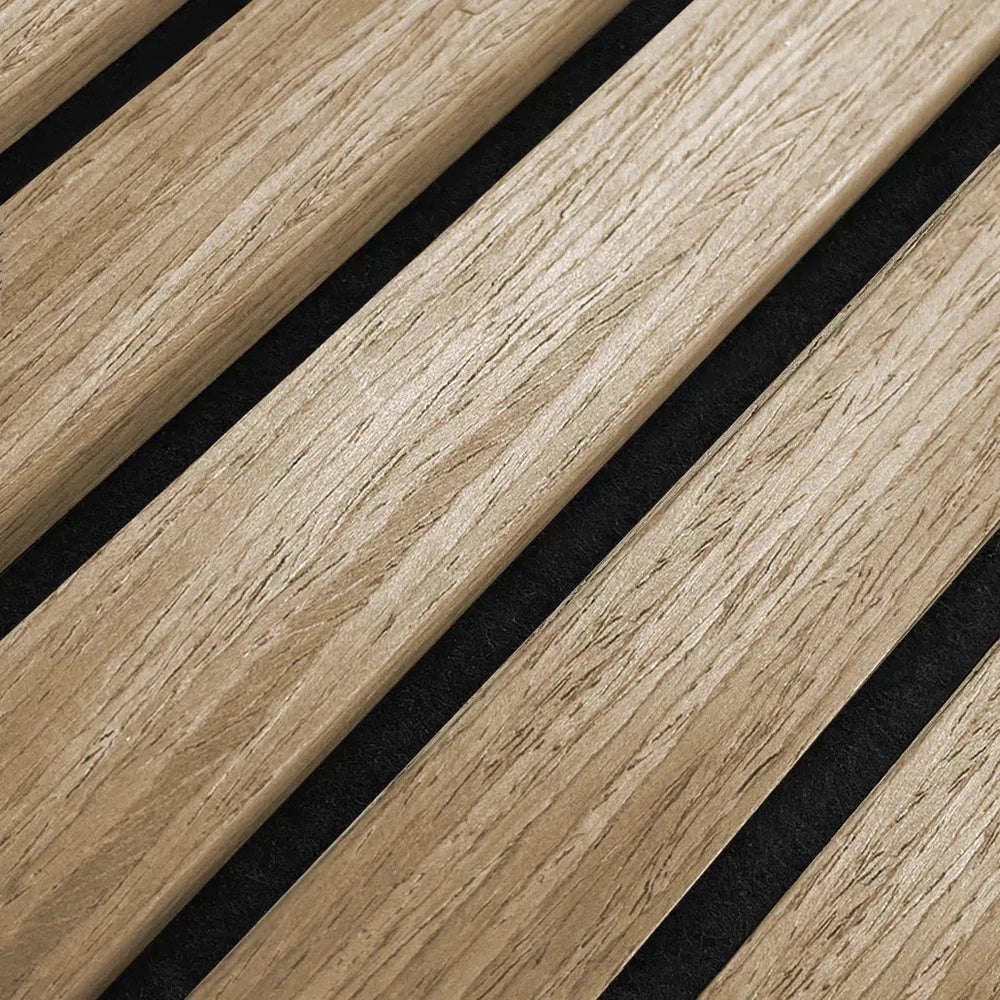
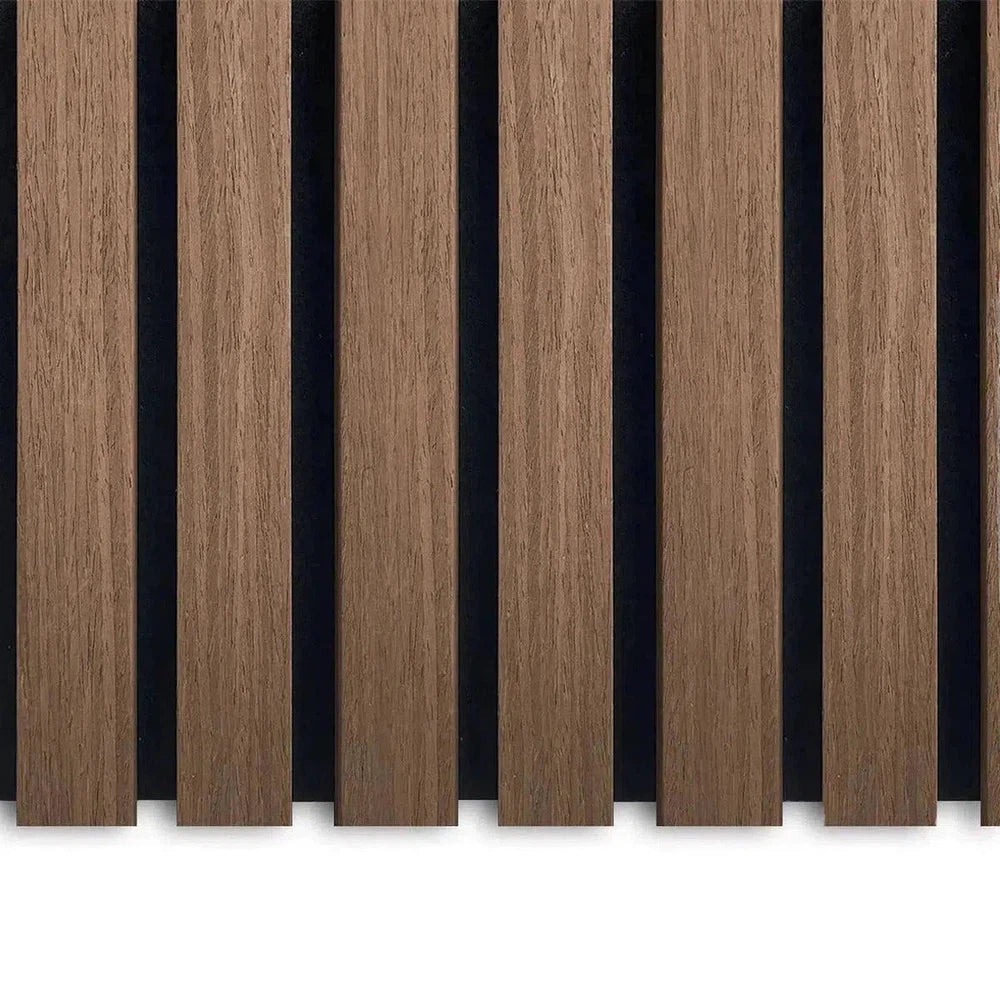
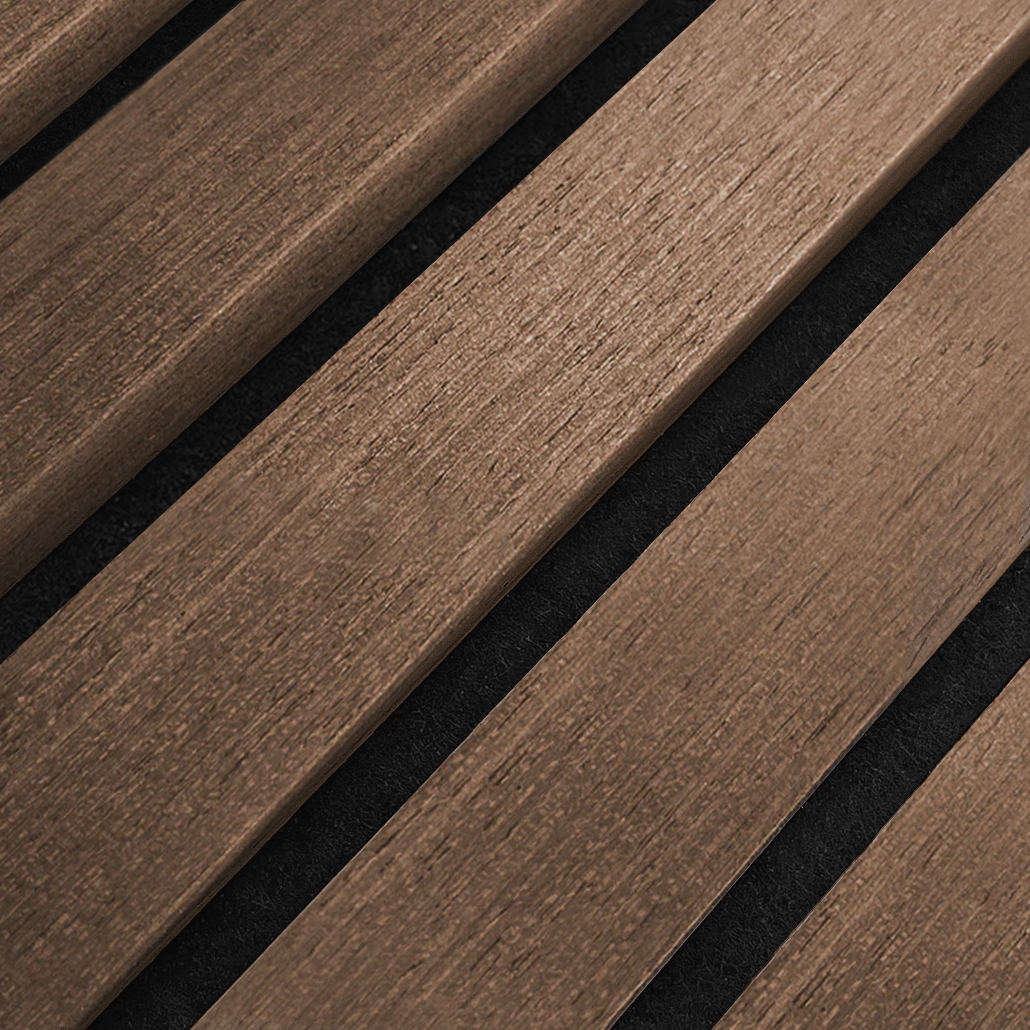
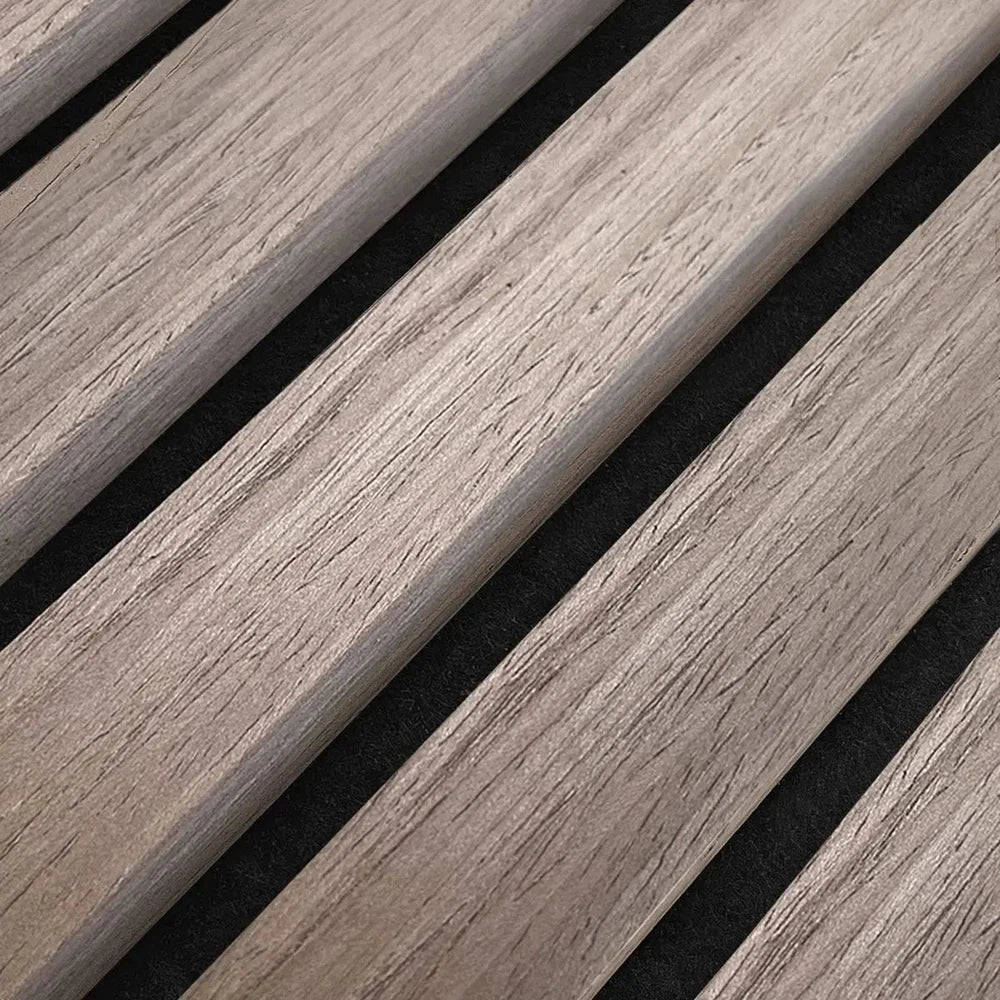
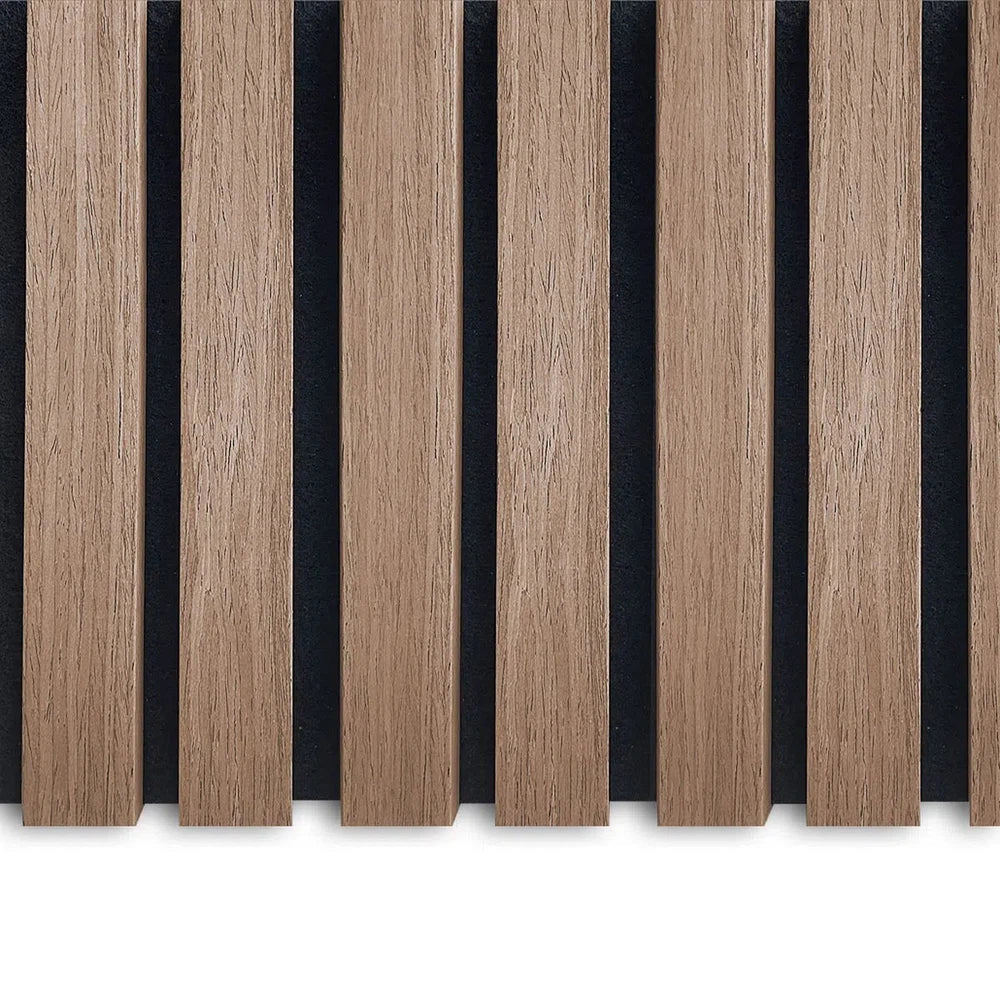
Walnut specifically reads as a step above oak in corridor applications because the darker tone hides scuff marks and grime better under corridor downlighting, and it pairs with brass fittings and low-level wayfinding without looking like a budget refit. The Wooden Wall Panel Walnut range covers exactly this brief: a 3-sided real wood veneer finish over acoustic felt, sold in 240cm and 300cm lengths so a standard corridor bay can be run with minimal joints.
Who this is for
This guide is for boutique hotel owners, interior designers on hospitality fit-outs, and facilities managers speccing a corridor refurbishment for 2026 who need a finish that survives contract-level footfall while still looking hand-selected rather than off-the-shelf. If you're panelling a 10-room boutique property or a single wing of a larger hotel, the criteria below apply directly.
What to look for in walnut veneer panels for hotel corridors
Acoustic backing, not just a wood face
A corridor with hard flooring and a run of doors amplifies every wheeled cart and closing door. Panels with a felt acoustic backing absorb that reflected sound instead of bouncing it back down the hallway, which matters more in a 2.5-3 metre wide corridor than in an open lobby. A wood-effect panel with no backing layer is decorative only — it won't touch the echo problem guests actually notice.
Wear resistance at trolley height
Housekeeping trolleys and room service carts hit walls at roughly knee-to-hip height, night after night. Real wood veneer over a solid MDF or particleboard core takes that contact better than thin laminate foil, which can lift or crack at the edges within two years of daily contact. Ask what the panel core is before ordering a full corridor run.
Batch-matched veneer across long runs
A 20-metre corridor needs 8-10 panels in 240cm format, or 6-7 in 300cm format, and every one needs to come from a consistent veneer batch. Mismatched grain between panel three and panel four is the single most common visible defect on hotel corridor installs — obvious under corridor downlighting, and impossible to fix once panels are fixed.
Format length versus corridor geometry
Corridors rarely run in tidy multiples of a single panel length. Choosing between 240cm and 300cm formats affects how many joints appear along the run and where they land relative to door frames and fire-rated thresholds. Get this wrong and you end up with a visible seam mid-wall between two guest room doors.
Maintenance under contract cleaning
Corridors get wiped down with commercial cleaning products on a schedule most homeowners never deal with. A pre-oiled, sealed veneer finish handles that without dulling; an unsealed or lacquer-only finish can streak or discolour under repeated contact with disinfectant wipes.
Finishing detail at corners and skirting
A corridor run is judged on its edges as much as its face. Matching end pieces and trims at door returns and corner junctions is what makes a panelled corridor look designed rather than bolted on as an afterthought.
Top picks for boutique hotel corridors
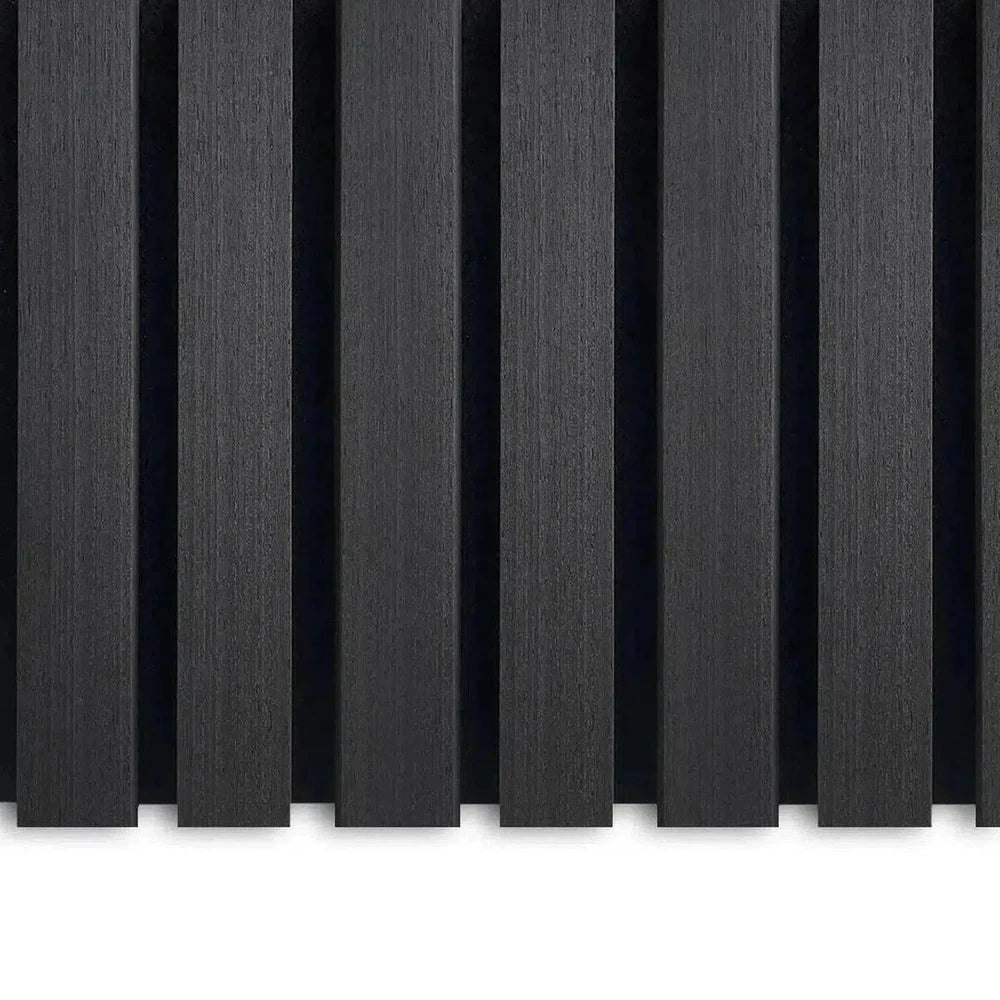
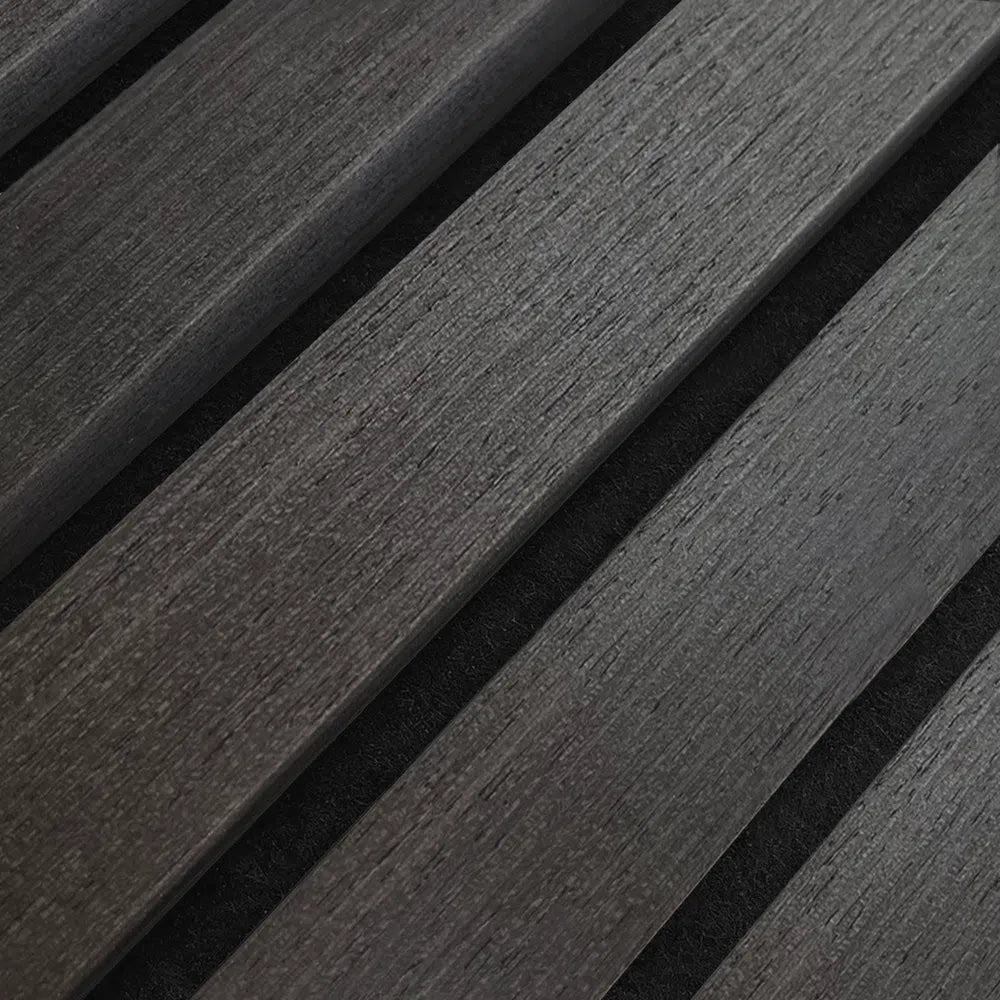
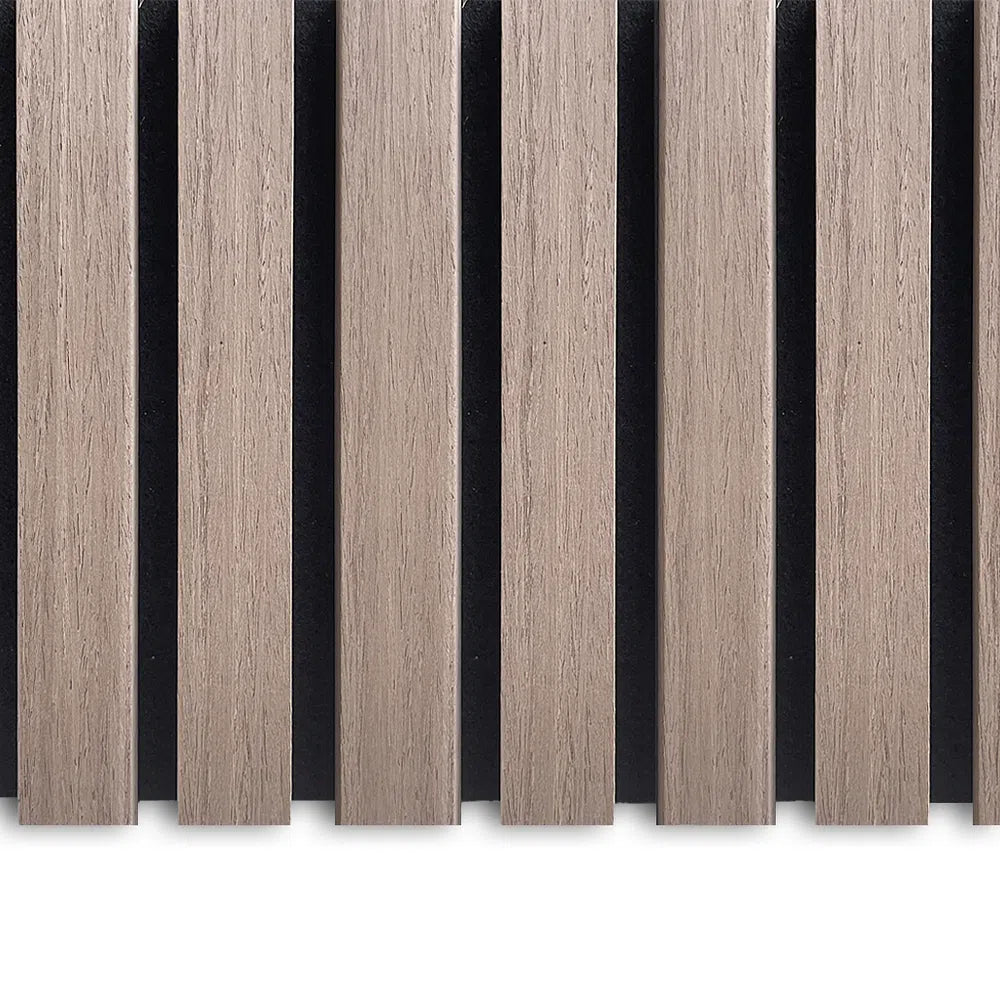
Wooden Wall Panel Walnut — the safe pick. Real 3-sided wood veneer over acoustic felt backing, available in 240cm and 300cm lengths to suit most corridor bay widths. This is the panel to spec for the main run of wall between room doors in 2026 — consistent tone, genuine acoustic value, and a finish that doesn't need repainting on a five-year refurb cycle. Verdict: Buy.
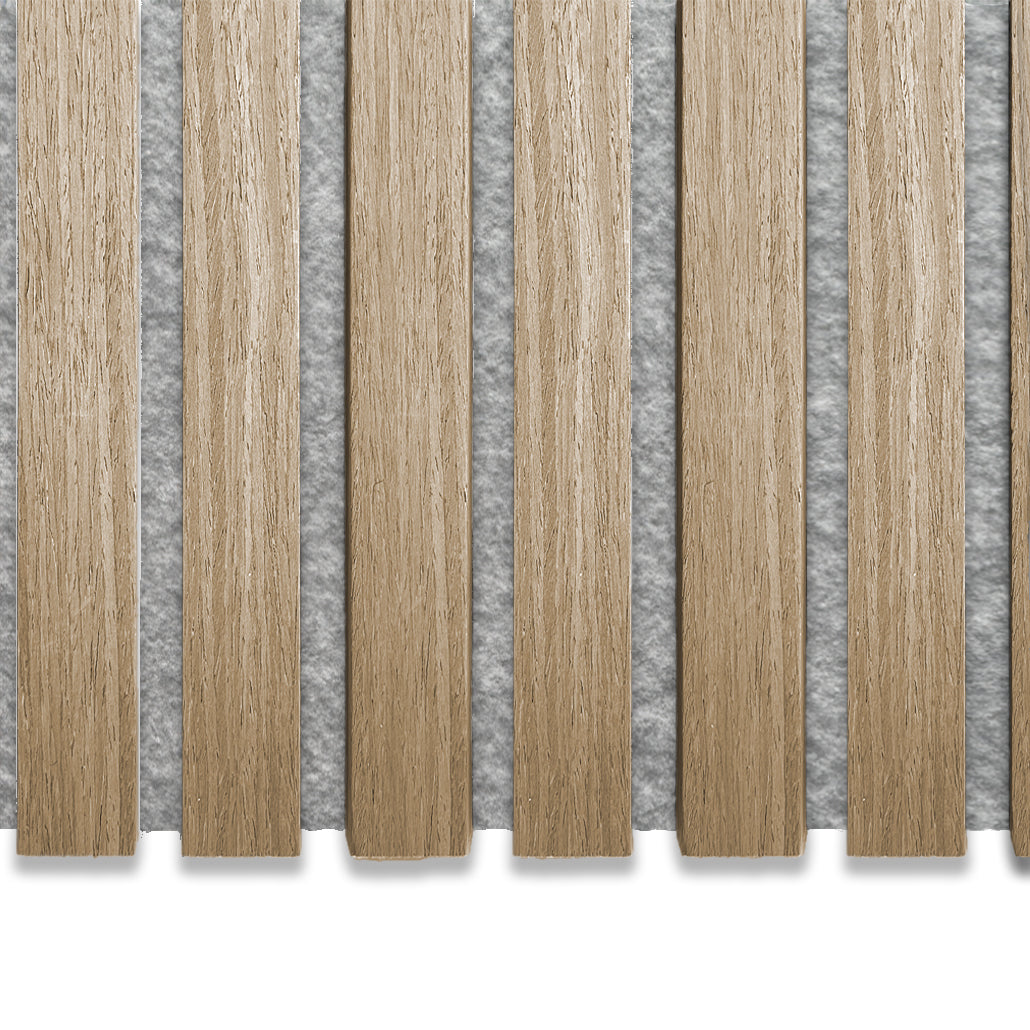
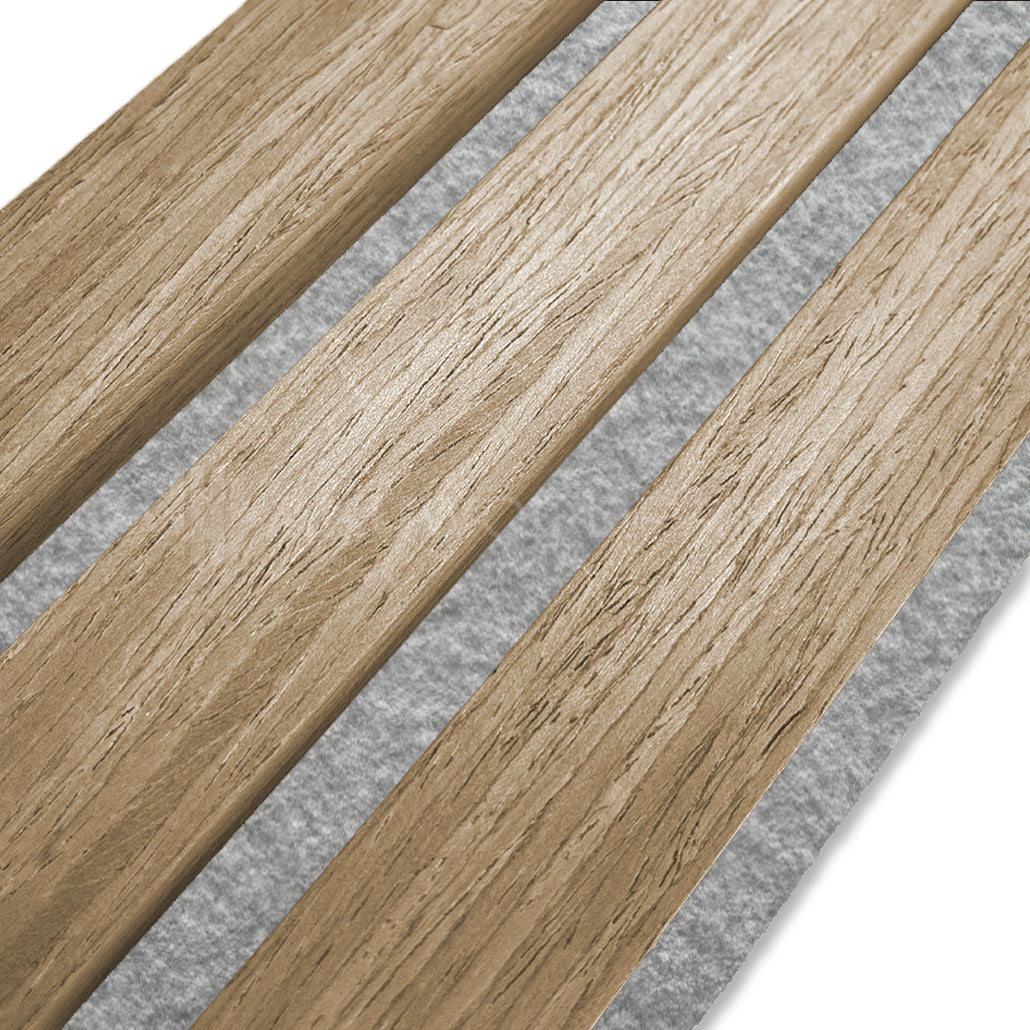
Hexagon Acoustic Panel Walnut with Grey Felt — the wildcard. Instead of running full-length boards the entire corridor, use the hexagon format to break up a feature bay near the lift lobby or around a room number plaque. It's the same walnut veneer and felt backing in a geometric module, which gives designers a focal point without abandoning the acoustic performance of the main panel range. Verdict: Consider for feature zones, not for full-length runs where seam consistency matters more than pattern.
End Piece Wooden Wall Panel Walnut — the finishing detail. Matched end trims at door returns and wall terminations stop a walnut corridor run from looking like an unfinished DIY job. Order these alongside the main panel quantity rather than as an afterthought once installation starts. Verdict: Buy.


What to avoid
- Laminate wood-effect panels marketed as "hotel grade". They photograph like real veneer but the foil face lifts at edges and corners under trolley contact within 18-24 months — a full corridor reclad inside a five-year refurb cycle is an expensive mistake.
- Panels sold in one length only. If a supplier only offers a single panel length, you'll end up with an awkward short cut piece at the end of every corridor bay, visible as a seam mismatch right next to a guest room door.
- Any panel with no stated acoustic backing. It looks the same in a product photo as an acoustic panel, but it does nothing for the trolley-and-door-slam noise that's the actual complaint guests leave in reviews.
Verdict comparison
| Pick | Veneer type | Acoustic backing | Size options | Best use | Verdict |
|---|---|---|---|---|---|
| Wooden Wall Panel Walnut | 3-sided real wood | Felt backing | 240cm / 300cm | Main corridor run | Buy |
| Hexagon Acoustic Panel Walnut with Grey Felt | Real wood, hexagon module | Grey felt backing | Modular | Feature bay near lifts | Consider |
| End Piece Wooden Wall Panel Walnut | Matched trim | n/a | Standard | Corner and door returns | Buy |
FAQ
What are the best walnut veneer panels for hotel corridors in 2026?
Wooden Wall Panel Walnut is the strongest option for 2026 corridor runs — 3-sided real wood veneer over acoustic felt, sold in 240cm and 300cm lengths. Pair it with matched end pieces at door returns for a finished look.
Is walnut better than oak for hotel corridor walls?
Walnut hides scuffs and grime better under corridor downlighting than lighter oak tones, which matters on a surface trolleys and luggage contact daily. Oak still suits corridors going for a lighter, Scandinavian feel — it's a style choice, not a durability one.
Do acoustic wall panels actually reduce corridor noise?
Yes — panels with a felt backing absorb reflected sound from hard flooring and closing doors instead of bouncing it back down the hallway. A wood-face panel with no backing layer gives you the look without the acoustic benefit.
How many walnut panels does a hotel corridor need?
A 20-metre corridor typically needs 8-10 panels in 240cm format or 6-7 in 300cm format, depending on door spacing. Match panel length to corridor geometry before ordering to avoid an awkward seam next to a room door.
Can walnut veneer panels handle daily commercial cleaning?
Pre-oiled, sealed veneer finishes hold up to disinfectant wipes and commercial cleaning schedules without dulling. Unsealed or lacquer-only surfaces can streak under the same routine within a single refurb cycle.
What's the difference between 240cm and 300cm wall panels?
The two formats change how many joints appear along a corridor run and where seams land relative to door frames. Longer corridors with fewer doors generally suit 300cm format better to minimise visible joints.
Do I need to order samples before a full corridor install?
Yes — veneer tone can shift under corridor downlighting compared to a showroom sample, and a full corridor order is too large a commitment to make from a photo alone. Order a physical sample against your actual lighting before confirming quantities.
One last thing
The detail that separates a corridor that photographs well from one that actually holds up is the end piece, not the main panel. Operators who skip matched trims at door returns end up with a raw edge that catches on trolleys within months — order the trim alongside the panel quantity, not as an afterthought once installation is already underway.