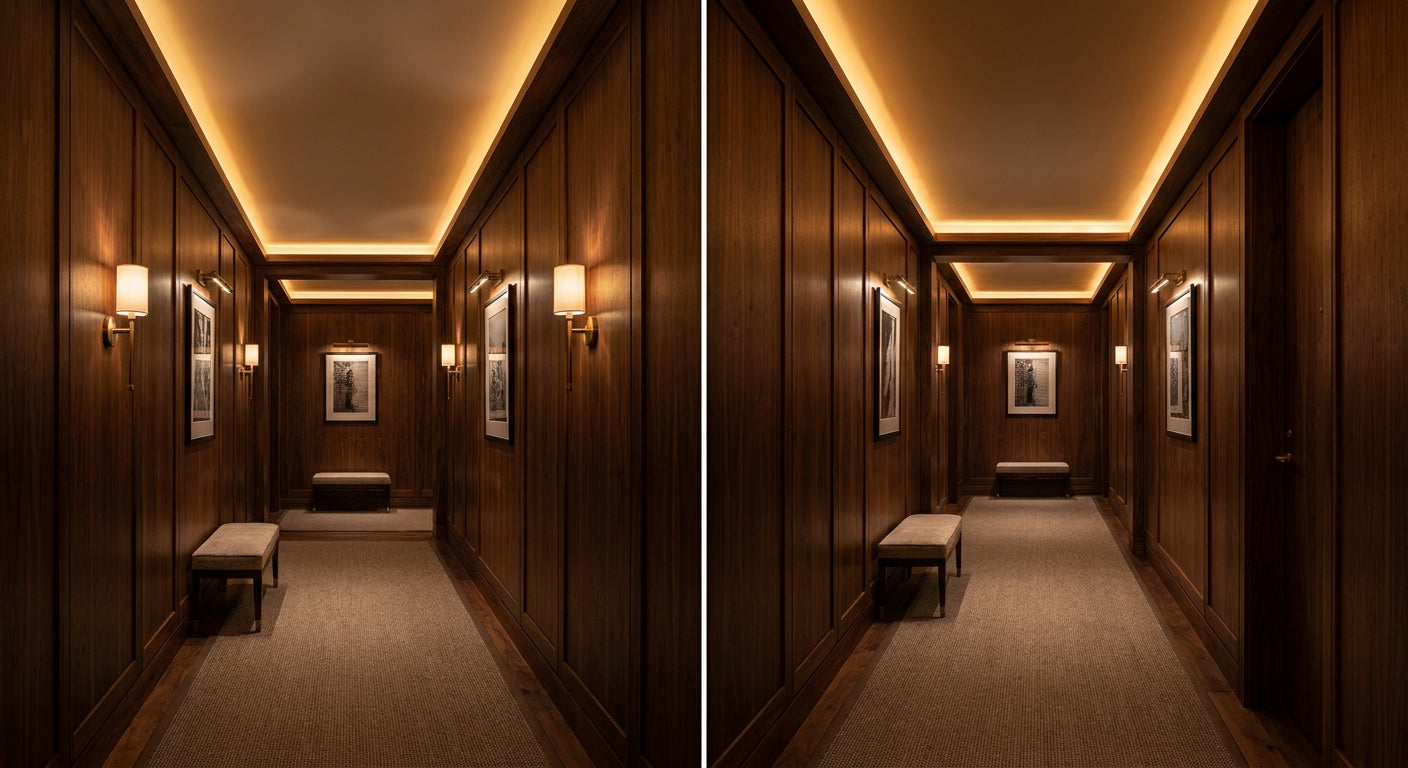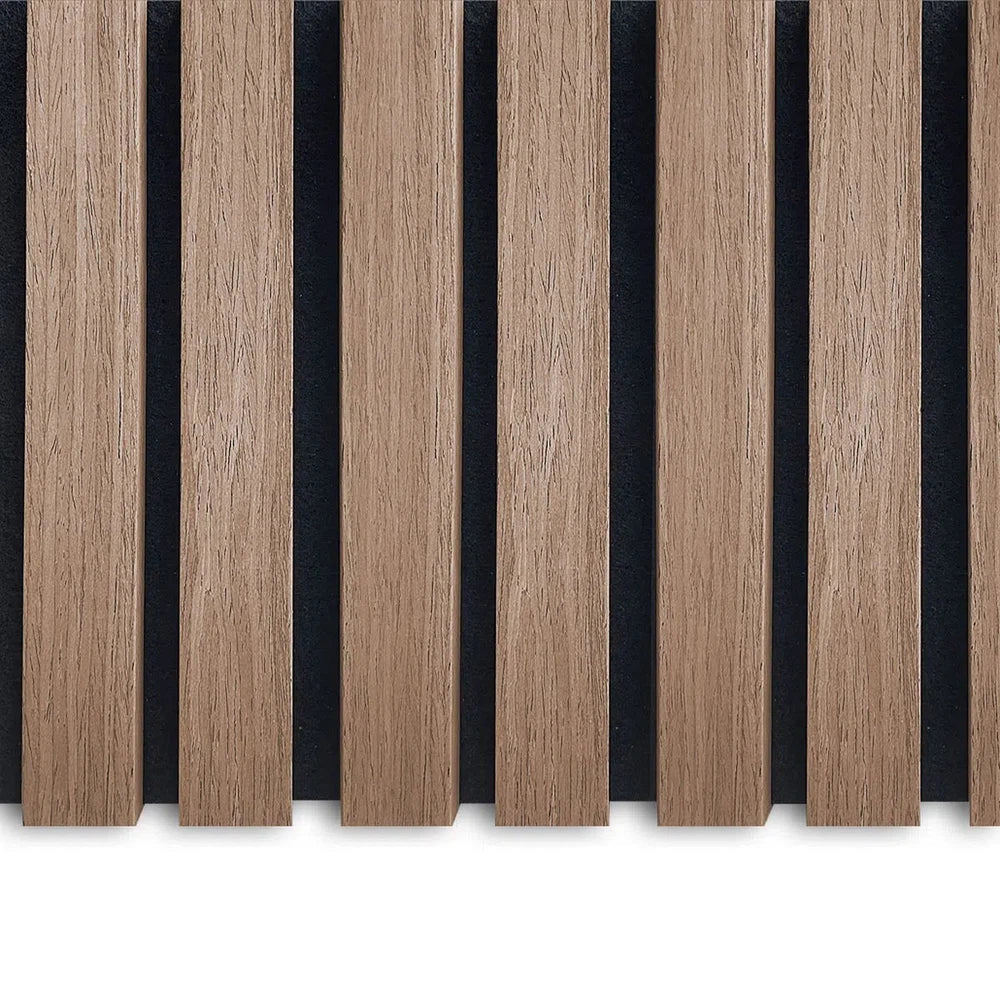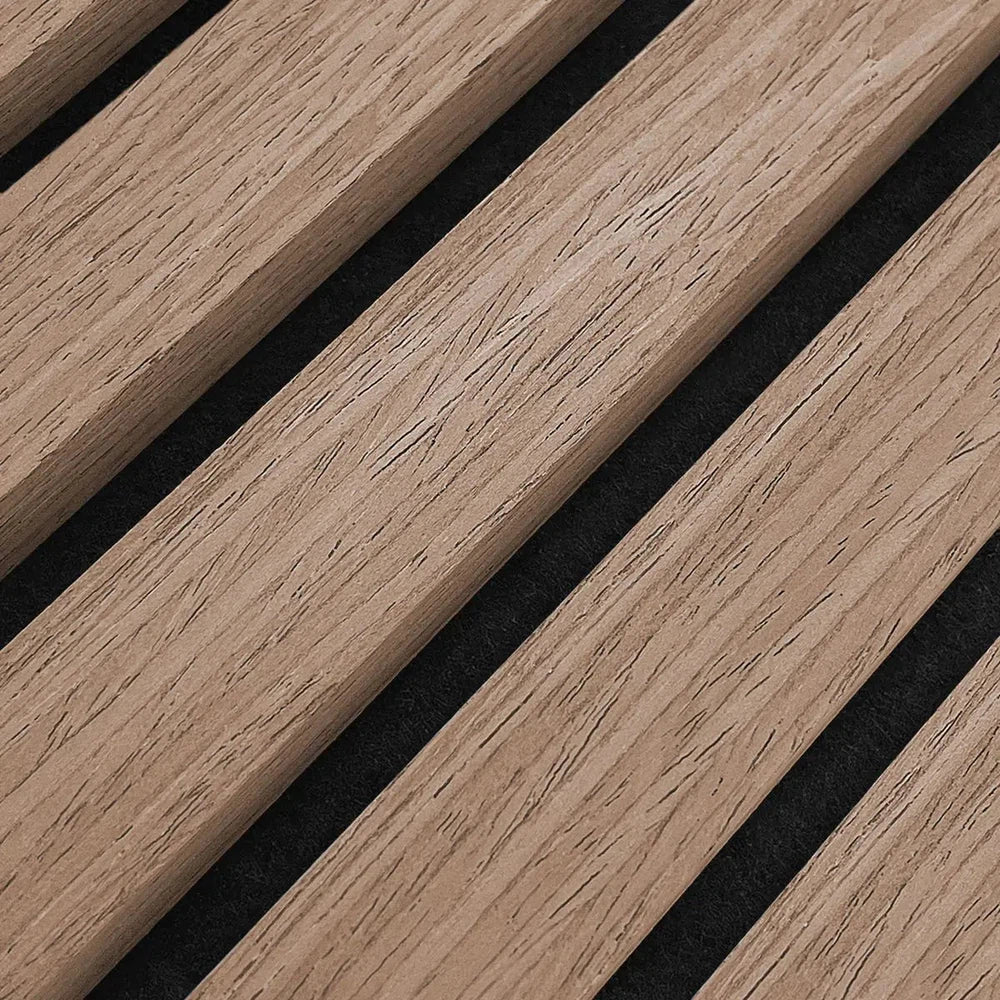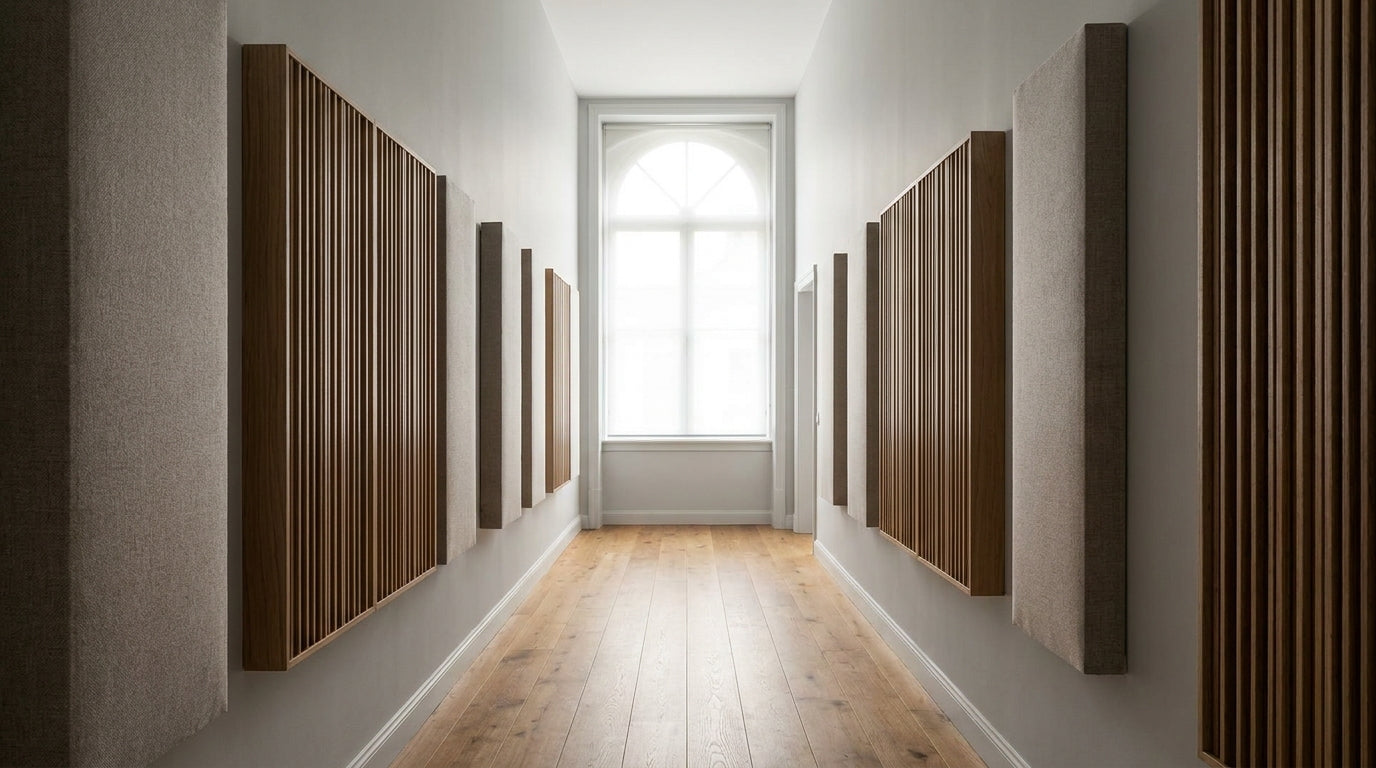
Tall hallways with hard floors and parallel walls act like sound tunnels: every footstep, door slam and voice bounces wall to wall with nothing to break it up. Acoustic wooden wall panels solve this by adding depth and absorption where flat plaster just reflects noise back at you, and this guide ranks the AKU Woodpanel finishes and formats that perform best on narrow, tall vertical runs in 2026.
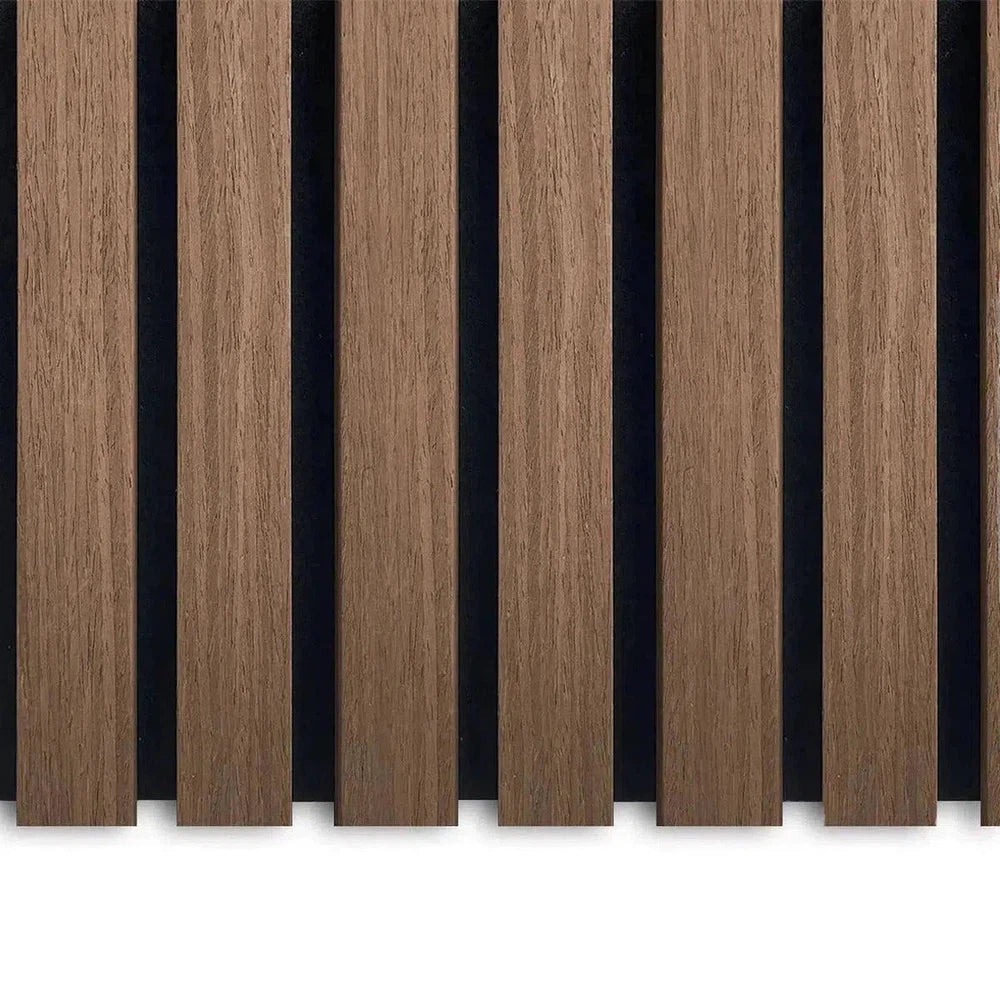
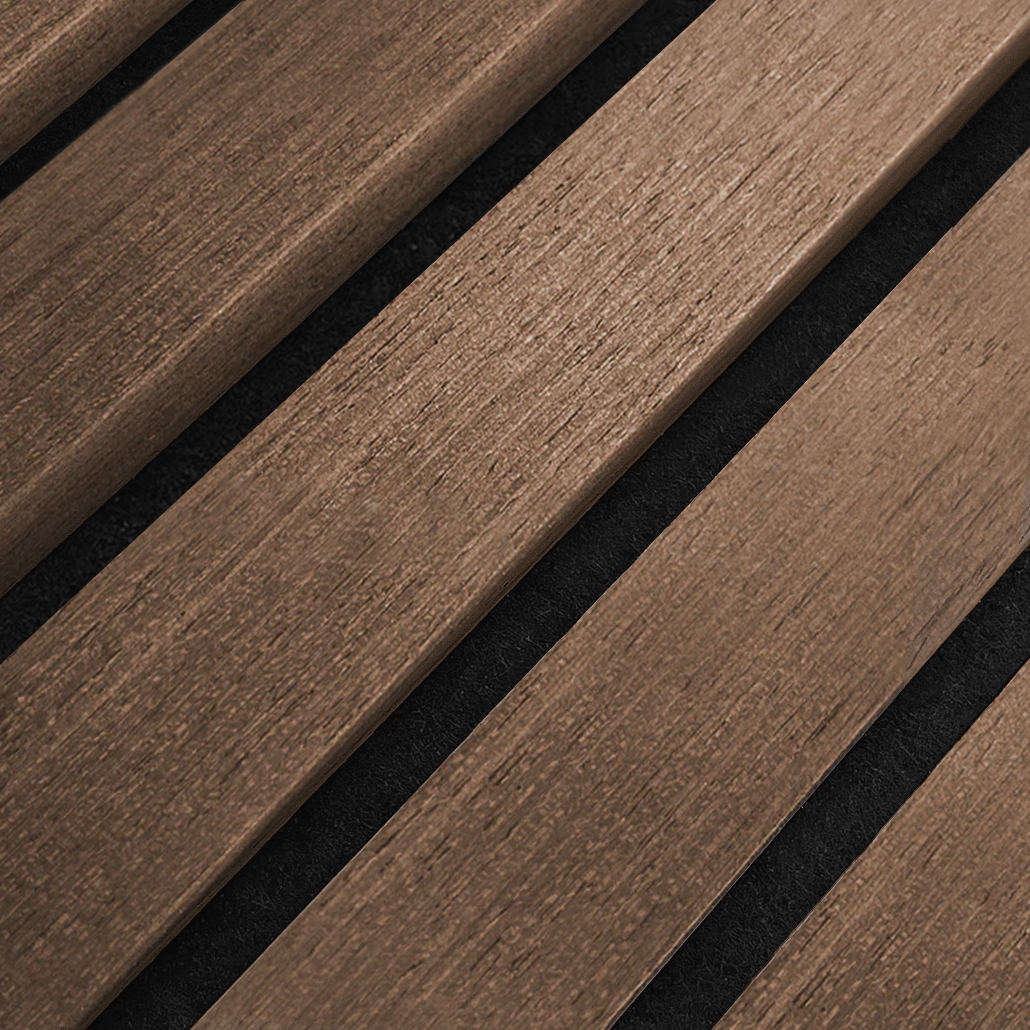
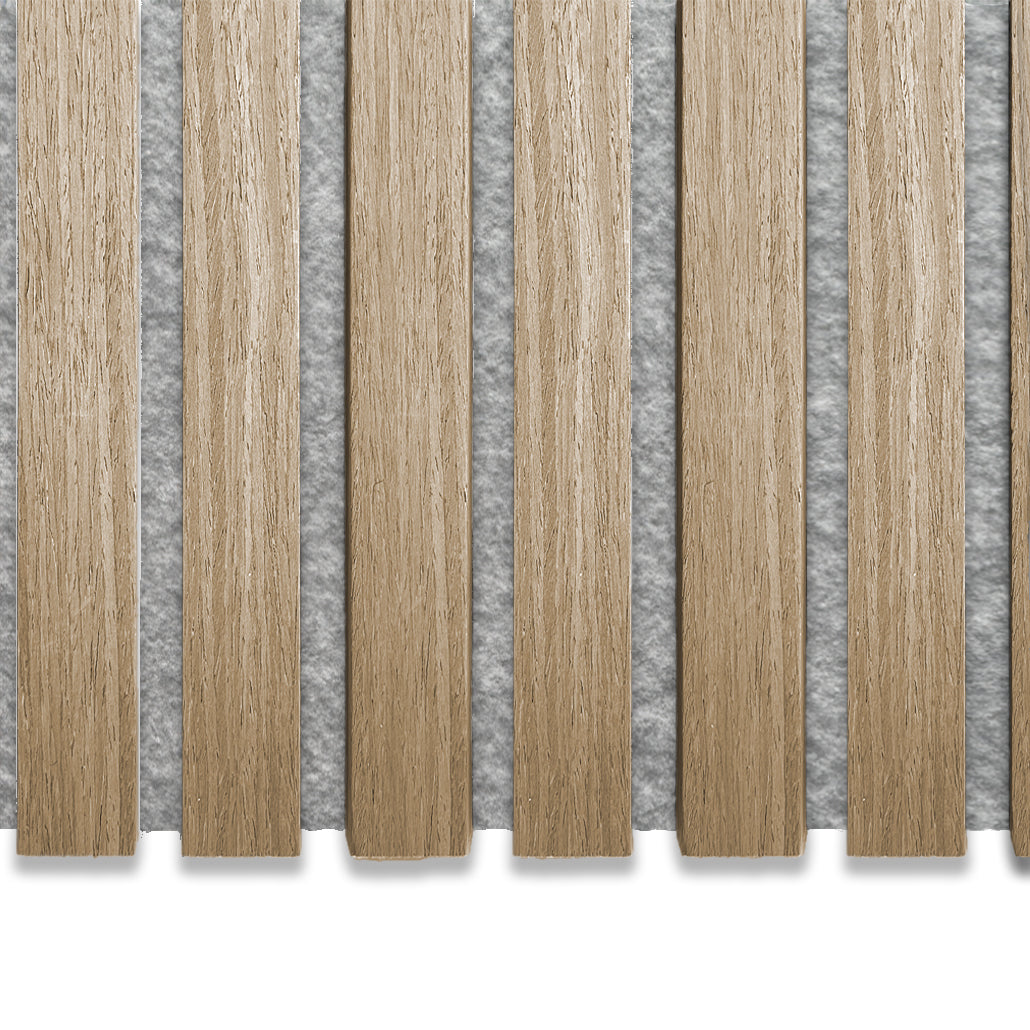
- AKU Woodpanel Natural Oak wins as the best acoustic panels for tall hallway echo in 2026 — buy the 300 cm format.
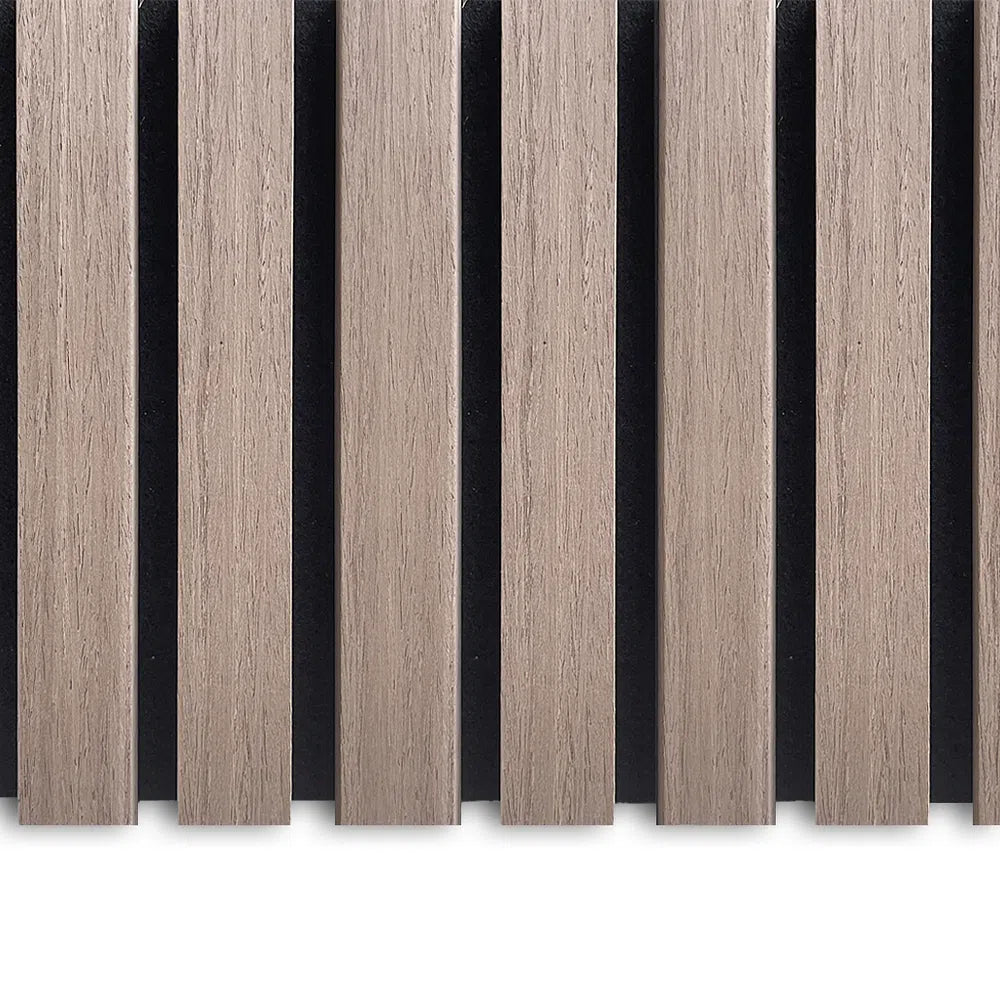
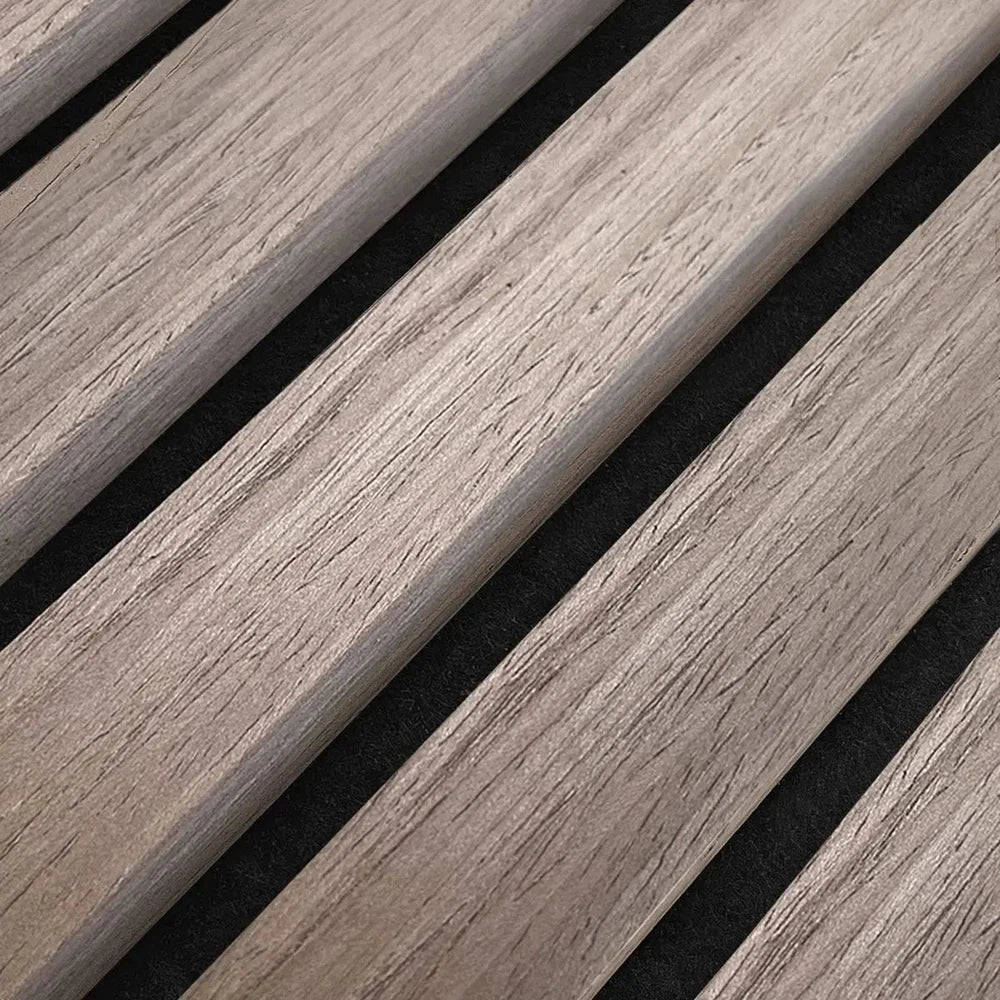
- Smoked Oak Wall Panel is the pick for dark, low-light hallways that show scuffs fast.
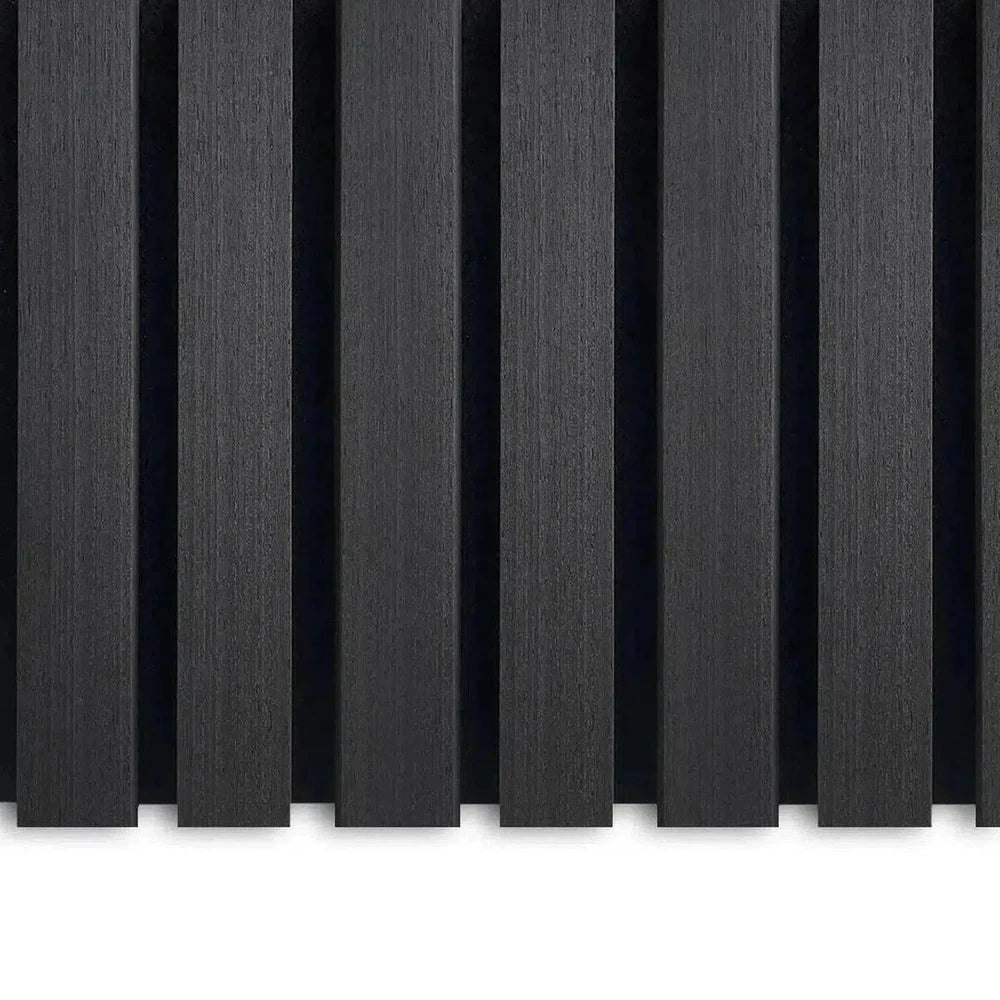
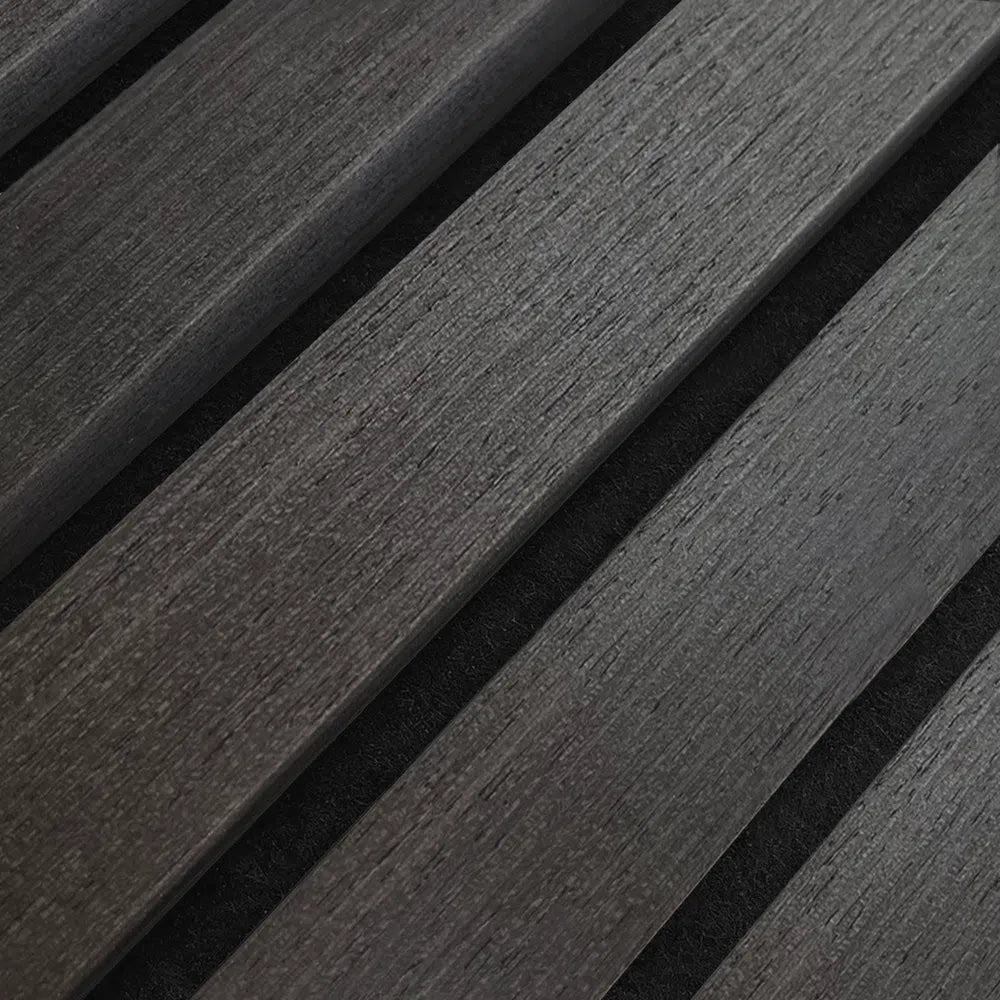
- Black Oak Wall Panel suits high-traffic entryways where marks need to vanish into the finish, not sit on top of it.
- Hexagon Acoustic Panel Natural Oak with Grey Felt breaks up a tall run with pattern, not just tone.
- Order a sample panel before committing to a full hallway run — finish colour shifts under hallway lighting more than in a living room.
Why this matters
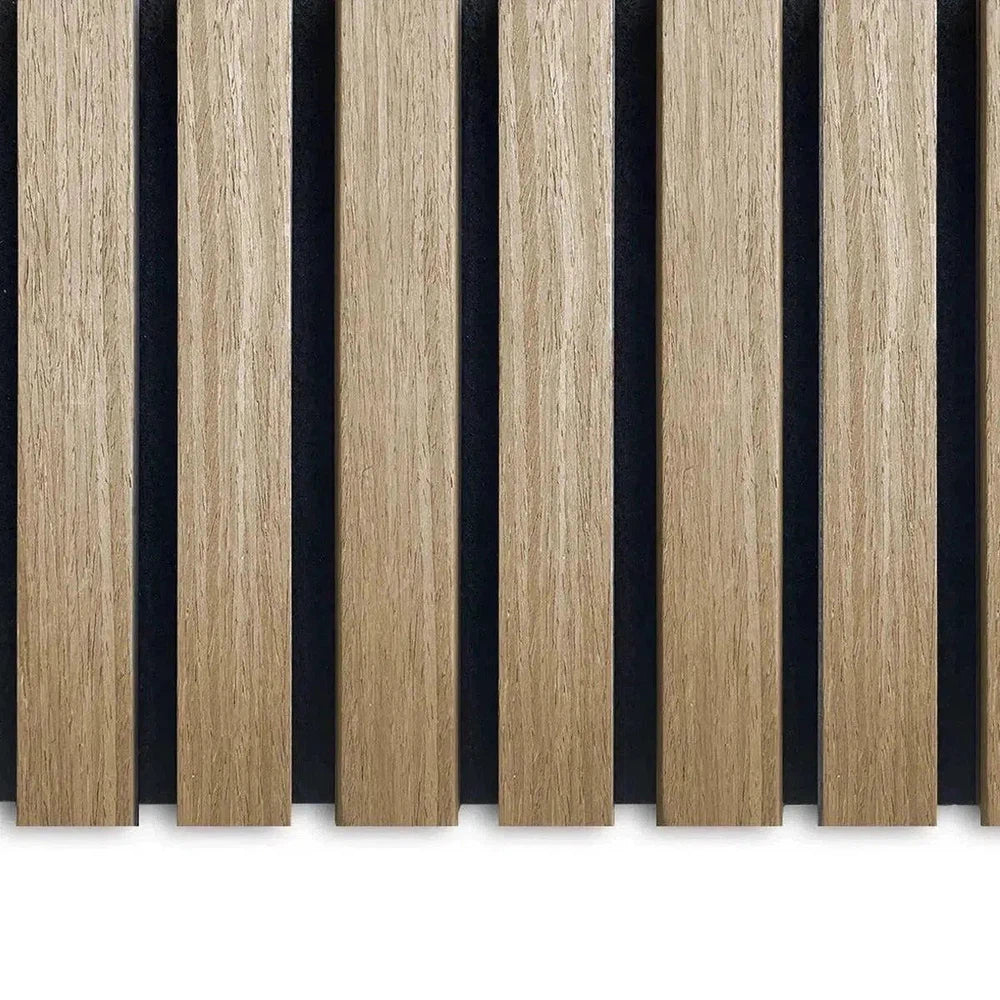
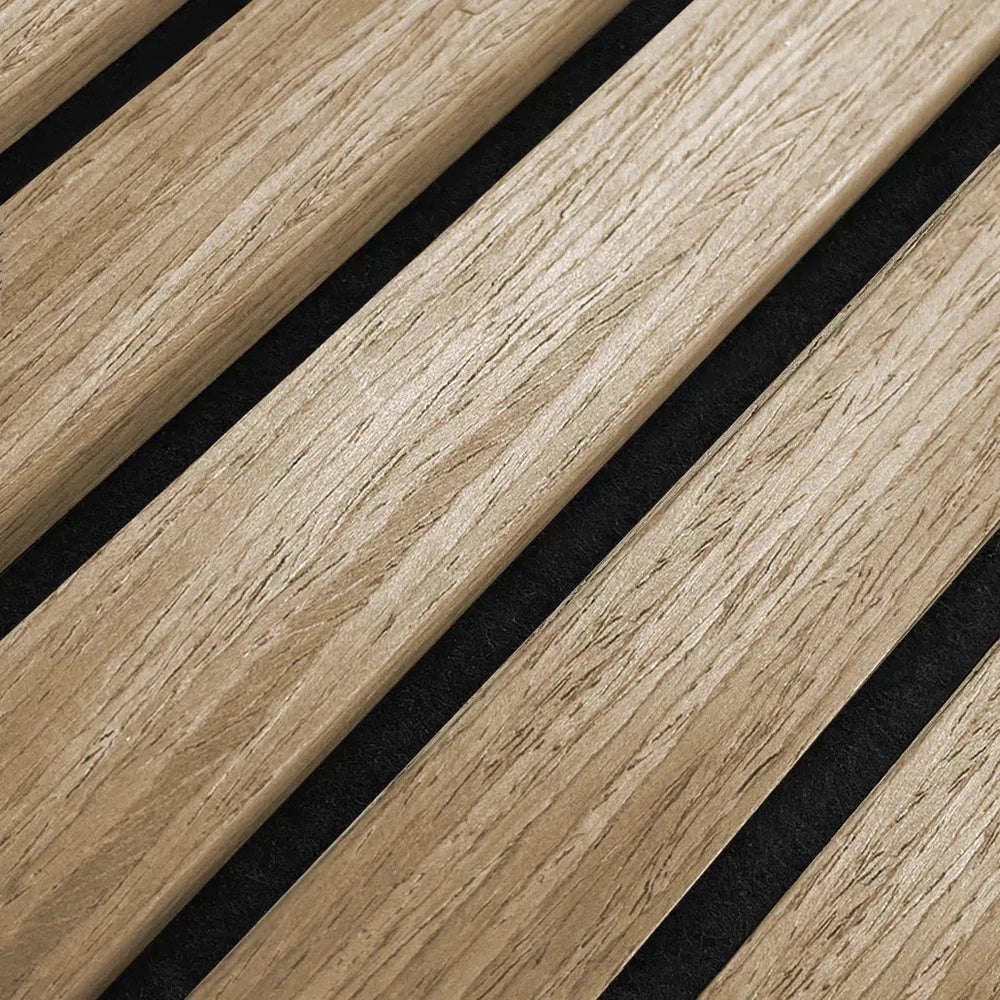
A tall hallway has more exposed wall area per square metre of floor than almost any other room in a house, and most of it is bare plaster or paint. Sound waves travel up before they travel across, so a standard-height panel run stops short of where the echo actually lives. Natural oak wall panels for hallways work because the 3-sided wood veneer breaks the flat surface into slats, and the felt backing behind it absorbs rather than reflects.
In 2026 the fix homeowners reach for first is often a rug or a curtain, but hallways rarely have floor space or windows to spare. Wall panels solve the acoustic problem without eating into a narrow footprint, which is exactly why they rank ahead of soft furnishings for this specific room.
How we ranked
The list below weighs four things that matter specifically for a tall, narrow hallway: how the acoustic felt backing performs on a vertical run, whether the panel comes in the 300 cm format needed to reach higher ceilings without a horizontal seam, how forgiving the finish is against scuffs from bags and pushchairs, and how each option reads under artificial hallway lighting rather than daylight. AKU Woodpanel's range covers both the 240 cm and 300 cm formats across multiple veneer finishes, so the comparison below sticks to finishes and formats that are actually stocked rather than theoretical picks.
The ranked list
1. AKU Woodpanel Natural Oak Wall Panel — the safe pick
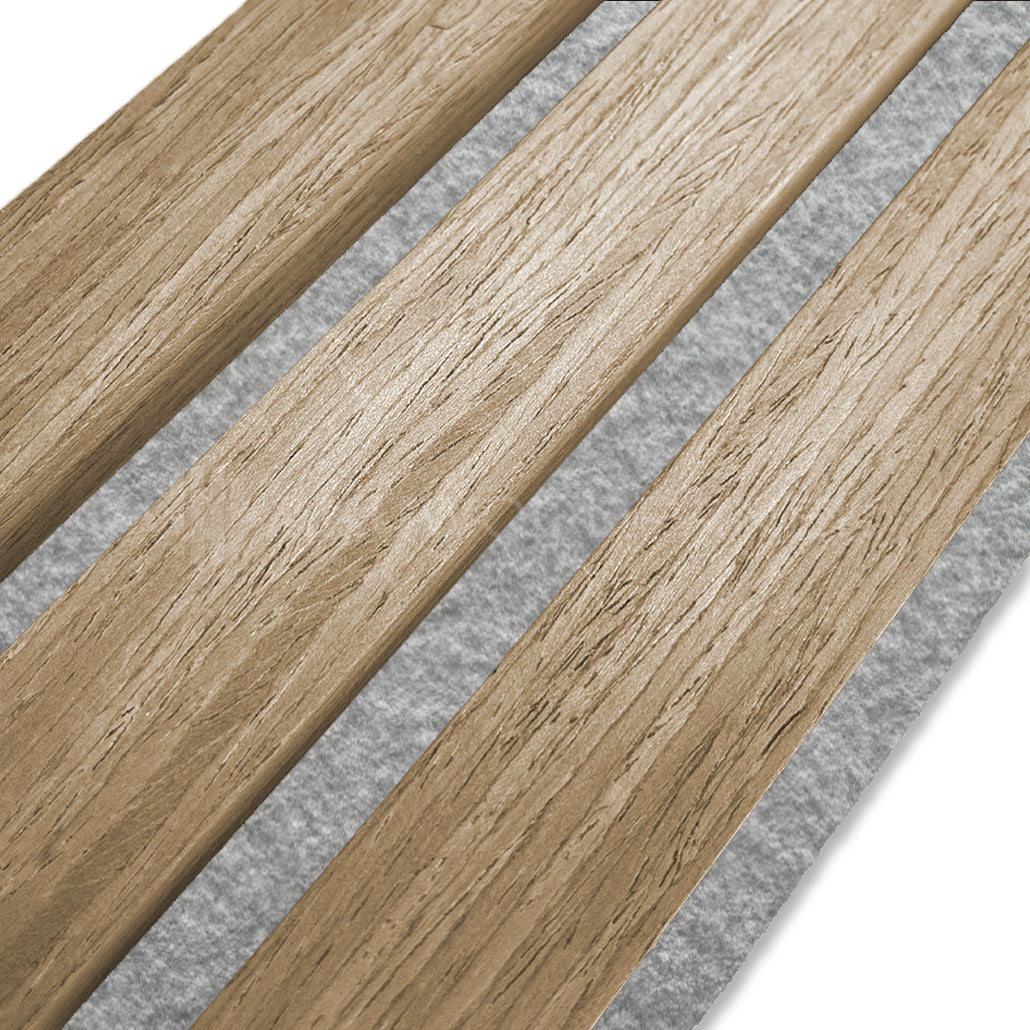
Natural Oak is the default recommendation because the lighter veneer bounces available light back down a hallway that usually has none of its own. The felt backing carries a 0.75 NRC absorption rating, which is a meaningful cut in reverberation for a corridor with a hard floor. Available in both the 240 cm and 300 cm formats, it covers standard and taller ceiling runs without a visible join. Verdict: Buy — this is the finish to default to if you're not solving for a specific colour scheme.
2. AKU Woodpanel Smoked Oak Wall Panel — the dark hallway fix
Hallways with no natural light source tend to show every scuff under a single overhead bulb, and a pale finish just highlights the marks. Smoked Oak's darker grain hides day-to-day wear from bags, bikes and pushchairs far better than lighter veneers, while keeping the same acoustic felt backing behind it. It works especially well where the hallway also functions as a boot-room-style entry. Verdict: Buy — the right call for a hallway that takes daily traffic.
3. AKU Woodpanel Black Oak Wall Panel — the bold statement pick
Black Oak is the highest-contrast finish in the range and reads as a deliberate design choice rather than a fix. It suits a tall hallway where the client wants the panelling to be the feature, not a background acoustic fix. It hides scuffs even more effectively than Smoked Oak, but it needs consistent lighting to avoid looking like a corridor rather than a feature wall. Verdict: Consider — strong in the right hallway, risky in a dim one with no accent lighting.
4. Hexagon Acoustic Panel Natural Oak with Grey Felt — the wildcard
A tall, narrow run of standard slat panels can start to feel like a corridor of stripes. Hexagon panels break that pattern by introducing geometry rather than repeating lines, which works well on a stairwell wall or a hallway with an awkward run of doors interrupting the panel line. They carry the same 0.75 NRC felt backing as the rest of the acoustic range, so the sound performance doesn't drop for the visual variety. Verdict: Consider — a strong pick for hallways where a flat panel run looks monotonous rather than clean.
5. Sample Wooden Wall Panel Natural Oak — the try-before-you-buy pick
Hallway lighting is almost always artificial and often a single fitting, which changes how a veneer finish reads compared with a showroom or a living room with daylight. A sample panel costs a fraction of a full run and settles the colour question before a full hallway order goes in. It won't solve the echo on its own, obviously, but skipping this step is the most common reason buyers reorder in a different finish. Verdict: Buy — cheap insurance before the real spend.
Comparison table
| Pick | Finish | Format | Best for | Verdict |
|---|---|---|---|---|
| Natural Oak | Light veneer | 240 cm / 300 cm | Dim hallways needing light bounce | Buy |
| Smoked Oak | Mid-dark veneer | 240 cm / 300 cm | High-traffic entryways | Buy |
| Black Oak | Darkest veneer | 240 cm / 300 cm | Statement feature walls | Consider |
| Hexagon Natural Oak with Grey Felt | Light veneer, geometric | 81 cm hex | Long runs needing pattern break | Consider |
| Sample panel | Any finish | Single sample size | Confirming finish before full order | Buy |


Where to buy
- Order a sample panel first in whichever finish you're leaning toward — hallway lighting shifts colour more than any other room in the house.
- Buy end pieces and corner trims in the same order as the main panels; matching a finish months later rarely lines up exactly.
- Measure floor to ceiling before choosing between the 240 cm and 300 cm format — a seam partway up a tall wall undercuts the clean look the panels are meant to deliver.
FAQ
What are the best acoustic panels for tall hallway echo in 2026?
AKU Woodpanel Natural Oak Wall Panel is the strongest all-round pick for tall hallway echo in 2026, with a 0.75 NRC felt backing and a 300 cm format that covers higher ceilings without a seam. Smoked Oak and Black Oak are better choices where scuff-hiding matters more than light reflection.
Do wooden acoustic panels actually reduce hallway echo?
Yes — the acoustic felt backing behind the wood veneer absorbs sound rather than reflecting it, cutting reverberation on hard, parallel hallway walls. The felt used across AKU Woodpanel's range carries a 0.75 NRC rating.
Is the 240 cm or 300 cm panel format better for a tall hallway?
Use the 300 cm format for ceilings above standard height so the panel run reaches floor to ceiling without a horizontal join. The 240 cm format suits standard UK ceiling heights and is easier to handle in a narrow corridor during installation.
Which finish hides scuffs best in a high-traffic hallway?
Black Oak and Smoked Oak hide day-to-day scuffs from bags, bikes and pushchairs better than lighter finishes like Natural Oak. Darker veneers mask marks that would show clearly against a pale grain.
Can hexagon panels reduce echo as well as standard slat panels?
Hexagon acoustic panels use the same felt backing and NRC 0.75 rating as the standard slat range, so the acoustic performance is equivalent. They add pattern to break up a long, tall wall rather than repeating a single stripe direction.
Should I order a sample before buying a full hallway run?
Yes — hallway lighting is almost always artificial, which changes how a veneer finish reads compared with daylight in a living room. A sample panel settles the colour question before committing to a full order.
Do acoustic wall panels work on a stud wall in a hallway?
Yes, acoustic wood panels fit stud walls as well as solid masonry, though fixing method changes between the two. Check the panel glue and fixing guidance for the specific wall type before ordering.
One last thing
Most buyers panel the full height of a tall hallway when the upper third barely contributes to the echo — sound reflects hardest between hip height and head height, where footsteps, voices and door closes actually originate. Covering that middle band with Natural Oak or Smoked Oak panels, and leaving the top third painted, cuts material cost without giving up much acoustic benefit. It is a smaller order, and in 2026 that band-covering approach is quietly becoming the more common install pattern for narrow period-property hallways.