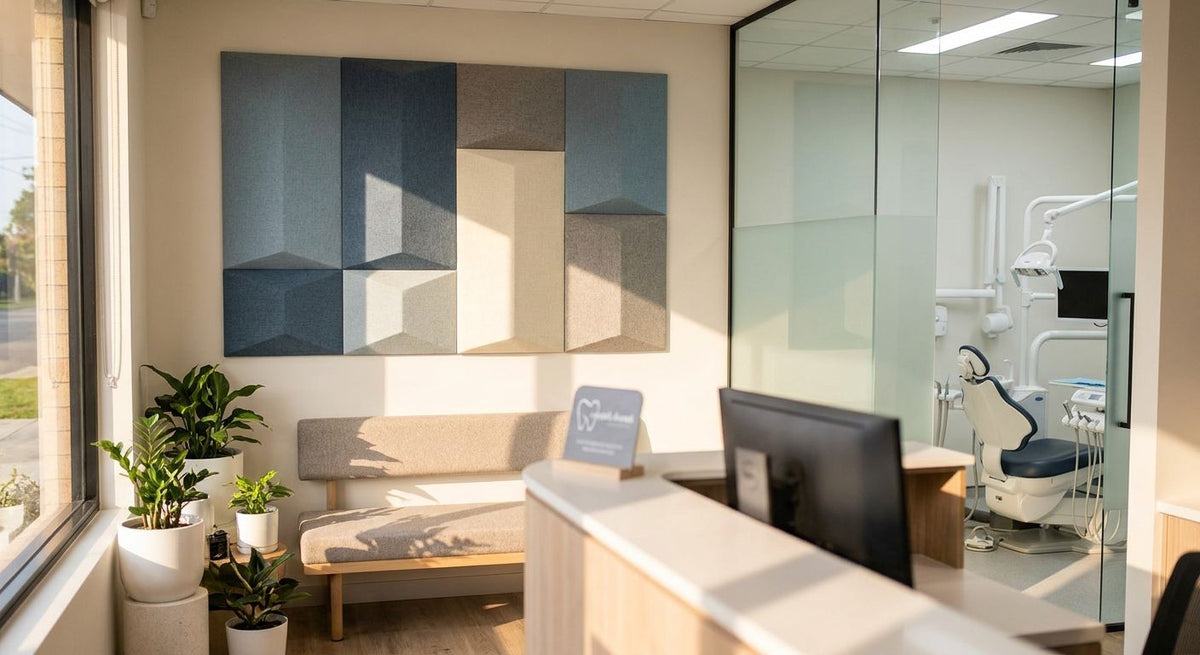
Dental surgery and clinic acoustic panels stop drill noise, muffled consultations, and waiting-room chatter carrying through thin partition walls — the fix is full-wall coverage with a wipeable finish, not a single decorative panel by the door.
- Acoustic panels for dental surgery and clinic walls need full-wall coverage to cut real echo, not one feature panel.
- Akuwood Panel's hexagon acoustic panels carry a 0.75 NRC rating, suited to reception and waiting-room accent walls.
- Wood veneer slat panels in 240 cm or 300 cm formats treat full walls in treatment rooms and corridors.
- Fabric-wrapped panels absorb sound but struggle with clinical wipe-down routines; felt-backed wood veneer survives daily cleaning better.
- Budget the whole practice at once in 2026, not room by room, to avoid re-treating the same echo problem twice.
Why acoustic panels matter for dental surgery clinics
Dental practices are built around hard, wipeable surfaces — tile flooring, glass partitions, laminate counters, vinyl treatment-room walls — because infection control comes before acoustics. That combination reflects sound instead of absorbing it, so a busy waiting room bounces conversation, phone calls, and the reception printer around the same four walls all day.
Patients notice. A nervous patient sitting in a waiting room that carries the sound of a handpiece from two doors down has a worse visit before treatment even starts. Acoustic panels for dental practice waiting rooms address this directly by adding a soft, sound-absorbing surface without touching the clinical fit-out underneath.
The segment's real constraint is not aesthetics — it's finding a finish that absorbs sound, looks calm rather than clinical, and survives cleaning schedules that hit walls far more often than in a typical office.
How to fit acoustic panels in a dental surgery or clinic
Audit where sound actually bounces
Before buying anything, walk the practice and identify hard, parallel surfaces — these are where echo builds. Do this for free before spending on panels.
- Note which rooms have tile or vinyl flooring paired with painted plasterboard
- Check for glass partitions between reception and waiting areas
- Flag corridors with hard flooring and no soft furnishings
- Identify rooms with high ceilings, which extend reverberation time
- Test at a busy hour, not during a quiet morning slot
Rank rooms by patient-facing priority
Not every room needs treatment in 2026's budget cycle. Rank rooms by how much noise a patient actually experiences there.
- Waiting room first — this is where anxious patients sit longest
- Reception desk second — staff need to hear phone calls clearly
- Treatment rooms third — sound needs to stay in, not spread out
- Corridors fourth — short exposure but high foot traffic
- Staff rooms last — lowest patient impact
Pick a wall finish that survives clinical cleaning
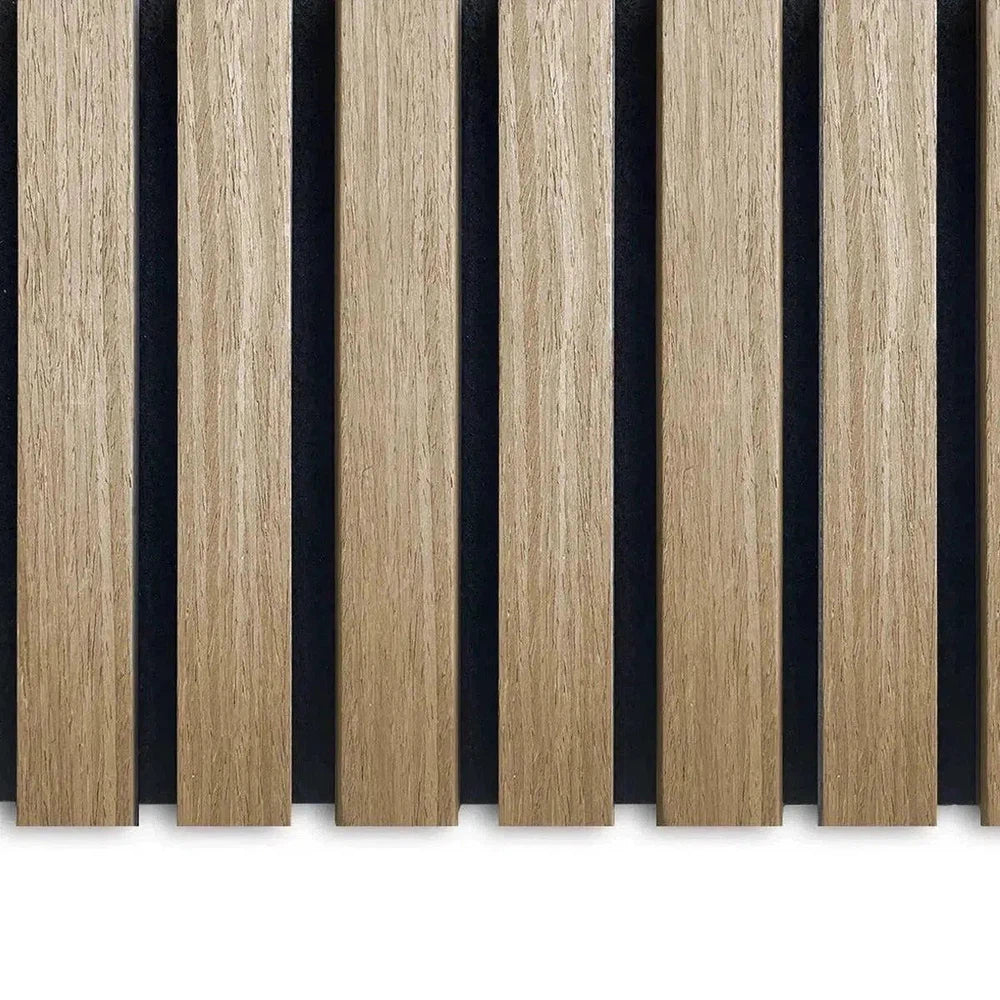
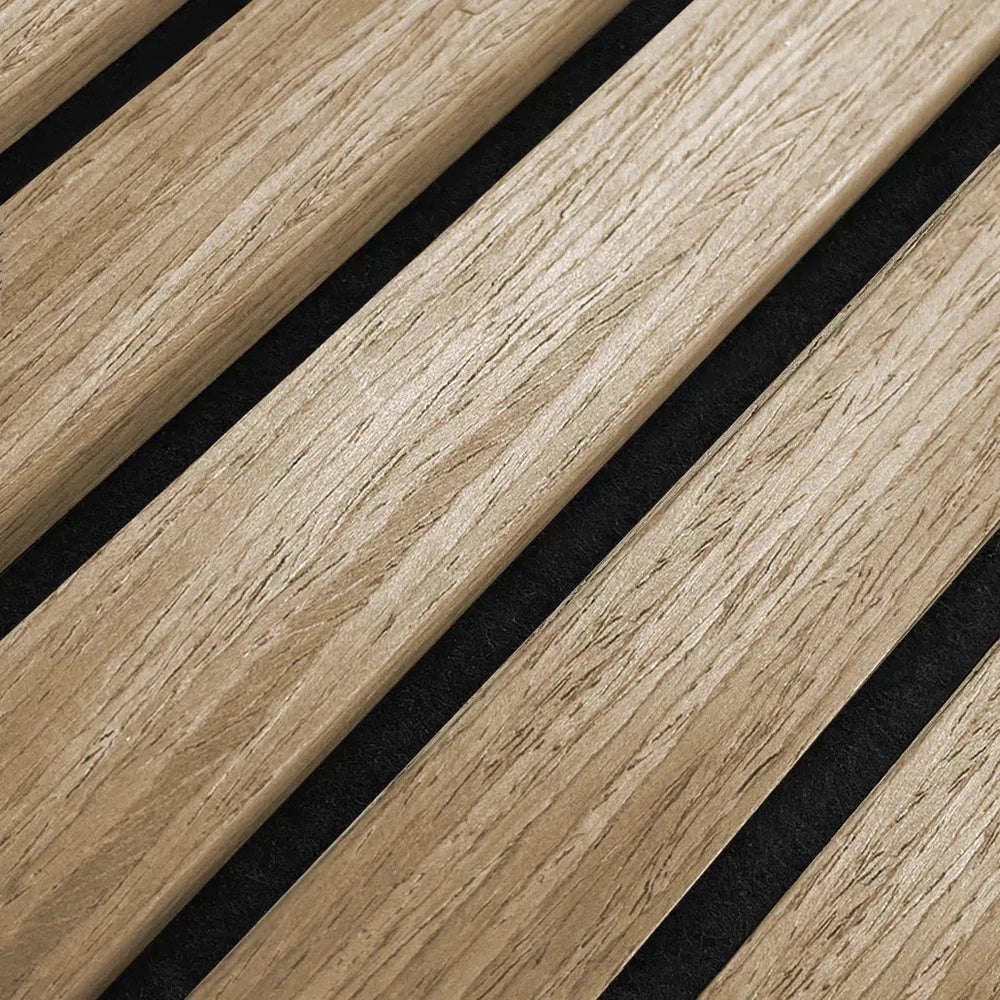
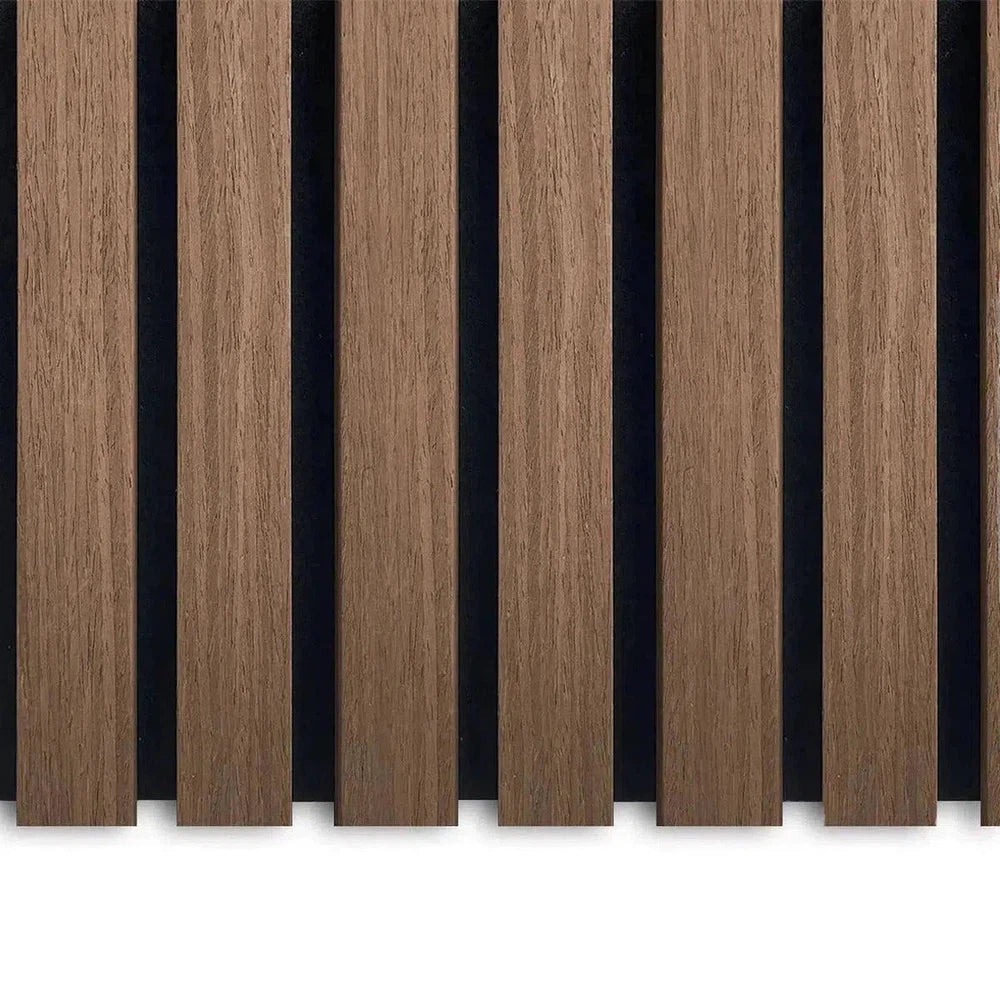
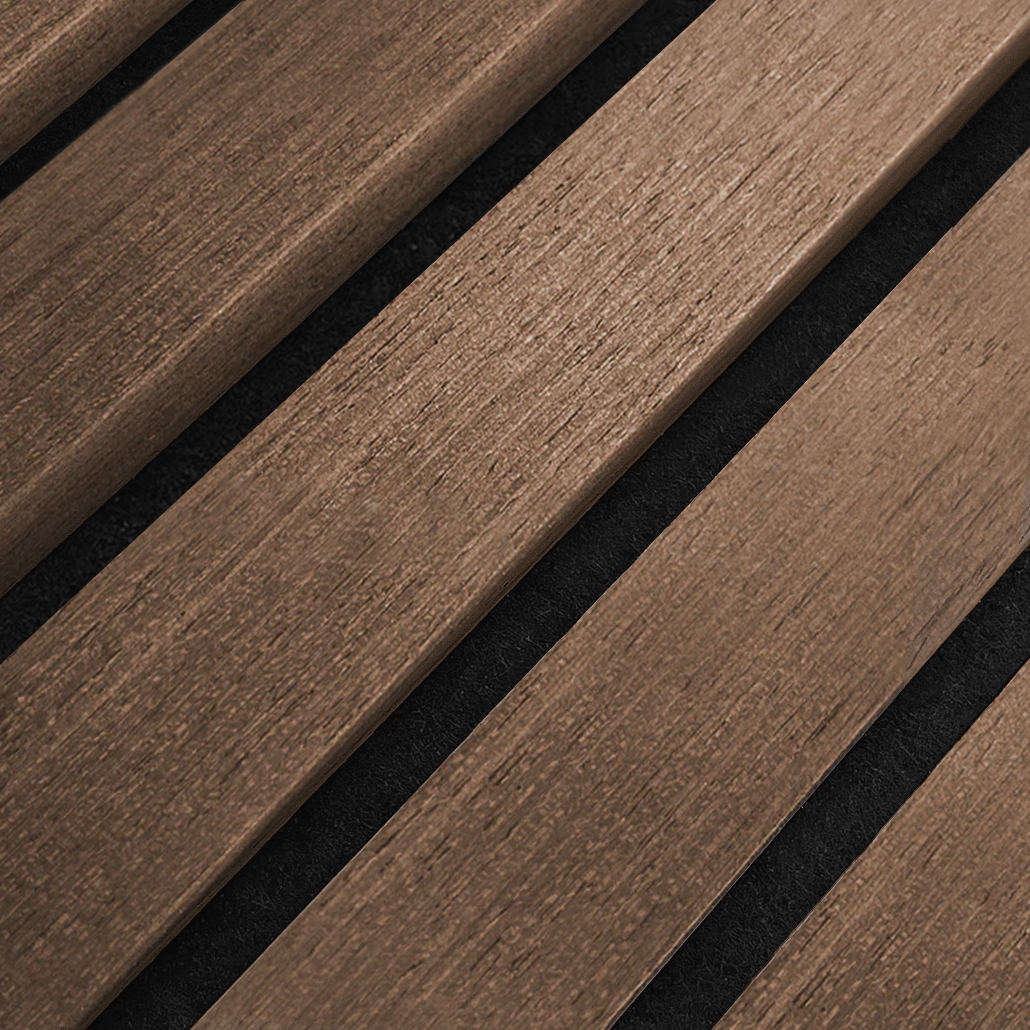
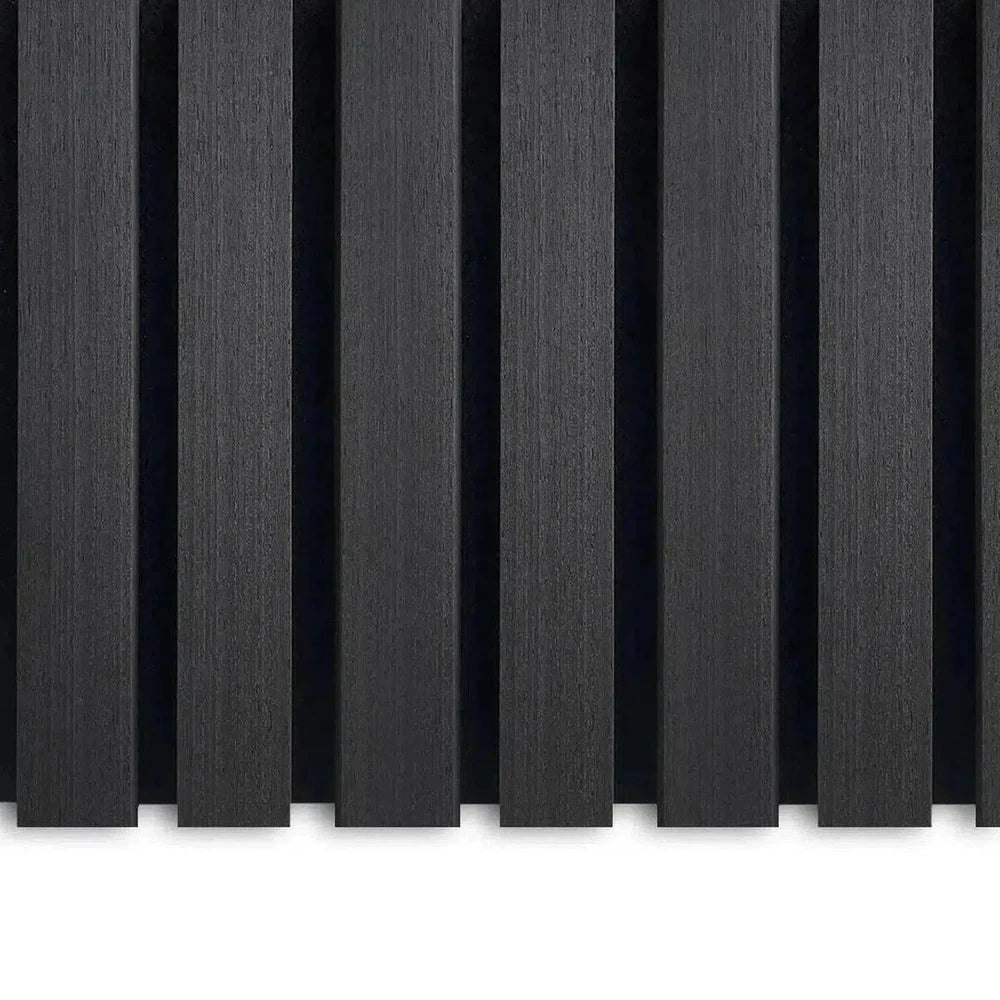
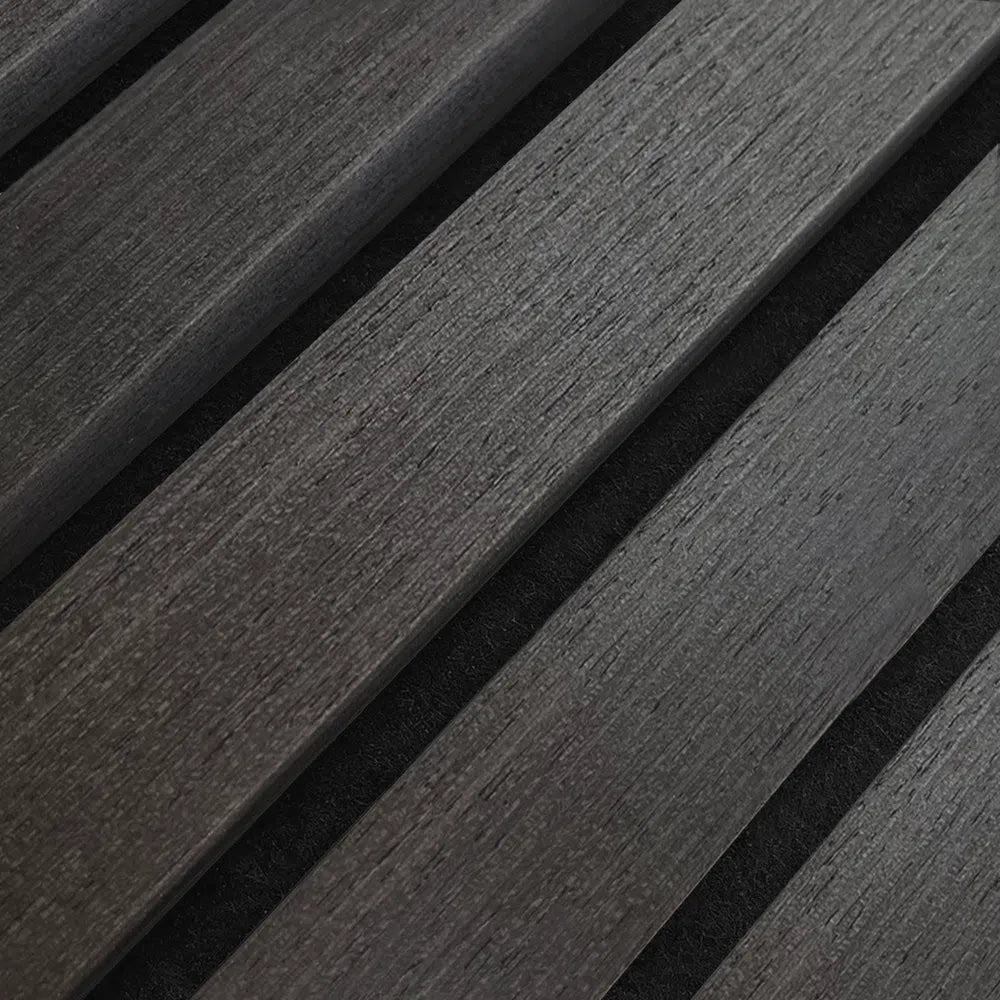
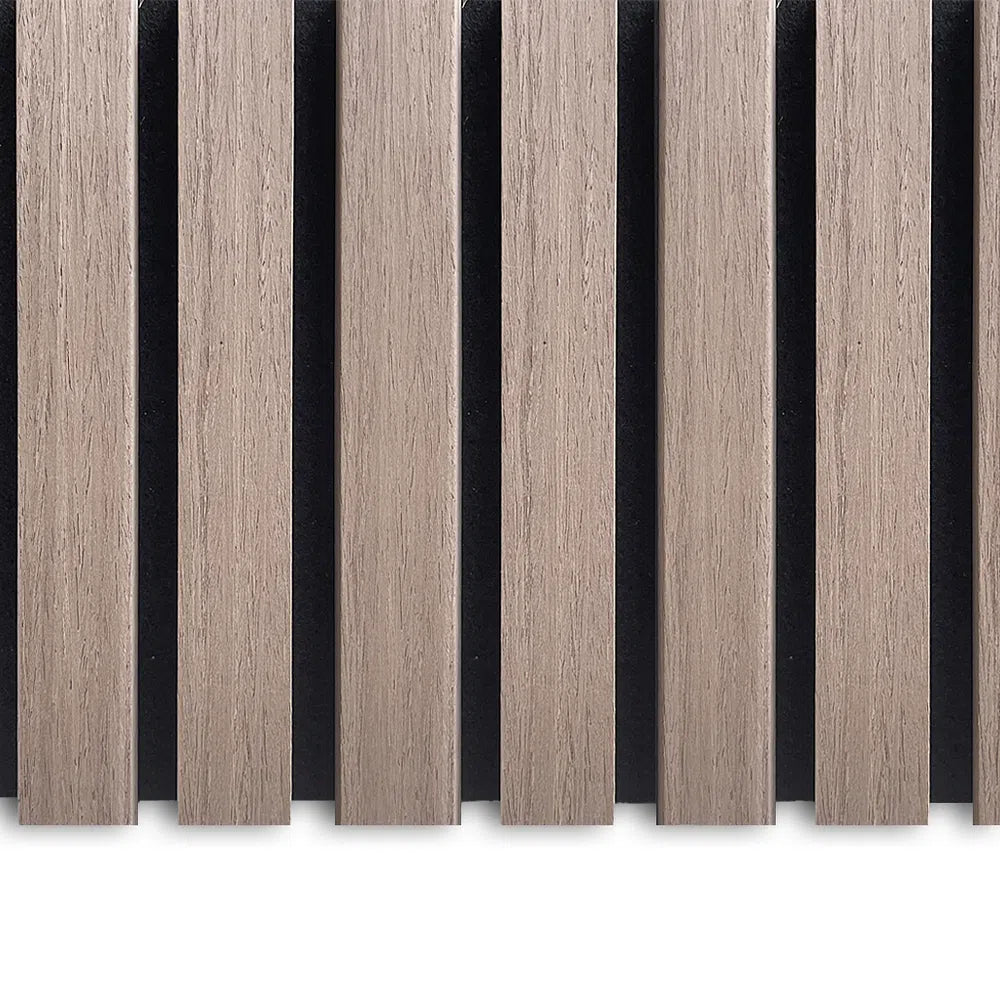
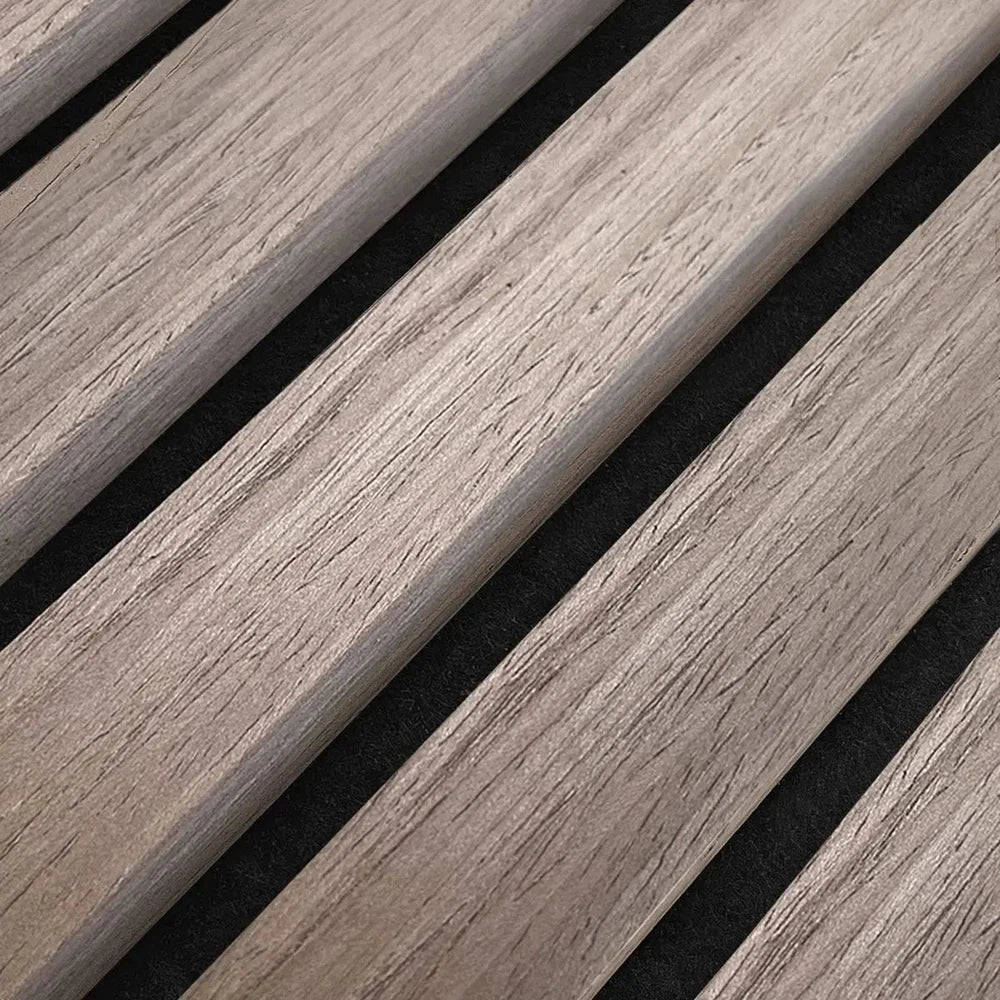
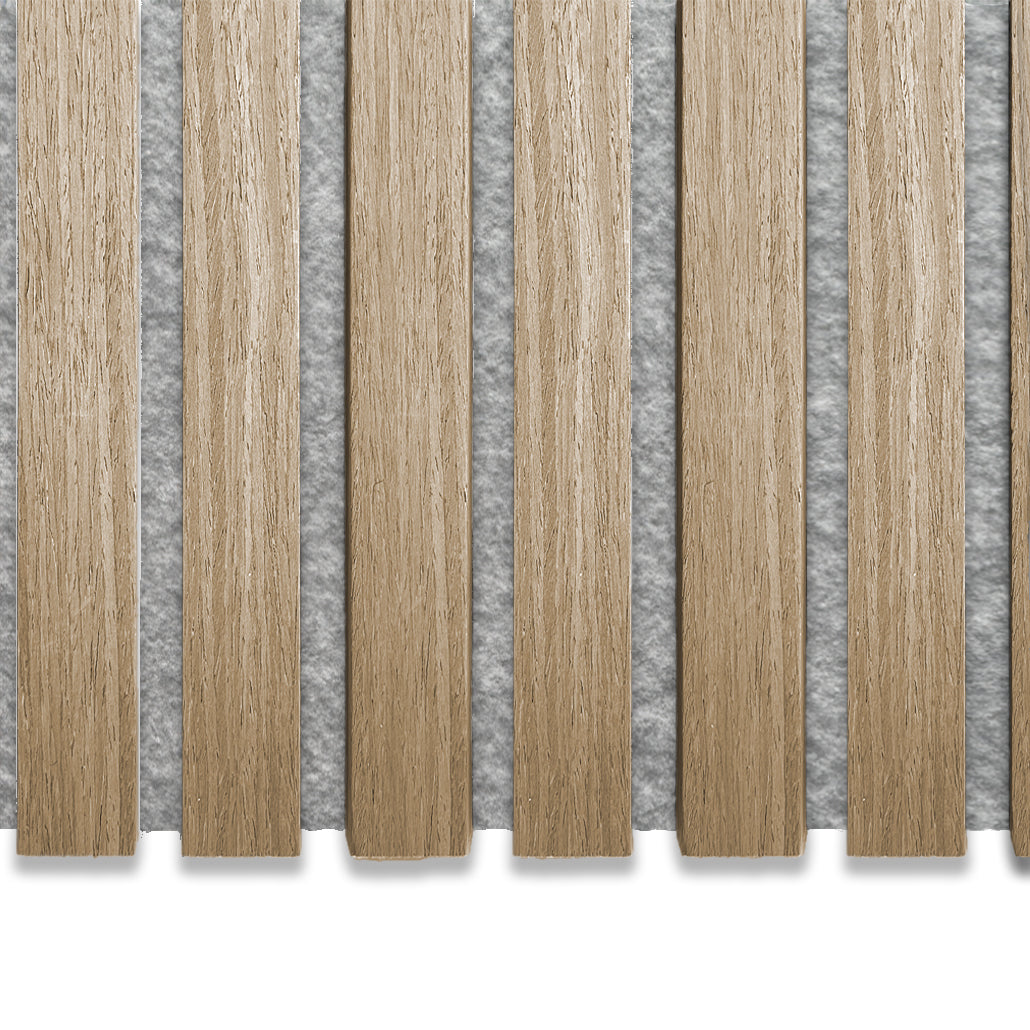
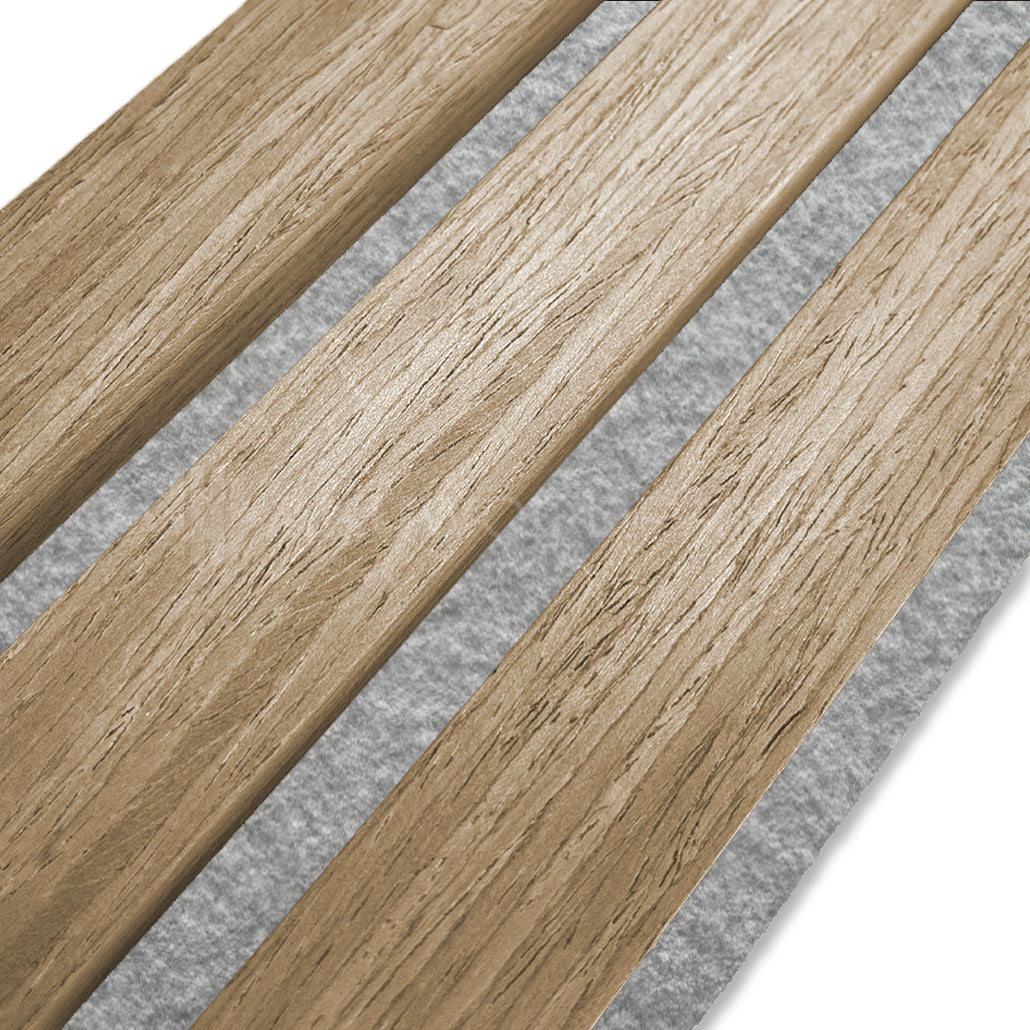
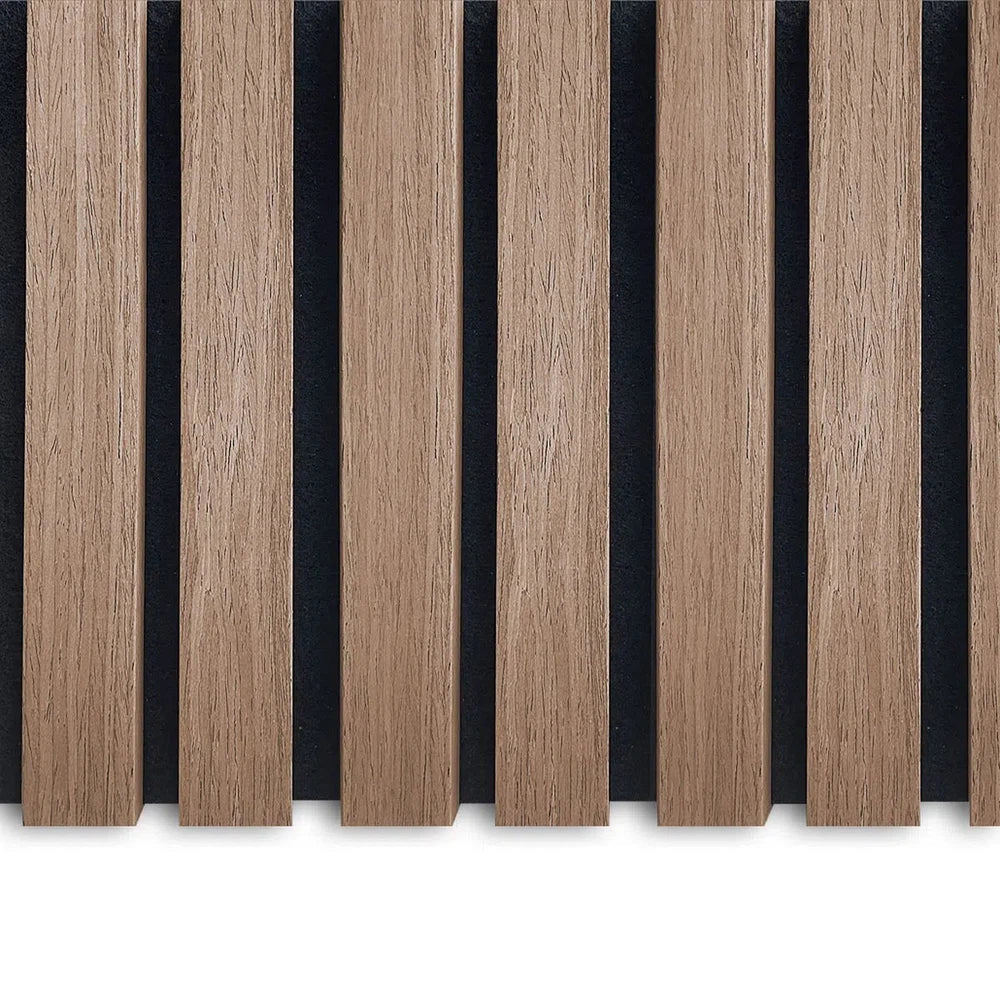
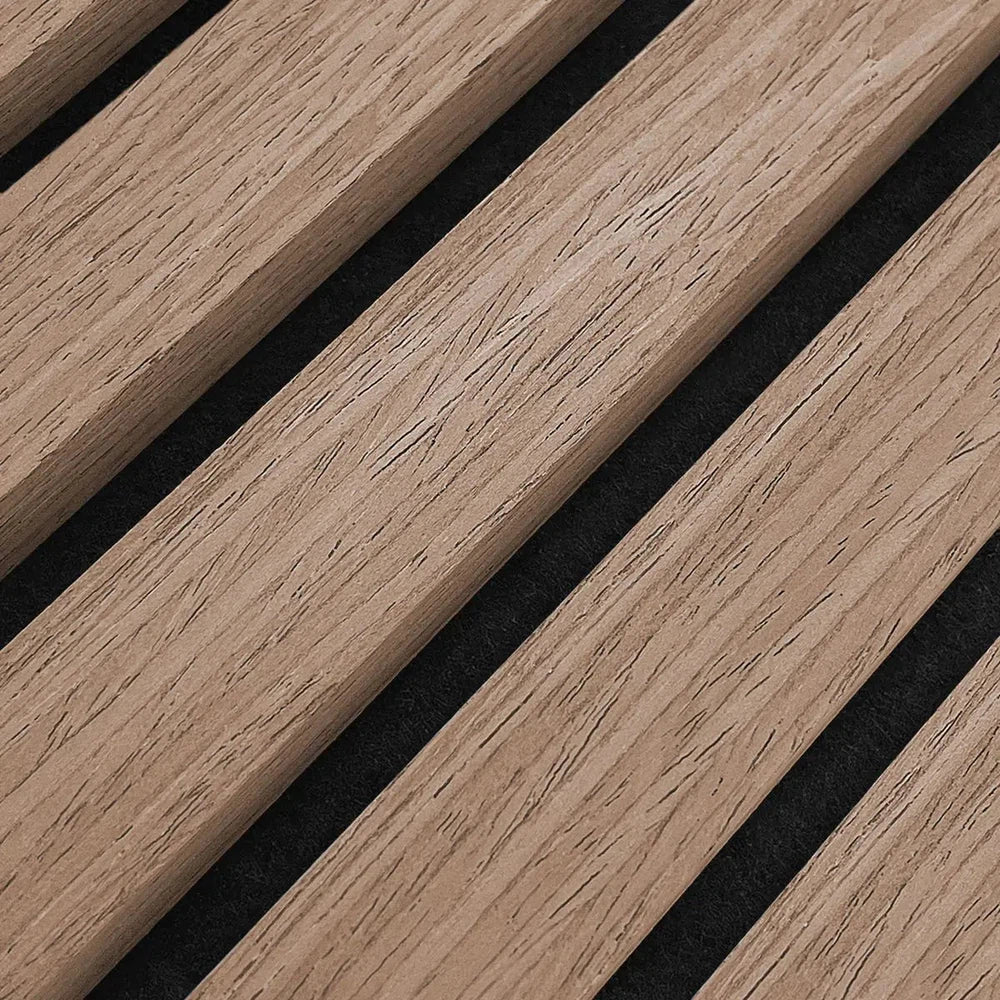
Fabric-wrapped acoustic panels absorb sound well but hold odours and stain under repeated wipe-downs, which is a problem in a clinical setting. A wood veneer panel with a felt acoustic backing, like Akuwood Panel's natural oak with grey felt, gives you a hard, cleanable face with the felt doing the sound-absorbing work behind it.
- Choose a veneer finish over painted MDF for wipeability
- Confirm the acoustic backing is felt, not open foam, for hygiene
- Match finish tone to existing cabinetry so the room doesn't look patched together
- Avoid textured or grooved finishes in treatment rooms where dust collects
Size panels to the wall, not the budget
Akuwood Panel's wood veneer panels come in 240 cm and 300 cm formats. Standard UK ceiling heights in converted retail or residential practice buildings sit close to the 240 cm mark; purpose-built clinical units with taller ceilings suit the 300 cm format better.
- Measure floor-to-ceiling height before ordering
- Use the 300 cm format for double-height reception areas
- Use 240 cm panels for standard treatment rooms and corridors
- Order one sample panel before committing to a full room run
Fit around fixed equipment and cabinetry
Dental surgeries are dense with fixed equipment — chair units, cabinetry, sinks, X-ray shielding. Panels need to work around these, not compete with them.
- Map wall runs between fixed units before ordering panel counts
- Use end pieces to finish exposed panel edges cleanly at cabinetry joins
- Leave clearance around wall-mounted monitors and X-ray viewers
- Avoid full coverage behind sinks where splashback is constant
Layer hexagon accents with full-wall slat panels
A full wall of slat panels treats the biggest surface for sound absorption; hexagon panels then break up the reception or waiting-room wall for a less clinical look. Akuwood Panel's hexagon acoustic panel in natural oak carries a 0.75 NRC rating, the same absorption class as the felt-backed slat range, so mixing the two formats doesn't cost you performance.


Check NRC before you buy anything
NRC (Noise Reduction Coefficient) tells you how much sound a panel absorbs versus reflects. A rating close to 1.0 absorbs almost everything; a rating near 0 reflects almost everything. Reading NRC sound absorption ratings before ordering stops you buying a decorative panel and expecting acoustic results from it.
- Ask for the NRC figure on every panel you're quoting
- Treat anything under 0.5 NRC as decorative, not acoustic
- Compare NRC across finishes, not just price per panel
- Confirm the felt backing type, since backing drives most of the absorption
Comparing acoustic options for a dental surgery or clinic
| Option | Best for | Key limitation |
|---|---|---|
| Wood veneer slat panels (240/300 cm) | Full treatment-room and corridor walls | Needs near-full wall coverage to meaningfully cut echo |
| Hexagon acoustic panels (0.75 NRC) | Reception and waiting-room accent walls | Smaller panel footprint means more units for large walls |
| Suspended acoustic ceiling rafts | Rooms where wall space is taken by cabinetry or equipment | Doesn't solve wall-to-wall echo on its own |
| Fabric-wrapped acoustic panels | Budget retrofits in low-traffic staff areas | Fabric face is harder to wipe clean to clinical standards |
| DIY foam acoustic tiles | Temporary or short-lease consulting rooms | Low absorption performance and marks easily under daily cleaning |
Verdict: for a dental surgery or clinic, wood veneer slat panels treat the rooms that need the most absorption, and hexagon panels finish the patient-facing walls where the wipeable veneer face still matters.
Common mistakes dental clinics make with acoustic panels
- Treating one room and stopping. A single treated waiting room next to an untreated corridor still sounds bad to a patient walking through both.
- Choosing fabric panels for hygiene-sensitive walls. Fabric absorbs sound but doesn't hold up to the wipe-down frequency a treatment room needs.
- Skipping the NRC check. Decorative slat panels without a felt backing look identical to acoustic ones in photos but do almost nothing for echo.
- Ignoring future rooms. Practices that treat one surgery this year and leave the rest for later end up re-solving the same echo problem room by room, at higher cost per room than doing it once. If you're weighing opening a second practice location, specifying one panel finish across both sites now cuts procurement time later and keeps the patient experience consistent between branches.
- Fitting around, not into, the equipment plan. Ordering panels before confirming chair unit and cabinetry positions leads to awkward cuts and wasted end pieces.
“If patients can hear the handpiece from the waiting room, the acoustic problem is bigger than one feature wall.”
FAQ
What's the best acoustic panel for a dental surgery waiting room?
A felt-backed wood veneer slat panel or hexagon panel with a 0.75 NRC rating works best for a dental surgery waiting room. It absorbs sound while keeping a wipeable, non-clinical-looking finish patients notice on arrival.
Why do dental surgeries echo more than a typical office?
Dental surgeries use hard, wipeable surfaces — tile, vinyl, glass, laminate — for infection control, and these reflect sound instead of absorbing it. That's why a clinic can feel noisier than an office of the same size with carpet and soft furnishings.
Is wood veneer panelling hygienic enough for a treatment room?
A wood veneer panel with a hard, sealed face wipes clean the same way painted plasterboard does, while the felt acoustic backing sits behind it doing the sound-absorbing work. It suits reception and waiting areas better than direct splashback zones around sinks.
How is a dental clinic different from a GP surgery for acoustic treatment?
A dental clinic adds drill and equipment noise on top of the same waiting-room echo problems a GP surgery has. Treatment follows the same principle covered in acoustic panels for GP surgery waiting rooms, but dental treatment rooms need extra attention to sound containment, not just absorption.
Can hexagon acoustic panels reduce noise from a dental drill?
Hexagon acoustic panels absorb reflected sound in the room they're fitted in, which reduces overall reverberation, but they don't block sound transfer between rooms. For containing drill noise inside the treatment room itself, full-wall slat panel coverage does more work.
What NRC rating should a dental clinic wall panel carry?
Look for an NRC of 0.5 or higher for genuine acoustic performance in a clinical setting; Akuwood Panel's felt-backed hexagon and slat panels carry a 0.75 NRC rating. Anything below 0.5 is closer to decorative than acoustic.
Should panels go on the wall or the ceiling in a small surgery room?
Walls come first in a small surgery room because they're the largest reflective surface patients and staff are closest to. Ceiling treatment adds further absorption once wall coverage is in place, but it's a second step, not the starting point.
One last thing
The reception desk is the room most practices skip and the one patients spend the most unstructured time in — treat it with the same NRC-rated panel as the waiting room in 2026, not a cheaper filler finish, since it's the wall staff and patients both talk across all day.