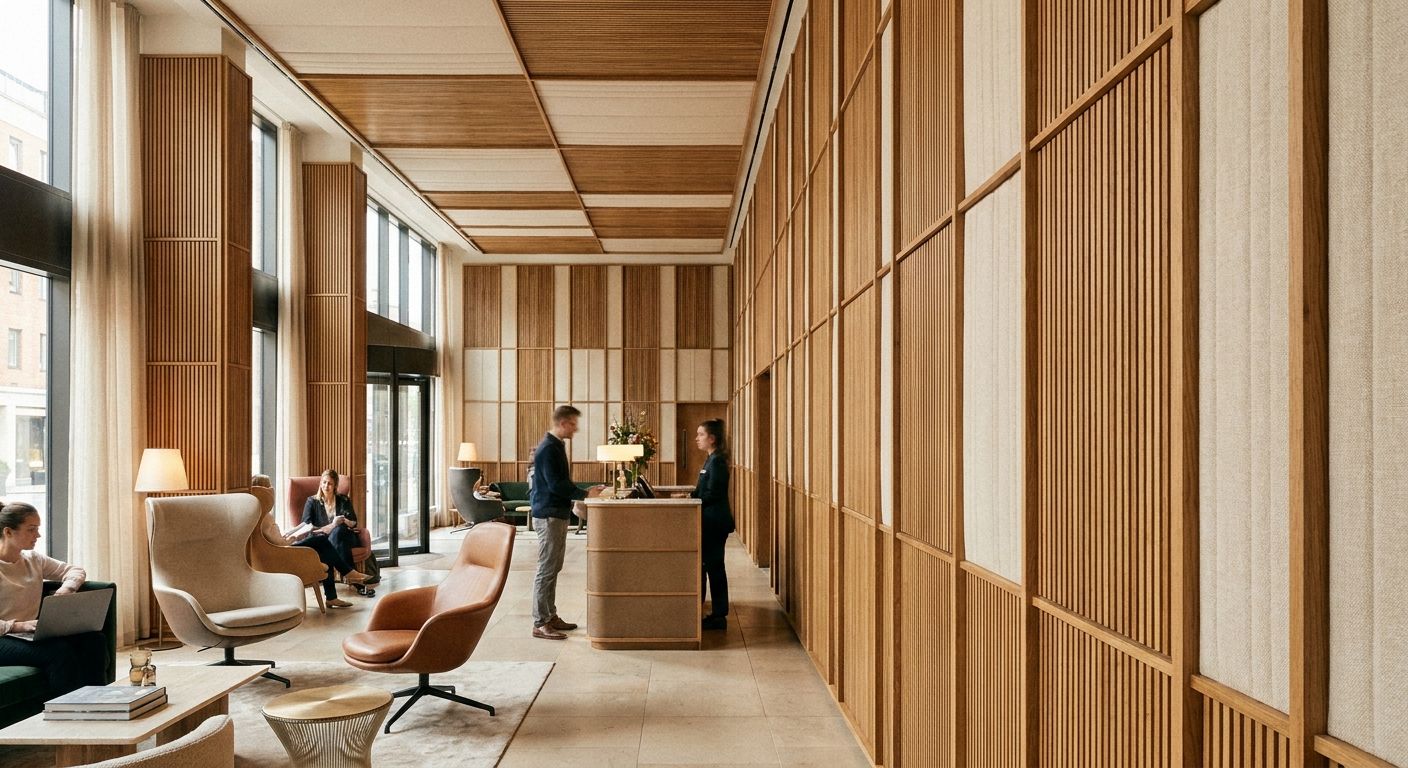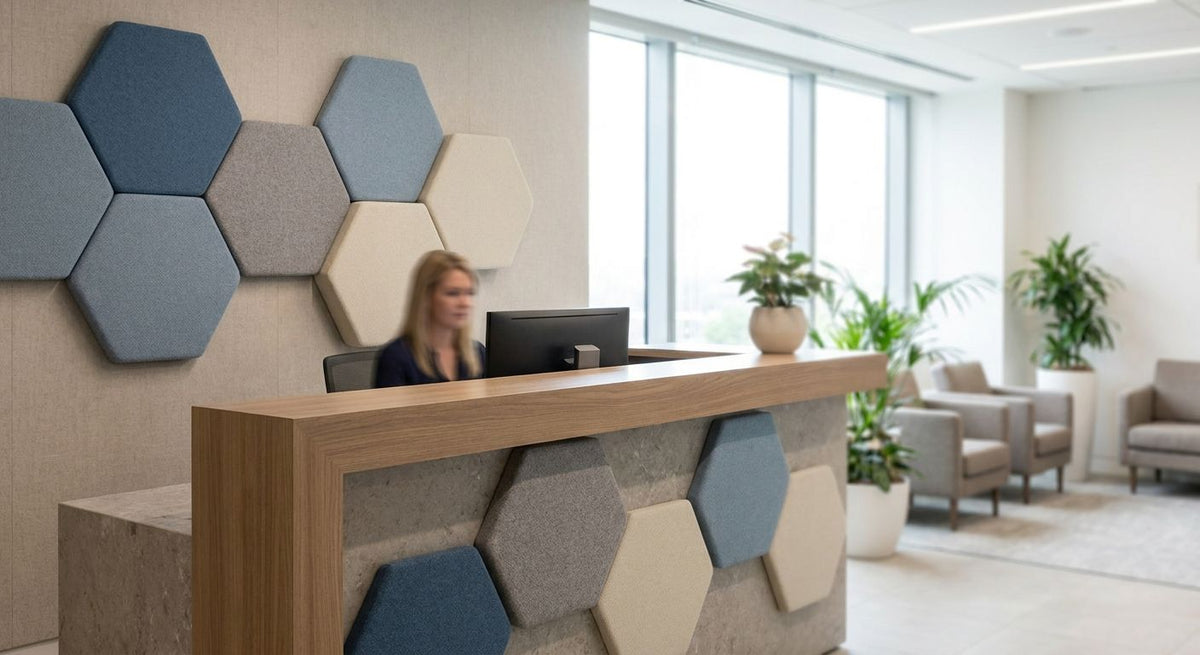
Reception desks take the worst acoustic punishment in any office: hard floors, glass partitions, a marble-look counter, and every phone call and visitor conversation bouncing straight back at the person answering the phone. Acoustic panels solve the echo without turning the front-of-house into a padded cell.
- Black Oak wall panels win for branded, dark-toned reception desks in 2026 — buy them for the statement wall behind the counter.
- Hexagon Acoustic Panel Natural Oak carries a 0.75 NRC rating, the strongest documented sound absorption figure in this guide — consider it for feature walls.
- Skip vinyl-wrapped MDF slat panels behind a reception desk — they look identical online but don't carry the acoustic felt backing that does the actual work.
- Natural Oak and Smoked Oak wall panels both ship in 240cm and 300cm formats, matching most UK reception wall heights without cutting.
Why this matters
A reception desk is the one room in the building where every visitor forms a first impression in under ten seconds. Bare plasterboard, glass, and stone counters reflect sound instead of absorbing it, which means receptionists end up half-shouting into phones and visitors strain to hear directions. Acoustic wall panels for office reception areas fix the reflection problem while doing double duty as the feature wall behind the desk — nobody hangs a fire-rated foam tile behind a front counter in 2026, but a real wood veneer panel reads as design, not damage control.
Who this is for
This guide is for office managers, facilities leads, and small business owners fitting out a reception desk where hard surfaces have created a noticeable echo — open-plan lobbies with tile or polished concrete floors, glass-fronted meeting rooms next to the front desk, or a counter that backs onto a stairwell. If you're specifying acoustic wall panels for a reception refit rather than a full office fit-out, the criteria below are built around a single feature wall, not a warehouse-scale install.
What to look for in acoustic panels for office reception desks
Documented sound absorption, not marketing copy
Any panel can claim to be "acoustic." What matters is whether the felt or fibre backing has a published NRC (Noise Reduction Coefficient) figure behind it — hexagon acoustic panels in this range carry a 0.75 NRC rating, which tells you the panel is actually doing absorption work rather than just looking slatted.
Panel size matching your wall height
Reception feature walls are usually a single uninterrupted run behind the desk. Panels that ship in 240cm and 300cm formats let you run floor-to-ceiling or desk-to-ceiling without a horizontal seam, which matters more for a reception wall than almost any other room in the building.
Real wood veneer over printed finish
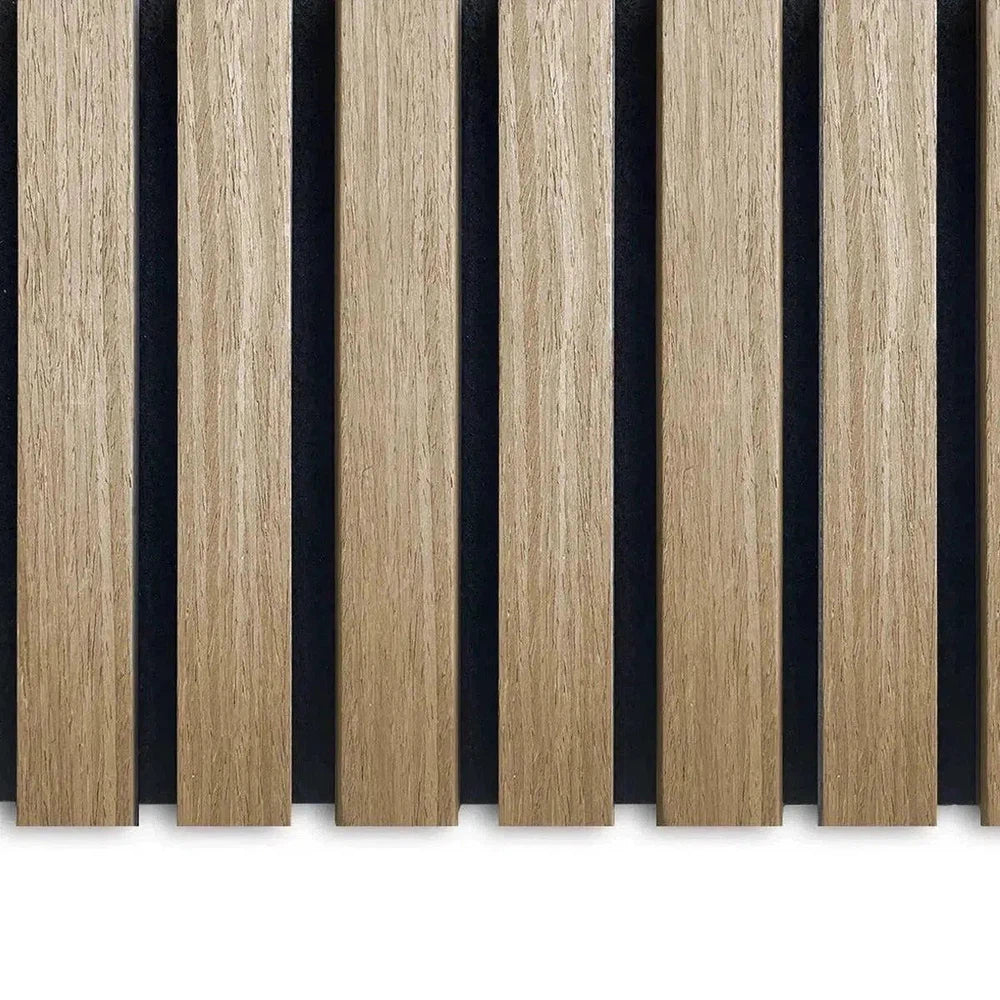
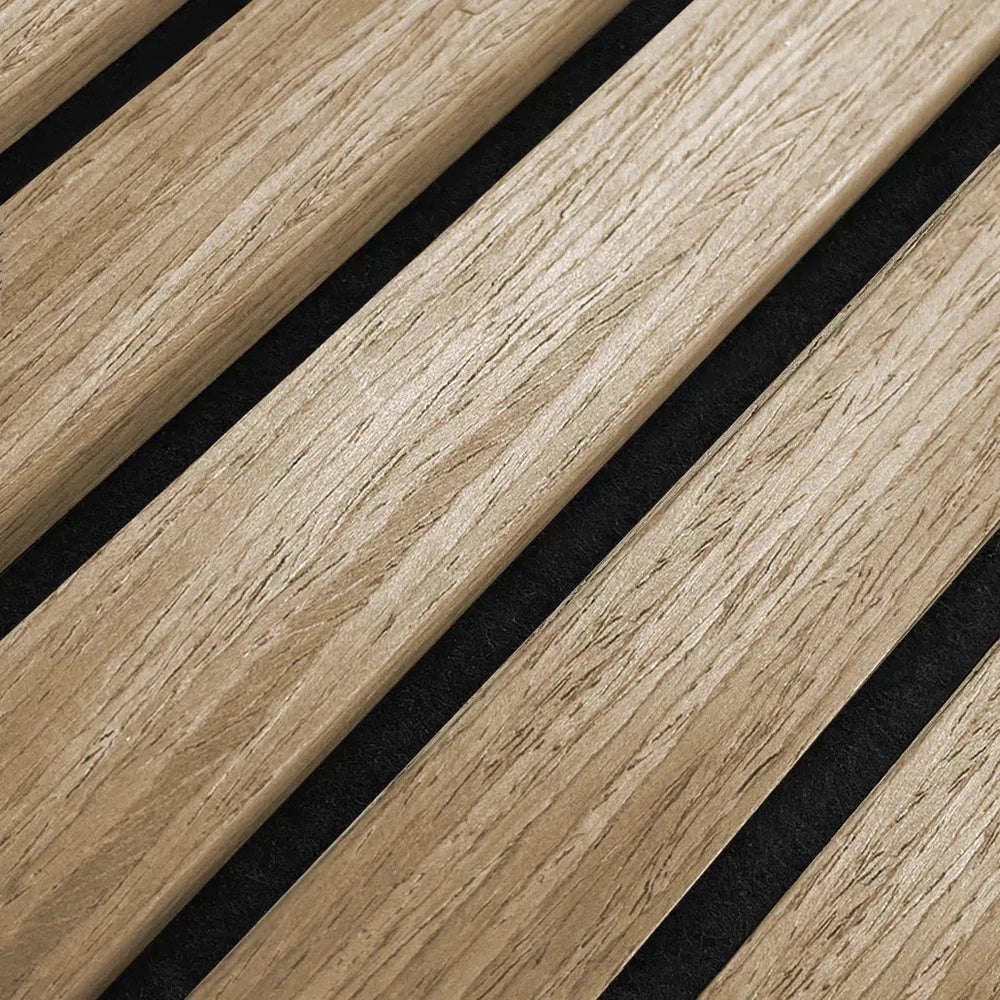
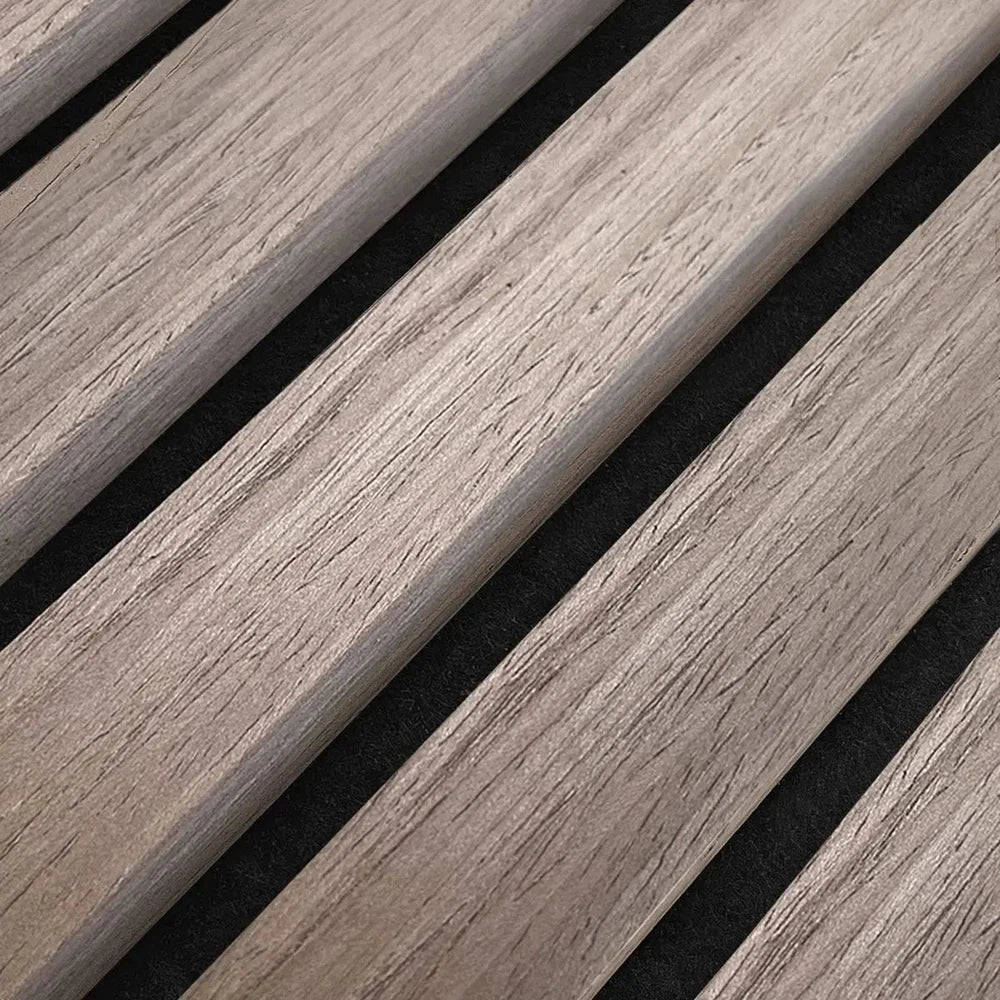
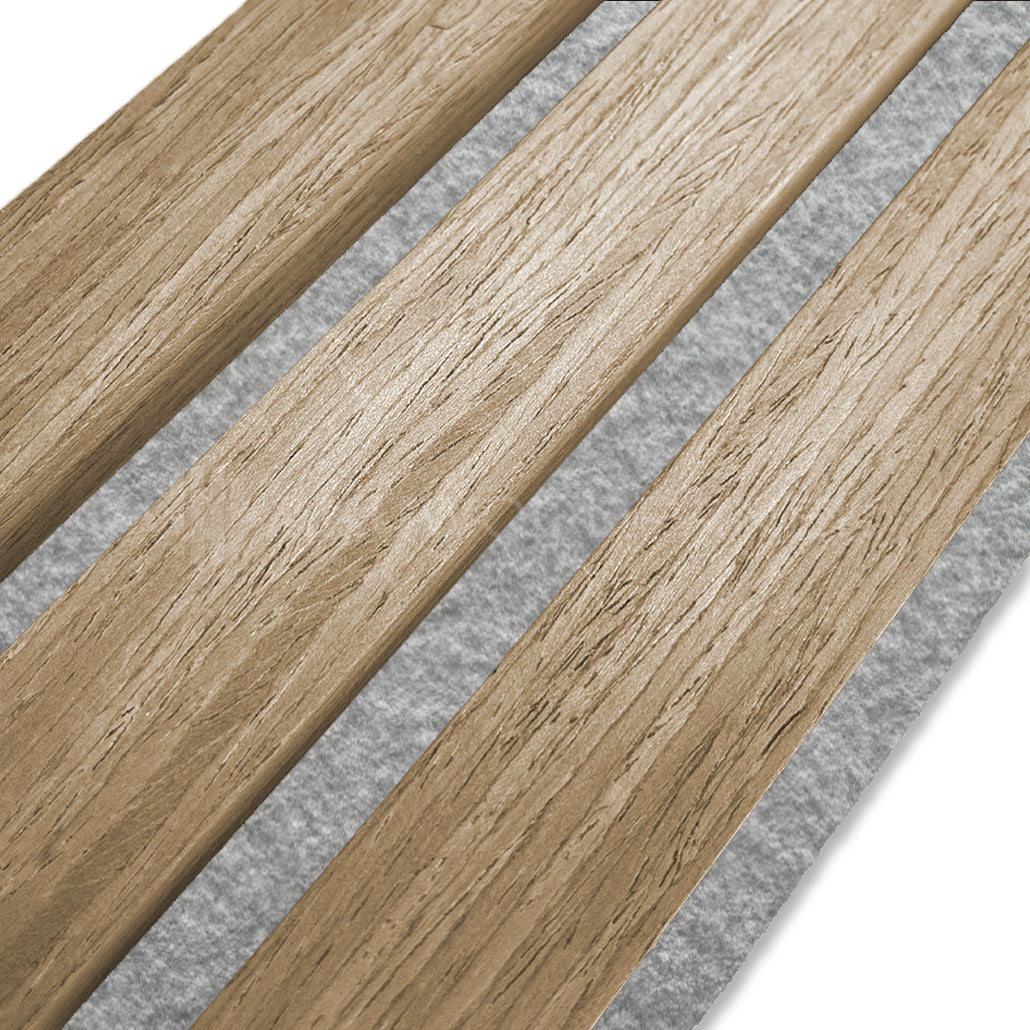
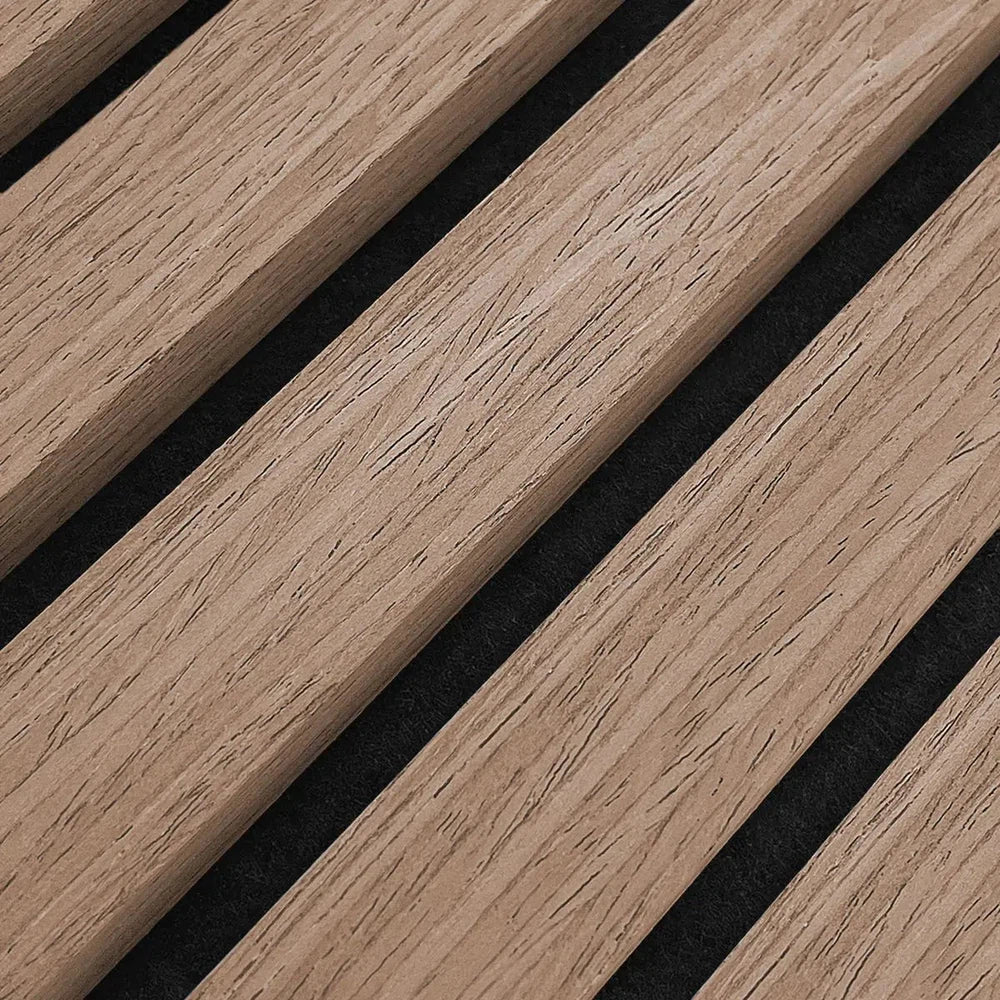
Visitors touch the wall while they wait. A 3-sided real wood veneer finish holds up to that contact and reads as premium under lobby lighting; a printed vinyl wrap scuffs and shows the print line at the edge within months.
Felt backing colour that matches your brand palette
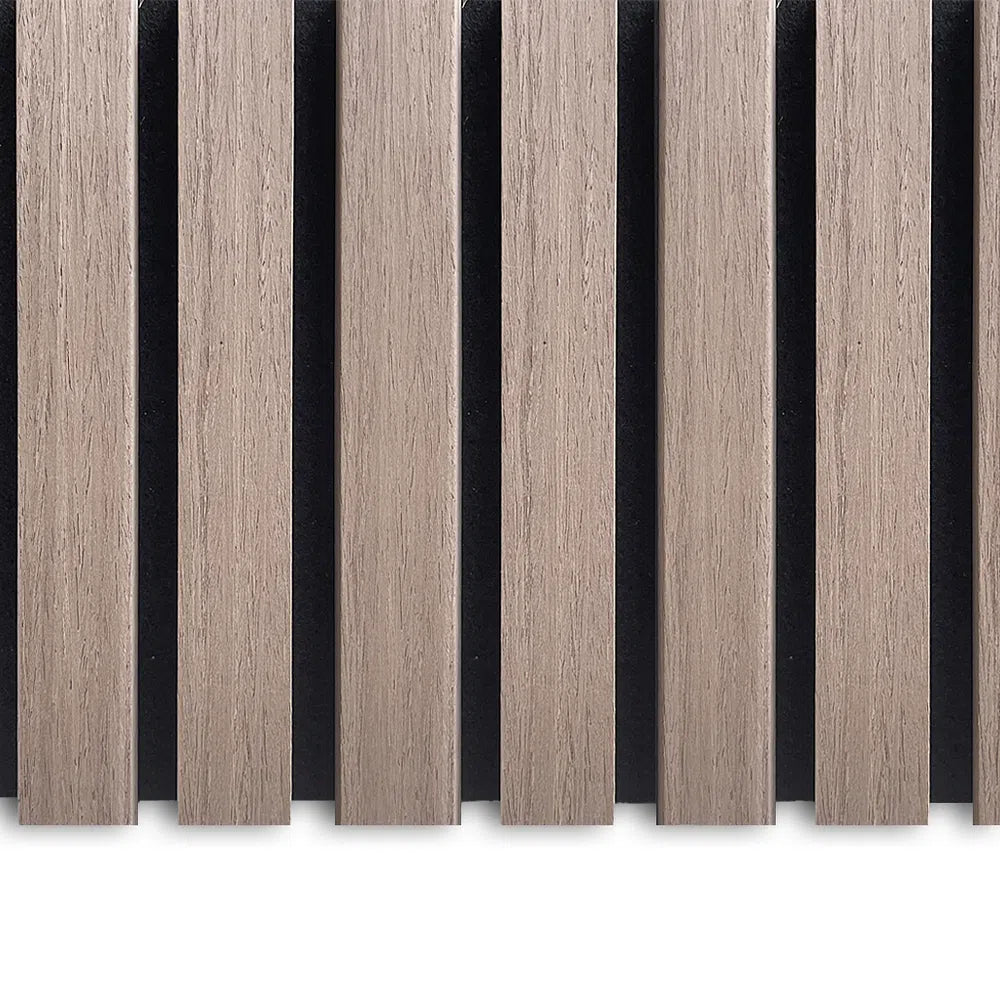
The felt backing is visible in the gaps between slats, so it becomes part of the wall's color story. Grey felt reads neutral and corporate; picking a felt tone that clashes with your brand colours is one of the more common ordering mistakes in reception fit-outs.
Installation method suited to the wall you have
Most reception feature walls are finished plasterboard, but some sit against block or masonry behind a stone-look render. Glue-fix panels work cleanly on flat plasterboard; masonry backing walls usually need mechanical fixing first, so check the wall type before ordering.
Top picks for office reception desks
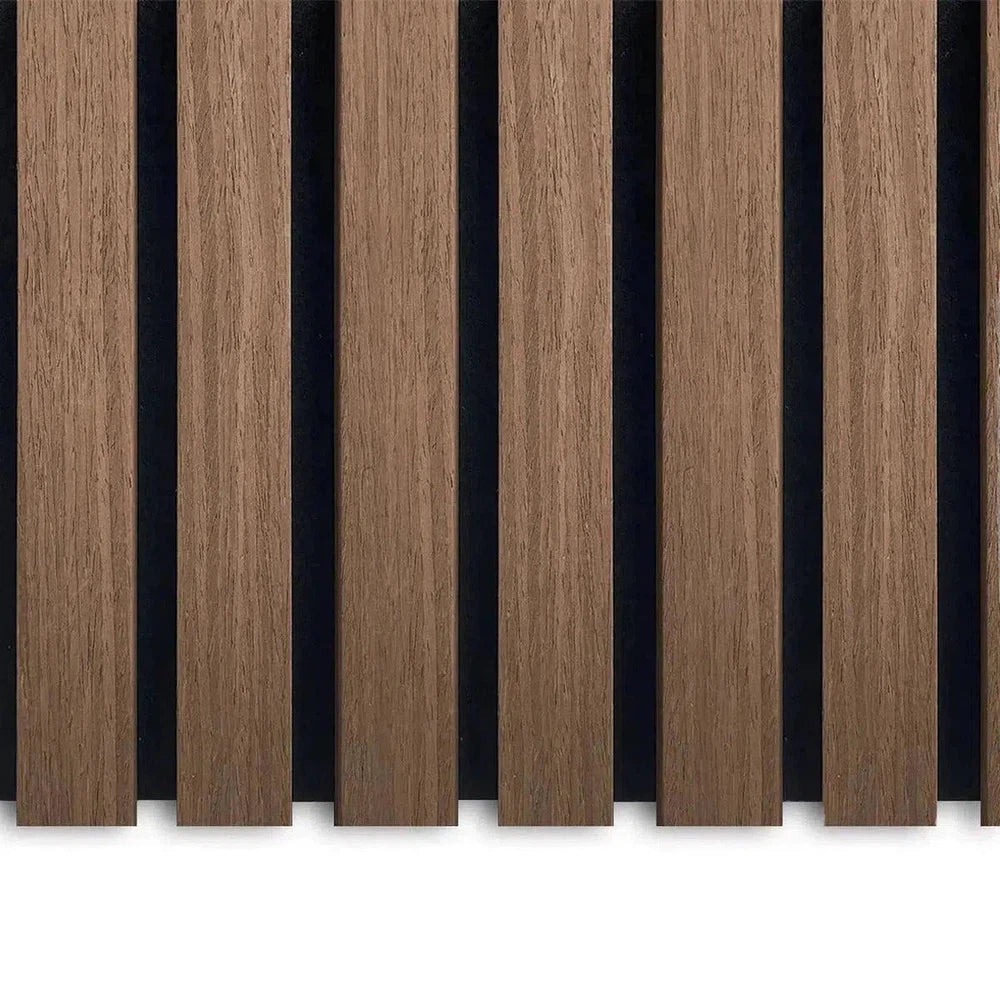
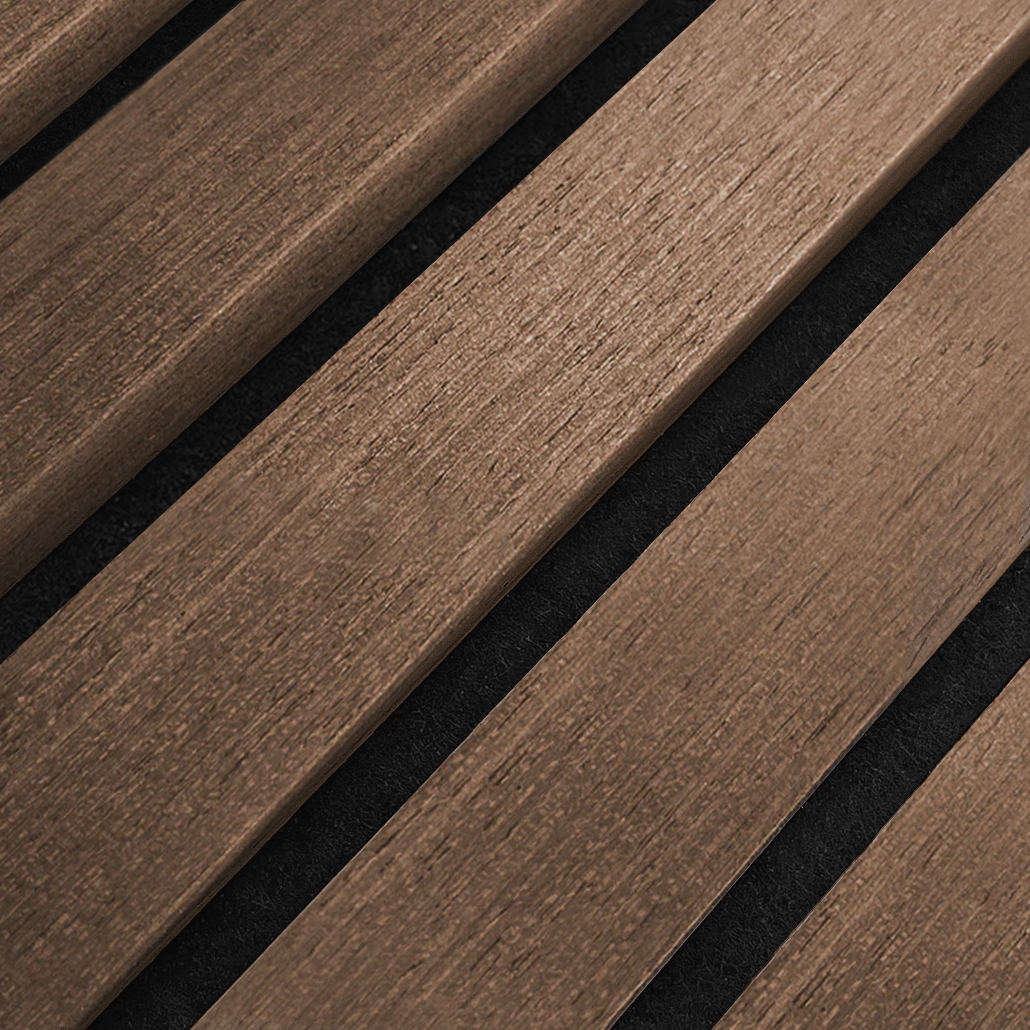
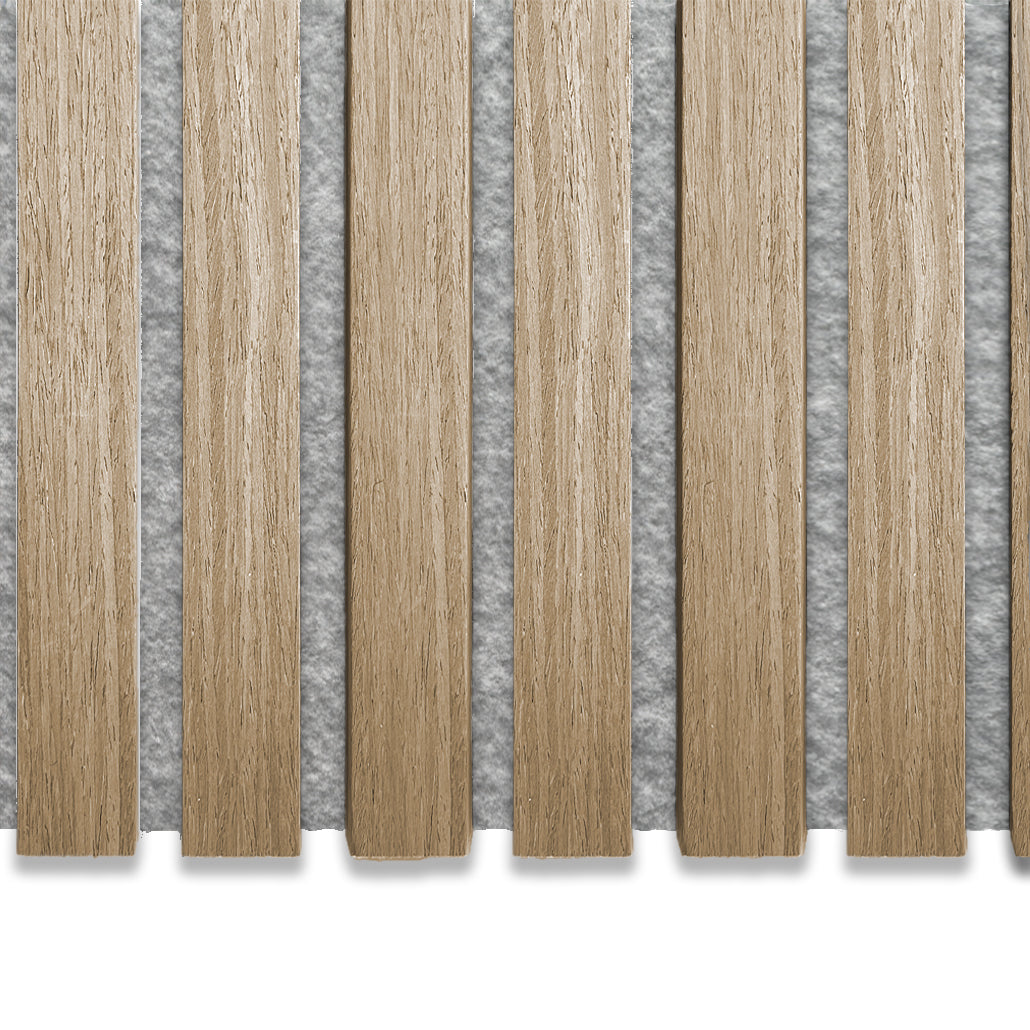
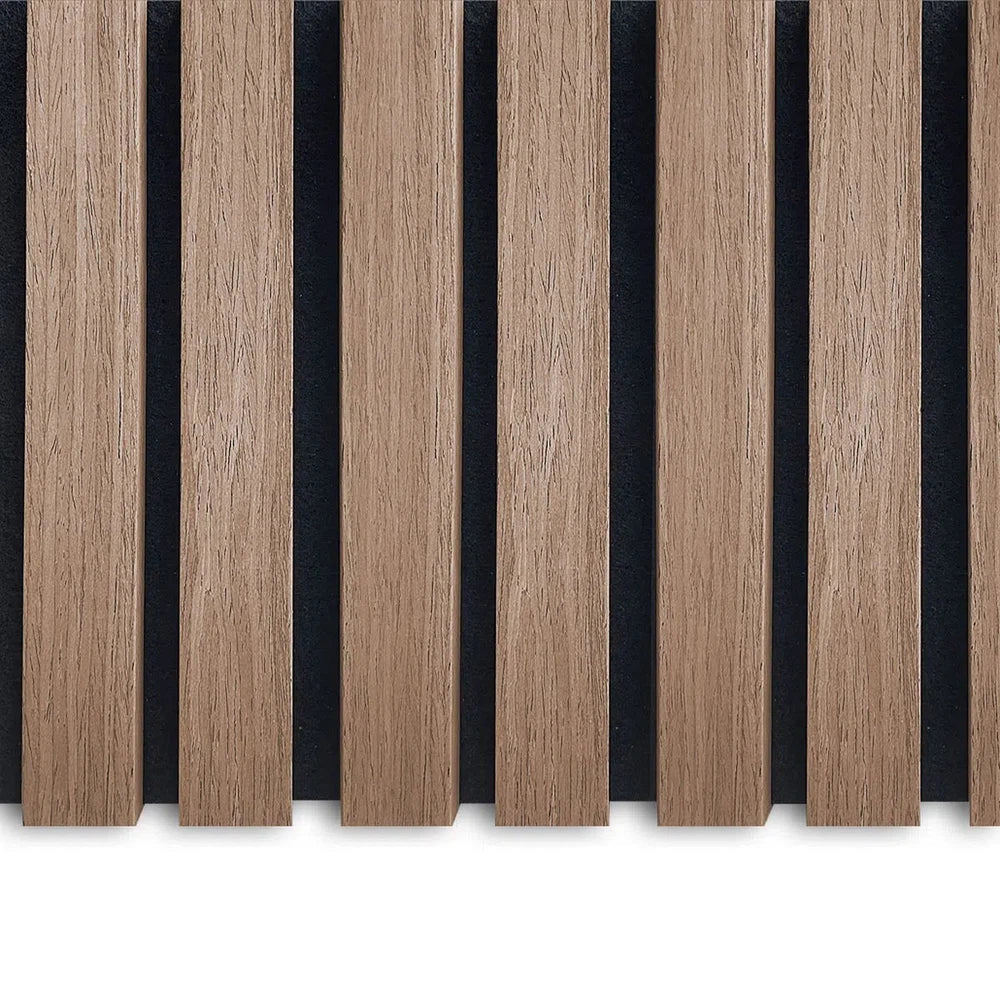
Natural Oak wall panel — the daylight pick. Light Natural Oak reflects rather than absorbs ambient light, which suits reception areas with limited natural light near the entrance. It ships in the 240cm and 300cm size formats and carries the 3-sided real wood veneer finish standard across the range. Verdict: Buy for lobbies that need to feel brighter, not moodier.
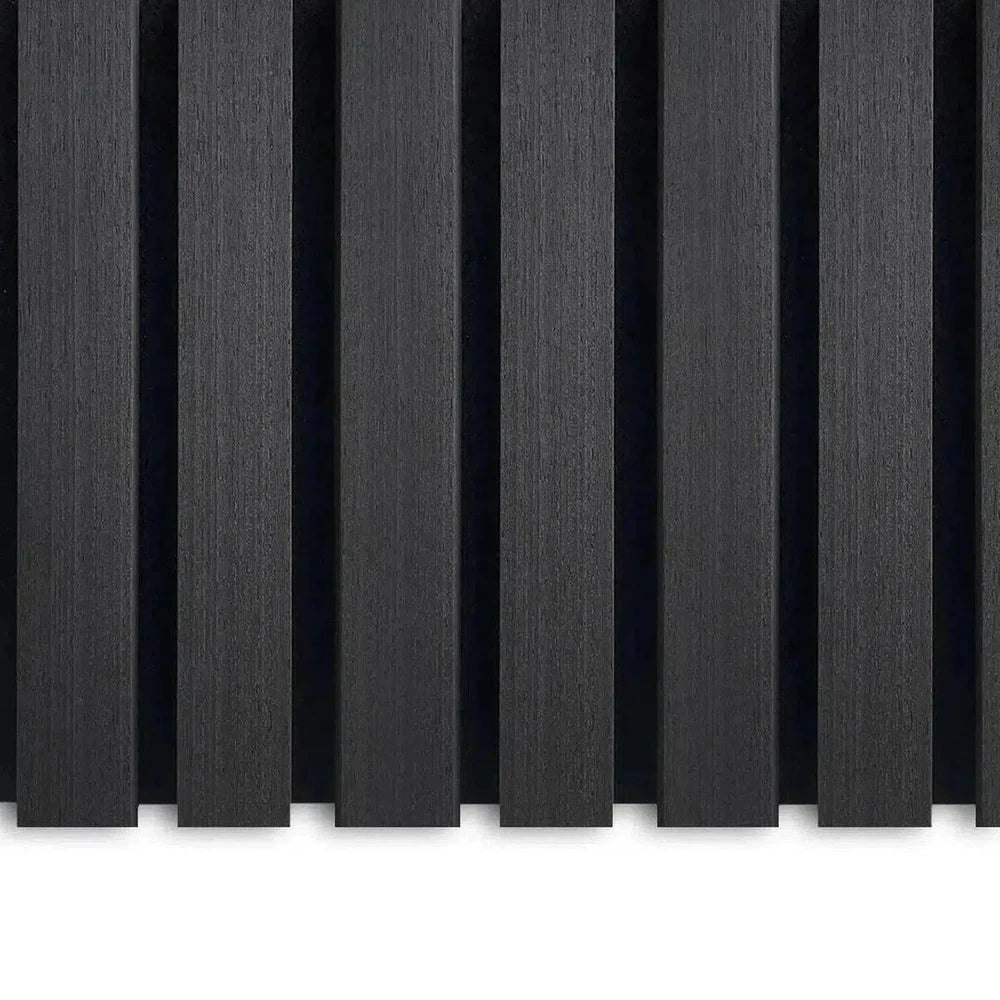
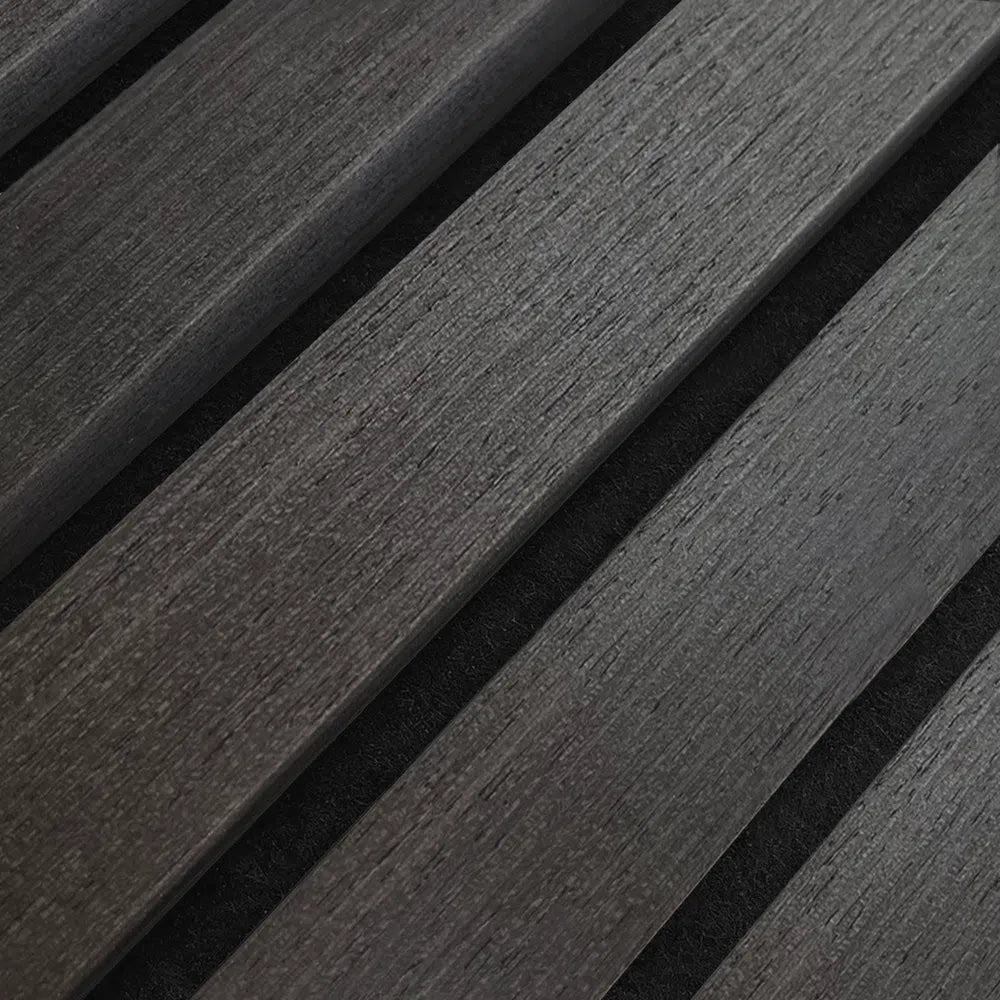
Black Oak wall panel — the statement pick. Black Oak turns the reception wall into the visual anchor of the room instead of a background surface, which works well when the brand identity leans dark or industrial. Pair it with contrasting signage and it photographs well for the company's own marketing. Verdict: Buy for branded, design-led receptions.
Hexagon Acoustic Panel Natural Oak — the geometric pick. The hexagon format carries the documented 0.75 NRC rating and breaks up a plain flat wall with a pattern that still functions as acoustic treatment, not just decoration. It suits receptions where the desk itself is a simple straight counter and the wall needs visual interest. Verdict: Consider if the wall behind the desk is wider than 3 metres and can carry a pattern without looking busy.
Smoked Oak wall panel — the moody pick. Smoked Oak sits between Natural and Black Oak on tone, giving a warm dark finish without the full black-out effect. It works on feature walls lit with downlights, where the grain still shows under low light. Verdict: Consider for receptions with warm lighting and stone or leather furniture.
Walnut wall panels are worth a mention as a fifth option — a warmer mid-tone alternative to Smoked Oak — but for most reception counters the four picks above cover the range from bright to dark better than a fifth near-duplicate finish would.


What to avoid
- Vinyl-wrapped MDF slat panels that look identical to real veneer in photos. They lack the felt backing that gives genuine acoustic panels their absorption performance, so the echo problem stays unsolved even after installation.
- Full-height hexagon panelling across an entire reception wall with no plain break. The pattern reads well as a feature but overwhelms a small lobby if it runs corner to corner with no straight-panel transition.
- Buying panels before confirming the felt colour visible in the gaps. Grey felt behind a warm-toned Natural Oak panel can look mismatched once installed, and it's a detail that's easy to miss when ordering from a swatch alone.
Verdict comparison
| Panel | Finish | Sizes | Best for | Verdict |
|---|---|---|---|---|
| Natural Oak wall panel | 3-sided real wood veneer | 240cm / 300cm | Bright, light-starved lobbies | Buy |
| Black Oak wall panel | 3-sided real wood veneer | 240cm / 300cm | Branded, dark statement walls | Buy |
| Hexagon Acoustic Panel Natural Oak | Real wood veneer, 0.75 NRC | 81cm hexagon format | Wide walls needing pattern | Consider |
| Smoked Oak wall panel | 3-sided real wood veneer | 240cm / 300cm | Warm-lit, stone-and-leather receptions | Consider |
FAQ
What's the best acoustic panel for a small office reception desk?
Natural Oak wall panels work best for small reception desks because the light finish keeps a tight space feeling open while still adding acoustic felt backing behind the veneer. Black Oak can work too, but it visually shrinks a small lobby if used floor to ceiling.
Is real wood veneer better than vinyl-wrapped acoustic panels for reception areas?
Real wood veneer holds up to visitor contact and daily wear better than printed vinyl, which scuffs and shows print lines within months. A 3-sided real wood veneer finish also carries a felt backing that vinyl-wrapped MDF panels often lack.
Do acoustic wood panels actually reduce noise at a front desk?
Yes — hexagon acoustic panels with a 0.75 NRC rating absorb a meaningful share of reflected sound off hard reception surfaces like tile, stone, and glass. The felt backing behind the wood slats is doing the absorption work, not the veneer itself.
What size acoustic panel fits a standard reception wall, 240cm or 300cm?
Most standard UK office ceiling heights suit the 240cm format, while taller lobbies or double-height receptions need the 300cm option to avoid a horizontal seam. Measure the wall before ordering rather than guessing from ceiling height alone.
Can hexagon acoustic panels be combined with straight wooden wall panels in one reception?
Yes, and it's a common approach — straight panels run the main wall while hexagon panels break up a narrower accent section behind the desk itself. Keep the wood finish consistent between the two so the transition reads intentional.
How is an acoustic wood panel installed on a reception feature wall?
Panels on flat plasterboard typically glue-fix directly to the wall, while masonry or block walls behind render usually need battens or mechanical fixing first. Confirm the wall construction before ordering so the right fixings are on hand.
Is Black Oak or Natural Oak better for a modern reception desk?
Black Oak suits a design-led, branded reception where the wall is meant to be the visual anchor, while Natural Oak suits lobbies that need to feel brighter and more neutral. Both carry the same 3-sided real wood veneer finish, so the choice comes down to lighting and brand tone rather than material quality.
One last thing
The detail most reception fit-outs miss isn't the panel finish — it's the felt colour hiding in the slat gaps. Order a sample of the exact felt-and-veneer combination before committing to a full reception wall in 2026; a grey felt that looked neutral on screen can read cold against warm oak once it's lit under lobby downlights.