Waiting rooms built from tile, glass and stainless steel look clinical and clean, but they turn every bark, cage door and phone call into a wall of noise that stresses animals and clients alike. Acoustic panels for veterinary practice waiting rooms cut that reverberation without sacrificing the wipeable, hygienic surfaces a practice needs.
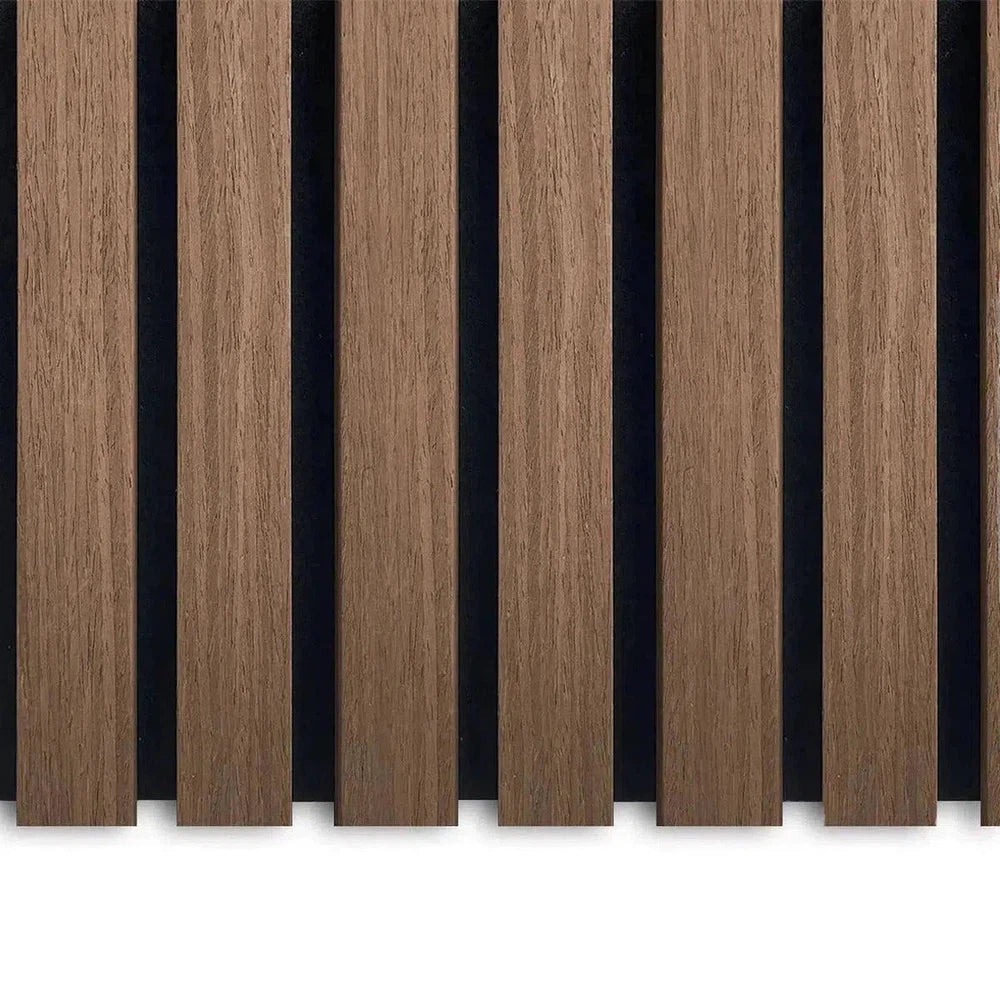
- Natural Oak Wall Panel with Grey Felt is the safe pick for vet waiting rooms in 2026 - Buy.
- Hexagon Acoustic Panel Natural Oak suits phased installs on a tight budget at £40.95 per 81cm tile - Buy.
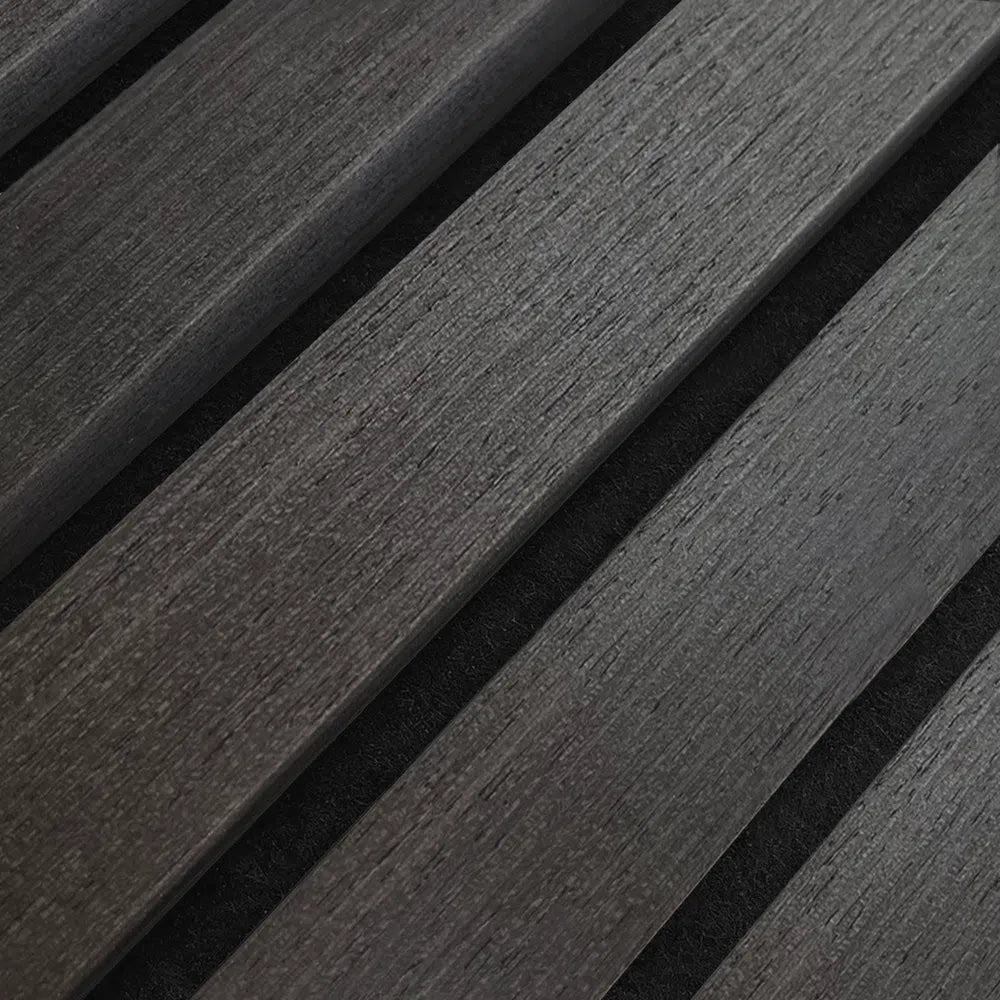
- Grey Oak Wall Panel hides carrier-crate scuffs on busy reception walls - Consider.
- Skip acoustic foam wedges and fabric-wrapped panels in clinical settings - they trap hair, dander and odour.
- NRC 0.75 felt-backed panels outperform painted MDF slatwall on raw sound absorption.
Why this matters
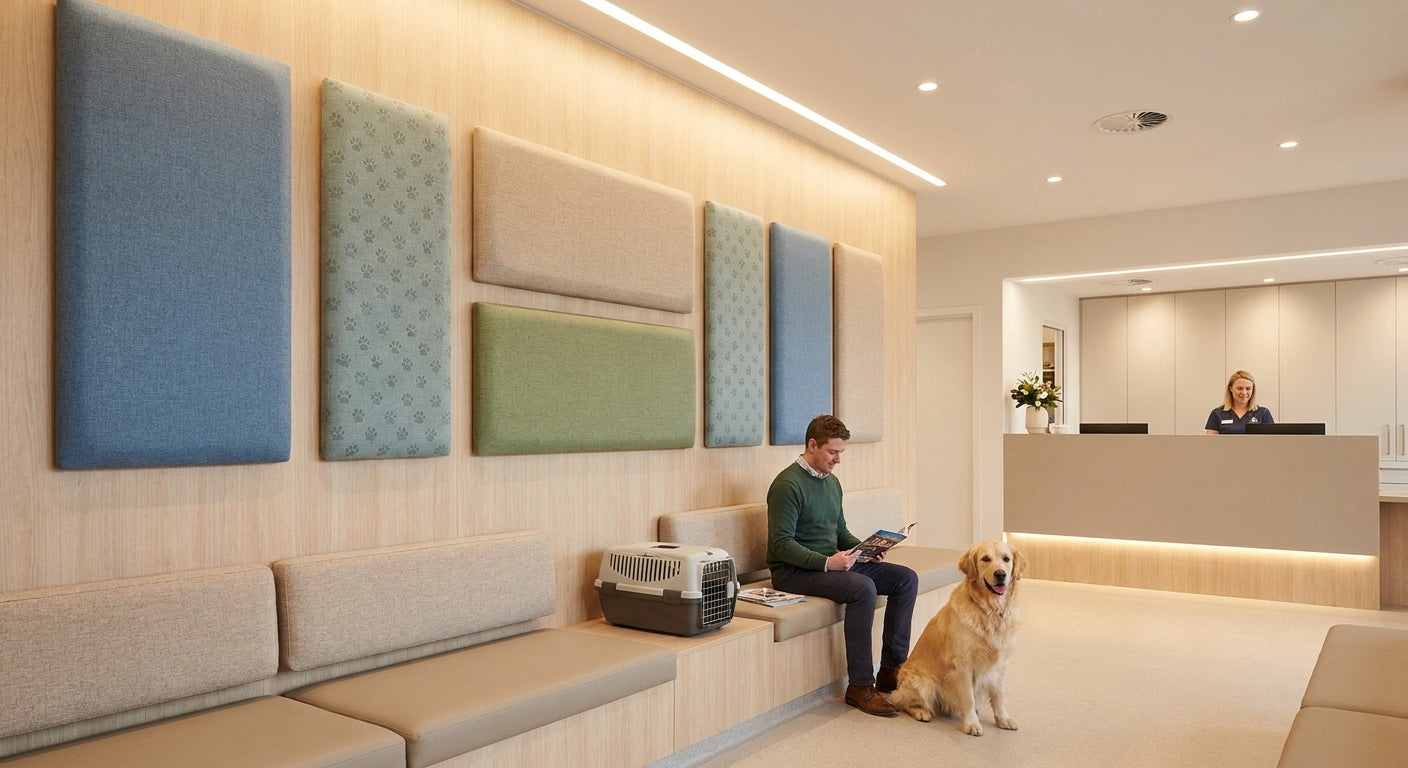
A veterinary waiting room mixes species that would rather not hear each other, plus owners already anxious about a diagnosis. Hard floors and glazed partitions - standard in clinical fit-outs for hygiene reasons - reflect sound rather than absorb it, so every bark bounces wall to wall and the room gets louder, not quieter, as it fills up.
The fix isn't carpet or curtains, which vets avoid for infection-control reasons. It's a wall surface that absorbs sound at the source while staying wipeable and durable enough to survive claws, leads and the occasional collision with a carrier. That's the specific gap acoustic panels for veterinary practice waiting rooms are built to fill in 2026.
Who this is for
This guide is for practice managers, clinic owners and fit-out contractors specifying wall finishes for a veterinary waiting room, consult corridor or reception area - anywhere multiple animals and anxious owners sit in close proximity for 10 to 30 minutes at a stretch. If you're panelling a single home office or a residential living room, the acoustic problem and the hygiene constraints are different; look at a general acoustic wall panel guide instead.
What to look for in acoustic panels for a veterinary practice
Sound absorption rating (NRC)
The Noise Reduction Coefficient tells you how much sound a panel actually absorbs versus reflects. A felt-backed hexagon panel rated NRC 0.75 absorbs three-quarters of the sound hitting it - a bare plastered wall absorbs almost none. In a waiting room where six dogs can be barking at once, that difference is the gap between a room that calms down and one that escalates.
Wipeable, hygienic surface
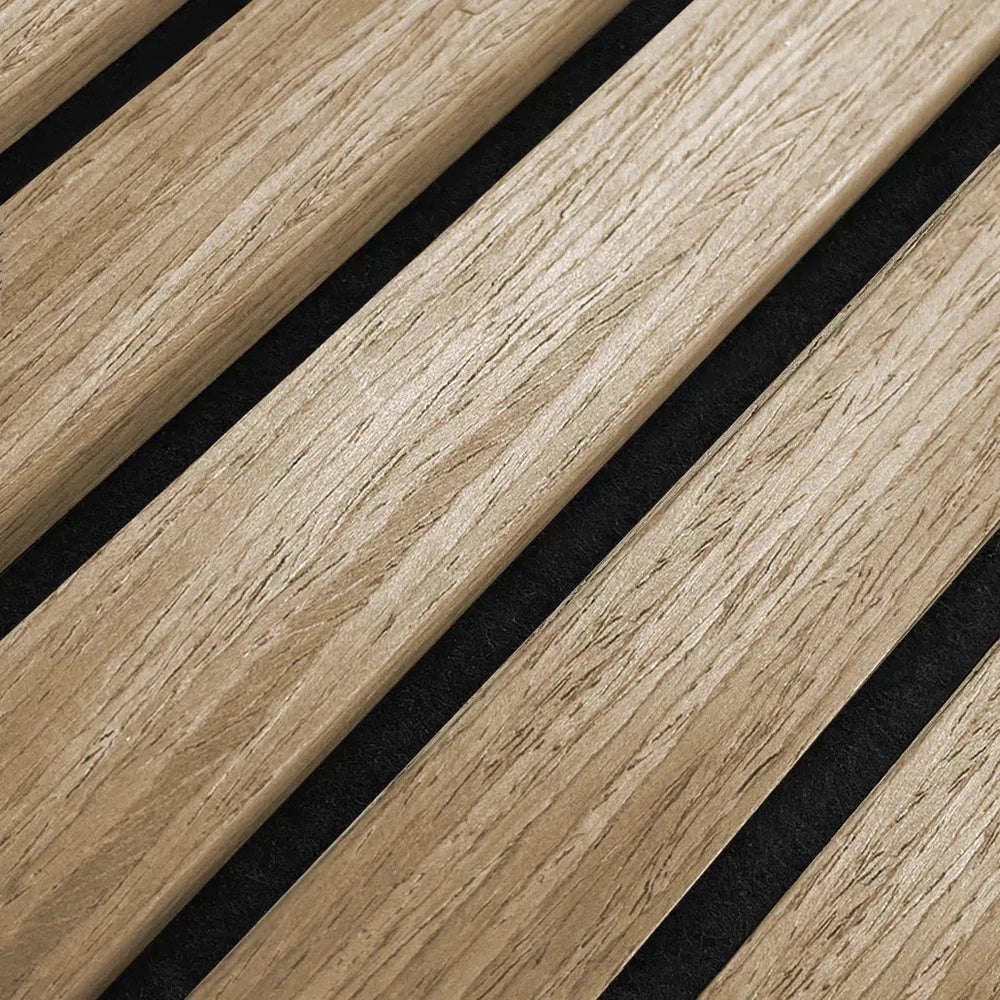
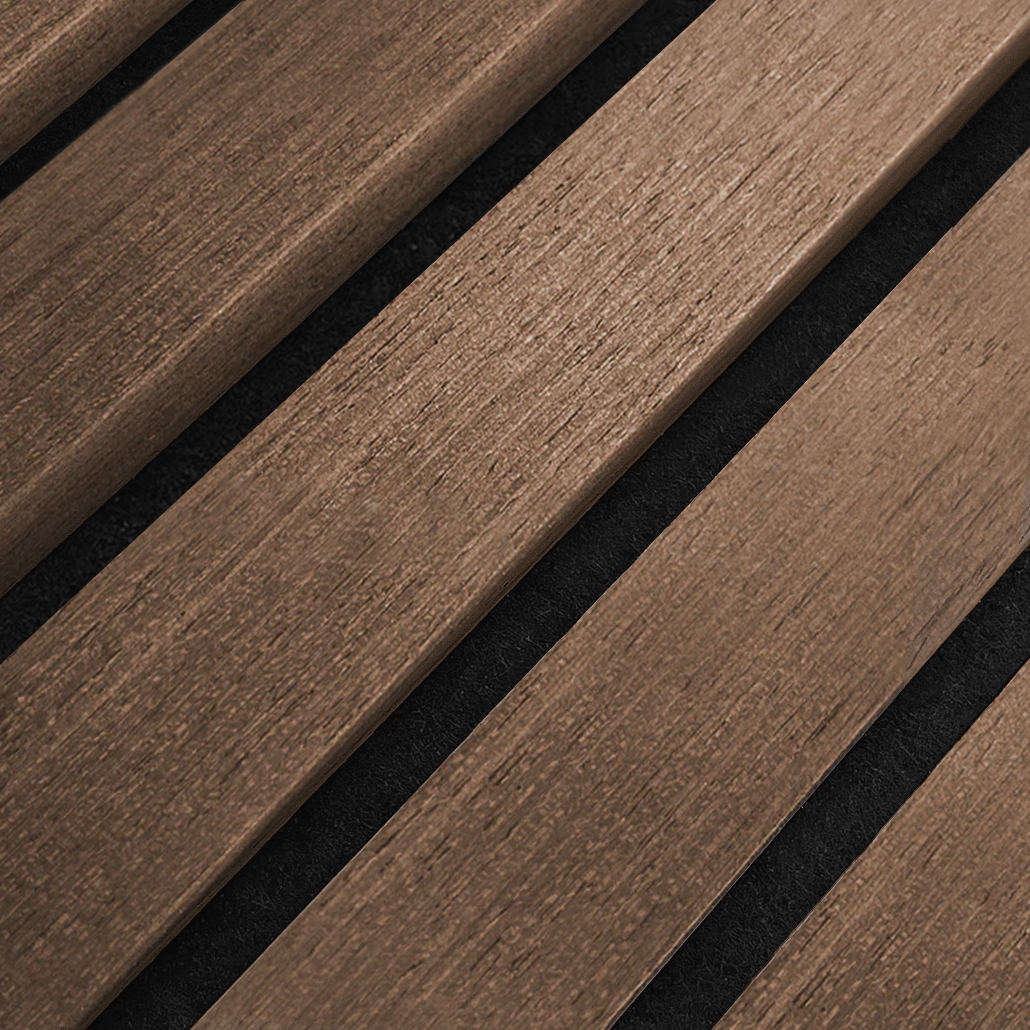
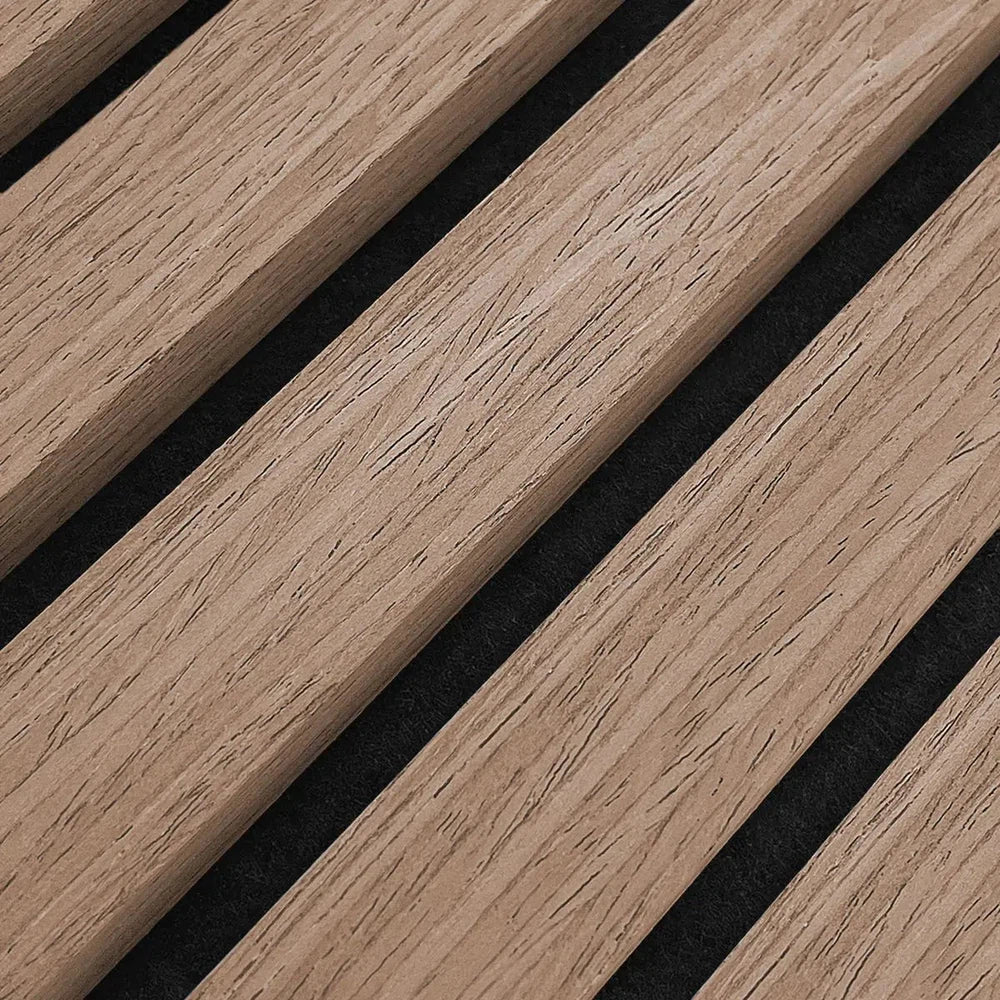
Infection control is non-negotiable in a vet practice, so any wall product needs a surface staff can wipe down between patients. A three-sided real wood veneer finish over acoustic felt gives you that wipeable face while the felt behind it does the sound work - fabric-faced acoustic panels can't offer the same combination.
Scratch and claw resistance
Carrier crates, leads and the occasional over-excited paw make contact with walls constantly. Real wood veneer holds up to daily knocks far better than painted MDF or laminate, which chips and shows white scuff marks within months.
Panel format and room height
Akustiq UK ships wall panels in 240 cm and 300 cm lengths, which matters more than it sounds - a 300 cm panel runs floor-to-ceiling in most UK waiting rooms without an ugly offcut seam at the top, while 240 cm suits standard 2.4m ceiling heights common in retrofitted retail units converted to clinics.
Fast, low-disruption installation
A practice can't close for two weeks to redo a wall. Panel systems that fix directly to plasterboard or stud walls with glue and screws install in a day or two per room, versus a full acoustic ceiling retrofit that can take a fortnight.
Neutral tones that read as calming, not clinical
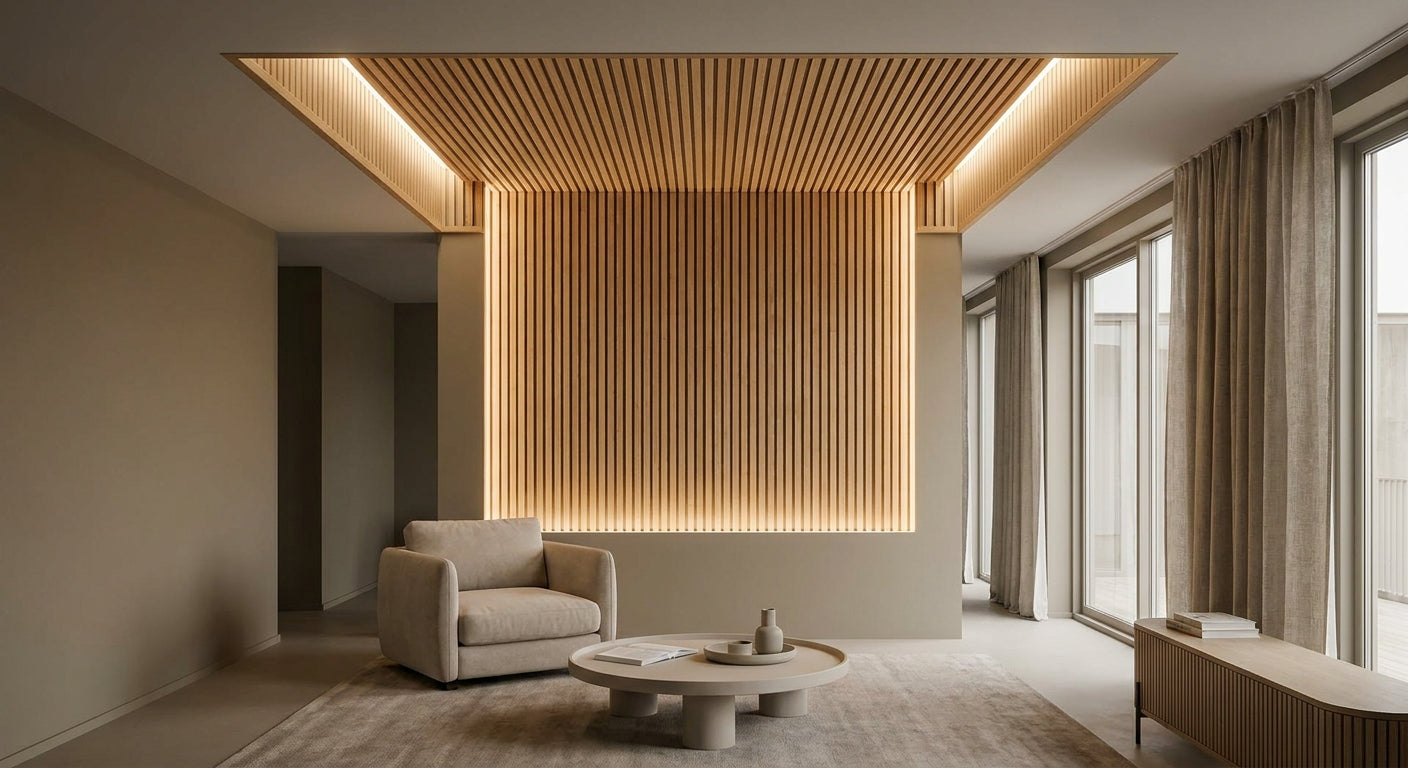
Stainless steel and white tile already say "clinical." A warm oak or walnut finish on the wall softens that without hiding the fact it's a working veterinary space - clients notice the difference even if they can't name why the room feels calmer.
Top picks for veterinary waiting rooms
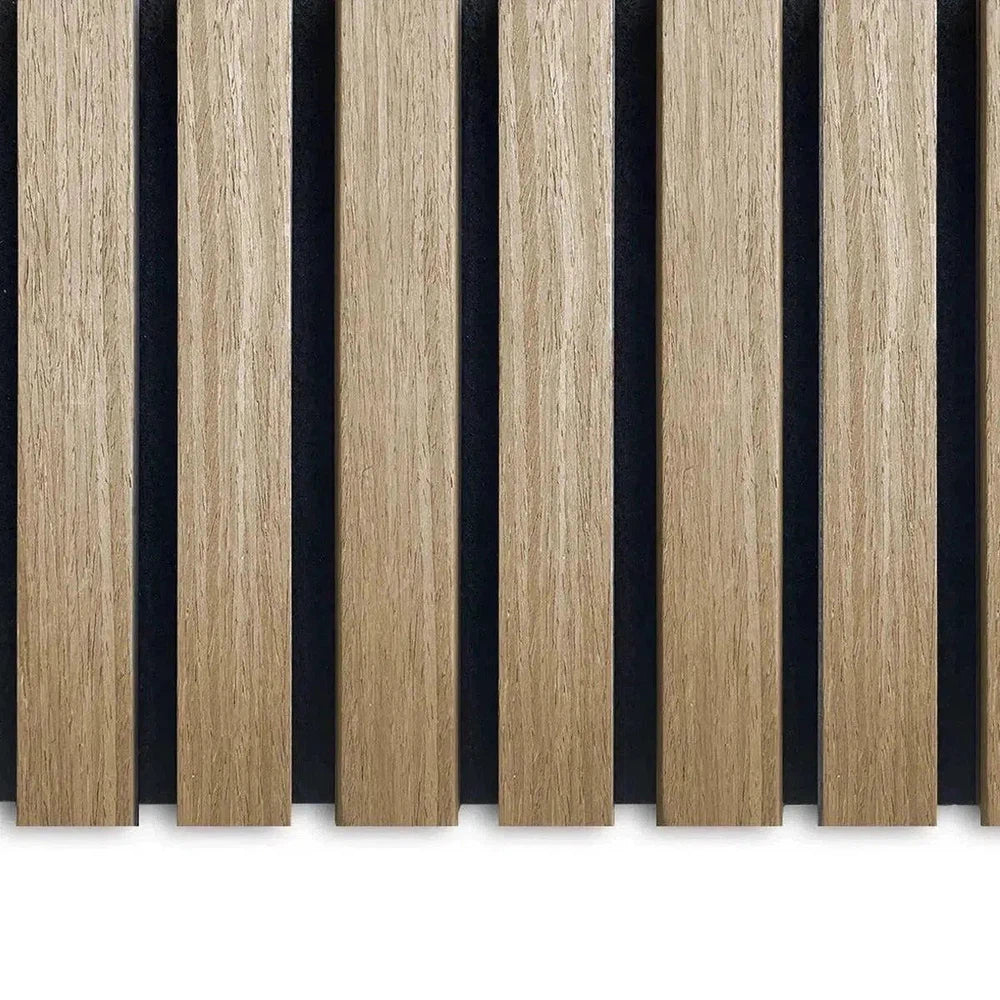
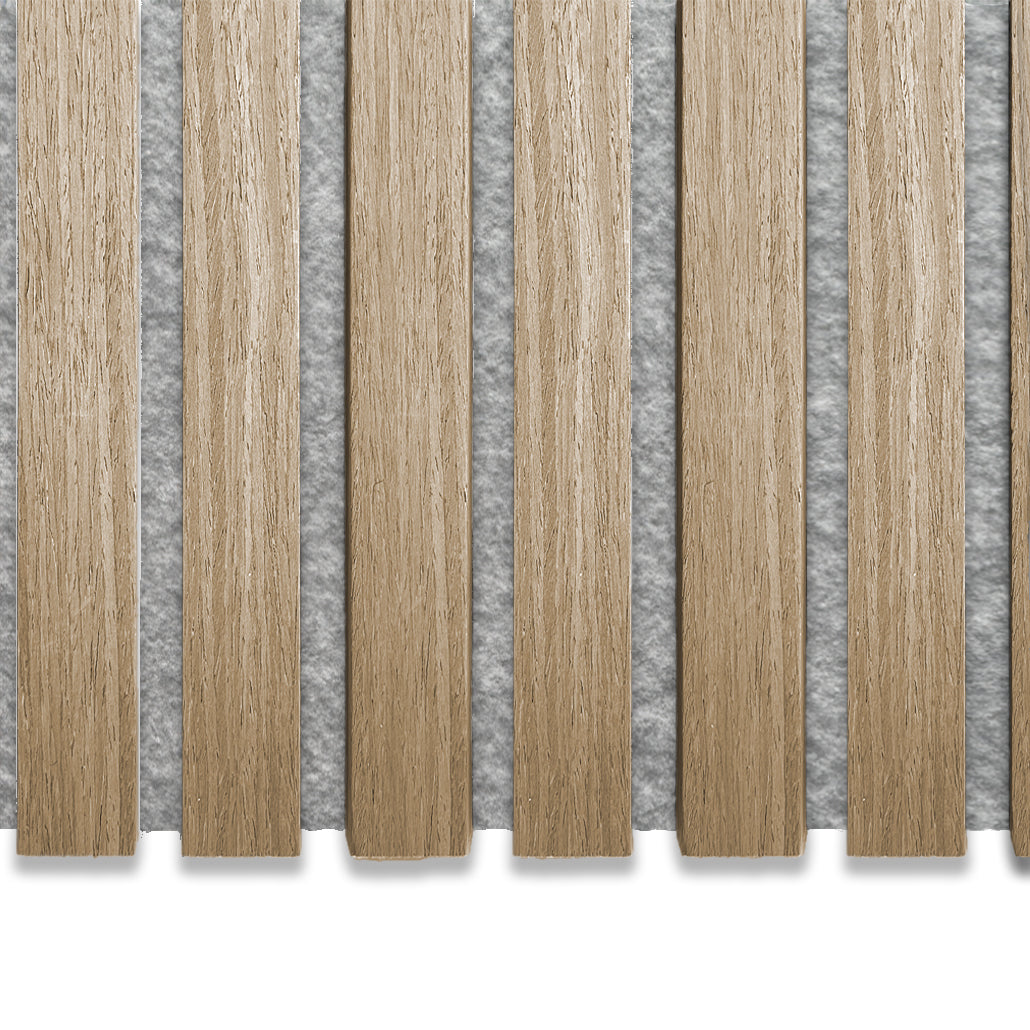
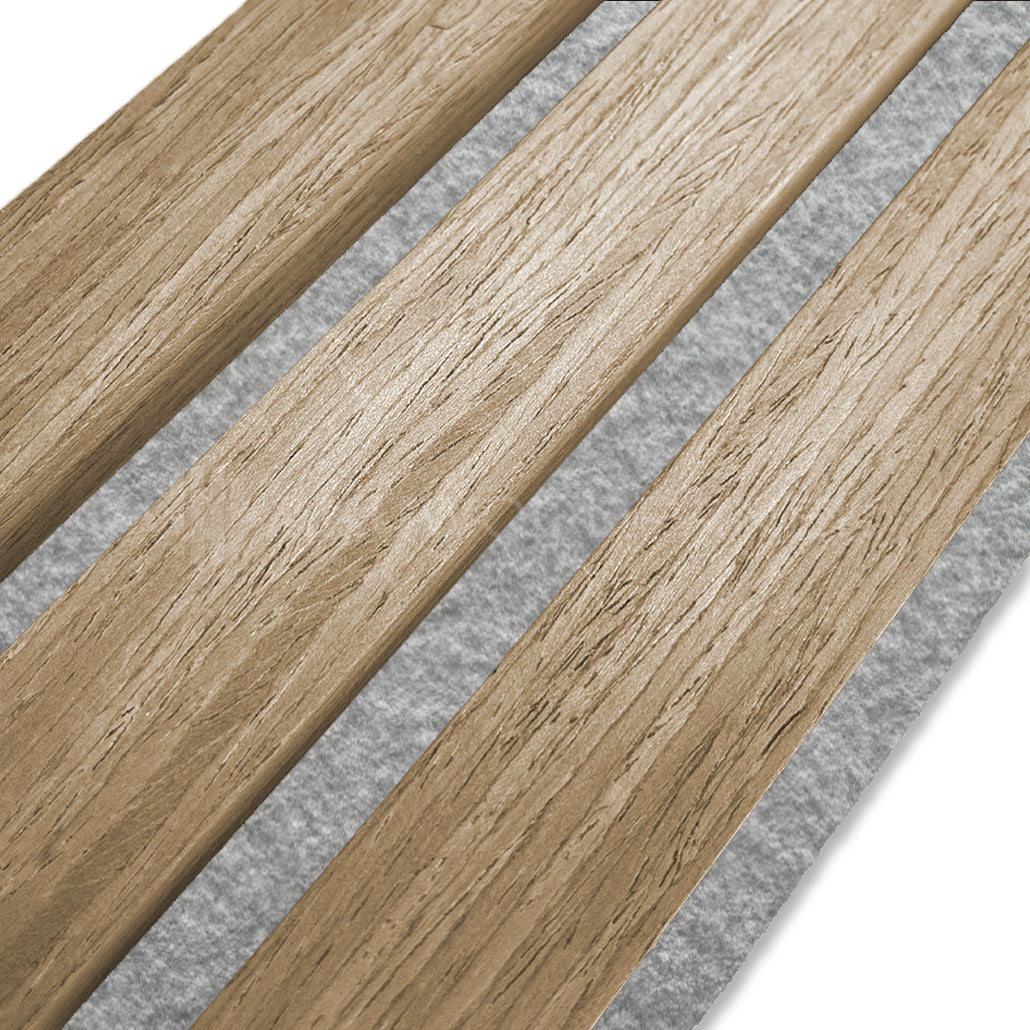
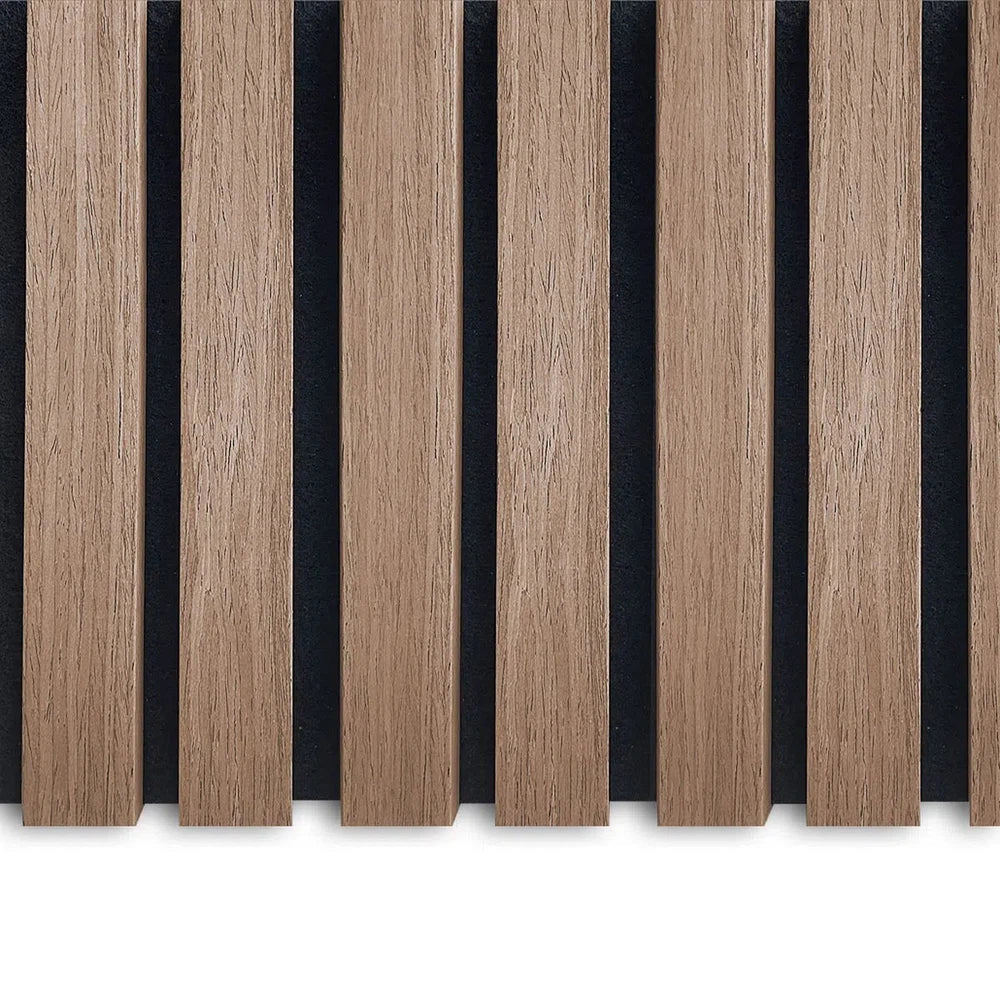
The safe pick: Natural Oak Wall Panel with Grey Felt
This is the default recommendation for a full waiting room wall in 2026. The grey felt backing behind the veneer does the acoustic lifting while the wood face stays wipeable, and it's available in the 240 cm and 300 cm formats to match most ceiling heights without cutting a seam. Verdict: Buy - it's the natural oak panel with grey felt most practices should specify first.
The modular fix for phased budgets: Hexagon Acoustic Panel Natural Oak
Not every practice can panel a whole room in one go. Hexagon tiles at 81 cm and £40.95 each let you cover a feature wall behind reception now and extend into the waiting area next quarter without wasting material. Verdict: Buy for practices phasing the spend - see the hexagon acoustic panel in natural oak.
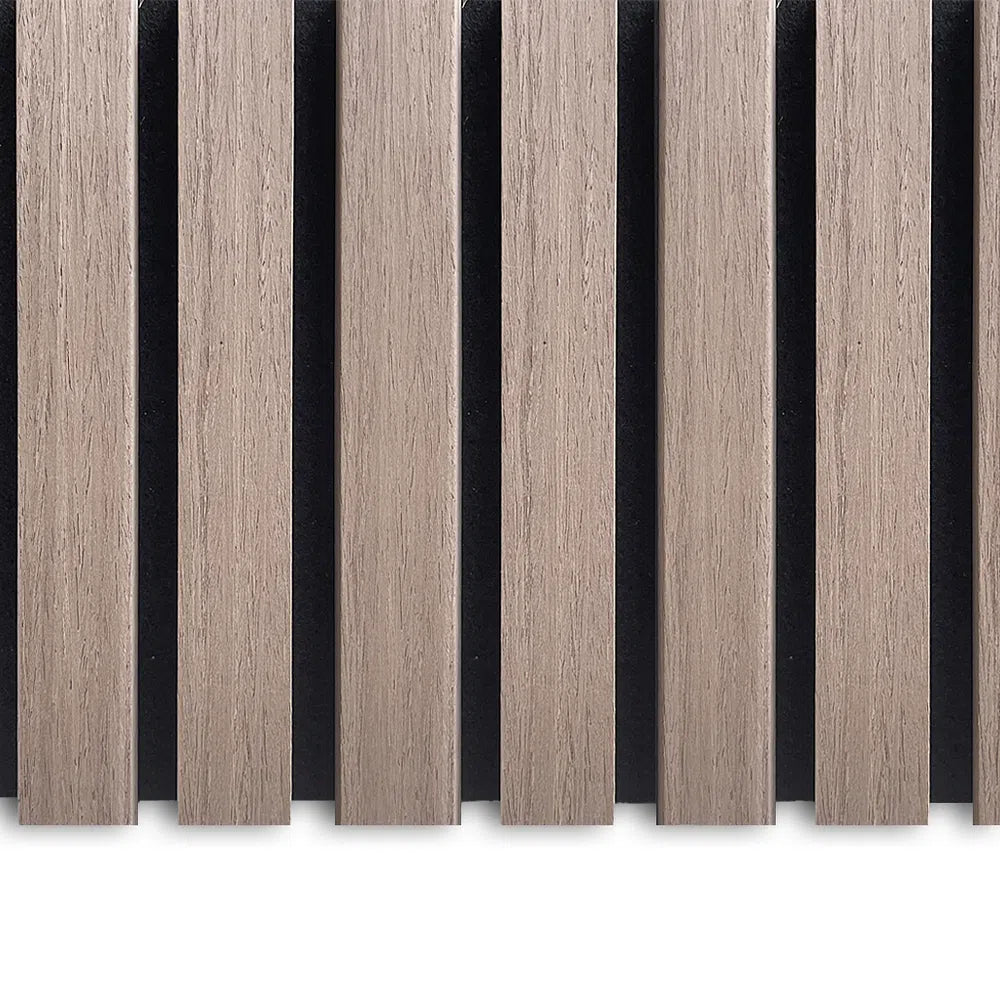
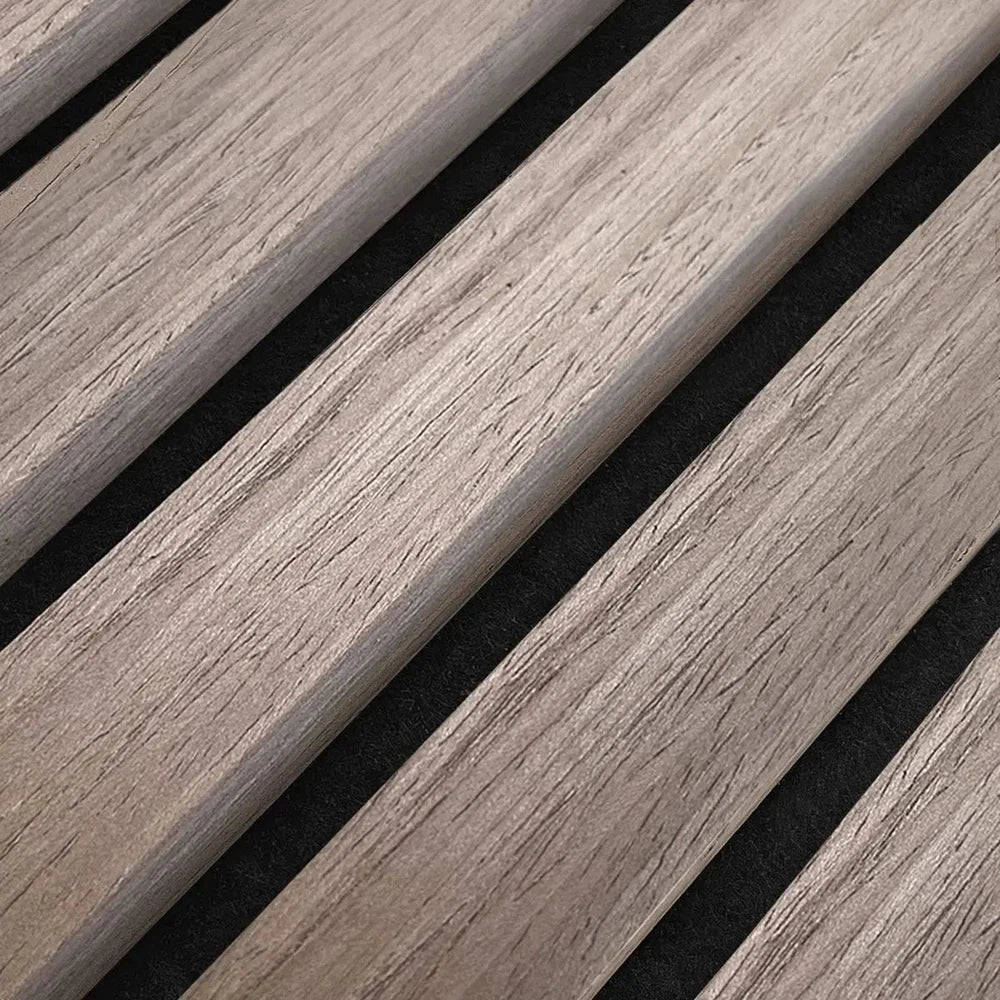
The wildcard: Grey Oak Wall Panel
A lighter grey-toned oak finish photographs well for practice marketing but the real reason it earns a spot here is practical: grey oak hides carrier-crate scuffs and lead-drag marks far better than a pale natural oak does. Verdict: Consider it for reception counters and lower wall sections that take the most contact.
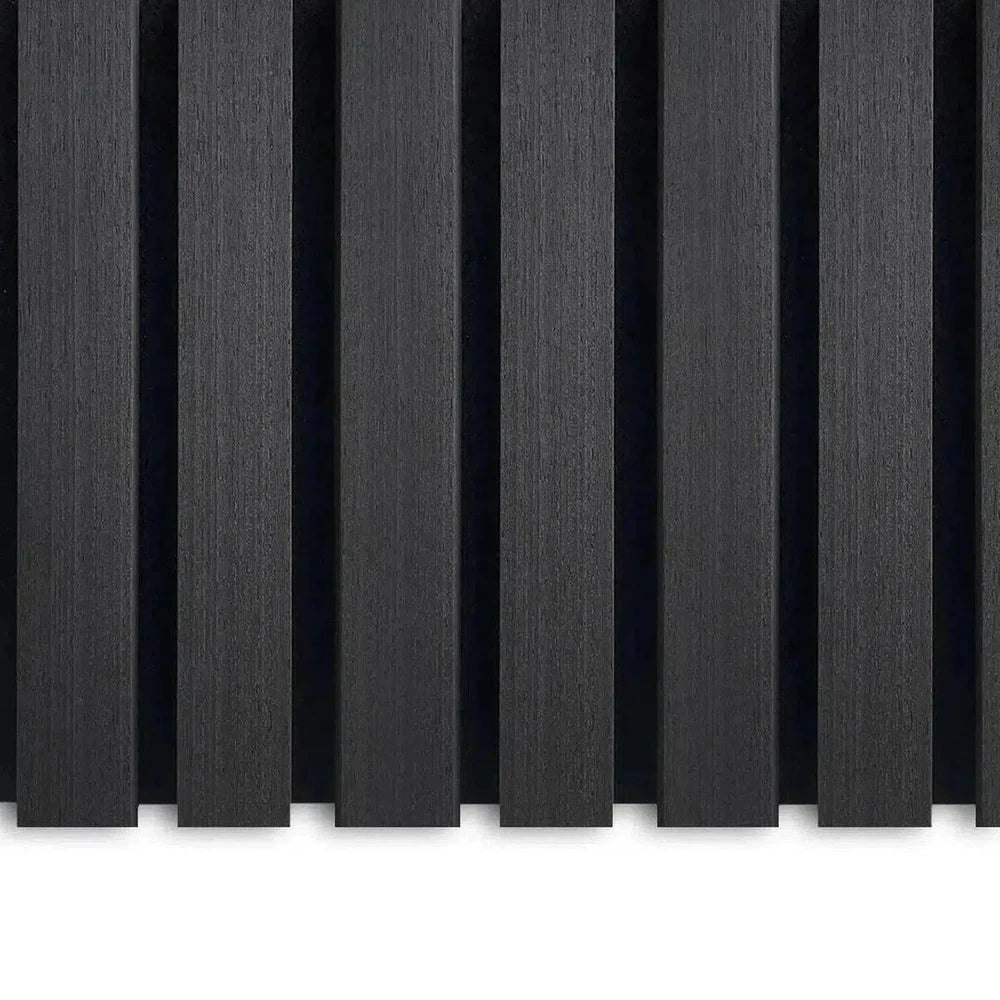
The consult-room option: Smoked Oak
Smoked Oak's darker tone works well in a private consult room where owners get difficult news and a calmer, less clinical setting helps - but its depth of colour can make a small waiting room feel tighter rather than airier. Verdict: Consider for consult rooms, Skip for the main waiting area if the room is under 15 square metres.


What to avoid
- Acoustic foam wedges - they absorb sound but also trap pet hair, dander and odour in the open-cell foam, and most versions aren't wipeable at all.
- Fabric-wrapped acoustic panels - the same hygiene problem as foam, plus fabric shows stains from nose prints and paws within weeks.
- Painted MDF slatwall with no felt backing - it looks similar to a real acoustic panel in photos but has no sound-absorbing layer behind it, so the echo problem doesn't actually improve.
If the waiting room still echoes after every bark once the tile and glass go in, the walls are working against the practice, not for it.
Verdict comparison
| Pick | NRC rating | Format | Best use | Verdict |
|---|---|---|---|---|
| Natural Oak with Grey Felt | 0.75 (felt-backed) | 240cm / 300cm | Full waiting room wall | Buy |
| Hexagon Natural Oak | 0.75 | 81cm tile | Phased feature wall | Buy |
| Grey Oak | Standard veneer | 240cm / 300cm | Reception counter, low wall | Consider |
| Smoked Oak | Standard veneer | 240cm / 300cm | Consult room only | Consider |
FAQ
What's the best acoustic panel for a veterinary waiting room?
A felt-backed wood veneer panel like Natural Oak with Grey Felt is the best acoustic panel for a veterinary waiting room in 2026 because it combines an NRC 0.75 absorption rating with a wipeable, claw-resistant surface. Foam and fabric alternatives absorb sound too but fail on hygiene.
Do acoustic panels actually reduce barking noise in a vet clinic?
Acoustic panels reduce the reverberation that makes barking feel louder and longer, not the bark itself. An NRC 0.75 rated panel absorbs three-quarters of the sound hitting the wall, which stops noise bouncing between hard surfaces and building up.
Are wood veneer panels hygienic enough for a veterinary practice?
Yes, a three-sided real wood veneer surface is wipeable and holds up to disinfectant cleaning better than fabric or foam acoustic products. The acoustic felt sits behind the veneer, so the wipeable face is what staff and pets actually touch.
How much does it cost to panel a veterinary waiting room?
Cost depends on wall area and finish, but hexagon acoustic tiles at £40.95 each let practices panel a feature wall in phases rather than committing to a full room at once. Full-format 240cm and 300cm panels suit a single-pass installation instead.
What size acoustic panels fit a standard vet clinic ceiling?
240 cm panels suit standard 2.4m ceiling heights common in converted retail units, while 300 cm panels run floor-to-ceiling in taller rooms without an offcut seam. Measure the room before ordering to avoid unnecessary cutting.
Is grey oak or natural oak better for a busy reception wall?
Grey oak hides carrier-crate scuffs and lead-drag marks better than lighter natural oak on high-contact reception walls. Natural oak still works well above the contact zone or in lower-traffic waiting areas.
Can acoustic panels go over existing tile in a vet clinic?
Acoustic wall panels are typically fixed to plasterboard or a stud wall with glue and screws, not directly over glazed tile. A furring strip or batten layer is usually needed first if the existing wall is tiled.
How long does it take to install acoustic panels in a waiting room?
A single waiting room wall typically installs in a day to two days per room, far faster than a full acoustic ceiling retrofit that can take a fortnight. Phased hexagon tile installs can be spread across multiple short sessions if the practice can't close.
One last thing
Most practices panel the whole waiting room and forget the corridor leading to the consult rooms - but that narrow corridor is where sound actually funnels and amplifies, since it has no soft surfaces at all and two hard walls facing each other. A short run of felt-backed panel down that corridor often does more for perceived noise than an extra metre of wall in the open waiting area.