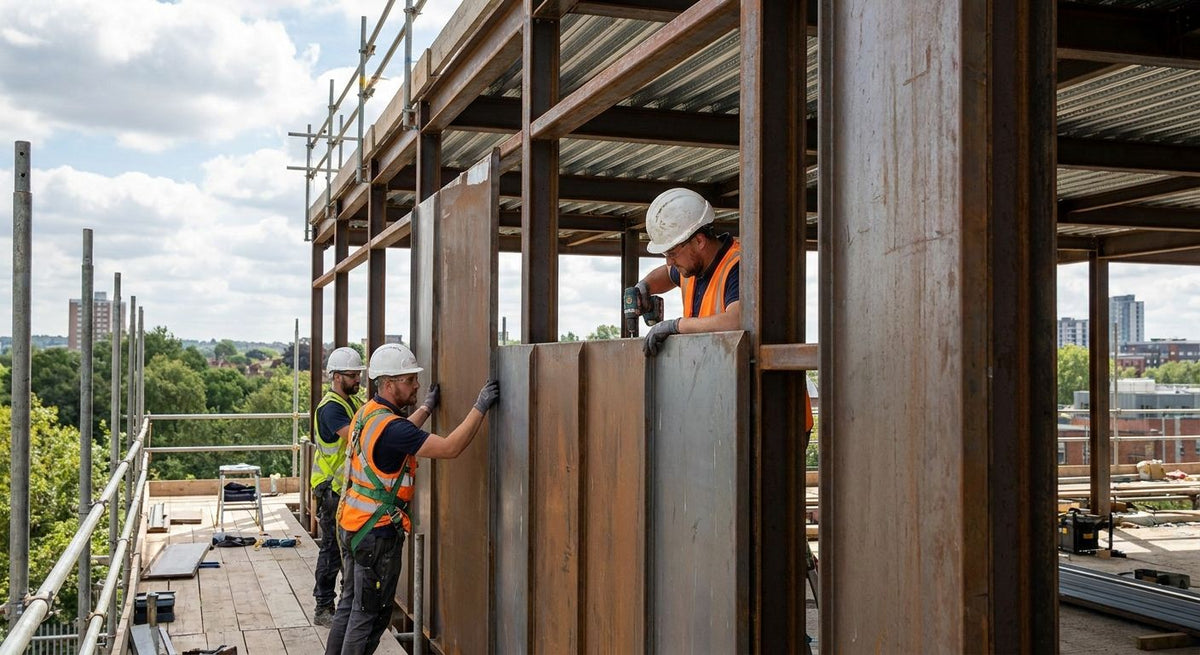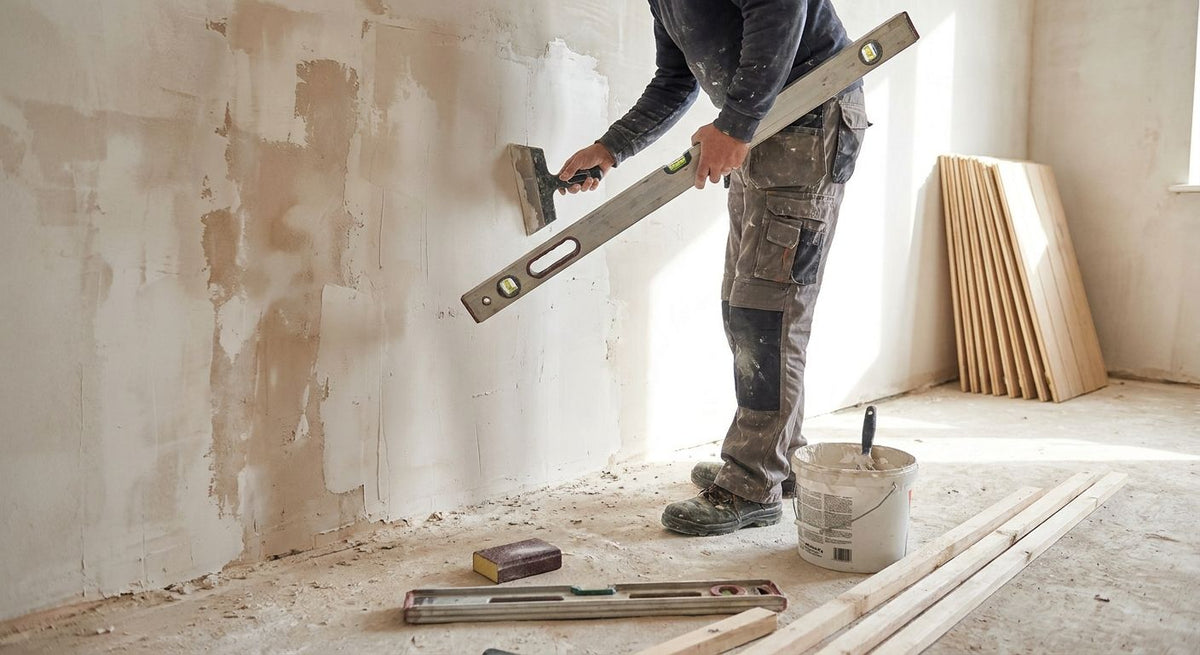
An uneven wall telegraphs through every slat once wood panels go up, which is why levelling has to happen before the adhesive comes out, not after. Check the wall with a 2m spirit level or laser line, pack out the low spots with battens or shims, and only then start fixing panels flat and tight.
- Run a 2m spirit level across the wall first to level uneven wall before fitting panels properly.
- Pack low spots with 1-10mm shims behind 25mm battens rather than skimming the whole wall.
- Akustiq UK panels in 240cm and 300cm formats show even small dips, so flatten before fixing.
- Masonry and stud walls need different levelling approaches - battens work on both in 2026 fit-outs.
- Skipping the level check is the single biggest cause of shadow gaps behind fitted panels.
Why this matters
Wood panels sit flat and rigid. A wall that dips or bows behind them shows up as a shadow line, a rocking edge, or a panel that won't sit flush against its neighbour. That problem gets worse on longer runs, and it's permanent once panels are glued or screwed down.
This matters more in 2026 than it did with painted plaster, because slat and hexagon panels rely on a continuous straight line across the whole wall to read as one surface. A wall that's out of true by even a few millimetres across a metre will show it under raking light from a window or a lamp.
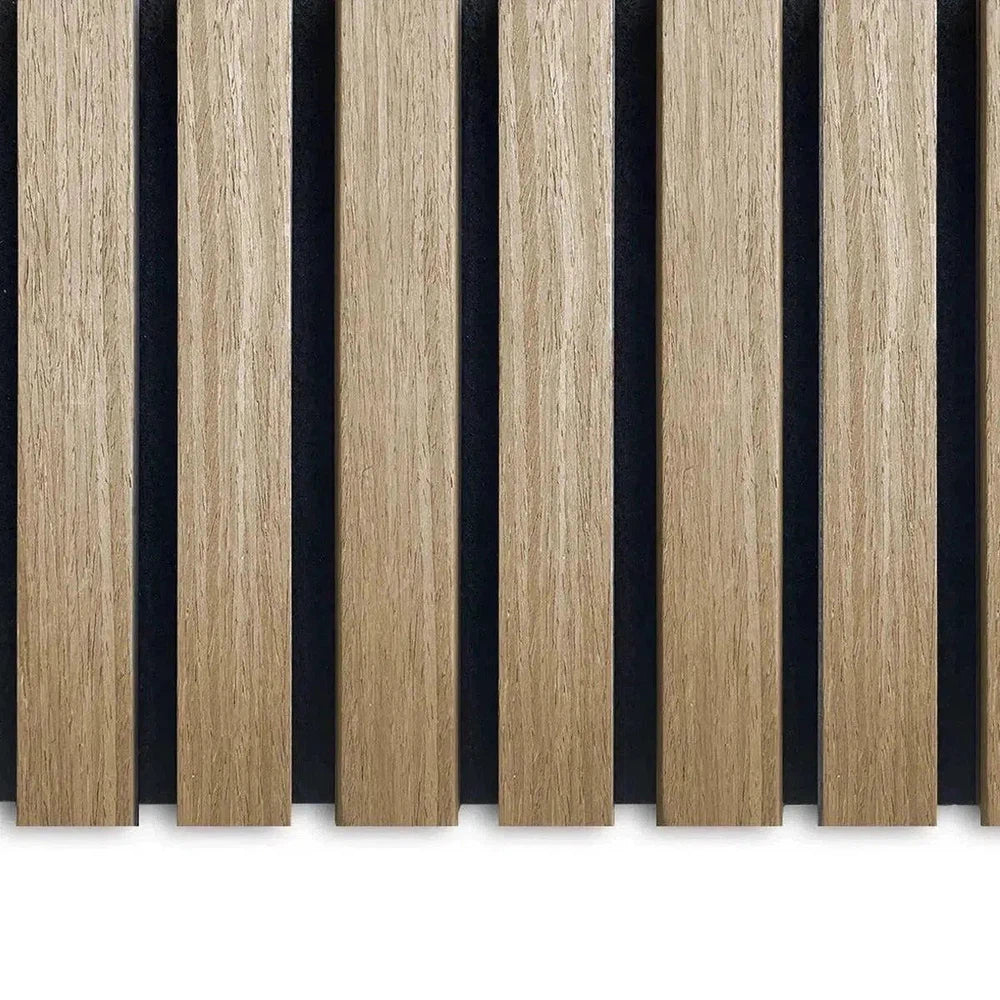
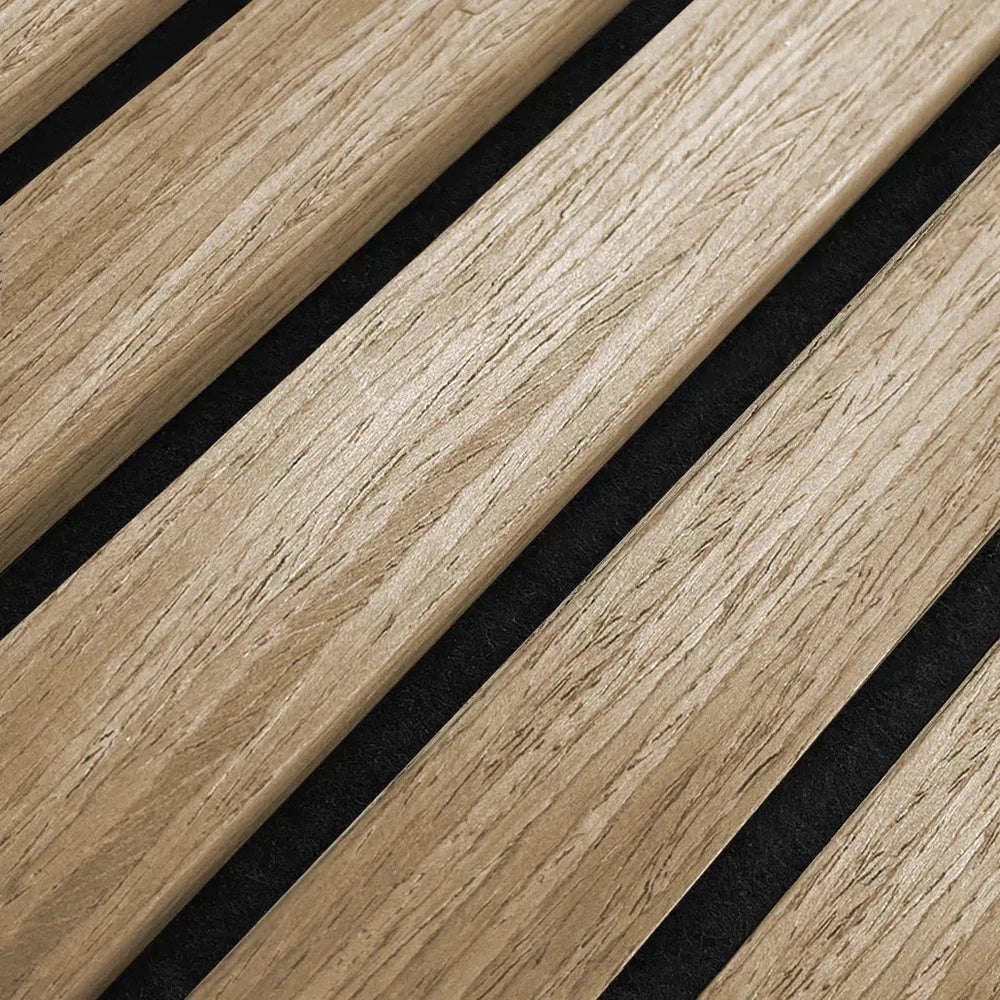
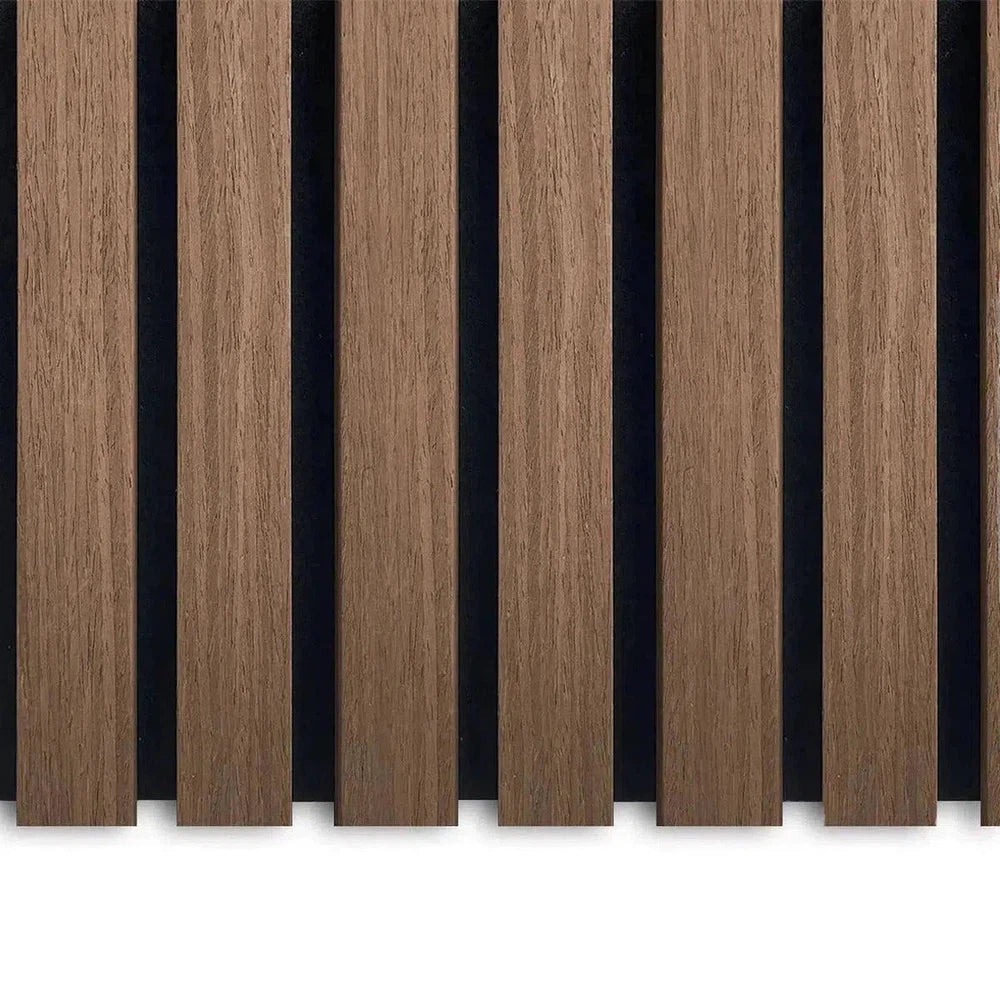
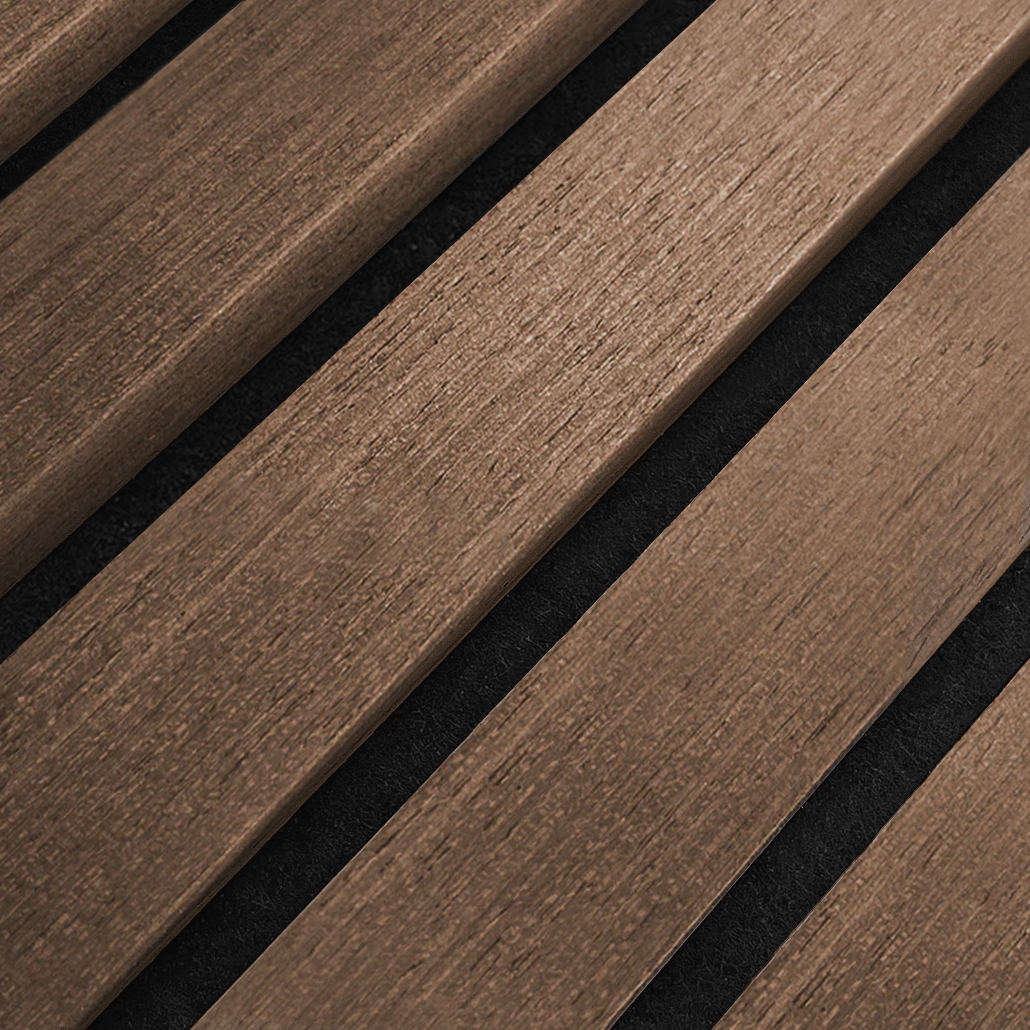
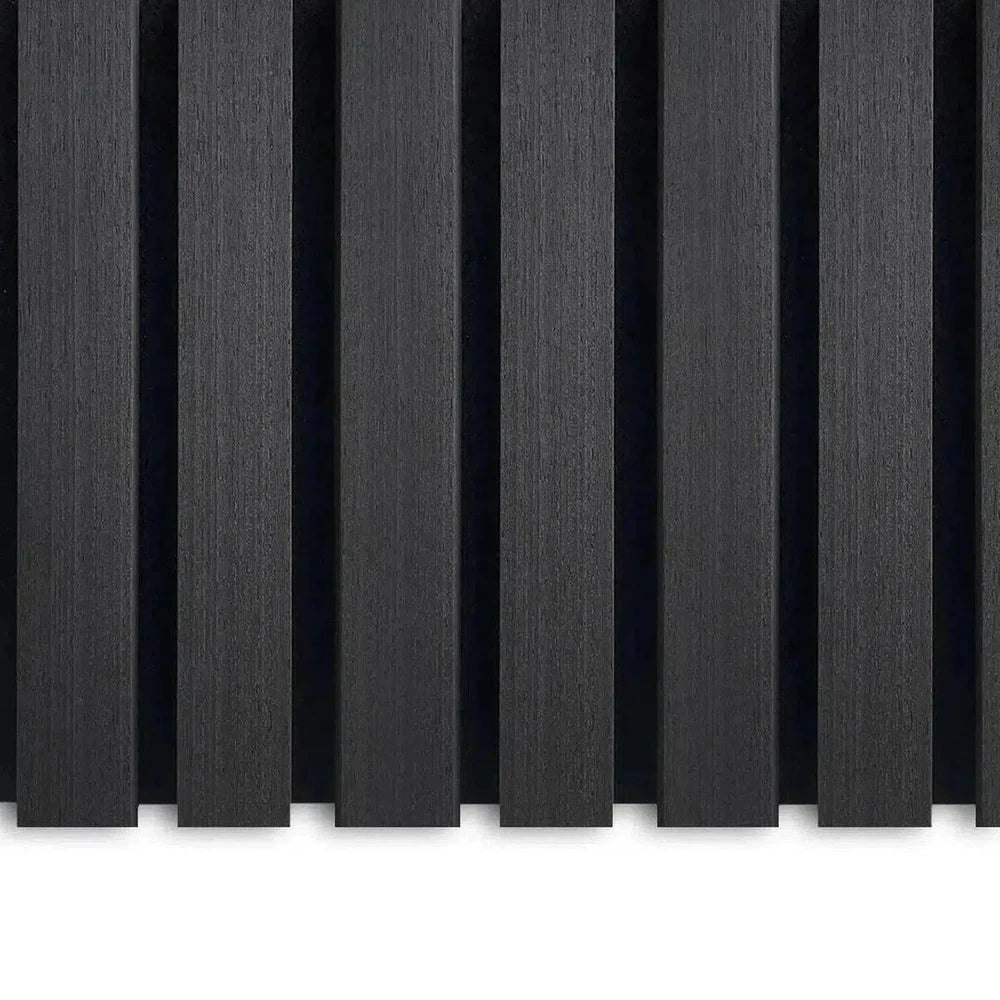
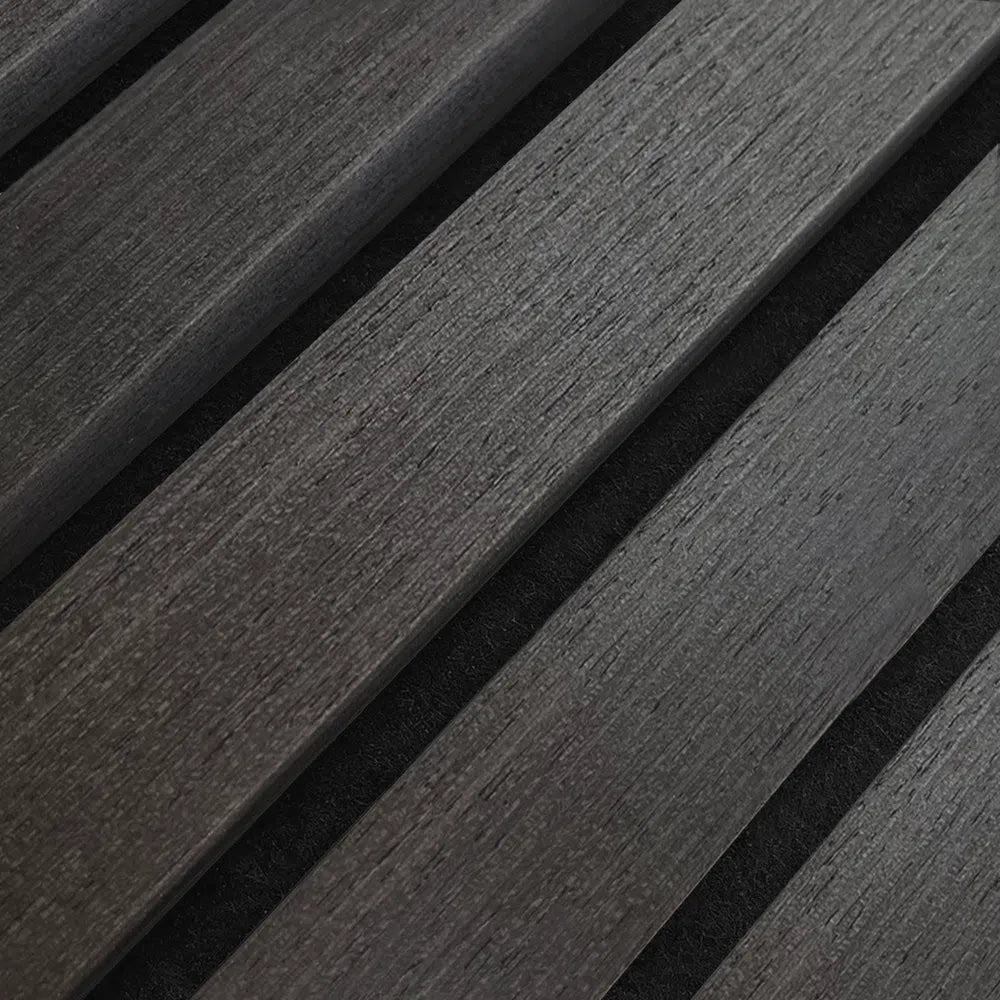
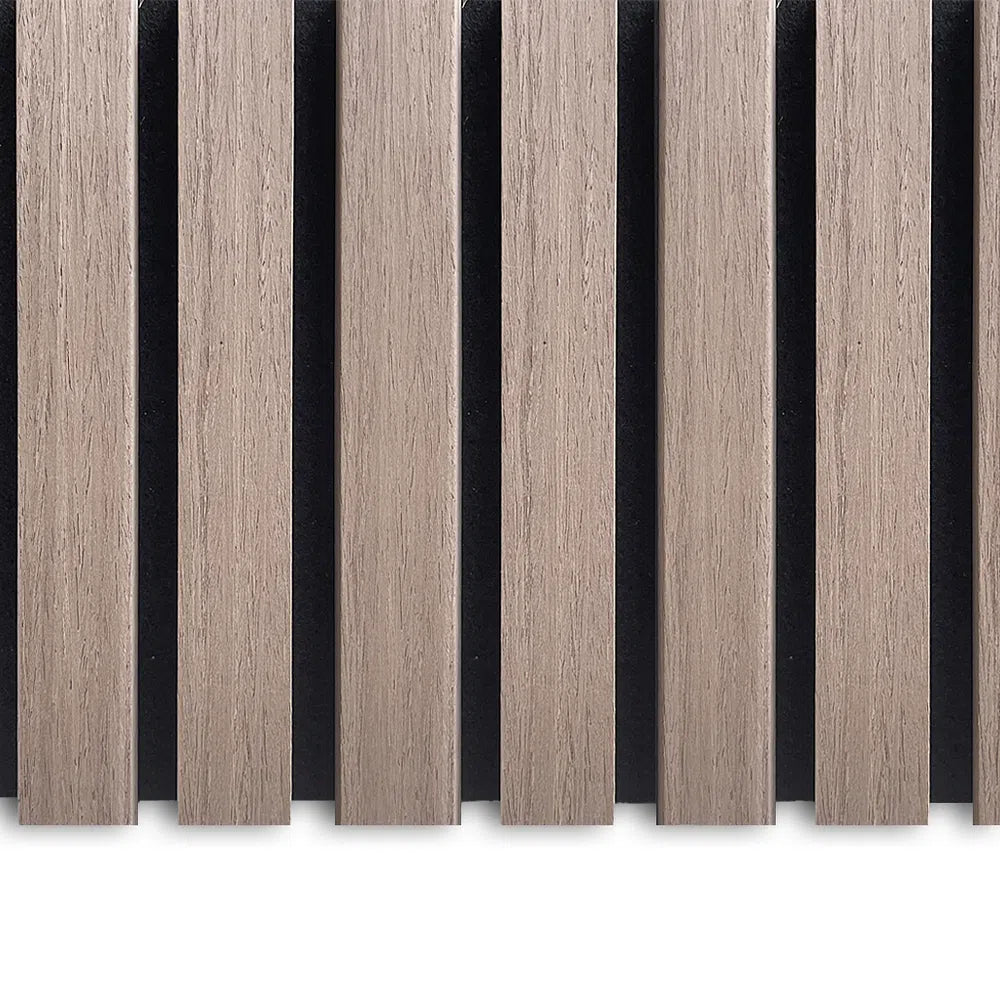
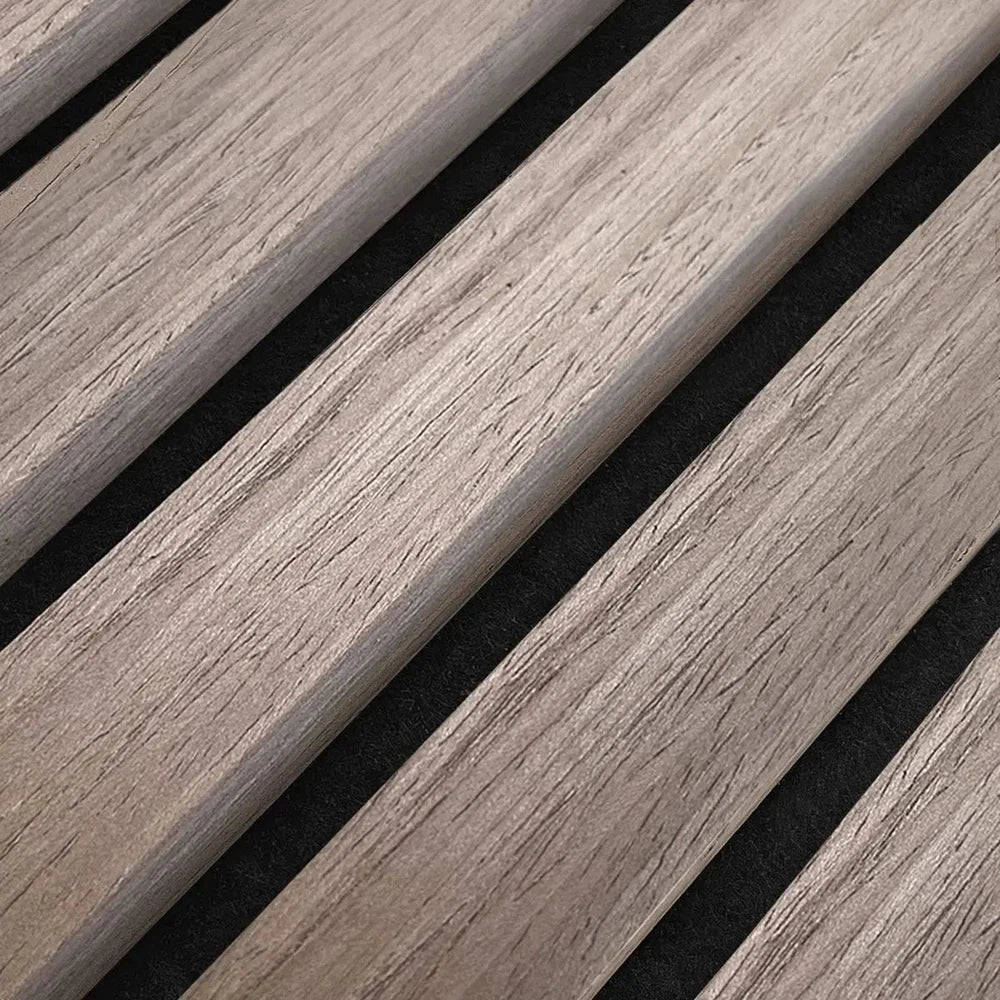
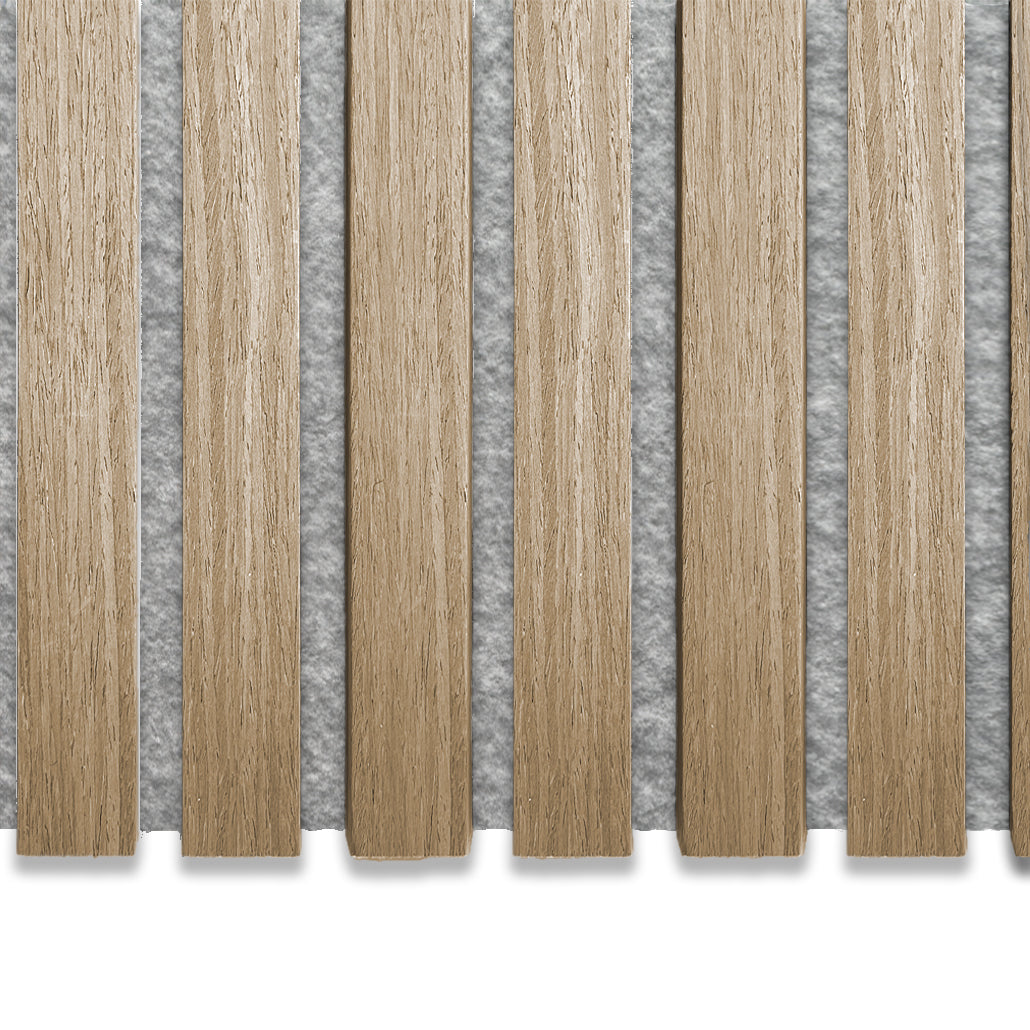
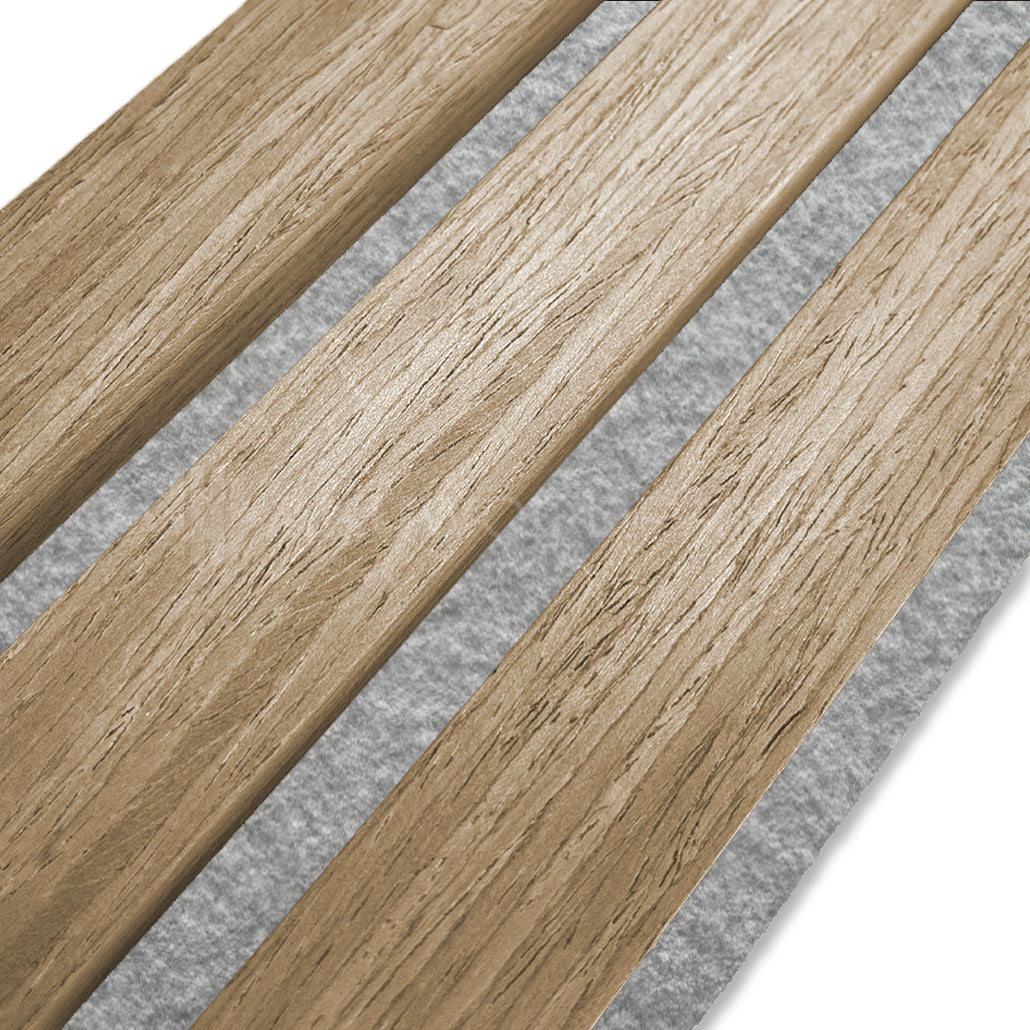
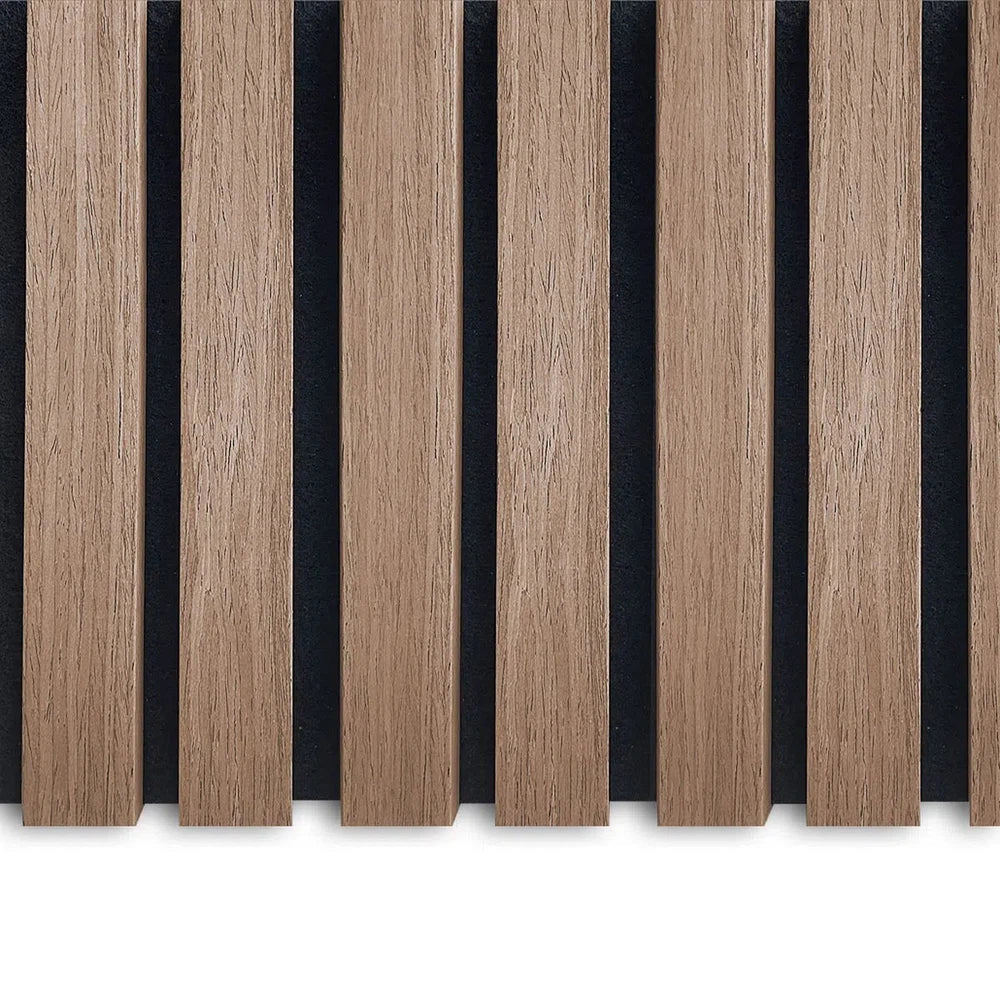
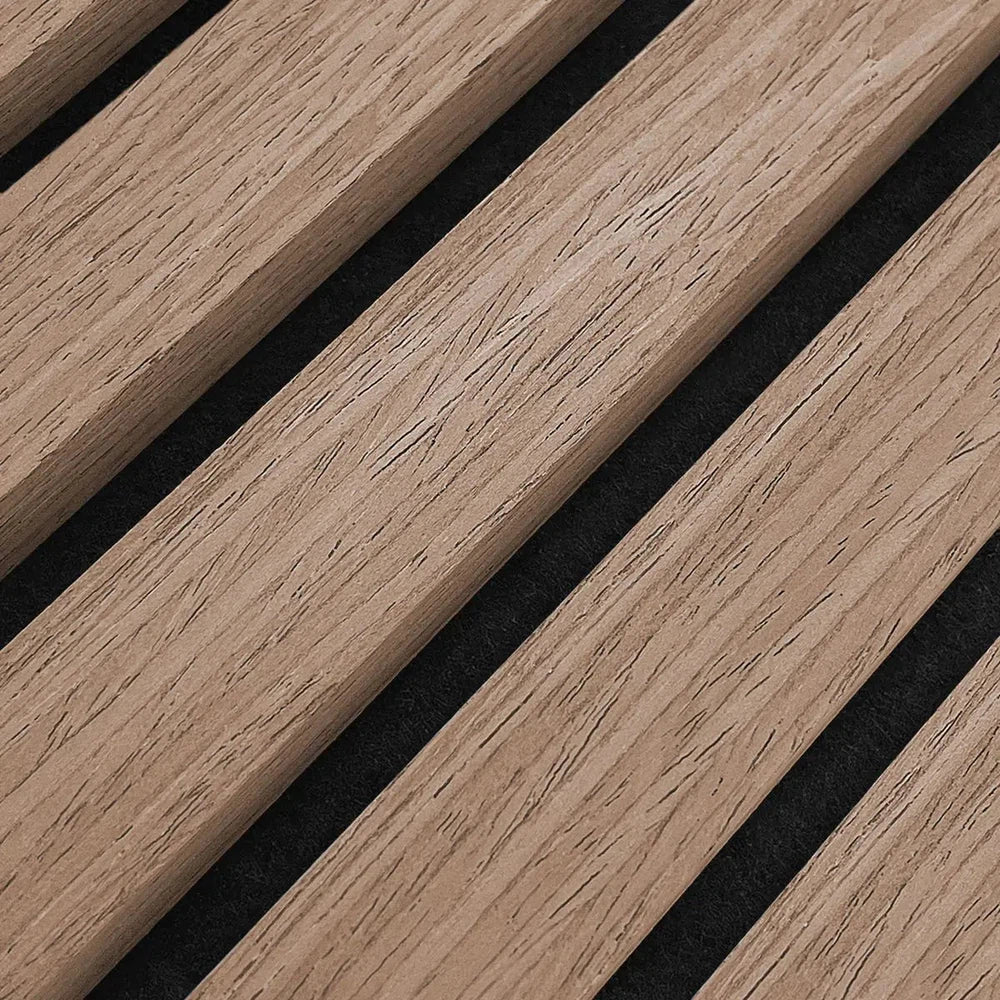
Akustiq UK's wooden slat wall panels come in 240cm and 300cm size formats with a real wood veneer face, and both formats make any unevenness in the wall behind them obvious the moment the panel goes up. Levelling first is cheaper than replacing a panel that's cracked because it was forced flat against a bowed stud.
How do you level an uneven wall before fitting panels?
Work through the wall in this order before a single panel touches the surface:
- Run a 2m spirit level or laser line horizontally and vertically across the wall in several spots, not just one corner.
- Mark every gap where the level shows daylight or where a straightedge rocks instead of sitting flat.
- Measure each gap with packers or shims, typically sold in a 1-10mm range, to find how far out the wall actually is.
- Fix furring battens, usually around 25mm deep, over the marked area, packing shims behind the low points until the batten face reads level.
- Re-check with the level once the battens are up, adjusting shims until the bubble sits centred at every point along the run.
- Only then position the first panel, working from the levelled batten line rather than the original wall surface.
Skipping straight to step 6 is the most common reason a panel wall looks slightly off once it's finished, even when every individual panel was fitted correctly.
Levelling plasterboard and stud walls
Plasterboard walls are usually flatter than masonry but can still have humps at joint tape lines or where studs have bowed slightly during the build. A batten grid fixed into the studs, packed level with shims, gives you a true surface without re-skimming the whole wall. The guide to fixing wall panels to a plasterboard wall covers fixing points and stud spacing in more detail.
Check stud walls at floor and ceiling level too - a stud that's twisted at the base will throw the whole batten line out even if the middle of the wall reads level.
Levelling brick, block and concrete walls
Solid walls move less over time than stud walls but are far more likely to be out of true from the original build, especially in properties built before modern flatness tolerances were standard practice. A masonry wall that's noticeably bowed needs battens fixed with packers rather than direct adhesive fixing, since glue alone won't correct a structural dip.
The walkthrough on installing acoustic panels on a concrete wall sets out fixing methods for solid walls where drilling and plugging is needed instead of screwing straight into timber.
Why wall levels vary
- Settlement in older properties - foundations shift over decades, and internal walls move with them.
- Inconsistent skim coats - different plasterers leave different thicknesses across one wall, especially where repairs have been patched in.
- Stud spacing errors - studs set at slightly different depths during the original build create a wavy plasterboard surface.
- Multiple layers of paint or wallpaper - old decoration builds up unevenly over years, especially around light switches and sockets.
- Damp-proofing or insulation upgrades - retrofitted membranes or insulation boards add thickness inconsistently across a wall.
- Previous fixings - old picture rails, dado rails, or shelving brackets leave proud fixing points that read as bumps under a level.
Do you need to skim a wall before fitting wood panels?
No, skimming isn't required if you're battening the wall, because the battens create the flat plane rather than the plaster itself. Battens packed with shims correct unevenness faster than a full re-skim, and they add a small air gap that helps with acoustic performance behind panels.
Can you fit panels straight onto an unlevel wall?
A wall that's only slightly out of true, within a couple of millimetres across a straightedge, can sometimes take panels directly with adhesive alone. Anything beyond that shows as a visible gap or rocking edge once the panel is fixed, so battening first is the safer route on any wall you haven't already checked.
How much of a gap is too much for panels?
Any gap you can slide a shim thicker than about 3mm behind a straightedge is worth packing out before fitting, because that's roughly the point where a dip starts to show under normal room lighting. Smaller gaps than that usually disappear once the panel's own rigidity bridges them.
FAQ
What tool do I need to level a wall before fitting panels?
A 2m spirit level or a laser line is the standard tool for checking a wall before fitting panels. Run it across several points, both horizontally and vertically, rather than relying on one reading in a corner.
Do I need battens on every wall type before panelling?
Battens are recommended on stud, masonry and concrete walls that show any measurable dip under a straightedge. A genuinely flat plasterboard wall can sometimes take panels with adhesive alone, but battens are the safer default.
What size shims should I use to pack out a wall?
Shims in a 1-10mm range cover most domestic wall corrections. Stack thinner shims together for anything wider than the largest single shim rather than using one oversized piece.
Is it better to skim or batten an uneven wall?
Battening is usually faster and cheaper than a full re-skim for correcting an uneven wall before panelling. Skimming only makes sense if the wall also needs repair for cracks or holes beyond simple unevenness.
How long does it take to level a wall before fitting panels?
A single stud or plasterboard wall in an average room can usually be checked and battened in a day, including drying time for any adhesive used on the battens. Solid masonry walls needing drilled fixings typically take longer.
Can uneven walls damage wood panels once fitted?
Yes, forcing a rigid wood panel flat against a bowed wall can crack the veneer face or stress the felt backing over time. Levelling the wall first removes that risk entirely.
Do wall panels hide minor wall imperfections?
Wood panels hide small surface marks and old fixing holes well, but they don't hide structural unevenness like dips or bows. That kind of imperfection needs battening or packing before the panel goes up, not after.
One last thing
Most DIY panel jobs that look slightly off aren't a fitting problem, they're a levelling problem that showed up two steps too late. Check the full height of the wall with the level, not just the section behind the first panel, because a batten line that's true at the bottom and out at the top will still throw the whole run off by the time you reach the far end. Order a sample panel and hold it against the battened wall before committing to a full room's worth of stock, since the real wood veneer face makes even small unevenness far more visible than it would be on painted plaster.