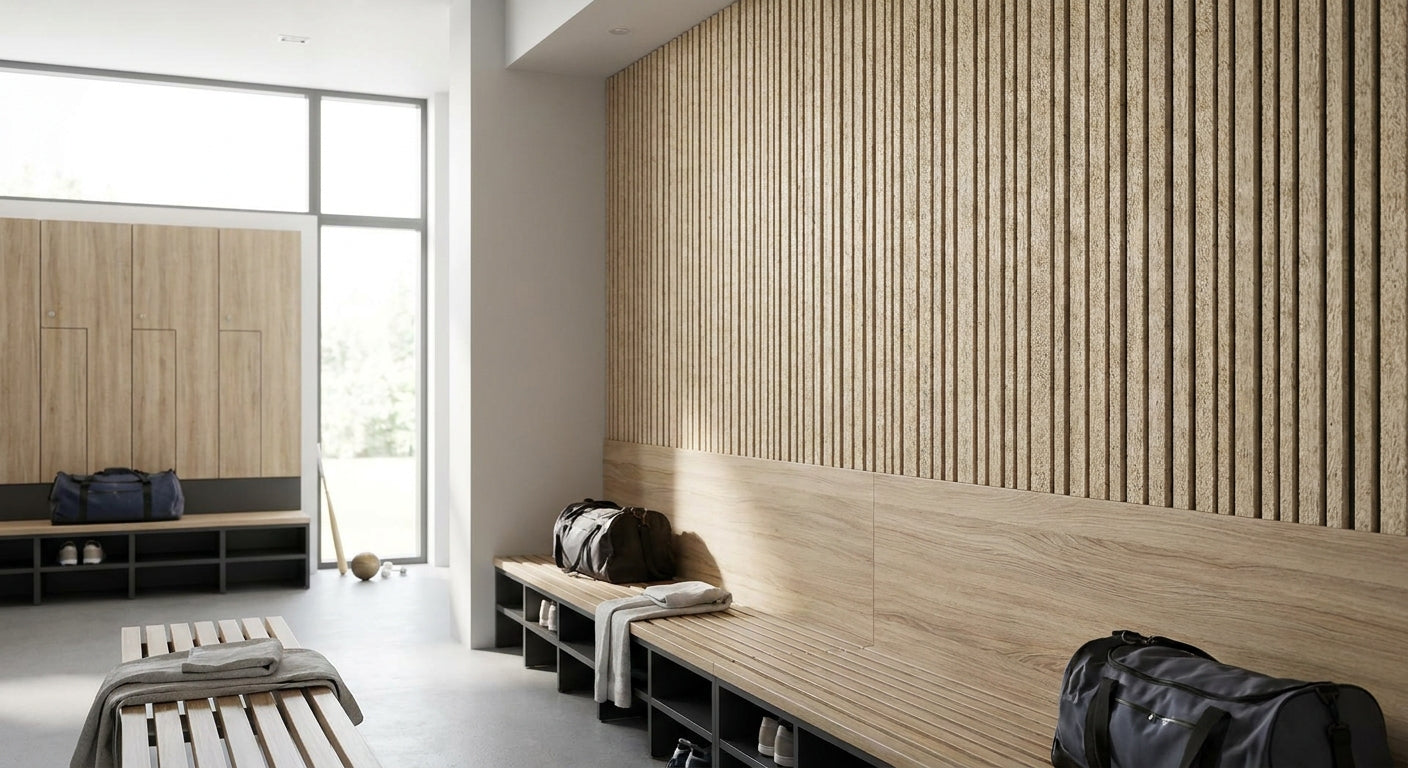
Changing rooms turn shouted instructions and slamming lockers into a wall of noise, and standard tiled or blockwork surfaces do nothing to stop it. Acoustic wood panels for changing rooms cut that reverberation while surviving the knocks, damp kit bags, and steam that gym walls never see.
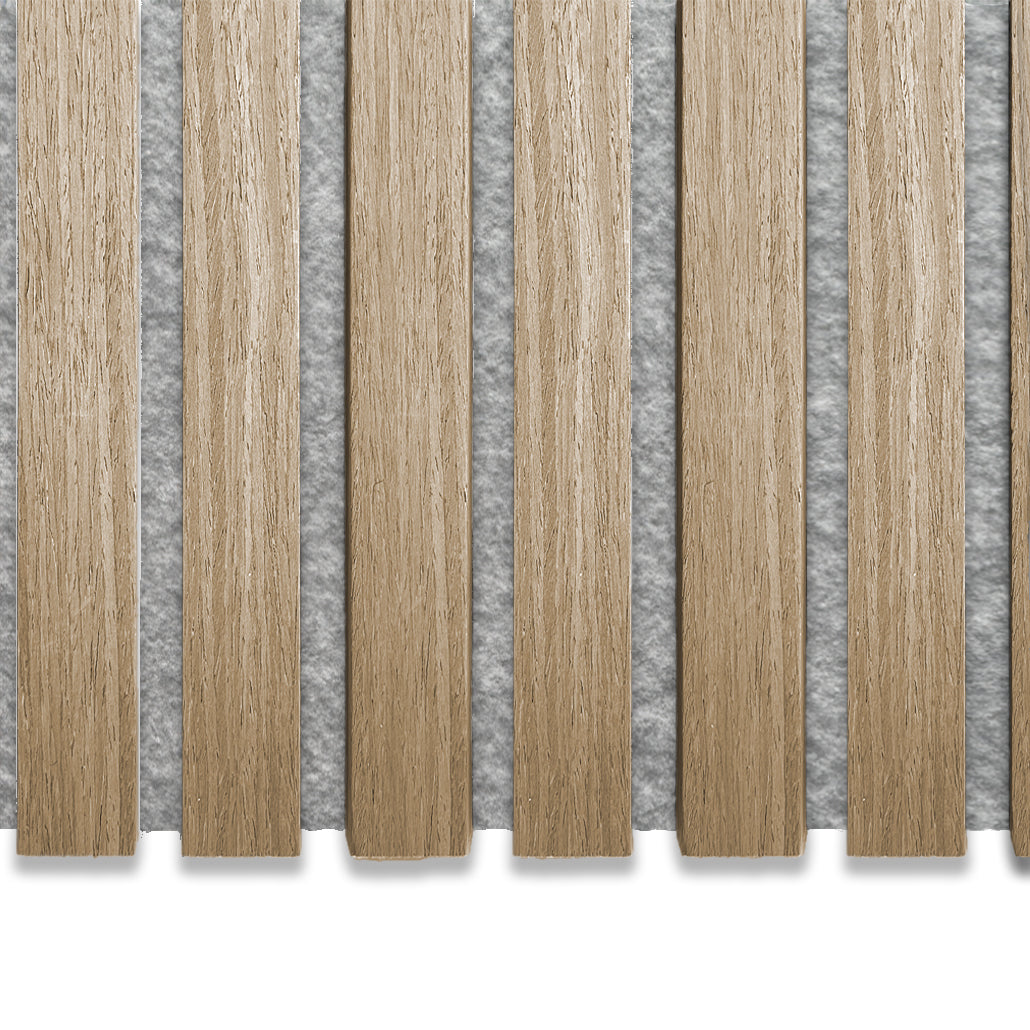
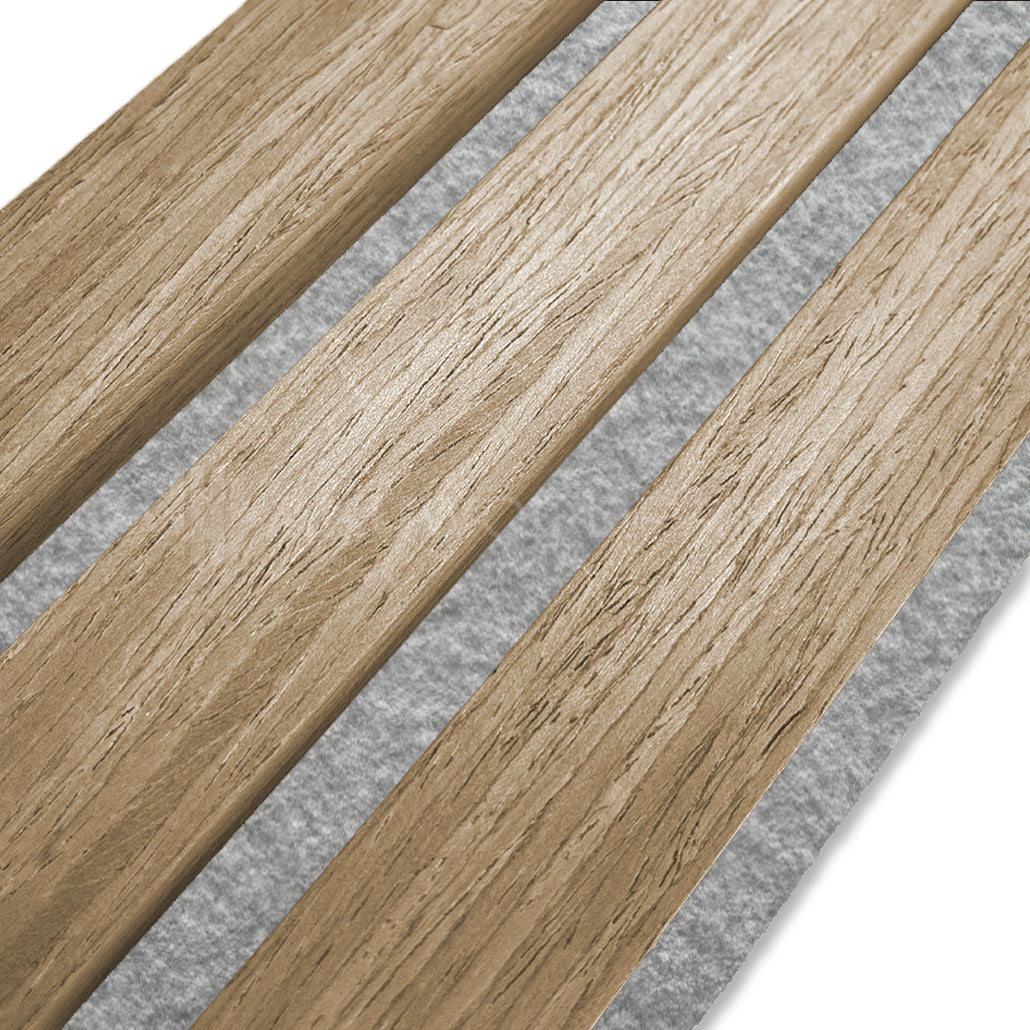
- AKU Woodpanel's Natural Oak with Grey Felt hexagon panel (NRC 0.75, 81 cm, £40.95) is the safe pick for changing room feature walls — Buy.
- Skip pale veneers on high-traffic dado areas; scuff marks show within months under boot studs and bag straps.
- Fit panels above 1.2 m and pair with a wipeable lower wall to balance acoustics for changing rooms with hygiene rules.
- Grey felt-backed hexagon panels absorb sound and hide impact marks better than flat sheet panels in 2026 club installs.
Why this matters
A changing room with hard tile, painted block, and a concrete ceiling behaves like an echo chamber — coaches repeat themselves, kids can't hear team talks, and the space feels louder than it actually is. Sports halls and leisure centres deal with the same reverberation problem on a bigger scale, and the fixes overlap: see acoustic panels for sports hall and leisure centre walls for the larger-space version of this brief.
Changing rooms add three problems halls don't have: constant humidity from showers, direct impact from studs, bags and boot scrapes, and cleaning regimes that involve hosing down floors and lower walls. Acoustic panels for changing rooms only work long-term if they survive that environment, not just the acoustic test.
Who this is for
This guide is for facilities managers, club committee members, and contractors specifying wall finishes for football, rugby, cricket, or multi-sport club changing rooms — spaces used daily by teams, juniors, and match officials where echo and durability both matter. If you're speccing a single home cinema or living room, the criteria below are overkill; if you're fitting out four changing rooms and a referee's room before the 2026 season starts, keep reading.
What to look for in acoustic panels for changing rooms
Moisture and humidity tolerance
Shower steam and wet kit raise humidity in changing rooms far above a living room or office. A panel with a real wood veneer face and a sealed acoustic felt backing handles condensation cycles better than raw MDF or open-cell foam, which swells and delaminates within a season of daily use.
Impact resistance
Boot studs, bag buckles, and bench-side knocks hit walls constantly in a changing room. Darker finishes like black oak or smoked oak hide scuffs far better than pale natural oak in the zone below 1.2 metres, where most contact happens.
Sound absorption (NRC rating)
Look for a documented Noise Reduction Coefficient, not a vague acoustic label. AKU Woodpanel's hexagon range carries an NRC of 0.75, which is the number that actually predicts whether shouted instructions stop bouncing off the walls. Confirm fire data alongside absorption in how to check fire ratings for acoustic wood panels before you order — for a club changing room, fire rating matters as much as absorption.
Ease of cleaning
Changing rooms get hosed, mopped, and disinfected far more often than a domestic room. Panels need a wipeable veneer face, not an open-weave fabric front that traps grime and holds odour.
Installation speed
Clubs typically close facilities for a fixed window — a week during pre-season, not months. Panels that glue or clip directly onto studwork or masonry without specialist tools let a maintenance team finish four changing rooms in a weekend rather than waiting on a full fit-out crew.
Budget per room
At roughly £40.95 per 81 cm hexagon panel, covering a 3 m feature wall section runs to a manageable per-room cost most club committees can approve without a full capital request — worth comparing against a flat full-sheet panel quote before you commit.
Top picks for changing room walls
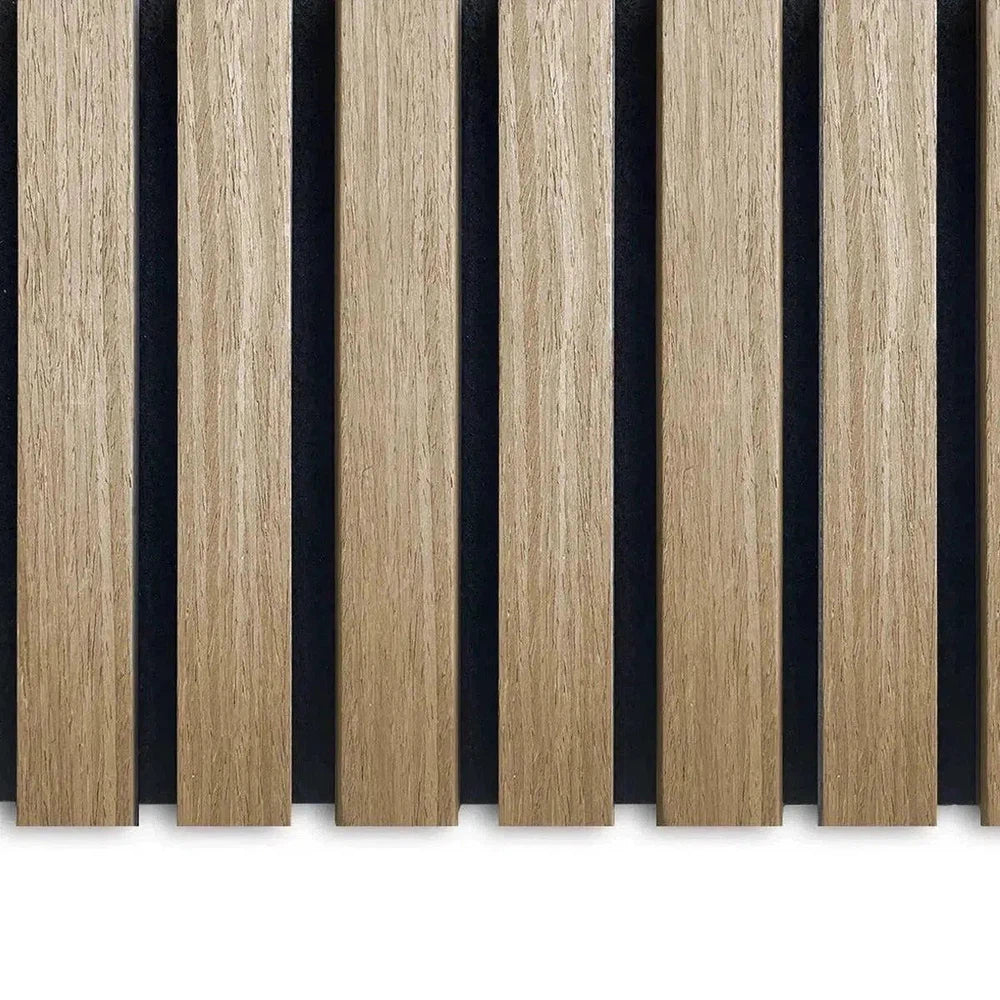
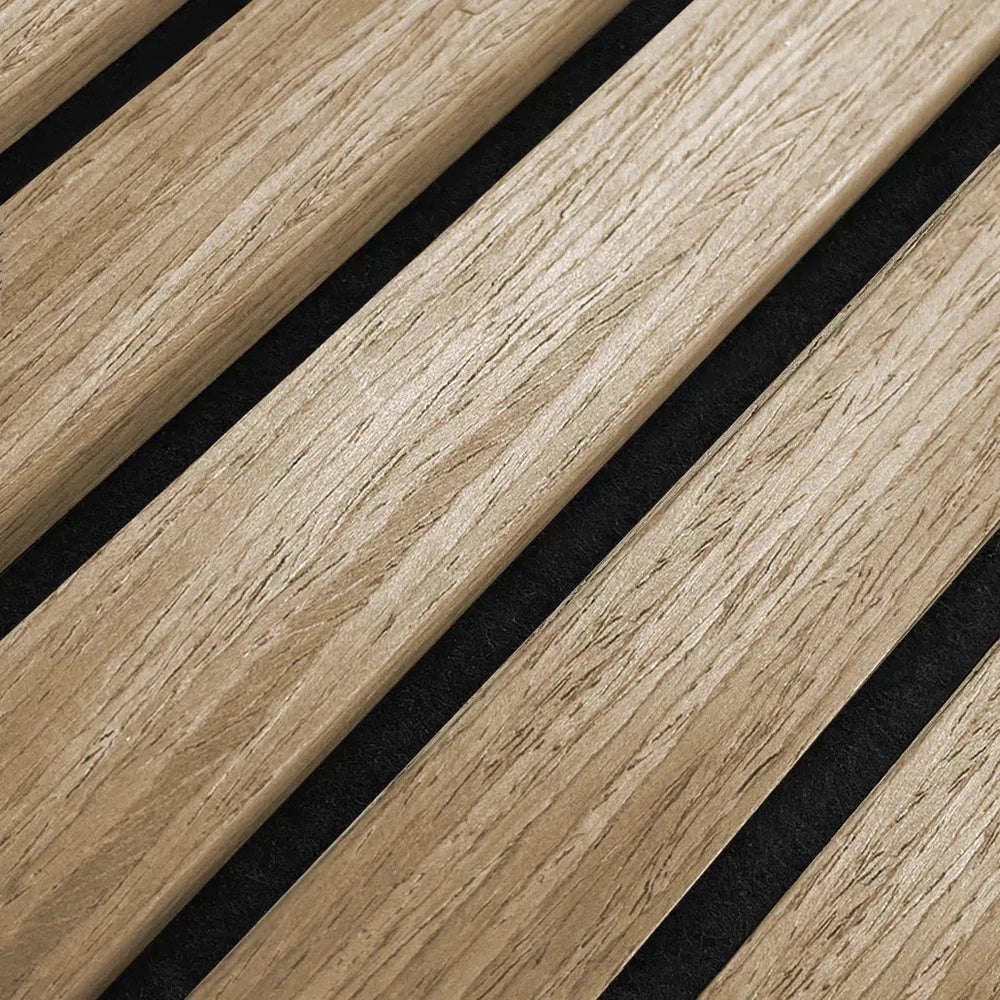
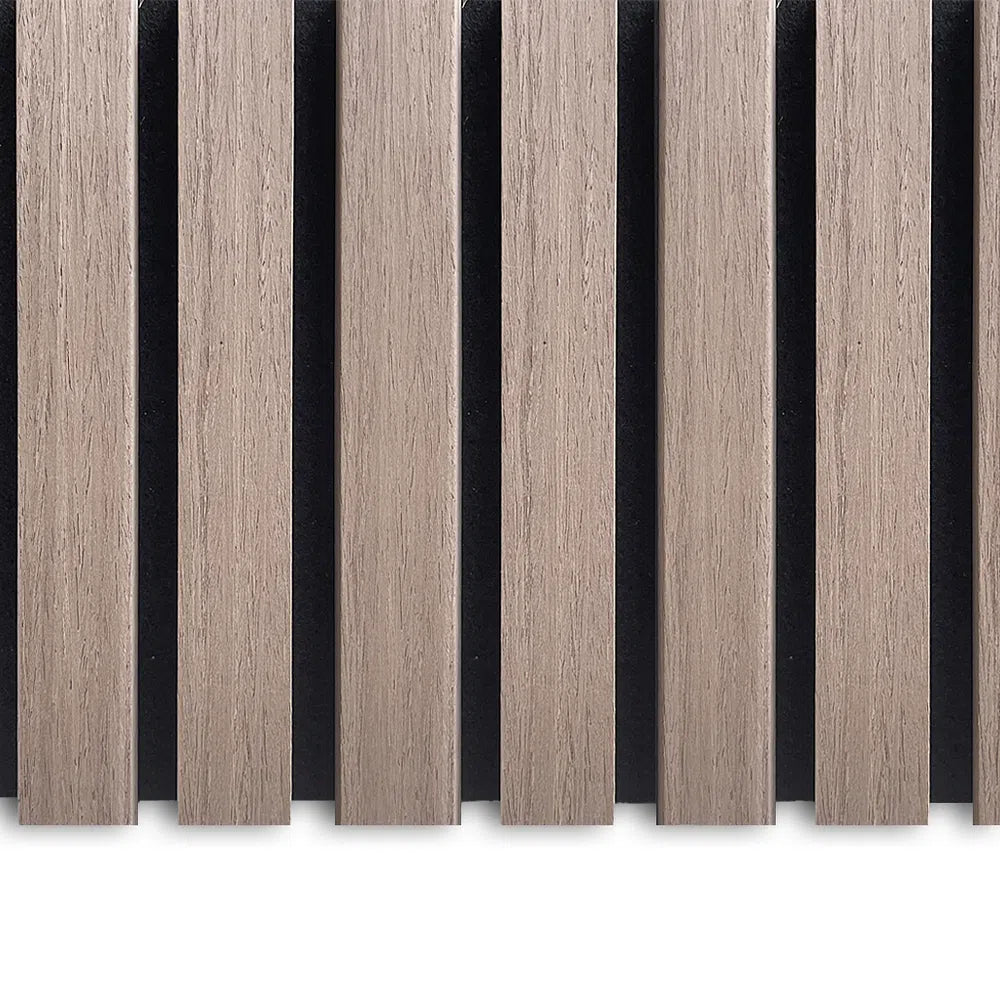
Natural Oak with Grey Felt Hexagon Panel — the safe pick. NRC 0.75, 81 cm width, £40.95. This finish reads as clean and modern above the impact line, and the grey felt backing absorbs sound without darkening the whole room. Buy for reception walls and upper sections of team changing rooms.
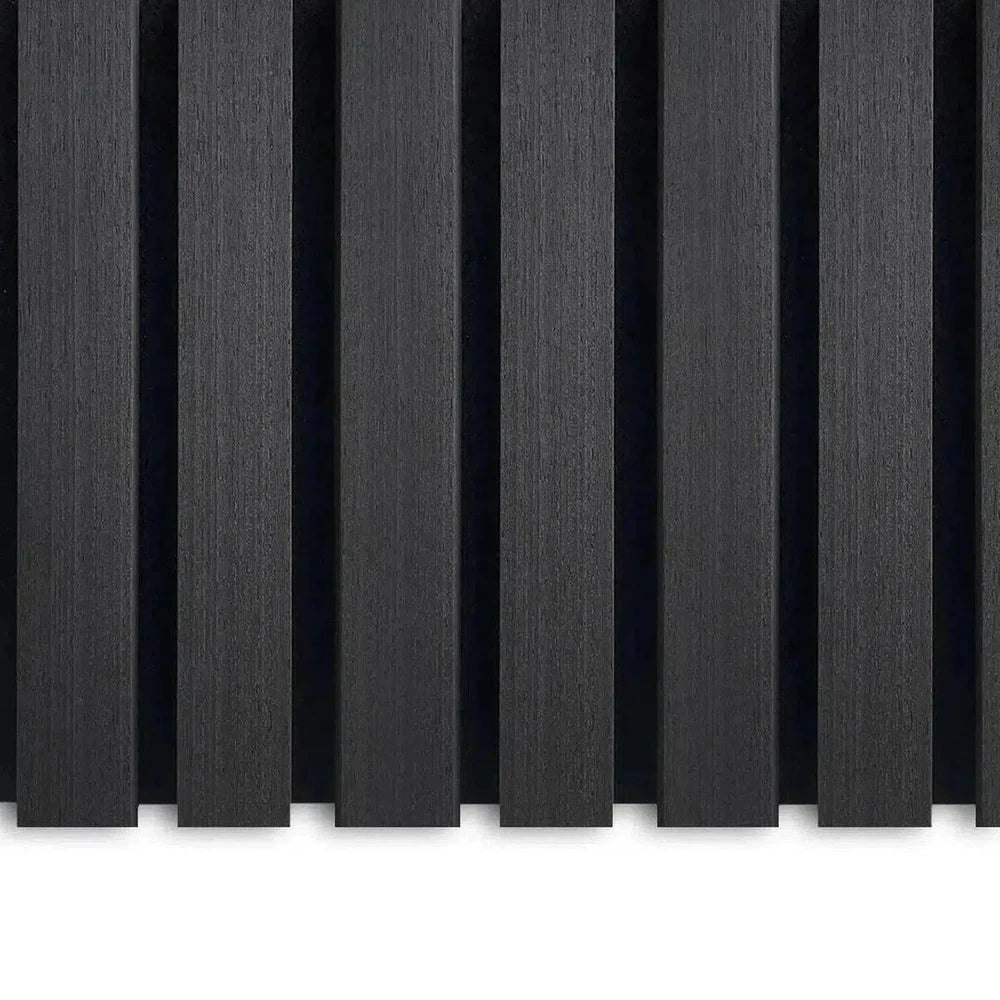
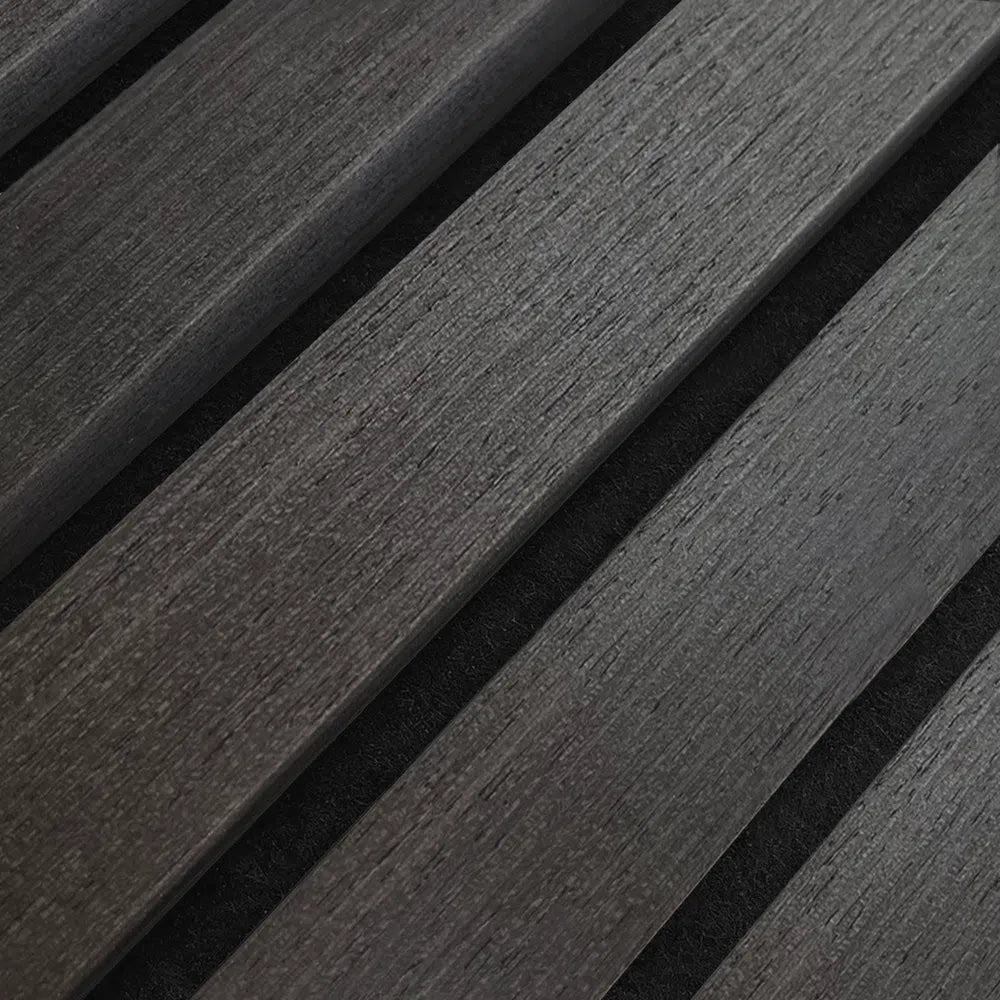
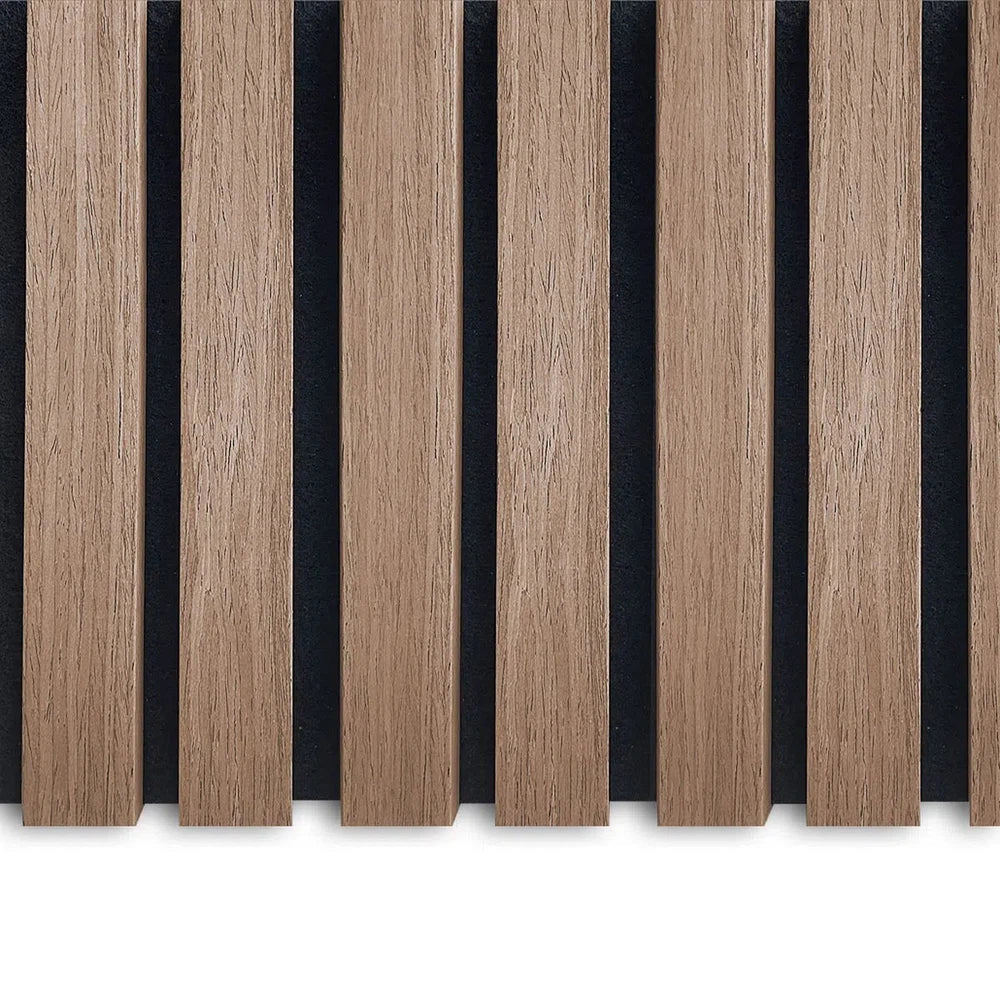
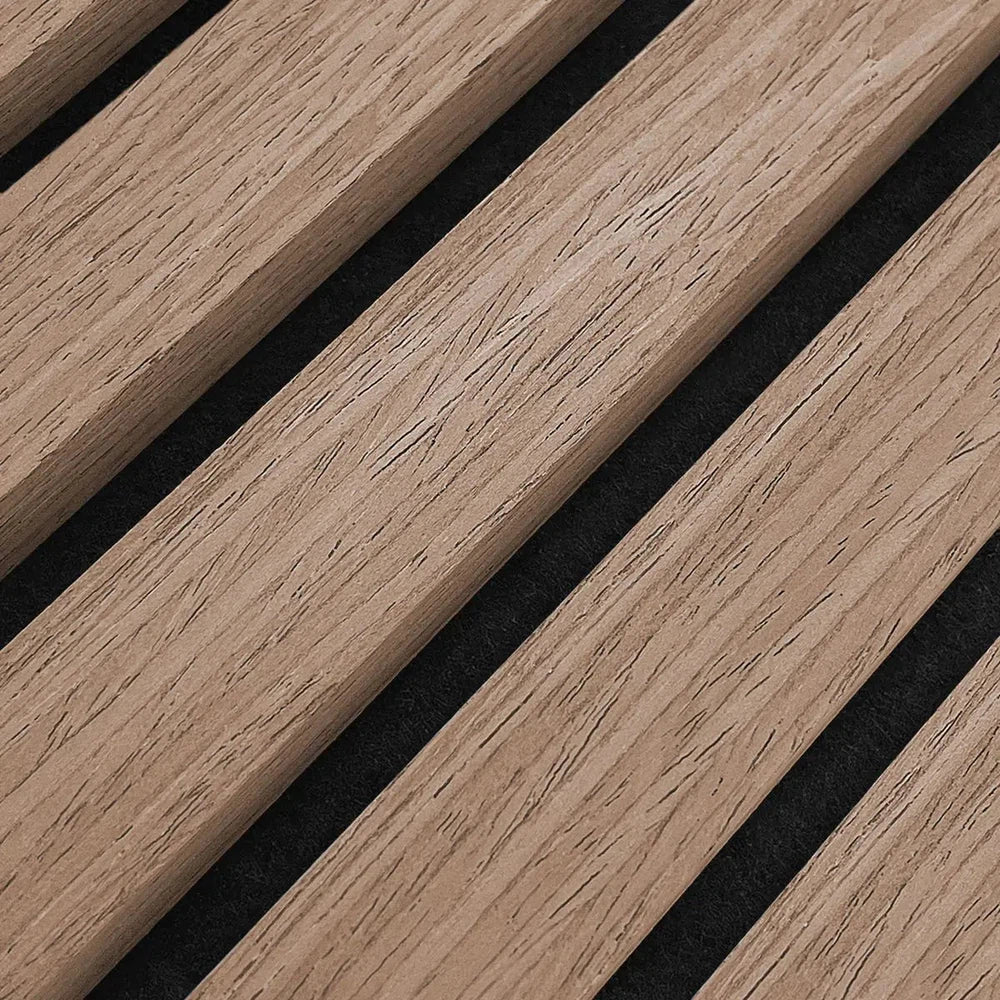
Black Oak Wall Panel — the durability pick. Dark veneer hides scuff marks, boot scrapes, and bag drags that show up fast on lighter finishes. Runs in the 240 cm and 300 cm formats, so a single panel run can cover floor-to-ceiling in a standard changing room bay. Buy for the lower dado zone where contact is heaviest.
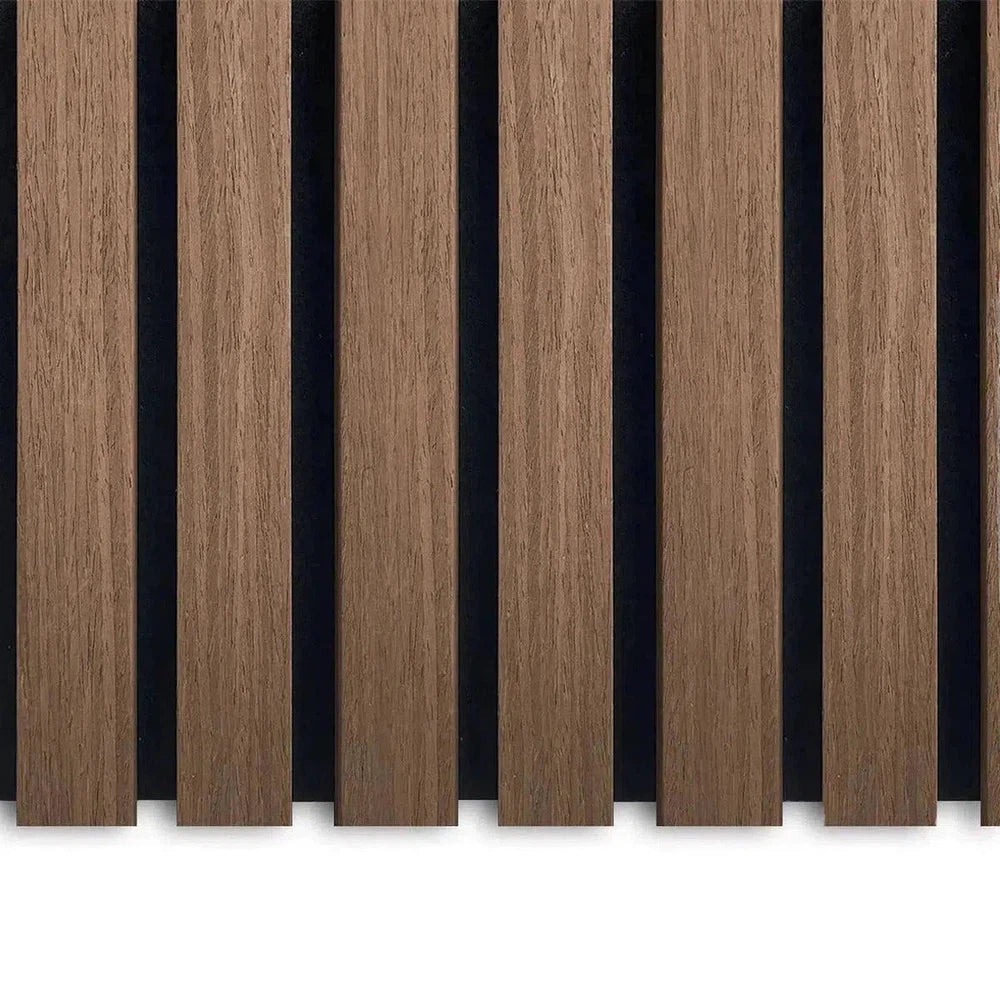
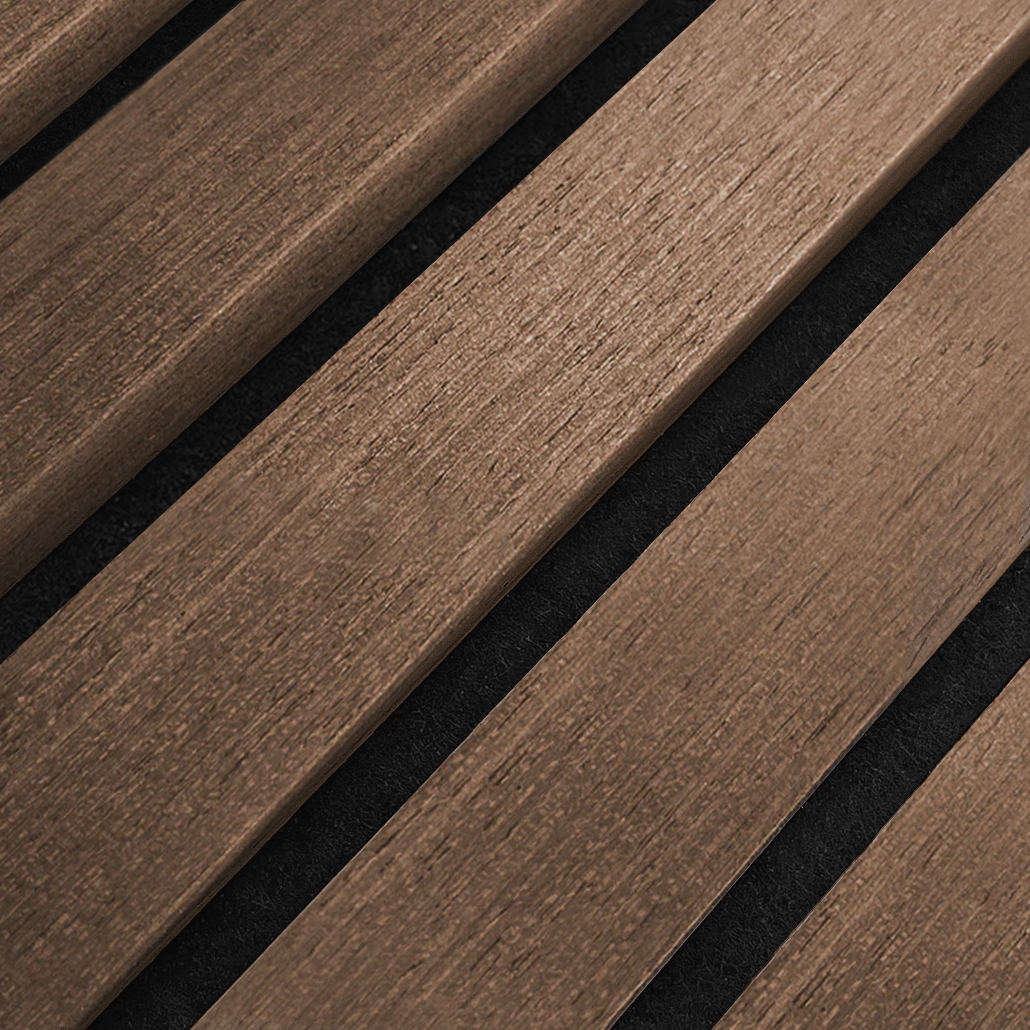
Smoked Oak Wall Panel — the wildcard. A warmer, grain-forward alternative to black oak that still resists visible marking better than natural or grey oak finishes. Good option for club committees who want the room to look less clinical without sacrificing the durability case. Consider if black oak feels too stark for a members' area.
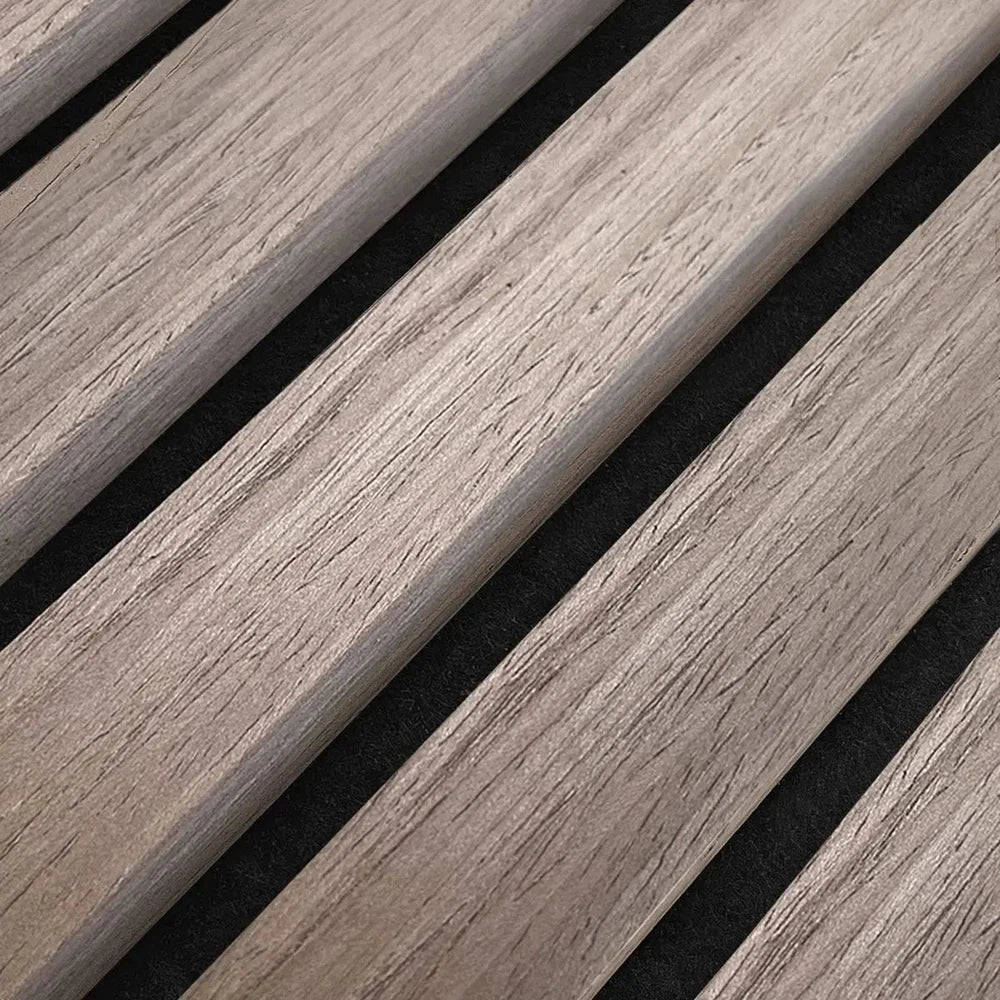
Grey Walnut with Grey Felt Hexagon Panel — the accent pick. Same 0.75 NRC and 81 cm sizing as the natural oak hexagon, in a cooler tone that suits modern club branding in navy or grey. Buy for feature walls behind reception desks or above lockers where a decorative pattern matters as much as acoustics.
Pale natural veneer full sheet panels on lower walls — the mistake pick. Full-height pale veneer without a darker impact zone looks sharp on day one and shows every scrape by month three in a changing room. Skip for anywhere below 1.2 metres; reserve pale finishes for upper walls only.


What to avoid
- Open-cell foam acoustic tiles. They absorb well on paper but soak up moisture in a shower-adjacent room and start smelling within a season — no veneer face, no wipeable surface.
- Full-height pale veneer with no impact zone. Looks like a showroom photo on installation day, looks scraped and grey within a term of junior football boots.
- Panels with no stated NRC or fire data. If a supplier can't give you a number, they haven't tested it for a space where teams and officials congregate daily.
Verdict comparison
| Panel | Finish tone | NRC rating | Best changing room zone | Verdict |
|---|---|---|---|---|
| Natural Oak Hexagon + Grey Felt | Light | 0.75 | Upper walls, reception | Buy |
| Black Oak Wall Panel | Dark | Acoustic felt-backed | Lower dado, impact zone | Buy |
| Smoked Oak Wall Panel | Warm dark | Acoustic felt-backed | Members' area, mixed use | Consider |
| Grey Walnut Hexagon + Grey Felt | Cool grey | 0.75 | Feature wall, branding | Buy |
| Pale full-sheet veneer, no dado split | Light | Varies | Anywhere below 1.2 m | Skip |
FAQ
What are the best acoustic panels for changing rooms in 2026?
Felt-backed hexagon panels with an NRC of 0.75, like AKU Woodpanel's natural oak and grey walnut ranges, work well above the impact line; darker oak veneer full sheets handle the lower dado zone. The combination covers both acoustics and durability in one room.
Do acoustic wood panels work in humid changing rooms?
Yes, provided the panel has a sealed wood veneer face and acoustic felt backing rather than open-cell foam. Open foam absorbs moisture and degrades faster in shower-adjacent spaces.
How much does it cost to panel a changing room wall?
Hexagon acoustic panels run around £40.95 each at 81 cm width, so a 3-metre feature wall section costs a few hundred pounds in panels alone, before fixings and glue. Full sheet panels for larger runs are typically quoted per square metre.
Is black oak or natural oak better for changing rooms?
Black oak hides scuffs, boot marks, and bag drags better and suits the lower dado zone where contact is constant. Natural oak reads brighter and works well on upper walls that see less physical wear.
Can acoustic panels be fitted without a contractor?
Panels that glue or clip onto studwork or masonry can be fitted by a club maintenance team over a closure weekend, without specialist acoustic installers. Larger multi-room jobs still benefit from a planned fit-out schedule.
What NRC rating should changing room panels have?
Look for a documented NRC of at least 0.70 for changing rooms with hard tile and concrete surfaces. AKU Woodpanel's hexagon range carries an NRC of 0.75, which is enough to noticeably cut shouted-instruction echo.
Do changing room panels need a fire rating?
Yes — any club or leisure facility open to the public should confirm fire rating data before installation, not just acoustic performance. Ask the supplier for documentation rather than assuming a wood veneer product is automatically compliant.
One last thing
Most clubs panel the whole wall in one finish and regret it within a year, because the top third and bottom third of a changing room wall face completely different stresses. Splitting the wall — durable dark oak below 1.2 metres, felt-backed hexagon panels above — gets the acoustic benefit where sound actually escapes (the upper wall and ceiling line) while keeping the impact zone easy to touch up or replace panel-by-panel.