Padel and pickleball courts are filling UK leisure centres in 2026, and every hard-floored, glass-walled hall bounces noise straight back at players, staff, and spectators. This guide ranks the acoustic wall panels worth specifying for the clubhouse, reception, and viewing areas around the court — and names the one finish that looks right but does nothing for the noise.
- Hexagon Acoustic Panel Natural Oak with Grey Felt carries an NRC of 0.75 - buy it for court-side viewing galleries and reception walls.
- Acoustic panels for padel courts work best in reception, corridors and the clubhouse bar, not on the court's glass walls.
- Wooden Wall Panel Black Oak suits dark-toned bar and lounge walls in padel and pickleball facilities - buy it for high-traffic zones.
- Skip Exterior Wall Cladding Panel Black for indoor acoustic control - it has no felt backing and no NRC rating.
Why this matters
Indoor padel and pickleball courts share one acoustic problem regardless of the operator: hard floors, glass surrounds, and often exposed steel or concrete overhead. That combination reflects the ball-on-paddle strike and the paddle-on-glass rebound straight back into the room instead of absorbing it, and the reflection doesn't stay on the court.
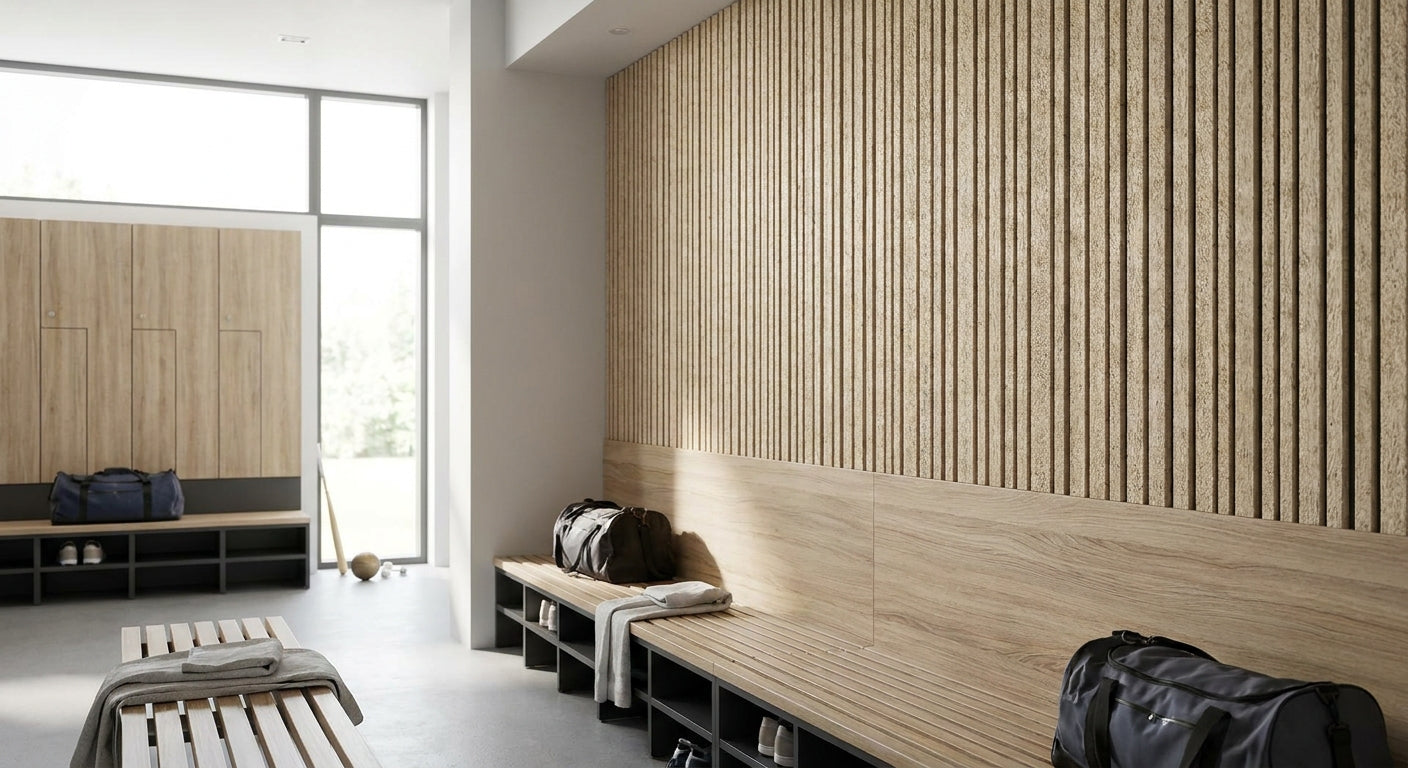
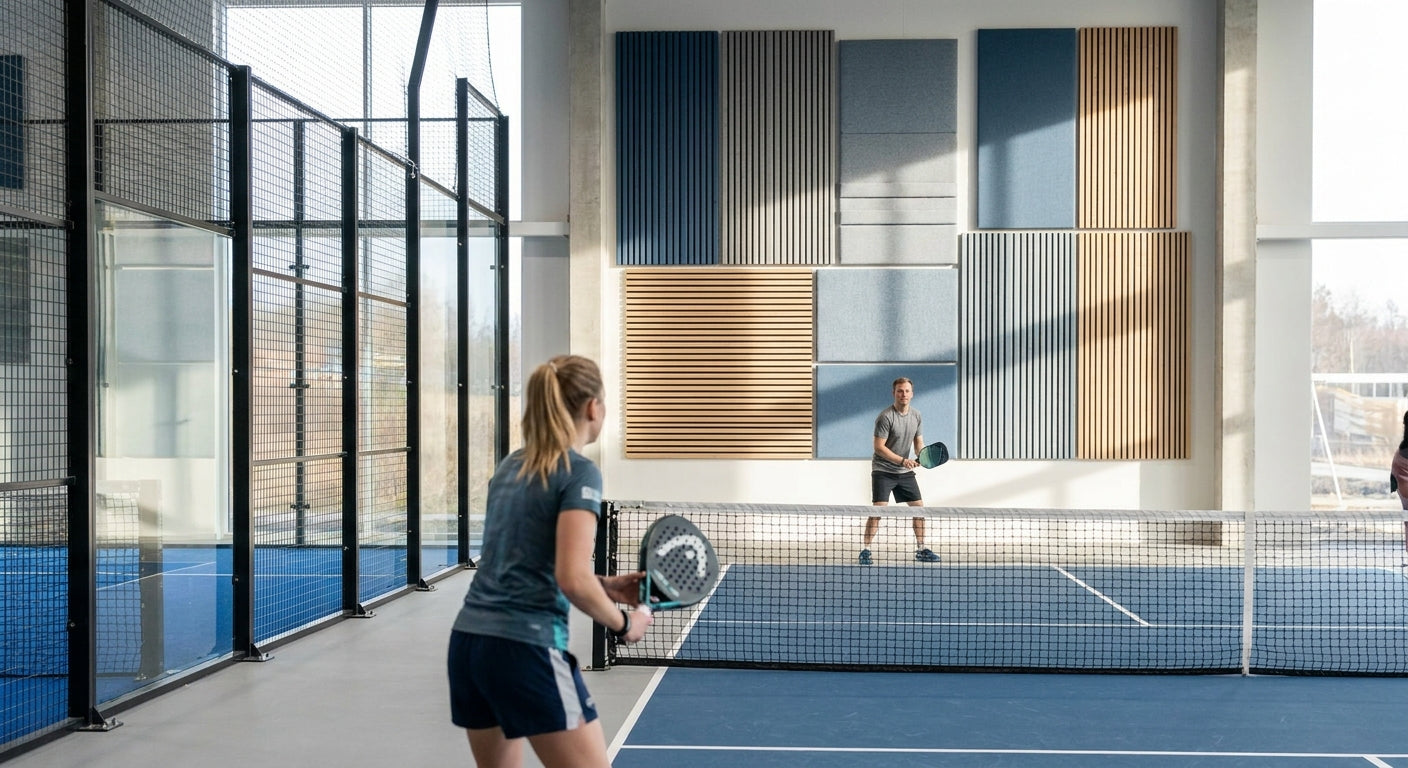
Wood acoustic panels don't go on the court's playing glass — that's a structural call for the court builder, not a wall panel supplier. What acoustic wall panels treat is reverberation time in the spaces around the court: the sports hall and leisure centre walls where staff and spectators spend the other 90% of a session — reception, corridors, the bar, the viewing gallery.
That's the real job for acoustic panels for padel courts in 2026: quieting the building around the game, not the game itself. Get it wrong and a padel club sounds like an empty swimming-pool hall even mid-match, and staff on reception end up shouting over the bookings desk for eight hours a day.
Where court noise actually travels
Sound from a padel or pickleball court doesn't stop at the glass — it travels through open doorways, along corridors, and into any adjoining room with a hard, flat wall. A clubhouse bar sharing a wall with the court hears every rally almost as clearly as the players do, just filtered through a doorway instead of glass.
That's why the panels worth buying for these facilities aren't rated for impact resistance or weatherproofing. They're rated for sound absorption — NRC, or Noise Reduction Coefficient — and that number is the one spec worth checking before ordering anything for a court-adjacent wall.
How we ranked
Every panel below is scored against three things that matter for a court-side building: how much surface it actually treats (a felt-backed panel absorbs more than a solid veneer sheet), what finish holds up in a high-traffic leisure environment, and whether the size format — 240 cm or 300 cm — fits typical hall ceiling heights without heavy cutting. NRC figures cited come from AKU Woodpanel's acoustic wall panel data sheets for 2026; where no NRC figure is published for a panel, that's flagged rather than guessed.
Facilities with viewing galleries or licensed bars get extra weight on finish durability and acoustic performance. Back-office and corridor use gets weight on cost per square metre and ease of install. Nothing on this list is scored on court-glass performance, because none of these panels are built for that job.
The best acoustic panels for padel and pickleball courts in 2026
1. Hexagon Acoustic Panel Natural Oak with Grey Felt — the sound-absorption leader
This is the one panel on this list with a published NRC rating: 0.75, straight from the 2026 AKU Woodpanel data sheet. The hexagon acoustic panel in natural oak with grey felt measures 81 cm across the module and carries a grey felt backing behind the real wood veneer face, so it's doing acoustic work, not just decoration.
At £40.95 per panel in 2026, it costs more per square metre than a flat sheet, but the hexagon shape breaks up a large viewing-gallery wall without a single flat run of grain. That matters directly above a padel court, where the gallery catches the most reflected noise in the building.
Verdict: Buy — for viewing galleries, reception feature walls, and any wall within earshot of the court glass.
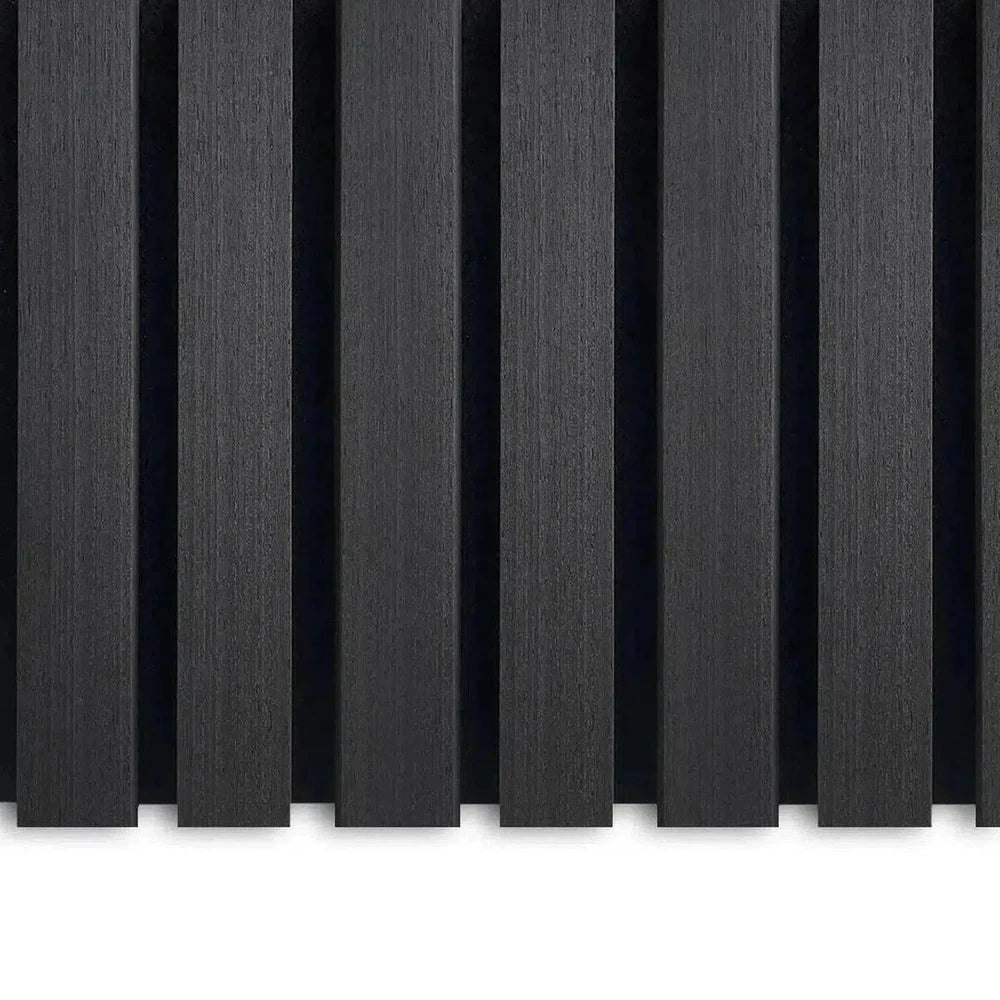
2. Wooden Wall Panel Black Oak — the dark-toned pick for the clubhouse bar
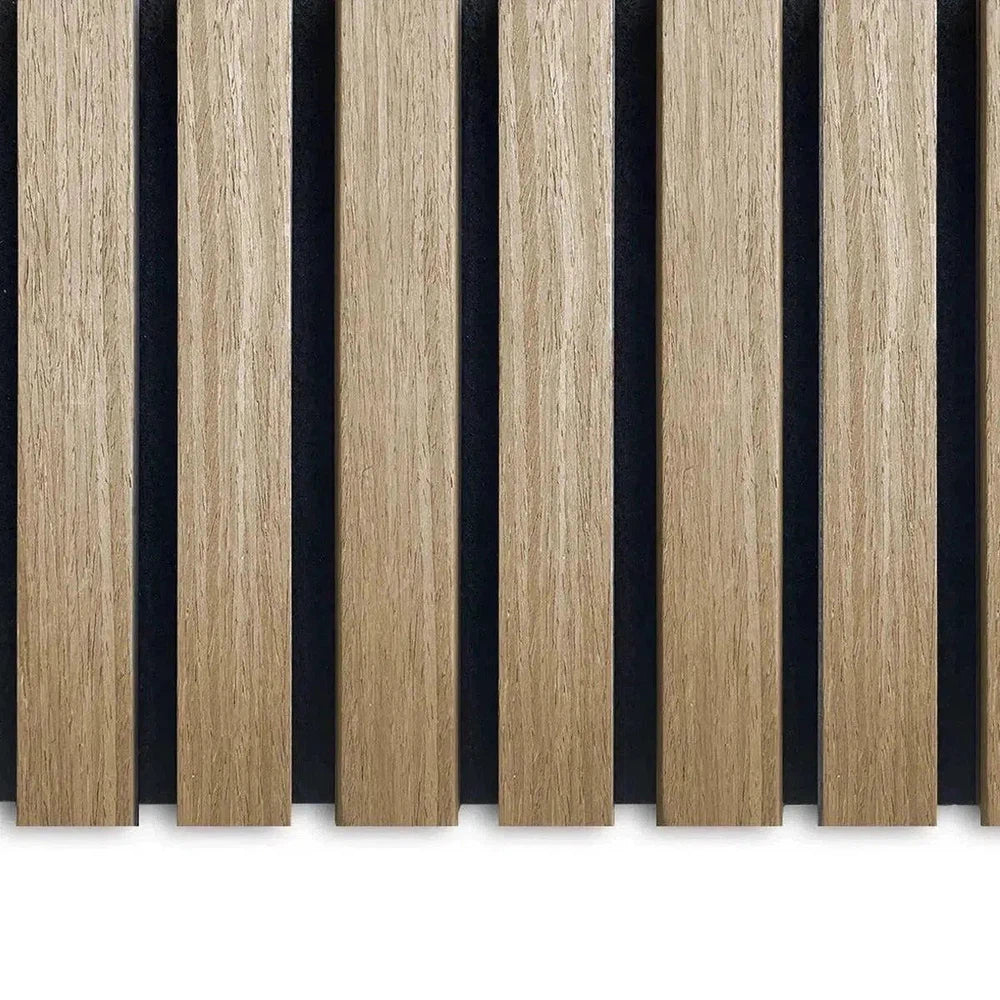
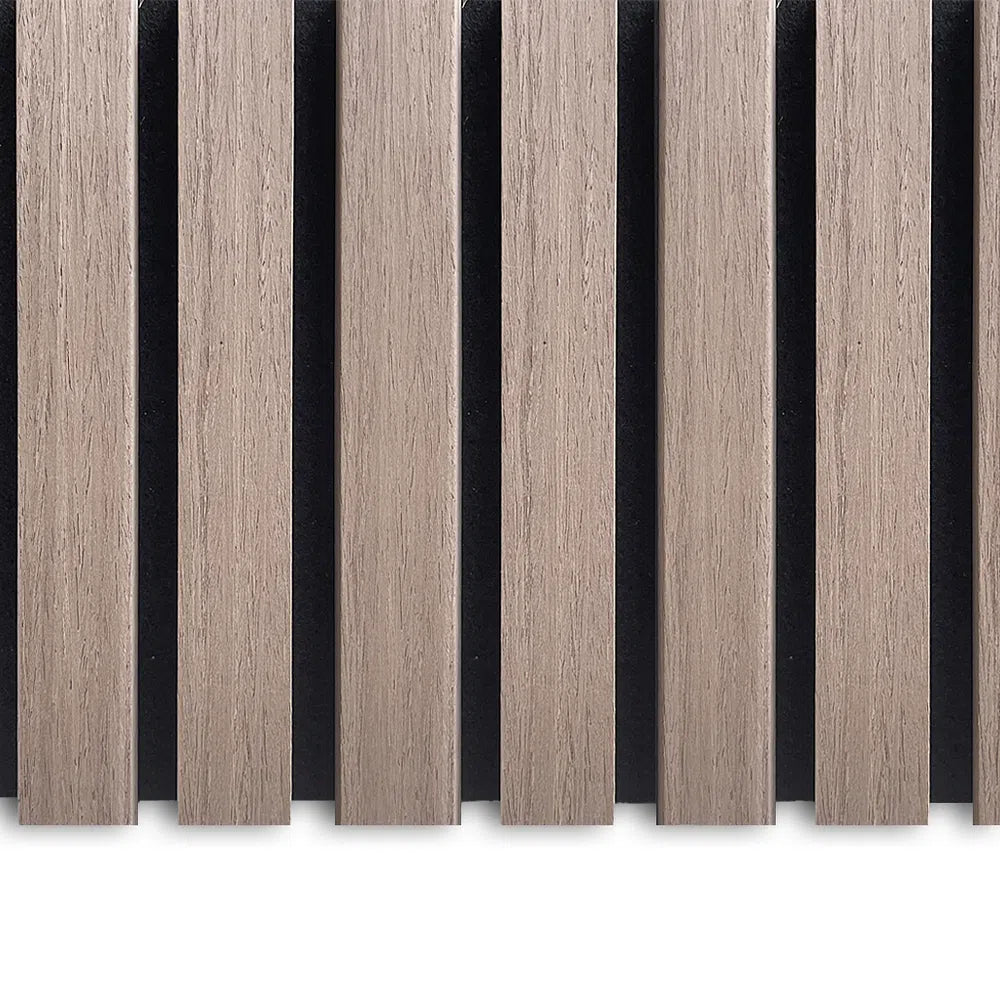
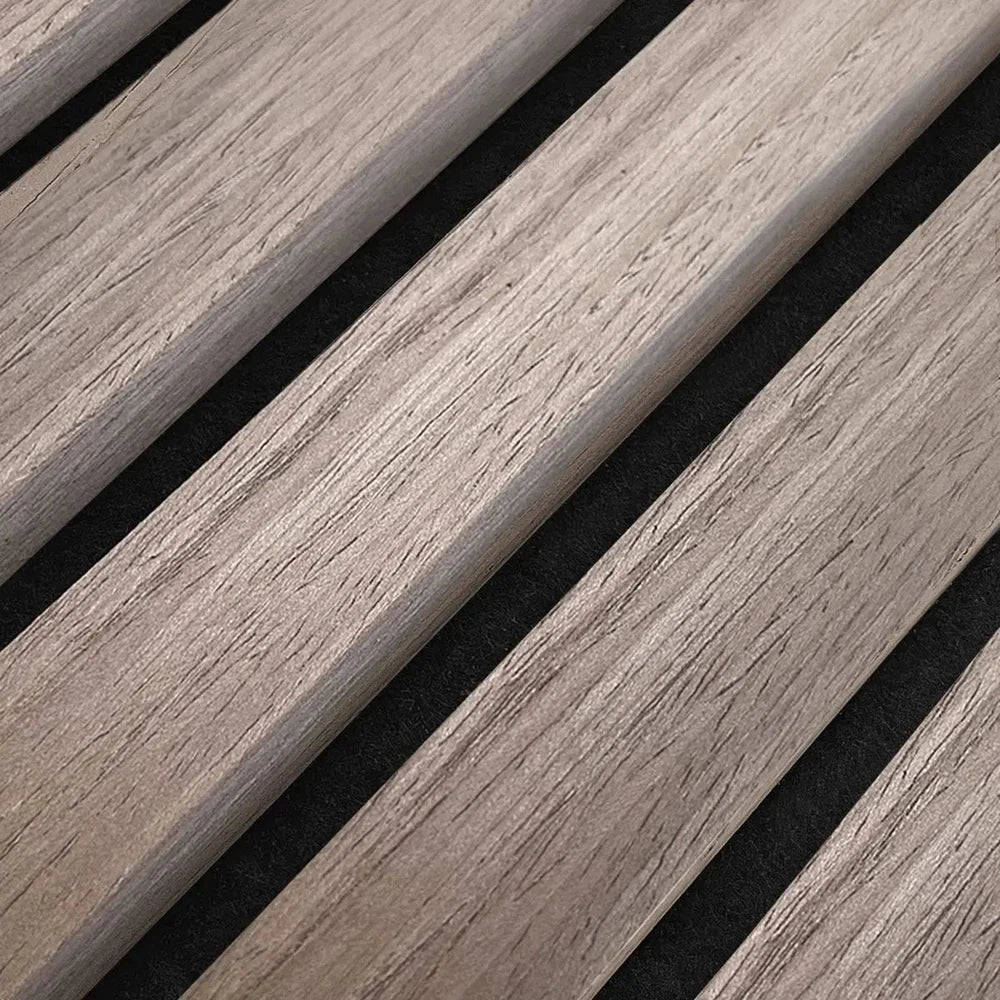
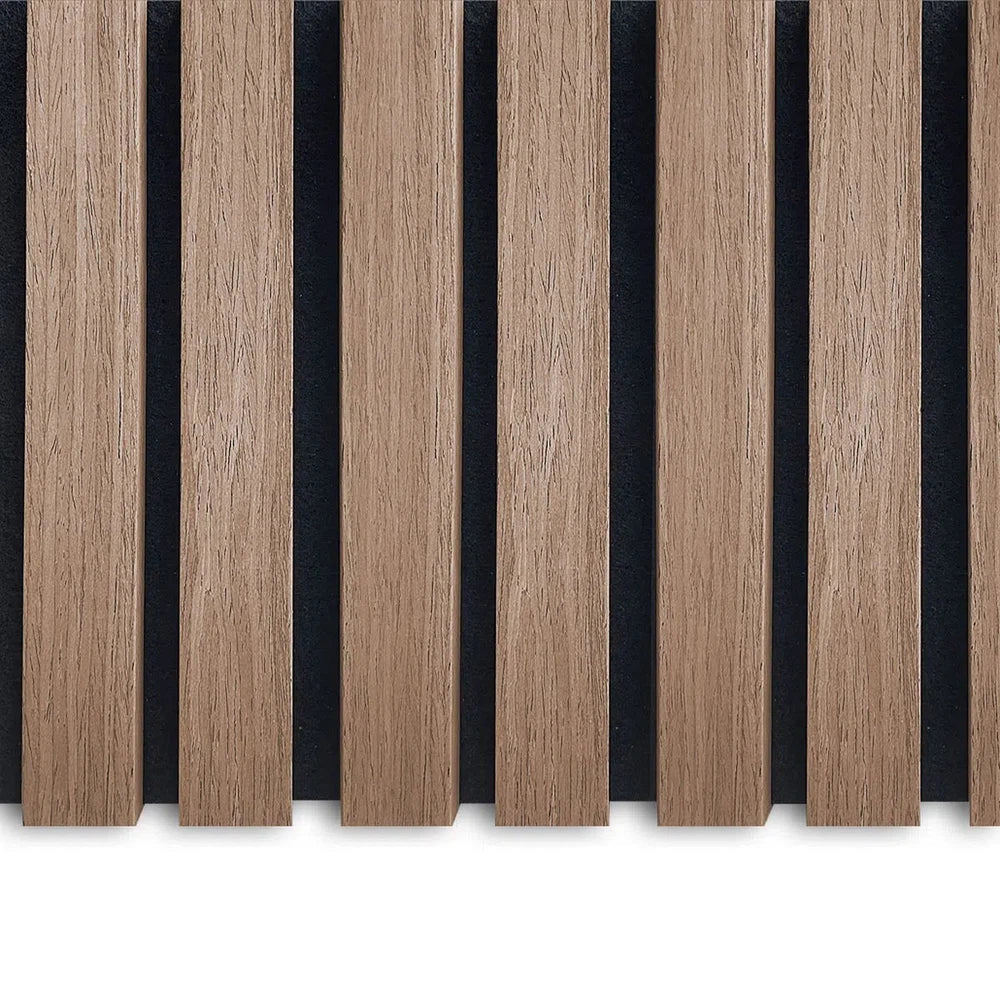
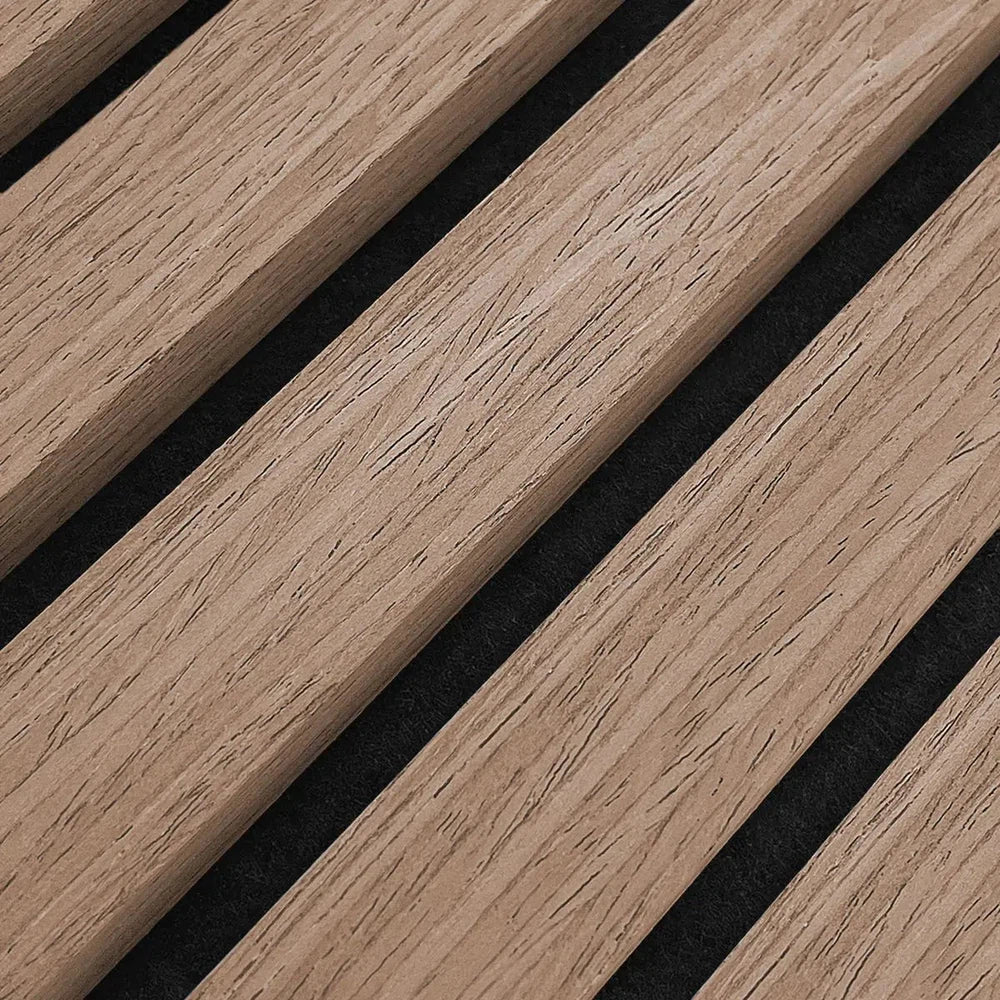
The Wooden Wall Panel Black Oak carries the same 3-sided real wood veneer and acoustic felt backing as the rest of the AKU Woodpanel acoustic panel range, in both the 240 cm and 300 cm formats. A 300 cm panel needs only two joins to cover a typical 6-metre clubhouse bar wall, against four joins in the 240 cm format — fewer seams, cleaner finish, less labour on install day.
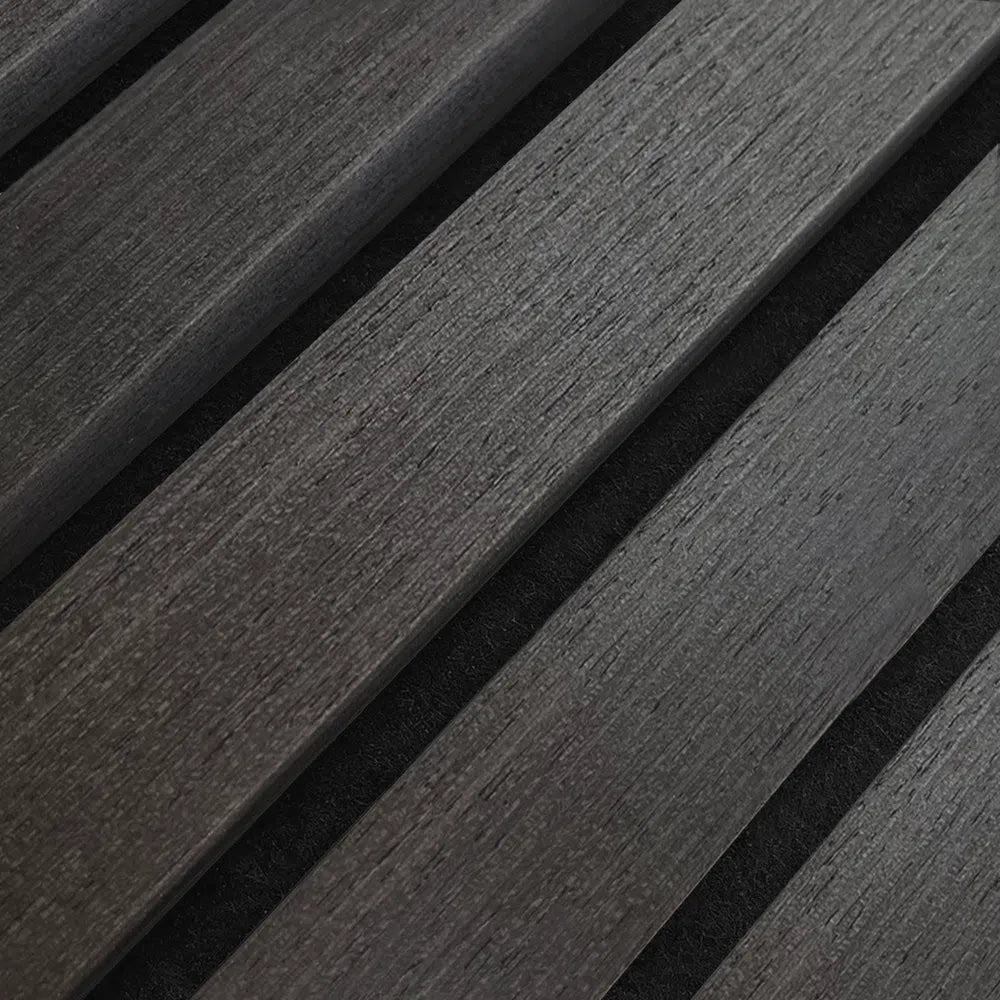
The dark finish hides scuffs from bar stools and match-day traffic better than a pale finish does, which is the practical reason licensed clubhouse areas pick it over natural tones.
Verdict: Buy — for bar walls, lounge zones, and any area that takes heavy foot traffic between matches.
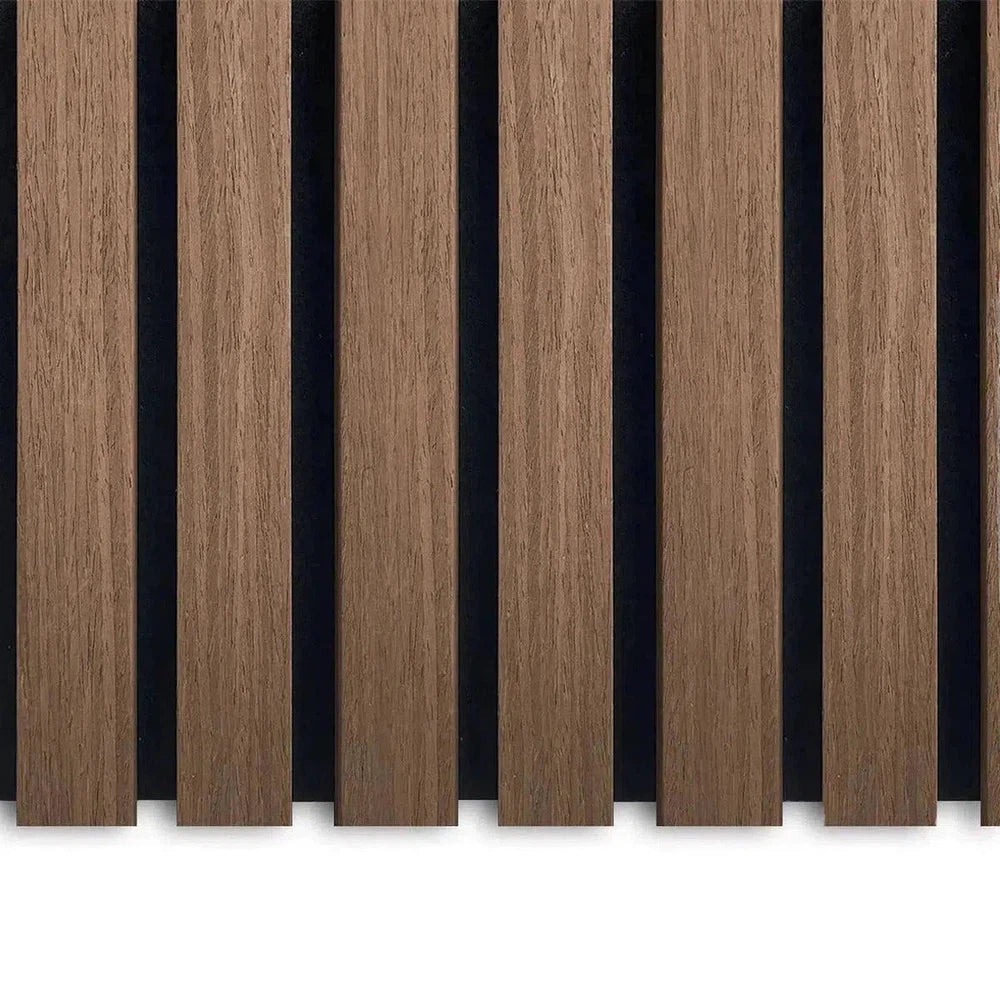
3. Wooden Wall Panel Natural Oak — the safe pick for reception and corridors
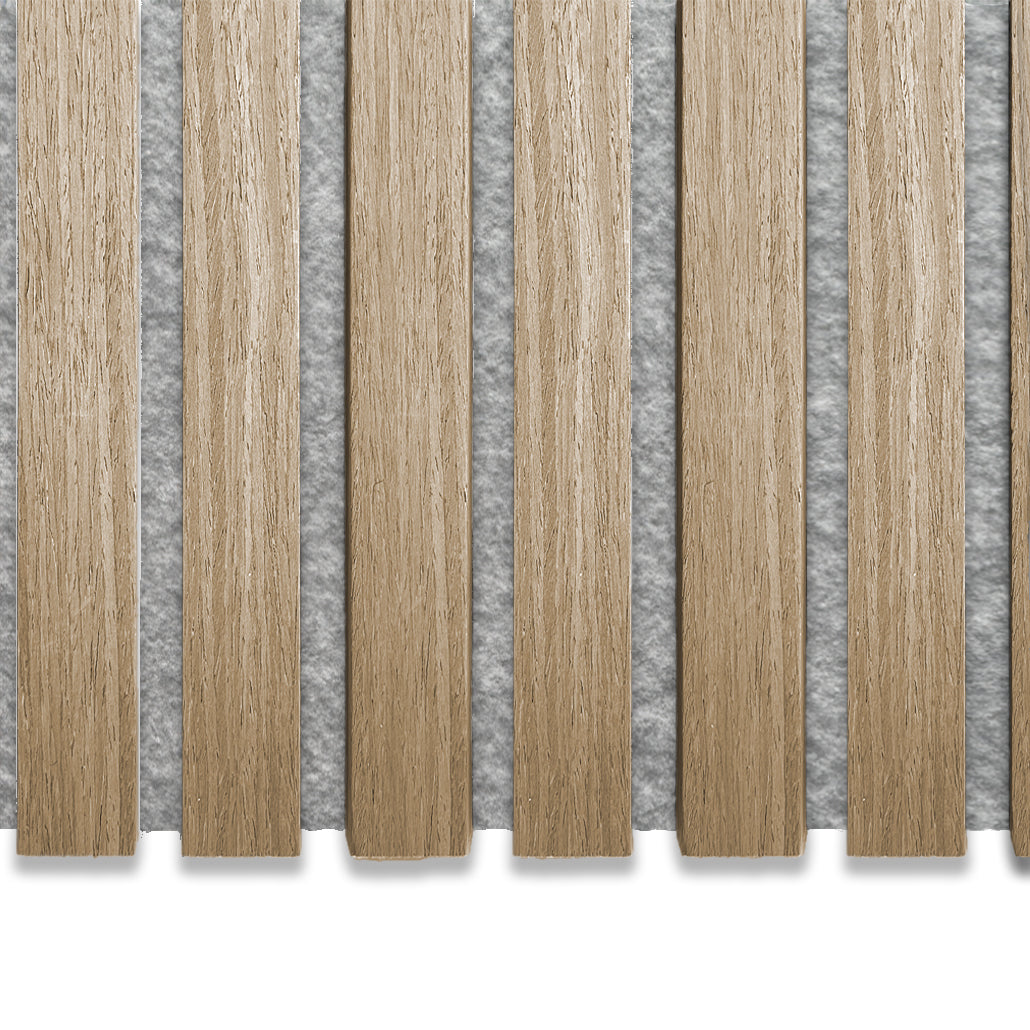
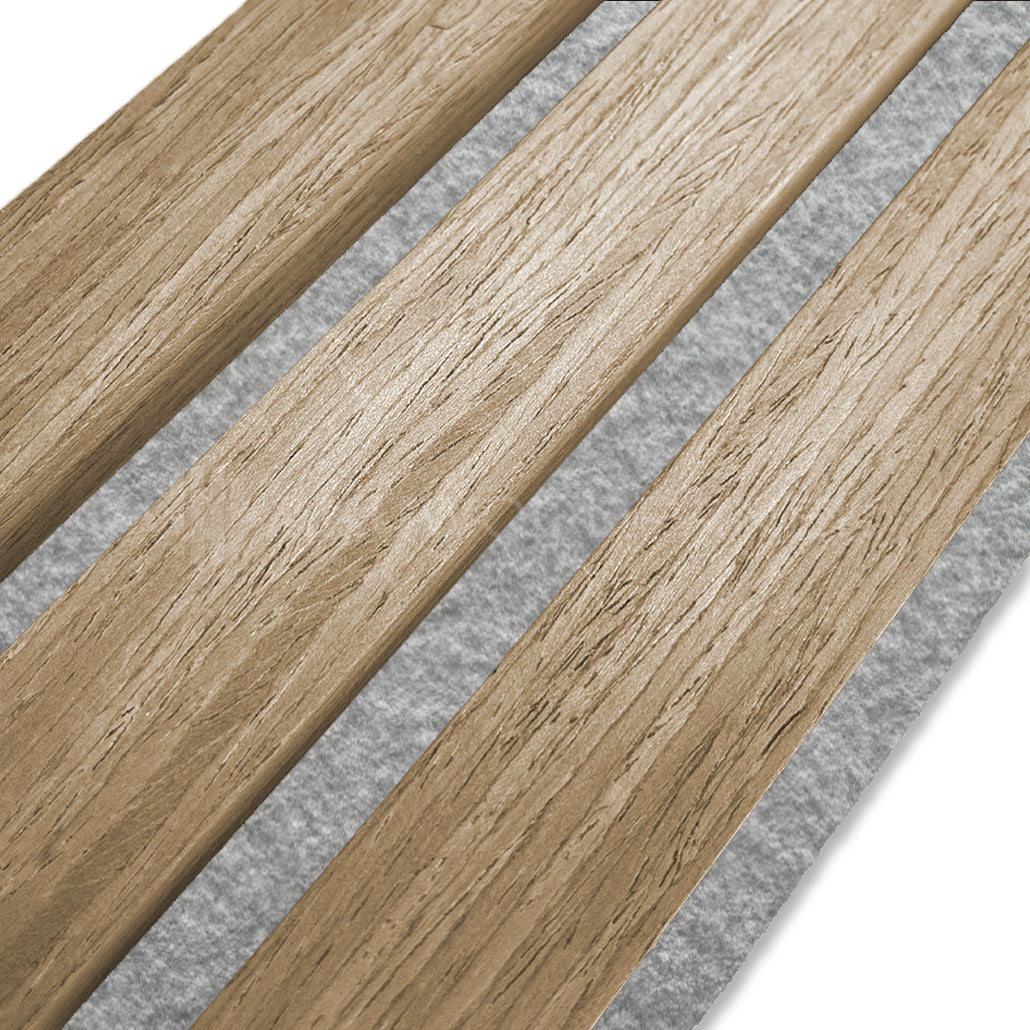
Natural Oak is the lightest finish in the standard range, available in the same 240 cm and 300 cm sizes, with the same acoustic felt backing behind the veneer. It's the finish most padel and pickleball operators default to for reception and corridor walls because it reads neutral against most club branding and signage.
It won't make the statement Black Oak or a hexagon feature wall makes, and that's the point — reception needs to work with wayfinding signs, not compete with them.
Verdict: Hold — solid for reception and corridors, but not the panel to lead with on a feature wall.
4. Exterior Wall Cladding Panel Black — the one people buy by mistake
This is solid cladding built for outdoor facades, with no felt backing and no published NRC figure, because it isn't designed to absorb sound. It shows up in searches for acoustic panels for padel courts because it's black, modern-looking, and sold by the same supplier as the acoustic range.
Fit it on the building's exterior entrance wall if you want the look. Fit it indoors expecting reverberation control and the reflected noise off the court glass won't change — you'll have spent the budget on the wrong product.
Verdict: Skip — for indoor acoustic treatment. Fine for the facade, wrong tool for the noise problem.
5. Hexagon Acoustic Panel Grey Walnut with Grey Felt — the pattern play for a feature wall
Same construction as the natural oak hexagon: 81 cm module, grey felt backing, NRC 0.75 on the 2026 data sheet, priced at £40.95. The grey walnut tone reads cooler and more contemporary than the oak finishes, which suits a reception wall behind a modern glass-court build.
Laying hexagons in a mixed pattern across a long, flat reception wall breaks up the sightline while still cutting reflected noise — a plain flat panel run can't do both at once.
Verdict: Buy — for reception feature walls in facilities with a cooler, more industrial fit-out.
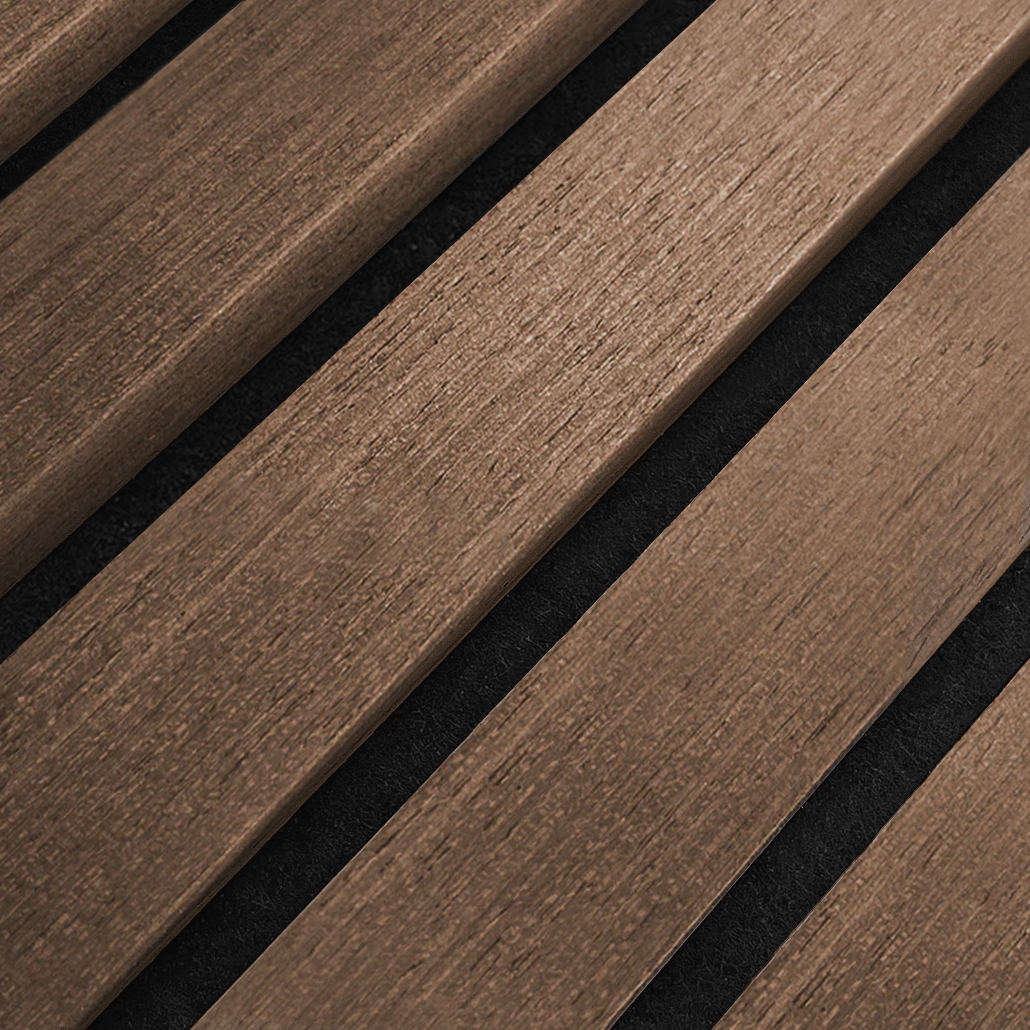
6. Wooden Wall Panel Rustic Oak (Premium 3-Sided Wood Veneer) — the members'-lounge upgrade
Rustic Oak uses the same premium 3-sided veneer construction as the rest of the range, in 240 cm and 300 cm formats, but the grain reads heavier and more textured than standard oak. It's the finish that makes a members' lounge attached to a premium padel club look like a members' lounge, not a corridor.
It sits at the same price tier as the other standard panels, so the upgrade is about finish, not acoustic performance — there's no published NRC advantage over Natural Oak or Black Oak.
Verdict: Wait — order a sample before committing budget here; it's a finish decision, not an acoustic one.
Comparison: acoustic panels for padel and pickleball courts
| Panel | Finish | NRC (2026 data) | Size formats | Best zone | Verdict |
|---|---|---|---|---|---|
| Hexagon Natural Oak w/ Grey Felt | Natural oak veneer | 0.75 | 81 cm module | Viewing gallery | Buy |
| Wooden Wall Panel Black Oak | Black oak veneer | Not published | 240 cm / 300 cm | Clubhouse bar | Buy |
| Wooden Wall Panel Natural Oak | Natural oak veneer | Not published | 240 cm / 300 cm | Reception, corridors | Hold |
| Exterior Wall Cladding Panel Black | Solid black cladding | N/A (exterior use) | Board format | Facade only | Skip |
| Hexagon Grey Walnut w/ Grey Felt | Grey walnut veneer | 0.75 | 81 cm module | Reception feature wall | Buy |
| Wooden Wall Panel Rustic Oak | Rustic oak veneer | Not published | 240 cm / 300 cm | Members' lounge | Wait |
Where to buy
- Order a sample panel in the finish you want before specifying a full wall run — overhead LED lighting in a padel hall shows wood grain differently than a product photo does.
- Buy felt-backed hexagon panels for any wall within 10 metres of the court glass; save solid veneer runs for corridors and back-of-house areas where reverberation matters less.
- Never order exterior cladding for an indoor acoustic job — it has no felt backing and does nothing to reverberation time.
Specify by zone, not by favourite finish. A padel or pickleball facility usually needs two or three different panels across one building — a felt-backed hexagon near the court, a flat veneer panel in the corridor, nothing acoustic at all on the exterior.
“Echo doesn't stop at the court glass - it walks straight into your reception with every rally.”


FAQ
What's the best acoustic panel for a padel court clubhouse in 2026?
The Hexagon Acoustic Panel Natural Oak with Grey Felt is the strongest choice, carrying a published NRC of 0.75 on the 2026 data sheet. It suits viewing galleries and reception feature walls closest to the court glass, where reflected noise is worst.
Do acoustic wall panels reduce noise on the court itself?
No - acoustic wall panels are fitted around the court, not on the playing glass, which is a structural component supplied by the court builder. They control reverberation time in reception, corridors, bars, and viewing galleries instead.
How much do acoustic panels cost for a padel or pickleball facility in 2026?
A felt-backed hexagon acoustic panel costs £40.95 per unit in 2026, covering an 81 cm module. Standard 240 cm and 300 cm veneer panels are priced separately and cover more wall per panel, so total cost depends on size format and wall area.
What NRC rating do I need for a sports hall or leisure centre?
Panels with an NRC of 0.75, like the hexagon range, absorb roughly three-quarters of the sound hitting the surface rather than reflecting it. Solid veneer panels without felt backing don't carry a published NRC figure because they aren't built for absorption.
Is the 240 cm or 300 cm panel better for a padel clubhouse wall?
The 300 cm format needs fewer joins to cover a long wall - two joins across a typical 6-metre bar wall against four in the 240 cm format. Choose 300 cm for long runs and 240 cm for shorter walls or lower ceiling heights.
Can I use exterior cladding indoors for acoustic control?
No - exterior wall cladding like the Exterior Wall Cladding Panel Black has no felt backing and no NRC rating, because it's built for facades, not sound absorption. Using it indoors for noise control wastes budget without touching reverberation time.
How many acoustic panels does a padel court reception need?
Coverage depends on wall area and ceiling height, but most reception walls in a padel or pickleball facility run 240 cm to 300 cm high panels across the full wall length. Measure the wall in square metres and divide by the panel's coverage area to get a panel count.
What's the difference between acoustic panels and decorative wall cladding?
Acoustic panels carry a felt backing behind the wood veneer that absorbs sound, while decorative or exterior cladding is a solid board with no absorption rating. For a padel or pickleball facility, only the felt-backed range does anything for reverberation.
One last thing
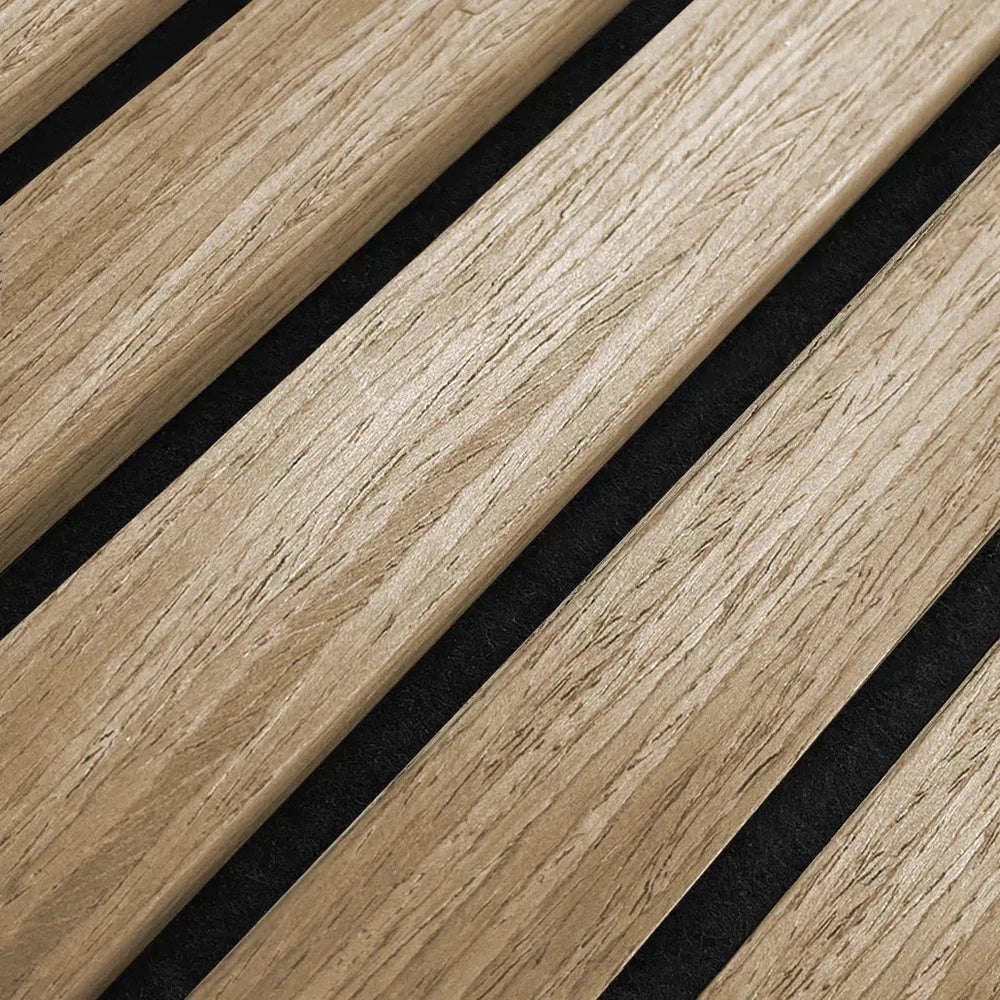
The grey felt behind the veneer is doing the acoustic work, not the wood grain on top — a solid veneer panel with no felt backing can look identical from three feet away but won't touch reverberation time. If a padel or pickleball facility is choosing between a felt-backed hexagon panel and a flat solid-veneer sheet for the same wall, in 2026 AKU Woodpanel's felt-backed acoustic panels are the only option actually solving the noise problem the club called about.