School dining hall acoustic panels cut reverberation time in rooms built for 100-400+ pupils with hard floors, high ceilings, and almost no soft furnishing to absorb sound. A dining hall doubles as an assembly space, so the acoustic panels you spec need to handle a lunchtime crowd and a whole-school assembly without turning into a maintenance headache by half-term.
- School dining hall acoustic panels need a documented NRC rating, not just a wood-look finish, to cut reverberation in halls with 100+ pupils.
- Akuwood Panel's hexagon acoustic panels carry an NRC rating of 0.75 and a real wood veneer face that survives daily contact.
- Cover 25-40% of usable wall area as a starting point for a typical dining hall, then adjust after a reverberation check.
- Fire rating documentation matters as much as sound absorption for any 2026 school specification.
- Fabric-wrapped foam panels absorb sound but tear and stain faster than veneer-faced wood panels in a canteen setting.
Why acoustic panels matter for school dining halls
A dining hall is one of the loudest rooms in any UK school building. Hard floors for cleaning, tall ceilings for stacking tables, and rows of parallel walls all bounce sound back and forth instead of absorbing it, and that reverberation is what makes 300 children eating lunch sound like a wind tunnel.
Staff supervising the room strain to hear pupils, announcements get lost in the noise, and children with auditory processing needs or hearing aids struggle the most. Because dining halls double as exam halls, assembly spaces, and after-school club venues, the acoustic fix has to work across every one of those uses, not just lunchtime.
Acoustic panels for education spaces covers the wider brief for schools; this guide narrows it down to the dining hall specifically, where occupancy density and cleaning demands are higher than in a classroom or corridor.
Assess the reverberation before you order anything
Most facilities teams skip this step and go straight to a product page. Don't.
- Clap once in the empty hall and count how long the echo tail lasts — anything over 1.5 seconds needs treatment
- Note which walls are parallel and unbroken, since flat parallel surfaces cause the worst standing waves
- Check ceiling height against wall area; taller halls (4m+) generally need more absorptive coverage per square metre
- Record whether the hall doubles as an assembly space, since that changes the target reverberation time
- Walk the room during a real lunch service, not an empty inspection, to hear the actual problem
Calculate wall coverage by area, not guesswork
Schools consistently under-order because they measure the empty wall and forget windows, serving hatches, and notice boards eat into usable panel area.
- Measure total linear wall length minus doors, windows, and fixed fittings
- Start with 25-40% of remaining wall area covered in absorptive panel for a typical dining hall
- Prioritise the two longest parallel walls first, since that's where flutter echo is worst
- Add coverage behind the serving counter, where crockery and equipment noise is loudest
- Round up to full panel counts rather than trimming — offcuts rarely fit a second location cleanly
Check the NRC rating before you choose a finish
A panel can look like an acoustic product and still do almost nothing for reverberation. The Noise Reduction Coefficient (NRC) tells you how much sound a panel absorbs, on a scale from 0 (reflects everything) to 1 (absorbs everything).
- Ask for the NRC figure in writing, not just a description of "acoustic-grade"
- Akuwood Panel's hexagon acoustic panels list an NRC rating of 0.75, a genuinely absorptive figure for a wood-veneer product
- Compare that figure against any alternative before ordering — a lower NRC means proportionally more coverage
- Read how to read NRC sound absorption ratings on acoustic panels if the spec sheet language is unfamiliar
Pick a finish that survives daily contact from pupils
A dining hall finish takes more physical abuse than almost any other room in the building — trays, chairs, spilled drinks, and hundreds of hands a day.
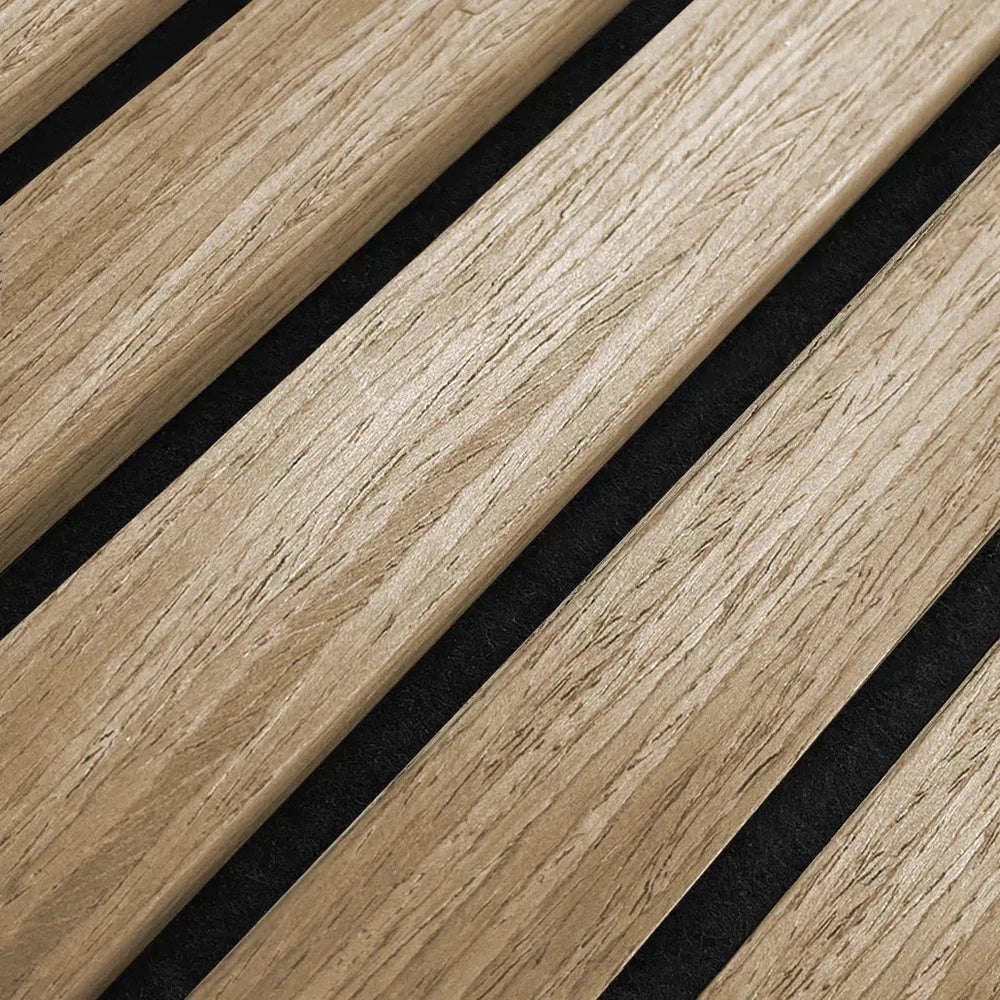
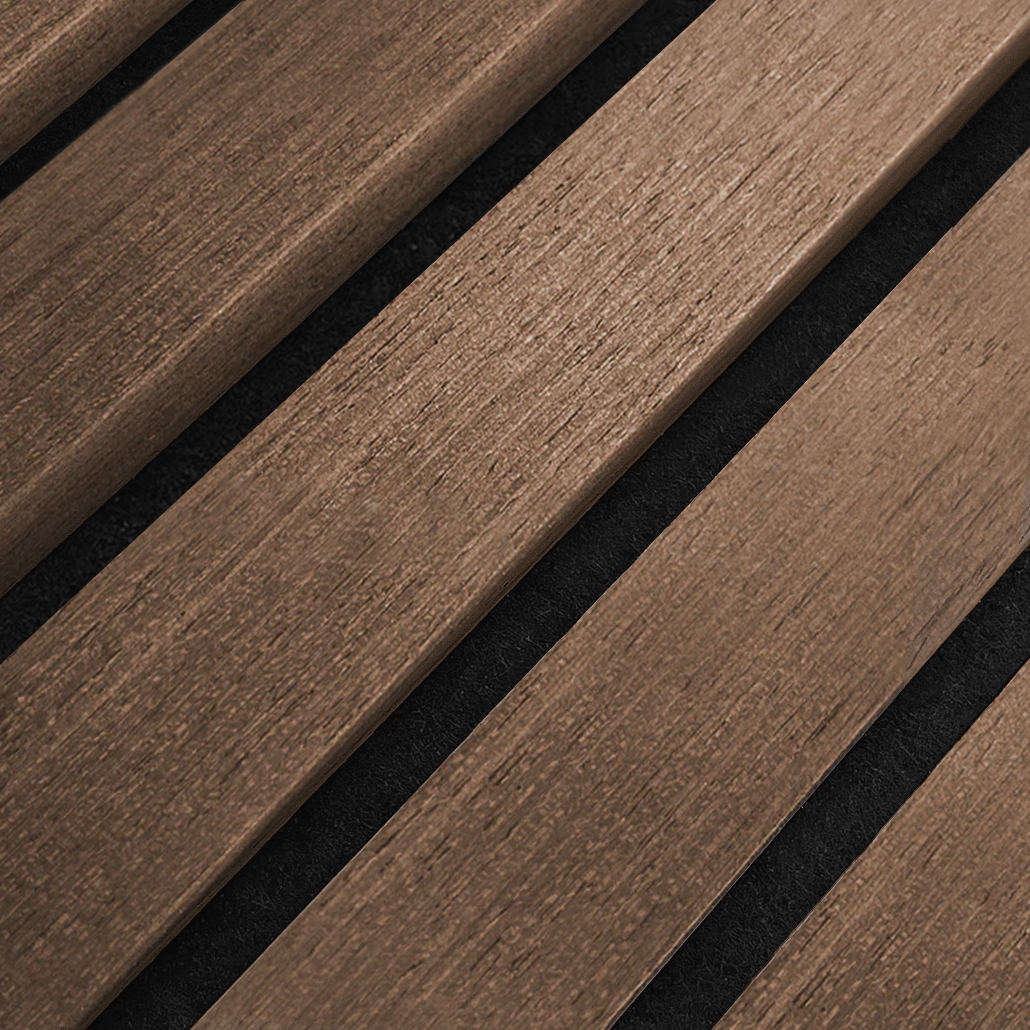
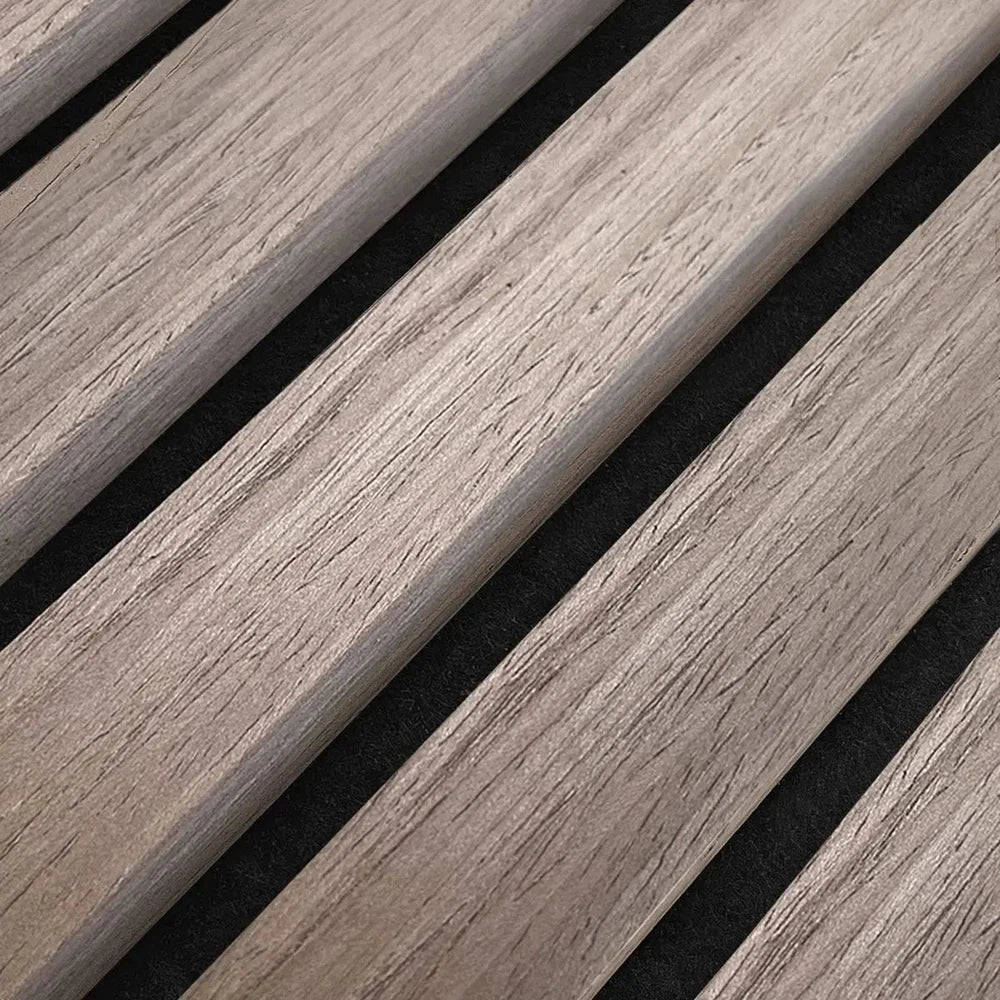
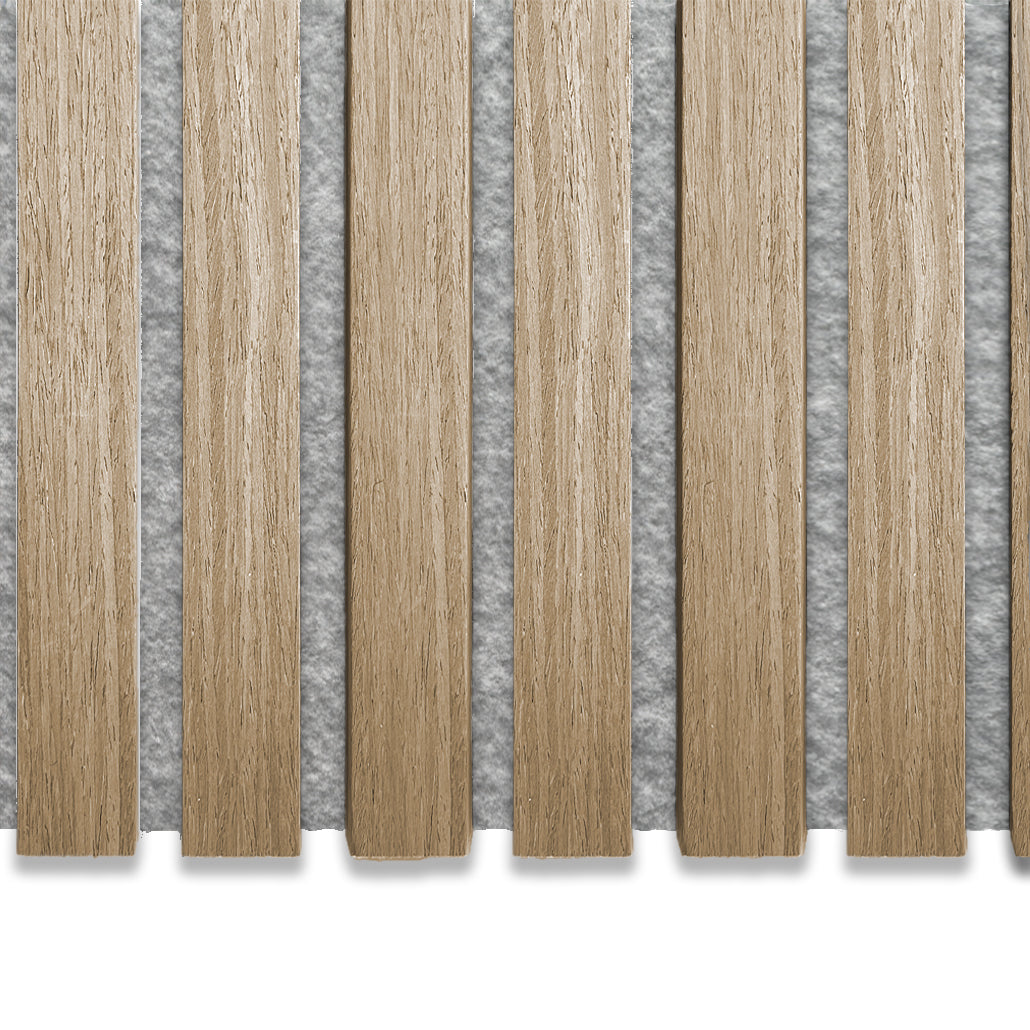
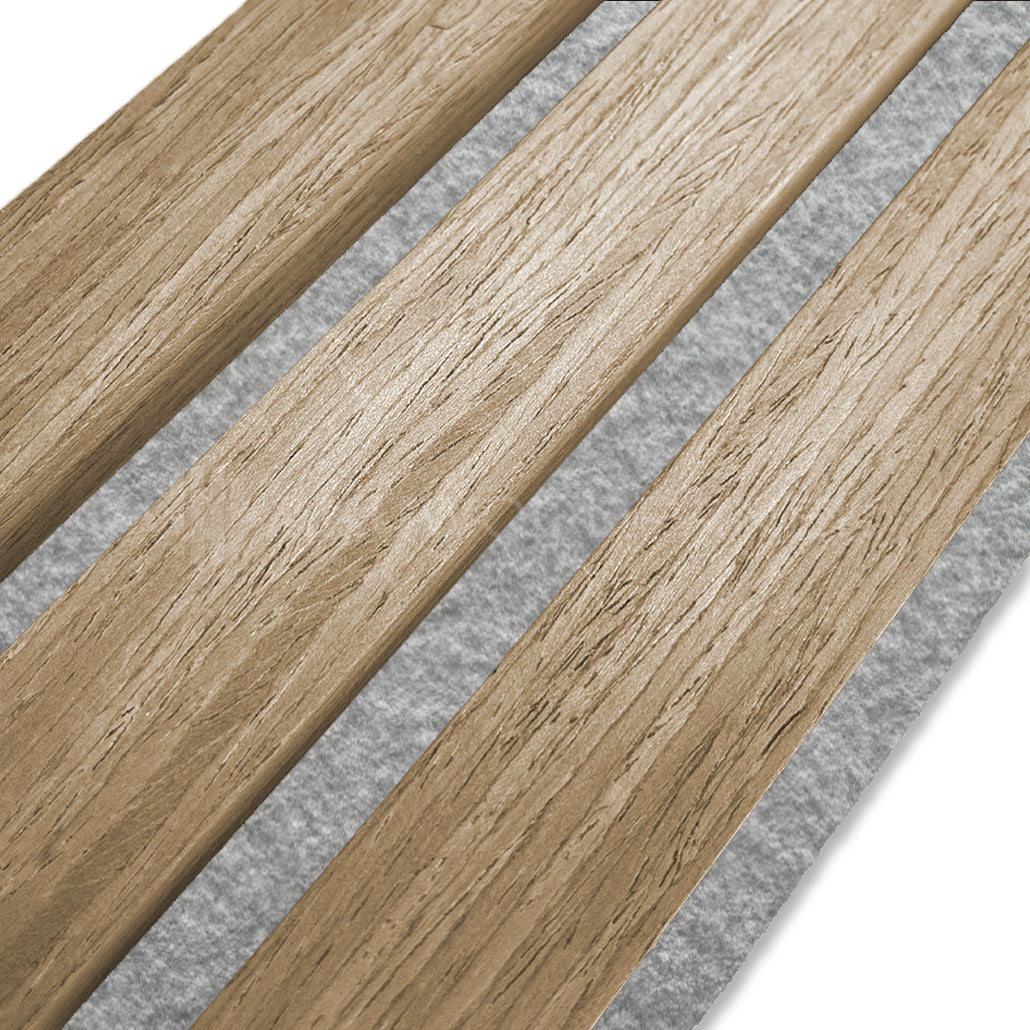
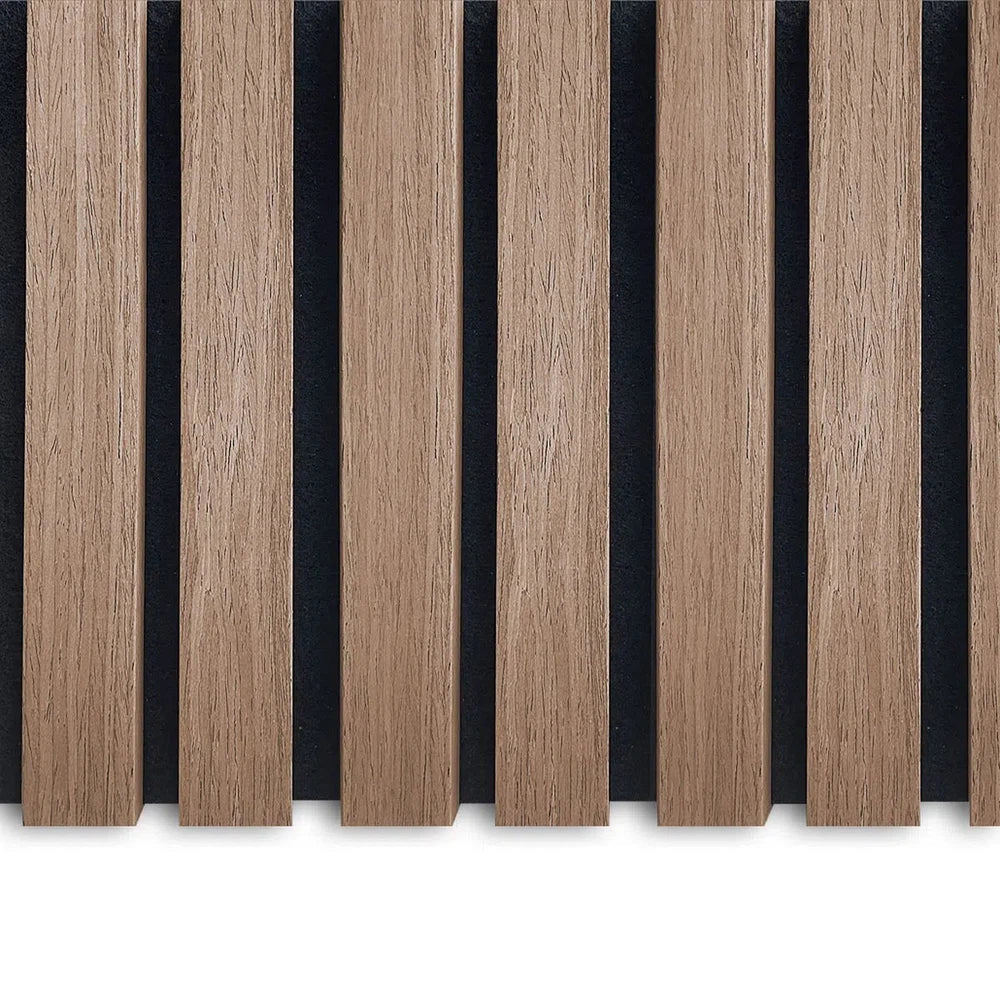
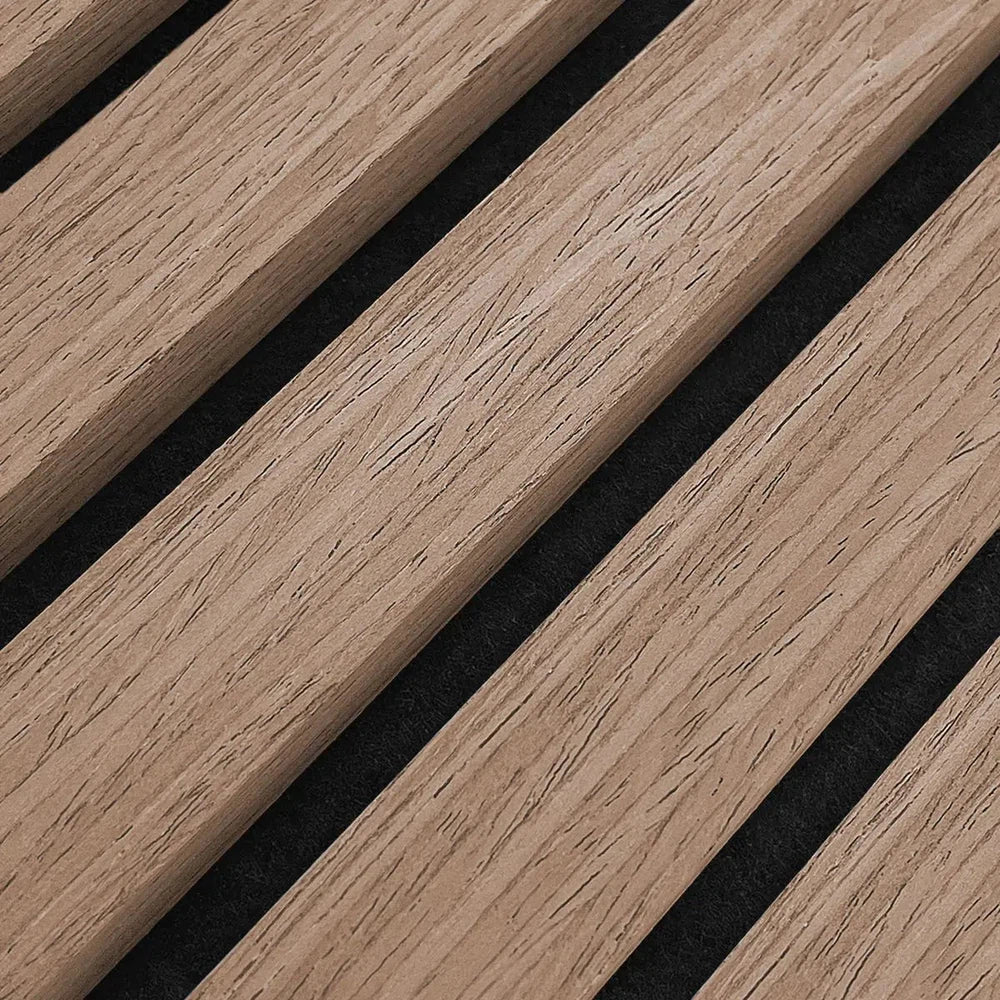
- Real wood veneer with a felt backing resists scuffing better than painted MDF slat panels
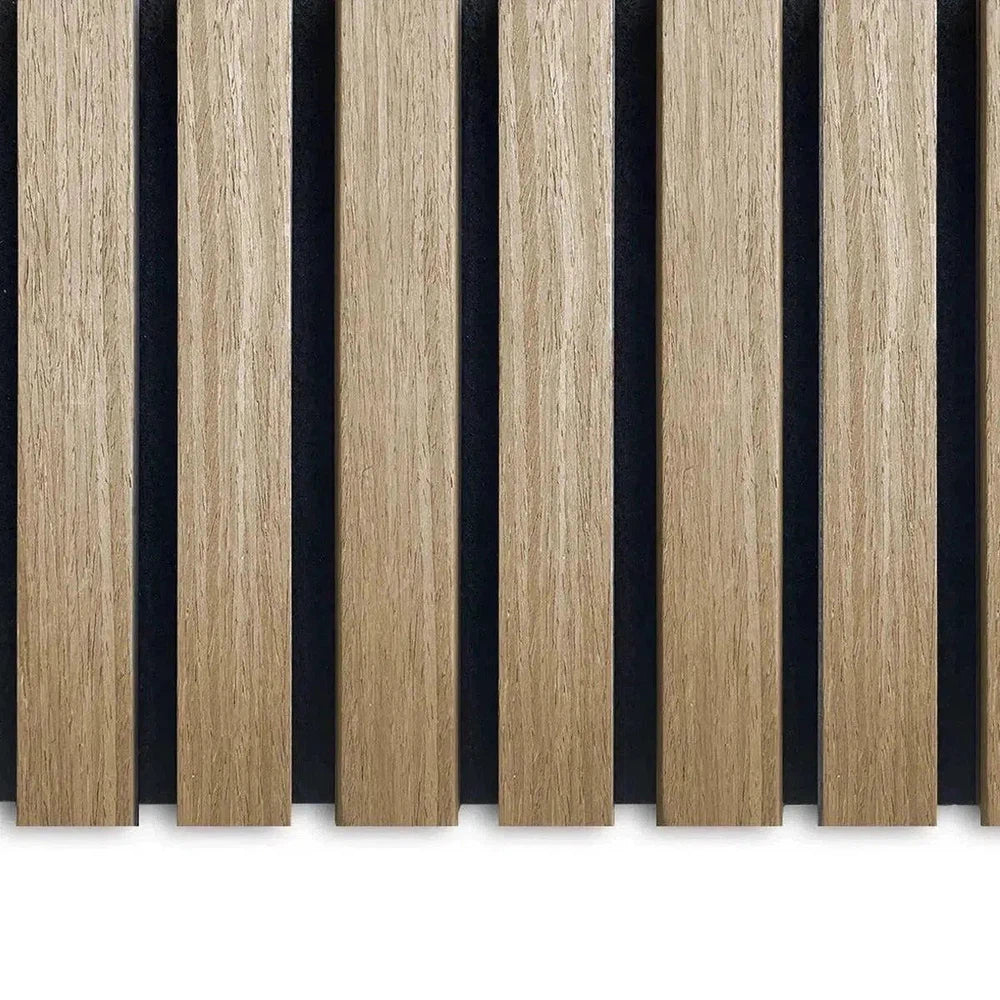
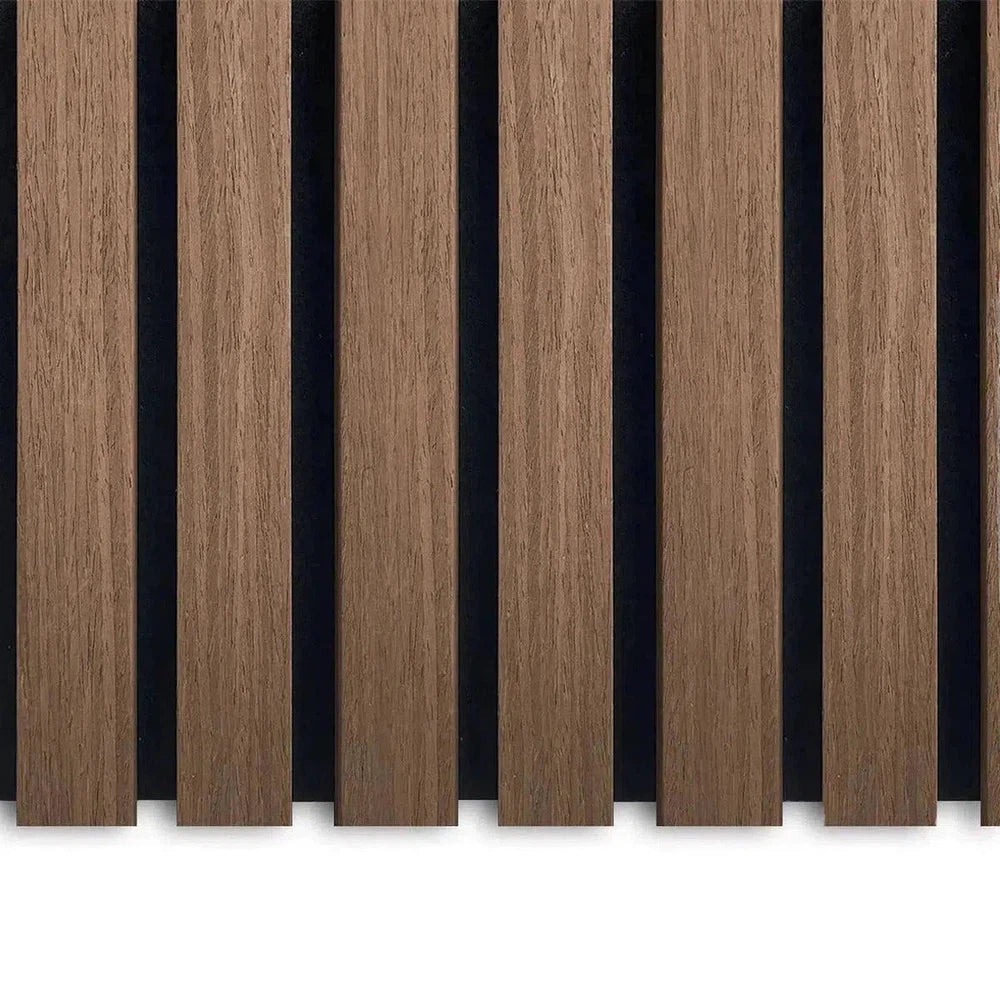
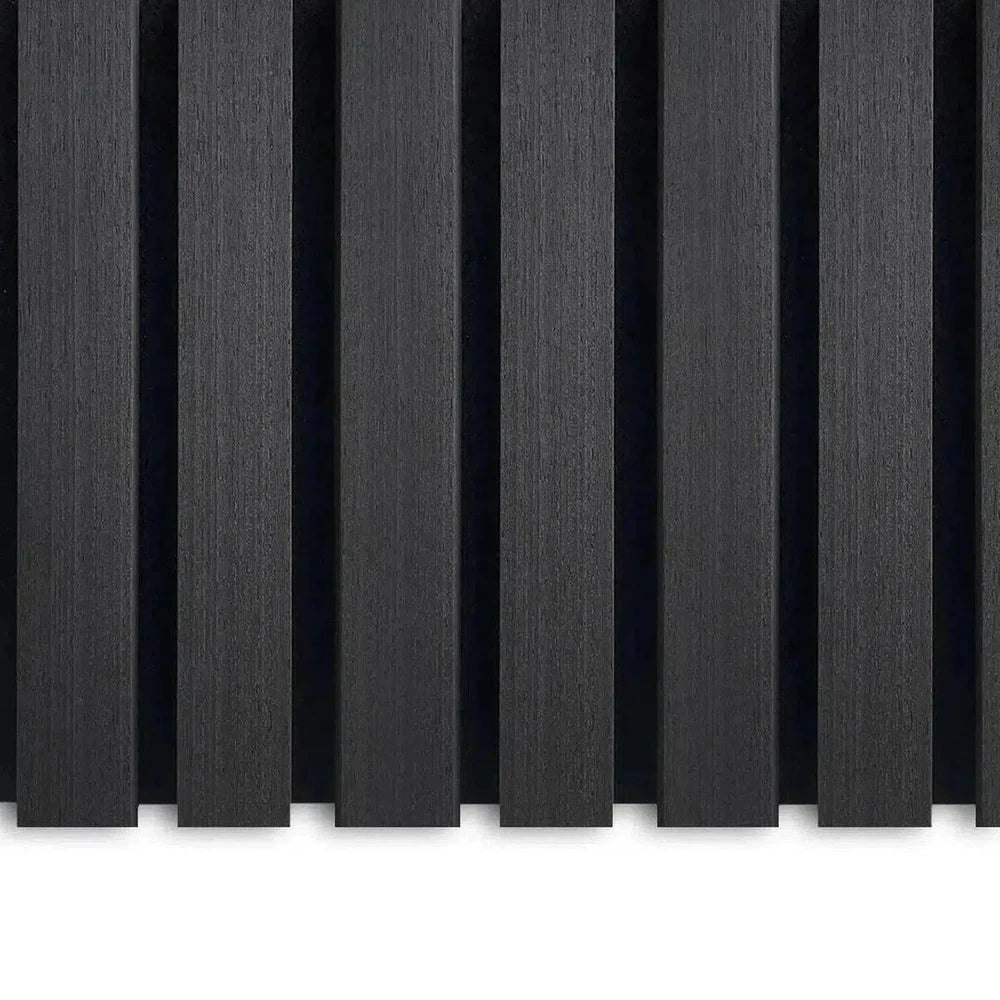
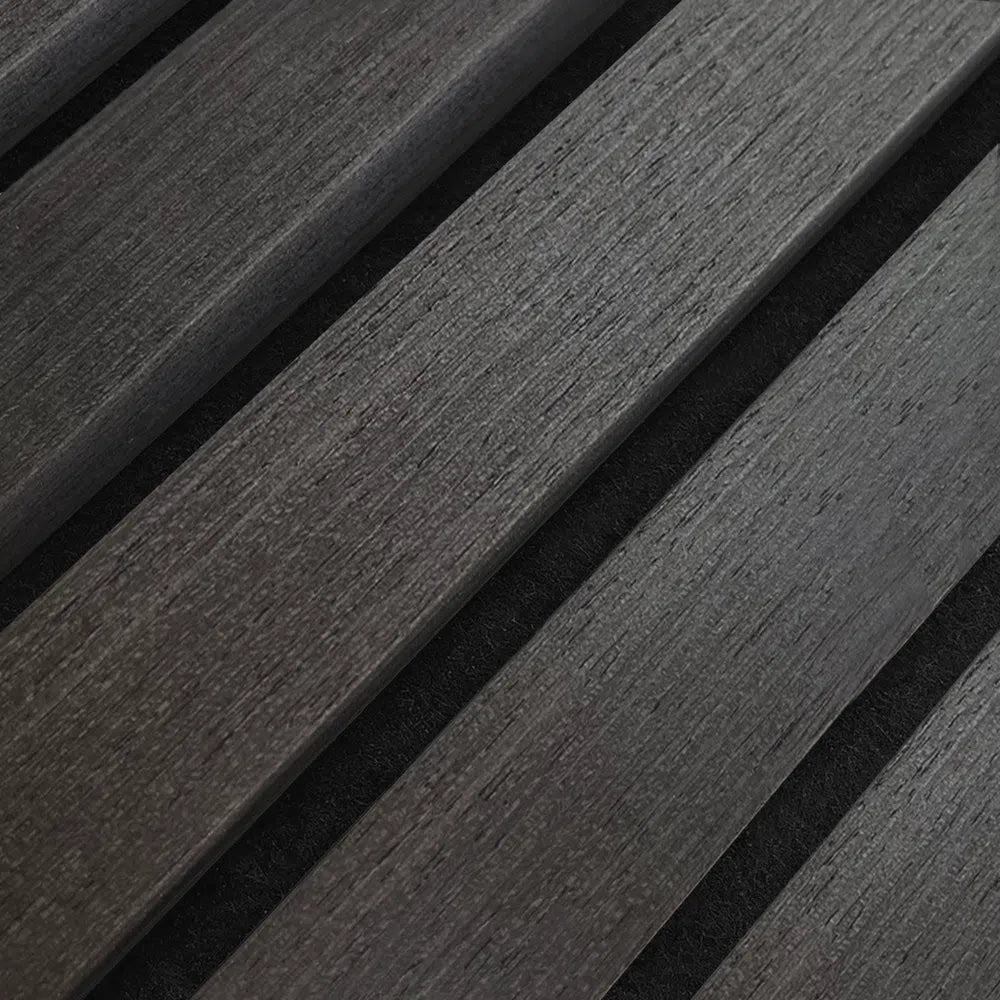
- Darker finishes such as smoked oak or black oak hide daily marks better than pale natural oak in high-traffic zones
- Confirm the panel surface is wipeable, since dining halls get cleaned daily
- Avoid fully fabric-faced acoustic tiles at pupil height — they stain and tear faster than a veneer face
Fit around fire doors, hatches, and serving areas
Panel layout in a dining hall has to respect fire egress routes and kitchen service lines, which limits where full-height panelling can go.
- Keep a clear zone around every fire door and exit sign per your school's fire risk assessment
- Leave serving hatches and pass-through windows fully unobstructed
- Use panel end pieces and trims for a clean finish where panelling meets a door frame
- Check with your fire officer before covering a full wall in a single continuous run
Confirm fire rating documentation before installation
Sound absorption and fire performance are two separate specs, and a school project needs both signed off before panels go up.
- Request the fire test certificate for the specific panel and substrate combination, not a generic category claim
- Confirm the fixing method (adhesive or mechanical) doesn't affect the certified rating
- Keep documentation on file for the next fire safety inspection
- Read how to check fire ratings for acoustic wood panels before you commit to a supplier
Comparison: acoustic panel options for a school dining hall
| Option | Best for | Key limitation |
|---|---|---|
| Hexagon acoustic wood veneer panels | Dining halls wanting a durable finish with a documented NRC rating | Longer install time per panel than large flat sheets |
| Wooden slat panels with felt backing | Long, unbroken perimeter walls | Less layout flexibility than hexagon formats |
| Suspended acoustic ceiling baffles | Halls with limited spare wall area | Doesn't treat wall-to-wall reverberation on its own |
| Fabric-wrapped acoustic foam panels | Tight budgets or temporary fit-outs | Stains and tears fast under daily pupil contact |
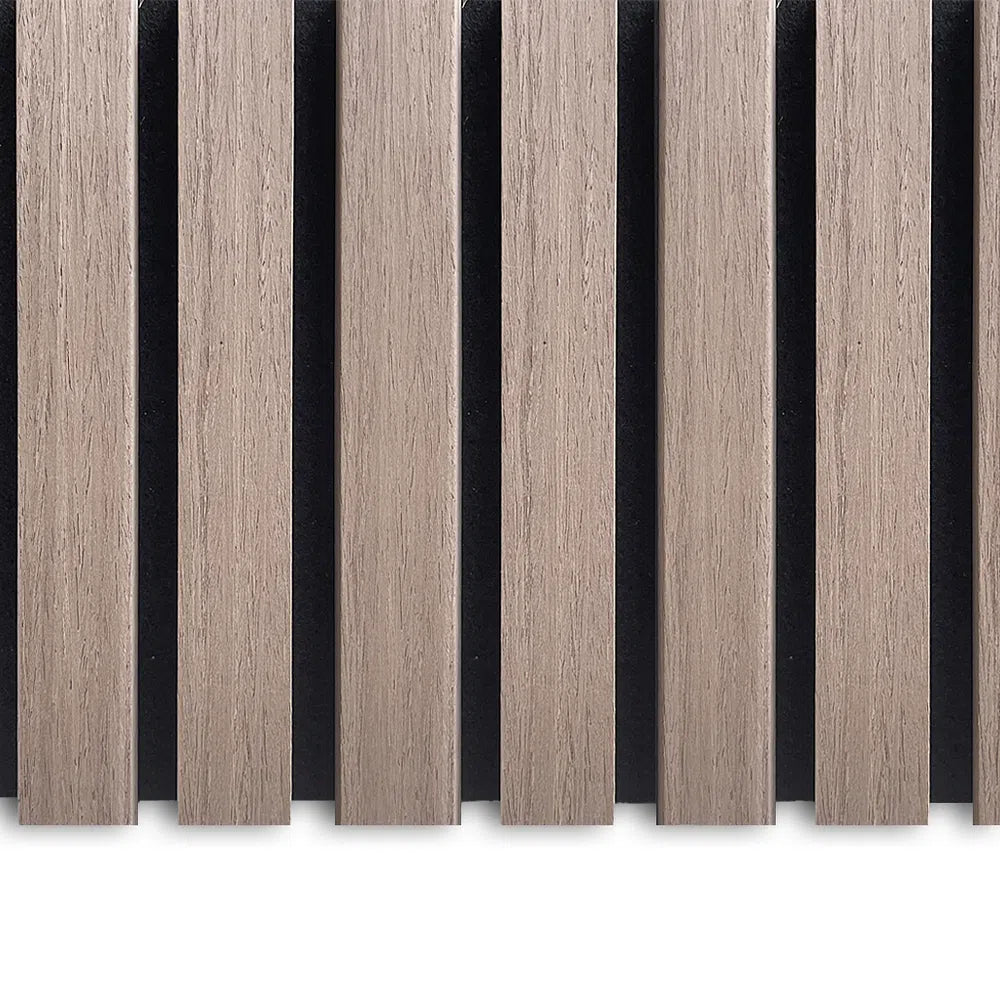
Verdict: for a school dining hall in daily use, wood veneer acoustic panelling with a stated NRC rating like Hexagon Panel Natural Oak beats fabric-faced foam on durability, even though it takes longer to fit per panel.


Common mistakes schools make with dining hall acoustics
- Treating only one feature wall. A single accent wall barely moves reverberation time in a room built for 300 occupants with hard floors — coverage needs to span multiple walls.
- Choosing fabric-faced foam for a food service room. It absorbs sound on day one and looks worn within a term of spills, tray drops, and cleaning chemicals.
- Calculating coverage on an empty floor plan. Windows, serving hatches, and pinned-up displays all reduce usable wall area, and schools that skip a site walk consistently under-order.
- Skipping the NRC figure entirely. A panel that looks acoustic without a stated NRC number may do almost nothing for the echo problem you're paying to fix.
- Leaving fire documentation until after ordering. Retrofitting compliant panels costs more than specifying correctly the first time in 2026.
FAQ
What's the best acoustic panel for a school dining hall?
A wood veneer acoustic panel with a documented NRC rating, such as Akuwood Panel's hexagon range at NRC 0.75, works well because it combines sound absorption with a finish that withstands daily contact from pupils. Fabric-faced foam absorbs sound too but wears out faster in a food service room.
How many acoustic panels does a school dining hall need?
Start by covering 25-40% of usable wall area, minus windows, doors, and serving hatches, then reassess after a real lunch service. Larger halls with taller ceilings generally need coverage toward the higher end of that range.
Is wood veneer acoustic panelling suitable for a busy school canteen?
Yes, provided the panel has a wipeable surface and a felt backing. Darker finishes like smoked oak or black oak hide daily marks better than pale natural oak at pupil height.
What NRC rating do school dining halls need?
There is no single mandated figure, but a panel with an NRC of 0.75 or higher gives genuine absorption rather than a decorative finish that only looks acoustic. Ask any supplier for the NRC figure in writing before ordering.
Can acoustic panels handle spills and daily cleaning in a canteen?
Real wood veneer panels with a felt backing generally hold up better than fully fabric-wrapped foam tiles, which stain and tear under repeated contact. Confirm the specific surface is wipeable before installing at pupil height.
Do school dining hall acoustic panels need a fire rating?
Yes, any wall lining in a school building needs fire test documentation for the specific panel and fixing method used. Get this in writing before installation rather than after the job is finished.
What's the difference between wall panels and ceiling baffles for a dining hall?
Wall panels treat sound bouncing between parallel walls, while ceiling baffles hang below the ceiling to catch sound rising from below. Most dining halls need wall coverage first, with baffles added only if wall space runs out.
How long does it take to fit acoustic panels in a school hall?
Install time depends on wall area and panel format, with hexagon layouts taking longer per square metre than large flat sheets because each tile is placed individually. Plan installation during a school holiday to avoid disrupting lunch service.
One last thing
The detail schools miss most often: the NRC rating on a panel tells you how much sound it absorbs, not how much sound is bouncing around your room before you start. Do the clap-test walk before you order a single panel — it costs nothing and tells you whether you need 25% coverage or 40%, which is the difference between an under-treated hall and a wasted budget line in 2026.