Street noise through ground-floor walls gets reduced by sealing air gaps first, adding mass second, and treating in-room echo last — in that order. Acoustic wood panels do the third job well: they calm reflected sound and reverberation, not the traffic noise crossing the wall itself. Skip the sealing and mass steps and a wall covered in panels will still sound loud from a busy road, because the noise path outside the room was never closed.
- Sealing air gaps and adding mass stops street noise; acoustic wood panels handle in-room echo, not transmission.
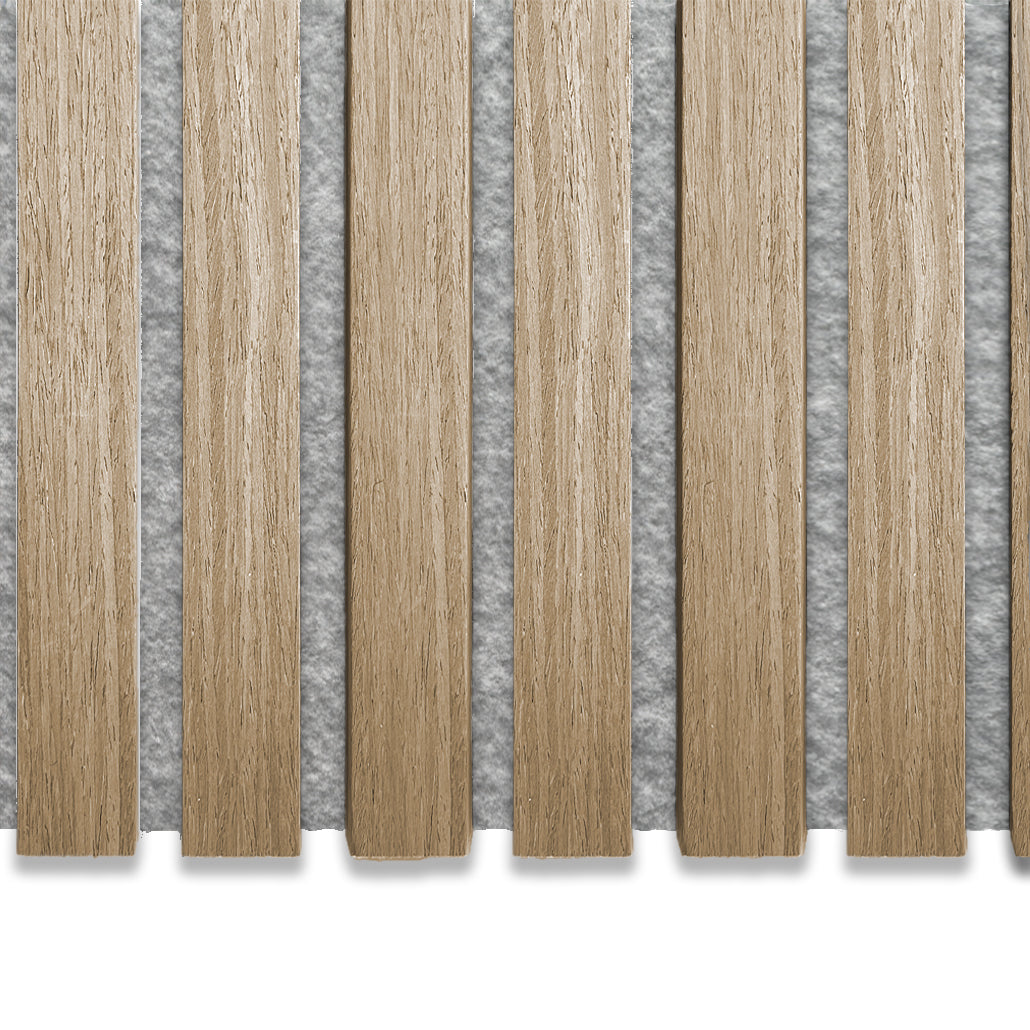
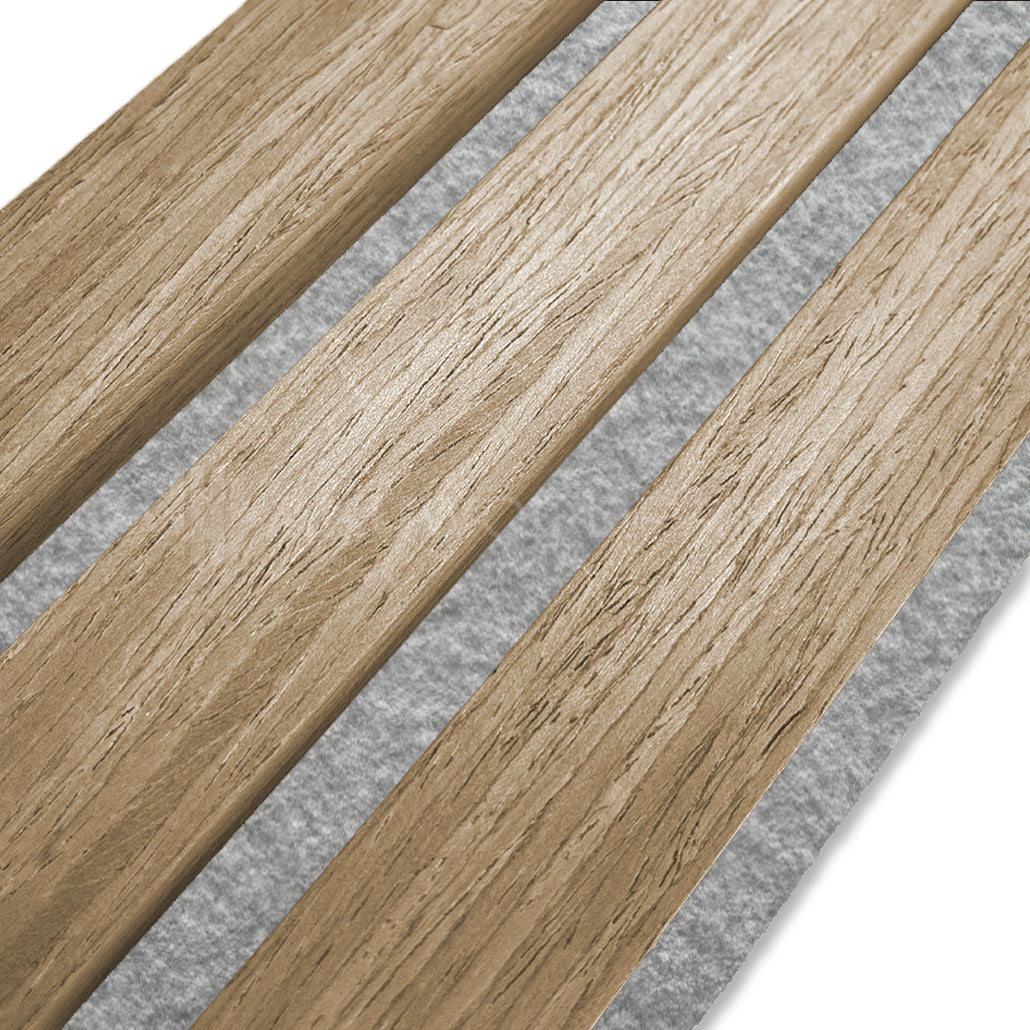
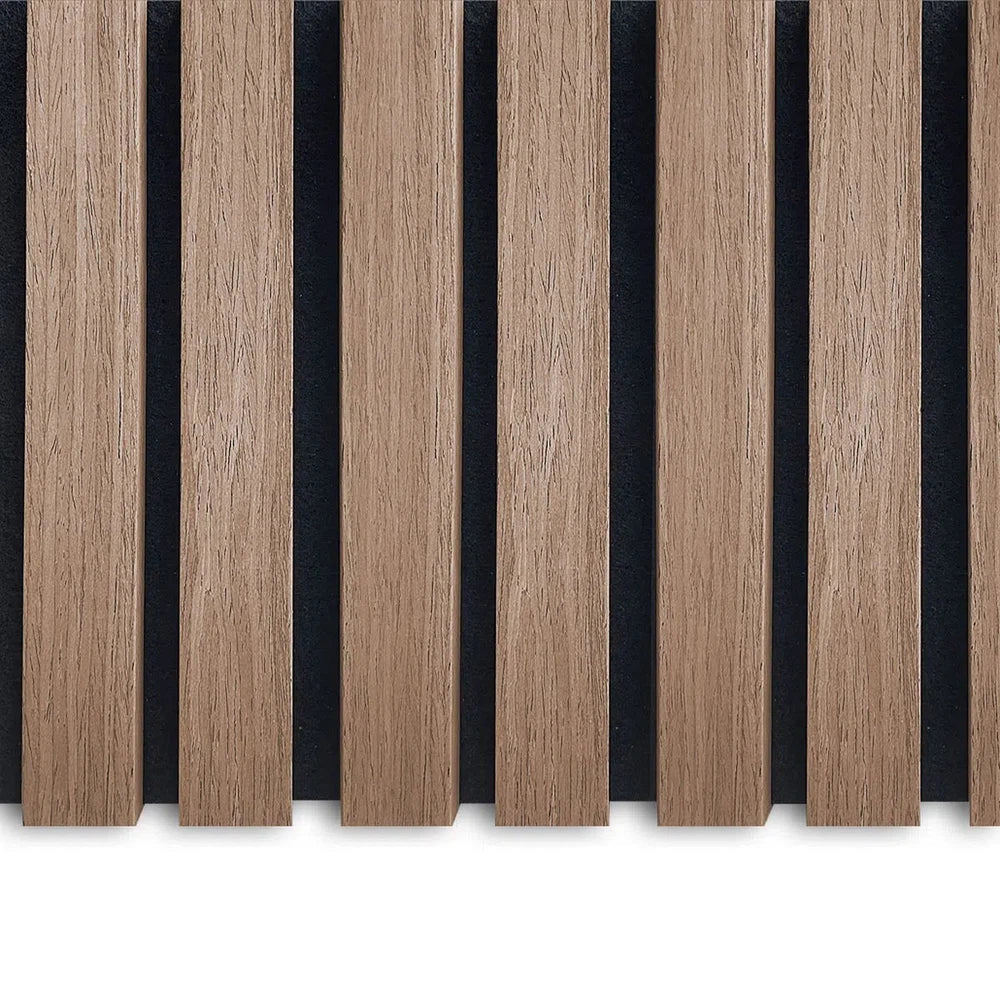
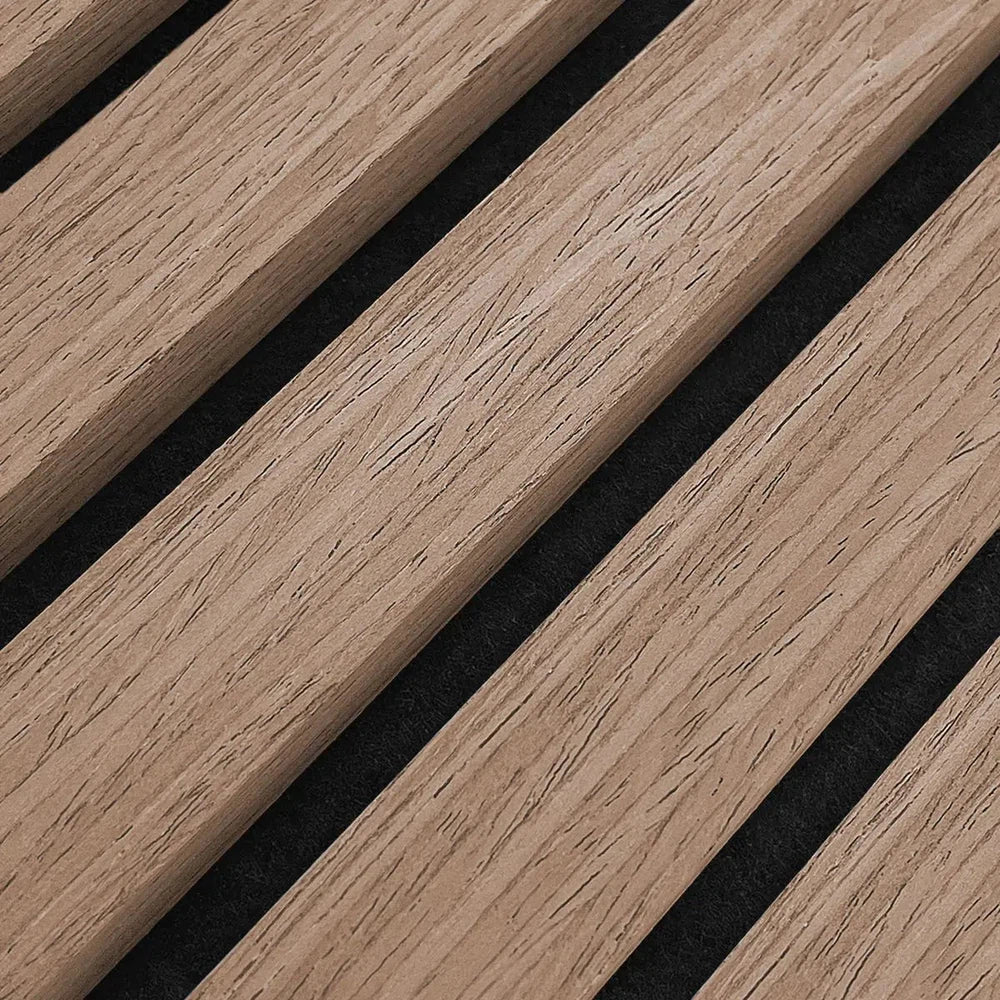
- Akustiq UK's slat panels with 3-sided veneer and felt backing calm reverberation in living rooms and home offices, not traffic noise itself.
- Secondary glazing and draught seals fix the airborne noise path through windows before any wall panel helps.
- Ground-floor rooms facing a road need sealing plus mass first, absorption panels second — that order still holds in 2026.
Why this matters
Ground-floor rooms facing a road take the worst of UK street noise — engine idle, exhaust drone, and early bin collections landing right at ear height through a bay window or a thin solid wall. Homeowners often buy wall panels first because they're visible and easy to fit, then wonder why the room still sounds loud once they're up.
The full fix works in layers: seal, add mass, then treat the room's own acoustics — a sequence covered in how to make walls soundproof in a flat, which applies just as much to a ground-floor house as it does to a flat. Skipping straight to panels in 2026 wastes money on a product solving the wrong problem.
How to reduce street noise coming through ground-floor walls
Work through these in order. Each step targets a different noise path, and doing them out of sequence means paying for the next step's fix before the current one has done anything.
- Seal every air gap — around window frames, door thresholds, sockets, and skirting boards. A 3mm gap around a window frame lets through more sound than the glass itself lets through when sealed.
- Deal with the glass — single glazing on a street-facing wall is almost always the weakest point. Secondary glazing or upgrading to double glazing closes the biggest single gap in the defence.
- Add mass to the wall — an extra layer of plasterboard, or a mass-loaded layer behind it, gives structure-borne noise more material to push through before it reaches the room.
- Decouple where you can — resilient bars, staggered studs, or an air gap between layers break the direct vibration path instead of just adding weight to it.
- Finish with acoustic wood panels — once the shell is sealed and massed, slat panels with a felt backing absorb whatever reflected sound is left bouncing around the room, so it stops feeling loud and boxy.
| Method | What it targets | Best for | Verdict |
|---|---|---|---|
| Sealing gaps and draught-proofing | Airborne leaks around frames and fittings | Every ground-floor room facing a road | Do first |
| Secondary glazing | Airborne noise through single glazing | Rooms with a street-facing window as the main noise source | Do second |
| Added mass (plasterboard, mass-loaded layer) | Structure-borne transmission through the wall | Solid brick or thin stud walls | Do third |
| Acoustic wood wall panels | In-room reverberation and echo | Rooms that sound harsh even after the wall is sealed | Do last, not instead |
“Wall panels absorb sound that's already inside a room; they don't stop sound crossing the wall from outside.”
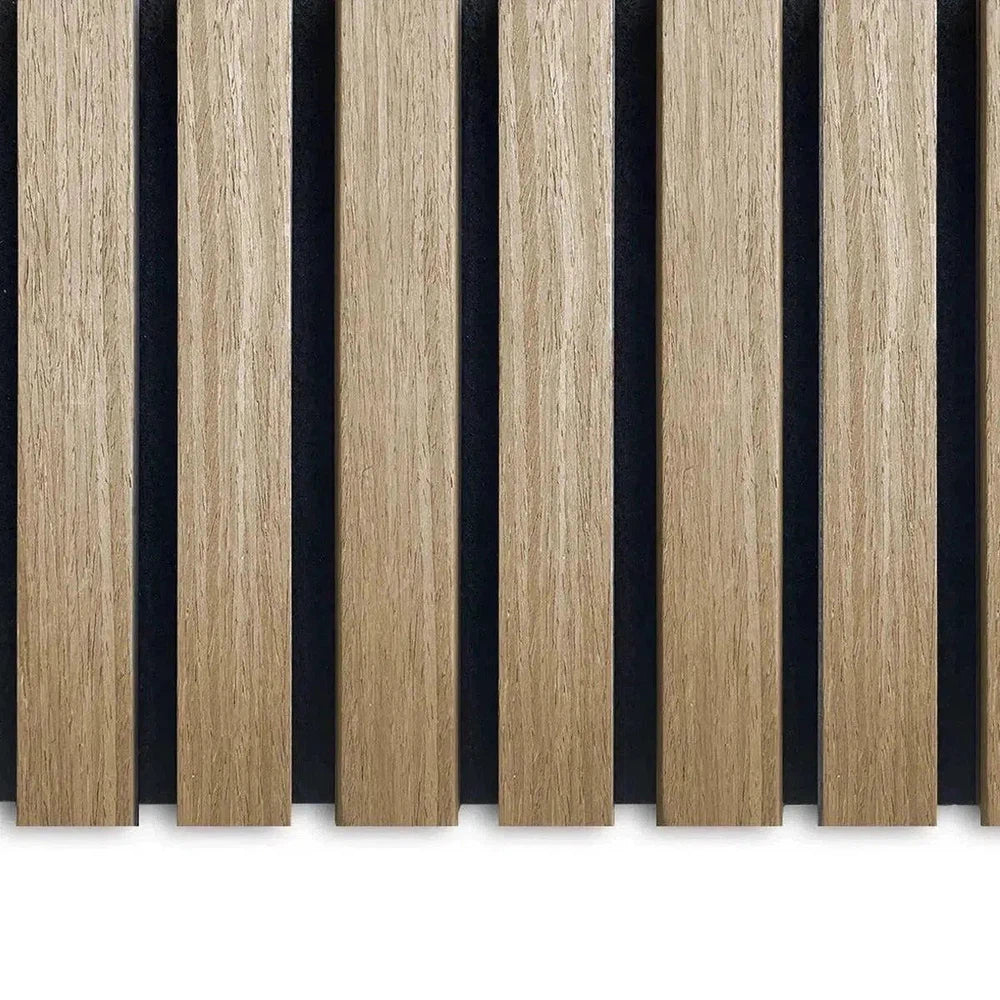
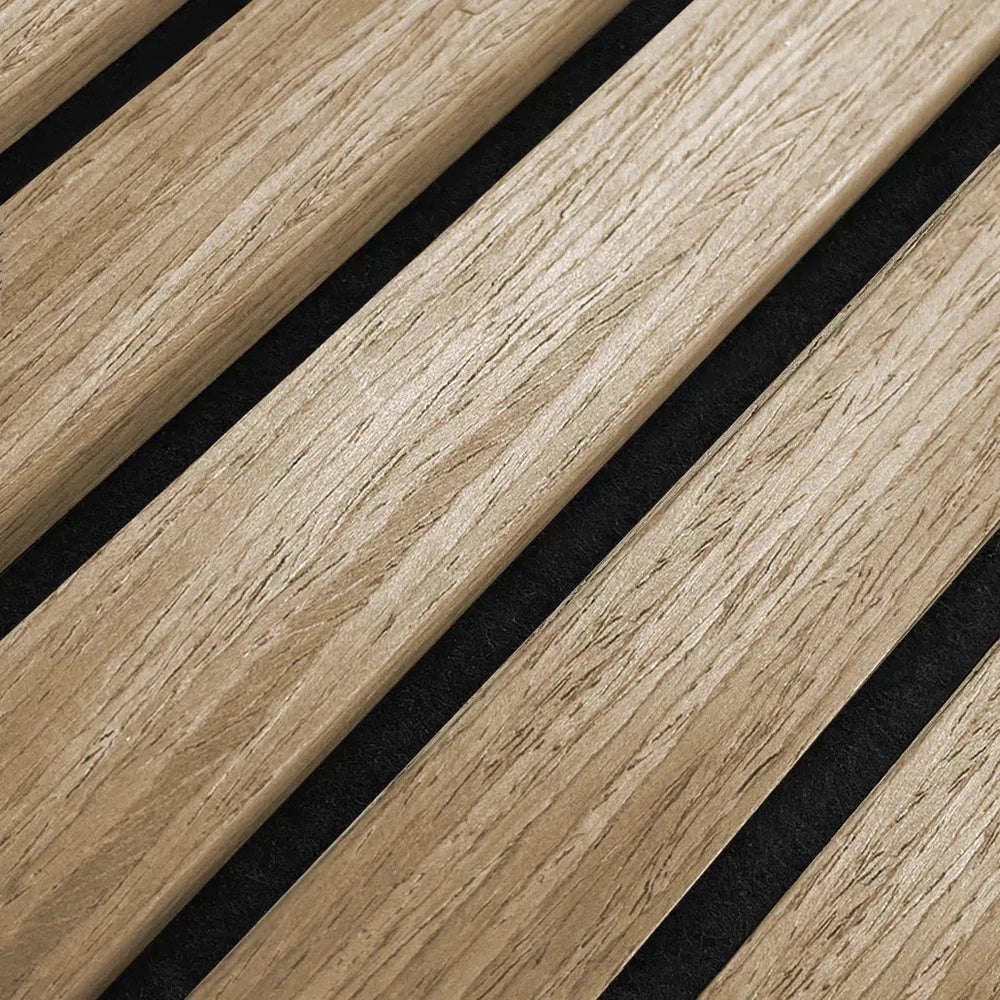
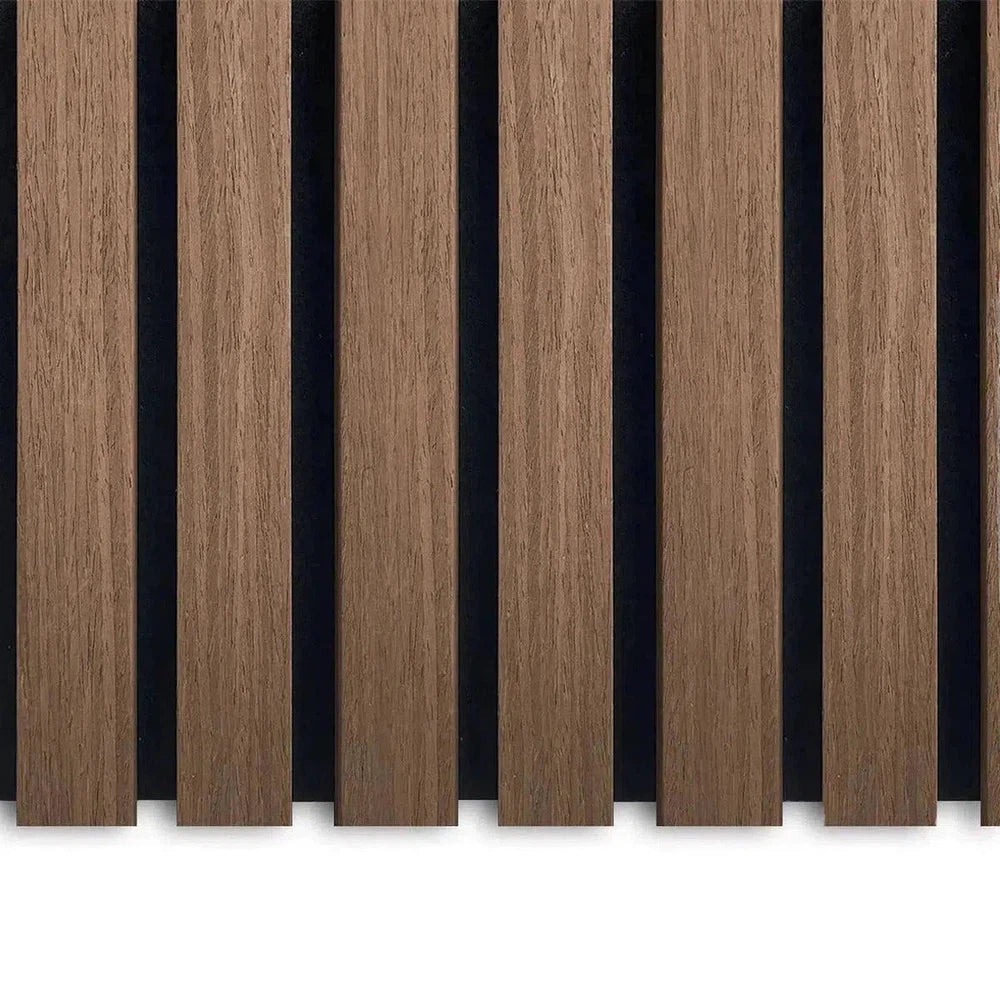
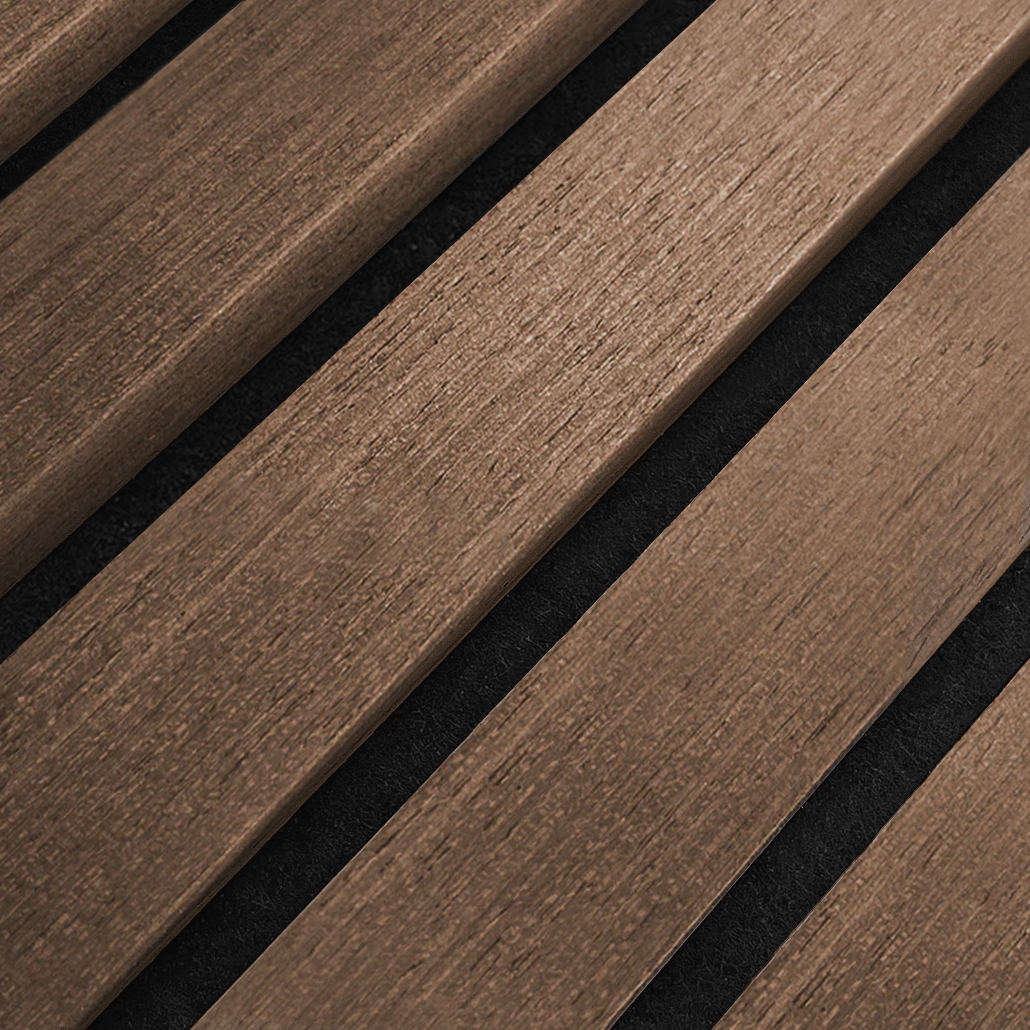
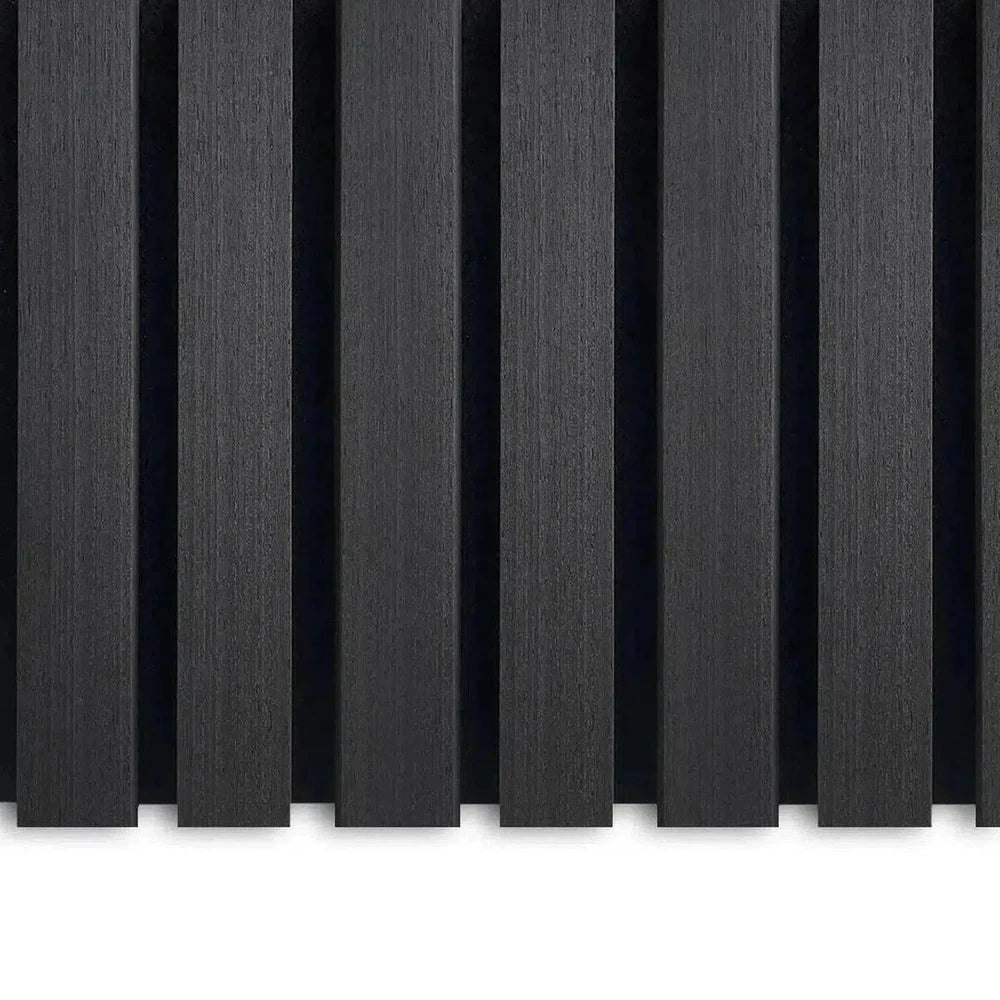
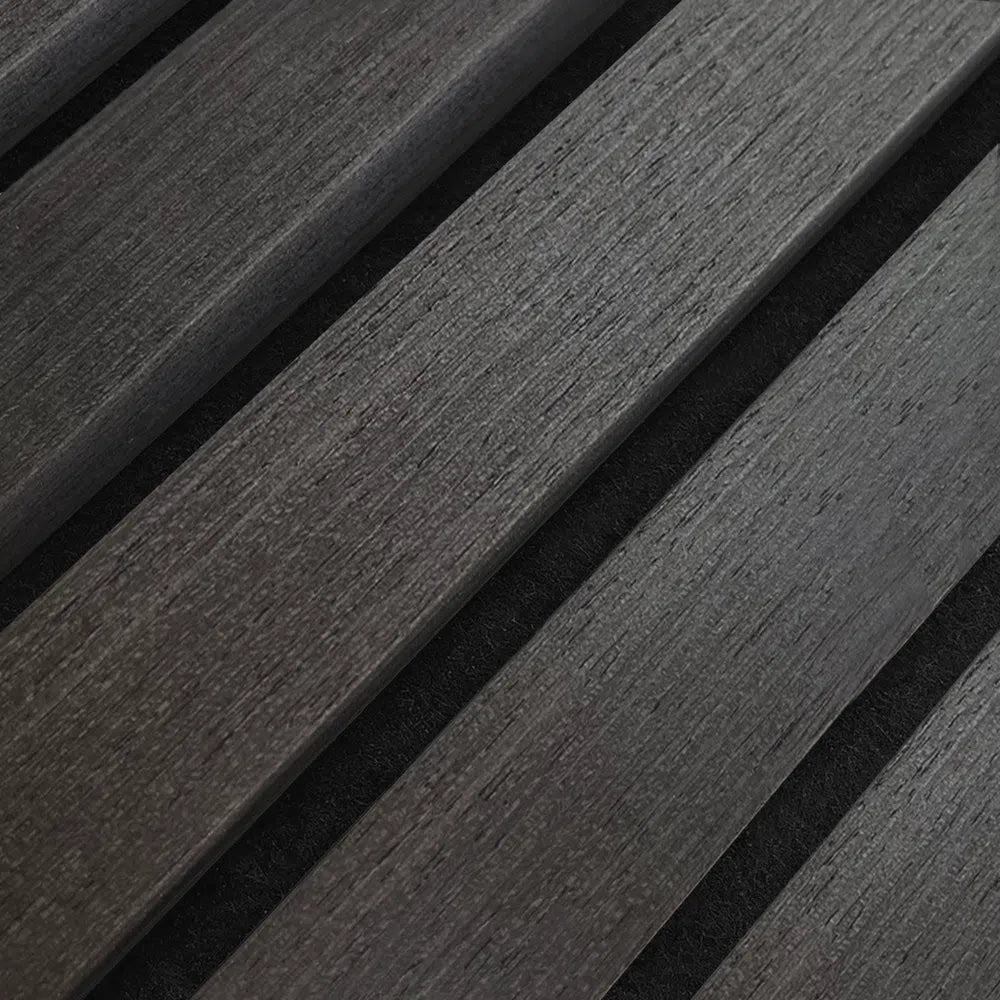
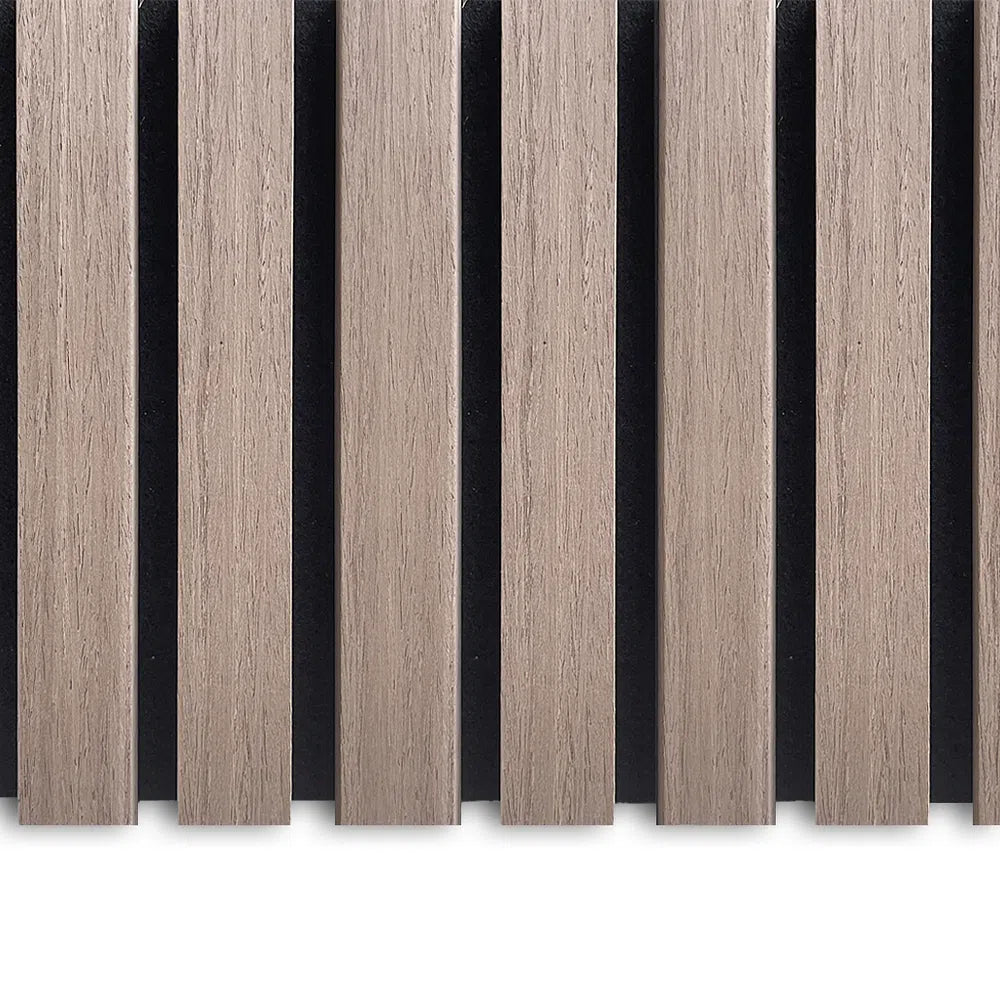
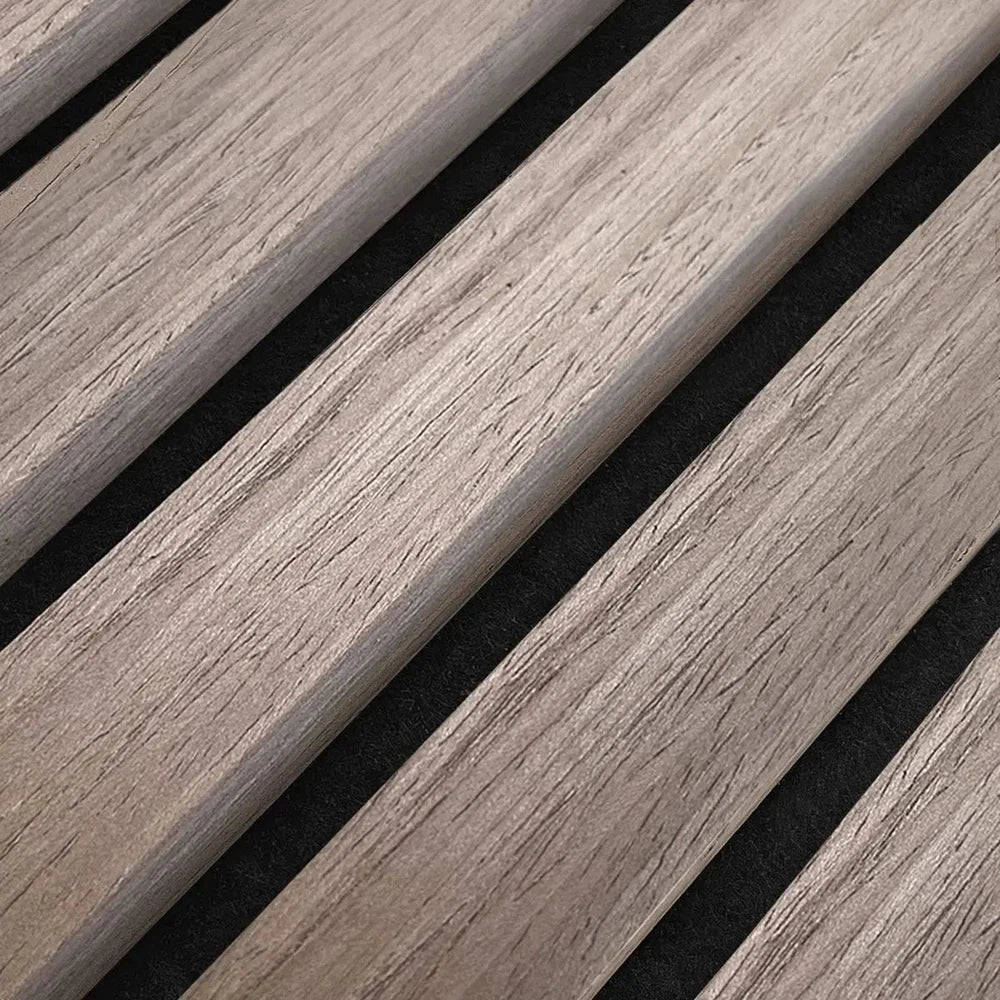
Akustiq UK sells acoustic wooden slat wall panels with a 3-sided real wood veneer finish and a felt backing built for exactly the fifth step above — cutting the flutter and slap-back noise that makes a sealed, well-built room still sound harsh. The natural oak acoustic panel comes in the two standard size formats, 240 cm and 300 cm, so a room can be panelled floor-to-ceiling or as a lower feature band without cutting every board.
Why street noise through a wall varies so much room to room
- Wall construction — solid brick carries structure-borne noise differently to a cavity wall or a stud partition, and older solid-wall Victorian terraces often have less mass than they look like they have.
- Window size and glazing type — a large single-glazed bay window lets through far more traffic noise than a small double-glazed one on the same wall.
- Distance and angle to the road — a wall facing straight onto a junction or bus stop takes more direct noise than a wall set back or angled away from traffic.
- Floor level — ground floor sits closest to engine noise, exhaust notes, and the low-frequency rumble that upper floors rarely get at the same intensity.
- Shared or party wall construction — terraced and semi-detached homes often have a party wall carrying noise from neighbours as well as the street, which changes what "reduce noise" needs to cover.
- Existing soft furnishing in the room — a ground-floor room with hard floors and bare walls reflects whatever noise has already got in, making the same amount of outside noise feel louder.
Do acoustic wall panels block outside noise?
Acoustic wall panels absorb sound that's already inside the room; they do not block sound crossing the wall from outside. For blocking, the work has to happen at the gaps, the glazing, and the mass of the wall — panels are the finishing step, not the barrier.
Is secondary glazing better than wall panels for street noise?
Secondary glazing targets a different problem than wall panels do, so "better" depends on where the noise is getting in. If a single-glazed window is the main entry point, secondary glazing does more for airborne street noise than any amount of panelling on the surrounding wall.
Can wall panels and soundproofing work on the same wall?
Yes — sealing, added mass, and acoustic wood panels are complementary rather than competing fixes on the same wall. Most ground-floor rooms facing a road in 2026 need both: the wall sealed and massed to keep noise out, then panelled to stop it echoing once it's in.
FAQ
How much does it cost to reduce street noise through a wall?
Cost depends on which steps a room needs — sealing gaps is the cheapest fix, secondary glazing and added mass cost more, and acoustic wall panels sit on top as a finishing layer. Check current pricing for panels and glazing separately before budgeting a whole-room job.
Do acoustic wood panels stop traffic noise?
Acoustic wood panels reduce the echo and reflected noise inside a room; they do not stop traffic noise from crossing the wall. Sealing gaps and adding mass are the steps that actually block outside noise.
What's the cheapest way to reduce street noise in a ground-floor room?
Sealing air gaps around windows, doors, and skirting boards is the cheapest and often the most effective first step, since gaps leak more sound than a solid section of wall or glass. It costs far less than glazing or wall build-up work.
Is a thicker wall always quieter?
A thicker wall with genuinely added mass reduces structure-borne noise, but thickness alone from a hollow stud partition adds little without material mass or an air gap. The construction matters more than the raw dimension.
Do heavy curtains reduce street noise?
Heavy curtains reduce reflected noise and slightly dampen sound through a window, but they don't seal the gaps or add mass that block outside noise from getting in. They work best alongside sealing, not instead of it.
Where should acoustic wall panels go in a ground-floor room?
Acoustic wall panels work best on the wall opposite the main noise source or on a large flat wall causing flutter echo, once that wall is already sealed. Panelling the noise source wall itself does little if the gaps behind it are still open.
Does double glazing fully stop street noise?
Double glazing reduces airborne street noise significantly compared with single glazing, but it doesn't address noise crossing through the wall itself or through unsealed frame gaps. It's one layer of a multi-step fix, not a complete one.
One last thing
The part homeowners skip most often isn't the panels — it's the skirting board gap. A ground-floor wall can be fully sealed at the window and still leak noise through an unsealed gap where the skirting meets the floor, especially in older solid-wall homes. Check that gap in 2026 before ordering anything, because it's a five-minute fix that a wall full of panels won't compensate for.