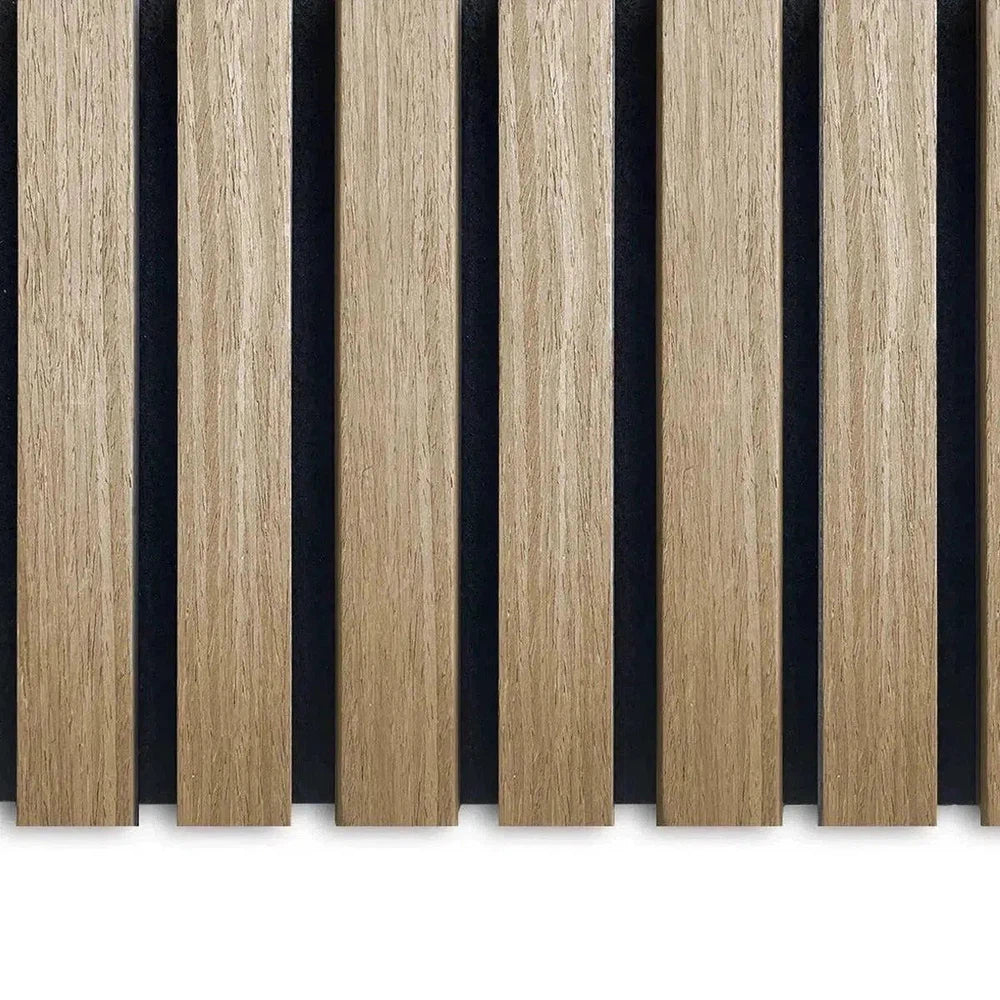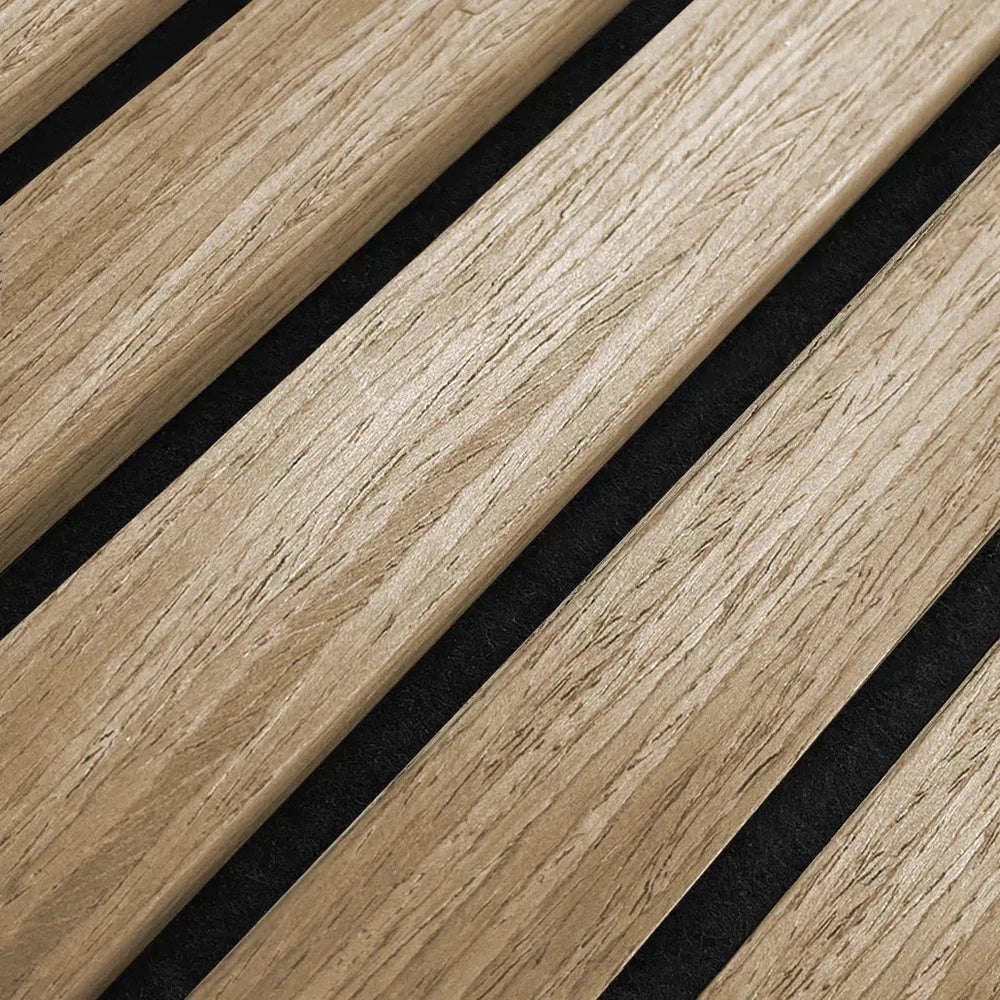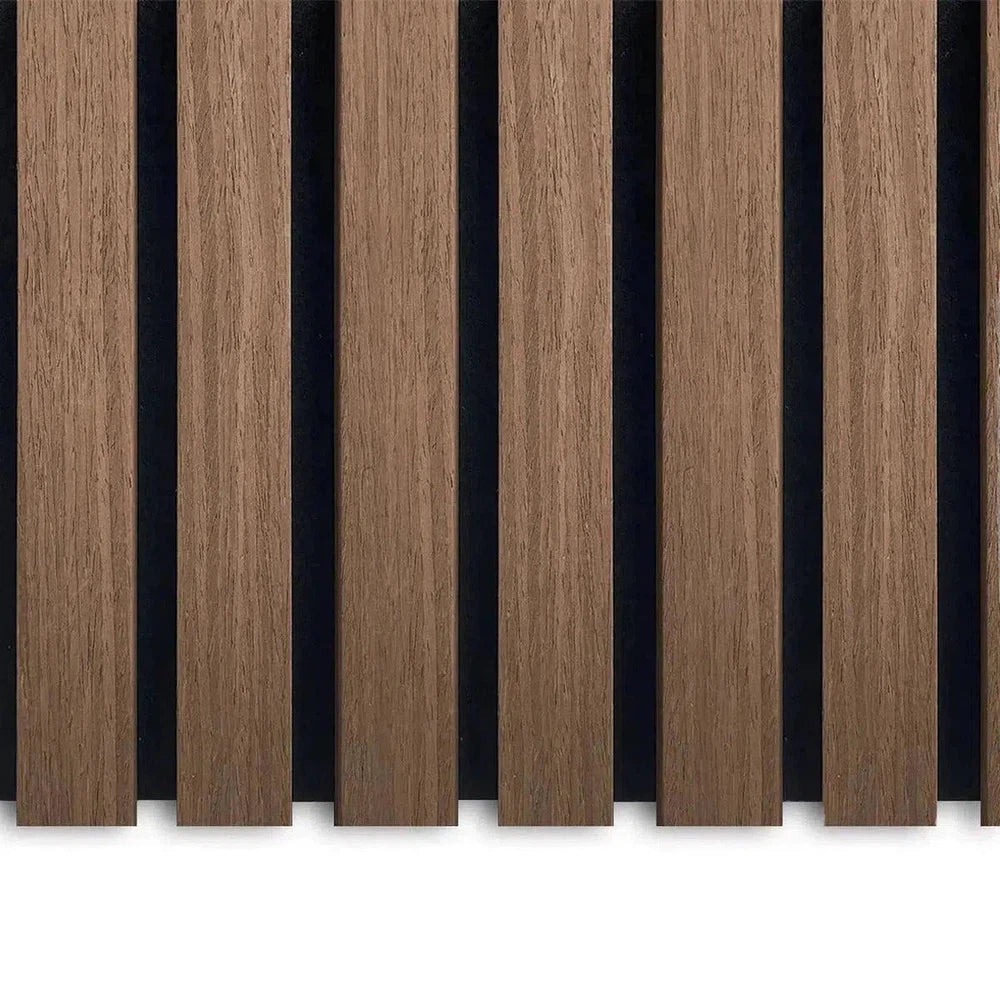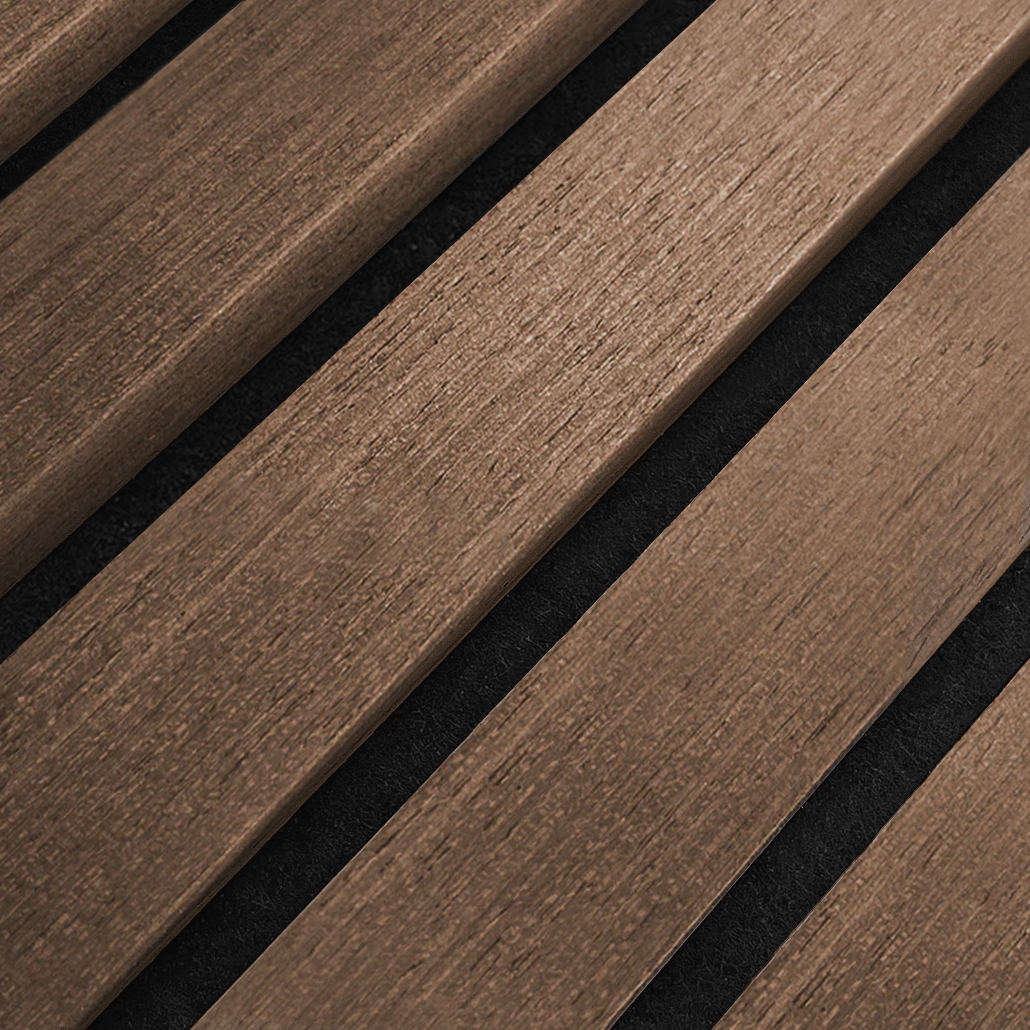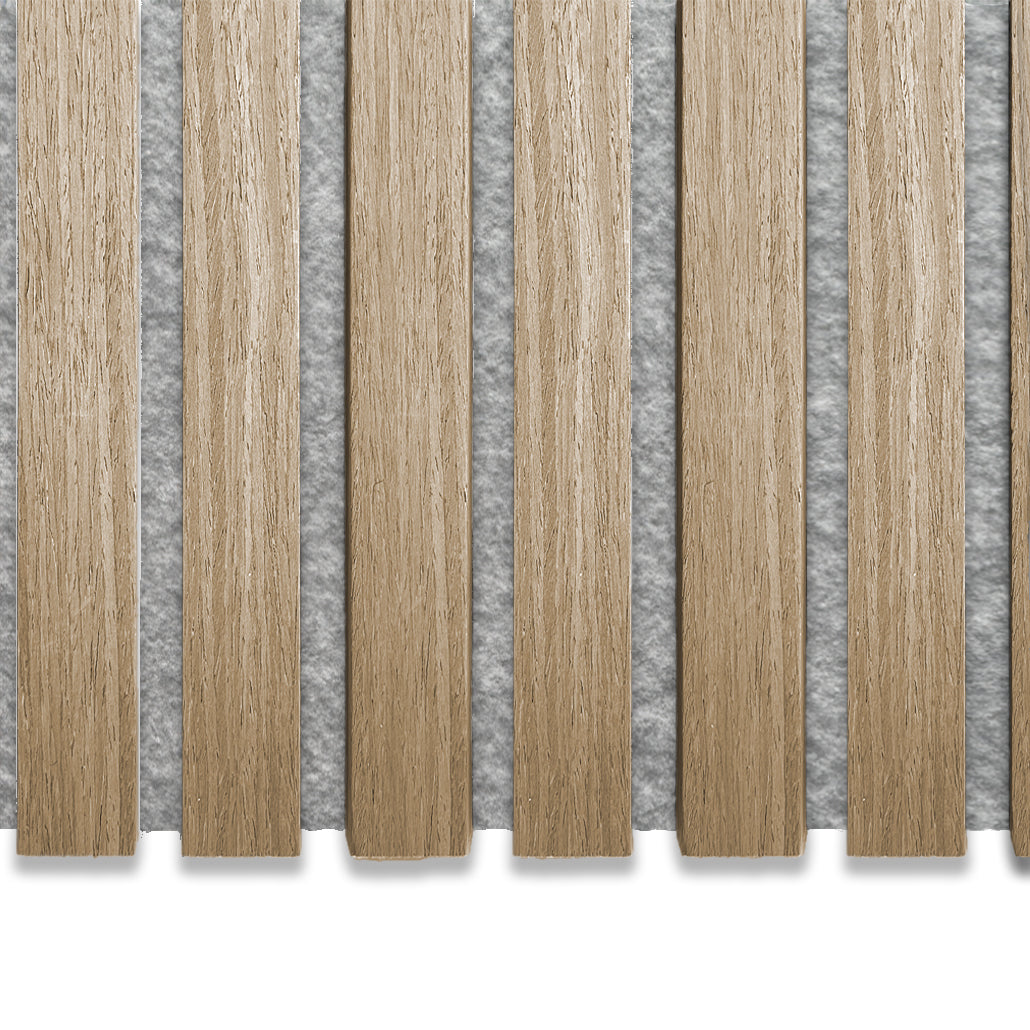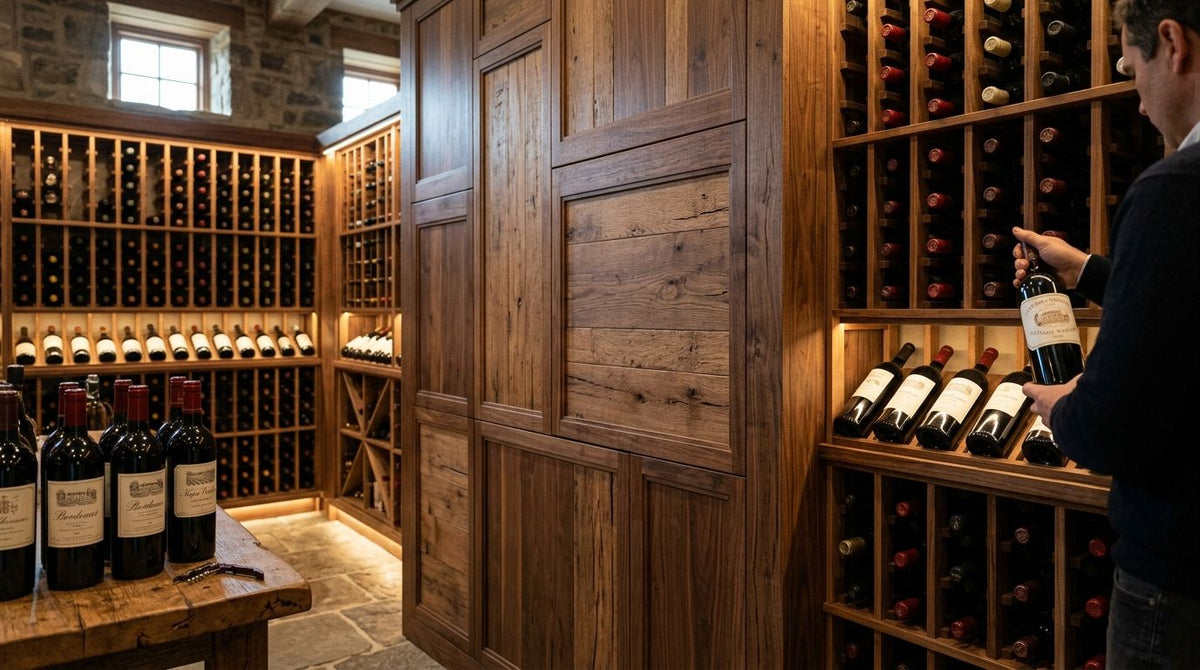
Wine storage rooms live or die on temperature control and vibration, but the walls around the racks matter more than most cellar owners admit. Best overall wood wall panel for a wine cellar: the Rustic Oak Premium 3-sided wood veneer panel. Best for a dark, moody cellar: Black Oak. Best budget pick for a compact cellar or tasting nook: Mocca. The rest of the range covers luxury display walls and tasting-room ambience, and the comparison below shows where each finish actually earns its place.
- Rustic Oak Premium 3-sided wood veneer is the best overall wood wall panel for a wine cellar feature wall in 2026.
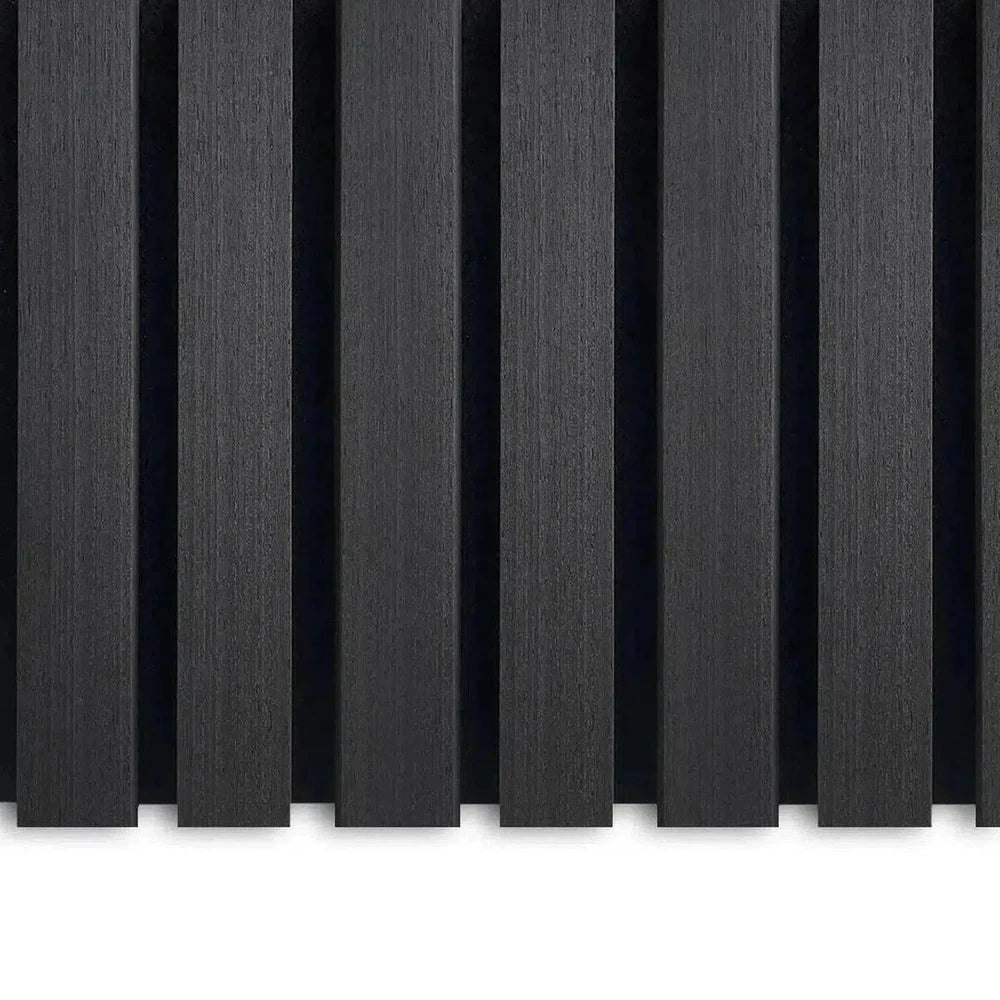
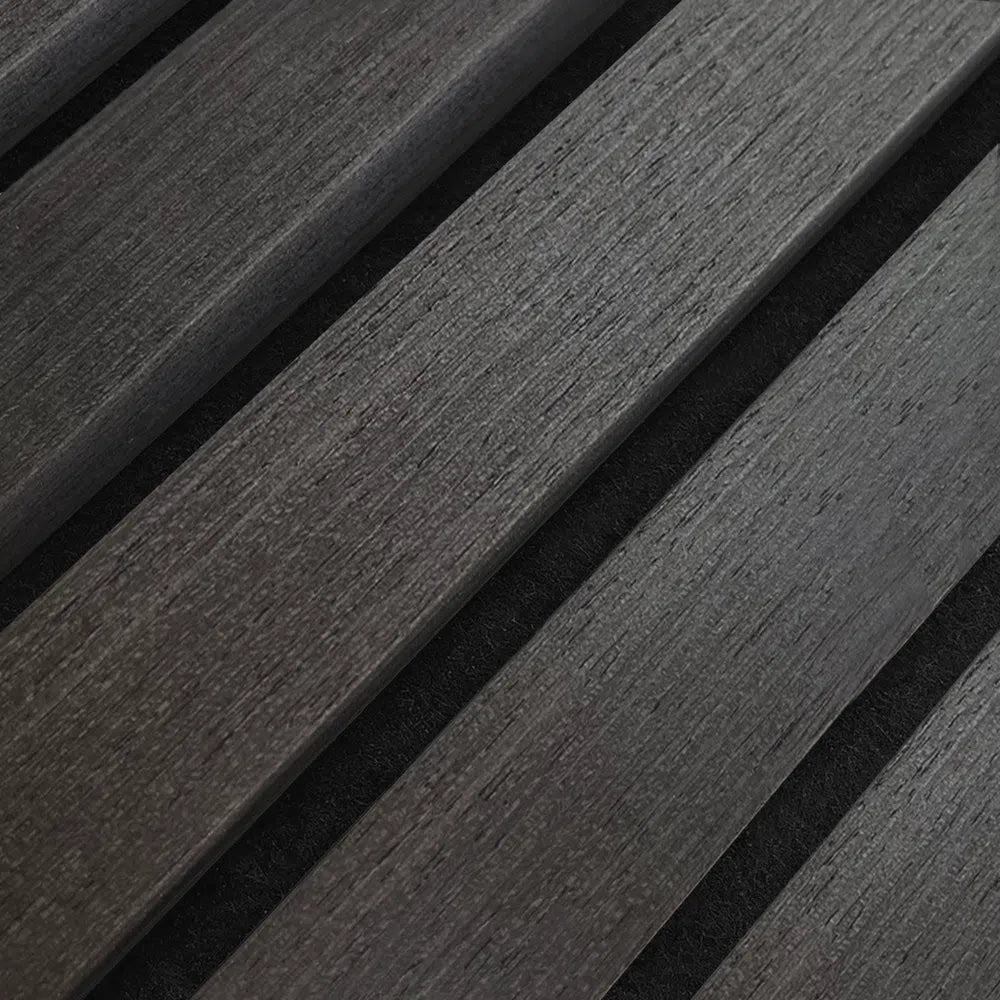
- Black Oak suits low-light, masonry-heavy cellars where you want the wall to disappear into shadow.
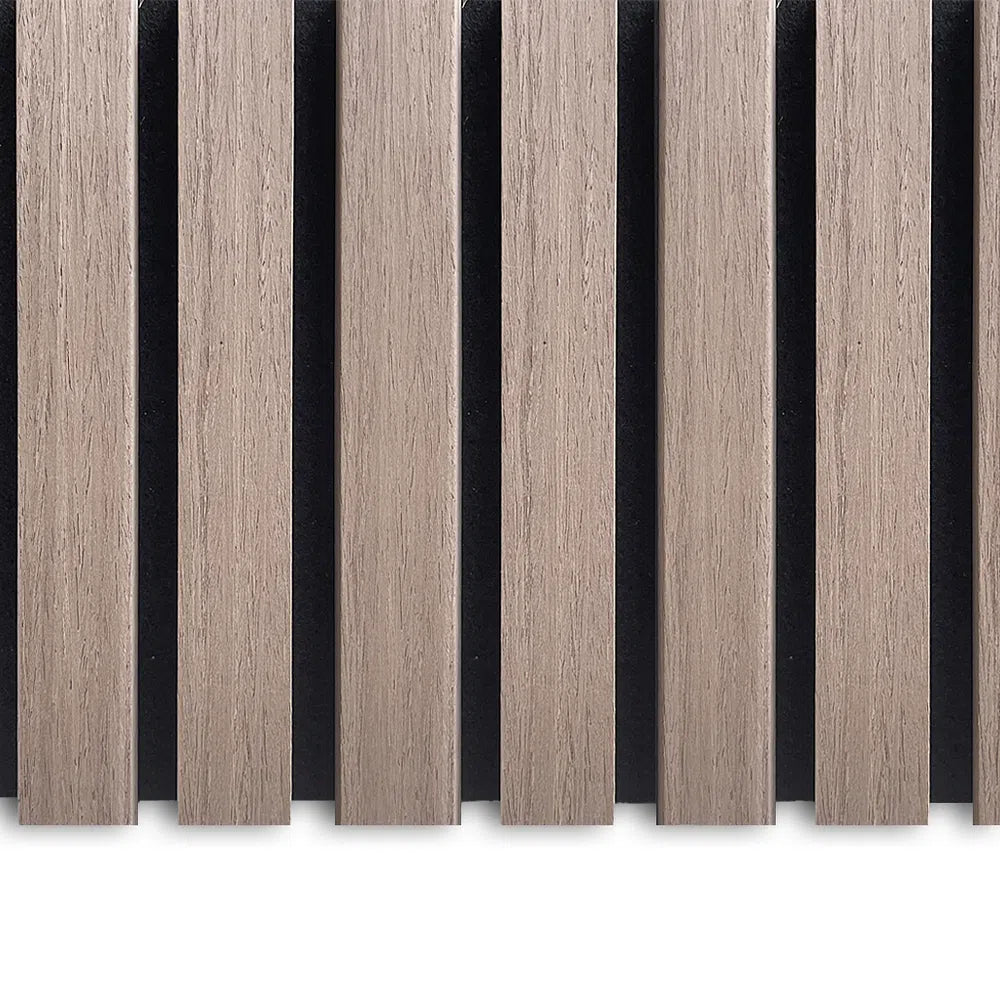
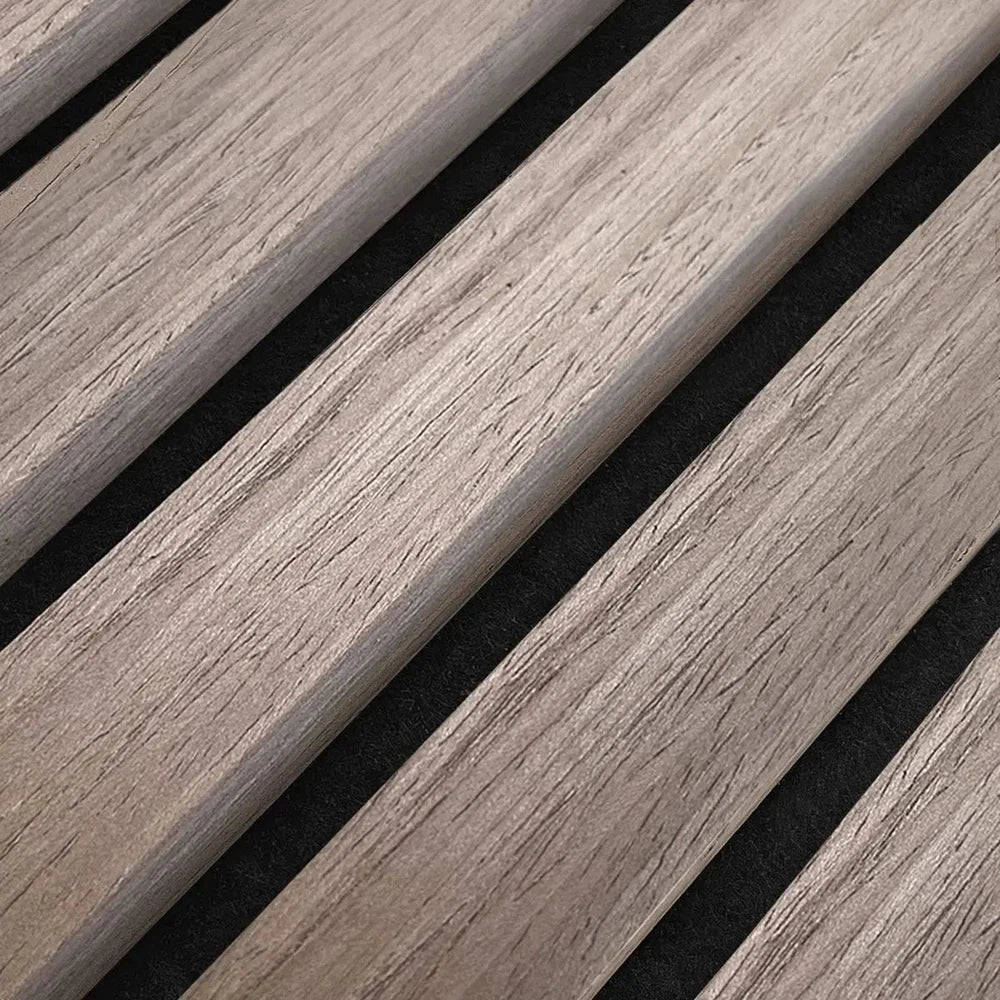
- Mocca is the budget pick for small cellars and under-stair wine nooks.
- Panels ship in 240 cm and 300 cm lengths, which covers most cellar ceiling heights without extra cutting.
- Acoustic felt backing on the range helps tame the echo common in tiled, low-ceiling cellar rooms.
Why this matters
A wine cellar is usually a converted basement, under-stair void, or a dedicated cold room with block or brick walls that were never meant to be seen. Bare masonry reads cold and damp even when the racking is immaculate, and it does nothing for the room acoustically when it doubles as a tasting room for wine and beer.
Wood wall panels solve two problems at once: they cover the cold surface with a real wood veneer finish, and several finishes in the Akuwood Panel range carry an acoustic felt backing that cuts down the hard, boxy echo you get in small tiled rooms. That matters more in a wine cellar than in a living room, because low ceilings and hard floors amplify every clink of glass and every conversation during a tasting.
The right finish also depends on how the room is used. A private cellar behind a locked door can go darker and moodier than a cellar-slash-tasting-room that guests actually sit in. That's the split this list is built around.
What makes the best wood wall panels for a wine cellar
- Real wood veneer finish — a 3-sided veneer reads as genuine timber, not a printed laminate, under low cellar lighting.
- Acoustic backing — felt-backed panels reduce reverberation in tiled or concrete-floored cellar rooms.
- Panel length options — 240 cm and 300 cm formats mean fewer horizontal joins on a full-height cellar wall.
- Tone for low light — dark finishes (black, smoked, mocca) hide grime and low-light shadowing better than pale finishes.
- Ease of fitting over masonry — panels that go up with glue or battens suit brick and block cellar walls without a full stud build.
- Durability in a cool, humid room — a solid veneer construction holds up better than thin foil-wrapped MDF in a room that swings in humidity.
Wood wall panels for wine cellars at a glance
| Panel | Best for | Standout feature | Key limitation |
|---|---|---|---|
| Rustic Oak Premium 3-sided veneer | Overall cellar feature wall | Heavy grain texture reads well under spotlighting | Busier grain can compete with label displays |
| Black Oak | Dark, moody private cellar | Near-black tone hides shadow and grime | Shows dust and fingerprints more than lighter finishes |
| Smoked Oak | Tasting room ambience | Warm mid-tone works with both warm and cool lighting | Less dramatic than Black Oak for a windowless room |
| Walnut | Luxury display wall | Richest natural tone in the range | Premium look needs matching racking to look intentional |
| Mocca | Budget or compact cellar/nook | Simplest tone to fit into a small footprint | Fewer standout features than the premium finishes |
1. Rustic Oak Premium 3-sided wood veneer: best wood wall panel for a wine cellar feature wall
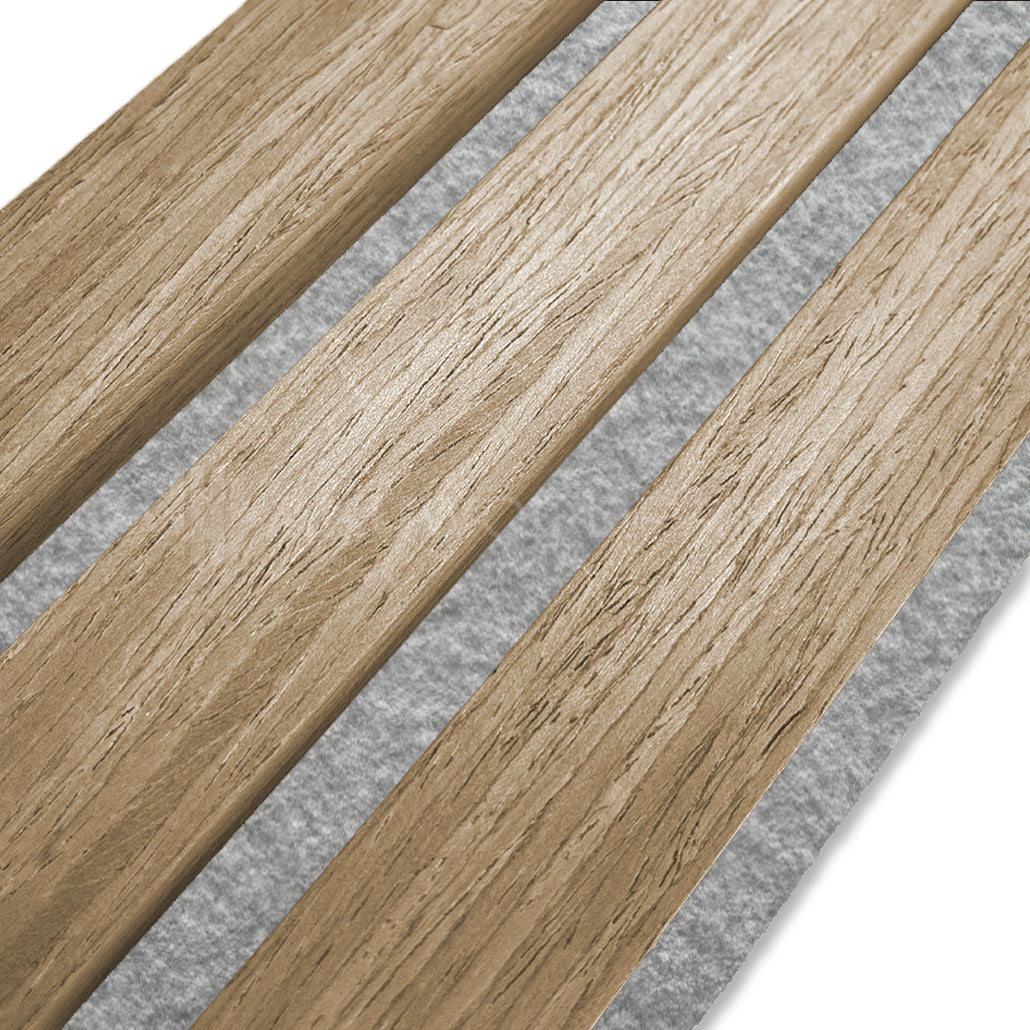
This is the panel to reach for when the cellar wall behind the racking is the wall guests actually look at. The 3-sided veneer construction wraps the visible edges in real wood rather than exposed board, so a run of Rustic Oak Premium panels reads as solid timber even at close range.
Rustic Oak Premium pros:
- Heavy, visible grain that photographs well under cellar spotlighting
- 3-sided veneer means no exposed edge board on a feature wall
- Works as a backdrop for glass-fronted wine fridges without looking flat
Rustic Oak Premium cons:
- The busier grain pattern can distract from label-forward wine displays
- Not the darkest option if you want the wall to recede into shadow
Best for: cellars used to show off the wine, not just store it. Verdict: Buy.
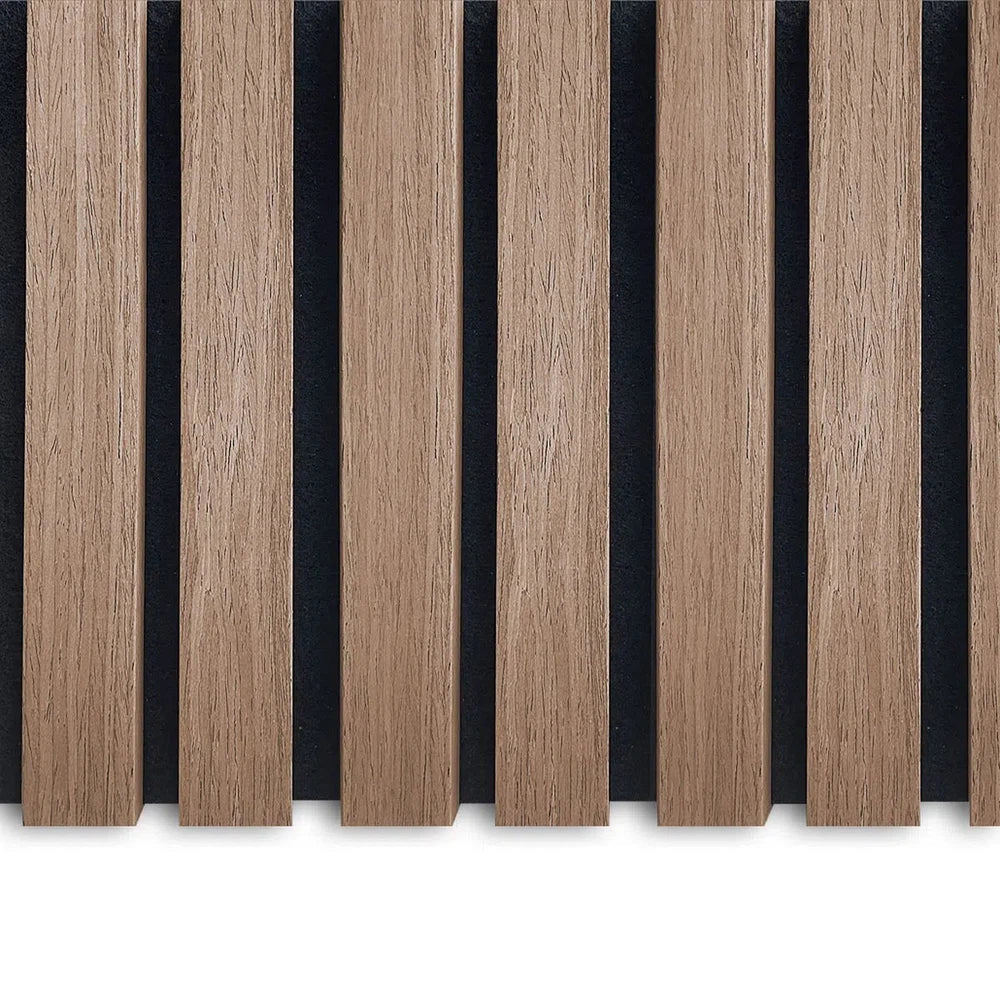
2. Black Oak: best wood wall panel for a dark, moody wine cellar
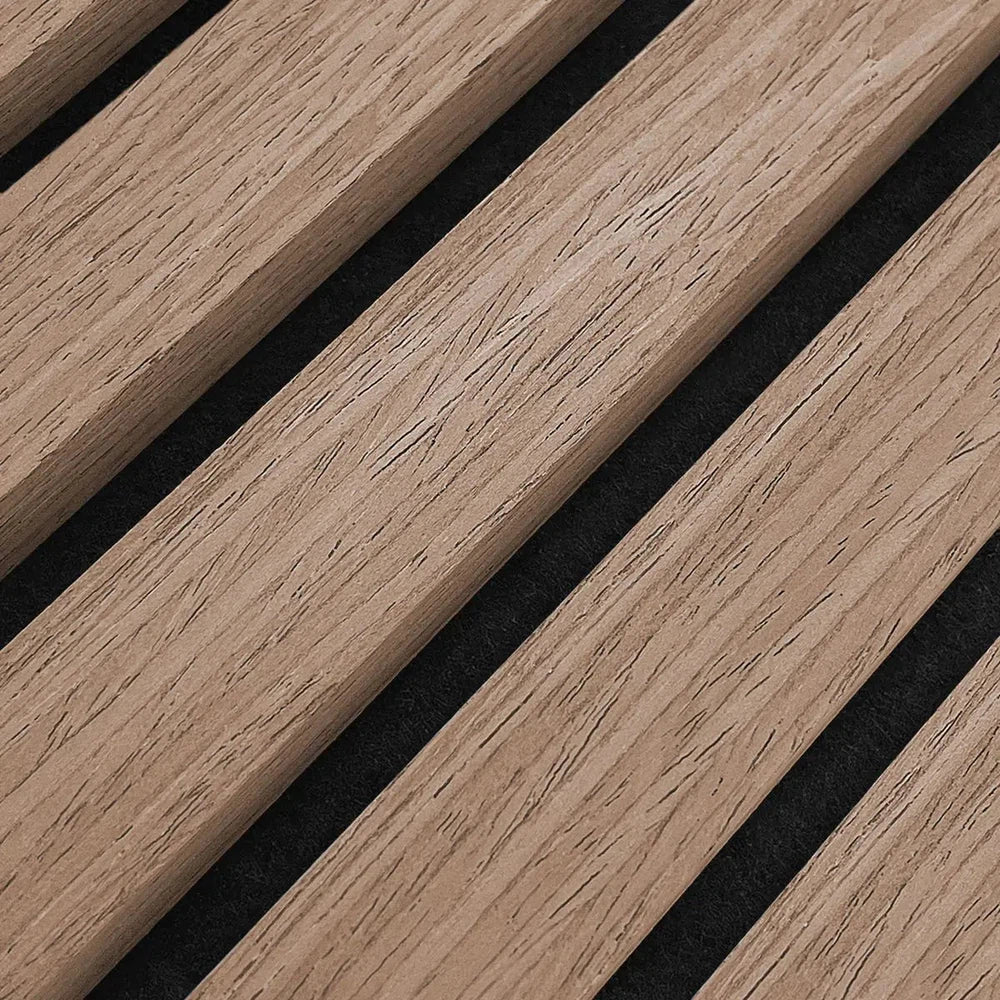
Black Oak is the finish for a private cellar that stays behind a closed door — a near-black tone that lets the wall disappear so the racking and bottles do the visual work. It's the finish Akuwood Panel customers pick most often for windowless cellar conversions.
Black Oak pros:
- Deep, near-black tone hides shadow and low-light unevenness
- Reads as intentional and dramatic rather than unfinished
- Pairs well with warm spotlighting on the bottles
Black Oak cons:
- Shows dust and fingerprints more visibly than lighter finishes
- Can feel oppressive in a cellar with low ceilings and no natural light
Best for: a private, closed-door cellar rather than an open tasting space. Verdict: Buy.
3. Smoked Oak: best wood wall panel for a wine tasting room
When the cellar doubles as a spot to sit and taste, Smoked Oak strikes a warmer mid-tone that doesn't go as stark as Black Oak but still reads as premium under either warm or cool lighting. It's a common pick alongside the same Smoked Oak wall panel used in restaurant and bar fit-outs.
Smoked Oak pros:
- Mid-tone works with both warm and daylight-balanced lighting
- Less severe than Black Oak, better for rooms people linger in
- Reads as a natural extension of oak racking and shelving
Smoked Oak cons:
- Less dramatic impact than Black Oak in a fully windowless room
- Grain is more visible than Mocca, which some minimalist cellars avoid
Best for: cellars that host tastings, not just storage. Verdict: Buy.
4. Walnut: best wood wall panel for a luxury cellar display
Walnut carries the richest, warmest natural tone in the Akuwood Panel line, and it's the finish that reads most like a high-end wine bar rather than a domestic basement conversion. It suits a cellar built as a genuine showpiece rather than pure storage.
Walnut pros:
- Richest natural tone of any finish in the range
- Reads as premium without needing extra lighting tricks
- Complements dark wood or wrought-iron racking well
Walnut cons:
- The premium look needs matching racking and hardware to land
- Not the cheapest way to panel a large cellar wall
Best for: a dedicated showpiece cellar, not a budget conversion. Verdict: Buy if the racking matches; Hold if you're still finalising the racking design.
5. Mocca: best wood wall panel for a small or budget wine cellar
Mocca is the simplest, most restrained finish in the lineup, and that restraint is exactly what a small under-stair cellar or a compact wine nook needs. It doesn't try to be a feature wall — it just covers the masonry cleanly.
Mocca pros:
- Simple, neutral tone that doesn't overwhelm a small footprint
- Easy to pair with almost any racking style
- A sensible entry point if you're paneling a modest cellar conversion
Mocca cons:
- Fewer standout visual features than Rustic Oak or Walnut
- Won't carry the same drama as Black Oak in a showpiece room
Best for: compact cellars and budget-conscious conversions. Verdict: Buy.
How we ranked these
Each finish was judged against the criteria above: veneer authenticity, acoustic backing, panel length fit for standard cellar ceiling heights, tone suitability for low-light rooms, ease of fitting over masonry, and durability in a cool, humid environment. Rustic Oak Premium took the overall spot because it's the only finish that combines heavy grain texture with the 3-sided veneer construction built for feature-wall use. Where a finish is graded 'Hold', it's a fit question rather than a quality question.


Which wood wall panel should you choose for your wine cellar?
If the cellar is the main show — a walk-in space guests are led into — go with Rustic Oak Premium 3-sided wood veneer for the main wall and consider a hexagon accent panel like the Smoked Oak with Grey Felt design near the tasting corner for extra sound control. If the cellar stays behind a closed door and never hosts guests, Black Oak is the more sensible pick in 2026. Working with a tight budget or a small under-stair conversion, Mocca covers the wall cleanly without overspending on a finish nobody but you will see up close.
FAQ
What are the best wood wall panels for a wine cellar in 2026?
Rustic Oak Premium 3-sided wood veneer is the best overall choice for a wine cellar feature wall in 2026, with Black Oak the better pick for a dark, closed-door cellar and Mocca the budget option for small conversions.
Do wood wall panels work in a cellar with humidity swings?
A solid veneer construction holds up better than thin foil-wrapped board in a room that swings in humidity, which is why a real wood veneer finish is worth prioritising over a printed laminate for a cellar wall.
Is Black Oak or Smoked Oak better for a wine cellar?
Black Oak suits a private, windowless cellar where you want the wall to disappear, while Smoked Oak's warmer mid-tone works better in a cellar that doubles as a tasting room where people sit and linger.
Do these panels help with echo in a small cellar room?
Finishes with an acoustic felt backing reduce reverberation in tiled or concrete-floored cellar rooms; the Hexagon Smoked Oak with Grey Felt panel, for example, carries a 0.75 NRC sound absorption rating.
What size wood wall panels fit a standard wine cellar?
The range ships in 240 cm and 300 cm lengths, which covers most standard and extended cellar ceiling heights without needing extra horizontal joins.
How much does it cost to panel a wine cellar wall?
Cost depends on cellar size, finish, and how much of the wall you're covering; check current panel pricing directly on the Akuwood Panel site before budgeting a full room.
Can wood wall panels go directly over brick or block cellar walls?
Yes, the panels are designed to fit over masonry with glue or batten fixing, which suits the brick and block walls common in basement and under-stair cellar conversions.
Which finish suits a windowless, low-light cellar best?
Black Oak and Mocca both perform well in low light because darker tones hide shadow and uneven lighting better than pale finishes like natural oak.
One last thing
Most cellar conversions panel the visible feature wall and stop there, but the wall behind the tasting table gets forgotten — and that's usually the hardest surface in the room, acoustically. A single run of felt-backed hexagon panels near the seating area does more for a tasting session than a second coat of finish on the racking wall ever will.