Noise transfer between adjoining hotel rooms is almost never solved by one product — it takes sealing the gaps first, adding mass to the shared wall second, and using absorption last to stop the sound that's left from bouncing around the room. Skip the sealing step and even the best acoustic panels won't fix a guest complaint about hearing the couple next door.
- Sealing gaps and flanking paths (corridor door undercuts, socket boxes) fixes more noise complaints in 2026 than any single product swap.
- Acoustic wall panels reduce reverberation and perceived loudness inside the room but don't replace mass-loaded barriers for stopping transmission through a demising wall.
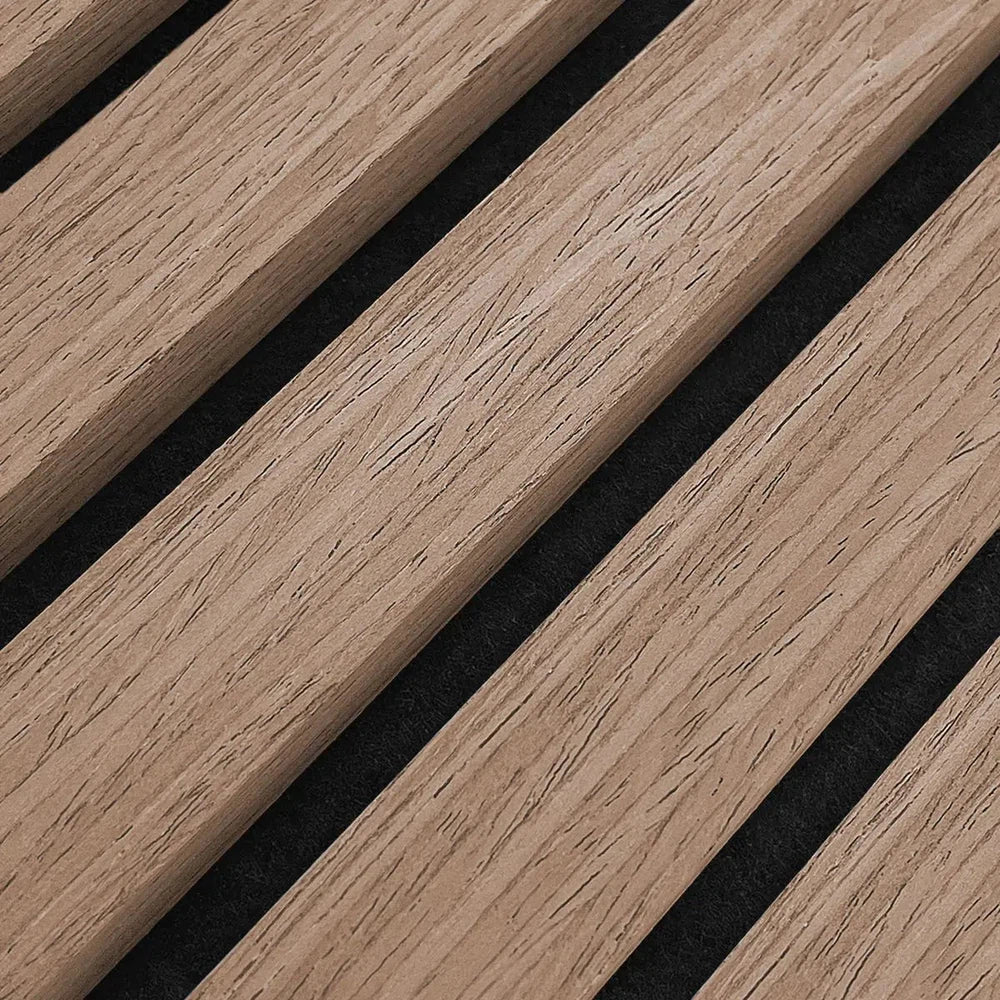
- Felt-backed wood panels from Akuwood Panel work as the finishing absorption layer, not the primary soundproofing fix.
- Hollow-core corridor doors and shared HVAC ducts are common flanking paths hotels overlook when chasing wall noise.
Why this matters
A guest who hears the next room's television or footsteps through the wall doesn't file a maintenance ticket about acoustics — they leave a review. Hotels lose repeat bookings over exactly this complaint, and the fix is usually cheaper than the reputational cost of ignoring it. Getting the diagnosis right, absorption versus transmission, saves budget that would otherwise go toward a product that treats the wrong problem. For a deeper look at how operators are specifying hotel bedroom acoustic panels in 2026, the room-by-room breakdown covers where absorption actually earns its place in the build.
How to reduce noise transfer between adjoining hotel rooms
The order of operations matters more than the product list. Work through these four layers in sequence rather than jumping straight to the most visible fix.
| Approach | What it fixes | Best for |
|---|---|---|
| Sealing gaps and flanking paths | Airborne leaks through sockets, skirting, corridor door undercuts | Quick wins, low budget, existing buildings |
| Mass-loaded barrier on the demising wall | Direct sound transmission through the shared wall structure | High-noise-complaint rooms, full refurbishments |
| Acoustic wall panels (absorption) | In-room reverberation, echo, harsh reflected sound | Guest comfort, room aesthetics, finishing layer |
| Door and threshold seals | Flanking noise travelling via the corridor | Corridor-facing rooms, older door sets |
Each row treats a different noise path. Most hotel rooms need at least two of these four addressed together — sealing plus absorption is the most common pairing operators land on in 2026 refurbishment briefs.
Sealing gaps and flanking paths: the fastest fix
Sound finds the weakest point in a wall assembly, not the average of the whole surface. A small unsealed gap around an electrical socket, a skirting board, or a corridor door undercut can leak a disproportionate amount of noise compared to its size — a widely cited acoustic engineering principle is that even a gap covering roughly 1% of a wall's area can undercut the wall's overall sound performance. Before spending on any wall product, check:
- Socket boxes back-to-back on the shared wall (stagger them where possible)
- Skirting boards and cornices with visible gaps to the structure
- Corridor door undercuts wider than a few millimetres
- Penetrations for cabling, plumbing, or HVAC runs through the demising wall
This step costs the least and delivers the most noticeable improvement per pound spent. Skip this and every downstream fix underperforms.
Adding mass to the demising wall
Standard stud partitions built to minimum spec transmit more sound than a masonry party wall simply because they have less mass and fewer decoupled layers. Adding a mass-loaded layer, an extra layer of plasterboard on resilient bars, or upgrading to a staggered-stud build breaks the direct path sound takes through the studs. This is structural work, not a wall-finish swap, and it's the step most likely to require a contractor rather than a maintenance team.
Acoustic wall panels: absorption, not isolation
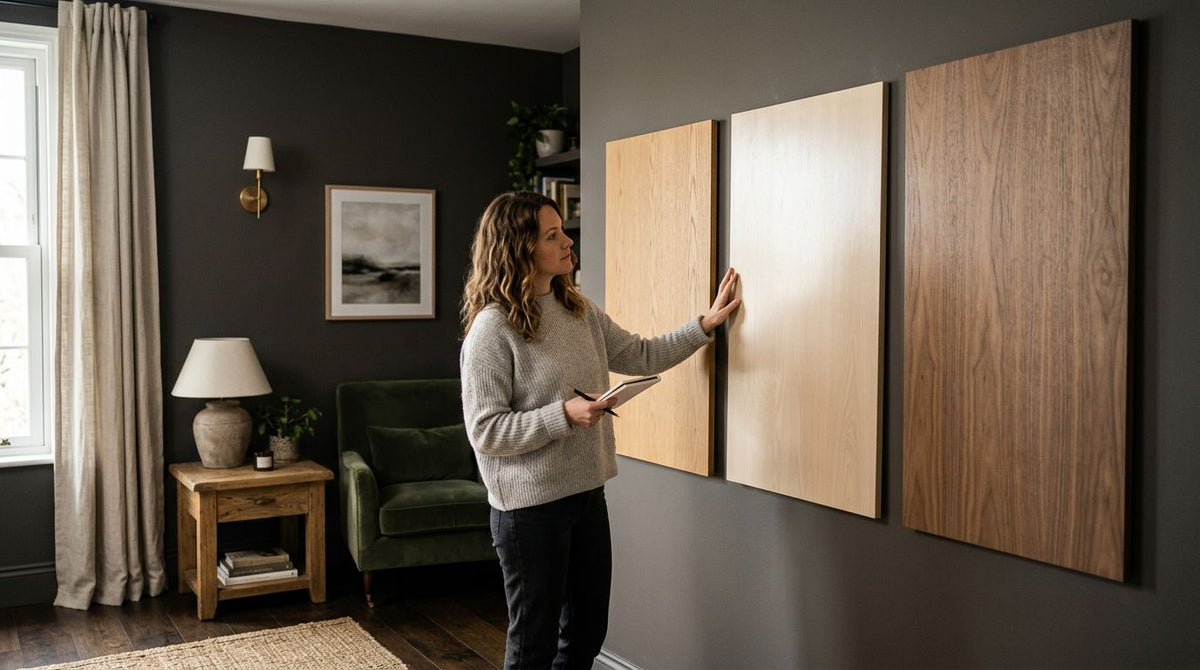
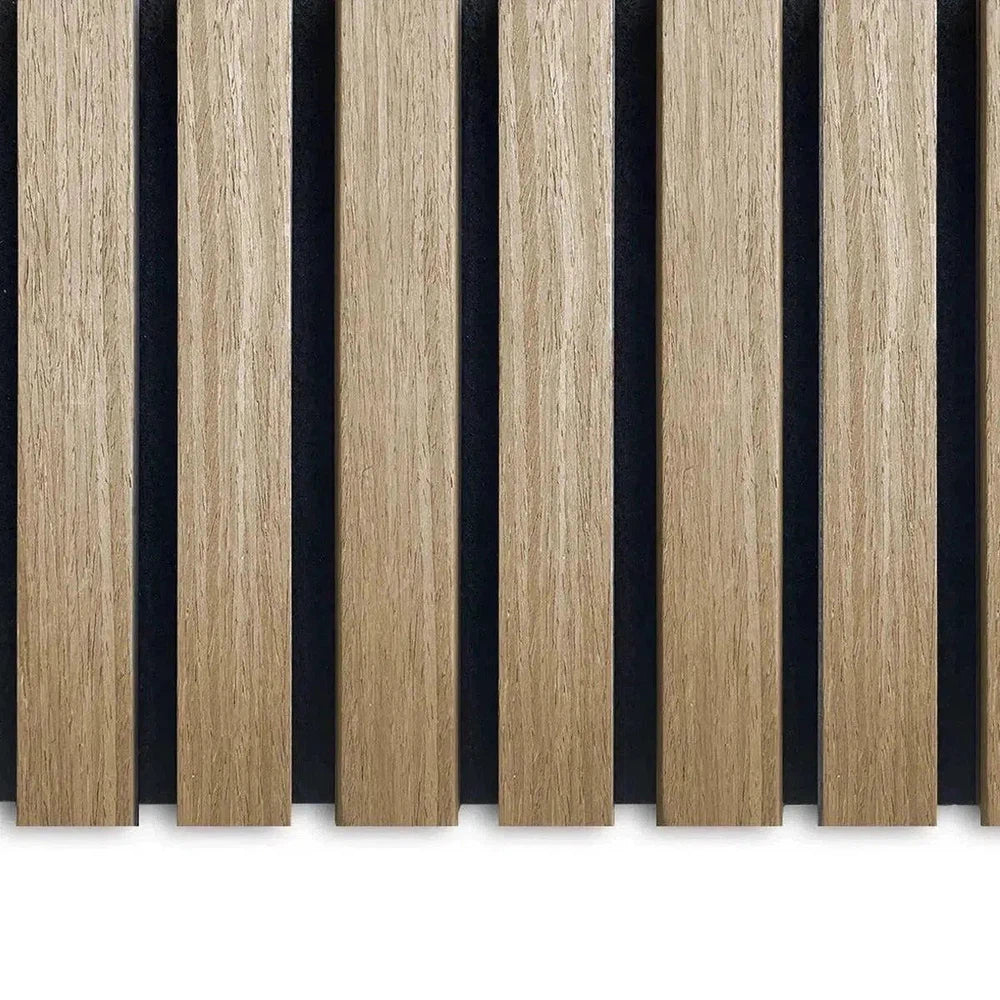
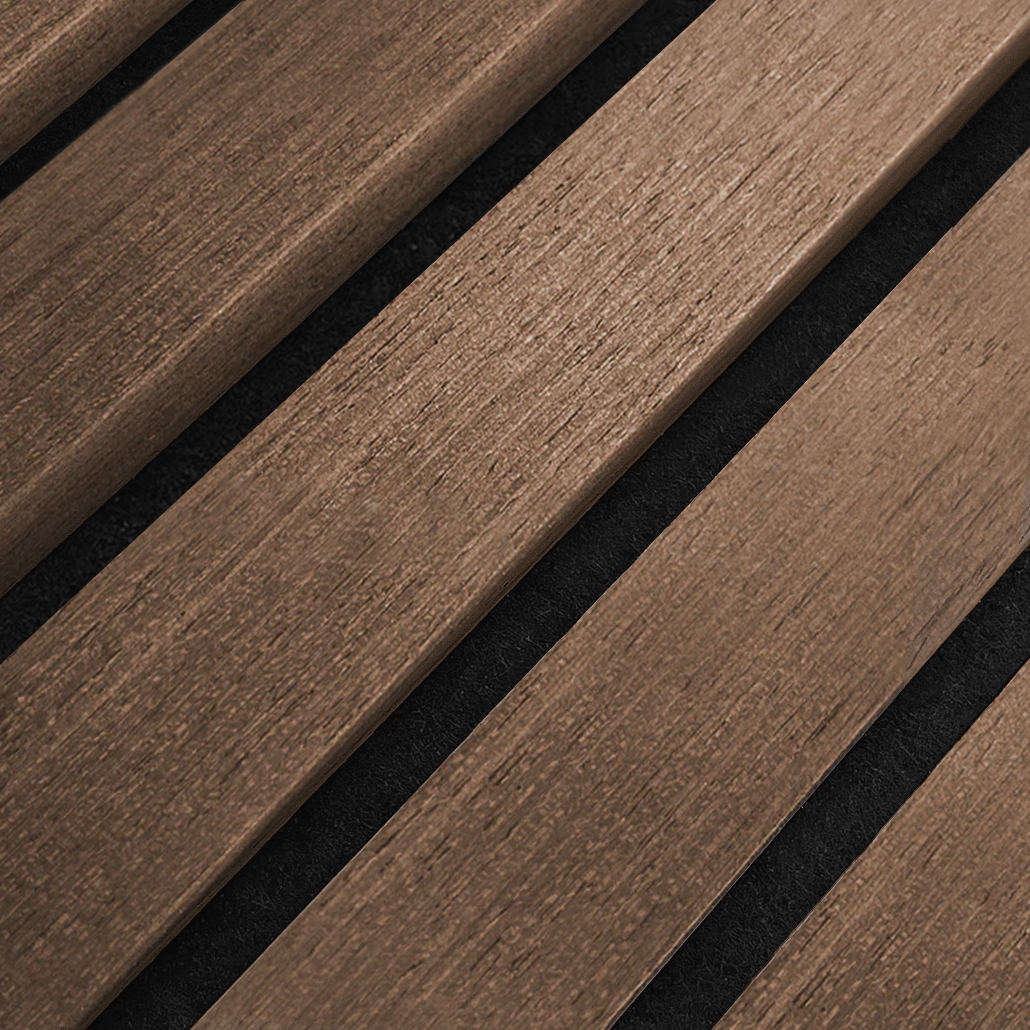
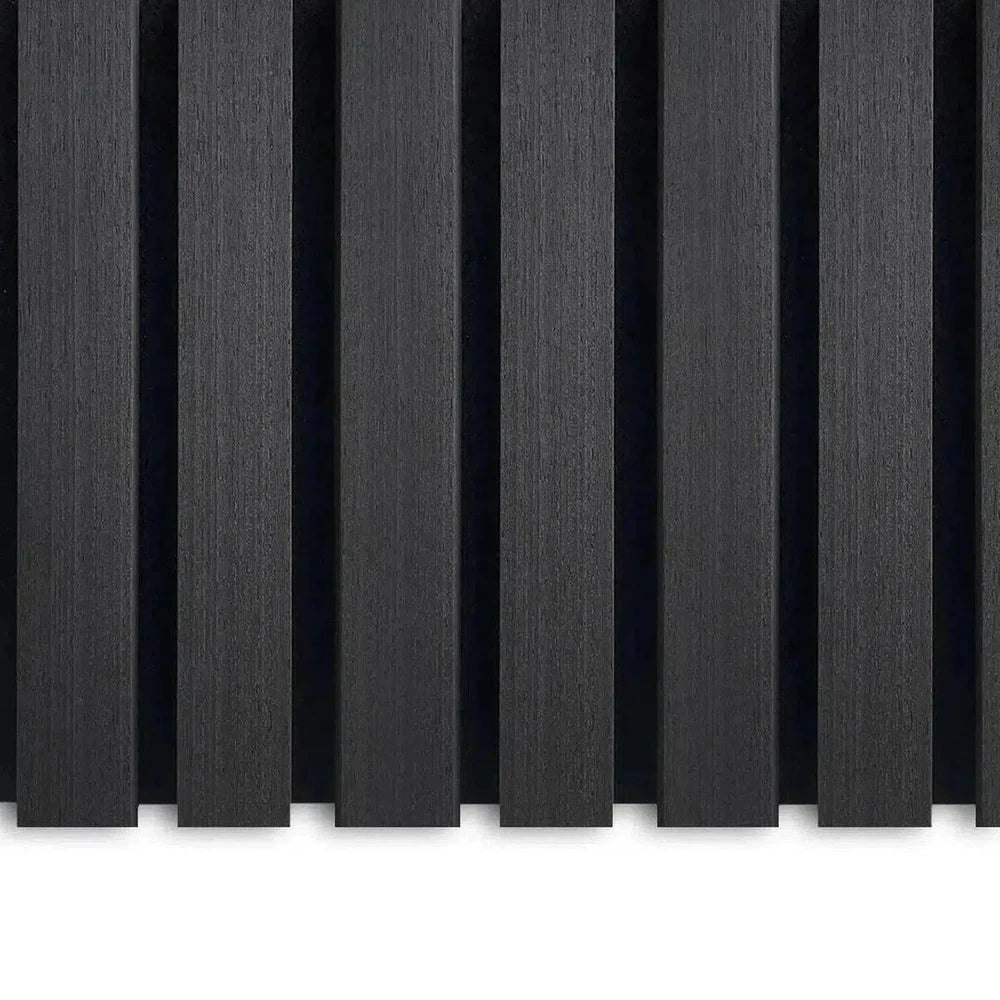
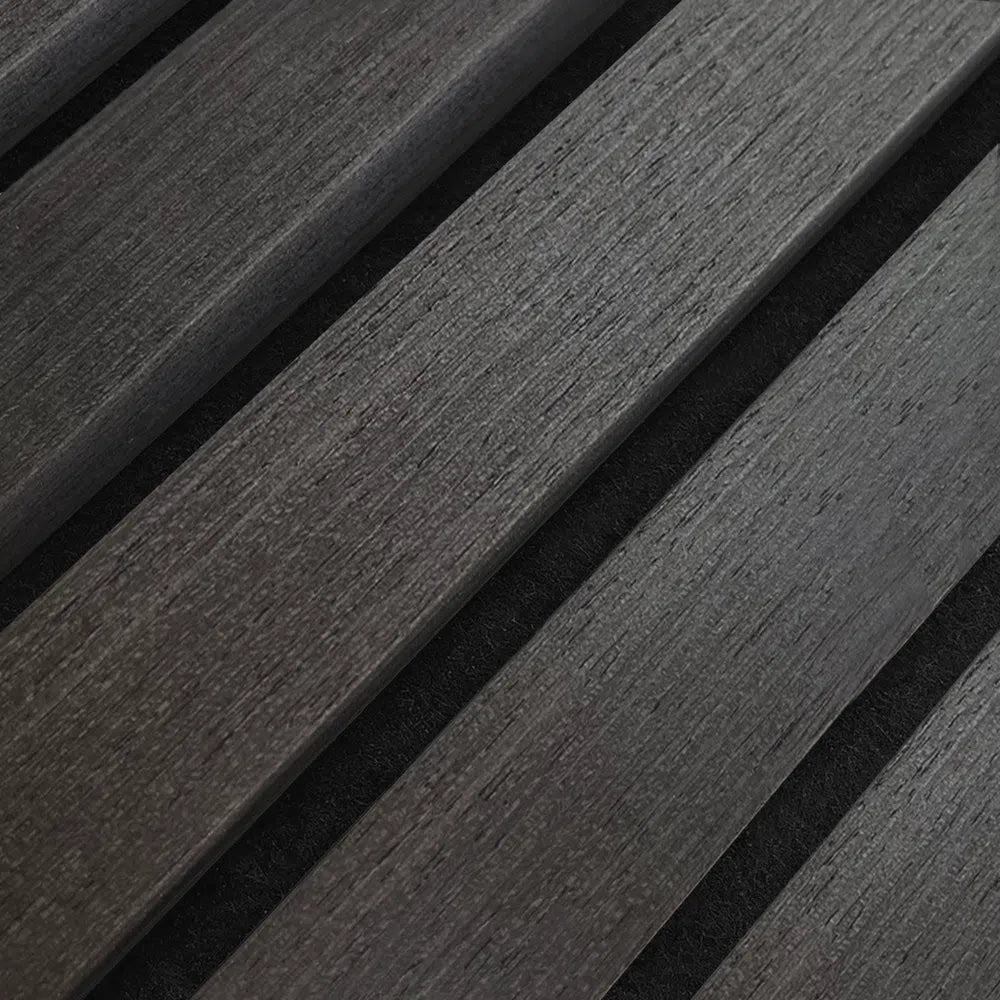
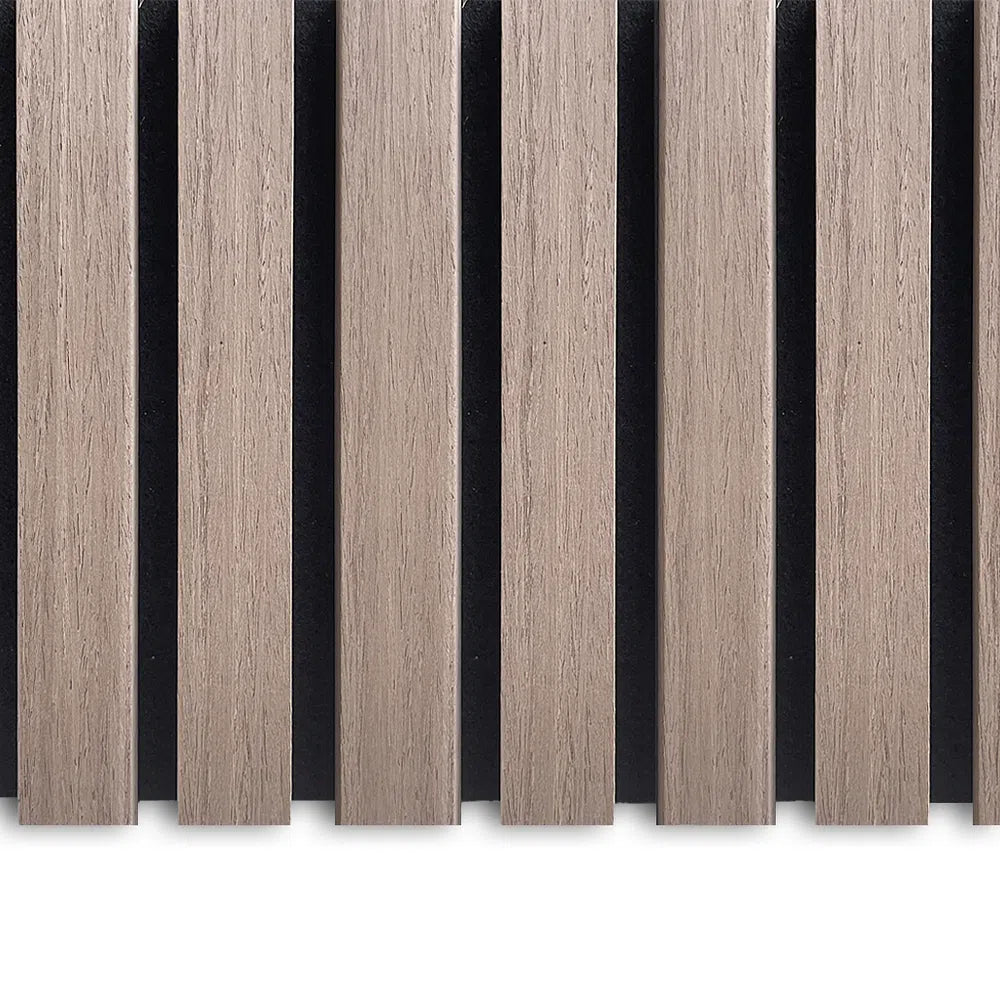
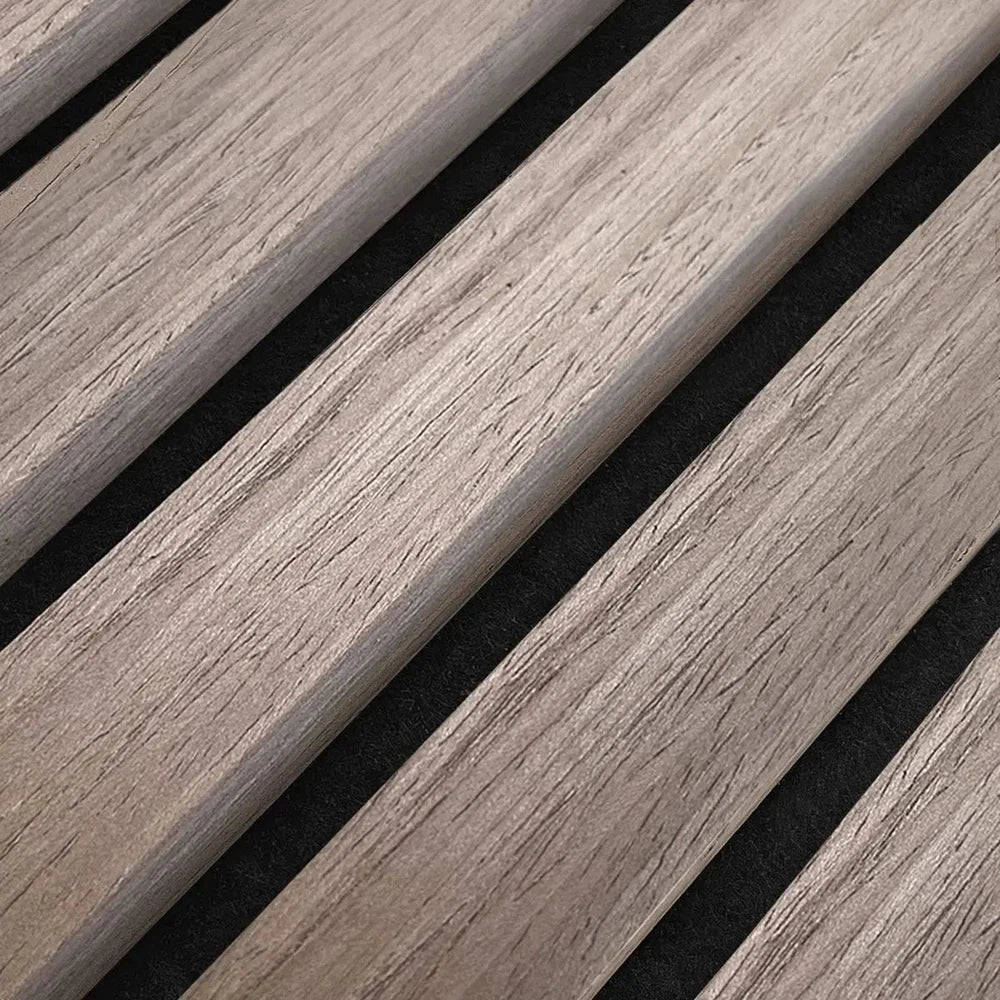
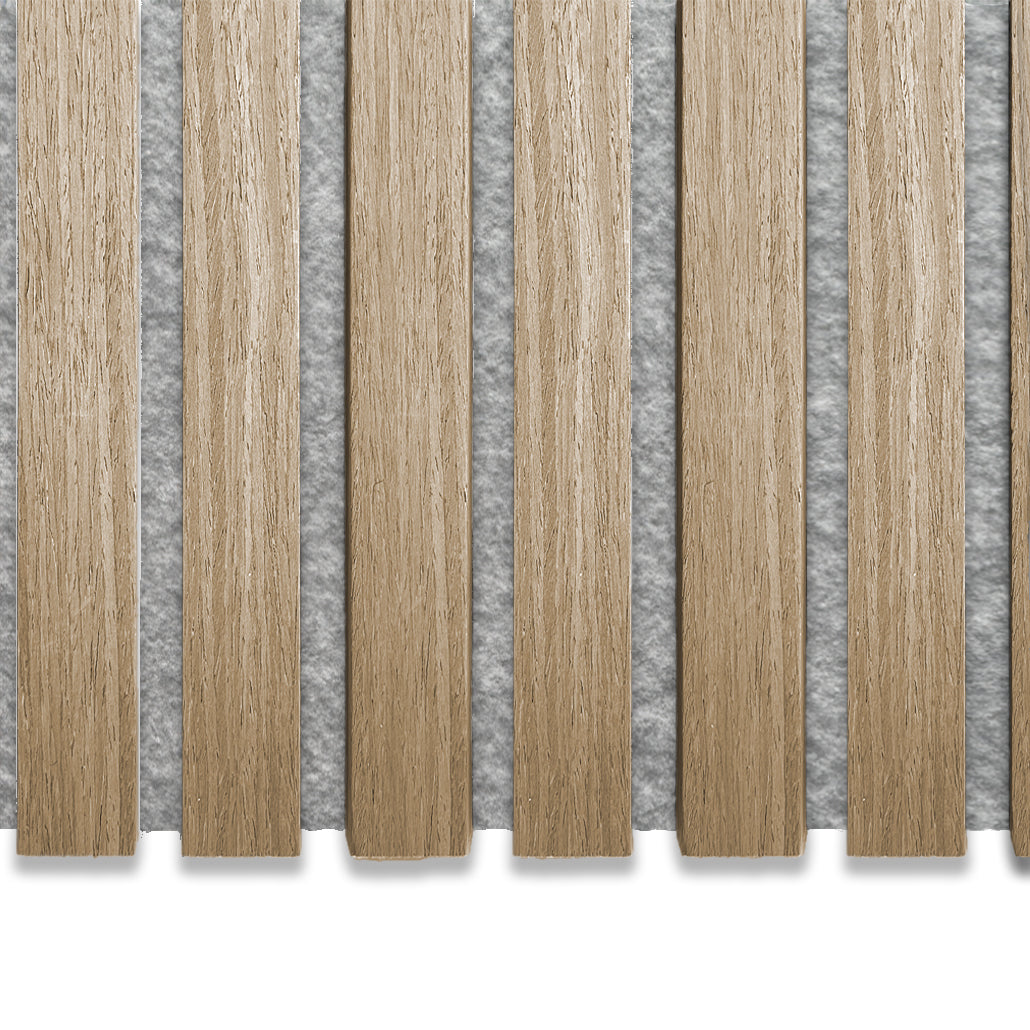
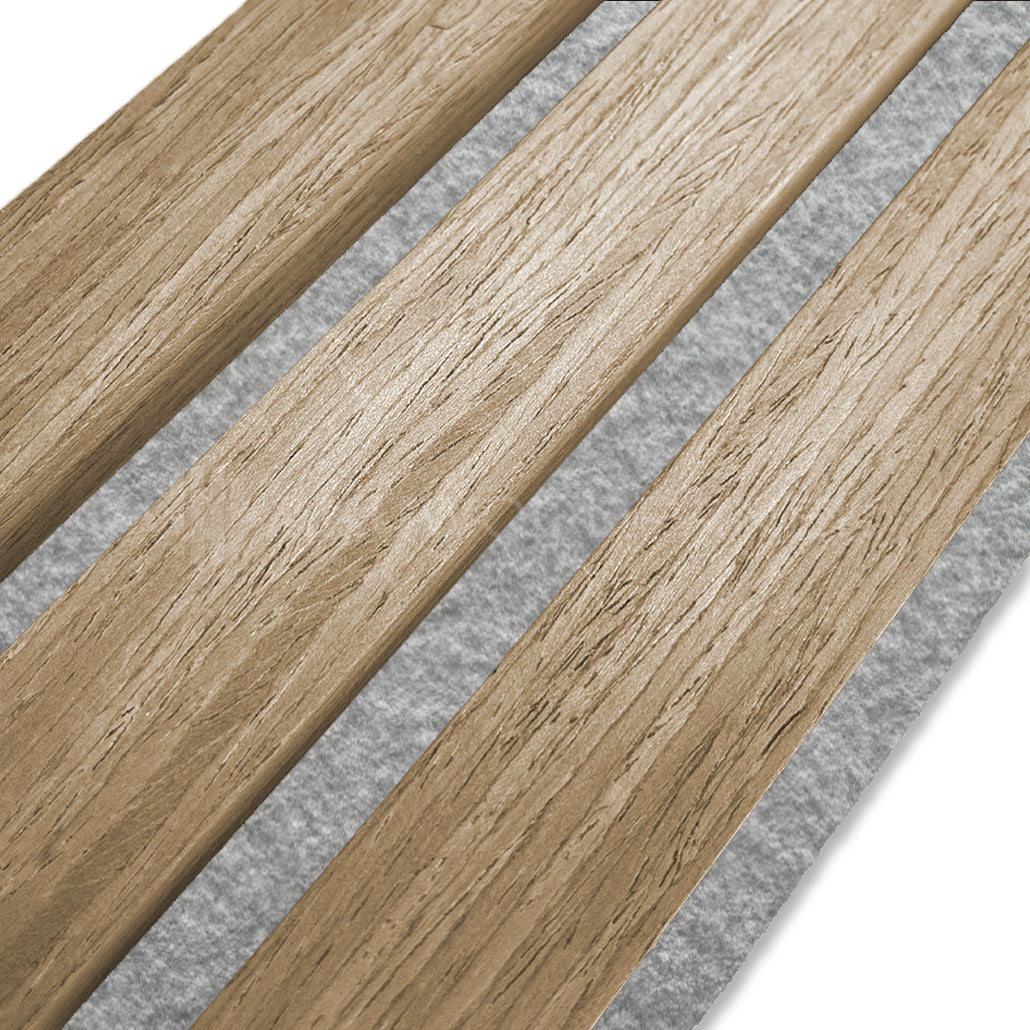
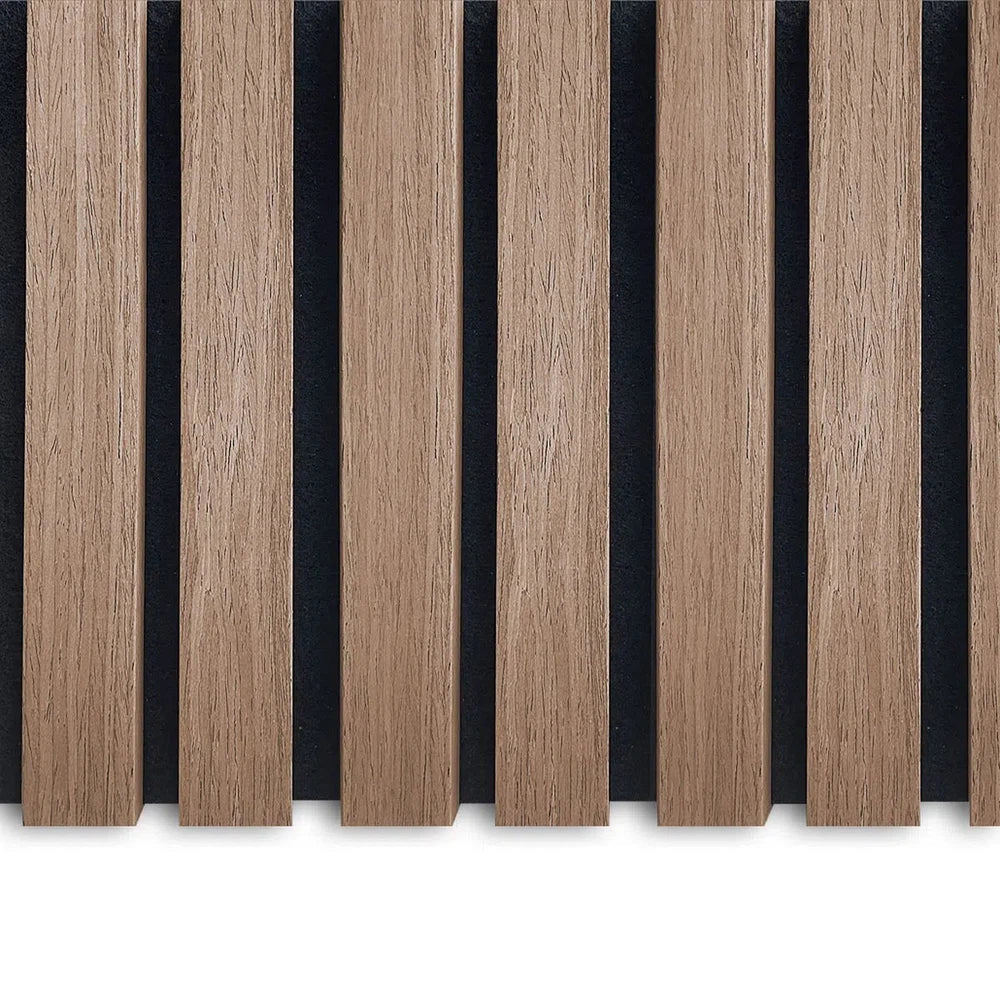
This is where the distinction matters most and where most buying decisions go wrong. Acoustic wood panels — including the felt-backed range from Akuwood Panel — absorb sound energy inside the room where they're installed. They soften echo, reduce the harsh slap-back off hard walls, and make a room feel quieter to the person standing in it. What they do not do is block sound from passing through the wall into the room next door — that's a transmission problem, solved by mass and decoupling, not by a surface finish.
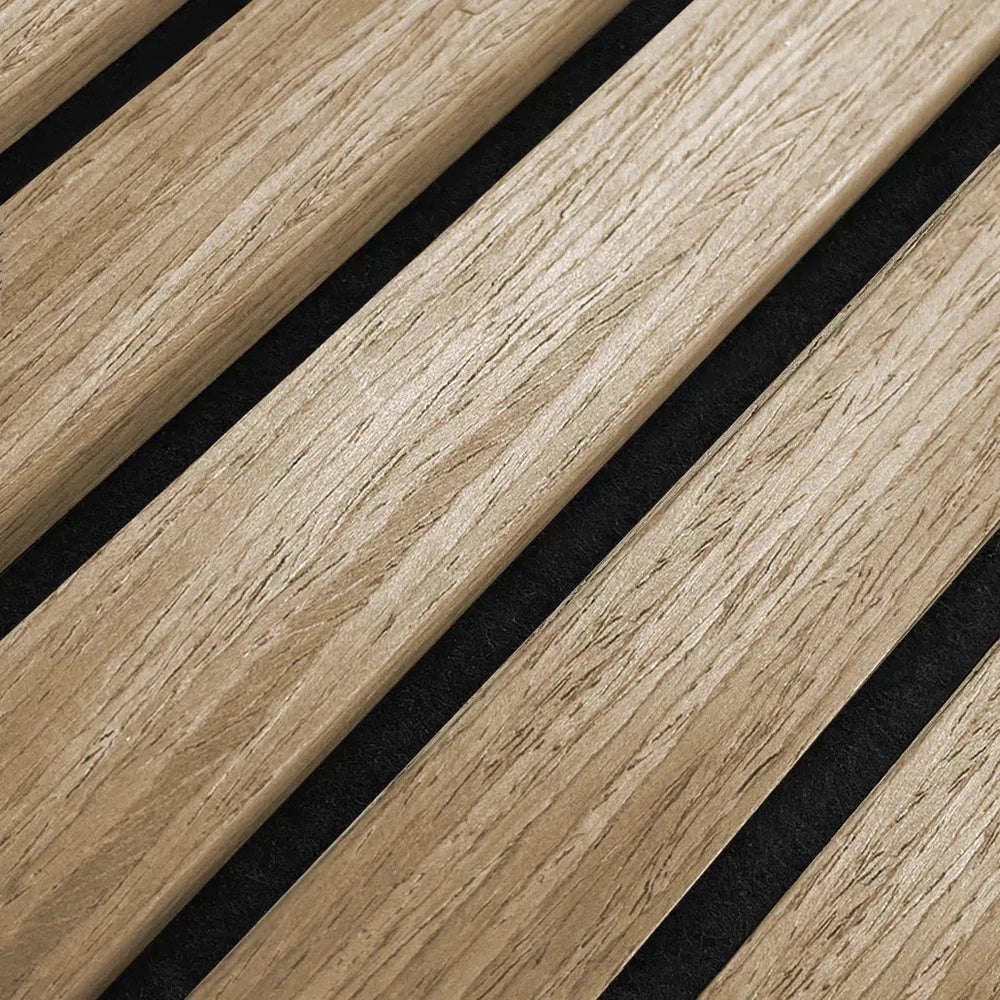
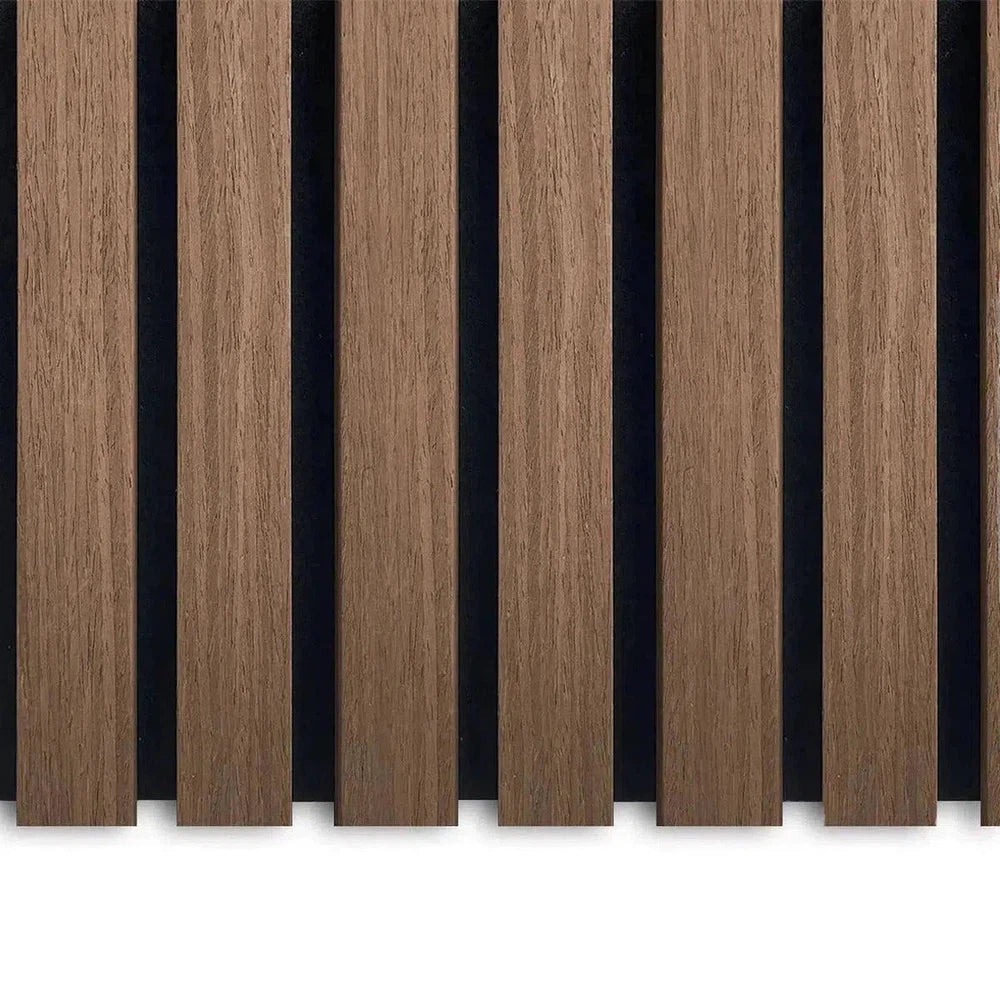
A felt-backed acoustic wood panel with a 3-sided real wood veneer works well as the visible, guest-facing finish once the transmission path has already been addressed with sealing and mass. Installed on its own against an untreated stud wall, it improves how the room sounds without stopping noise from the neighbouring room.
“Acoustic panels change how a room sounds, not what passes through the wall next to it.”
Installation is straightforward with a suitable panel glue on a flat, prepared wall, and the panels come in two size formats — 240 cm and 300 cm — so room height dictates which format avoids an awkward horizontal join.
Specify acoustic panels for a hotel refurbishment
Browse the wood veneer and felt-backed panel range for bedroom and corridor walls.
Door and threshold treatments
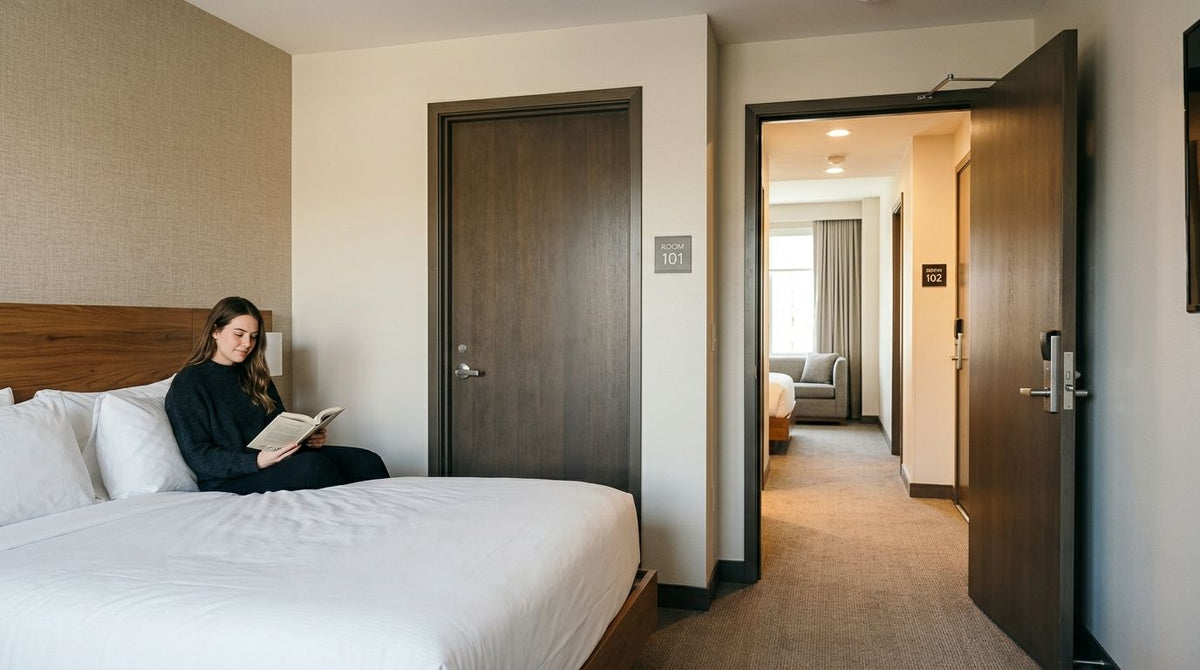
Corridor doors are a common weak point because guest room doors are often lighter than the wall assembly around them. Compression seals around the frame and a drop-down threshold seal close the gap that airborne noise from the corridor and adjacent rooms uses to bypass the wall entirely. This is a cheap fix relative to wall work and is frequently the missing piece when a room still sounds noisy after the wall itself has been treated.
Why noise transfer varies between hotel rooms
Not every room in the same building has the same noise problem, because the variables stack differently room to room:
- Wall construction — a timber stud partition transmits more than a masonry or concrete party wall
- Corridor door condition — undercuts and worn seals widen over years of use
- Shared HVAC ducting — a duct run connecting two rooms carries sound directly between them
- Socket and switch placement — back-to-back electrical boxes on a shared wall thin the assembly at that exact point
- Flooring — hard floors in the room above transmit impact noise differently than carpeted floors
- Furniture layout — headboards and wardrobes placed against a demising wall add incidental mass; empty walls don't
Panel thickness also plays a role in how much a room's absorption improves — the acoustic panel thickness guide breaks down how thickness relates to how much reflected sound a panel actually removes from a room.
Related questions
What causes noise transfer between adjoining hotel rooms?
Noise transfer between adjoining hotel rooms comes from a mix of direct transmission through the shared wall and flanking paths — gaps around sockets, corridor door undercuts, and shared HVAC ducting. Wall construction and unsealed penetrations usually matter more than the wall's surface finish.
Do acoustic wall panels stop sound from passing through to the next room?
Acoustic wall panels reduce reverberation and perceived loudness inside the room where they're fitted, but they don't stop sound transmission through to an adjoining room on their own. Mass-loaded barriers or an upgraded stud build handle the transmission side; panels handle how the room itself sounds.
Is a mass-loaded barrier better than acoustic panels for hotel soundproofing?
A mass-loaded barrier is better for stopping sound transmission through the wall itself, while acoustic panels are better for reducing echo and reflected noise within the room. Most refurbishments in 2026 use both together rather than choosing one over the other.
How do corridor doors and gaps add to hotel room noise?
Corridor doors and gaps add to hotel room noise by giving sound a lighter, less resistant path than the wall itself, often through undercuts, worn seals, or thin door cores. Sealing these gaps is usually the cheapest fix available before any wall work begins.
What panel size works best for hotel bedroom walls, 240 cm or 300 cm?
The panel size that works best for hotel bedroom walls depends on ceiling height — 240 cm suits standard guest room ceilings, while 300 cm avoids a horizontal join in taller rooms. Matching the format to the room avoids an awkward seam partway up the wall.
Can furniture and soft furnishings reduce noise complaints in hotel rooms?
Furniture and soft furnishings can reduce noise complaints in hotel rooms by adding incidental mass and absorption, particularly headboards placed against a shared wall. They're a supplementary fix, not a replacement for sealing gaps or treating the wall structure.
FAQ
What causes noise transfer between adjoining hotel rooms?
Noise transfer between adjoining hotel rooms is caused mainly by direct transmission through the shared wall plus flanking paths like unsealed sockets, corridor door undercuts, and shared HVAC ducting. Wall construction type matters more than any surface finish applied afterward.
Do acoustic wall panels block noise between hotel rooms?
Acoustic wall panels absorb sound inside the room they're fitted in but don't block transmission through the wall to the room next door. They're an absorption fix, not an isolation fix.
What's the fastest fix for noise between hotel rooms?
The fastest fix for noise between hotel rooms is sealing gaps around sockets, skirting, and corridor door undercuts. It's the cheapest step and delivers a noticeable improvement before any wall or panel work begins.
Is a mass-loaded barrier better than acoustic panels for hotel soundproofing?
A mass-loaded barrier is better for stopping sound transmission through a demising wall, while acoustic panels are better for reducing in-room echo and reflected noise. The two solve different problems and are typically combined.
How do corridor doors affect hotel room noise?
Corridor doors affect hotel room noise by acting as a weak point in the sound barrier, especially where undercuts, worn seals, or hollow cores exist. Sealing the frame and threshold closes this flanking path.
What panel size suits hotel bedroom walls, 240 cm or 300 cm?
The panel size that suits hotel bedroom walls depends on ceiling height: 240 cm fits standard guest room ceilings and 300 cm avoids a horizontal join in taller rooms.
Can furniture placement reduce noise complaints in hotel rooms?
Furniture placement can reduce noise complaints in hotel rooms by adding mass and absorption against a shared wall, particularly with a headboard positioned there. It supplements sealing and wall treatment rather than replacing them.
One last thing
The single most overlooked flanking path in hotel refurbishments is the socket box — two electrical outlets mounted back-to-back on either side of a shared wall thin the assembly at that exact spot, and it's rarely on anyone's soundproofing checklist. Check for it before signing off any acoustic work in 2026.