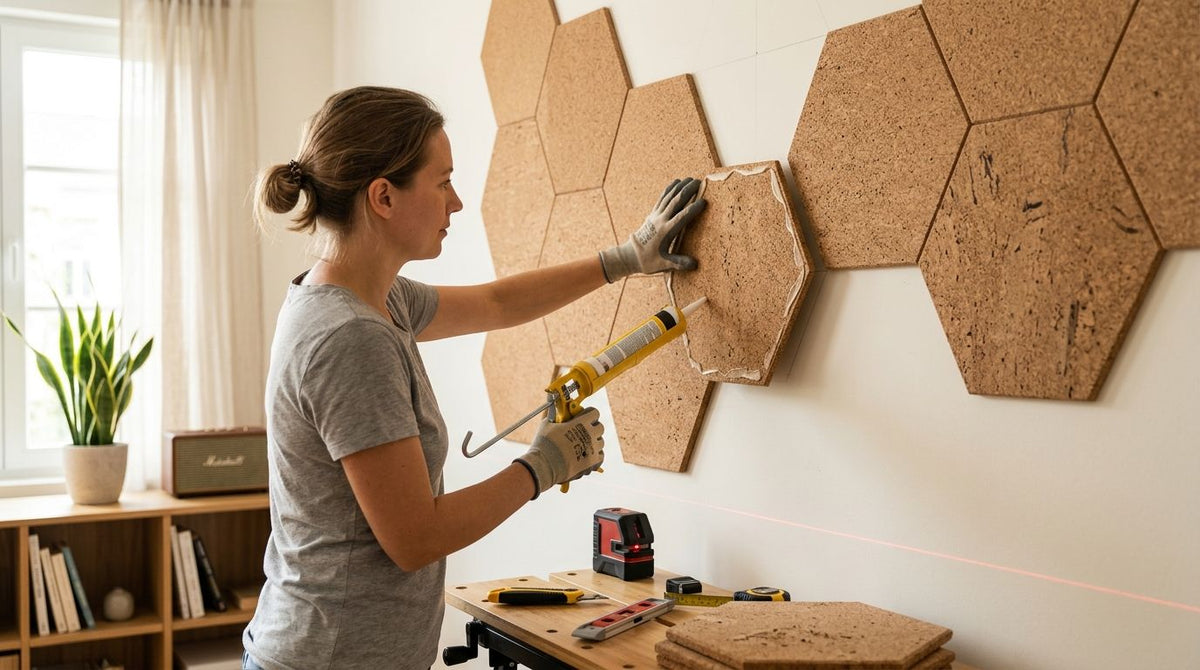
Cork acoustic panels go up in four stages: prep the wall, mark your layout, apply adhesive, then press and roll each panel into place. Most single-wall DIY jobs finish in under two hours, but the adhesive needs 24-48 hours to cure fully before you hang anything heavier than a picture on top.
- Installing cork acoustic panels takes four steps: prep, mark, glue, press — most walls finish in under two hours.
- Contact adhesive is the standard fixing method; full cure runs 24-48 hours before loading the wall.
- AKU Woodpanel felt-backed hexagon panels carry an NRC of 0.75 — a published rating cork tiles rarely quote.
- Cut cork with a sharp utility knife and a straight edge, never a saw.
- Uneven walls ruin cork installs faster than bad adhesive — fill and sand first.
Why this matters
Cork gets chosen for acoustic walls because it is light, cheap to cut and forgiving on rough plaster. It is also soft — it dents under chair backs and furniture edges, and its absorption depends almost entirely on tile thickness, which packaging often leaves vague.
Getting the install right in 2026 is mostly about preparation. Nine out of ten failed cork walls are adhesive lifting off dusty plaster or seams opening on a wall that was never flat. The steps below fix both problems before they start, and the comparison further down shows where a felt-backed wood veneer panel beats cork outright.
How to install cork acoustic panels on a wall
- Clean and dry the wall. Remove dust, grease and flaking paint. Adhesive will not grip a chalky or dirty surface, and cork is too light to hold itself up while the glue guesses.
- Check flatness with a straight edge. Cork is thin and telegraphs every bump. Fill dents, sand high spots, prime bare plasterboard.
- Mark a level datum line. Do not trust the skirting or the ceiling — measure up from the floor at both ends, snap a chalk line, and work from that.
- Dry-lay the pattern on the floor. Arrange the tiles in fixing order so awkward cuts land in corners and behind furniture, not in the middle of the wall.
- Spread adhesive in sections. Cover roughly one panel's width at a time with contact adhesive or panel glue. Whole-wall coverage skins over before you reach the far end.
- Press from the centre outward. Set each tile against the datum line, press from the middle to the edges, then roll firmly to drive out air pockets.
- Cut around sockets and skirting with a utility knife. Score, snap, trim. A saw tears cork edges.
- Leave it 24-48 hours. No furniture leaning, no fixings, no heavy handling until the adhesive is fully cured.
Verdict: if you can hang wallpaper, you can fit cork acoustic panels — the skill is in the wall prep, not the fixing.
Fixing cork to plasterboard
Plasterboard takes cork adhesive well provided the surface is sound and bare gypsum is primed first. The prep sequence is identical to the one used when fixing wall panels to a plasterboard wall: locate studs before you add anything heavier, prime, then glue. Skipping primer on bare board is the single most common reason cork lifts within a year.
Fixing cork to masonry or concrete
Solid walls need a flat, sealed face. Old lime plaster and painted brick both shed dust, and dust kills adhesion. Seal the surface, let it dry, then glue. The same rules that govern installing acoustic panels on a concrete wall apply to cork — with the extra warning that cork alone does nothing for structure-borne noise coming through the masonry itself.
Cork panels vs wood veneer acoustic panels
| Cork acoustic panels | AKU Woodpanel wood veneer panels | |
|---|---|---|
| Fixing method | Contact adhesive | Adhesive or screw-fix to battens |
| Cutting tool | Utility knife | Fine-tooth saw |
| Published absorption rating | Rarely stated; varies by thickness | NRC 0.75 on hexagon panels |
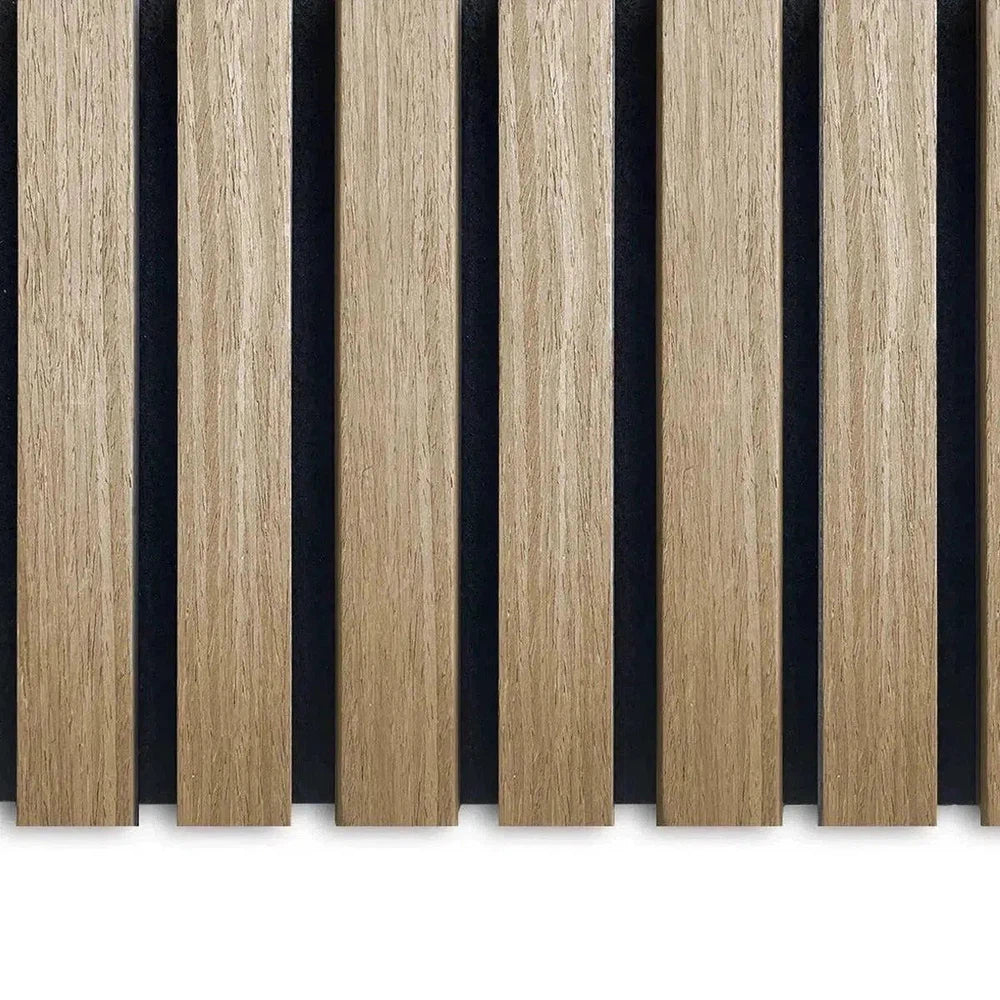
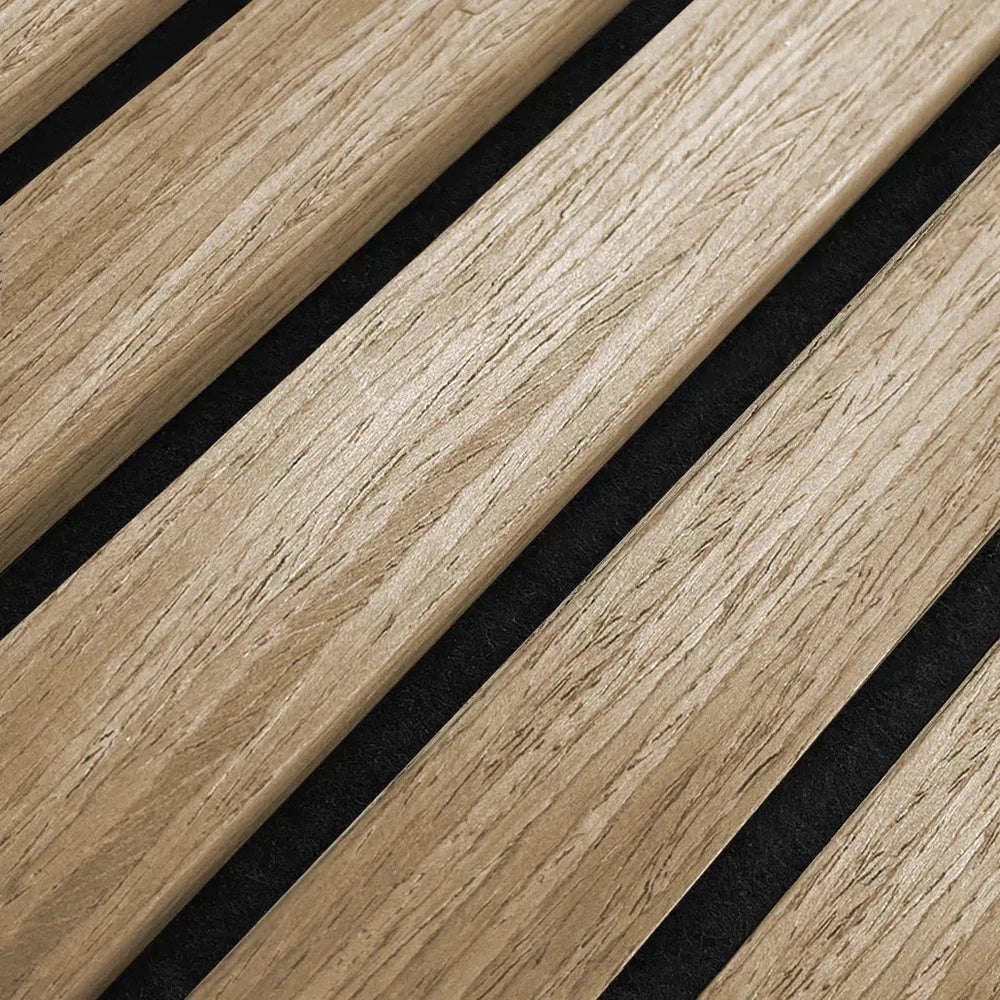
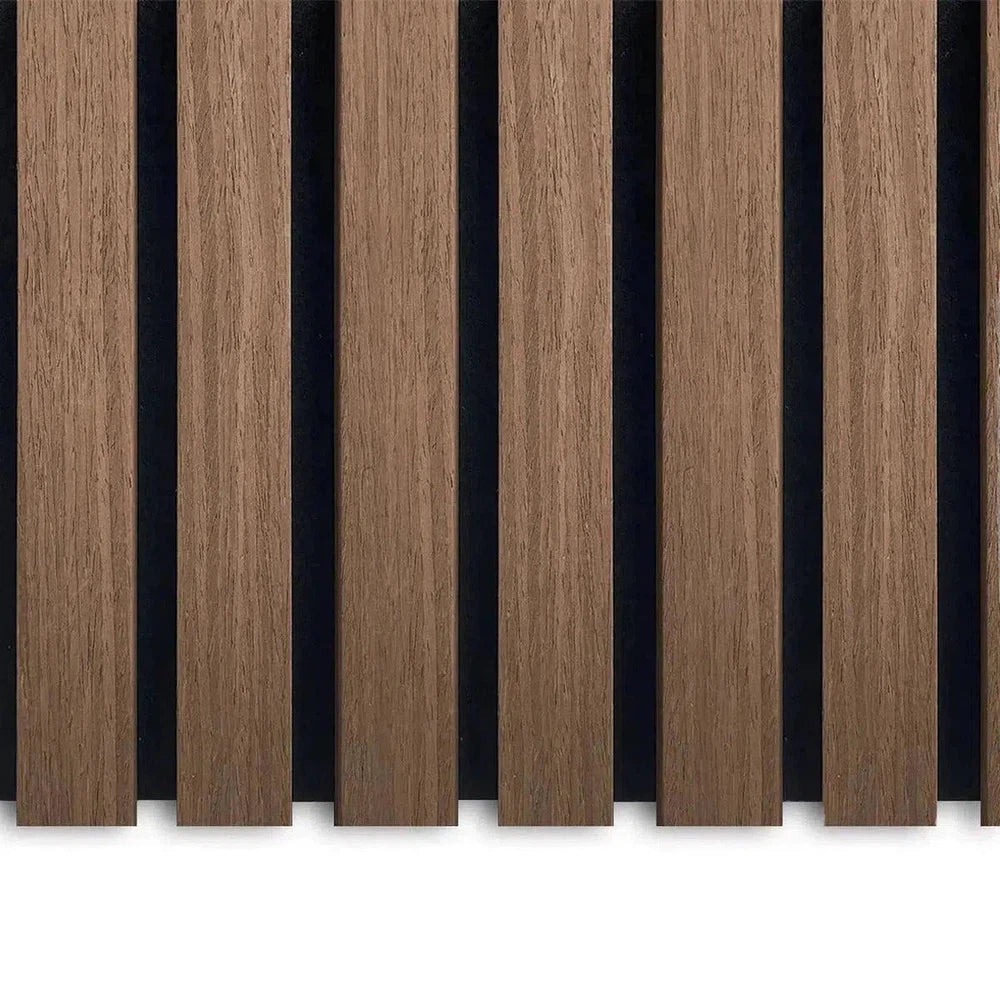
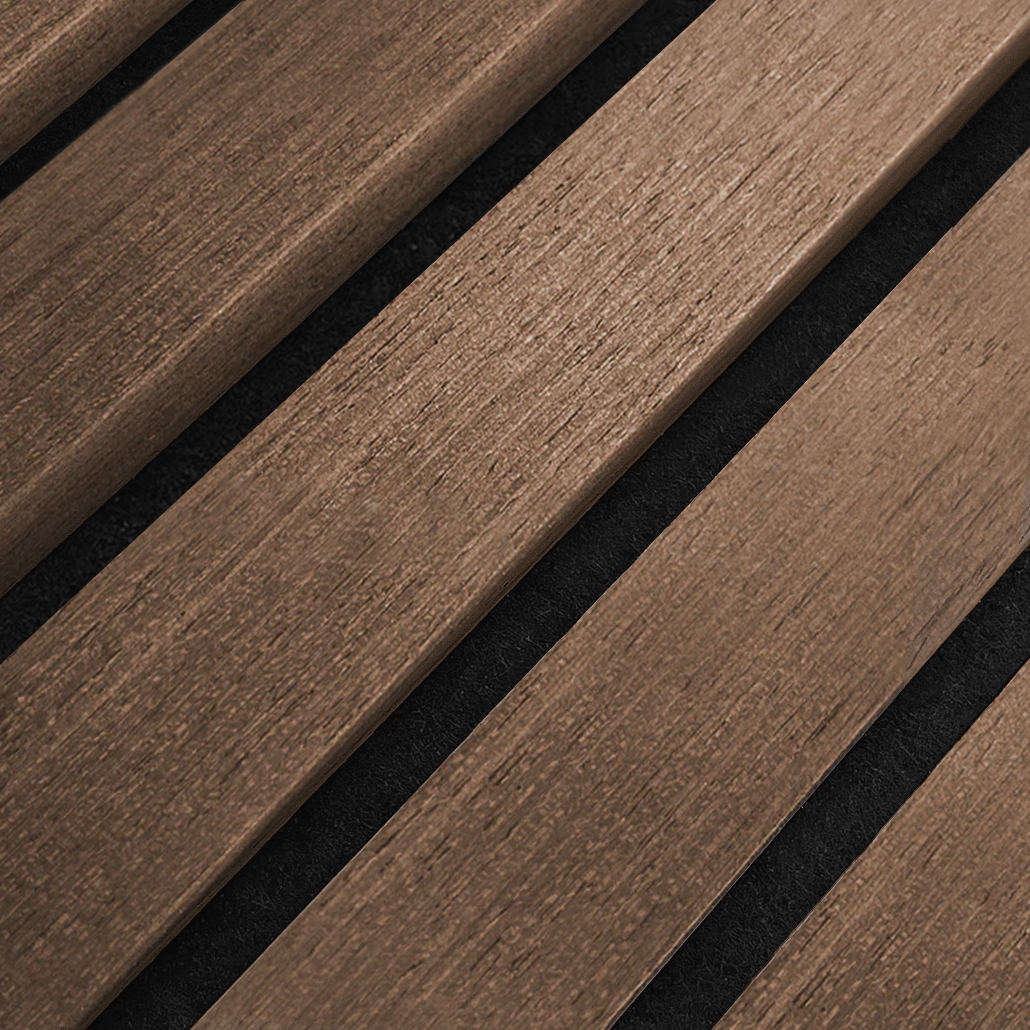
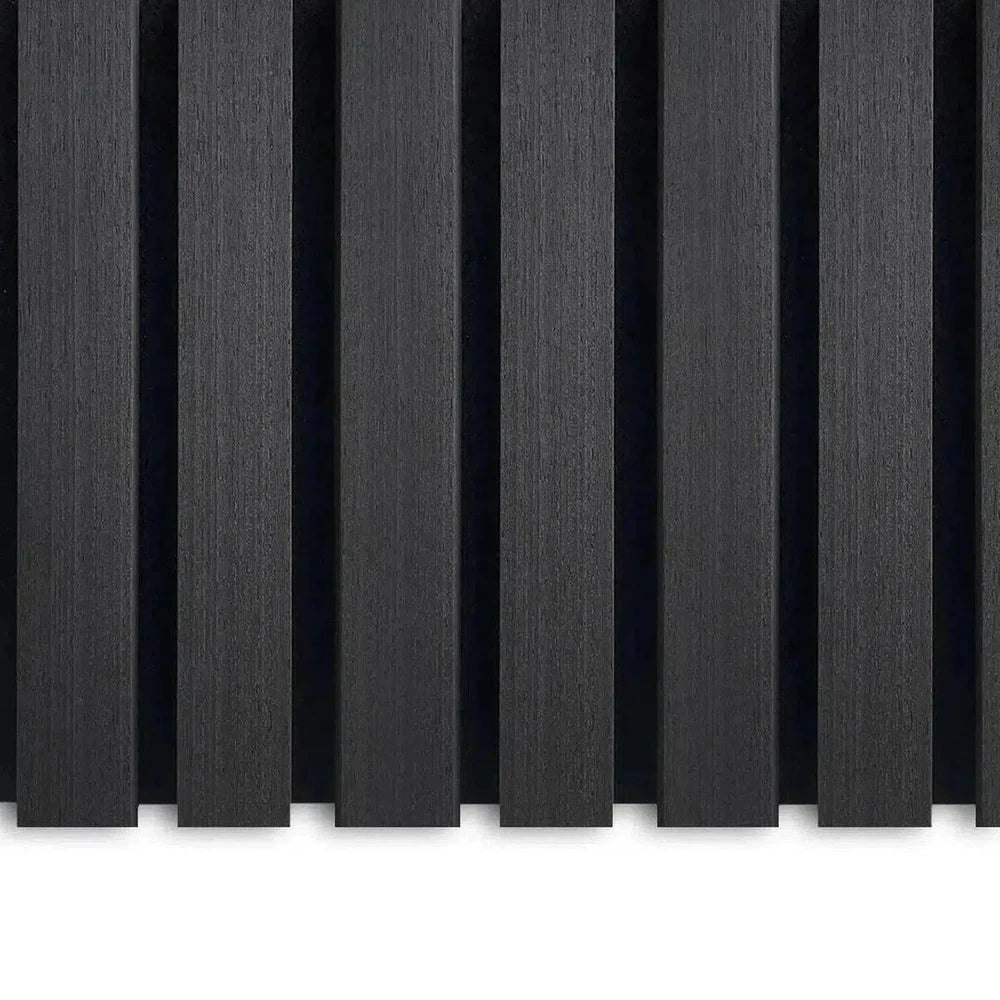
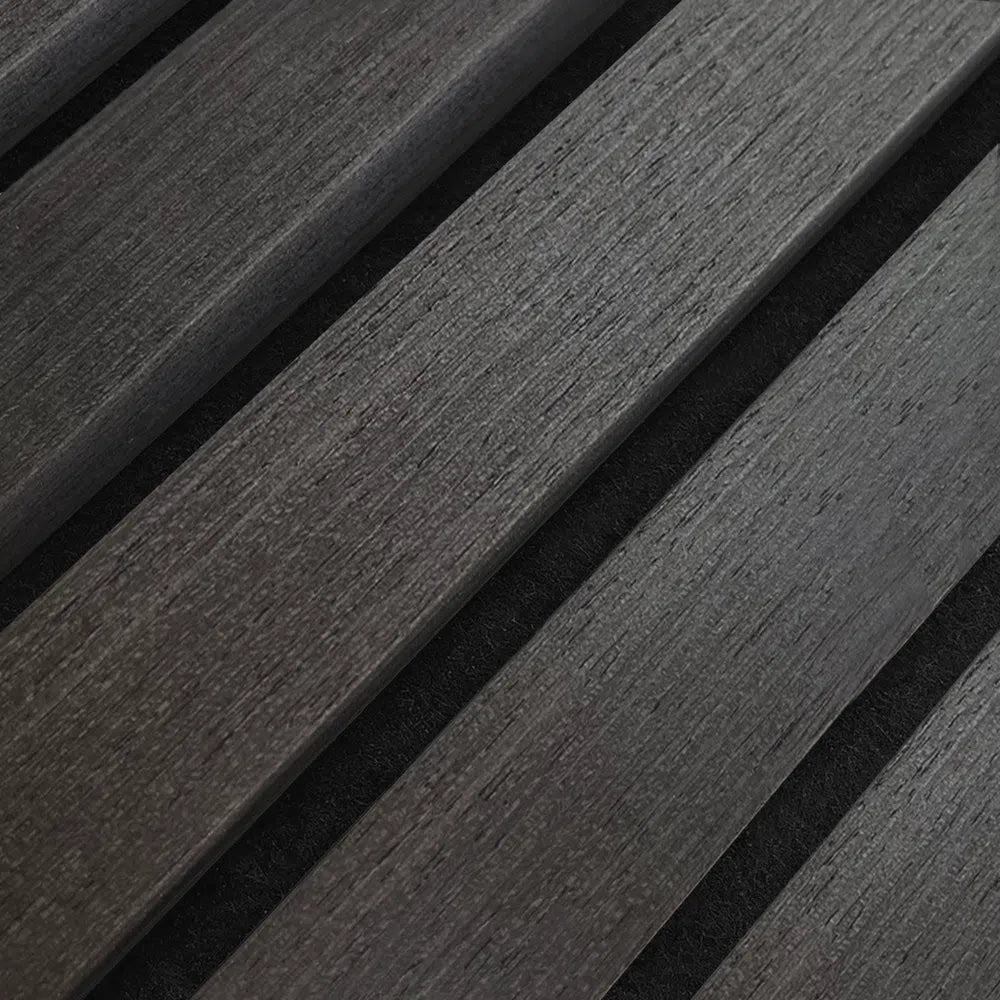
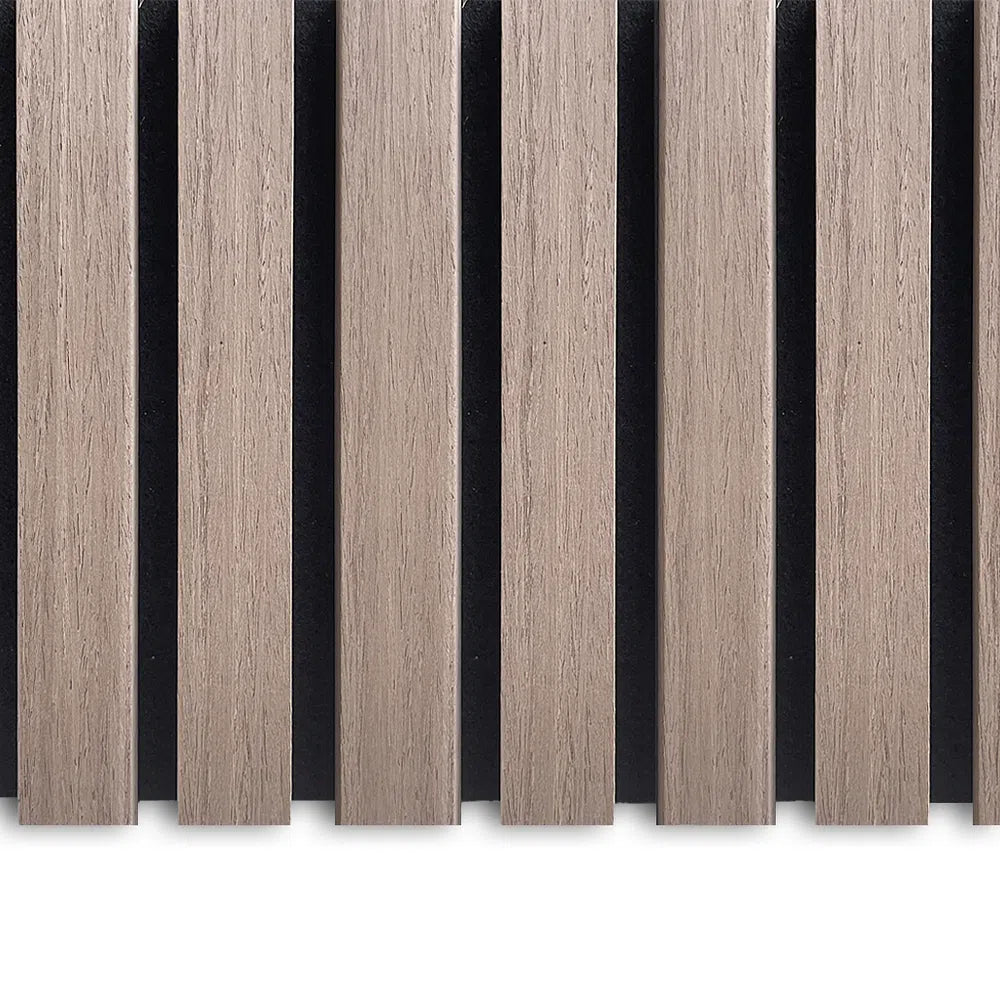
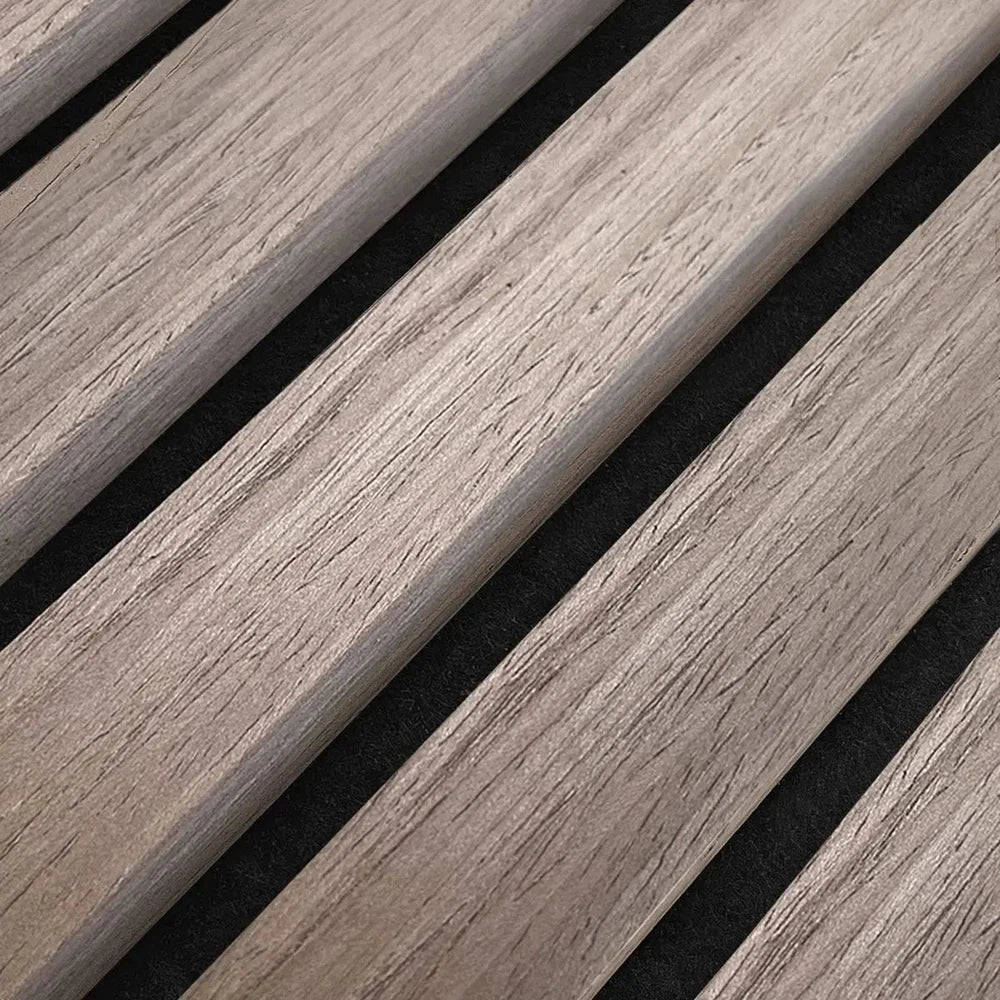
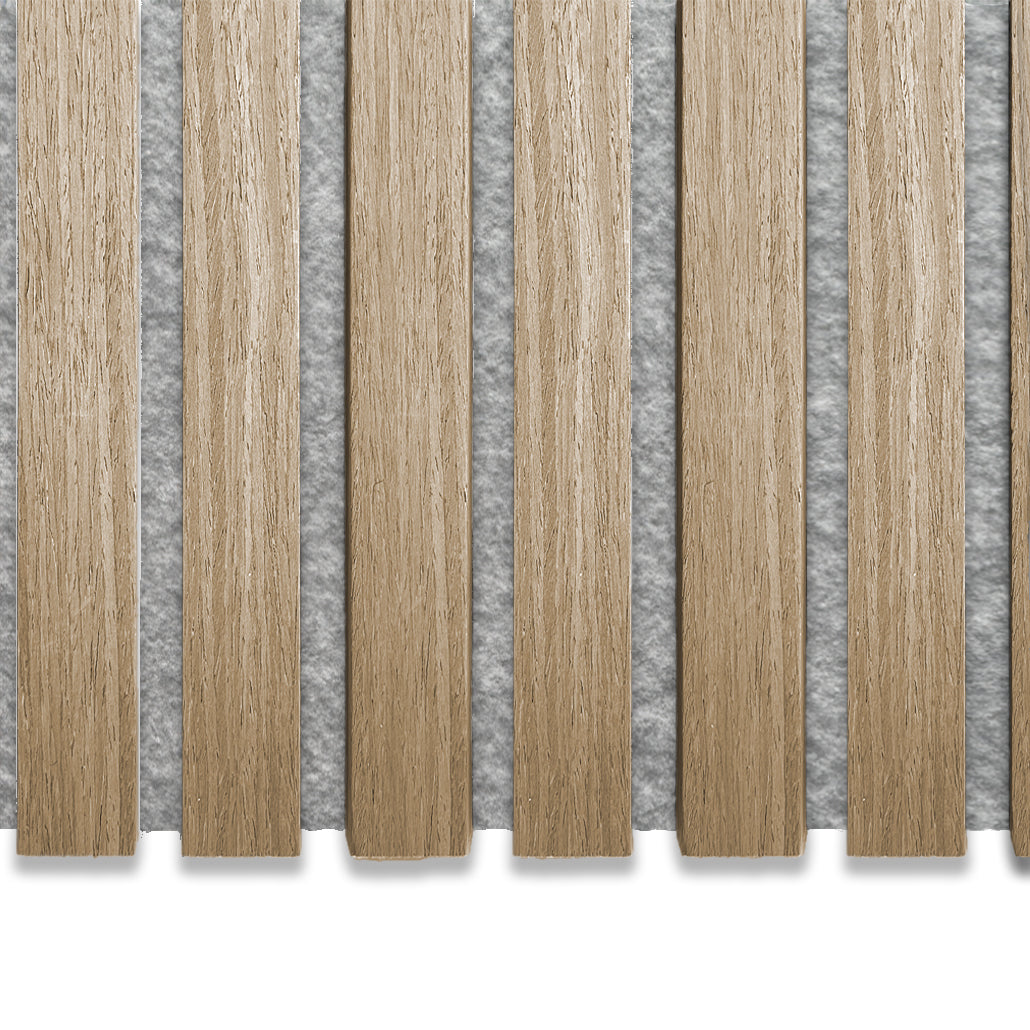
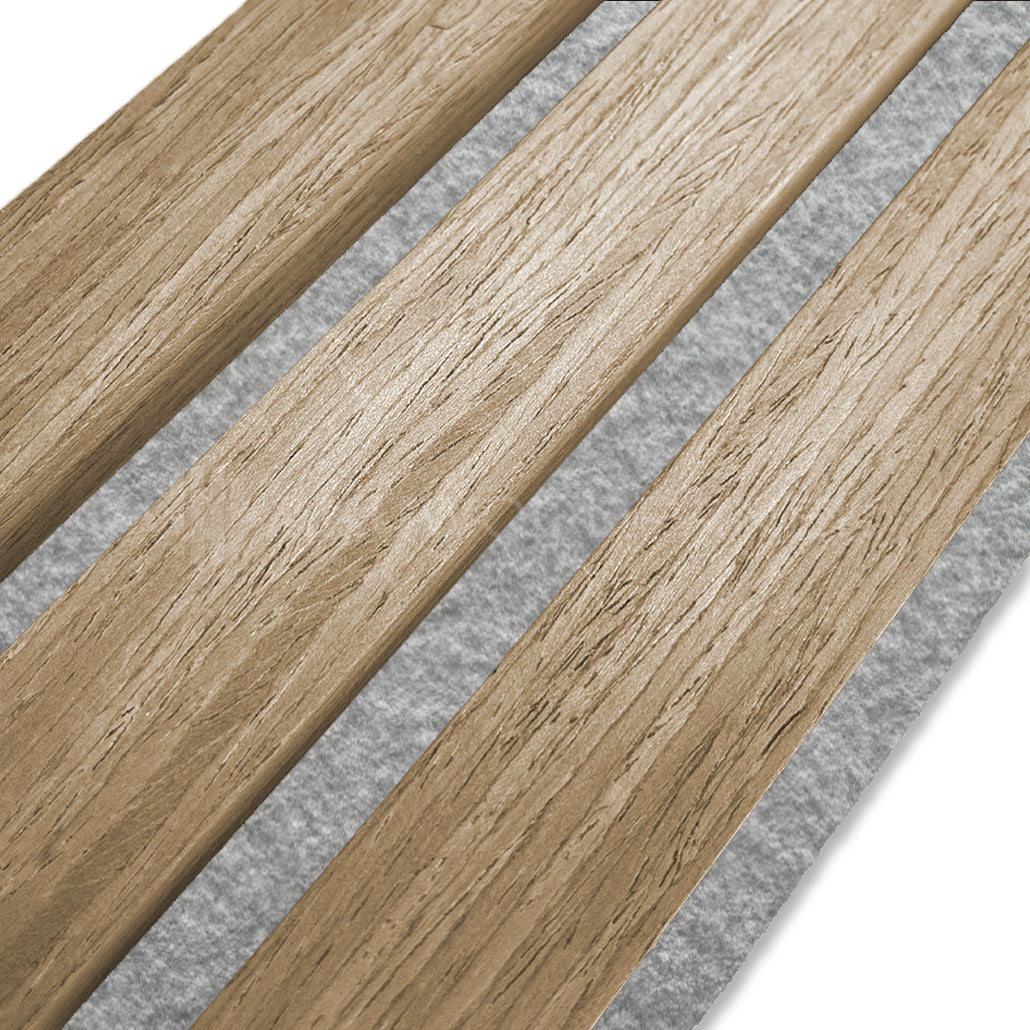
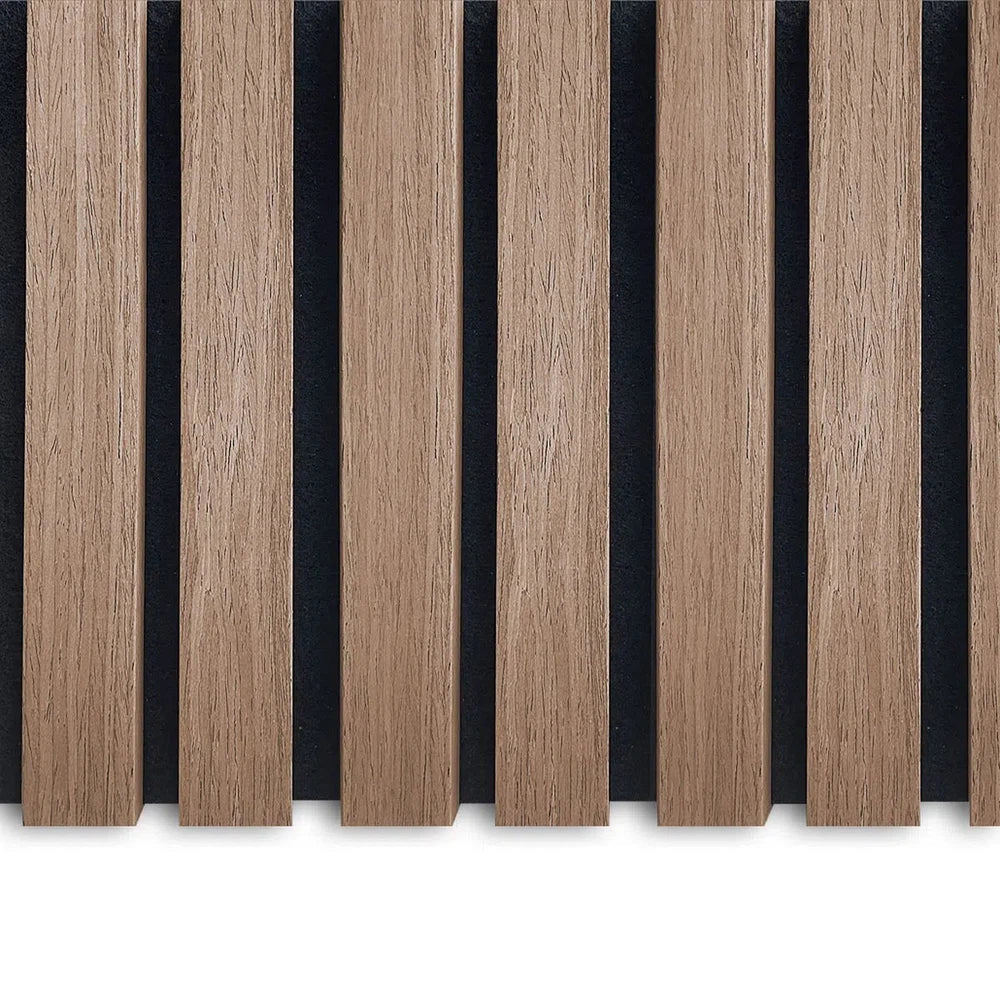
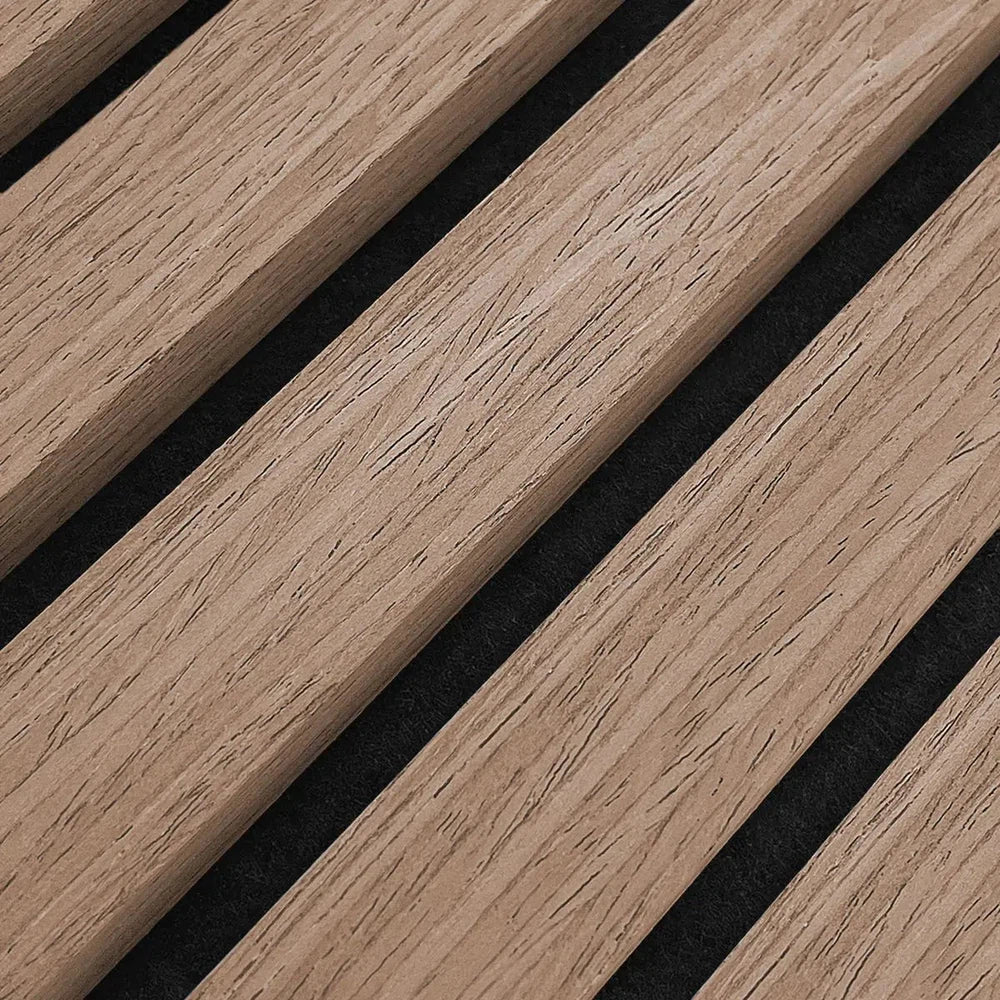
| Surface | Natural cork grain, limited finishes | 3-sided real wood veneer, multiple finishes |
| Durability | Dents and marks easily | Veneer surface resists knocks |
| Best for | Pinboard walls, budget studio treatment | Living rooms, offices, feature walls that need to look finished |
Cork wins on price and on knife-and-glue simplicity. AKU Woodpanel wood veneer panels win on published acoustic performance and on surviving a real room.
“Nine out of ten failed cork walls are a prep failure, not a glue failure.”
Why cork installation results vary
Two people fit the same cork tiles on the same day and get different outcomes. The variables that decide it:
- Wall flatness. Thin cork follows the substrate exactly. A 3 mm hollow shows as a shadow line under raking light.
- Substrate porosity. Unprimed plasterboard and dusty masonry absorb adhesive unevenly, creating dead spots.
- Panel thickness. Thicker cork absorbs more mid and low frequency energy. Thin decorative cork is largely cosmetic.
- Room temperature during cure. Cold rooms in a UK winter stretch cure time well past the 24-hour mark.
- Coverage area. One small cork panel behind a desk changes almost nothing. Meaningful echo reduction needs a full wall or a spread of panels across two surfaces.
- Seam handling. Butted seams open as cork expands; a dry-lay and a marked datum line prevent most of it.


If you want the same tile-by-tile install logic with a harder-wearing surface, the hexagon acoustic panel in natural oak fits the same way cork does — dry-lay, mark, glue, press — and carries a stated NRC of 0.75.
Do cork acoustic panels actually reduce echo?
Cork reduces echo by absorbing mid and high frequency reflections, and the effect scales with coverage and thickness. A single 60 x 60 cm tile behind a monitor will not change a room. A full wall of thick cork noticeably shortens reverberation in a small home office or studio.
What cork will not do is block noise from next door. Absorption and soundproofing are different jobs — cork softens the sound inside your room, it does not stop sound travelling through the wall.
How many cork panels do you need?
Measure the wall in square metres, divide by the coverage area of one panel, then add 10% for cuts and mistakes. For a 3 m by 2.4 m wall that is 7.2 m2 before waste. The same arithmetic covered in how to calculate panel quantities needed works for cork tiles, slat panels and hexagons alike.
Can you install cork acoustic panels in a rented flat?
Not with contact adhesive, no — it will take the paint off on removal and cost you the deposit. Renters should fix cork to a lightweight backing board and hang the board, or choose a removable panel system instead.
FAQ
How long does it take to install cork acoustic panels on a wall?
Most single-wall cork installs finish in under two hours once the wall is prepped. Wall preparation — filling, sanding and priming — often takes longer than the panelling itself.
What adhesive works best for cork acoustic panels?
Contact adhesive or a dedicated panel glue is the standard fixing for cork acoustic panels. Spread it one panel-width at a time so it does not skin over before you reach the far end of the wall.
How do you cut cork acoustic panels around sockets?
Score the cork with a sharp utility knife against a straight edge, then snap and trim. A saw tears the edge and leaves a ragged line around socket cut-outs.
Do you need battens to install cork acoustic panels?
No, cork acoustic panels glue directly to a flat, clean, primed wall. Battens are only needed when the wall is badly out of true or when you want an air gap behind the panels.
Is cork better than wood acoustic panels for a home office?
Cork is cheaper and easier to cut, but wood veneer panels with felt backing carry published ratings — AKU Woodpanel hexagon panels are rated NRC 0.75. For a room you sit in every day, the harder veneer surface lasts longer than soft cork.
How long before you can hang things on a cork panelled wall?
Wait 24-48 hours after installation before hanging anything or leaning furniture against the wall. Cold rooms extend cure time beyond 48 hours.
Can cork acoustic panels soundproof a room?
No. Cork absorbs reflections inside the room and shortens echo, but it does not block noise travelling through the wall structure. Soundproofing needs mass and isolation, not absorption.
Can you paint cork acoustic panels?
Painting cork seals the surface pores and reduces its absorption performance. If the finish matters more than the acoustics, a veneer panel gives you the look without the trade-off.
One last thing
The mistake that ruins most cork walls is not adhesive — it is starting from the skirting board. Skirtings in UK homes are rarely level, and a cork wall built off one runs visibly crooked by the time it reaches the ceiling. Snap a level chalk line, work up from that, and cut the bottom row to fit whatever the skirting is actually doing. Ten minutes with a spirit level in 2026 saves an entire wall.