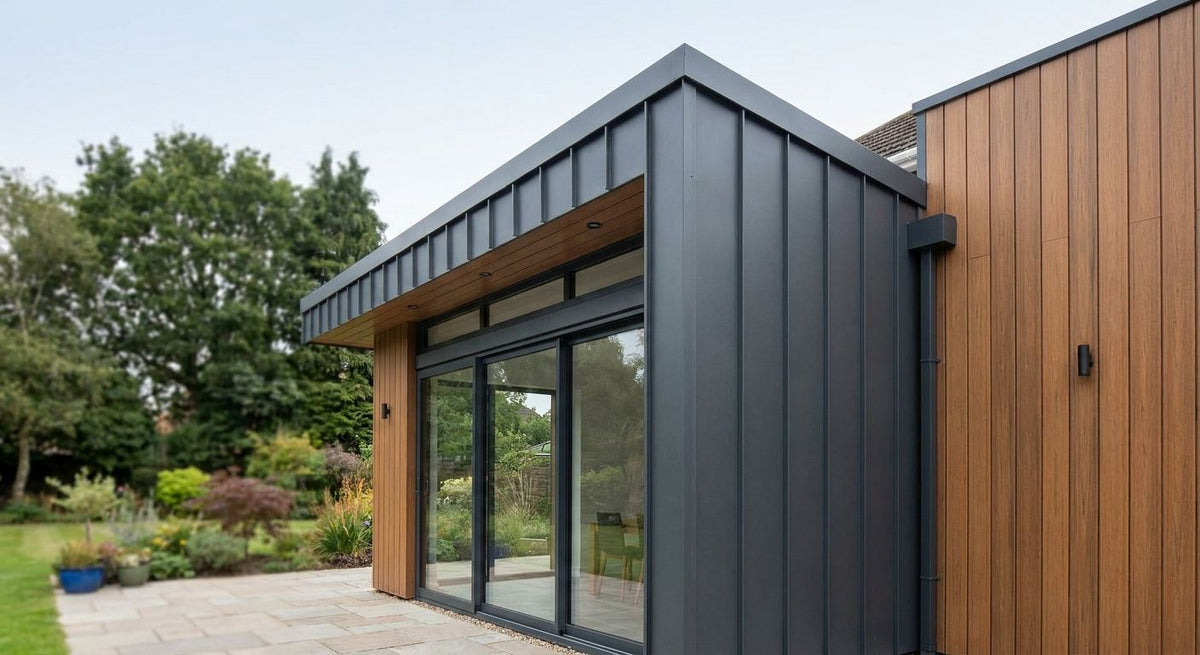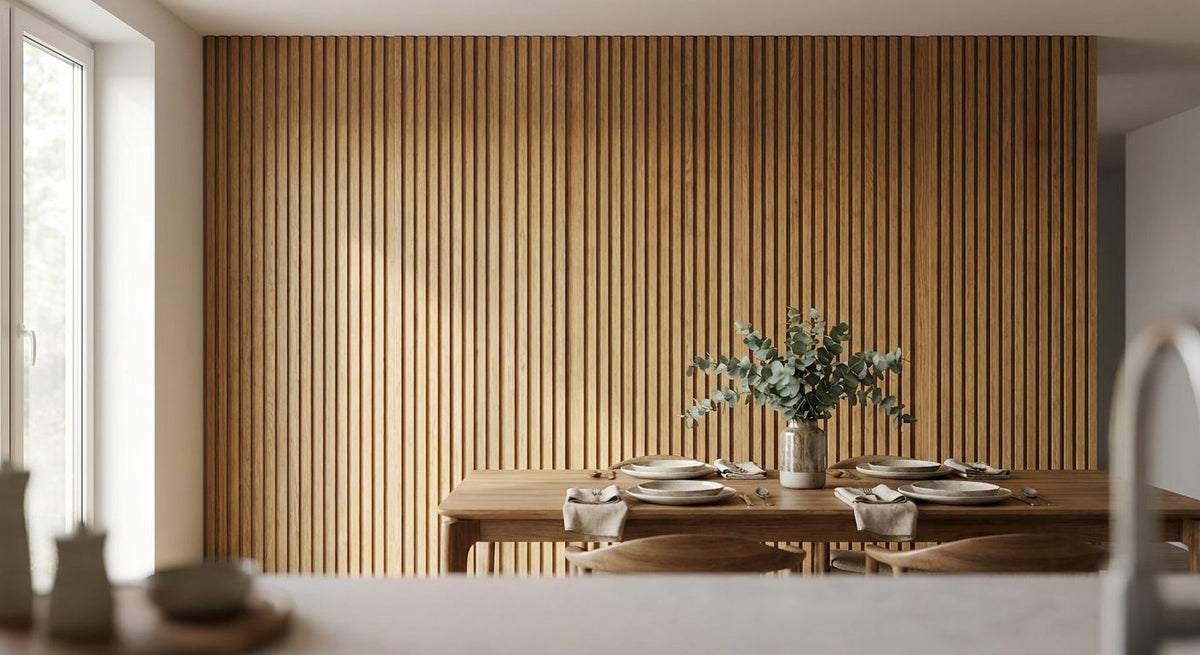
Outdoor wood cladding needs a scheduled clean, not a reactive one — dirt, algae and pollen bind to the grain fast once a panel is exposed to UK weather. Get the routine right and a cladding job installed in 2026 still looks sharp in 2031; get it wrong and the finish patches unevenly within two seasons.
- Clean maintain outdoor wood cladding twice a year with a soft brush and diluted mild detergent — no pressure washer on the grain.
- North-facing and shaded panels need cleaning more often because algae and green staining set in faster there.
- Akustiq UK's exterior wall cladding panels handle routine washing the same way as any timber facade — soap, water, soft bristles.
- Skip wire brushes and bleach-based cleaners; they strip colour and open the grain to moisture.
Why this matters
Untreated dirt and algae hold moisture against the panel face, and moisture is what actually degrades wood cladding — not sunlight, not wind. A panel that's rinsed and brushed on schedule sheds water fast after rain; one that's left with a film of grime stays damp for hours longer, and that's the difference between cladding that lasts and cladding that needs replacing early.
The good news is that cleaning outdoor wood cladding is mechanical, not chemical. You're removing surface build-up, not stripping or reapplying a finish every time you pick up a brush.
How do you clean outdoor cladding panels?
Follow this order every time, whether the wall is a full facade or a single oak exterior cladding panels run around a doorway:
- Dry-brush first. Use a soft-bristle brush to knock off loose dust, cobwebs and dry leaf debris before any water touches the panel.
- Mix a mild solution. Warm water with a small amount of pH-neutral soap — nothing acidic, nothing bleach-based.
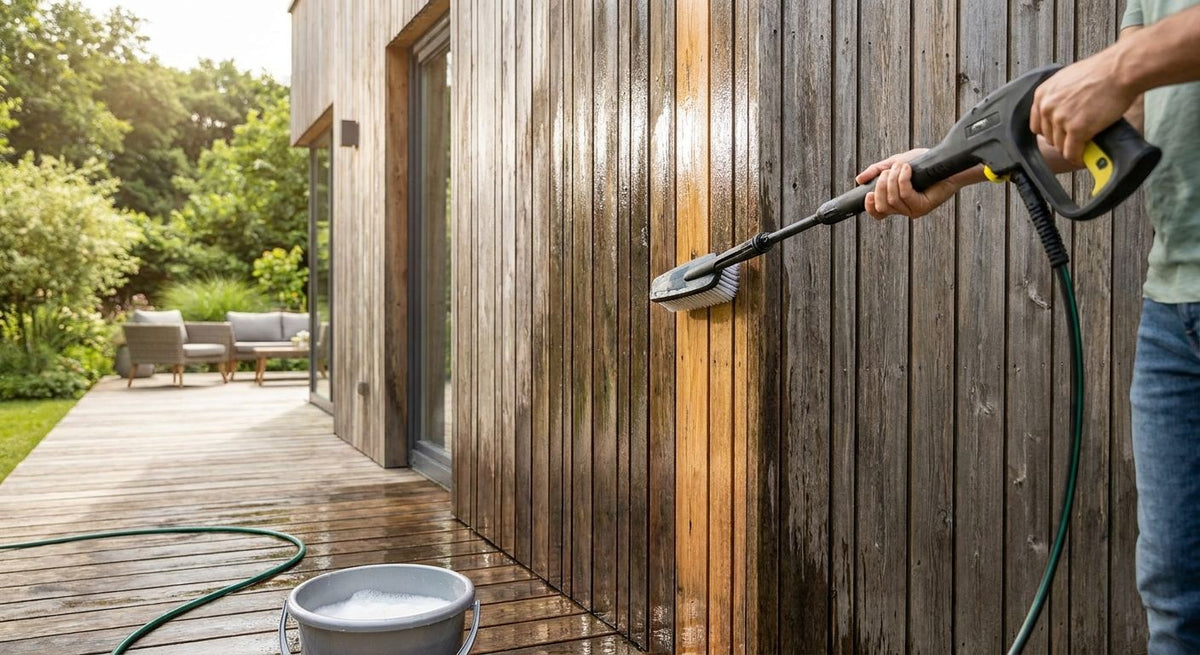
- Wash top to bottom with a soft brush or sponge, working with the grain, not across it.
- Rinse with a garden hose on a low-pressure setting, never a pressure washer nozzle held close to the surface.
- Let the panel air-dry fully before you inspect it for missed algae spots or staining that needs a second pass.
- Check fixings and joints while you're at it — a loose bracket lets water sit behind the board instead of running off it.
That full cycle takes most homeowners under an hour for a single-storey wall. Do it in spring after pollen season and again in autumn before the wet months, and you've covered the two points in the year when grime accumulates fastest.
What determines how often you need to clean outdoor wood cladding
Not every wall needs the same schedule. These are the factors that push a panel from a twice-a-year clean to something more frequent:
- Aspect — north-facing and heavily shaded walls stay damp longer and grow algae faster than south-facing panels that dry out in direct sun.
- Coastal exposure — salt air accelerates grime build-up and pushes some households to a quarterly light rinse.
- Tree cover — overhanging branches drop sap, pollen and leaf litter that stain untreated grain within weeks.
- Rainfall exposure — a wall under a deep eave stays cleaner than one that takes rain and splashback directly.
- Ground-level splashback — cladding within 30cm of paving or gravel picks up mud and grit every time it rains hard.
- Finish type — an oiled or stained surface sheds dirt more easily than raw, untreated timber.
“If you can still see the wood grain clearly after washing, you cleaned it right; if the colour came off on the sponge, you used the wrong product.”
How often should you clean wood cladding?
Most outdoor wood cladding needs a full clean twice a year — once in spring, once in autumn — with a quick brush-down in between if the wall sits under trees or faces prevailing wind and rain.
Can you pressure wash wood cladding?
A pressure washer can strip finish and force water into joints and end grain, so it's not the first tool to reach for on timber cladding. A soft brush, hose and mild detergent handles routine cleaning without the risk.
Does outdoor wood cladding need refinishing every year?
Refinishing frequency depends on the coating and exposure, not on a fixed yearly rule — a shaded, well-drained wall can go several years between treatments while an exposed south wall needs attention sooner. Cleaning on schedule is what extends the gap between refinishing jobs either way.
If you're specifying cladding for a new build or extension in 2026 and want a finish that's easier to keep clean long-term, look at treating and finishing outdoor wood cladding before the panels go up — it's far simpler to build in a low-maintenance finish at installation than to correct a neglected wall two years later. Akustiq UK's exterior wall cladding range is one option worth checking if you're planning a facade refresh rather than a repair.
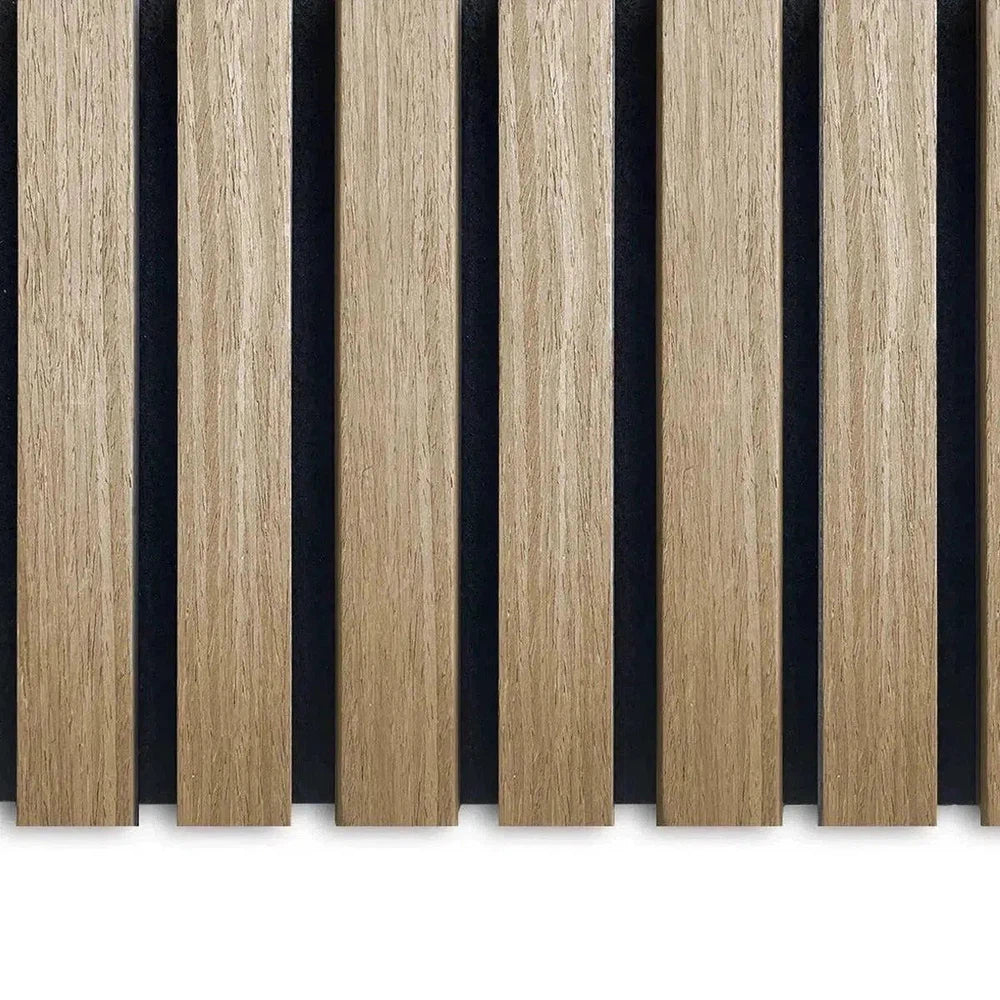
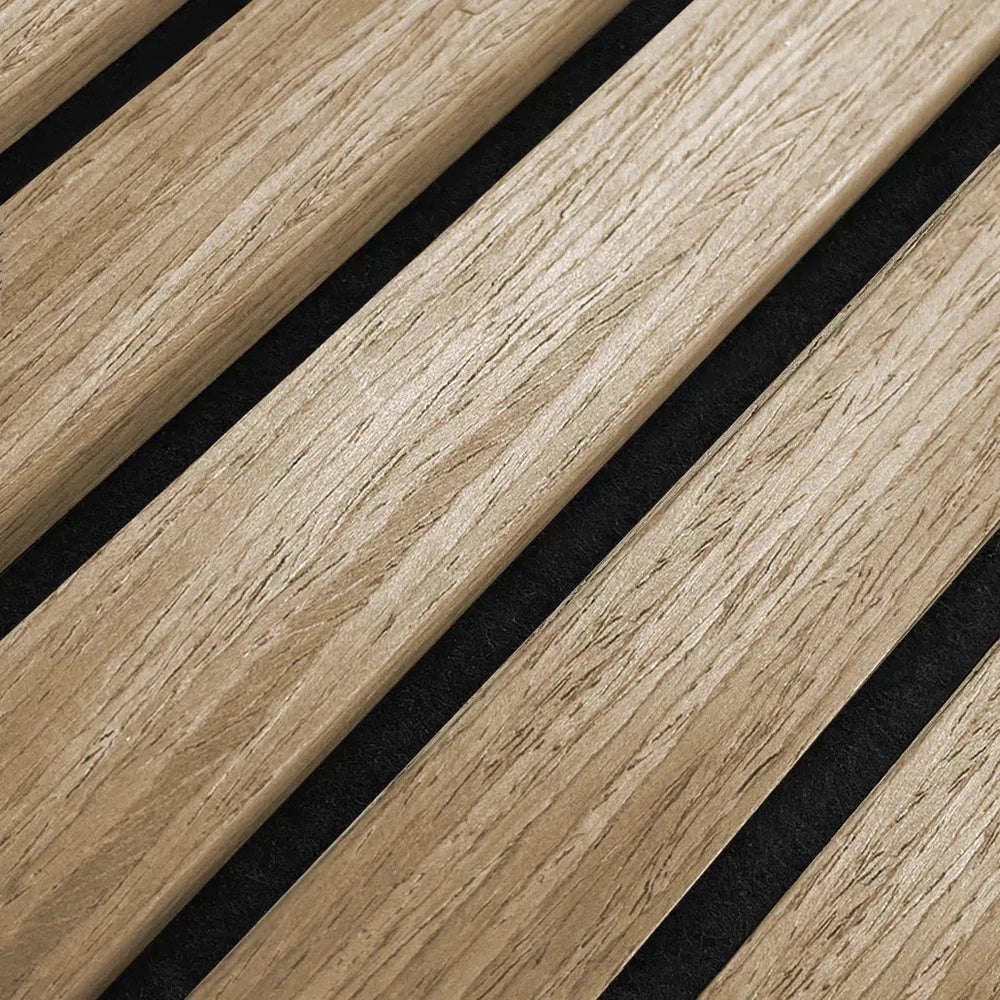
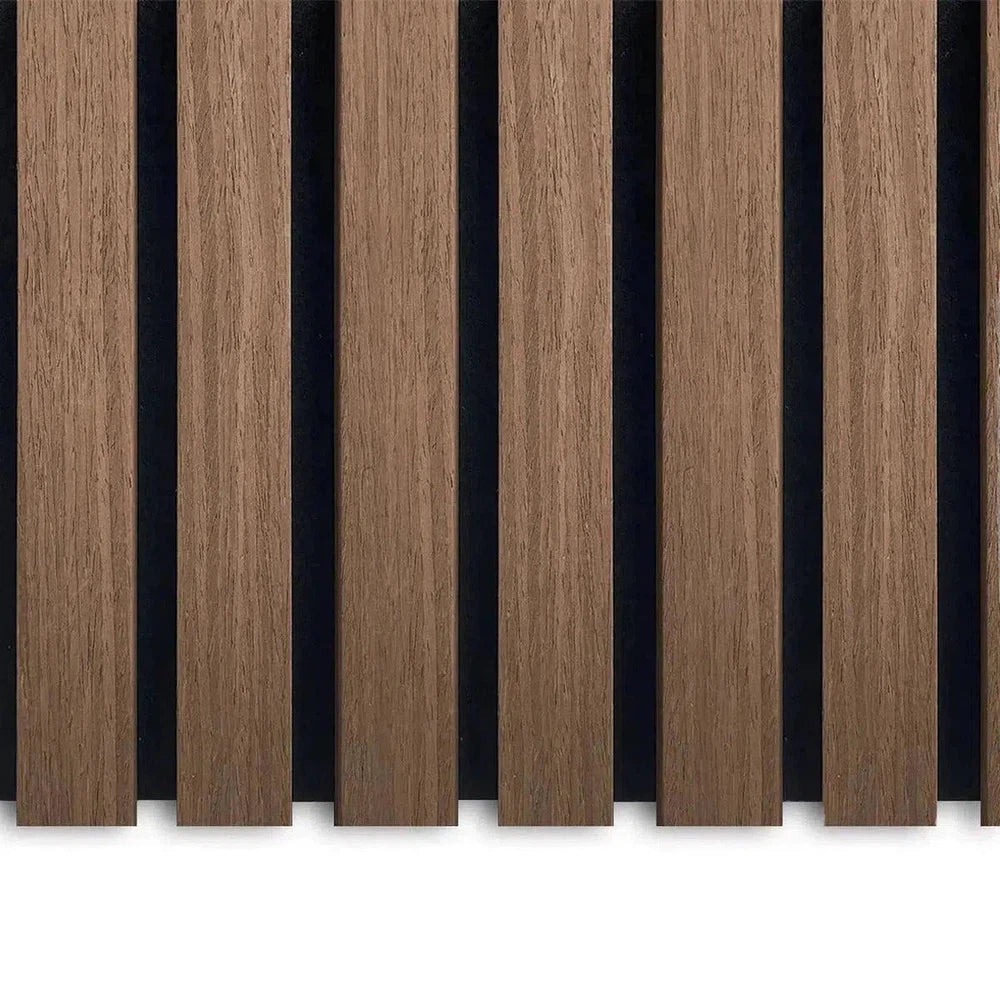
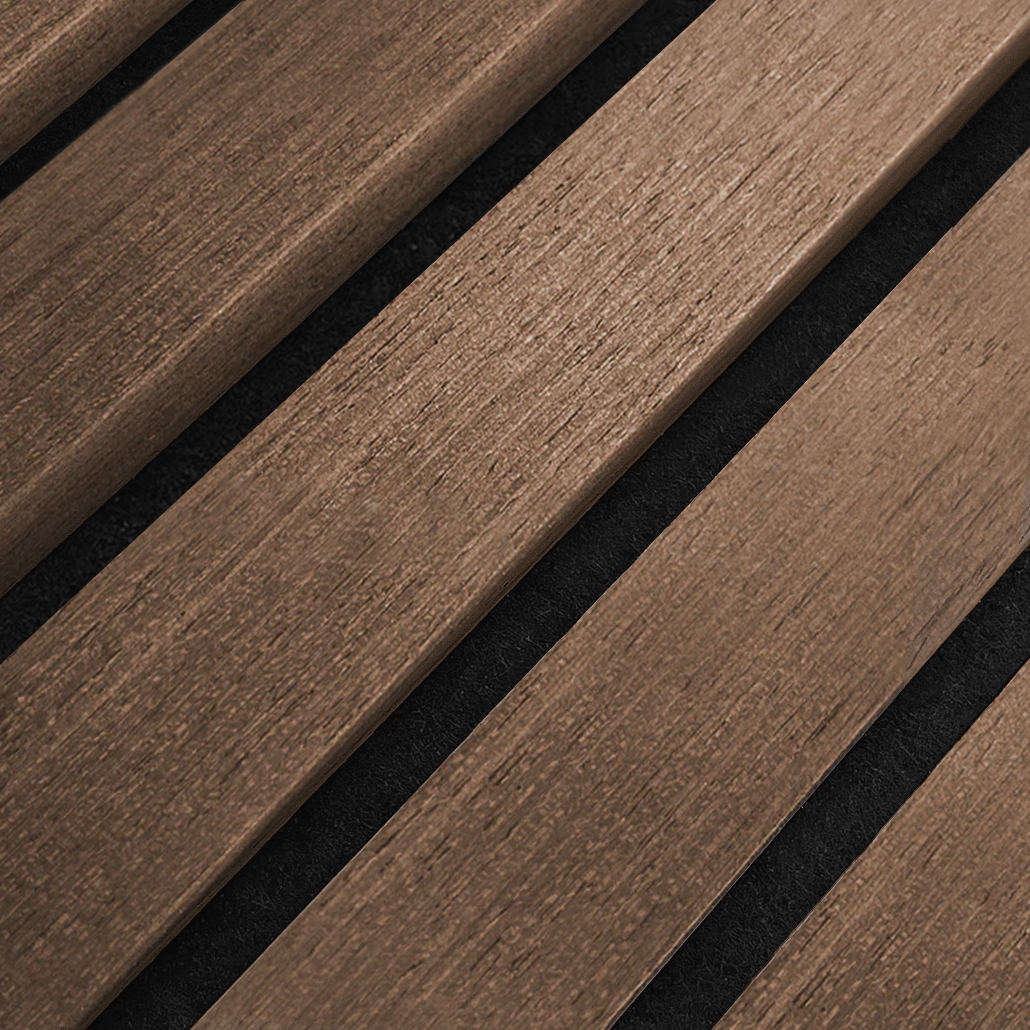
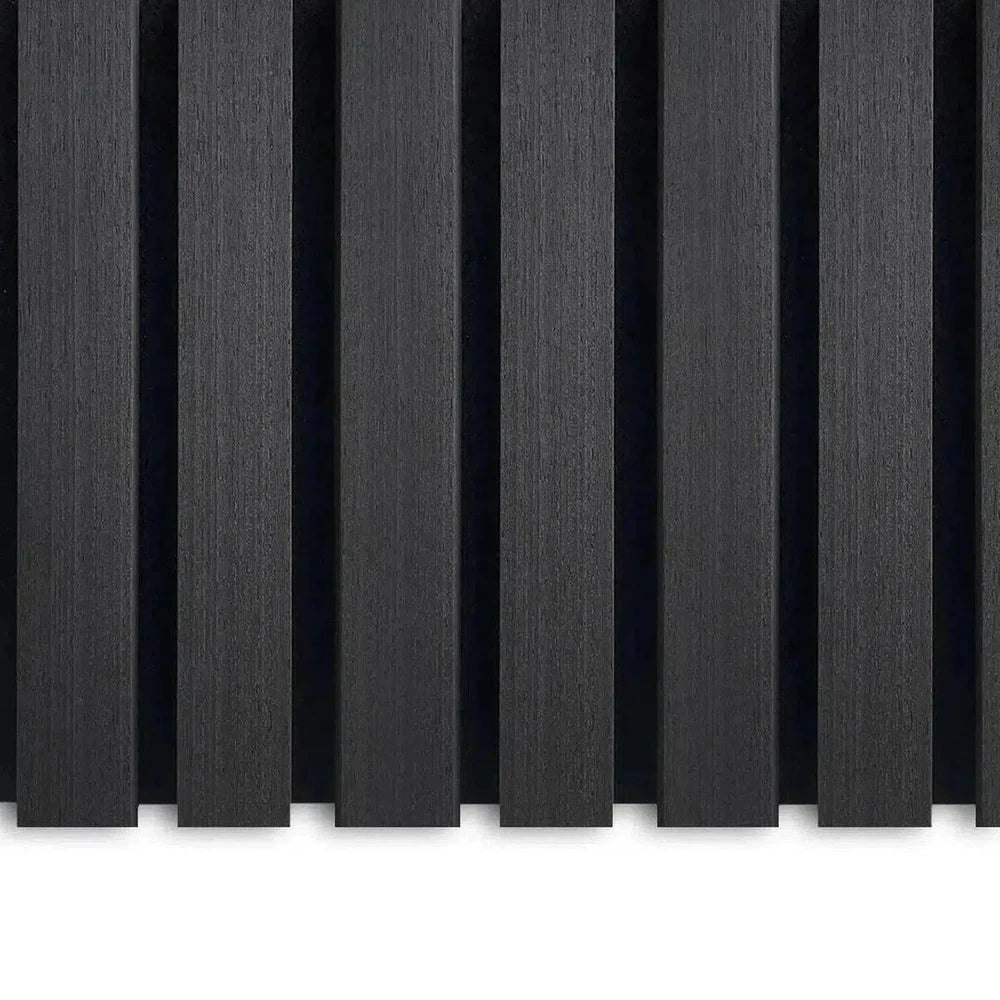
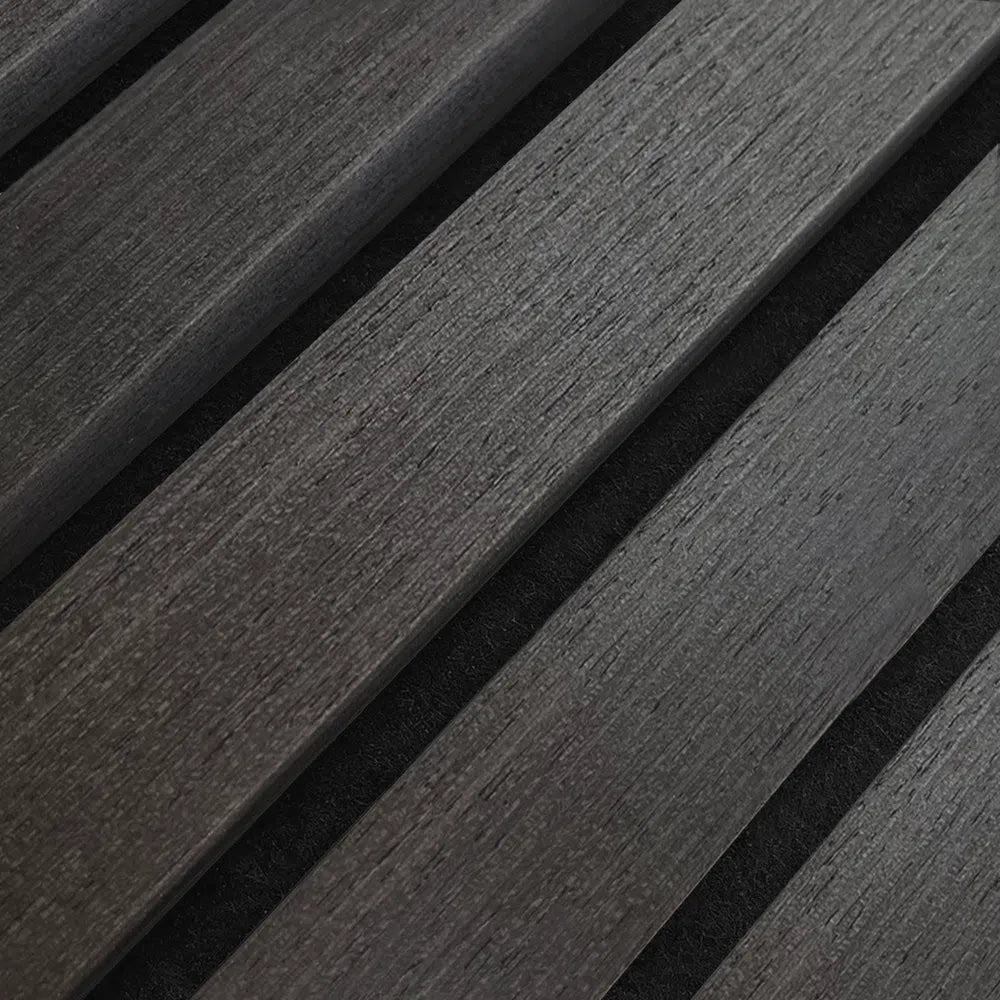
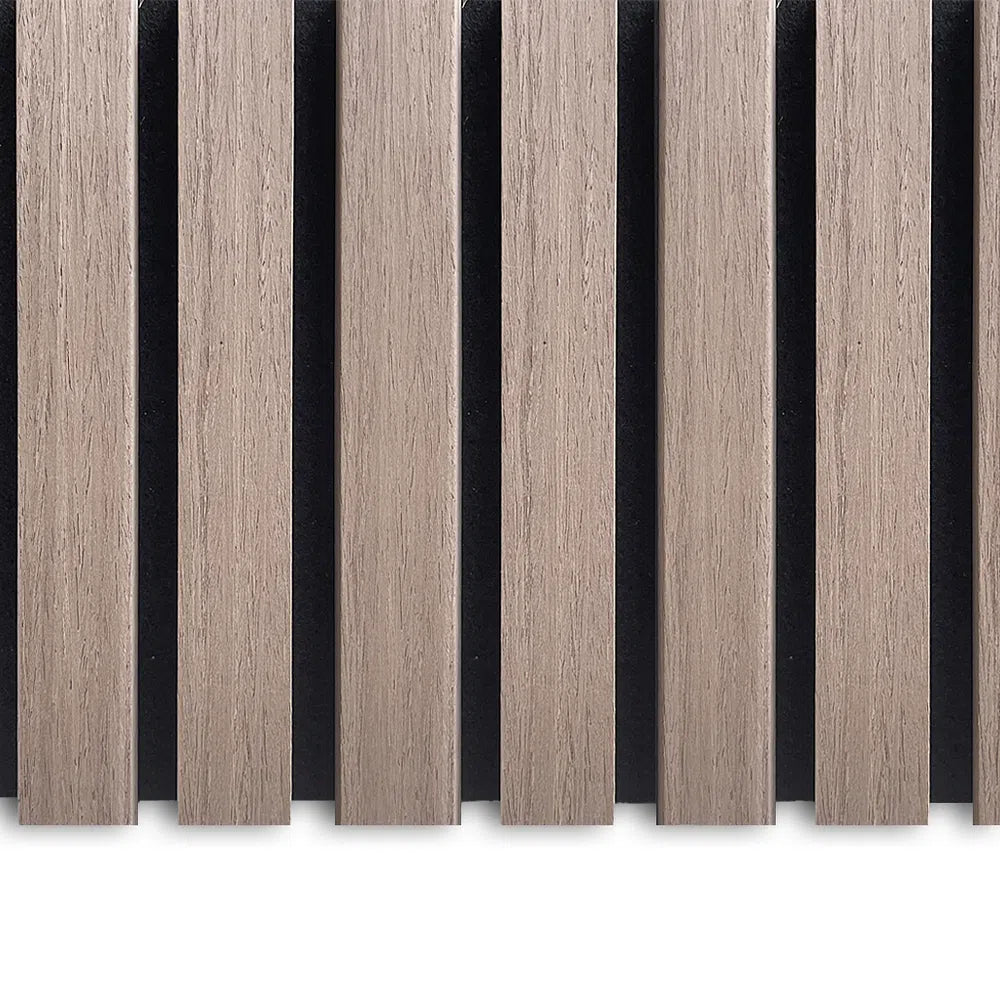
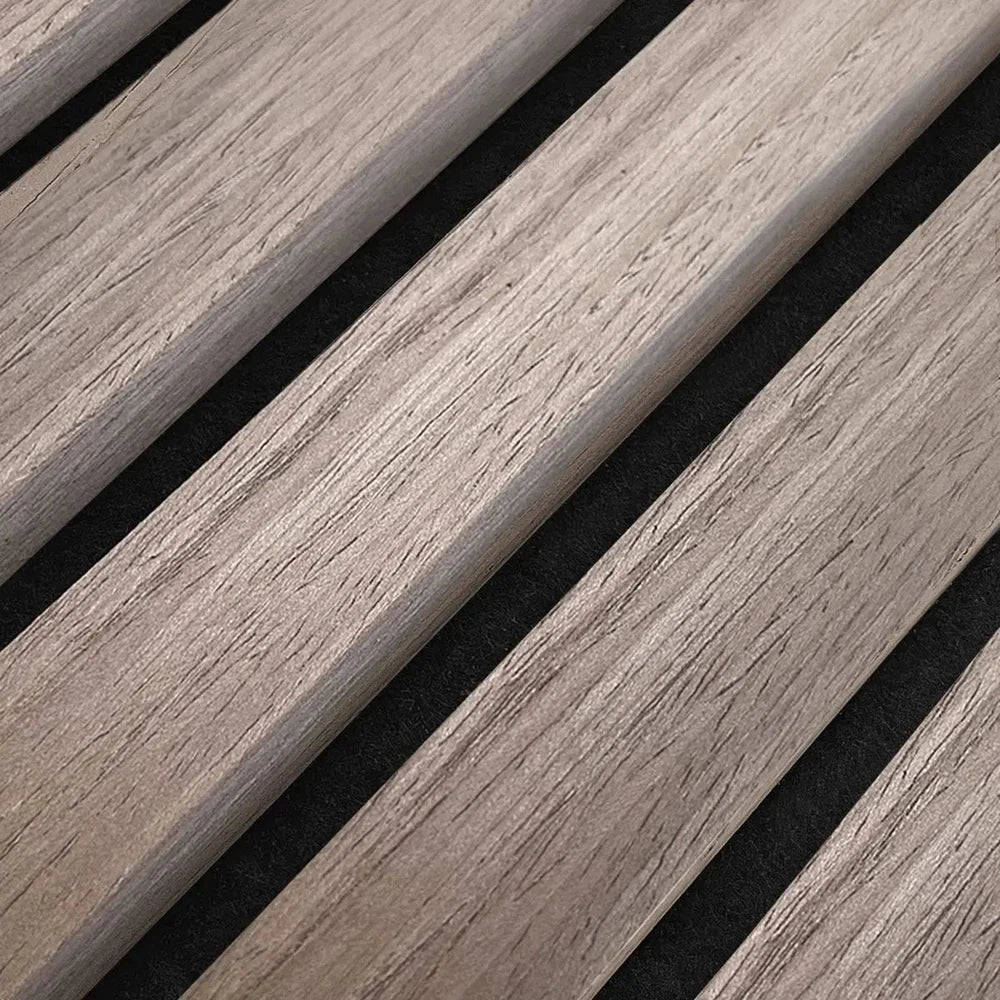
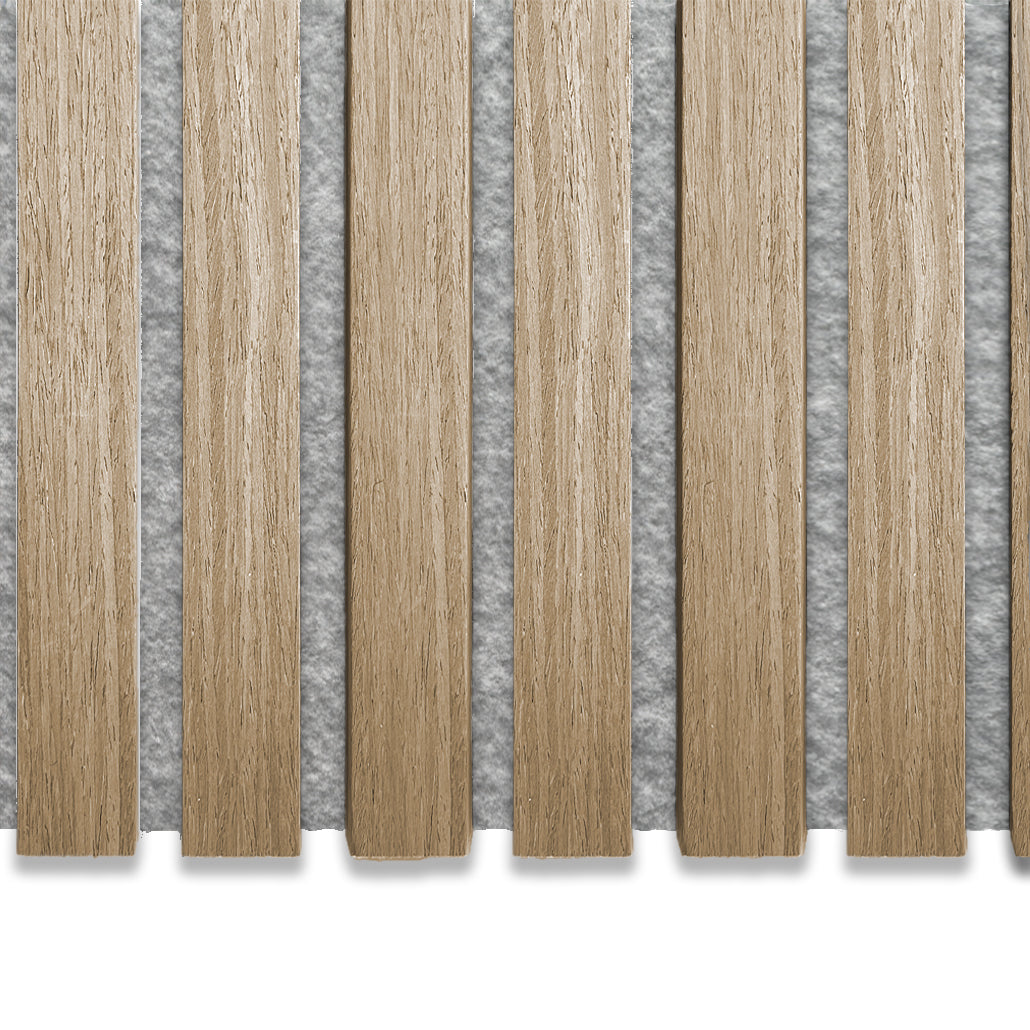
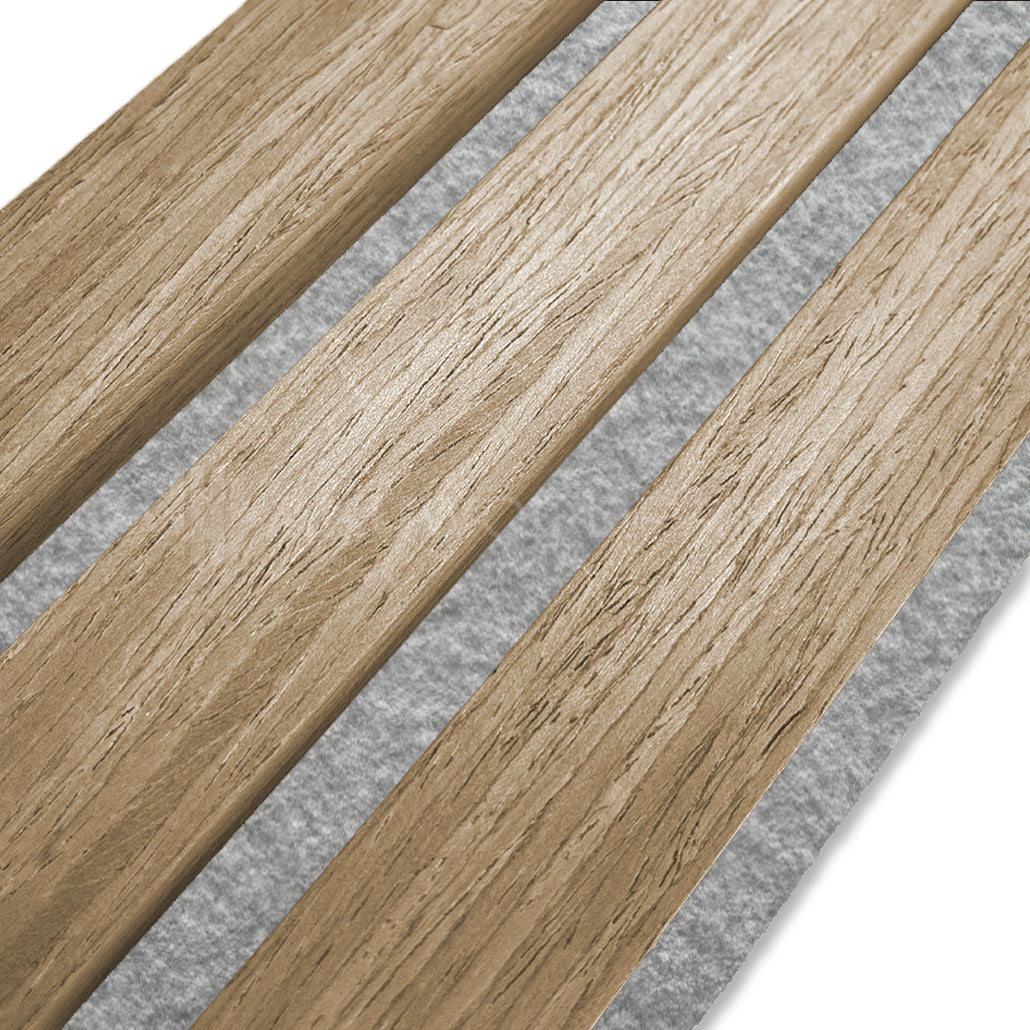
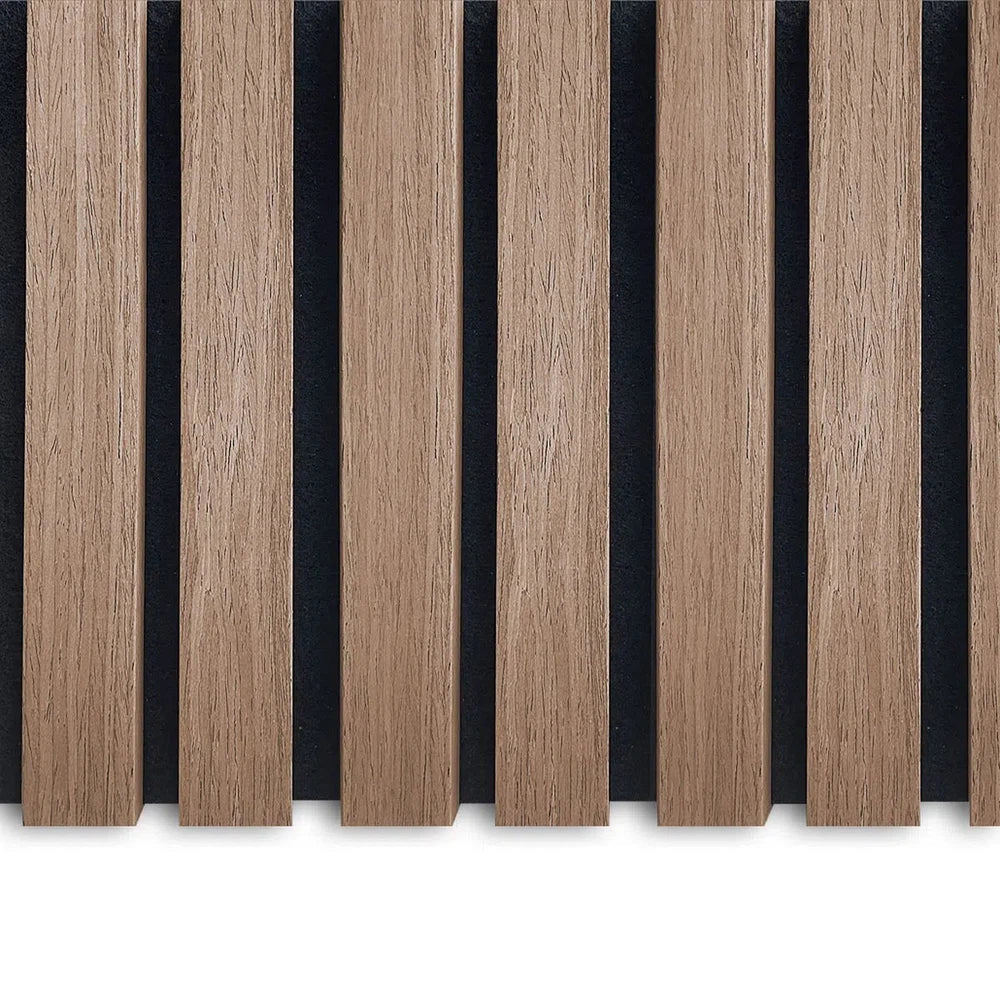
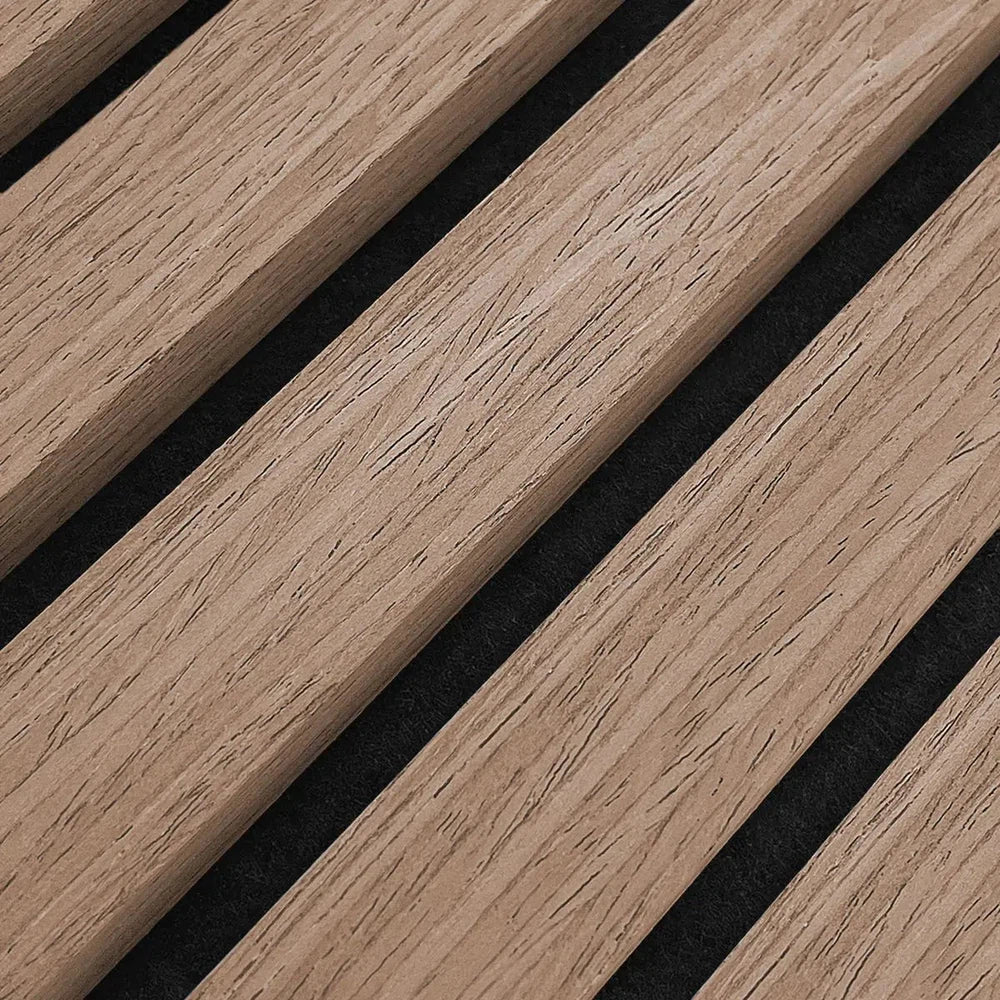
Before you commit to a colour or grain pattern for a full wall, testing a sample against your actual light and weather conditions saves a costly reorder:


FAQ
What's the best way to clean maintain outdoor wood cladding?
The best way to clean maintain outdoor wood cladding is a soft brush, warm water and a pH-neutral soap, worked with the grain and rinsed at low pressure. Do this twice a year and inspect fixings at the same time.
Is a pressure washer better than hand-washing for wood cladding?
Hand-washing is safer than a pressure washer for wood cladding because high-pressure water can strip finish and force moisture into joints. A soft brush and hose handle routine grime without that risk.
How much does it cost to clean outdoor cladding panels?
Cleaning outdoor cladding panels yourself costs little beyond a brush, mild detergent and time — the materials involved are basic household items. Professional cleaning costs vary by wall size and access, so get a local quote if you're not doing it yourself.
Can algae damage wood cladding permanently?
Algae itself mostly causes staining, but the moisture it traps against the panel is what leads to longer-term damage if left unaddressed. Regular cleaning removes the algae before it becomes a moisture problem.
Do you need to reseal wood cladding after every clean?
No, resealing and cleaning are separate tasks — cleaning removes surface dirt and algae, while resealing restores a worn finish. Most walls need resealing far less often than they need cleaning.
What cleaning products should you avoid on outdoor wood cladding?
Avoid bleach-based cleaners, wire brushes and strong acidic solutions on outdoor wood cladding, since all three strip colour and roughen the grain. Stick to a soft brush and mild, pH-neutral soap.
How often should exterior wall cladding be inspected?
Inspect exterior wall cladding at least once every 12 months, checking fixings, joints and any panels showing staining or lifting grain. Catching a loose bracket early prevents water getting behind the board.
One last thing
The wall that needs the least cleaning in the long run isn't the one you scrub hardest — it's the one with decent drainage and airflow behind it. If panels are fixed tight to a solid wall with no ventilation gap, trapped moisture undoes any cleaning routine you follow. Get the fixing method right at installation and the twice-a-year clean does the rest of the work for 2026 and every year after.