

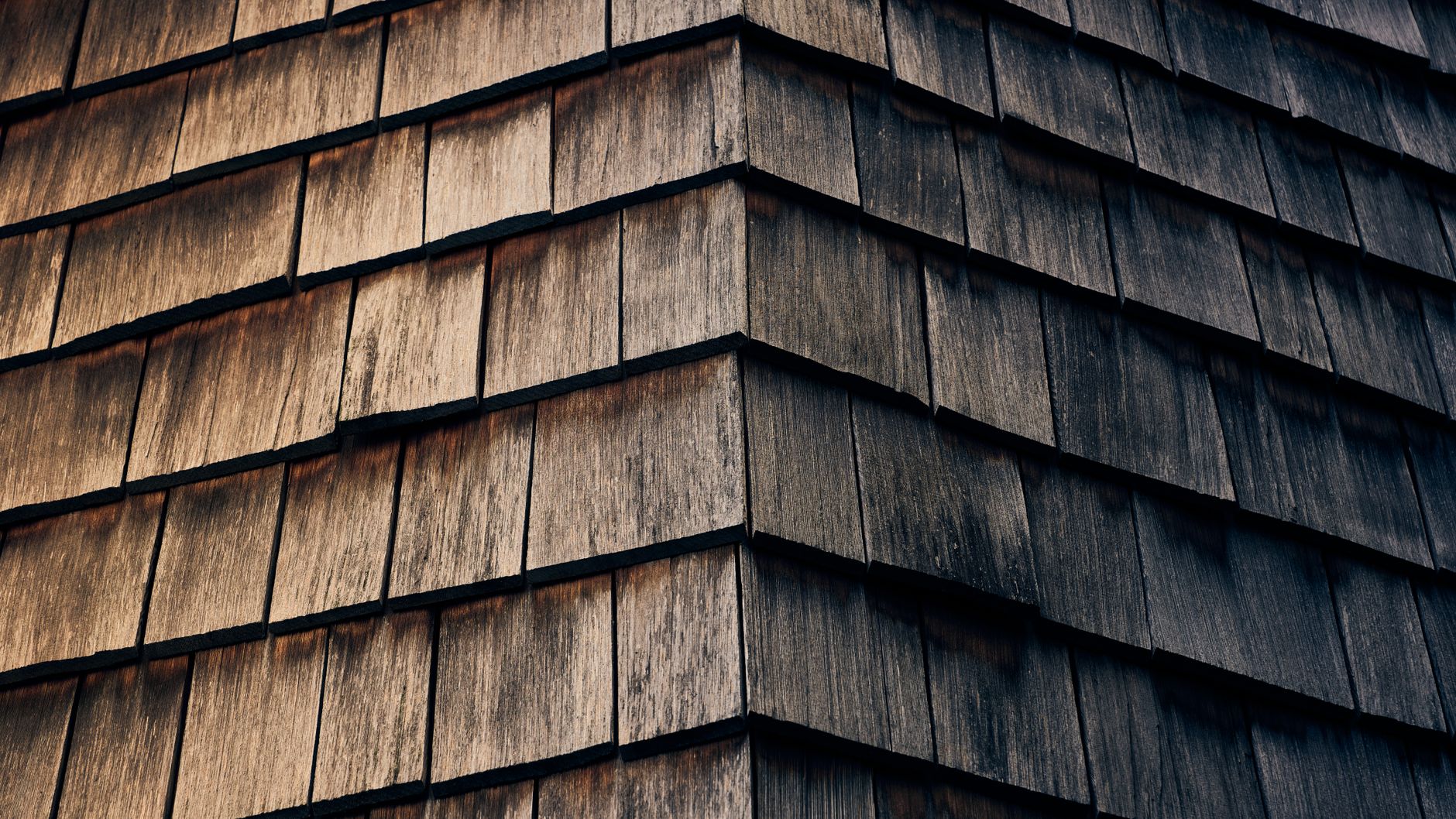
Untreated outdoor wood cladding in the UK can start to show grey weathering within 3 months and surface cracking within 12 months — the right treatment sequence stops both. This guide covers every step of how to treat outdoor wood cladding in 2026, from prep through to final coat, with troubleshooting for the most common failures.
TL;DR: How to treat outdoor wood cladding in 2026 — clean thoroughly, sand to 120 grit, apply end-grain preservative, prime with a water-repellent base coat, then finish with two coats of UV-stable exterior oil or stain. Retreatment is typically needed every 2–3 years in the UK. Skipping the base coat is the single biggest cause of premature peeling.
Why this matters
UK weather is relentless on exterior timber. Average annual rainfall exceeds 1,100 mm in many regions, and the freeze-thaw cycles between November and March cause moisture that has soaked into unprotected grain to expand and split the surface. A proper treatment schedule extends serviceable life from under 5 years to well over 15 years — without it, you are repainting or replacing far sooner than necessary.
If you are selecting cladding before treatment, the exterior wall cladding panel in birch from Aku Wood Panel uses a pre-engineered surface that responds well to the treatment steps below.
What you'll need
Tools:
- Pressure washer or stiff-bristle scrubbing brush
- Orbital sander or sanding block
- 80-grit and 120-grit sandpaper
- Natural-bristle brush (50 mm for boards, 25 mm for end grain)
- Lint-free cloths
- Masking tape and dust sheets
Materials:
- Exterior wood cleaner or diluted oxalic acid solution
- End-grain preservative (borate-based or oil-based)
- Water-repellent primer or stabilising base coat
- UV-stable exterior wood oil or microporous stain
- Exterior-grade filler (for splits over 2 mm)
Time: Allow 2 full days minimum — one for prep and preservative, one for base coat and topcoats. Add a third day if significant weathering or existing coating removal is needed.
The steps
Step 1 — Clean the surface down to bare wood
Remove all dirt, algae, mildew, and any old flaking finish before applying anything new. Coat applied over contamination will fail within one season regardless of product quality.
Use an exterior wood cleaner or a 10:1 water-to-oxalic-acid solution, scrub with a stiff brush, and rinse thoroughly. A pressure washer set below 1,200 psi works faster but keep the nozzle at least 30 cm from the surface — closer than that and you raise the grain aggressively and can drive water into the substrate.
For cladding with visible black or green biological growth, apply a dedicated biocide and let it dwell for 15–20 minutes before rinsing. Allow the cladding to dry for at least 48 hours before moving to the next step. Moisture content must be below 18% — a cheap moisture meter confirms this in under a minute.
Common mistake: Treating on a damp day and proceeding before the wood has dried. Even if the surface feels dry to the touch, timber can hold moisture deep in the grain for days after rain.
Step 2 — Sand to 120 grit
Sanding opens the grain so the preservative and base coat bond at fibre level rather than sitting on the surface. Start with 80-grit if there is heavy weathering, raised grain, or remnants of an old coating. Finish with 120-grit across all faces.
Always sand in the direction of the grain. Cross-grain scratches trap moisture under the finish coat and create micro-failure points. After sanding, wipe down with a lint-free cloth to remove all dust — a tack cloth works best.
Expected outcome: A consistent, even surface with a slight matte texture and no sheen. If you can still see a glossy patch, that old coating is still present and needs more sanding.
Common mistake: Finishing at 80-grit to save time. The coarser scratch pattern holds more moisture than 120-grit, and rough grain absorbs product unevenly — you will need more product per square metre and still get patchy coverage.
Step 3 — Treat end grain and cut edges with preservative
End grain absorbs moisture 10–15 times faster than face grain. This is where rot almost always starts, particularly at horizontal cuts, board ends, and any joints.
Apply a borate-based or oil-based end-grain preservative generously with a 25 mm brush — two coats, the second applied while the first is still tacky. On new boards, do this before installation. On existing cladding, do it during this prep stage wherever end grain is exposed.
Pay particular attention to: bottom edges of boards, any point where two boards butt together, and any site-cut edges made during installation.
Common mistake: Treating only the faces and ignoring ends. End-grain failure is invisible from the front until the rot is well established.
Step 4 — Apply a water-repellent base coat
The base coat does two jobs: it seals the freshly sanded surface against moisture ingress, and it gives the topcoat something to bond to chemically. Skipping this step and going straight to a topcoat is the single most common cause of premature peeling.
Apply one even coat with a natural-bristle brush, working with the grain. Do not overload the brush — thin, even coverage penetrates better than a thick pass. Allow to dry to the manufacturer's stated "recoat window", typically 4–6 hours at 15°C. If temperature drops below 8°C during application or drying, stop — most water-based products fail to cure properly below that threshold.
Expected outcome: A slightly tacky, evenly coloured surface with no pooling or drips. Pooling means the product has been applied too thickly and will skin over before it cures through.
Step 5 — Apply two coats of UV-stable exterior finish
For 2026 installations, a UV-stable exterior wood oil or microporous stain is the best performing finish for UK conditions. Oils penetrate the grain rather than forming a surface film, which means they weather gradually and can be maintained without full stripping. Microporous stains form a breathable film that allows moisture vapour to escape while blocking liquid water — the "breathable" characteristic is essential on exterior timber.
Apply the first topcoat, allow it to dry fully (minimum 4 hours, ideally overnight in cool weather), lightly denib with 240-grit between coats, wipe clean, and apply the second coat. Two thin coats always outperform one thick coat — the second coat bonds into the first for a unified film, where a single thick coat skins over at the surface and cures slowly underneath.
Do not apply in direct sunlight or temperatures above 25°C. Heat accelerates surface skinning and prevents the product from penetrating the grain properly.
Common mistake: Applying both coats the same day without dewebbing between them. You get adhesion failure between coats within 6–12 months.
Step 6 — Inspect and note the recoat schedule
Mark the date of treatment somewhere accessible — inside a shed, on a maintenance schedule, in a property file. UK exterior timber treatments typically need a maintenance coat every 2–3 years. A maintenance coat on well-prepared existing finish takes under 2 hours per elevation and costs a fraction of a full strip-and-retreat.
Inspect annually in early spring. Look for: grey discolouration (UV degradation), surface cracking, raised grain, or any points where water is beading less vigorously than on a freshly treated surface. Catching these early means a light sand and a single maintenance coat — leaving it means a full strip.
Troubleshooting
Problem: Finish is peeling within one season Cause: Applied over residual moisture, contamination, or an old incompatible coating. Strip back to bare wood, ensure moisture content is below 18%, and restart from Step 1.
Problem: Cladding has turned grey Grey colouration is UV-driven melanin oxidation in the surface fibres. It is cosmetic, not structural. Sand back to fresh timber with 80-grit, then 120-grit, and treat as per this guide. A full restoration to original colour takes two to three treatment days.
Problem: Black staining around fixings Iron tannate staining — tannins in the wood react with iron from screws or fixings. Use stainless-steel or hot-dip galvanised fixings only. Existing staining can be treated with oxalic acid solution before sealing.
Problem: Raised grain after first coat The base coat has raised the grain slightly, which is normal. Denib lightly with 240-grit and wipe clean before the second coat. Do not re-sand aggressively — you will cut through the base coat.
Problem: Uneven colour absorption Usually means the sanding was inconsistent or old finish remains in patches. Strip the uneven areas fully, re-sand uniformly to 120-grit, and reapply. Blending into surrounding treated areas is difficult — plan to treat full boards or full elevations together.
Problem: Cracking along the grain on new boards Surface checking on new timber is caused by the board drying faster on the outside than the inside. It is common in the first year. Fill splits over 2 mm with exterior-grade flexible filler before treating. Splits under 2 mm will close with oil penetration.
Tools and resources
- Moisture meter — confirms sub-18% moisture content before treatment
- Orbital sander — faster and more consistent than hand sanding on large areas
- 25 mm natural-bristle brush — essential for end grain
- 50 mm natural-bristle brush — standard for board faces
- Exterior wood cleaner and biocide
- Borate end-grain preservative
- Water-repellent base coat
- UV-stable exterior wood oil or microporous stain (two coats)
- Exterior wall cladding panel in oak — if sourcing or replacing boards before treatment
- For guidance on maintaining panels once treated, the Aku Wood Panel article on how to maintain exterior wall cladding panels covers the ongoing schedule in detail
What to do next
If your cladding is in a high-exposure location — a garden room, outbuilding, or north-facing elevation — the treatment schedule above remains the same, but the recoat window shortens. Exposed north-facing timber in the UK typically needs a maintenance coat every 18–24 months rather than every 3 years.
For panel selection before treatment, read the full guide to best outdoor cladding panels for wet climates — it covers which surface constructions hold treatment best under sustained rainfall.
FAQ
What is the best way to treat outdoor wood cladding in the UK in 2026? Clean to bare wood, sand to 120-grit, apply end-grain preservative, then a water-repellent base coat, followed by two coats of UV-stable exterior oil or microporous stain. This sequence gives the longest service life under UK rainfall and UV conditions.
How often do you need to treat outdoor wood cladding? Typically every 2–3 years for a full maintenance coat in the UK. North-facing or heavily exposed elevations need attention every 18–24 months. Annual inspection in early spring lets you catch degradation before a full retreat is needed.
Can you treat wood cladding without sanding? No, not if you want the treatment to last. New finishes applied over weathered or previously coated surfaces without sanding will peel within one season. Sanding opens the grain so the preservative and base coat bond at fibre level.
What is the difference between wood oil and wood stain for exterior cladding? Oil penetrates the grain and weathers gradually — it can be maintained without stripping. Microporous stain forms a breathable surface film that blocks liquid water while allowing moisture vapour to escape. Both are suitable for exterior cladding in 2026; oils are easier to maintain long-term, stains give more uniform colour coverage.
Do you need to treat pre-painted or factory-finished cladding? Factory-applied treatments vary by product. Check the manufacturer's specification. Most factory primers still require a site-applied topcoat. Fully finished boards typically need only a maintenance coat after 3–5 years, not a full retreat.
What causes wood cladding to turn grey? UV radiation breaks down the lignin in surface wood fibres, which oxidises to a grey colour. This is cosmetic and does not indicate rot. Sand back to fresh timber and treat as normal to restore the original colour.
Is it better to treat cladding before or after installation? Both, ideally. Treat all faces and end grain before installation, then apply a final coat after fitting to seal any site-cut edges and joints. This is the standard approach for 2026 installations and significantly extends the service life of the treatment.
What temperature should it be when treating outdoor wood cladding? Between 8°C and 25°C. Below 8°C most water-based products fail to cure. Above 25°C the surface skins over before the product can penetrate the grain. Overcast, dry days with low wind are the ideal application conditions in the UK.
One last thing
The direction you lay cladding affects treatment longevity more than most people realise. Horizontal boards collect standing water on their top edges — even with a treated surface, that constant pooling accelerates degradation at exactly the point where end grain is most exposed. If you are installing new cladding in 2026 and have a choice, vertical or angled profiles shed water far more effectively and extend the recoat interval by a full year or more in most UK climates.
Share:
Best Acoustic Ceiling & Wall Panel Combos 2026
How to Layer Acoustic Panels for Maximum Effect 2026