Specifying wall finishes for a BREEAM-rated building means proving the timber behind the veneer, not just picking a finish that looks right in the render. This guide walks through the documentation, the credit categories that wood panels actually touch, and the questions to put to any supplier before you commit a schedule to a BREEAM submission.
- Sustainable wood wall panels for BREEAM need FSC or PEFC chain-of-custody paperwork tied to the actual batch, not a generic brochure claim.
- Mat 03 (responsible sourcing) and Hea 02 (indoor air quality) are the two BREEAM categories acoustic wood panels most often affect in 2026 fit-outs.
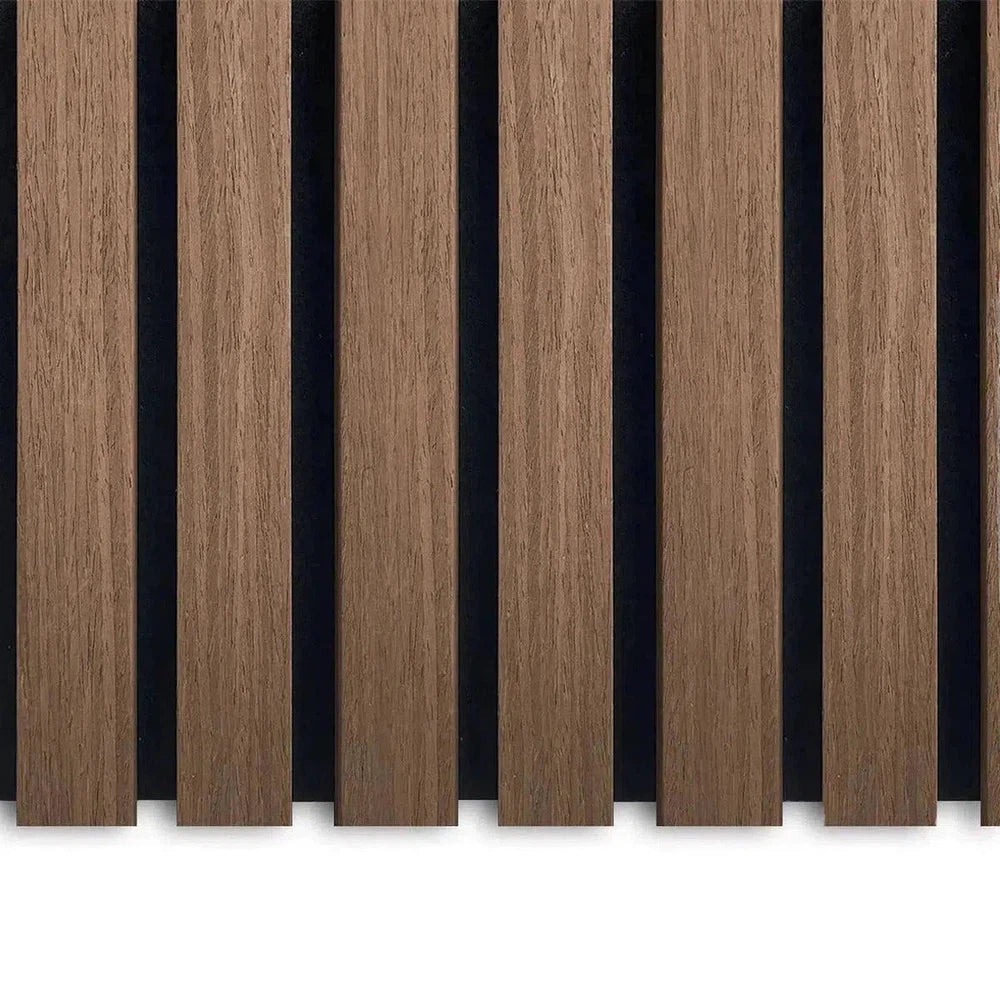
- Akuwood Panel's oak and walnut veneer panels come in 240 cm and 300 cm formats — check the size against your wall run before ordering to cut offcut waste.
- Ask for an EPD or embodied-carbon figure before the veneer goes on the spec sheet; without it, the assessor has nothing to score.
- Verdict: specify on paper trail first, wood finish second — a beautiful panel with no documentation gets rejected at Mat 03 review.
Why this matters
BREEAM assessors don't take a supplier's word for "sustainable." They want a chain-of-custody certificate, an Environmental Product Declaration where one exists, and evidence the finish doesn't push VOC emissions over the Hea 02 threshold. Miss that paperwork and the wall panel line item drops out of the responsible sourcing credit entirely, no matter how good the veneer looks.
Most specifiers hit this problem late — after the panels are ordered, sometimes after they're installed. The fix is to build the documentation check into the acoustic wall panels for architects and specifiers stage of the spec, not the snagging stage. A wood wall panel that scores well on acoustics but arrives with no sourcing paperwork still costs you the Mat 03 points in 2026.
What you'll need
- The project's BREEAM scheme document (New Construction, Refurbishment, or Fit-Out) with the target rating confirmed
- Timber chain-of-custody request template — FSC or PEFC, matched to the batch, not the brand
- Any available Environmental Product Declaration (EPD) or embodied-carbon data from the manufacturer
- VOC emissions data for the finish, glue, and felt backing if the panel is acoustic
- Room dimensions and wall run lengths, so panel format (240 cm or 300 cm) minimises offcuts
- A fire rating reference for the specific wall build-up and occupancy class
- Contact details for the supplier's technical or specification team
The steps
1. Confirm which BREEAM credits the wall panel actually touches
Don't assume every timber product hits Mat 03. Responsible sourcing applies to the raw timber content; indoor air quality (Hea 02) applies to the finish and adhesive; and if the panel is acoustic, Hea 05 can apply to the space's reverberation performance. Map the product against the credit before you write the spec line, not after.
Mistake to avoid: treating "wood panel" as a single line item when three separate BREEAM categories may be scoring three separate attributes of the same product.
2. Request chain-of-custody documentation tied to the batch
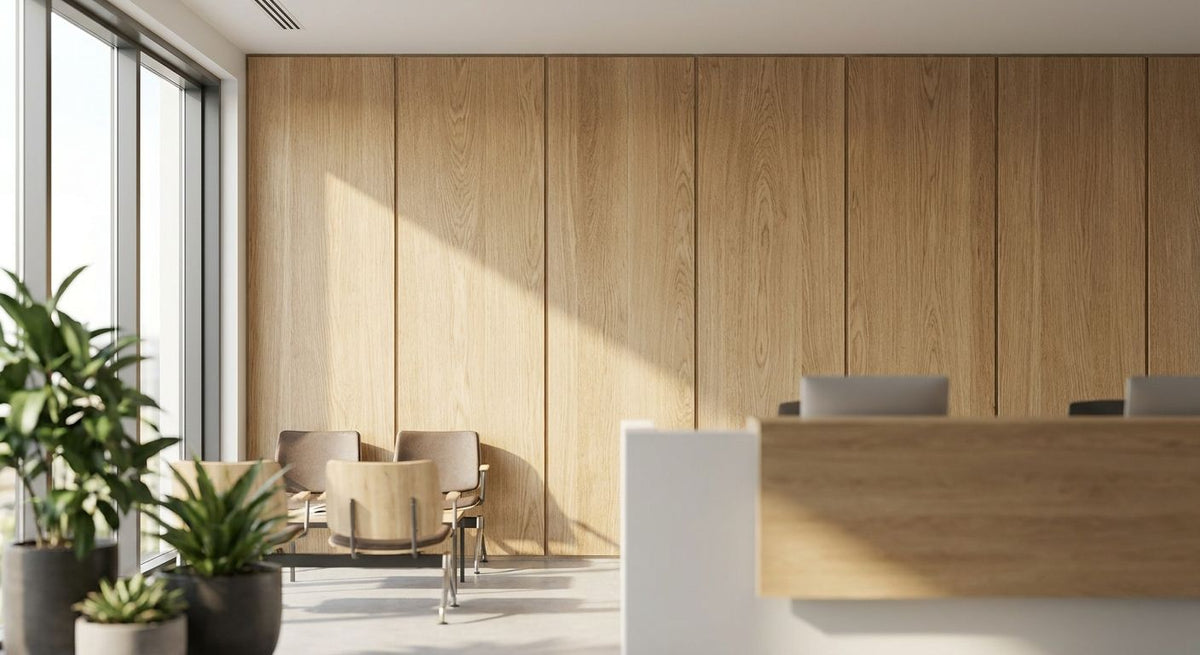
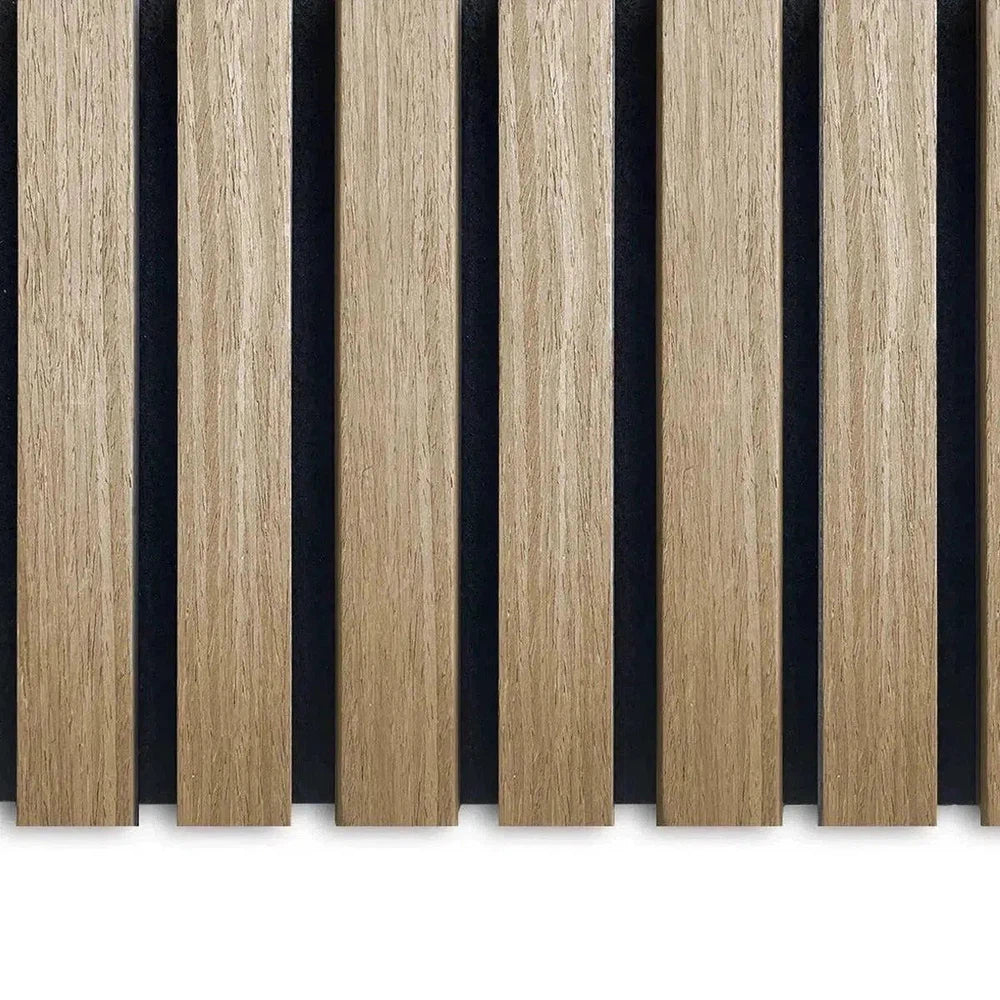
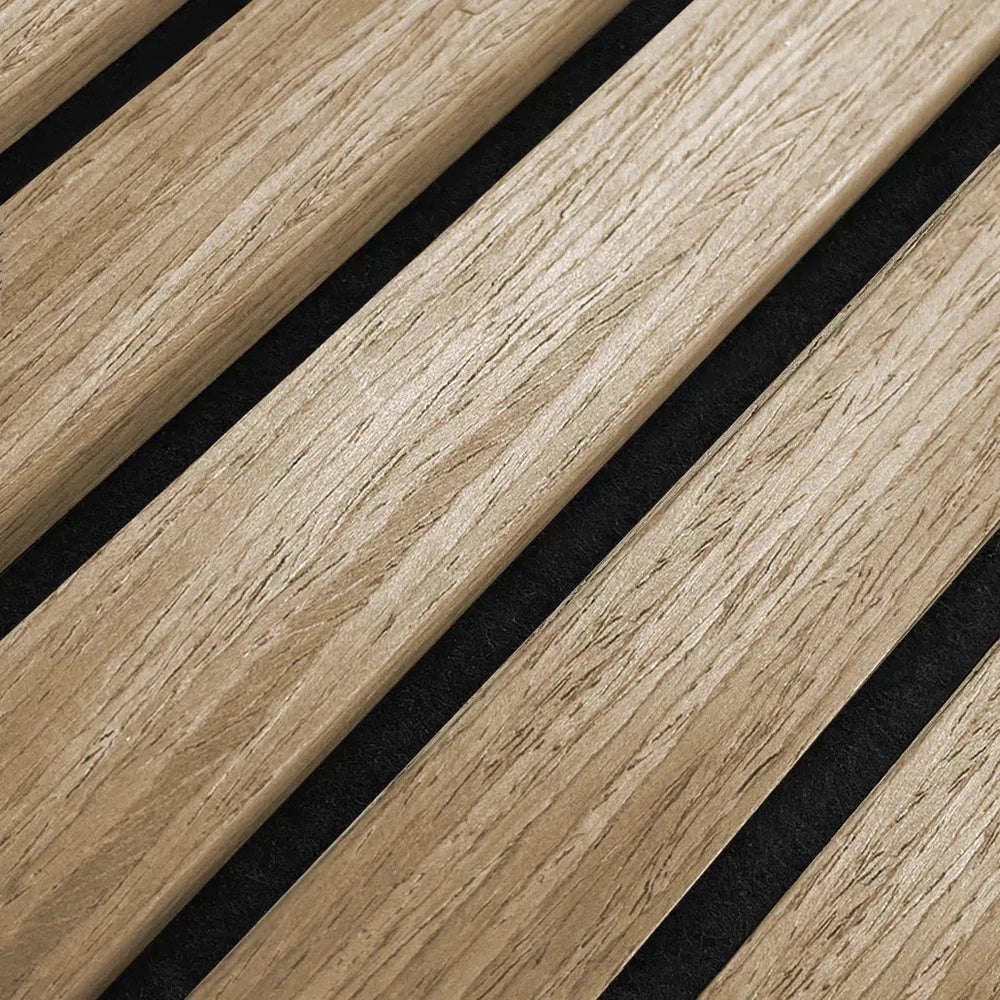
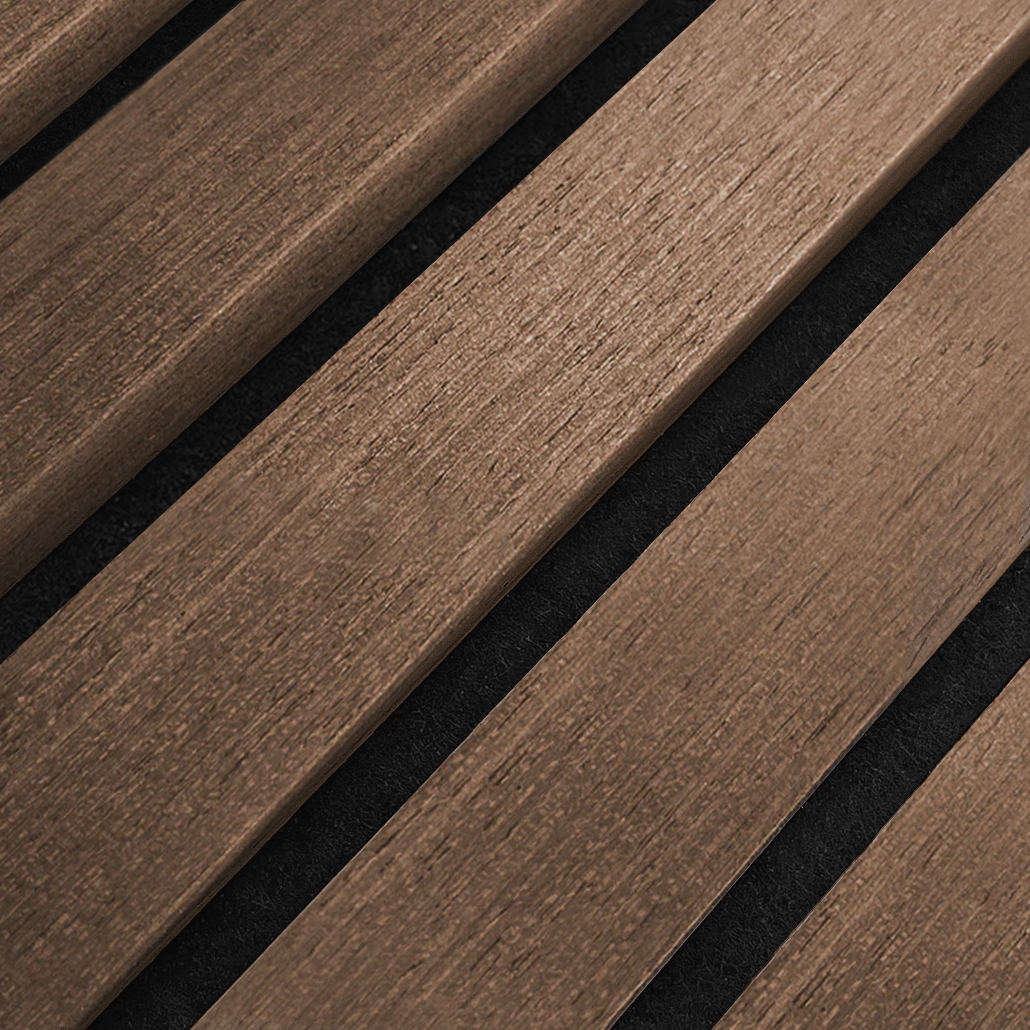
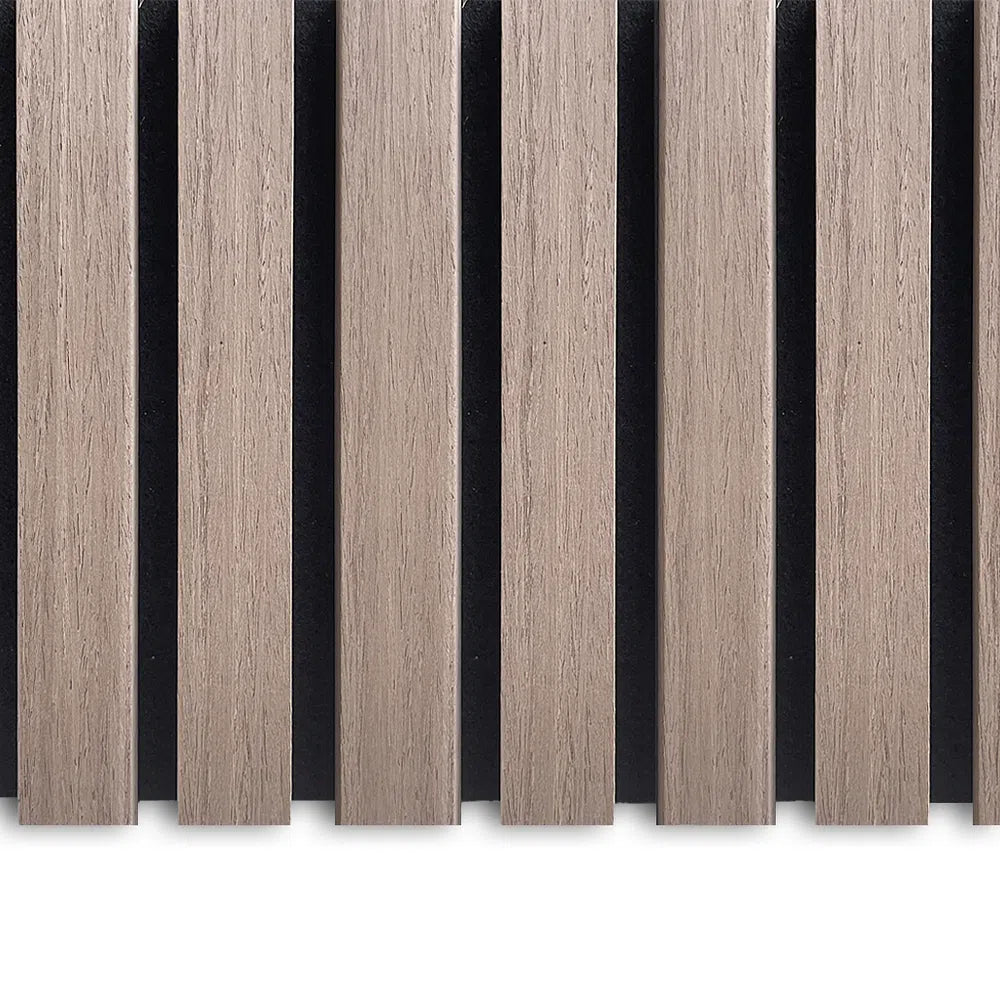
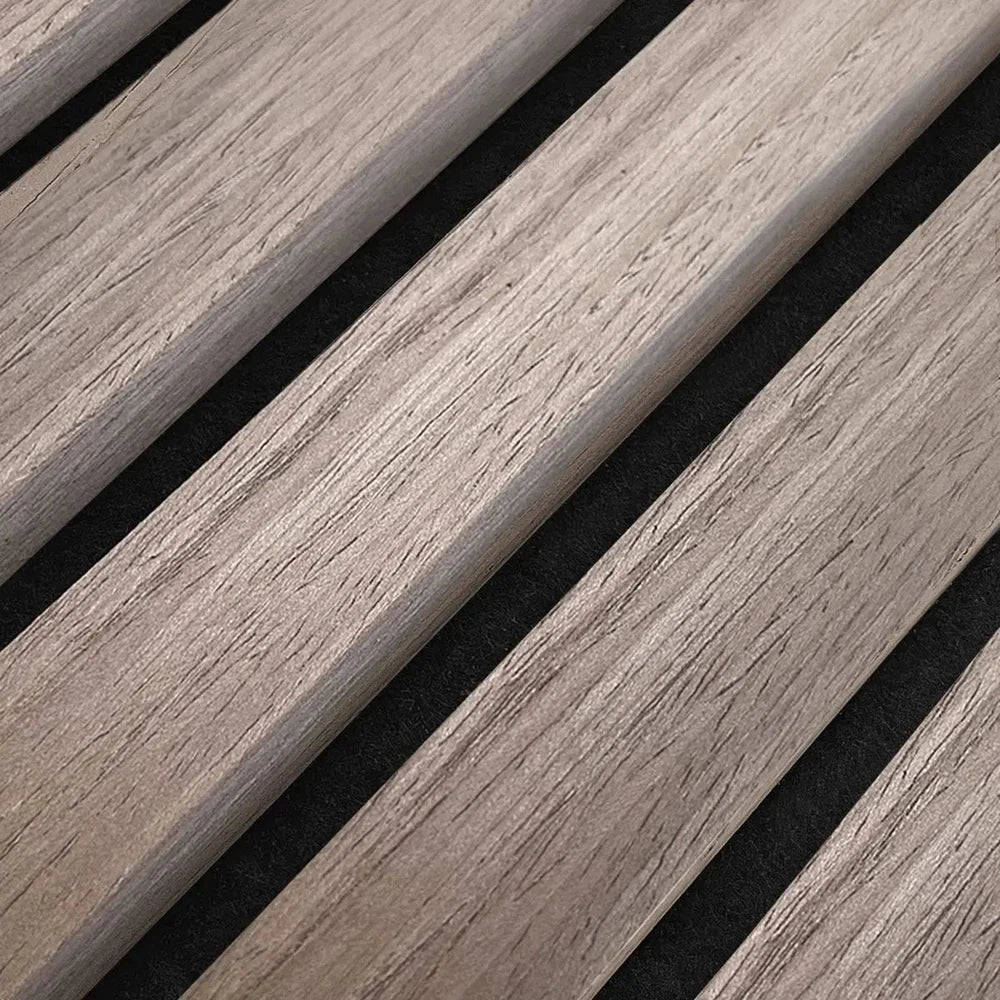
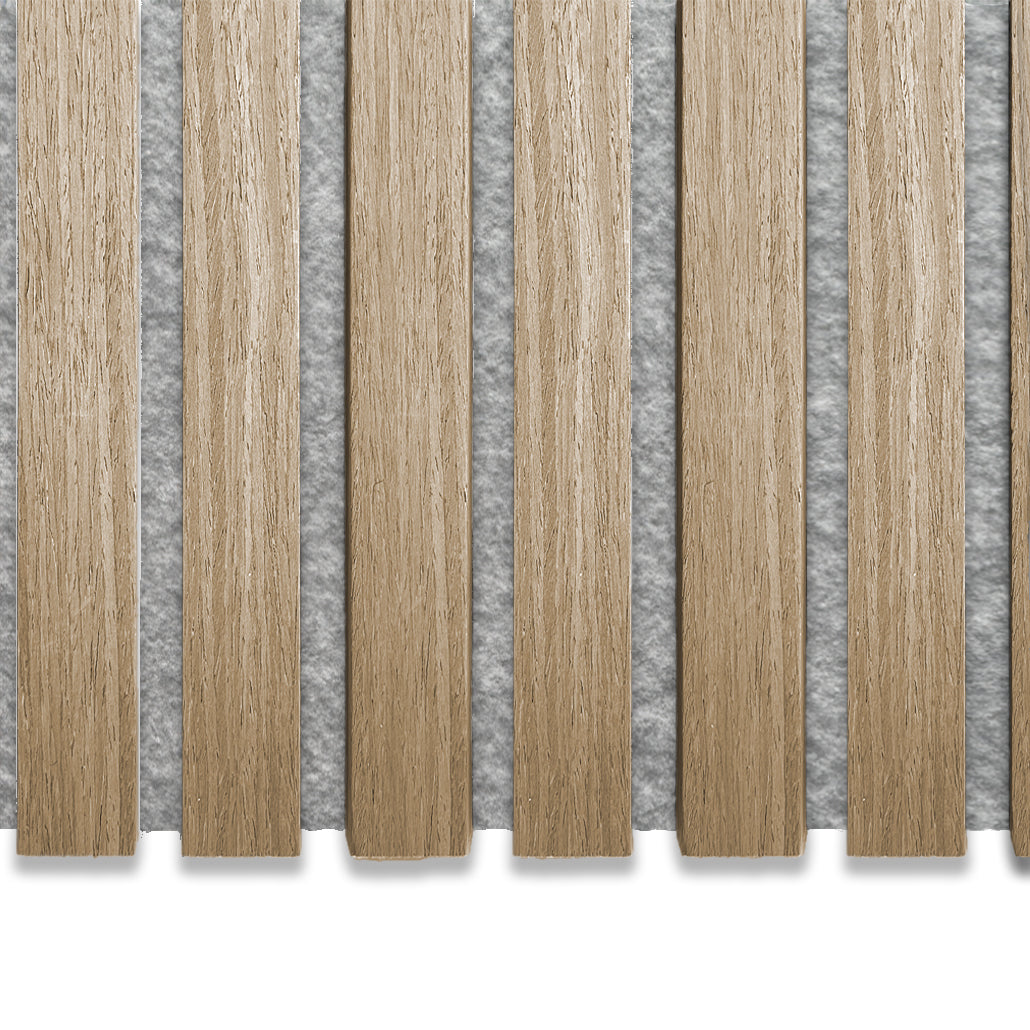
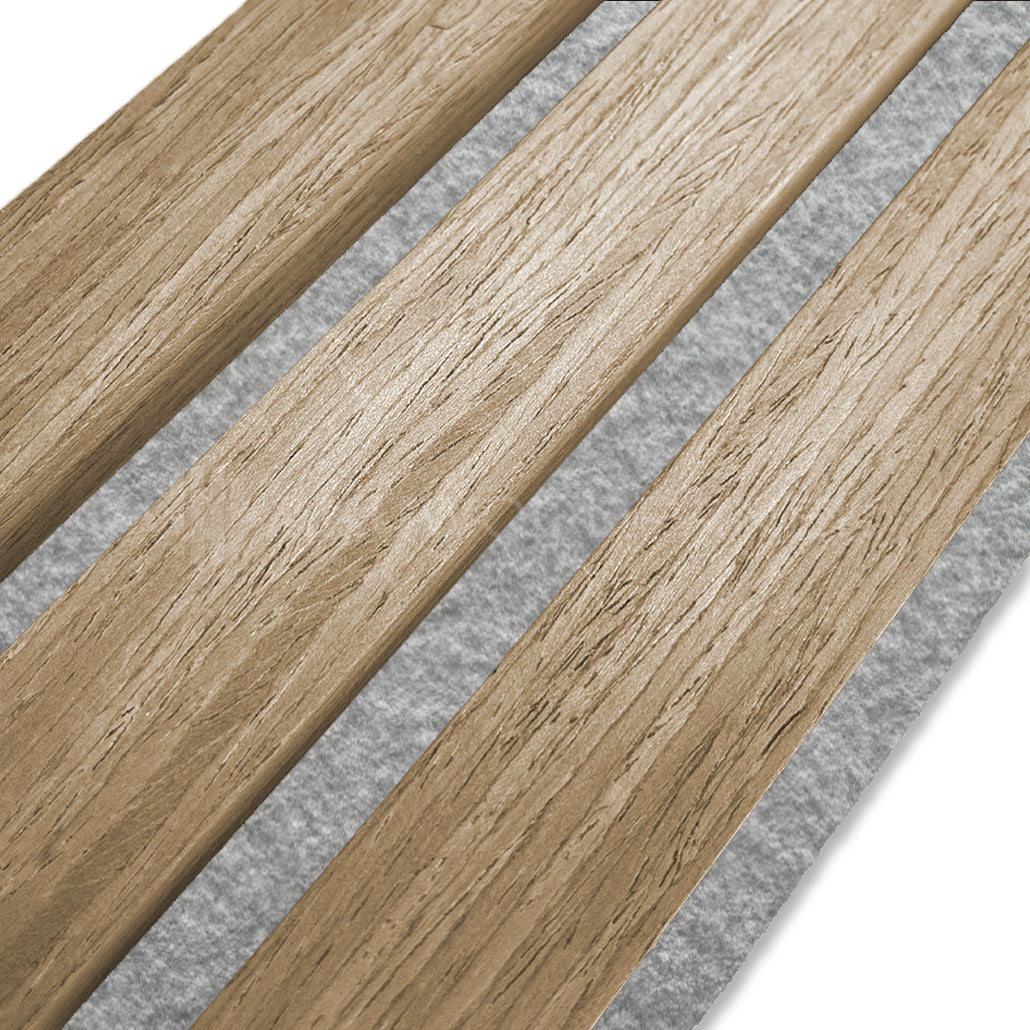
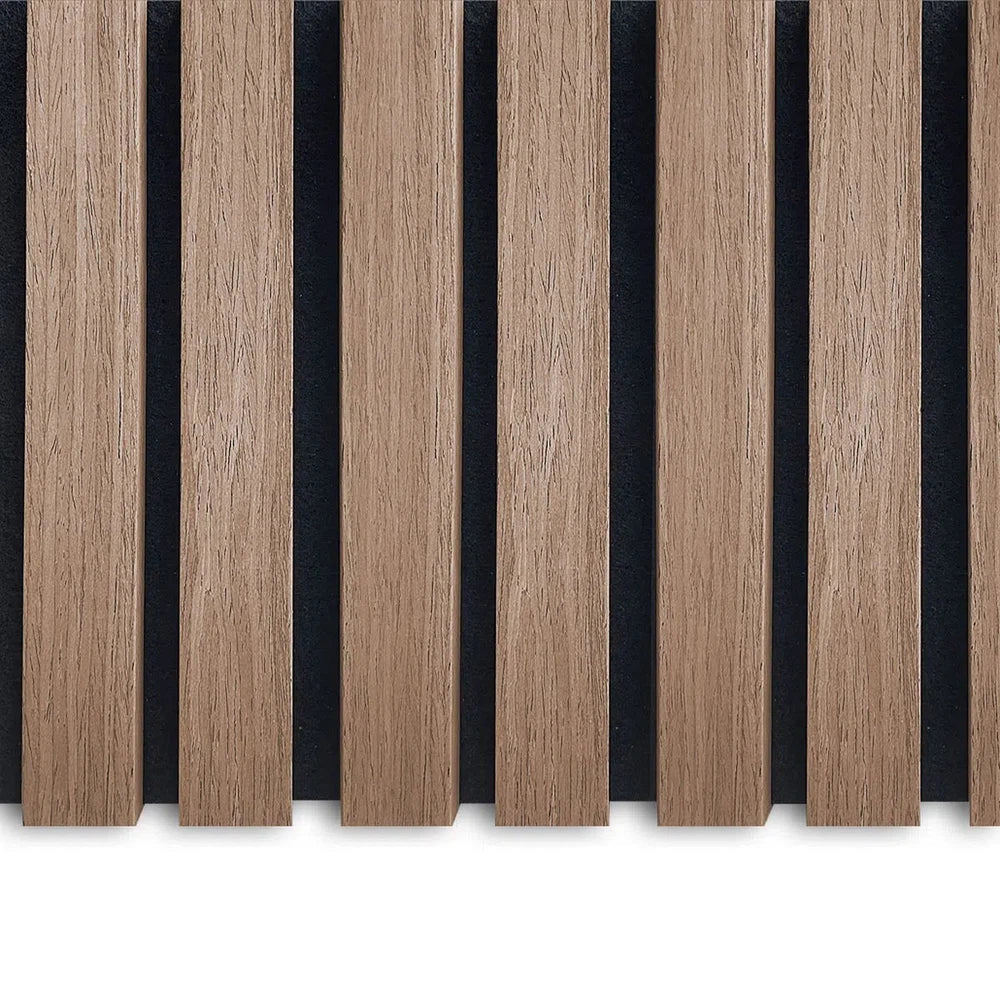
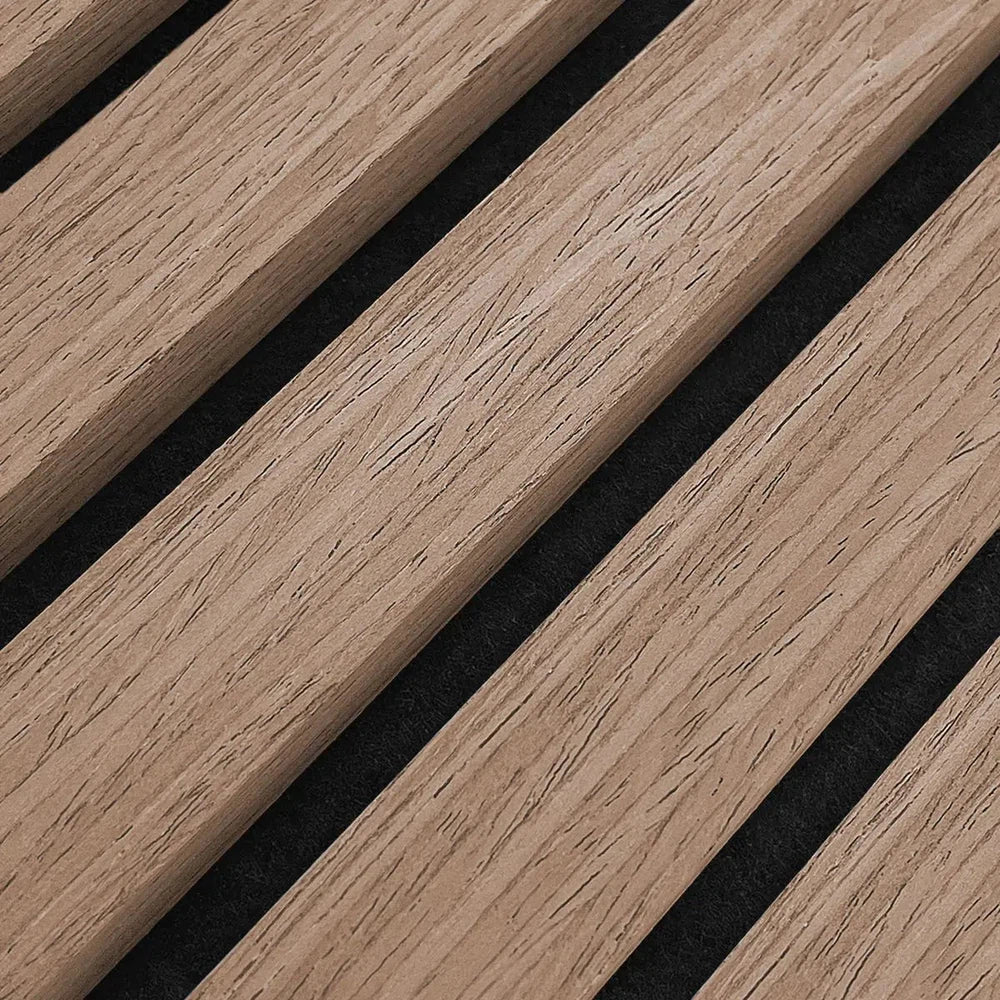
Ask the supplier for FSC or PEFC certification that names the specific product and batch, not a general company-level statement. A veneer wall panel like Akuwood Panel's natural oak wall panel needs paperwork on the oak veneer itself — the substrate and backing matter too, so ask what each layer is certified against.
Common mistake: accepting a PDF that certifies the company's forestry operations generally, with no batch reference the assessor can trace.
3. Check VOC emissions on the finish and adhesive
Hea 02 scores indoor air quality, and a wood veneer panel with a solvent-heavy sealant can undercut an otherwise clean sourcing story. Request the technical data sheet for the surface treatment and any panel adhesive used during installation — this is a separate document from the timber certificate.
Expected outcome: a VOC emissions class or test result you can hand straight to the assessor, not a marketing line that says "low-VOC."
4. Verify acoustic performance data if the panel does double duty
If the wall panel is also managing reverberation in an office or meeting room, the Noise Reduction Coefficient (NRC) — rated on a 0 to 1 scale — is the figure your acoustic consultant will want. Read the NRC sound absorption ratings on the product sheet before assuming a felt-backed panel meets the room's target.
Common mistake: specifying an acoustic wood panel purely on sourcing credentials and skipping the NRC check, then finding the room still echoes after fit-out.
5. Ask for an EPD or embodied-carbon figure
Embodied carbon is scored under Mat 01 on larger BREEAM schemes. Not every manufacturer has a third-party EPD, and that's fine — but you need to know before you commit, so the design team can offset the gap elsewhere in the material schedule.
Expected outcome: either a published EPD, a manufacturer-supplied carbon figure, or a documented decision that the credit will be scored using generic material data instead.
6. Match panel format to the wall run to cut waste
Akuwood Panel's flagship indoor range ships in two size formats — 240 cm and 300 cm — and picking the wrong one for a given wall height means more offcuts, which works against BREEAM's waste credits (Wst 01) even when the sourcing paperwork is perfect. Measure floor-to-ceiling height first, then pick the format that leaves the least cut waste.
Common mistake: defaulting to whichever format is cheapest per square metre without checking it against the actual room dimensions.
7. Confirm fire rating for the wall build-up
A sustainable finish that fails the fire strategy for the occupancy class doesn't get installed, sustainable or not. Cross-check the panel's fire classification against fire ratings for acoustic wood panels and the specific substrate wall behind it — a stud wall and a solid masonry wall can carry different fire strategies for the same finish.
Expected outcome: written confirmation the panel-and-substrate combination meets the building's fire strategy before installation starts.
Troubleshooting
- Supplier can't produce a batch-level FSC/PEFC certificate — ask for the certificate number and verify it directly against the FSC or PEFC public database rather than accepting the document at face value.
- No EPD exists for the product — document this as a known gap and score Mat 01 using generic material data; don't leave the line item blank on the submission.
- VOC data covers the timber but not the adhesive — request the adhesive's separate technical data sheet; Hea 02 assessors will ask for both.
- Panel format leaves excessive offcuts — recheck wall height against both the 240 cm and 300 cm formats before ordering; a few centimetres of mismatch compounds across a full commercial fit-out.
- Acoustic performance falls short after installation — confirm the NRC rating was checked against the room's actual reverberation target, not just against a generic "acoustic panel" label.
- Assessor queries the fire rating late in the process — get fire classification confirmed in writing before ordering, not during the site inspection.
Tools and resources
- FSC and PEFC public certificate databases, for verifying batch-level chain-of-custody claims
- The project's BREEAM scheme manual (New Construction, Refurbishment, or Fit-Out) for exact credit wording
- Akuwood Panel's hexagon acoustic panel in natural oak, useful where the spec needs both a veneer finish and a measurable NRC figure
- Technical data sheets from the panel manufacturer covering VOC emissions and fire classification
- A wall-run measurement schedule to match panel format against room dimensions before ordering
What to do next
Once the sourcing paperwork and acoustic data are confirmed, the next step is getting the drawings into the design team's hands in a format they can actually use on a commercial job. That's covered in a separate guide on getting CAD and BIM files for acoustic wall panels, which is worth pulling up before the spec goes final.
FAQ
What does BREEAM require from sustainable wood wall panels?
BREEAM requires batch-level chain-of-custody documentation (FSC or PEFC) for responsible sourcing credits, plus VOC emissions data for indoor air quality. In 2026, assessors typically won't accept a general company sustainability statement in place of a product-specific certificate.
Is FSC or PEFC certification enough on its own for BREEAM Mat 03?
Certification is the starting point, but the certificate has to name the specific timber batch used on the project, not just the manufacturer's forestry operations generally. Assessors check the certificate number against the public FSC or PEFC database.
Do acoustic wood wall panels affect BREEAM's indoor air quality score?
Yes — the finish, sealant, and any adhesive used to fit the panel are scored separately from the timber sourcing under Hea 02. Request VOC emissions data for each layer, not just the veneer.
What size wood wall panels reduce waste on a BREEAM project?
Matching the panel format to the wall height before ordering cuts offcut waste, which supports BREEAM's Wst 01 material efficiency credit. Akuwood Panel's indoor range ships in 240 cm and 300 cm formats, so measure the wall run first.
Does every sustainable wood panel need an Environmental Product Declaration?
Not every manufacturer has published an EPD, and that's acceptable if it's documented as a known gap on the submission. Larger schemes scoring Mat 01 embodied carbon will ask for it or fall back to generic material data.
Can acoustic wood panels count toward both sourcing and acoustic credits at once?
Yes, if the documentation covers both attributes separately — sourcing paperwork for Mat 03 and an NRC rating for any acoustic performance credit. One certificate doesn't cover both; you need the timber chain-of-custody proof and the acoustic test data as separate documents.
How much does BREEAM documentation add to a wood panel order?
The documentation itself typically doesn't add cost if the manufacturer already holds FSC or PEFC certification — the cost risk is in delays if paperwork has to be chased after the panels are ordered. Build the documentation request into the initial supplier enquiry.
Is Akuwood Panel suitable for BREEAM-rated commercial fit-outs?
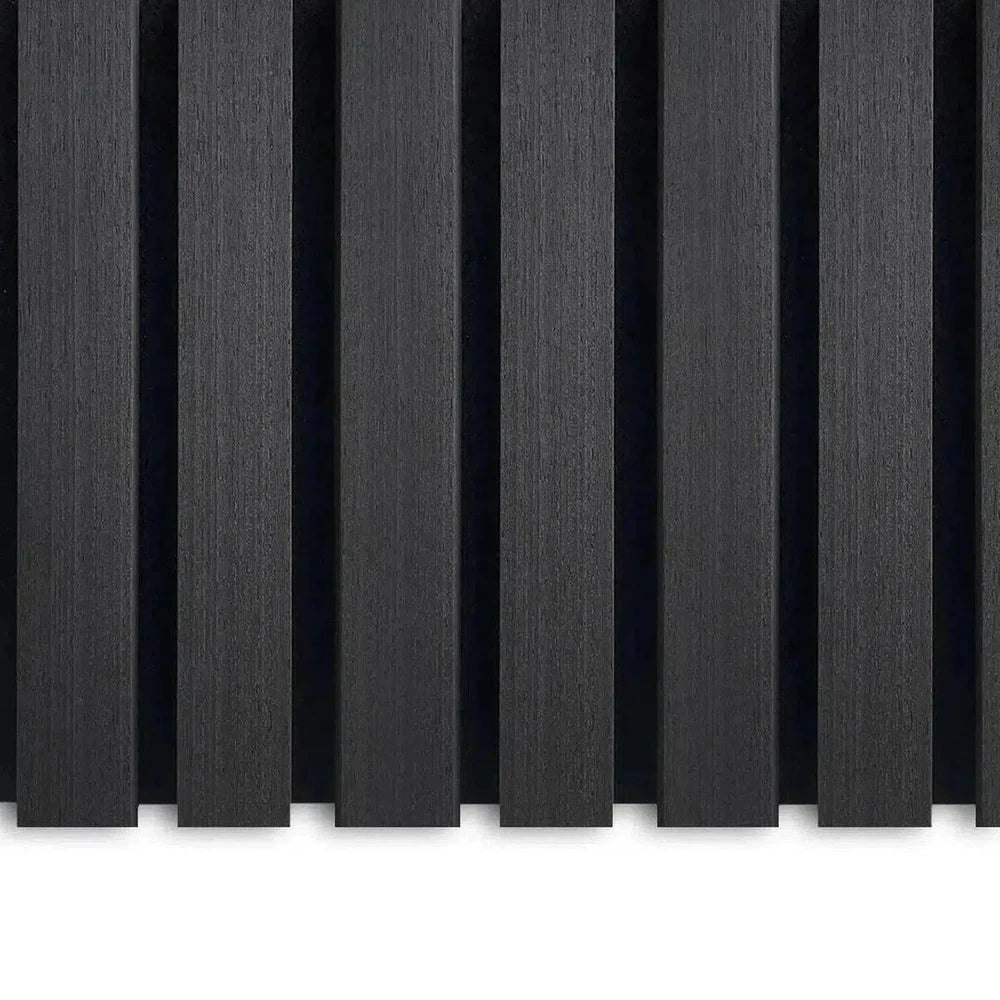
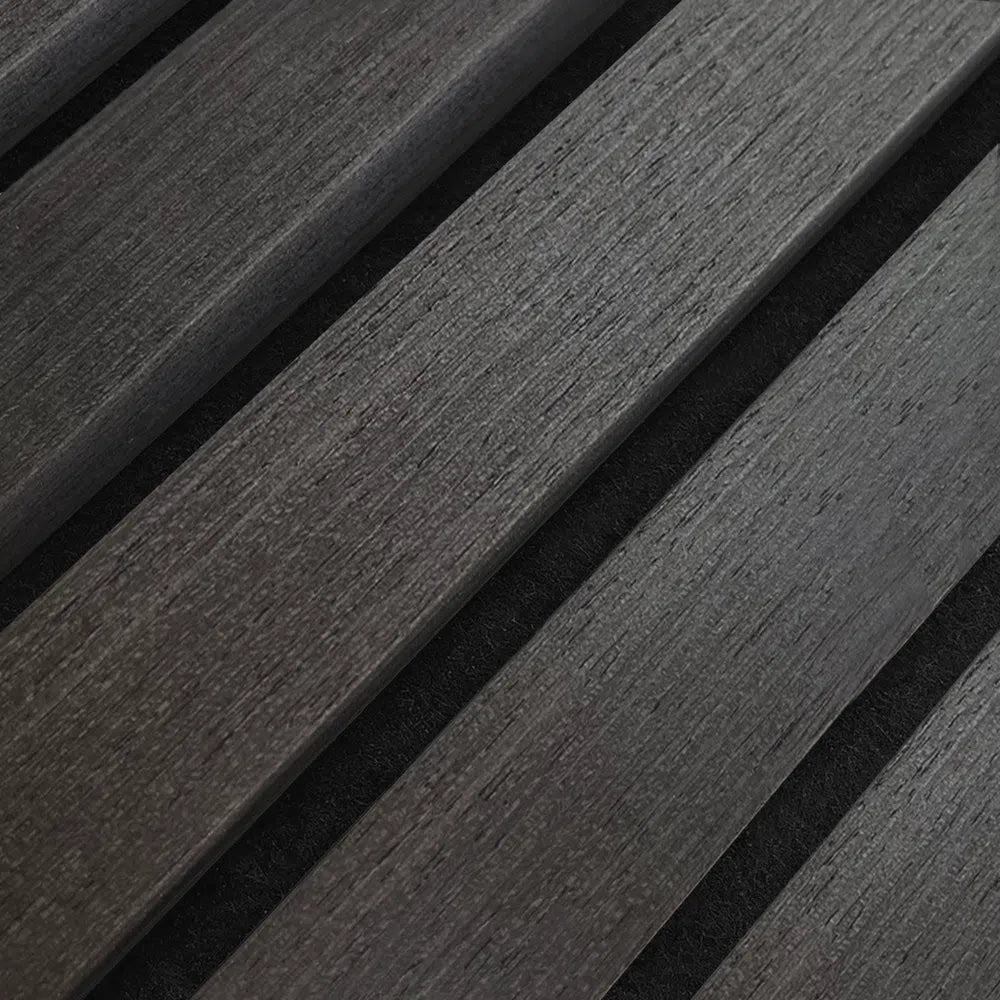
Akuwood Panel's oak, walnut, and smoked oak wall panels use a 3-sided real wood veneer finish with acoustic felt backing in 240 cm and 300 cm formats. Ask the supplier directly for batch-level chain-of-custody and VOC documentation on the specific order before it goes into a BREEAM submission.
One last thing
The detail specifiers miss most often isn't the timber certificate — it's the adhesive. A panel can carry flawless FSC paperwork and still lose Hea 02 points because nobody asked for the glue's VOC data sheet. Chase both documents in the same email to the supplier, not two separate ones a month apart.