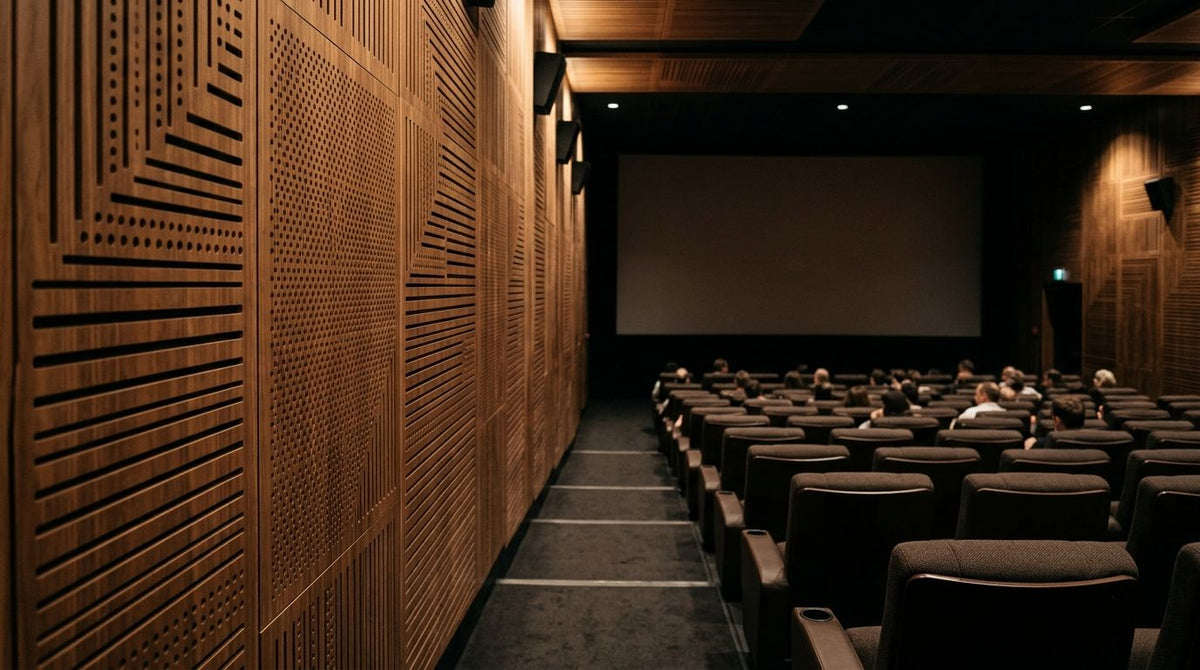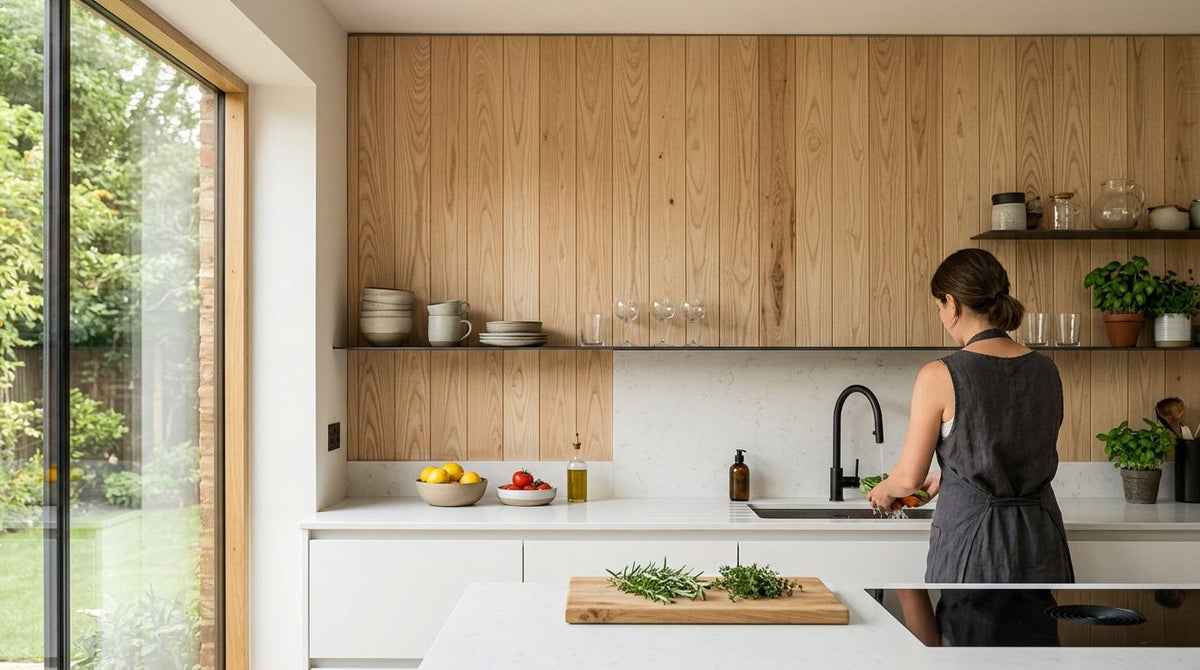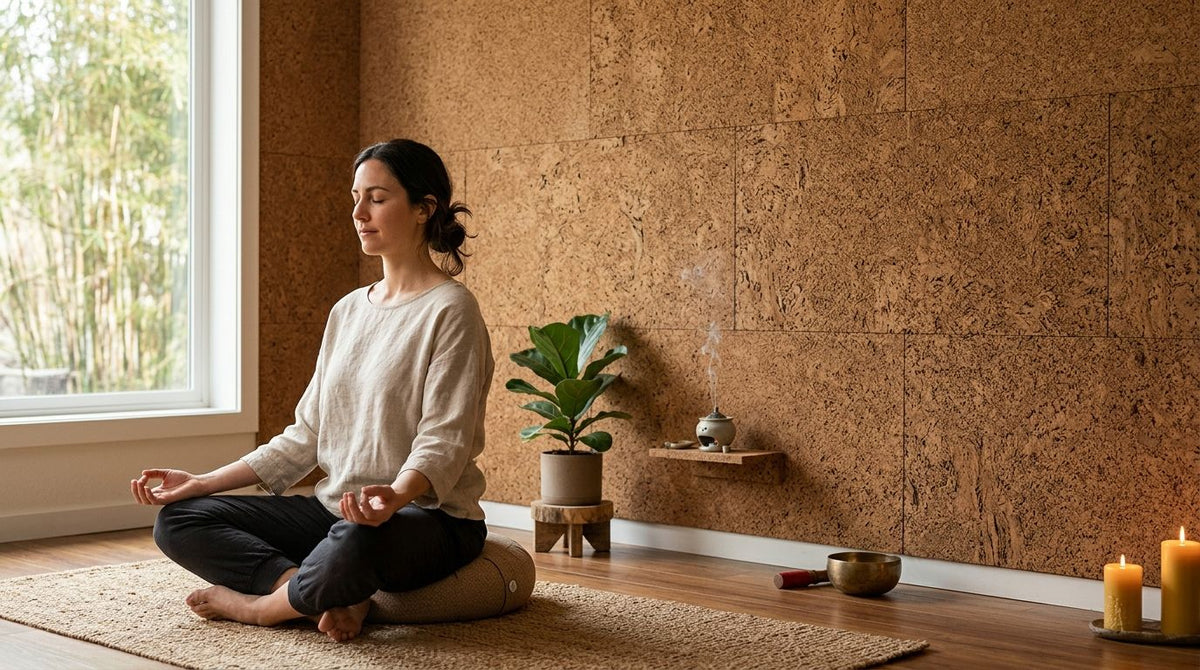
Cork panels for a meditation room soften hard reflections and add warm, natural texture to a space built for stillness, cutting the flutter echo that turns a breathing exercise into a distraction. This guide covers what cork does well, where felt-backed wood veneer panels beat it, and how much of the wall you actually need to treat in 2026.
- Cork panels for a meditation room work best on first-reflection points, not whole walls.
- Cork absorbs mid and high frequencies; thin cork tiles lag behind felt-backed wood panels on absorption.
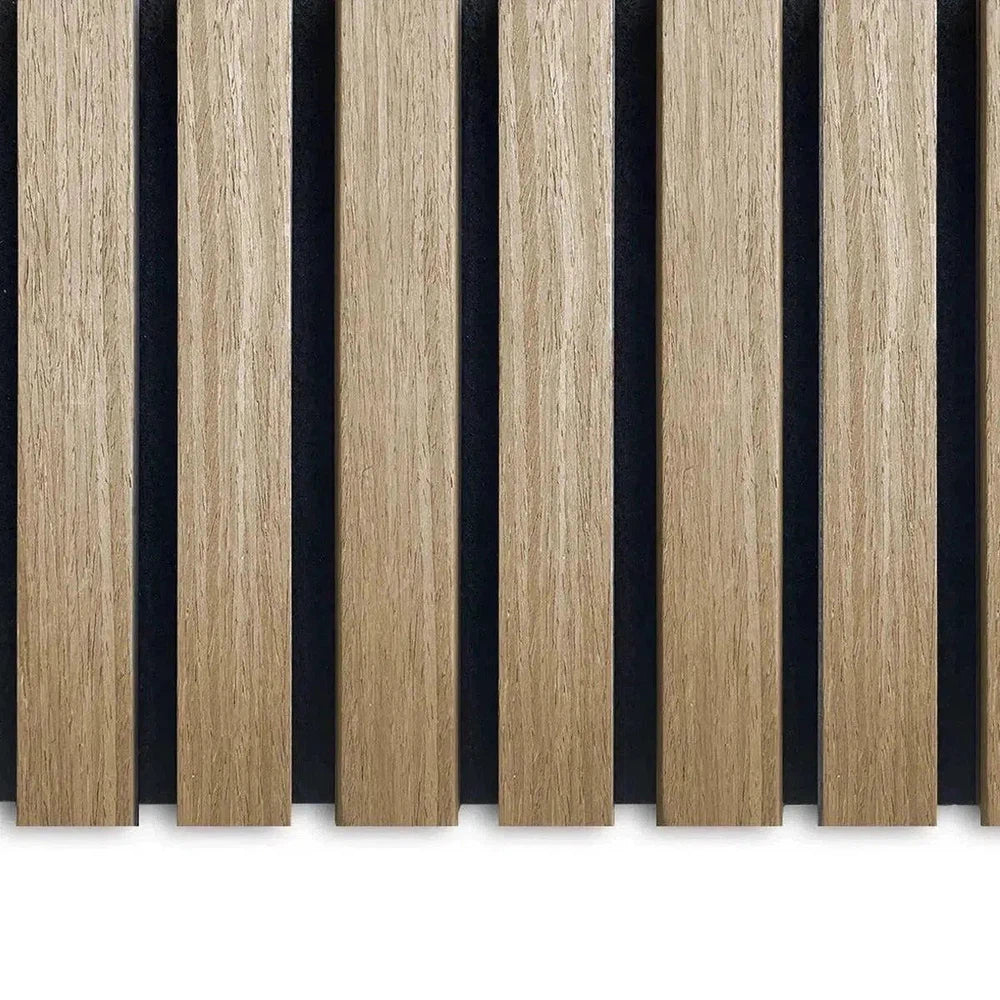
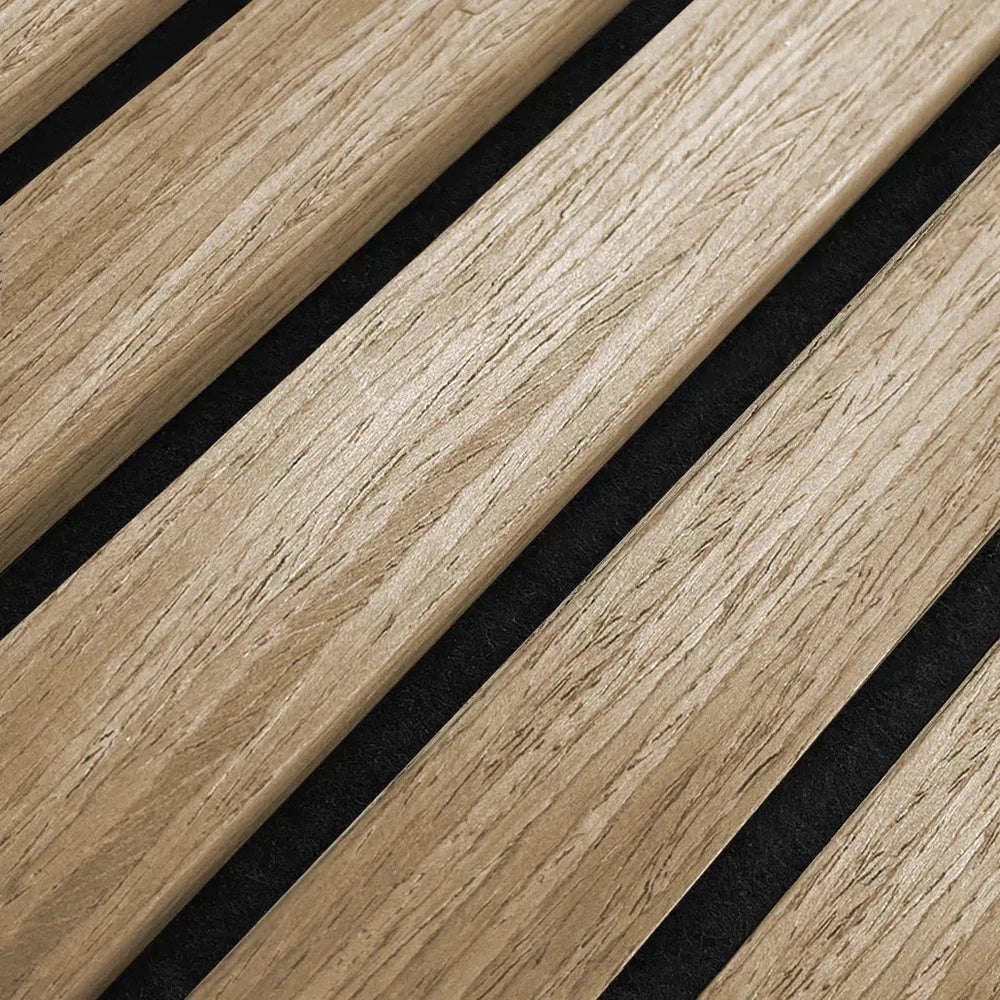
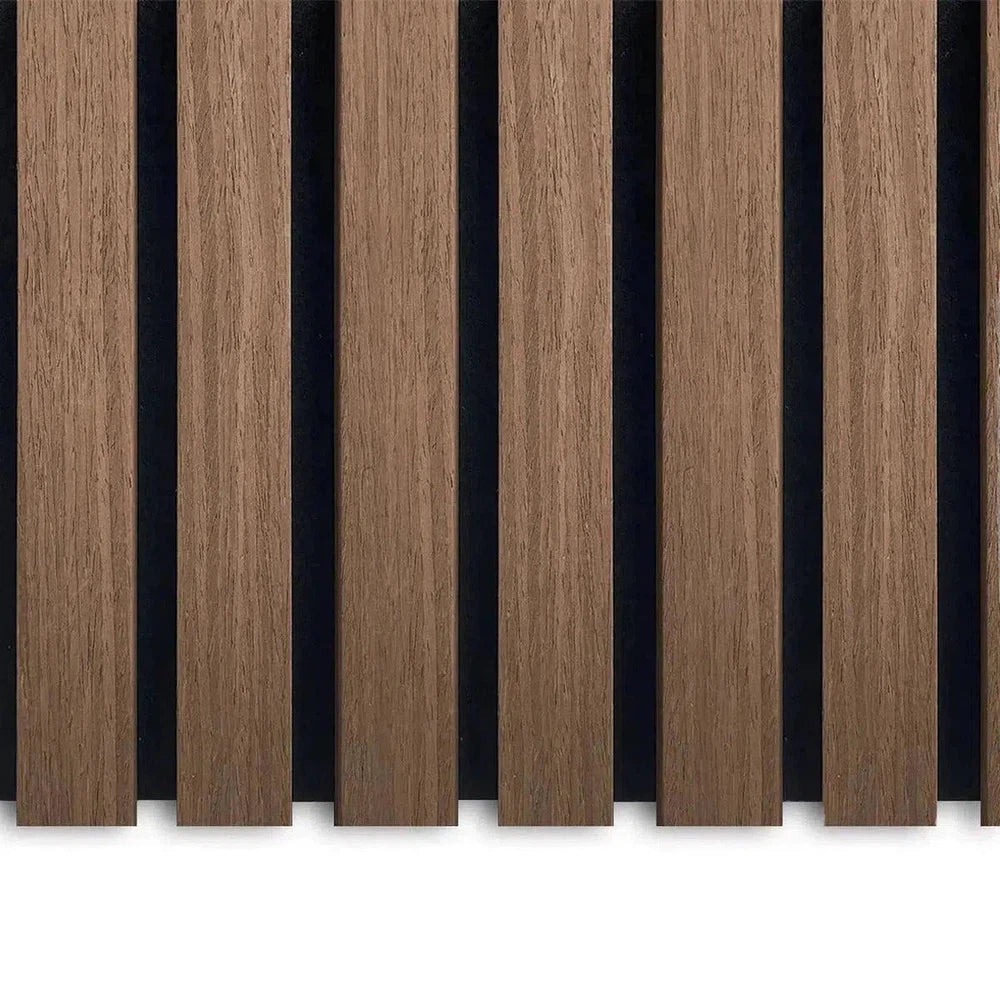
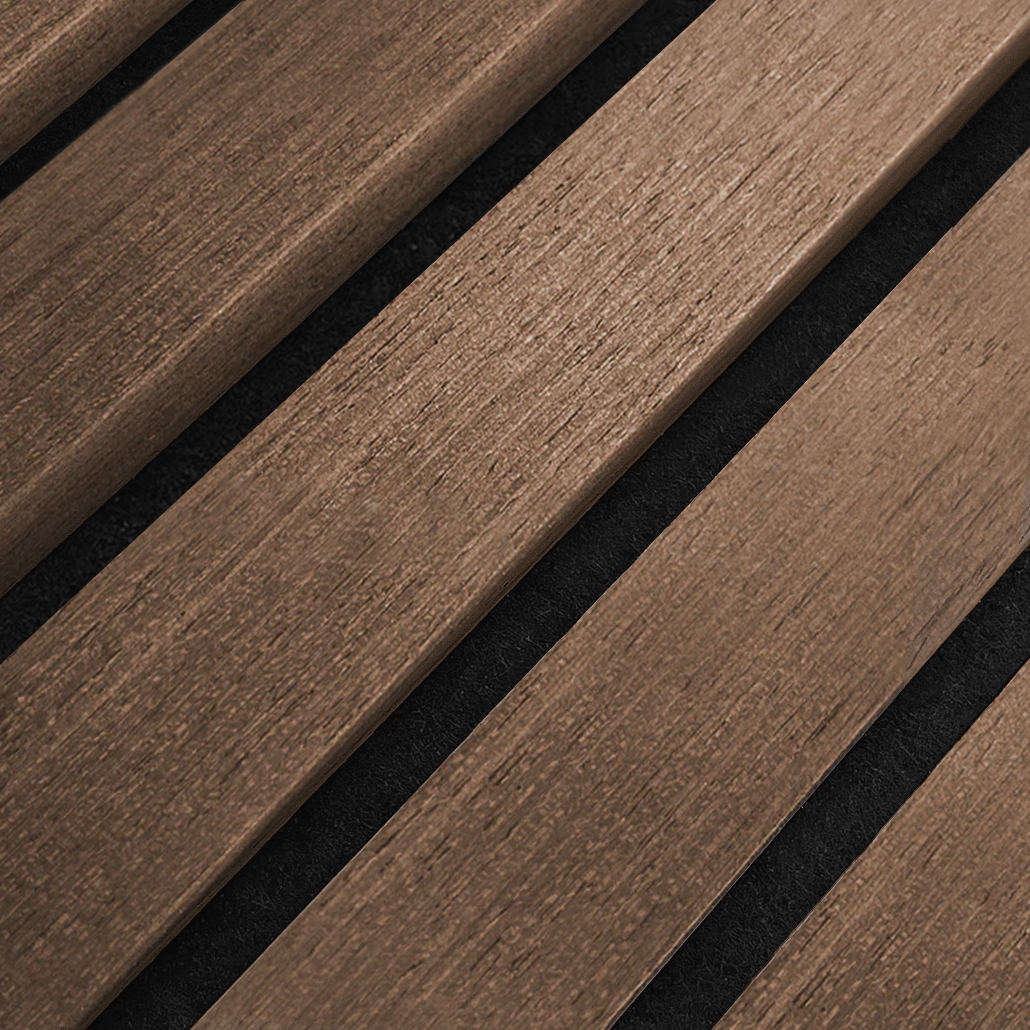
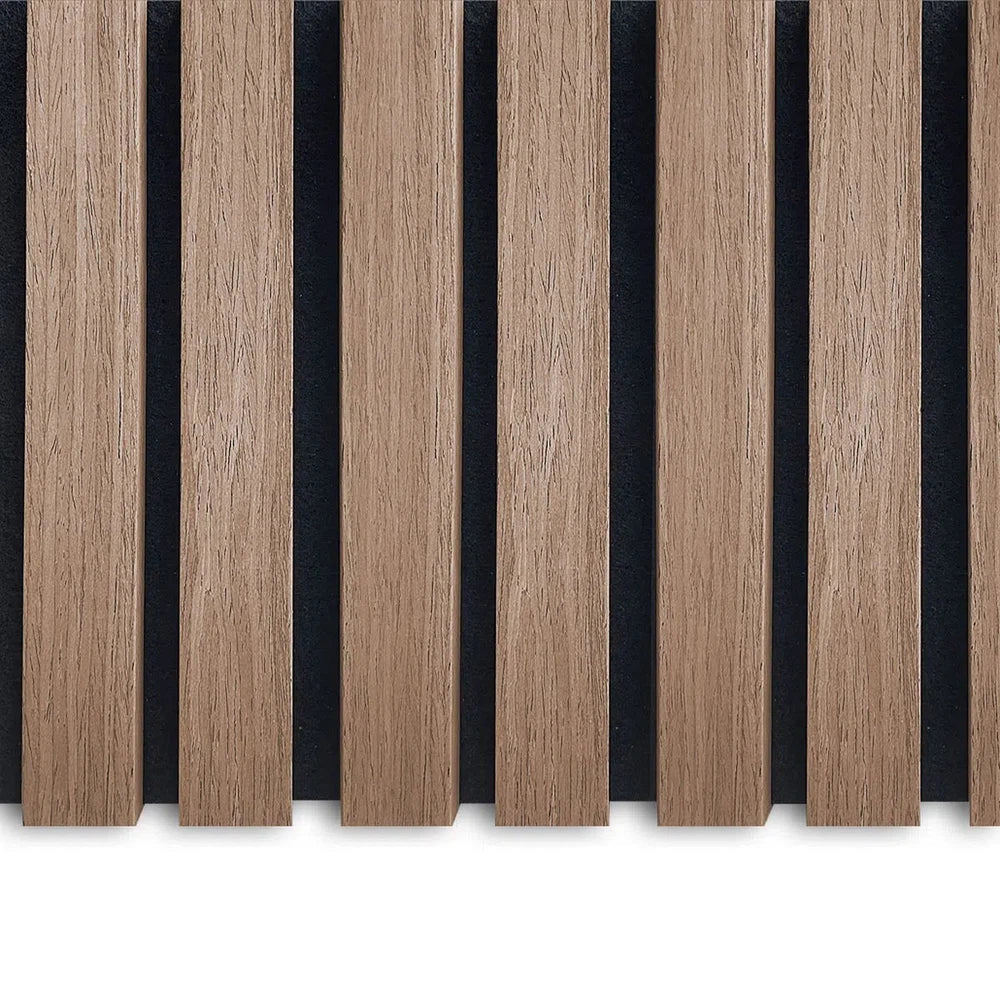
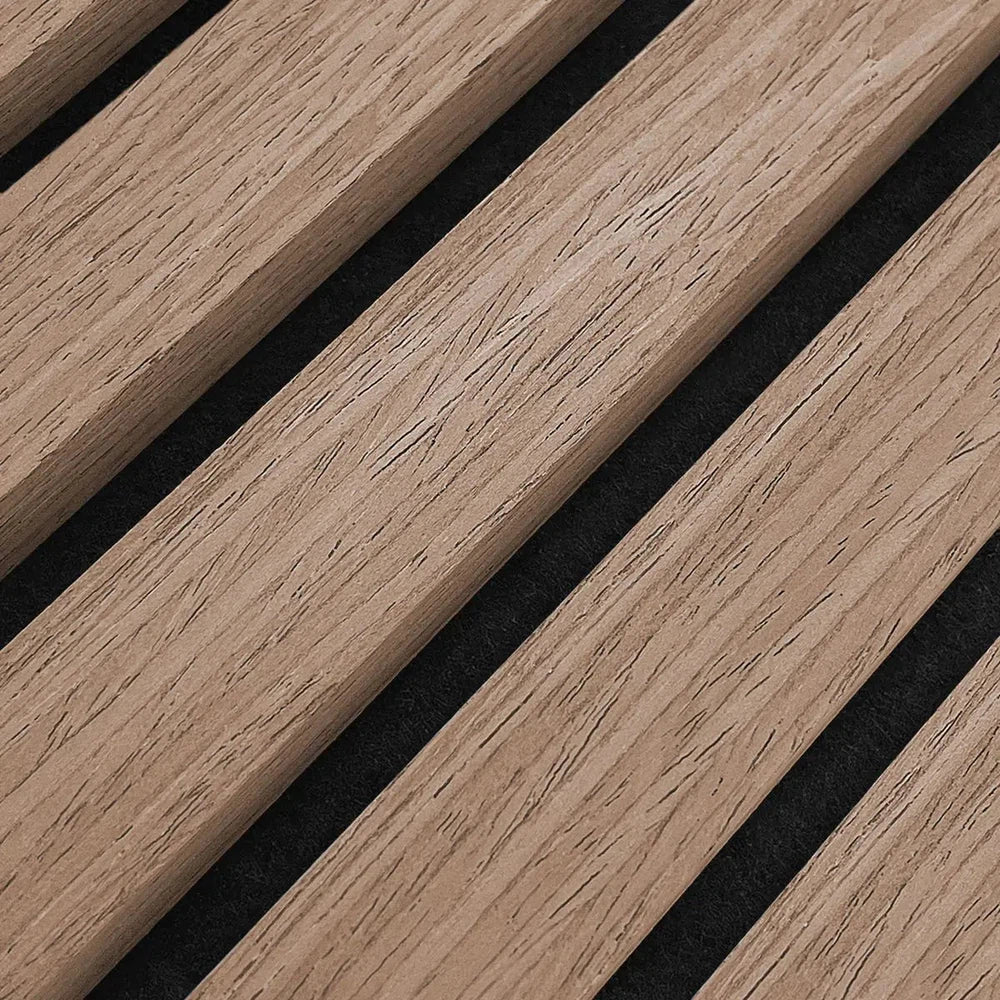
- AKU Woodpanel acoustic slat panels combine a real wood veneer face with an acoustic felt backing.
- Clap-test the room before buying anything in 2026 — guessing quantity wastes money.
- Renters should confirm the fixing method before committing to glued cork tiles.
Why acoustic treatment matters in a meditation room
A meditation room's whole job is removing distraction, and untreated hard walls produce exactly the short, sharp echo that pulls attention off a breath count or a guided audio track. Most mindfulness rooms are converted box bedrooms, alcoves, loft corners or garden studios — small footprints with parallel hard walls close together. That is the worst possible geometry for flutter echo.
Unlike a living room, a meditation space rarely gets rugs, sofas, thick curtains or bookshelves layered in afterwards. The wall surface carries almost all of the acoustic load on its own. Strip out the soft furnishings and a 3 x 3 m room with plastered walls and a hard floor will ring noticeably after a clap.
Cork has been used as a soft, sound-absorbing surface for decades because it is naturally porous and low in density. Felt-backed wood veneer panels attack the same problem differently: slats over an acoustic felt layer, absorbing sound in the gaps between the slats. Both routes reduce echo. Which one suits your room depends on how much absorption you need and what finish you want to look at every morning.
Test the echo before you buy anything
Measure first. This costs nothing and stops you over-ordering.
- Clap once in the empty room and listen for a ringing tail — that tail is flutter echo
- Record a 10-second voice clip on your phone and play it back; harsh, hollow playback means untreated hard surfaces
- Note which two walls face each other directly — parallel hard surfaces cause the worst reflections
- Check the floor: bare timber or tile roughly doubles the problem versus carpet
- Clap near each wall in turn to find where the ring is loudest — that is your priority zone
Compare cork against the alternatives
Cork tiles, foam wedges, fabric panels and felt-backed wood slats all cut reflections, but they do not look or perform the same on a wall meant to feel calm.
- Cork tiles: soft, natural texture, easy to cut with a craft knife, but thin cork absorbs less than a felt-backed panel of the same thickness
- Acoustic foam wedges: effective on high frequencies, but the studio look fights against a domestic, restful room
- Fabric-wrapped panels: strong absorption, though they read as office rather than sanctuary
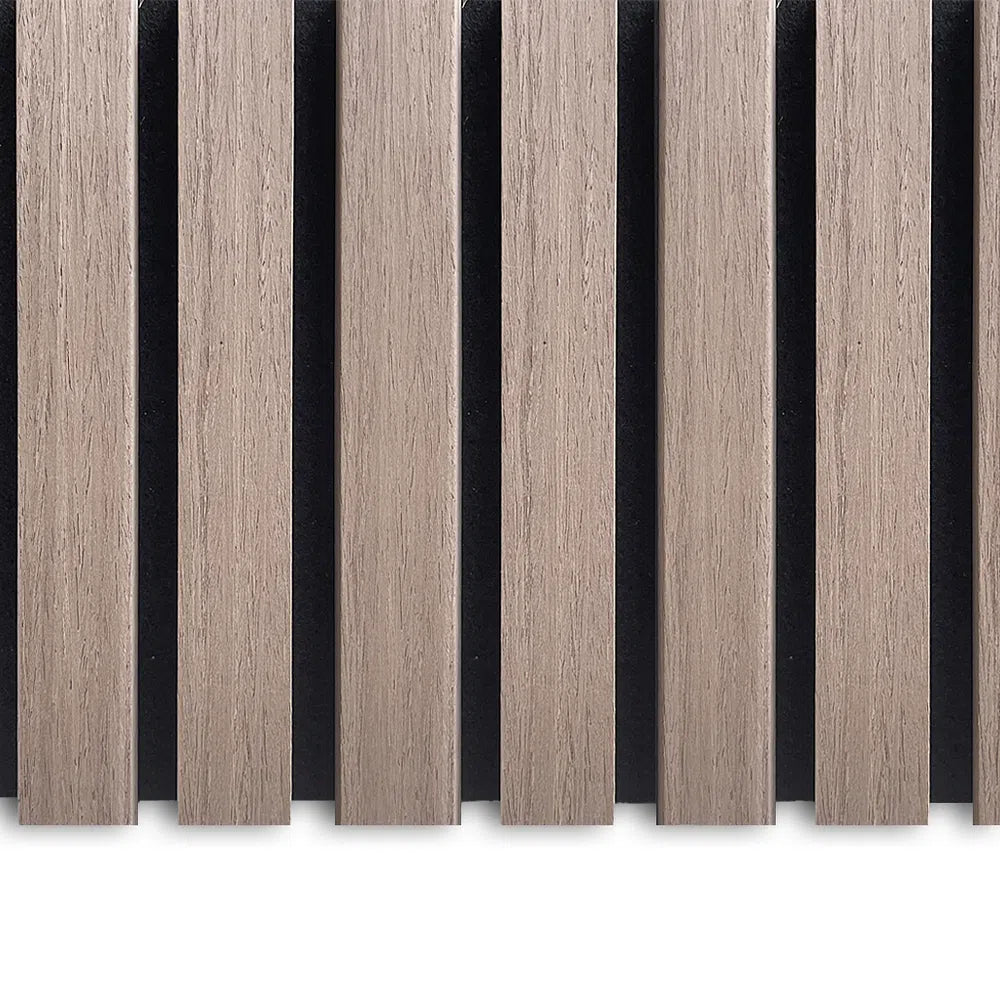
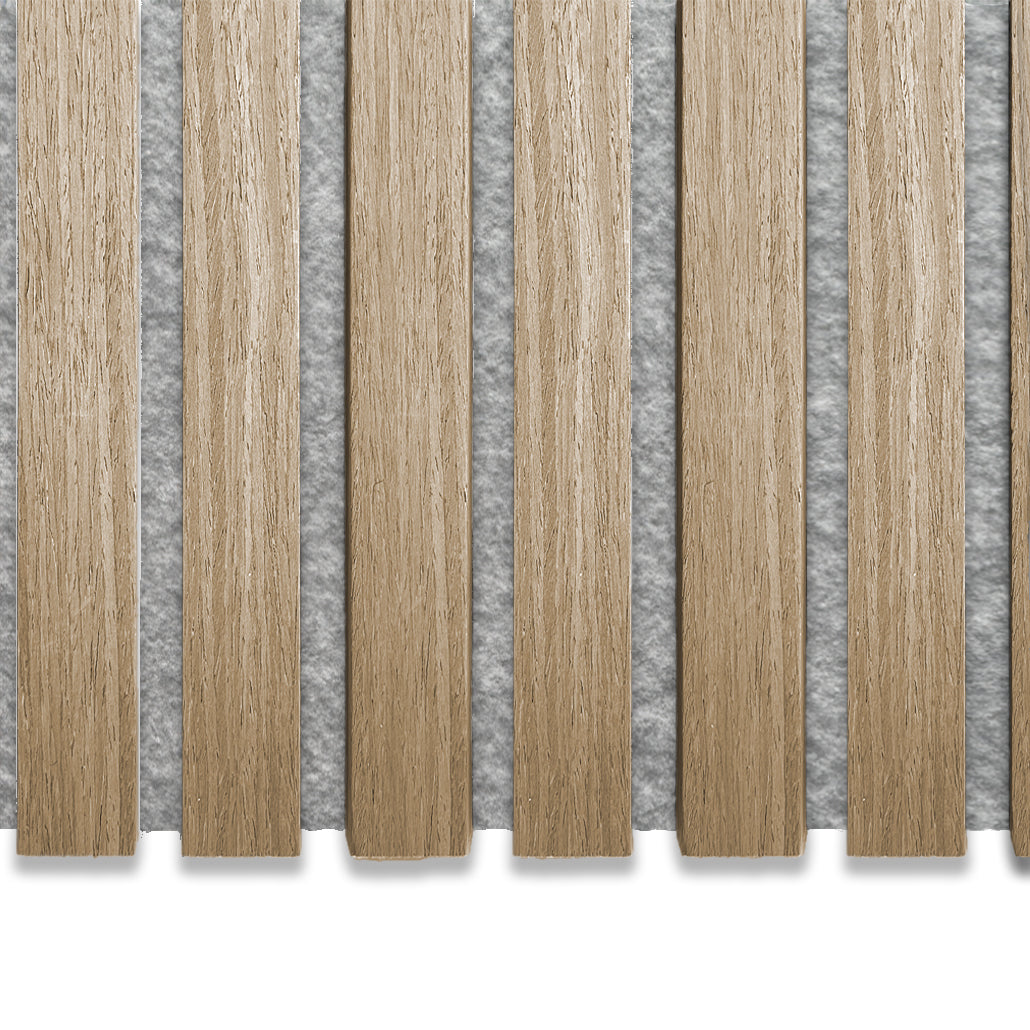
- Felt-backed wood veneer slat panels: a real wood face over an acoustic felt backing, giving cork's warmth with a more architectural finish
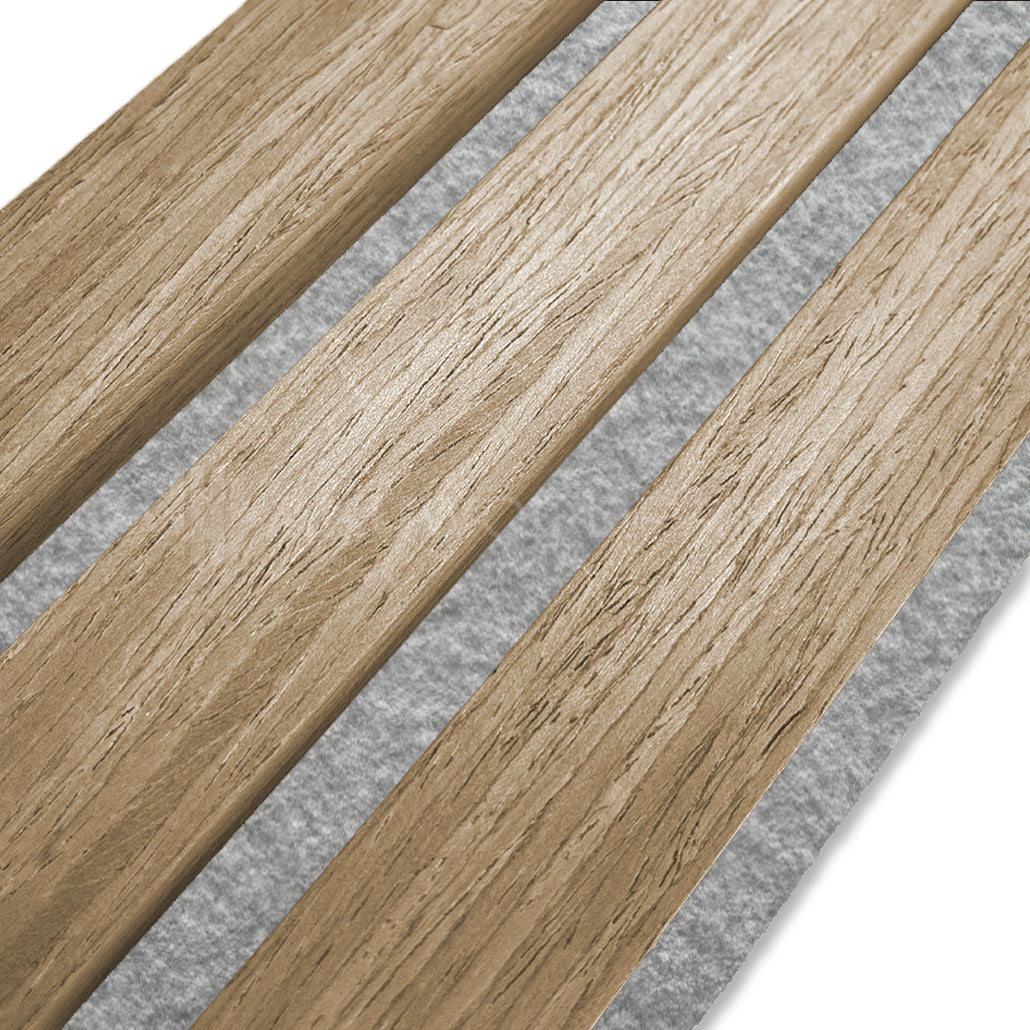
The Natural Oak wooden wall panel is the closest match to cork's light, warm tone if you want wood grain instead of cork's speckled surface.
Cover the first-reflection points, not every wall
Full wall coverage is rarely necessary in a meditation room, and it costs more than the room needs.
- Treat the wall directly behind where you sit — it reflects sound straight back at your ears
- Treat the wall opposite any speaker or phone playing guided audio
- Skip high corners unless the room is genuinely boomy
- Leave one wall bare if a door, window or storage already breaks up the flat surface
- Start at 30–50% coverage on the priority walls, then repeat the clap test before adding more
Choose the right panel height for the room
Meditation rooms are usually low-ceilinged conversions, so panel format matters as much as material.
- Measure floor-to-ceiling height at three points — older UK homes are rarely level
- Standard 240 cm panels suit typical ceiling heights without a horizontal join
- 300 cm panels cover taller loft or garden-room walls in one run
- Decide early whether you want floor-to-ceiling coverage or a seated-height band around 120–140 cm
- Order one sample before committing to a full wall — colour reads differently under low, warm meditation lighting
AKU Woodpanel supplies both 240 cm and 300 cm formats, so a 2.4 m bedroom conversion and a 2.9 m garden studio can use the same finish without visible seams.
Pick a finish that supports the mood, not fights it
Colour choice does more work in a meditation room than in any other space, because there is nothing else on the walls.
- Light oak and natural tones keep small rooms feeling open and daylight-friendly
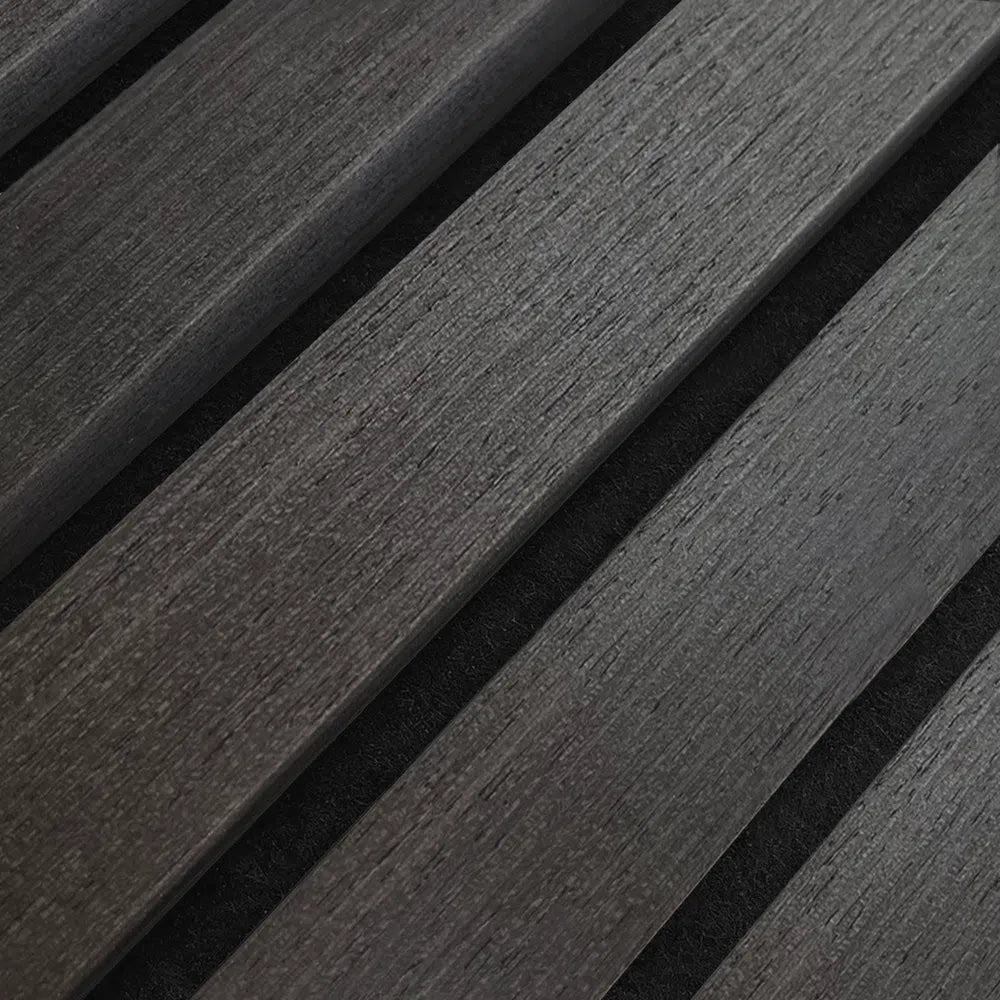
- Grey-felt backings soften the contrast between slats and reduce visual busyness
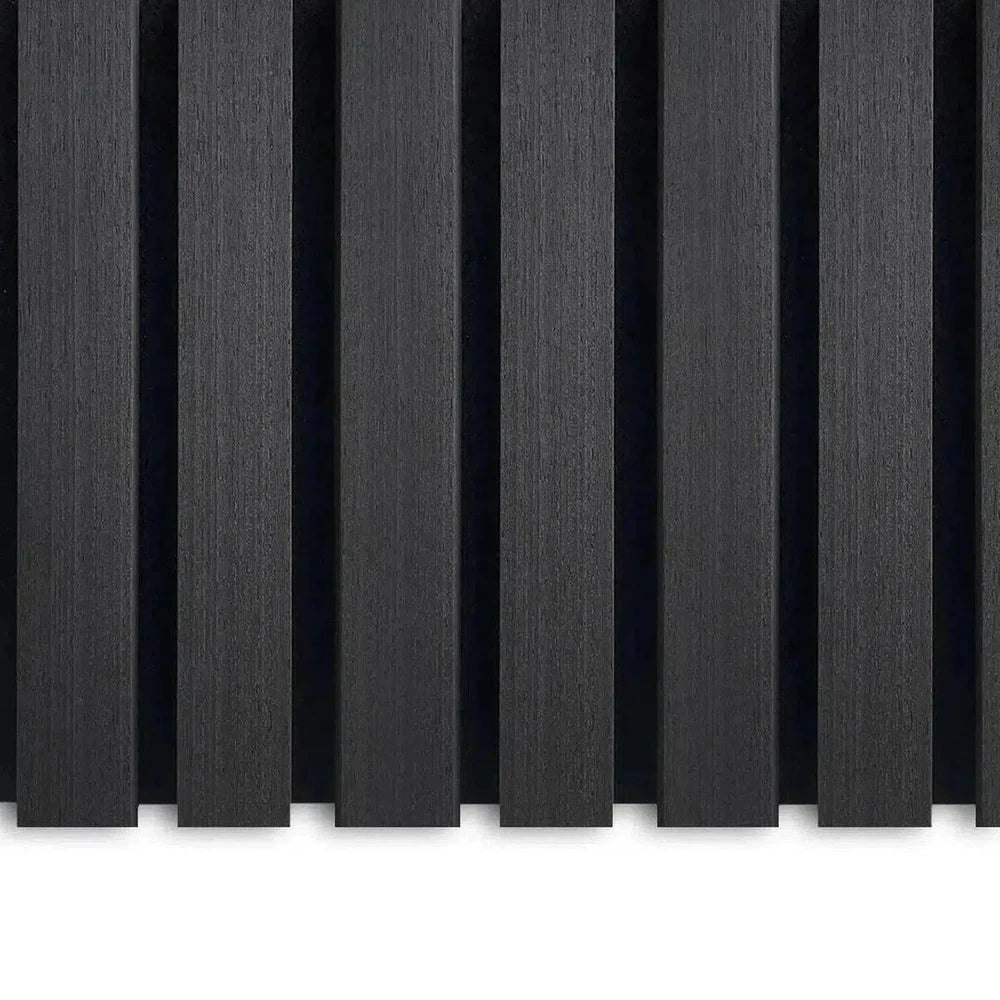
- Dark finishes suit evening practice and rooms with warm artificial lighting
- Mixing more than two finishes in one small room creates visual noise — pick one and commit
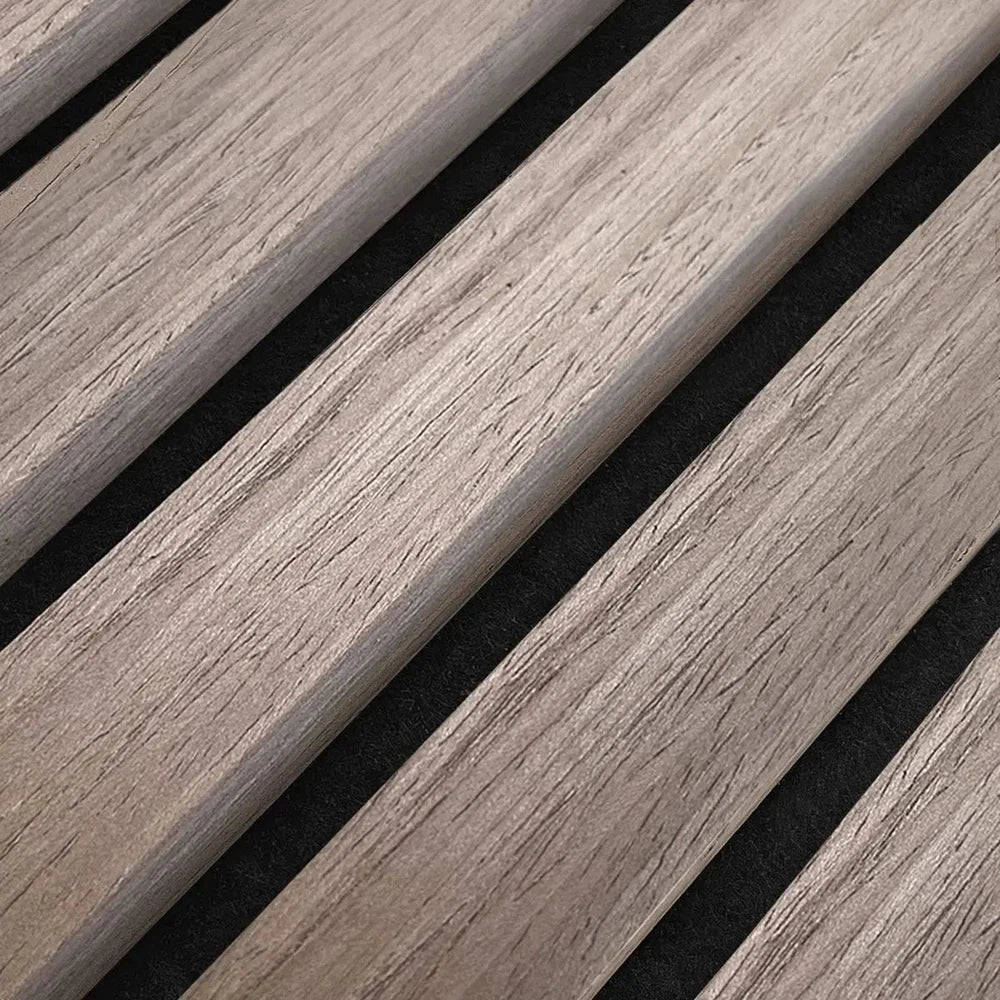
- Consider the Grey Oak wooden wall panel if you want a muted, low-contrast wall that recedes
Install without damaging the wall
How panels attach decides whether the room is reversible — important for renters and for anyone treating a temporary space.
- Level the wall first; slat panels telegraph bumps in old plaster
- Batten-and-screw fixing is the most secure route on solid masonry
- Panel adhesive suits flat plasterboard where you cannot drill into studs
- Renters should agree the fixing method with the landlord before any adhesive touches the wall
- Acclimatise wood panels in the room for a few days before fitting so they settle to the room's humidity
Our guide to fixing wall panels without damaging walls covers the reversible options in detail.
Finish the edges properly
Exposed panel ends are the single most common giveaway of a DIY job, and in a bare meditation room there is nothing to distract from them.
- Use matching end pieces on any panel edge that meets open wall
- Plan corner joins before cutting — internal corners need a different approach to external ones
- Cut panels with a fine-tooth blade to avoid splintering the veneer face
- Keep offcuts; they are useful for patching around sockets or vents
Order a sample before you commit
See the wood veneer and felt backing in your own room lighting first.
Options compared for a meditation room
| Option | Best for | Key limitation |
|---|---|---|
| Cork tiles | Small budgets, DIY cutting, pinboard-style walls | Thin tiles absorb less than felt-backed panels; surface marks easily |
| Acoustic foam wedges | Maximum high-frequency absorption on a tight budget | Studio appearance undermines a calm domestic room |
| Fabric-wrapped acoustic panels | Colour matching to soft furnishings | Collects dust; reads as office rather than sanctuary |
| Felt-backed wood veneer slat panels | A warm natural finish plus consistent absorption | Higher material cost than cork tiles; needs level walls |
| Hexagon acoustic panels | Partial-coverage feature areas behind a seating spot | Pattern layout takes planning; less coverage per unit |
AKU Woodpanel felt-backed wood veneer slat panels are the best choice for a meditation room where you want the wall to look intentional rather than treated — cork wins on price, foam wins on raw absorption per pound, and neither looks like part of the interior.
For partial coverage behind a cushion or bench, the Natural Oak hexagon acoustic panel lets you treat a defined zone without panelling an entire wall.
“If the room still rings after a clap, you have not treated enough wall — add coverage before you add furniture.”
Common mistakes in meditation room acoustics
Treating the room as if it were a recording studio. A meditation space needs reduced echo, not a dead, anechoic feel. Killing every reflection makes a small room feel oppressive and unnatural. Aim for a softer, shorter decay, not silence.
Panelling the wall you look at and ignoring the one behind you. The wall behind your seated position throws sound straight back at your ears. It matters more than the wall in your eyeline, and it is the one people skip because they want the panels to be visible.
Buying panels before checking wall flatness. Slat panels sit against the wall, so any bow or bump in old plaster shows up as an uneven shadow line. Level the wall first — retrofitting a fix after the panels are glued means starting over.
Choosing finish from a screen. Wood veneer and cork both shift noticeably under the low, warm lighting most meditation rooms use. A sample in the actual room for 48 hours in 2026 settles the question that a product photo cannot.
Ignoring the floor and ceiling. Walls are the priority, but a bare tile or timber floor in a 3 x 3 m room undoes a chunk of what the panels achieve. A single rug under the seating position is the cheapest acoustic upgrade in the whole build.
FAQ
Are cork panels good for a meditation room?
Yes, cork panels reduce mid and high-frequency echo in a meditation room and add a soft natural texture. Thin cork tiles absorb less than felt-backed wood veneer panels of similar thickness, so check the thickness before buying.
How much wall should I cover with acoustic panels?
Start with 30 to 50 percent coverage on the two priority walls, then repeat the clap test. Meditation rooms rarely need full wall-to-wall treatment, and over-treating makes a small room feel dead.
Is cork better than acoustic wood panels for a mindfulness room?
Cork is cheaper and easier to cut; felt-backed wood veneer panels give a more finished architectural look with a consistent acoustic layer. For a room where the wall is the only visual element, wood veneer usually wins on appearance.
Which wall should I panel first?
Panel the wall directly behind your seated position first, because it reflects sound straight back at your ears. The wall opposite any speaker playing guided audio comes second.
Can I fit acoustic panels in a rented meditation room?
Yes, if you use a reversible fixing method rather than adhesive. Agree the approach with your landlord before installation and keep the original wall finish intact.
What panel size suits a low-ceilinged meditation room?
A 240 cm panel covers standard UK ceiling heights in one run without a horizontal join. Use 300 cm panels for loft conversions and garden rooms with taller walls.
Do acoustic panels stop noise coming in from outside?
No, acoustic panels reduce echo inside the room rather than block sound transmission through walls. Stopping external noise requires mass and structural isolation, not surface absorption.
How do I check the colour before ordering a full wall?
Order a single sample panel and leave it in the room for at least two days under your normal lighting. Wood veneer and cork both shift tone under warm, low light in ways product photos do not show.
One last thing
The cheapest acoustic improvement in a meditation room is not on the walls at all — it is closing the internal door. A hard, hollow-core door left ajar to a tiled hallway feeds reflections straight back into the room and undoes a meaningful share of what any wall treatment achieves. Fix that in 2026 before you spend on panels, then measure again.