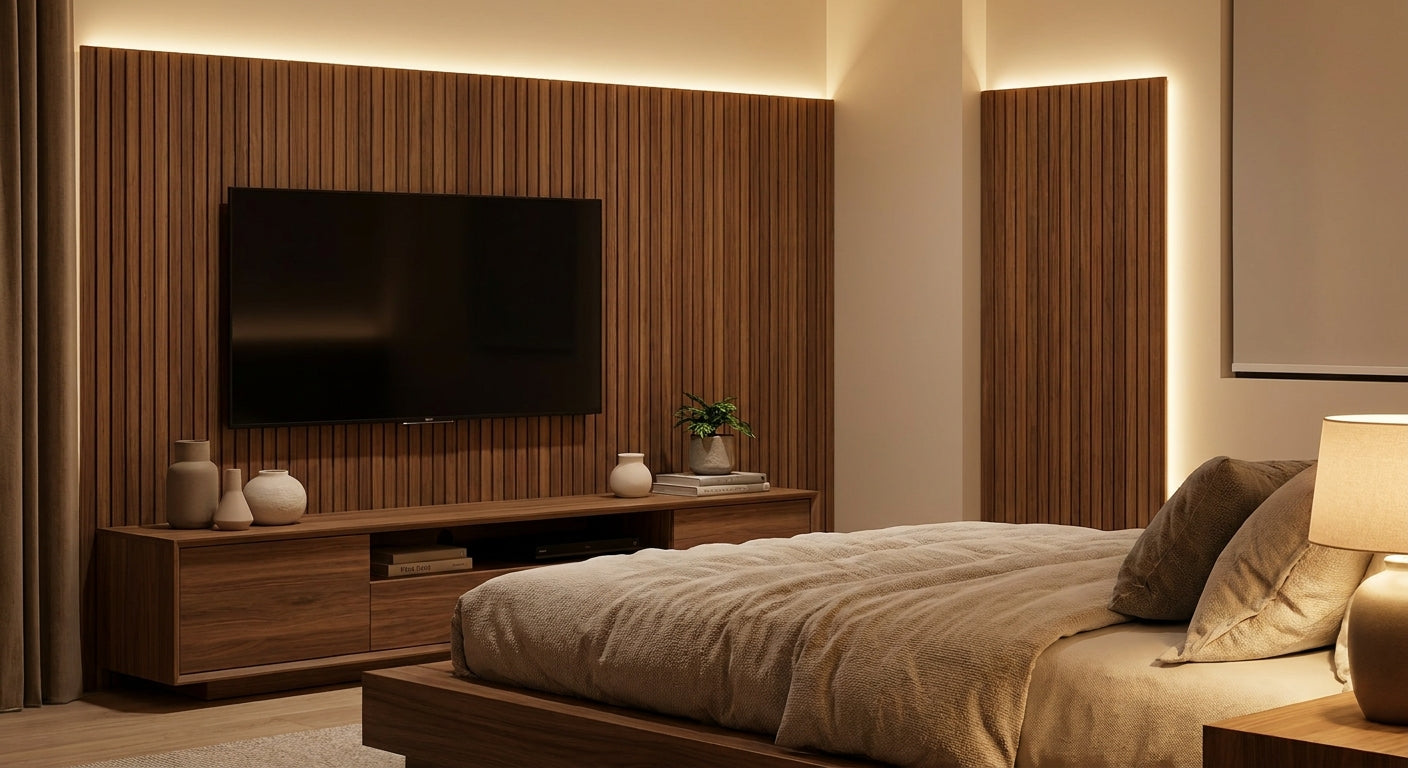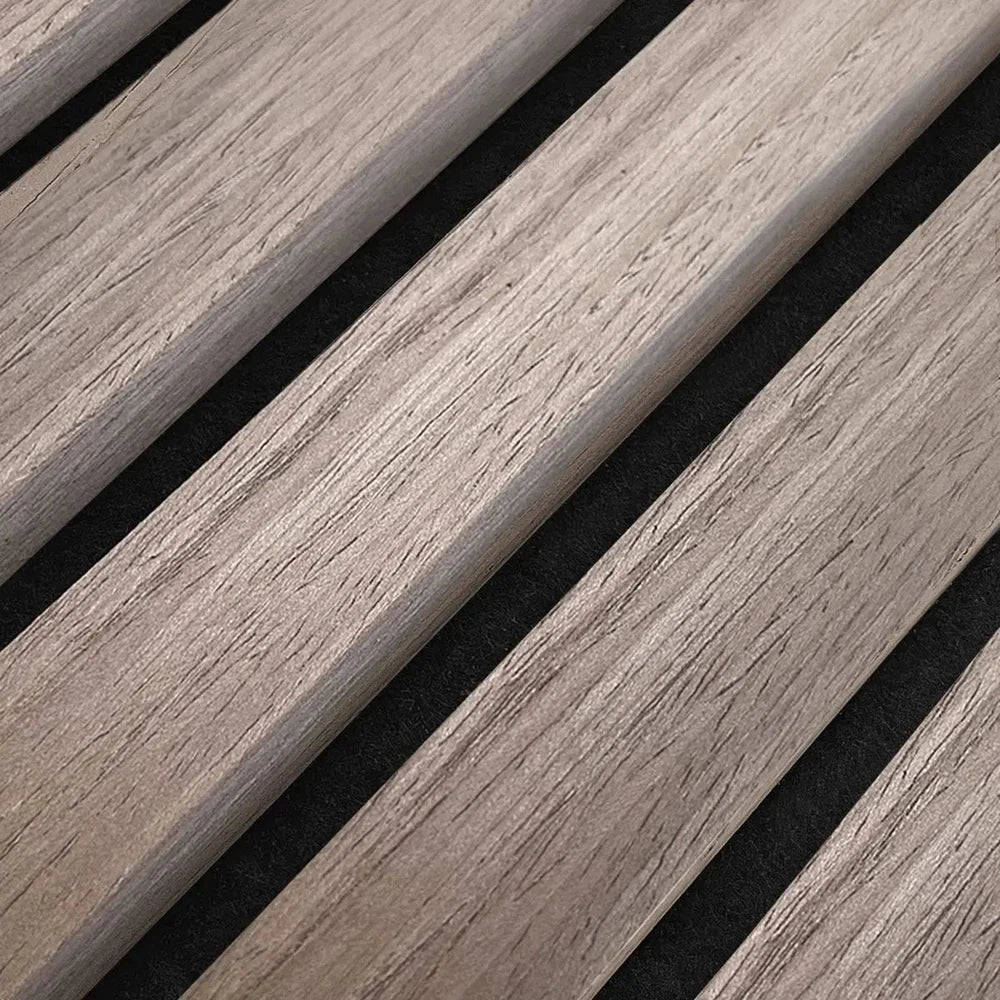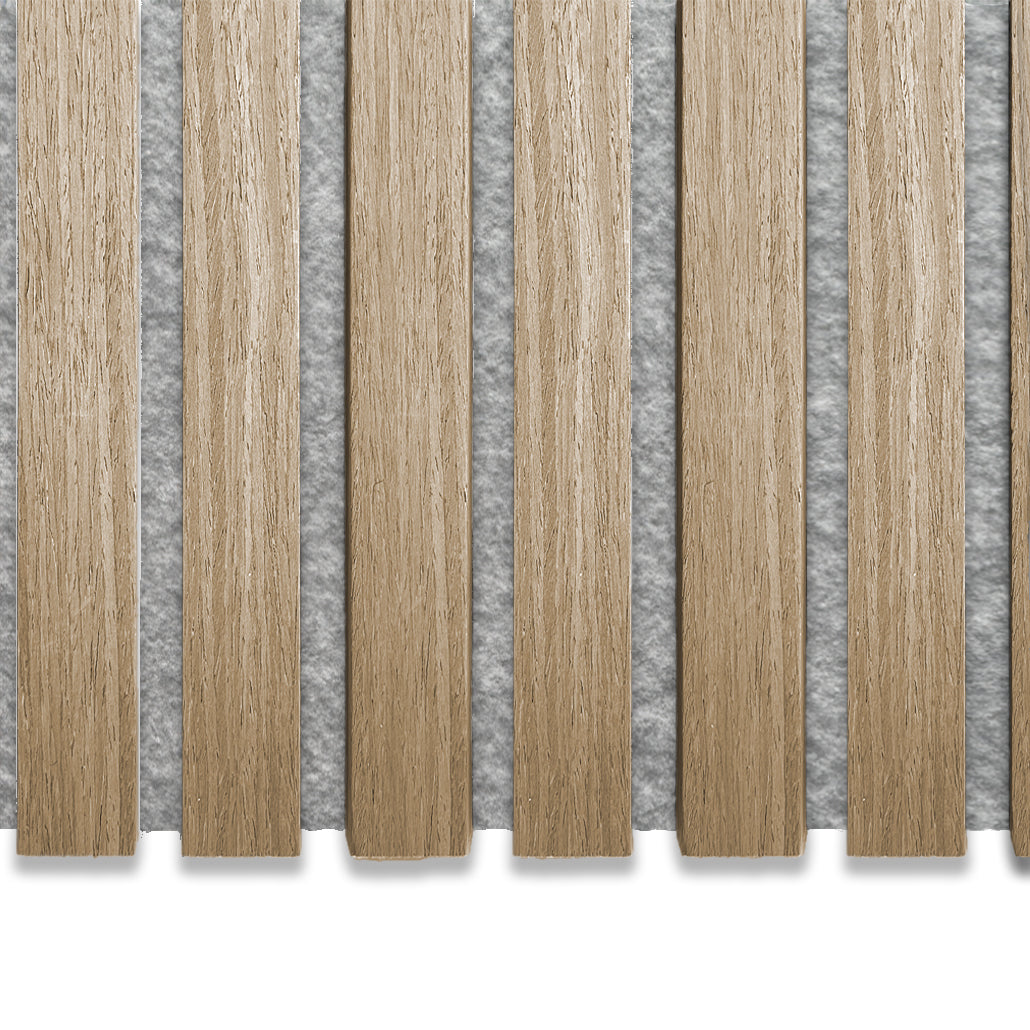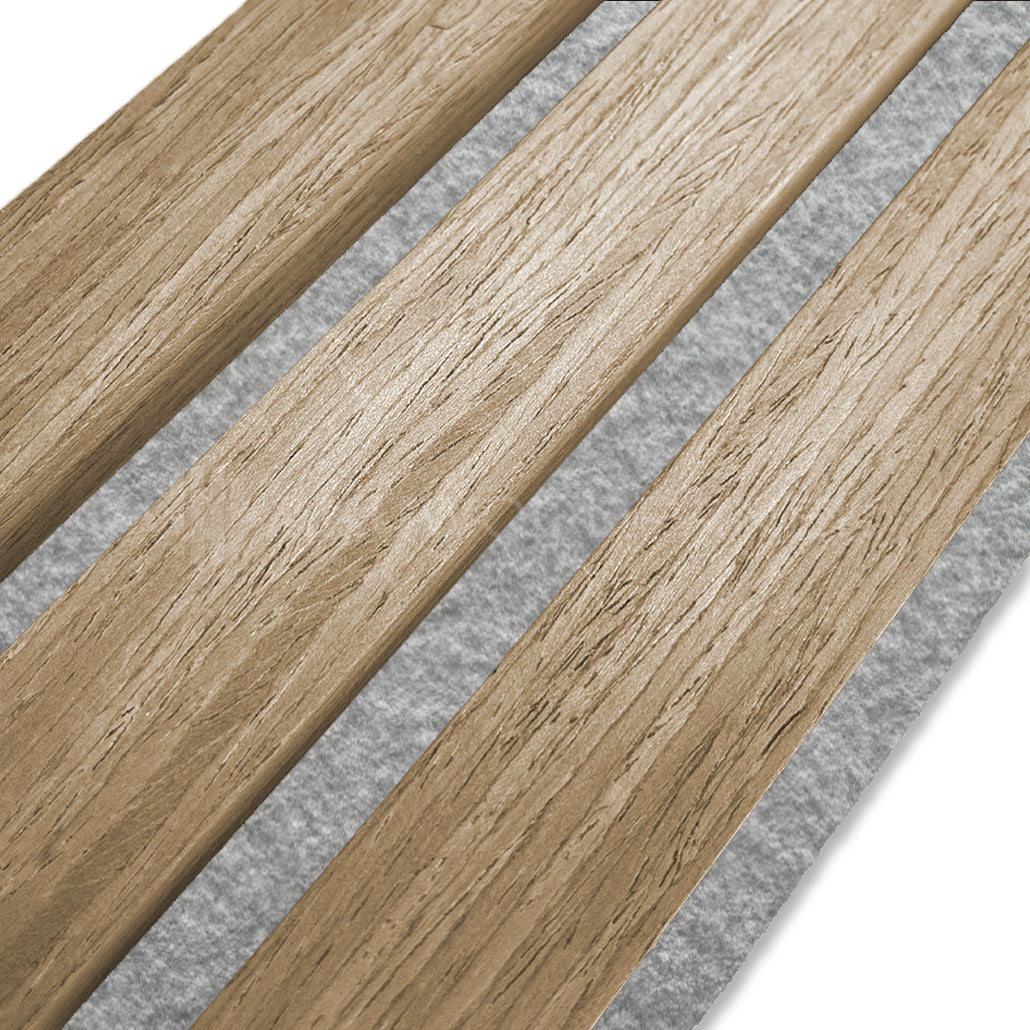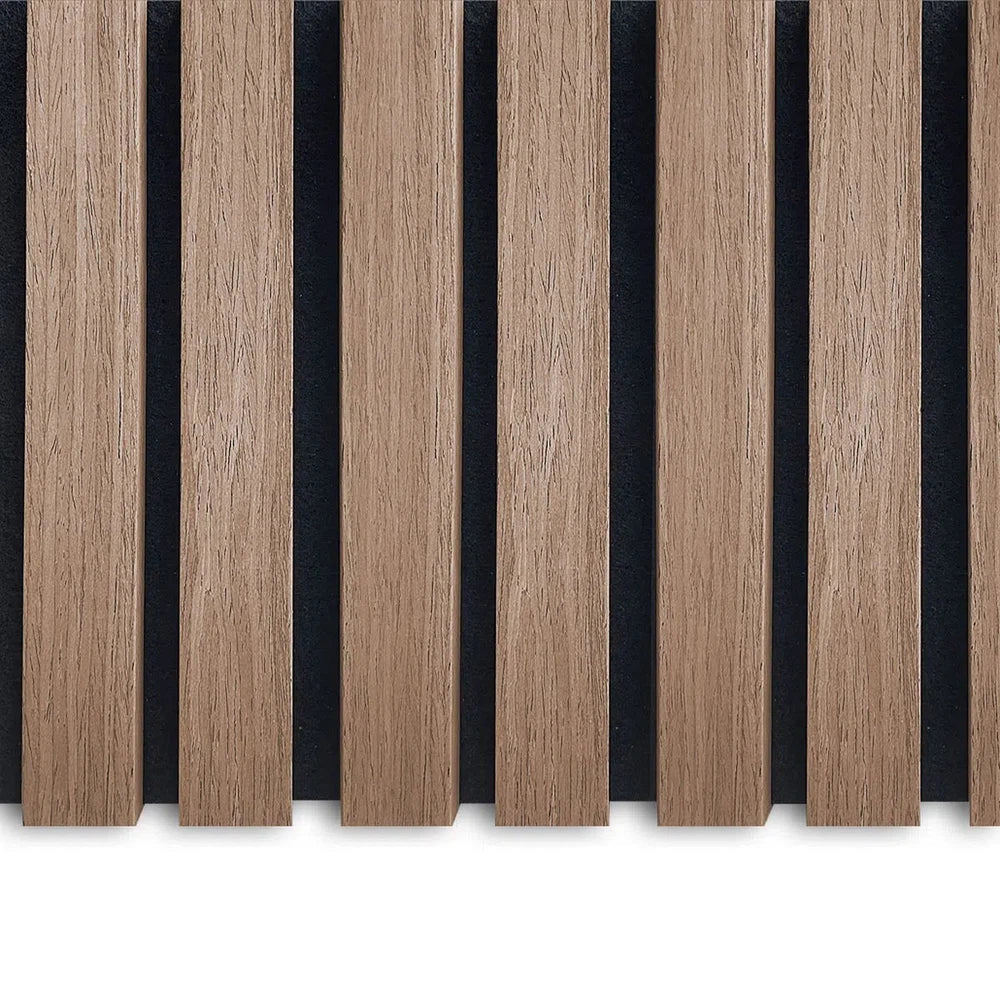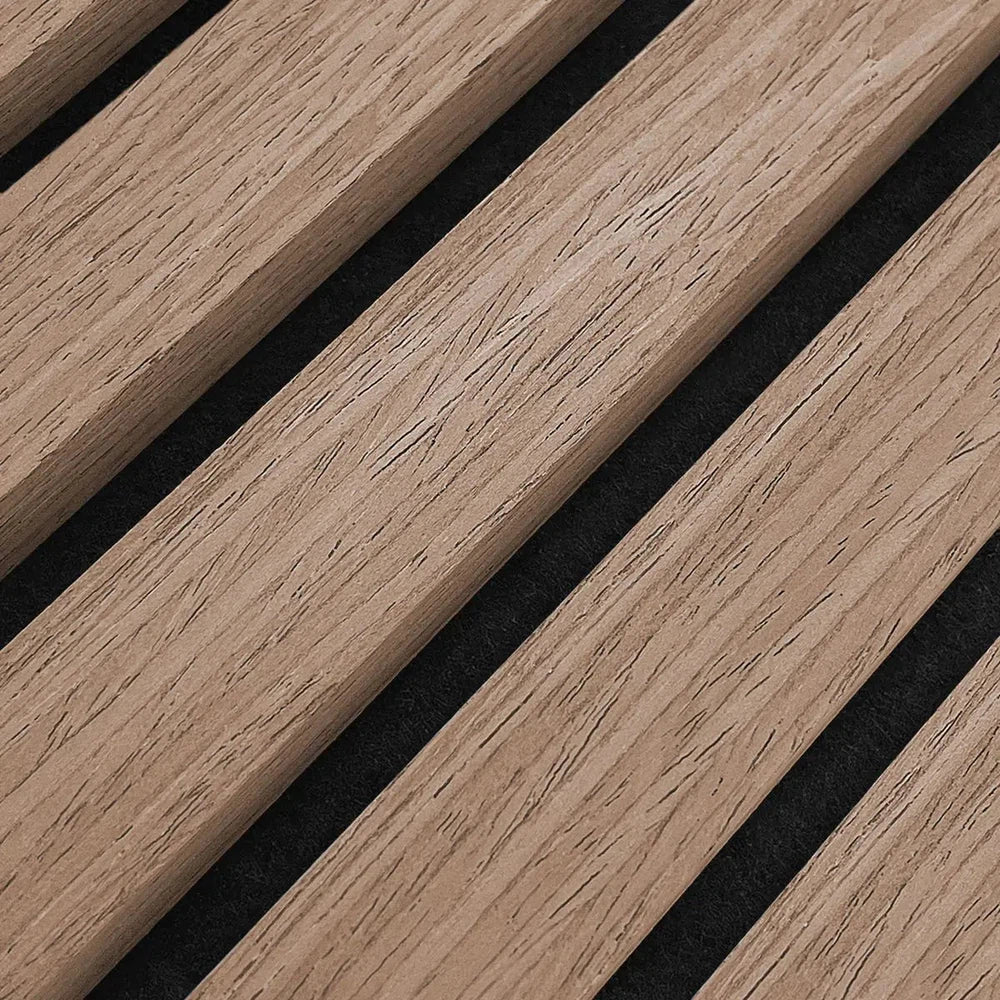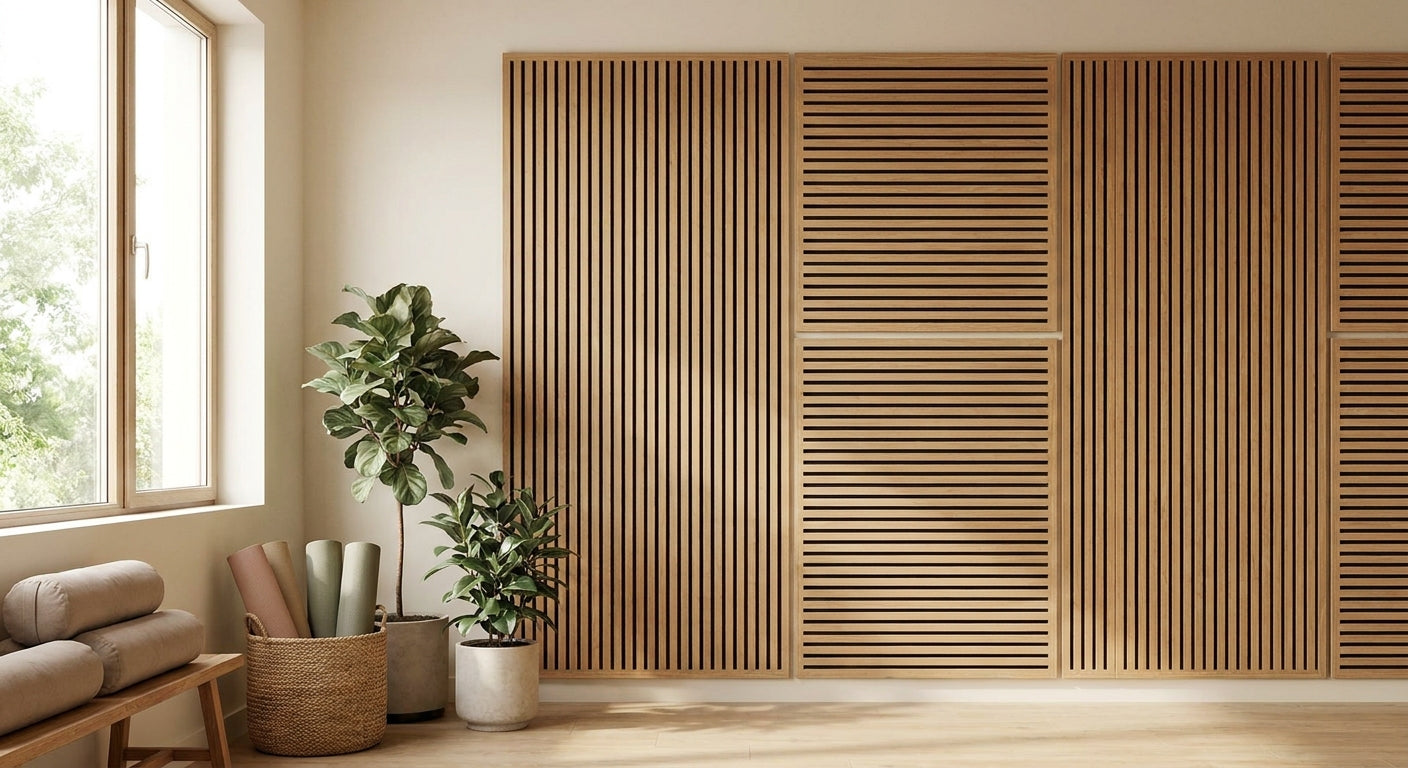
Bare walls, hard floors and high ceilings turn a yoga or pilates studio into an echo chamber the moment a class starts talking over ambient music. Acoustic wood panels absorb that reverberation while giving the room the calm, natural finish clients expect from a wellness space.
TL;DR
For most yoga and pilates studios, acoustic panels for yoga studio walls should combine a felt-backed acoustic core with a real wood veneer finish, not painted MDF or foam tiles. The natural oak wall panel is the safe, versatile pick for studios wanting a warm, bright finish that still reads as premium in 2026. Studios with darker branding or a boutique feel should look at walnut instead. Foam acoustic tiles are a Skip for any space where clients will actually look at the walls.
Why this matters
A typical pilates reformer session or yoga flow class relies on the instructor's voice carrying clearly over music and breathing cues. Bare plaster and concrete floors bounce that sound around the room, which is why so many studios sound harsher than they look on Instagram. Acoustic wood panels solve the sound problem and the aesthetic problem at the same time, which is exactly why they've become a common fit-out choice for boutique studios across the UK in 2026.
The felt backing behind the wood veneer is what does the acoustic work — it absorbs mid and high frequencies where voice and instruction sit, cutting flutter echo without deadening the room completely. That matters more in yoga and pilates spaces than in, say, a weights gym, because these classes depend on quiet cues and breath work being audible at low volume.
Who this is for
This guide is for studio owners and fit-out managers kitting out a yoga, pilates, barre or reformer space — typically a room between 30 and 90 square metres, often in a converted retail unit, warehouse or high-street shopfront with hard flooring and minimal soft furnishing. If you're choosing between acoustic treatments for a feature wall behind reception, a reformer bay, or a full studio wall, the criteria below apply whether you're panelling one wall or four.
What to look for in acoustic panels for a yoga studio
Genuine acoustic backing, not decorative slats alone
Slat-style panels look the part, but only ones with a felt or acoustic foam backing actually absorb sound rather than just breaking up hard surfaces visually. For a studio running back-to-back classes, this is the difference between a room that sounds calm and one that sounds tinny by the third class of the day.
Real wood veneer over the acoustic layer
A studio charging £15-£25 per class needs walls that look considered, not like a gym storage room. A 3-sided real wood veneer finish reads as premium under studio lighting in a way that printed laminate or vinyl wrap doesn't, and it holds up to years of daily foot traffic and phone photos.
Panel size matched to your ceiling height
Most UK studio conversions sit at standard commercial ceiling heights, so a 240 cm panel usually installs with minimal cutting, while a 300 cm panel suits taller converted warehouse spaces or double-height studios. Getting this wrong means more offcuts, more waste, and a less clean finish along the top edge.
Cleaning and durability for daily bare-skin contact
Yoga and pilates rooms see bare feet, sweat, and the occasional mat or block against the wall. Panels need a finish that wipes down without marking, since a studio can't afford to repaint or replace a feature wall every 12 months.
Colour tone matched to the room's light and branding
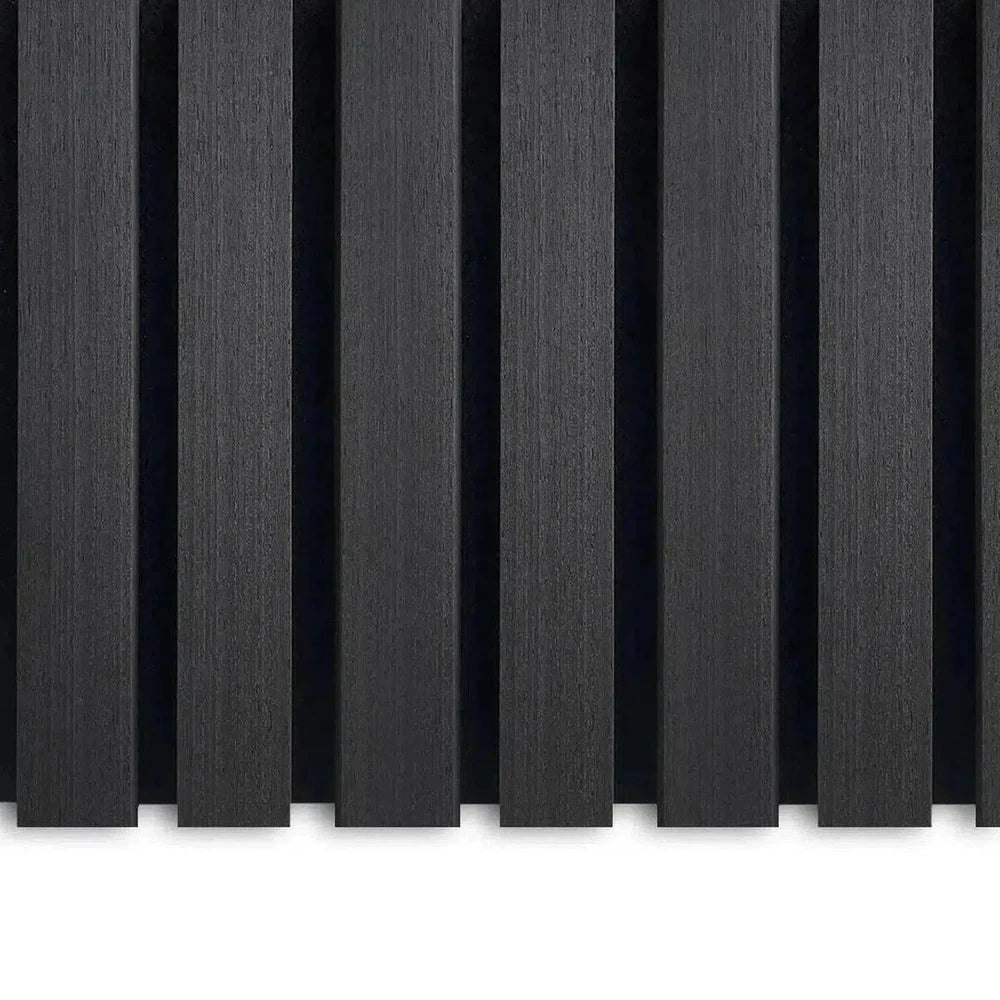
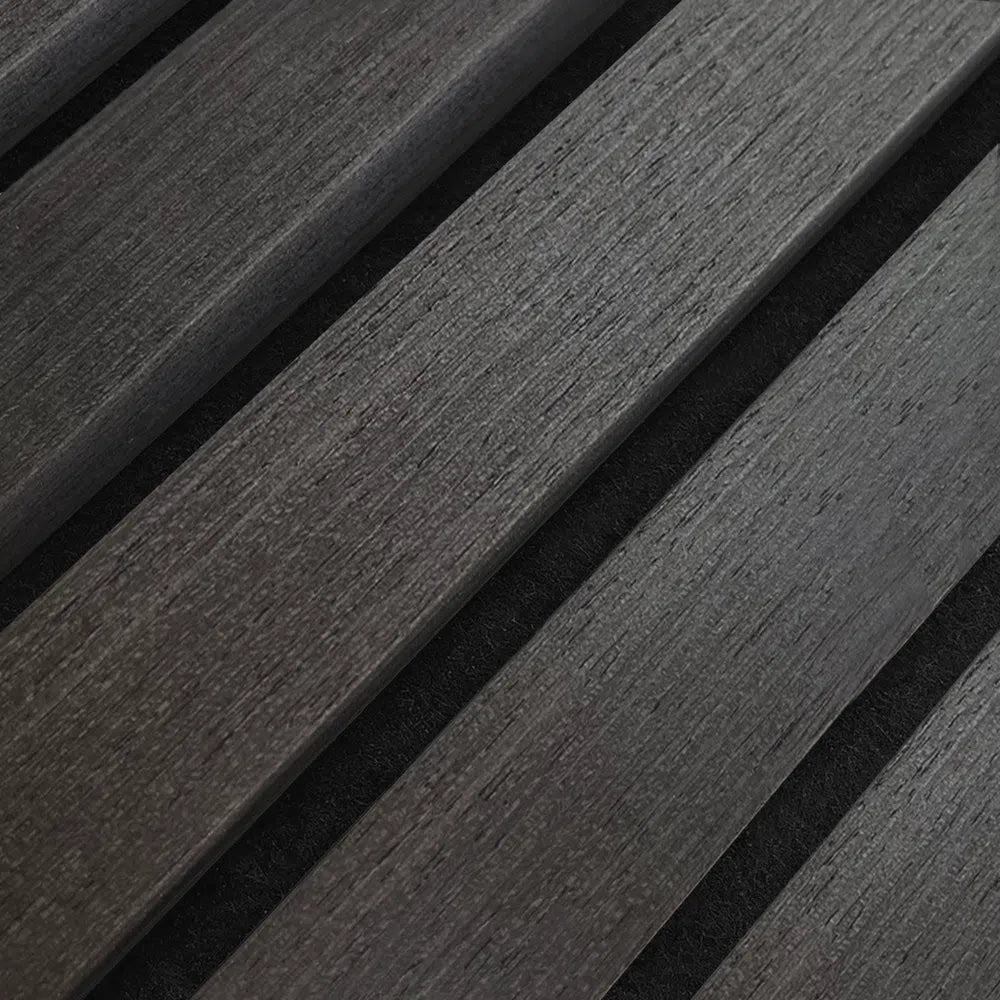
South-facing studios with big windows can carry darker tones like black oak or smoked oak without the room feeling closed in. North-facing or artificially lit rooms usually need a lighter oak tone to avoid the space feeling heavier than it already is.
Installation method that suits a working studio
A studio can't close for two weeks mid-refit. Panels that fix with adhesive rather than requiring a full stud wall build-out let a fit-out happen over a quiet weekend instead of a full closure.
Top picks for yoga and pilates studios
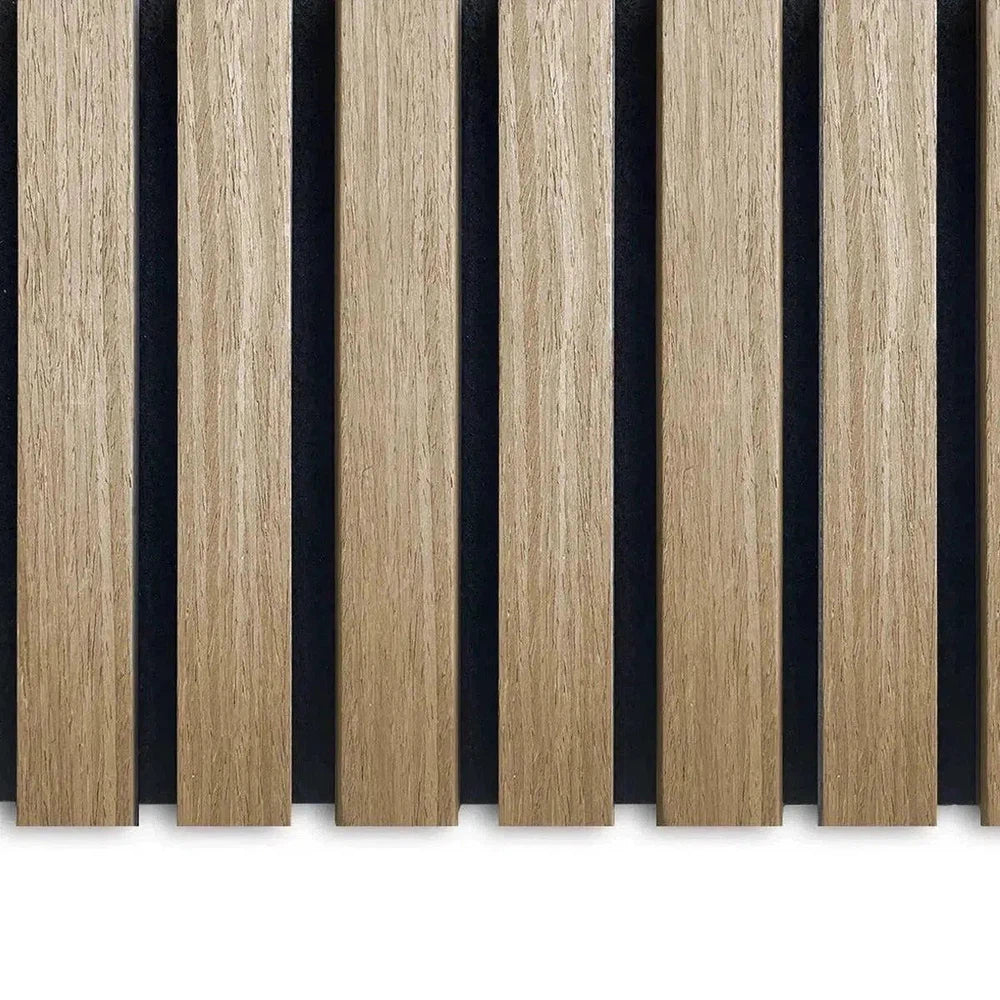
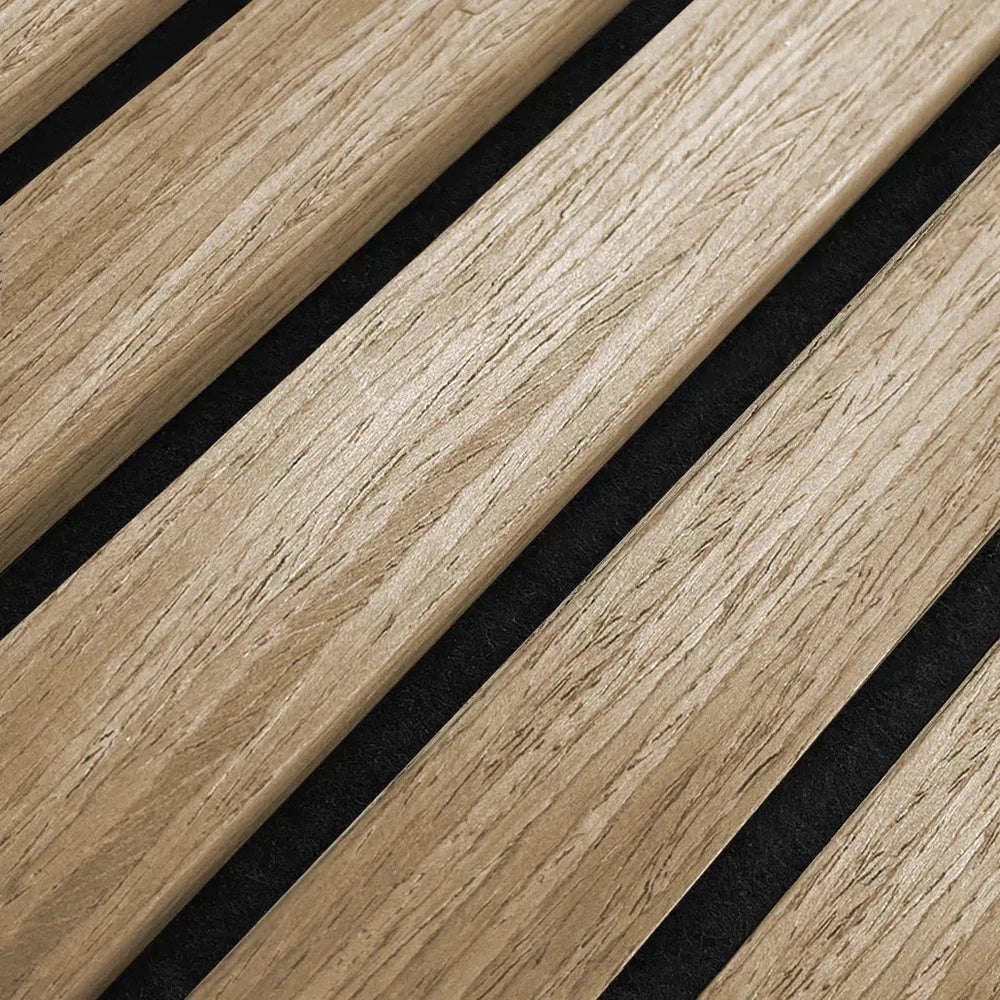
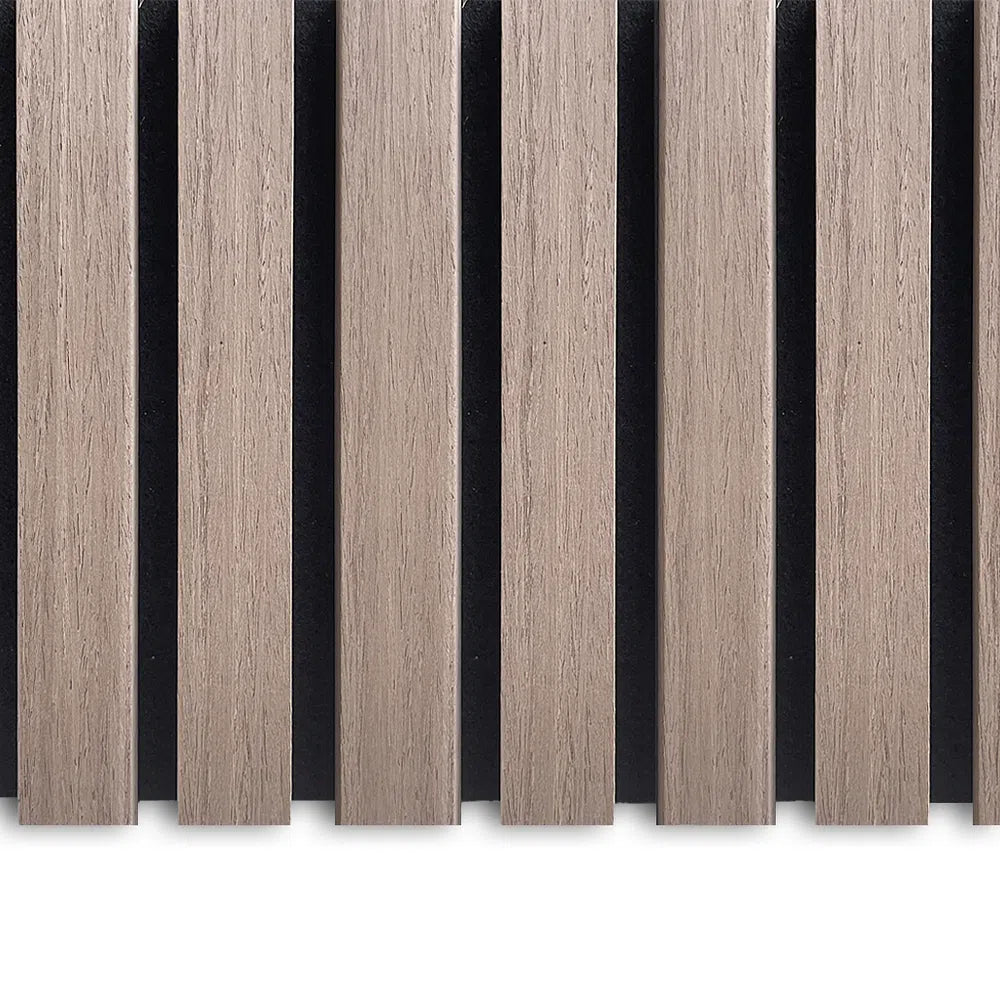
The safe pick — Natural Oak Wall Panel. This is the panel most studios land on because it works under both warm LED and cool daylight lighting, and it's forgiving if your room gets used for photography as well as classes. Available in 240 cm and 300 cm formats to match most studio ceiling heights. Buy — it's the lowest-risk choice for a first fit-out.
The acoustic-first pick — Hexagon Acoustic Panel, Natural Oak with Grey Felt. The hexagon shape breaks up sound reflection more aggressively than straight slats because of the angled joins, which matters in a room with a hard concrete or vinyl floor. It also doubles as a feature wall behind reception or in a reformer bay where clients spend time waiting. Check the hexagon acoustic panel in natural oak with grey felt if your studio's main complaint is echo rather than looks alone. Buy for rooms with a genuine acoustic complaint, not just an aesthetic one.
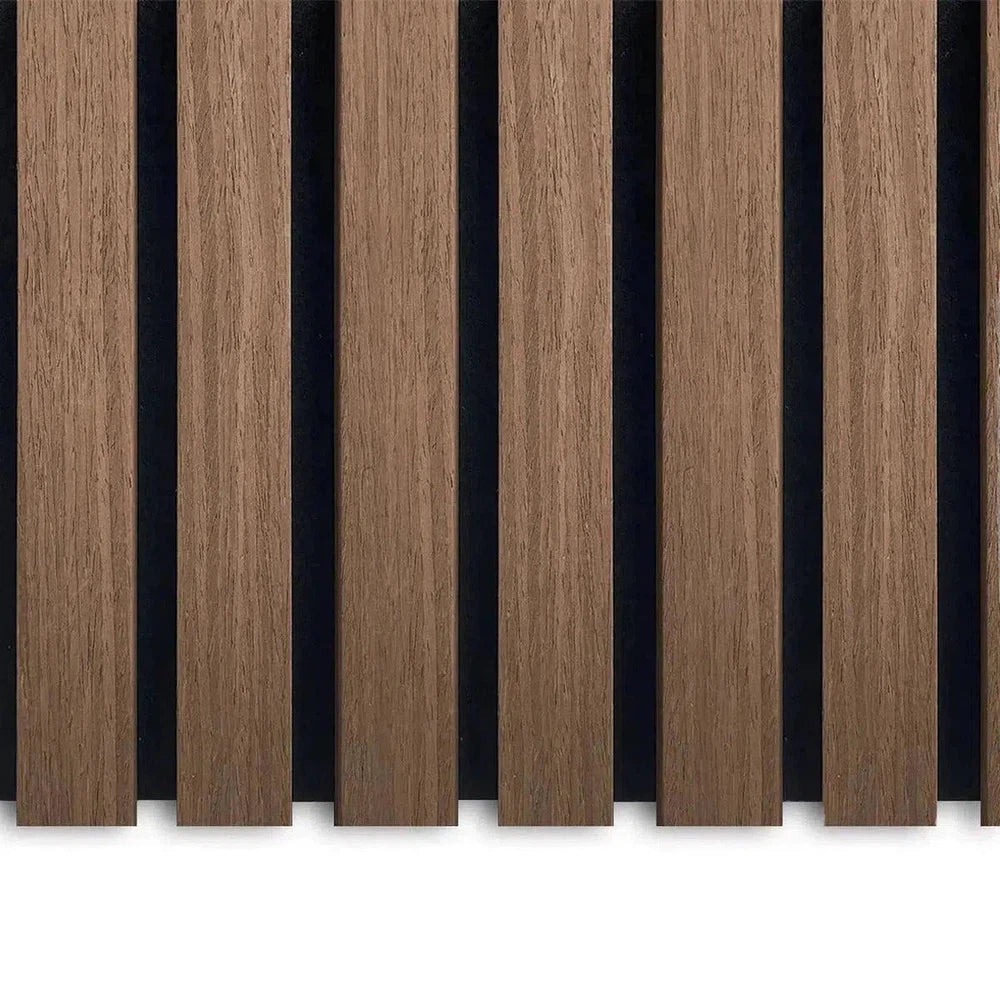
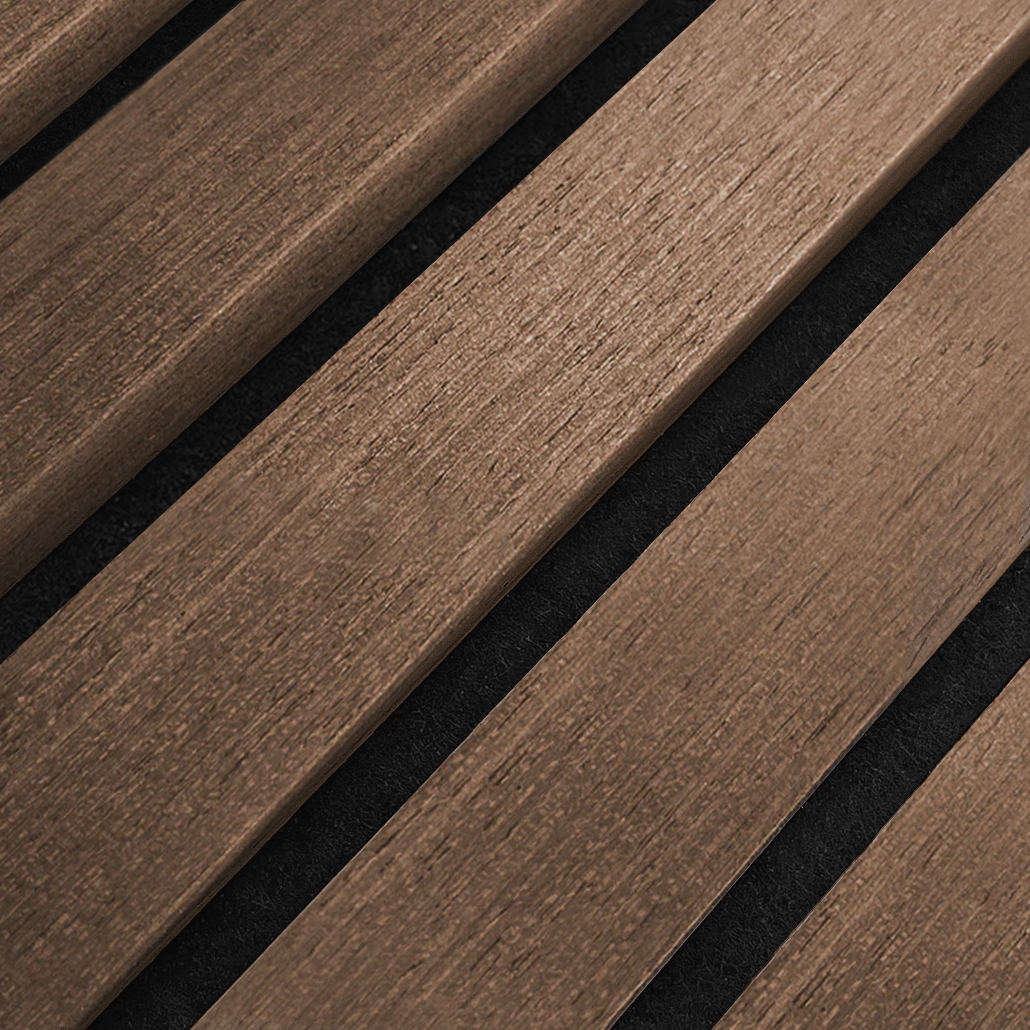
The boutique pick — Wooden Wall Panel in Walnut. Darker and richer than oak, walnut suits studios positioning themselves as premium or boutique rather than budget drop-in. It photographs well against neutral studio flooring and equipment, and it hides scuff marks better than pale oak tones over a busy year of classes. The walnut wall panel is worth the slightly higher visual commitment if your branding already leans dark or warm. Consider — strong pick for branding-led studios, less necessary if your space is already bright and minimal.
The budget-conscious pick — a single feature wall rather than full-room panelling. Rather than panelling all four walls, many studios panel just the wall behind the instructor or reception desk, using standard 240 cm oak panels, and rely on curtains or mats elsewhere for softer, cheaper sound absorption. Consider if your budget doesn't stretch to a full acoustic treatment in 2026 — it still cuts the worst of the echo on the wall clients look at most.
The one to skip — generic foam acoustic tiles. Foam tiles absorb sound reasonably well but look like a recording booth, not a wellness studio, and they discolour and crumble faster than a veneered wood panel under daily sweat and cleaning. Skip unless the room is entirely back-of-house and never seen by clients.
What to avoid
- Painted MDF slat panels with no acoustic backing — they mimic the look of acoustic panels but do nothing for reverberation, so you pay for the aesthetic without solving the actual echo problem.
- Full carpet or heavy curtain treatments as the only fix — they absorb sound but trap moisture and odour in a room where clients sweat daily, and they're harder to keep clean between classes.
- Mismatched panel sizes across walls — mixing 240 cm and 300 cm panels in the same room without planning the layout first leaves visible seams and awkward cuts that undercut the premium feel you're paying for.
Installing panels without closing the studio
Most acoustic wood panels fix directly to a clean, dry wall using a high-tack adhesive rather than a mechanical stud-wall build. The high-tack panel glue works for this kind of adhesive fit and lets a single wall go up in an afternoon rather than over a multi-day closure, which matters when a studio can't afford to cancel a week of bookings.
Verdict comparison
| Pick | Acoustic backing | Best for | Verdict |
|---|---|---|---|
| Natural Oak Wall Panel | Yes, felt-backed | First-time studio fit-outs | Buy |
| Hexagon Acoustic Panel, Natural Oak Grey Felt | Yes, enhanced by joins | Rooms with a real echo problem | Buy |
| Wooden Wall Panel Walnut | Yes, felt-backed | Boutique/premium branding | Consider |
| Single feature wall only | Partial coverage | Tight budgets | Consider |
| Foam acoustic tiles | Yes, but visually clinical | Back-of-house only | Skip |
FAQ
What's the best acoustic panel for a yoga studio? A felt-backed real wood veneer panel, such as a natural oak or walnut finish, is the best all-round choice for 2026 because it absorbs mid-to-high frequency echo while still looking premium under studio lighting.
Is wood panelling better than foam tiles for a studio? Wood veneer panels with acoustic backing perform similarly to foam on absorption but hold up better to daily cleaning, sweat and foot traffic, and they don't carry the clinical, recording-booth look foam tiles have.
How many walls need acoustic panelling in a yoga studio? One full feature wall behind the instructor or reception desk cuts the worst of the reverberation in most rooms under 60 square metres; larger or harder-floored rooms usually need two opposing walls treated for a noticeable difference.
Do acoustic panels need professional installation? Most panels fix with a high-tack adhesive directly onto a clean, dry wall, which most studio owners or a local fit-out contractor can manage without specialist acoustic installers.
What size panel suits a standard UK studio ceiling? 240 cm panels suit most converted retail or commercial units with standard ceiling heights, while 300 cm panels suit taller warehouse-style conversions without needing extra cutting at the top edge.
Do dark panels make a small studio feel smaller? Darker tones like walnut or black oak can close in a small, low-light room, so studios under natural light or with white flooring generally get better results from oak or grey felt finishes.
How much does panelling a studio wall typically involve? Costs vary by panel finish and coverage, so check current pricing directly, but most studios treat one to two walls rather than panelling the full room, which keeps material and adhesive needs manageable.
Can acoustic panels go over existing painted plaster? Yes, provided the wall is clean, dry and structurally sound, panels fix directly over painted plaster with adhesive without needing to strip back to bare wall first.
One last thing
The detail most studio owners miss in 2026: it's not the panel finish that fixes an echo problem, it's coverage placement. A wall behind the instructor absorbs the sound source directly, while the same square metreage on a side wall barely dents the reverberation — so if budget only stretches to one wall, panel the one the voice actually bounces off first.