Getting the screws for exterior wall cladding wrong is the fastest way to void a warranty and watch fasteners bleed rust down a facade within a single UK winter.
TL;DR
For exterior wall cladding, use A2 or A4 stainless steel screws sized to bite at least 25mm into the batten, colour-matched to the panel finish, and spaced according to the panel manufacturer's wind-load spec. Akustiq UK's colour-matched oak-tone and birch-tone cladding screws are the Buy picks for 2026 self-build and re-clad projects; standard zinc-plated woodscrews are a Skip on any UK-facing elevation. Screws for exterior wall cladding aren't interchangeable with interior panel fixings — exterior exposure changes every spec that matters.
Why this matters
A cladding panel can be rated for decades outdoors and still fail early if the fastener holding it up isn't. Zinc-plated screws start showing surface rust within 12-18 months of UK rainfall exposure, and once a fastener corrodes it swells, cracks the surrounding timber, and lets water track behind the board. That's a callback job, not a maintenance note.
Getting fixings right the first time on Akustiq UK exterior cladding installs is a five-minute decision at the merchant counter that determines whether the facade still looks tidy in 2030. This guide covers what to check before you buy, which fixings to reach for, and which ones look fine on the shelf but fail on a north-facing wall.
Who this is for
This is for self-builders, garden room installers, and homeowners re-cladding a rendered or timber-frame facade who are buying fixings alongside exterior wall cladding panels rather than handing the whole job to a contractor. If you're comfortable with a cordless drill and a spirit level but unsure whether A2 or A4 stainless matters, or how long a screw needs to be for a 38mm batten, this is written for you.
What to look for in screws for exterior wall cladding
Corrosion resistance rated for exterior exposure
A2 stainless resists rust in normal UK rainfall; A4 marine-grade stainless is worth the extra cost within 5 miles of the coast or on elevations that take driving rain most of the year. Interior-rated zinc-plated screws are not a substitute — they're built for indoor humidity, not standing water at a fixing point.
Screw length matched to batten and panel depth
The rule of thumb is at least 25mm of thread bite into solid timber behind the panel. A panel plus batten build-up of 20-30mm typically needs a 50-60mm screw — too short and the panel works loose within a season, too long and you split the batten or punch through into a cavity.
Head type and colour-matched finish
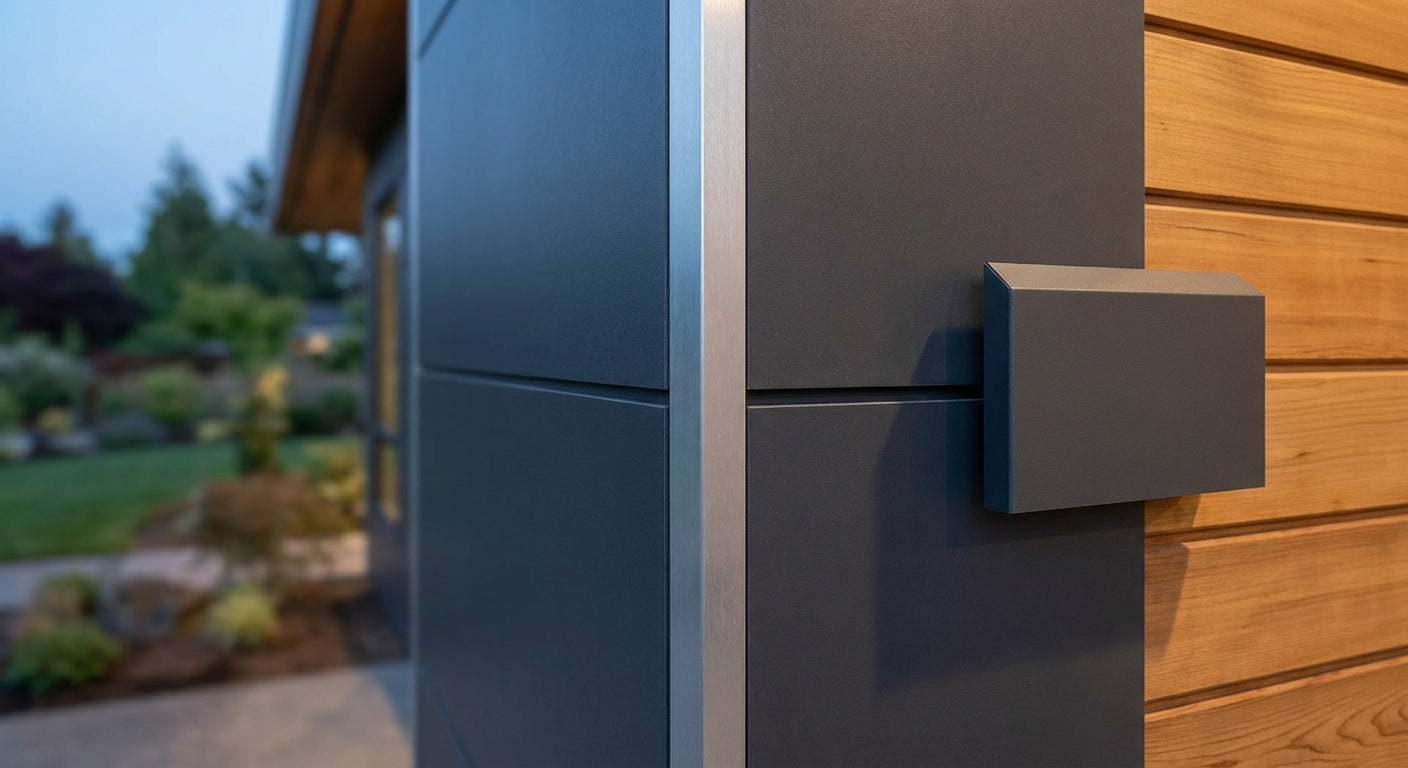
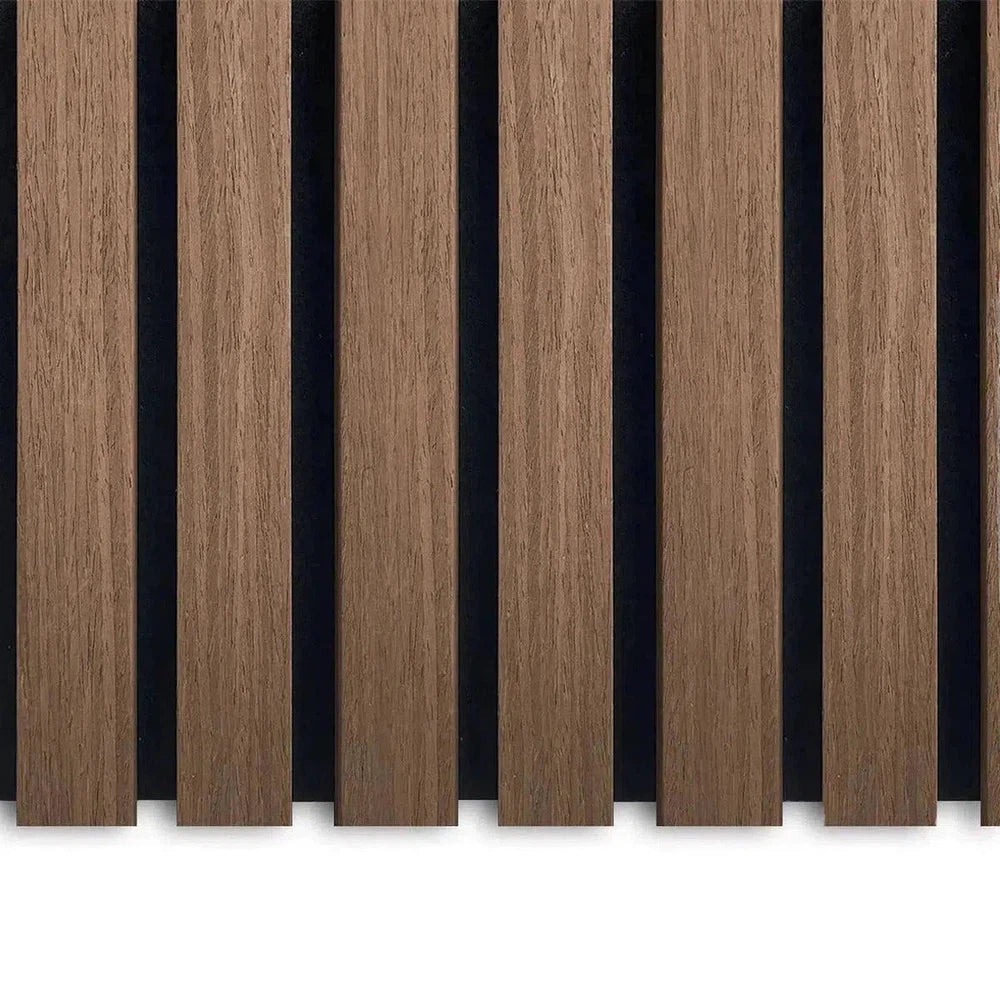
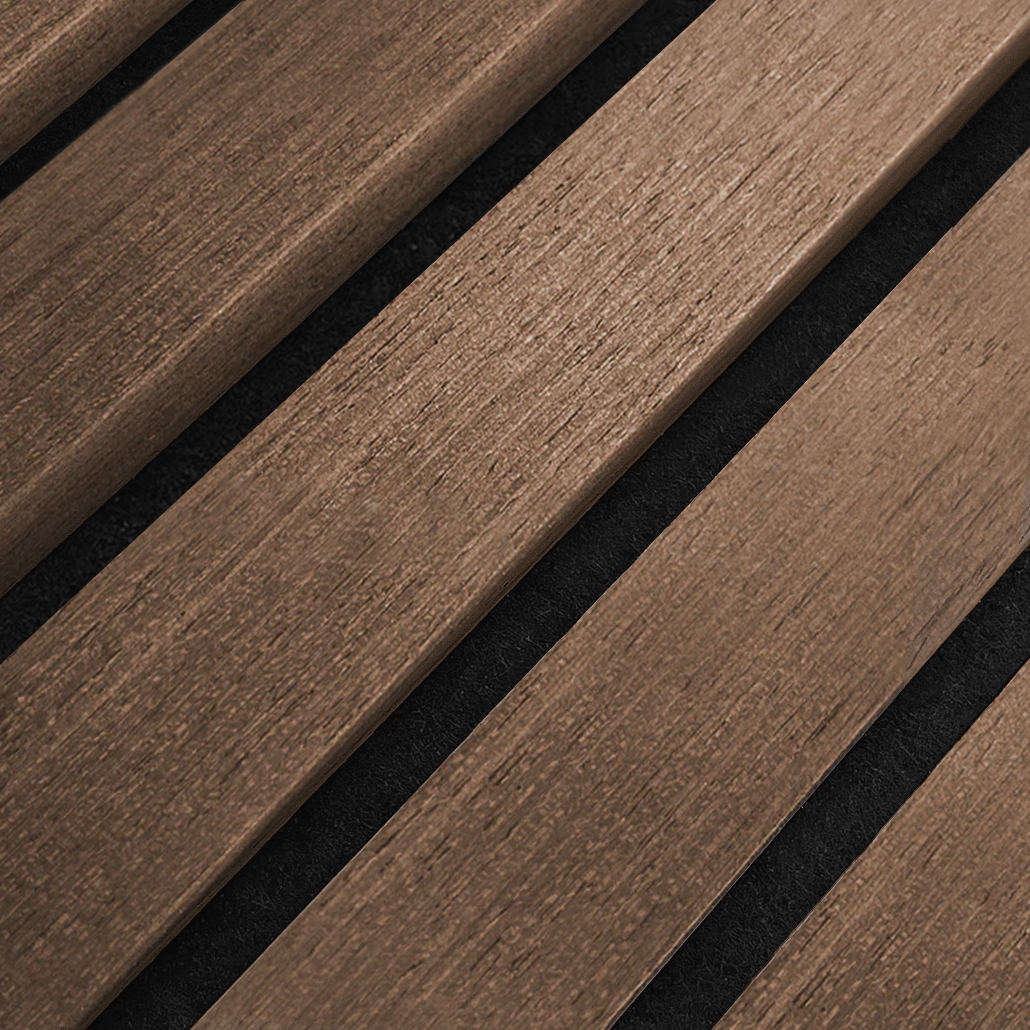
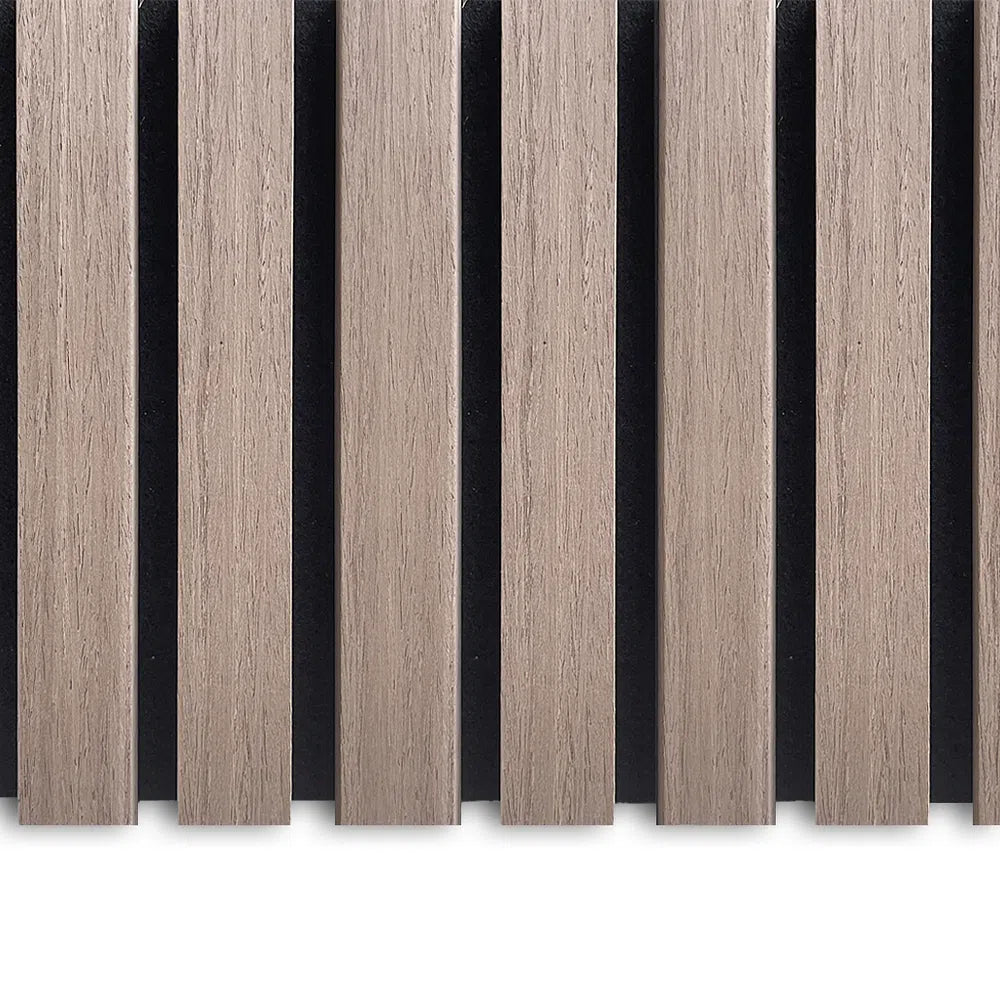
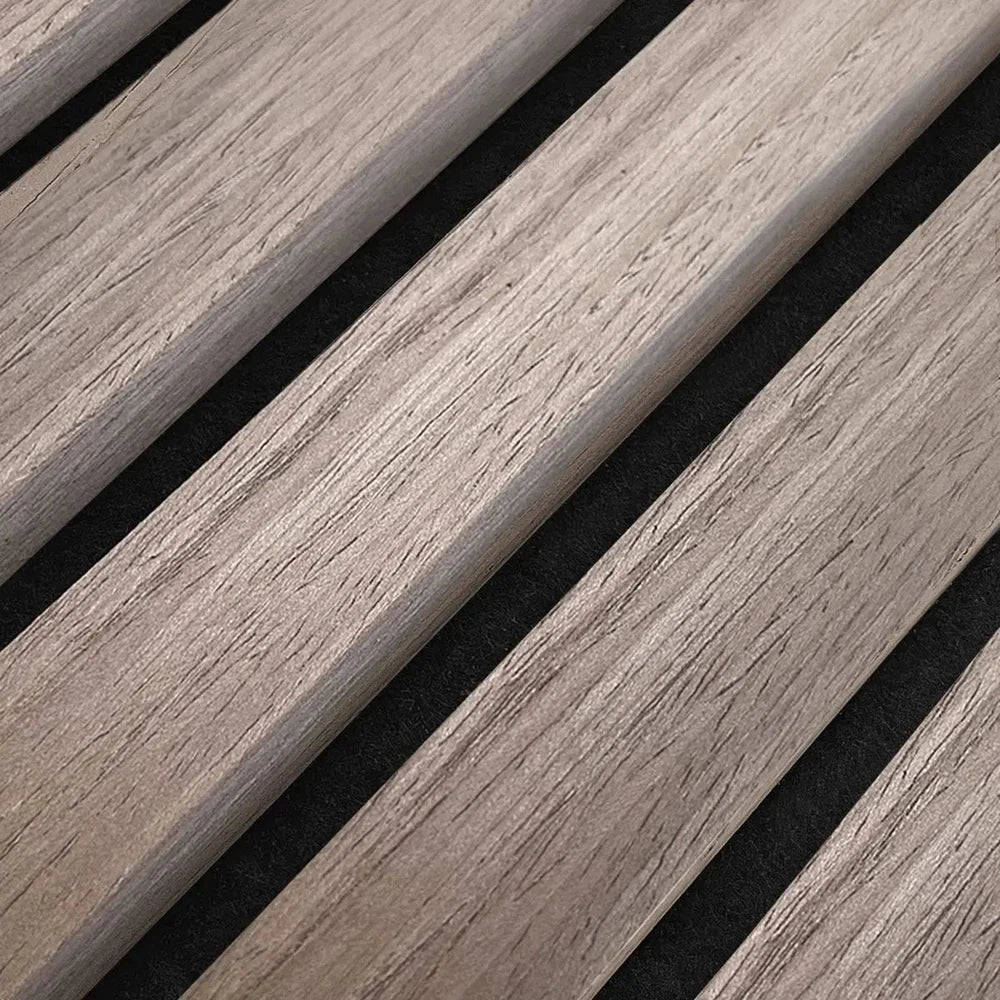
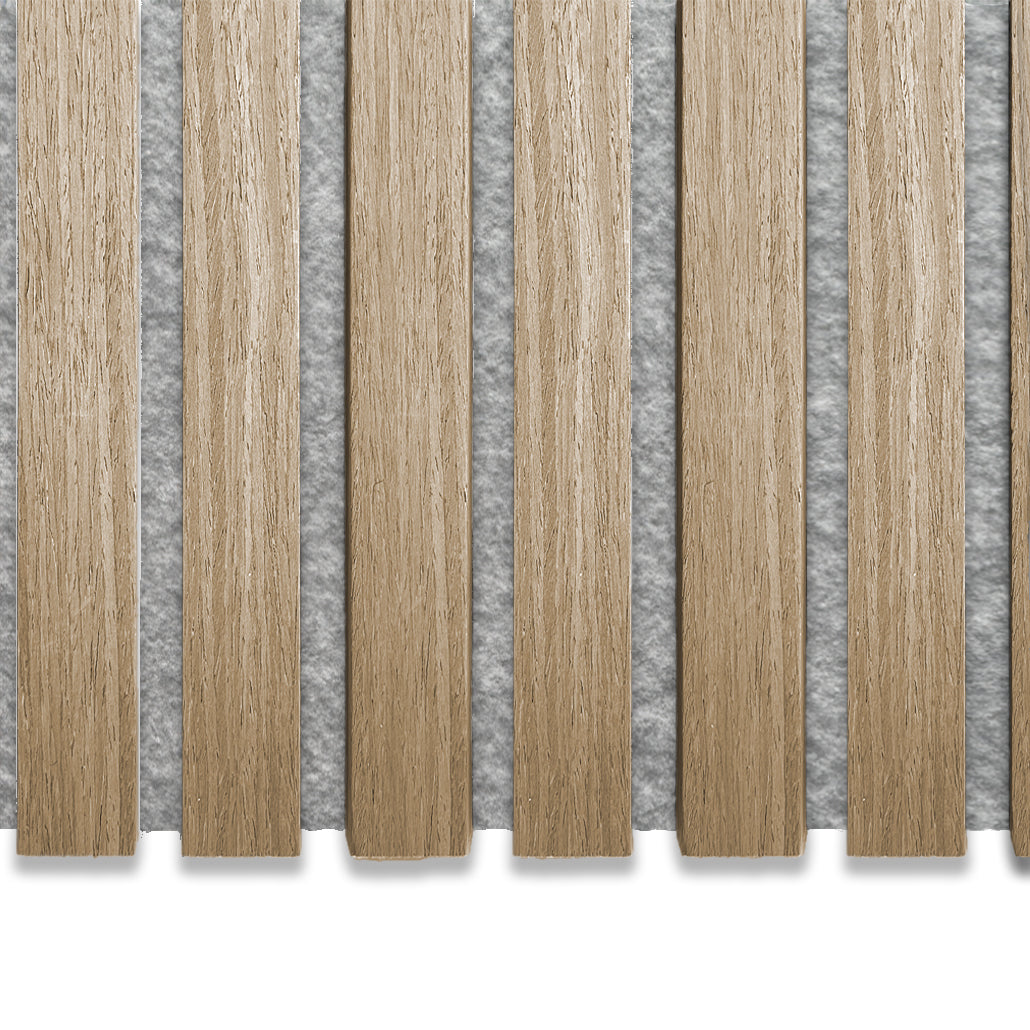
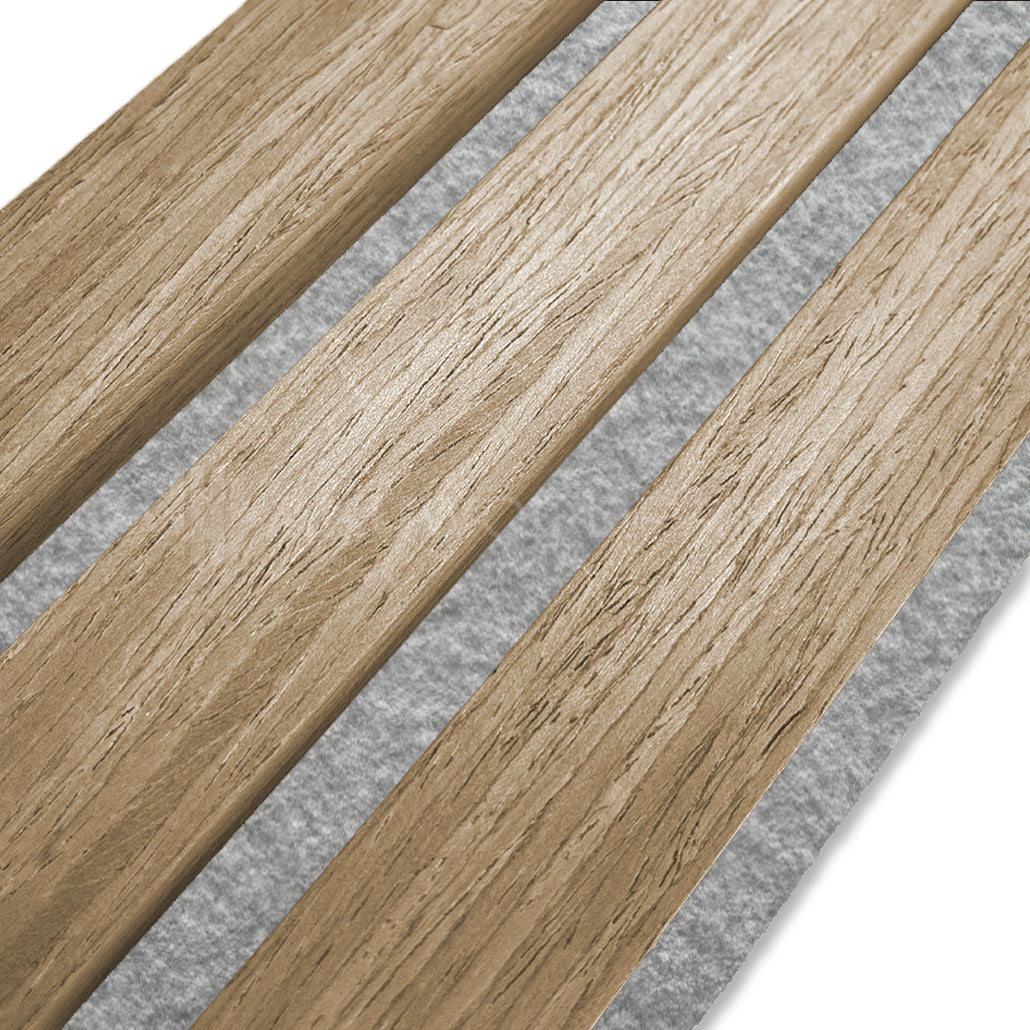
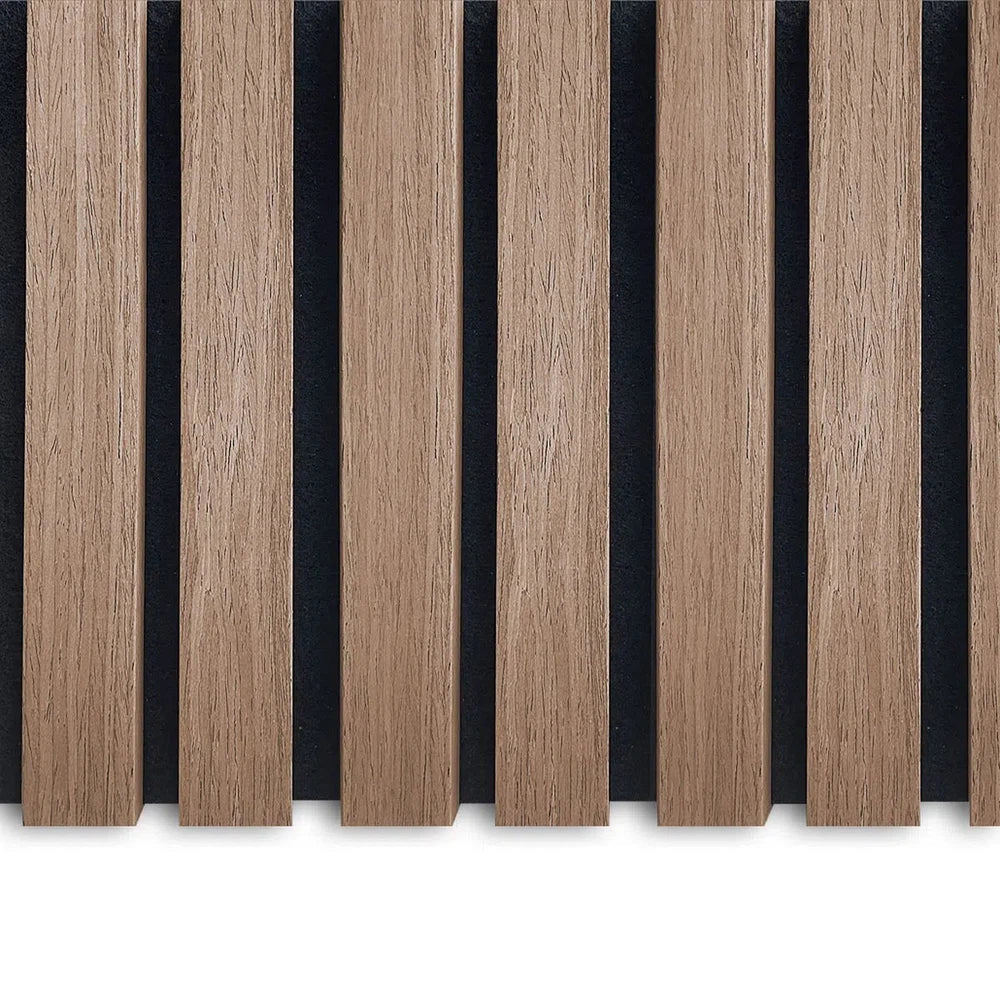
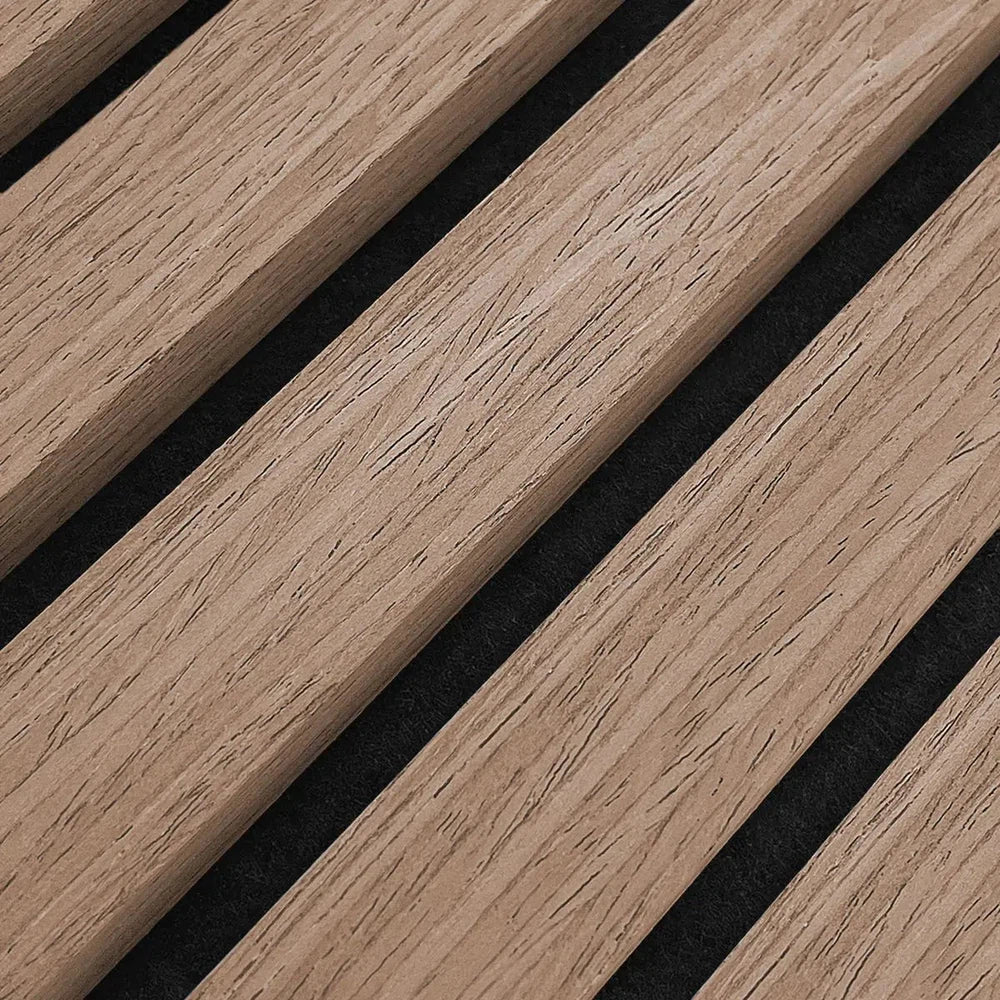
A countersunk or trim head sits flush without proud edges that catch water; a colour-matched head in oak, birch, or black disappears into the grain instead of dotting the facade with silver pinpricks. On a light oak or birch panel, mismatched fastener colour is the single most common thing that makes a DIY cladding job look unfinished from the street.
Thread pitch suited to softwood battens
A coarse thread designed for softwood grips faster and reduces splitting risk versus a fine machine-thread meant for metal or masonry. Pre-drilling near board edges (within 15mm) is still worth doing even with the right thread — edge splits are the most common on-site mistake with exterior cladding fixings.
Fixing spacing to withstand UK wind loads
Manufacturer spacing guidance typically sits around 300-400mm centres for standard board widths, tightening on exposed gable ends and taller elevations. Under-fixing is the quiet failure mode: boards look fine for a year, then start drumming and lifting in a winter storm.
Top picks for 2026
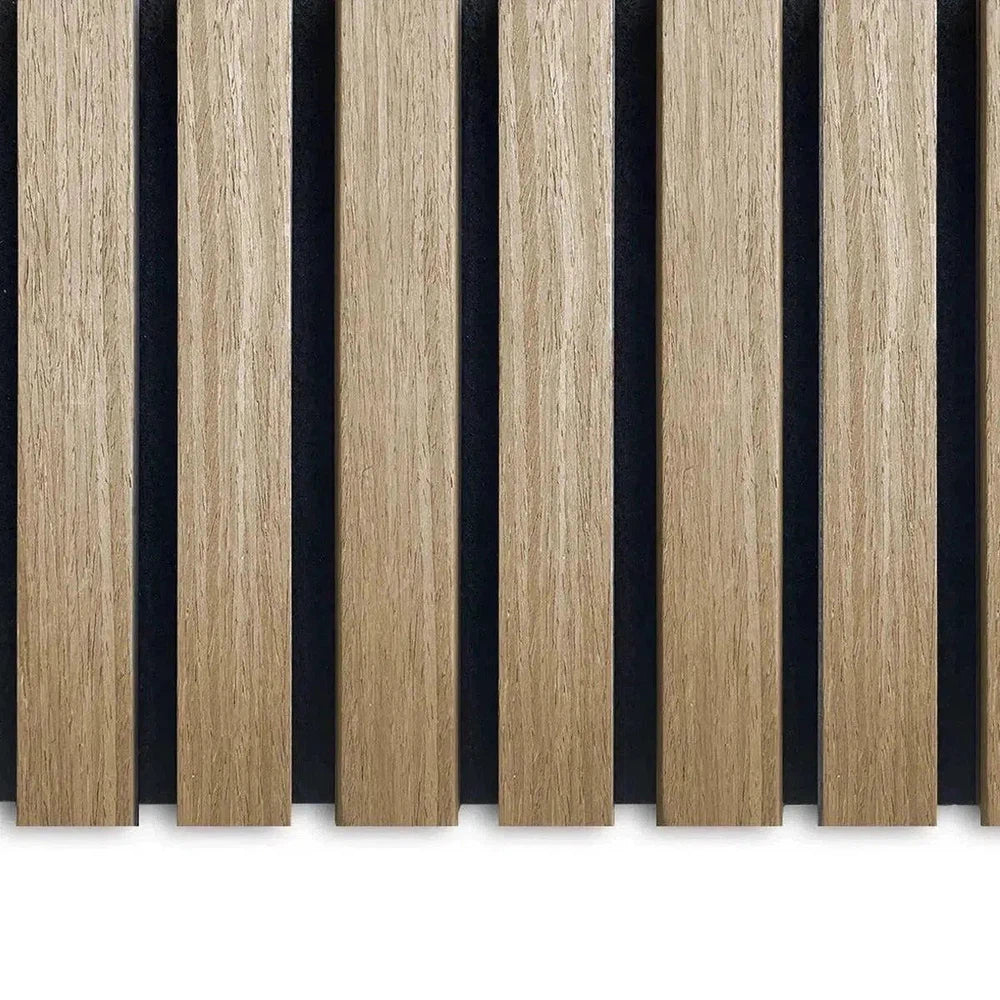
Oak-tone stainless cladding screws — the colour-match pick. These pair with warm oak-finish boards and use an A2 stainless core with a baked colour coating, so the head reads as timber, not metal, from more than a metre away. Rated for standard UK exterior exposure with roughly 300mm recommended centres on typical board widths. Verdict: Buy if you're fitting Akustiq UK's oak-tone cladding screws alongside an oak-finish exterior panel run.
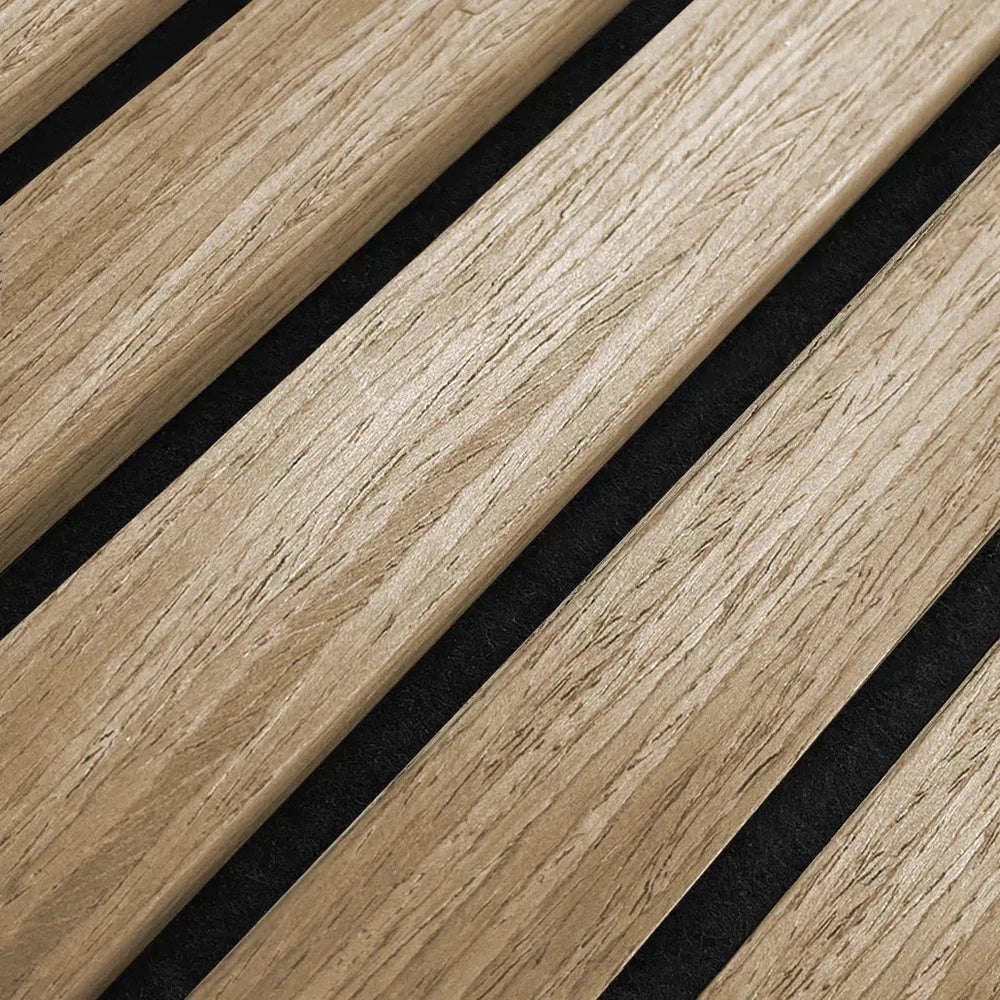
Birch-tone stainless cladding screws — the pale-timber pick. Same A2 stainless base as the oak-tone option, finished in a lighter tone built for birch and other pale exterior boards where a dark screw head would stand out like a full stop on every fixing line. Length options cover the common 20-30mm build-up range. Verdict: Buy for any 2026 install using birch-tone cladding screws — they're the correct match rather than a compromise.
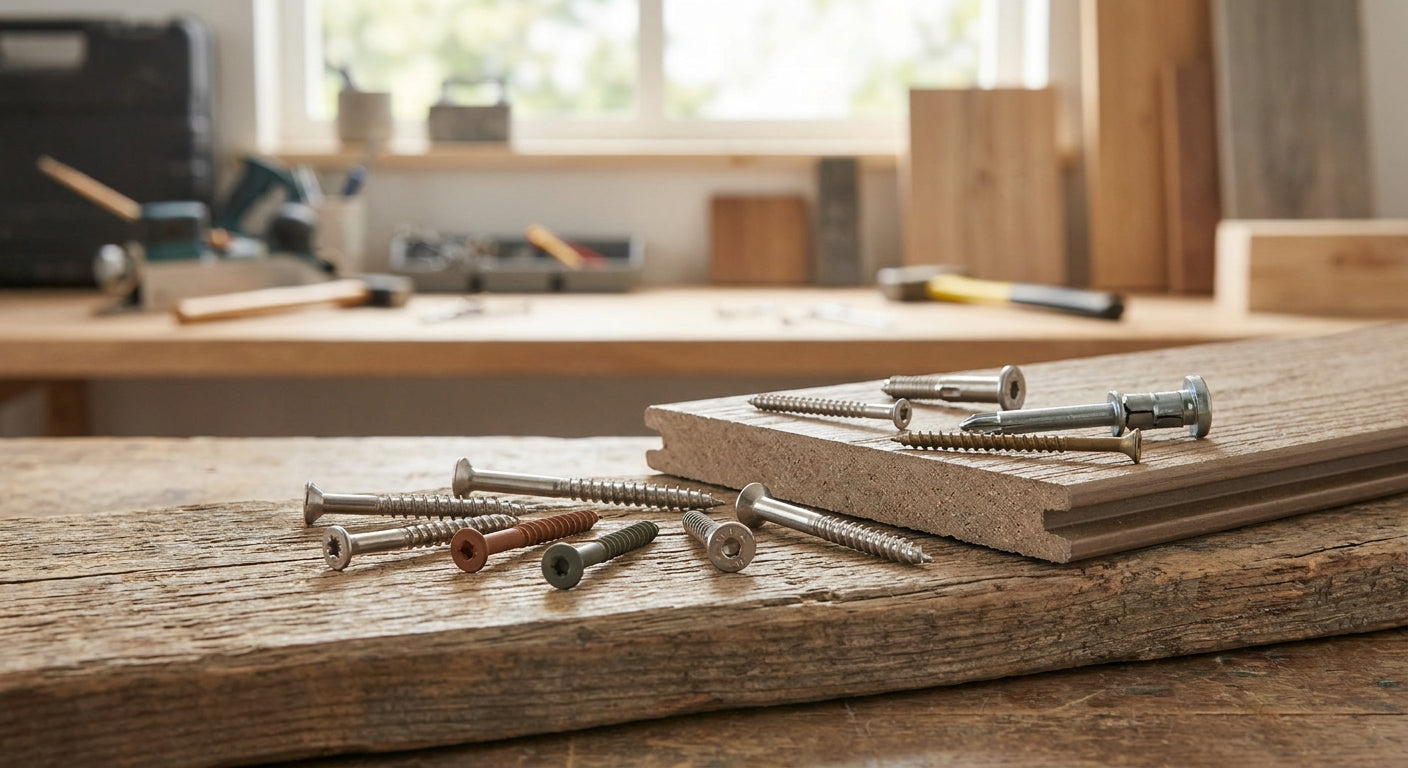
Generic A4 marine-grade torx screws — the coastal pick. Not colour-matched, but the corrosion ceiling is higher than A2, which matters within a few miles of salt air or on a wall that takes the worst of prevailing wind and rain. Expect a visible silver head unless painted over. Verdict: Consider for coastal and heavily exposed sites where colour match is secondary to longevity.
Standard zinc-plated woodscrews — the false economy. Cheap, widely stocked, and wrong for this job. Surface corrosion typically shows within 12-18 months outdoors in the UK, and once it starts it stains the timber around the fixing point. Verdict: Skip — the price difference against A2 stainless is a few pence per screw, not enough to justify a facade that streaks with rust by year two.
What to avoid
- Decking screws — coarse thread and head profile built for horizontal boards underfoot, not vertical or horizontal cladding fixings; they sit proud and catch water.
- Electro-galvanized (bright zinc) screws — look identical to stainless on the shelf but corrode fastest of any option covered here; a false saving that costs more in repair labour.
- Undersized screws bought to "make do" — a 40mm screw on a 30mm build-up leaves under 10mm of bite, which is not enough thread engagement to hold a board through a windy winter.
Verdict comparison
| Fixing | Corrosion rating | Colour match | Best use | Verdict |
|---|---|---|---|---|
| Oak-tone stainless screws | A2 | Oak finish | Standard UK exterior installs | Buy |
| Birch-tone stainless screws | A2 | Birch finish | Standard UK exterior installs | Buy |
| A4 marine-grade torx | A4 | None (silver) | Coastal / high-exposure walls | Consider |
| Zinc-plated woodscrews | Low | None | Indoor use only | Skip |
| Decking screws | Varies | None | Decking, not cladding | Skip |
FAQ
What screws should I use for exterior wall cladding? Use A2 or A4 stainless steel screws with at least 25mm of thread bite into the batten, colour-matched to the panel where possible. Zinc-plated or electro-galvanized screws are not suitable for a UK exterior elevation.
Is A2 or A4 stainless better for cladding fixings? A2 stainless is sufficient for most inland UK installs; A4 marine-grade is worth the extra cost within a few miles of the coast or on elevations exposed to constant driving rain. Both outperform zinc-plated screws by years.
How long should exterior cladding screws be? Long enough to give at least 25mm of thread bite into solid batten behind the panel — for a typical 20-30mm panel-and-batten build-up, that usually means a 50-60mm screw.
Can I use the same screws for interior and exterior panels? No. Interior acoustic panel fixings aren't rated for outdoor moisture and will corrode faster than exterior-specific stainless screws once exposed to rainfall.
How far apart should cladding fixings be spaced? Around 300-400mm centres is standard for most board widths, tightening on exposed gable ends or taller elevations — check the specific panel's spacing guidance before fixing.
Do cladding screws need to be colour-matched? Not structurally, but colour-matched heads (oak-tone, birch-tone, black) disappear into the grain rather than dotting the facade with visible metal points, which matters most on light-toned boards.
What's the most common mistake with cladding screw fixing? Under-fixing — spacing screws too far apart or using screws too short to bite properly — which looks fine for a year and then causes boards to drum or lift in winter wind.
Do I need to pre-drill before fixing cladding screws? Pre-drill within 15mm of any board edge even with a coarse-thread screw; it's the difference between a clean fixing and a split board edge.
One last thing
Most DIY cladding failures reported by installers in 2026 aren't panel failures at all — they're fastener failures that got blamed on the board. A £4 pack of the wrong screws can undo a £400 run of exterior panelling within two winters, so the fixing budget deserves the same five minutes of attention as the panel colour.
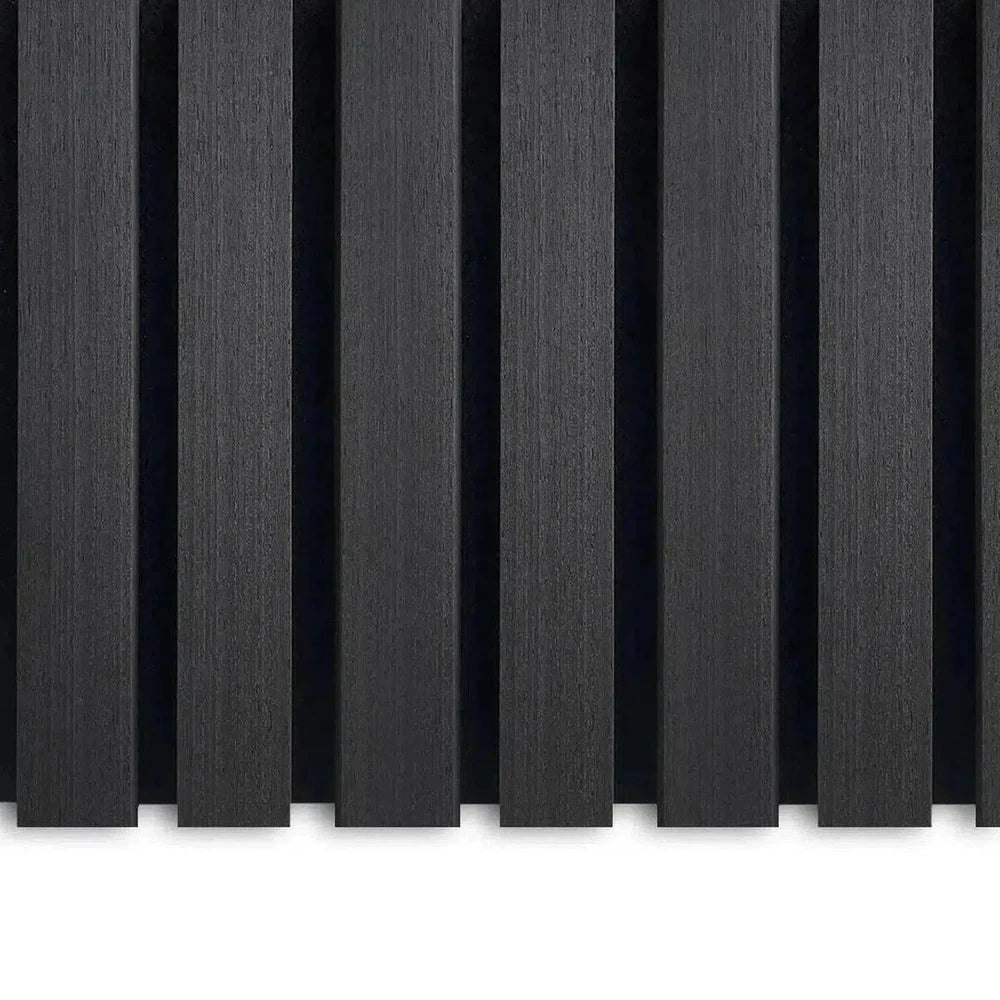
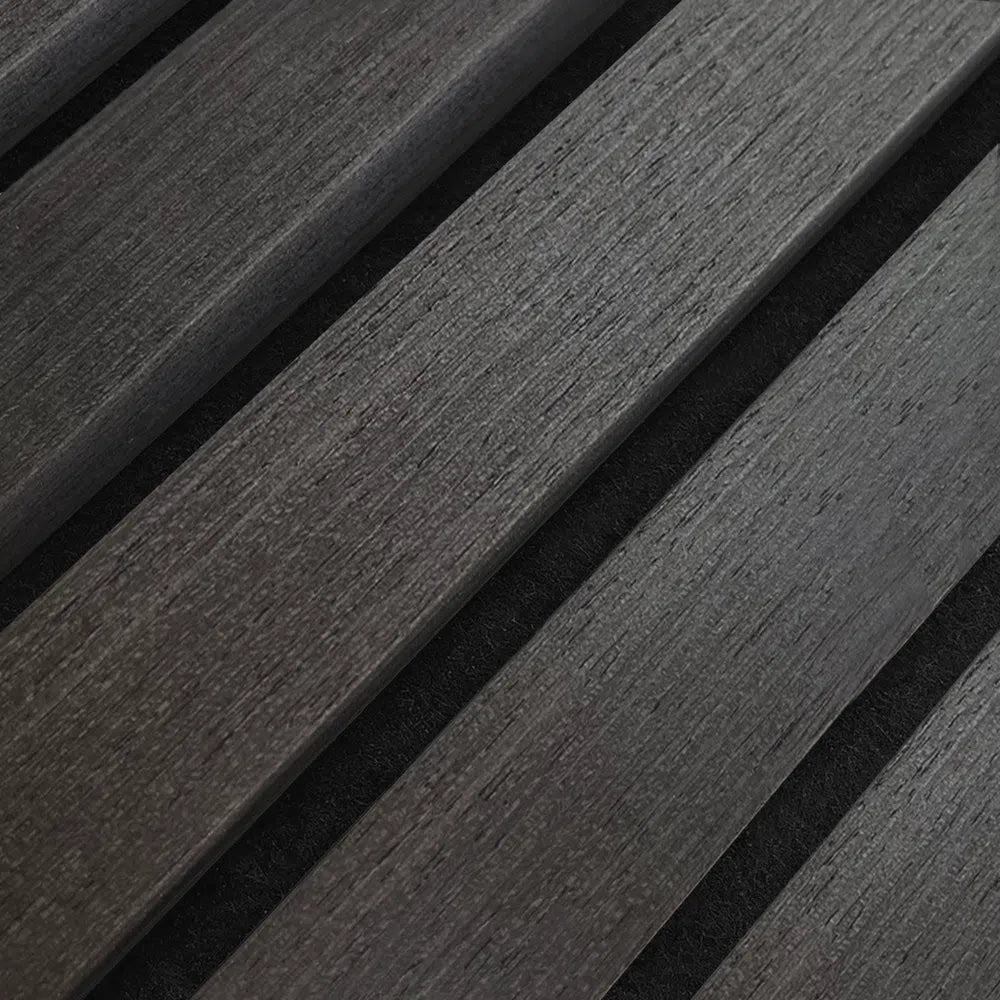
If you're fitting the exterior wall cladding panel in black finish, fastener colour glare shows up faster than on any other finish, so a colour-matched or dark-coated screw head is worth the extra step. For the full fixing sequence from batten spacing to first screw, the step-by-step installation guide for exterior wall cladding panels walks through the order of operations before you pick up the drill.