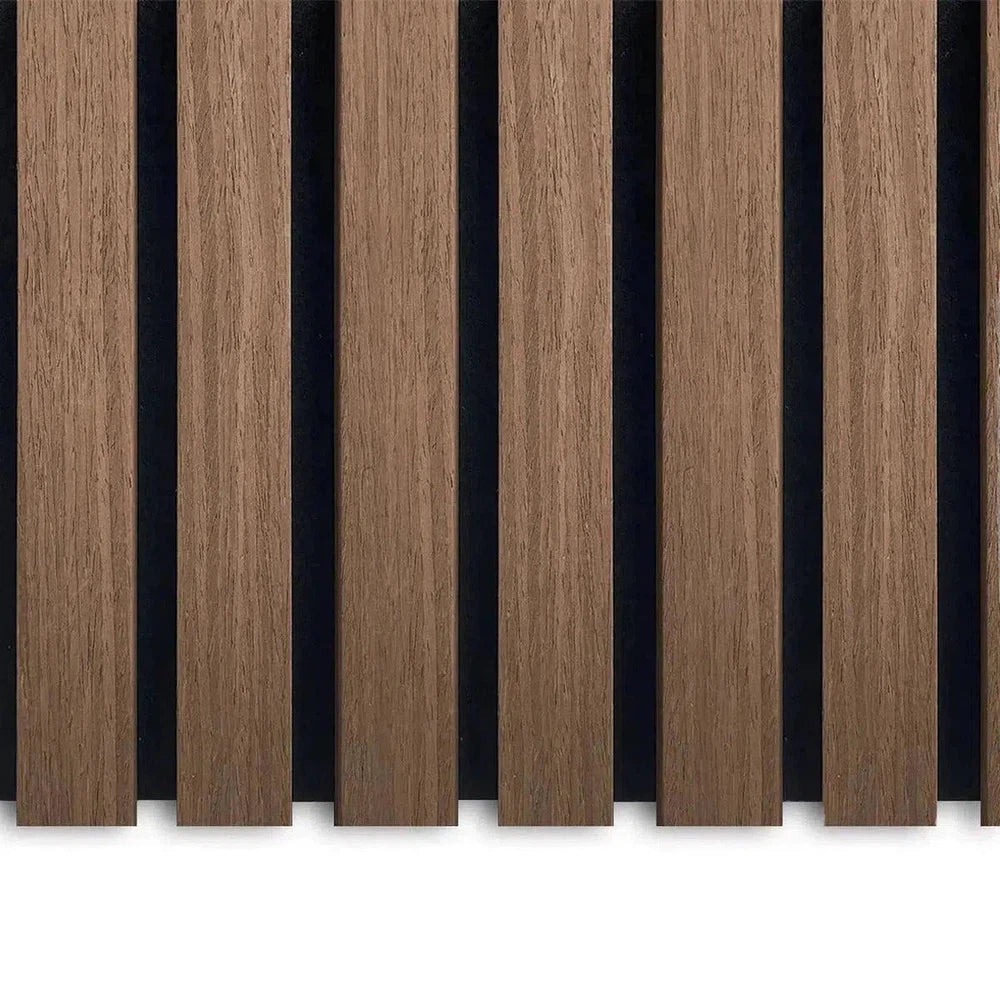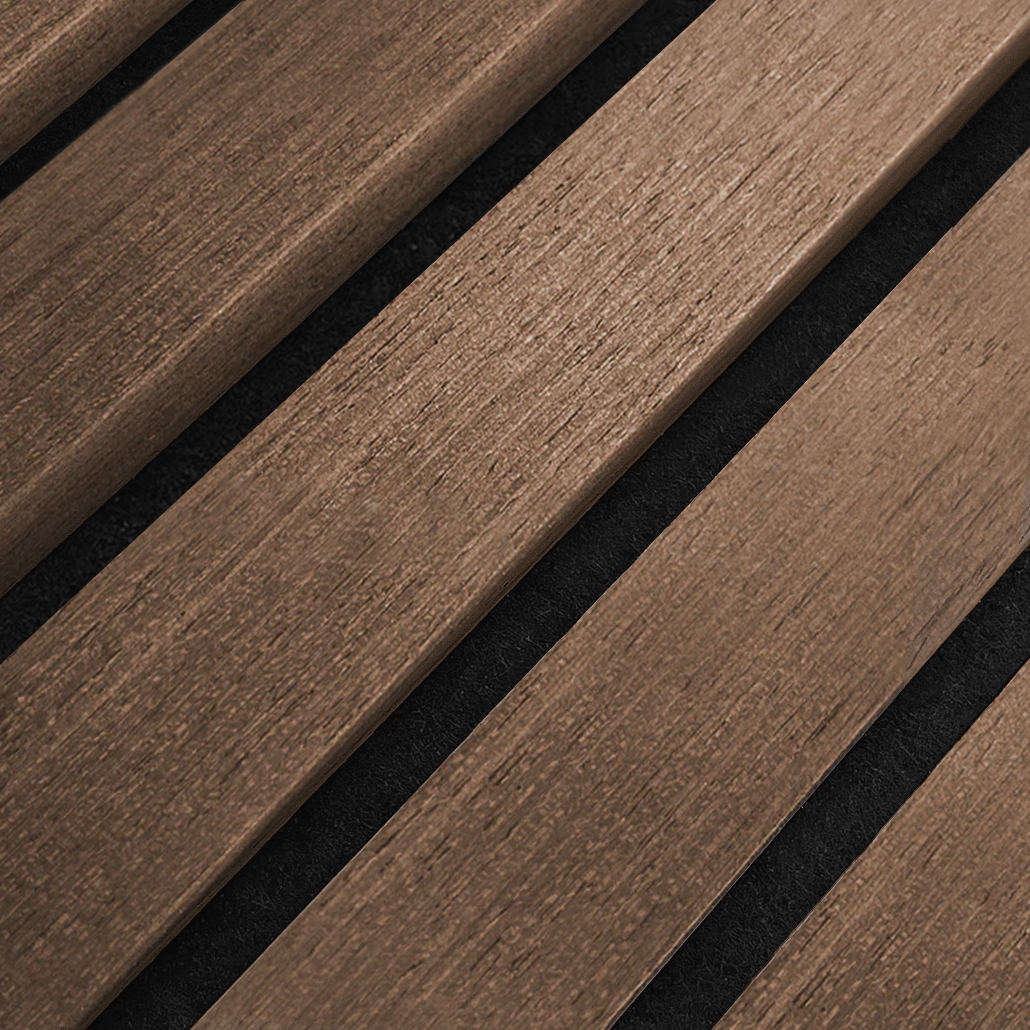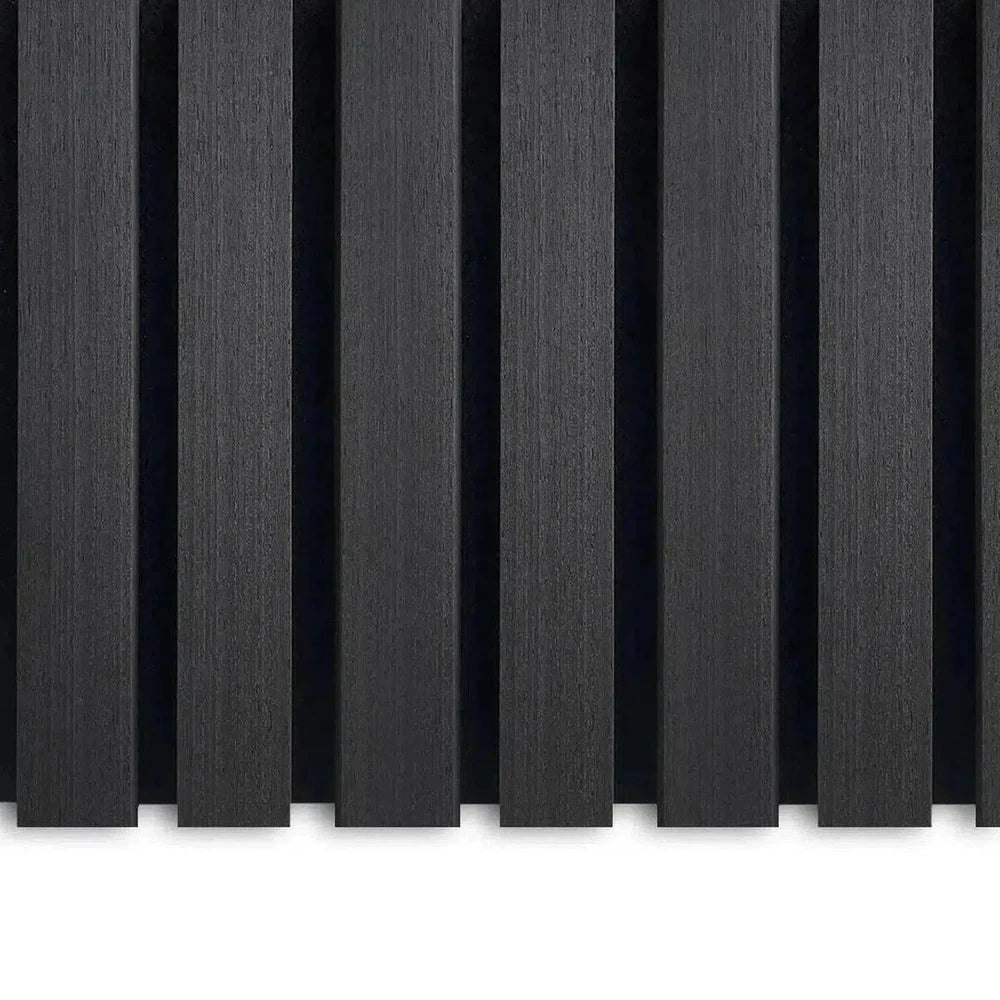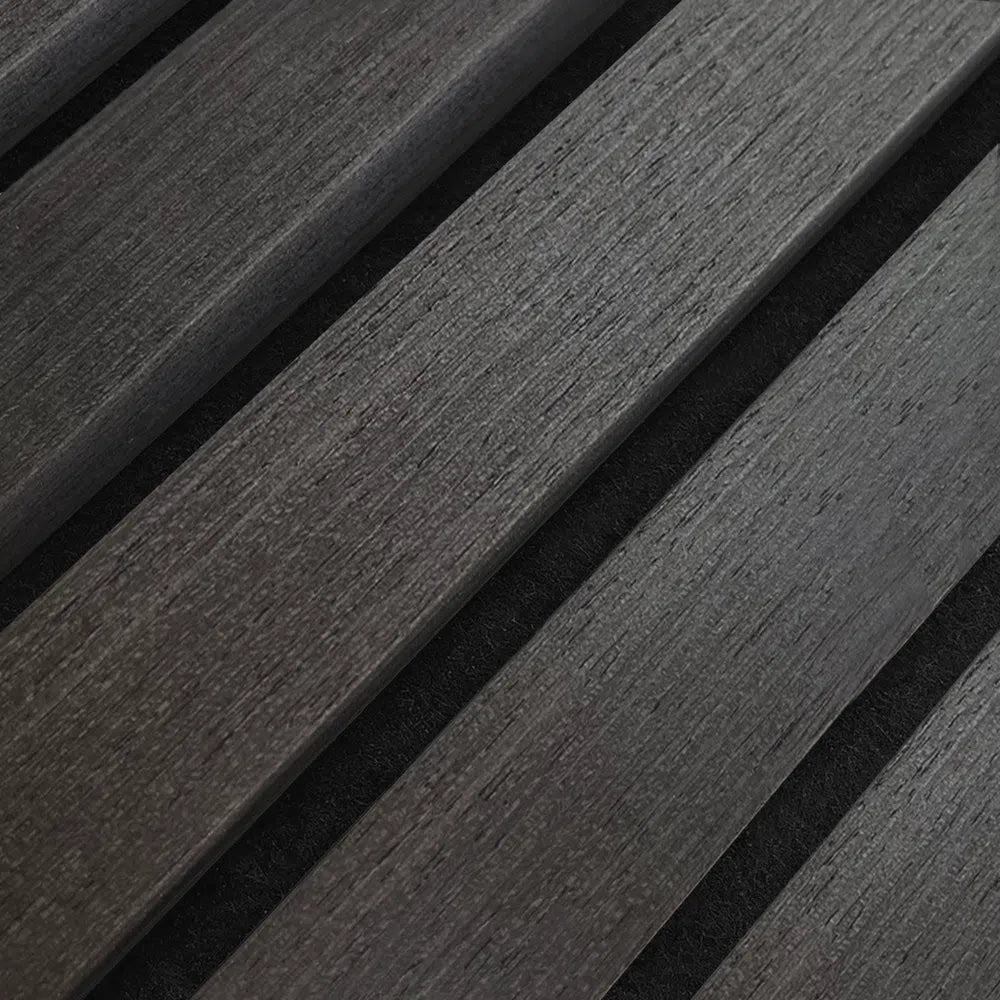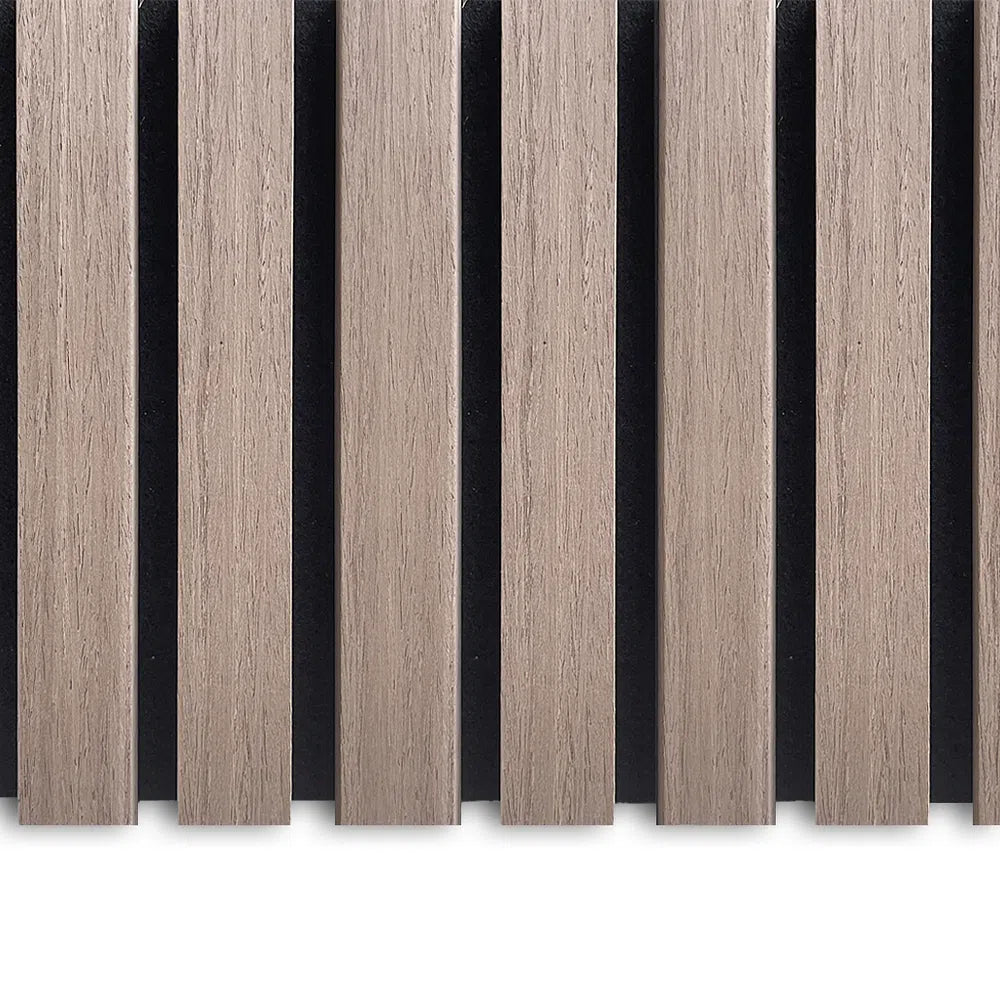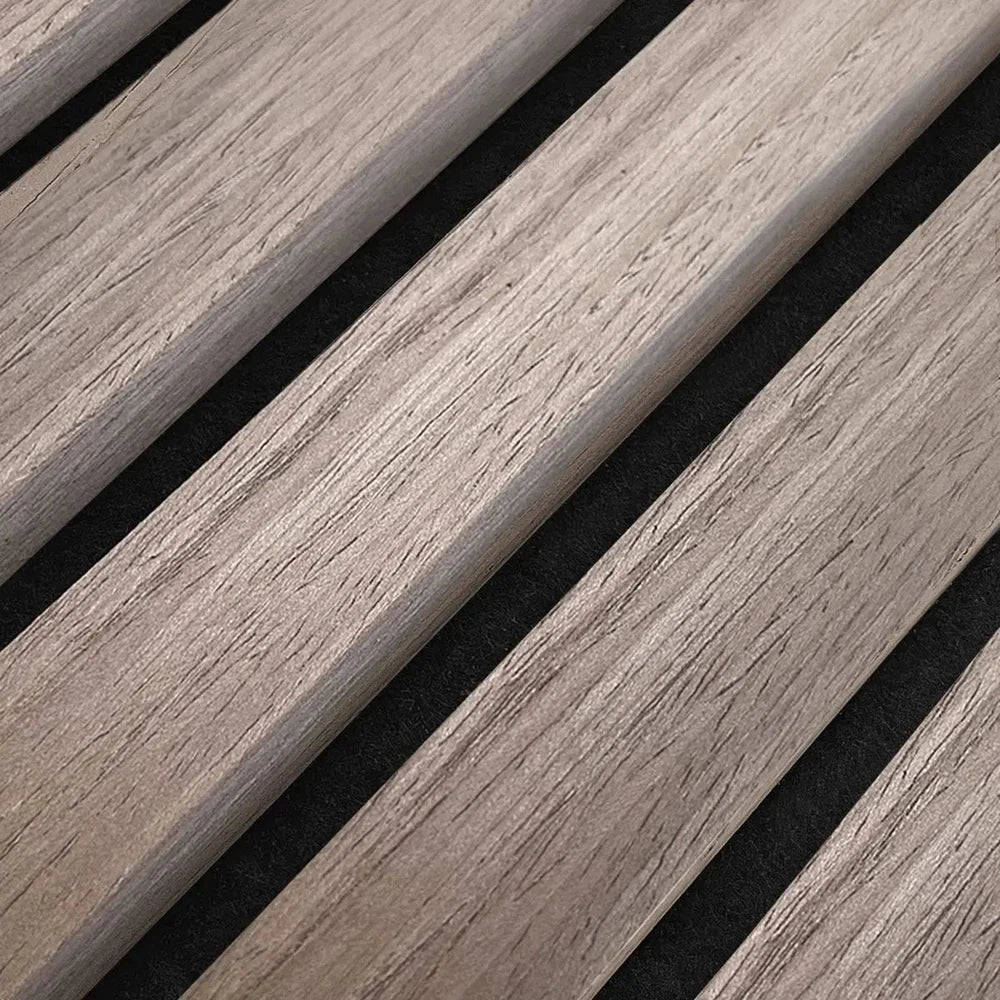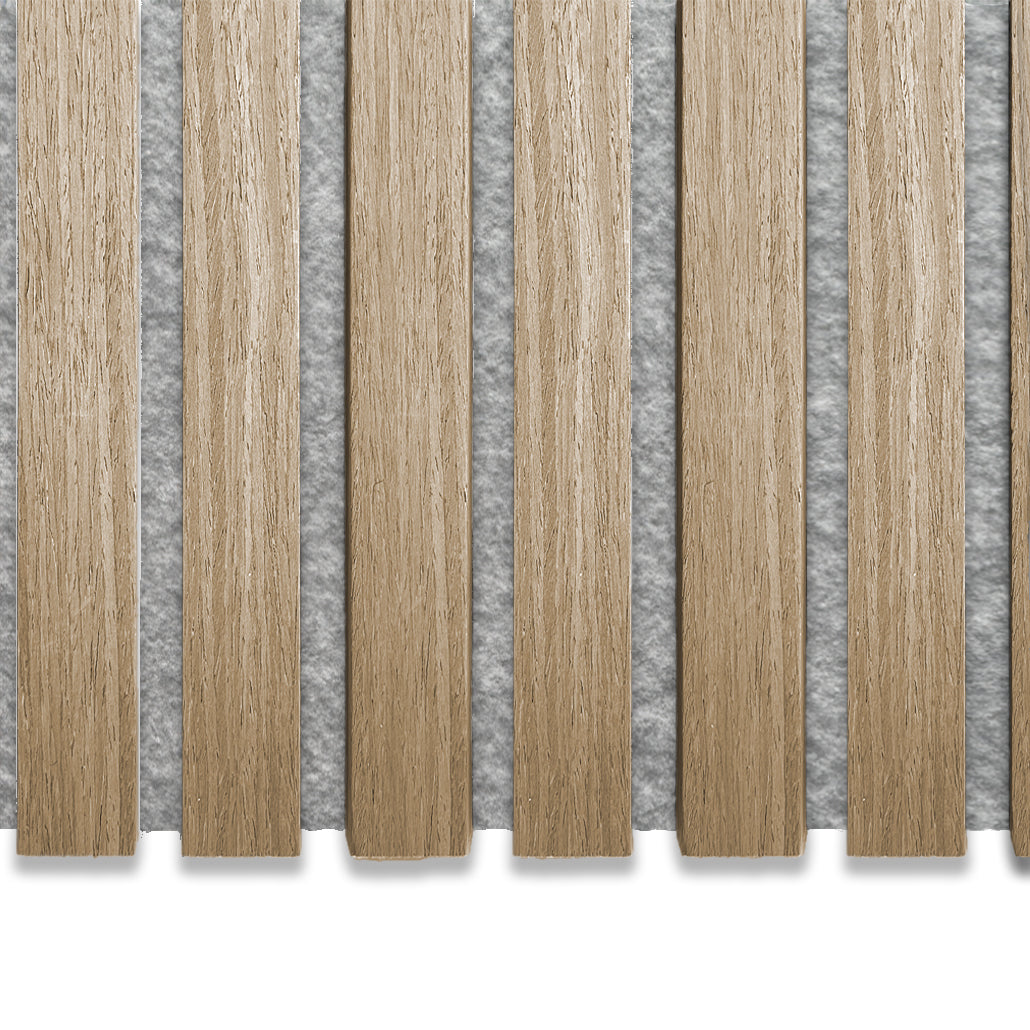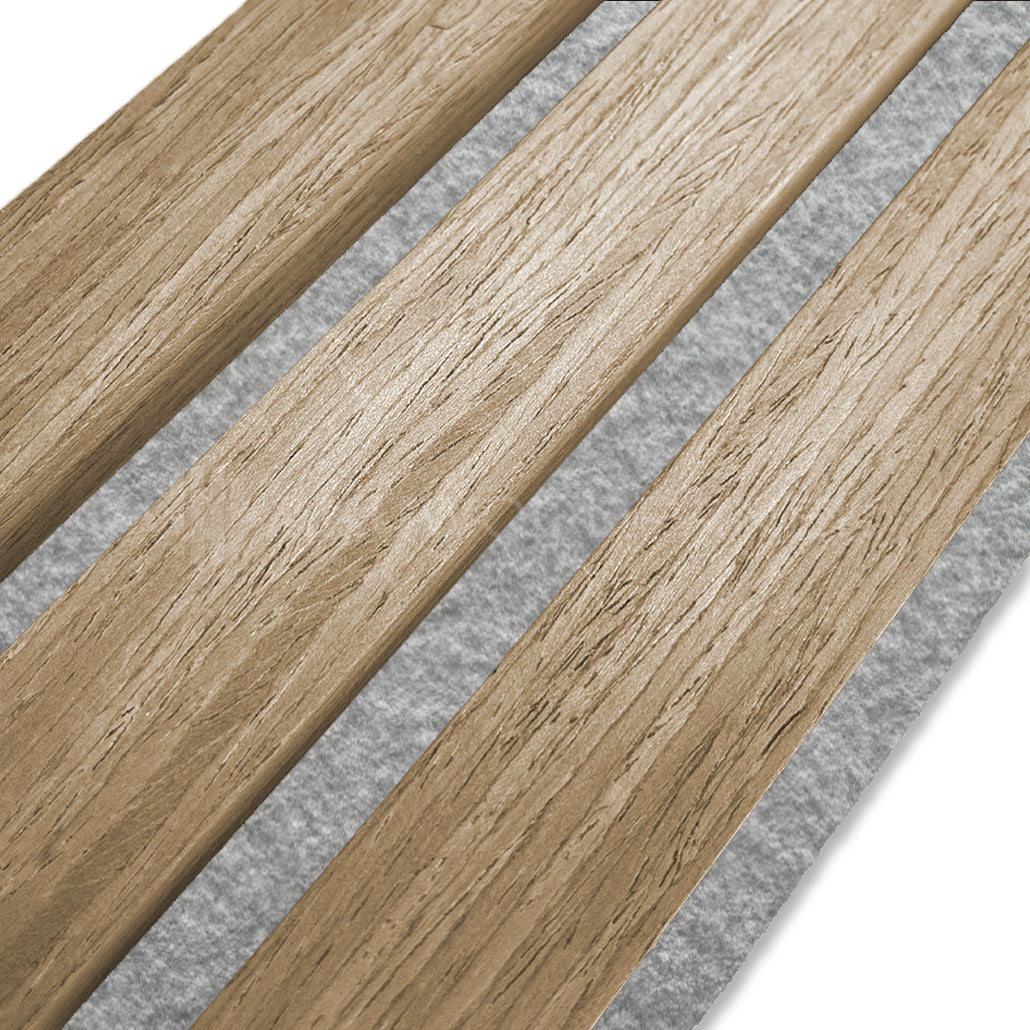
Corners and open ends are where exterior cladding jobs win or lose. Get the trim wrong and every board tells on itself; get it right and the whole facade reads as one finished surface.
This guide is for anyone closing out an exterior cladding job in 2026 who has already picked a board finish and now needs to work out how the edges, corners and window reveals get finished cleanly.
TL;DR
If you're fitting exterior cladding corner trim and end pieces in 2026, match the trim finish to the board first and the profile depth second. The Exterior Wall Cladding Corner Trim in Oak is the safe default when you're running Akuwood Panel's oak-finish boards, and it's a Buy for anyone doing a straightforward 90-degree external corner. Stone Grey finishing trim earns a Buy verdict for render-to-cladding transitions. Skip generic aluminium corner angle unless it's colour-matched to the board — mismatched trim is the single most common finish-quality complaint on cladding jobs.
Why this matters
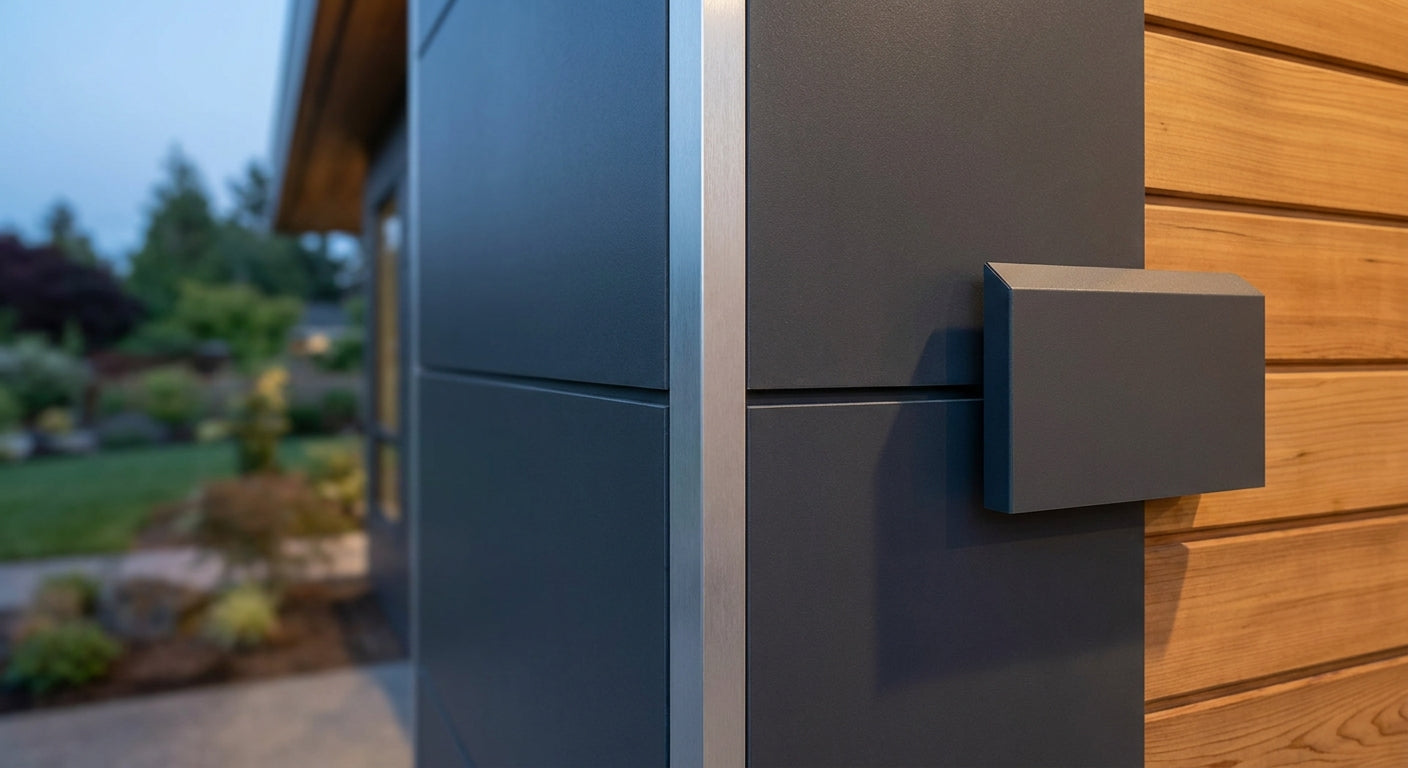
A cladding board on its own does not have a finished edge. Cut ends show raw substrate, external corners expose the board's core, and butt joins against render or brick look unfinished without a transition piece. The Exterior Wall Cladding Corner Trim in Oak and its equivalents exist specifically to close those gaps.
This matters more in 2026 than it did a few years back because self-build and garden-room projects have pushed exterior wood-effect cladding into far more visible locations — front elevations, porches, balconies — where a raw edge is obvious from the street rather than tucked behind a fence panel.
Who this is for
This guide is for self-builders, garden-room installers and homeowners finishing an exterior wall cladding project — extensions, outbuildings, rendered facade upgrades — who have already chosen a cladding colour (birch, oak, black or stone grey) and now need to plan the corner and end-piece detail before the boards go up, not after.
It is not for anyone still choosing a cladding board finish; sort that first, then come back to trims.
What to look for in corner trim and end pieces
Finish match, not just colour family
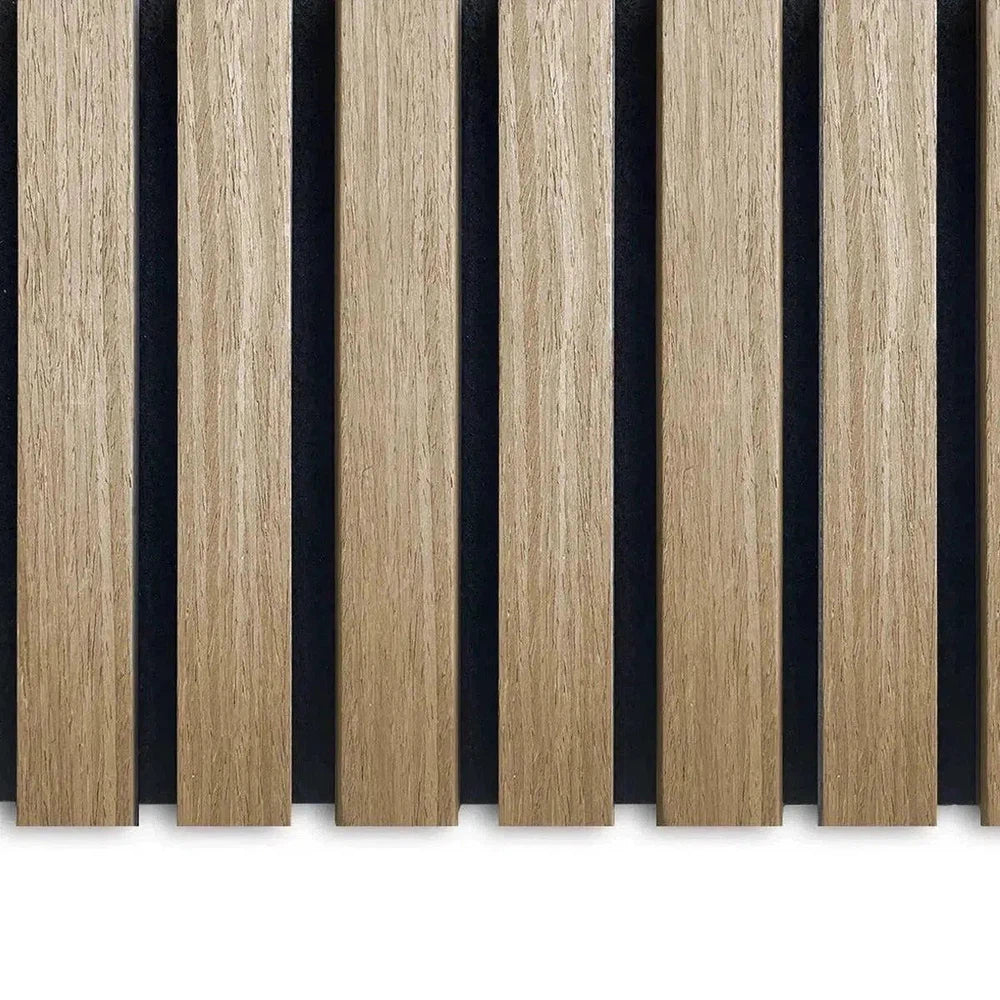
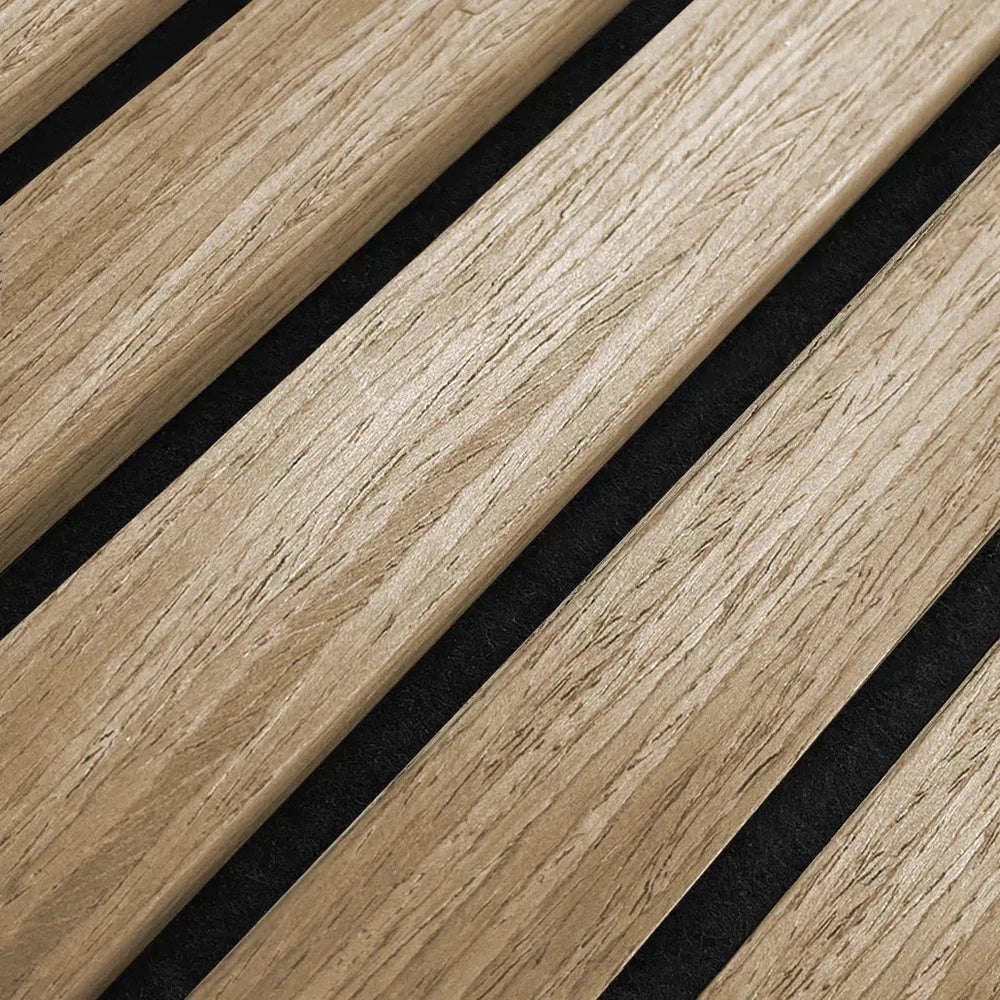
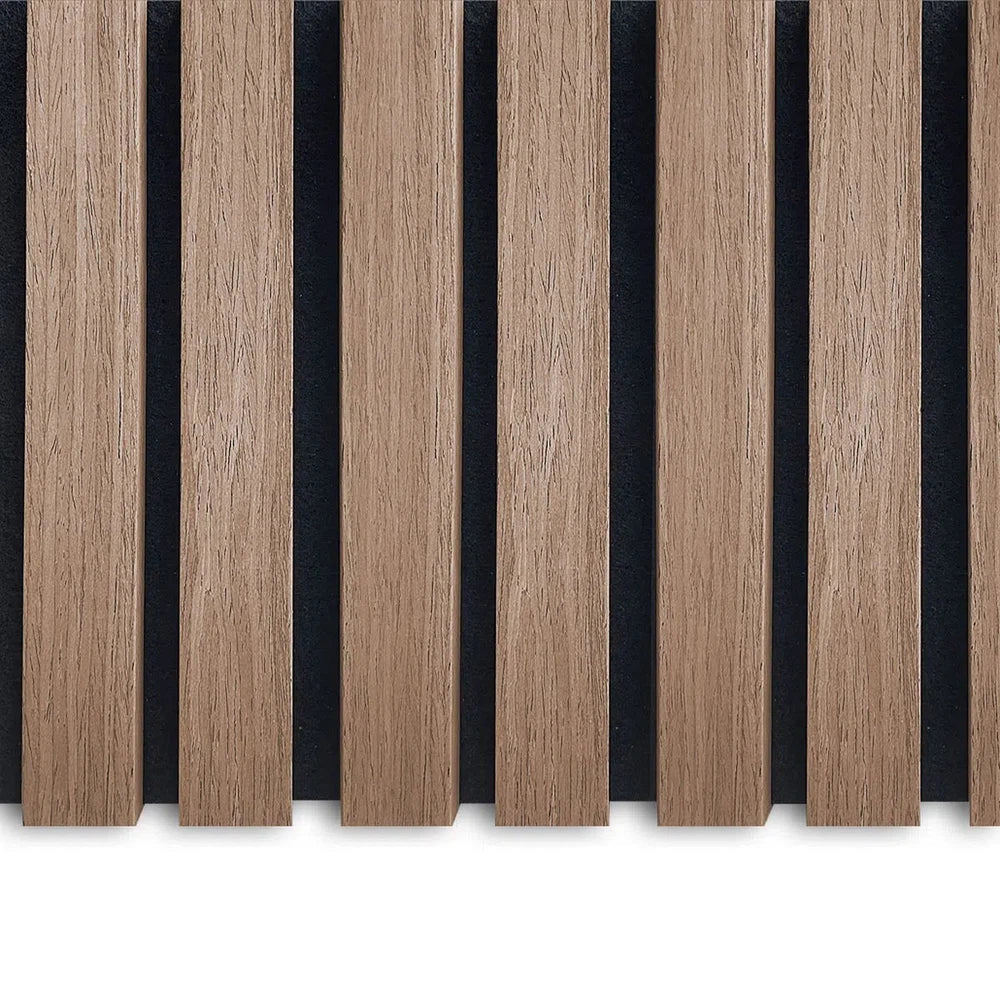
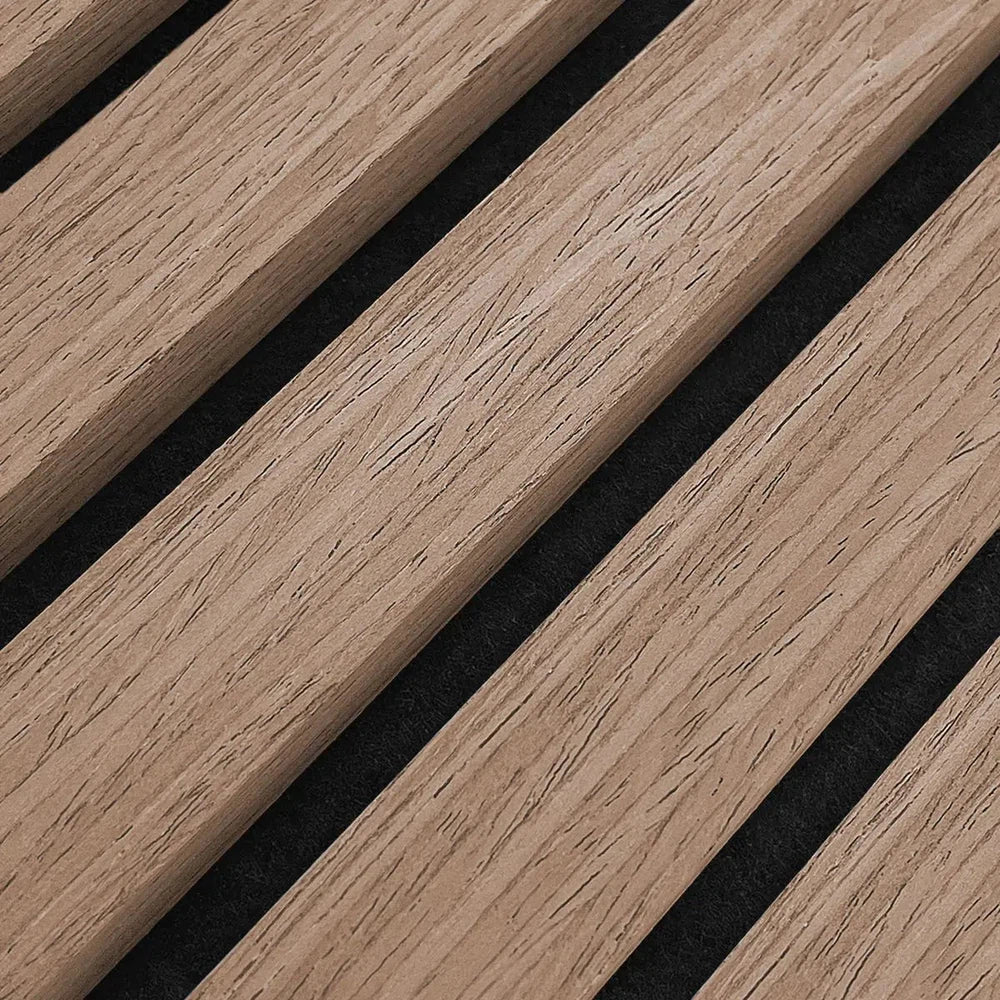
A trim that's "roughly oak" next to a genuine oak-finish board reads as mismatched the second the light changes. Akuwood Panel's corner trims come in the same four finishes as the cladding boards — birch, oak, black and stone grey — specifically so the join disappears rather than draws the eye.
Corner profile depth versus board thickness
An external corner trim has to wrap the board thickness cleanly on both faces. If the trim's return depth is shallower than the board, you get a visible lip; too deep and it sits proud. Check the board profile you're running before ordering the trim.
Fixing compatibility
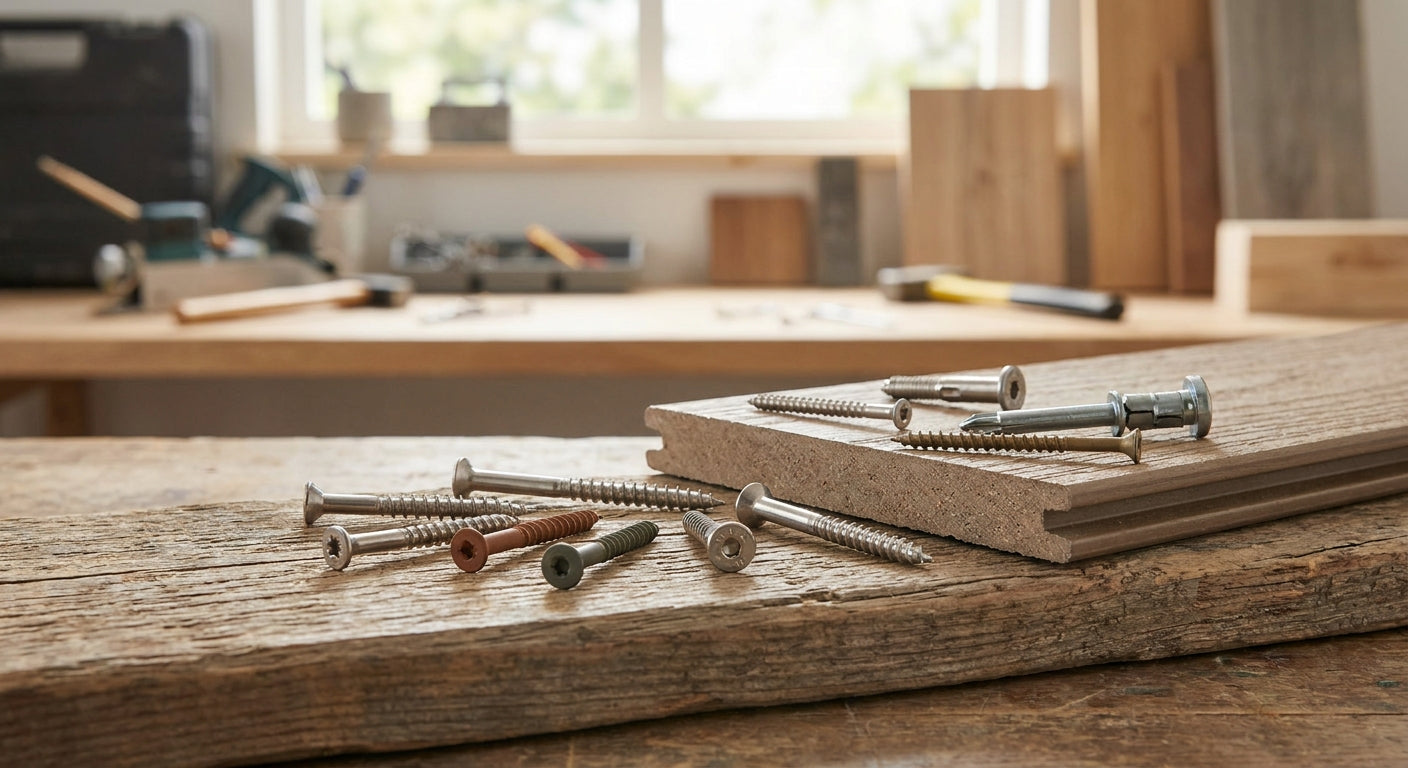
Corner trims and end pieces need to sit on the same fixing system as the boards themselves. Akuwood Panel's exterior cladding screws come in birch and oak finishes to match the visible fixing points, and high-tack panel glue is used where a mechanical fix isn't practical — check both are compatible with the trim's fitting face before you commit to a install method.
Corner trim versus finishing trim — know the difference
Corner trim closes a 90-degree external corner. Finishing trim closes an open end or a transition against another material — render, brick, a door frame. Ordering the wrong one for the detail you're closing is the single most common mistake on a first exterior cladding job.
Weather exposure of the specific elevation
A south or west-facing corner in the UK takes more direct weathering than a sheltered north wall. It doesn't change which trim finish you buy, but it does change how soon you'll want to check and re-treat the join — build that into your maintenance plan from day one.
Waste and run length
Count every external corner and every open end on the elevation before ordering — trims are sold per finish, and running short mid-install means a delivery delay on a job that's otherwise ready to close out.
Top picks for exterior cladding corner trim and end pieces
The matched-grain pick — Exterior Wall Cladding Corner Trim in Oak. Matches the oak-finish exterior board range finish-for-finish, so external corners on an oak elevation close out without a visible seam. This is the trim most self-builders reach for first because oak is the most common exterior cladding finish ordered alongside it. Verdict: Buy if you're running oak-finish boards on any external 90-degree corner.
The modern-facade pick — Exterior Wall Cladding Corner Trim in Black. Pairs with the black cladding finish that's driving most of the contemporary new-build and self-build enquiries in 2026. Black trim shows dust and pollen build-up faster than lighter finishes, so it needs a wash-down more often on street-facing elevations. Verdict: Buy for a contemporary black facade, Consider the maintenance routine before committing on a heavily shaded north wall.
The render-transition pick — Exterior Wall Cladding Finishing Trim in Stone Grey. This is the piece you need where cladding meets a rendered wall rather than another cladding run — a common detail on part-clad, part-rendered facades in 2026. It closes the open edge cleanly without needing a mitred corner cut. Verdict: Buy for any render-to-cladding transition; Skip if your job is corner-only with no render junction.
The budget-safe pick — Exterior Wall Cladding Corner Trim in Birch. Birch is the lightest of the four finishes and forgives small colour variation between batches better than the darker options, which is useful on a job phased across more than one delivery. Verdict: Buy for birch-finish cladding runs, especially multi-phase builds where boards may arrive in separate batches.
What to avoid
- Unmatched aluminium corner angle bought "because it's cheaper." It closes the gap structurally but the colour mismatch against a wood-effect board is visible from ten metres away — the whole point of a finish-matched trim is that nobody notices it's there.
- Skipping the end piece at open board ends because the board "looks fine cut square." Raw cut ends absorb water differently than the finished face and will visibly discolour faster than the rest of the elevation within a season or two.
- Ordering corner trim when you actually need finishing trim, or vice versa. These are different details solving different problems — a corner trim will not close a render-to-cladding butt join cleanly, and a finishing trim won't wrap an external 90-degree corner.
Verdict comparison
| Trim | Finish match | Best detail | Verdict |
|---|---|---|---|
| Corner Trim — Oak | Oak cladding boards | External 90-degree corner | Buy |
| Corner Trim — Black | Black cladding boards | Contemporary facade corner | Buy |
| Finishing Trim — Stone Grey | Stone Grey cladding boards | Render-to-cladding transition | Buy |
| Corner Trim — Birch | Birch cladding boards | Multi-phase or budget builds | Buy |
FAQ
What's the difference between corner trim and finishing trim for exterior cladding? Corner trim wraps an external 90-degree corner where two cladding runs meet; finishing trim closes an open end or a transition against render, brick or a frame. Order based on the specific detail on your elevation, not by habit.
Is exterior cladding corner trim sold in the same finishes as the boards? Yes — Akuwood Panel's corner and finishing trims come in the same four finishes as the exterior cladding range: birch, oak, black and stone grey, so the trim can be matched exactly to the board colour already on order.
Do I need trim at every external corner, or only some? Every genuine external 90-degree corner needs a corner trim to close the exposed board core cleanly; internal corners and butt joins against render need finishing trim instead, not corner trim.
Can I use the same screws for the trim and the boards? Akuwood Panel's exterior cladding screws are available in birch and oak finishes to match the visible fixing points on both boards and trim — check the trim's fitting face takes the same screw before ordering.
How much cladding trim do I need for a small extension? Measure every external corner and open end on the elevation and add a small allowance for waste on mitred cuts — running short mid-job on a specific finish is the most common cause of install delay.
Does corner trim colour fade differently to the cladding board? Both are supplied in the same finish range, so weathering should track close to the board over time, though darker finishes like black will show surface dust sooner than lighter ones like birch or stone grey.
Is glue or screw fixing better for exterior corner trim? Screw fixing gives a mechanical hold that's easier to inspect and re-tighten over the years; high-tack panel glue suits details where a visible fixing point isn't wanted, provided the substrate is prepared correctly.
What's the most common mistake when ordering exterior cladding trim? Ordering corner trim for a render transition, or finishing trim for an external corner — the two pieces solve different details and aren't interchangeable, regardless of finish match.
One last thing
Most cladding jobs that look unfinished aren't let down by the boards — they're let down by an unmatched or missing trim at the one corner everyone walks past. Order the trim finish alongside the board finish, in the same delivery, and that problem doesn't happen.