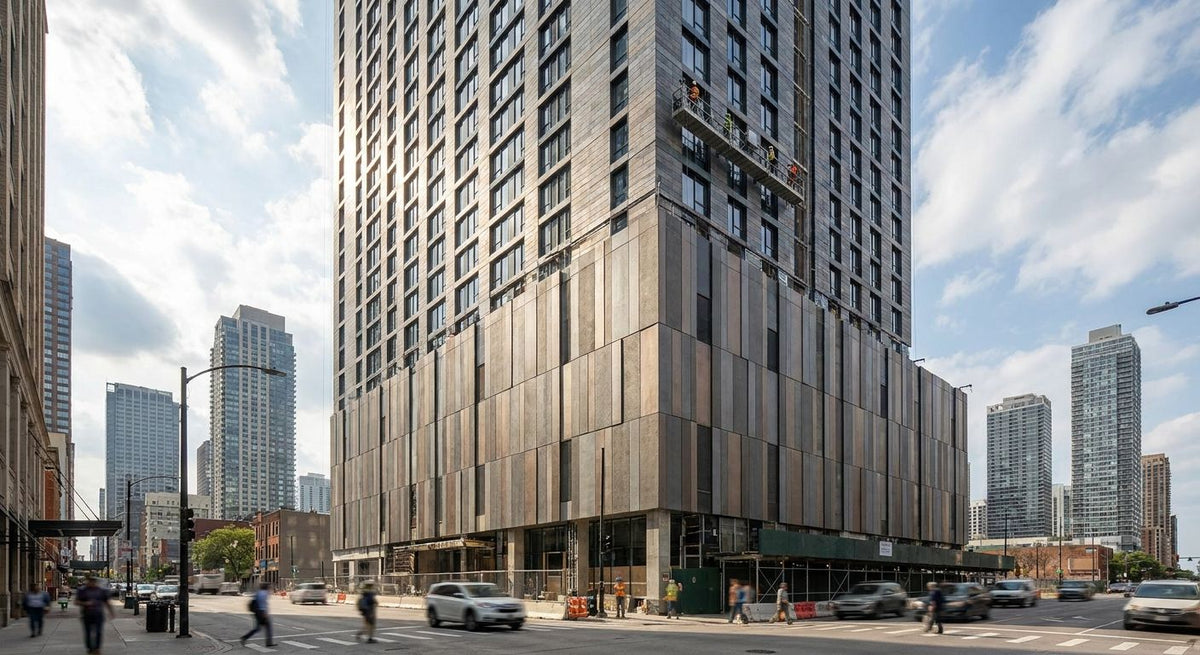
Fire rated exterior cladding high rise projects in England have one hard rule: above 18 metres, the material on the wall has to hit Euroclass A2-s1,d0 or A1 under EN 13501-1. Timber veneer cladding, including anything Akuwood Panel makes, doesn't clear that bar — this guide ranks what does, and tells you exactly where timber cladding still belongs.
- A1 and A2-s1,d0 systems — brick slip, fibre cement, terracotta rainscreen — are the only fire rated exterior cladding high rise buildings can legally use above 18m. Buy.
- Timber veneer cladding, including Akuwood Panel's exterior boards, tests at Euroclass D or worse untreated — skip it above 18 metres.
- Polyethylene-core ACM panels have been banned on buildings over 18m in England since 2018 — skip, no exceptions.
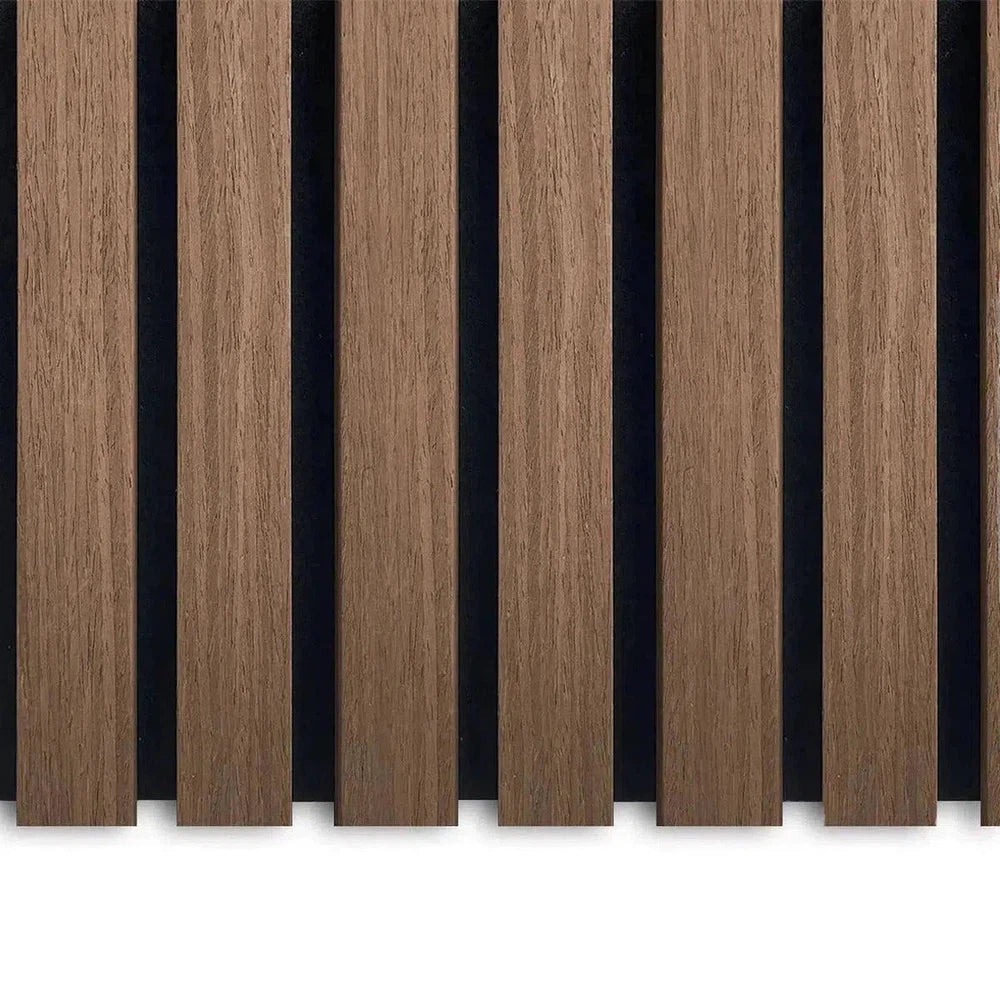
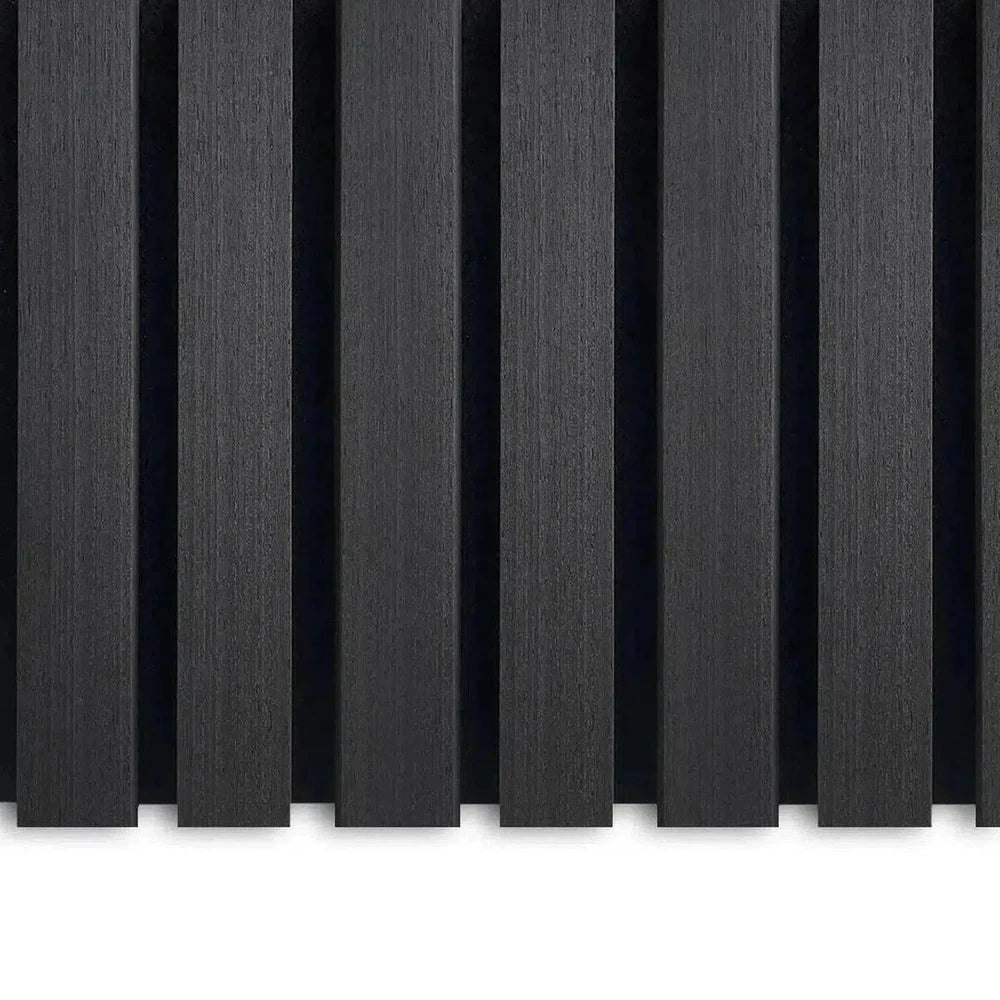
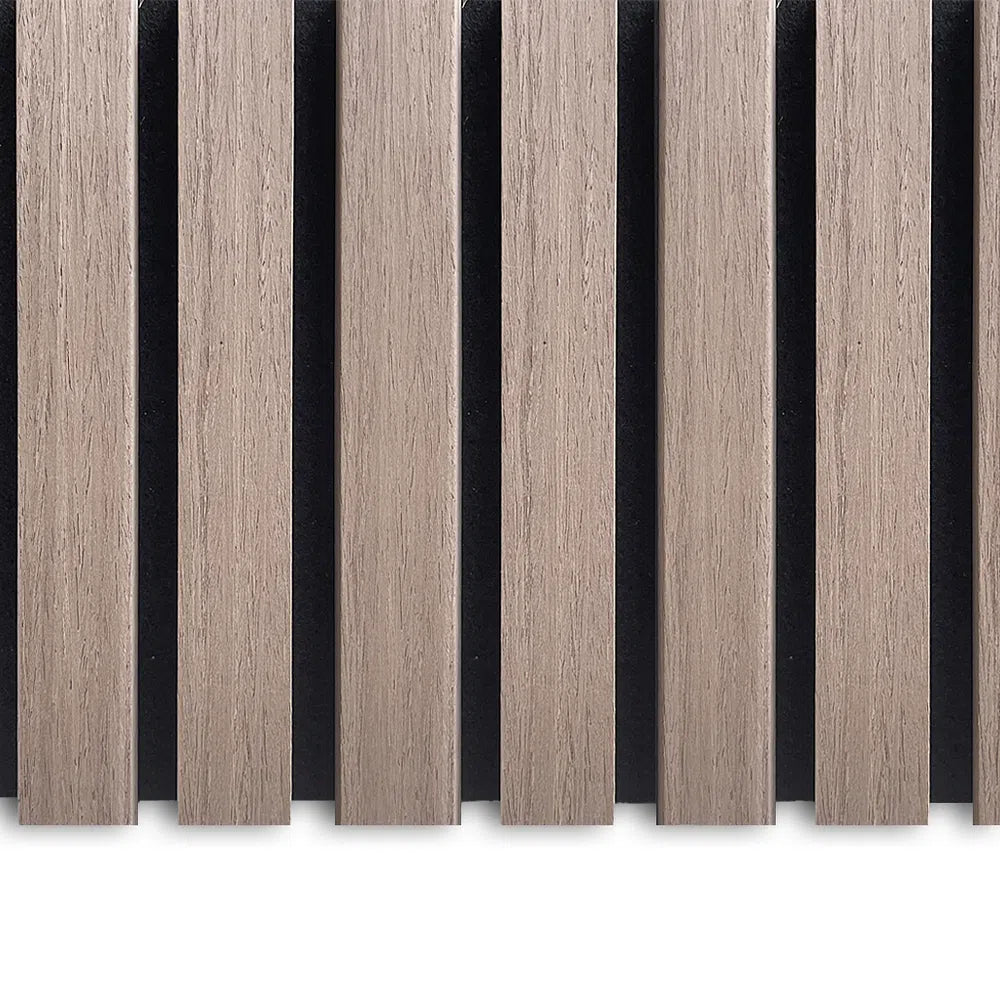
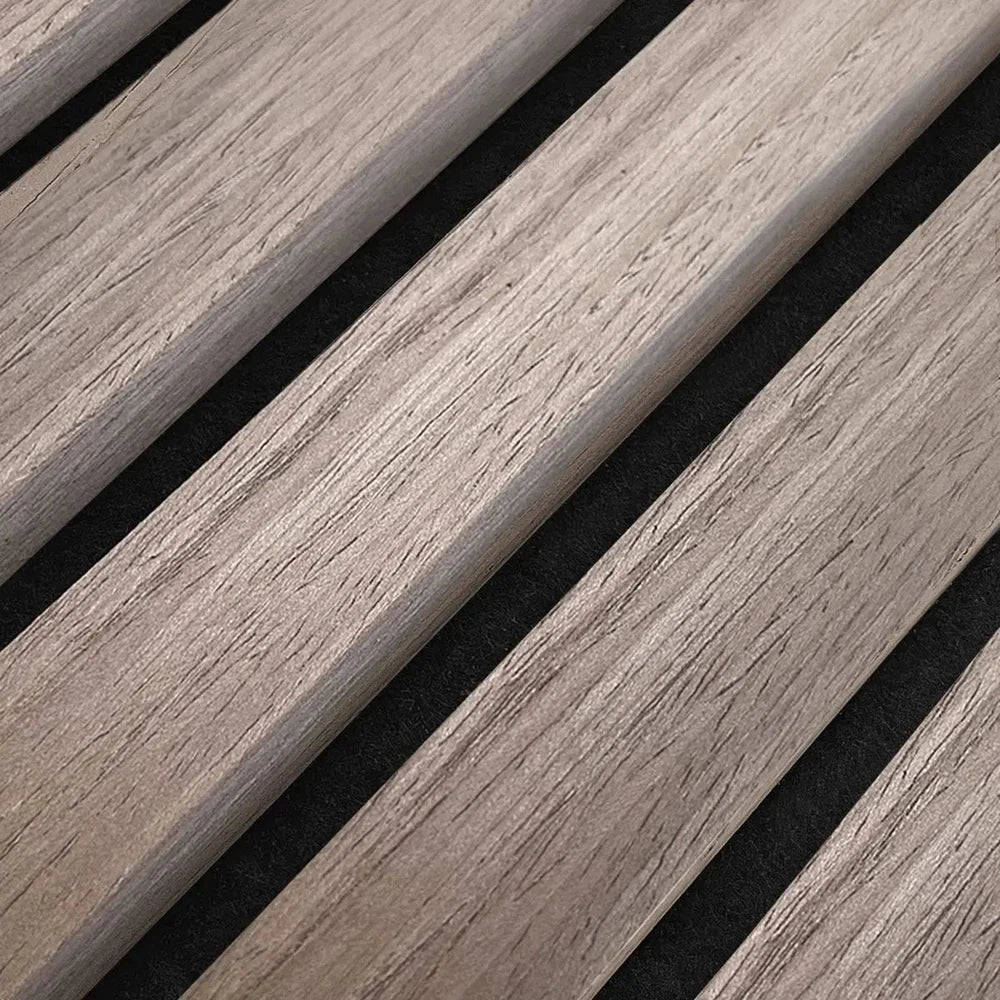
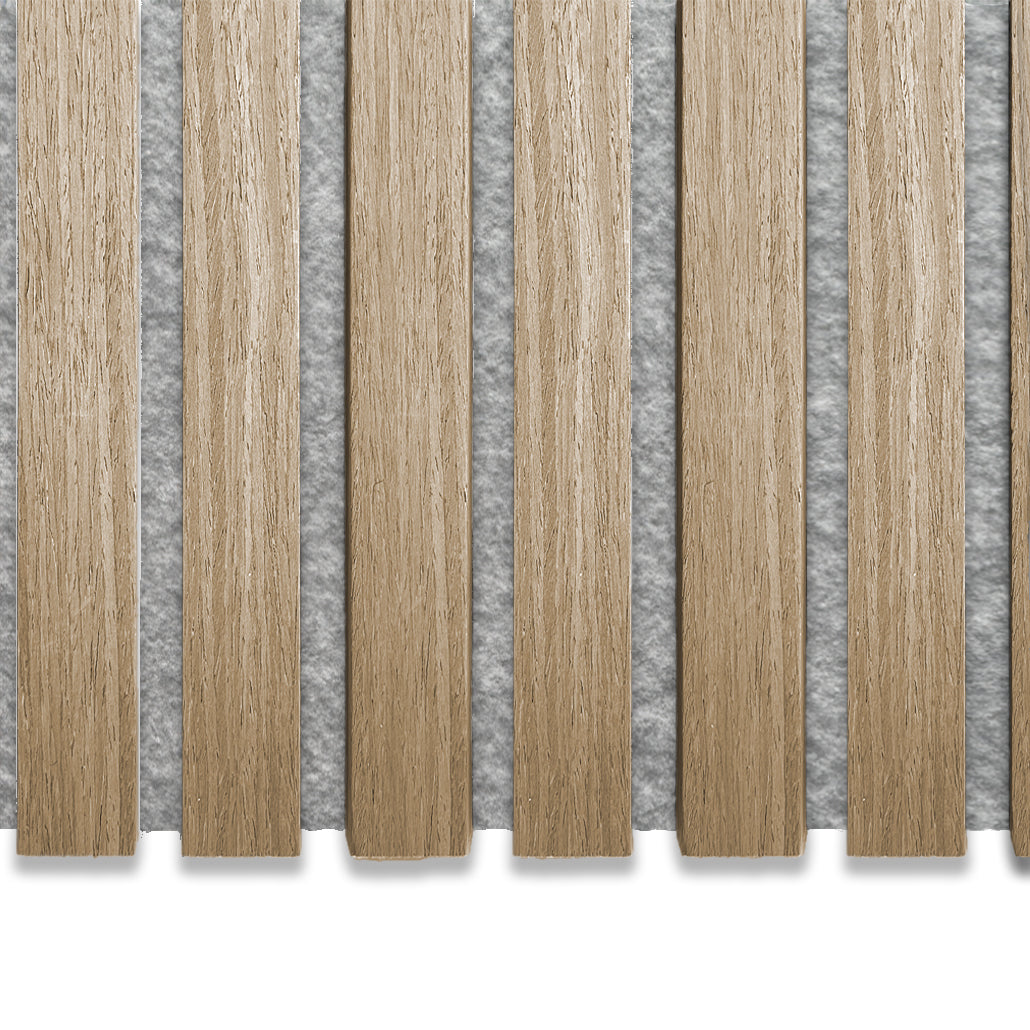
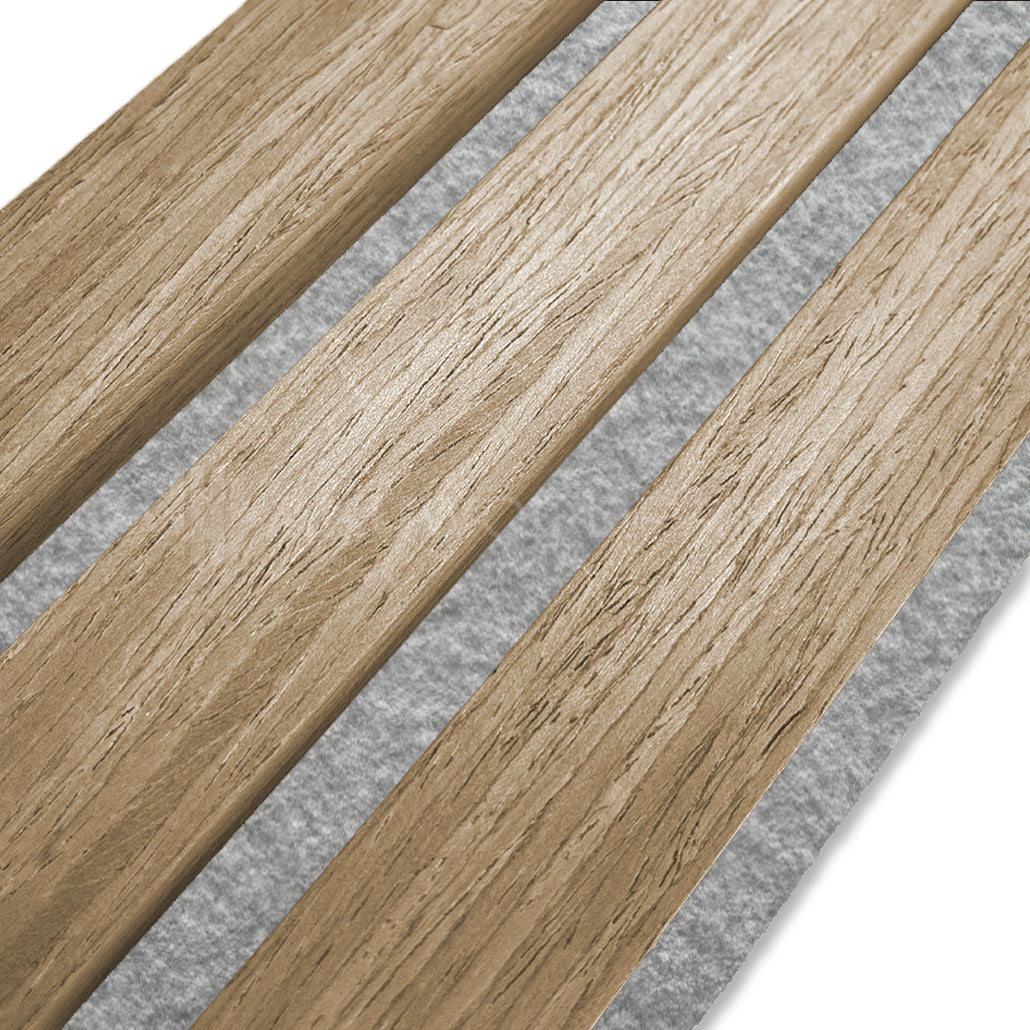
- Below 18m, timber and composite cladding stay legal and common — that's where Akuwood Panel's oak and stone grey exterior panels fit.
Why this matters
After the Grenfell Tower fire, England banned combustible materials in the external wall construction of buildings over 18 metres that contain residential accommodation, hospitals, care homes or student housing. That ban has stood since 2018 and is still in force through 2026. Everything on that wall — cladding, insulation, fire barriers — has to reach Euroclass A2-s1,d0 or A1 under BS EN 13501-1. This isn't a recommendation. It's the legal minimum building control checks before sign-off.
If you're specifying cladding for a tower, a student block or a care facility above 18 metres, the material choice decides whether the building gets a completion certificate. How to check fire ratings for wood panels walks through what a Euroclass certificate needs to show, and the same logic applies whether you're looking at an interior acoustic panel or an exterior facade board.
Below 18 metres, the rules loosen considerably. That's where most self-builds, extensions, garden rooms and single-storey commercial units sit — and where timber-based products, including Akuwood Panel's exterior wall cladding, are commonly and legally used in 2026.
How we ranked
Every material below is judged against EN 13501-1 Euroclass classification — the same standard a building control officer checks — and against the scope of the UK's combustible cladding ban for buildings over 18m. Materials also get marked down if they lack BS 8414 full-scale system test evidence, since a component-level certificate on the board alone tells you nothing about how it performs behind insulation and cavity barriers.
A1 and A2-s1,d0 materials sit at the top because they clear the legal bar without qualification. Materials that only reach lower Euroclasses, or that need fire-retardant treatment to get partway there, sit further down. Timber cladding is included because it's the material most often mis-specified on tall buildings by teams who assume "treated" means "fire rated" — the verdicts below settle exactly where it does and doesn't belong.
The ranked list
Brick slip rainscreen systems — the safe pick
Fired clay slips are non-combustible by definition, rated A1 under EN 13501-1, with no fire-retardant treatment required. They're heavier and slower to install than board systems, but there's no compliance question to argue about at any height. Verdict: Buy for high-rise specs.
Fibre cement rainscreen panels
Cement-based boards typically reach A2-s1,d0 once fitted as a certified system with mineral wool insulation behind them, and they're the material most rebuilt towers in England have switched to since 2018. The classification applies to the whole system, not the board alone, so ask for the system-level test report before you specify it. Verdict: Buy, provided the full BS 8414 report exists.
Terracotta and natural stone rainscreen
Fired terracotta and cut stone panels rate A1 and give a heavier architectural finish than fibre cement, at a higher cost and longer lead time. It's a strong compliance profile if the budget and programme allow for it. Verdict: Consider.
Non-combustible metal composite panels
Metal composite with a mineral core reaches A2-s1,d0. The polyethylene-core version of the same product category is the material implicated at Grenfell Tower and has been banned on buildings over 18m in England since 2018 — "ACM" alone tells you nothing about which core you're getting. Verdict: Consider, only with the mineral core confirmed in writing.
Mineral render on a non-combustible substrate
Render systems over blockwork or cement board reach A1 and show up most often on retrofit projects replacing cladding that failed post-Grenfell reviews. Less common on new-build towers, more common where an existing wall is being brought up to standard. Verdict: Consider for retrofit work.
High-pressure laminate (HPL) panels
HPL performance varies by system — some reach B-s2,d0 with fire-retardant cores and cavity barriers, but that sits below the A2-s1,d0 threshold required above 18 metres. Verdict: Skip above 18m, usable below that height with the right system.
Timber veneer and timber board cladding
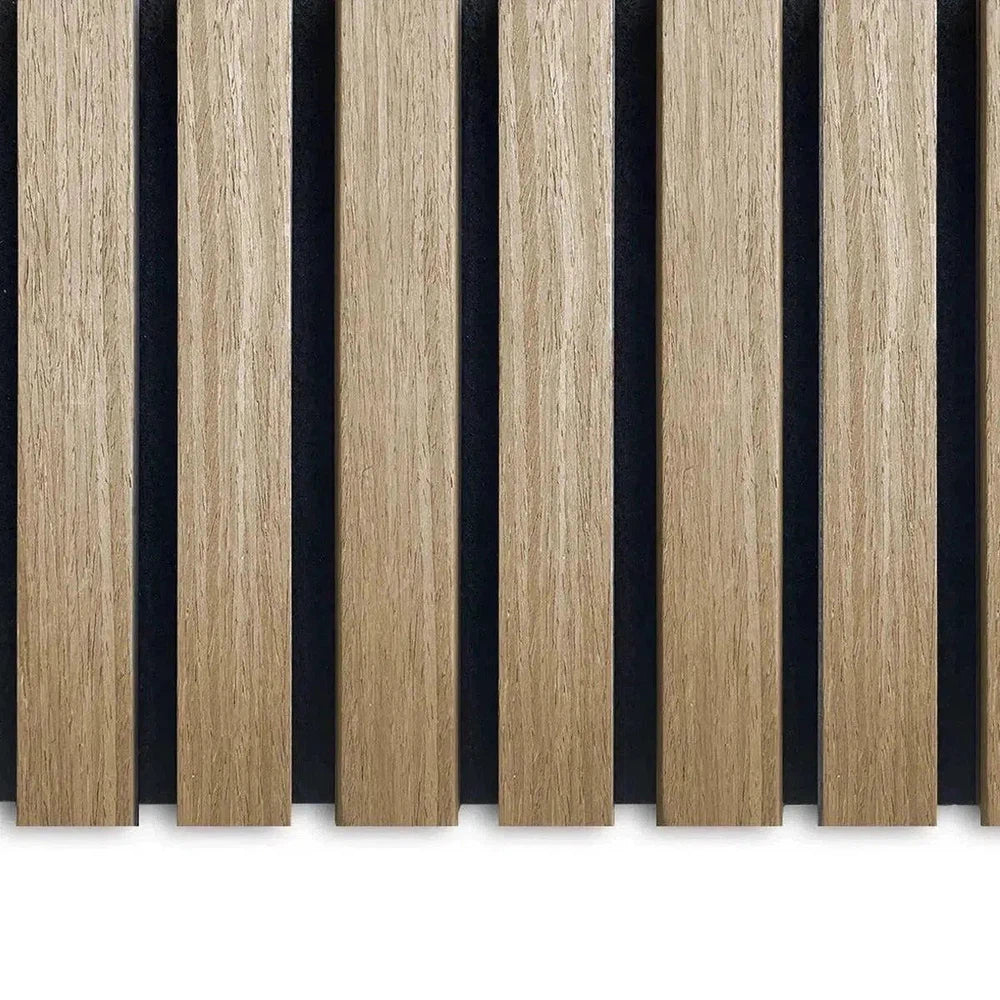
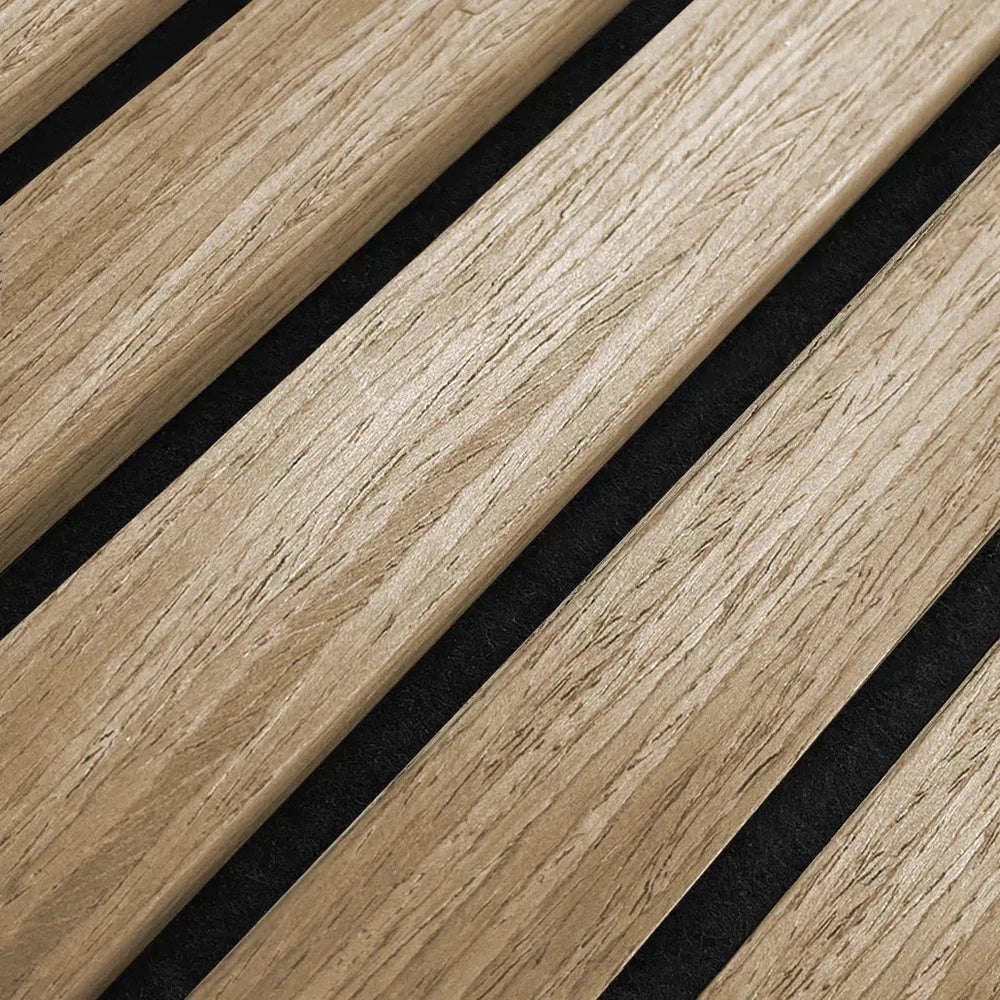
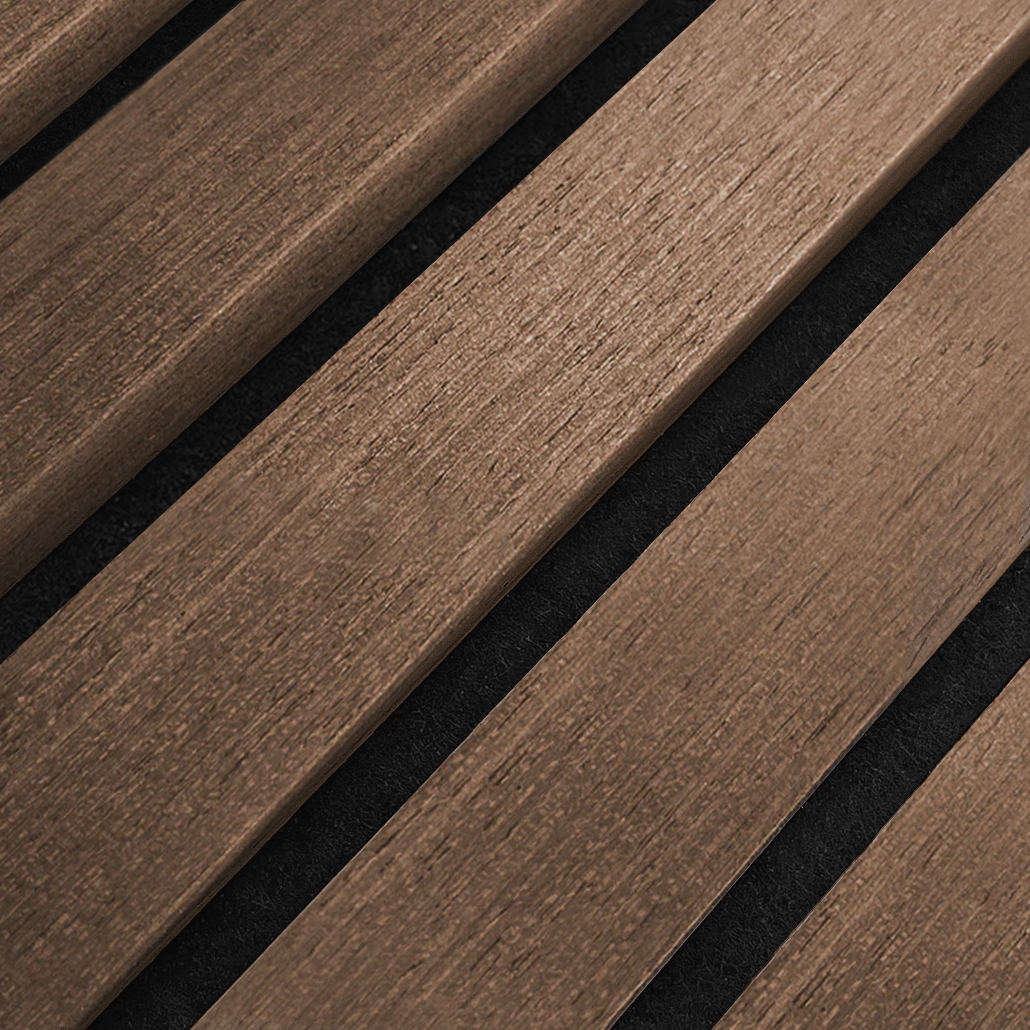
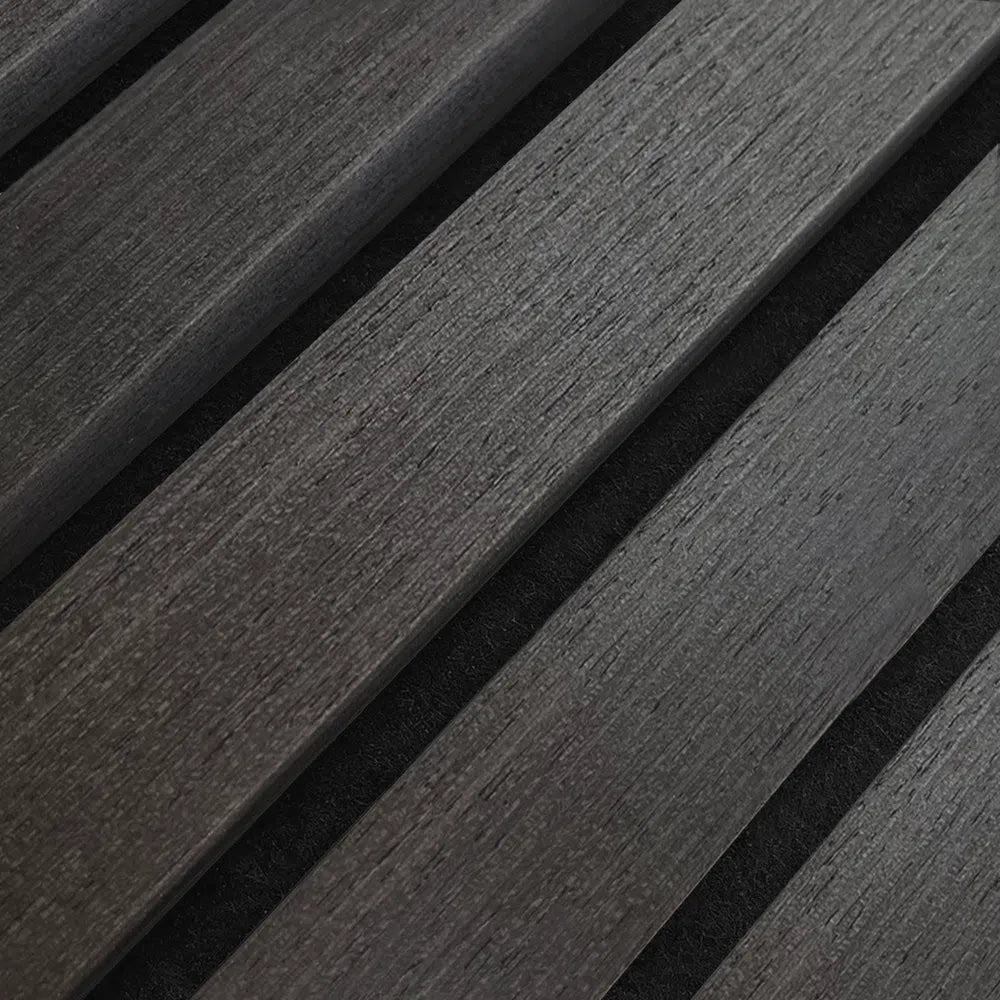
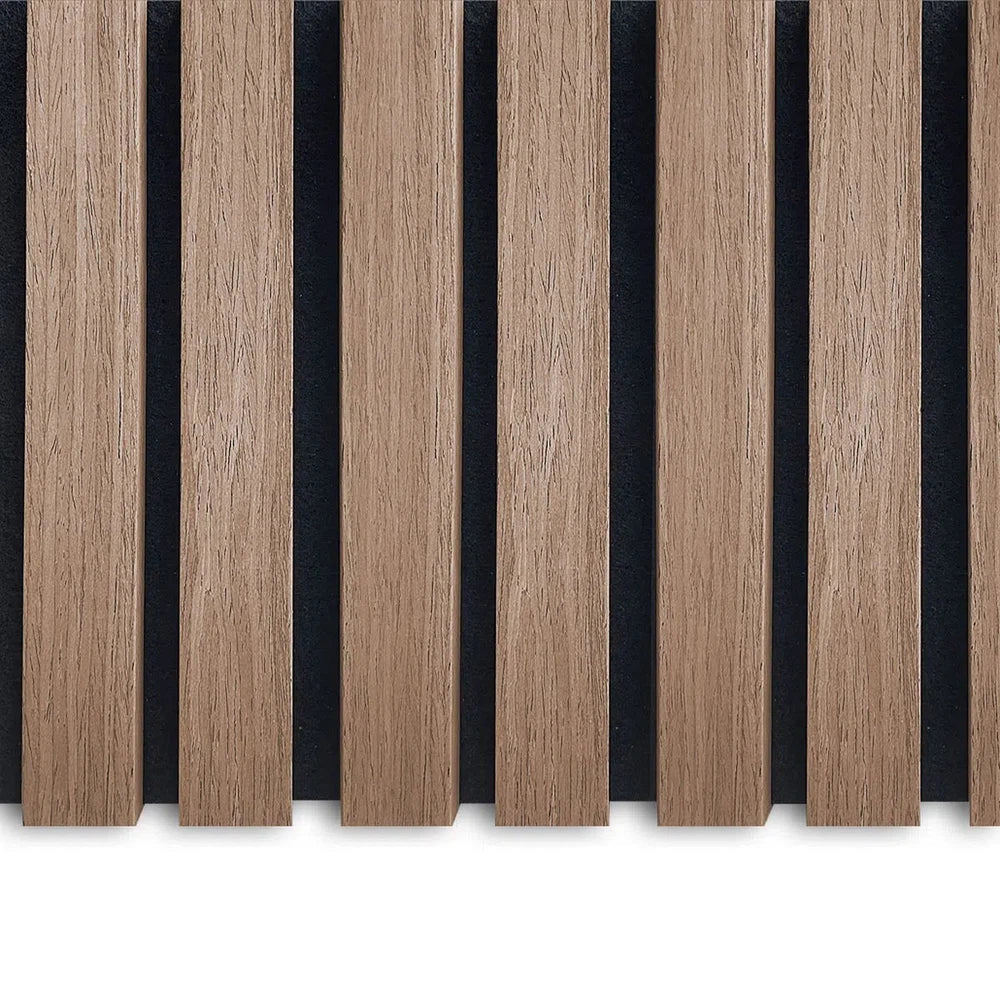
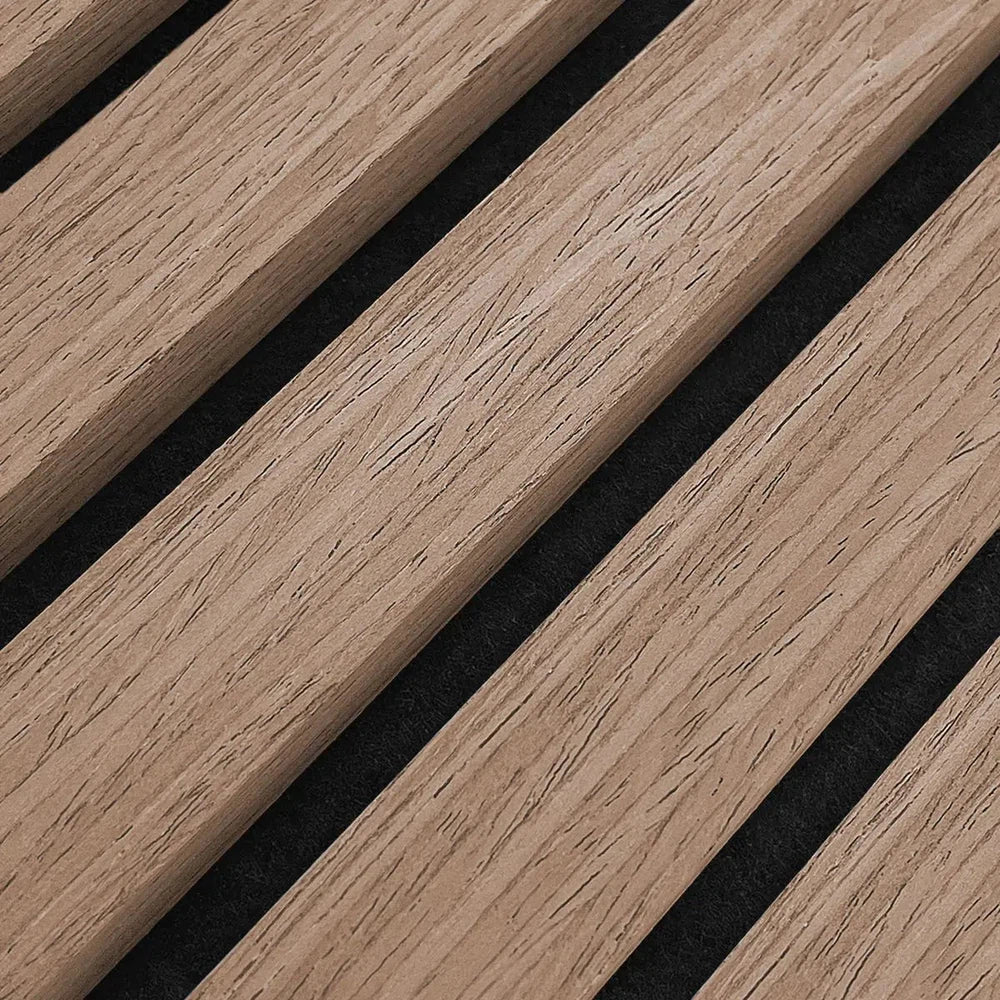
Untreated timber cladding typically tests at Euroclass D or E, nowhere near A2-s1,d0. Fire-retardant treatment can lift some timber products, but even treated timber rarely clears A2. Akuwood Panel's exterior wall cladding boards are built for facades under 18 metres — extensions, garden rooms, single-storey commercial units — not tower blocks, and that's true of timber cladding as a category, not just this brand. Verdict: Skip above 18m. Buy for low-rise builds where timber is legal, including the oak exterior wall cladding panel or the stone grey and black equivalents for a real wood-grain finish without the compliance risk.


Comparison table
| Material | Typical Euroclass | Height suitability | Verdict |
|---|---|---|---|
| Brick slip rainscreen | A1 | Any height | Buy |
| Fibre cement rainscreen | A2-s1,d0 | Any height, system-dependent | Buy |
| Terracotta/stone rainscreen | A1 | Any height | Consider |
| Metal composite (mineral core) | A2-s1,d0 | Any height, confirm core | Consider |
| Mineral render on substrate | A1 | Any height | Consider |
| HPL panels | B-s2,d0 typical | Below 18m | Skip above 18m |
| Timber veneer/board cladding | D/E untreated | Below 18m | Skip above 18m, Buy below |
Where to buy
- Ask for the BS 8414 test report on the full wall system, not a data sheet for the board alone — a Euroclass certificate on the cladding says nothing about how it performs behind insulation and a cavity.
- For anything over 18m, get written confirmation of the core material on any composite or metal panel before ordering. "ACM" is a category, not a fire rating.
- For builds under 18m — extensions, garden rooms, single-storey units — timber cladding stays a legitimate option. The timber frame building cladding guide covers fixing methods and where Akuwood Panel's exterior boards sit in that spec.
FAQ
What is fire rated exterior cladding for high rise buildings?
It's cladding that reaches Euroclass A2-s1,d0 or A1 under EN 13501-1, the minimum required by England's ban on combustible materials for buildings over 18 metres, in force since 2018. Brick slip, fibre cement and mineral-core metal composite panels are the common compliant categories in 2026.
Can timber cladding be used on a high-rise building?
Not above 18 metres in England. Untreated timber typically tests at Euroclass D or E, well below the A2-s1,d0 threshold required by the combustible cladding ban, and even treated timber rarely clears A2. Timber cladding remains legal and common on buildings under 18 metres.
Is ACM cladding banned?
Polyethylene-core ACM is banned on buildings over 18m in England since 2018, the same material category implicated in the Grenfell Tower fire. Mineral-core ACM can reach A2-s1,d0 and remains usable, provided the core is confirmed in writing.
What height triggers the combustible cladding ban?
18 metres, measured from ground level to the top storey, for residential buildings, hospitals, care homes and student accommodation in England. Buildings below that height follow different, less restrictive rules.
What test proves a cladding system is fire rated?
BS 8414 is the full-scale system test building control looks for, run on the complete wall build-up including insulation and cavity barriers, not just the cladding board alone. A Euroclass certificate for the board alone isn't sufficient evidence for a high-rise spec.
Is fibre cement cladding fire rated for high-rise use?
Most fibre cement rainscreen systems reach A2-s1,d0, clearing the bar for buildings over 18m, but the classification applies to the full system, not the board alone. Confirm the system-level BS 8414 report before specifying it on a tower.
What's the difference between A1 and A2-s1,d0 ratings?
A1 materials are entirely non-combustible with zero contribution to fire, while A2-s1,d0 allows a limited, tightly controlled combustible content alongside low smoke and no flaming droplets. Both clear the legal bar above 18m in England, but A1 is the stricter of the two.
Does Akuwood Panel sell fire rated cladding for high-rise buildings?
No. Akuwood Panel's exterior wall cladding is timber veneer built for facades under 18 metres, such as extensions, garden rooms and single-storey commercial units, and it isn't specified as an A2-s1,d0 or A1 system for towers above that height.
One last thing
The ban covers the whole wall build-up, not just what's visible. An A1-rated fascia over combustible insulation can still fail a building — that's exactly why BS 8414 tests the complete system and not the cladding board in isolation. Specify the system, not the surface.