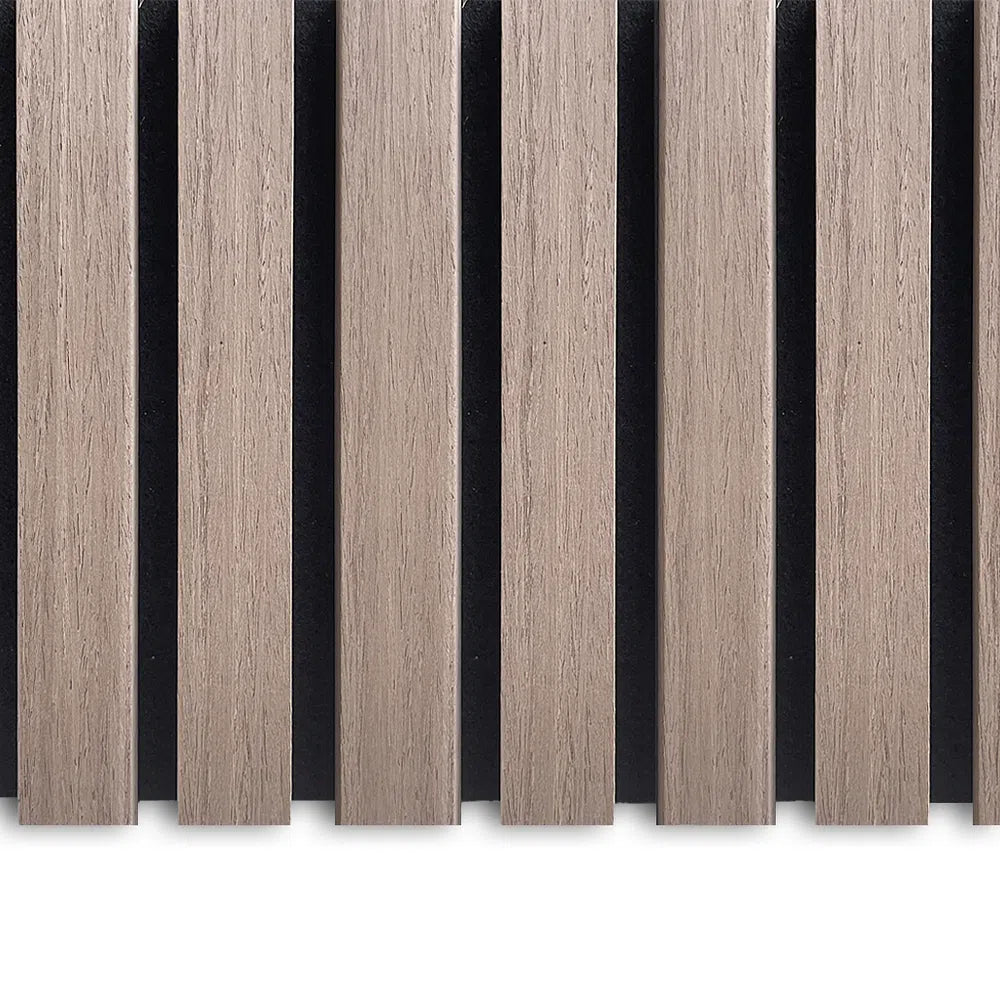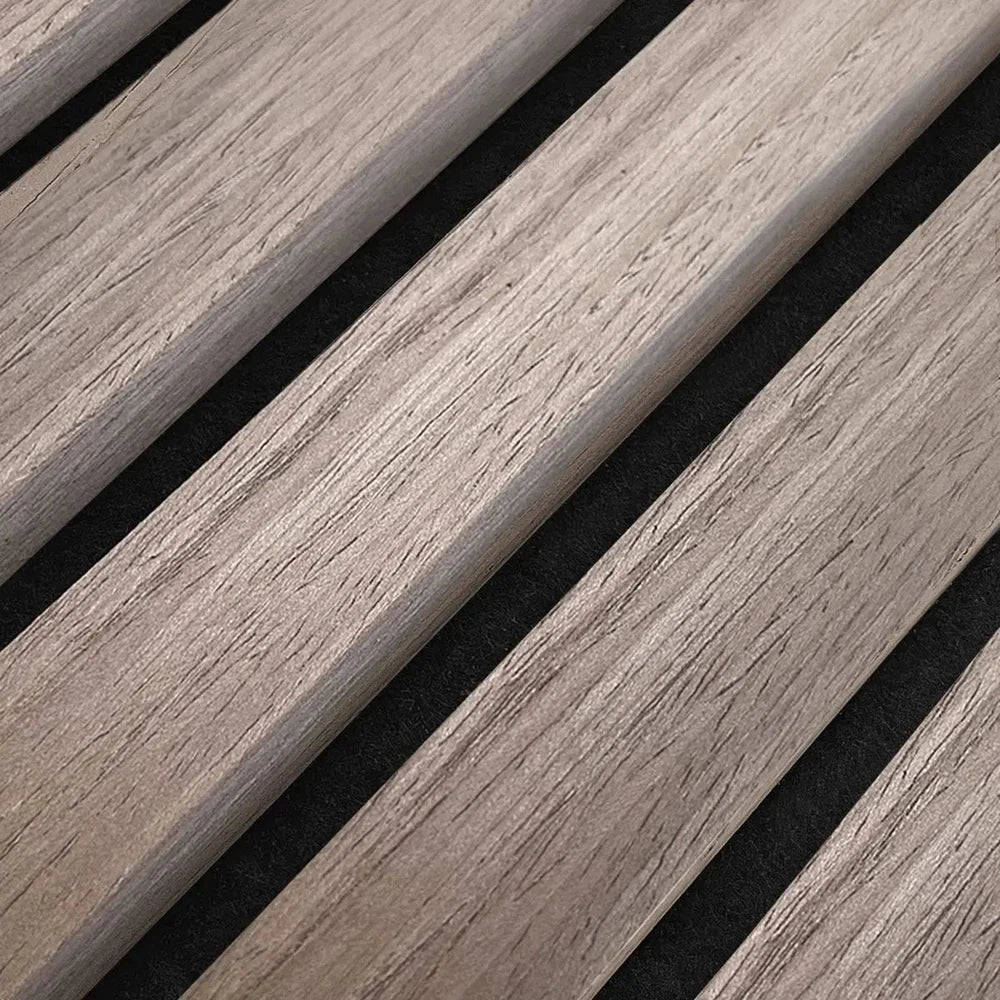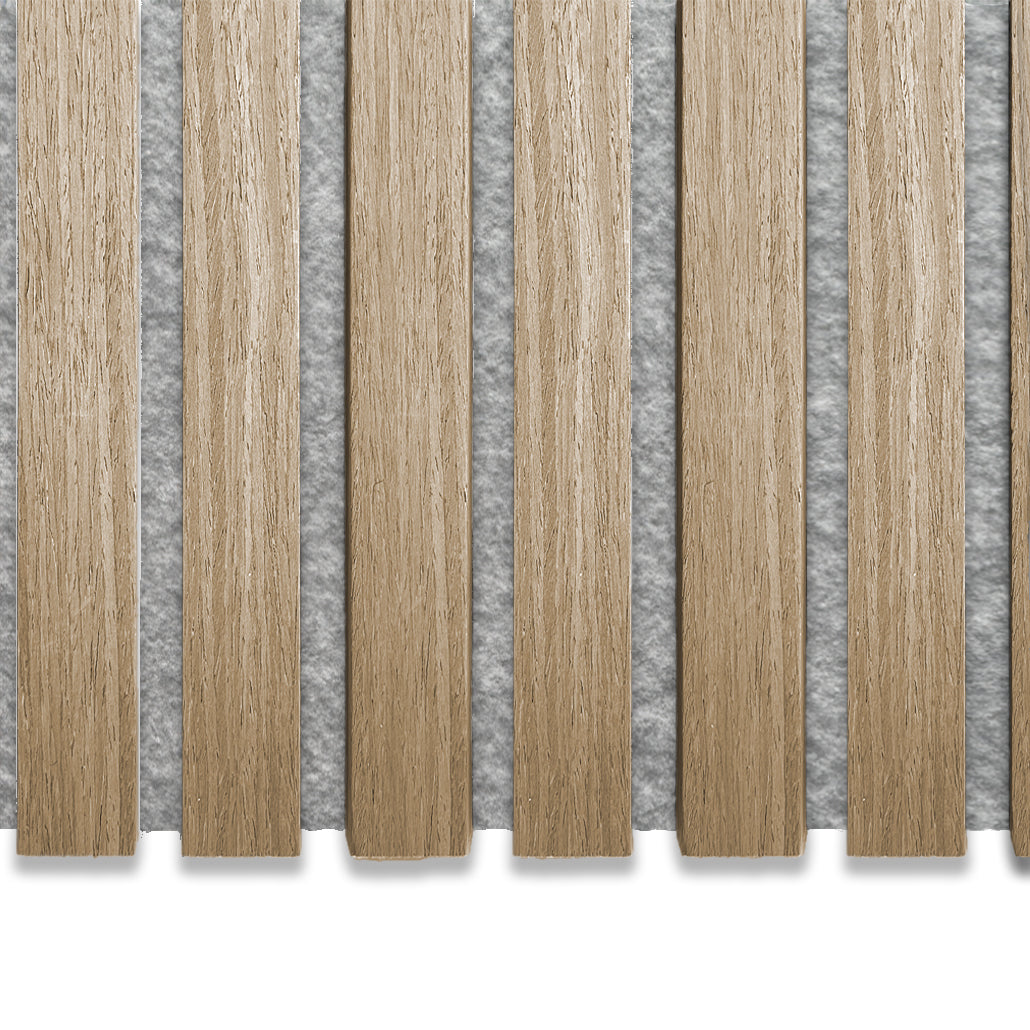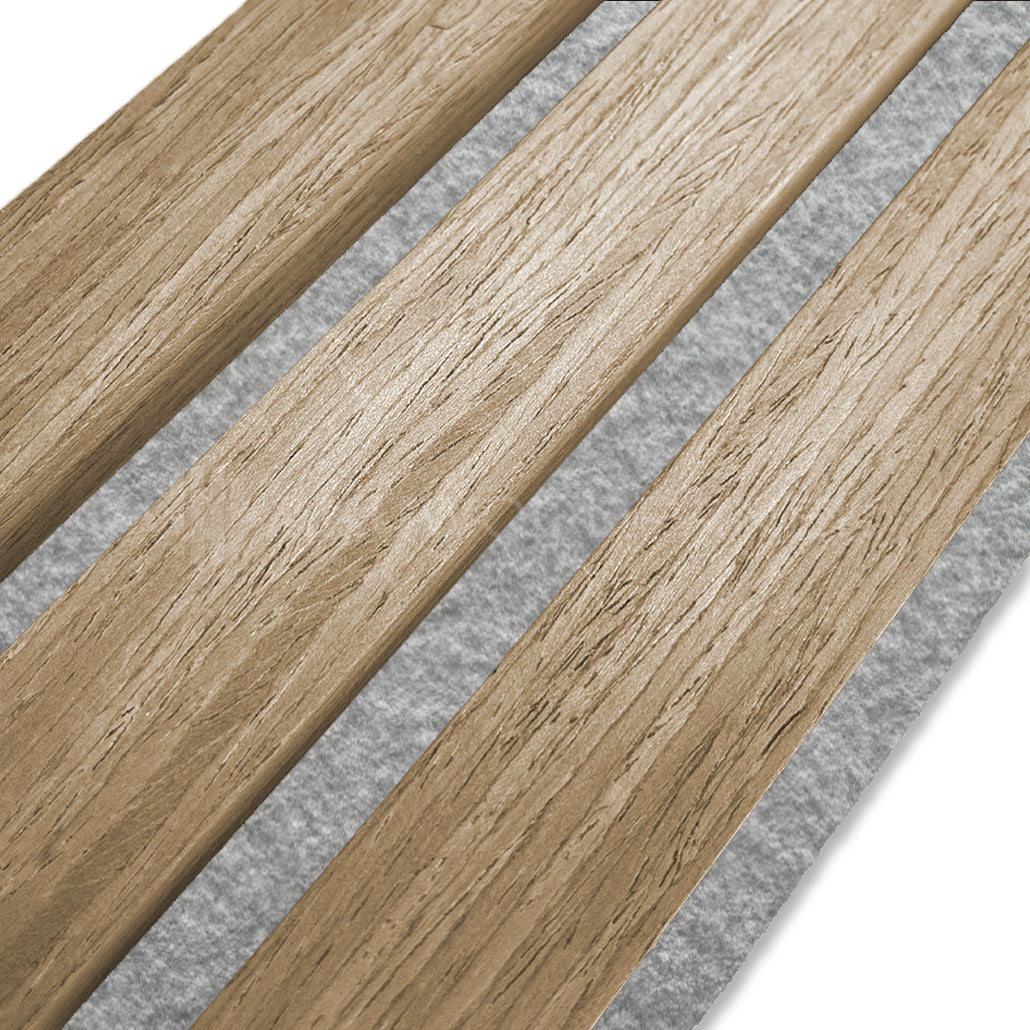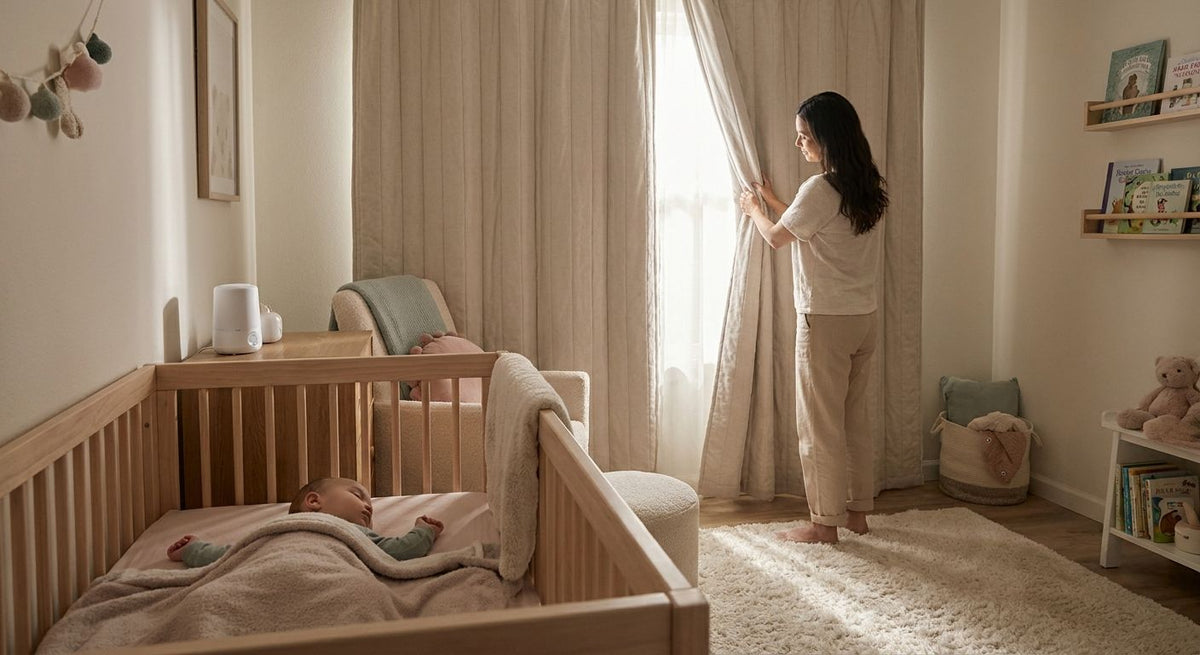
A nursery echoes more than any other room in the house — bare walls, a cot, a changing table, and not much else to absorb sound — and that echo is often what keeps a baby from settling into deep sleep. This guide walks through soundproofing a nursery room for baby sleep step by step, from auditing noise sources to fitting acoustic wood panels correctly.
- Acoustic wood panels with felt backing cut mid-to-high frequency echo in a nursery within one afternoon of fitting.
- WHO's Night Noise Guidelines recommend 30 dB(A) for undisturbed sleep — most untreated nurseries sit well above that.
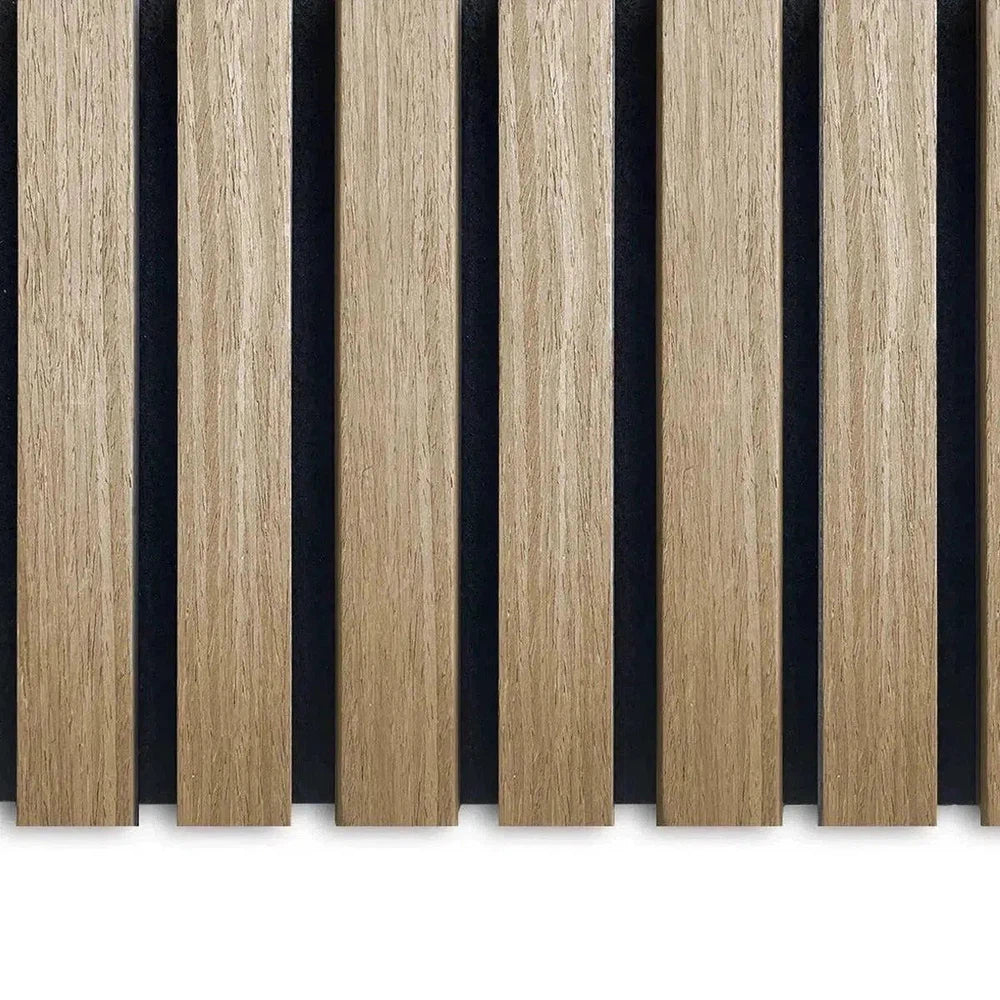
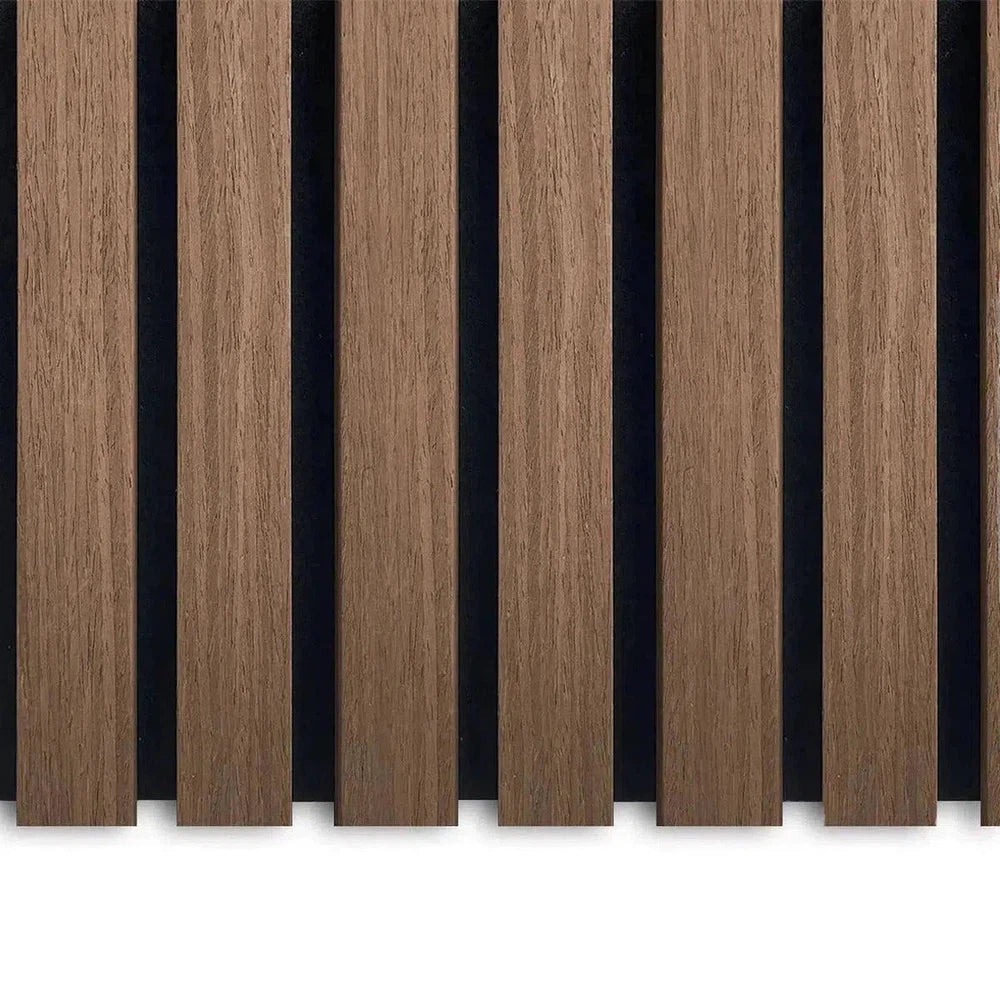
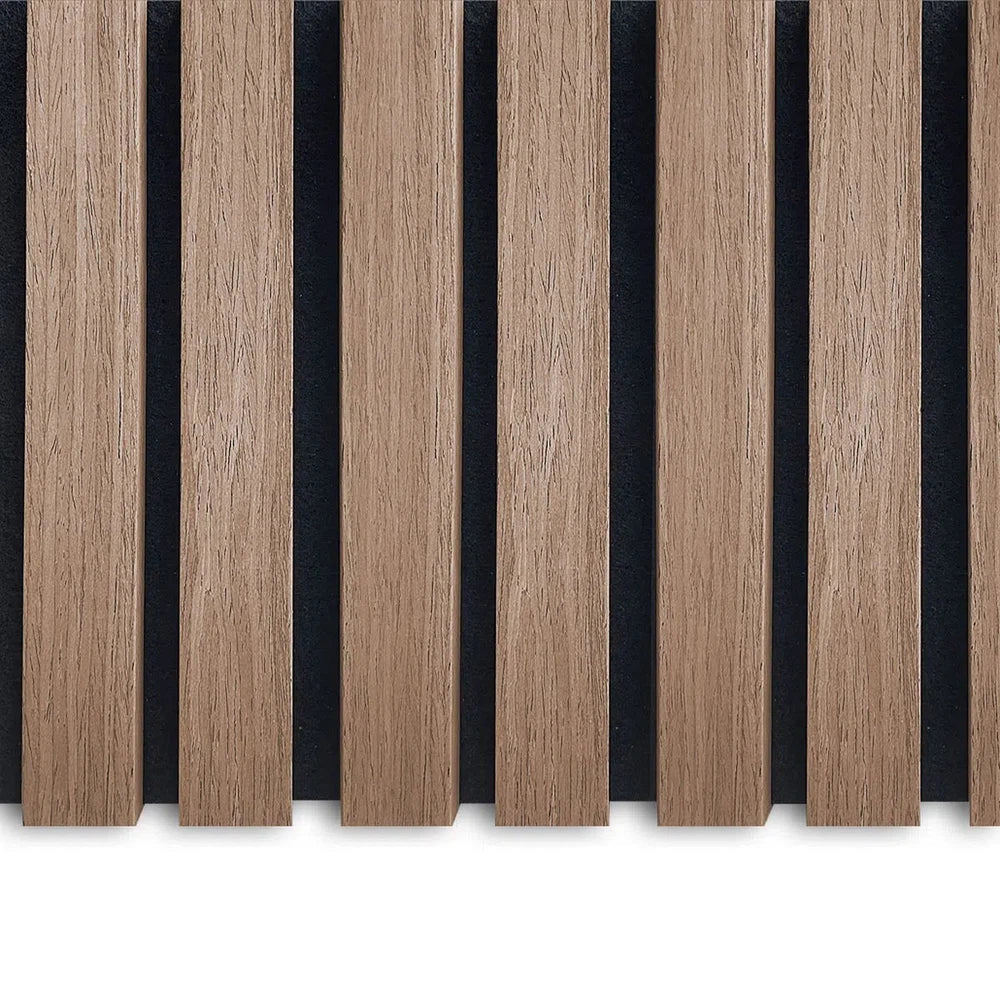
- Natural Oak Grey Felt panels from AKU Woodpanel are the safe pick for a neutral nursery wall — buy for the shared-wall side of the cot.
- Panels alone won't stop bass-heavy traffic noise or a washing machine through a party wall — combine with door seals and rugs.
- Test the room with a decibel meter app before and after fitting panels; skipping this step means guessing at results.
Why this matters
A newborn's sleep cycle is short and easily interrupted, and a bare-walled nursery amplifies every creak, door slam, and dog bark rather than absorbing it. The World Health Organization's Night Noise Guidelines for Europe (2009) put 30 dB(A) as the long-term target for undisturbed sleep — a plastered box room with a wooden floor routinely runs louder than that once you factor in a hallway, a landing, or a shared wall with a sibling's bedroom.
Soundproofing a nursery isn't about total silence. It's about knocking down reflected sound and blocking the worst of what comes through the walls, so a slammed door two rooms away doesn't wake a baby who just went down. Acoustic panels for nursery and baby room walls cover the wall-treatment side of that job in more depth; this guide covers the whole room.
What you'll need
- Acoustic wood panels with felt backing (enough to cover the shared or noisiest wall)
- Panel adhesive rated for interior use
- A tape measure and spirit level
- A decibel meter app on a phone (free, good enough for before/after checks)
- A heavy rug or thick curtains if the room has bare floor or a large window
- A door sweep or draught excluder for the nursery door
The steps
1. Audit where the noise actually comes from
Walk the room at the time of day the baby usually naps and note every sound source: a shared wall, the landing, a window facing the street, a door with a gap underneath. This takes ten minutes and saves you from treating the wrong wall.
Most nurseries have one dominant noise path — usually a shared wall or the hallway door — and treating that first gives the biggest improvement for the least work. Common mistake: people treat the prettiest wall (the one behind the cot for a feature wall) instead of the loudest one.
2. Cover the loudest wall with acoustic wood panels
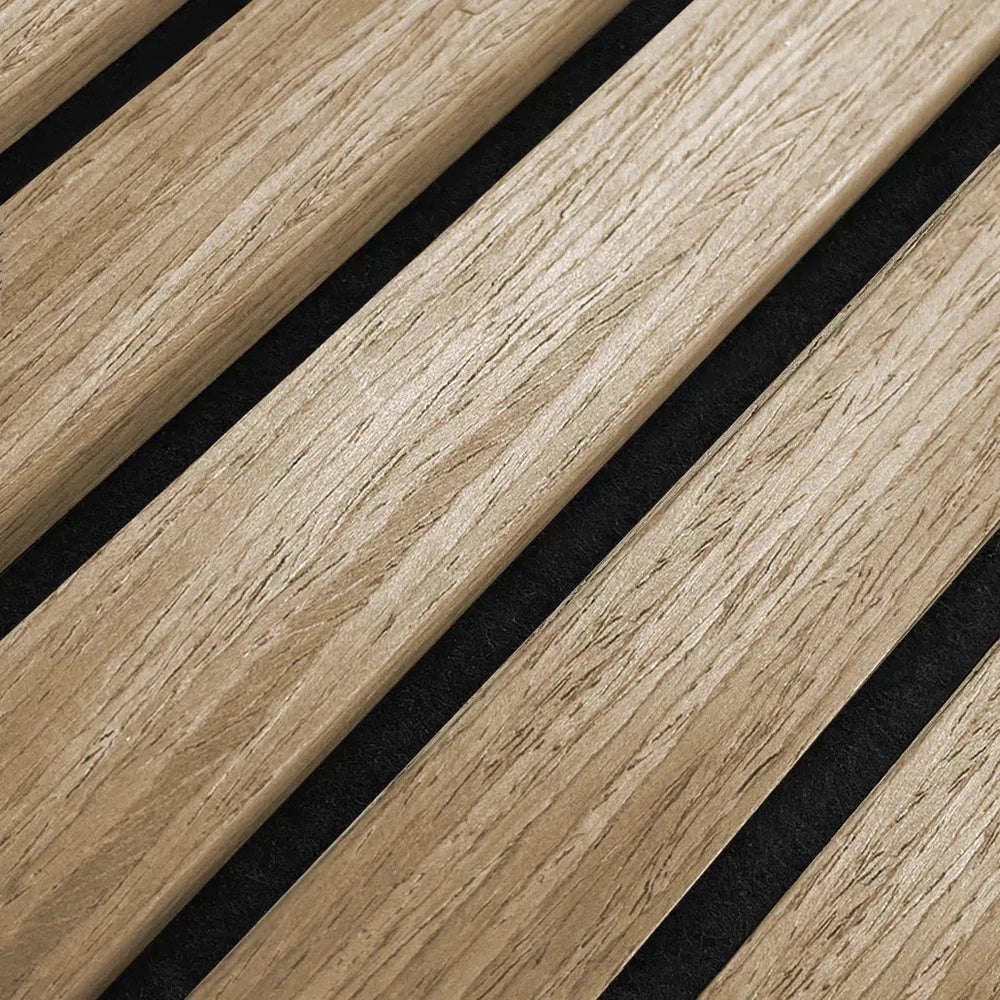
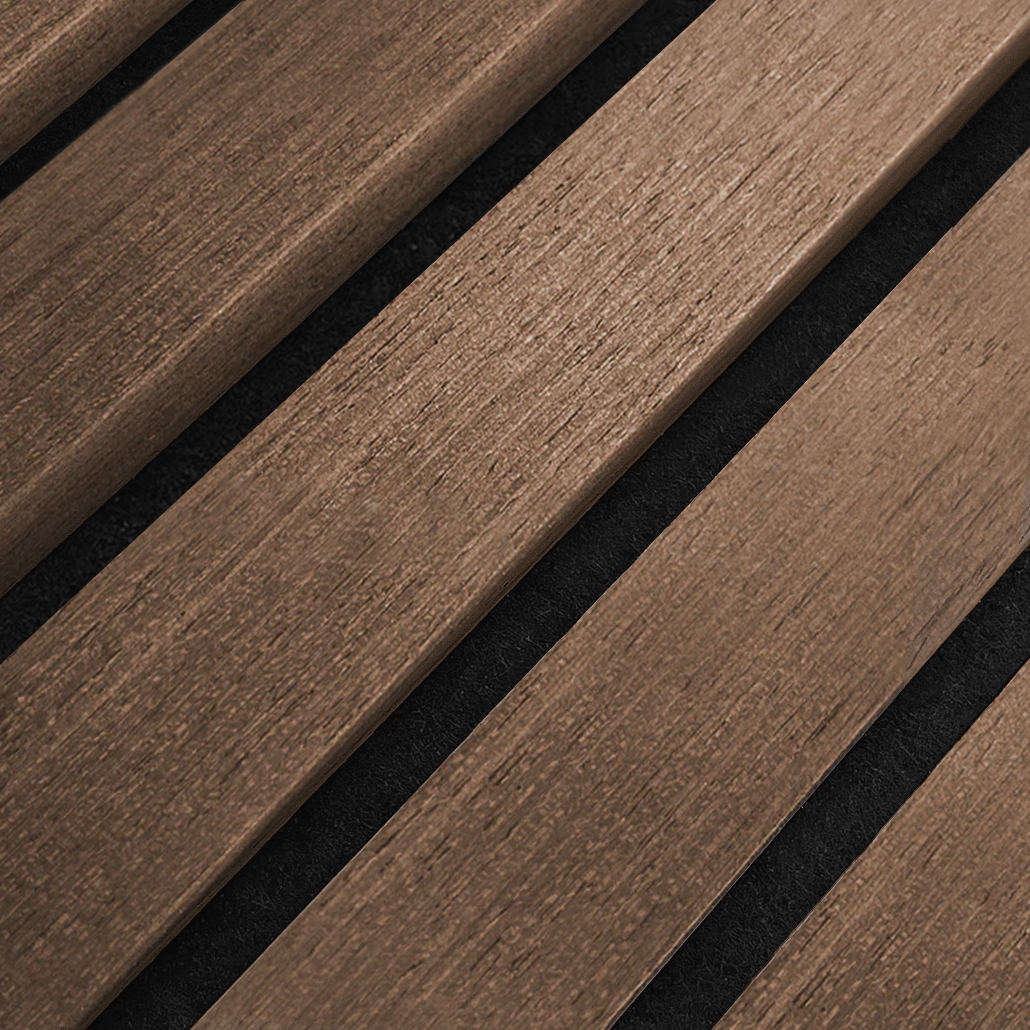
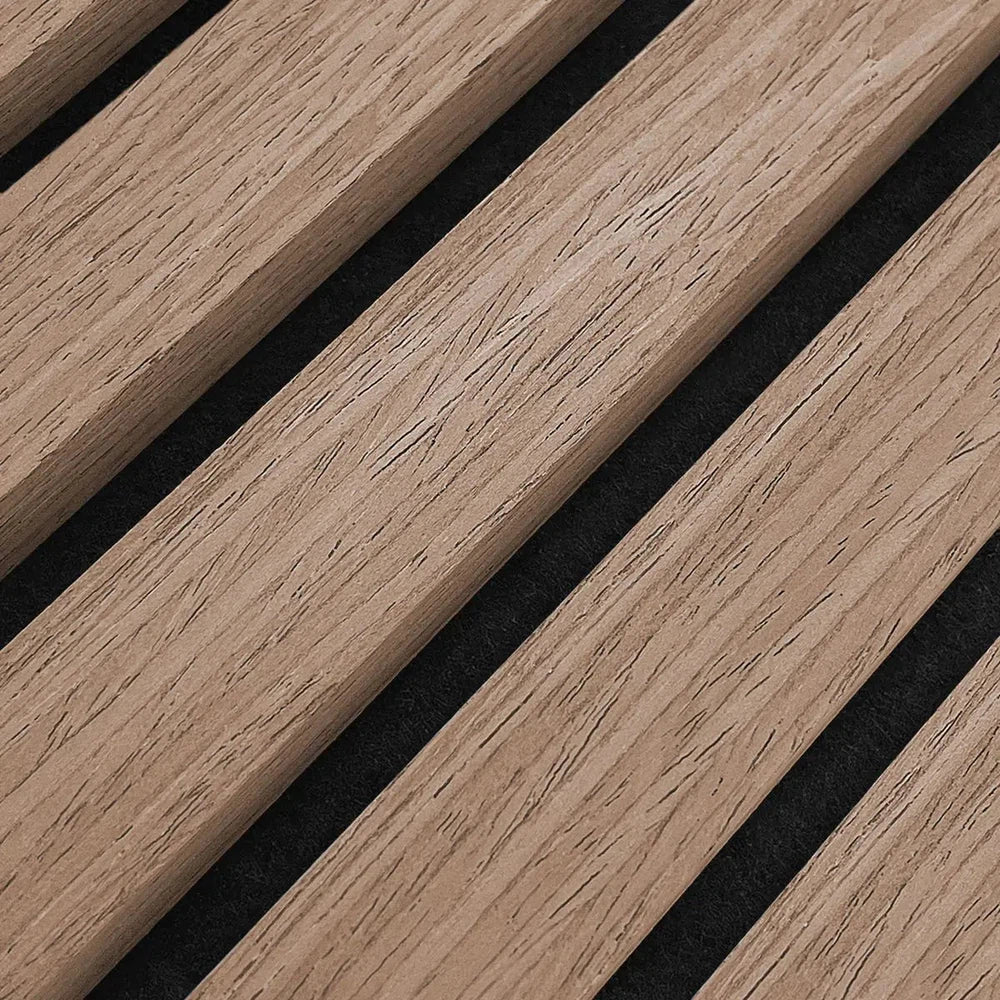
Once you know which wall is the problem, that's where the panels go, not necessarily the wall you'd pick for looks. A Natural Oak Grey Felt panel works well here because the grey felt backing sits under a real wood veneer, so it does double duty as a feature wall and a sound absorber.
Aim to cover 60-70% of the wall's surface for a noticeable drop in reflected echo — a couple of panels dotted around won't do much. Panels come in 240 cm and 300 cm formats in 2026, so measure ceiling height before ordering to avoid off-cuts.
3. Fit the panels with the right adhesive
Clean the wall with a dry cloth first — dust and old paint flaking will stop any glue from bonding properly. Apply panel glue in a zigzag pattern across the back of each panel, press firmly for 30 seconds, and check level with a spirit level before the glue sets.
Work from one corner outward so the wood grain lines up panel to panel. Common mistake: rushing the pressing step — a panel that isn't held firmly enough peels at the edges within weeks.
4. Seal the door and any gaps
A half-centimetre gap under the nursery door lets in more hallway noise than most people expect. Fit a door sweep or a foam draught excluder, and check the door frame itself for gaps around the hinges.
If the door has a hollow core, that's a weak point no panel will fix — a solid-core door swap is a bigger job but worth flagging if the hallway is genuinely loud.
5. Add soft materials to the rest of the room
Panels absorb reflected sound on one wall, but a bare floor and a bare window will still bounce noise around the rest of the room. A thick rug and lined curtains cut the remaining echo without adding another wall treatment.
This step matters more in rooms with wood or laminate flooring than carpeted ones — carpet already does some of this work for you.
6. Retest with the decibel meter
Run the same phone app check from step one, same time of day, same spot in the room. A drop of even a few decibels on the meter, paired with less audible echo when you clap your hands, confirms the treatment worked rather than just looking finished.
If the reading barely moves, the wall you treated probably wasn't the dominant noise path — go back to step one.
7. Reassess after a week of actual naps
A phone reading is a snapshot; a week of real naps tells you whether the baby is actually sleeping through the noises that used to wake them. Note any specific triggers still getting through — a doorbell, a dog, a washing machine — and treat those individually rather than adding more panels blindly.
Troubleshooting
- Baby still wakes to hallway noise after panelling one wall — the door gap is usually the culprit, not the wall. Fit a door sweep before adding more panels.
- Low rumble (traffic, washing machine) still gets through — acoustic wood panels handle mid-to-high frequency echo well but do little against bass-heavy structure-borne noise. That needs mass in the wall itself, not surface treatment.
- Echo persists after fitting a few panels — coverage is probably under 60% of the wall. Spot-treating with two or three panels rarely moves the needle; full-wall coverage does.
- Glue won't hold on a painted wall — the surface likely has a glossy or flaking finish. Sand lightly and wipe down with a degreasing cleaner before reapplying.
- Renting and can't glue to the wall — a batten-mounted system is the workaround, though it changes the fitting method from what's described in step 3.
- Panels look uneven once fitted — this is almost always a levelling issue from step 3, not a manufacturing fault. Recheck with the spirit level before the glue fully cures.


Tools and resources
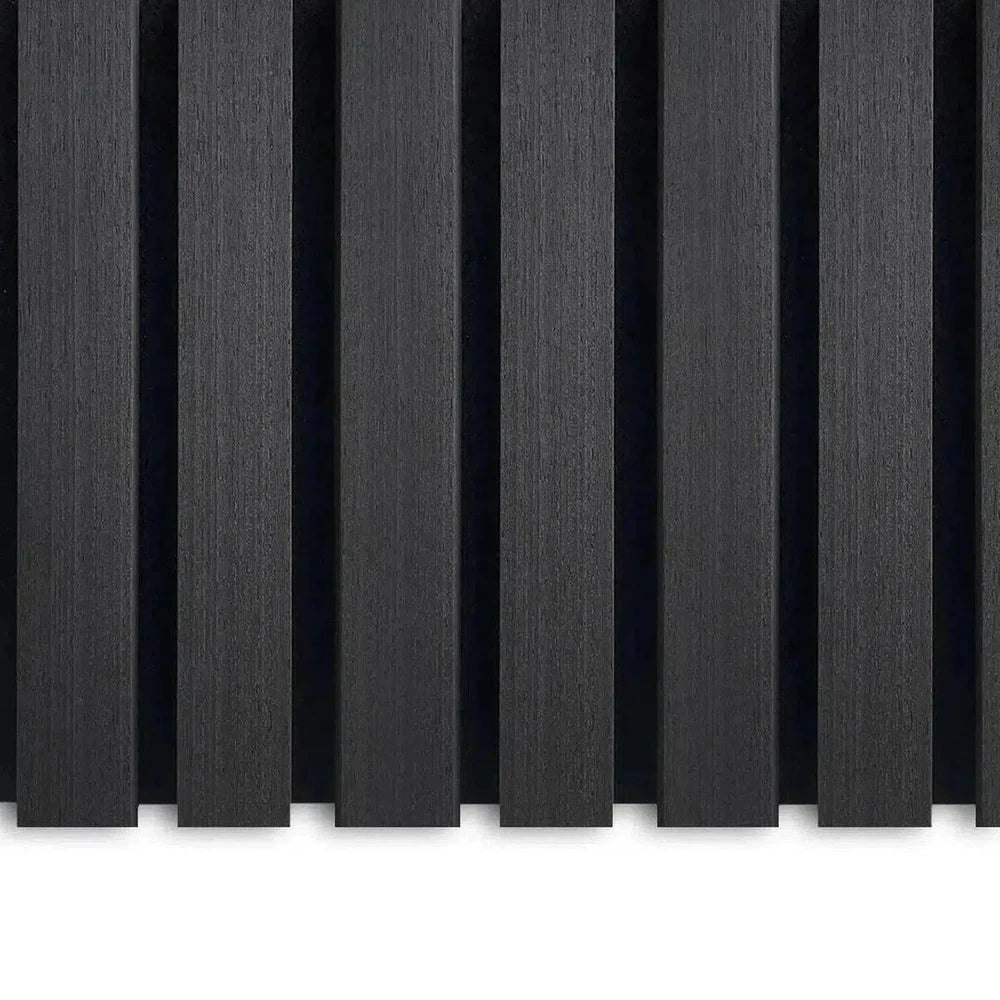
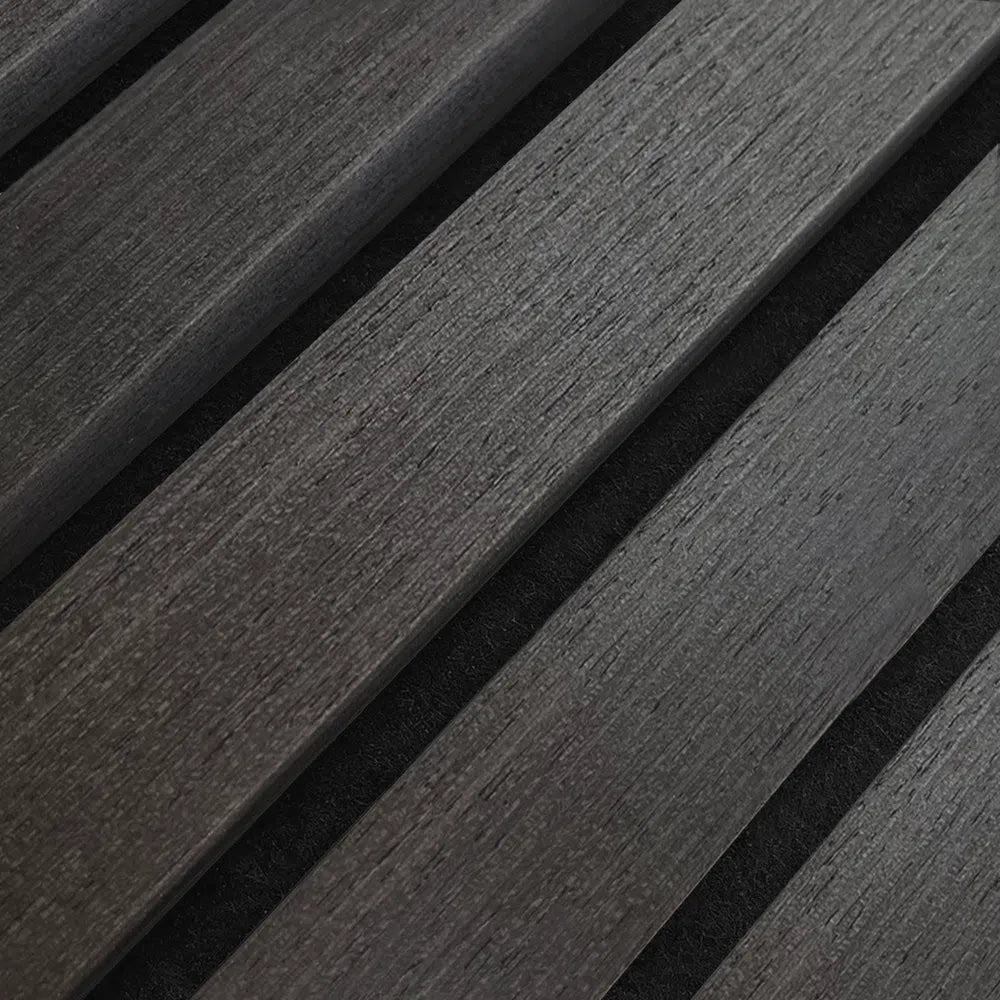
- Acoustic wood panels in a finish that suits the room (grey felt-backed oak keeps the palette neutral for a nursery)
- Panel adhesive rated for interior surfaces
- Spirit level and tape measure
- A free decibel meter app for before/after checks
- Door sweep or draught excluder
- A thick rug if the floor is bare
Ordering a full pack sight-unseen is a mistake worth avoiding — check the felt colour and wood grain against your actual wall lighting first, since screen colours rarely match what shows up under a nursery night light.
What to do next
Once the shared wall is treated and the door is sealed, give it a week of real naps before deciding whether to treat a second wall. Most nurseries only need one wall panelled properly rather than the whole room — over-treating a small space can make it feel closed in rather than calmer.
FAQ
What is the best way to soundproof a nursery room for baby sleep?
The most effective approach combines acoustic wood panels on the noisiest wall with a sealed door and soft floor coverings. Panels alone rarely fix everything — door gaps and bare floors both let sound back into the room.
How many decibels is safe for a baby to sleep through?
WHO's Night Noise Guidelines for Europe (2009) recommend 30 dB(A) as the long-term target for undisturbed sleep. Most untreated nurseries run above that once hallway and outside noise are factored in.
Do acoustic wood panels actually reduce noise, or just echo?
Acoustic wood panels with felt backing absorb reflected sound within the room, cutting echo rather than blocking outside noise entirely. For noise coming through a shared wall or door, you also need sealing and mass, not panels alone.
Is it better to soundproof the whole nursery or just one wall?
One wall — usually the loudest or shared one — is enough for most nurseries. Full-room treatment is rarely necessary and can make a small room feel enclosed.
How much does it cost to soundproof a nursery in 2026?
Cost depends on wall size and how many panels are needed to hit 60-70% coverage; check current panel pricing for an exact figure since it scales with square metres covered.
Can I fit acoustic panels myself without a contractor?
Yes — panels fit with adhesive and a spirit level in an afternoon for a standard nursery wall. No specialist tools or trade skills are required beyond careful levelling.
Will soundproofing panels stop a baby monitor from picking up static?
No, monitor static is an electronic interference issue, not a sound-absorption one. Acoustic panels address reflected room noise and echo, not radio interference.
Do I need planning permission to fit wall panels in a nursery?
No, interior acoustic wood panels are a decorative wall treatment and don't require planning permission in a standard UK home. Rented properties may have their own restrictions worth checking with the landlord first.
One last thing
The single biggest mistake in nursery soundproofing isn't the wall treatment — it's the door. A well-panelled wall next to a door with a half-centimetre gap underneath still lets most hallway noise straight through, so fit the door sweep in step 4 even if it feels like the least interesting part of the job.