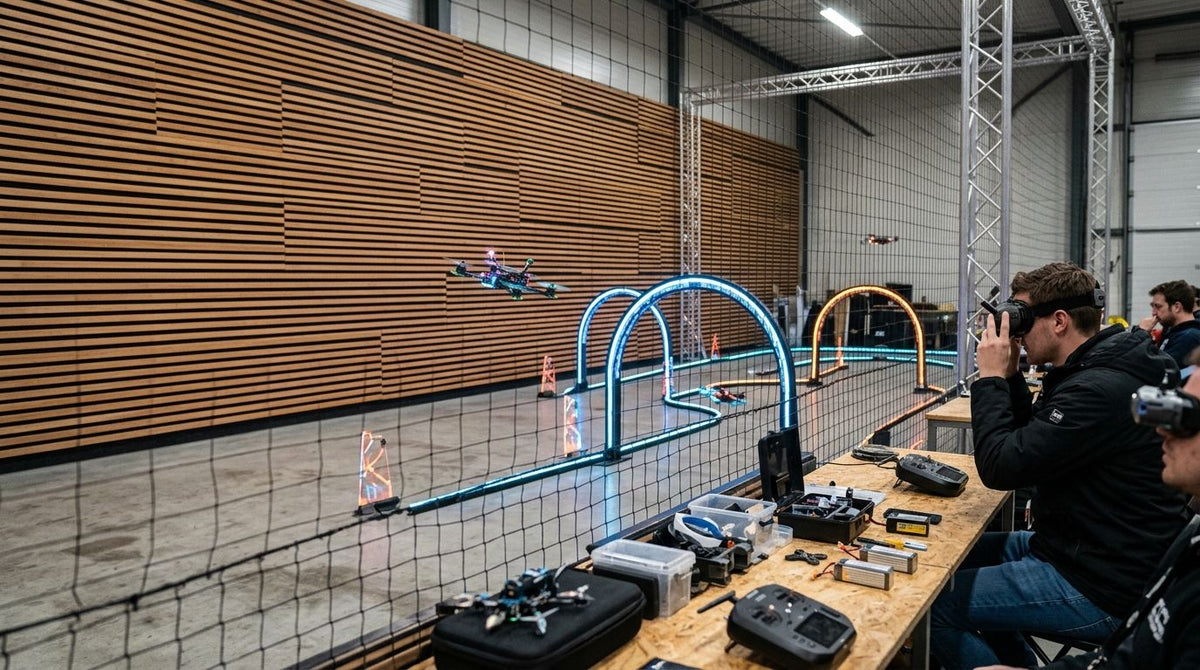
Drone racing arena acoustic panels cut prop-noise reverberation and motor whine inside converted warehouses and industrial units, and the fastest fix for a bare metal-and-concrete shell is a wood veneer acoustic panel rated for impact zones, not an office-grade foam tile. Indoor tracks built inside former factories or logistics units in 2026 all share the same problem: hard, parallel surfaces bounce sound instead of absorbing it.
- Akuwood Panel hexagon acoustic panels (NRC 0.75) are the verdict pick for perimeter walls near drone racing arena crash zones.
- Bare warehouse shells with concrete floors and steel roofing make motor and prop noise far worse through reverberation.
- Treat impact zones and the commentary booth first; spectator walls can wait for phase two.
- Office-grade foam tiles shred under prop wash and crash debris within one racing season.
- Phase the 2026 install around your racing calendar instead of closing the venue for a full fit-out.
Why this matters
Most UK indoor drone racing venues sit inside repurposed industrial units: brick or block walls, corrugated steel cladding, exposed roof decking, poured concrete floors. None of that absorbs sound. Motor whine and prop wash slap off the far wall and come straight back at the pit lane, which is exactly where commentators and race directors need to hear each other.
Untreated hard-surface arenas don't just sound loud. They sound confused. Reflected sound smears the source, so a spotter calling a crash on lap three becomes noise the pit crew has to shout over.
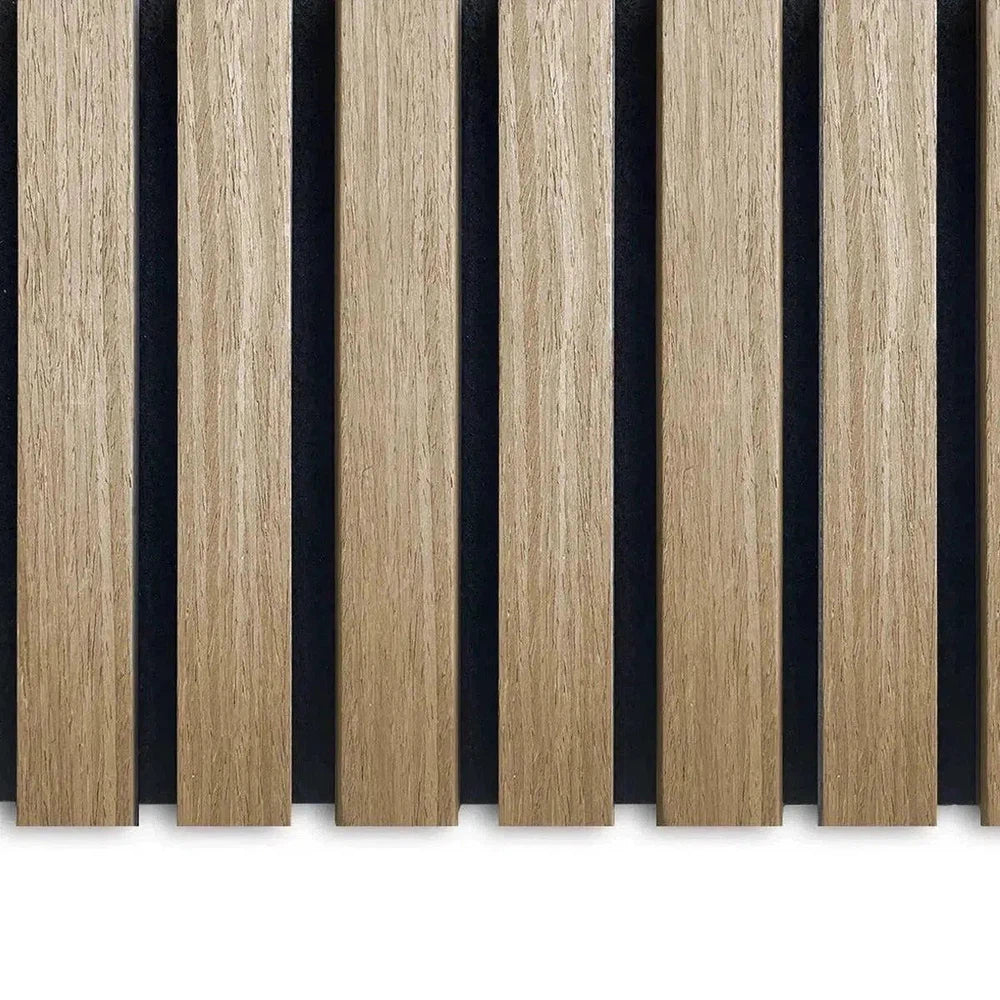
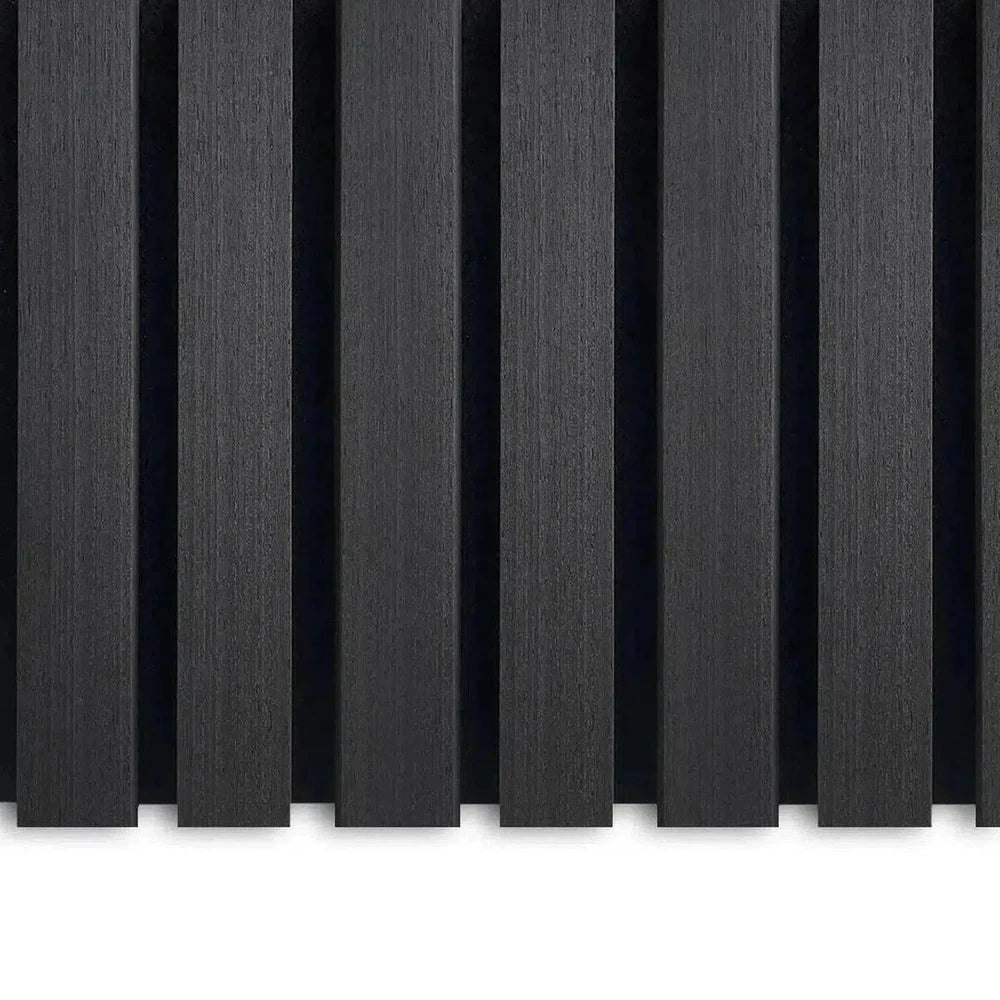
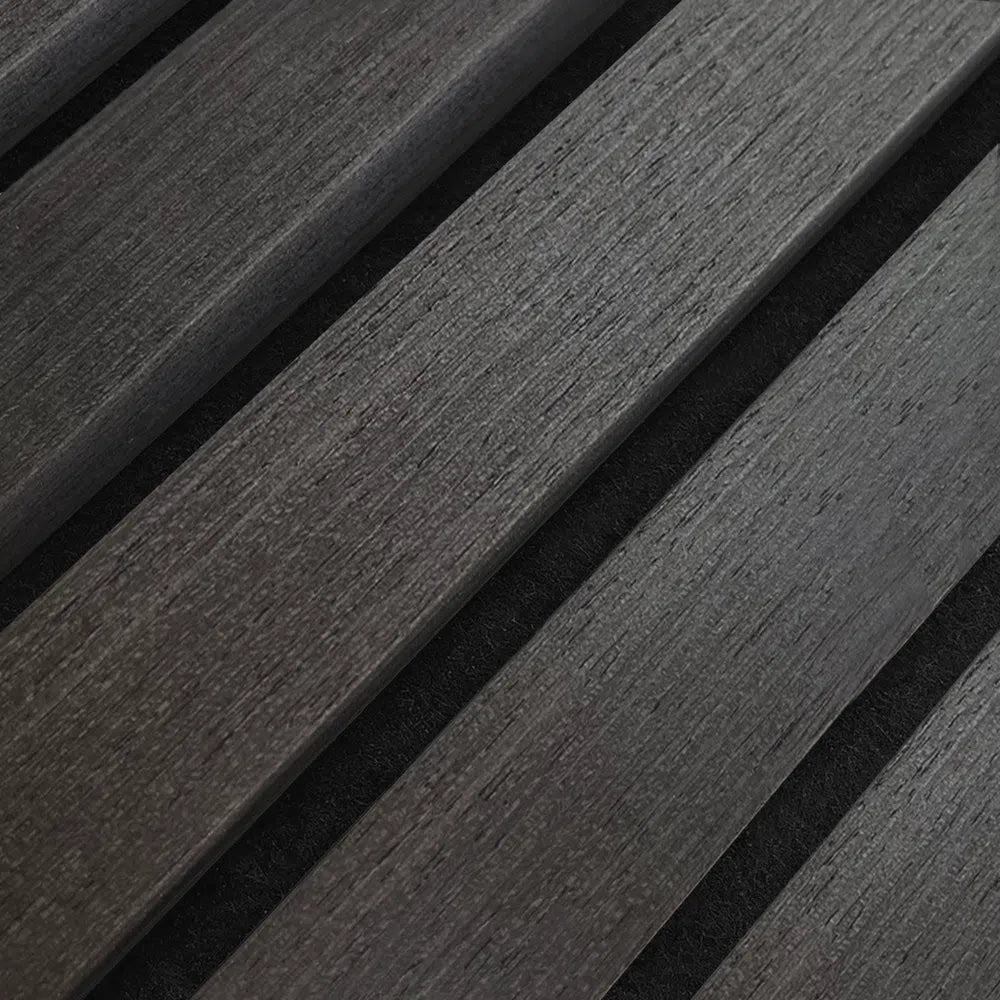
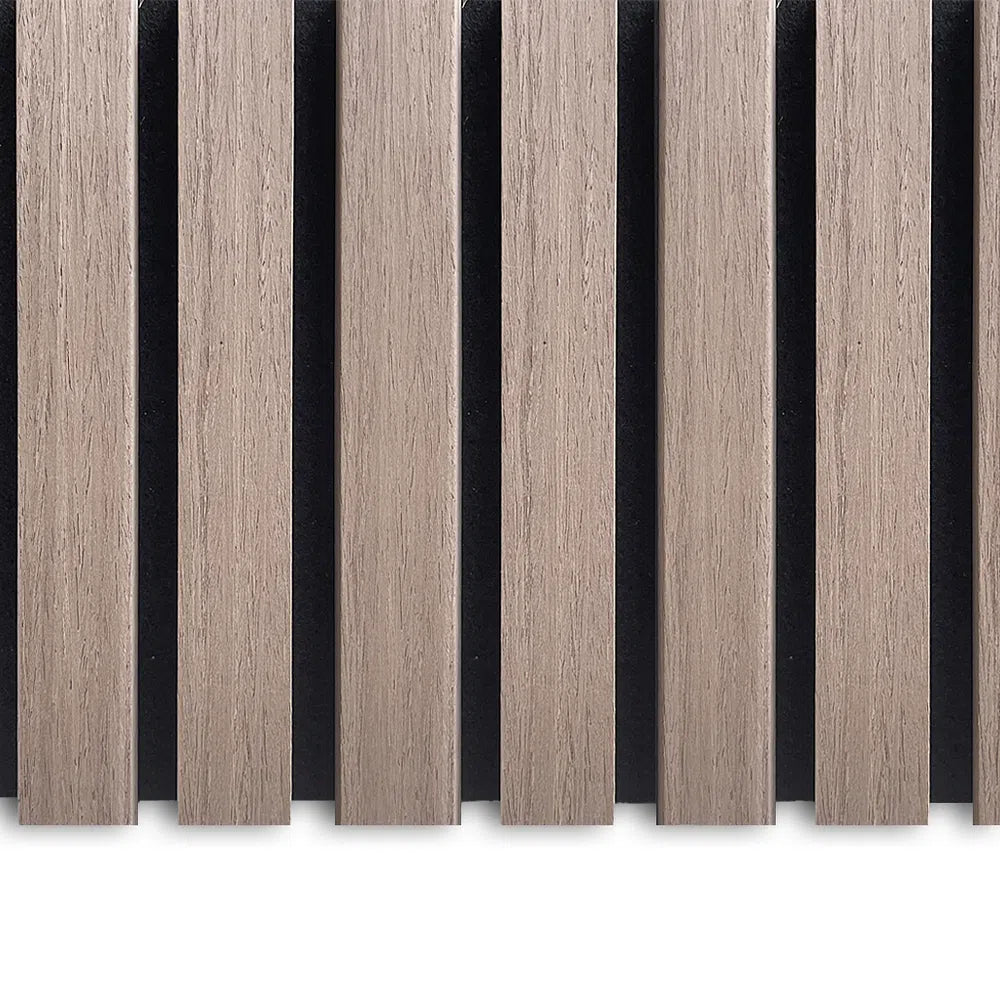
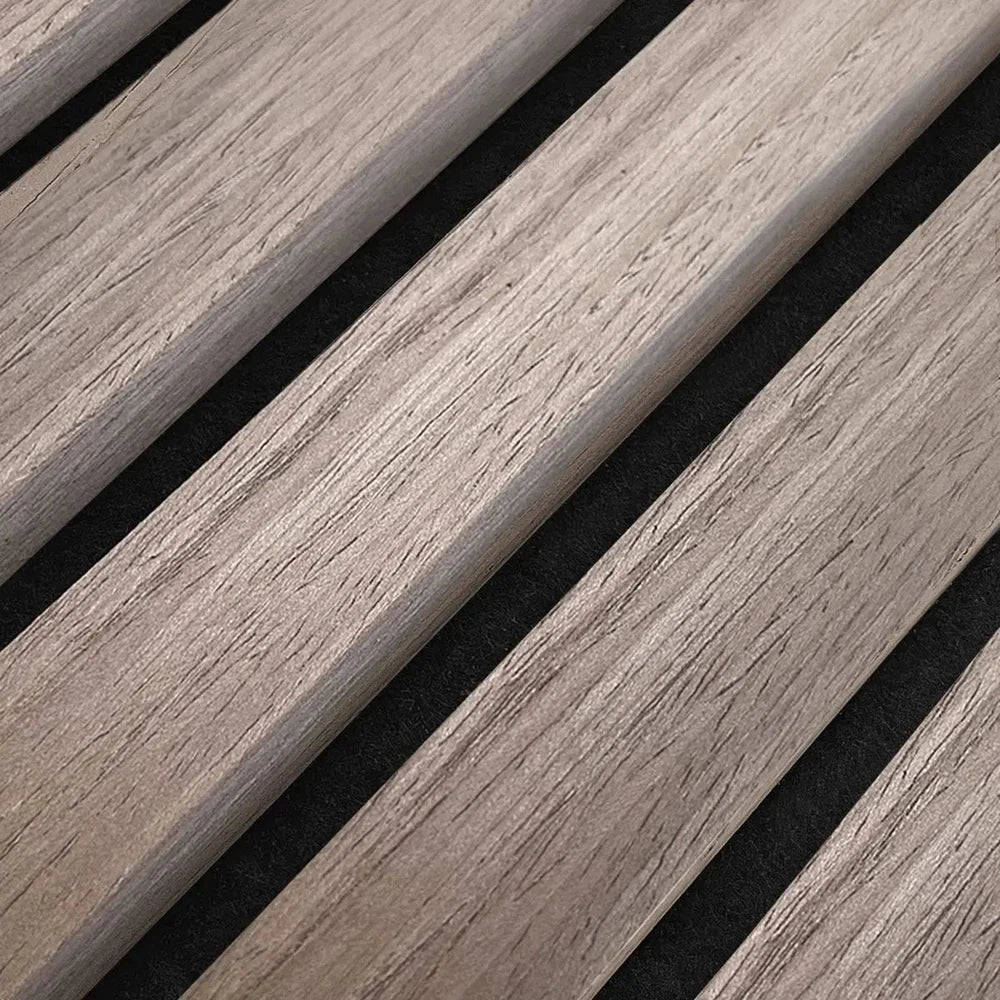
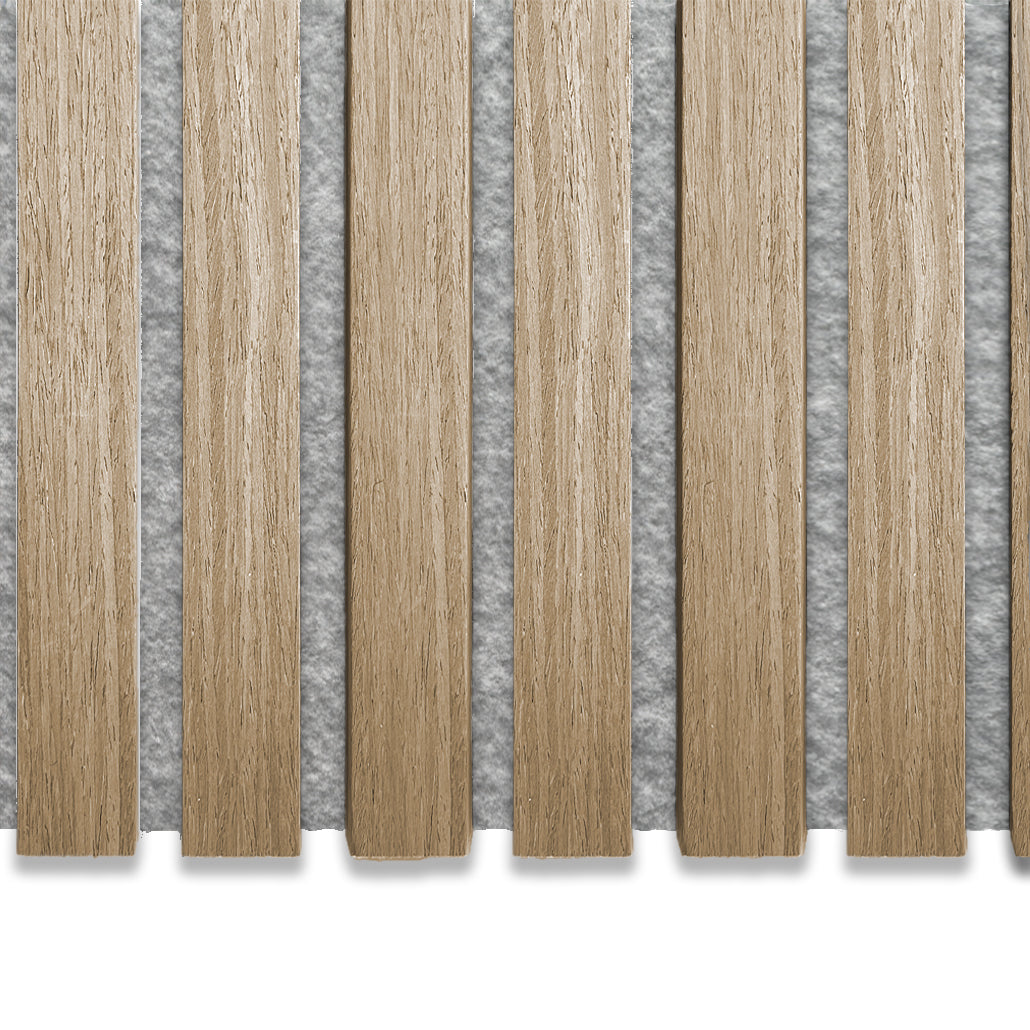
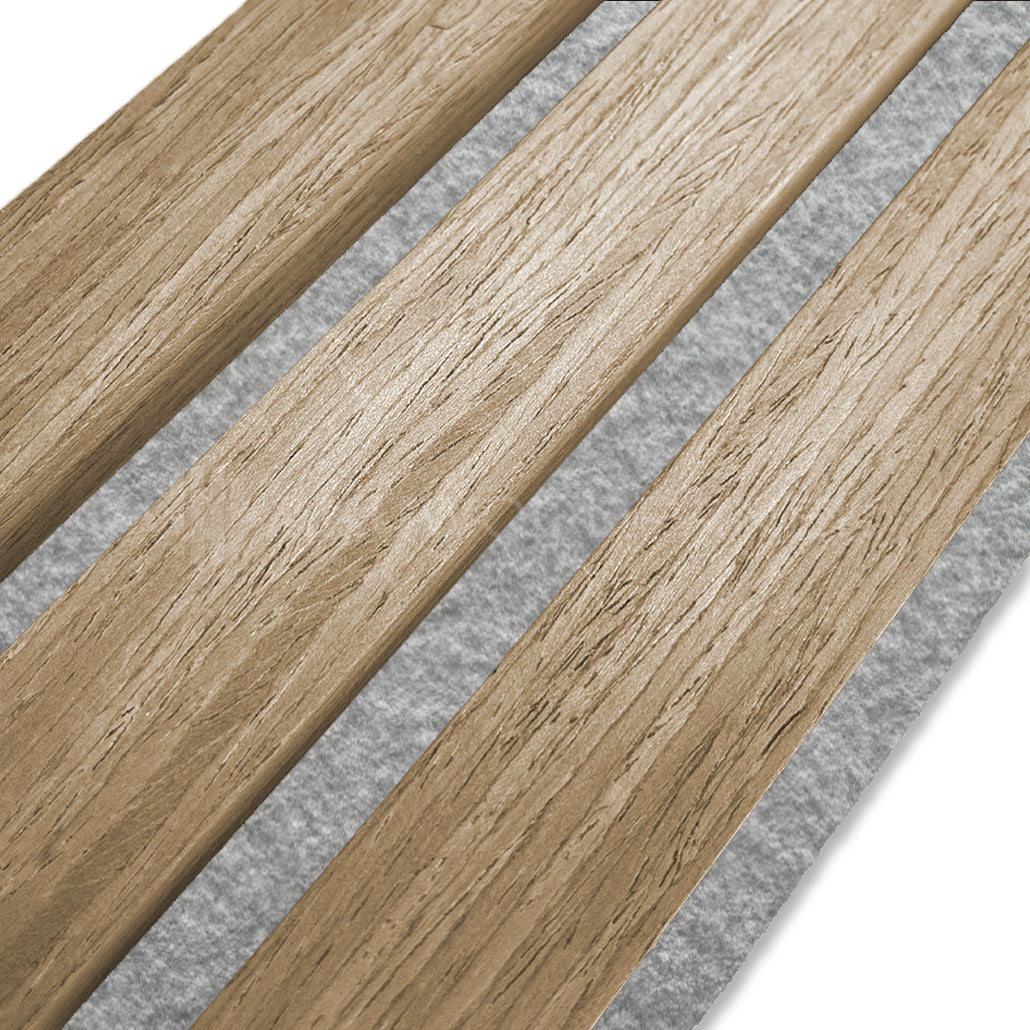
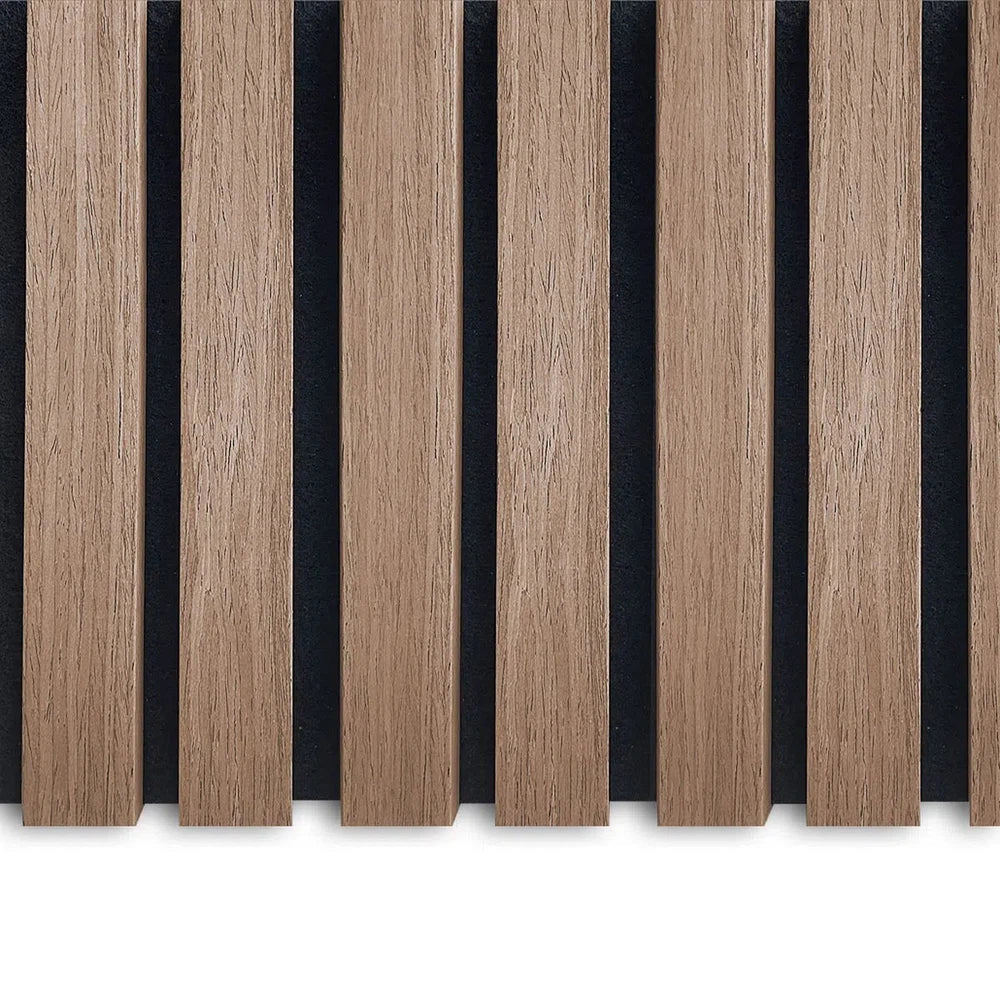
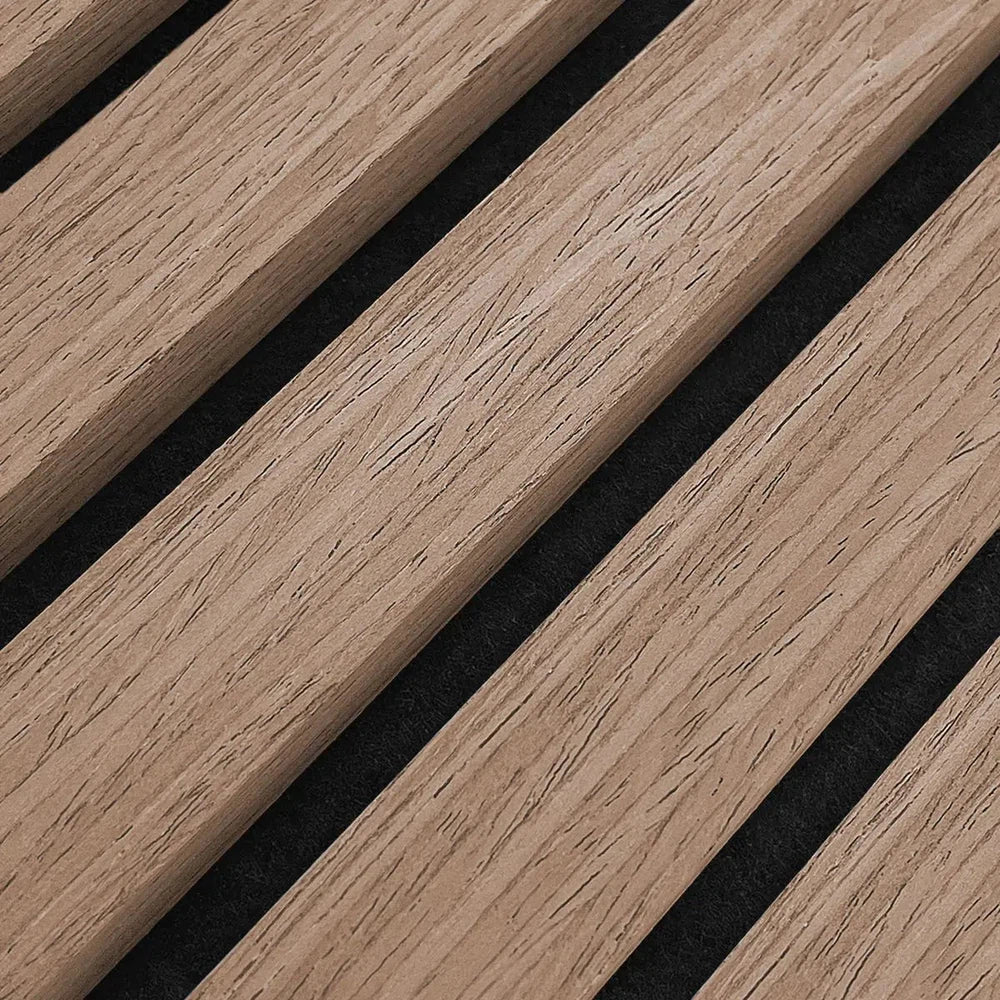
Acoustic wood panels fix this without hiding the industrial look the sport runs on. A hexagon acoustic panel in natural oak reads as a design feature on a barrier wall, not a retrofit patch.
Update your arena's acoustic plan
Measure your reverberation problem first
Before buying anything, walk the track with motors spinning and listen for slap-back off the end walls.
- Stand in the pit lane during a full field of quads and note whether commentary stays intelligible
- Clap sharply at the far end of the track and count how long the decay lasts
- Log every exposed hard surface: brick, block, corrugated steel, poured concrete
- Check whether the commentary booth has its own echo problem separate from the main hall
Map your high-impact and high-noise zones
Not every wall needs identical treatment. Crash barriers take a battering; spectator walls only need to stop reflecting sound.
- Finish straight and gate walls, where motors run hardest
- Sharp-turn barrier walls, where drones crash most often
- Pit lane and commentary booth, where speech intelligibility matters most
- Spectator viewing line, lower priority but worth treating before longer 2026 events
Choose panels rated for the environment, not just the sound
A domestic foam tile is built for a quiet home office, not a venue with dust, prop wash and the occasional stray 5-inch quad. Real wood veneer panels with a felt acoustic backing hold up far better here.
- Target an NRC rating around 0.75 — the Akuwood Panel hexagon acoustic panel carries this rating and absorbs mid-to-high frequency prop whine
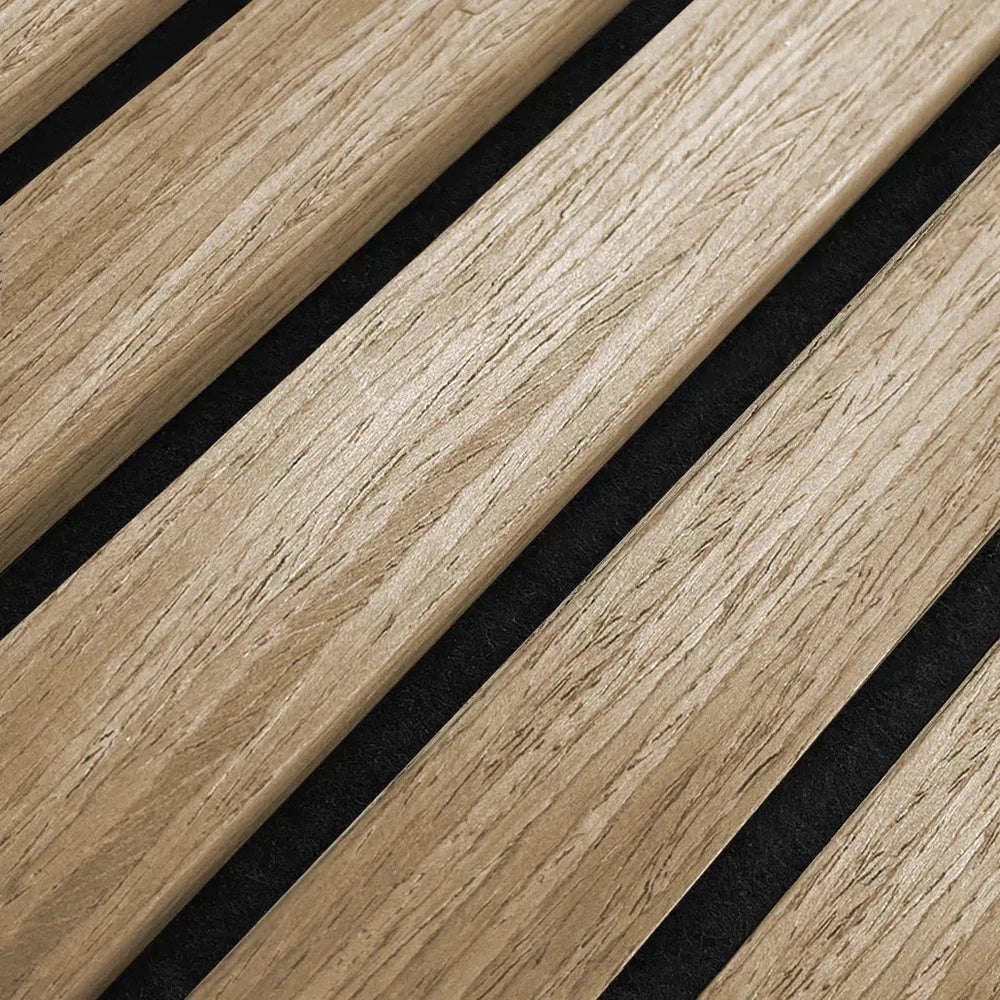
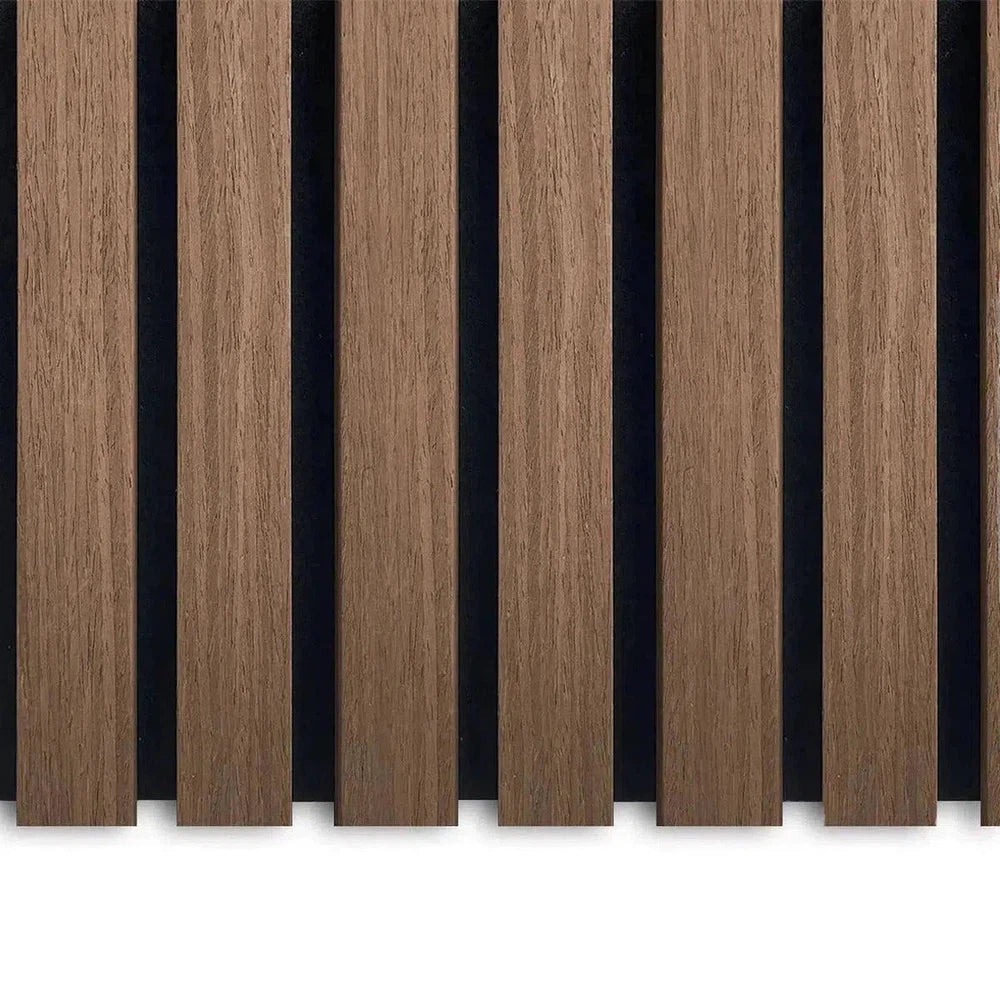
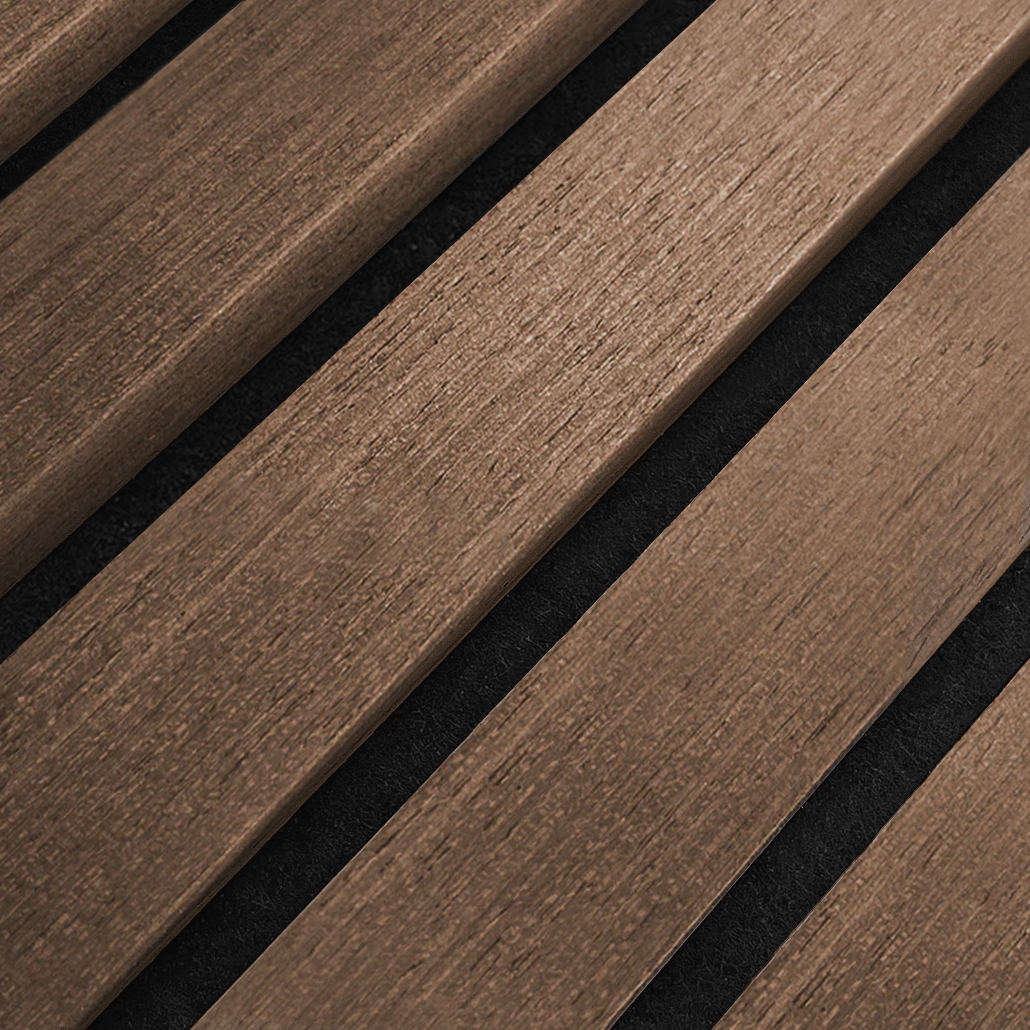
- Choose a real wood veneer finish over painted MDF; it resists scuffing better on a barrier wall
- Match felt colour to your lighting rig so panels don't wash out under arena lights
- Skip foam pyramid tiles on any wall inside crash range — they tear on first impact and can't be spot-repaired
Treat the perimeter walls before the ceiling
Ceiling treatment matters eventually, but perimeter walls do most of the damage in a typical indoor track, and they are the faster fix.
- Mount panels from pilot eye-height upward, above the netting line
- The hexagon format follows curved or angled crash barriers better than long square slat panels
- Leave netting anchor points clear when planning panel runs
- Stagger the hexagon pattern to break up long flat reflective wall runs instead of tiling uniformly
Layer panels with your existing safety netting
Acoustic treatment and crash netting solve different problems and should be planned as one job. Operators running indoor karting circuits already do this, and it avoids clashes between fixings.
- Fit panels behind or beside the netting frame, never through it
- Leave a service gap so netting can be tensioned or replaced without stripping panels
- Use end-piece trims on any exposed panel edge near a netting seam
- Read how NRC sound absorption ratings work before mixing panel types, so absorption doesn't drop in patches
Phase the installation around your racing calendar
Full-venue treatment in one go is disruptive and hard to budget. Most operators phase it across a season.
- Treat crash-zone walls and the commentary booth before the 2026 season opener
- Add spectator-wall treatment during the mid-season break
- Reassess reverberation after phase one — you may not need every wall treated
- Keep spare panels on hand for post-crash replacement rather than reordering mid-season
Maintain panels against dust, debris and impact
- Vacuum the felt backing monthly; dust buildup reduces absorption over time
- Wipe wood veneer surfaces with a dry or barely damp cloth, never a solvent cleaner
- Inspect for cracked veneer near barrier zones after any major pileup
- Replace individual hexagon units rather than full runs — the 81 cm format allows spot swaps
Comparison: acoustic treatment options for drone racing arenas
| Option | Best for | Install complexity | Key limitation |
|---|---|---|---|
| DIY acoustic foam tiles | Budget test tracks, temporary setups | Low | Shreds under prop wash and crash debris within one season — Skip for permanent venues |
| Akuwood Panel hexagon acoustic panels (NRC 0.75) | Perimeter walls near crash zones and commentary booths | Medium | Needs a level wall or batten frame for clean seams — Buy for permanent or semi-permanent tracks |
| Full acoustic engineering with baffles and rafts | Purpose-built venues with dedicated budget | High | Long lead time, specialist install required — Consider only for flagship arenas |
| Bare industrial shell, untreated | Casual practice only | None | Reverb makes commentary and radio calls unintelligible — Wait, don't run ticketed events like this |


Common mistakes drone racing arena operators make
- Treating only the ceiling and ignoring the hard end walls, which is where most slap-back on a straight track originates.
- Buying office-grade foam tiles rated for quiet rooms, then replacing them after one season of prop wash and crashes.
- Skipping the pit lane and commentary booth, the two spots where speech intelligibility matters more than anywhere else in the venue.
- Fitting panels flush against the crash barrier with no service gap, so the first big pileup takes out the netting and the panel behind it.
- Ignoring felt colour under the lighting rig, leaving a patchwork look once full race-day lighting goes up.
FAQ
What are the best acoustic panels for a drone racing arena?
Real wood veneer hexagon acoustic panels with an NRC rating around 0.75 work best, because they absorb mid-to-high frequency prop whine and survive dust and light impact. Flat foam tiles designed for offices tear quickly in this environment.
Do wood veneer acoustic panels handle warehouse dust?
Yes. A real wood veneer panel holds up better than painted MDF or foam in a dusty industrial shell. Wipe the surface with a dry or barely damp cloth and vacuum the felt backing monthly.
How many acoustic panels does an indoor drone racing track need?
It depends on the shell size and how many walls reflect sound back into the track, so measure reverberation first and treat crash-zone and commentary walls before spectator walls. Phasing the install across a season is the normal approach.
Are hexagon panels better than slat panels for arenas?
Hexagon panels follow curved and angled crash barrier walls more cleanly and allow spot replacement of individual damaged units. Flat slat panels still work well on long straight walls with no curvature.
What NRC rating do I need for a drone racing venue?
An NRC rating around 0.75 covers the mid-to-high frequency range typical of small quad motors and props. Lower-rated panels help but cut reverberation more slowly in a large open shell.
Can acoustic panels be installed on corrugated steel walls?
Yes, but corrugated steel needs a batten frame first, because panels require a flat mounting surface for clean seams. Uneven mounting is the most common install mistake on industrial shells.
How much does it cost to treat a drone racing arena?
Cost depends on wall area, how much of the shell is hard reflective material, and whether you phase the work or fit out in one go. Check current panel pricing on the product pages before setting a project budget.
Do acoustic panels protect walls from drone crashes?
Acoustic panels are not a substitute for safety netting, though a wood veneer panel does add surface protection against light impact compared with bare block or brick. Keep netting as the primary crash barrier and mount panels with a service gap behind it.
One last thing
The hexagon format is not just decorative. Its overlapping angled edges scatter reflected sound in more directions than a flat square panel does, which is exactly why it outperforms slat-style panels on the curved crash barriers most tracks actually have. Treat your worst-reflecting wall with the NRC 0.75 hexagon panel first, re-test the room, then decide how much of the rest of the arena needs doing this side of the 2026 season.