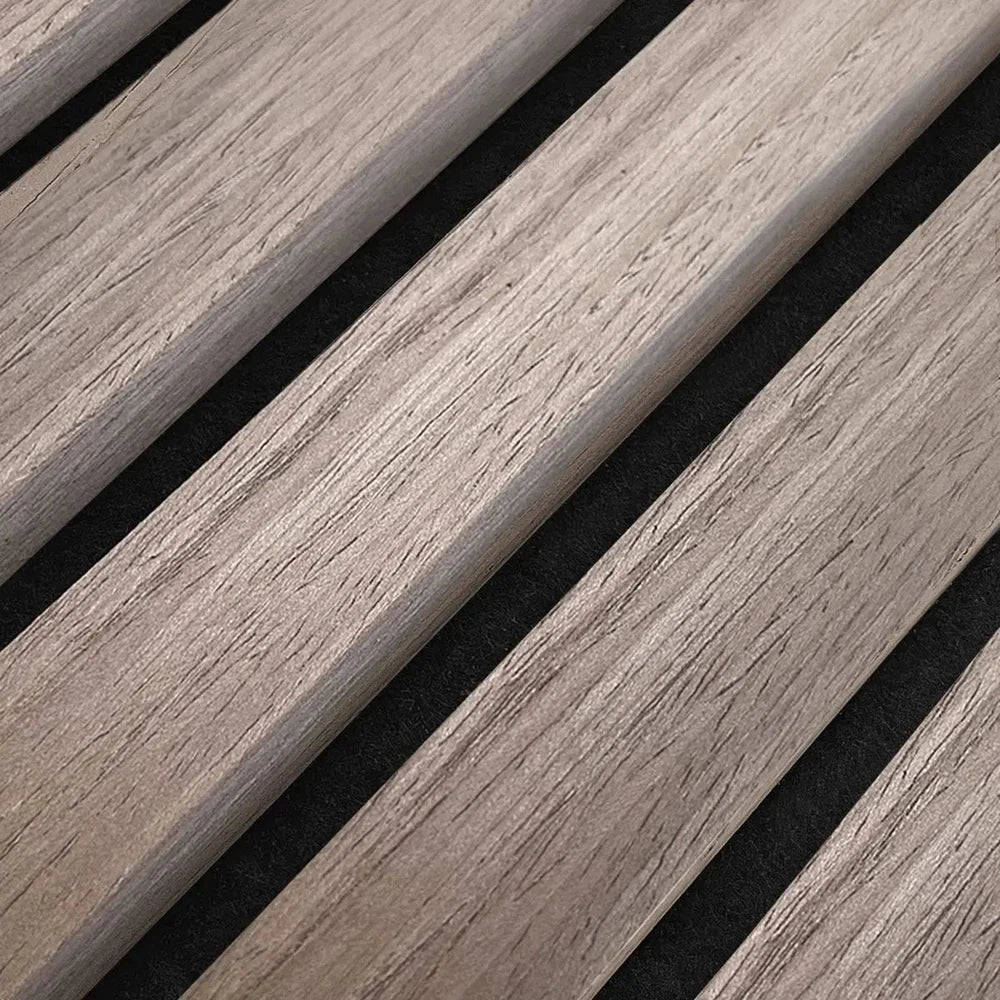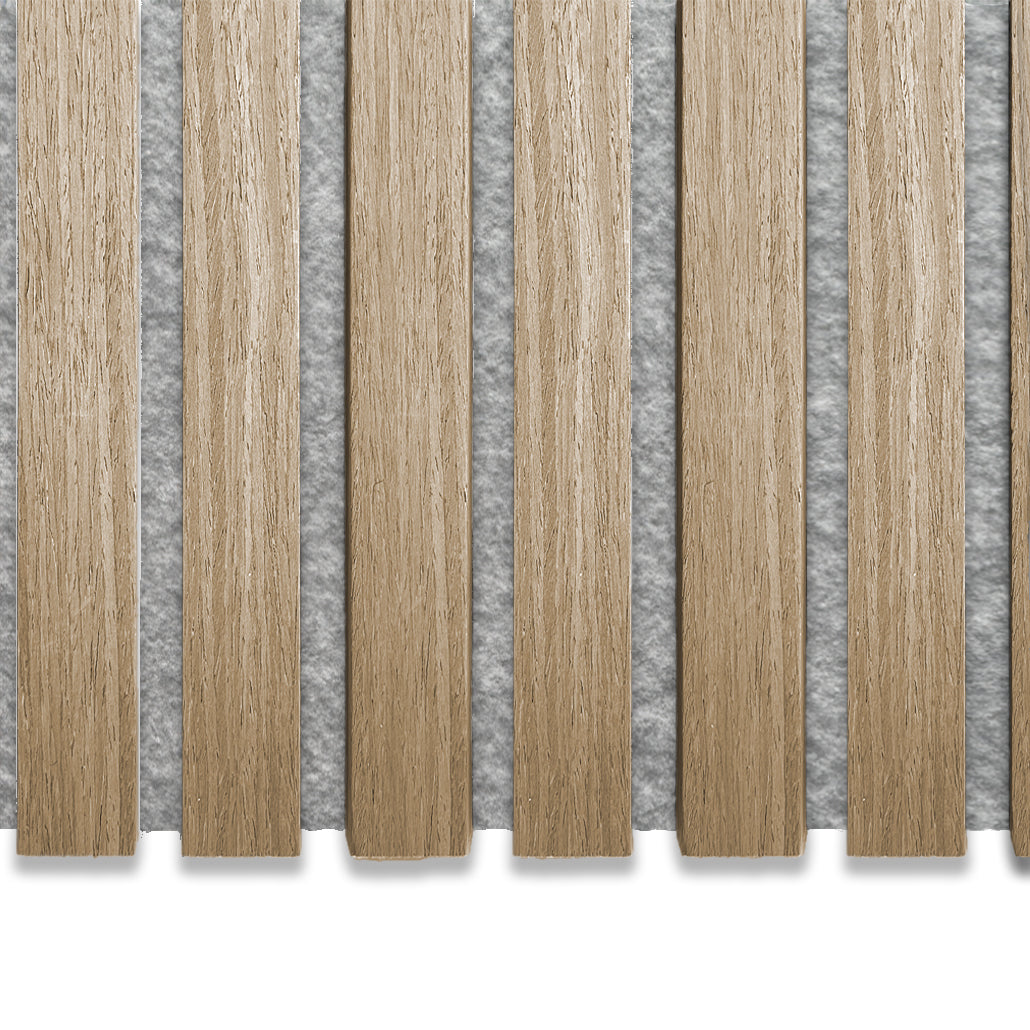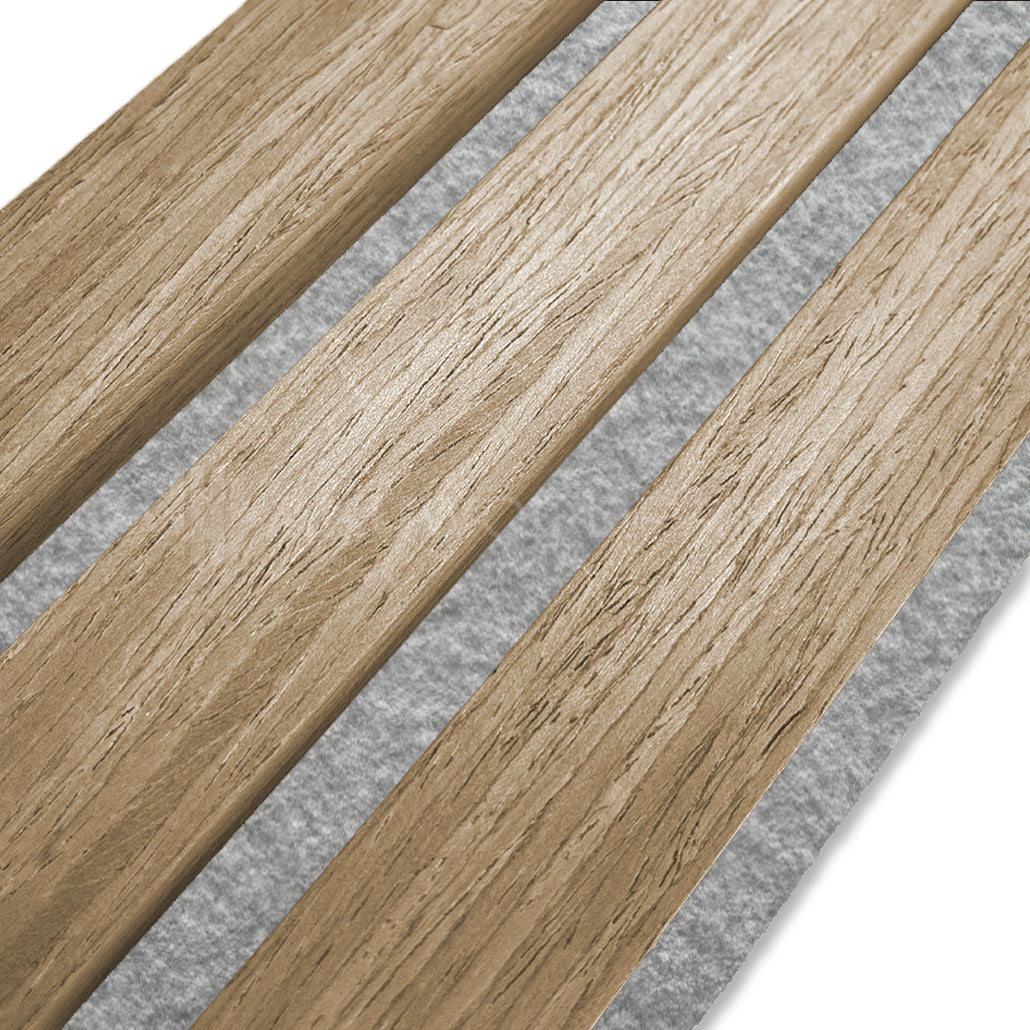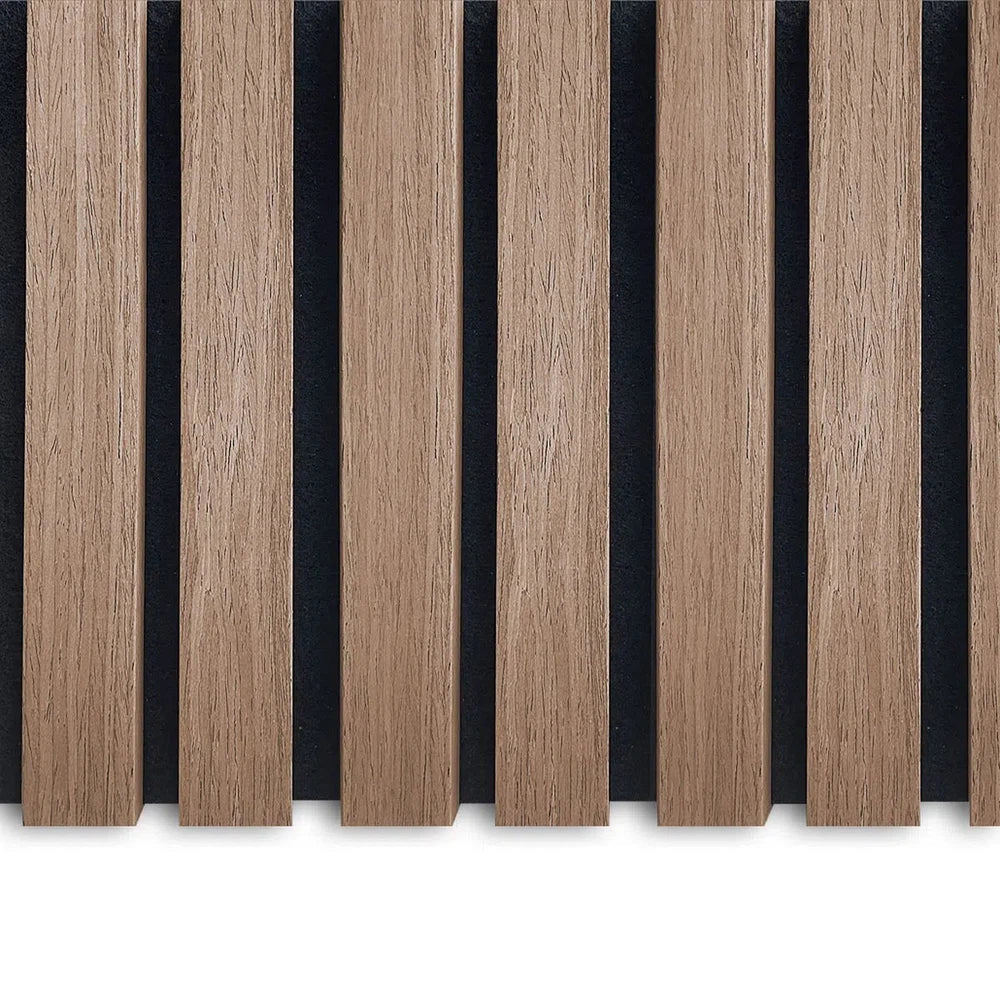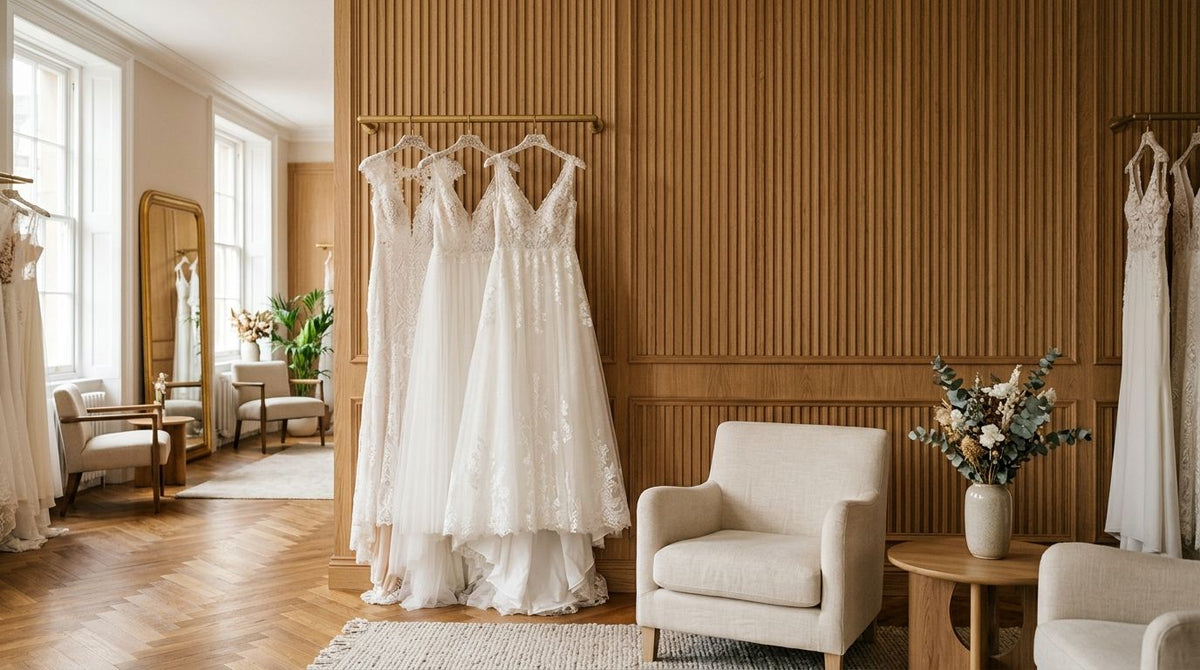
Bridal boutique wall panels solve the exact problem a wedding dress shop can't afford to have: fitting rooms that either swallow every word or bounce every word back as an echo. A bride trying on a gown for the first time needs privacy and calm, not the tinny reverb of a hard-floored room lined with mirrors and glass. Bridal retail spaces differ from ordinary shopfits because the walls sit inches from delicate fabric, low lighting, and conversations that need to stay confidential between changing curtains.
- Bridal boutique wall panels with acoustic felt backing cut fitting-room echo without adding curtains or carpet.
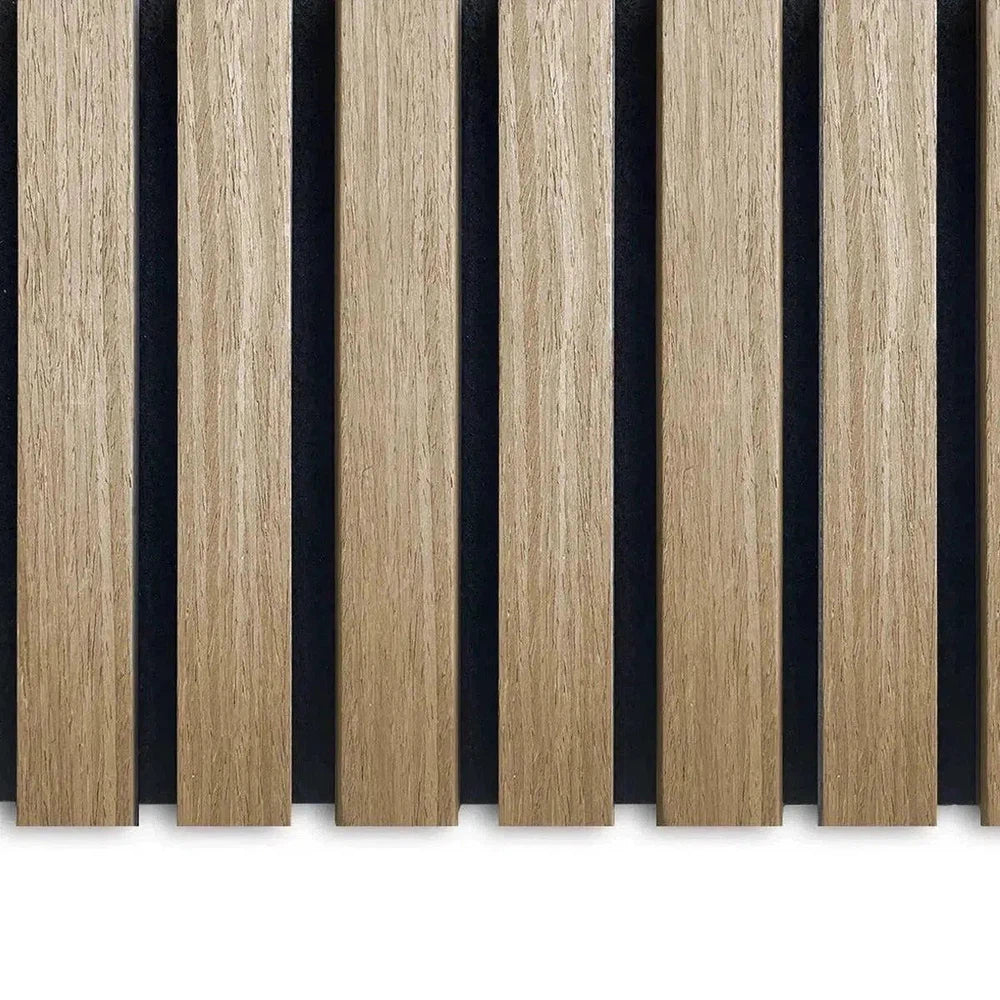
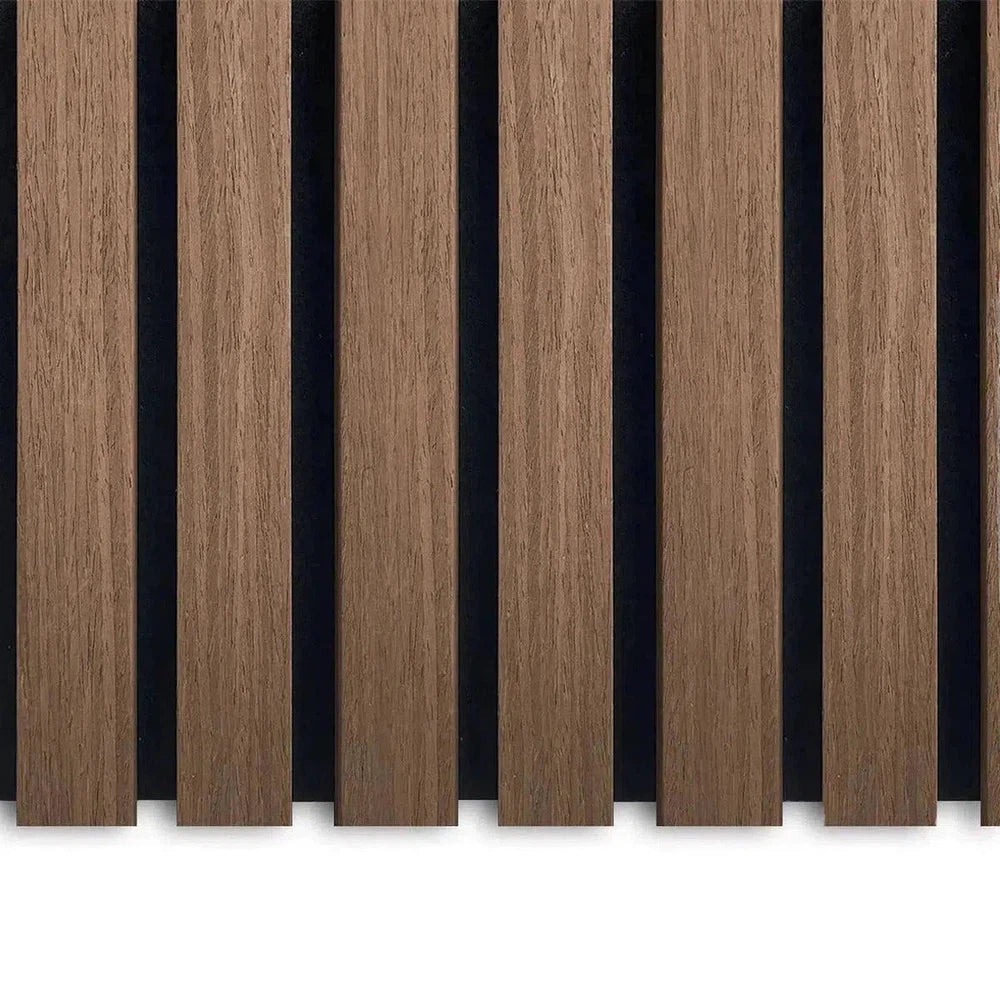
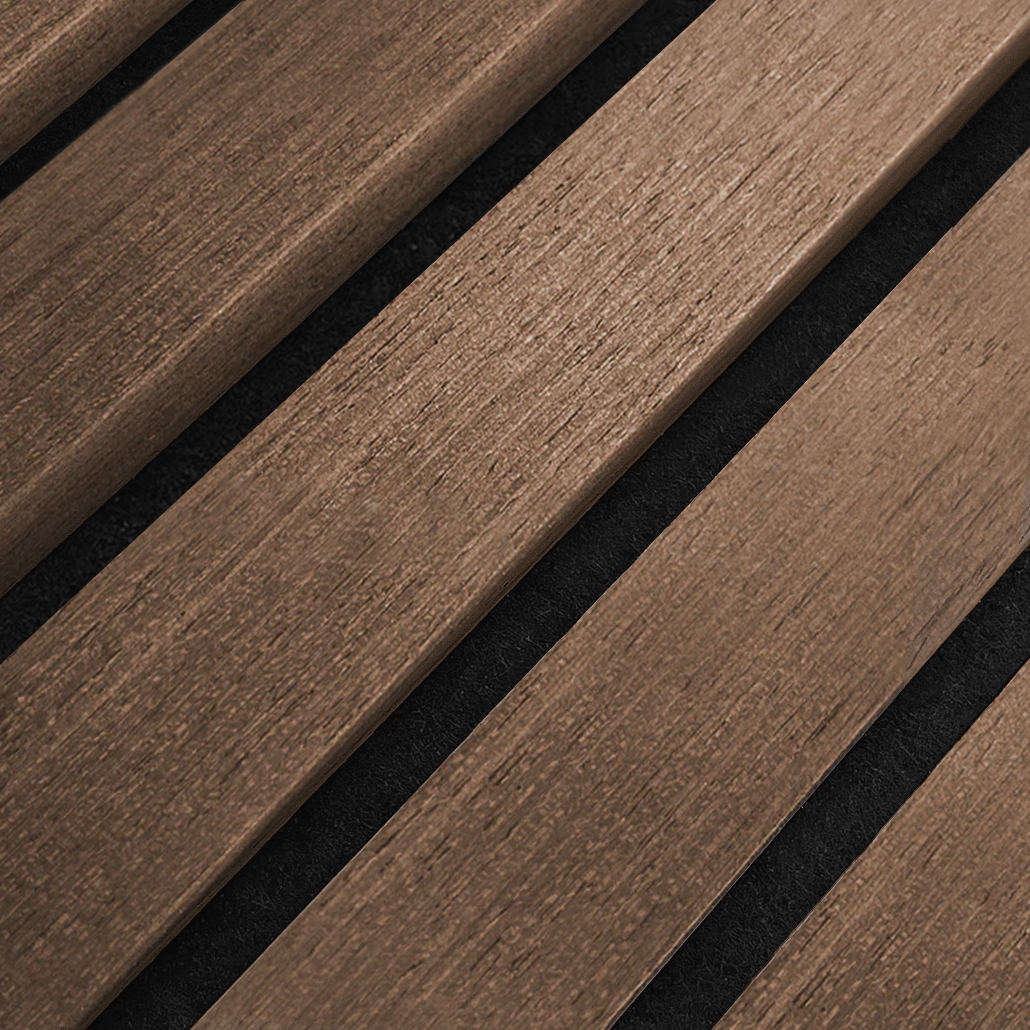
- Natural Oak and Walnut finishes suit bridal showrooms best because they don't compete with ivory, champagne or blush gown fabrics.
- Akustiq UK panels come in 240 cm and 300 cm formats, sized for most boutique ceiling heights with minimal cutting.
- Hexagon acoustic panels create a feature wall for a fitting alcove or photo corner without a full room refit.
- Order a sample in 2026 before covering a wall, because lighting and fabric change how a finish reads.
Why bridal boutique wall panels matter for fitting rooms and viewing lounges
A bridal boutique sells an experience as much as a dress, and that experience collapses the moment a consultant has to raise their voice to be heard three feet away. Hard floors, full-length mirrors and glass display cases are standard in this trade, and none of them absorb sound. Akustiq UK builds acoustic wooden slat wall panels to dampen exactly that kind of reflective noise, without asking a boutique to hide its architecture behind curtains or carpet tiles.
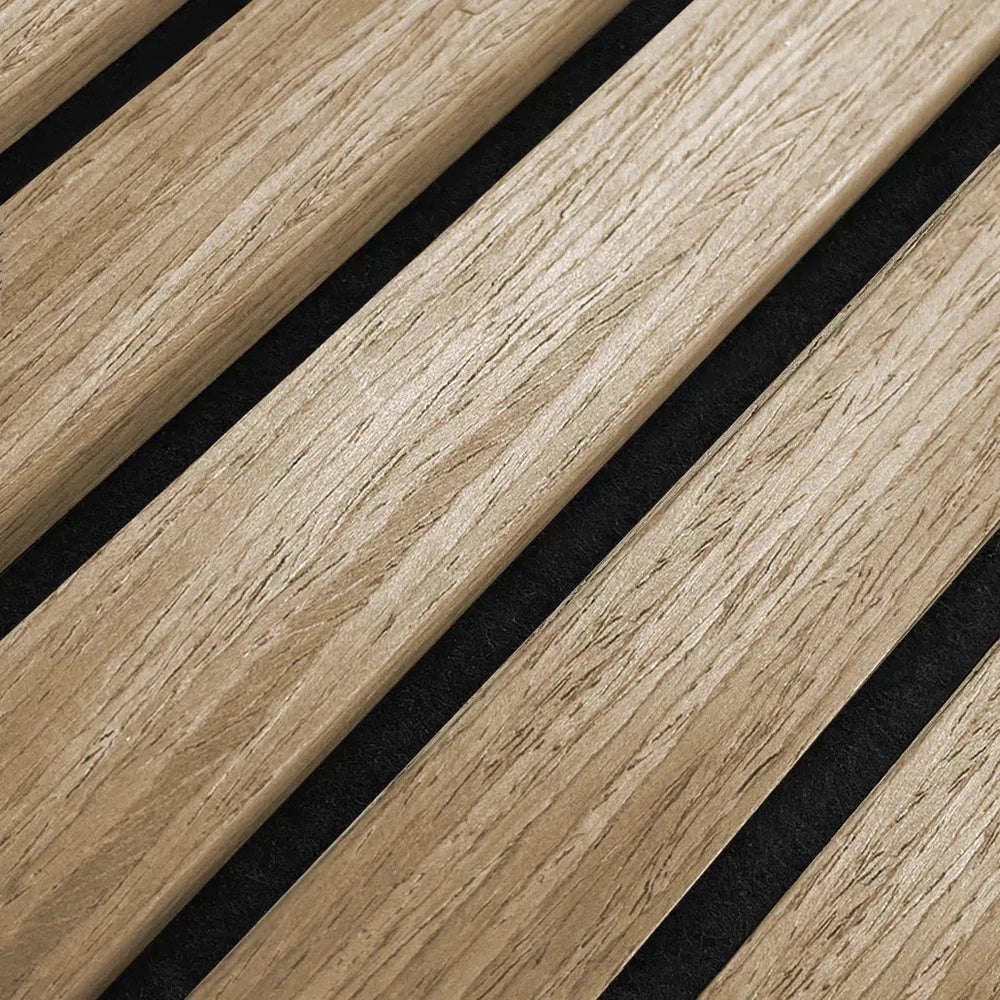
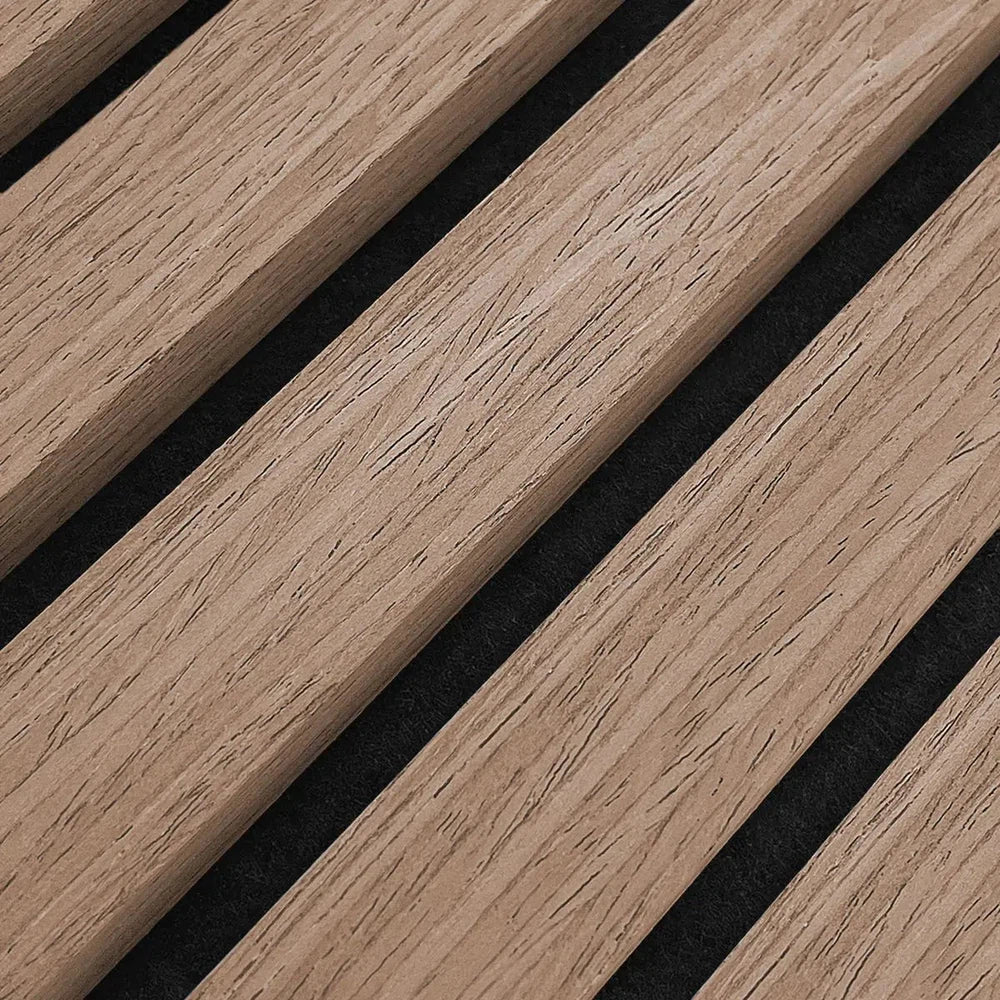
The felt backing behind each panel's real wood veneer absorbs mid and high frequencies, which is where most speech and fabric-rustle noise sits. That matters more in a bridal fitting room than almost anywhere else in retail, because the conversations happening there are meant to feel private even when three other appointments run in adjoining rooms.
Boutiques fitting out in 2026 also face a second constraint: panel tone has to work under warm, dimmed shop lighting, not the daylight of a product photo. Choose the finish in the room it will live in.
Audit your echo before you buy anything
Walk the boutique at a quiet hour and clap once in each fitting room, the viewing lounge and the reception area. A sharp ringing slap-back means the room needs acoustic treatment; a dull thud means it is already reasonably damped.
- Note which rooms have hard floors with no rugs
- Check how close mirrors and glass cabinets sit to the walls
- Flag any room where staff already raise their voice out of habit
- Test with the fitting curtains both open and closed
- Record which walls face the street or a shared corridor
Choose a finish that flatters gowns, not fights them
Most bridal stock runs ivory, champagne, blush and the occasional deep-toned sample gown. Panel tone needs to sit behind that palette, not compete with it under lighting that is usually warm and low.
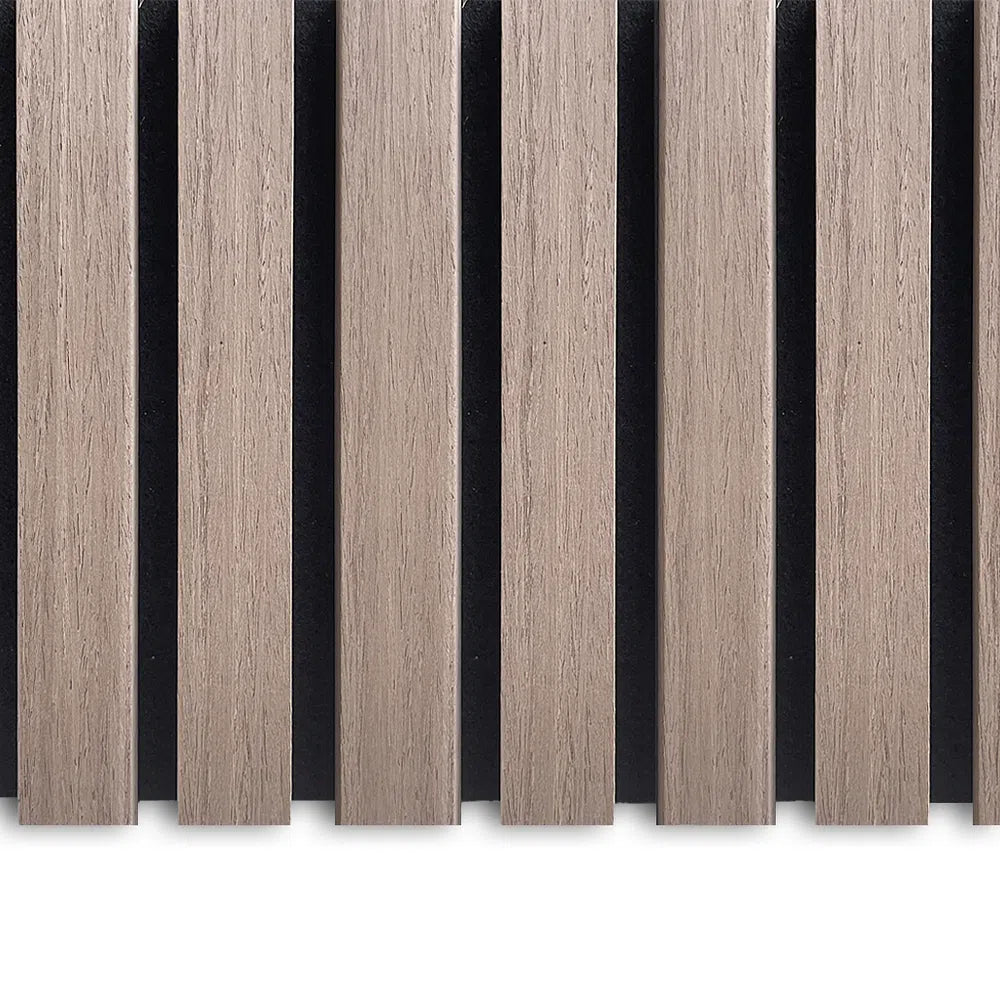
- Lighter finishes like Natural Oak keep fitting rooms feeling bright under soft lighting
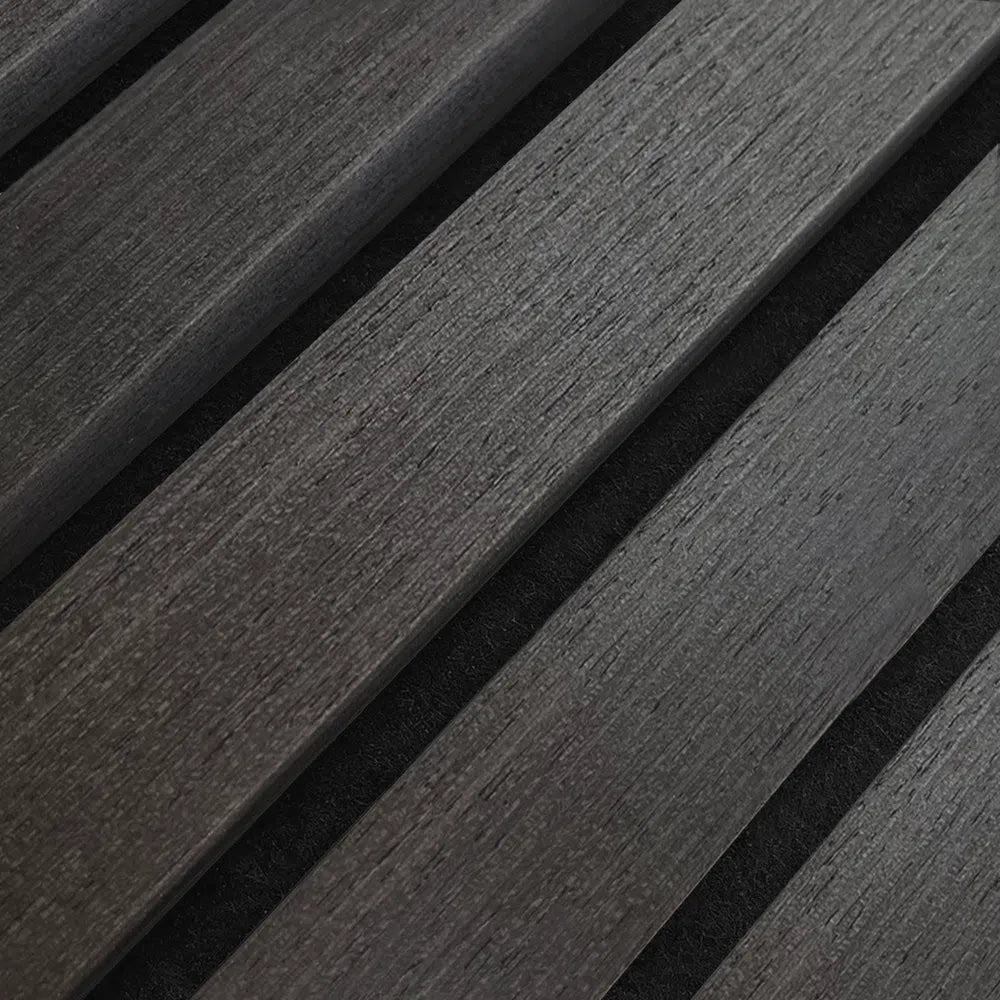
- Mid tones such as Grey Oak read as neutral and photograph well against most fabrics
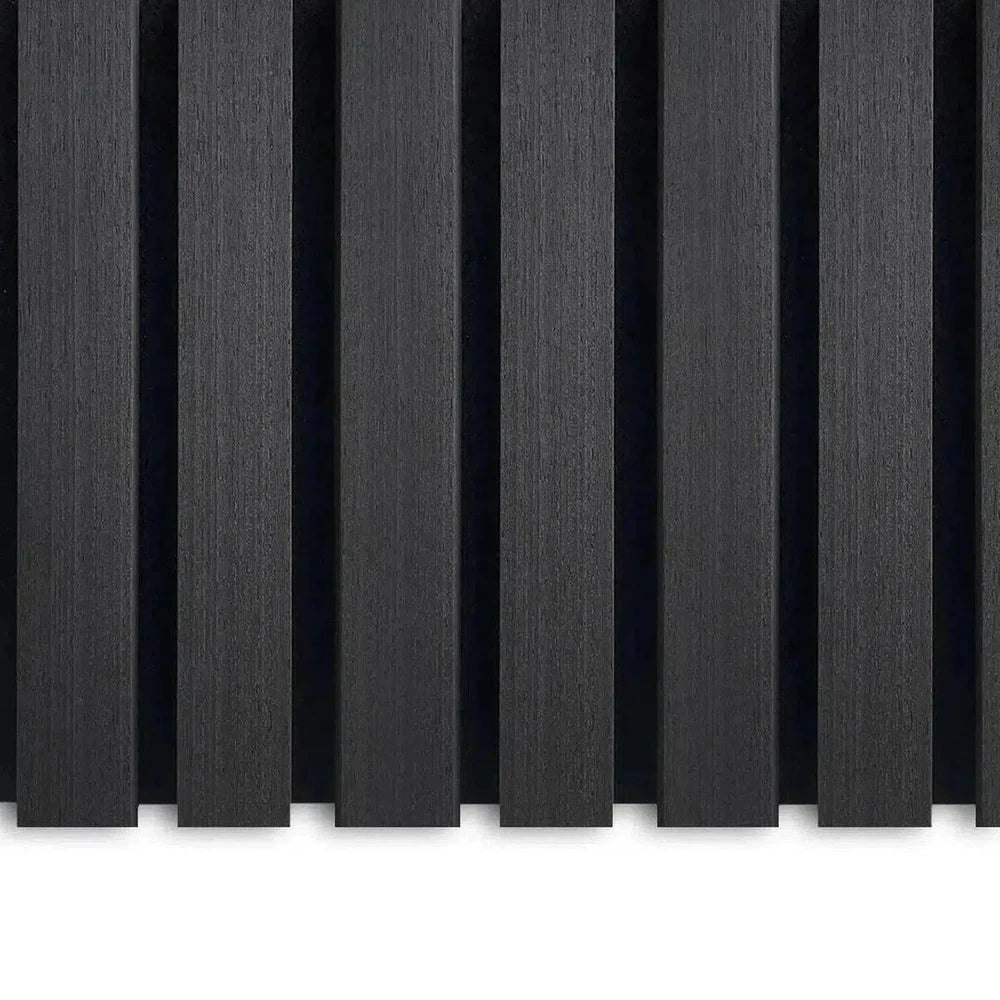
- Darker finishes like Black Oak or Smoked Oak suit a moodier reception wall, not the fitting room itself
- Walnut works where the boutique already leans traditional or heritage in its branding
- Avoid high-contrast finishes directly behind full-length mirrors, where reflections double the visual noise
Panel the fitting-room walls first
Treat the fitting rooms before anywhere else in the shop. This is where a bride spends the most emotionally loaded minutes of her visit, and it is the space most boutiques leave completely untreated.
- Panel the two walls a bride faces most directly, including behind the main mirror
- Leave one wall bare in a small room to avoid a boxed-in feel
- The Natural Oak wall panel finish is a common starting point for boutiques wanting a bright, neutral fitting room
- Run panels to a practical height rather than full ceiling if budget or lead time is tight
- Check wall span against the 240 cm and 300 cm formats before ordering, since they cut differently across narrow versus wide rooms
Extend panels to the viewing lounge and reception
Once the fitting rooms are handled, the viewing lounge is where mothers, bridesmaids and partners sit and talk while a bride is dressed. That is usually the loudest room in the boutique because it is the largest open space with the least soft furnishing.
- Panel the wall behind the viewing platform or pedestal, the visual and acoustic focal point
- Add panelling to any wall shared with a busy street or stockroom
- Keep reception panelling lower-key so it does not distract from the dress rail
- Match the lounge finish to the fitting rooms so the whole visit feels continuous
- Leave sightlines to entrances and fire exits completely clear
Build one feature wall for photographs
Most boutiques now have a wall built specifically for photos, whether that is a reveal moment or a styled backdrop for social content. Hexagon panels add texture that photographs better than flat paint.
- The hexagon acoustic panel in Walnut suits a warm, boutique-heritage backdrop
- Keep the feature wall to one section rather than an entire room
- Position it where natural or ring-light photography already works
- Pair it with plain paint opposite so the panel texture reads clearly in photos
- Avoid placing it directly behind the main mirror, where pattern competes with the gown
Mix decorative panels with acoustic slat panels
Acoustic slat panels handle the sound problem; decorative 3D panels handle the atmosphere. A boutique does not need one or the other exclusively, and most successful fit-outs use both in different rooms.
- Reserve decorative panels for reception or a waiting nook, not the fitting rooms
- Choose softer, pale tones anywhere brides sit
- Keep decorative panelling to a single accent wall so it does not overwhelm the dress displays
- Confirm the decorative finish against your existing paint before ordering more than one wall's worth
Plan sizing and lead time before you order
Boutique ceiling heights vary more than people expect, especially in converted period buildings or shopfronts with low beams. Getting the format wrong means wasted offcuts or a visible seam in the wrong place.
- Measure each wall's clear height and width before choosing 240 cm or 300 cm
- Order one sample per finish and hold it against the wall under actual shop lighting
- Account for skirting, dado rails or trim that interrupts a full panel run
- Plan cut lines around mirror fixings and hanging rails rather than through them
- Confirm delivery lead time against your 2026 refit or opening date before committing
Comparison: panel options for bridal boutique interiors
| Option | Best for | Key limitation |
|---|---|---|
| Acoustic wood slat panels, felt-backed | Fitting rooms and viewing lounges needing real sound absorption | Needs a flat, prepped wall for a clean finish |
| Hexagon acoustic panels | A single feature or photo wall | Best kept to one wall, not a whole room |
| Decorative 3D wall panels | Reception and waiting areas for texture | Adds visual interest but little acoustic benefit |
| Painted plasterboard | Budget fit-outs with no echo problem | No sound absorption, leaves fitting-room noise untouched |
Bridal boutiques with mirrored, hard-floored fitting rooms should treat those rooms first with felt-backed Akustiq UK acoustic panels, then extend to the viewing lounge — that order fixes the noise brides actually notice.
“If a fitting room needs raised voices to be heard across it, the room has an echo problem, not a hearing problem.”
Common mistakes bridal boutiques make with wall panels
- Matching the panel tone to the walls instead of the gowns. A finish that looks neutral on a swatch can pull warm or cool against ivory and champagne fabric under boutique lighting.
- Panelling the whole shop before testing one room. A single fitting room tells you more about how a finish reads under your lighting than any online photo.
- Skipping the wall behind the mirror. Reflective glass amplifies the exact reverb panels are meant to fix, so that wall should not be the one left bare.
- Over-decorating the fitting room. A feature-wall pattern that works at reception competes visually with a gown in a small mirrored space.
- Ignoring wall span when choosing between 240 cm and 300 cm formats. A mismatched cut leaves a visible seam exactly where a bride stands in front of the mirror.


The same wall-treatment logic carries across shopfronts more broadly, not just bridal-specific ones — see how other stores approach retail shop interiors with acoustics first and decoration second.
FAQ
What are the best wall panels for a bridal boutique fitting room?
Felt-backed acoustic wood slat panels in a light finish such as Natural Oak work best for bridal fitting rooms in 2026, because they absorb echo without darkening a small mirrored space. Darker finishes suit reception walls better than the fitting rooms themselves.
Do wall panels actually reduce noise in a shop?
Panels with an acoustic felt backing absorb sound rather than reflecting it, which cuts the ringing echo common in hard-floored, mirrored retail rooms. A plain painted or plastered wall offers no comparable absorption.
What size wall panels should a bridal boutique order?
Akustiq UK acoustic wood panels come in 240 cm and 300 cm formats, and the right one depends on your wall height once skirting and trim are accounted for. Measuring each wall before ordering avoids a visible seam mid-wall.
Should fitting rooms and the viewing lounge use the same finish?
Matching the finish across fitting rooms and the viewing lounge keeps the visit feeling continuous rather than disjointed. It also simplifies ordering, since one finish covers the whole client-facing area.
Are hexagon acoustic panels suitable for a bridal boutique?
Hexagon acoustic panels work well as a single feature wall for photos or a styled reveal corner, but they are better kept to one wall than a full room. Used sparingly they add texture without competing with the gowns on display.
Can decorative 3D wall panels replace acoustic panels?
Decorative 3D panels add texture and atmosphere but do not provide meaningful sound absorption, so they suit reception and waiting areas rather than an echoing fitting room. Felt-backed acoustic panels do the noise-reduction work.
How do I know which wood finish suits my boutique's gown colours?
Order a sample and hold it against the wall under your actual shop lighting, next to your most common gown fabrics, before committing to a full room. Lighter finishes such as Natural Oak generally sit better behind ivory and champagne tones.
How much disruption does a panel install cause to trading?
Panelling one fitting room at a time lets a boutique keep trading through a 2026 refit rather than closing entirely. Wall prep and levelling are the parts that take longest, not the panels themselves.
One last thing
The detail most bridal boutiques miss is not the finish or the size, it is the order of rooms. Panel the fitting rooms first, not the reception desk visitors see on the way in — the fitting room is where the acoustic problem is worst and where a bride actually needs the quiet.