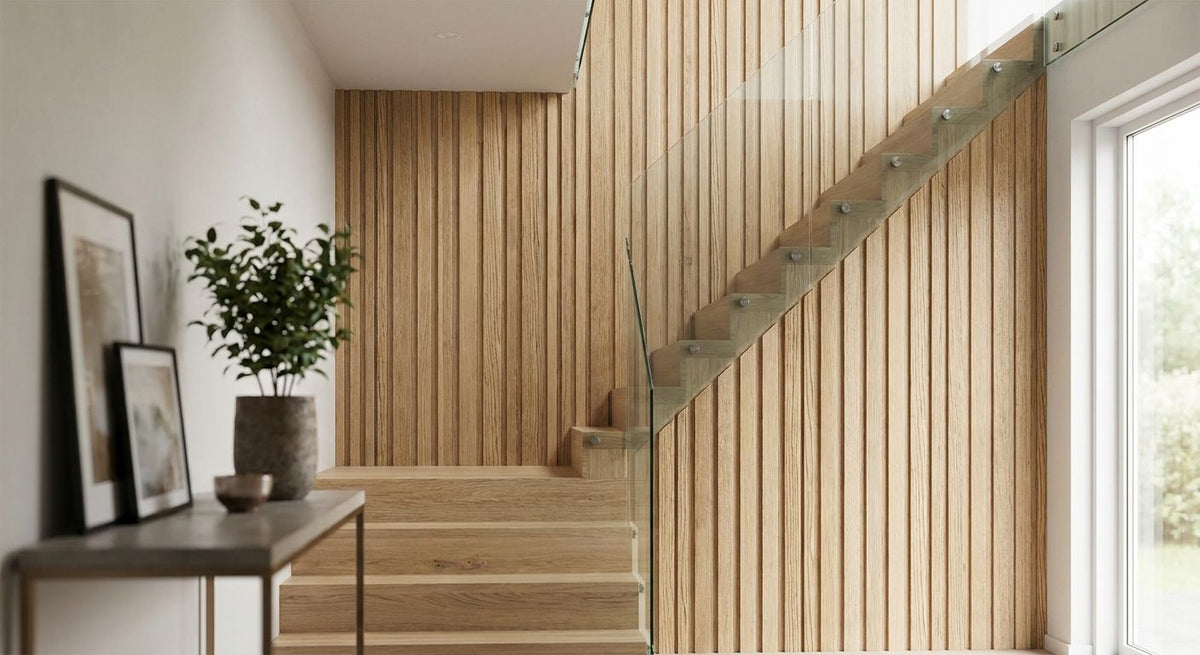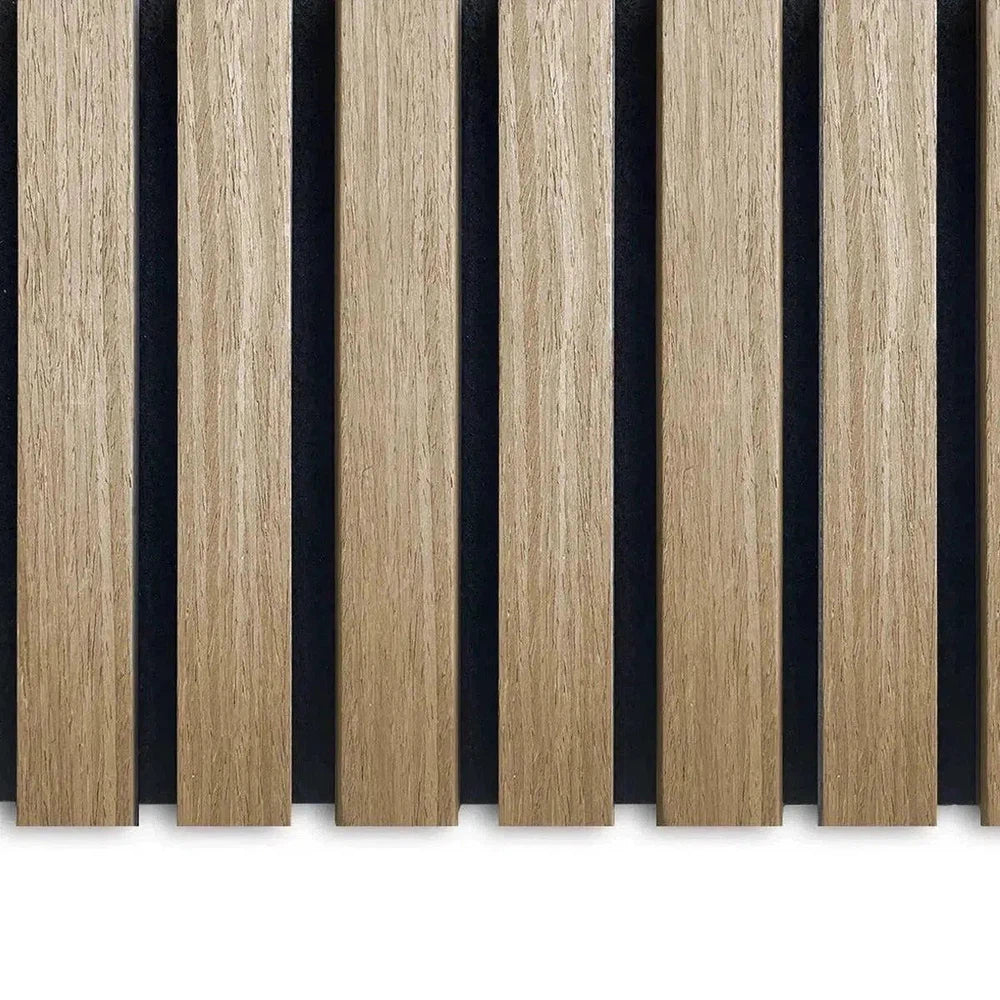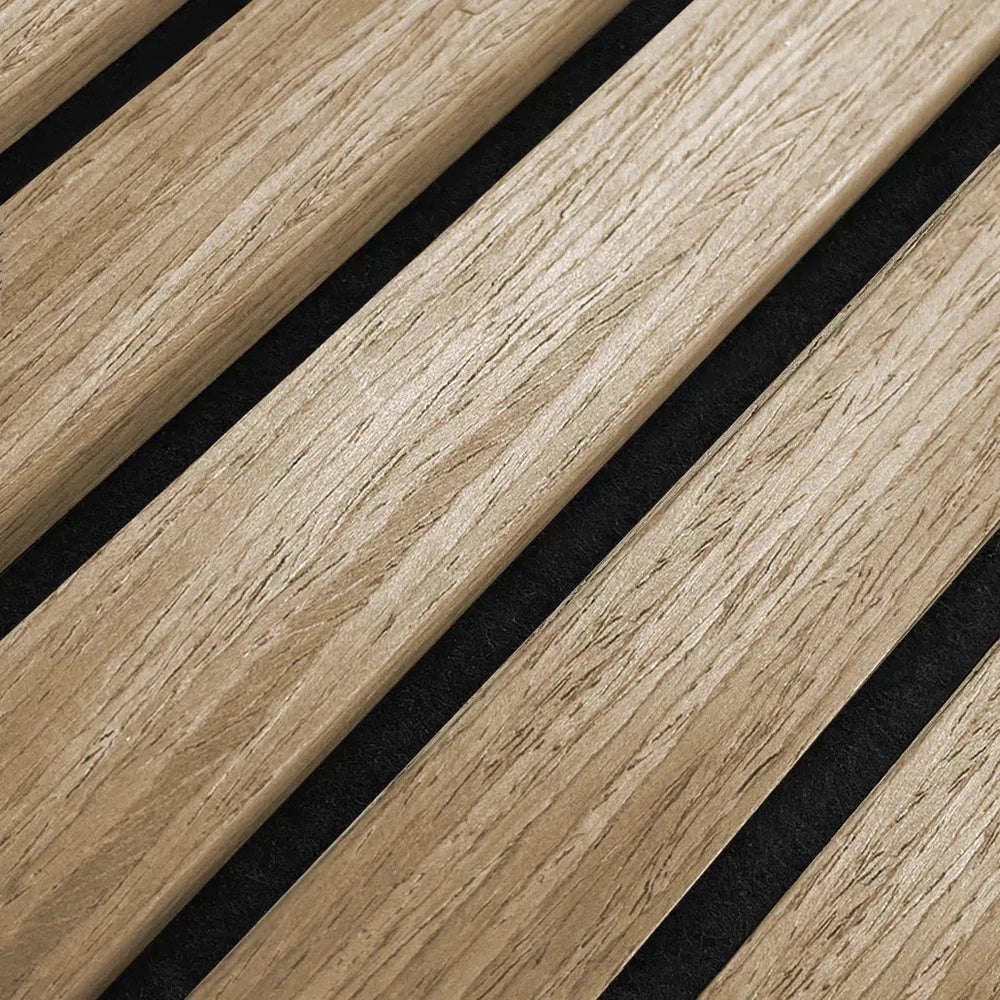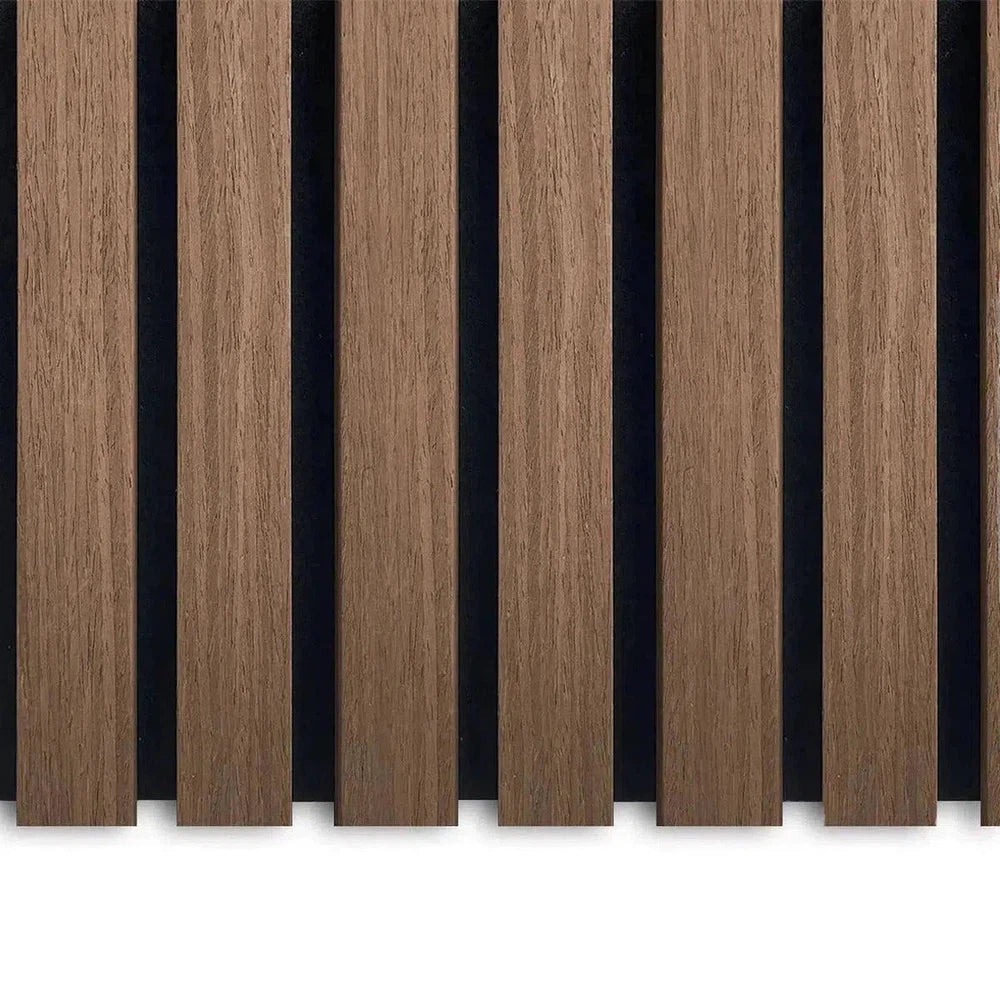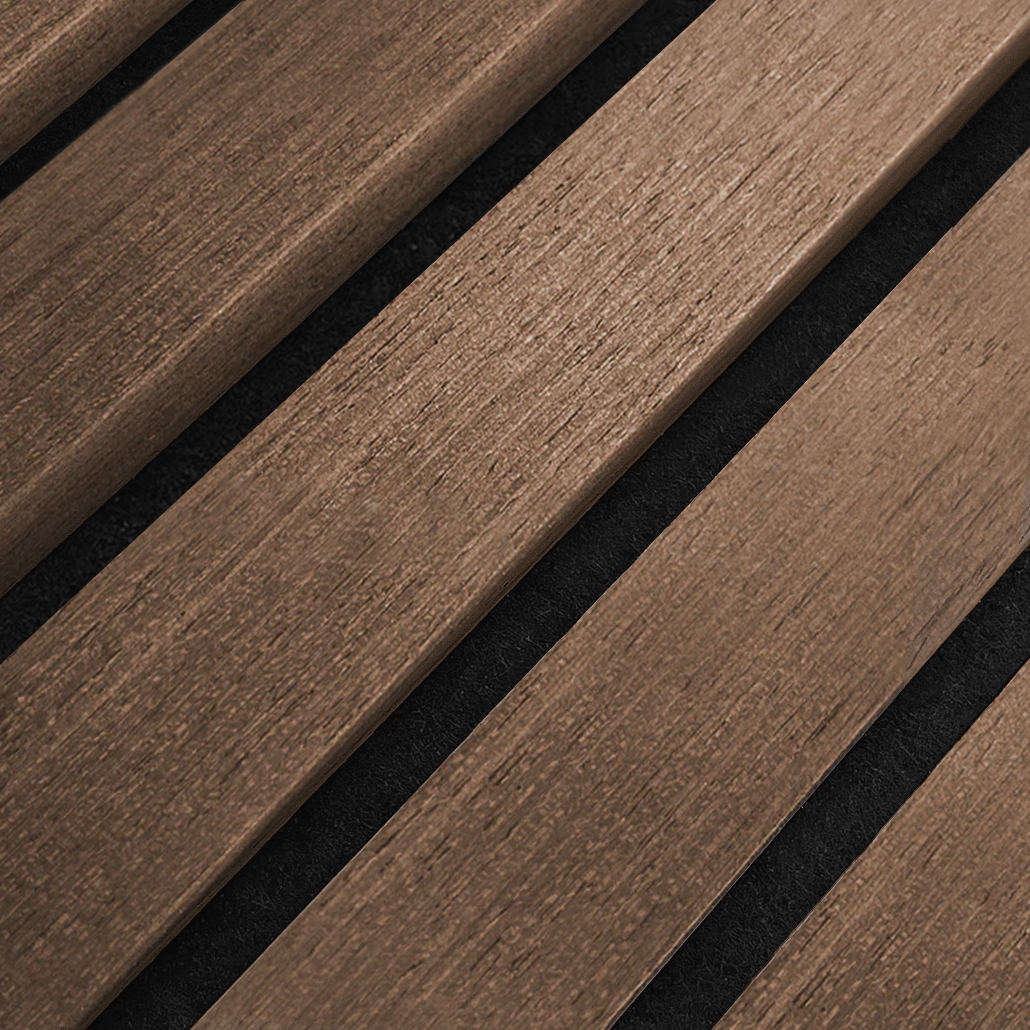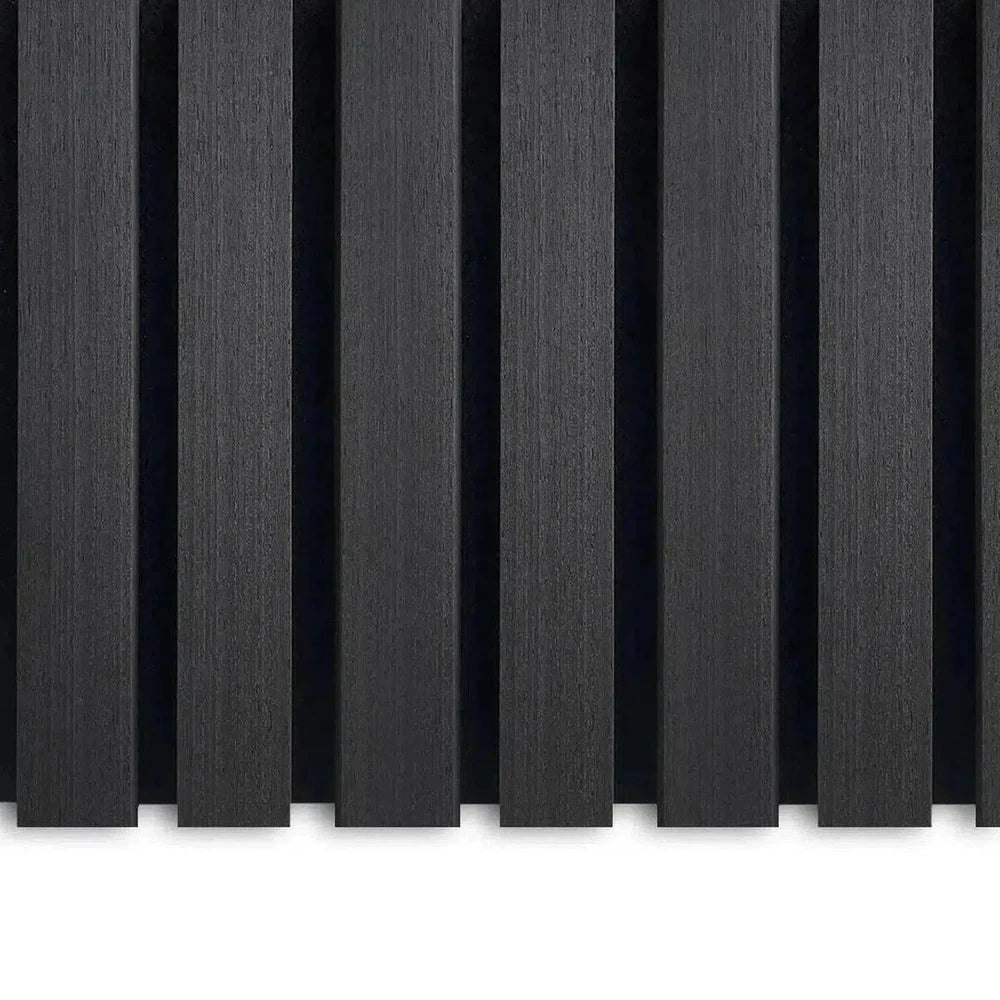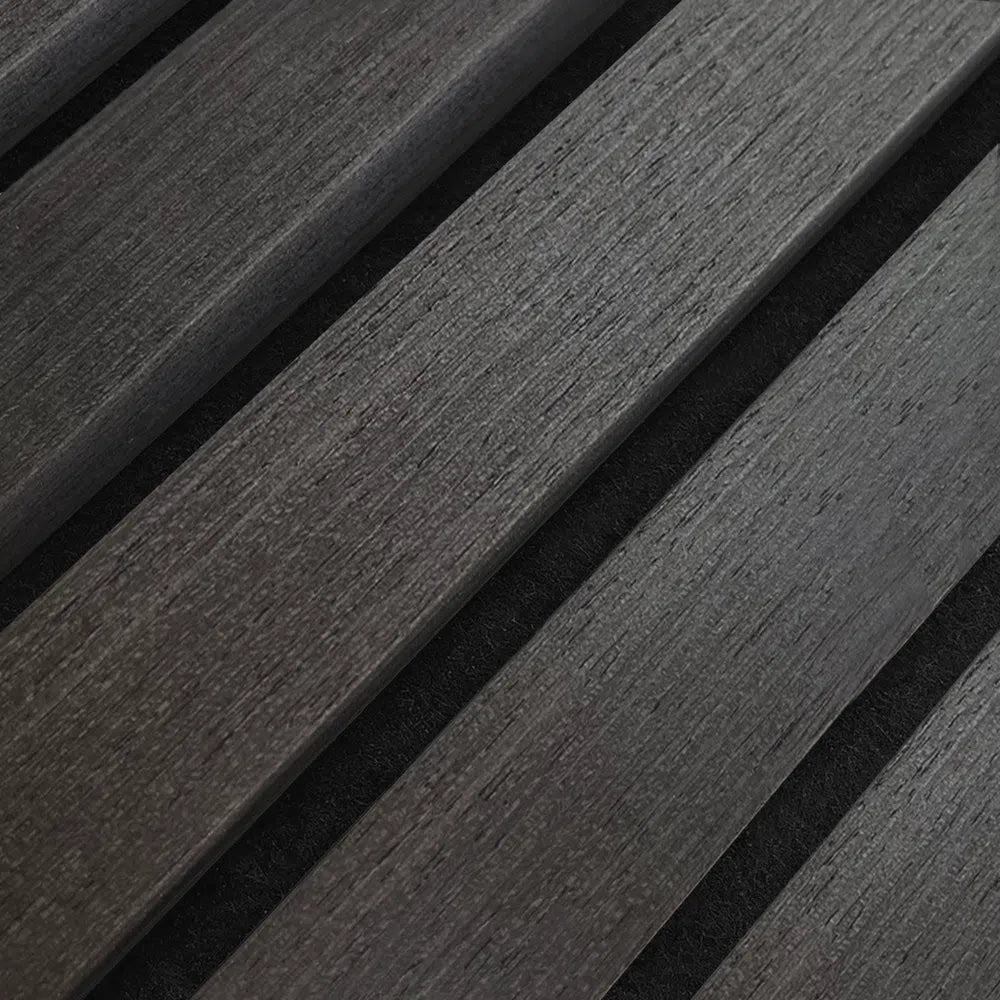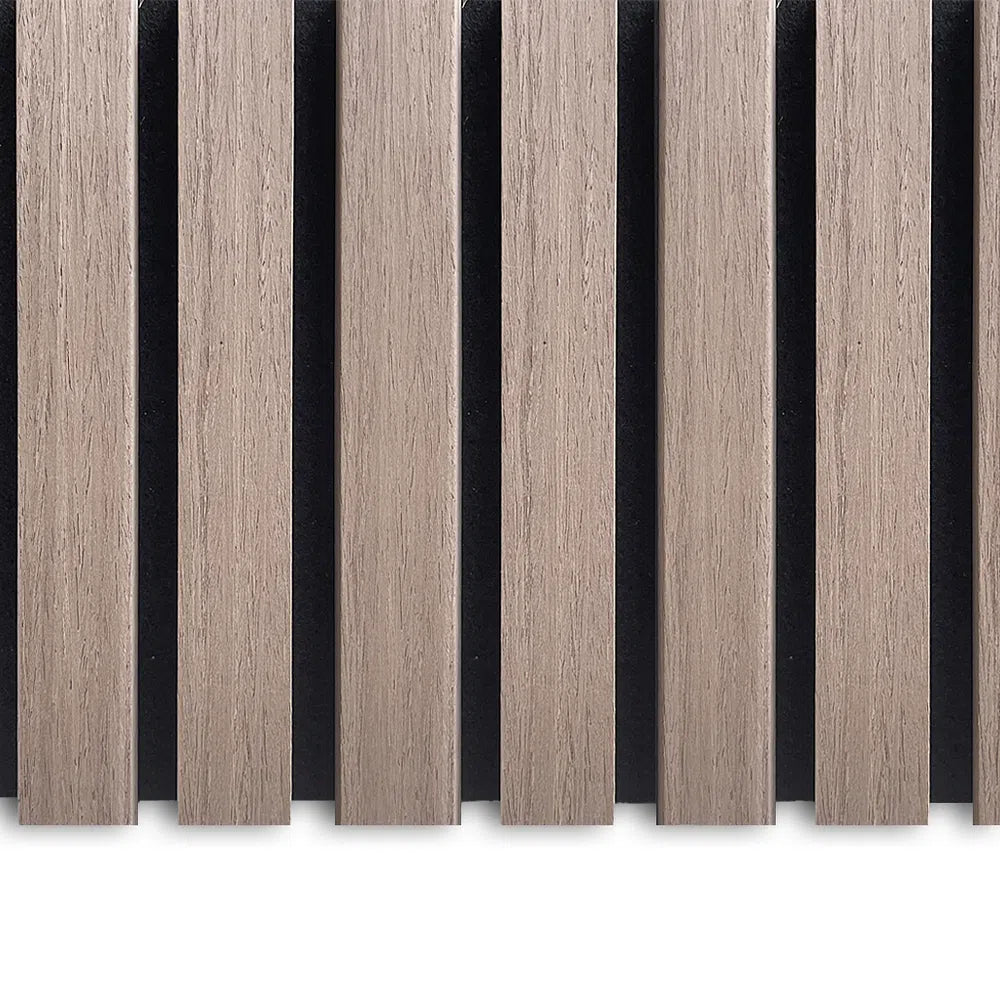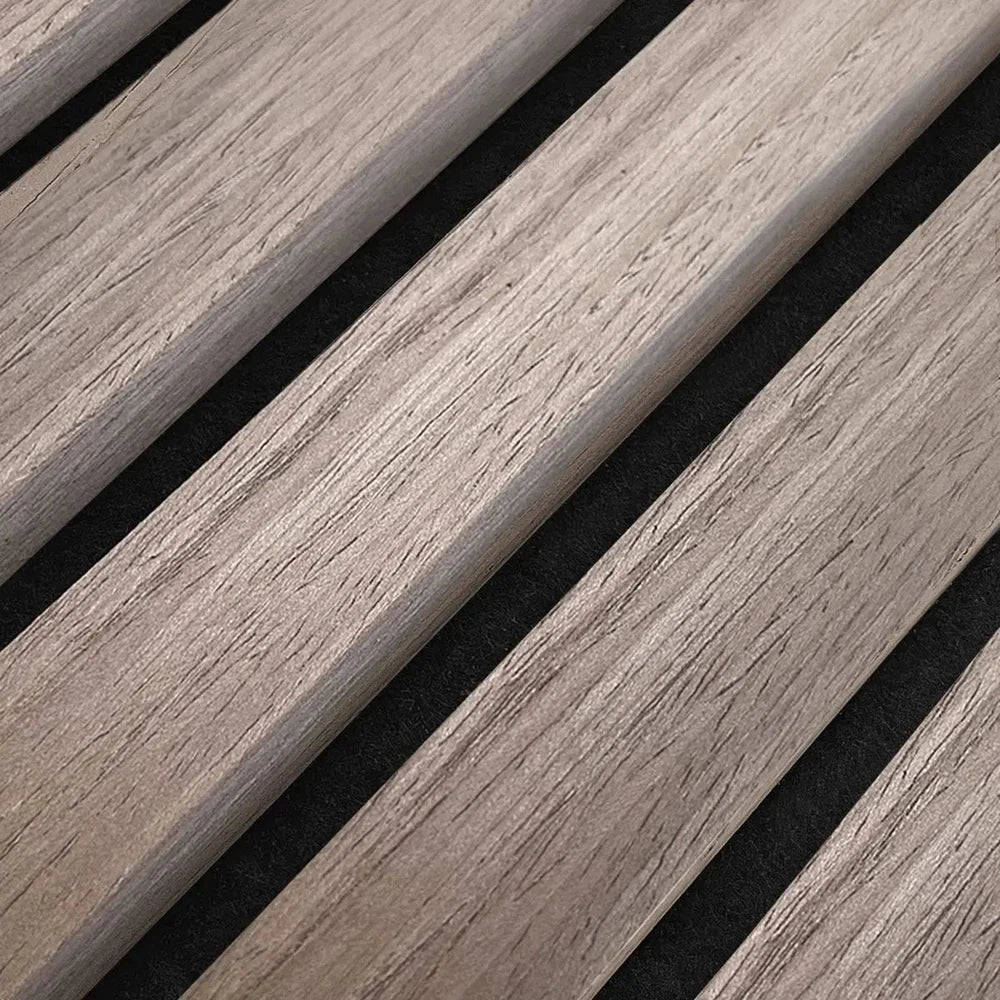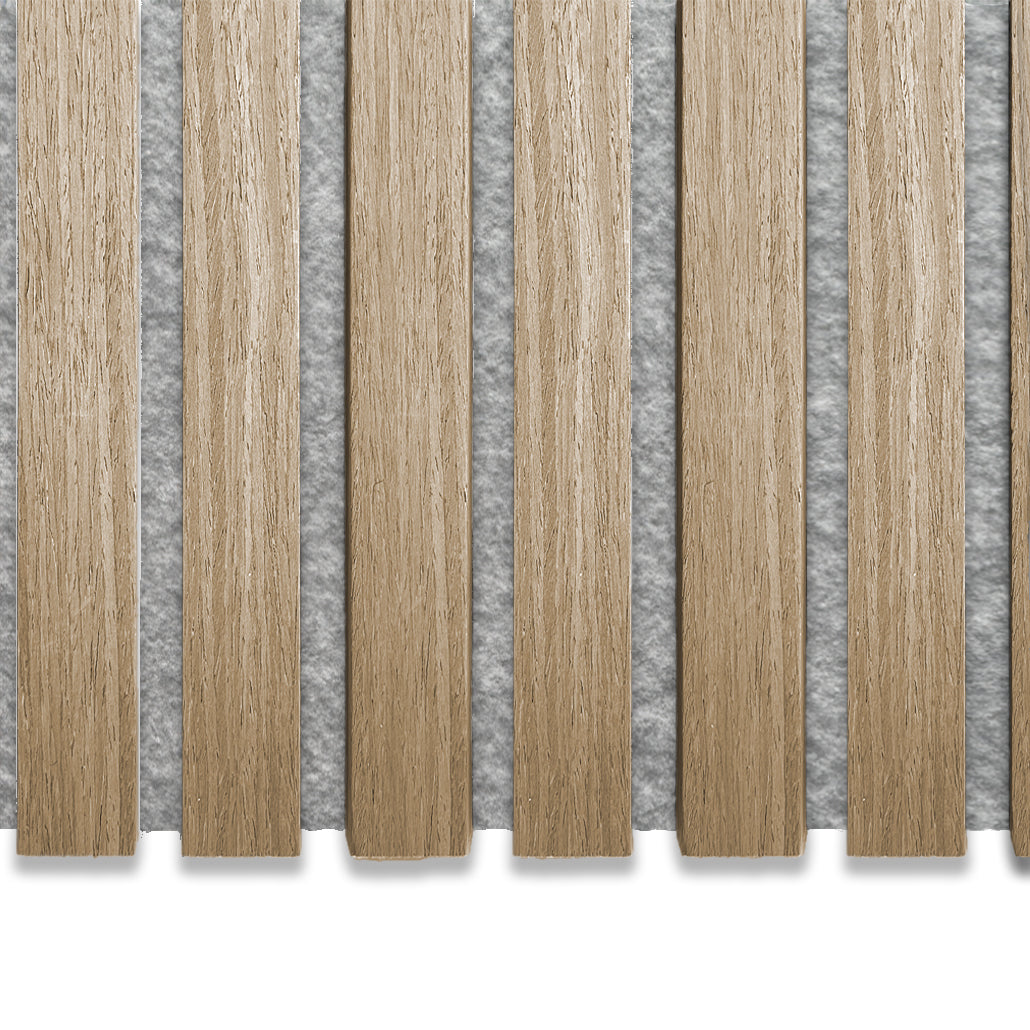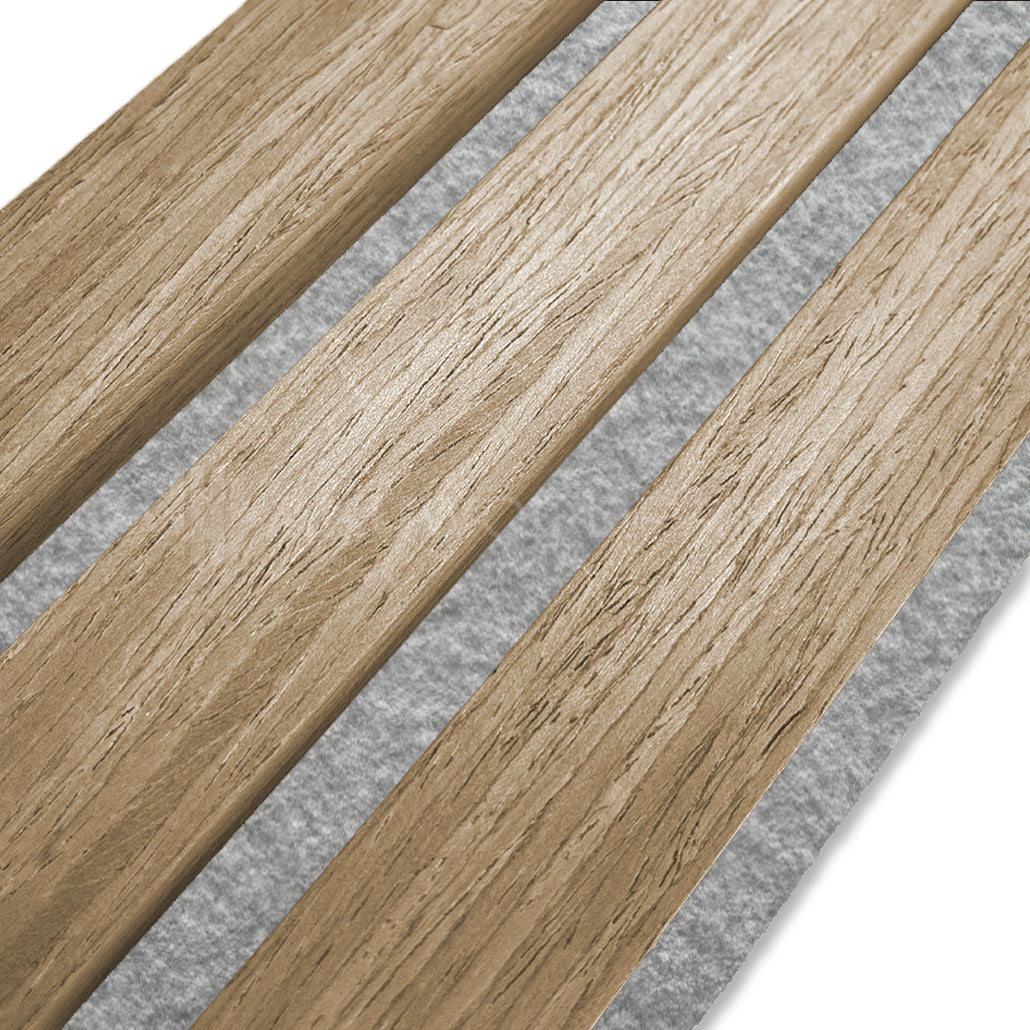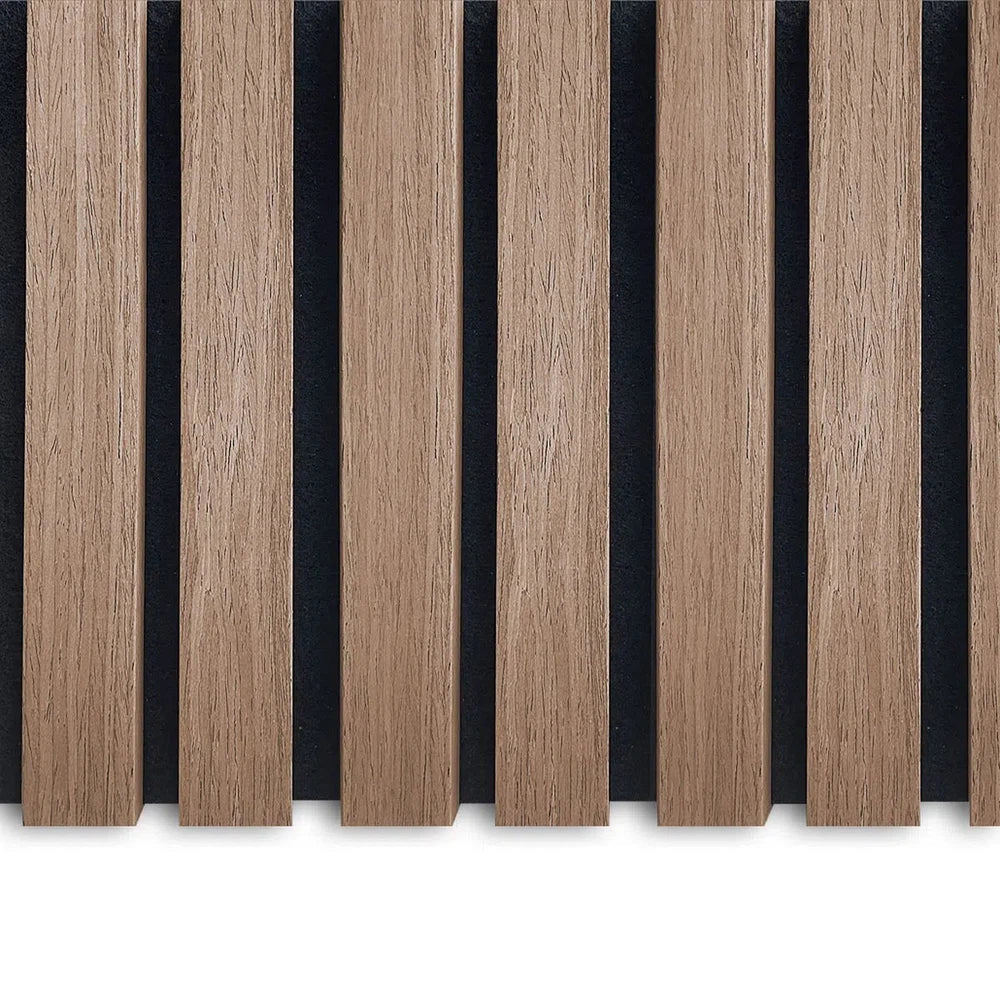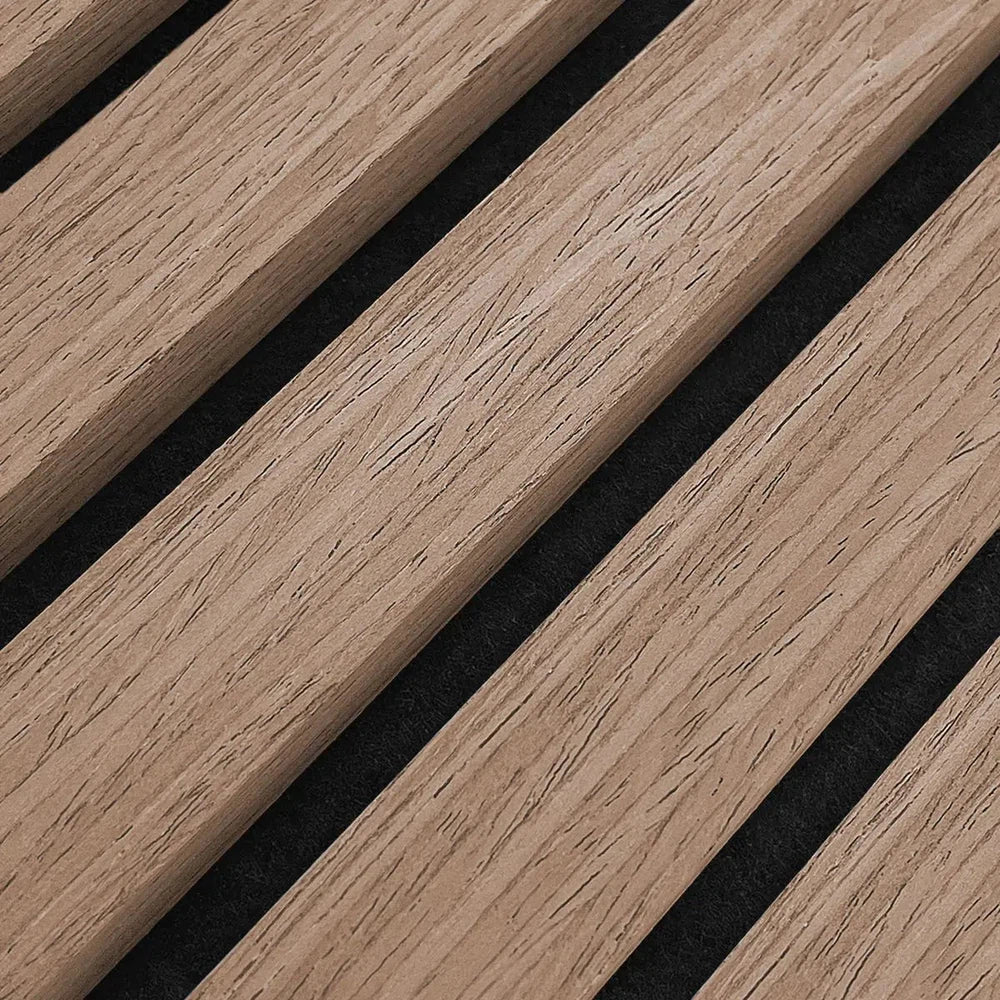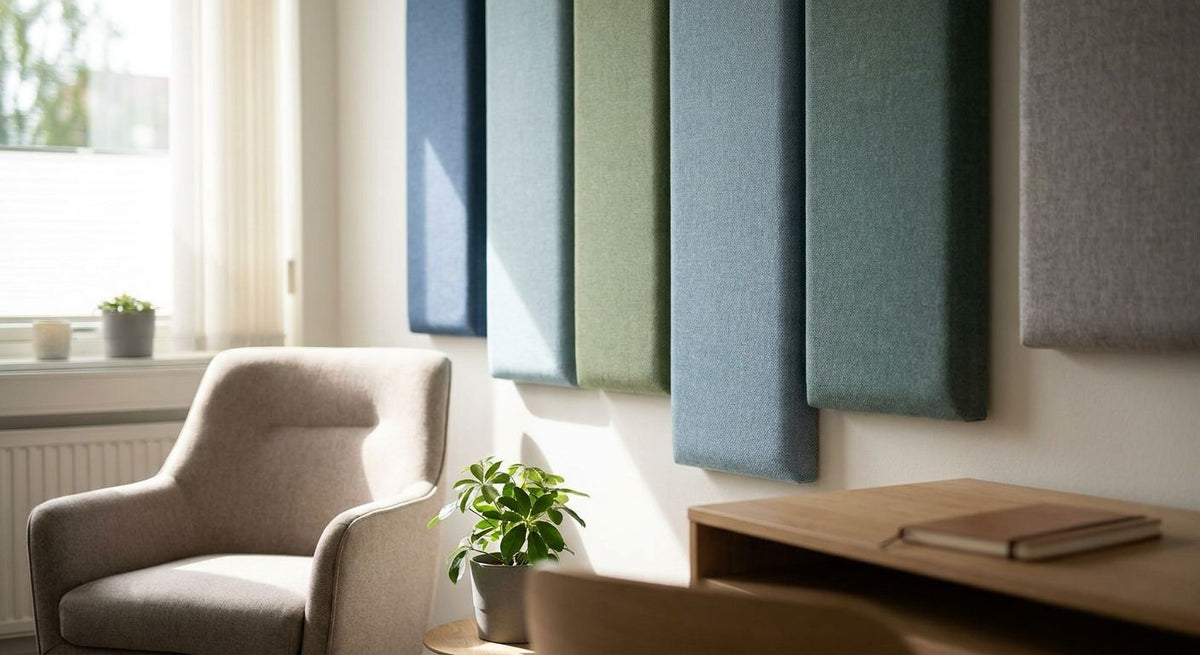
Counselling and therapy room acoustic panels are felt-backed wood veneer wall panels fitted to stop confidential conversation carrying through partition walls and to calm the hard, reflective surfaces that make small consulting rooms sound clinical instead of safe. A therapy room carries a brief no living room has: the client on the other side of that wall needs to believe nobody outside can hear them, and that trust starts with the wall build, not just the conversation inside it.
- Acoustic panels for counselling and therapy room privacy cut mid-to-high frequency sound bleed on shared walls, not full soundproofing.
- Akustiq UK's hexagon acoustic panels carry an NRC rating of 0.75, absorbing roughly 75% of the sound energy hitting the face.
- Full floor-to-ceiling coverage on the shared wall matters more than panel brand for real client privacy in 2026.
- Panels alone don't stop determined eavesdropping - pair them with a sealed door and background sound masking.
Why acoustic panels matter for counselling and therapy rooms
Most UK counselling practices operate out of converted offices, GP surgery annexes, or shared clinic buildings built with stud partition walls designed for privacy of sight, not sound. Plasterboard on timber studs with no cavity insulation carries conversational speech through to the next room and the waiting area beyond it, which is exactly the failure point that undermines client trust before a session even starts.
Counselling and therapy practice runs on the client's confidence that the room is confidential. A bare-walled consulting room with a hard ceiling reflects sound back at the therapist all day and leaks it through the partition at the same time. Felt-backed wood panels address both problems on one wall: the veneer face controls reflection inside the room, the acoustic felt behind it absorbs and dampens what would otherwise pass straight through.
Akustiq UK supplies acoustic wooden slat wall panels and hexagon acoustic panels with a 3-sided real wood veneer finish over acoustic felt, carrying an NRC of 0.75 on the hexagon range. That figure isn't unique to therapy settings, but it's the room type where both halves of the spec get tested every single working day.
How to fit acoustic panels in a counselling or therapy room
Audit where sound actually leaks first
Before any panel goes up, find out where the room is failing. This costs nothing and takes fifteen minutes.
- Knock along the shared wall - a hollow, thin-sounding partition transmits more than solid masonry
- Sit in the waiting area while a colleague talks at normal volume in the consulting room and note what carries
- Check for gaps around the door frame, hinges, and the gap under the door itself
- Look for a suspended ceiling void or shared ductwork running above the partition into the next room
- Note plug sockets or light switches fitted back-to-back on the shared wall - a common flanking path
Cover the shared wall floor-to-ceiling first
Spot-treating one accent panel above a desk does almost nothing for speech privacy. Full coverage on the wall shared with the next room or the waiting area is the single highest-impact fix available.
- Prioritise the party wall over any external or window wall
- Run panels floor-to-ceiling rather than a mid-height band - flanking sound travels above and below eye level too
- Choose felt-backed panels over decorative-only wood slats; not every wood wall panel absorbs sound
- A felt-backed option like the grey walnut hexagon panel with grey felt is the faster route once the audit above tells you which wall needs it - full coverage on that one wall does more for privacy than a scattering of panels across every wall in the room
Match the panel to the wall construction
Different wall builds need different attention. A stud partition behaves differently to solid masonry, and treating them the same wastes budget.
- Stud and plasterboard partitions: full panel coverage plus checking for existing cavity insulation
- Solid masonry or brick party walls: panels still help reflection, but transmission is usually already lower
- Suspended ceiling voids: sound travels over the top of partitions that stop at ceiling tile level, not slab level
- Read the NRC sound absorption ratings on acoustic panels guide before specifying more than one room, since NRC measures absorption inside a room, not transmission loss through a wall - the two numbers solve different problems
Seal the door and threshold
A panelled wall with an untreated door undoes most of the work. Doors are the weakest point in almost every consulting room fit-out.
- Fit a compression seal around the door frame, not just foam strip tape
- Add a drop-down threshold seal to close the gap under the door
- Solid-core doors outperform hollow flush doors by a wide margin for speech privacy
- Check the door closer holds the door fully shut - a door resting on the latch leaks noticeably more sound
Add background sound masking
Panels reduce and absorb; masking covers what still gets through. The two work together, not instead of each other.
- A low-level white noise or pink noise generator in the corridor or waiting area
- Ambient music at a consistent, unobtrusive volume in shared reception spaces
- Avoid anything with speech or recognisable lyrics - the brain filters other speech through, unlike steady noise
- Keep masking volume below the level that makes reception staff raise their own voices, which defeats the point
Order samples before a room-wide fit-out
A therapy room's finish matters almost as much as its acoustics - clients read a cold, sterile veneer differently to a warm one. Get the tone right before committing to a full room.
- Order 2-3 finish samples and view them under the room's actual lighting, not a showroom
- Compare a lighter finish (natural oak, grey oak) against a darker one (smoked oak, black oak, walnut) next to existing furniture and flooring
- Check the felt colour behind the veneer if any panel edge will show at a trim or reveal
- Confirm panel length - 240 cm or 300 cm - against your actual wall height before ordering, not after
Comparison: privacy and acoustic options for therapy rooms
| Option | Best for | Key limitation |
|---|---|---|
| Felt-backed wood acoustic panels | Full-coverage retrofits in existing consulting rooms | Improves absorption and damping, not a substitute for a rebuilt wall |
| Foam acoustic tiles | Budget spot-treatment in a single room | Weaker finish for a client-facing space, poorer on low frequencies |
| Fabric-wrapped acoustic panels | Rooms wanting a soft, textile look | Harder to clean, less durable in a high-traffic clinic |
| Full stud-wall rebuild with insulation | New-build or full refurbishment projects | Structural work, disruption, and cost well beyond a panel retrofit |
| White noise generator alone | Cheap first step in a shared waiting area | Masks, doesn't reduce, transmission - not enough on its own |
For a straight verdict: felt-backed wood acoustic panels win for existing consulting rooms that can't take on a structural rebuild, and a full stud-wall rebuild only makes sense when the room is already being gutted for other reasons.


Common mistakes counselling and therapy practices make
- Treating only the therapist's own room and ignoring the waiting room wall, where clients queuing to be seen hear the most
- Assuming any wood wall panel is acoustic - plenty of decorative slat panels carry no felt backing and do almost nothing for absorption
- Patchy coverage - one accent panel above the desk instead of full floor-to-ceiling treatment on the wall that actually leaks
- Ignoring the door while spending the whole budget on wall panels; an unsealed door undoes coverage on every wall around it
- Skipping samples and ordering a full room's worth of panels in a finish that reads sterile under the room's actual lighting
FAQ
What's the best acoustic panel for a therapy or counselling room?
Felt-backed wood veneer panels with full floor-to-ceiling coverage on the shared wall are the best acoustic panels for a counselling or therapy room in 2026. Akustiq UK's hexagon and slat panels combine a wood veneer face for reflection control with acoustic felt for damping, which spot-foam tiles don't match on finish.
Do acoustic wall panels stop sound from being heard next door?
Acoustic wall panels reduce how much sound transmits through a partition wall but don't eliminate it entirely on their own. Full coverage on the shared wall combined with a sealed door and threshold gets far closer to genuine speech privacy than panels alone.
Is felt-backed wood veneer better than foam panels for a consulting room?
Felt-backed wood veneer suits a client-facing consulting room better than foam tiles because it delivers acoustic absorption without looking like a recording booth. Foam performs adequately on absorption but reads clinical and cheap in a room meant to put clients at ease.
How much wall coverage do I need for real speech privacy?
Full floor-to-ceiling coverage on the wall shared with the next room or waiting area gives the most measurable privacy improvement. A single accent panel above a desk does close to nothing for speech transmission, regardless of the panel's own NRC rating.
What NRC rating should therapy room panels have?
Look for an NRC rating of 0.7 or higher on a panel aiming to control reflection and support speech privacy. Akustiq UK's hexagon acoustic panels carry an NRC of 0.75, meaning roughly 75% of the sound energy hitting the panel face is absorbed rather than reflected.
Can I fit acoustic panels myself in a rented consulting room?
Yes, wood veneer acoustic panels are built for a straightforward DIY fit using panel glue or standard fixings without structural work to the wall. Check the lease terms on wall fixings first if the room is rented rather than owned.
Do acoustic panels work with existing partition walls in shared clinics?
Acoustic panels work well over existing stud partition walls in shared clinic buildings, adding absorption and some damping to a wall that was never built with sound in mind. They won't match a rebuilt insulated wall for transmission loss, but they're the realistic upgrade path when a rebuild isn't on the table.
What size acoustic panels suit a small counselling room?
Smaller hexagon panels around 81 cm give more flexibility to cover awkward corners and alcoves common in converted consulting rooms. Longer slat panels in 240 cm or 300 cm lengths suit a single uninterrupted wall run better than a room full of angles.
One last thing
The waiting room wall gets ignored more than any other surface in a therapy practice, and it's usually the one doing the most damage to client trust. A client sitting in reception hearing muffled but recognisable speech from the room they're about to walk into undoes the privacy pitch before the session starts - treat that wall with the same floor-to-ceiling coverage as the therapist's own room, not an afterthought panel by the coat hooks.
More detail on fitting this specific room type is in the acoustic wood panels for therapy and counselling rooms guide, which covers room-by-room layouts beyond what's practical here.