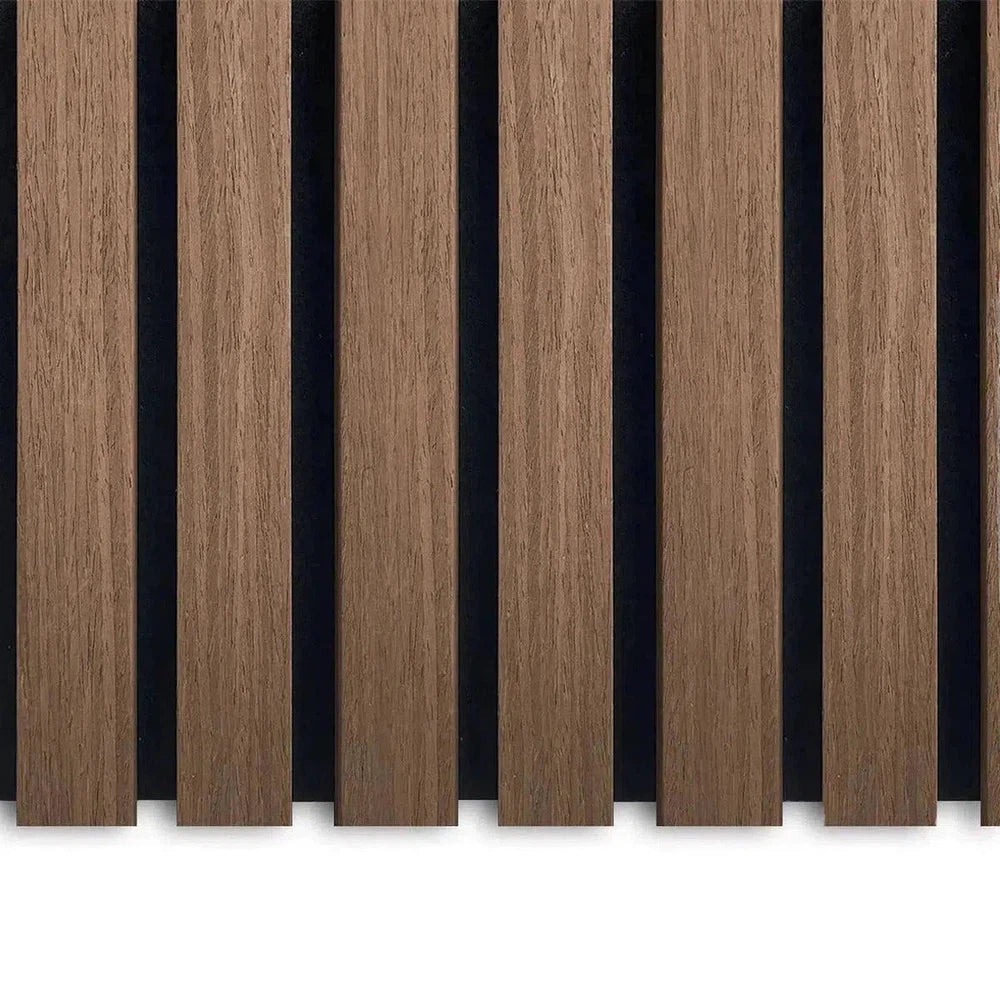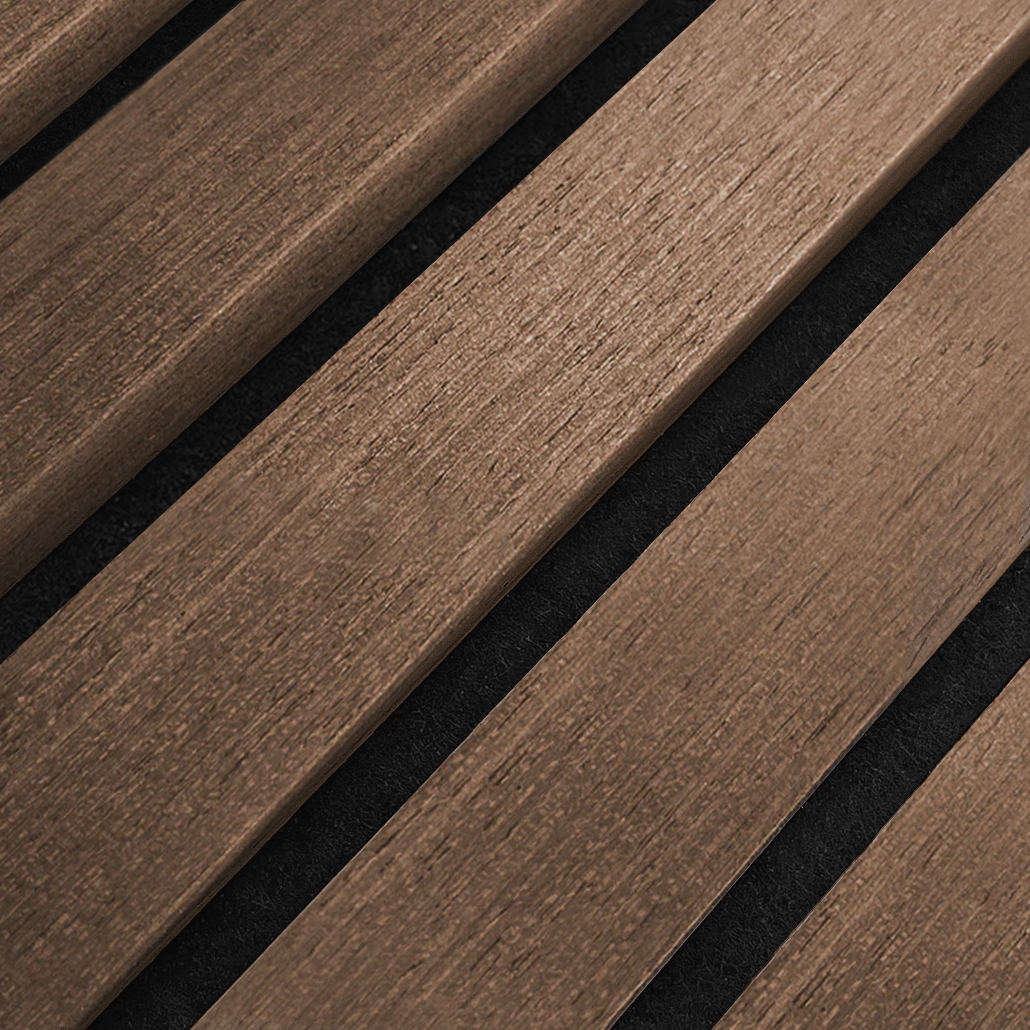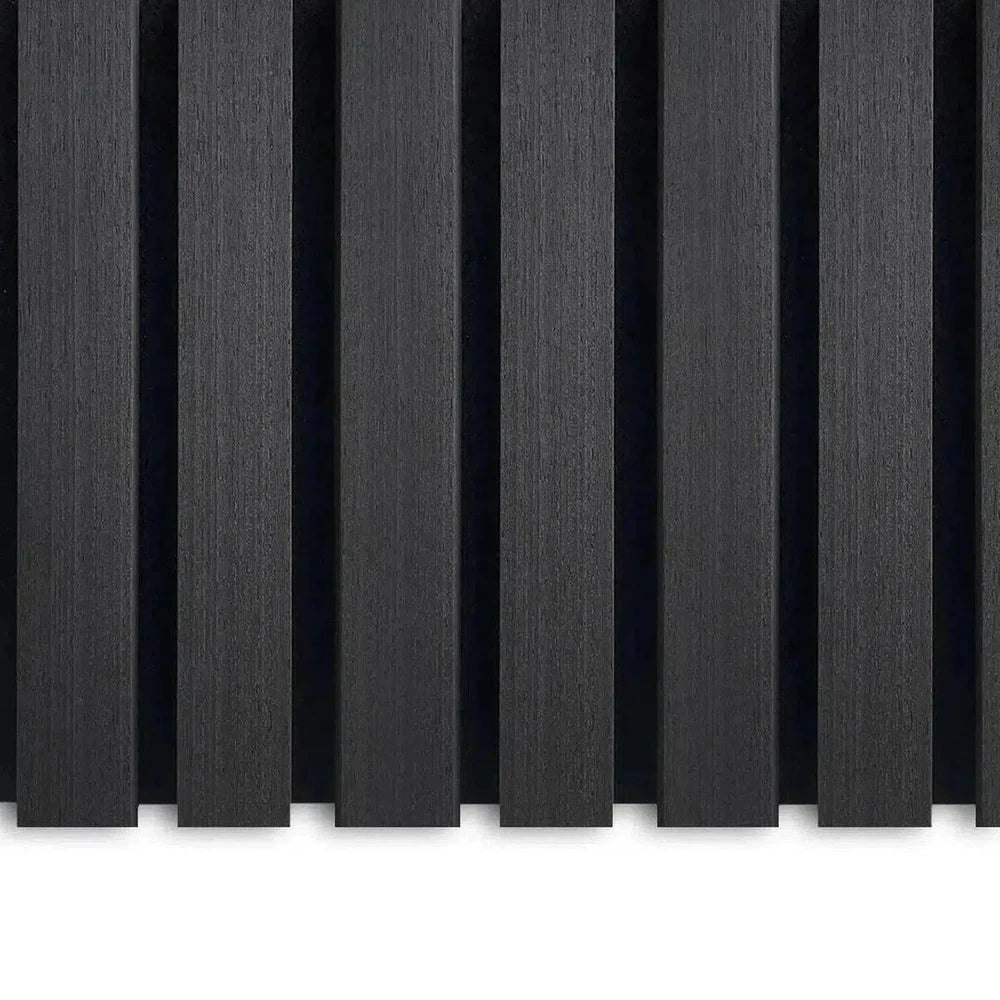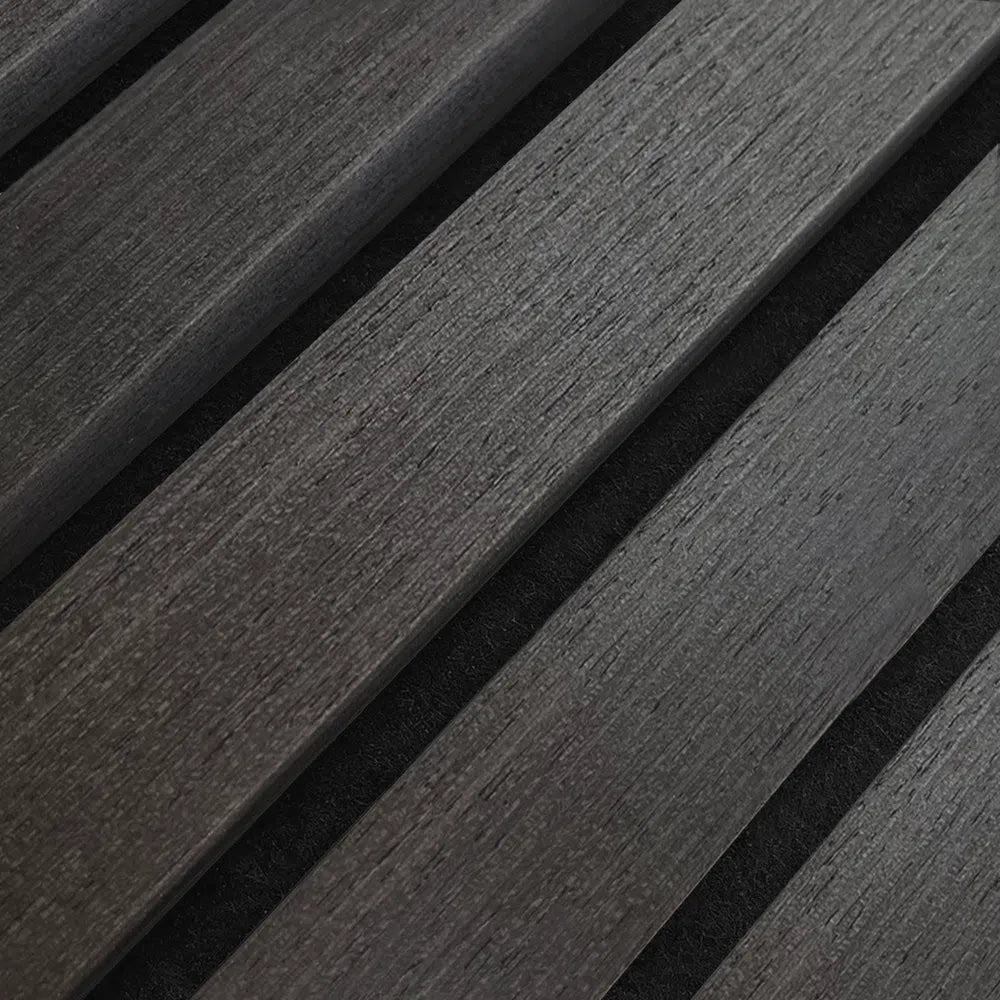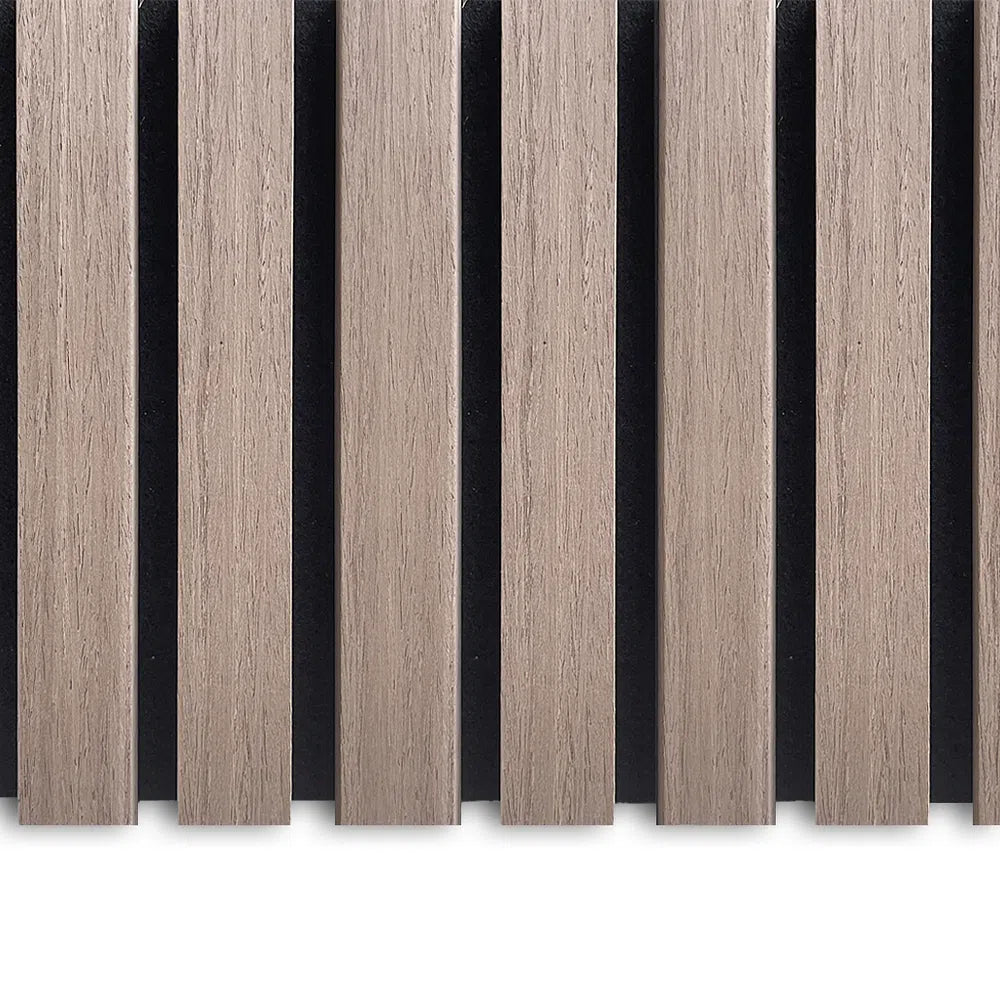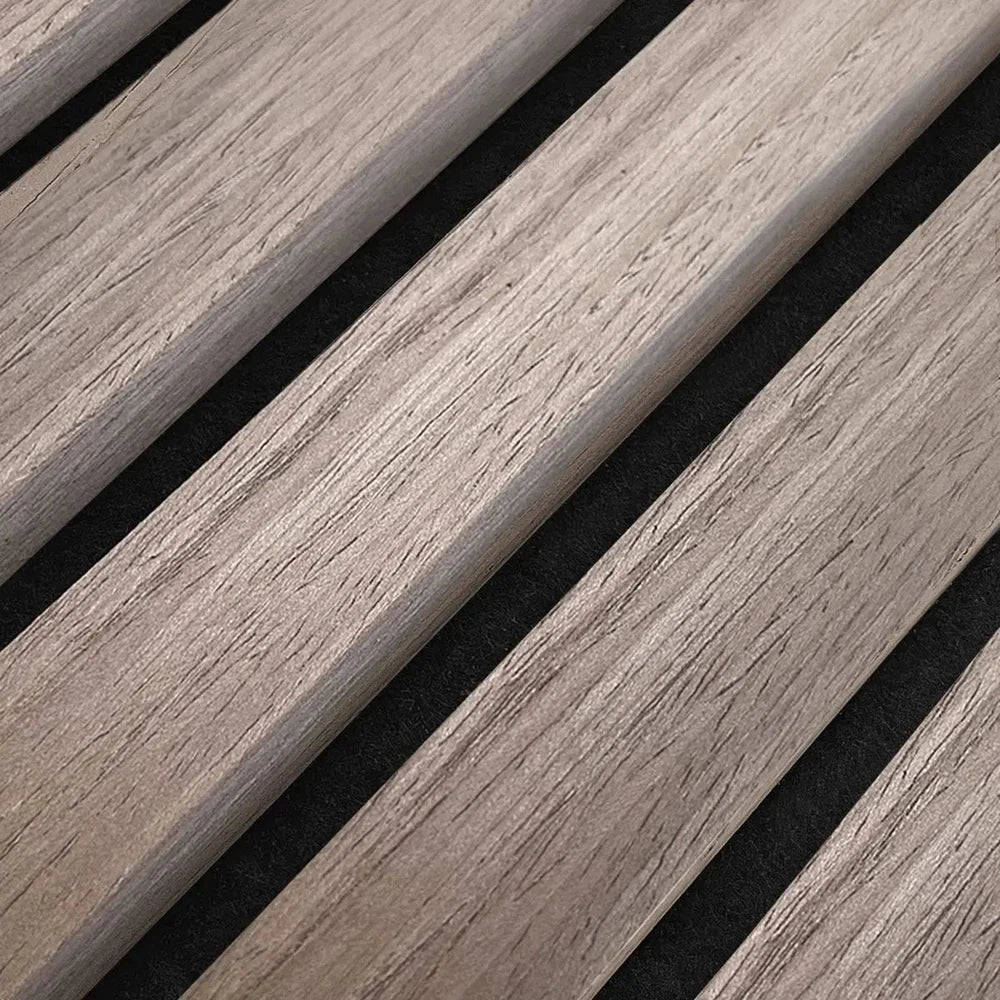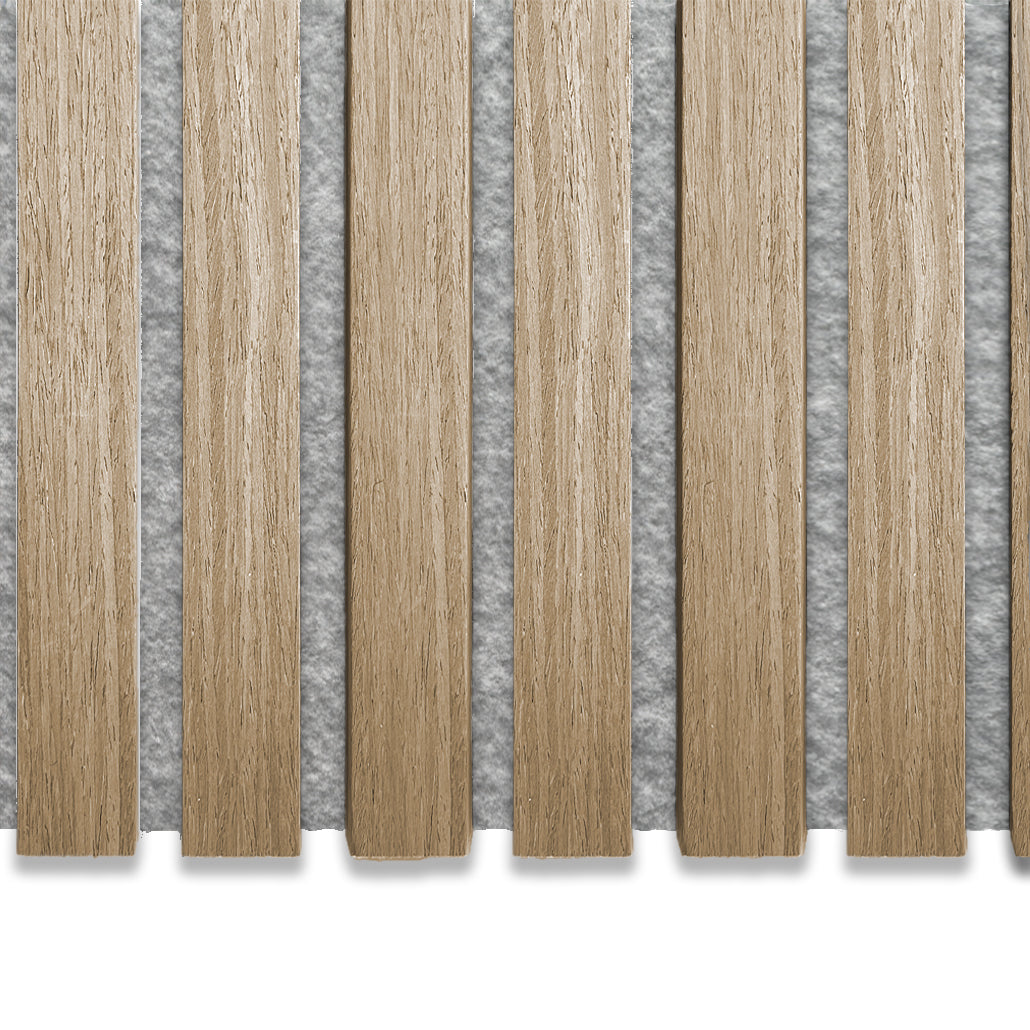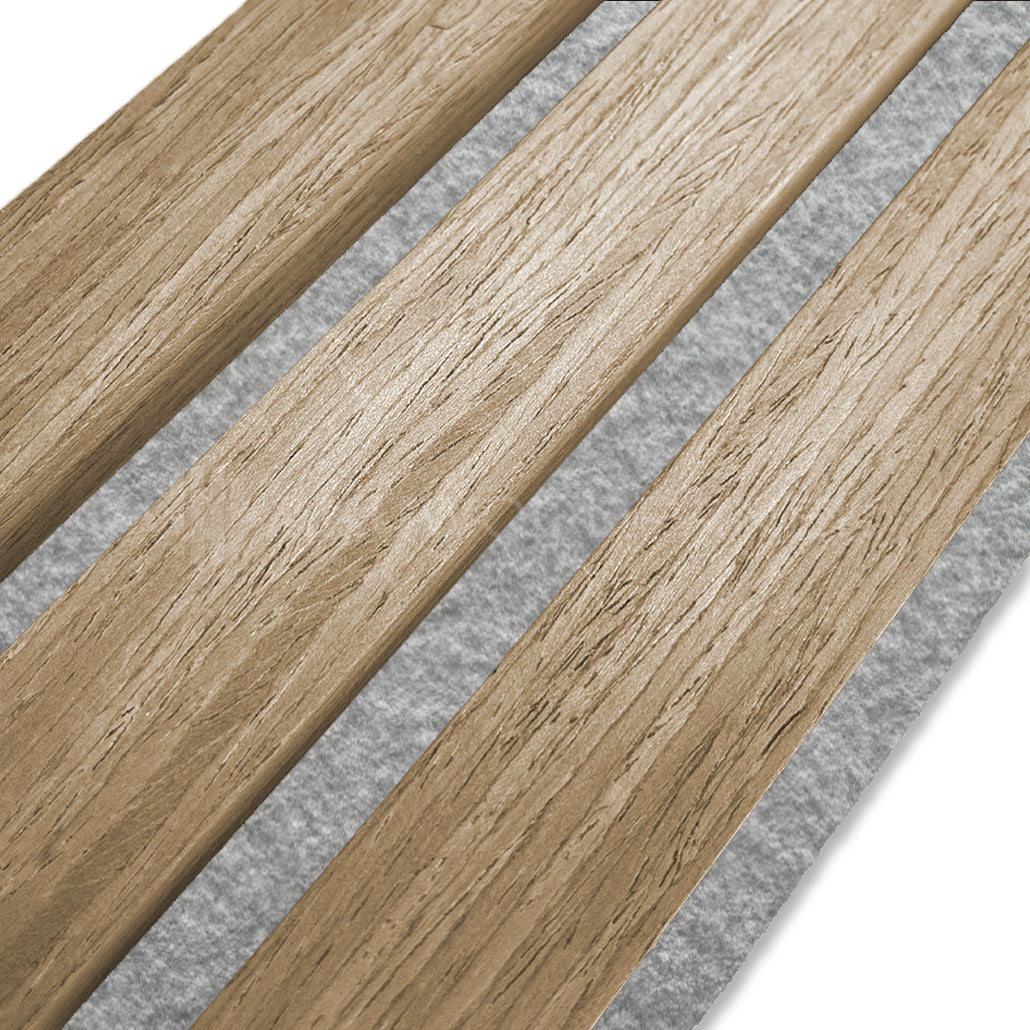
Best overall cladding for a garden boundary wall: the Exterior Wall Cladding Panel – Oak. Best for a bold, high-contrast privacy screen: the Black finish. Best for coastal or wet-climate walls: Stone Grey. This guide ranks all four AKU Woodpanel exterior cladding finishes against real fixing, weathering and finish criteria, so you can pick the right one for cladding a garden boundary wall for privacy in 2026 instead of guessing from a colour swatch.
- Exterior Wall Cladding Panel – Oak wins overall for cladding a garden boundary wall for privacy in 2026.
- Black gives the strongest contrast for a bold garden boundary but absorbs more heat in full sun.
- Stone Grey is built for coastal air and heavy rain; Birch only wins next to a timber-frame structure.
- All four panels fix over brick, render, breeze block or timber frame using standard battens.
Why this matters
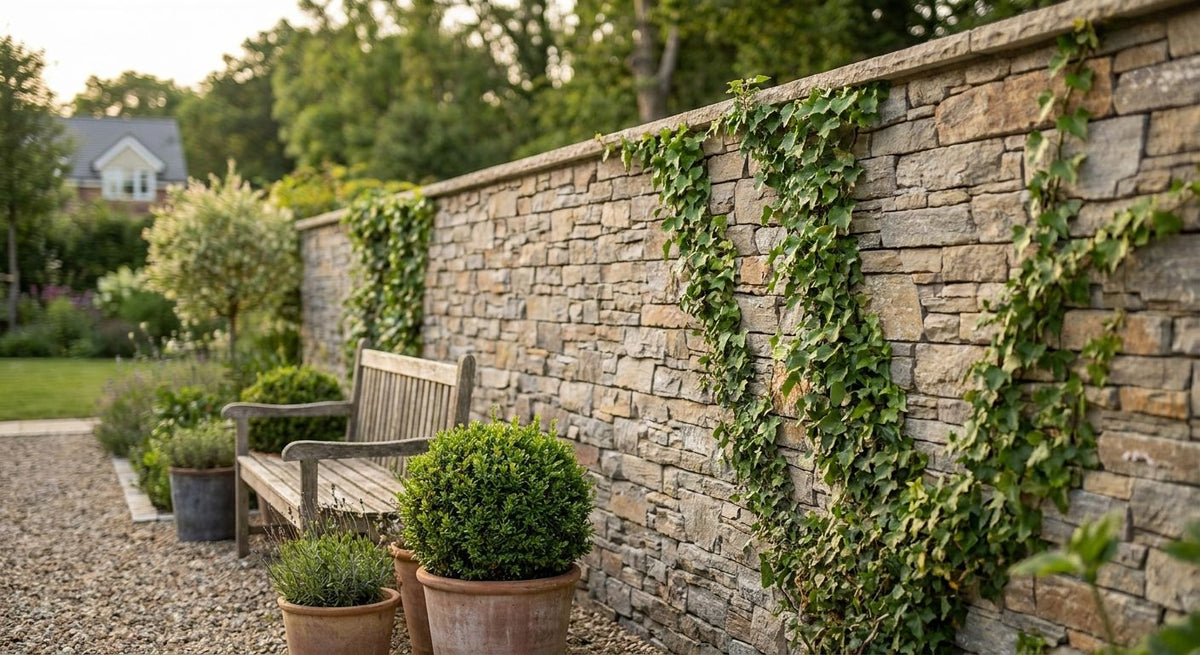
A bare block wall, tired breeze-block boundary or grey render fence does two things badly at once: it lets sightlines and street noise straight through, and it looks unfinished from both sides of the garden. Cladding that wall solves privacy and appearance in one job, without the cost or the planning headache of raising the wall's actual height.
AKU Woodpanel's exterior cladding range covers four finishes — Oak, Black, Stone Grey and Birch — engineered for outdoor exposure rather than repurposed indoor veneer. Pick the wrong finish for the wall's aspect and you're repainting or replacing panels within two seasons. Pick the right one and the boundary stops being the ugliest thing in the garden.
What makes the best cladding for garden walls
- Weather resistance — how the finish handles UV, rain and temperature swings across a full UK year
- Fixing flexibility — whether it goes up over brick, render, breeze block or timber frame without structural work
- Finish and tone range — colour options that suit both sides of the boundary, not just the clad face
- Low upkeep — no repainting cycle, easy to hose down between seasons
- Grime visibility — how quickly dust, algae or salt residue shows on the surface
Best cladding for garden walls at a glance
| Panel | Best for | Standout feature | Key limitation |
|---|---|---|---|
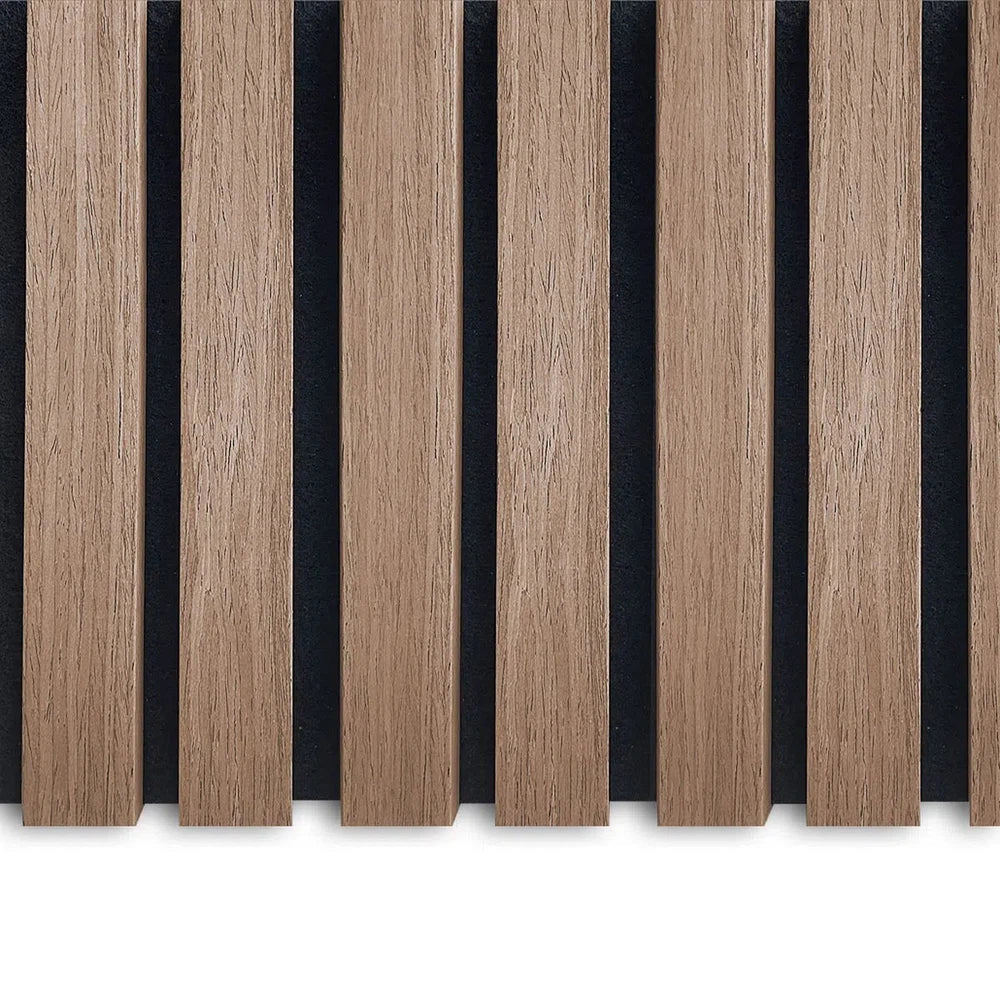
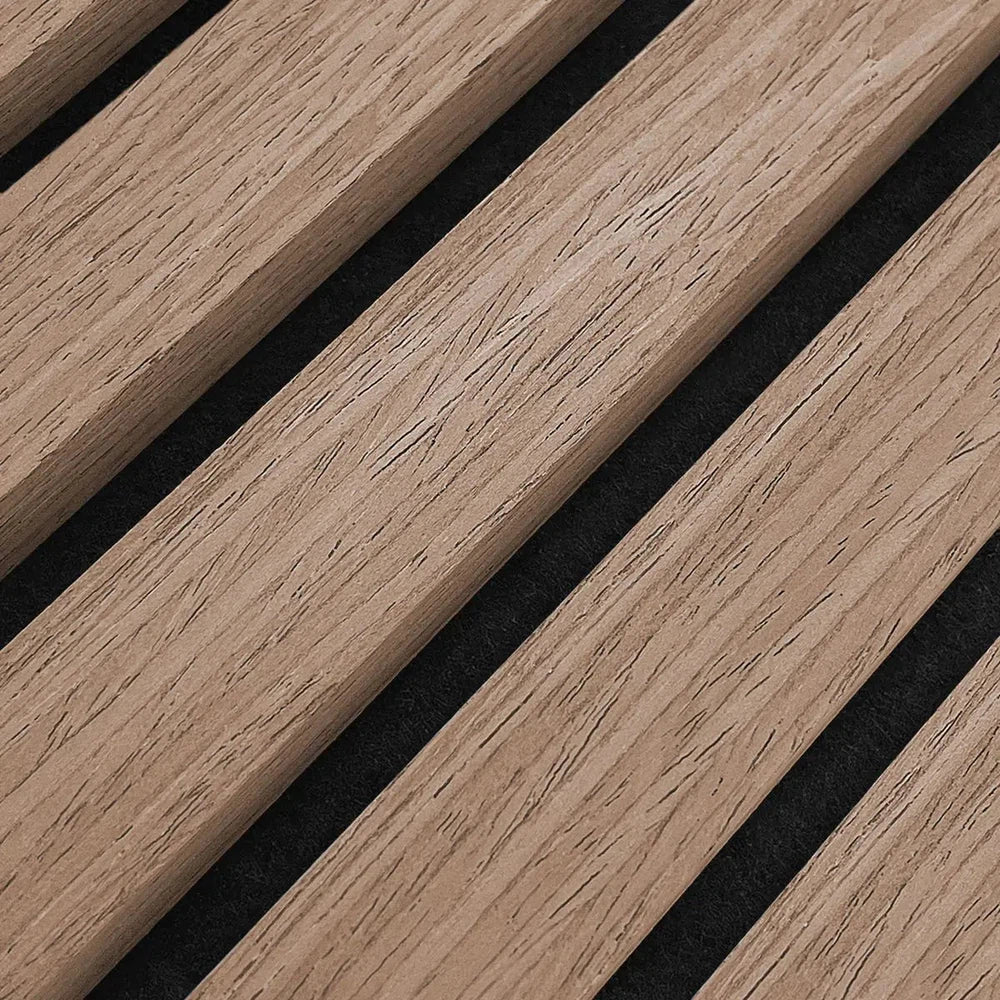
| Exterior Wall Cladding Panel – Oak | Overall boundary wall privacy | Warm grain reads natural from both sides of the fence | Shows dust and algae faster than darker finishes |
| Exterior Wall Cladding Panel – Black | Bold, high-contrast privacy screens | Strongest visual break against greenery and render | More heat gain in full south-facing sun |
| Exterior Wall Cladding Panel – Stone Grey | Coastal and wet-climate walls | Neutral tone hides water marks and salt residue | Softer contrast against pale brick |
| Exterior Wall Cladding Panel – Birch | Timber-frame garden rooms | Lightest tone, matches raw or lightly treated timber | Narrower use case than Oak |
1. Exterior Wall Cladding Panel – Oak: best cladding for garden walls for all-round privacy
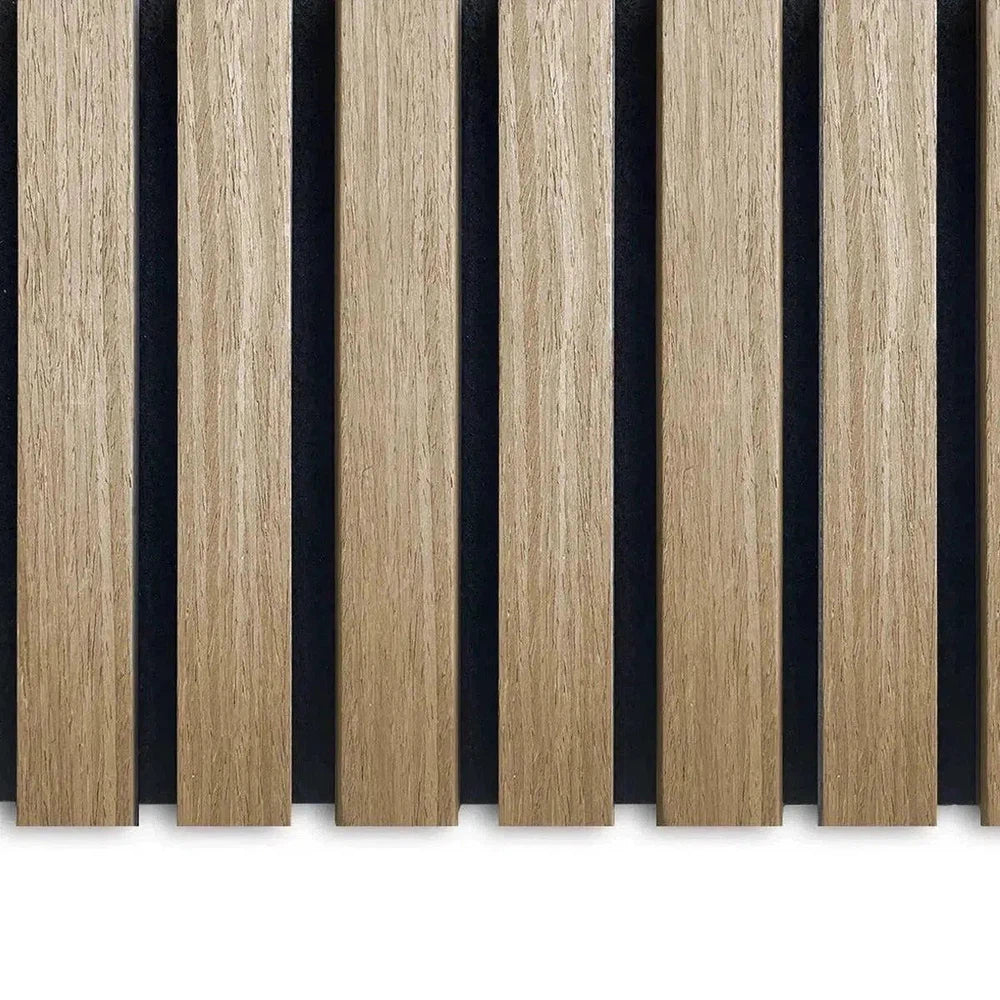
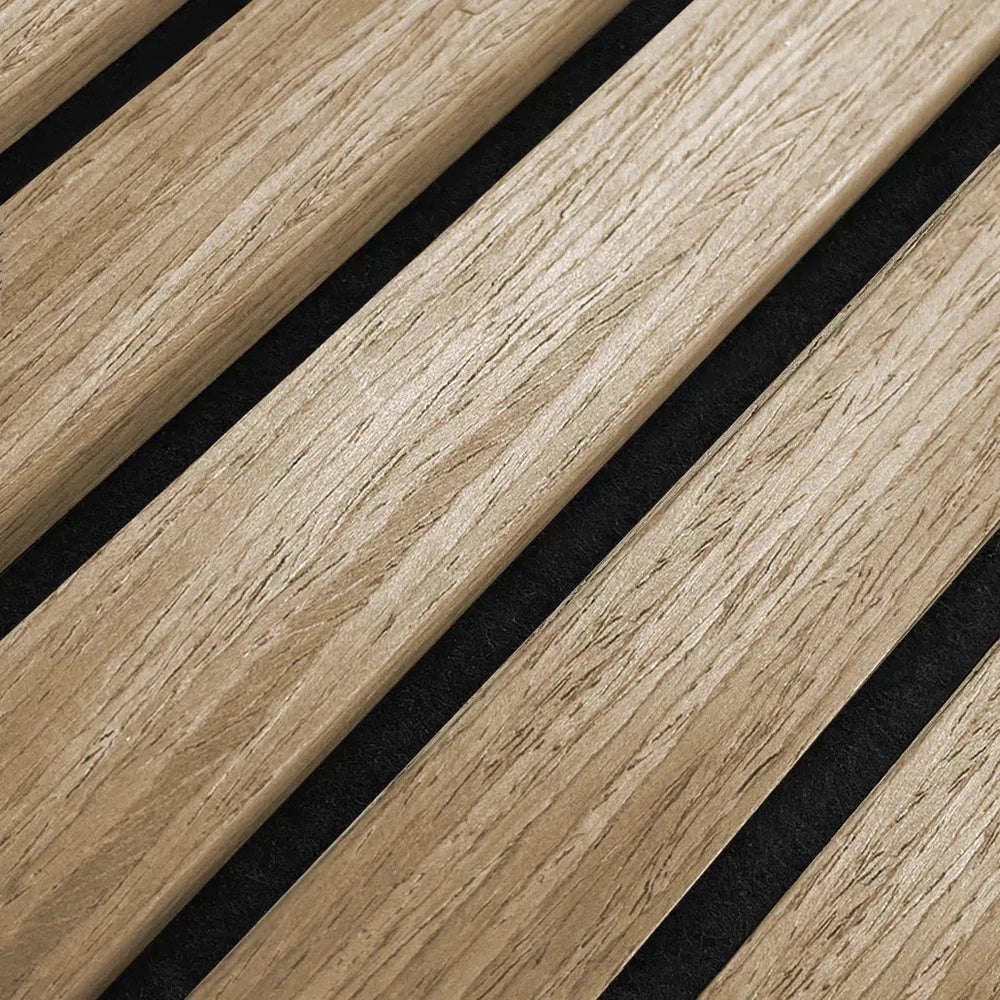
The Exterior Wall Cladding Panel – Oak is AKU Woodpanel's default pick for a garden boundary wall that needs privacy without turning the space into a black box. The warm mid-tone grain reads as a deliberate design choice rather than a patched-up fence, and it works whether the wall borders a patio, a side return or a shared boundary with neighbours.
Exterior Wall Cladding Panel – Oak pros:
- Warm tone suits most planting schemes without fighting brick or render
- Fixes over brick, breeze block, render or timber frame with standard battens
- Reads as finished from both sides of the wall, not just the clad face
Exterior Wall Cladding Panel – Oak cons:
- Mid-tone finish shows dust and green algae faster than darker panels in shaded corners
- Needs an occasional wash to keep the grain looking fresh
Verdict: Buy. Best for: general garden boundary privacy screens where the finish needs to suit the whole garden, not just one wall.
2. Exterior Wall Cladding Panel – Black: best for a bold, high-contrast boundary
The Exterior Wall Cladding Panel – Black turns a garden boundary wall into a feature rather than a backdrop. Against greenery or pale render, the dark finish gives the sharpest edge definition of any panel in the range, which is why it suits gardens where the wall is meant to be seen, not just tolerated.
Exterior Wall Cladding Panel – Black pros:
- Sharpest contrast against greenery, render and pale brick
- Hides shadow and grime lines better than lighter finishes
- Pairs well with contemporary garden lighting schemes
Exterior Wall Cladding Panel – Black cons:
- Absorbs more heat in full south-facing sun than lighter finishes
- Can dominate a small garden if used on more than one wall
Verdict: Buy for a modern, high-contrast privacy screen; Wait if the boundary already gets long, unbroken sun exposure and you haven't checked how the finish handles it. Best for: bold, high-contrast garden boundary screens.
3. Exterior Wall Cladding Panel – Stone Grey: best for coastal and wet-climate walls
Exterior Wall Cladding Panel – Stone Grey sits at the neutral end of AKU Woodpanel's exterior range, close in tone to weathered render or natural stone. On walls exposed to salt air or heavy rain, a neutral finish hides water spotting and efflorescence better than a warm wood tone does.
Exterior Wall Cladding Panel – Stone Grey pros:
- Neutral tone matches rendered garden walls and stone boundaries
- Water marks and salt residue show less than on warmer finishes
- Works well on north-facing walls with low direct light
Exterior Wall Cladding Panel – Stone Grey cons:
- Less contrast against pale brick, so the privacy-screen effect reads softer
- Doesn't suit gardens going for a warm, timber-heavy look
Verdict: Buy for coastal properties or wet-climate boundary walls; Skip if the brief is a strong visual break from a pale wall. Best for: coastal and wet-climate garden boundaries.
4. Exterior Wall Cladding Panel – Birch: best for timber-frame and garden room boundaries
Exterior Wall Cladding Panel – Birch is the lightest finish in the range, closer to raw timber than to a stained wood look. It suits boundary walls standing next to timber-frame garden rooms, sheds or Scandi-style outbuildings, where a dark or warm panel would clash with the existing timber.
Exterior Wall Cladding Panel – Birch pros:
- Lightest tone in the range, matches raw or lightly treated timber structures
- Brightens shaded boundary walls that get little direct sun
- Reads as part of the garden building rather than a separate wall
Exterior Wall Cladding Panel – Birch cons:
- Shows low-level grime and green staining faster than darker finishes
- Narrower use case than Oak — works best on walls near matching timber structures
Verdict: Buy for a boundary wall standing next to a timber-frame garden room; Skip for a wall that needs to hide dirt with minimal cleaning. Best for: timber-frame and garden room boundary walls.
How we ranked
Each panel was checked against the same five criteria: weather resistance, fixing flexibility, finish range, low-maintenance surface and grime visibility. None of the four fails on fixing or wall compatibility — all four go up over brick, breeze block, render or timber frame with battens. The split comes down to tone and exposure handling: Oak balances warmth against visible grime, Black gives the strongest contrast at the cost of heat gain, Stone Grey is built for wet and coastal walls, and Birch only wins when there's a timber structure to match.
“A garden wall clad in the wrong finish tells you within one summer — look for fading and grime, not just staining.”
Fixings and mounting considerations
Every finish in the AKU Woodpanel exterior range fixes the same way: battens screwed into the wall, panels clipped or screwed onto the battens, with a gap left at the base for drainage. Get the fixing wrong and the panel, not the wall, becomes the maintenance problem within a year.
Before drilling into an existing garden wall, check what sits underneath the render or brick face — breeze block behaves differently to solid brick when it comes to fixing depth and plug choice. The same discipline applies to anything else mounted on that wall afterwards. If the boundary wall is doing double duty as a mounting surface for more than cladding, treat every fixture with the same measure-first approach: the same logic drives choices like wall-mounted flagpoles for small gardens, where the limiting factor is wall clearance rather than budget.
Leave a visible drainage gap at the base of the panel run so rainwater has somewhere to go instead of sitting against the cladding.
Which cladding should you choose?
Default to the Exterior Wall Cladding Panel – Oak if you haven't got a strong reason to pick otherwise — it handles the widest range of wall types and garden styles without looking like a compromise. Go Black if the wall itself should be a design feature rather than just a privacy fix. Choose Stone Grey for a coastal garden or a wall that takes heavy rain, and reserve Birch for boundaries standing next to timber-frame garden rooms or sheds.
Whichever finish you land on, cladding a garden boundary wall for privacy in 2026 comes down to matching the panel to the wall's exposure and the structures around it, not just its colour.
FAQ
What's the best cladding for a garden boundary wall for privacy?
The Exterior Wall Cladding Panel – Oak is the best all-round choice for cladding a garden boundary wall for privacy in 2026, because it suits the widest range of wall types and garden styles. Black, Stone Grey and Birch cover more specific use cases like bold contrast, coastal exposure or matching timber structures.
Is exterior wood cladding weatherproof?
AKU Woodpanel's exterior cladding range is built for outdoor exposure, unlike indoor veneer panels. Performance still depends on correct fixing with a drainage gap at the base — skipping that gap causes staining and swelling regardless of finish.
Can you clad a breeze block garden wall?
Yes, all four AKU Woodpanel exterior finishes fix over breeze block using battens. Breeze block needs different fixing depth and plug choice than solid brick, so check the wall type before drilling.
How much does cladding a garden wall cost?
Cost depends on wall size, finish and how many panels the run needs, so check current pricing on the AKU Woodpanel exterior range for an accurate figure. Panel count is the main cost driver, not the finish chosen.
Do you need planning permission to clad a garden wall?
In England, a boundary wall over 2 metres — or over 1 metre next to a highway — typically needs planning permission under permitted development rules. Adding cladding to an existing wall within those limits doesn't usually count as raising its height, but check with the local council before starting.
Which cladding finish suits a coastal garden?
Exterior Wall Cladding Panel – Stone Grey is the best fit for coastal gardens, because its neutral tone hides salt residue and water marks better than warmer finishes. It also suits wet-climate walls away from the coast for the same reason.
Does exterior cladding need painting or staining?
No — the AKU Woodpanel exterior finishes are designed as a low-upkeep surface, so there's no repainting cycle. Occasional washing keeps the grain looking fresh, especially on lighter finishes like Oak and Birch.
Can cladding go over a timber-frame garden wall or fence?
Yes, all four finishes fix over timber frame using the same batten system as brick or render. Exterior Wall Cladding Panel – Birch is the closest tonal match if the wall sits next to an existing timber structure.
One last thing
The base of a clad garden wall does more work than the face. Leave a visible drainage gap between the bottom of the panel run and the ground — skip it and even the best-rated finish stains and swells at the base well before the rest of the wall shows wear. Check the gap before you check the colour.