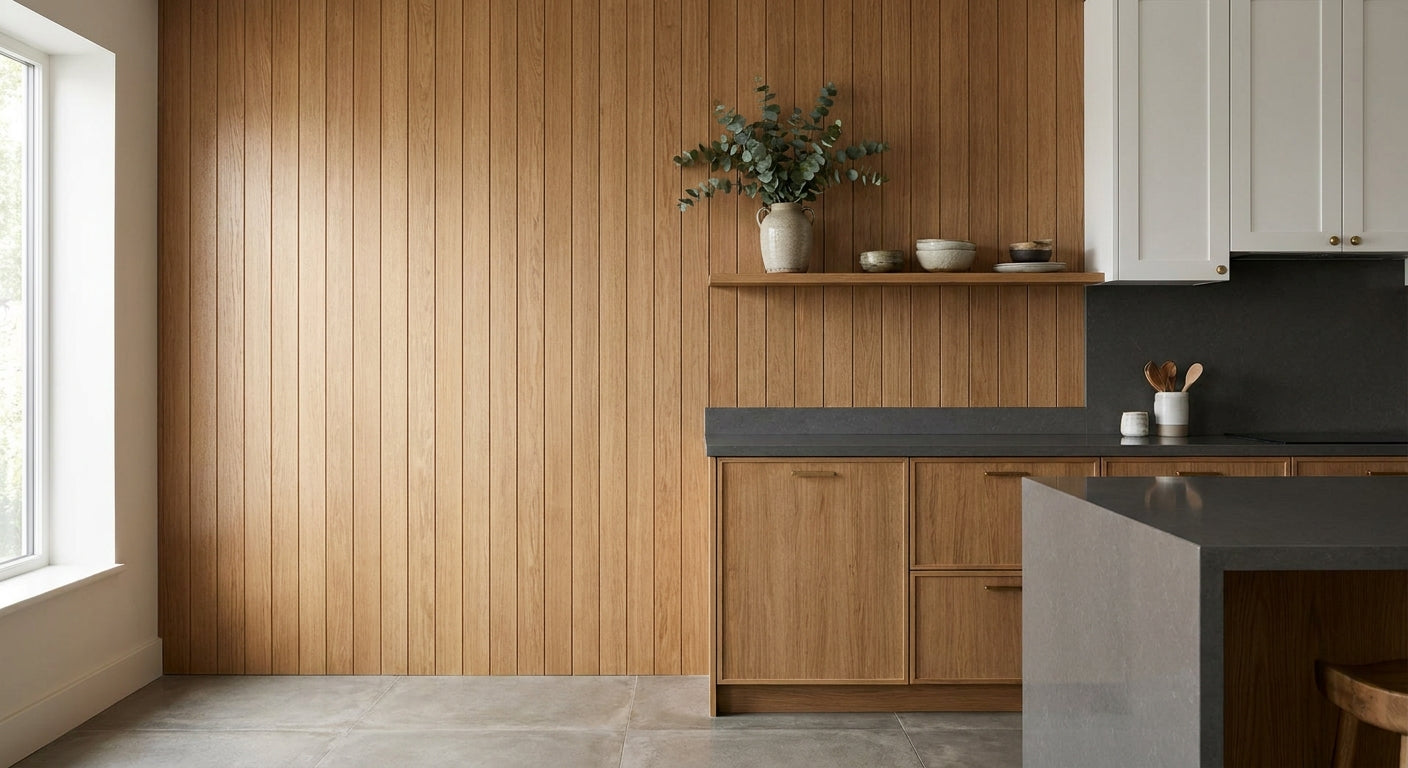
Kitchen feature walls need a wood panel that survives steam, grease splash, and daily wipe-downs while still looking like a design choice rather than an afterthought — this guide names the finishes that hold up in 2026 and the ones to skip.
TL;DR
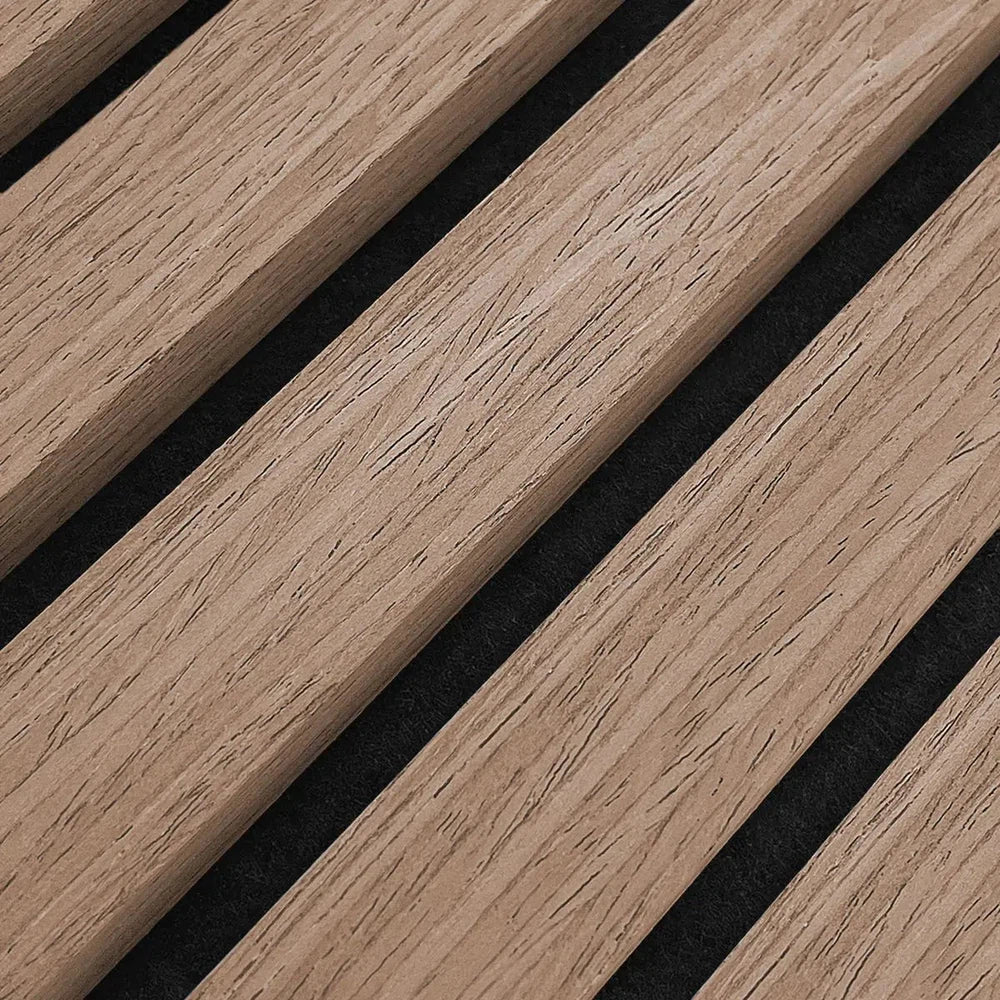
For a kitchen feature wall in 2026, Natural Oak wooden wall panels from Akustiq UK are the safe buy — light tone, forgiving in small galley kitchens, and available in the 240 cm format that suits standard ceiling heights. If you want more drama behind an island or dining zone, Smoked Oak is the pick, provided it sits at least 60 cm from any hob or open flame. Skip printed-foil imitation panels entirely; they blister under sustained kitchen humidity within a year. Real 3-sided wood veneer with acoustic felt backing is worth the extra spend for anyone tired of a bare wall bouncing sound around an open-plan kitchen-diner.
Why this matters
Kitchens are the worst room in the house to get wall panelling wrong. Steam, grease aerosol, and temperature swings near the hob do things to materials that a living room wall never sees. A panel that looks identical to oak in a showroom can delaminate behind a stove within 12 months if it's the wrong construction.
The upside is real: open-plan kitchen-diners with hard floors and glass splashbacks are some of the worst acoustic environments in a home, and a panelled feature wall using wooden wall panel natural oak or a similar finish cuts reverberation while adding warmth that tile and paint can't. This guide covers what actually holds up.
Who this is for
This is for homeowners renovating or refreshing a kitchen in 2026 who want a wood feature wall on a chimney breast, dining-end wall, or the run behind an island — not the splashback zone directly behind the hob or sink, which needs a different product entirely. If you're panelling a wall within 30 cm of a heat source or wet zone, treat this as a design wall, not a splashback replacement.
What to look for in wood panels for a kitchen feature wall
Heat and moisture tolerance
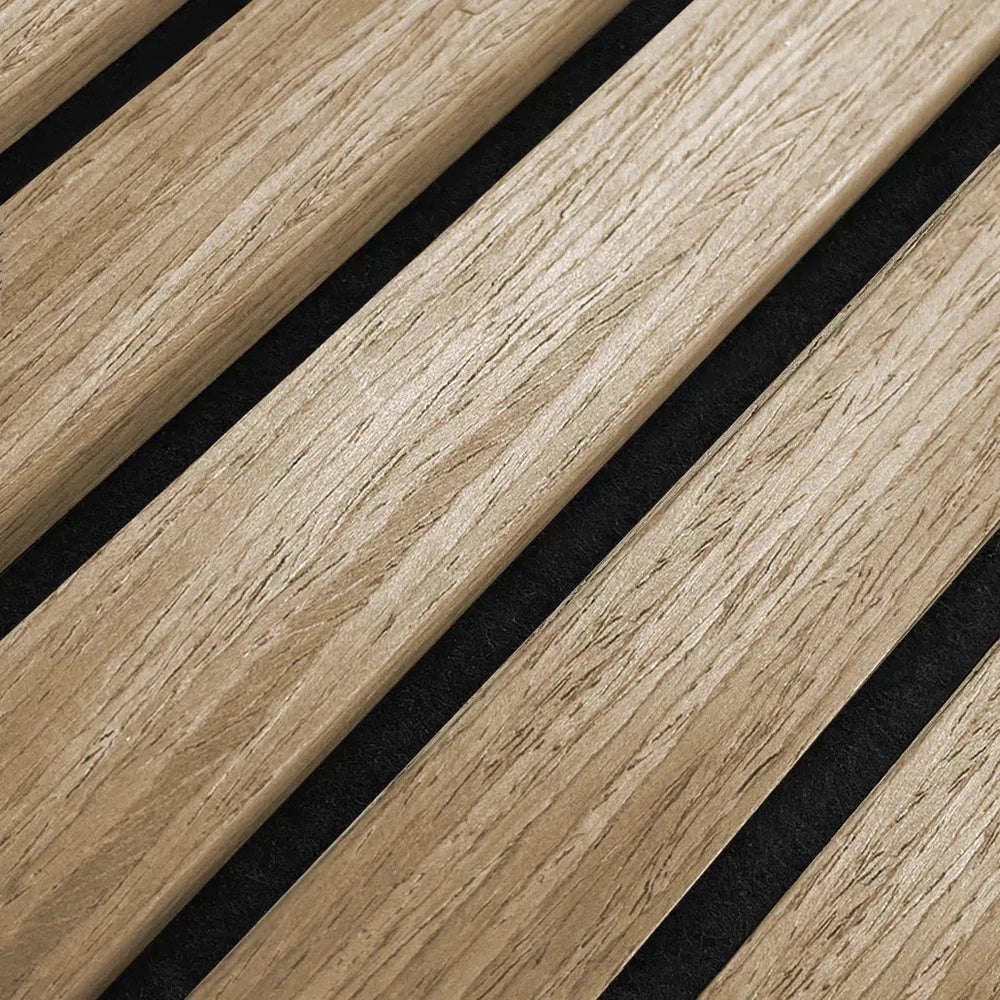
Kitchen air carries more moisture and grease than any other room, and a panel with only a printed foil layer will swell, peel, or discolour faster than in a bedroom or office. Real 3-sided wood veneer with a sealed backing handles ambient kitchen humidity far better than laminate mimics — this is the single biggest failure point buyers report.
Distance from the hob
Any wood panel, veneer or otherwise, needs clearance from direct heat and open flame. Plan your feature wall on a wall that doesn't back onto the cooking zone, or keep a minimum gap — most fitters work to 60 cm plus from a gas hob edge as a safe buffer in 2026 installations.
Panel size versus your wall height
Wooden wall panels typically come in 240 cm and 300 cm lengths. A standard UK kitchen ceiling around 2.4 m suits the 240 cm format with minimal cutting; open-plan kitchen-diners with taller ceilings or a full floor-to-ceiling look need the 300 cm option to avoid a visible horizontal seam.
Acoustic backing in open-plan layouts
Open-plan kitchens with tile, glass, and stone surfaces are acoustically harsh — voices and appliance noise carry further than in a closed room. Panels with acoustic felt backing genuinely dampen that, which matters more in a kitchen-diner than almost anywhere else in the house.
Installation method for kitchen walls
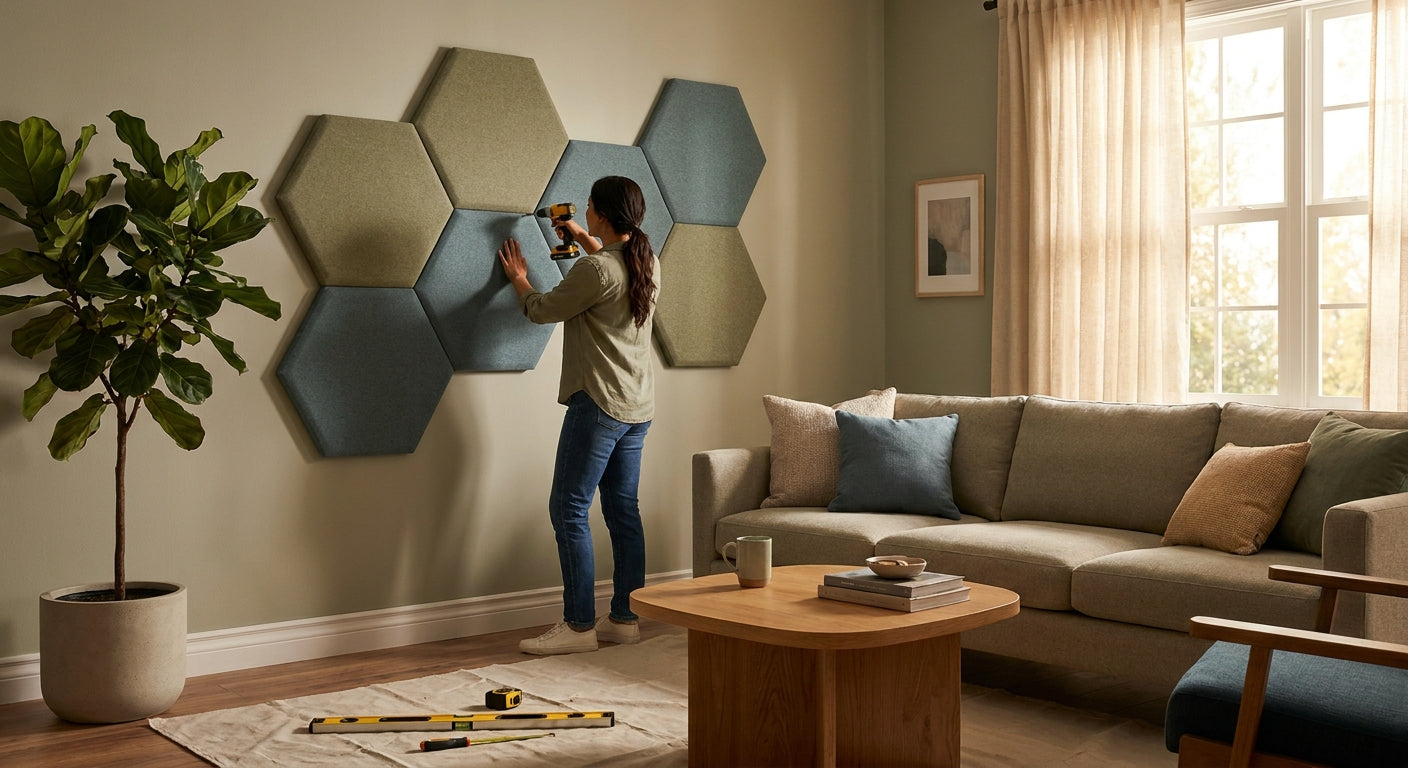
Most kitchen walls are plastered or tiled partway up, so glue-fix panels using a product like high-tack panel glue go on faster than batten systems and don't eat into wall depth near cabinetry. Confirm the wall surface is clean, dry, and free of grease film before fitting — grease residue is the top cause of glue-fix failure in kitchens.
Top picks for a kitchen feature wall in 2026
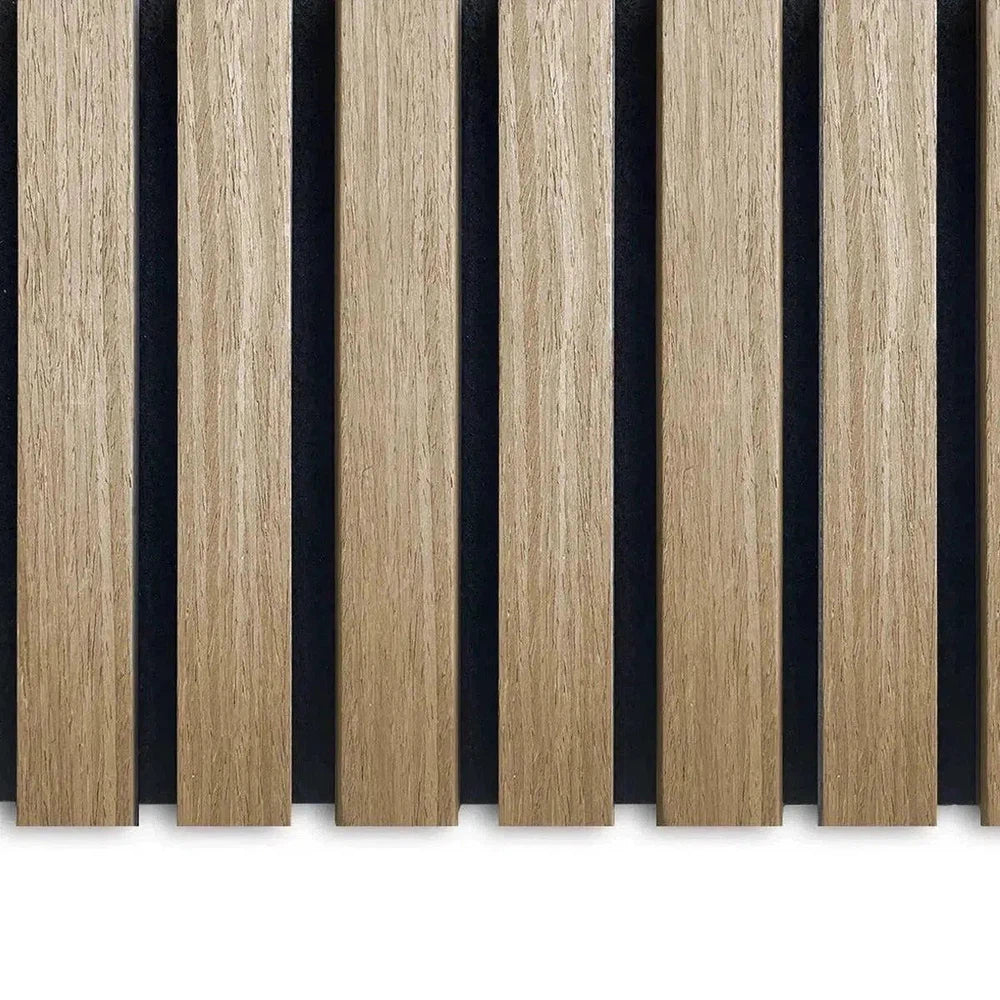
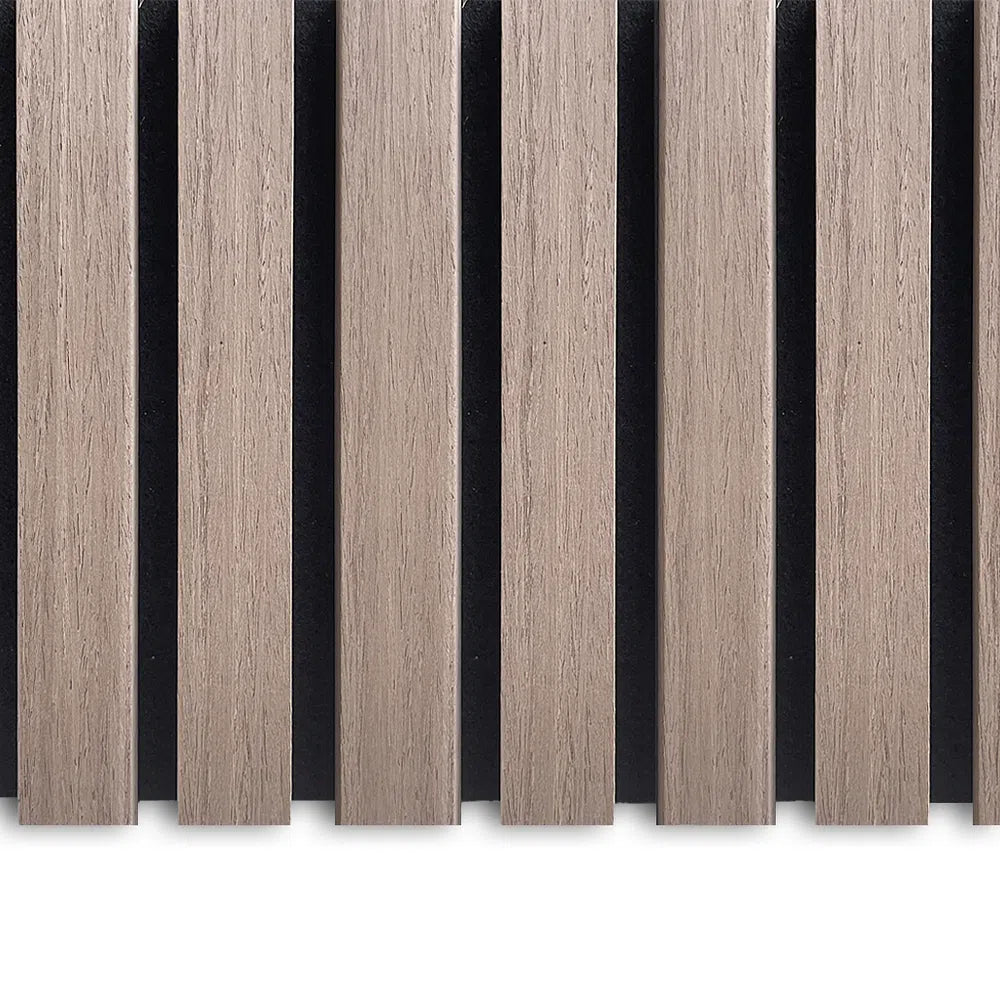
Natural Oak — the safe pick
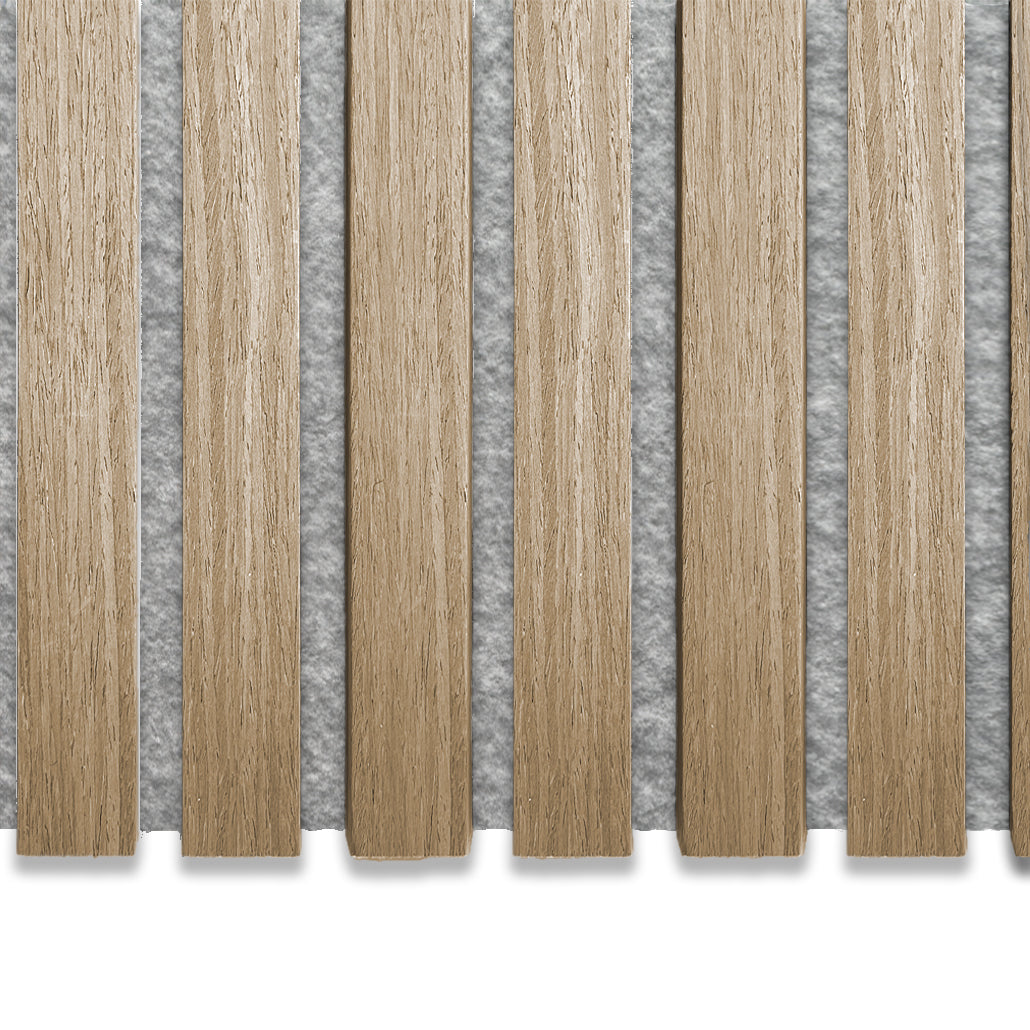
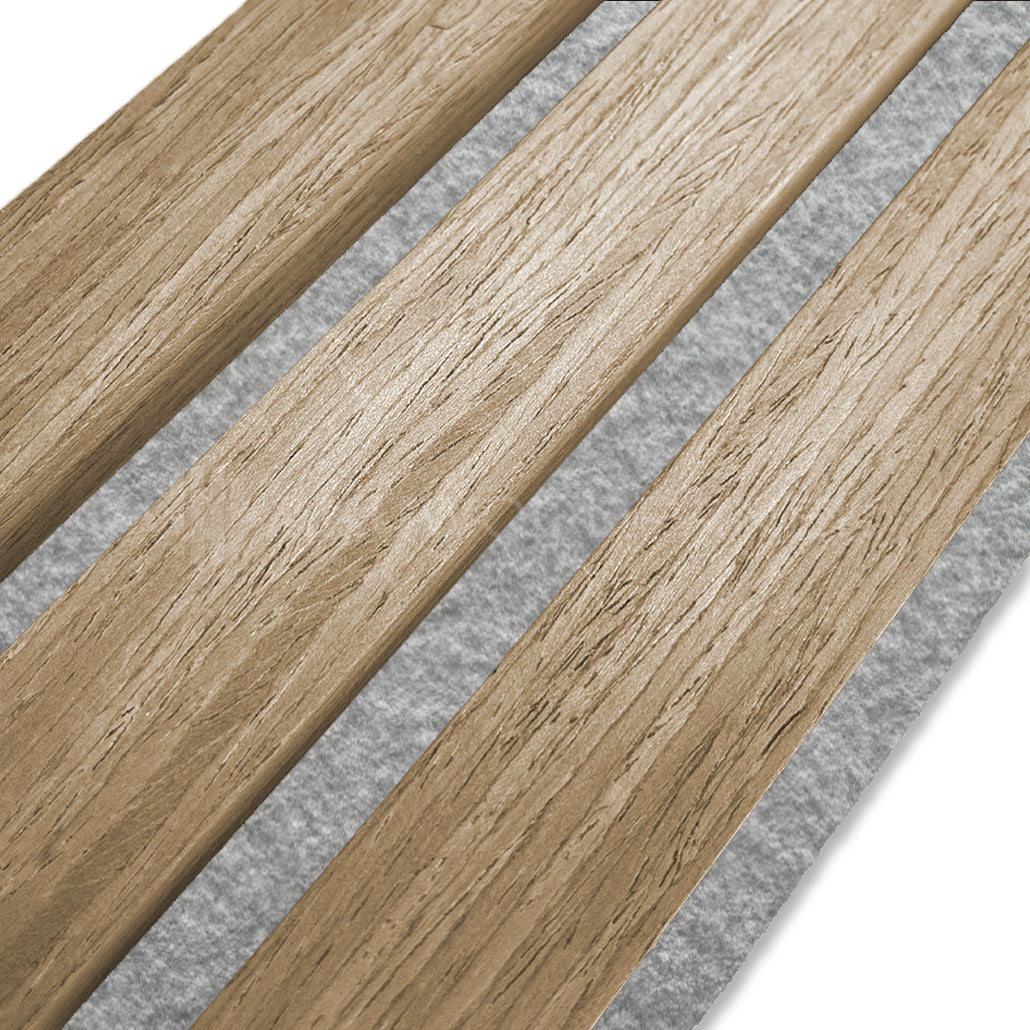
One spec that matters: light honey tone that reflects light rather than absorbing it, which keeps smaller kitchens from feeling boxed in. Available in the 240 cm format that fits standard ceiling heights without cutting. This is the finish that pairs with almost any cabinet colour, from white shaker to sage green, without a clash. Verdict: Buy — the least risky choice for a first kitchen panel project.
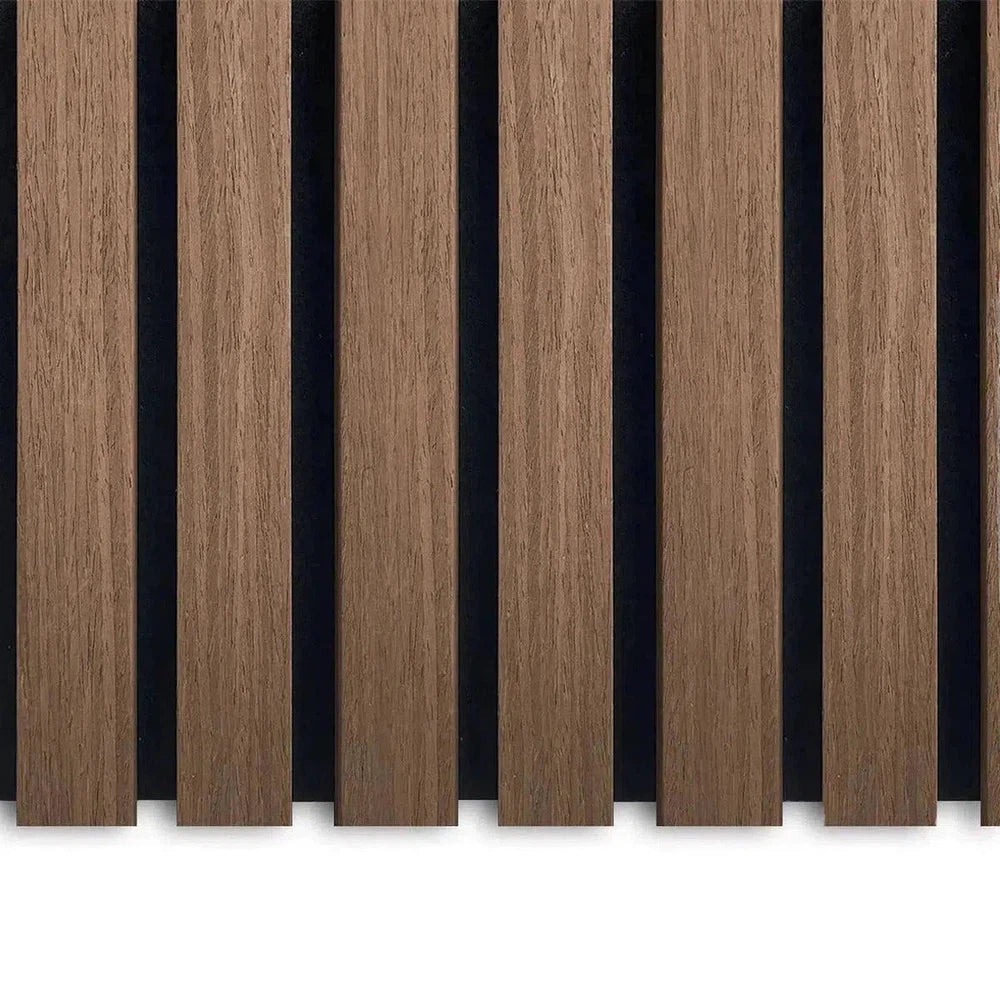
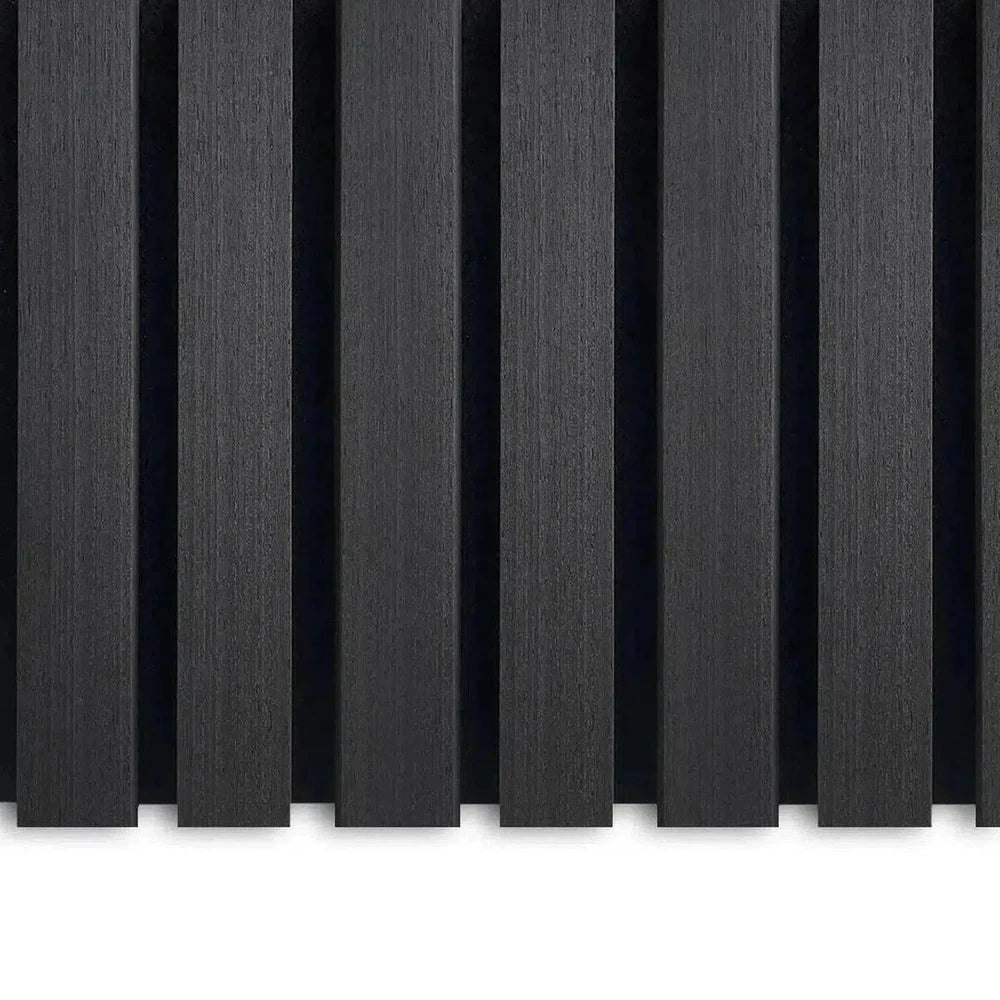
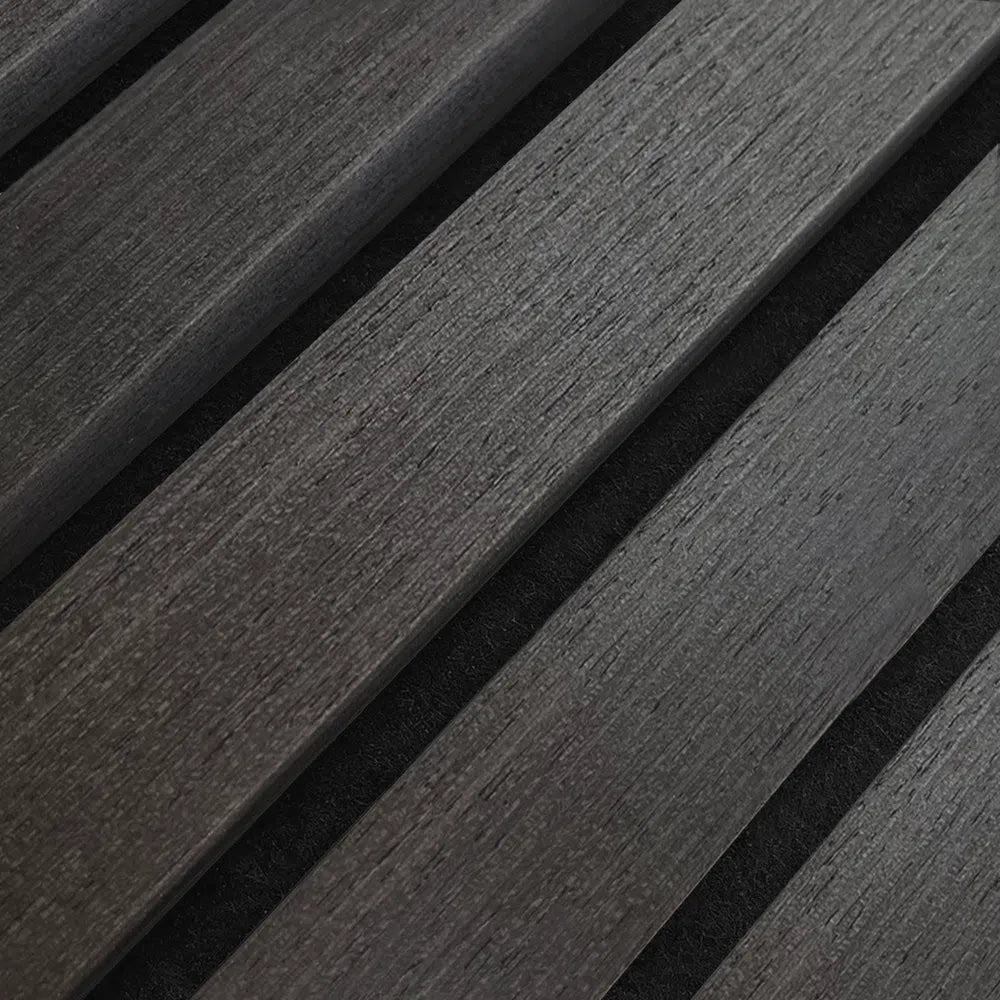
Smoked Oak — the dramatic pick
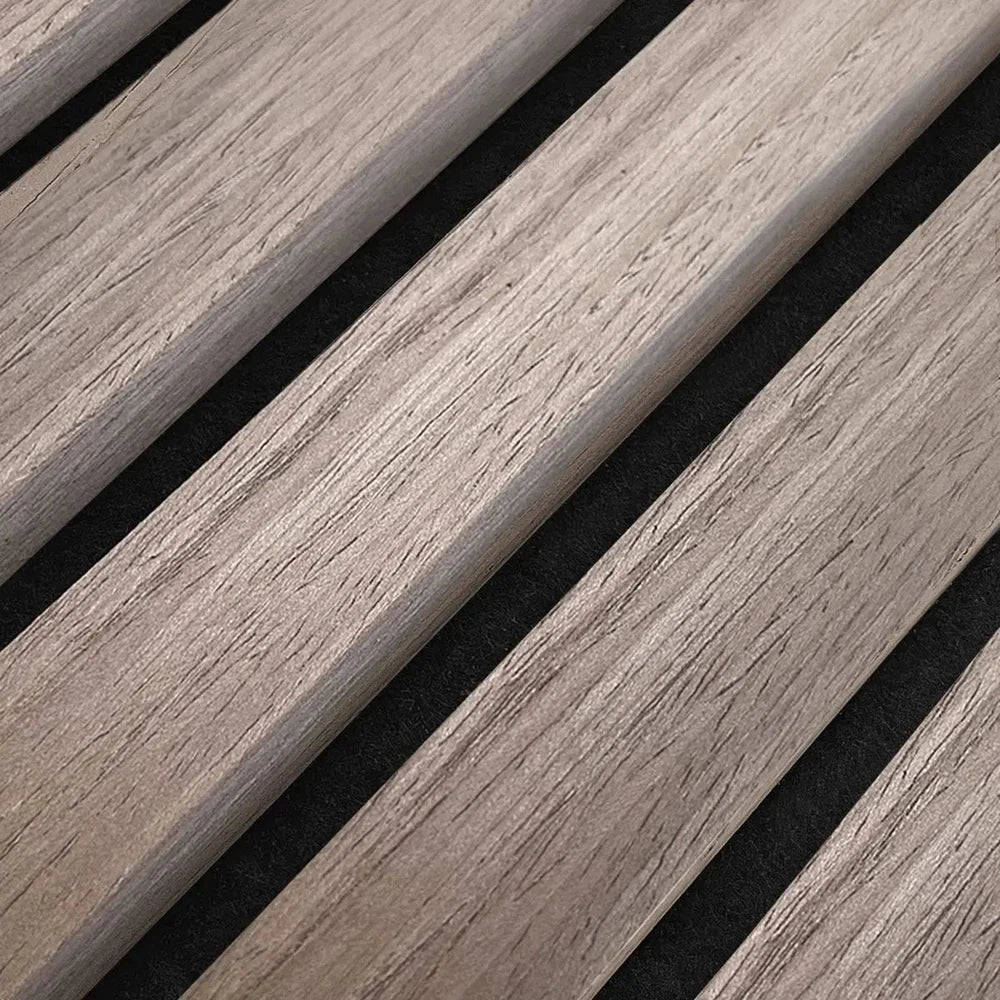
One spec that matters: deep, near-charcoal wood grain that reads as a design statement rather than background texture. Best placed on a dining-end wall or island backdrop at least 60 cm from any heat source, never directly behind the hob. Works especially well against matte black or brass hardware in 2026-style kitchen fit-outs. See the smoked oak wall panel options before committing. Verdict: Buy — for feature walls with clearance, skip it if your only free wall backs the cooker.
Walnut — the premium pick
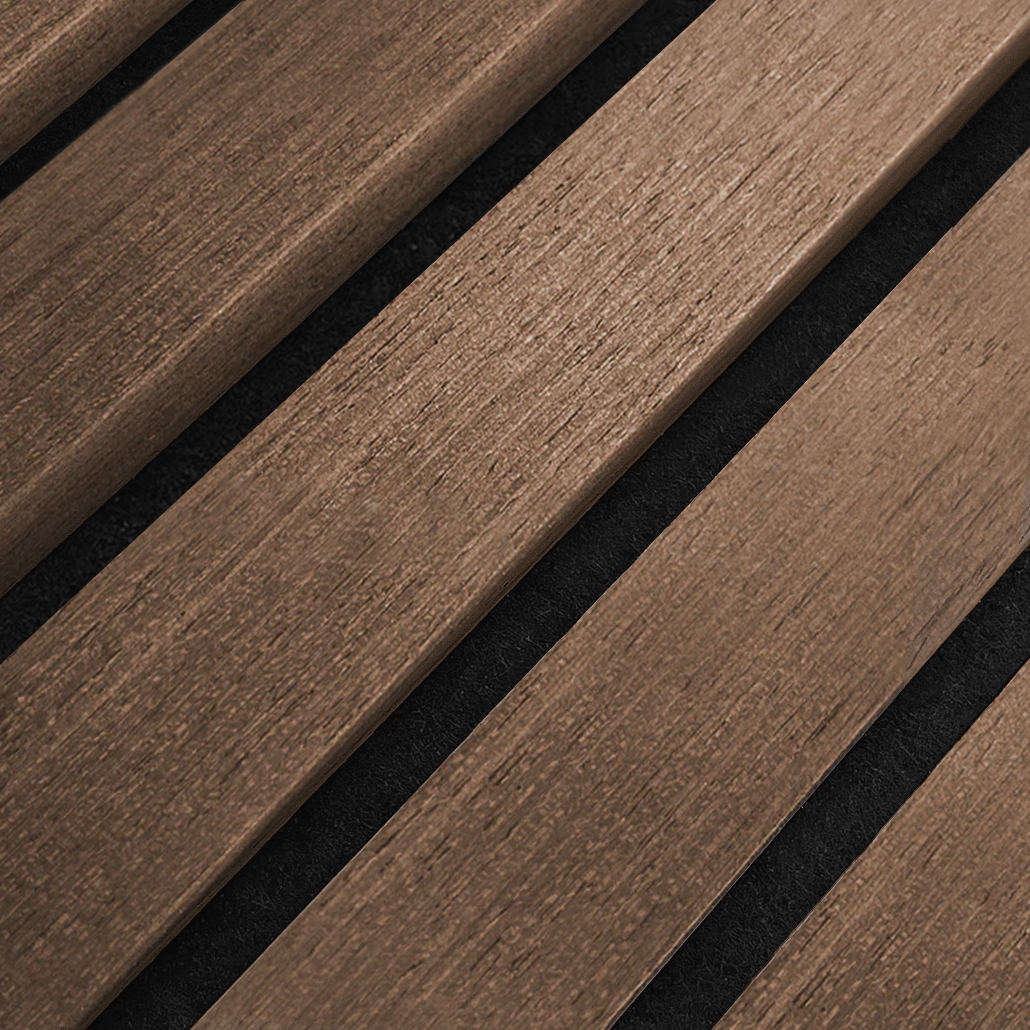
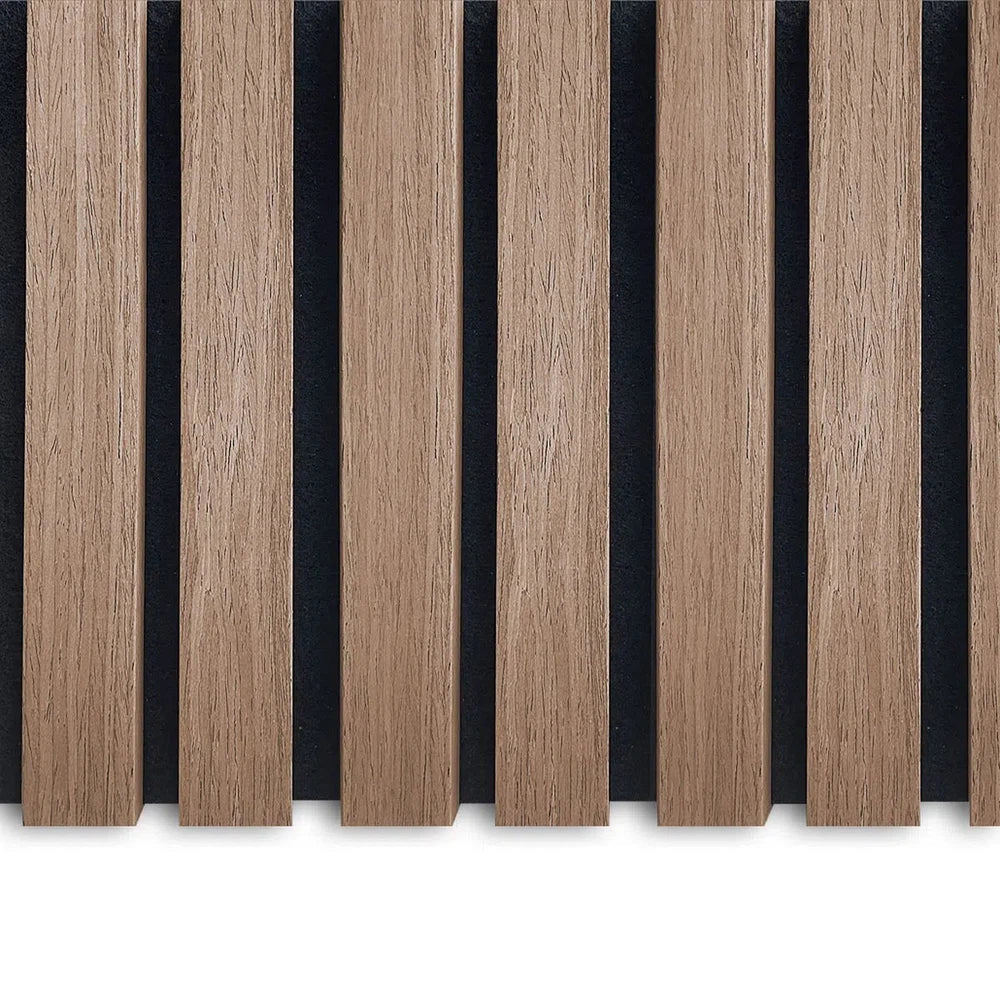
One spec that matters: rich, reddish-brown grain with visible variation panel to panel, which reads as higher-end than oak tones at a glance. Suits dark cabinetry and stone worktops rather than all-white kitchens, where it can read heavy. Verdict: Consider — strong choice for a statement wall, not for kitchens wanting a light, airy feel.
What to avoid on a kitchen feature wall
- Printed foil wood-look panels — they look identical to real veneer in a photo but blister and peel under sustained kitchen steam within 12 to 18 months.
- Panelling directly behind the hob or sink — no decorative wood panel, real veneer or otherwise, is rated as a splashback; keep panelling on adjacent or opposite walls.
- Battening onto a tiled wall without checking flatness first — uneven grout lines telegraph through thin veneer and show up as visible waves once fitted.
Verdict comparison
| Pick | Tone | Best size format | Heat clearance needed | Verdict |
|---|---|---|---|---|
| Natural Oak | Light honey | 240 cm | Standard 60 cm | Buy |
| Smoked Oak | Charcoal/dark | 240 cm or 300 cm | 60 cm minimum | Buy (with clearance) |
| Walnut | Deep reddish-brown | 240 cm | Standard 60 cm | Consider |
FAQ
What's the best wood wall panel for a kitchen feature wall? Natural Oak wooden wall panels are the safest all-round choice for a kitchen feature wall in 2026 because the light tone suits most cabinetry colours and the finish tolerates ambient kitchen humidity when it's real 3-sided veneer rather than printed laminate.
Can you put wooden wall panels near a kitchen hob? Not directly behind a hob — keep any wood panel at least 60 cm from an open flame or direct heat source, and treat splashback zones as a separate product decision entirely.
Is smoked oak or natural oak better for a small kitchen? Natural Oak works better in a small kitchen because the lighter tone reflects available light, while Smoked Oak can make a compact room feel more enclosed despite looking striking in larger, open-plan spaces.
Do wooden wall panels need sealing in a kitchen? Panels built with a proper 3-sided wood veneer and acoustic felt backing are designed to handle kitchen ambient conditions without extra sealing, but they still shouldn't sit in direct steam or splash zones.
How much wall space do I need for a feature wall look? One full wall, chimney breast, or the run behind a kitchen island is enough — most homeowners in 2026 panel a single wall rather than the whole room to keep the acoustic and visual impact without overwhelming the space.
What size wood panels fit a standard UK kitchen ceiling? The 240 cm format fits a standard 2.4 m UK kitchen ceiling with minimal or no cutting; taller or open-plan ceilings usually need the 300 cm format to avoid a visible seam partway up the wall.
How do you fix wood panels to a kitchen wall? Most kitchen installs in 2026 use a high-tack panel adhesive directly onto a clean, grease-free plastered or painted wall rather than battens, which saves depth near cabinetry and worktops.
Do wood panels help with kitchen noise? Yes — panels with acoustic felt backing measurably reduce reverberation in open-plan kitchen-diners with hard floors and glass, which are some of the noisiest layouts in a typical UK home.
One last thing
The detail most people miss in 2026 kitchen renovations isn't the finish, it's the wall grease film. Even a spotless-looking painted kitchen wall carries a thin layer of cooking residue that stops panel adhesive bonding properly — wipe the surface down with a degreasing cleaner and let it dry fully before fitting, or the panel will bow at the edges within weeks regardless of which finish you chose.