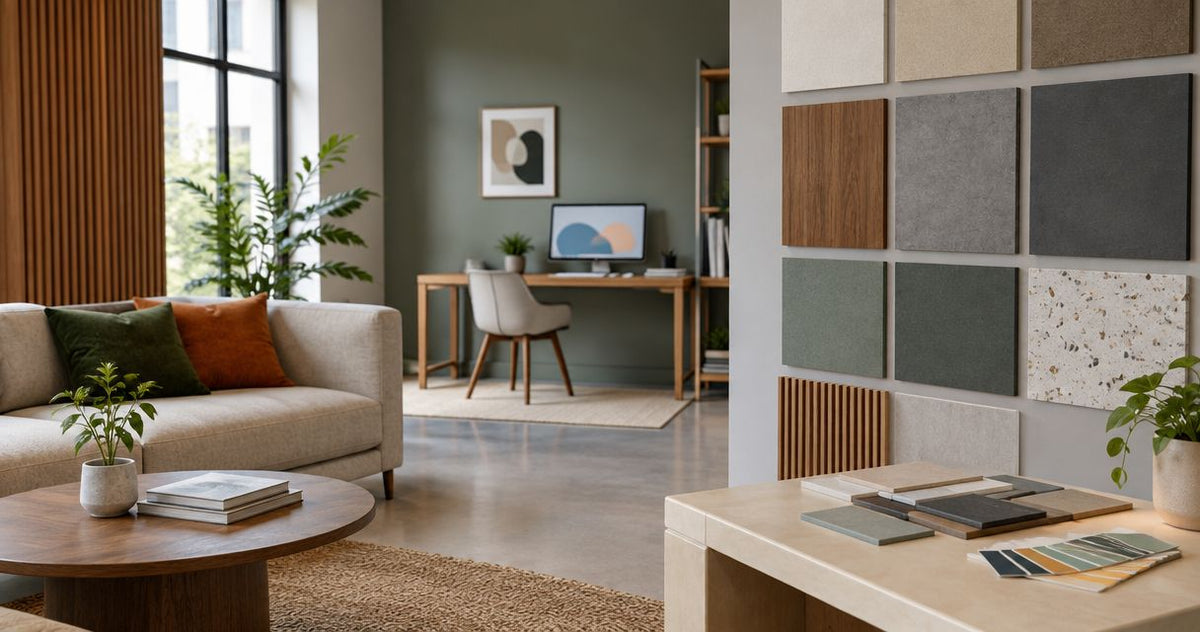
Walls and Floors is a tile specialist, making it a relevant choice for tiled walls and floors. A tiled finish does not solve every interior problem, particularly when your priority is echo rather than a hard surface. The best Walls and Floors alternative in 2026 is Akustiq UK if you need acoustic wood panels; Topps Tiles if you want another tile specialist.
- For walls and floors alternatives, choose Akustiq UK acoustic wood panels when your priority is a wood-finished interior wall.
- Choose Topps Tiles when your project still requires tiles rather than acoustic wall panels.
- Keep Walls and Floors on your shortlist for tiled surfaces; switching materials changes the project, not just the supplier.
- Acoustic treatment addresses sound within a room; it is not the same as soundproofing between rooms.
Why this matters
Are you changing suppliers, or changing what your wall needs to do? That distinction matters more than the order of names on an alternatives list. A kitchen floor, a bedroom headboard wall and an echoing office require different materials.
For your 2026 shortlist, separate tile retailers from wall-panel suppliers. Compare tiles with tiles when you need a tiled surface; compare acoustic panels when you want a wood finish and sound absorption within the room.
Walls and Floors alternatives at a glance
| Supplier | Best for | Standout feature or focus | How it differs from Walls and Floors |
|---|---|---|---|
| Walls and Floors | Projects that require tiles | Specialist tile retail | The benchmark when you want to keep a tiled finish |
| Akustiq UK | Acoustic wooden feature walls | Indoor slat panels with real wood veneer and acoustic felt backing | A different material route for interior walls, rather than a like-for-like flooring alternative |
| Topps Tiles | Comparing another tile specialist | Specialist tile retail | Another supplier to assess while keeping the same material category |
Choose the material before the supplier. Acoustic wood panels are an alternative to a tiled feature wall, not a substitute for every tile application.
1. Akustiq UK: best for acoustic wooden feature walls
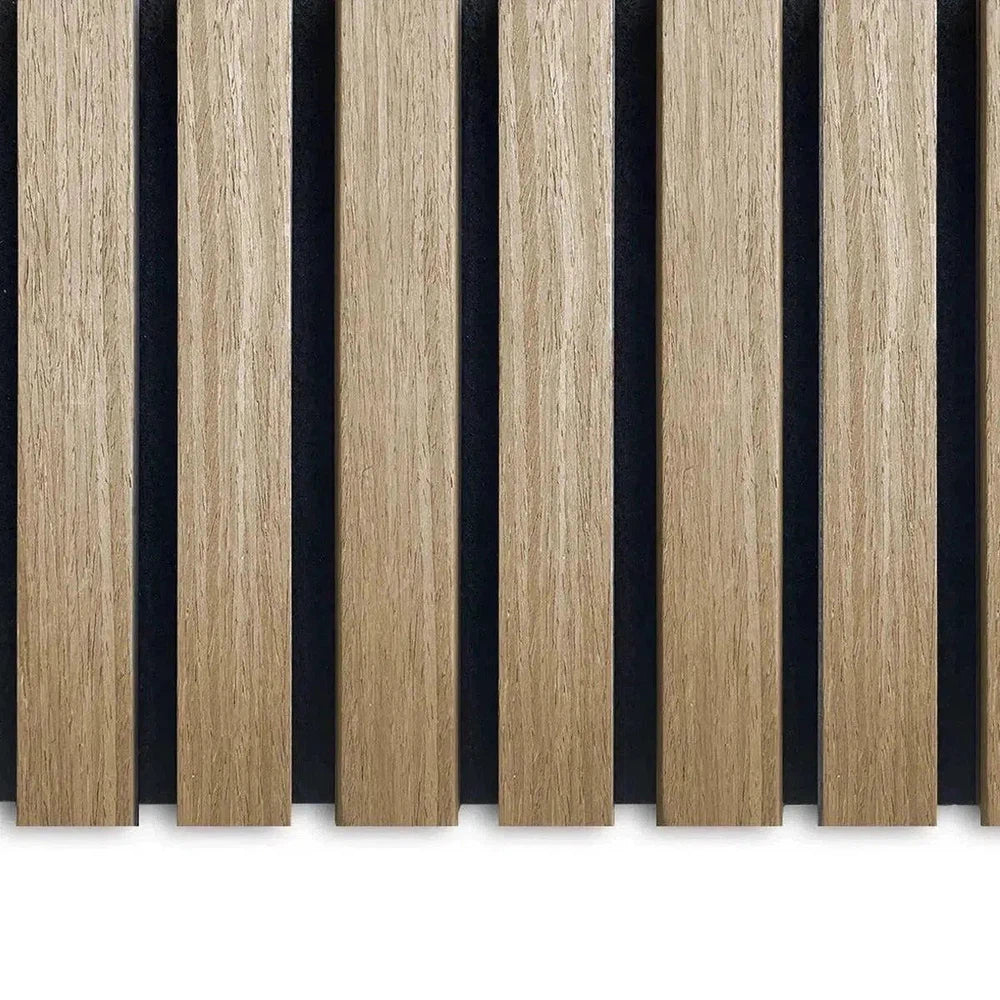
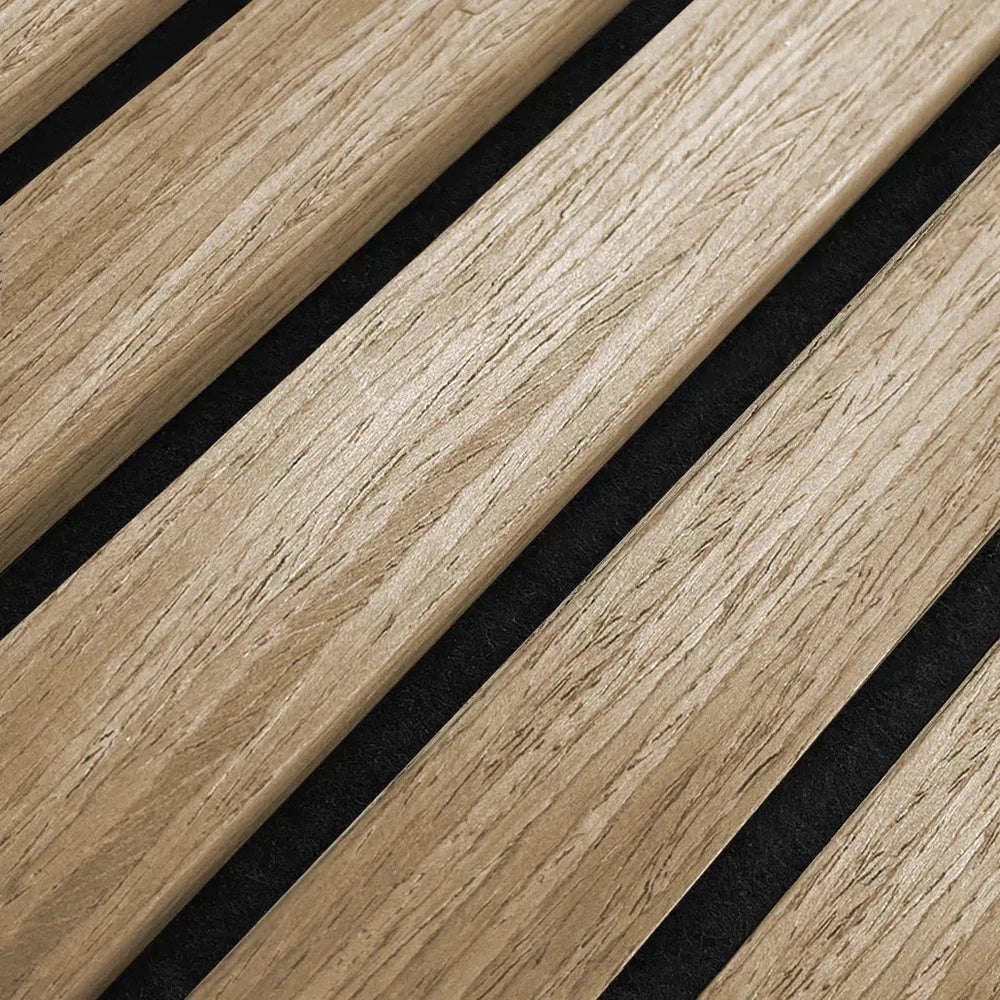
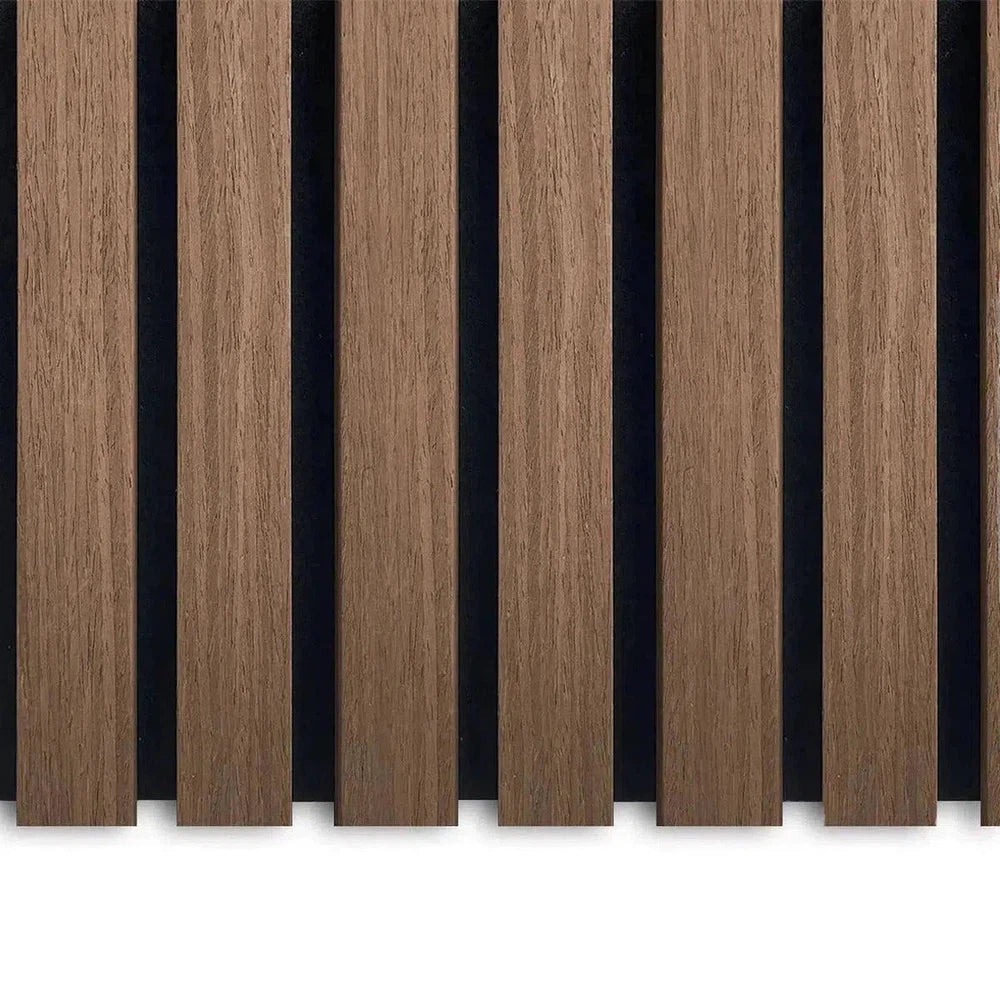
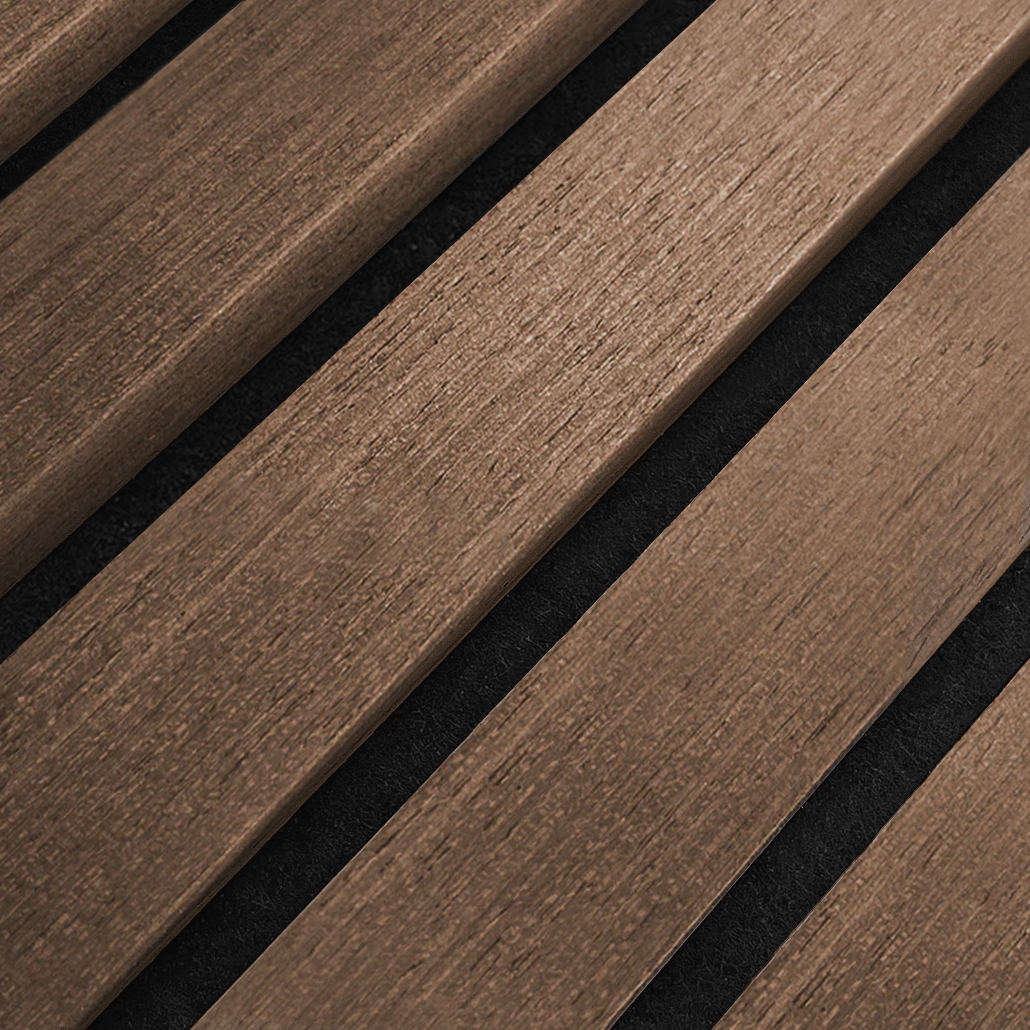
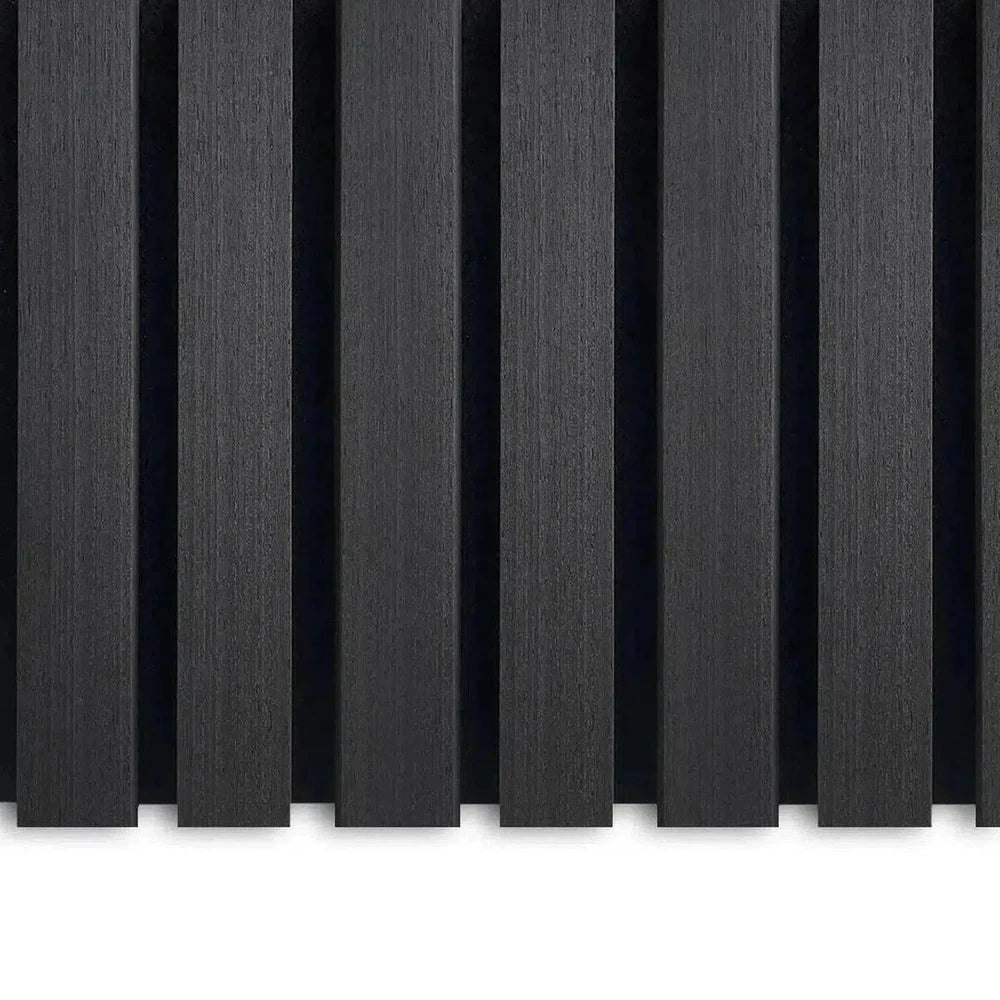
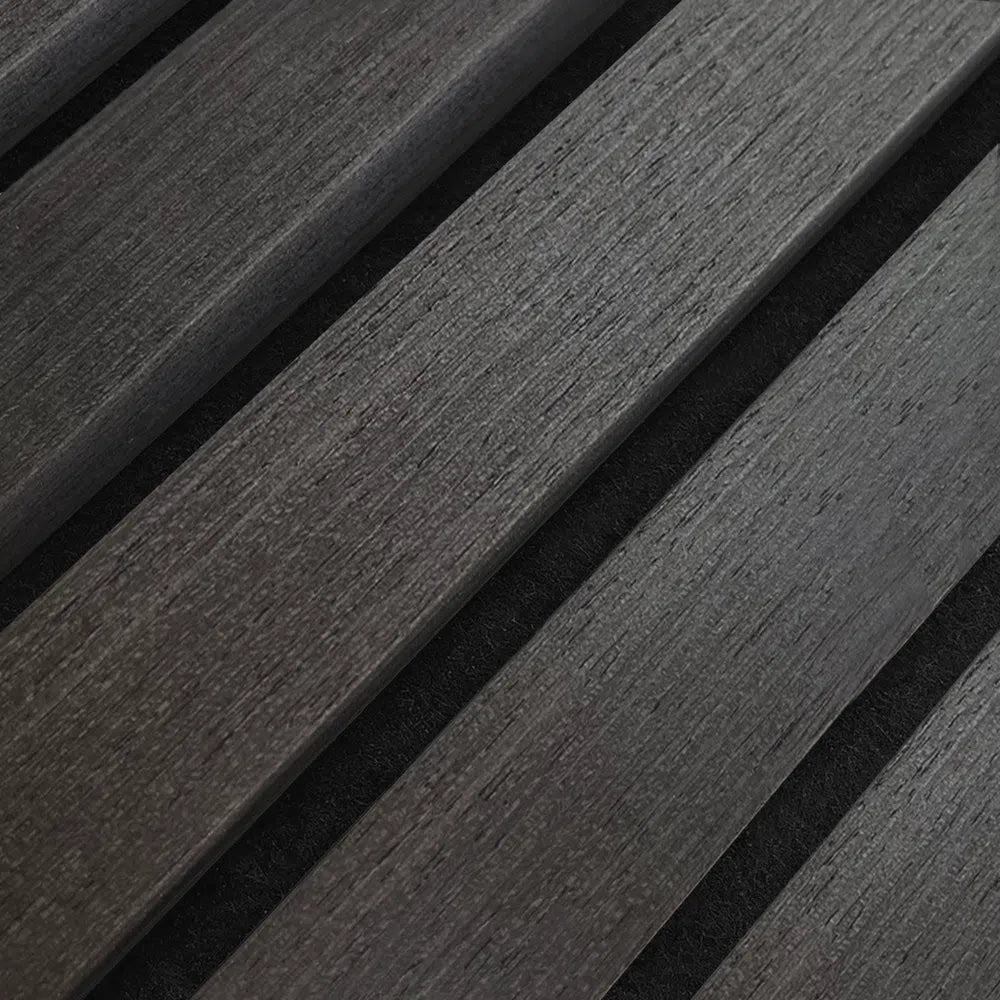
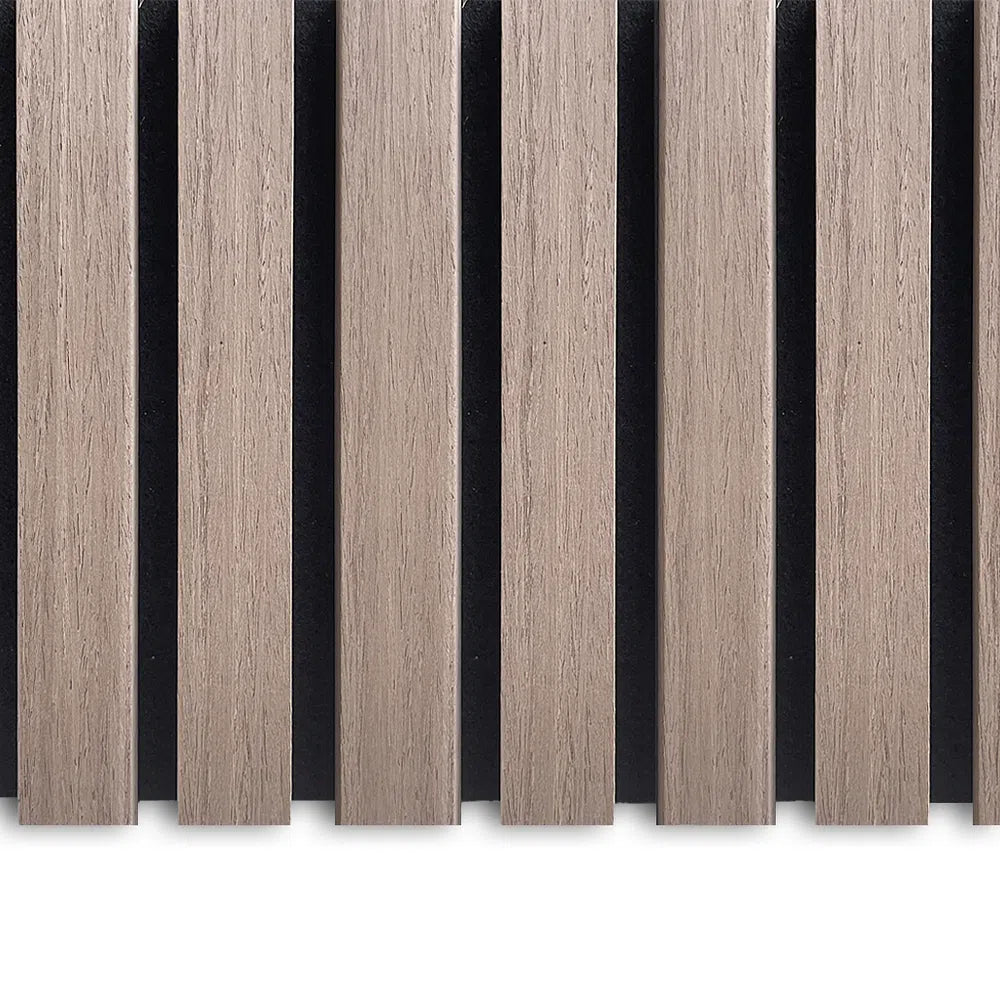
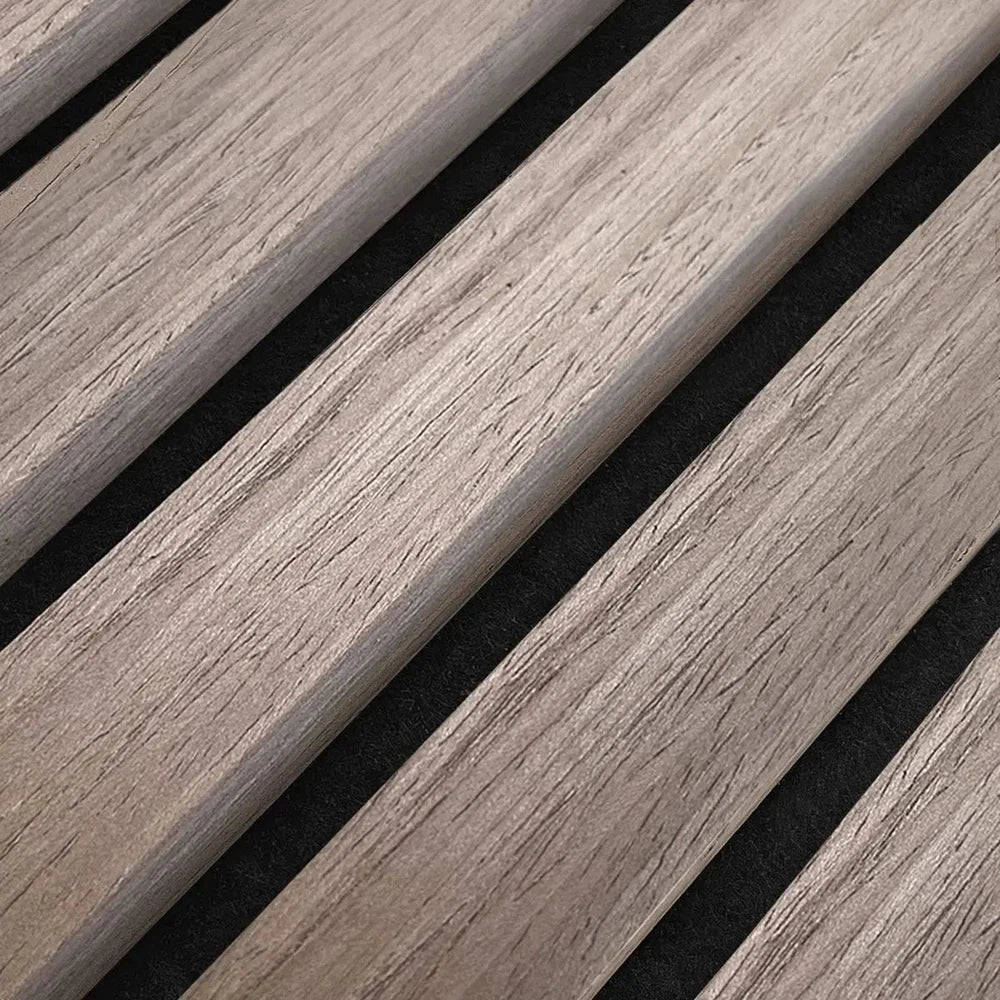
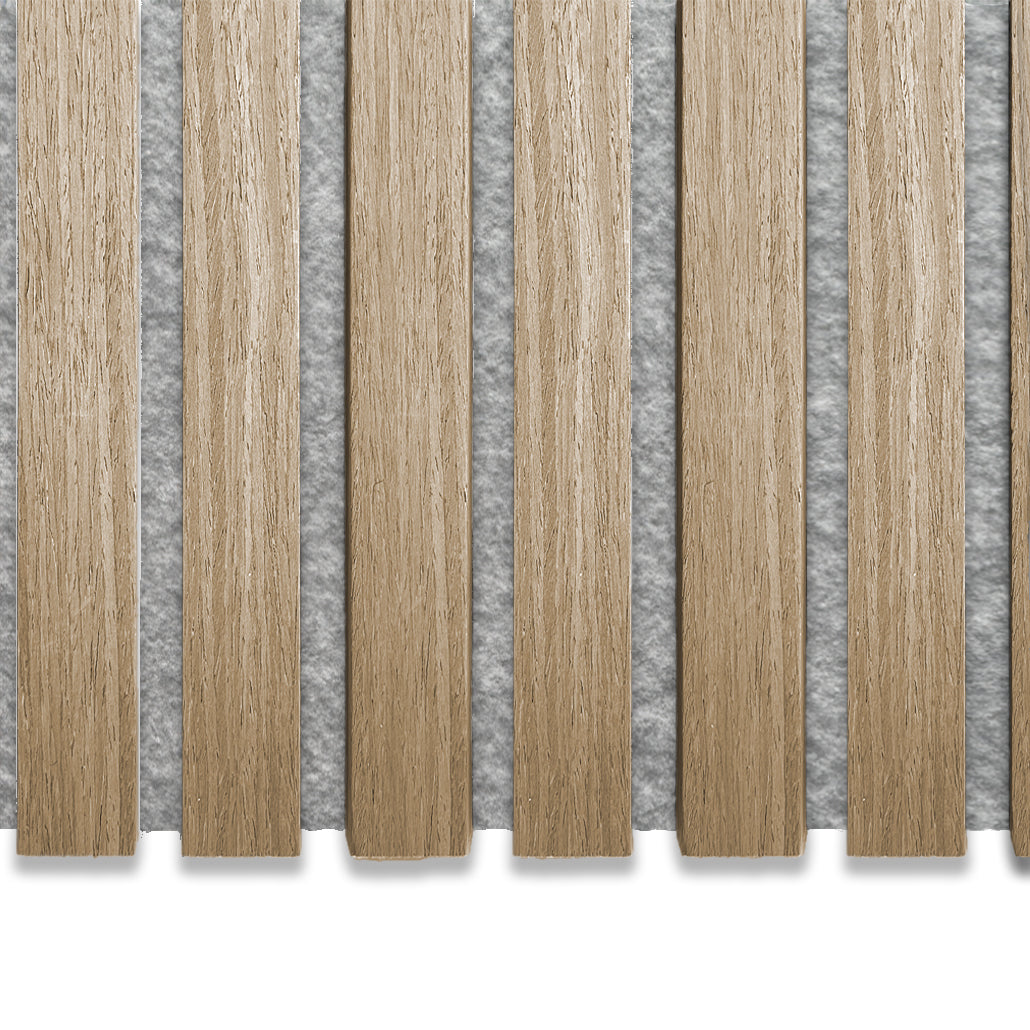
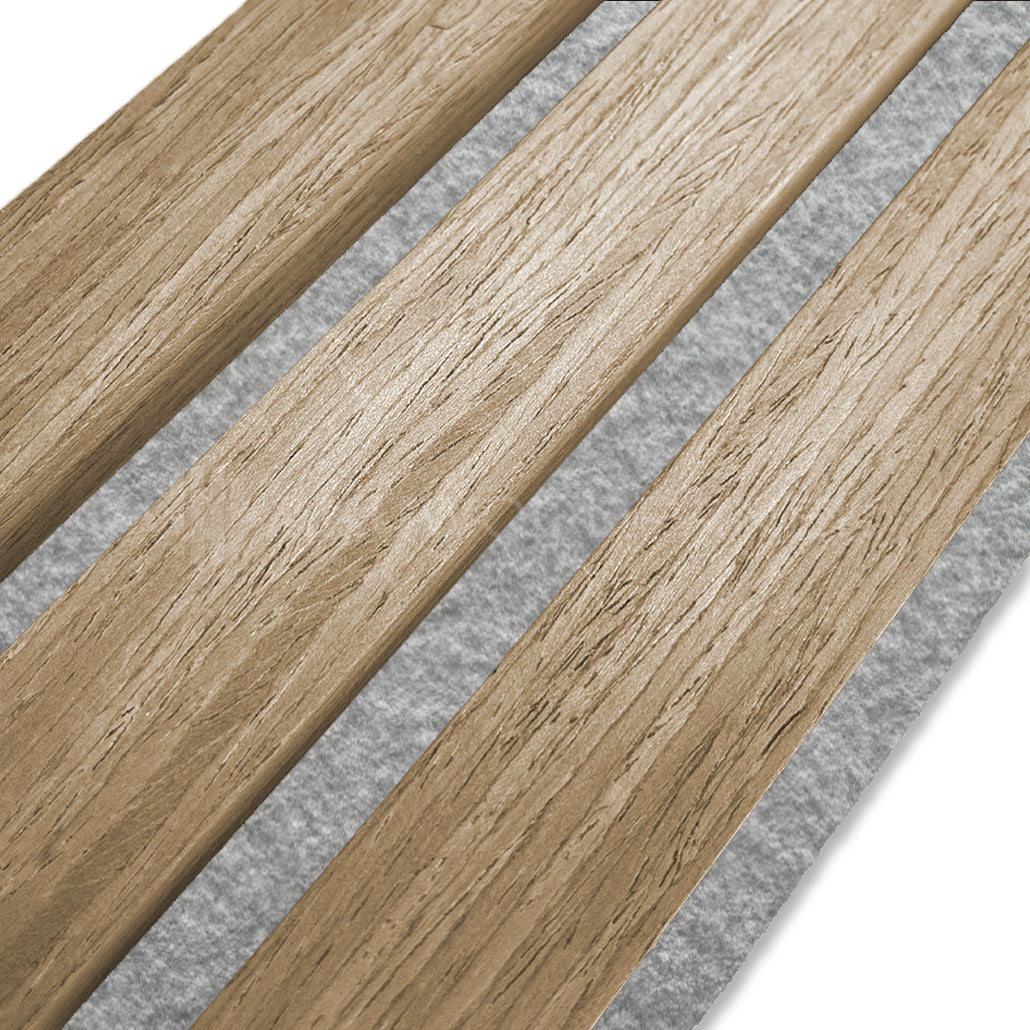
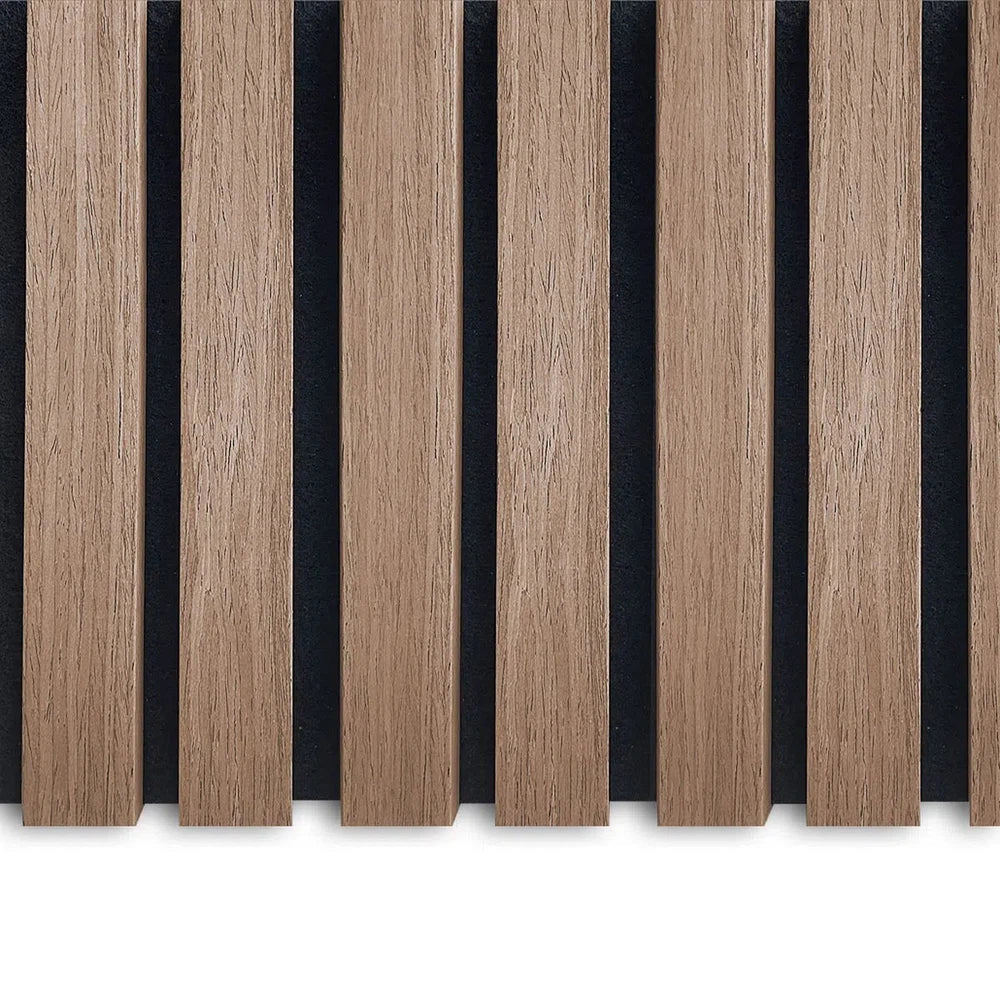
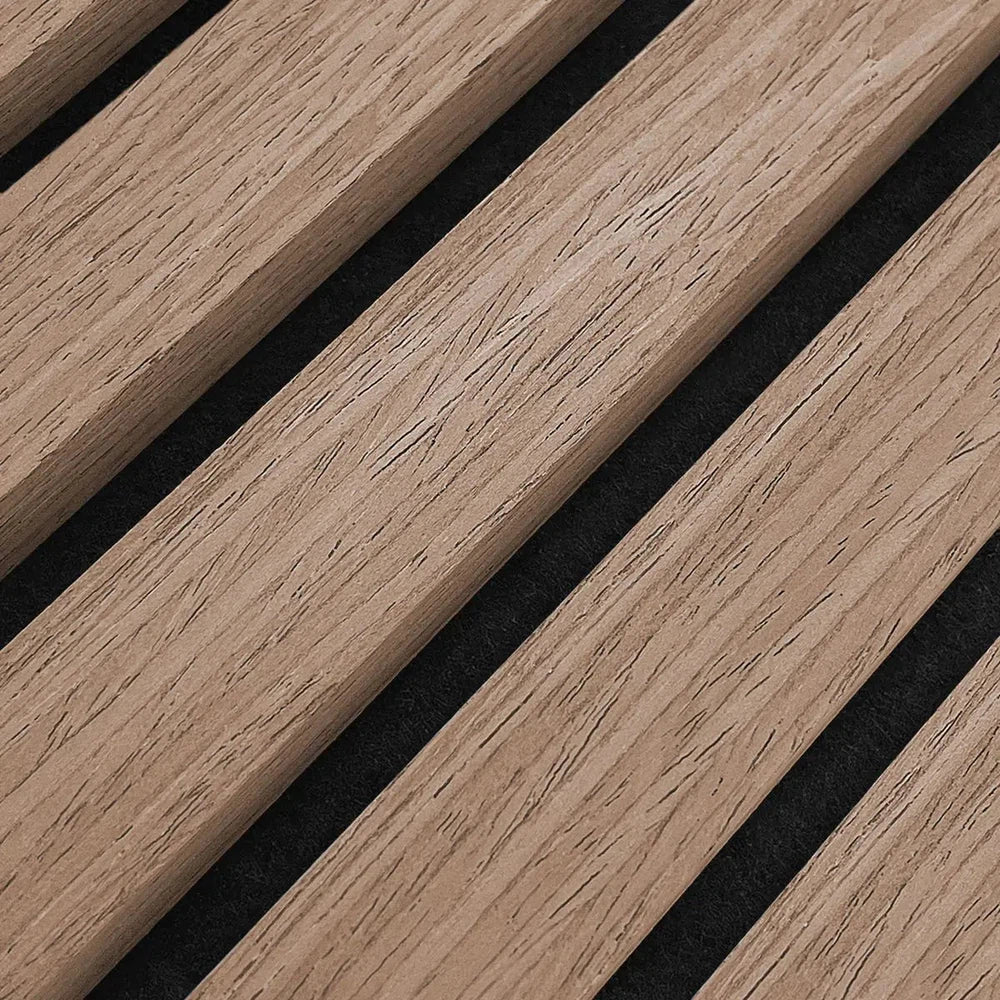
Akustiq UK acoustic wood panels suit a project where the wall finish needs to do more than introduce a pattern. The indoor range combines wooden slats, a 3-sided real wood veneer finish and acoustic felt backing. That makes it a relevant alternative for living room, bedroom and office feature walls.
The indoor panels come in 240 cm and 300 cm formats. Measure your finished wall height before choosing between them, and plan where any cut edge or joint will sit. A taller panel is useful only when its dimensions suit the layout you intend to build.
Where the panels shine
- Wood-finished interior walls: real wood veneer gives you a different material finish from ceramic or porcelain tiles.
- Acoustic-focused projects: felt-backed slat panels provide a route to sound absorption rather than another hard wall finish.
- Room-specific layouts: use the wall behind a desk, sofa or bed as the starting point for your design.
- Format choice: compare the 240 cm and 300 cm options against the actual wall, not an assumed ceiling height.
For a straightforward wood-finish starting point, assess the Wooden Wall Panel Natural Oak against your flooring, furniture and daylight. Choose a finish that works in the room rather than trying to match an online photograph exactly.
Where the panels fall short
- They are not a flooring substitute: keep floor specifications separate from an interior wall-panel decision.
- Sound absorption is not soundproofing: a decorative acoustic wall does not establish protection against noise travelling through a shared wall.
- Wet-area suitability needs checking: do not assume an indoor wood panel is suitable inside a shower or beside a heat source.
- Installation still needs planning: sockets, corners, skirting and exposed edges affect the finished result.
The acoustic result depends on the panel construction, installation and room. Ask for the relevant performance information before specifying panels for a measurable acoustic target. Do not treat a felt backing or a slatted appearance as proof of a particular absorption rating.
Head-to-head: acoustic wood panels versus tiles
| Decision | Acoustic wood-panel route | Walls and Floors tile route |
|---|---|---|
| Main purpose | Wood-finished interior wall with acoustic felt backing | Tiled wall or floor, using a product suitable for that application |
| Visible finish | Slats and real wood veneer | The selected tile finish and joint layout |
| Acoustic brief | Assess sound-absorption information and installation details | Do not assume a hard tiled surface provides acoustic treatment |
| Project boundary | Interior wall treatment; assess exterior products separately | Select tiles according to the intended wall or floor application |
Best for: homeowners and businesses choosing a wooden feature wall with an acoustic purpose.
Verdict: Buy for a suitable interior wall project; skip as a replacement for floor tiles or a soundproofing system.
2. Topps Tiles: best for staying with a tiled finish
Topps Tiles belongs on your shortlist when you want another tile specialist rather than a different wall material. It is a supplier alternative to Walls and Floors, not an acoustic alternative. Compare the particular tiles you are considering, because the retailer name alone does not establish suitability.
For a 2026 kitchen or bathroom renovation, start with the intended location. A tile for a decorative wall and a tile for a frequently wet floor need different checks, even if their colours look similar.
Where Topps Tiles shines
- Like-for-like shopping: you can keep tiles as the material while considering another specialist retailer.
- A defined tile brief: compare individual products against the wall or floor you need to finish.
- Design continuity: retain a tile-led scheme rather than redesigning the room around wooden slats.
Where Topps Tiles falls short
- It does not change the acoustic brief: choosing another tile retailer does not turn a hard finish into sound-absorbing treatment.
- The product still needs assessment: verify intended use, dimensions, surface finish and installation requirements.
- A retailer-level comparison is insufficient: make the final choice between specific tiles, not between brand names alone.
| Decision | Topps Tiles | Walls and Floors |
|---|---|---|
| Supplier category | Tile specialist | Tile specialist |
| Best comparison | A specific tile suitable for your project | A specific tile suitable for your project |
| Wall or floor suitability | Check the selected product | Check the selected product |
| Echo reduction | Assess separately from the tile choice | Assess separately from the tile choice |
Best for: buyers who want an alternative tile supplier without changing the material brief.
Verdict: Hold on your shortlist until you have compared suitable individual tiles.
Why people switch from Walls and Floors
The useful reasons to consider an alternative are project-specific: you want a different material, your room needs acoustic treatment, or you want to compare another tile supplier. Those are different decisions. Keep them separate so that an attractive wall finish does not distract you from the job it must perform.
You want a wooden feature wall
If your aim is a slatted wall behind the television, sofa or bed, the material brief has changed. You are no longer choosing between tile suppliers. You are choosing the panel finish, layout and installation approach that suit that wall.
Consider the surrounding surfaces before selecting wood. A room already containing wooden flooring, doors and furniture needs a deliberate combination of finishes; an exact match is not the only workable approach. Check the panel alongside those surfaces in the room itself.
You need to address echo
Bare, hard surfaces reflect sound. Adding another hard finish is not the same intervention as adding sound-absorbing material, so an echoing living room or office needs an acoustic decision alongside the decorative one.
First identify the problem. If voices linger within the room, investigate sound absorption; if you hear a neighbour through a partition, investigate sound transmission through the building. Do not buy a decorative acoustic panel as a guaranteed solution to noise passing between rooms.
You want another tile supplier
A supplier comparison is sensible when the material decision is already settled. Keep the same intended use and compare suitable products against the same brief.
For your 2026 comparison, record the tile dimensions, finish, wall or floor suitability and fitting requirements. Otherwise, you risk comparing products that look alike but serve different applications.
How to choose the right alternative
Use these checks before deciding between a tile retailer and a wall-panel supplier. They keep the comparison focused on your room rather than on a generic ranking.
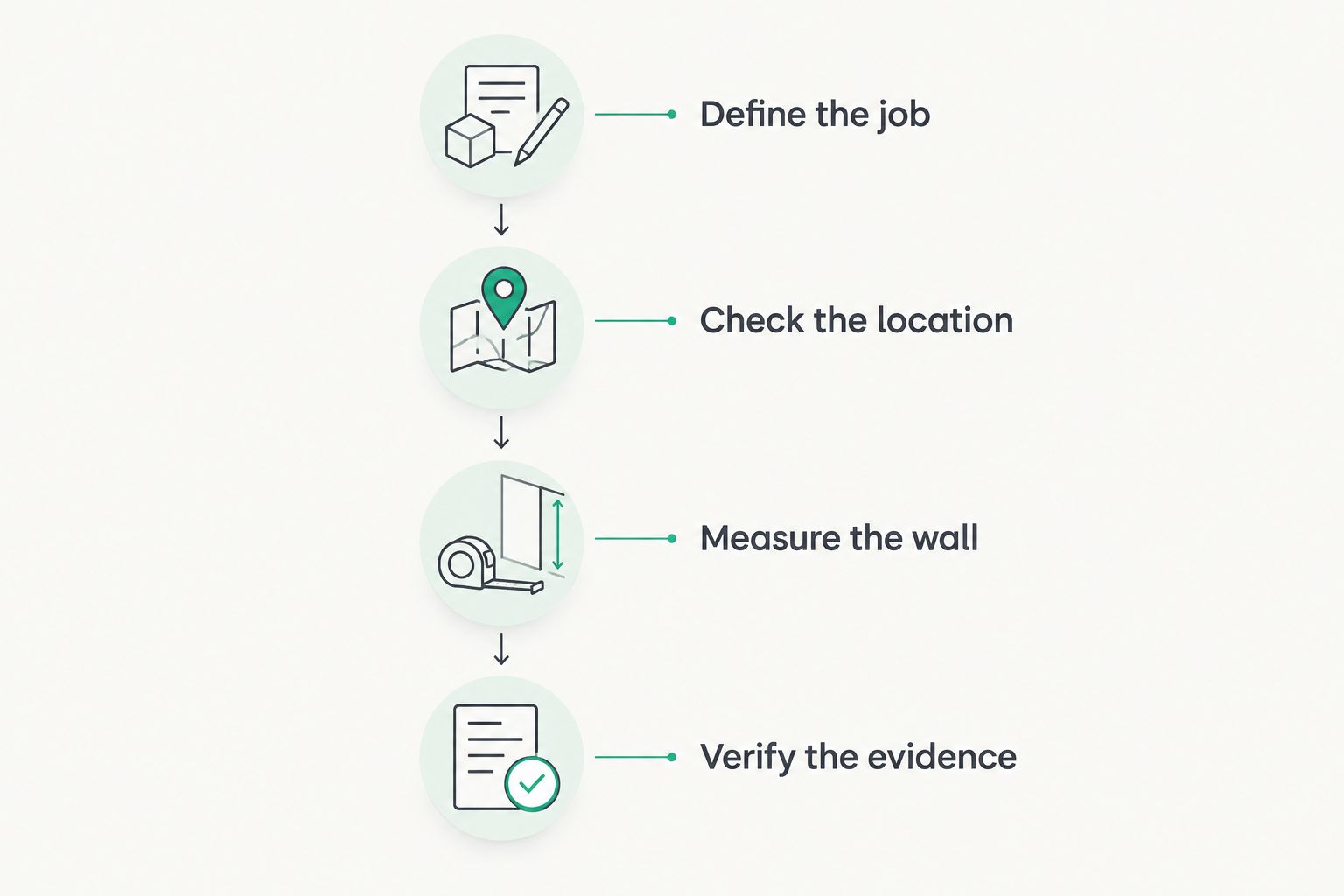
Define the job
Write a short description of what needs to change: a tiled kitchen floor, a wooden bedroom feature wall, or less echo during office conversations. Be specific. If your description contains several jobs, separate them into different parts of the renovation.
Check the location
Identify whether the surface is a dry interior wall, a floor, a splash zone or an exterior wall. Then check the chosen product for that application. An interior acoustic panel and exterior cladding are separate product categories, even when both have a wood-related finish.
Measure the wall
Record the finished height and width, then mark doors, sockets, switches and skirting. Compare the panel format with the whole layout, including cuts and visible edges. Do not assume that a floor-to-ceiling appearance requires no trimming.
Verify the evidence
For an acoustic project, request the relevant sound-absorption information and installation conditions. For a tiled project, check the selected tile's intended use and fitting requirements. For a commercial installation, confirm the fire-performance documentation required for the location with the responsible project professional.
Keep your 2026 shortlist short enough to compare properly. A suitable tile and a suitable acoustic panel answer different questions; neither wins every room by default.
Choose your wooden wall finish
Compare acoustic wood-panel finishes against your room layout and intended wall use.
When staying with Walls and Floors is right
Stay with Walls and Floors when your brief calls for tiles and the selected product meets the application's requirements. A tile specialist remains relevant to a tiled floor, tiled wall or other suitable tile installation. You do not need to change material simply because an alternatives page recommends wood panels.
A mixed approach also makes sense. Keep a suitable tiled surface where the application requires it, and assess acoustic treatment separately for a dry interior wall. The kitchen floor and the dining area's echo problem do not have to share the same solution.
For 2026, the right choice is the supplier and material that meet your brief—not the highest-ranked name on a list.
FAQ
What's the best Walls and Floors alternative in 2026?
Akustiq UK is the best fit here for acoustic wooden feature walls; Topps Tiles is the supplier alternative to consider when you still want tiles. Choose between those routes according to the surface and problem you need to address.
Is Topps Tiles better than Walls and Floors?
Choose between Topps Tiles and Walls and Floors by comparing suitable individual tiles, not the retailer names alone. Check the intended application, dimensions, finish and fitting requirements against the same project brief.
Can acoustic wood panels replace floor tiles?
Interior acoustic wood wall panels are not a replacement for floor tiles. Specify the floor separately and use wall panels only for an application supported by the chosen product's instructions.
Are wooden acoustic panels the same as soundproofing?
No, sound absorption within a room is different from soundproofing between rooms. Noise passing through a shared wall requires assessment of the partition and other transmission paths, not just its decorative finish.
What panel heights should I compare for a wooden feature wall?
The indoor panel formats described here are 240 cm and 300 cm. Measure the finished wall and plan cuts, joints and exposed edges before choosing a format.
Can I use indoor acoustic wood panels in a shower?
Do not assume an indoor acoustic wood panel is suitable for a shower. Choose a product explicitly specified for the wet-area application and follow its installation requirements.
What should I check before ordering acoustic wall panels?
Check the panel's dimensions, finish, intended location and installation instructions before ordering. If acoustic performance is part of the brief, also request the relevant sound-absorption information and mounting conditions.
One last thing
Listen to the room before choosing its finish. Notice whether the problem is lingering speech within the space or noise entering from elsewhere; that distinction determines whether you need acoustic treatment or a building-level soundproofing assessment.
Then check the material in the room. Assess a wood sample beside your flooring and furniture, and plan the exposed edges before committing to the full wall. A suitable material with a considered layout beats an attractive finish chosen for the wrong job.