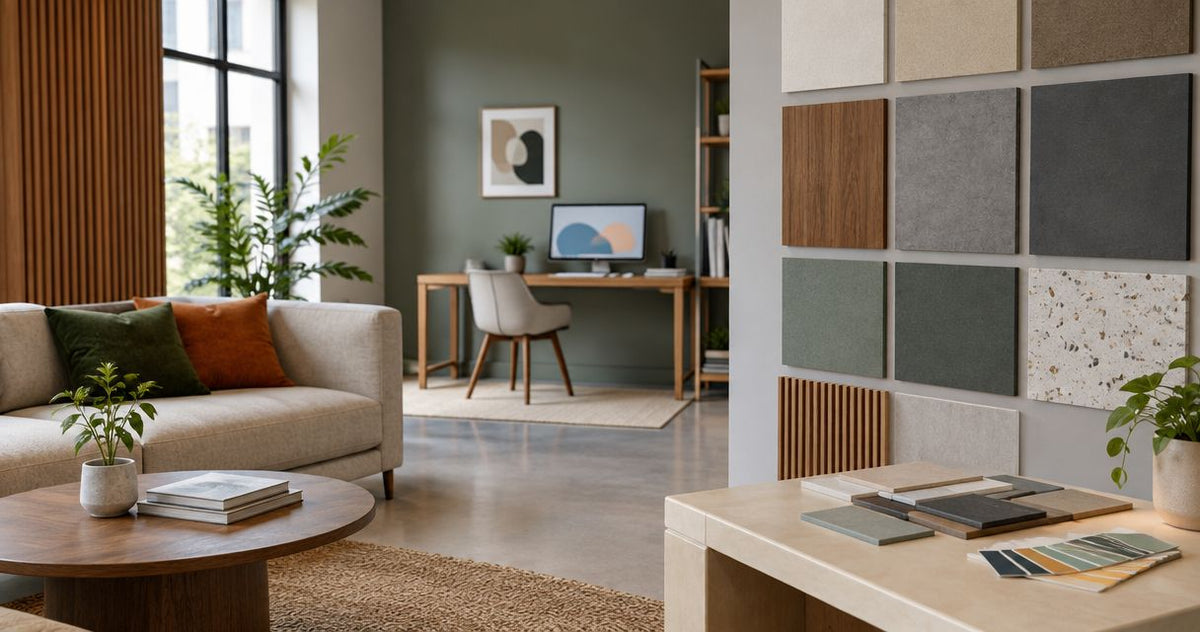
EasyPanels is a useful starting point for bathroom wall panelling. When your brief changes to a real-wood feature wall or acoustic treatment in a living room, bedroom or office, compare the panel construction rather than the supplier name alone. The best EasyPanels alternative in 2026 is Akustiq UK if you need real wood veneer and felt-backed acoustic wall panels; painted decorative panelling is the better fit if you want a traditional painted finish.
- For EasyPanels alternatives in 2026, choose Akustiq UK acoustic wood panels when real wood veneer and felt backing match your brief.
- Painted decorative panelling suits traditional wall detailing, but it is not a substitute for acoustic treatment.
- Specify wet-area panels for shower walls; do not assume indoor wood panels are waterproof.
- Compare material, intended use and installation requirements before choosing a finish.
Why this matters
Wall panels do different jobs. A shower lining, a wooden feature wall and a sound-absorbing surface belong to different specifications, even when photographs make them look equally suitable for your room.
Start with the problem you want to solve. Echo in a home office calls for an acoustic approach; a dated bedroom wall calls for a design decision; a shower enclosure calls for a water-resistant installation system.
For a 2026 refurbishment, choose the panel category first and the supplier second. That keeps a good-looking finish from becoming the wrong material for the job.
EasyPanels alternatives at a glance
Use EasyPanels as your benchmark, not as a product specification. Compare the exact panel you are considering against the alternatives below, including its intended environment and fitting instructions.
| Option | Best for | Standout characteristic | Difference to check against EasyPanels |
|---|---|---|---|
| EasyPanels | Keeping an existing wall-panel shortlist | Your chosen panel provides the comparison baseline | Confirm its material and intended room use |
| Akustiq UK acoustic wood panels | Dry-room wooden feature walls with acoustic intent | Real wood veneer on three sides, with acoustic felt backing | Compare veneer coverage, backing and panel format |
| Painted decorative panelling | Traditional bedroom, hallway or living-room detailing | A painted finish with a chosen moulding or panel layout | Compare the finished appearance and decorating work |
| Purpose-specified wet-area panels | Shower enclosures and wet-room walls | A system selected for direct water exposure | Compare joint sealing, substrate requirements and suitability |
There is no useful overall winner across these categories. A panel that suits a living-room feature wall is not automatically suitable for a shower, and a decorative profile does not become sound-absorbing because it covers a bare wall.
1. Akustiq UK: best for acoustic wooden feature walls
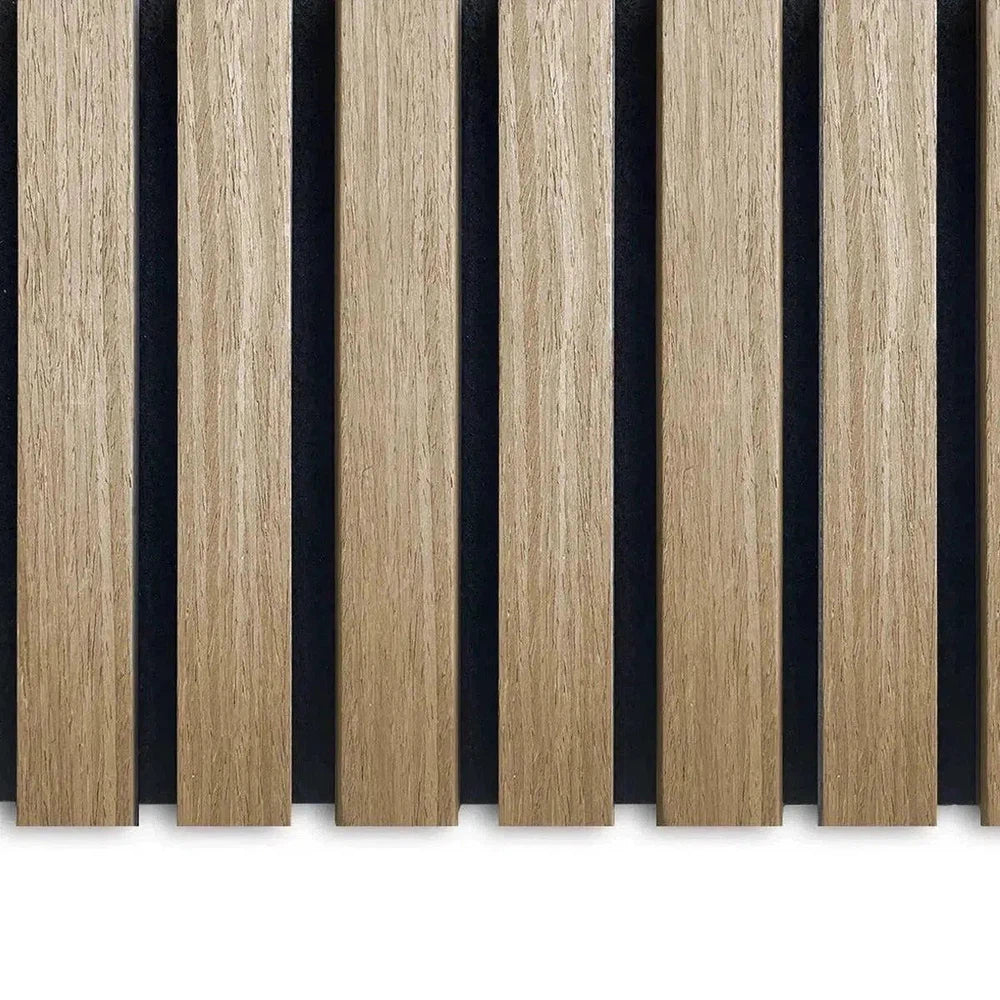
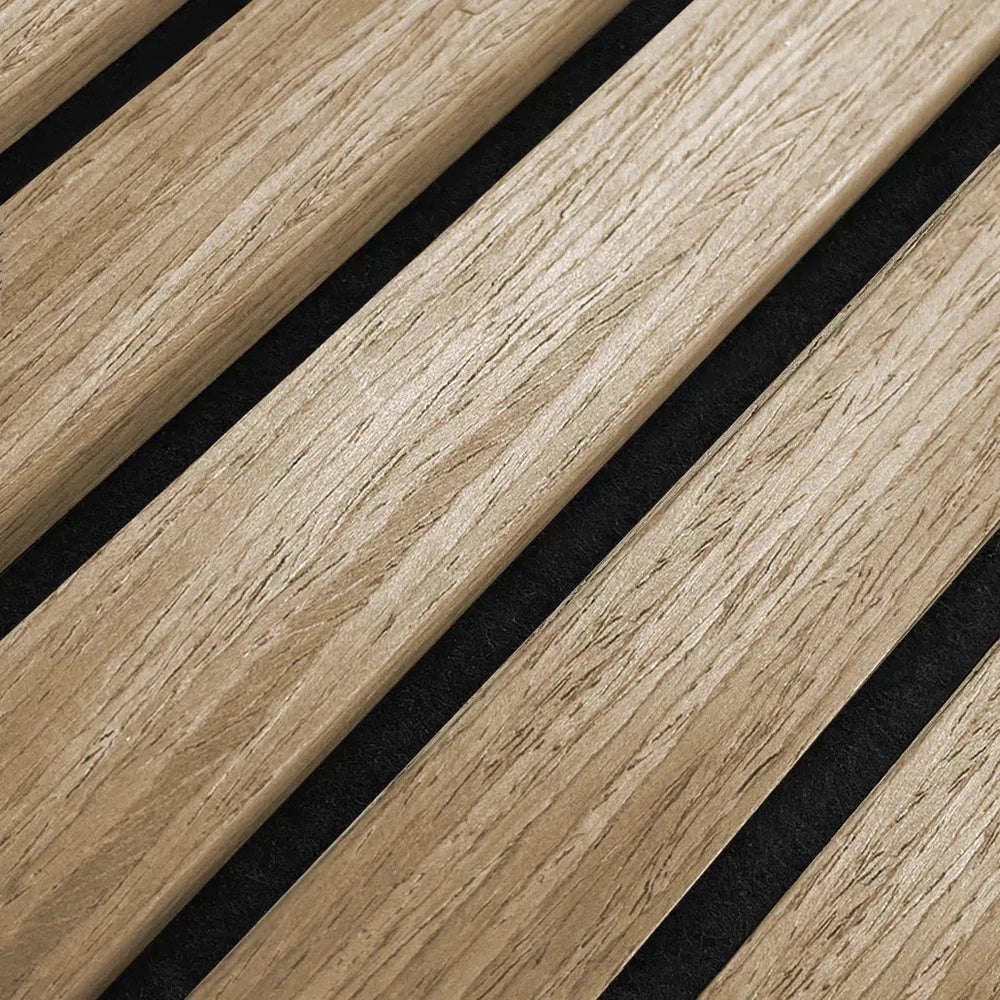
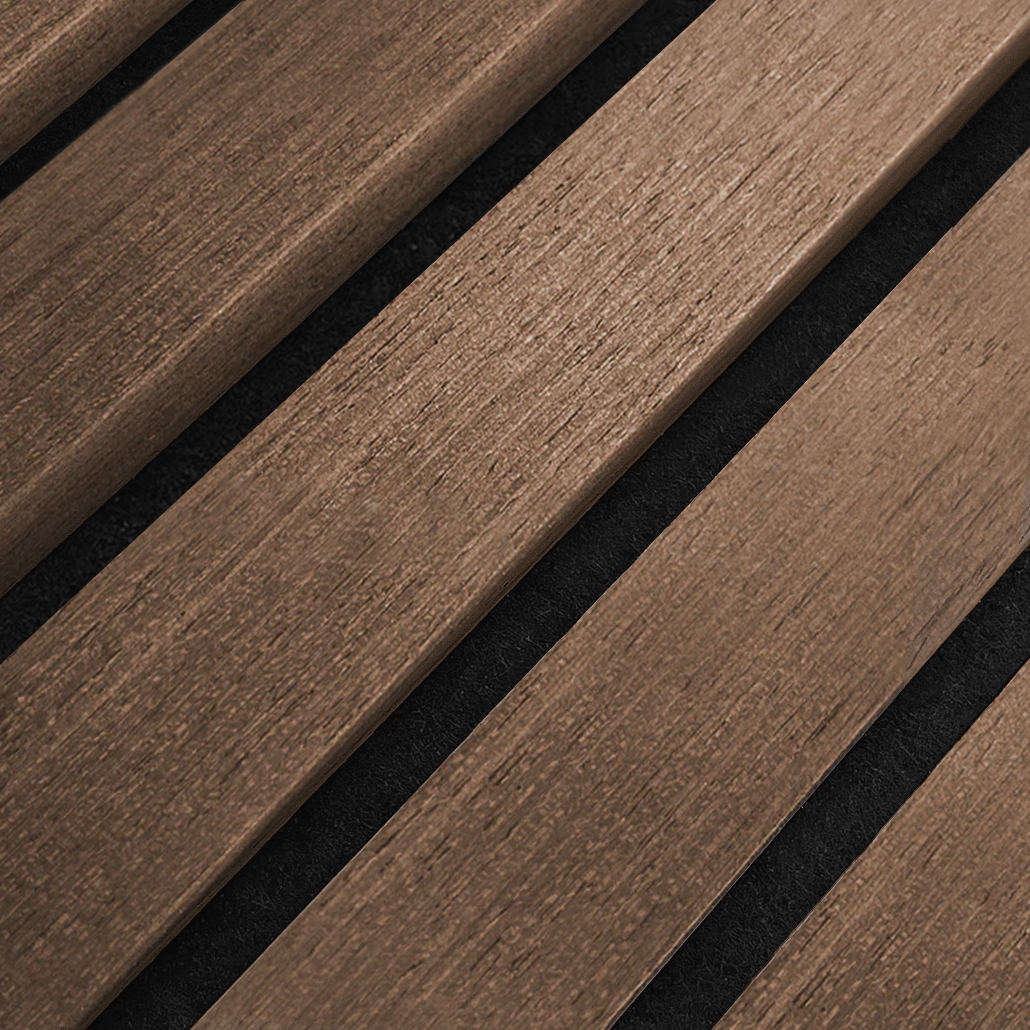
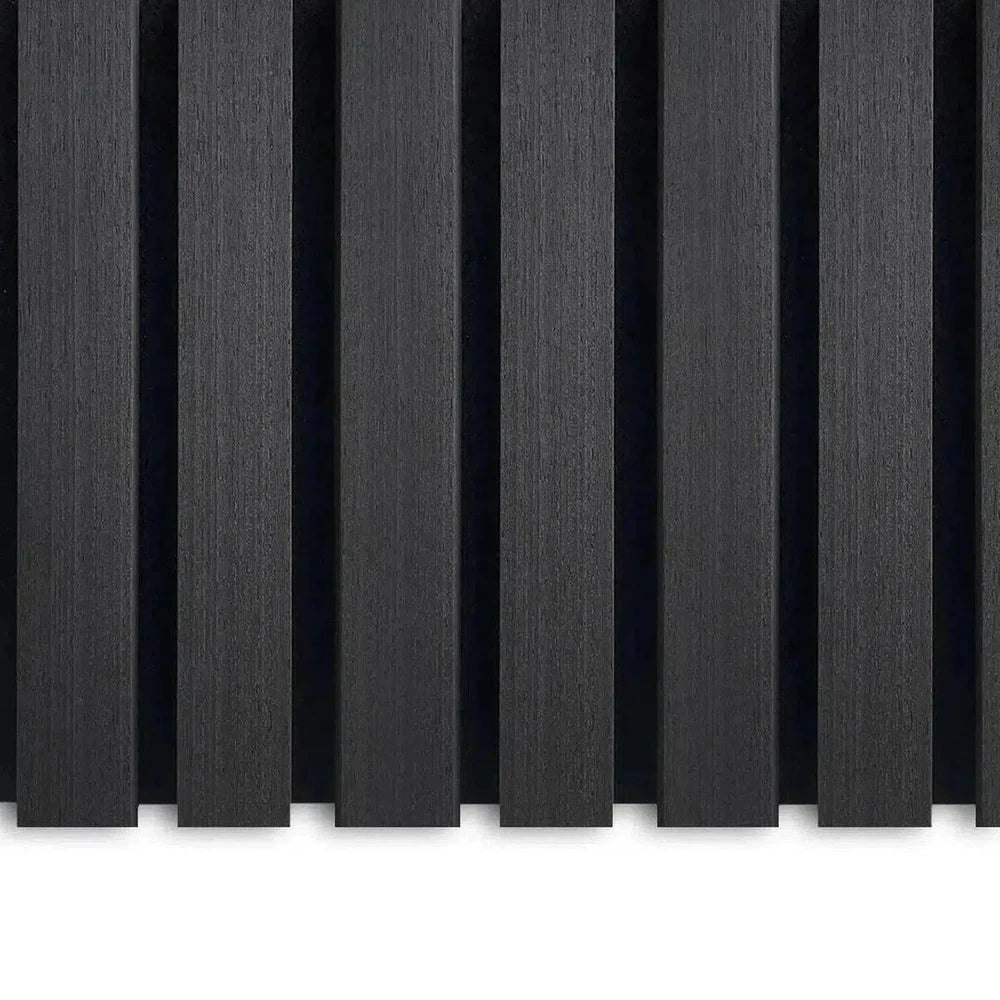
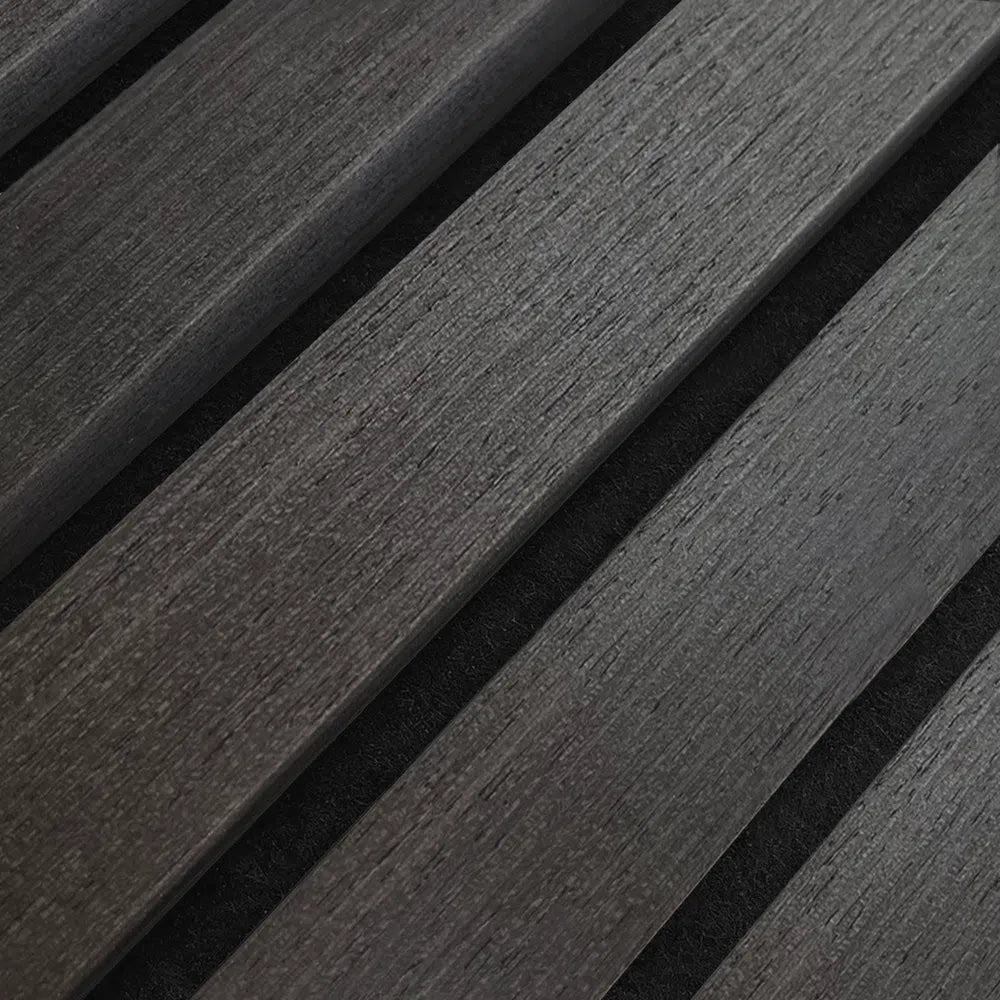
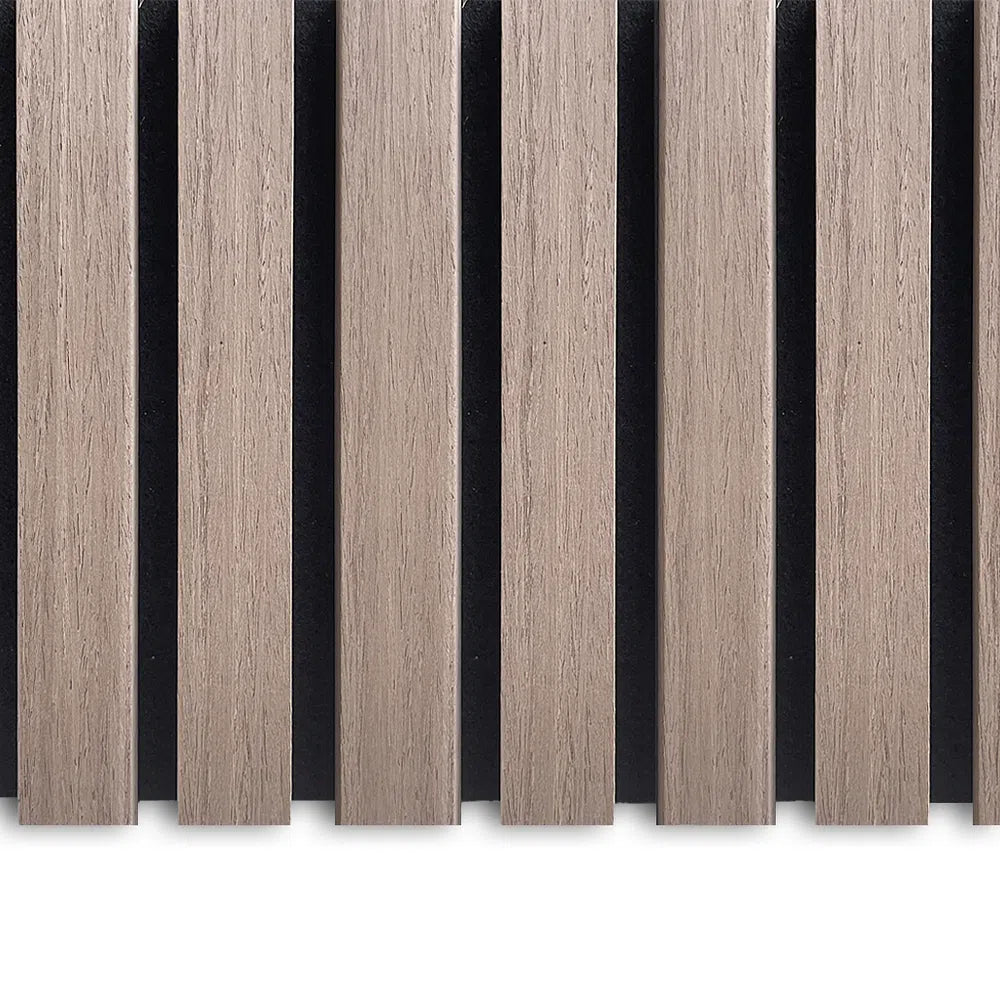
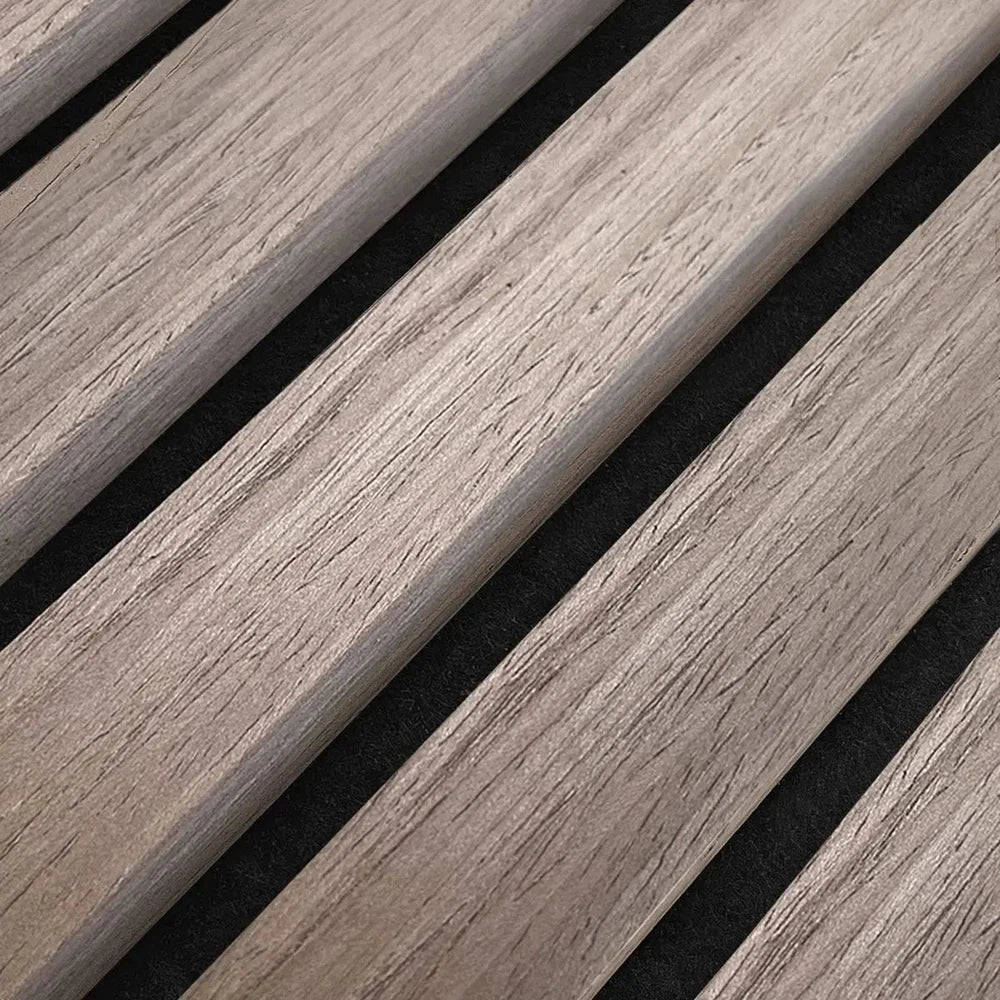
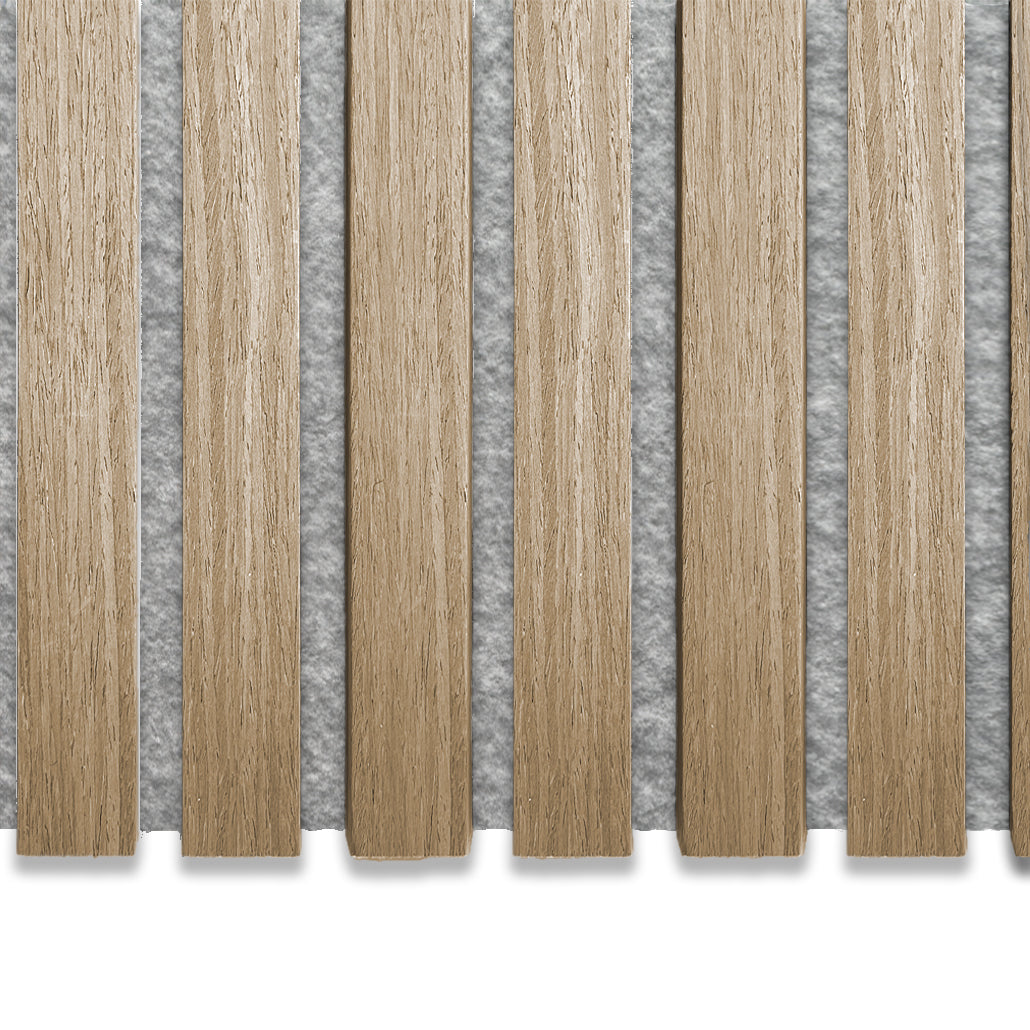
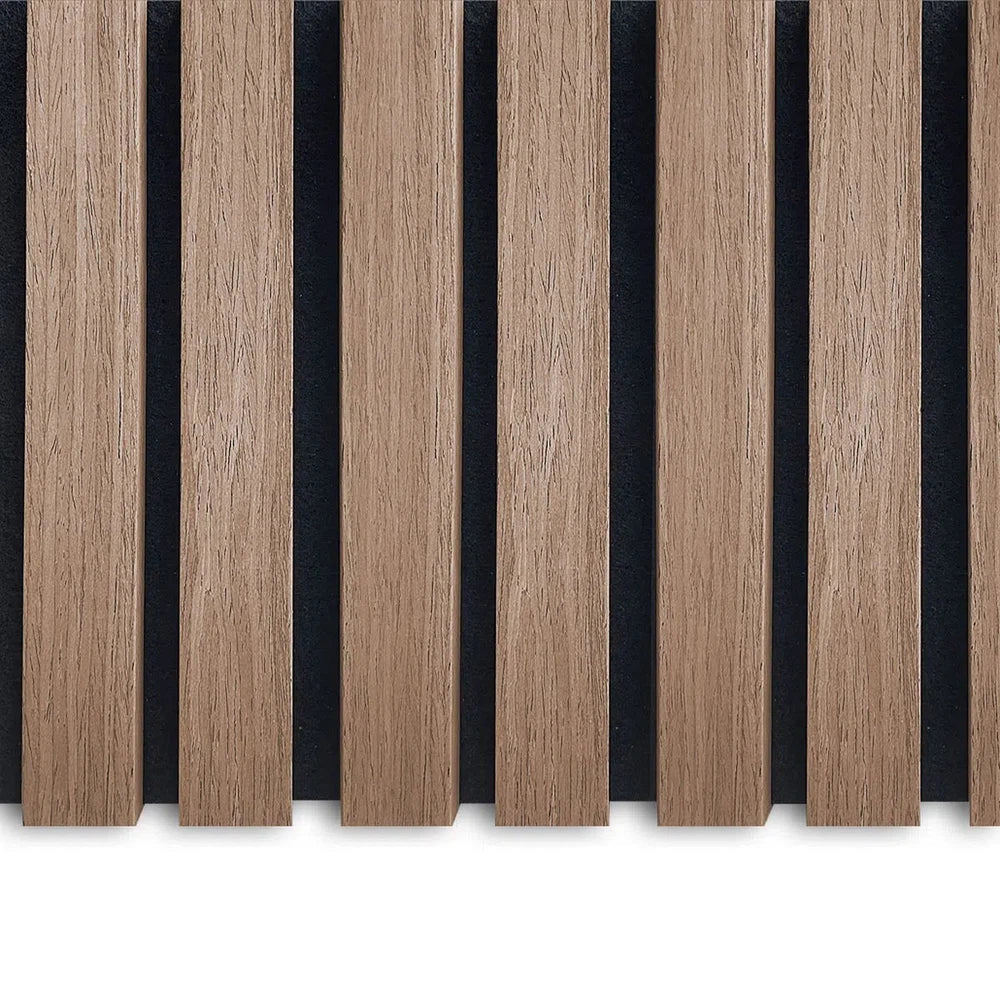
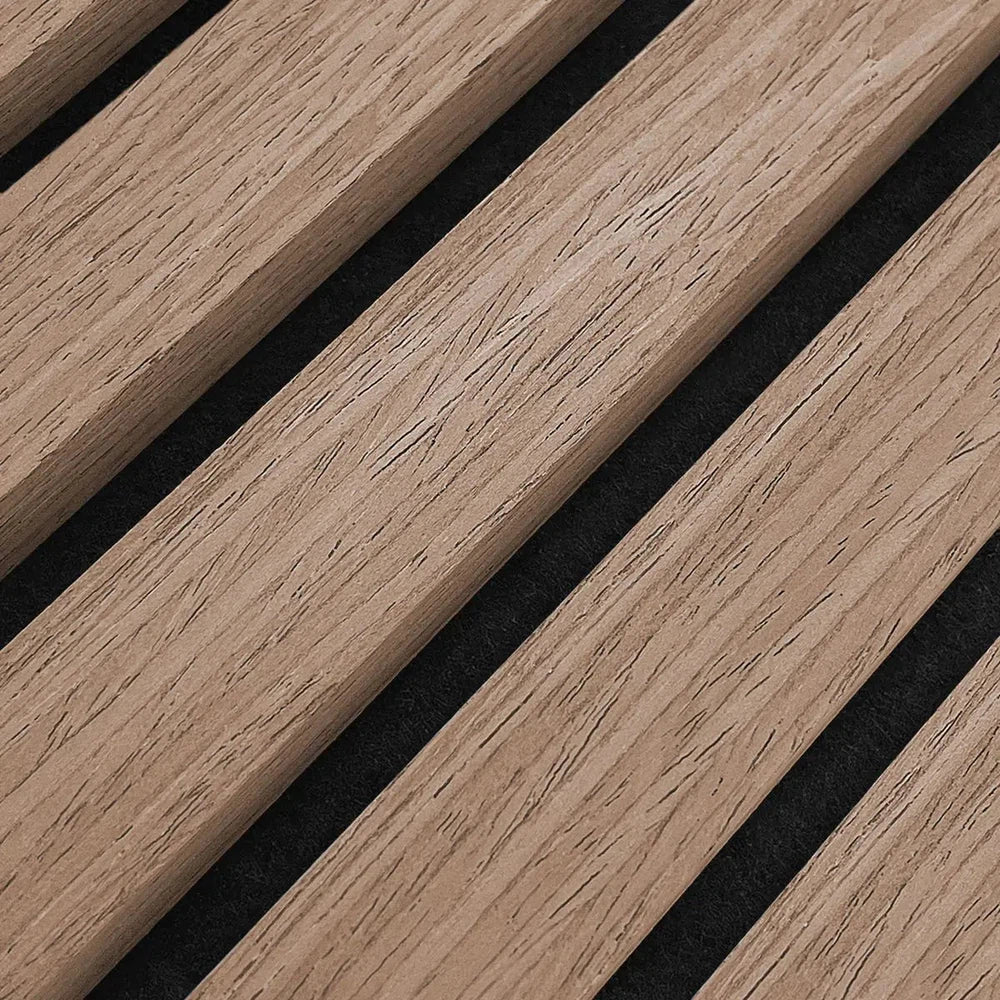
Akustiq UK acoustic wood panels suit homeowners and businesses seeking a wooden slat finish for interior walls. The flagship indoor panels combine a three-sided real wood veneer finish with acoustic felt backing, so the construction addresses both appearance and an acoustic purpose.
The indoor range includes 240 cm and 300 cm formats. The longer format adds 60 cm of length, which makes your measured wall height a practical selection factor rather than an afterthought.
Where these panels shine
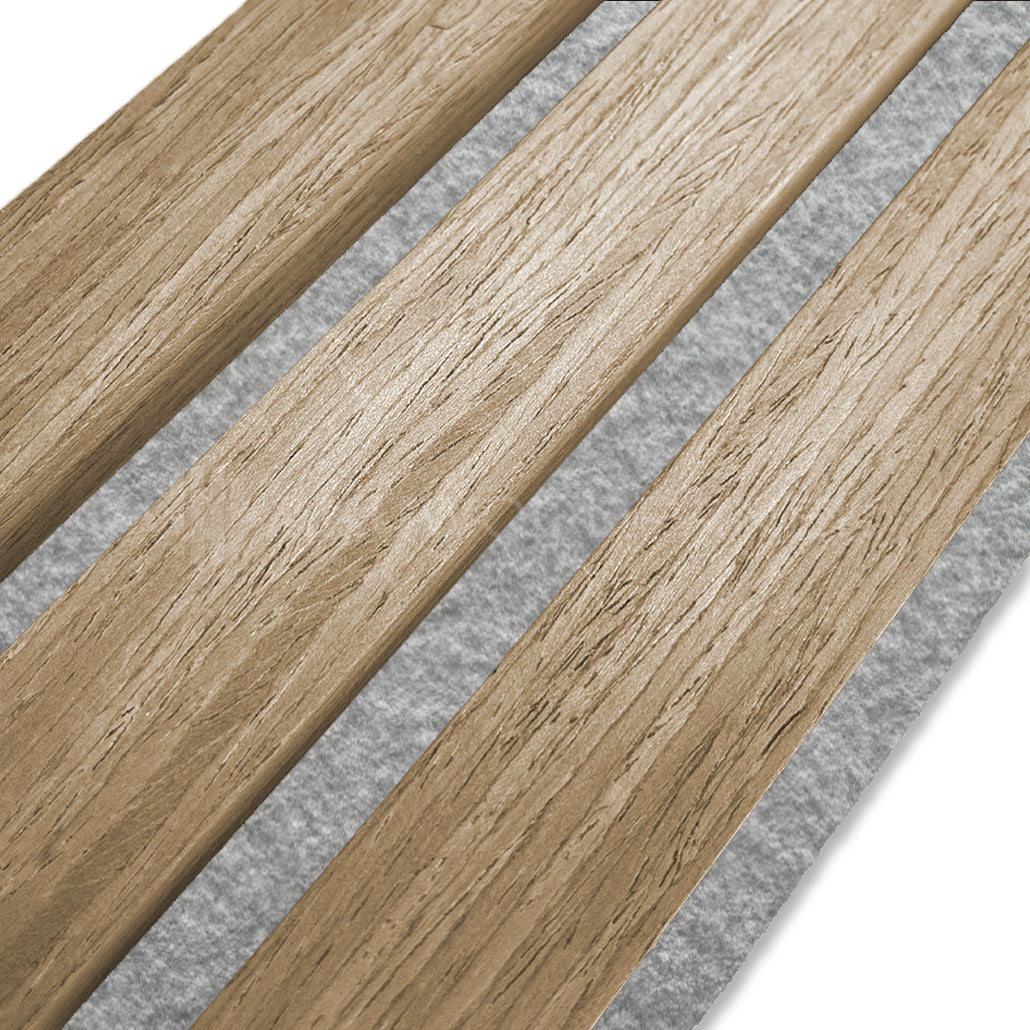
- Real wood on the visible slat faces: three-sided veneer matters when you view the wall from an angle, not just straight on.
- An acoustic backing: felt-backed construction gives you a reason to consider the panels for an echo-prone room, beyond decoration alone.
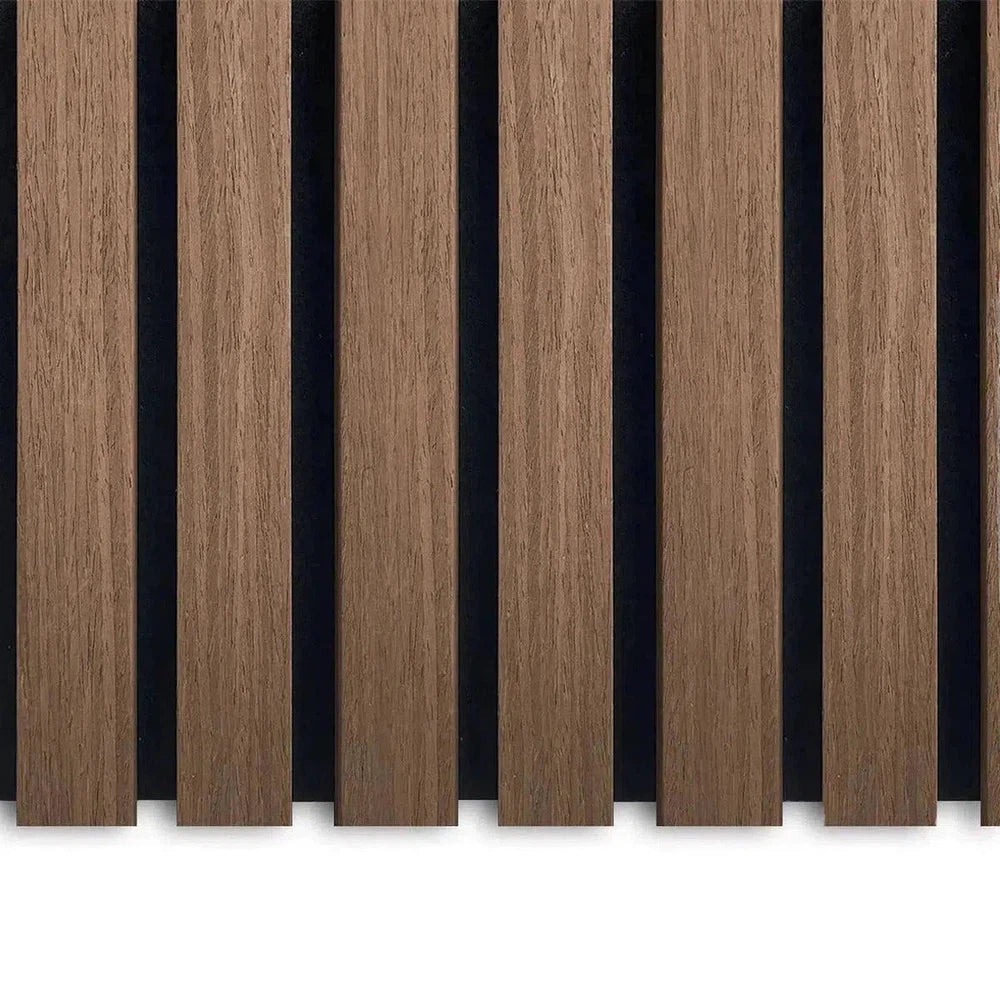
- Different wood finishes: the catalogue includes natural oak, smoked oak, black oak, walnut, mocca and grey oak options.
- Length choices: compare the 240 cm and 300 cm formats with your actual installation height before planning cuts or joins.
The Rustic Oak Premium 3-Sided Wood Veneer wooden wall panel is one named option for a rustic-oak finish. Treat finish selection separately from acoustic specification: colour tells you how the wall looks, not how the installed assembly performs.
Where these panels fall short
- They are not a complete soundproofing solution. Absorbing reflections inside a room is different from stopping noise travelling through a shared wall.
- The slatted appearance is a design commitment. Choose another category if you want a smooth wall or traditional painted mouldings.
- Indoor use does not establish shower suitability. Do not substitute an indoor wooden feature panel for a specified wet-area lining.
- Length alone does not settle the installation. You still need to check width, wall condition, edges, obstacles and the required fixing method.
Head-to-head: what to compare with EasyPanels
| Dimension | This acoustic wood-panel option | What to verify on your EasyPanels choice |
|---|---|---|
| Surface | Three-sided real wood veneer on flagship indoor panels | Surface material and treatment of exposed sides |
| Backing | Acoustic felt backing | Backing construction and intended function |
| Format | Indoor formats of 240 cm and 300 cm | Exact dimensions of the selected panel |
| Intended application | Interior wooden feature walls with acoustic intent | Dry-room, wet-area or other stated suitability |
Best for: a living room, bedroom or office where you want wood grain, slat detailing and an acoustic backing.
Verdict: Buy Akustiq UK acoustic wood panels when that construction matches your dry-room brief; do not buy them as a shortcut to soundproofing.
2. Painted decorative panelling: best for traditional wall detailing
Painted decorative panelling is the more direct alternative when you want wall divisions, mouldings or a headboard-style backdrop rather than visible wood grain. You choose a profile and layout, then finish it to suit the room.
This is a design alternative, not an acoustic equivalent. A decorative wall treatment does not automatically provide useful sound absorption.
Where painted panelling shines
- A coordinated painted finish: you can plan the wall around existing doors, skirting and furniture colours.
- Traditional layouts: framed sections and mouldings suit a different brief from repeated wooden slats.
- Layout flexibility: plan the pattern around a bed, doorway or hallway rather than assuming a full-height panel arrangement.
Where painted panelling falls short
- Decoration adds work: preparation, joints and finishing remain part of the project.
- There is no automatic acoustic benefit: choose it for appearance unless the complete construction has relevant performance evidence.
- Material suitability still matters: a decorative panel or moulding is not automatically suitable for damp walls or direct water exposure.
For a 2026 bedroom update, this option makes sense when the painted layout is the result you want. It is less suitable when your main complaint is lingering speech or television reflections.
Best for: painted headboard walls, traditional hallways and decorative living-room detailing.
Verdict: Buy painted decorative panelling for the painted look; skip it as the main answer to room echo.
3. Purpose-specified wet-area panels: best for shower walls
Choose a wet-area panel system when the wall will face direct water exposure. The relevant comparison is between complete installation systems, including joints, corners and connections to the shower tray or bath.
This category is also where staying with your original EasyPanels shortlist deserves consideration. A switch to wood is not an upgrade if the replacement does not match the environment.
Where wet-area panels shine
- Application-led selection: the intended use is a shower or wet-area wall, rather than a decorative dry-room surface.
- System-based planning: panel edges and sealing details form part of the decision.
- A different surface brief: you can prioritise a suitable wall lining instead of wood grain or acoustic felt.
Where wet-area panels fall short
- The fitting details matter: a panel face alone does not make the surrounding installation watertight.
- They do not replace acoustic treatment: wet-area suitability says nothing about controlling living-room reverberation.
- The system must match the substrate: follow the selected manufacturer's requirements rather than transferring instructions from another panel category.
Best for: shower enclosures and other walls where the selected system explicitly supports the intended water exposure.
Verdict: Buy a purpose-specified wet-area system for shower walls; skip indoor acoustic wood panels for that job.
Why people switch from EasyPanels
A useful reason to consider switching is a change in your project requirements. Supplier rankings mean little until you know what the replacement needs to do.
You want visible real wood
If the new brief calls for real wood veneer, examine the face and exposed sides of the shortlisted panel. A wood-effect appearance and real wood veneer are different material choices, even when their photographs use similar colour names.
Ask for the construction details. Then compare a physical sample with your floor, furniture and lighting rather than judging the finish from a screen alone.
You need acoustic treatment, not just wall coverage
Bare, hard surfaces reflect sound. Adding a suitable sound-absorbing treatment helps address reflections within the room, but the outcome depends on the material, installation and treated area.
For a 2026 home-office project, describe the problem precisely: distracting reflections during calls are not the same as a neighbour's television passing through a partition. Solve the sound problem you actually have.
You need a different panel format or layout
Wall height, socket positions and exposed edges affect the design. A longer panel format is relevant when it suits your measured height; it is not a reason to ignore fitting requirements or the waste created by cuts.
Keep your existing shortlist if it already meets the brief. Switching only earns its place when the replacement solves a specific material, appearance or installation requirement.
How to choose before ordering
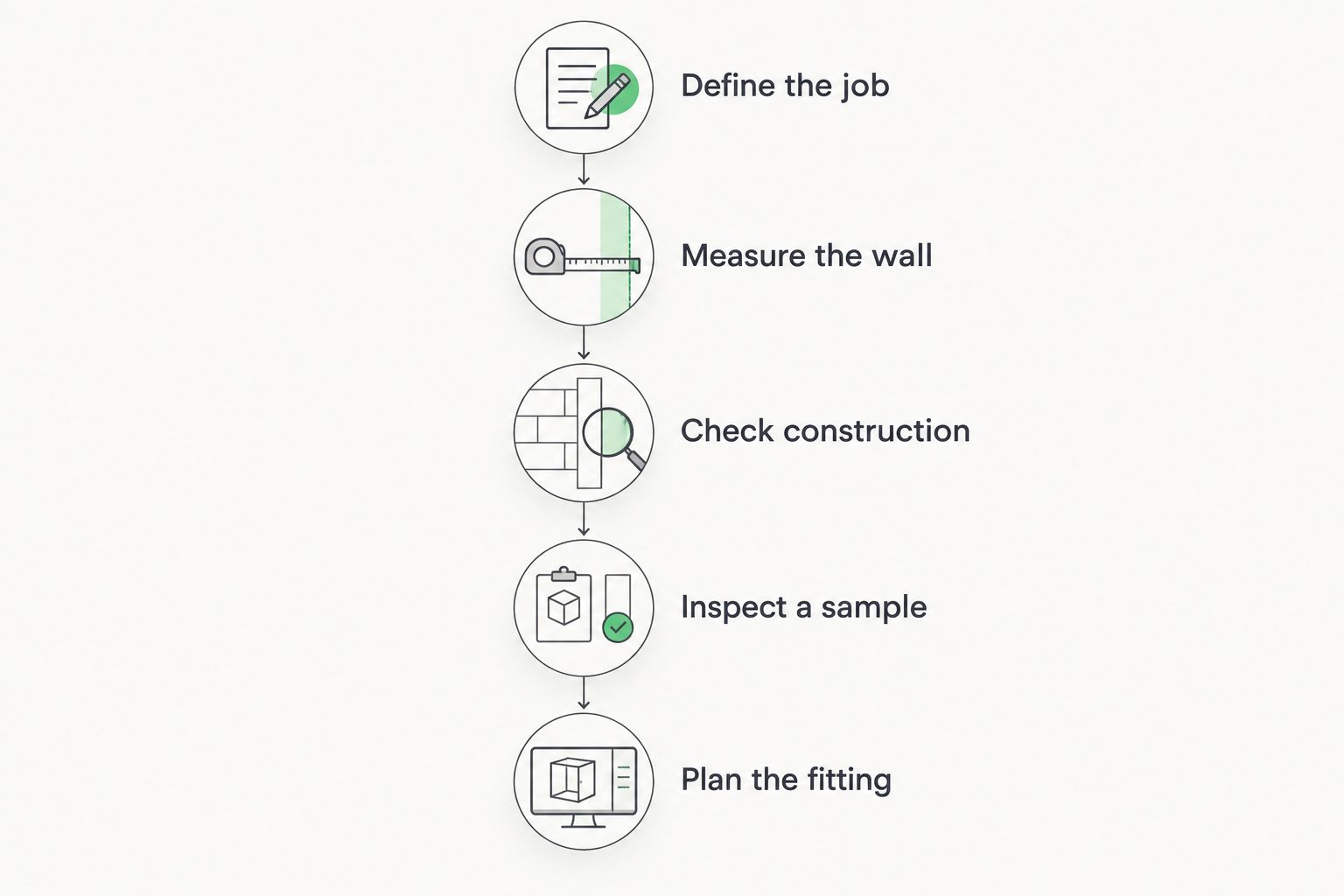
Use this sequence to compare EasyPanels alternatives in 2026. It works for a small bedroom feature wall and for an office interior because it separates the room's needs from the finish you prefer.
- Define the job. Write down whether you need decoration, echo control, a wet-area lining or exterior cladding. Keep these requirements separate.
- Measure the wall. Record the finished height and width, then mark doors, sockets, switches and corners. Work from the wall you will actually cover.
- Check construction. Compare surface material, backing and intended use. For acoustic claims, ask for evidence relating to the proposed installation.
- Inspect a sample. View the finish against your furniture and under the room's normal lighting. Look at the sides as well as the face.
- Plan the fitting. Confirm wall preparation, fixings, cuts and edge details before committing to the layout.
Do not choose a panel count from a room photograph. Dimensions, installation orientation and usable cuts determine your layout. Keep the measurement drawing beside the product specification so your installer and supplier work from the same brief.
For a commercial room, add the project's fire-performance and maintenance requirements before ordering. An acoustic description or wood finish does not establish compliance with a particular specification.
When staying with EasyPanels is the right call
Stay with EasyPanels when the exact product you have shortlisted meets your intended use, appearance and installation requirements. A relevant specification is a stronger reason to choose than another supplier's position on an alternatives list.
For a 2026 bathroom refurbishment, keep the comparison focused on the wet-area system. For a dry-room wooden feature wall, compare veneer, backing, dimensions and edge details instead.
Switch because the replacement fits the brief better, not because it appears first in a ranking.
FAQ
What's the best EasyPanels alternative in 2026 for a wooden feature wall?
Akustiq UK is the recommended EasyPanels alternative for a dry-room feature wall when you want three-sided real wood veneer and acoustic felt backing. Choose the finish and format against your measured wall and installation requirements.
Are acoustic wood panels better than decorative wall panels?
Acoustic wood panels are the more relevant category when your brief includes sound absorption as well as appearance. Decorative panels suit a visual update, but decoration alone does not establish acoustic performance.
Can acoustic wooden panels soundproof a shared wall?
Acoustic wooden panels are not a complete shared-wall soundproofing solution. Room absorption addresses reflections; reducing sound transmission requires attention to the partition construction and other sound paths.
Can I use indoor wooden slat panels inside a shower?
Do not use indoor wooden slat panels inside a shower unless the exact product and installation system explicitly support that application. Select a purpose-specified wet-area lining and follow its sealing requirements.
Should I choose 240 cm or 300 cm wall panels?
Choose between 240 cm and 300 cm formats using your measured installation height and planned layout. Check the full product dimensions, cuts and exposed edges before ordering.
What should I compare before switching from EasyPanels?
Compare intended use, surface material, backing, dimensions and installation requirements. For an acoustic project, also check performance evidence for the proposed assembly rather than relying on appearance.
Is painted panelling a good alternative for a bedroom?
Painted panelling is a good alternative when your bedroom brief calls for traditional detailing or a painted headboard wall. Choose it for the finish and layout, not as an assumed treatment for echo.
One last thing
Look at a slatted panel sample from the side. The exposed slat faces become part of the wall's appearance when you enter through a doorway or sit beside it, so a straight-on product photograph does not answer every finish question.
For your 2026 project, decide where the panelled wall will stop before choosing the final layout. The visible edge deserves the same attention as the centre of the wall.